High functioning anxiety is a silent struggle that often hides behind a facade of success and competence. Individuals with this condition typically appear put together or high achieving to the outside world while battling an internal storm of fear and worry. The drive to perform perfectly usually masks deep insecurities or a fear of failure that propels them forward. Recognizing these subtle behaviors helps in understanding the complex nature of anxiety that does not always look like panic.
Unrelenting Perfectionism

The desire to do everything flawlessly becomes a heavy burden rather than a healthy ambition. You spend excessive amounts of time reviewing work to ensure there are absolutely no mistakes before submission. Even a minor error feels like a catastrophic failure that defines your entire worth as a person. This standard applies to professional tasks as well as personal appearance and household organization. It creates a cycle where satisfaction is fleeting because the next task must also be perfect.
Inability to Say No
Turning down a request feels dangerous or selfish to someone managing high functioning anxiety. You agree to take on extra projects or attend social events even when your schedule is already overflowing. The fear of disappointing others or being seen as incapable drives this compulsion to overcommit constantly. This habit leads to burnout because you prioritize the needs of everyone else over your own mental health. Resentment often builds up silently as you navigate obligations you never wanted to accept.
Constant Busyness

Stillness often feels uncomfortable or frightening because it allows anxious thoughts to surface. You fill every waking moment with tasks or activities to keep your mind occupied and distracted from worry. Sitting down to relax might trigger feelings of guilt or laziness rather than restoration. The schedule is always packed tight with productivity serving as a coping mechanism for underlying stress. This perpetual motion eventually leads to physical and emotional exhaustion.
Rehearsing Conversations

Social interactions are rarely spontaneous because you plan them out well in advance. You play out potential dialogues in your mind to prepare for every possible reaction or outcome. This mental script helps you feel a sense of control over unpredictable social situations. It consumes significant mental energy that could be used for being present in the moment. The fear of saying the wrong thing drives this exhaustive internal preparation.
Difficulty Falling Asleep

The body might be tired but the mind refuses to shut down at the end of the day. You lie in bed reviewing every interaction and task from the past twelve hours. Worry about the next day begins to creep in and keeps you alert despite physical fatigue. Racing thoughts make the transition into sleep a nightly battle that requires immense effort. This lack of restorative rest exacerbates anxiety levels the following morning.
Early Arrival

Being late is not just an inconvenience but a source of intense panic and dread. You plan travel times with large buffers to account for any possible delay or traffic jam. Arriving thirty minutes before a meeting starts is a common occurrence to ensure you are settled and prepared. This behavior stems from a fear of being perceived as unprofessional or disrespectful by others. While it looks like punctuality it is often driven by a fear of the unknown.
Procrastination Through Planning

You might spend hours making lists or organizing schedules instead of actually doing the work. This activity mimics productivity but actually serves as a way to delay the anxiety of starting a task. The planning phase feels safe and controlled while the execution phase holds the risk of failure. You have immaculate calendars and color-coded notes that give a false sense of accomplishment. It is a subtle avoidance technique that looks like high-level organization.
Excessive Apologizing

Saying sorry becomes a verbal tic even when you have done nothing wrong. You apologize for things out of your control such as the weather or someone else’s mistake. This stems from a deep need to keep the peace and ensure no one is upset with you. It reflects an internal belief that you are burdensome or taking up too much space. Constant apologizing is a defense mechanism to preemptively diffuse potential conflict.
Fear of Disappointing Others

Your decisions are heavily influenced by what you believe other people expect from you. You might suppress your own desires or opinions to align with the consensus of the group. The thought of letting someone down induces a physical reaction of stress and nausea. This fear often keeps you in relationships or jobs that are no longer fulfilling or healthy. Validating your own worth often depends entirely on external approval.
Ruminating on Past Mistakes
Small errors from days or even years ago play on a loop in your mind. You analyze what went wrong and how you should have handled the situation differently. This fixation prevents you from moving forward and keeps you trapped in a state of regret. The emotional impact of the mistake remains fresh regardless of how much time has passed. It serves as a harsh reminder to never let your guard down again.
Catastrophizing

The mind automatically jumps to the worst possible outcome in any given situation. A missed call from a loved one instantly triggers thoughts of an accident or emergency. You create elaborate disaster scenarios that rarely come to fruition in reality. This mental habit keeps the body in a constant state of fight or flight. It makes it difficult to enjoy positive moments because you are waiting for the other shoe to drop.
Physical Tension

Anxiety often manifests in the body through tight shoulders or a clenched jaw. You might not even realize you are holding your muscles rigid until a headache or back pain sets in. This armor of tension is a physical response to the constant mental stress you carry. Relaxation exercises take longer to work because the body is accustomed to being braced for impact. Chronic pain issues are frequently a side effect of this unreleased energy.
Nervous Habits

Small repetitive movements provide a physical outlet for nervous energy during the day. You might bite your nails or twirl your hair or tap your foot incessantly. These behaviors often happen subconsciously while you are trying to concentrate or sit still. They serve as a self-soothing mechanism when internal pressure becomes too high. Others might view these simply as quirks rather than signs of distress.
Need for Reassurance

You frequently ask friends or colleagues to validate your decisions or work. Hearing that you did a good job quiets the internal critic for a short period of time. This dependency on external feedback suggests a lack of trust in your own judgment. You might send follow-up texts just to make sure everything is okay between you and a friend. The need for affirmation acts as a temporary balm for chronic self-doubt.
Avoiding Eye Contact

Maintaining a gaze feels intense and vulnerable during conversations with authority figures or strangers. You might look down or away to manage the overwhelming stimulation of the interaction. It is not necessarily due to a lack of confidence but rather an attempt to reduce sensory input. This behavior allows you to focus better on what is being said without the pressure of connection. It is a subtle way to create a protective barrier.
Detail Obsession
You fixate on minor aspects of a project that others might overlook or deem unimportant. This hyper-focus ensures that nothing slips through the cracks but slows down overall progress. It comes from a belief that missing a small detail will lead to the collapse of the entire effort. While this makes you thorough it also causes immense mental strain. You struggle to see the big picture because the small components consume your attention.
Guilt When Resting

Taking a break feels like a moral failing rather than a biological necessity. You experience a nagging sense that you should be doing something productive whenever you sit down. This guilt prevents you from fully enjoying vacations or weekends off. You justify downtime by promising to work harder the next day or week. True relaxation is rare because the internal monitor is always judging your inactivity.
Stoicism

You hide your emotions to appear strong and capable in front of others. Displaying vulnerability feels like a weakness that could be exploited or judged. You bottle up stress and anxiety until you are alone and can release it safely. This mask of composure often makes people think you handle pressure effortlessly. It creates a lonely experience where no one realizes how much support you actually need.
Startling Easily

Loud noises or unexpected movements cause a disproportionate physical reaction. Your nervous system is already dialed up to a high sensitivity level. A simple tap on the shoulder can make you jump or gasp in surprise. This hyperarousal indicates that the body is on constant alert for threats. It takes a significant amount of time to calm down after these minor shocks.
Fast Talking

Speech patterns accelerate when you feel anxious or under pressure to perform. You might rush through sentences to get the information out before you are interrupted or judged. It reflects a racing mind that is thinking faster than the mouth can speak. You may also fear that you are boring the listener and need to finish quickly. This often leaves you breathless and flustered after a conversation.
Irritability

When stress levels peak you might snap at loved ones over minor inconveniences. This anger is often a secondary emotion masking feelings of overwhelm and anxiety. You have very little patience left because your coping resources are depleted by internal worry. After the outburst you likely feel immense guilt and shame. It is a sign that your emotional bandwidth has been completely exceeded.
Checking Things Repeatedly
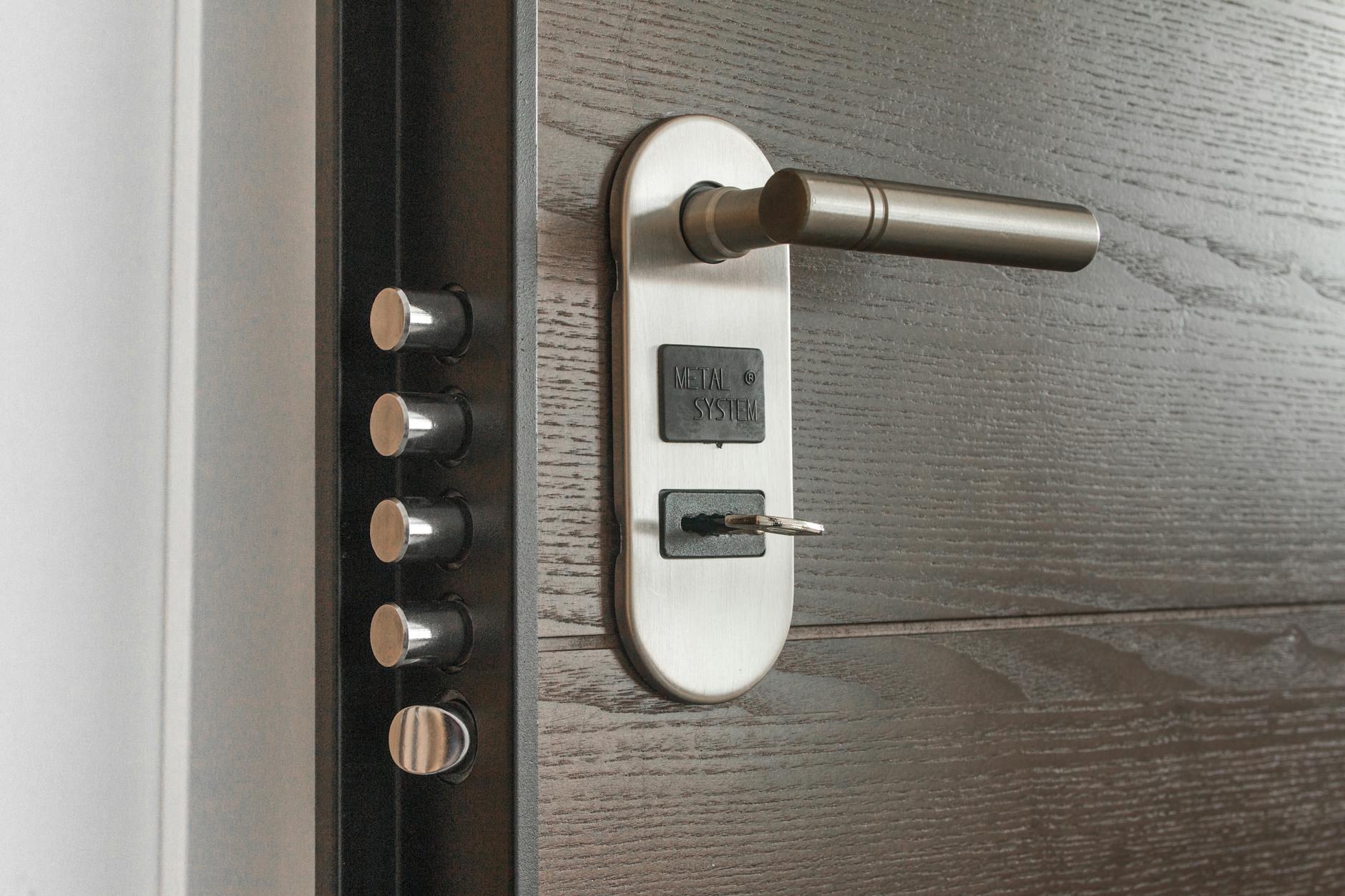
You verify that the door is locked or the stove is off multiple times before leaving. This ritual provides a momentary sense of safety and certainty in a chaotic world. Even after checking you might still doubt yourself and have to go back again. It is a way to manage the fear of causing a disaster through negligence. This loop consumes time and adds unnecessary stress to daily departures.
Social Withdrawal

You might cancel plans at the last minute because the energy required to socialize feels impossible. While you enjoy people the anxiety of performing socially depletes your battery. You retreat to the safety of home to recharge and recover from the day. This isolation is a protective measure against sensory and emotional overload. Friends may not understand why you suddenly pull away after being active.
Comparing to Others

Social media feeds become a source of misery as you measure your life against curated highlights. You feel inadequate if you are not achieving at the same pace as your peers. This comparison confirms your deepest fears that you are falling behind or failing. It drives you to work harder but rarely leads to satisfaction or happiness. The metric for success keeps moving which makes contentment impossible to reach.
Decision Fatigue

Making simple choices like what to eat for dinner becomes an agonizing ordeal. You overanalyze every option to ensure you make the optimal or perfect choice. The fear of making the wrong decision paralyzes you and wastes mental energy. This happens because you treat small decisions with the same gravity as life-altering ones. You often defer to others just to avoid the burden of choosing.
Rigid Routines

Structure provides a safety net that keeps anxiety at bay. You have a set way of doing things and become distressed if that order is disrupted. Spontaneity feels chaotic and threatening rather than exciting or fun. These routines govern your morning, workday, and evening to ensure maximum predictability. Losing control over your schedule is a major trigger for panic.
Proactive Worrying

You convince yourself that worrying about a problem helps you solve it or prevents it from happening. This magical thinking justifies the time you spend dwelling on negative possibilities. It feels like you are being responsible and prepared for the future. In reality it only robs you of peace in the present moment. You treat worry as a necessary tool for survival.
Clutter Intolerance

A messy environment mirrors a messy mind and causes significant distress. You might clean obsessively to restore a sense of order and control to your surroundings. Visual clutter makes it difficult for you to concentrate or relax. Organizing physical objects is a tangible way to manage internal chaos. You cannot rest until the space around you is pristine.
Mental Exhaustion

By the end of the day your brain feels foggy and heavy from processing anxiety. You struggle to focus on simple entertainment or conversations. This fatigue is different from physical tiredness and does not always resolve with sleep. It is the result of the mind running a marathon of worry every single day. You feel drained of creativity and motivation.
Gastrointestinal Issues

The gut and the brain are linked and anxiety often shows up as stomach pain. You might experience nausea or indigestion before big events or during stressful periods. These physical symptoms are real and can be debilitating. Doctors may not find a physical cause because the root is emotional. It acts as a somatic warning signal that your stress levels are too high.
Fake Positivity

You force a cheerful demeanor to mask the struggle happening inside. Being the positive one in the group diverts attention away from your own pain. You offer encouragement to others that you cannot seem to give to yourself. This performance requires a lot of energy and feels inauthentic. It prevents genuine connection because you are hiding your true state.
Fear of Criticism

Feedback is viewed as a personal attack rather than a constructive tool. You brace yourself for negative comments and dwell on them for days. Even one critical remark can outweigh a hundred compliments. This fear makes you risk-averse and hesitant to share creative work. You strive for invisibility to avoid being judged.
Imposter Syndrome

Despite objective success you feel like a fraud who is about to be exposed. You attribute your achievements to luck or timing rather than skill and hard work. This belief keeps you working frantically to prove you belong in the room. You live in fear that everyone will suddenly realize you are incompetent. It denies you the ability to own and celebrate your wins.
Time Management Obsession

You constantly check the clock and calculate how much time is left for tasks. Wasting time feels like a sin that must be atoned for with extra work. You optimize every minute of the day to ensure maximum efficiency. This obsession leaves no room for leisure or unexpected joy. You view time as a scarce resource that is slipping away.
Holding Breath

You might notice you stop breathing or take shallow breaths when concentrating. This physiological response restricts oxygen and signals danger to the brain. It happens unconsciously while you are typing an email or driving a car. Reminding yourself to exhale becomes a necessary part of the day. Deep breathing feels unnatural because the body is used to being shallow.
Jaw Clenching

Waking up with a sore face or headache is a sign of grinding teeth at night. You might also clench your jaw during the day while focusing intently. This tension is a direct physical manifestation of withheld stress. It can lead to long-term dental issues if not addressed. The jaw is often the primary storage place for anxiety in the body.
Arriving Extremely Early
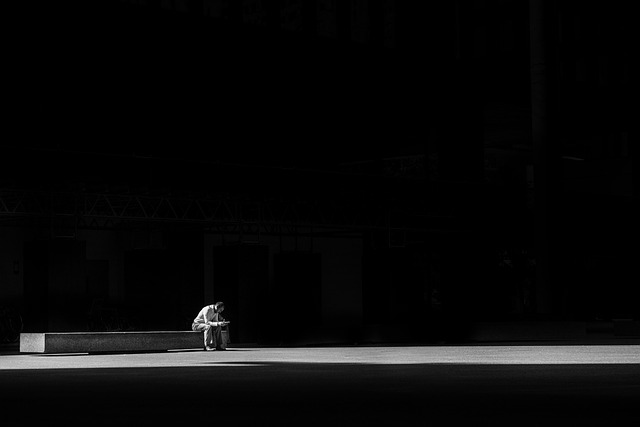
The anxiety of being late compels you to arrive long before an event begins. You sit in your car or walk around the block to kill time before entering. This buffer time is non-negotiable for your peace of mind. It ensures you can acclimate to the environment before the pressure starts. Being on time feels like being late to you.
Deflecting Compliments

Accepting praise feels uncomfortable and you quickly change the subject. You minimize your efforts by saying it was nothing or just luck. This stems from a belief that you do not deserve recognition. You worry that accepting the compliment will make you appear arrogant. It blocks the positive reinforcement that could help lower anxiety.
We would love to hear which signs resonated with you so please share your thoughts in the comments.




