Exploring the world involves discovering the remnants of ancient civilizations and the architectural marvels of more recent history. These fifty destinations offer a profound connection to the past and showcase human ingenuity across millennia. From the towering pyramids of Egypt to the secluded temples of Southeast Asia, each location tells a unique story of culture and survival. Visiting these sites provides travelers with a tangible link to the events that shaped our modern world.
Great Pyramid of Giza
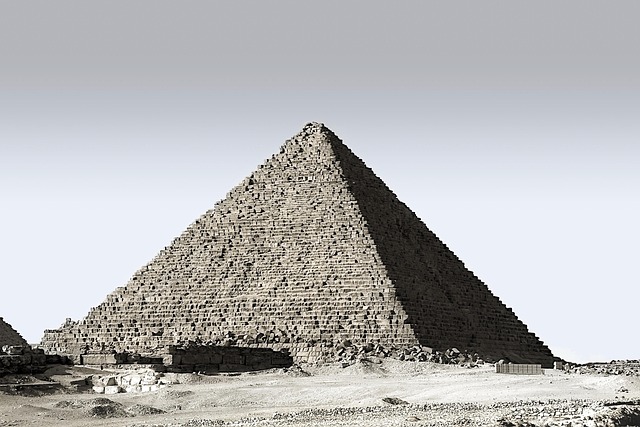
This colossal structure stands as the only surviving wonder of the ancient world and dominates the Giza Plateau in Egypt. Pharaoh Khufu commissioned the pyramid as his tomb around 2560 BCE to ensure his safe passage into the afterlife. Millions of limestone blocks were quarried and transported to construct this architectural masterpiece without modern machinery. The precision of its orientation towards the cardinal points continues to astound archaeologists and engineers alike. Visitors can explore the internal chambers and marvel at the enduring legacy of the Old Kingdom.
Machu Picchu
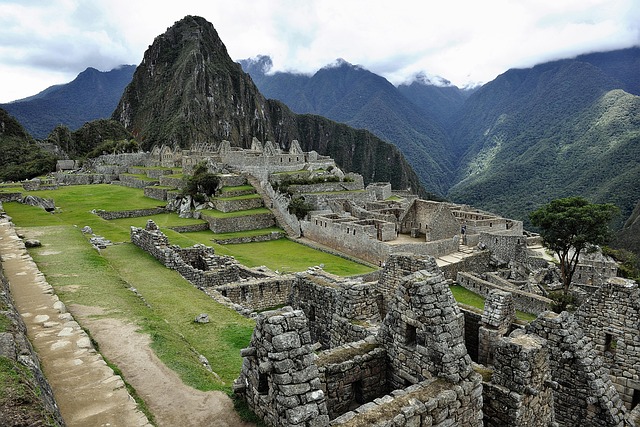
The ancient Incan citadel sits high in the Andes Mountains of Peru and offers breathtaking views of the Urubamba Valley. Hiram Bingham brought international attention to the site in 1911 after it had remained hidden from Spanish conquistadors for centuries. Intricate dry-stone walls stand without mortar and demonstrate the sophisticated engineering capabilities of the Inca civilization. Terraced fields surround the central plaza and indicate how the inhabitants farmed the steep mountain slopes. The site serves as a powerful testament to the Inca Empire at the height of its power.
The Great Wall of China
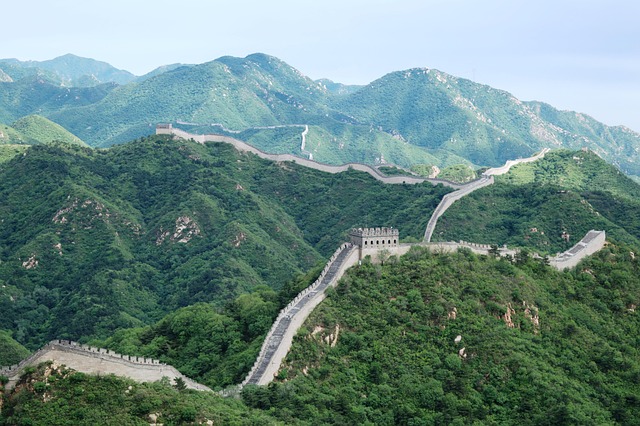
This extensive series of fortifications stretches thousands of miles across northern China to protect against nomadic invasions. Emperors from various dynasties contributed to its construction using materials like earth and stone and brick. Watchtowers and troop barracks line the wall and served as essential communication hubs during conflicts. The structure represents the longest man-made feat in history and winds through diverse landscapes from deserts to mountains. Walking along its restored sections offers a glimpse into the military strategies of imperial China.
Petra
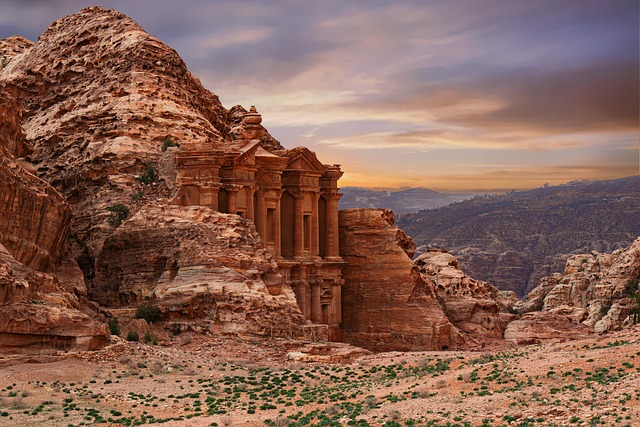
The Nabataeans carved this rose-red city directly into the sandstone cliffs of southern Jordan over two thousand years ago. Access to the main site requires walking through the Siq which is a narrow gorge flanked by towering rock walls. The Treasury is the most famous facade and greets visitors with its intricate Hellenistic architecture upon exiting the canyon. An advanced water management system allowed this desert trading hub to flourish in an arid environment. Exploring the Royal Tombs and the Monastery reveals the wealth and artistic skill of this ancient civilization.
The Colosseum
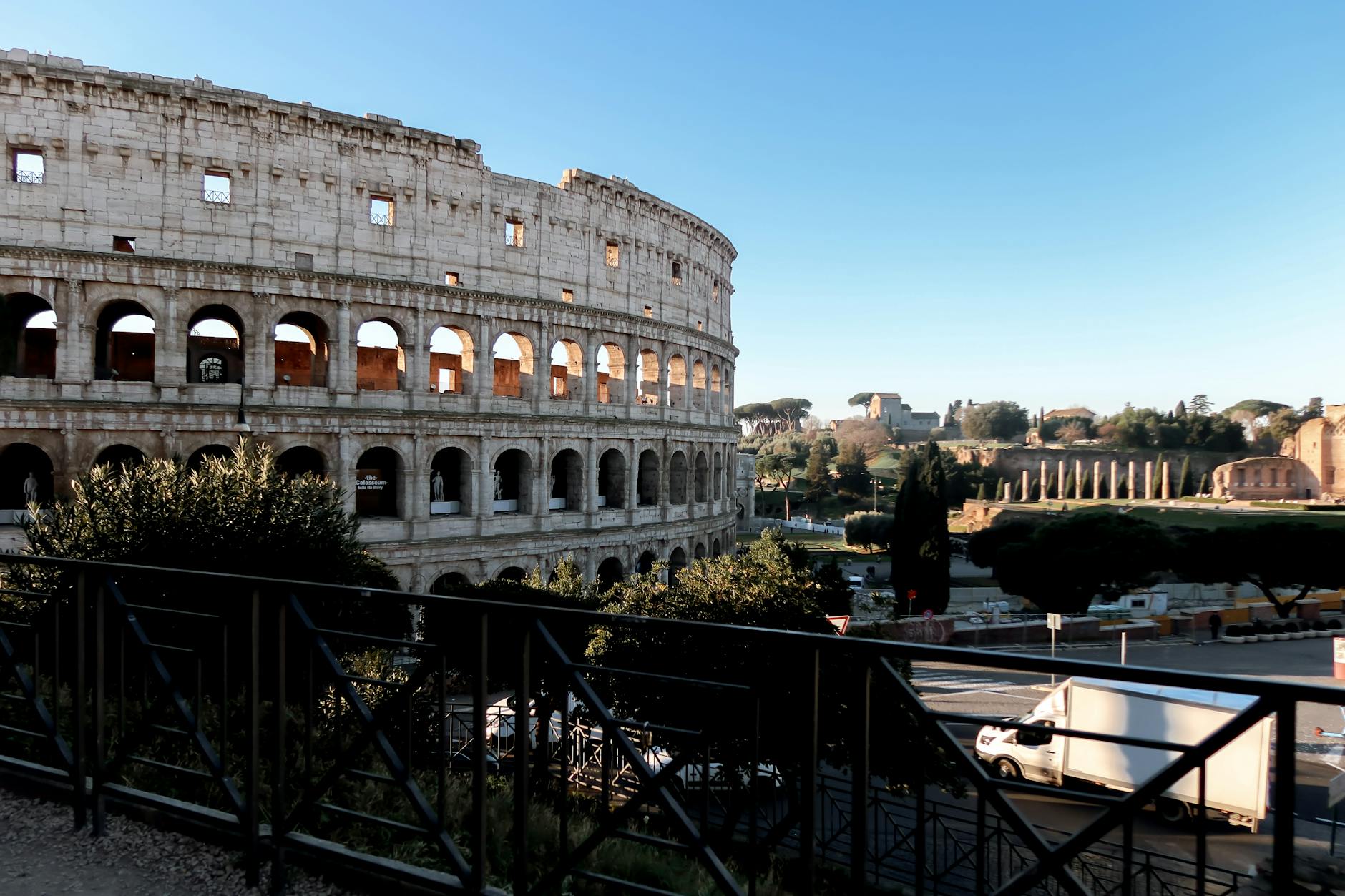
This massive amphitheater in Rome remains the largest ever built and symbolizes the power of the Roman Empire. Emperors Vespasian and Titus oversaw its construction to provide a venue for public spectacles and gladiator contests. Sophisticated underground tunnels and trapdoors allowed for dramatic entrances of wild animals and fighters. The travertine stone facade features arches and columns that influenced stadium design for centuries. It stands today as a monument to Roman engineering and the complex social life of the ancient capital.
Taj Mahal
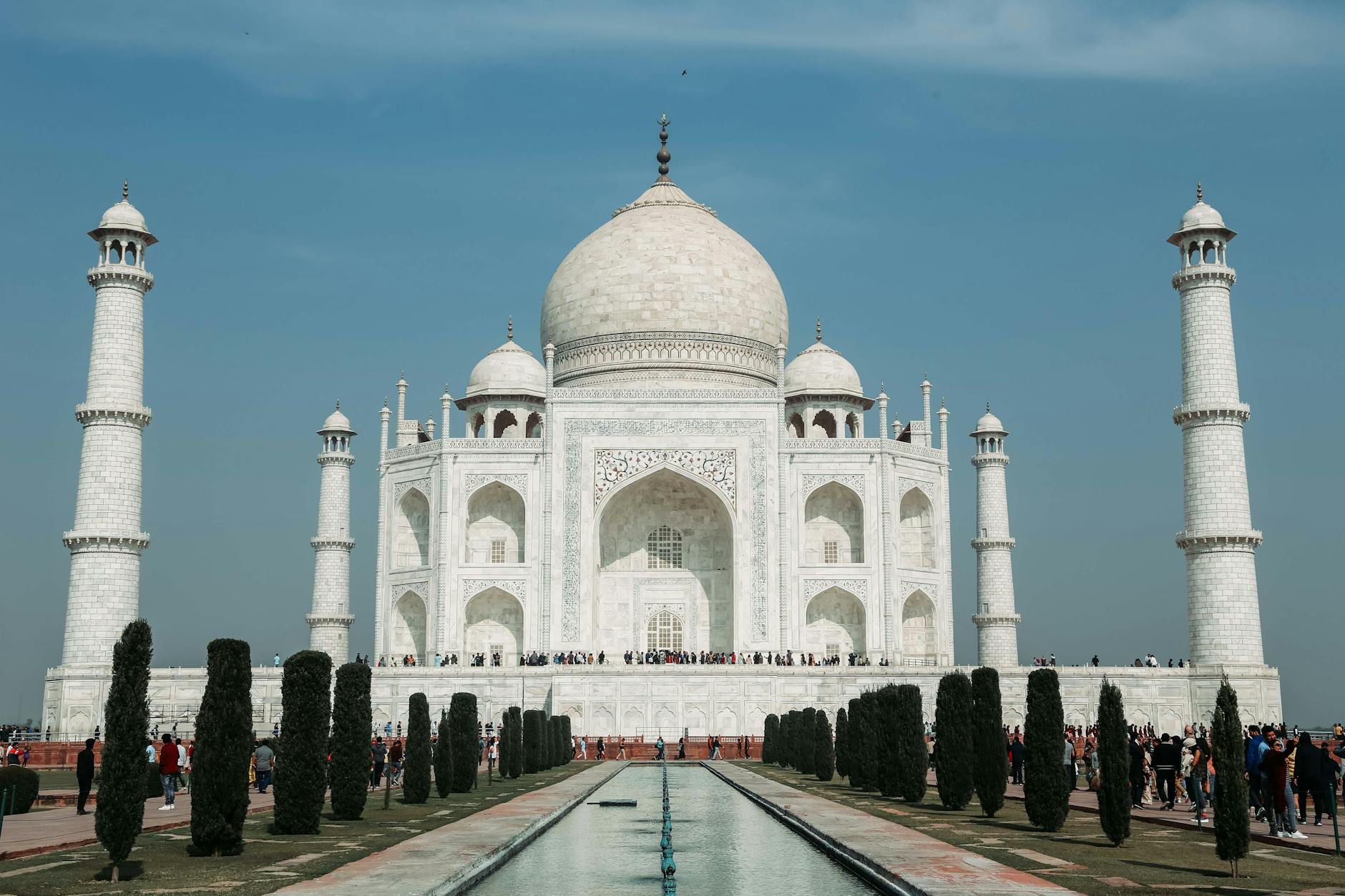
Emperor Shah Jahan built this white marble mausoleum in Agra to honor his favorite wife Mumtaz Mahal. The complex includes a vast garden and a reflecting pool and a mosque that frame the central tomb. Artisans utilized semi-precious stones to create intricate floral inlays that decorate the exterior and interior surfaces. The dome changes color depending on the sunlight and creates a mesmerizing visual effect throughout the day. It is widely considered the jewel of Muslim art in India and a masterpiece of world heritage.
Angkor Wat
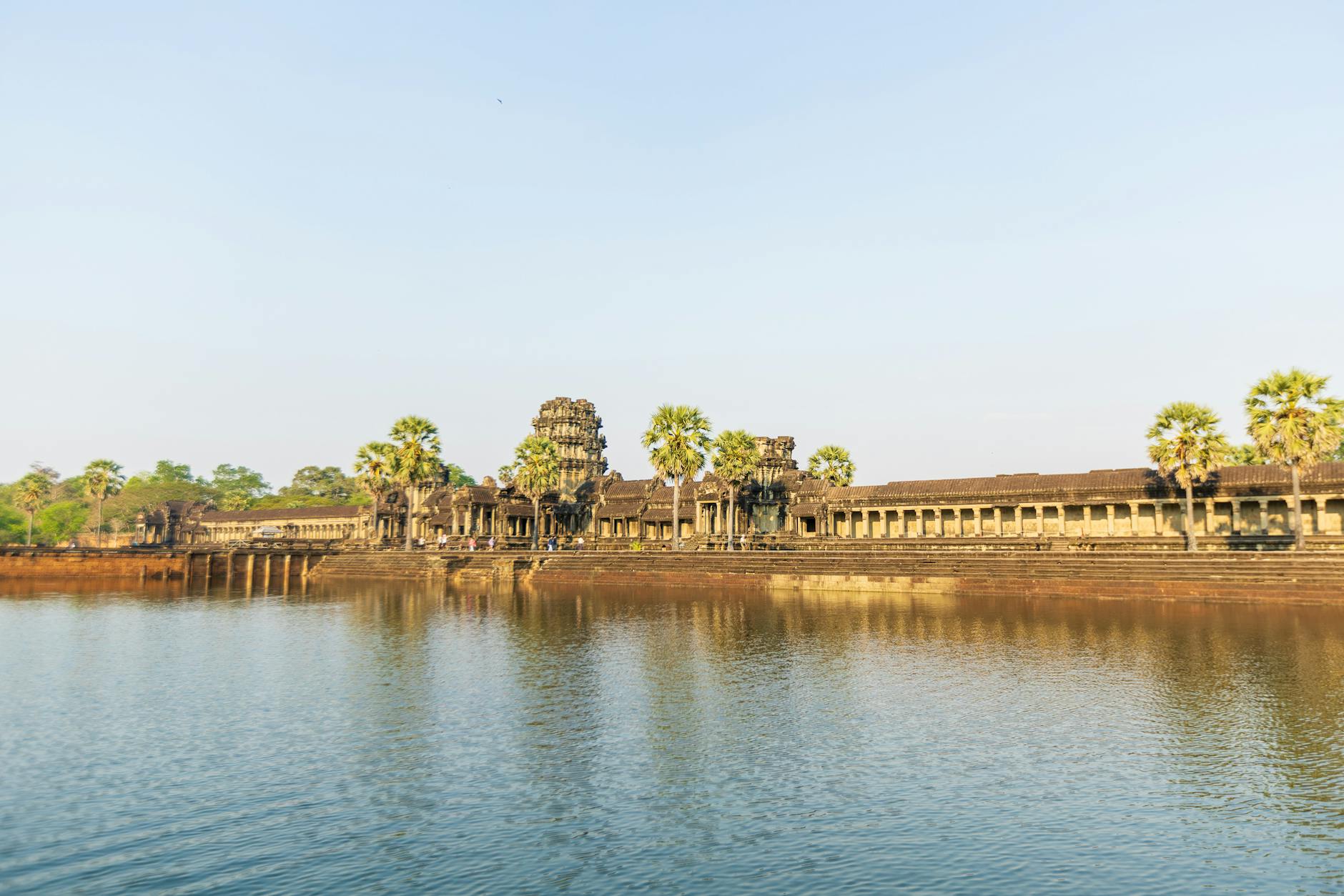
King Suryavarman II constructed this massive temple complex in Cambodia as a dedication to the Hindu god Vishnu. It represents the pinnacle of Khmer architecture with its five central towers shaped like lotus buds. Bas-reliefs cover the gallery walls and depict scenes from Hindu epics and historical battles. The temple is surrounded by a vast moat that symbolizes the cosmic ocean in Hindu mythology. It remains the largest religious monument in the world and a national symbol of Cambodia.
The Acropolis of Athens
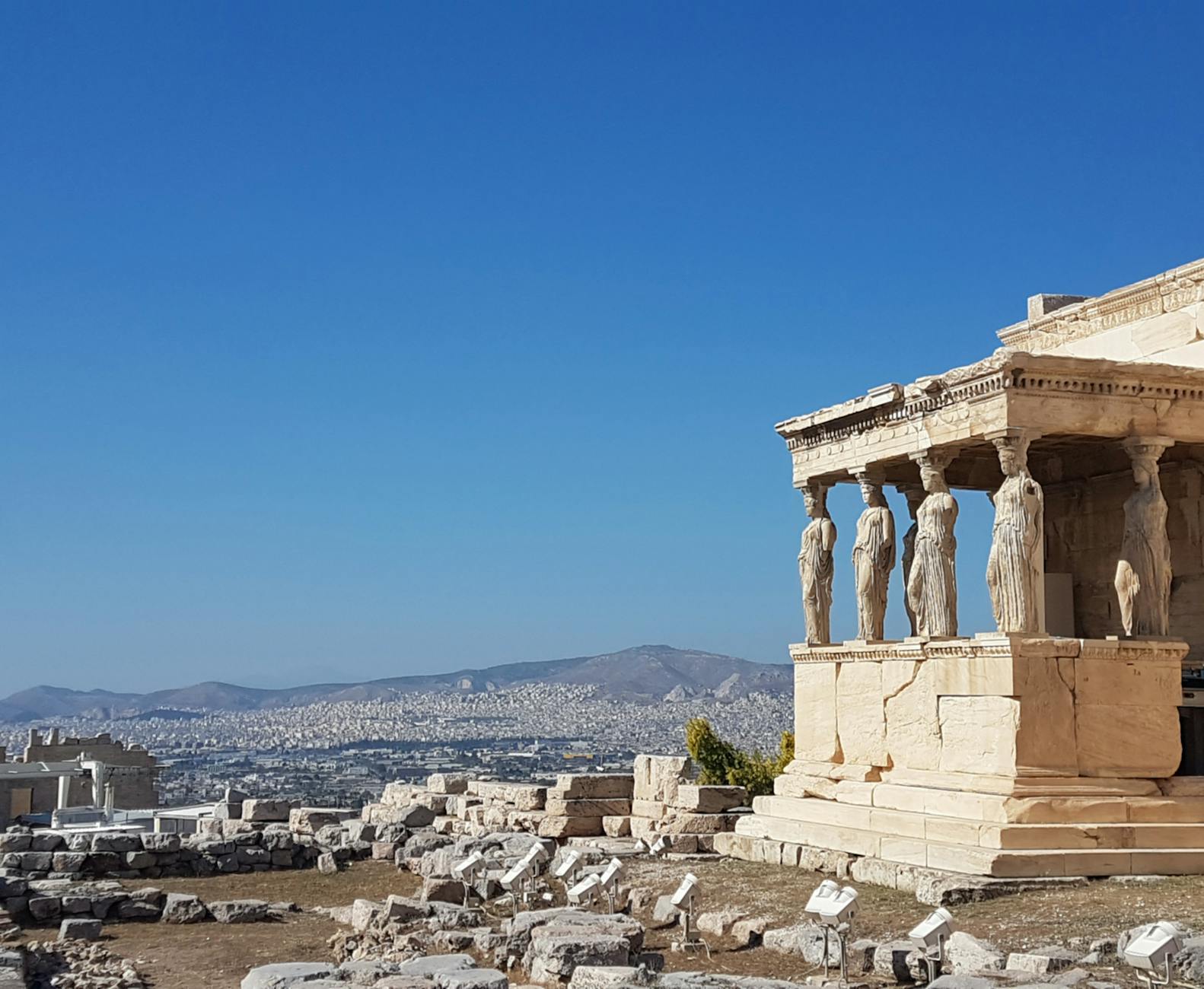
This ancient citadel sits on a rocky outcrop above the city of Athens and contains the remains of several historically significant buildings. The Parthenon dominates the site and was dedicated to the goddess Athena during the Golden Age of Pericles. Architects Ictinus and Callicrates designed the structure to embody the ideals of classical Greek order and harmony. Restoration efforts continue to preserve the marble columns and sculptures from environmental damage and time. Walking the sacred path offers deep insight into the birthplace of democracy and Western philosophy.
Stonehenge
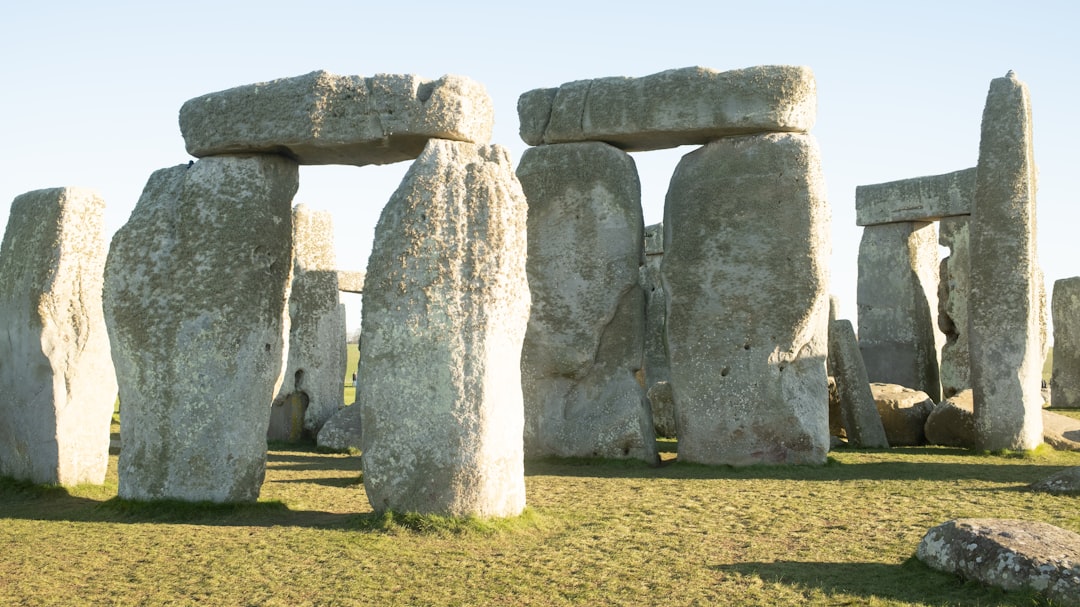
Prehistoric people erected this ring of standing stones in Wiltshire during the Neolithic and Bronze Age. The purpose of the monument remains a subject of debate among archaeologists who suggest astronomical or religious significance. Massive sarsen stones and smaller bluestones were transported from great distances to create the iconic circle. The alignment with the midsummer sunrise and midwinter sunset indicates a sophisticated understanding of celestial movements. It stands as an enduring mystery of prehistoric engineering and social organization in Britain.
Chichen Itza
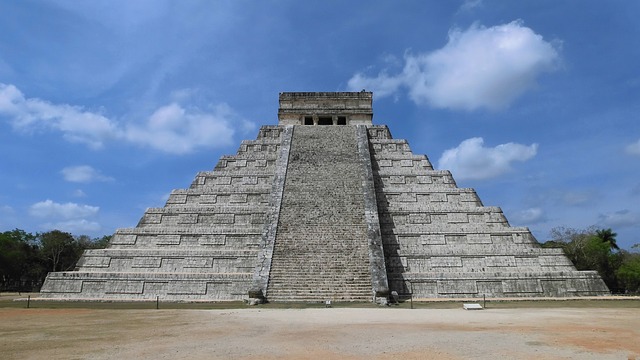
This major city of the Maya civilization features a unique blend of architectural styles in the Yucatan Peninsula of Mexico. The pyramid known as El Castillo dominates the center and serves as a physical calendar with 365 steps. Shadows cast during the equinoxes create the illusion of a serpent slithering down the northern staircase. The Great Ball Court is the largest of its kind in the Americas and highlights the importance of ritual sports. Visitors can explore the sacred cenote where offerings were made to the rain god Chaac.
The Alhambra
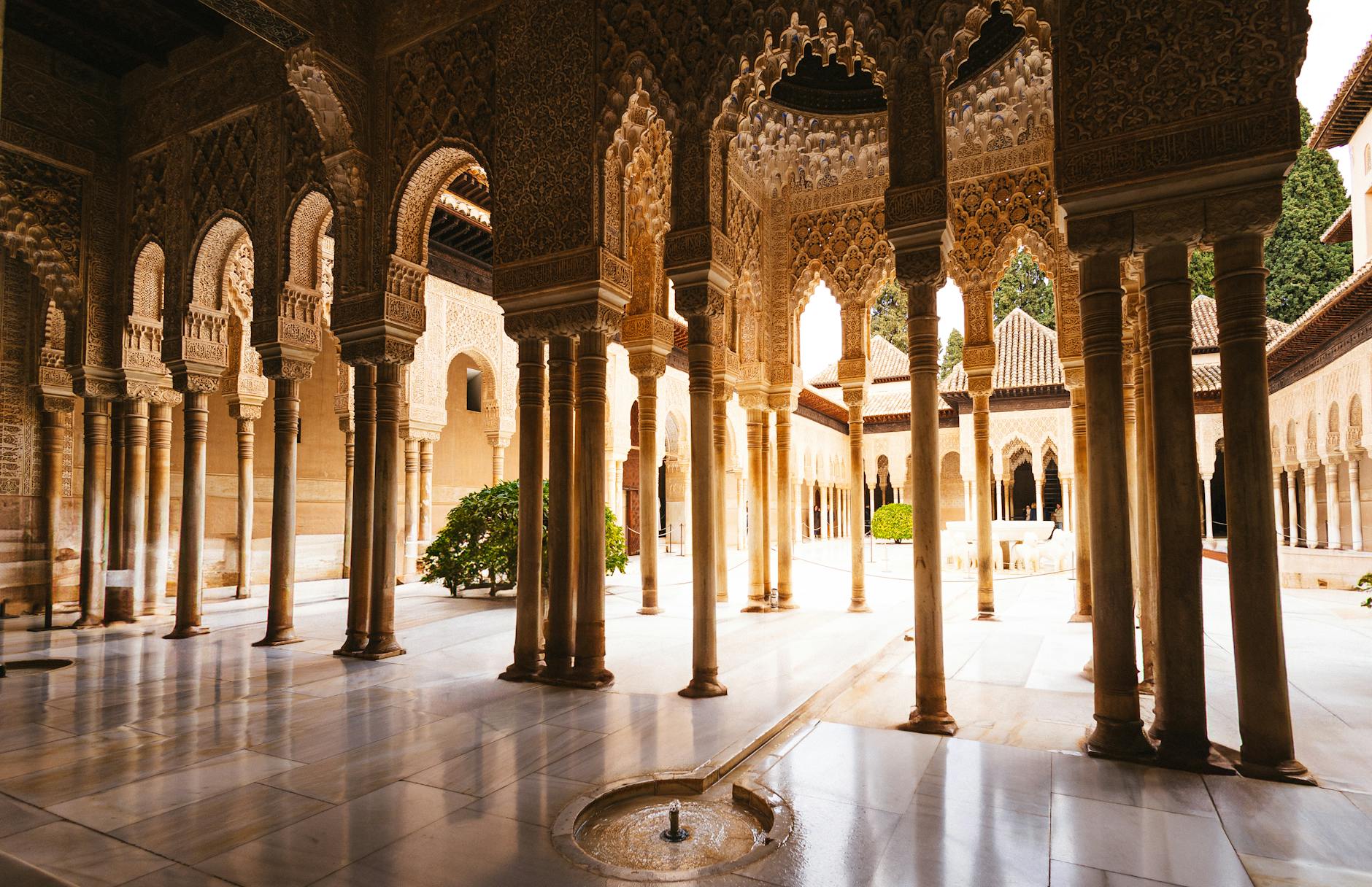
Moorish rulers built this palace and fortress complex in Granada to serve as a royal residence during the Nasrid dynasty. The architecture features exquisite stucco work and intricate tile mosaics that reflect Islamic artistic traditions. Lush gardens known as the Generalife offer a peaceful retreat with fountains and cypress trees. The strategic location on Sabika Hill provides commanding views of the city and the Sierra Nevada mountains. It represents the last stronghold of Muslim rule in Spain and a masterpiece of Andalusian art.
Borobudur
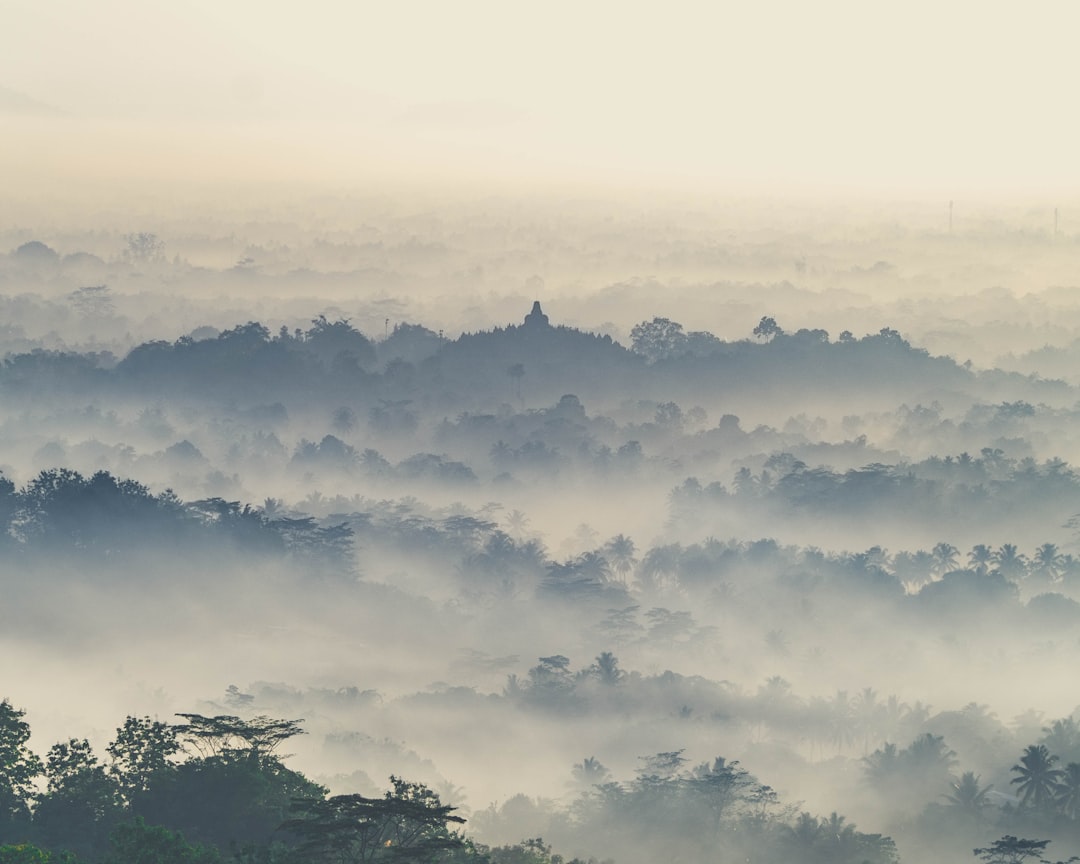
This ninth-century Mahayana Buddhist temple in Central Java consists of nine stacked platforms topped by a central dome. Over two thousand relief panels and hundreds of Buddha statues decorate the structure and guide pilgrims on a journey to enlightenment. The design follows a mandala pattern which represents the universe in Buddhist cosmology. Restoration projects have saved the monument from volcanic ash and vegetation overgrowth. Sunrise views from the top tier offer a spiritual experience amidst the surrounding volcanoes.
The Roman Forum
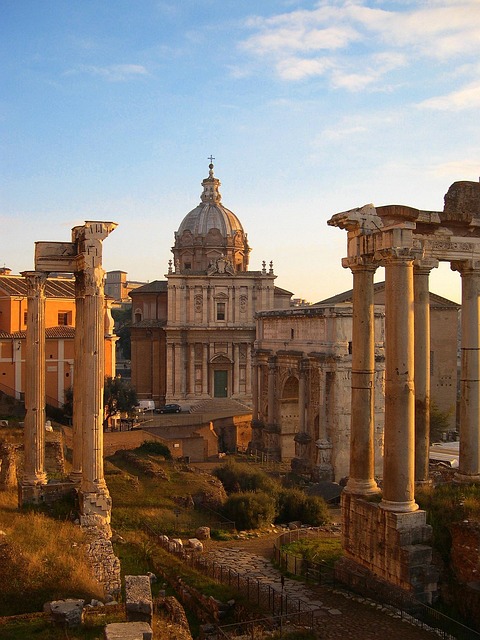
The ruins of this rectangular plaza sit at the center of Rome and served as the political and social hub of the ancient city. Temples and basilicas and public spaces hosted triumphal processions and criminal trials and public speeches. The Via Sacra runs through the site and connects the Colosseum to the Capitoline Hill. Excavations have revealed layers of history that span from the Roman Kingdom to the fall of the Empire. It provides a tangible connection to the daily life and governance of one of history’s greatest civilizations.
Hagia Sophia
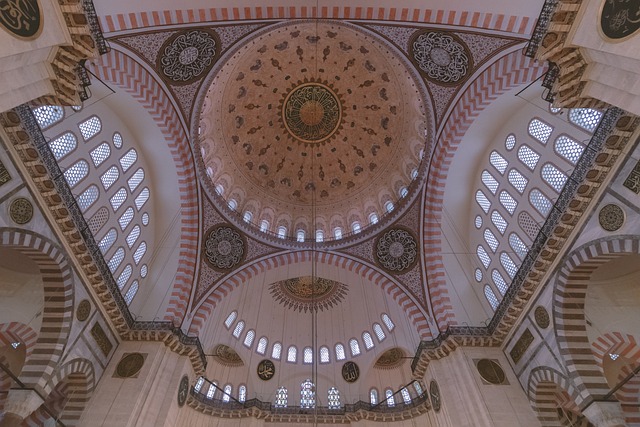
Emperor Justinian I commissioned this architectural marvel in Istanbul to serve as the principal church of the Byzantine Empire. The massive central dome was a revolutionary engineering feat that influenced Ottoman mosque design for centuries. It later functioned as a mosque and a museum before returning to its status as a place of worship. Mosaic art inside depicts religious figures and emperors and reveals the rich artistic heritage of Byzantium. The building stands as a symbol of the cultural convergence between East and West.
Statue of Liberty
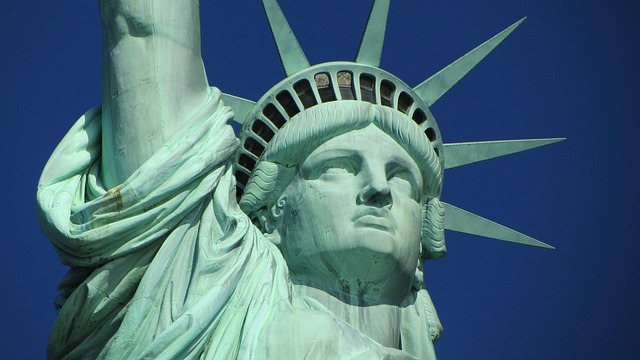
France gifted this colossal copper statue to the United States to commemorate the centennial of the Declaration of Independence. Gustave Eiffel designed the internal framework to support the copper skin against the winds of New York Harbor. The figure of Libertas holds a torch and a tabula ansata inscribed with the date of American independence. It served as a welcoming sight for millions of immigrants arriving at nearby Ellis Island. Visitors can climb to the crown for panoramic views of the city and the harbor.
Eiffel Tower
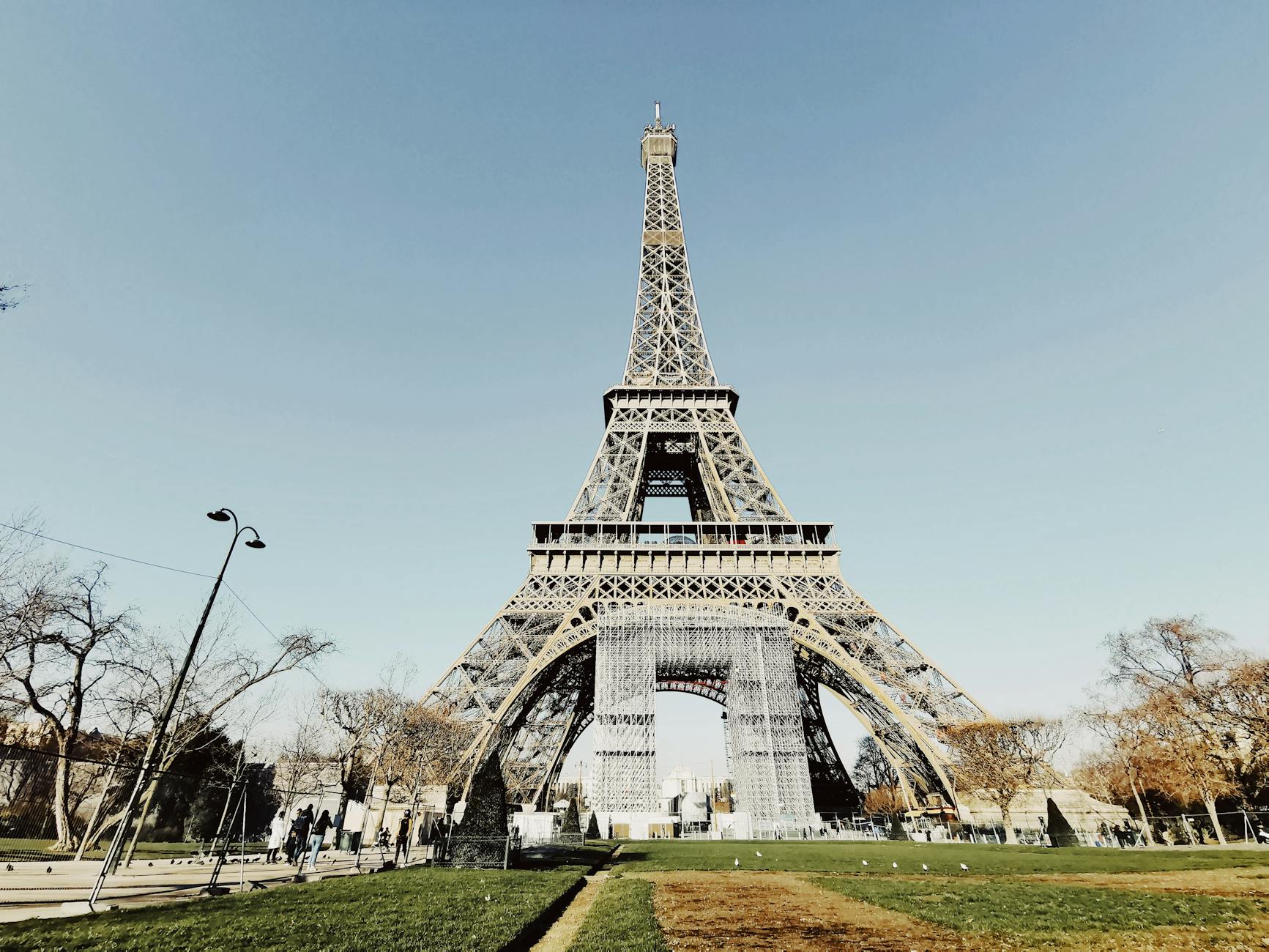
Gustave Eiffel constructed this wrought-iron lattice tower as the entrance arch for the 1889 World’s Fair in Paris. It faced initial criticism from artists and intellectuals but soon became a global cultural icon of France. The structure held the title of the tallest man-made structure in the world for over four decades. Three levels are open to the public and offer restaurants and observation decks. Its nightly illumination continues to define the Parisian skyline and attracts millions of tourists annually.
Forbidden City
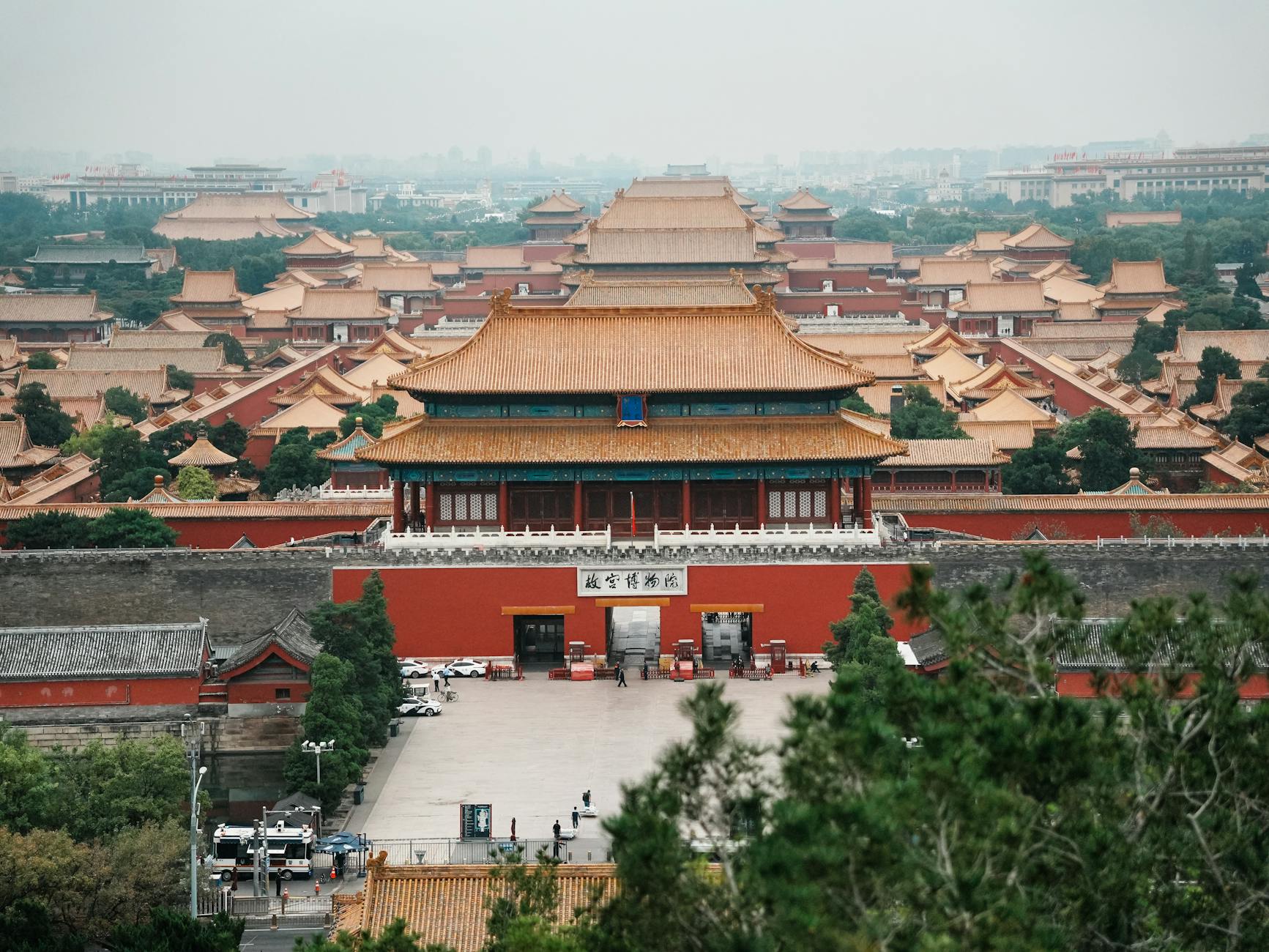
This vast palace complex in Beijing served as the home of emperors and their households for almost five hundred years. High walls and a deep moat surround the numerous halls and gardens that exemplify traditional Chinese palatial architecture. The layout follows a strict north-south axis and emphasizes the supreme power of the emperor. Yellow glazed roof tiles and red walls dominate the color scheme and symbolize imperial authority. It is the largest ancient palatial structure in the world and houses extensive collections of artifacts.
Sydney Opera House
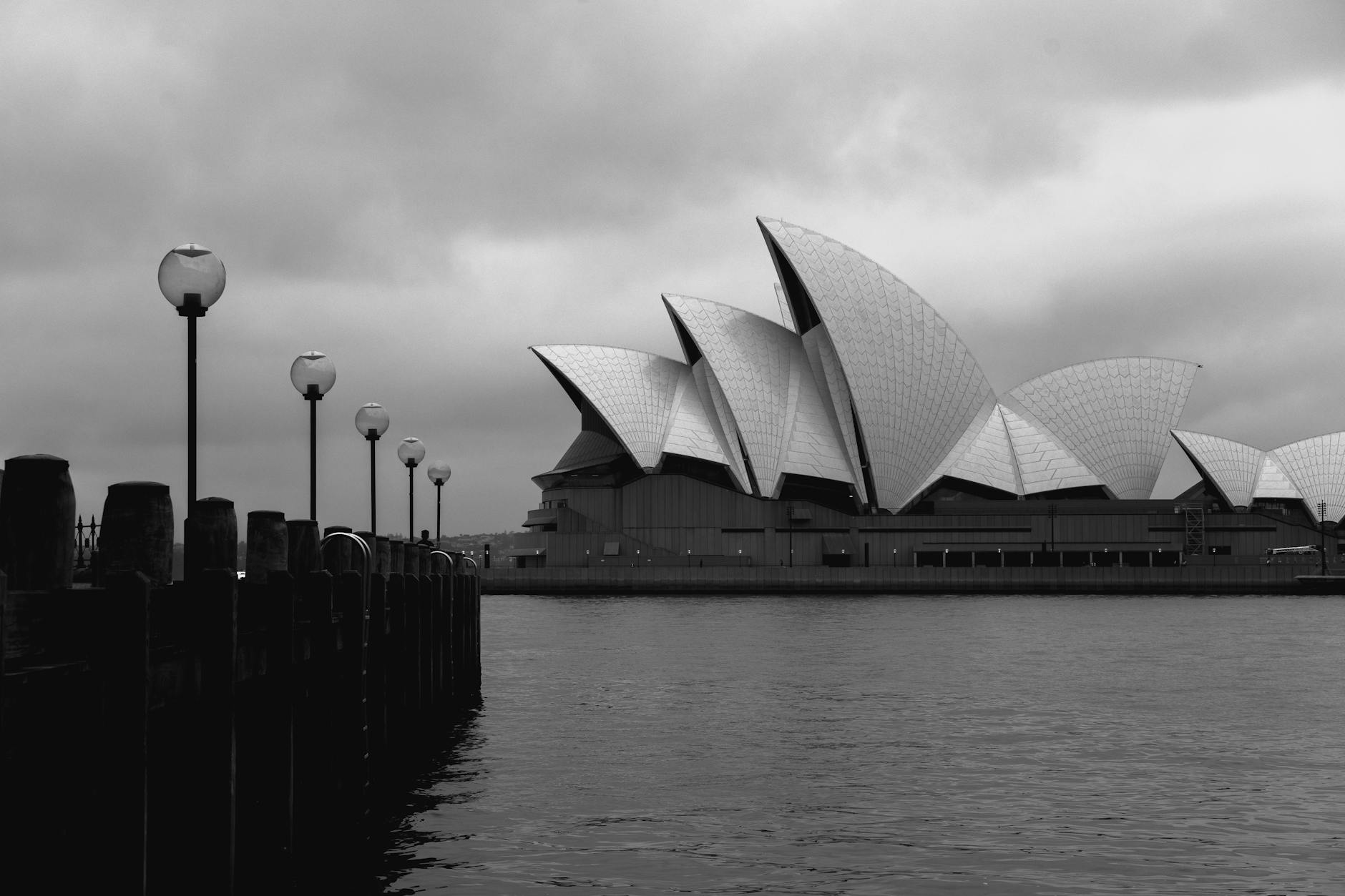
Jørn Utzon designed this multi-venue performing arts centre in Australia with a distinctive roof of interlocking shells. The construction faced significant engineering challenges that required innovative solutions for the concrete structures. It sits on Bennelong Point in Sydney Harbour and creates a dramatic silhouette against the water. The building hosts thousands of performances each year and serves as a focal point for Australian culture. UNESCO recognizes it as a masterpiece of 20th-century architecture.
Pompeii
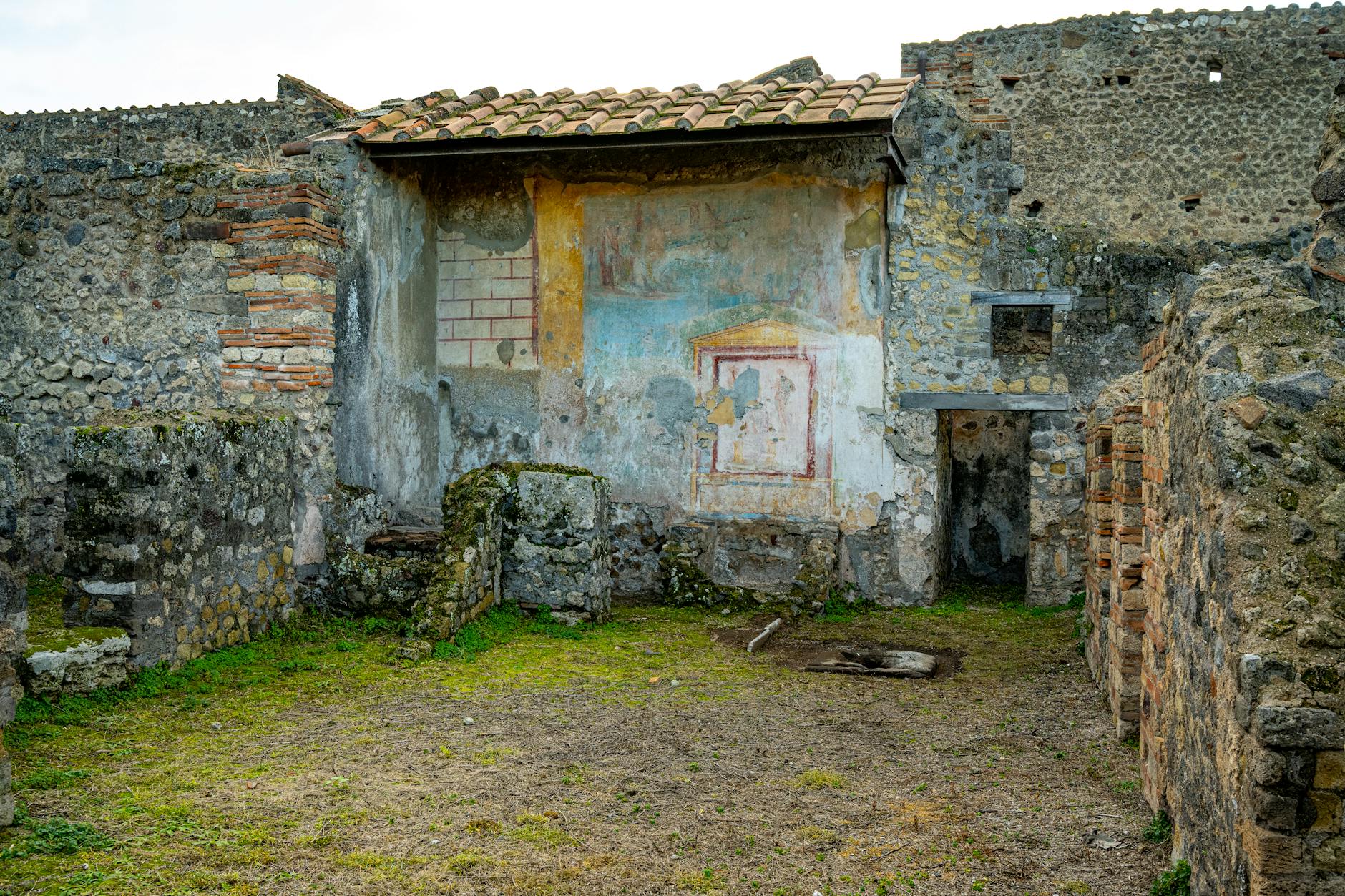
Mount Vesuvius erupted in 79 AD and buried this Roman city under a thick layer of volcanic ash and pumice. The excavation of the site revealed remarkably preserved buildings and artifacts and human remains. Frescoes and mosaics provide a detailed look into the domestic lives and artistic tastes of the inhabitants. Walking the paved streets allows visitors to see ancient bakeries and baths and amphitheaters. It offers an unparalleled snapshot of Roman life frozen in time.
Bagan
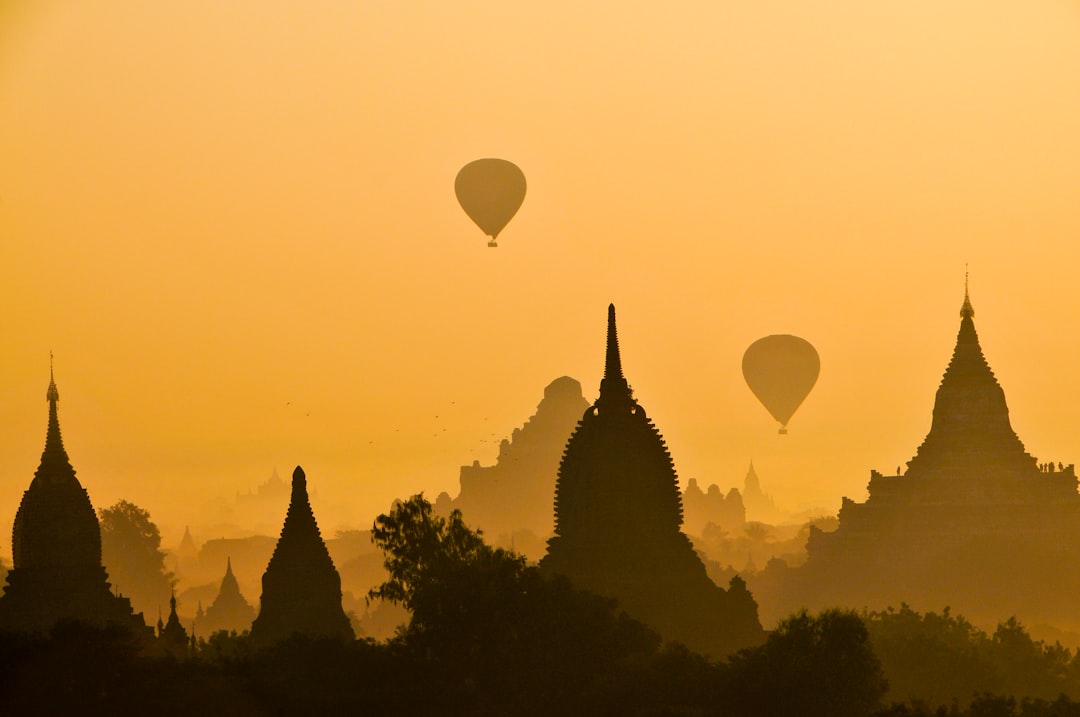
Over two thousand Buddhist temples and pagodas scatter across this plain in Myanmar and date back to the Pagan Kingdom. Kings and wealthy subjects built these religious structures to gain merit and demonstrate their devotion. The architecture ranges from small stupas to massive temples with intricate brickwork and stucco carvings. Hot air balloon rides at sunrise provide a unique perspective on the sheer scale of the archaeological zone. Conservation efforts aim to protect the site from natural disasters and modern development.
Easter Island
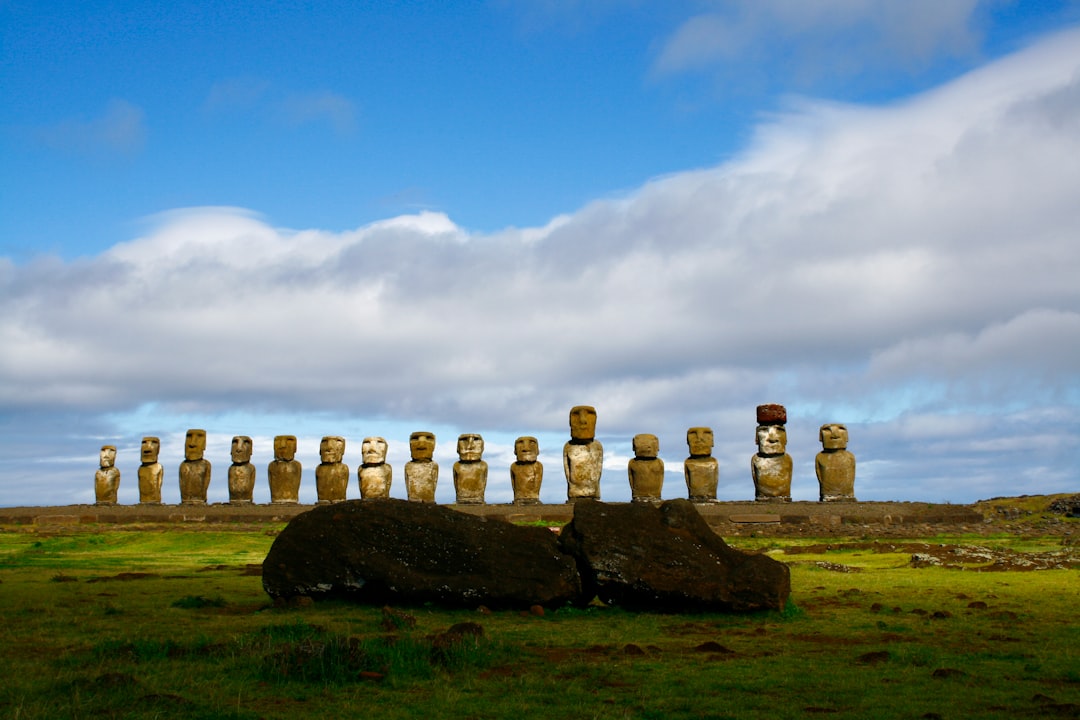
The Rapa Nui people carved nearly a thousand monumental statues known as moai on this remote island in Polynesia. These monolithic human figures stand on stone platforms called ahu and mostly face inland to watch over the villages. The quarry at Rano Raraku contains unfinished statues that offer clues into the carving and transportation methods. Deforestation and internal conflict likely contributed to the decline of the society that built them. The statues remain a mysterious and captivating symbol of human resilience and creativity.
Himeji Castle
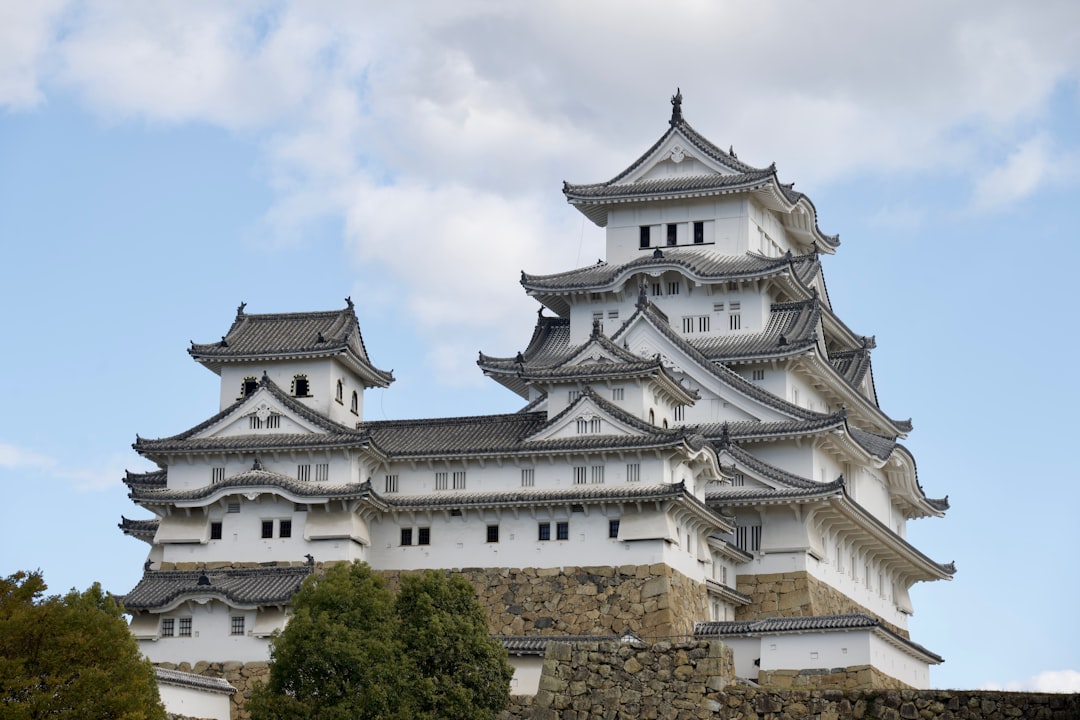
This hilltop Japanese castle complex represents the finest surviving example of prototypical Japanese castle architecture. The brilliant white exterior and the shape of the roof resemble a bird taking flight. Advanced defensive systems include a maze of paths and gates designed to confuse invading forces. It survived the bombings of World War II and natural disasters to remain intact for over four hundred years. The main keep offers panoramic views of Himeji city and the surrounding grounds.
Teotihuacan
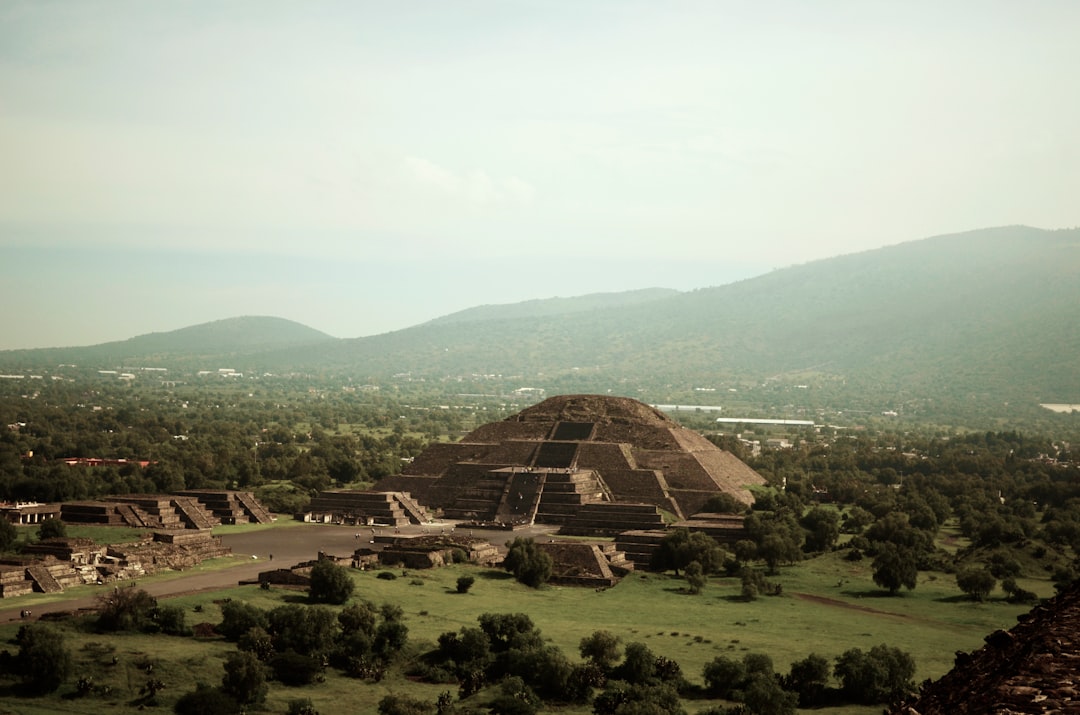
This ancient Mesoamerican city lies northeast of Mexico City and features the massive Pyramids of the Sun and Moon. The Avenue of the Dead runs through the center and connects the main ceremonial structures. Archaeologists believe it was a multi-ethnic city that influenced cultures throughout the region including the Maya. Colorful murals still adorn some of the walls and depict mythological deities and daily life. It was the largest city in the pre-Columbian Americas during its peak.
Palace of Versailles
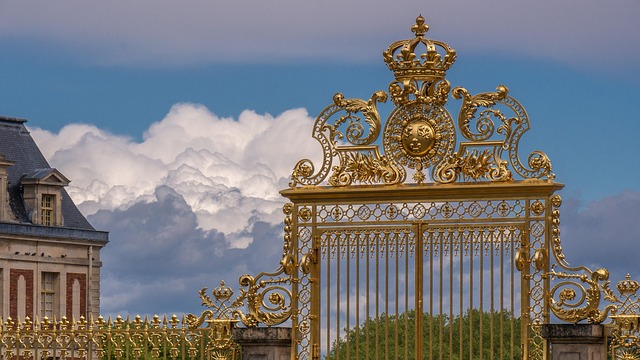
King Louis XIV transformed a hunting lodge into this opulent palace to centralize the French government and display his absolute power. The Hall of Mirrors serves as the centerpiece with its seventeen arches of mirrors reflecting the garden windows. Andre Le Notre designed the extensive gardens which feature geometric patterns and fountains and statues. The palace witnessed key historical events including the signing of the treaty that ended World War I. It remains a symbol of the Ancien Regime and the height of French royal extravagance.
Mont Saint-Michel
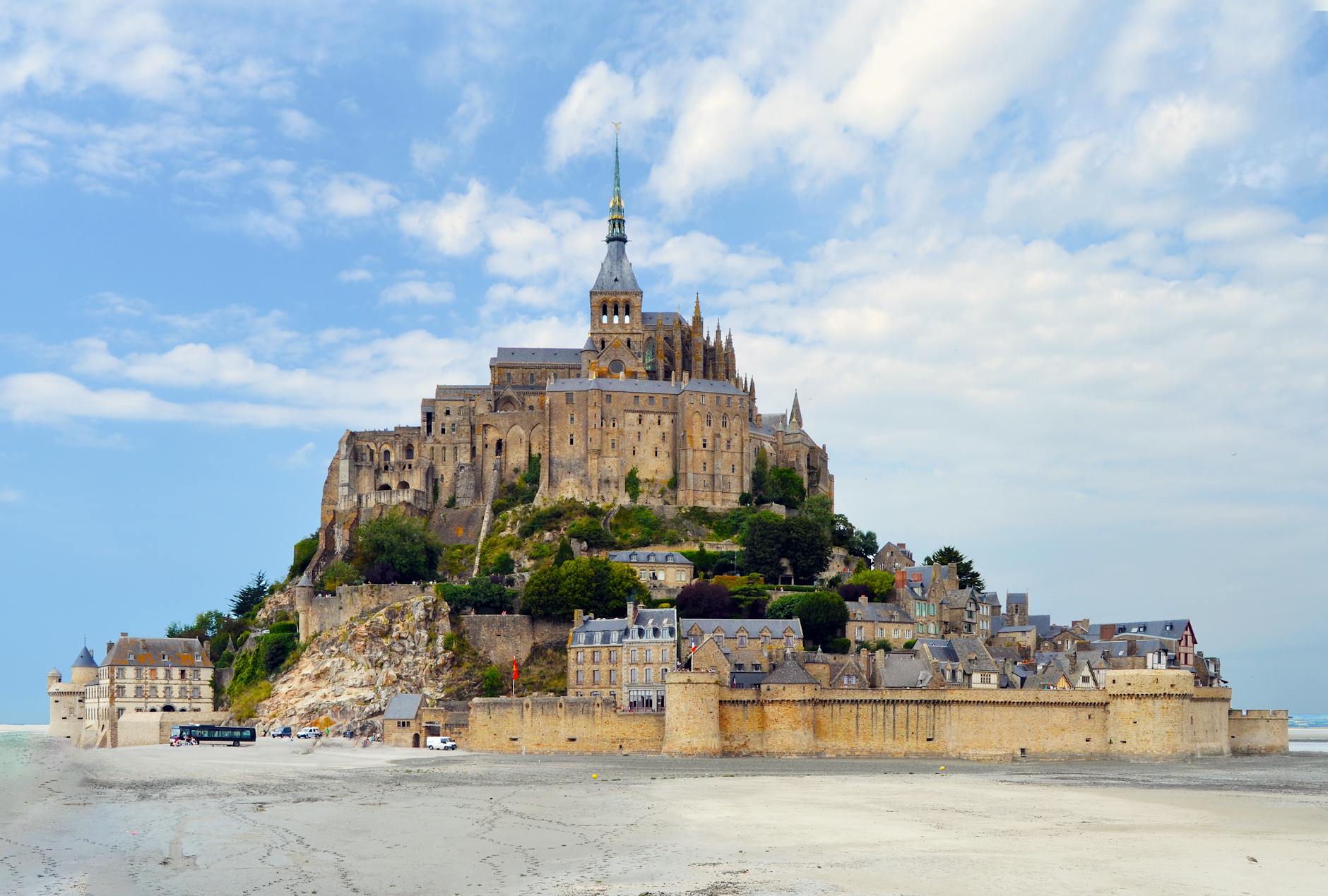
This island commune in Normandy sits about one kilometer off the country’s northwestern coast. A medieval abbey defies gravity at the top of the rocky islet and attracts pilgrims and tourists alike. Strong tides periodically isolate the island from the mainland and historically served as a natural defense. The narrow winding streets are lined with historic houses and shops that lead up to the monastery. It is a stunning example of medieval architecture adapting to a unique natural environment.
Neuschwanstein Castle
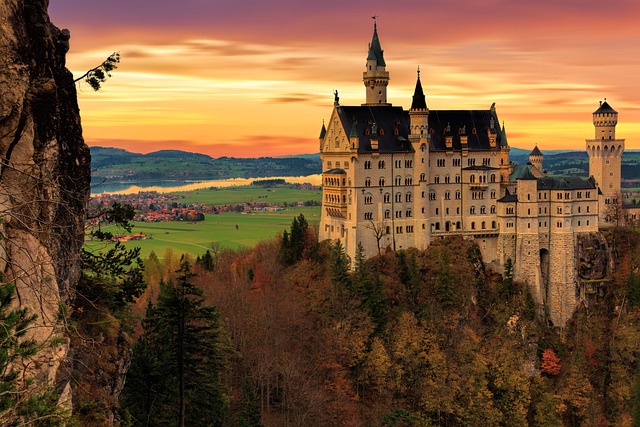
King Ludwig II of Bavaria commissioned this Romanesque Revival palace on a rugged hill as a private retreat. The design inspired the castle in Disney’s Sleeping Beauty and embodies the romantic spirit of the 19th century. Elaborate interiors feature scenes from Richard Wagner’s operas and reflect the king’s obsession with medieval legends. It was equipped with modern conveniences for the time including running water and central heating. The castle offers spectacular views of the Hohenschwangau valley and the Alps.
The Kremlin and Red Square
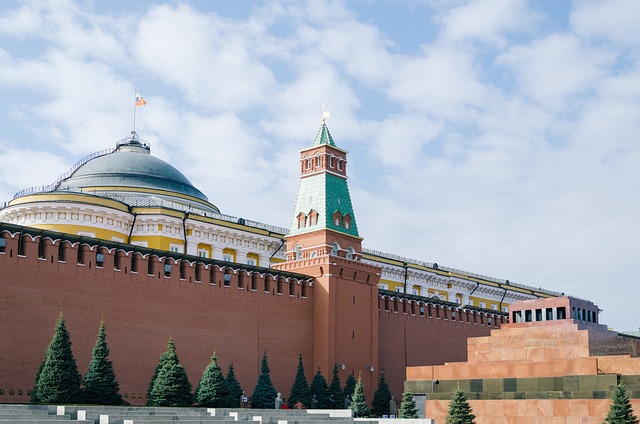
This historic fortified complex in the heart of Moscow serves as the official residence of the President of Russia. The square outside features the colorful onion domes of Saint Basil’s Cathedral and the State Historical Museum. High brick walls and towers enclose the cathedrals and palaces that reflect centuries of Russian history. It has been the center of Russian political power since the Grand Duchy of Moscow. The site witnesses military parades and national celebrations that highlight its ongoing significance.
Mesa Verde
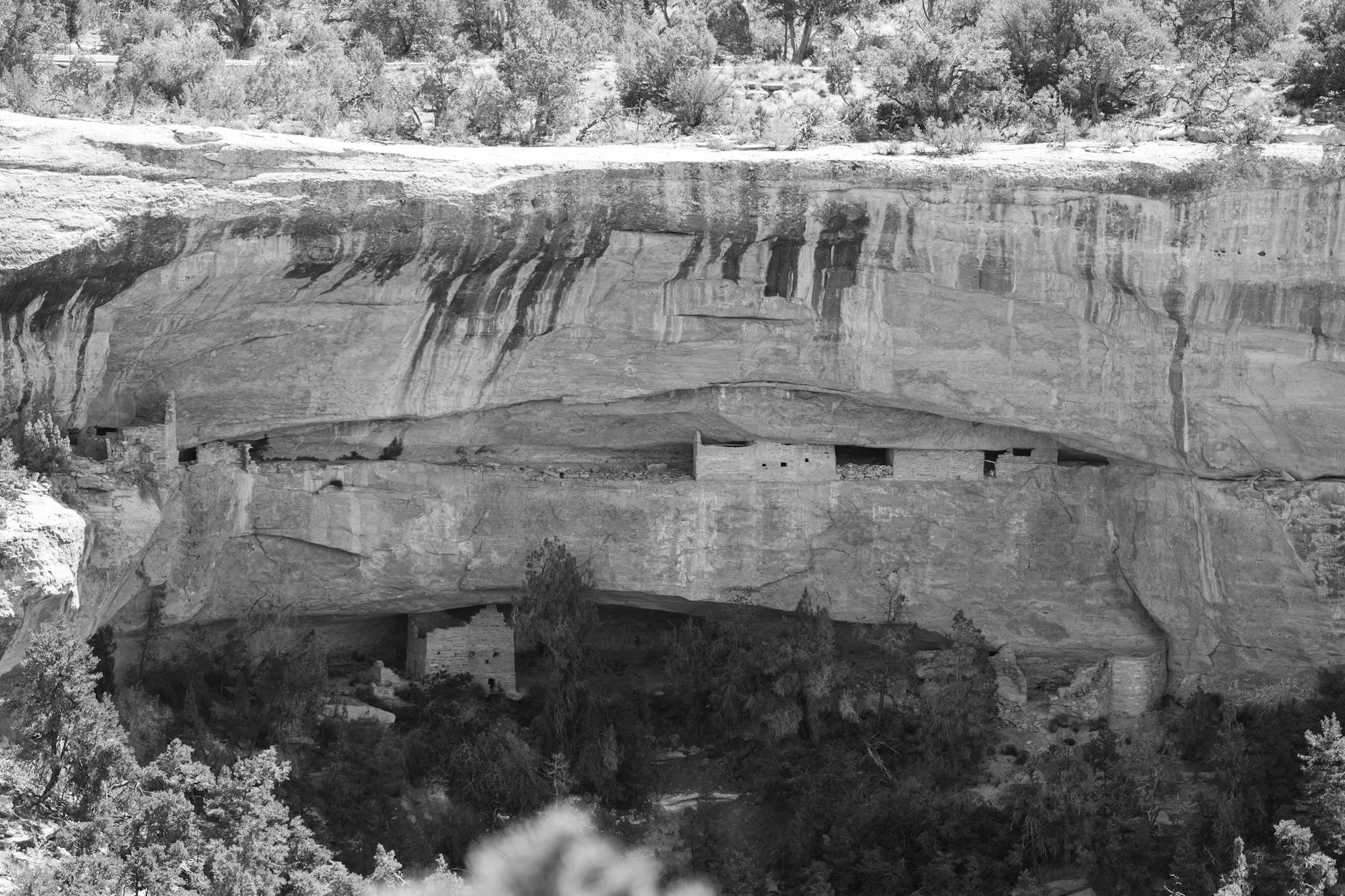
Ancestral Puebloans built these cliff dwellings in southwestern Colorado during the late 12th and 13th centuries. The structures sit within alcoves in the sandstone canyon walls and provided protection from the elements. Cliff Palace is the largest dwelling and contains over one hundred and fifty rooms and numerous kivas. Archaeologists study the site to understand the social structure and agricultural practices of the inhabitants. It offers a unique window into the lives of Native American cultures before European contact.
Sigiriya
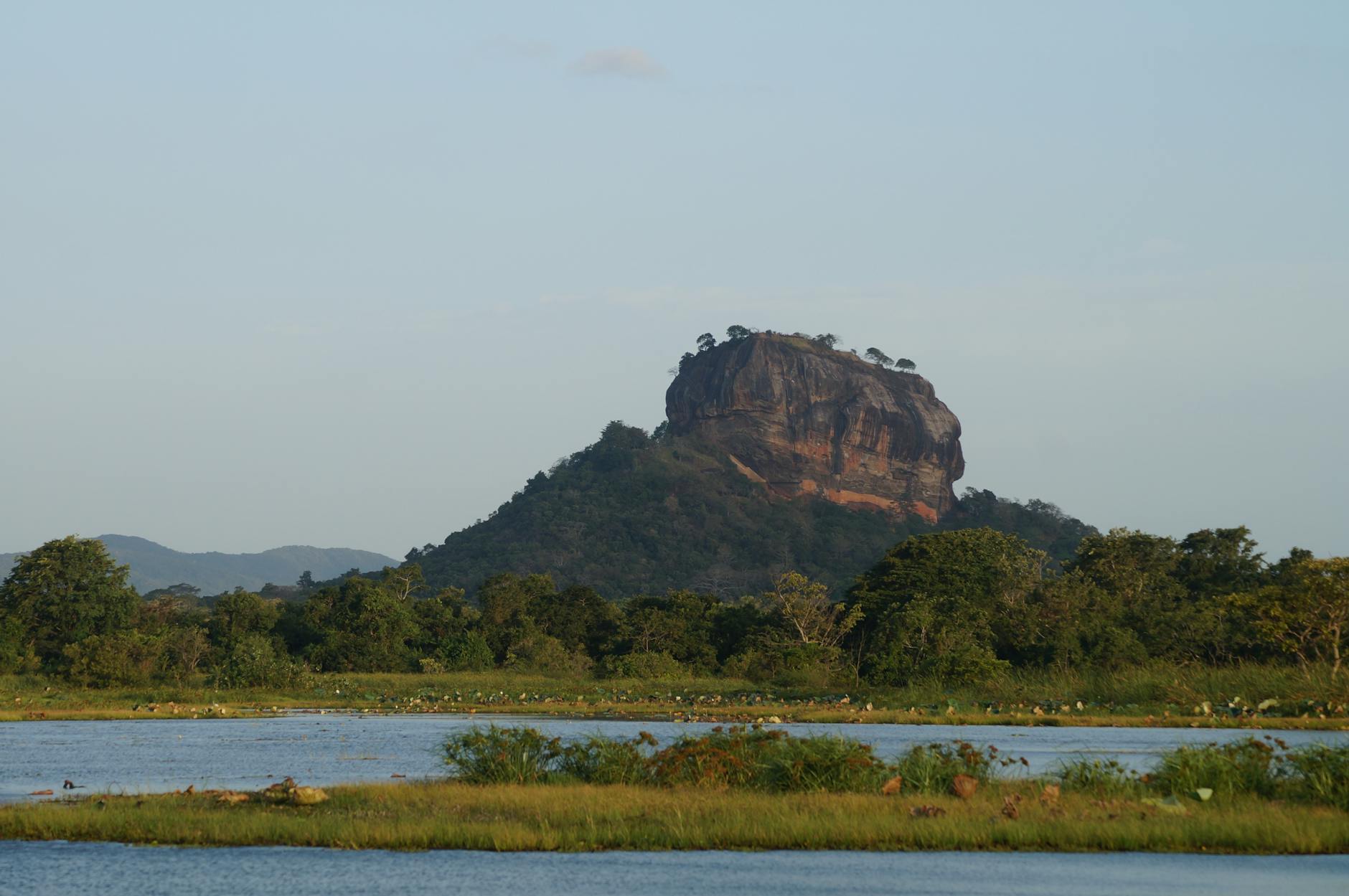
King Kashyapa built his palace on top of this massive column of rock in Sri Lanka during the fifth century. The site is known as Lion Rock due to the enormous lion paws that flank the entrance to the summit. Frescoes of celestial maidens adorn the rock face and retain their vibrant colors after centuries. The water gardens at the base display sophisticated hydraulic engineering that still functions today. It served as both a royal residence and a Buddhist monastery throughout its history.
Tikal
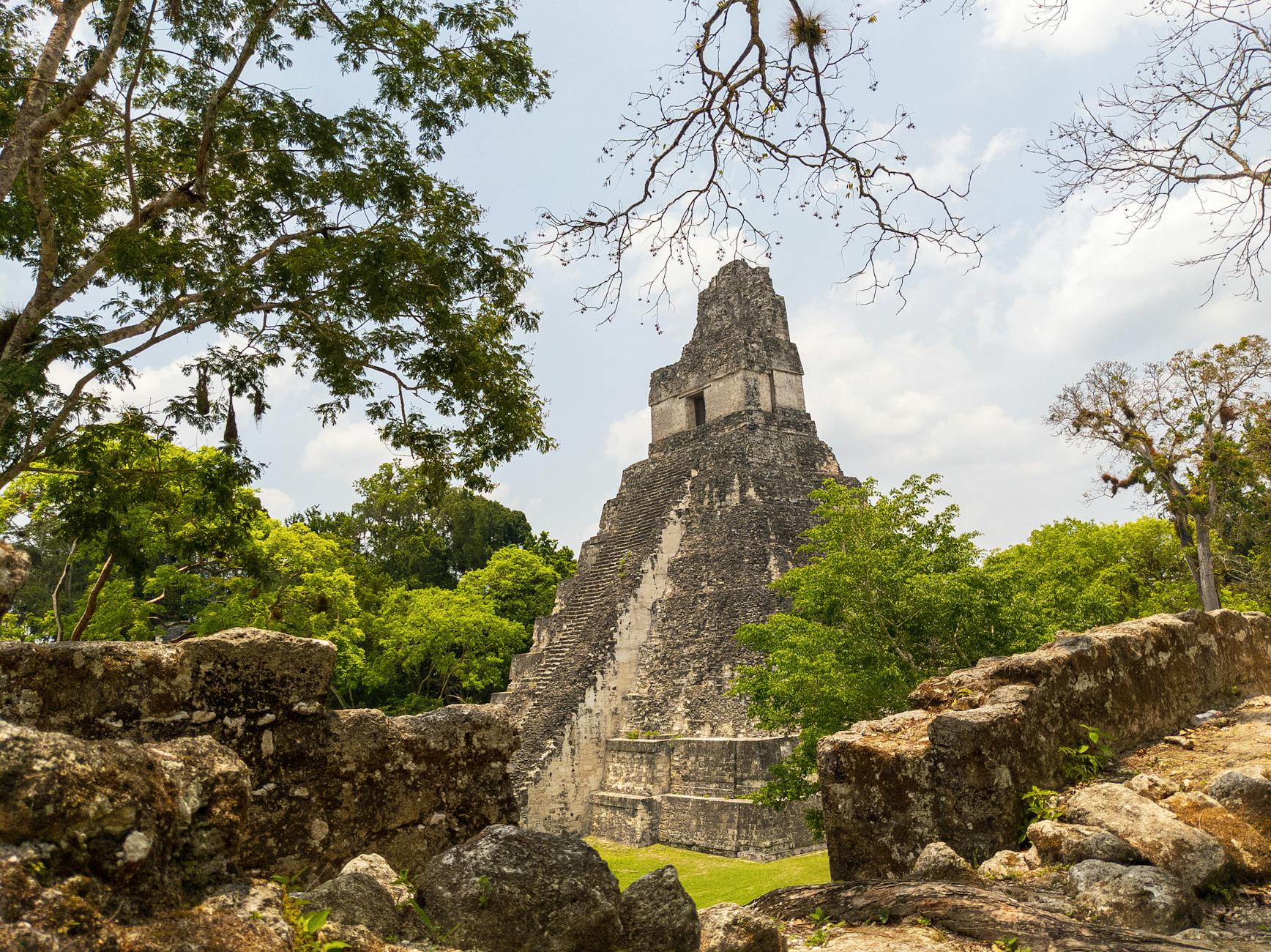
This ancient Maya citadel in the rainforests of Guatemala was one of the most powerful kingdoms of the classic period. Towering limestone temples rise above the jungle canopy and overlook the Great Plaza. Temple IV is the tallest pre-Columbian structure in the Americas and offers expansive views of the surrounding biosphere. Stelae and altars record the dynastic history and military victories of the city’s rulers. The site provides crucial information about Maya political dynamics and collapse.
Ephesus
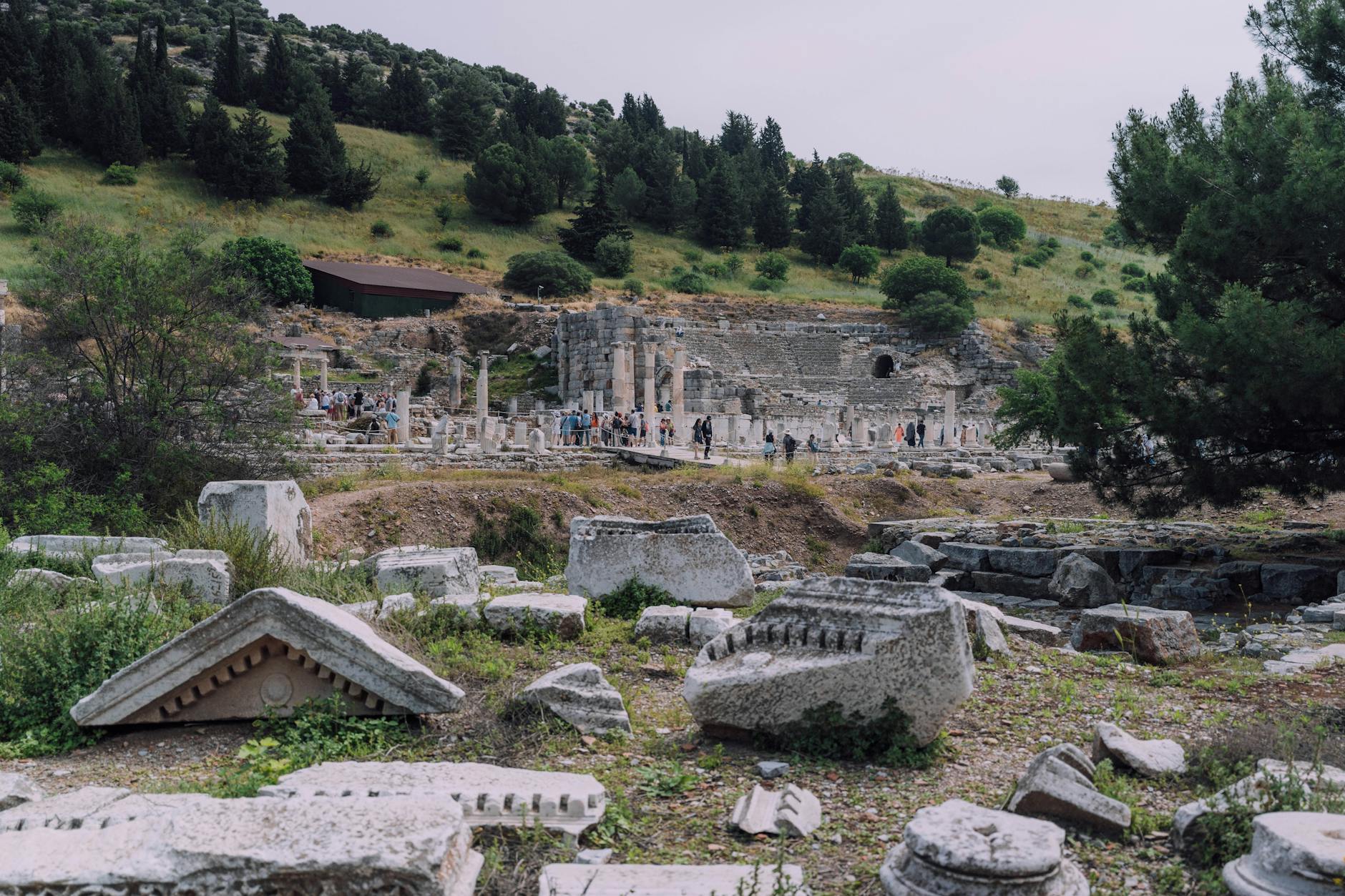
This ancient Greek city on the coast of Ionia was later a major Roman city and home to the Temple of Artemis. The Library of Celsus stands as a testament to the city’s wealth and emphasis on knowledge. A vast theatre carved into the hillside could hold twenty-five thousand spectators for plays and gladiatorial games. Terrace houses reveal the luxurious lifestyle of the wealthy citizens with preserved mosaics and heating systems. It was a key center for early Christianity and trade in the Mediterranean.
Potala Palace
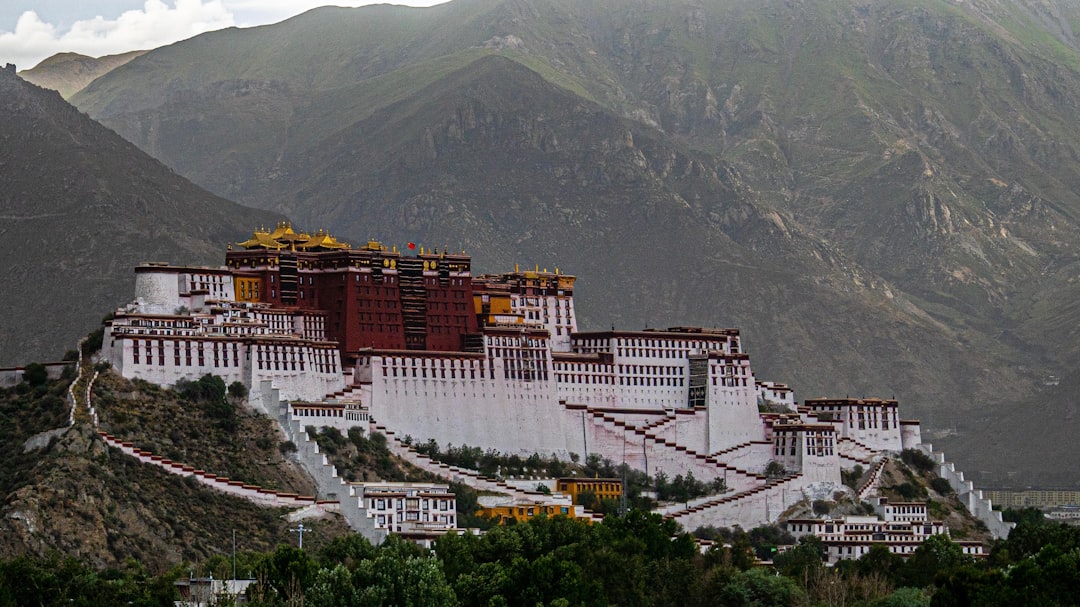
This dzong fortress in Lhasa served as the winter palace of the Dalai Lamas from 1649 to 1959. The massive structure dominates the city skyline and contains over a thousand rooms and ten thousand shrines. The White Palace housed the living quarters while the Red Palace was dedicated to religious study and prayer. It stands as a symbol of Tibetan Buddhism and its traditional administration. Pilgrims circumambulate the base of the palace as part of their spiritual practice.
Abu Simbel
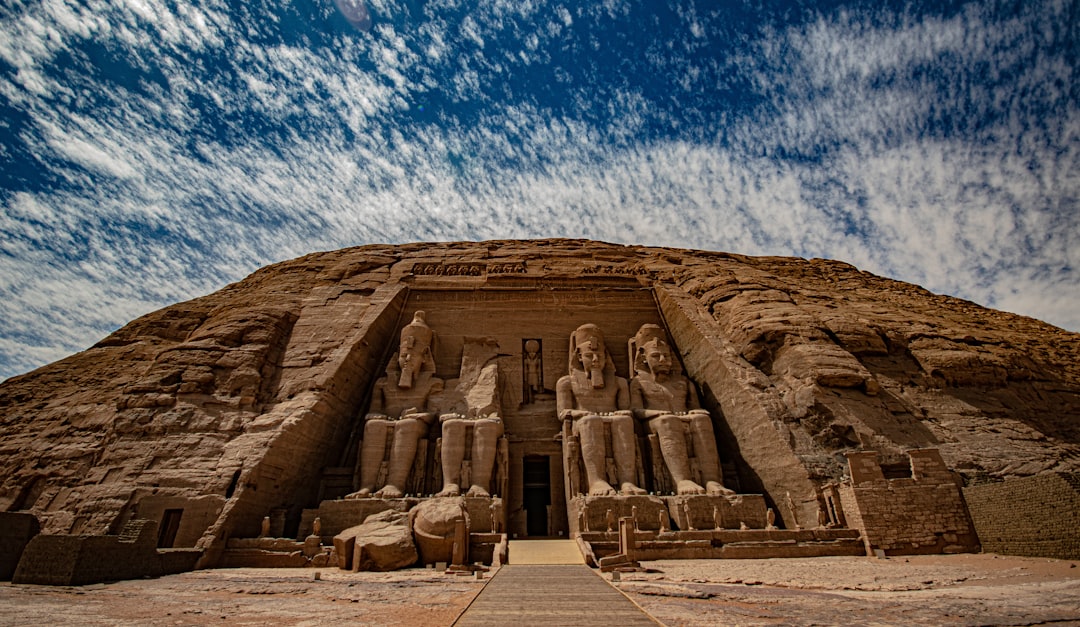
Pharaoh Ramesses II carved these twin temples out of the mountainside in southern Egypt to intimidate his enemies. Four colossal statues of the pharaoh guard the entrance and gaze out across the Nile. The entire complex was relocated in the 1960s to prevent it from being submerged by the creation of Lake Nasser. The Great Temple is aligned so that the sun illuminates the inner sanctum twice a year. It remains one of the most impressive achievements of ancient Egyptian architecture.
Ellora Caves
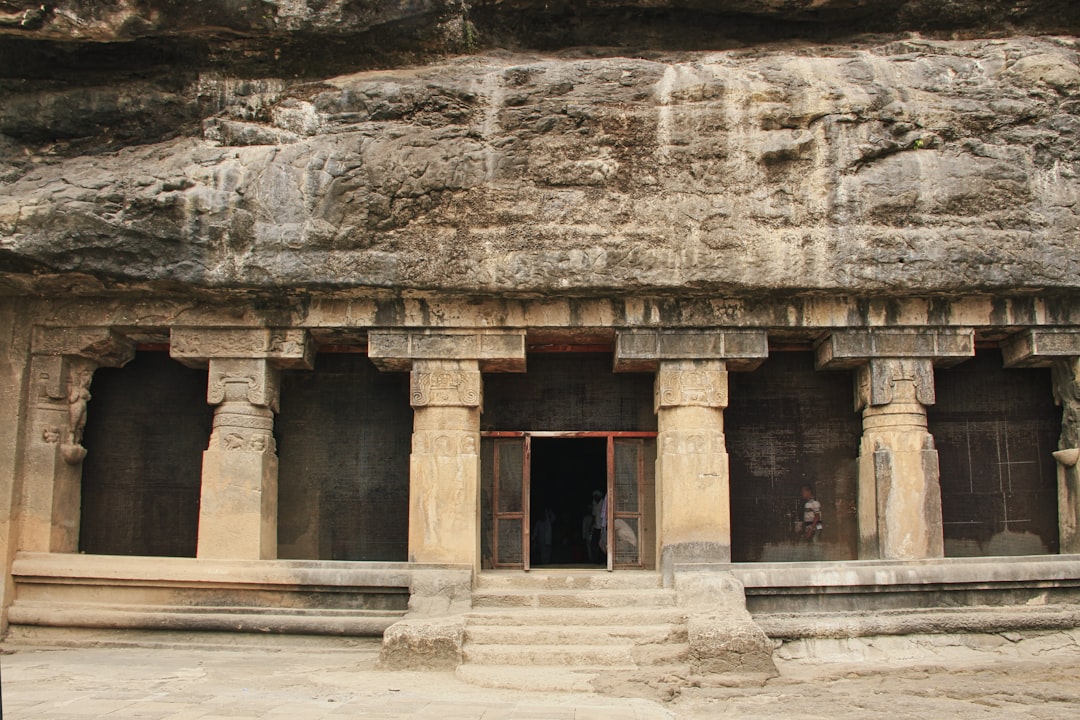
Monks and artisans excavated these monasteries and temples from a vertical face of the Charanandri Hills in India. The complex features Buddhist and Hindu and Jain monuments that illustrate the religious harmony of the time. The Kailasa temple is the largest single monolithic rock excavation in the world and mimics Mount Kailash. Intricate carvings cover every surface and depict deities and mythological scenes. It represents a masterpiece of rock-cut architecture and artistic devotion.
The Western Wall
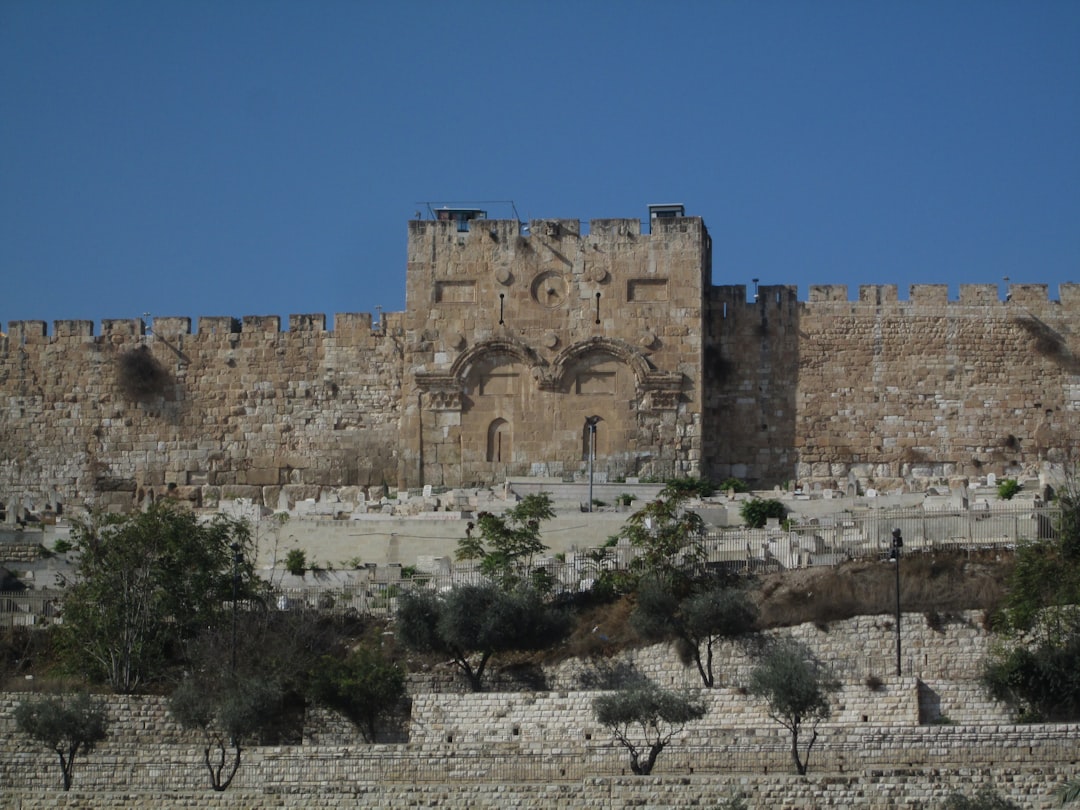
This ancient limestone wall in the Old City of Jerusalem is a remnant of the Second Temple. It serves as the holiest place where Jews are permitted to pray due to its proximity to the Temple Mount. Visitors place written prayers into the cracks between the massive stones as a long-standing tradition. The plaza in front hosts religious ceremonies and bar mitzvah celebrations throughout the year. It remains a focal point for Jewish identity and heritage.
Dome of the Rock
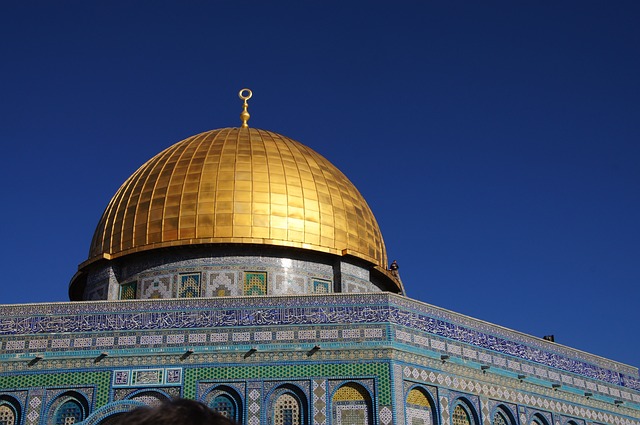
This Islamic shrine sits on the Temple Mount in the Old City of Jerusalem and features a distinctive gold-plated dome. It was completed in 691 CE and stands as one of the oldest works of Islamic architecture. The foundation stone inside holds significance for both Muslims and Jews as a site of creation and revelation. Intricate tile work and calligraphy decorate the exterior and replaced the original mosaics during the Ottoman period. It dominates the Jerusalem skyline and is a symbol of the city’s complex religious history.
St. Peter’s Basilica
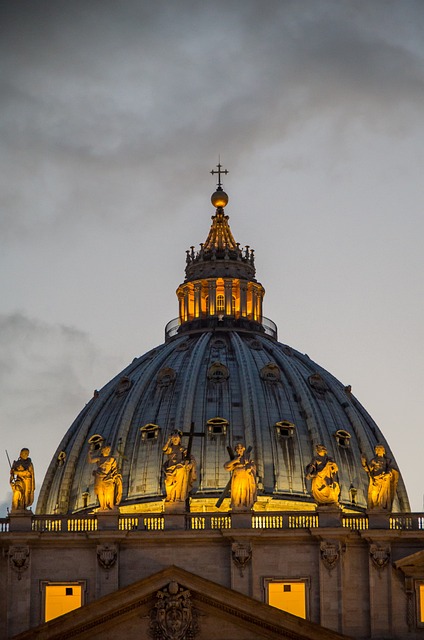
This Renaissance church in Vatican City is the largest church in the world and a major pilgrimage site for Catholics. Michelangelo and Bernini and Bramante all contributed to the design of the building and its massive dome. The interior houses the Pietà and the baldachin over the papal altar. Beneath the floor lie the Vatican Grottoes which contain the tombs of numerous popes. It serves as the venue for major papal liturgies and attracts millions of visitors.
Tower of London
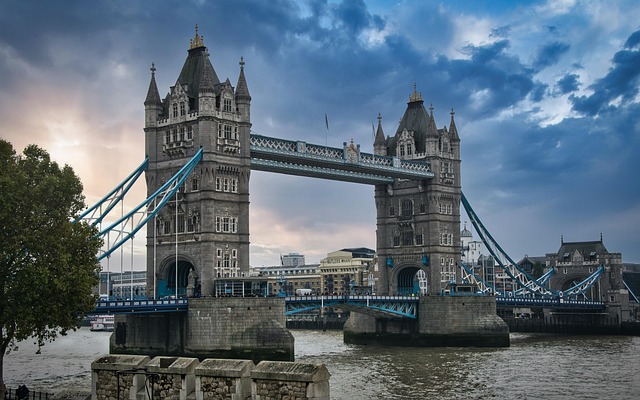
William the Conqueror built the White Tower to assert Norman control over London in the 11th century. The fortress has served as a royal palace and a prison and an armory and a treasury. Famous prisoners like Anne Boleyn were executed on the Tower Green within the complex walls. The Crown Jewels are kept here under the guard of the Yeoman Warders who also care for the ravens. It stands as a powerful symbol of the British monarchy and its turbulent history.
Auschwitz-Birkenau
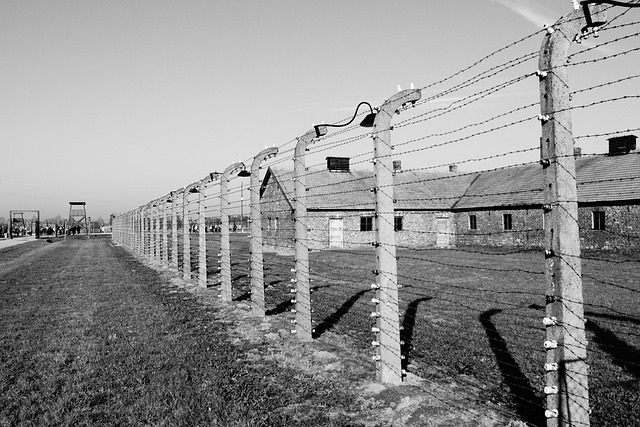
This former German Nazi concentration and extermination camp in Poland serves as a memorial to the millions murdered during the Holocaust. The site includes the original barracks and gas chambers and crematoria used to carry out the genocide. Visitors enter through the gate bearing the cynical phrase “Arbeit macht frei” which means work sets you free. Museums on the grounds house personal items of the victims to preserve their memory. It stands as a solemn warning against hatred and intolerance.
Hiroshima Peace Memorial
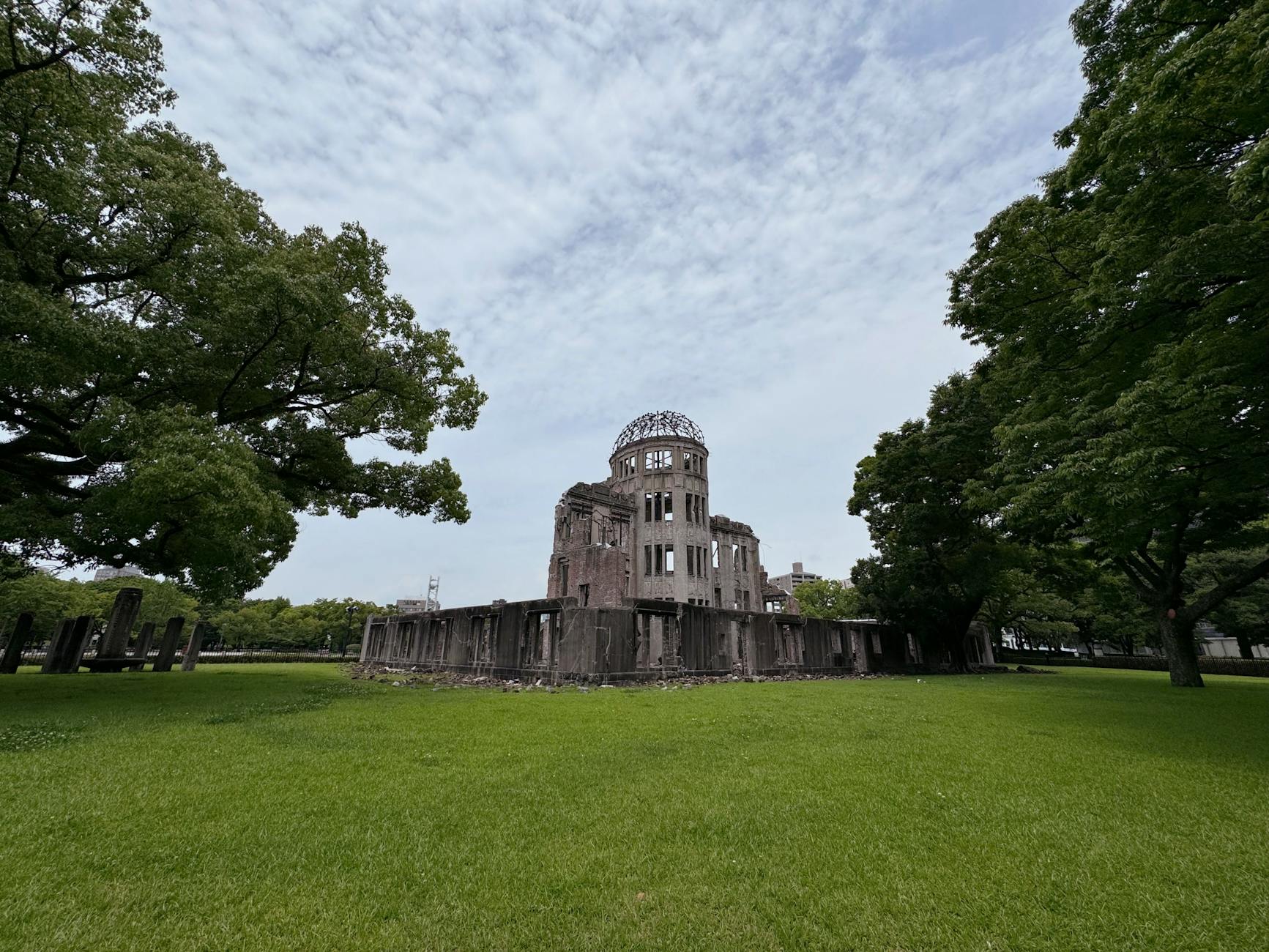
The Genbaku Dome is the only structure left standing near the hypocenter of the first atomic bomb explosion in 1945. Preservation efforts have kept the ruins in the exact state they were in immediately after the bombing. The surrounding Peace Memorial Park contains monuments and a museum dedicated to the victims and nuclear disarmament. It serves as a powerful symbol of the destruction caused by nuclear weapons. Visitors come to pay respects and pray for lasting world peace.
Mount Rushmore
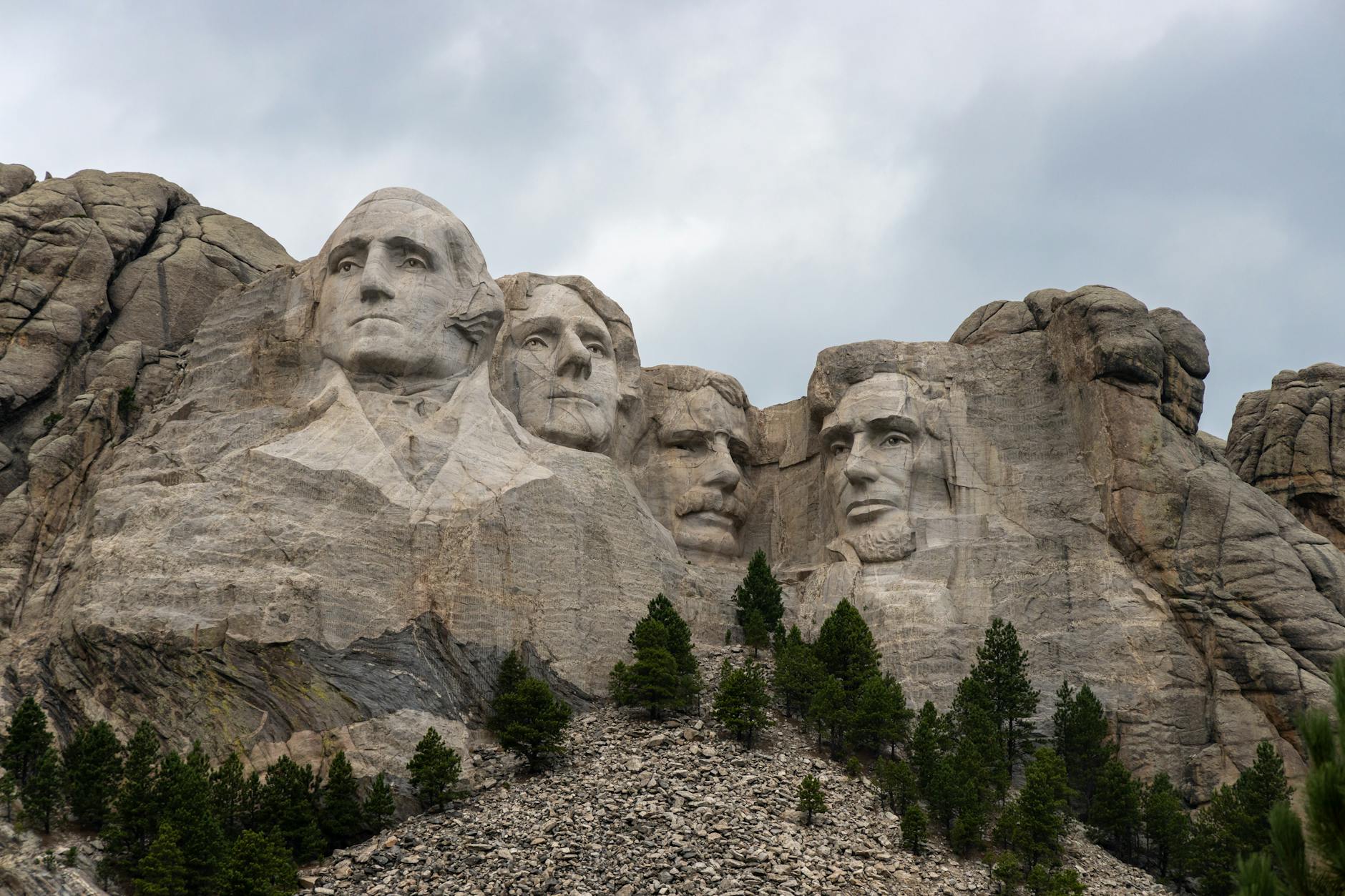
Sculptor Gutzon Borglum carved the faces of four American presidents into the granite face of this mountain in South Dakota. The monument features Washington and Jefferson and Roosevelt and Lincoln to represent the birth and growth and development and preservation of the nation. Dynamite was used to remove ninety percent of the rock during the fourteen-year construction process. The site attracts millions of tourists who view the sculpture from the Grand View Terrace. It stands as a massive tribute to American political history.
Lalibela
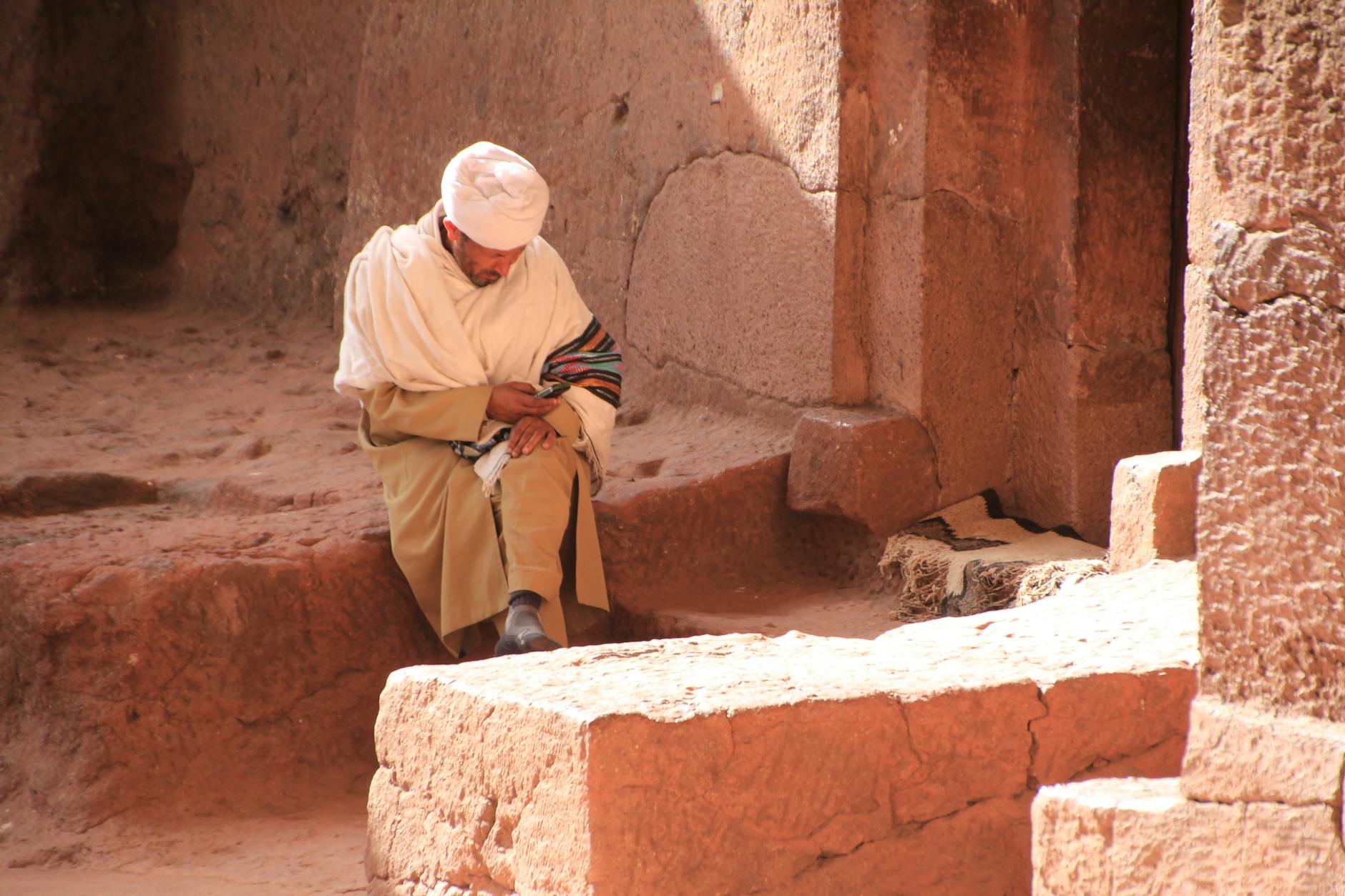
King Lalibela commissioned the construction of eleven rock-hewn churches in Ethiopia in the 12th century to create a New Jerusalem. Builders carved the churches from top to bottom directly into the living rock of the landscape. The Church of St. George is the most famous and is shaped like a cross in a deep trench. Tunnels and trenches connect the different monolithic structures and facilitate movement for priests. It remains an active pilgrimage site for the Ethiopian Orthodox Tewahedo Church.
Persepolis
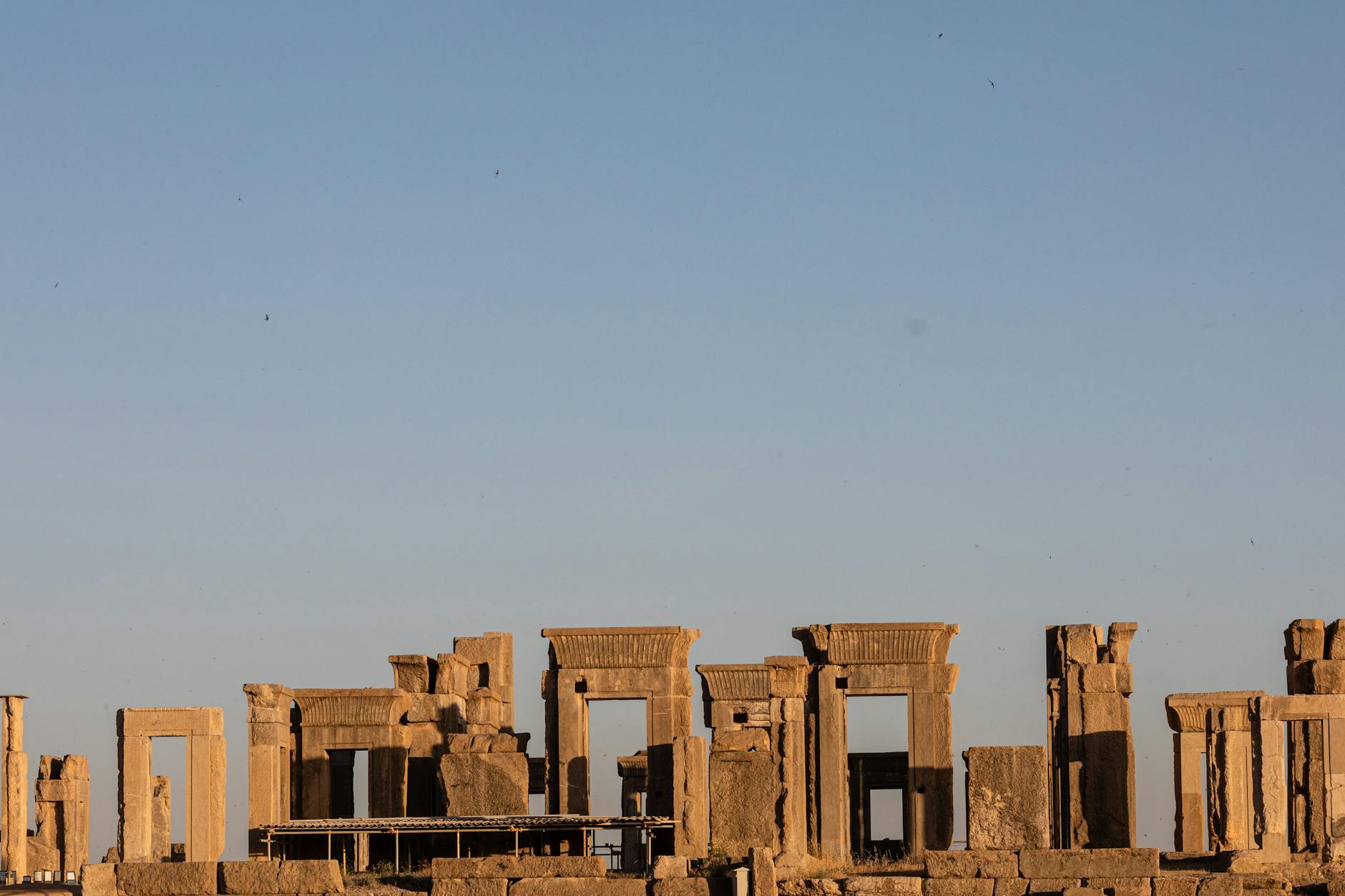
Darius the Great founded this ceremonial capital of the Achaemenid Empire in modern-day Iran around 518 BCE. The Apadana Palace features massive columns and reliefs that depict tribute bearers from across the empire. Alexander the Great destroyed the city in 330 BCE but the ruins still convey its former grandeur. The Gate of All Nations guarded the entrance and welcomed dignitaries with statues of mythical beasts. It serves as a reminder of the scale and sophistication of the ancient Persian Empire.
Registan
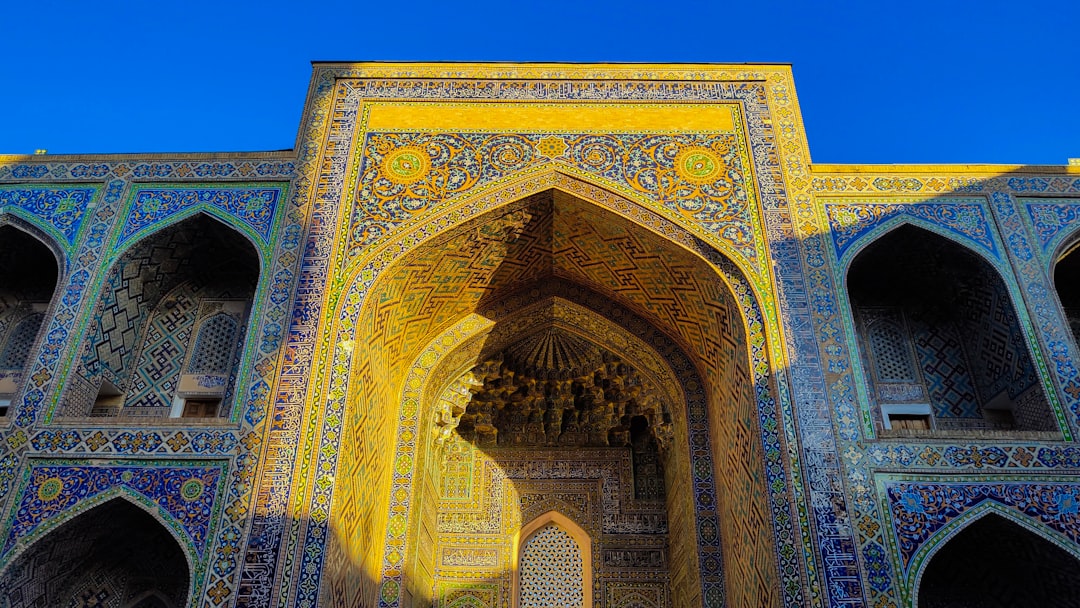
This public square in the heart of the ancient city of Samarkand was the center of the Timurid Renaissance. Three madrasas frame the square and feature distinctive azure mosaics and Islamic geometric patterns. The Ulugh Beg Madrasa is the oldest and functioned as a leading center for astronomy and mathematics. Restoration work has returned the tilting minarets and crumbling facades to their original splendor. It remains one of the most spectacular examples of Islamic architecture in Central Asia.
Great Zimbabwe
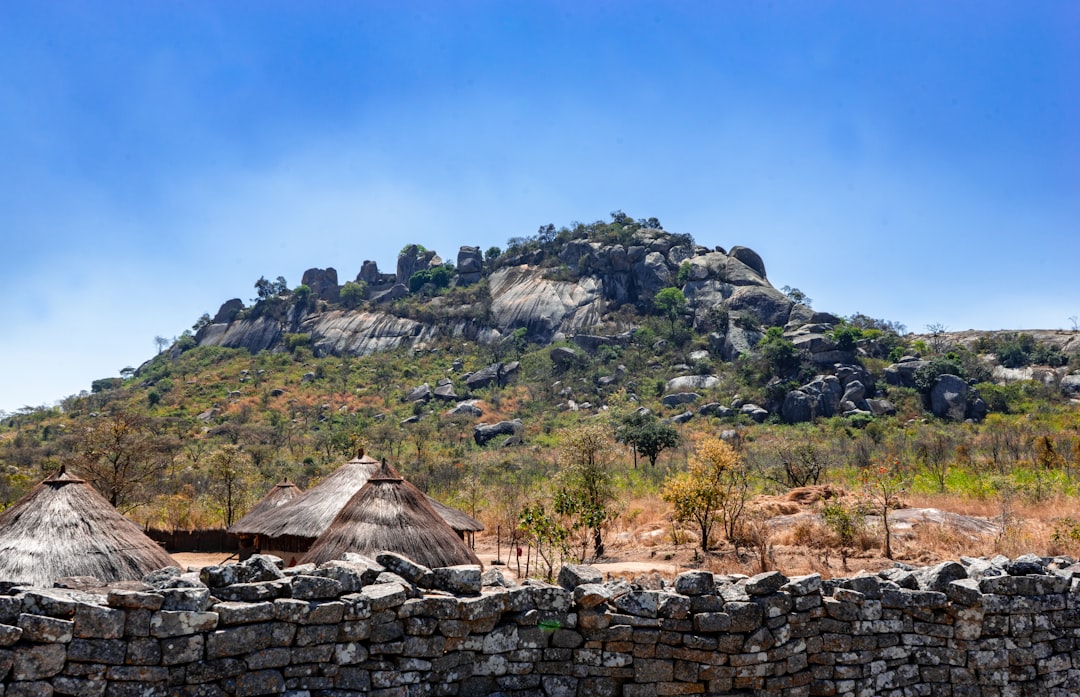
This medieval city in southeastern Zimbabwe was the capital of the Kingdom of Zimbabwe during the Late Iron Age. The Great Enclosure features high dry-stone walls that were built without mortar and demonstrate skilled masonry. It served as a royal palace and a center for trade connecting the interior with the coast. Soapstone birds found at the site have become the national symbol of the modern country. The ruins challenge colonial narratives by proving the existence of advanced African civilizations.
Carthage
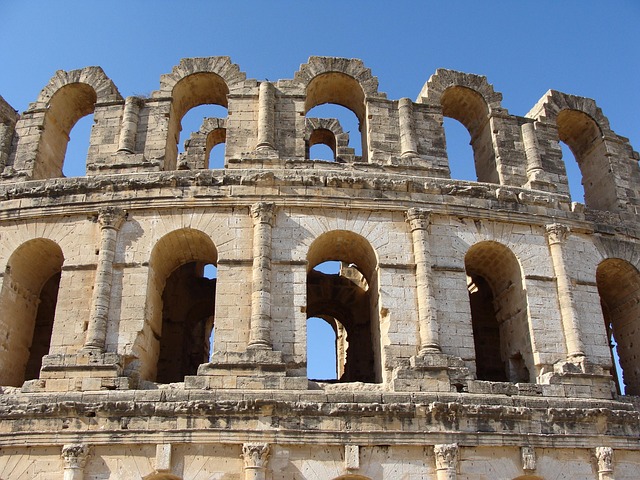
The Phoenicians founded this ancient city on the coast of Tunisia and it became a major power in the Mediterranean. It fought a series of wars against Rome known as the Punic Wars before being destroyed and rebuilt by the Romans. The site contains ruins of Punic ports and Roman baths and amphitheatres. The Antonine Baths are among the largest built in the Roman world and reflect the city’s importance. It stands as a testament to the rise and fall of ancient empires.
Karnak
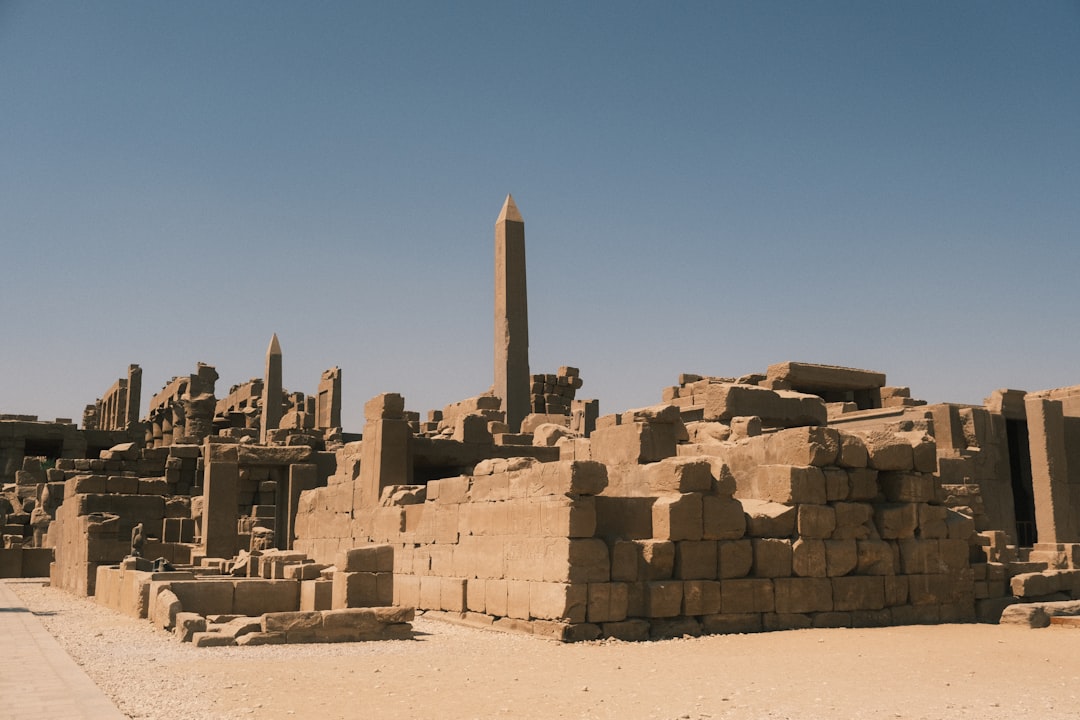
This vast temple complex near Luxor in Egypt developed over a period of fifteen hundred years. It was the main place of worship for the Theban Triad with the god Amun-Re at its head. The Hypostyle Hall features a forest of one hundred and thirty-four massive columns covered in hieroglyphs. Sacred lakes and pylons and obelisks scatter across the huge area dedicated to the gods. It is the second largest ancient religious site in the world after Angkor Wat.
Valley of the Kings
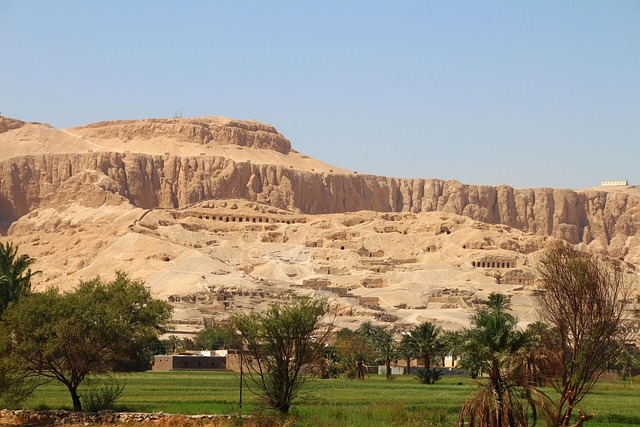
Pharaohs and powerful nobles of the New Kingdom were buried in rock-cut tombs in this valley on the west bank of the Nile. The tombs are decorated with scenes from Egyptian mythology to guide the deceased through the underworld. The discovery of Tutankhamun’s tomb in 1922 revealed the incredible wealth buried with the kings. Conservationists monitor the site closely to protect the delicate paintings from humidity and tourism damage. It remains the most famous burial ground of the ancient world.
Lascaux Caves
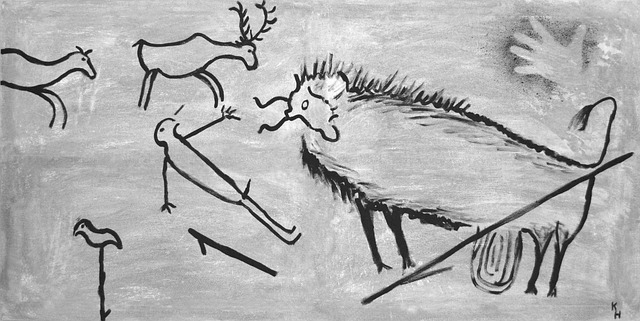
These caves in southwestern France contain some of the most famous examples of Upper Paleolithic cave art. Paintings of large animals and abstract symbols cover the walls and date back approximately seventeen thousand years. The original caves are closed to the public to prevent damage from carbon dioxide and humidity. Replicas allow visitors to experience the artwork without harming the prehistoric originals. The site offers a profound connection to the artistic expression of early humans.
Timbuktu
This city in Mali was a major center of trade and Islamic scholarship during the 15th and 16th centuries. It linked the Niger River with the Sahara Desert and facilitated the exchange of gold and salt and books. The Sankore Madrasa and other mosques feature distinctive earthen architecture with wooden scaffolding. Ancient manuscripts preserved in the city cover subjects ranging from astronomy to law. It remains a symbol of Africa’s rich intellectual and commercial history.
Please share your own favorite historic sites or any travel experiences you have had in the comments.




