Many grocery items appear nutritious at first glance but conceal significant amounts of sugar and sodium. Marketing terms like natural or low-fat often distract consumers from reading the nutritional panel closely. Understanding ingredient lists remains the best defense against purchasing disguised junk food. This comprehensive guide highlights common pantry staples that might be sabotaging your wellness goals.
Granola
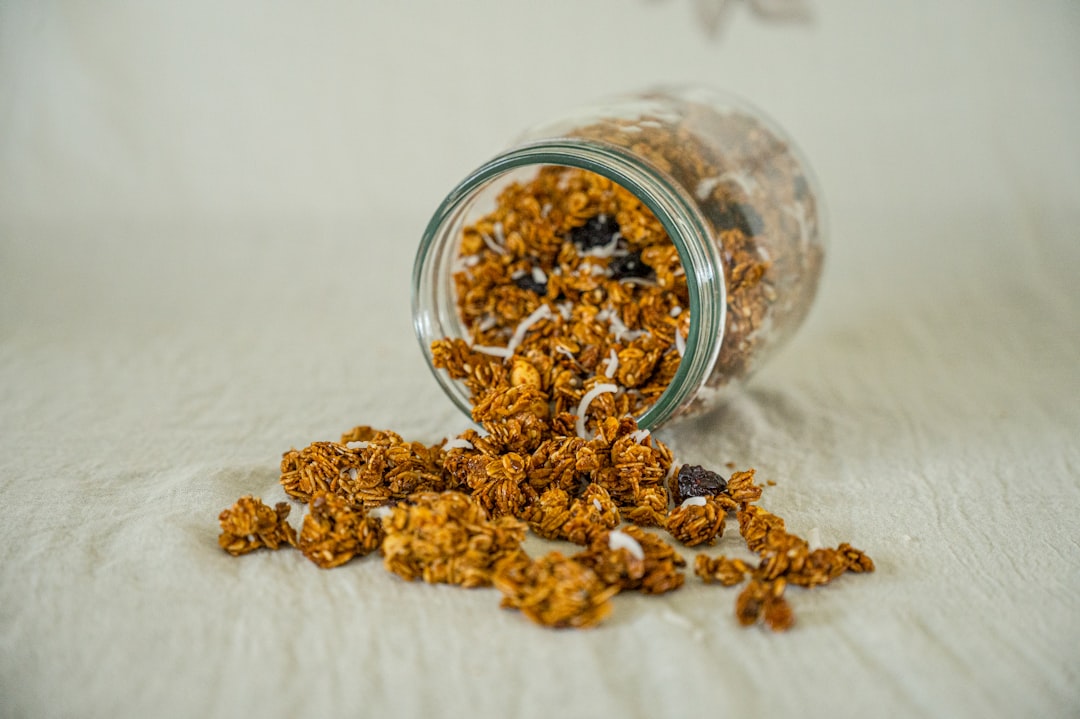
Commercial granola brands frequently use heavy syrups or honey to create crunchy clusters. The fat content increases significantly when oils are added to bind the oats together. A small bowl often contains more sugar than a standard glazed doughnut. Serving sizes on the package are usually much smaller than what people actually consume. Making your own granola allows for better control over sweetener and oil quantities.
Flavored Yogurt
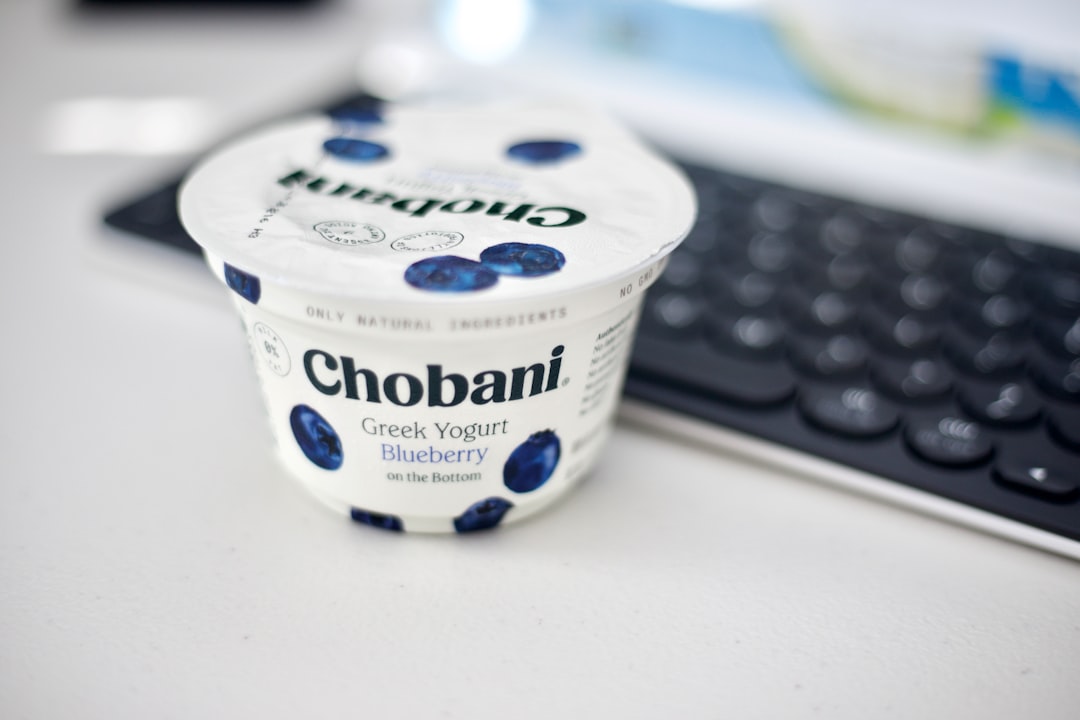
Fruit on the bottom varieties typically contain a thick layer of sugary jam. Many brands market these cups as healthy probiotics despite the high calorie count. The protein content often takes a backseat to artificial flavorings and sweeteners. Plain yogurt topped with fresh fruit provides a much superior nutritional profile. Consumers should check the sugar grams per serving before making a purchase.
Agave Nectar
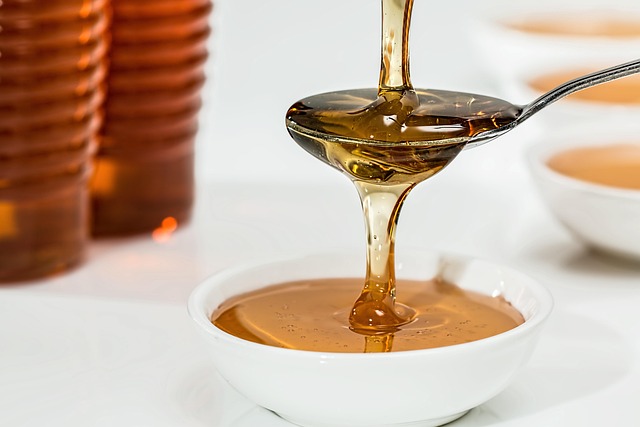
This liquid sweetener is frequently marketed as a healthier alternative to white sugar. It actually contains very high levels of fructose which can stress the liver. Your body processes agave similarly to how it processes high fructose corn syrup. The popularity of this syrup often stems from its low glycemic index rather than overall health benefits. Moderation is essential even when using natural sweeteners.
Protein Bars
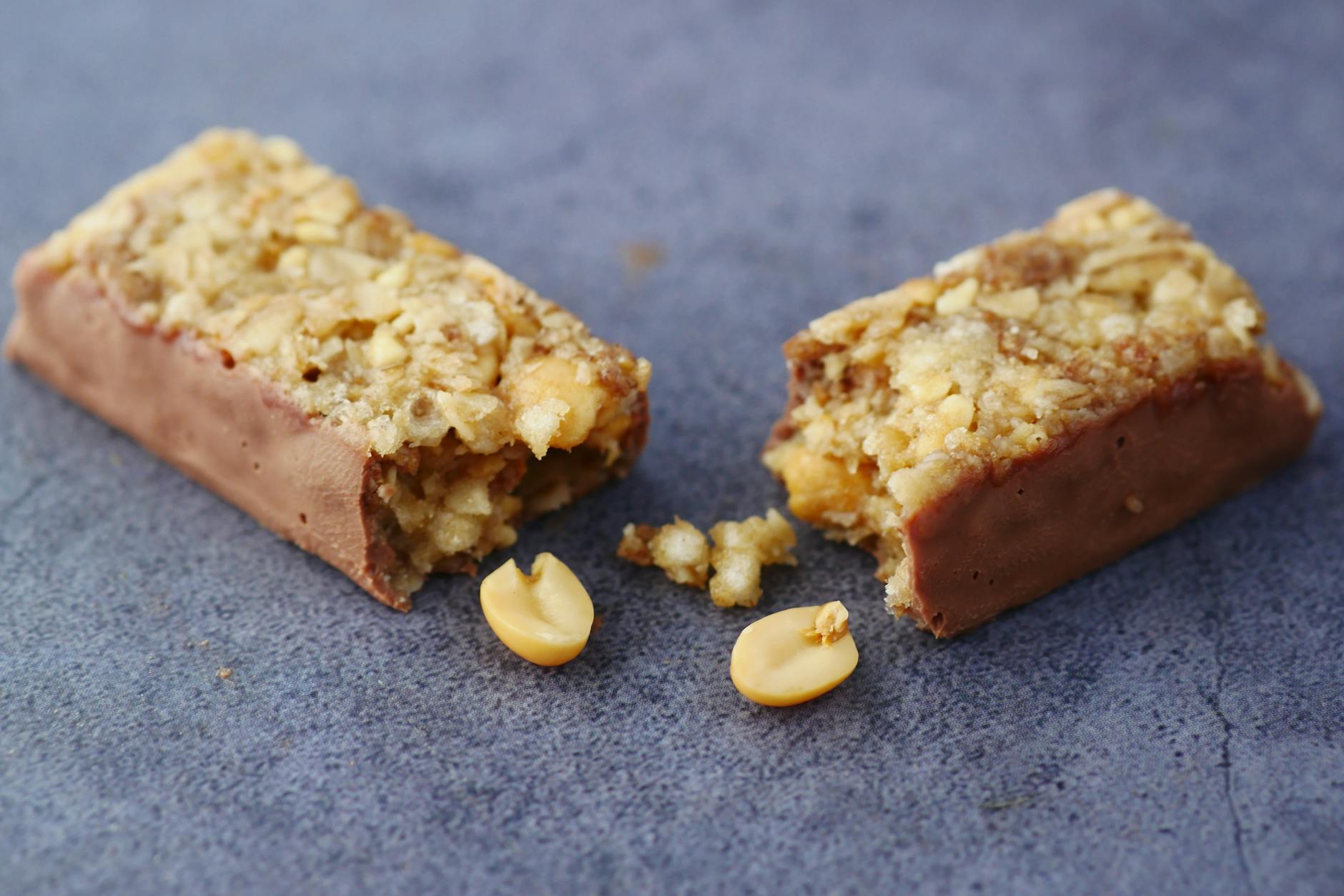
Many bars found in the fitness aisle function more like candy bars than health supplements. High fructose corn syrup and unhealthy fats often bind the ingredients together. The protein source is frequently soy isolate or other highly processed derivatives. Artificial sweeteners are commonly used to keep the calorie count low. Real food snacks like nuts or hard boiled eggs offer better nutrition.
Dried Fruit
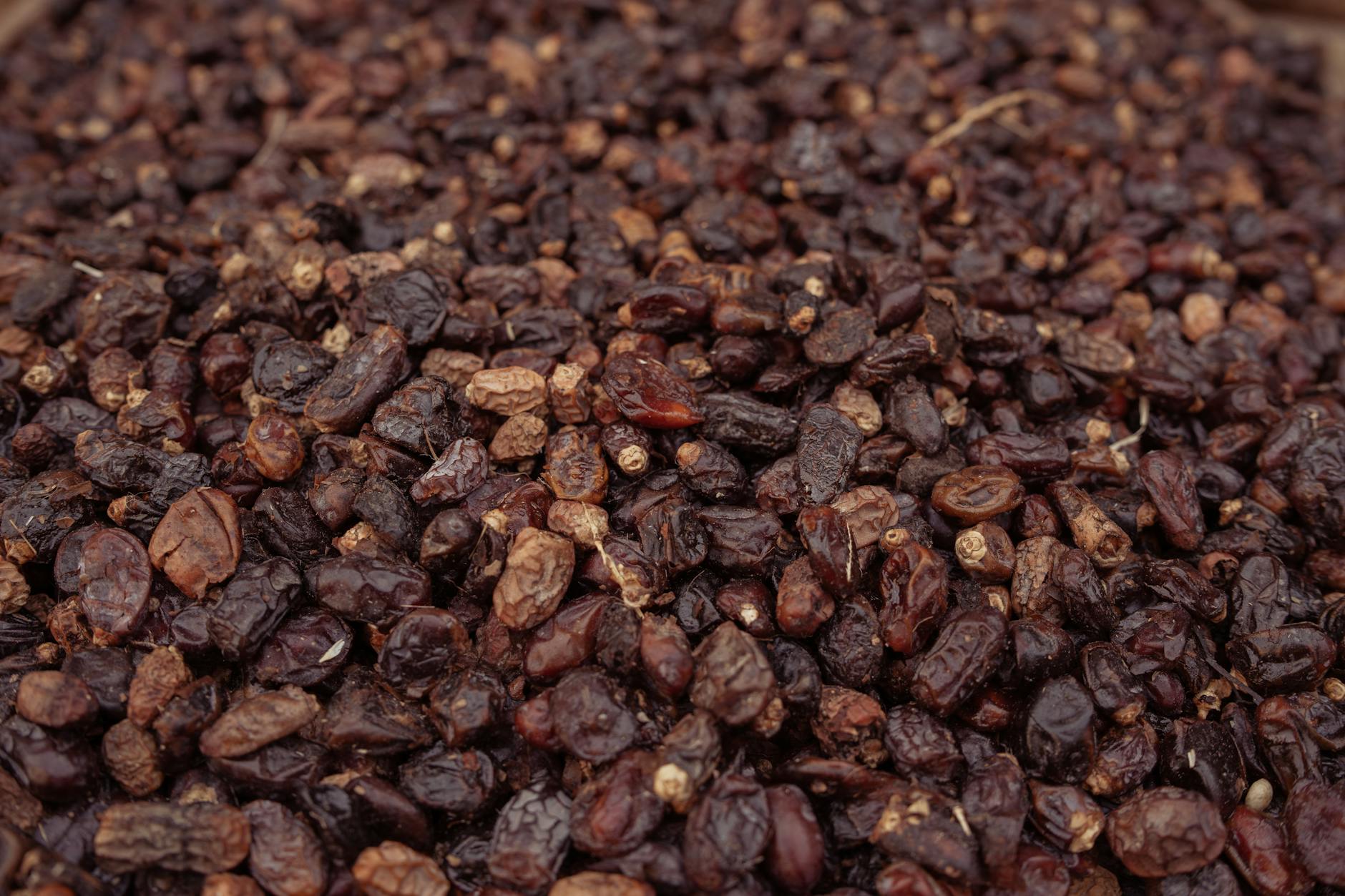
The dehydration process concentrates the natural sugars found in fruit into a small package. Manufacturers often add sulfur dioxide to preserve the bright color of apricots and mangoes. It is easy to overeat dried fruit because the water volume is missing. Some varieties like cranberries are almost always soaked in added sugar. Fresh fruit provides hydration and fiber that keeps you fuller longer.
Fruit Juice
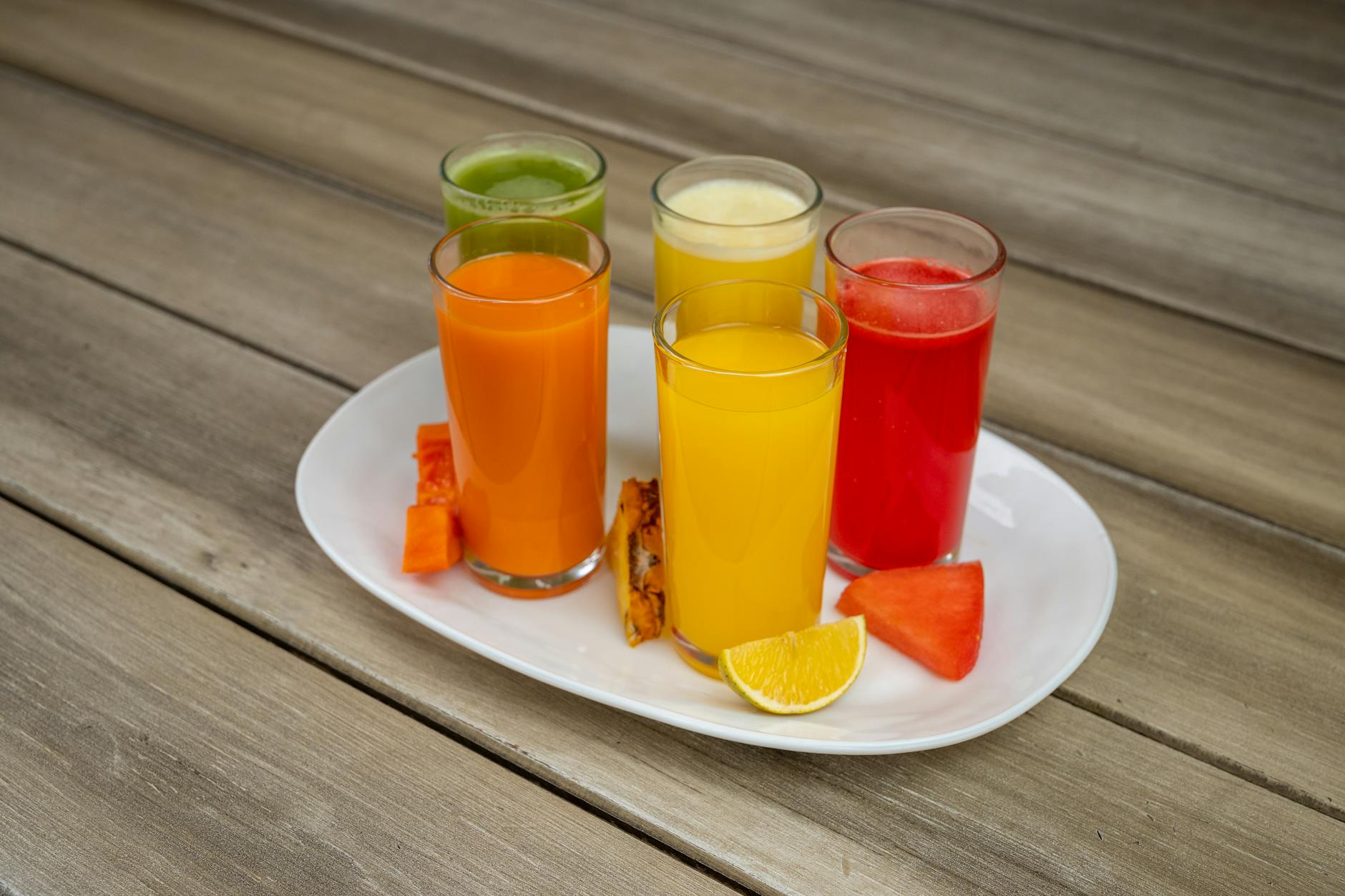
Juicing removes the fibrous pulp that helps slow down sugar absorption in the bloodstream. A glass of orange juice contains the sugar of several oranges without the satiating fiber. Blood sugar spikes are common after consuming liquid fruit calories. Many commercial juices are pasteurized which destroys heat-sensitive vitamins. Eating the whole fruit is consistently the better choice for metabolic health.
Gluten-Free Snacks

Removing gluten often requires the addition of refined starches like tapioca or potato flour. These processed flours can cause rapid spikes in blood sugar levels. Many people assume gluten-free automatically means healthy and eat larger portions. Manufacturers frequently add extra sugar and fat to improve the texture of these products. These snacks are often lower in protein and fiber than their wheat counterparts.
Sports Drinks
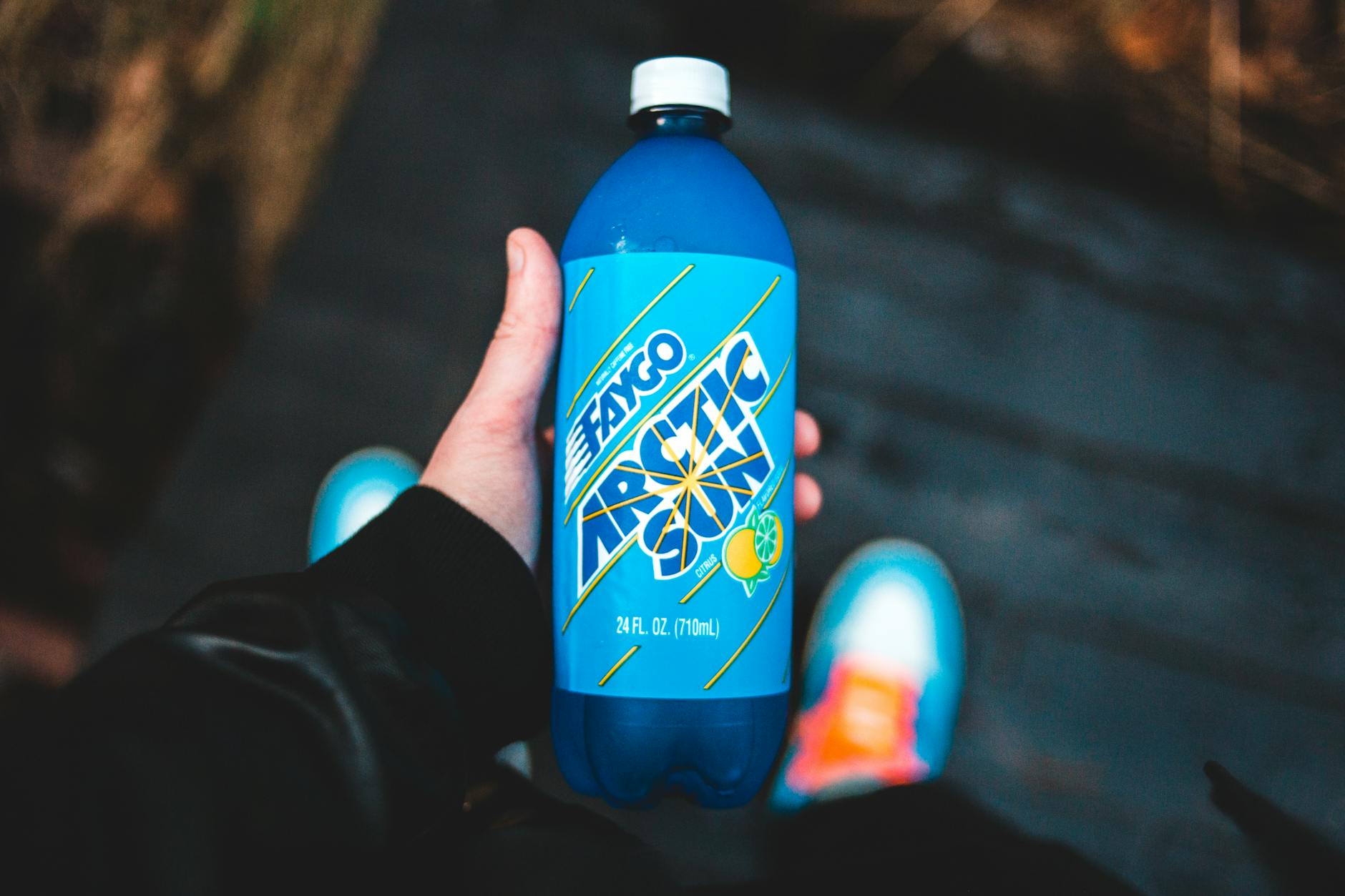
These colorful beverages are formulated specifically for high-intensity athletes rather than casual exercisers. They contain significant amounts of sugar designed to replenish glycogen stores rapidly. Most people do not burn enough calories during a gym session to warrant these drinks. Water is almost always the sufficient choice for hydration during moderate activity. Regular consumption contributes to dental erosion due to high acidity.
Low-Fat Salad Dressing
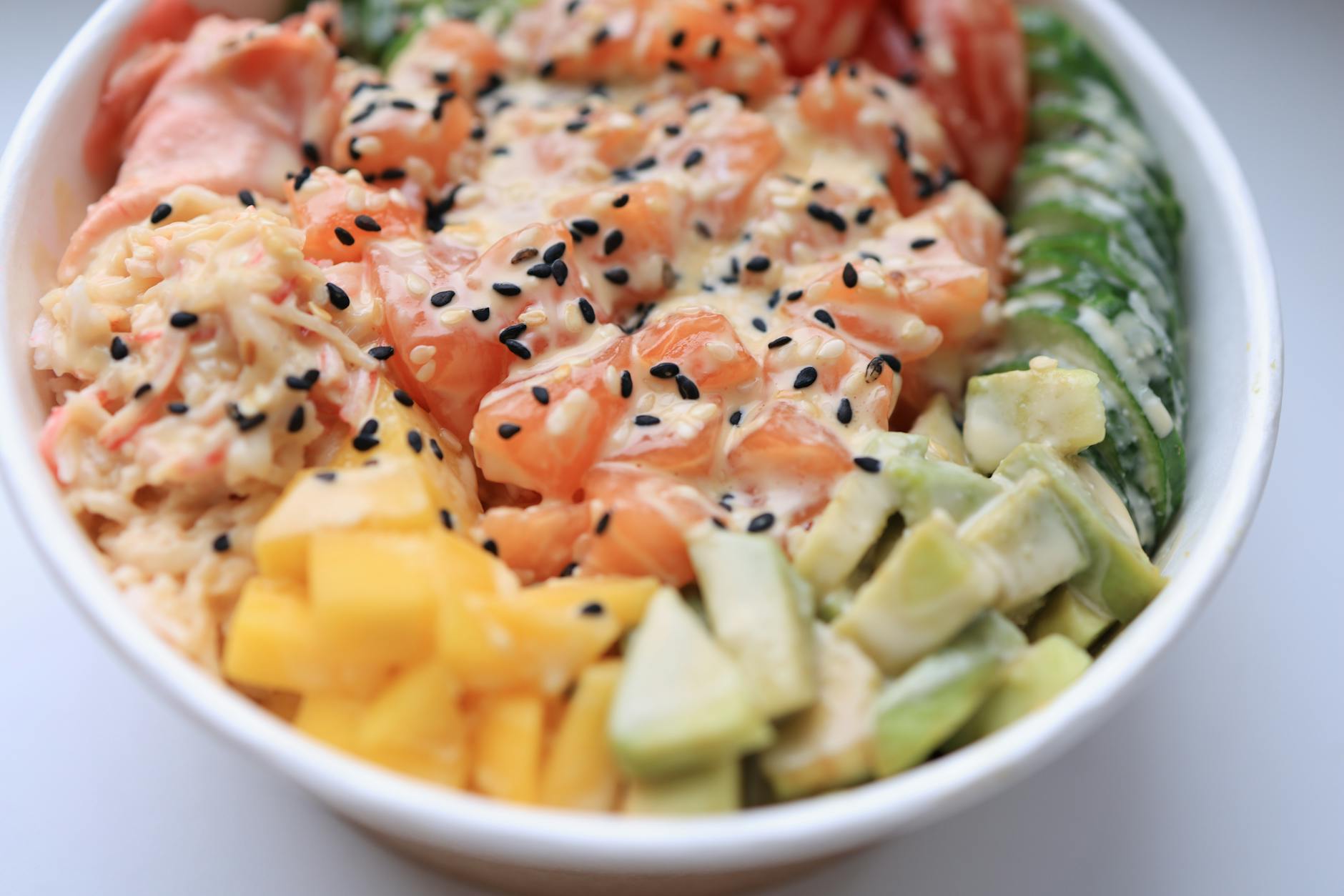
When manufacturers remove fat from dressing they often replace it with sugar and salt. The body needs healthy fats to absorb fat-soluble vitamins from the salad greens. Many fat-free varieties rely on chemical thickeners and stabilizers to mimic a creamy texture. You might end up consuming more calories from sugar than you saved by avoiding fat. Simple olive oil and vinegar remains the gold standard for dressings.
Pretzels

These twisted snacks are made almost entirely of refined white flour. They offer very little nutritional value and virtually no fiber to slow digestion. The high salt content can contribute to water retention and elevated blood pressure. Pretzels are easy to overeat because they do not provide a sense of satiety. Whole grain crackers or nuts are more filling alternatives.
Veggie Chips
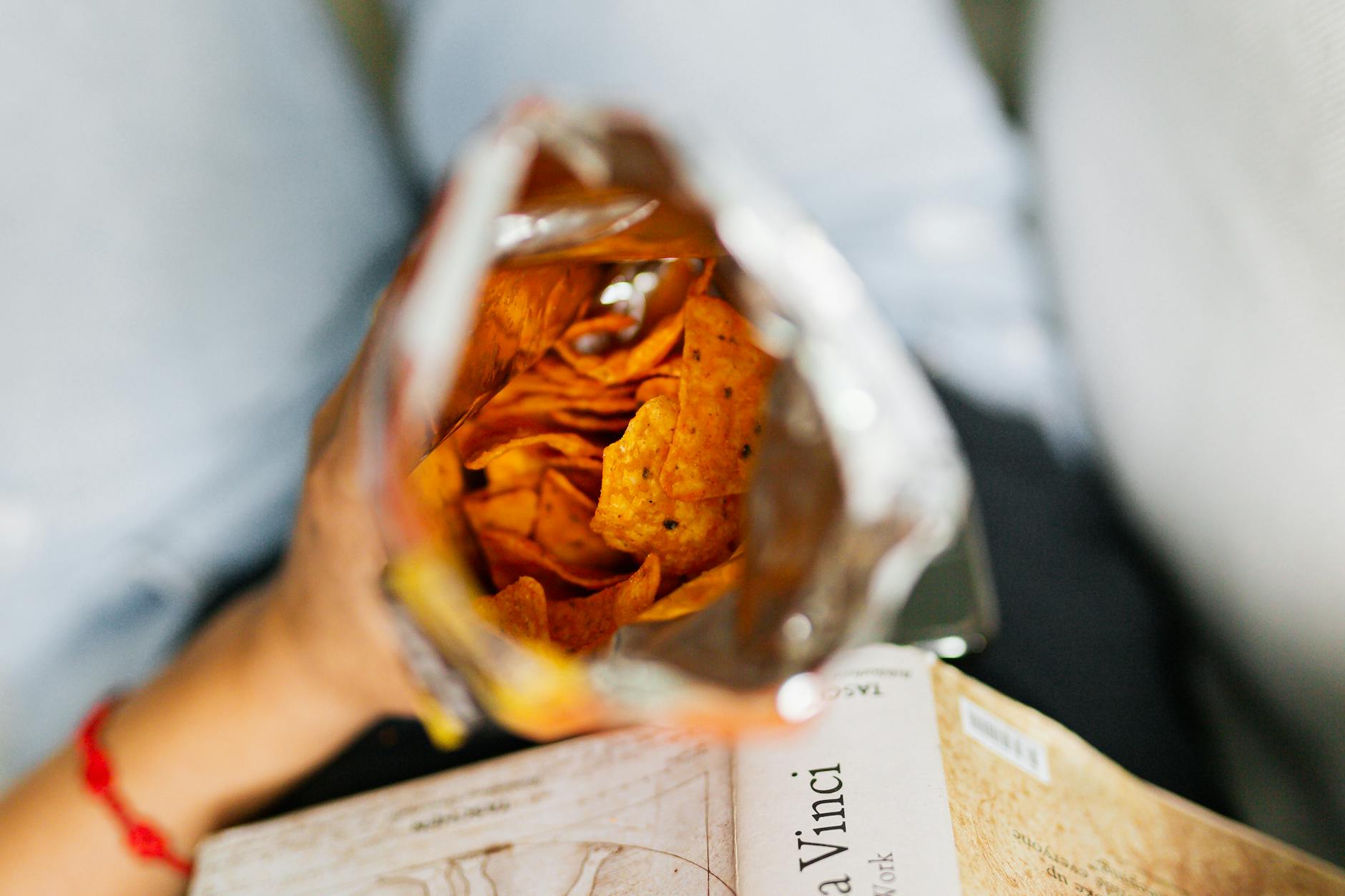
Most veggie chips are primarily potato flour or corn meal with a dusting of vegetable powder. The vibrant colors often come from food dyes rather than the vegetables themselves. Deep frying destroys many of the vitamins found in the original produce. The calorie and fat content usually mirrors that of standard potato chips. Baked kale or beet chips made at home retain actual nutrients.
Organic Processed Snacks
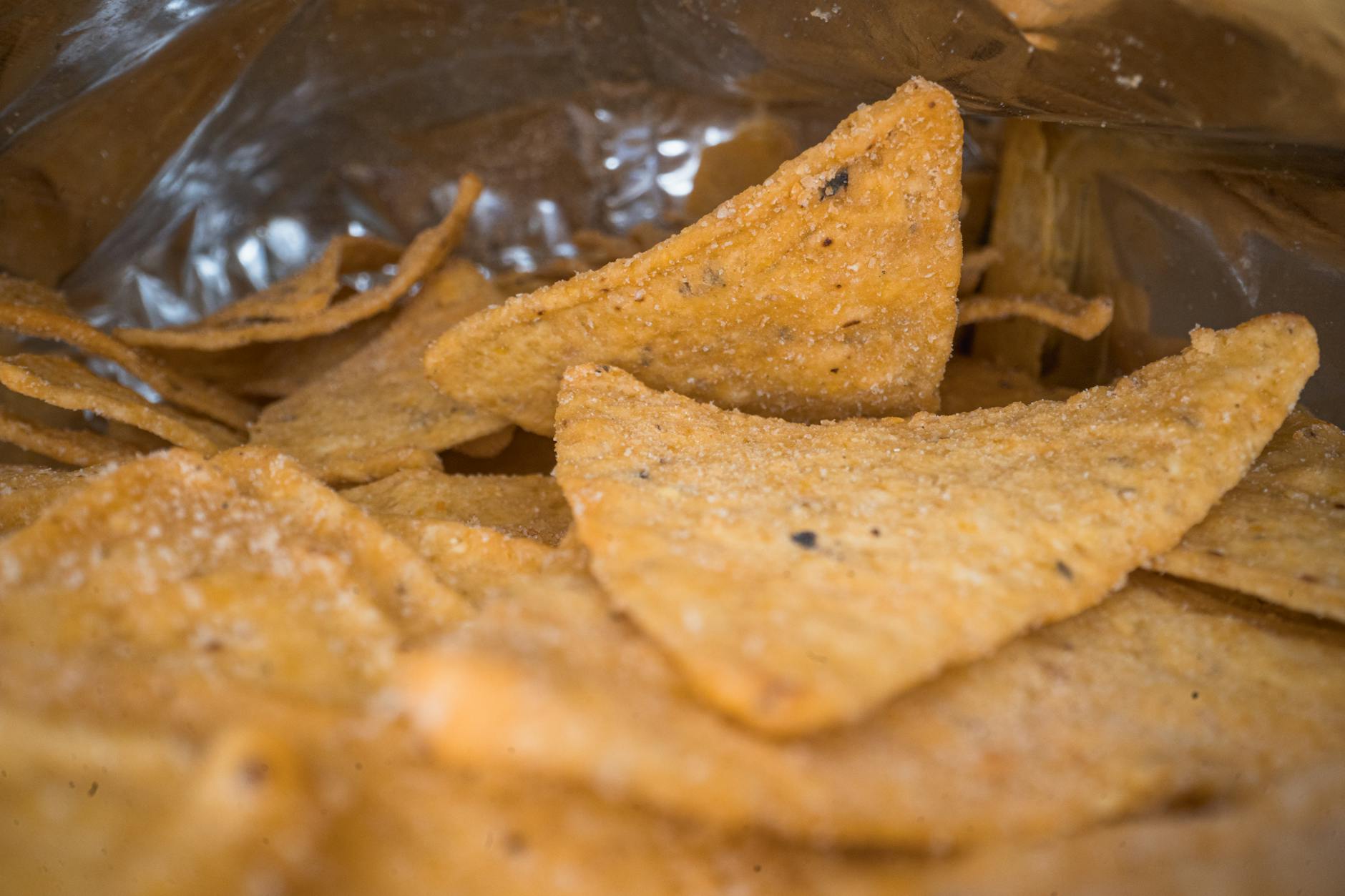
The organic label certifies how ingredients were grown but does not guarantee nutritional balance. Organic cane sugar affects the body exactly the same way as conventional sugar. Organic cookies and crackers are still processed foods with empty calories. Many consumers fall for the health halo effect and eat these items freely. Reading the nutrition facts is just as important for organic products.
Plant-Based Meat Alternatives

Imitation meats are often highly processed to mimic the texture and taste of beef. High sodium levels are common to enhance flavor and preservation. Saturated fats like coconut oil are frequently added to replicate the marbling of meat. The ingredient list can be extensive and filled with isolates and extracts. Whole plant proteins like lentils and beans offer better natural nutrition.
Vitamin Water

These beverages are essentially sugar water fortified with a small amount of synthetic vitamins. The amount of sugar in one bottle can rival that of a soda. Most people get sufficient vitamins from a balanced diet without needing supplements in their water. The marketing claims often exaggerate the health benefits of the added nutrients. Plain water or herbal tea provides hydration without the sugar crash.
Microwave Popcorn

The lining of microwave popcorn bags often contains chemicals to prevent oil from soaking through. Artificial butter flavorings have been linked to respiratory issues in manufacturing settings. Many brands use unhealthy fats that are solid at room temperature. The sodium content in a single bag can be excessive. Air-popped corn with real butter and sea salt is a safer option.
Instant Oatmeal
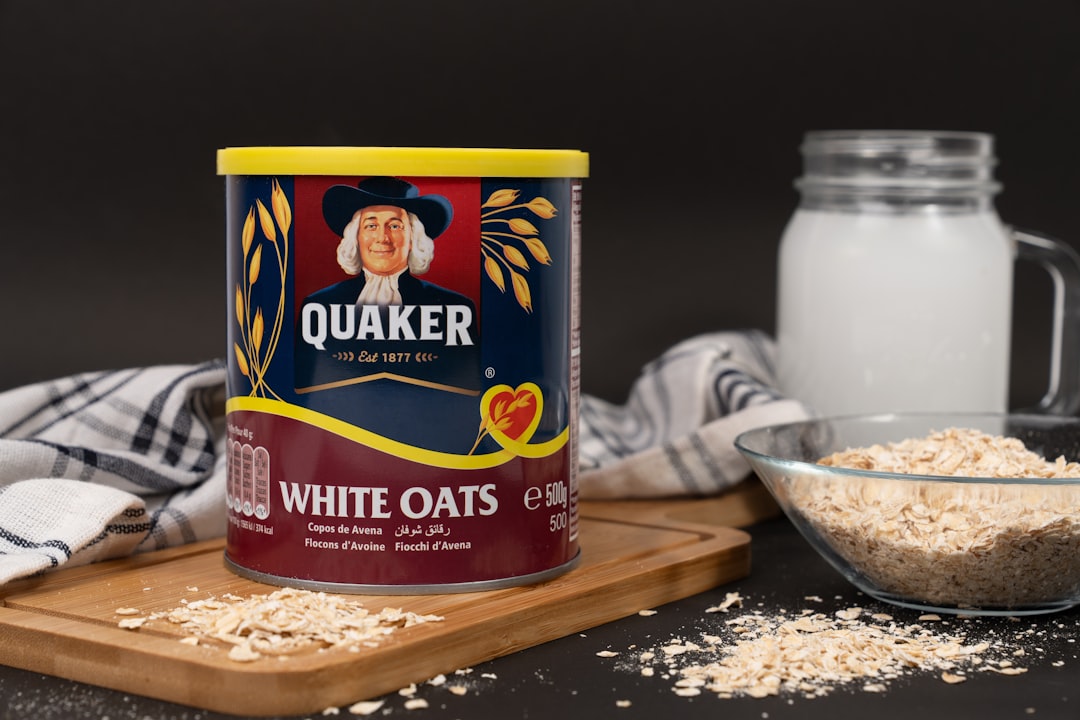
Pre-packaged oatmeal packets are convenient but usually loaded with sugar and sodium. The oats are processed to cook instantly which increases their glycemic index. Artificial flavors and coloring are often used to mimic fruit like strawberries or peaches. The serving size is generally small enough to leave you hungry an hour later. Steel-cut or rolled oats take longer but provide sustained energy.
Trail Mix
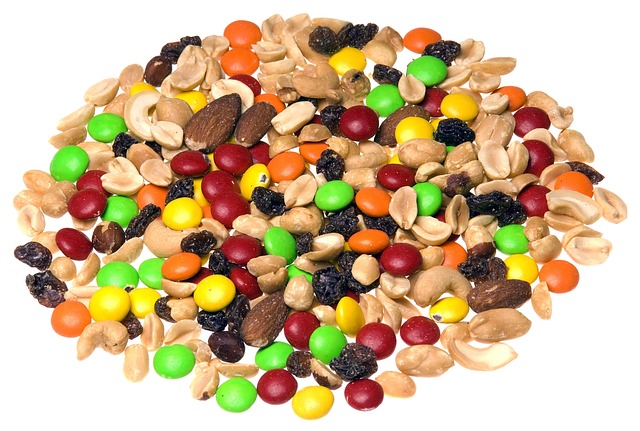
Store-bought trail mix often includes chocolate candies and yogurt-covered raisins. The nuts are frequently roasted in low-quality oils and heavily salted. A small handful contains a high density of calories that adds up quickly. The dried fruit adds another layer of concentrated sugar to the mix. Constructing your own mix allows you to control the ingredients.
Smoothies
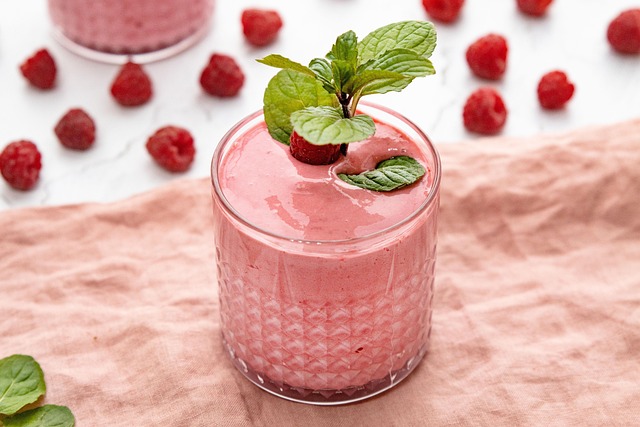
Commercial smoothies often use fruit juice or sherbet as a base instead of whole fruit. Serving sizes at smoothie shops can be massive and contain hundreds of calories. The lack of chewing bypasses the body’s natural satiety signals. Sugar levels in these drinks can exceed the daily recommended limit. Homemade smoothies with greens and protein powder offer balanced nutrition.
Sushi Rolls
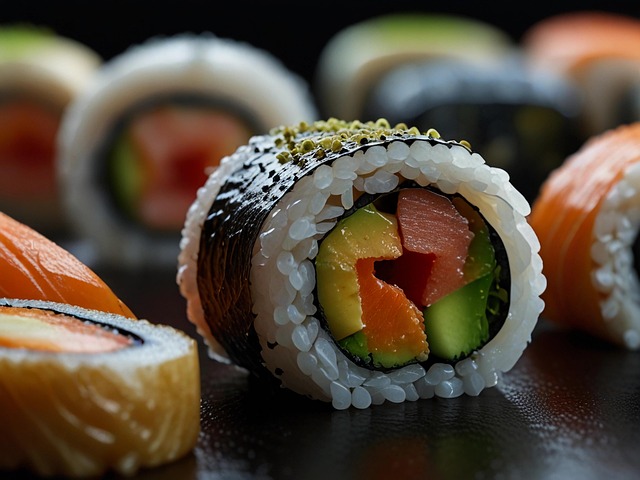
Americanized sushi rolls are often filled with cream cheese and fried tempura batter. Spicy mayo and sugary eel sauce add significant calories to the dish. The rice is typically seasoned with sugar and vinegar during preparation. A single roll can contain as many carbohydrates as several slices of bread. Sashimi or simple rolls with fresh fish and vegetables are lighter choices.
Diet Soda

Artificial sweeteners in diet soda may confuse the body’s metabolism and increase cravings. The high acidity of the carbonation damages tooth enamel over time. Some studies suggest a link between diet soda consumption and weight gain. These drinks provide no hydration or nutritional benefits. Sparkling water with a squeeze of citrus is a cleaner alternative.
Canned Soup

Canned soups are notorious for containing extremely high levels of sodium for preservation. The vegetables inside are often overcooked and stripped of their nutrients. Many creamy soups rely on thickeners and unhealthy fats for texture. The can lining may contain BPA which is a chemical of concern. Homemade soup freezes well and allows for salt control.
Frozen Yogurt

This soft serve treat is often viewed as a guilt-free alternative to ice cream. It still contains large amounts of sugar to mask the tartness of the yogurt. The self-serve toppings bar encourages piling on candy and syrups. Many varieties contain very little actual yogurt culture benefit. Portion control is difficult when serving sizes are determined by cup size.
Bran Muffins

Bran muffins sold in coffee shops are often oversized cakes in disguise. They typically contain more sugar and fat than a glazed donut. The amount of bran included is often minimal compared to the refined flour. Molasses and honey are used generously to moisten the dense texture. A bowl of bran cereal is a much more effective way to get fiber.
Spinach Wraps

The green tint of spinach wraps usually comes from food coloring rather than spinach. The primary ingredient is refined white flour just like a standard tortilla. You would need to eat several wraps to get the nutritional value of a small spinach salad. They contain the same amount of carbohydrates as white bread. Lettuce leaves make a truly low-carb wrap alternative.
Rice Cakes
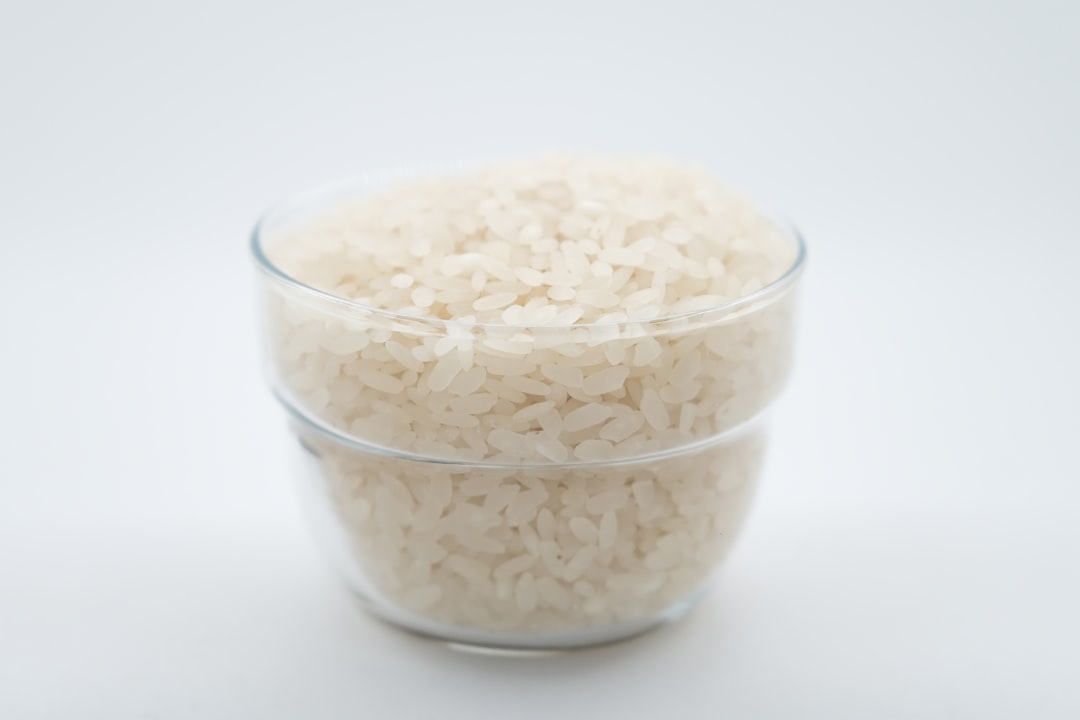
Rice cakes have a very high glycemic index which causes blood sugar to soar. They are low in calories but also low in nutrients and fiber. The lack of protein and fat means they digest very quickly. Flavored varieties are dusted with artificial powders and sugar. Adding a topping like avocado or nut butter helps blunt the sugar spike.
Couscous
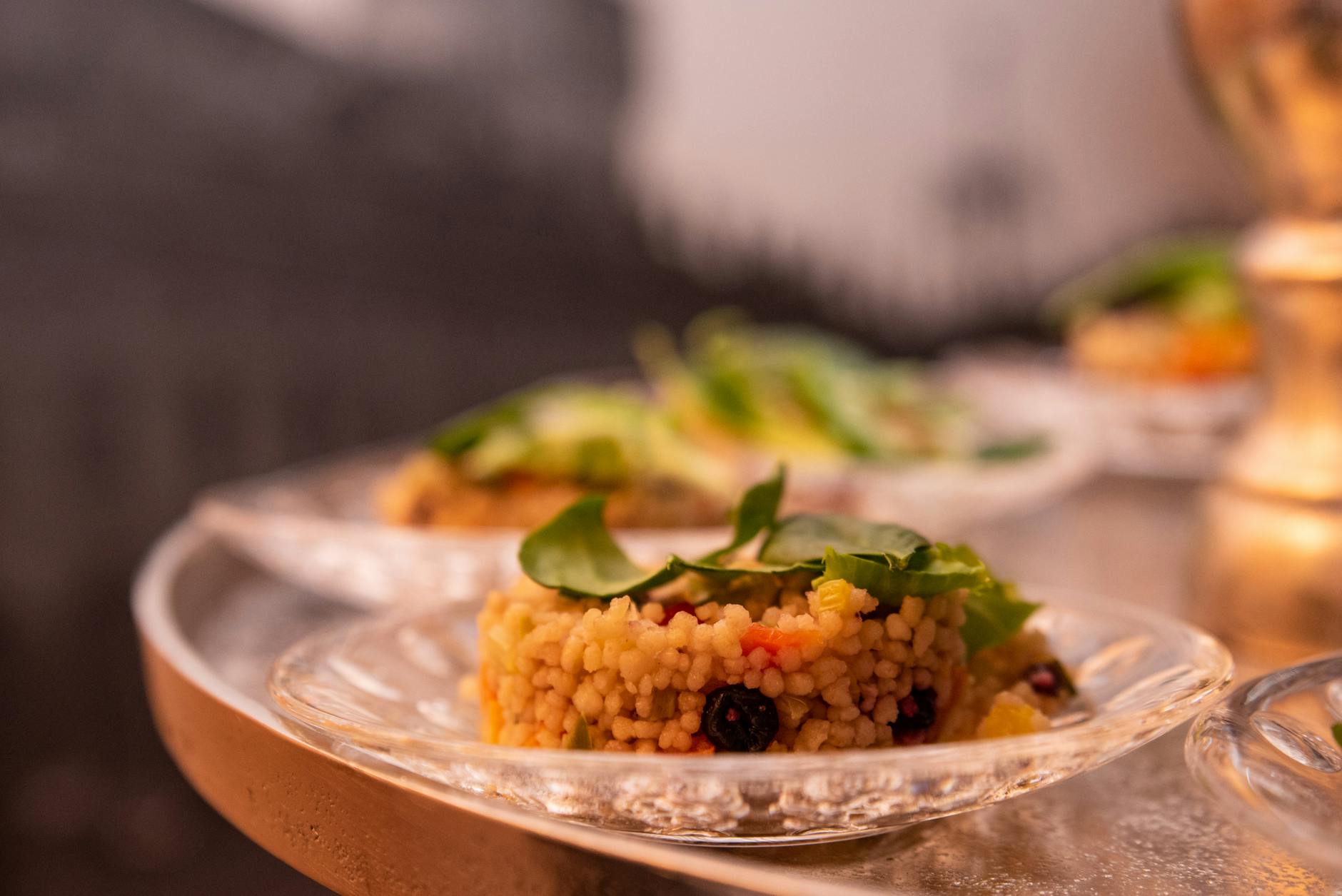
Many people mistake couscous for a whole grain when it is actually tiny pasta. It is made from semolina wheat flour and has a nutritional profile similar to white pasta. It lacks the fiber found in whole grains like quinoa or brown rice. The quick cooking time makes it popular but less nutritious. Whole wheat couscous is available but harder to find.
Skim Milk
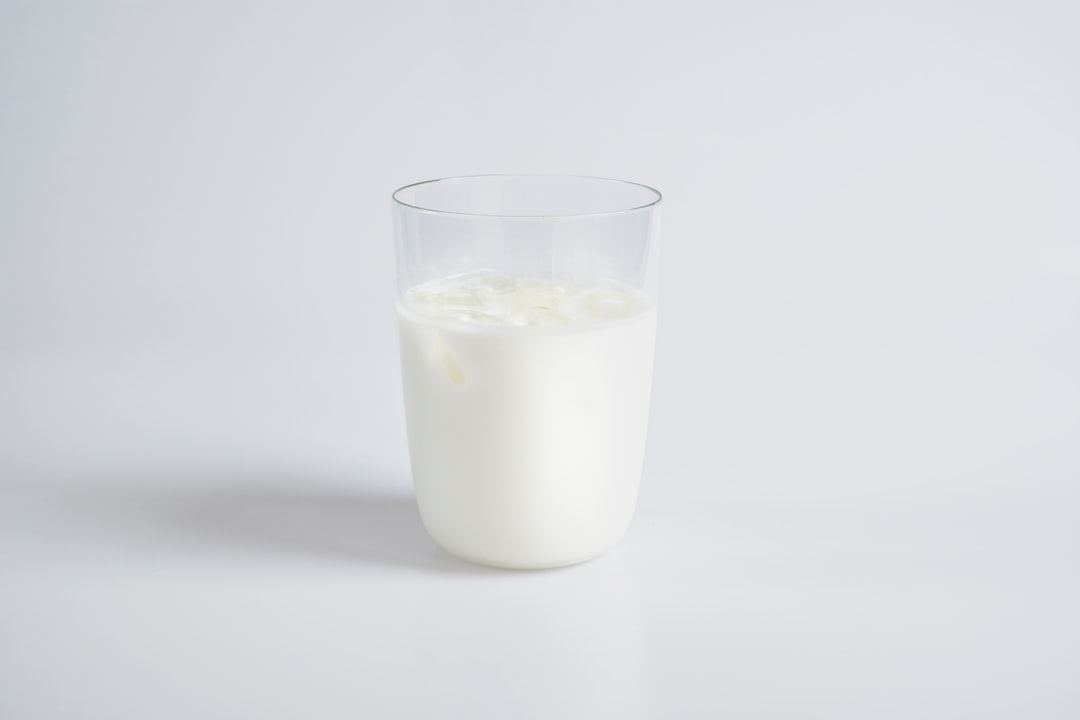
Removing the fat from milk can prevent the absorption of fat-soluble vitamins like A and D. Some research suggests that full-fat dairy promotes better satiety. Skim milk often has a watery taste that leaves consumers unsatisfied. Manufacturers fortify it with synthetic vitamins to replace what was lost. Moderate consumption of whole milk may be more beneficial.
Margarine

Margarine was created as a cheaper alternative to butter but often contains highly processed oils. Older formulas were high in dangerous trans fats that harm heart health. Even modern versions rely on emulsifiers and artificial colors to mimic butter. The ratio of omega-6 fatty acids is often unfavorable in these spreads. Real butter or olive oil are more natural choices.
Vegan Desserts

A dessert labeled vegan simply means it contains no animal products. It can still be loaded with refined sugar and processed flour. Coconut oil and palm oil are often used to replace butter which keeps the saturated fat count high. Calories in vegan treats are comparable to their traditional counterparts. A cookie is still a cookie regardless of its vegan status.
Energy Drinks
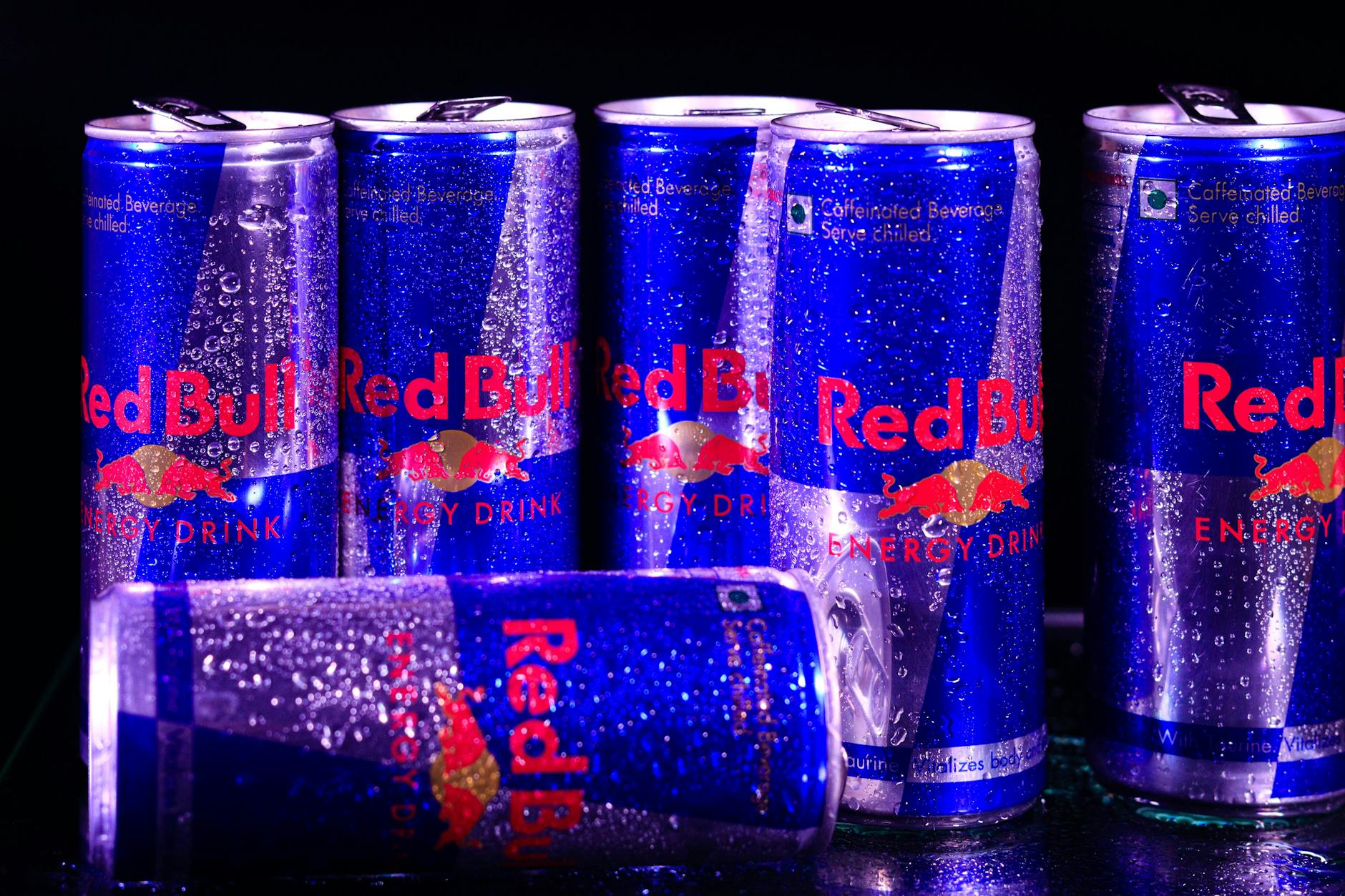
These beverages rely on massive doses of caffeine and sugar to provide a temporary boost. The crash that follows often leads to fatigue and irritability. Herbal stimulants like guarana are added to intensify the effects. Regular consumption can lead to heart palpitations and sleep disturbances. Black coffee or green tea offers a safer energy lift.
Acai Bowls
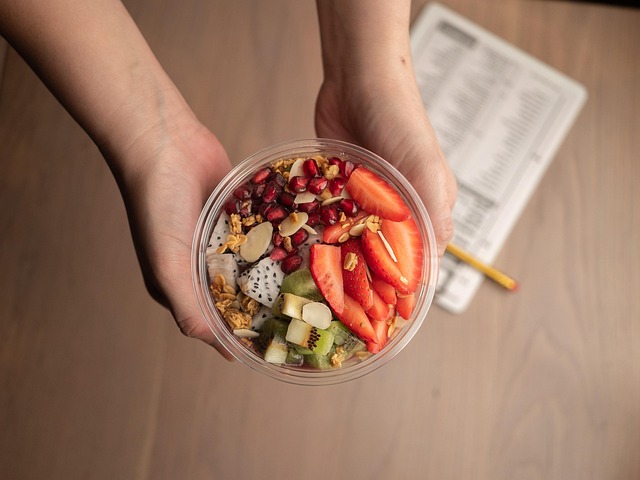
Acai berries are tart so the base is usually blended with large amounts of banana and juice. The toppings often include granola and honey which drives the sugar content higher. One bowl can easily contain a day’s worth of sugar. The portion sizes at cafes are typically far larger than recommended. Making a small bowl at home allows for sugar moderation.
Processed Peanut Butter
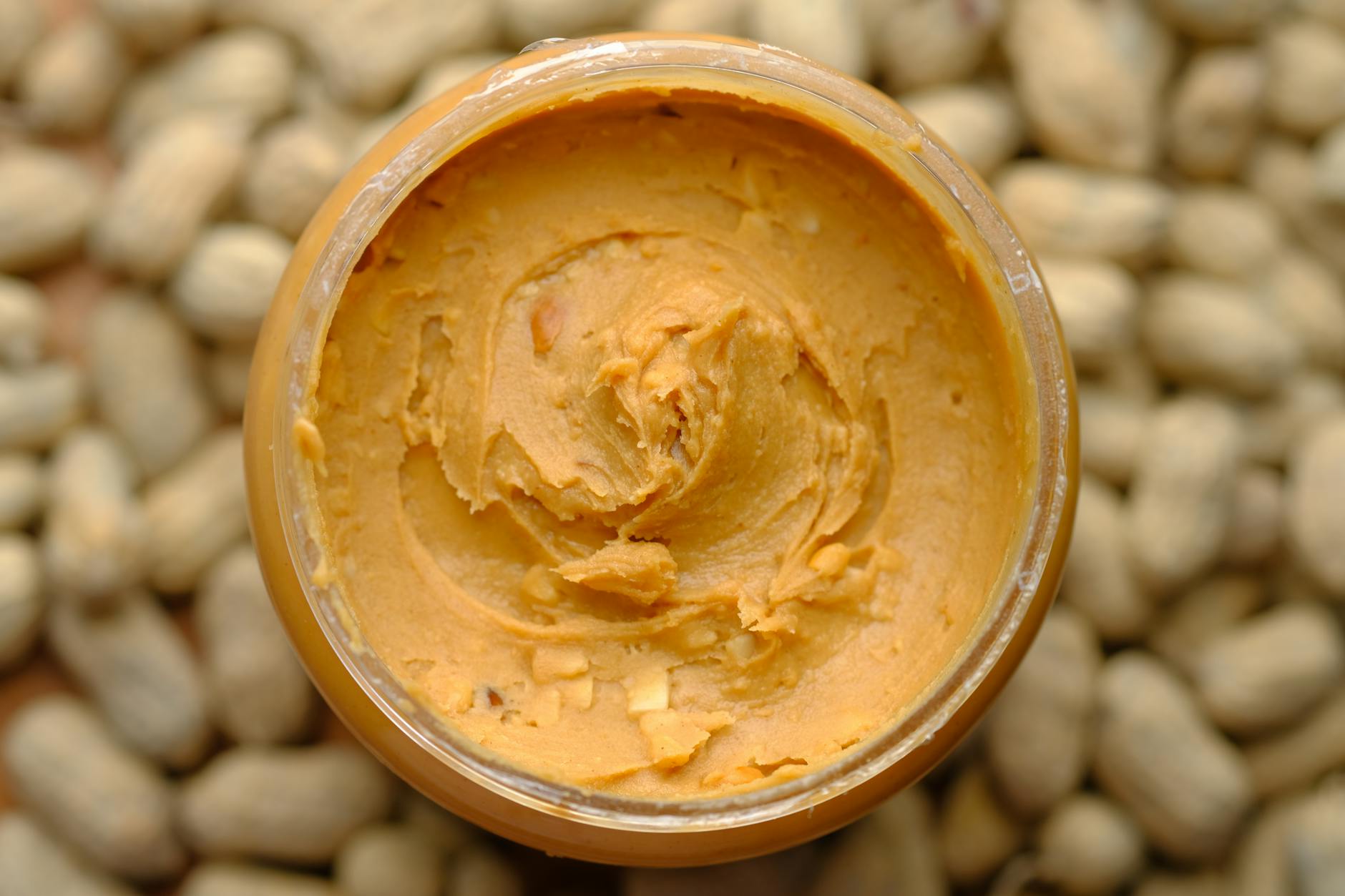
Popular peanut butter brands often add hydrogenated vegetable oils to prevent separation. Sugar is frequently the second ingredient listed on the jar. Reduced-fat versions add filler ingredients to compensate for the lost texture. Natural peanut butter should contain only peanuts and maybe salt. You can easily stir the natural oil back in before eating.
Flavored Coconut Water
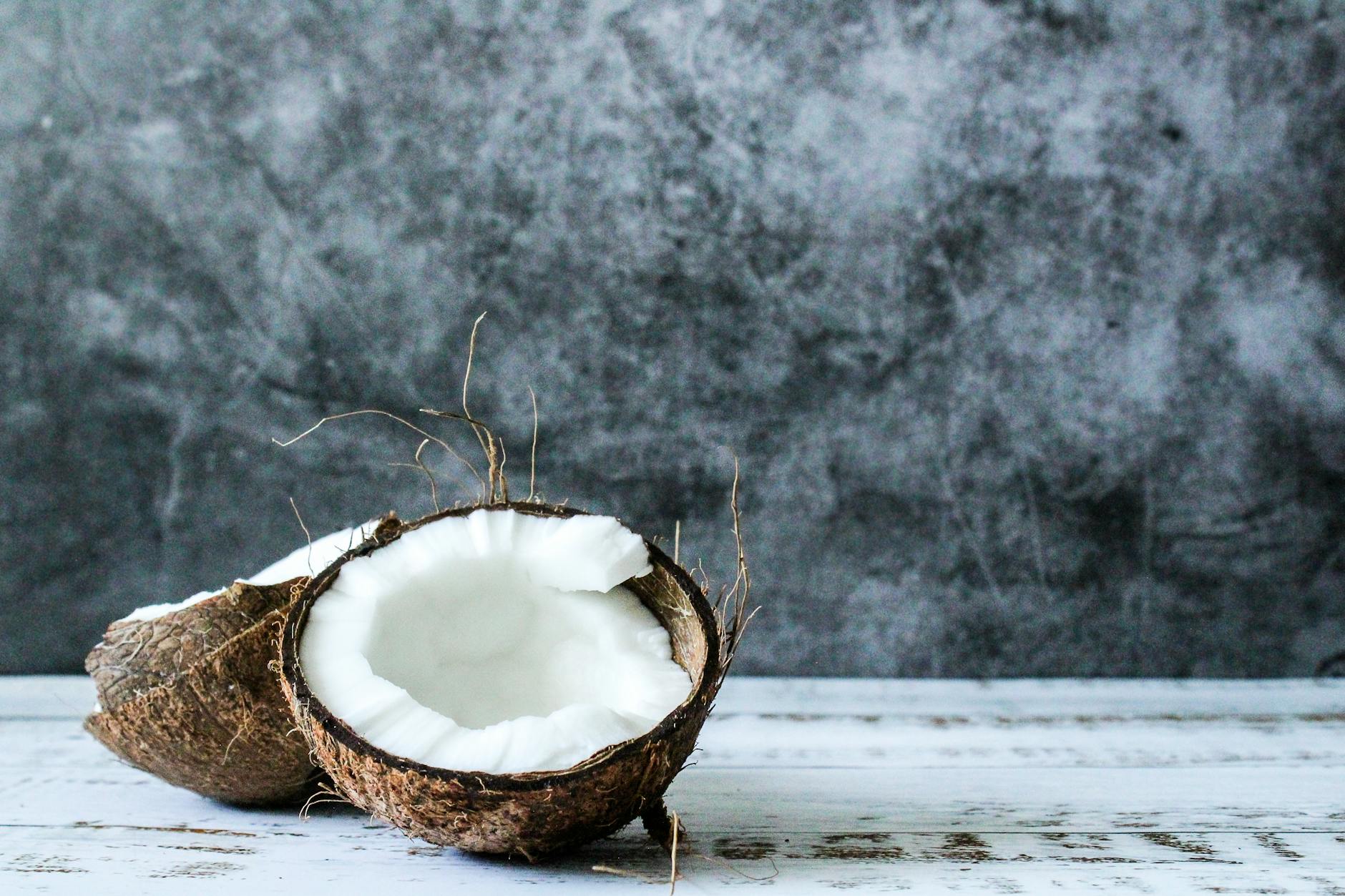
Coconut water is naturally hydrating but flavored versions add cane sugar or fruit puree. This turns a low-calorie electrolyte drink into a sugary beverage. The added flavors often mask the natural mineral taste that some find off-putting. Check the label to ensure you are buying 100 percent coconut water. Pure water remains the best hydration source for most people.
Baked Beans
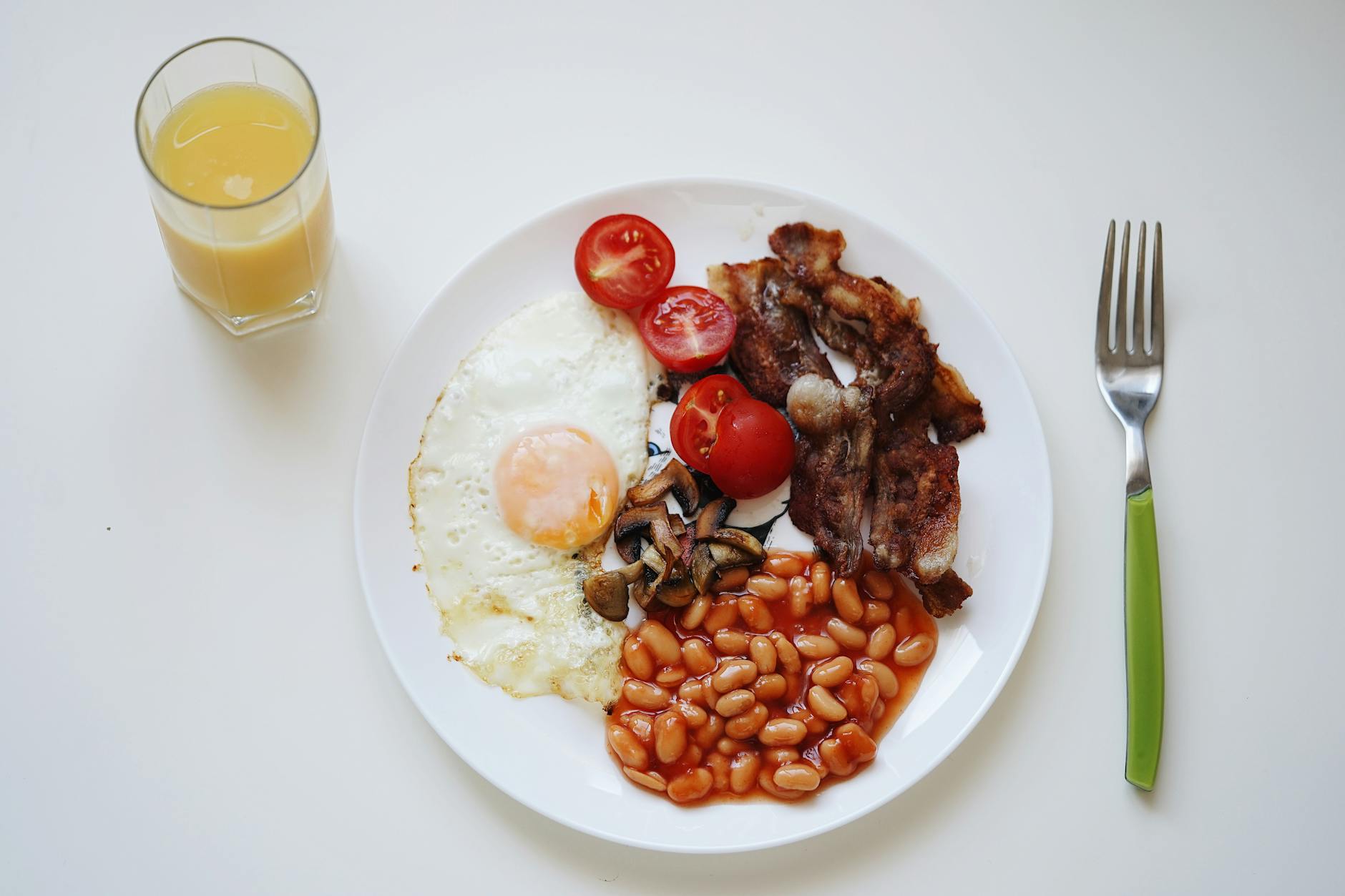
Canned baked beans are typically stewed in a sauce made of brown sugar or molasses. The savory taste disguises the fact that they are a high-sugar food. Sodium levels are also significant in canned varieties. The nutritional benefits of the beans are overshadowed by the syrupy sauce. Homemade beans can be made with minimal sweetener.
Bottled Iced Tea
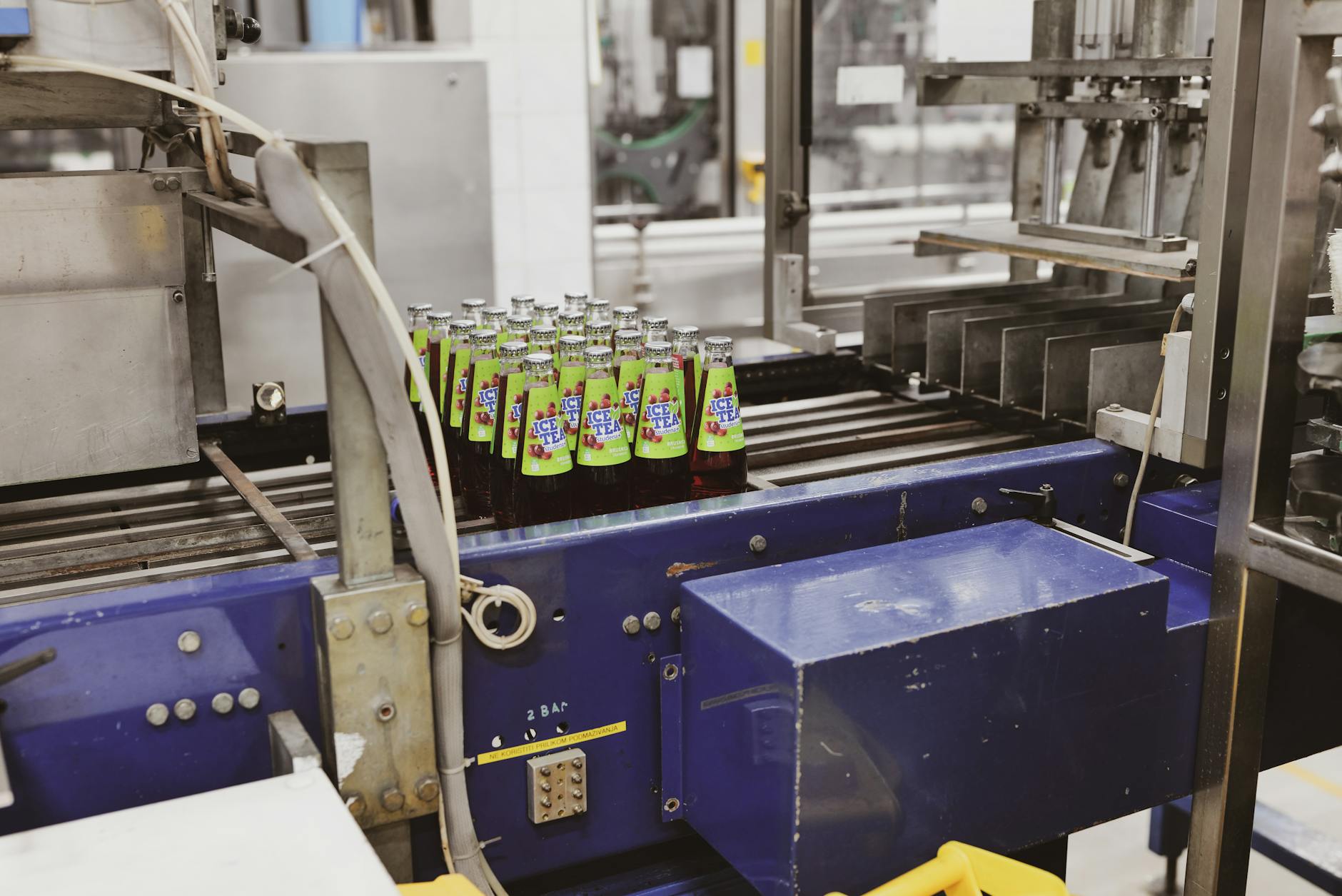
Pre-packaged iced teas are often just as sweet as soda. Manufacturers use high fructose corn syrup to sweeten the large bottles cheapy. The antioxidant benefits of the tea are diluted by the sugar and processing. Many brands contain very little actual tea content. Brewing tea at home is simple and allows you to control the sweetness.
Sweetened Almond Milk
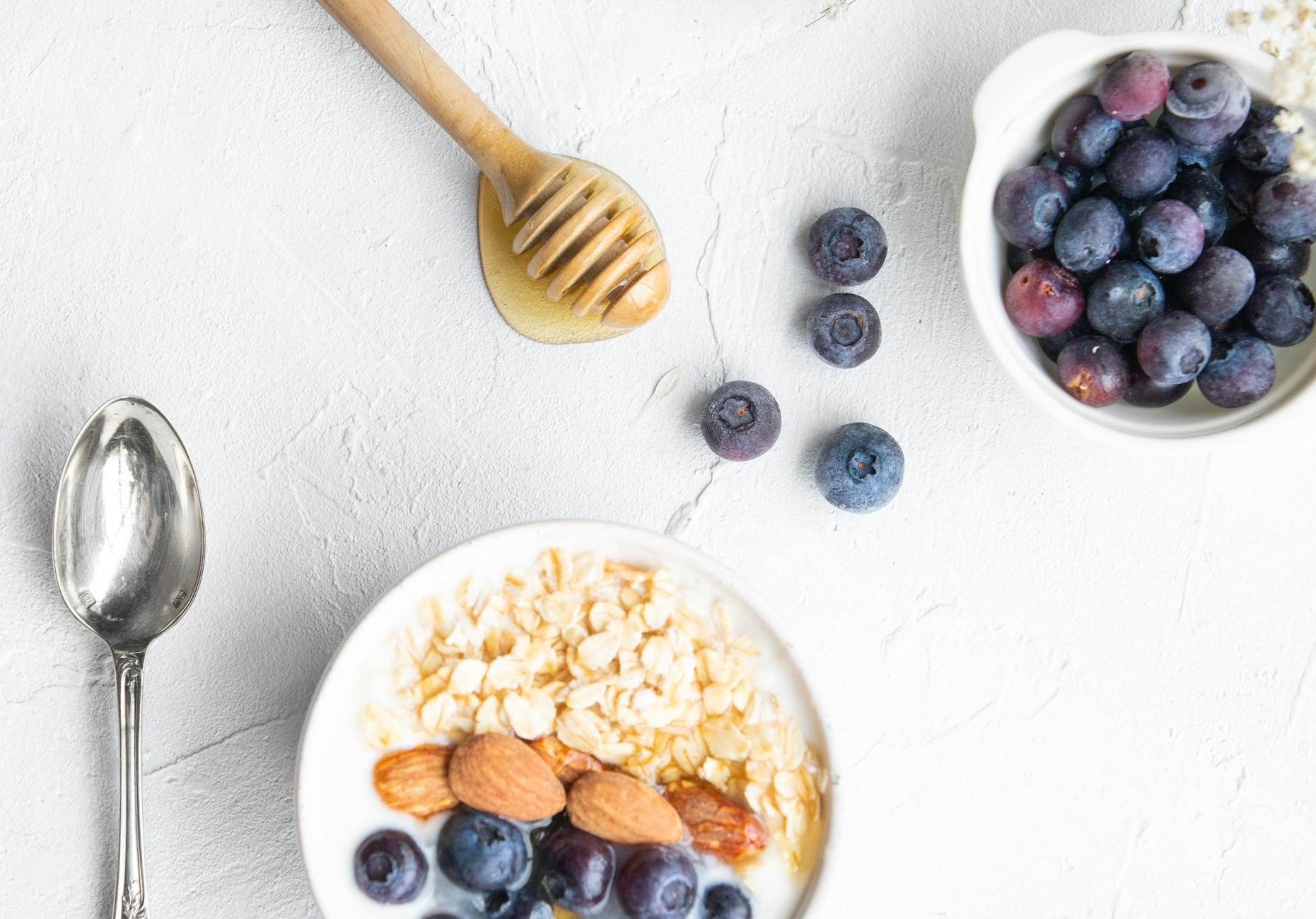
Original or vanilla almond milk usually contains added cane sugar. The protein content of almond milk is very low compared to dairy or soy milk. Many brands use thickeners like carrageenan to create a palatable texture. Unsweetened varieties are widely available and much healthier. Always check the carton to ensure no sugar has been added.
Processed Whole Wheat Bread
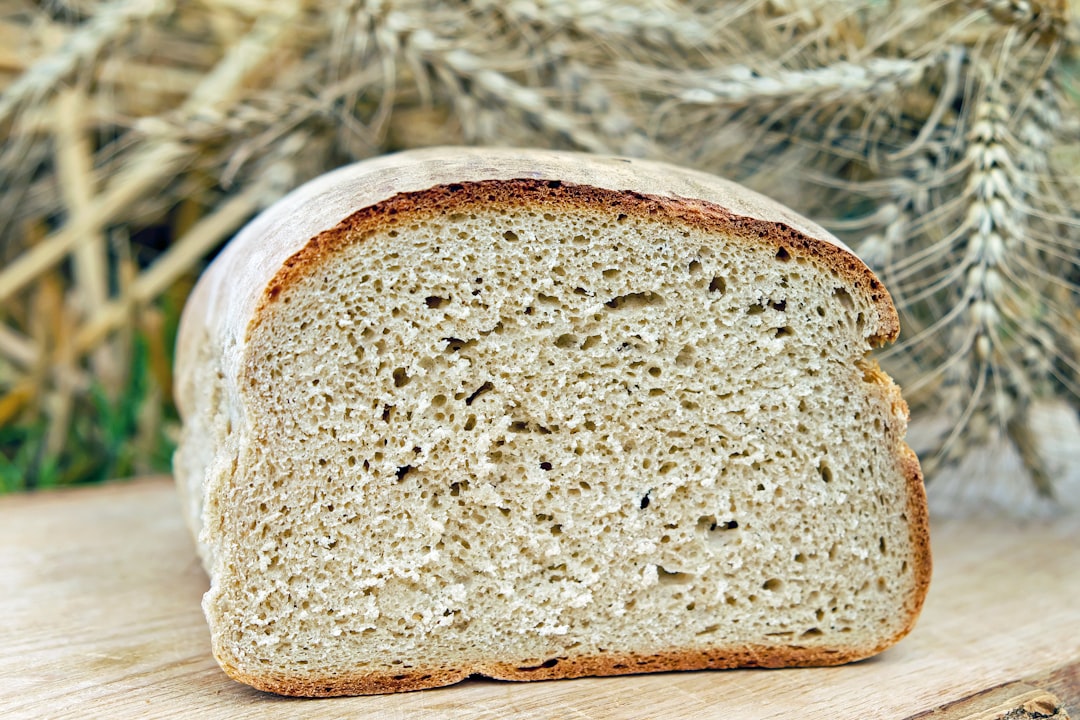
Many breads labeled whole wheat still contain refined flour as the first ingredient. High fructose corn syrup is often added to improve the flavor and texture. Preservatives are used to keep the bread soft for weeks on the shelf. The fiber content can be lower than expected in these commercial loaves. Look for 100 percent whole grain on the package.
Caesar Salad
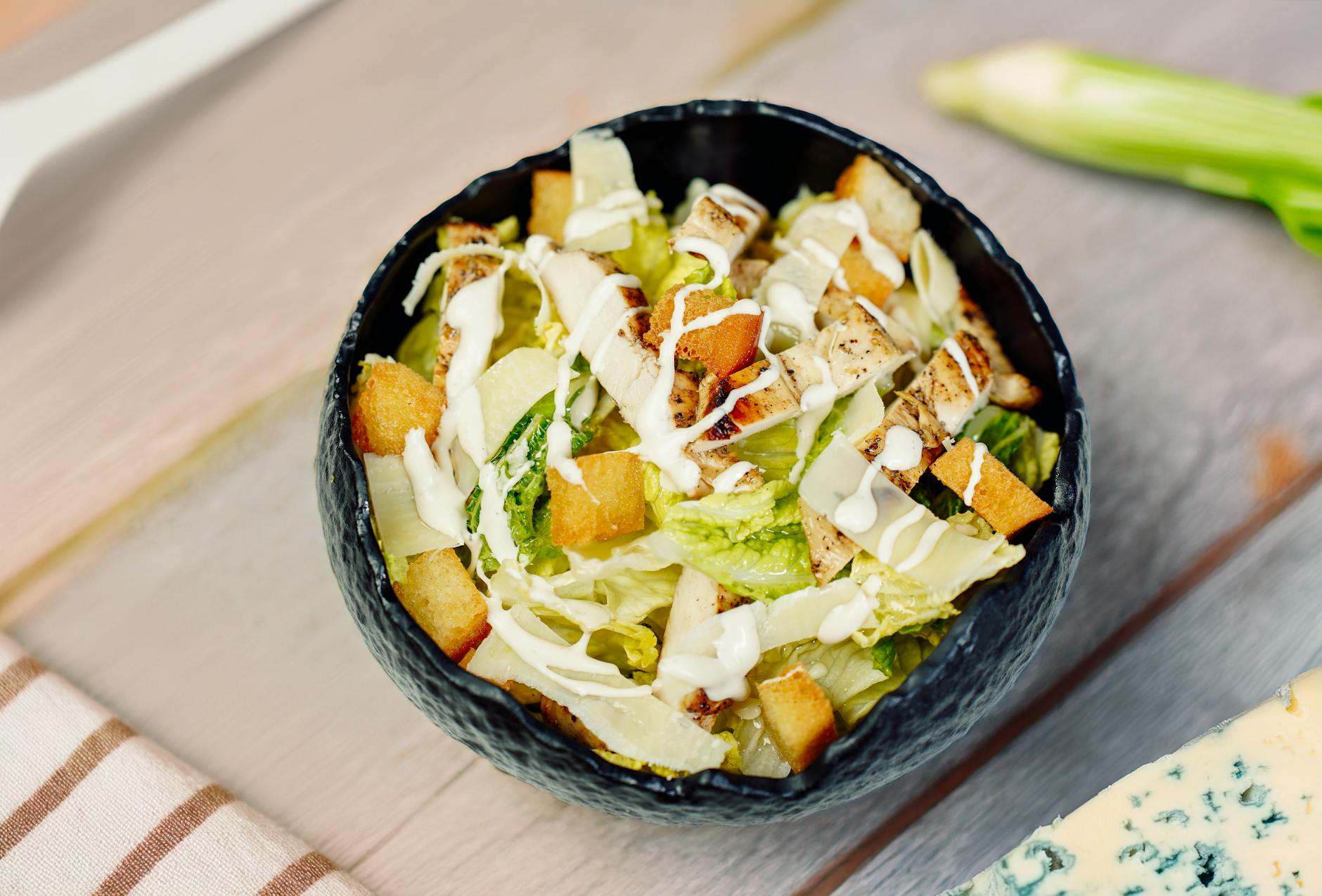
The base of romaine lettuce provides some crunch but few nutrients compared to dark greens. The creamy dressing is loaded with fat and sodium. Large amounts of parmesan cheese and white flour croutons add empty calories. A chicken Caesar salad can often have more calories than a burger. Ordering the dressing on the side is a smart strategy.
Frozen Veggie Burgers
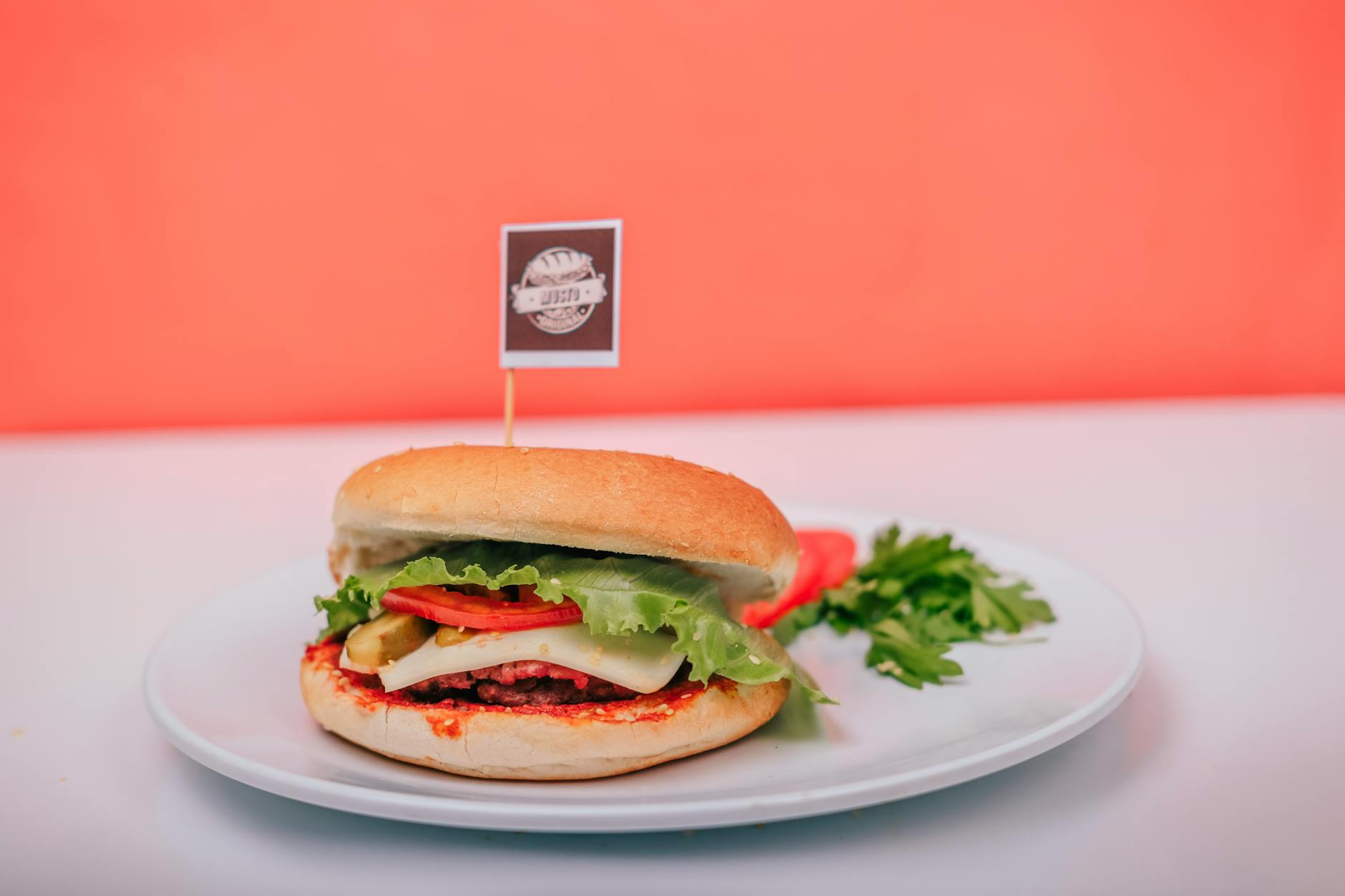
Many frozen veggie patties rely on processed soy protein and gluten for structure. They often contain long lists of additives and preservatives. The sodium count is high to ensure flavor after freezing. Some brands are deep-fried before being packaged. Homemade patties made from black beans or quinoa are superior.
Banana Chips
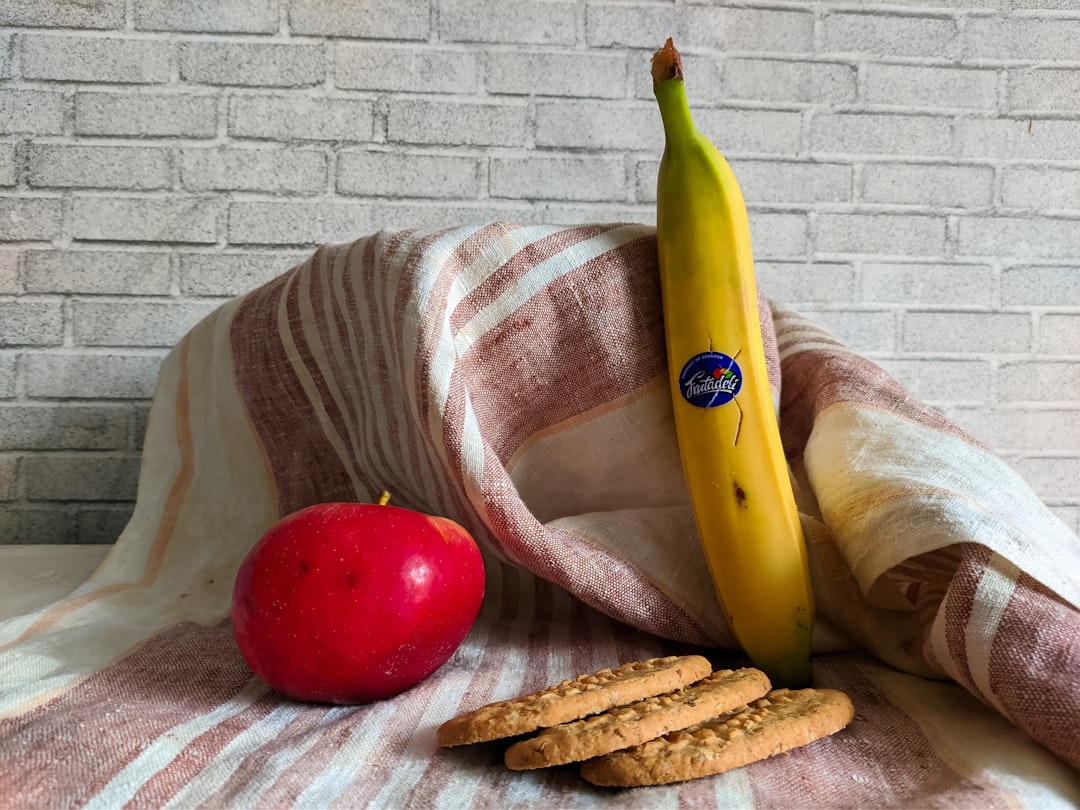
Banana chips are typically fried in coconut oil or palm oil. They are often coated in honey or sugar to enhance the sweet flavor. The water is removed which makes them calorie dense and easy to overeat. You lose the vitamin C present in the fresh fruit. A fresh banana is always the healthier snack choice.
Chocolate Milk
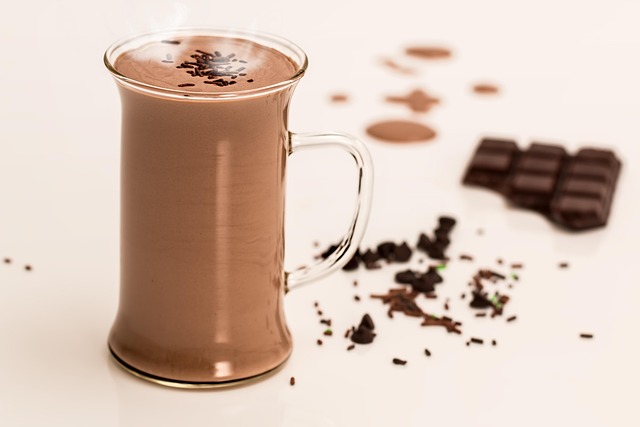
While promoted as a post-workout recovery drink it contains significant added sugar. The chocolate flavor comes from cocoa processed with alkali and sweeteners. It shares the same digestive issues as regular milk for those with lactose sensitivity. The calorie count is much higher than plain milk. It should be treated as a dessert rather than a health beverage.
Multigrain Crackers

Multigrain sounds healthy but often means several types of refined flour were used. Manufacturers may use caramel color to make the crackers look darker and healthier. The actual whole grain content can be minimal. Vegetable oils are used to make them crisp and shelf-stable. Whole grain must be the first ingredient for any real benefit.
Jerky
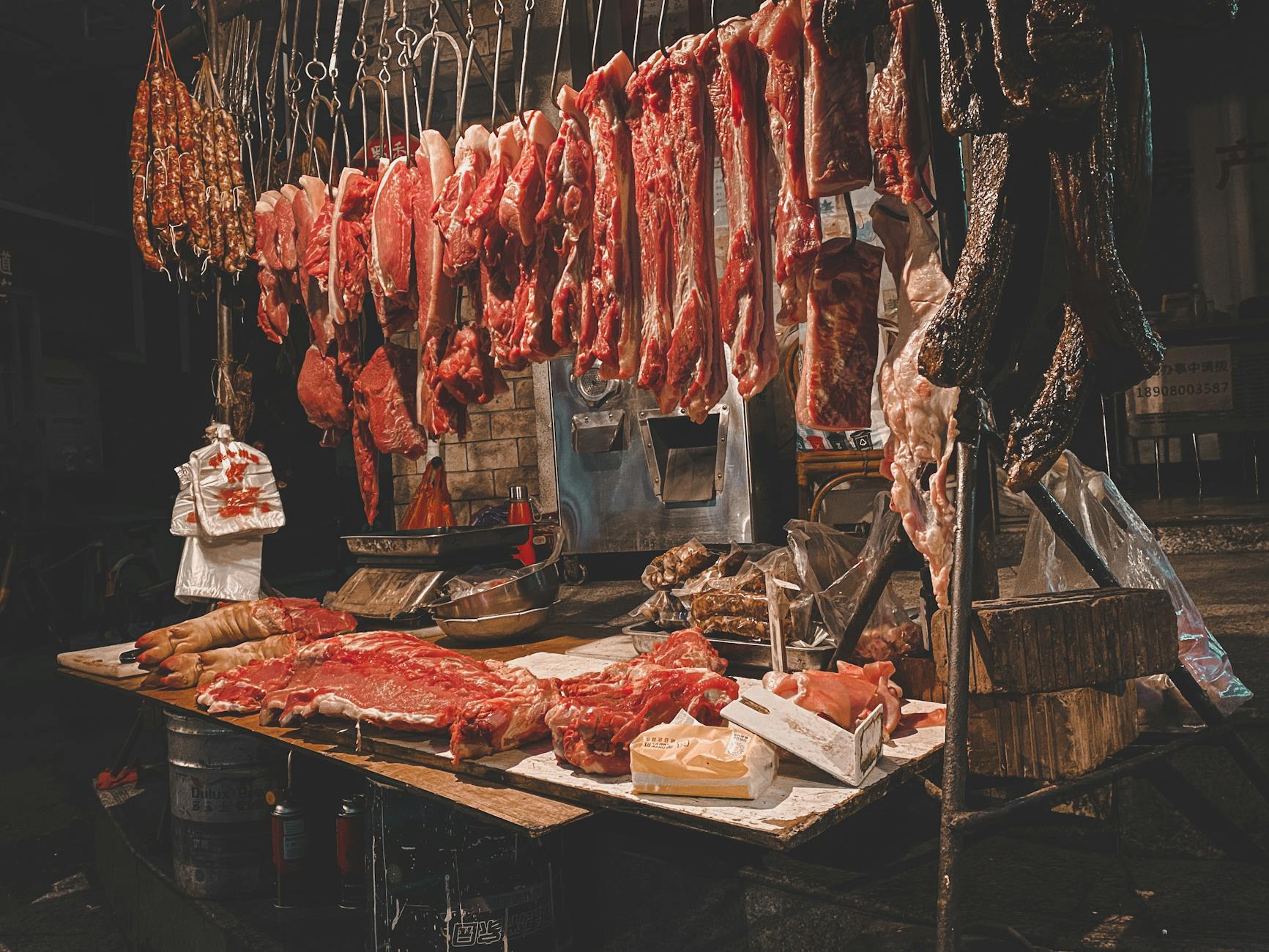
Cured meats like jerky are preserved with nitrates and high levels of salt. Many brands use sugar or honey to balance the salty flavor. The quality of the meat used can be questionable in cheaper brands. Processed meats have been linked to various health concerns. Homemade jerky or nitrate-free versions are better options.
Croutons
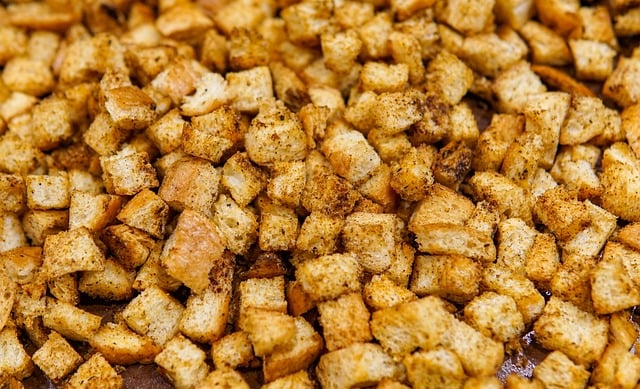
These salad toppers are essentially stale white bread fried in oil and salt. They add carbohydrates and fat to a bowl of vegetables. The seasoning mixes often contain MSG or artificial flavors. They offer crunch but zero nutritional value. Toasted nuts or seeds provide a healthier crunch.
Coleslaw
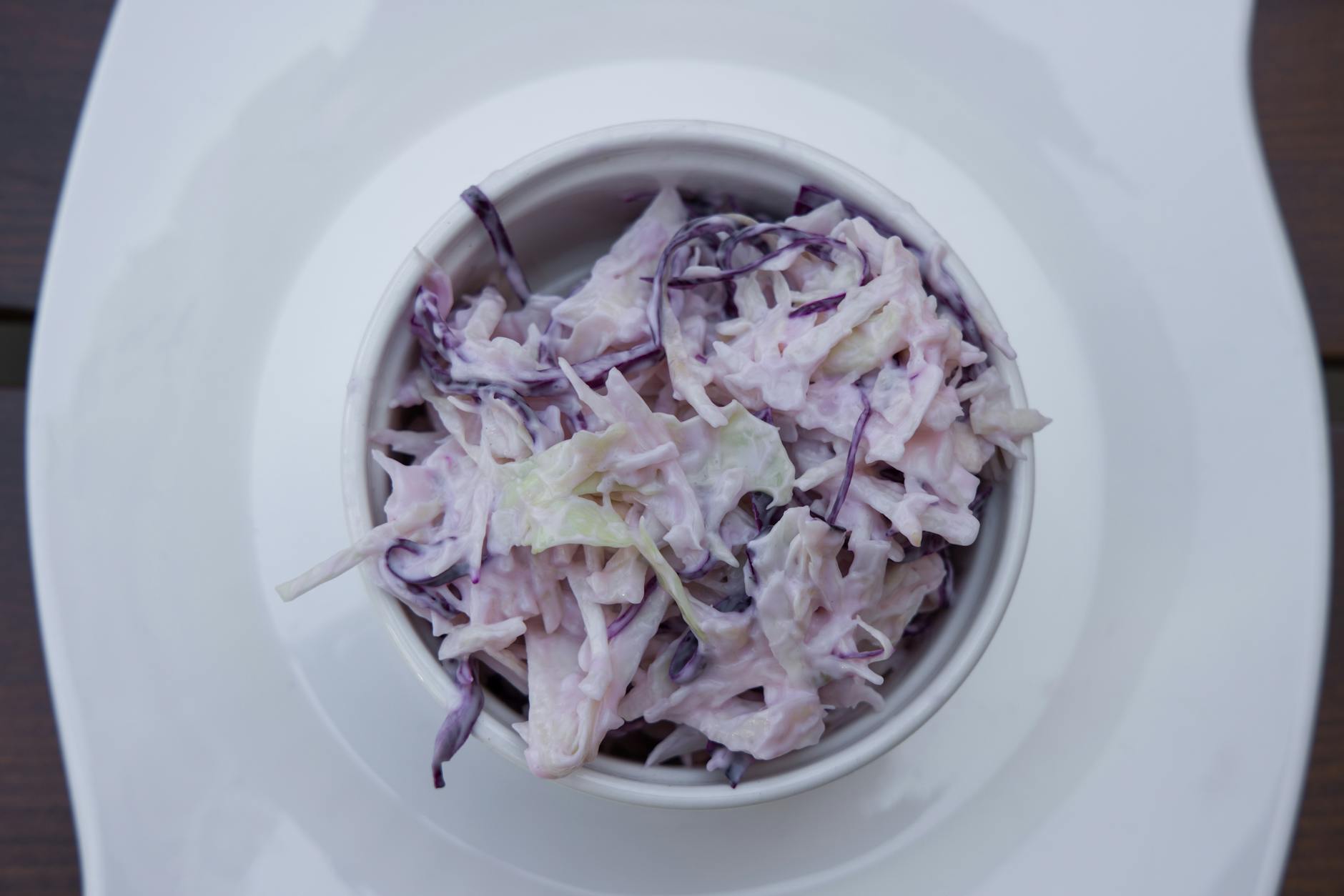
Cabbage is healthy but traditional coleslaw drowns it in mayonnaise and sugar. Fast food versions are particularly high in fat and calories. The dressing transforms a vegetable side dish into a heavy indulgence. Vinegar-based slaws are lighter and retain the crunch. Making it fresh prevents the cabbage from becoming soggy.
High Sodium Pickles

Cucumbers are low calorie but the pickling process saturates them with salt. A single pickle spear can contain a large percentage of your daily sodium limit. Yellow dye is often added to create a neon green appearance. Some sweet pickles also contain high fructose corn syrup. Fermented pickles found in the refrigerated section offer probiotics.
Sweet Potato Fries
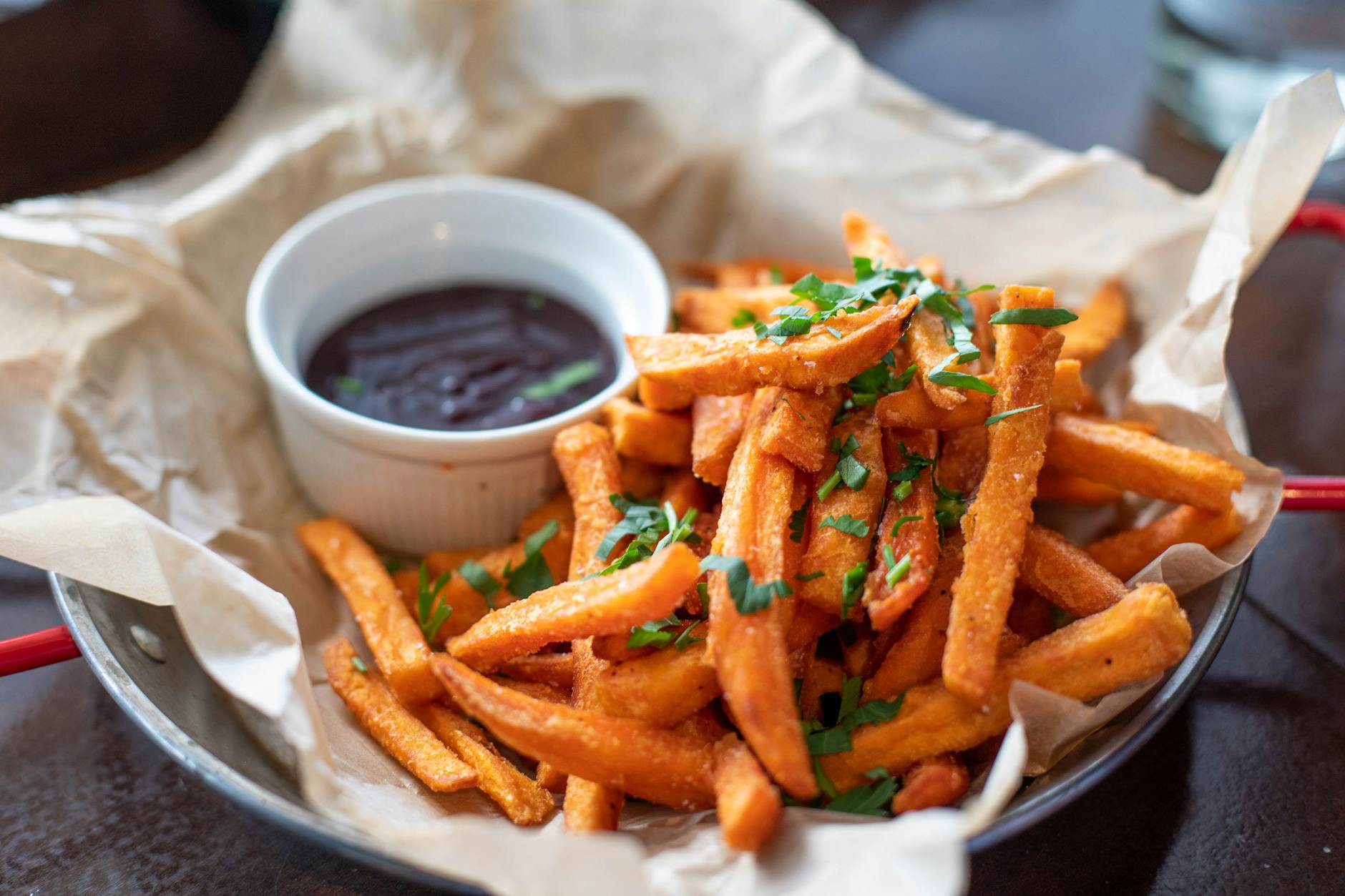
Most restaurants deep fry sweet potato fries just like regular french fries. The orange color implies more vitamins but the cooking method adds unhealthy fats. They are often served with sugary dipping sauces or marshmallow dips. The calorie difference between sweet and regular fries is negligible. Baked sweet potato wedges are a nutritious home alternative.
Frozen Lean Meals
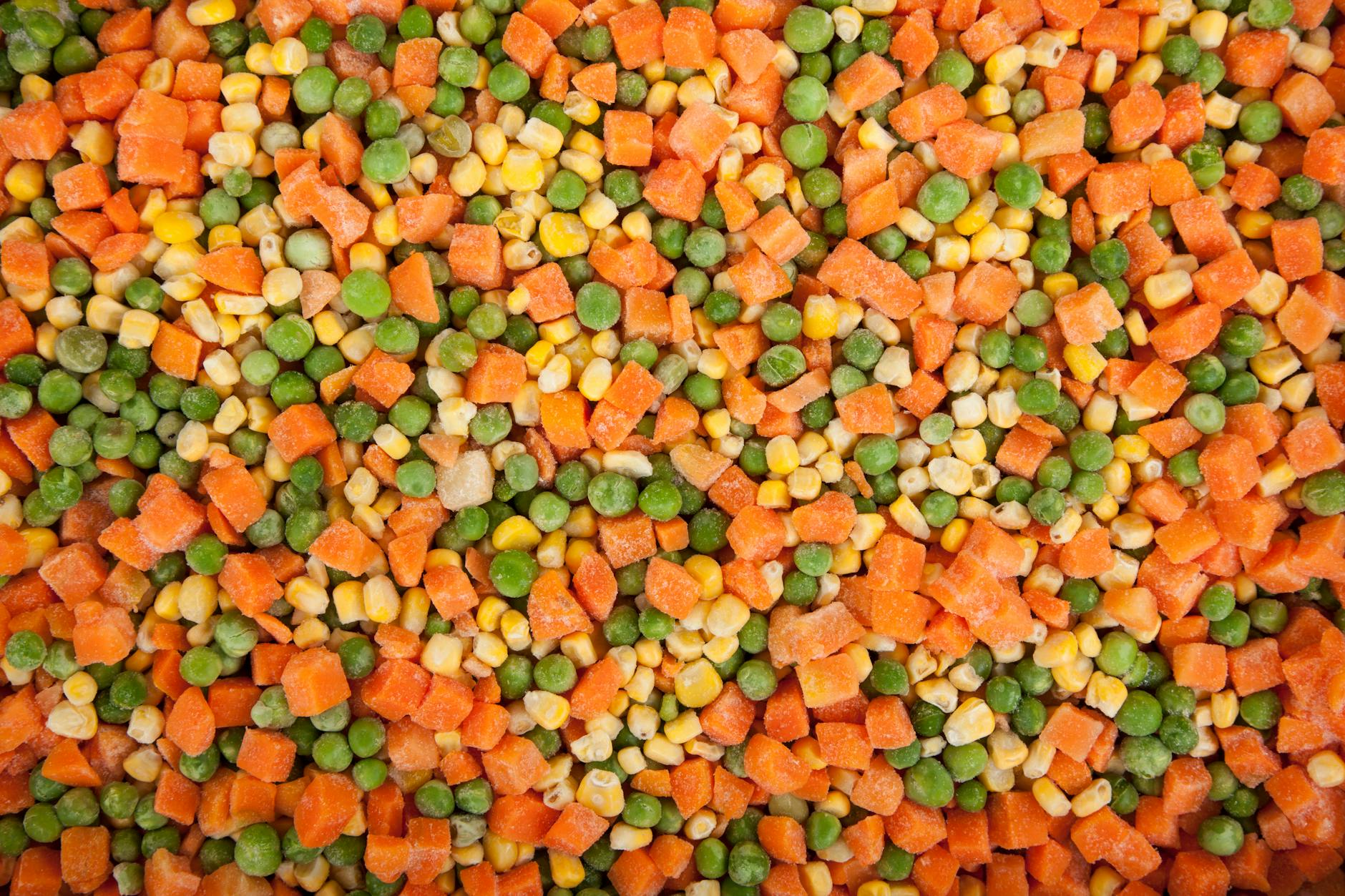
Diet frozen meals are portion-controlled but highly processed. The sodium content is elevated to compensate for the lack of fat. The vegetable portions are often tiny and mushy. They rarely provide enough calories to keep you full for long. Cooking simple meals in bulk is a healthier habit.
Which of these items surprised you the most so please let us know in the comments.




