Homeowners often assume that investing significant capital into renovations will automatically increase the resale value of their property. Real estate market data suggests that highly personalized or niche upgrades can actually deter potential buyers and reduce the final sale price. Some improvements eliminate functional space while others require significant maintenance or removal costs for the new owners. Understanding which projects offer a poor return on investment is crucial for anyone planning to sell their home in the near future.
In-Ground Swimming Pools

Many prospective buyers view large swimming pools as a safety liability and a significant maintenance burden rather than a luxury feature. The high cost of insurance and upkeep often outweighs the enjoyment factor for families with young children or busy schedules. Installing a permanent pool can shrink the pool of potential buyers to only those willing to take on the responsibility. In regions with cooler climates the pool sits unused for much of the year while still requiring expensive chemical treatments.
Garage Conversions
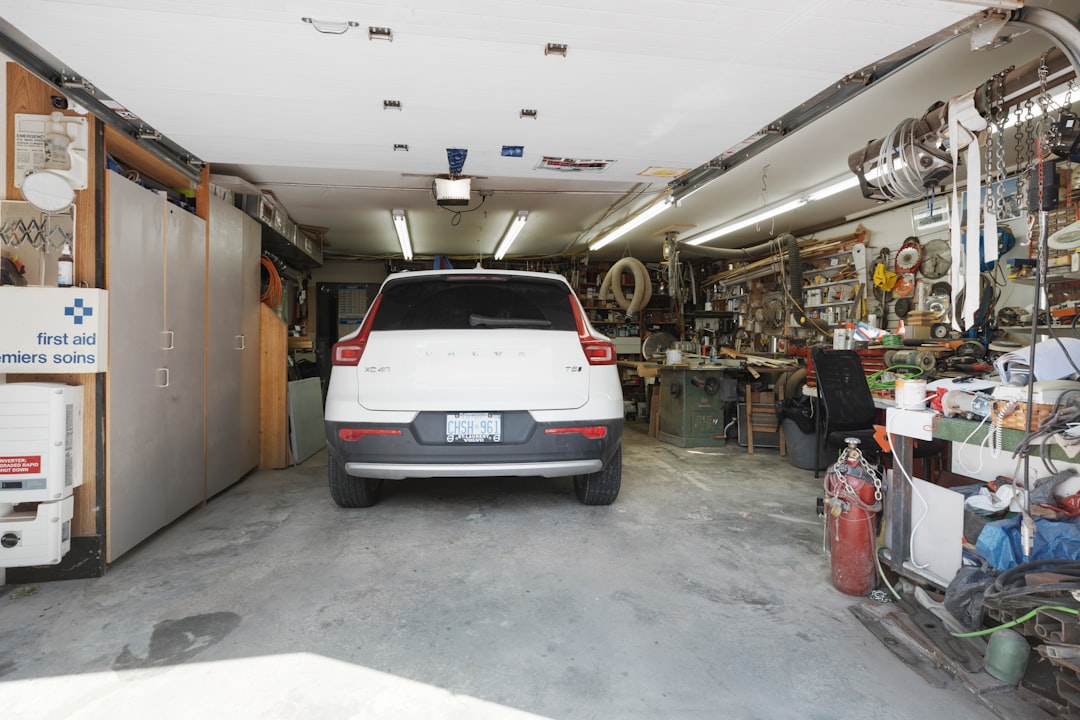
Transforming a garage into a gym or extra living space eliminates a critical storage area that most buyers expect to find. Many families prioritize covered parking to protect vehicles from weather and theft over a bonus room they may not need. Reverting a converted room back to a functional garage is an expensive and labor-intensive process for a new owner. Appraisers often do not count garage conversions as livable square footage if the work was done without proper permits.
Bedroom Reductions
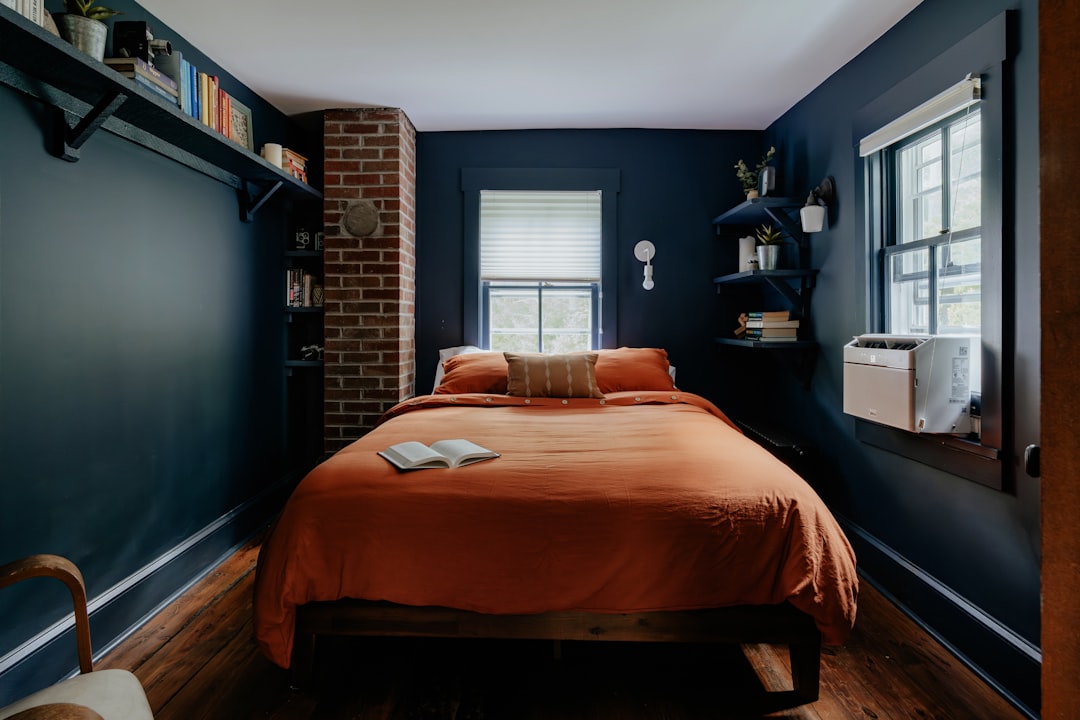
Knocking down walls to combine two small bedrooms into one massive suite reduces the total room count of the house. Most real estate valuations rely heavily on the number of bedrooms to categorize and price a home for families. A house with fewer bedrooms generally appeals to a smaller demographic and sells for less than comparable homes with more rooms. Restoring the original layout requires framing and drywall work that buyers are rarely willing to undertake.
Elaborate Landscaping

Intricate gardens with exotic plants and water features require specialized care that the average homeowner cannot provide. Buyers often look at complex landscaping and see hours of weekend work or the expense of hiring professional gardeners. Overgrown or high-maintenance yards can signal to buyers that the rest of the property may be equally demanding. Simple and clean lawns typically offer a better return on investment than specific horticultural designs.
Wall-to-Wall Carpeting

Modern buyers overwhelmingly prefer hardwood or tile floors for their durability and hypoallergenic properties. Installing new carpet throughout a home can look dated and raises concerns about trapped allergens or stains. New owners usually factor in the cost of ripping out carpet and installing hard flooring when making an offer. High-quality flooring is a timeless feature while carpet is frequently seen as a temporary covering that hides defects.
Bold Paint Colors

Bright and highly specific wall colors force buyers to imagine the effort required to prime and repaint every room. Neutral tones allow visitors to visualize their own furniture and style in the space without visual distraction. Dark or vibrant colors can make rooms appear smaller and darker than they actually are during viewings. A fresh coat of white or beige paint is a standard expectation for a move-in ready property.
Sunroom Additions
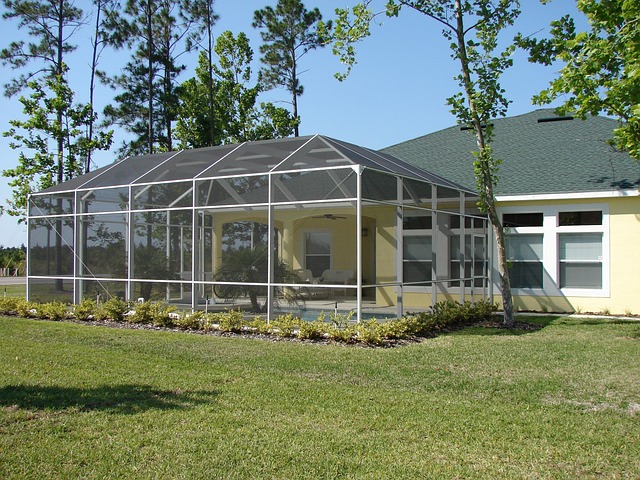
Glass additions often suffer from poor insulation and can create uncomfortable temperature fluctuations throughout the adjacent rooms. These structures are frequently not counted in the official square footage if they lack proper heating and cooling systems. Poorly constructed sunrooms can settle differently than the main house and cause structural issues over time. Buyers may view these spaces as energy drains that drive up monthly utility bills.
Built-In Aquariums

Large integrated fish tanks are extremely difficult and costly to remove when a new owner takes possession. The specialized plumbing and electrical work required for these installations rarely aligns with standard residential needs. Humidity generated by large tanks can lead to mold issues or water damage in the surrounding drywall. This feature is too specific for the general market and is often considered a nuisance.
Textured Walls and Ceilings

Heavy textures like popcorn ceilings or swirl patterns on walls date a home immediately and suggest deferred maintenance. Modern design trends favor smooth surfaces that reflect light evenly and are easy to clean or repair. Removing textured finishes is a messy and hazardous process that often requires professional remediation. Buyers will deduct the estimated cost of smoothing these surfaces from their offer price.
High-End Kitchen Overhauls
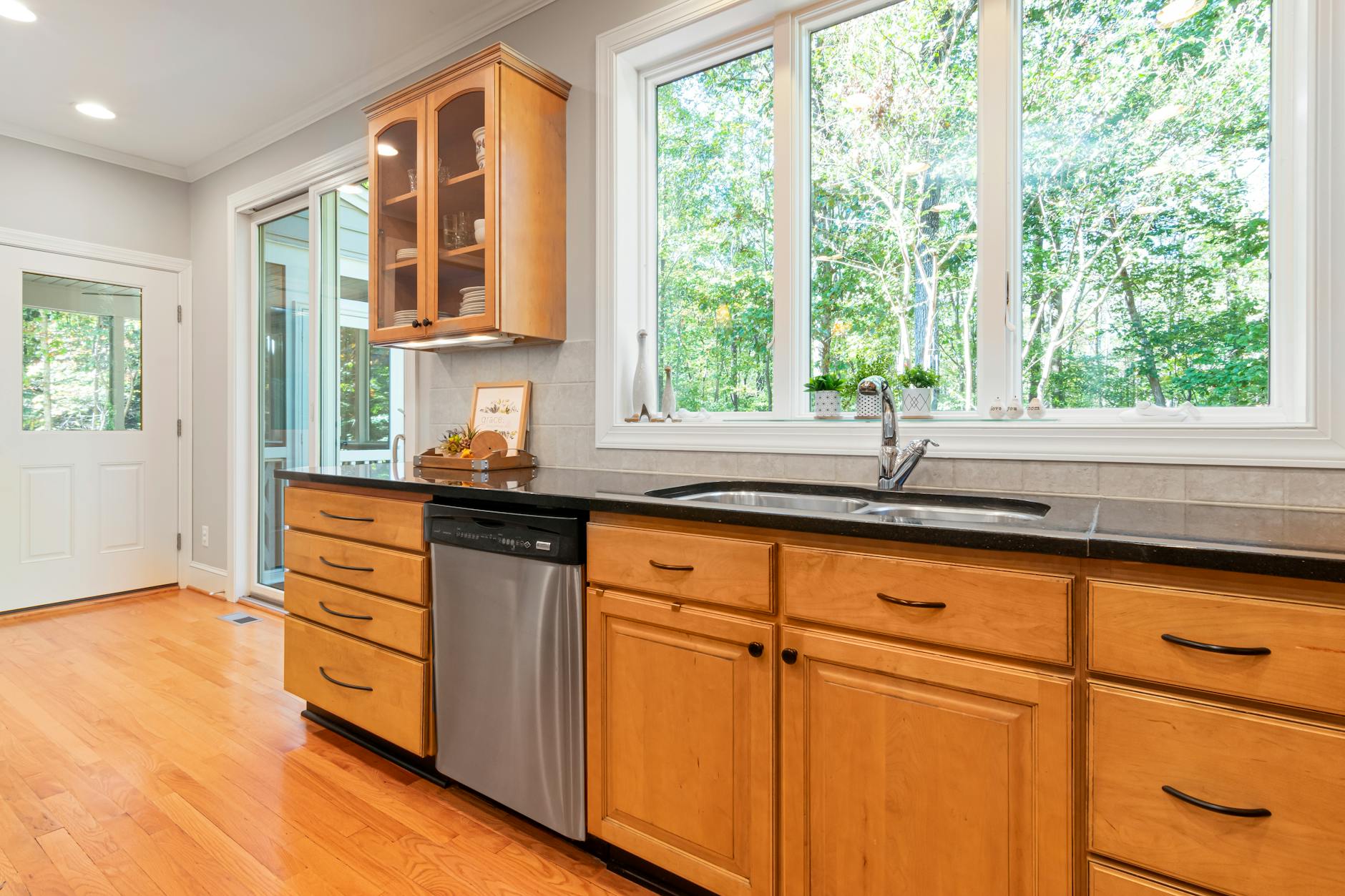
Installing professional grade appliances and marble countertops in a modest home creates an over-improved property that cannot recoup costs. The kitchen should match the overall price point and style of the neighborhood rather than exceed it drastically. Buyers are unwilling to pay a premium for luxury features that do not align with the rest of the house. A functional and updated kitchen is valuable but excessive spending here yields diminishing returns.
Removing Closets
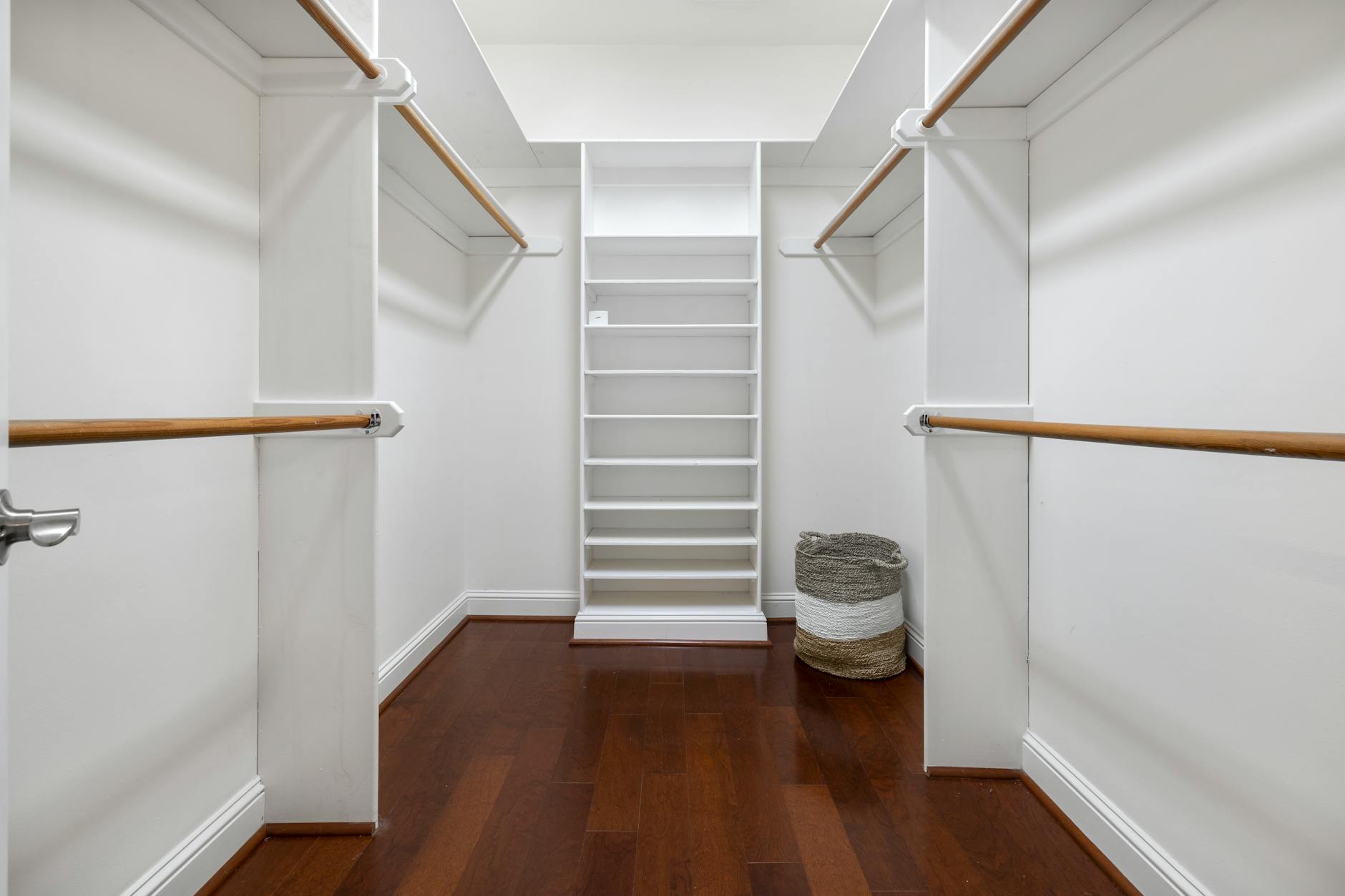
Eliminating closet space to expand a bathroom or bedroom removes essential storage that families require. Buyers scrutinize storage options closely and view a lack of closets as a major functional flaw. Adding a wardrobe or armoire does not compensate for the loss of built-in storage in the eyes of an appraiser. Closets are fundamental components of a bedroom and removing them technically devalues the room classification.
Whirlpool Bathtubs
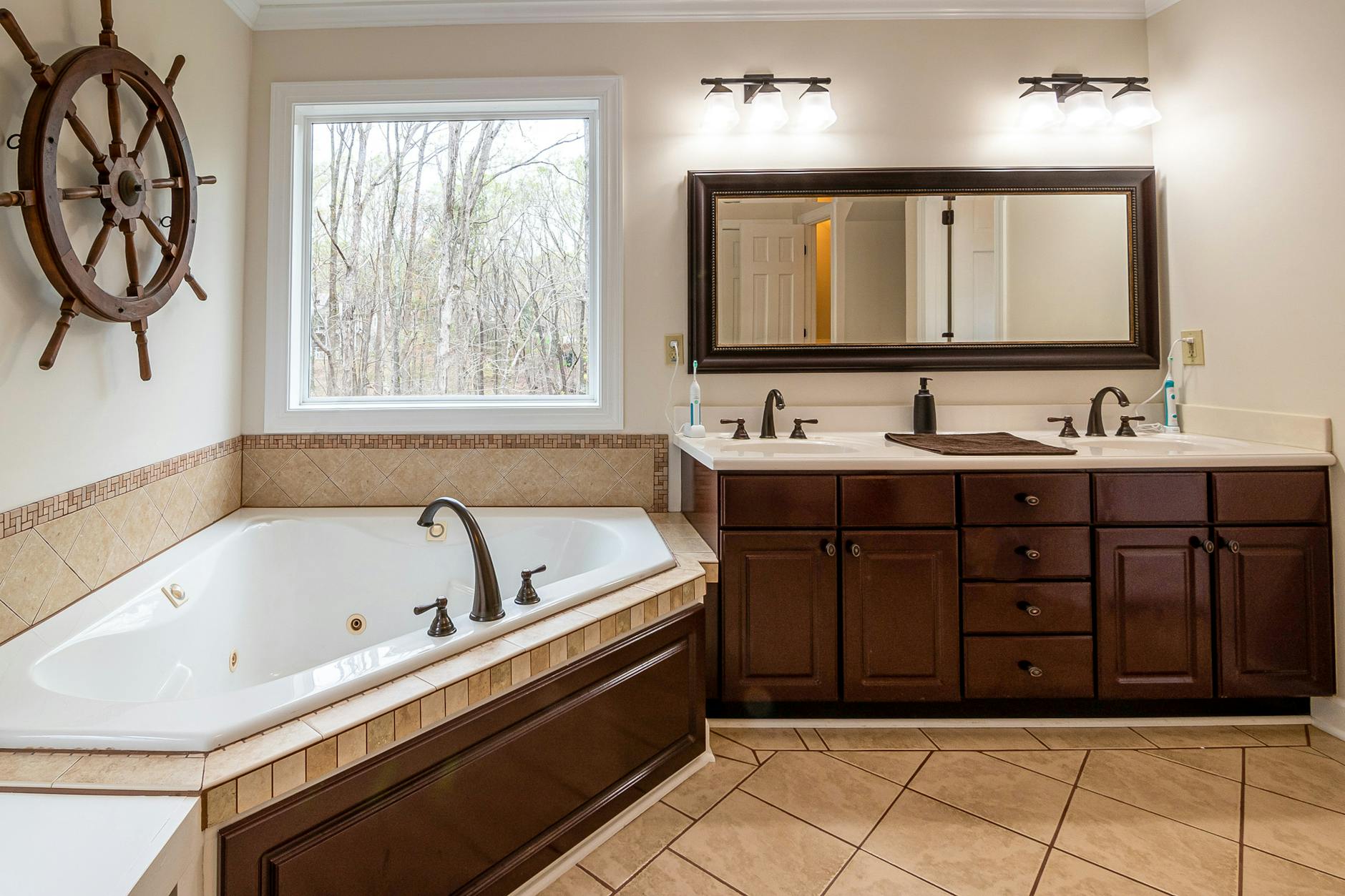
Large jetted tubs were once a symbol of luxury but are now seen as dated water wasters that are hard to clean. The motors and jets require maintenance and can harbor bacteria if not sanitized frequently. Modern buyers prefer large walk-in showers and freestanding soaking tubs over built-in whirlpool styles. These bulky fixtures take up valuable bathroom real estate that could be used more efficiently.
Solar Panels with Leases
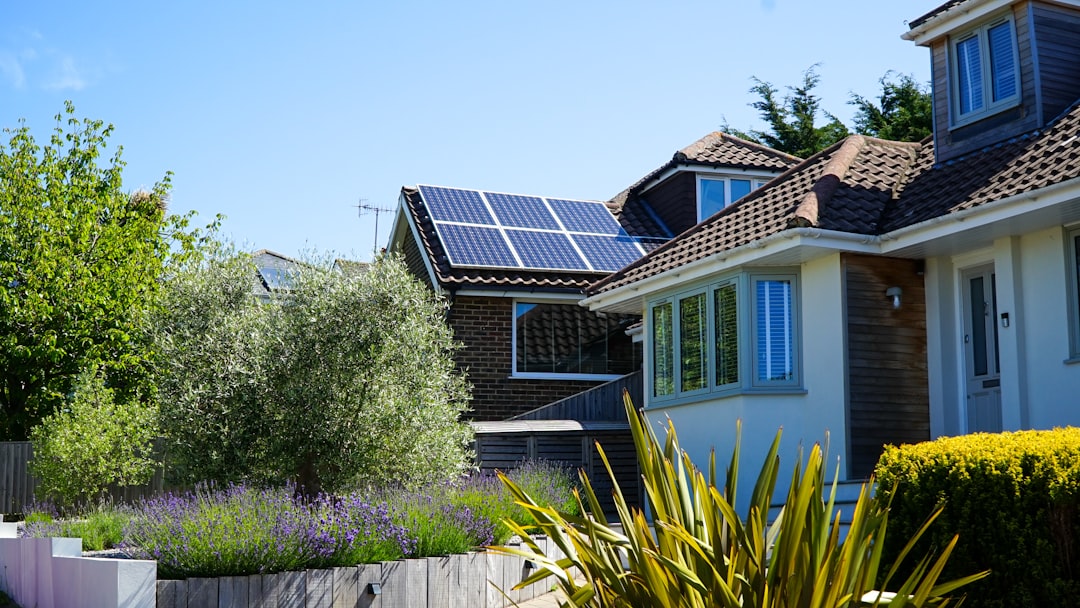
Leased solar panels represent a financial obligation that transfers to the new owner and can complicate the closing process. Many buyers are wary of taking over long-term contracts with escalating payment structures or strict terms. The presence of leased equipment can actually scare off buyers who want full ownership of their home systems. Purchasing panels outright is generally a better investment than entering into a lease agreement.
Extensive Wallpaper

Wallpaper is a highly personal design choice that is notoriously difficult and tedious to remove. Buyers walking into a wallpapered home immediately calculate the hours of scraping and steaming ahead of them. The potential for damaged drywall underneath the paper adds a layer of risk to the purchase. Clean painted walls are universally preferred for their simplicity and ease of modification.
DIY Repairs and Additions

Obvious amateur workmanship signals to buyers that corners were cut and safety codes may have been ignored. Unpermitted work can delay the sale or force the seller to pay for retroactive inspections and repairs. Buyers lose confidence in the structural integrity of a home when they spot uneven tiling or messy wiring. Professional craftsmanship provides assurance while DIY projects often result in a lower sale price.
Bathroom Conversions
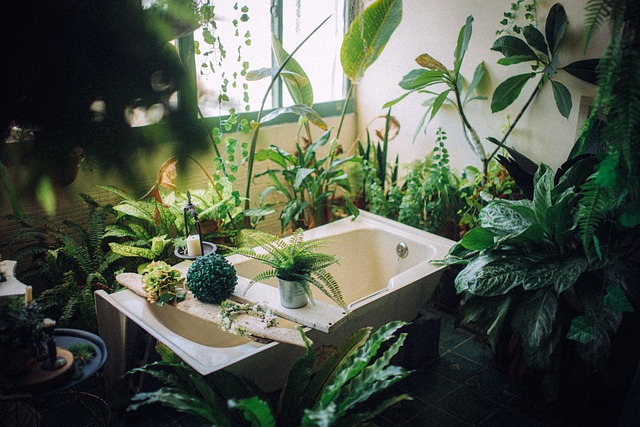
Removing the only bathtub in the house to create a large shower alienates families with small children or pets. Real estate standards generally require at least one tub for a home to be considered a full-service family residence. While walk-in showers are popular they should not come at the expense of the sole bathing facility. Keeping one tub ensures the home remains attractive to the widest possible range of demographics.
Over-Personalized Fixtures
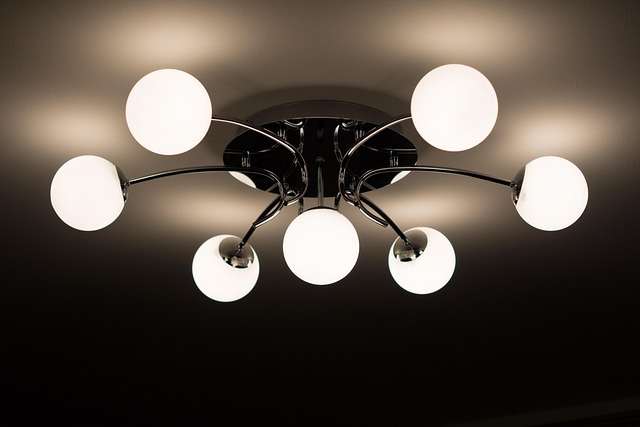
Unique light fixtures and custom hardware distract buyers and often clash with their personal taste. Highly stylized chandeliers or cabinet pulls can make a home feel cluttered or eccentric rather than elegant. Replacing these items is an added expense and effort that buyers prefer to avoid. Standard brushed nickel or matte black fixtures generally appeal to a broader audience.
Dark Wood Paneling

Floor-to-ceiling wood paneling absorbs light and makes rooms feel small and dated. Buyers often view paneling as a relic of past decades that requires painting or complete removal. The adhesive used to attach paneling can damage the drywall behind it and necessitate extensive repairs. Bright and open spaces sell homes while dark paneled rooms tend to sit on the market longer.
Artificial Turf

Synthetic lawns can discourage buyers who prefer natural green space and gardening opportunities. The material retains heat in the summer and can become uncomfortably hot for children and pets. Some homeowners associations restrict the use of artificial turf due to aesthetic guidelines. Natural grass remains the standard preference for residential landscaping in most neighborhoods.
Integrated Home Offices

Built-in desks and shelving can limit how a room is used and make it difficult to repurpose the space as a bedroom. Buyers may not need a home office or may prefer their own furniture configurations. Removing heavy built-in units often requires flooring repairs and wall patching. Flexible rooms that can serve multiple functions are far more valuable than single-purpose spaces.
Share your experiences with home renovations that didn’t go as planned in the comments.




