Maintaining a healthy home requires vigilant attention to the hidden expiration dates of everyday objects. Many common household staples harbor bacteria or lose their intended effectiveness long before they appear visibly worn out. Establishing an annual schedule for specific replacements ensures a cleaner and safer living environment for everyone in the household. This comprehensive guide highlights the essential items that require a fresh start every twelve months to maintain optimal hygiene and functionality.
Bed Pillows
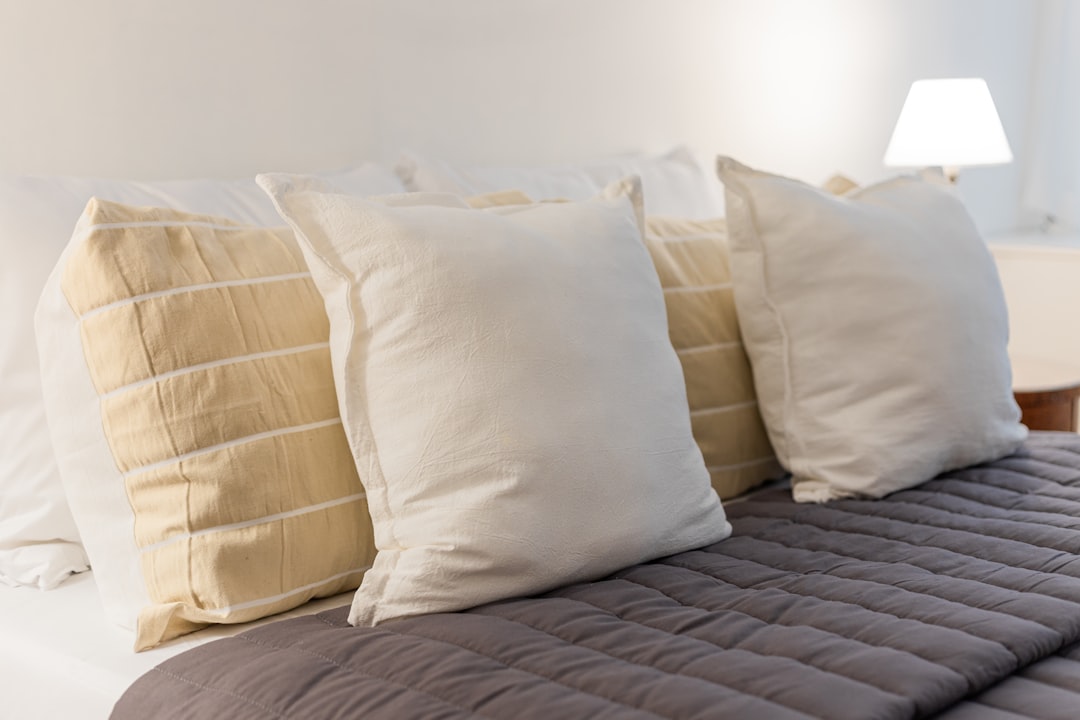
Sleep experts consistently recommend replacing pillows annually to ensure proper neck alignment and support. Dust mites and dead skin cells accumulate deep within the filling over time and create potential allergens. The structural integrity of the material breaks down after nightly use and results in a flat or lumpy surface. Investing in fresh pillows every year promotes better sleep quality and improved respiratory health.
Shower Curtain Liners

The warm and damp environment of a bathroom creates a perfect breeding ground for mold and mildew spores. Scrubbing a plastic liner often fails to remove the microscopic buildup that clings to the bottom hem. Replacing this inexpensive item annually prevents the spread of fungal spores and keeps the bathroom smelling fresh. A new liner also ensures better water containment and prevents slippery leaks on the floor.
Toilet Brushes
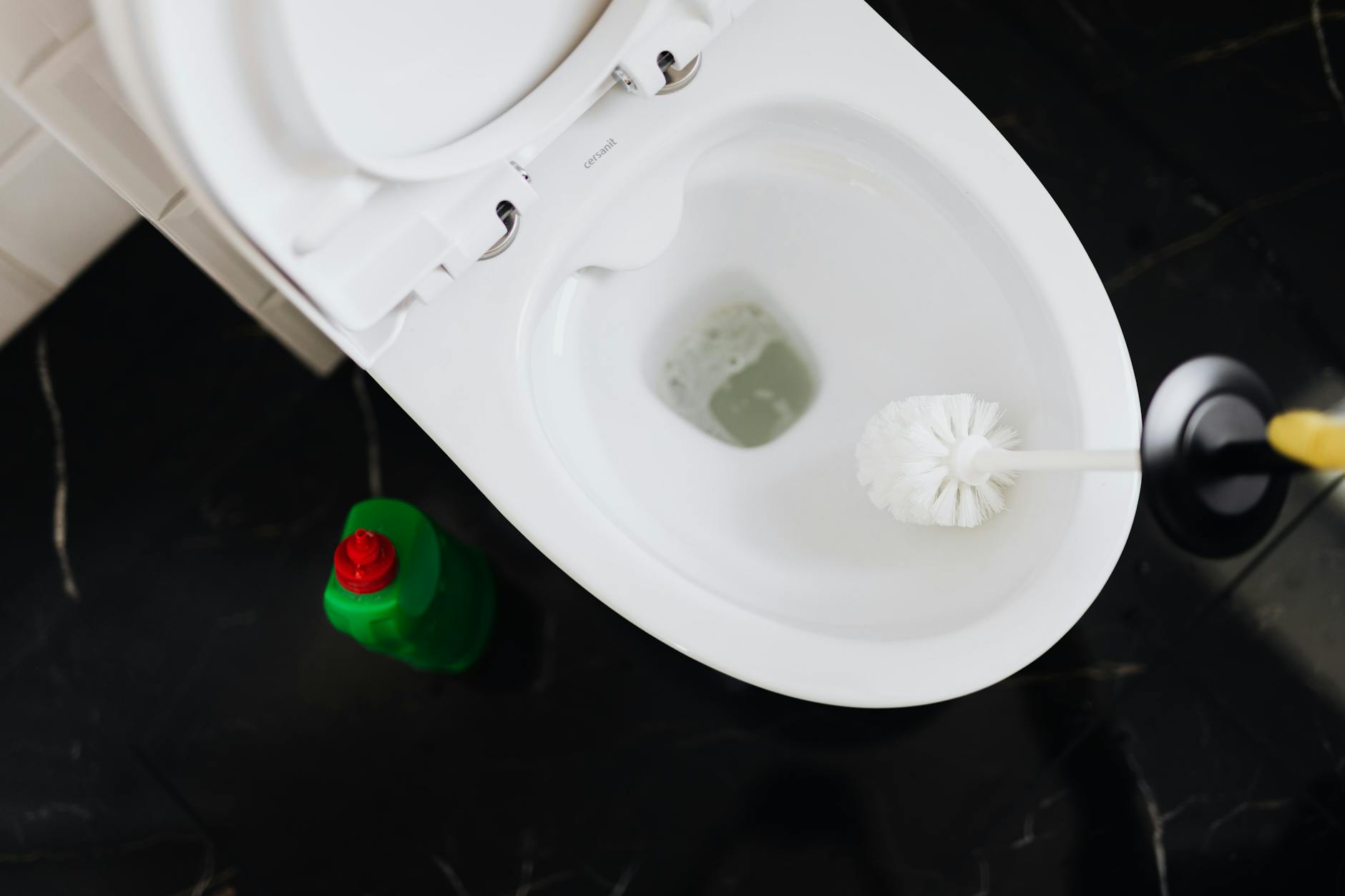
Bristles on these cleaning tools become matted and permanently contaminated with bacteria after repeated use. The plastic holder often collects stagnant water that promotes the growth of germs and unpleasant odors. Purchasing a new brush and holder set every year is a small price for maintaining sanitary conditions. This simple switch prevents the inadvertent spread of pathogens during your cleaning routine.
Ground Spices

Dried herbs and ground spices lose their potency and flavor profile significantly after sitting in the pantry for a year. Exposure to light and air causes the essential oils responsible for taste to evaporate gradually. Cooking with old spices results in bland dishes that lack the intended aromatic depth. A yearly refresh of your spice rack ensures your culinary creations remain vibrant and delicious.
Sunscreen
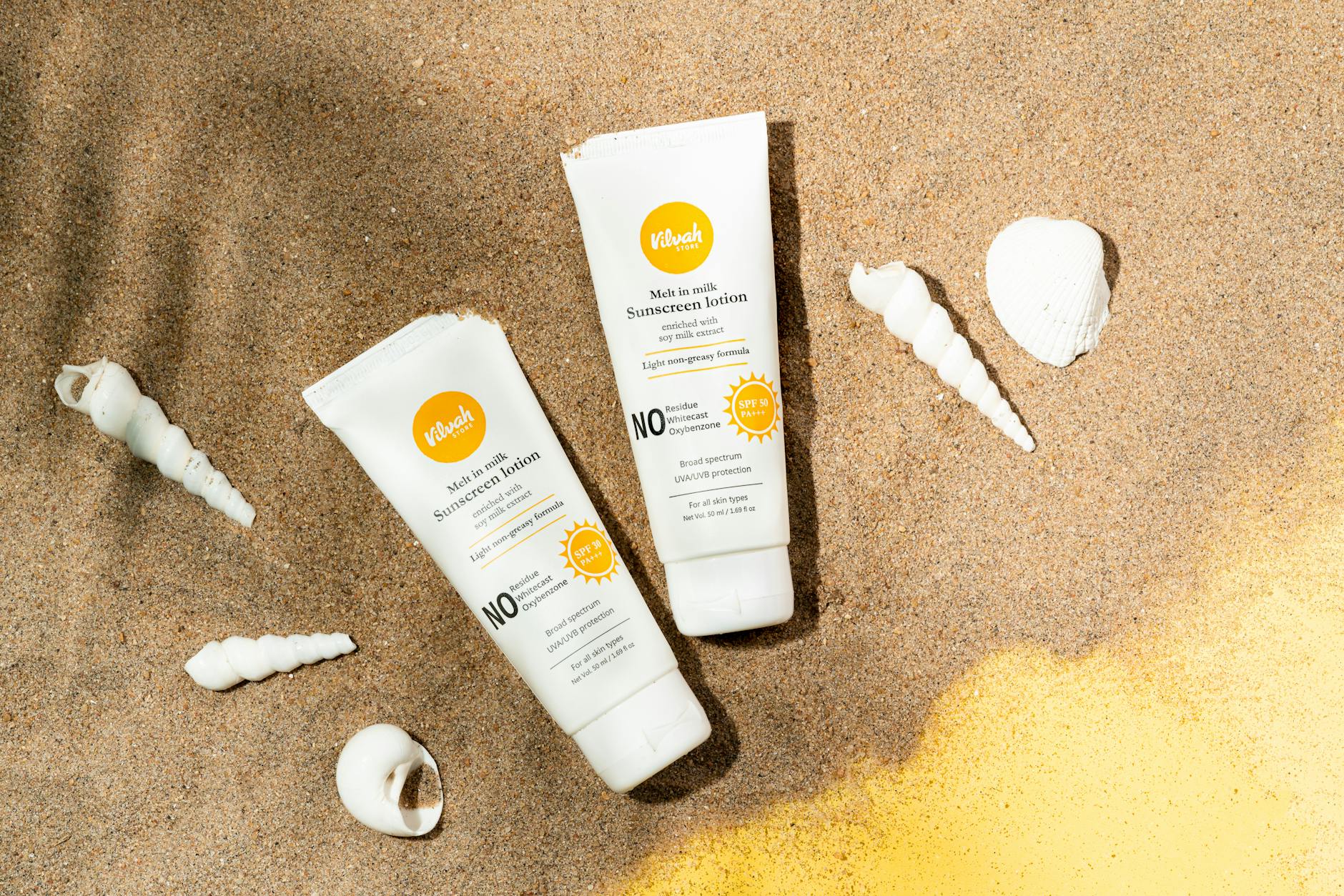
Active ingredients in sun protection products degrade over time and become less effective at blocking harmful UV rays. Bottles left in hot cars or beach bags experience temperature fluctuations that accelerate this chemical breakdown. Using expired sunscreen offers a false sense of security and leaves skin vulnerable to burns and long-term damage. Replacing your supply at the start of every summer guarantees reliable protection for outdoor activities.
Plastic Cutting Boards
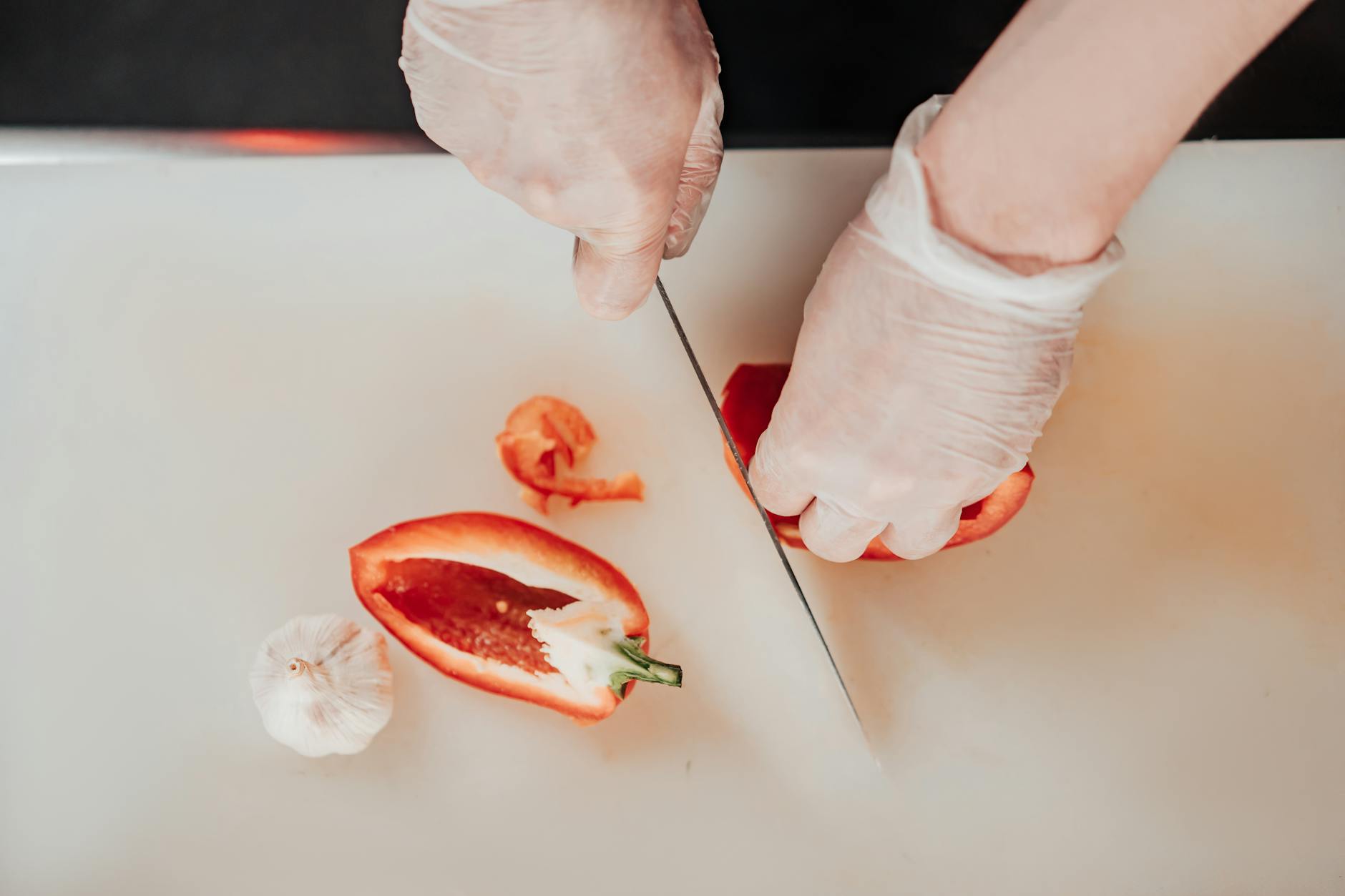
Deep knife grooves in plastic surfaces harbor dangerous bacteria that regular washing cannot fully eliminate. These microscopic crevices trap raw food particles and create cross-contamination risks for future meals. The plastic material eventually becomes rough and difficult to sanitize effectively. Swapping out these boards annually is a proactive step toward safer food preparation.
Plastic Food Containers
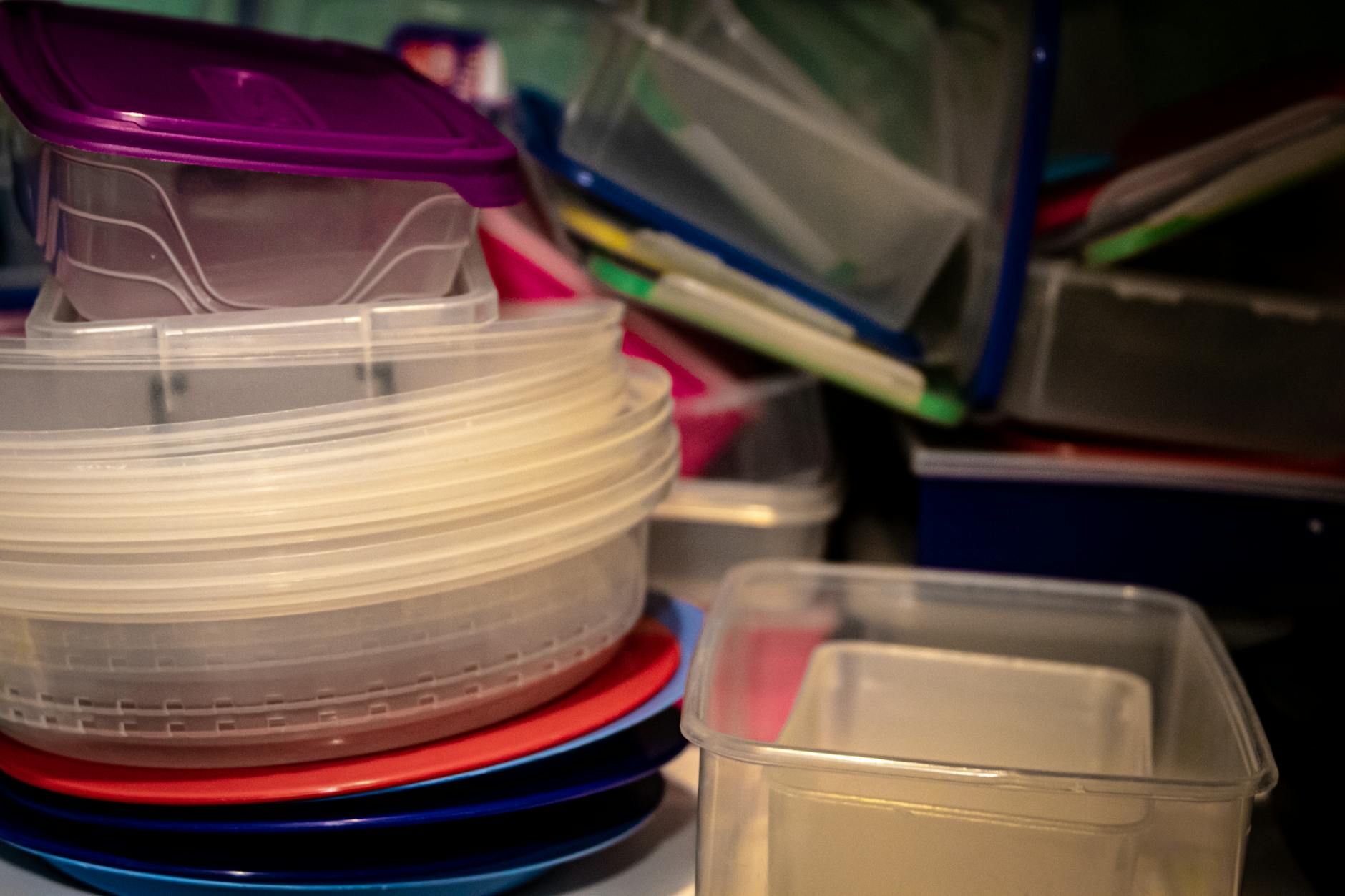
Repeated heating and cooling cycles cause plastic storage containers to warp and develop invisible micro-cracks. Stains and lingering odors from past meals often indicate that the material has become porous and degraded. Some older plastics may leach chemicals into food when exposed to microwave heat. A yearly update of your storage set ensures your leftovers are kept in safe and airtight conditions.
Washcloths
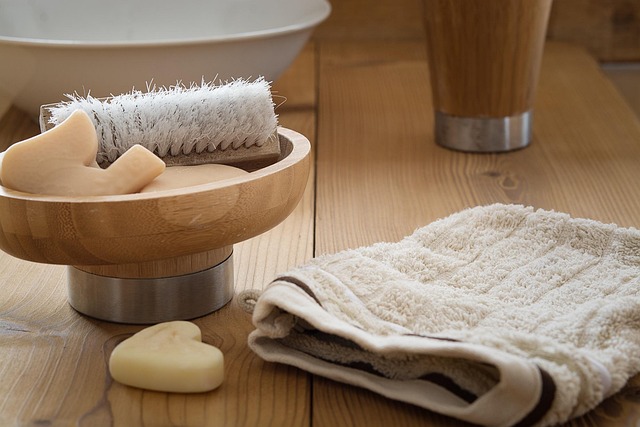
Daily exposure to moisture and skin oils causes the fibers in washcloths to break down and become rough. Bacteria and mold can survive in the damp fabric even after running them through a laundry cycle. Frayed edges and a persistent musty smell are clear signs that the cloth has reached the end of its lifespan. Replacing these bathroom staples annually keeps your skincare routine gentle and hygienic.
Oven Mitts
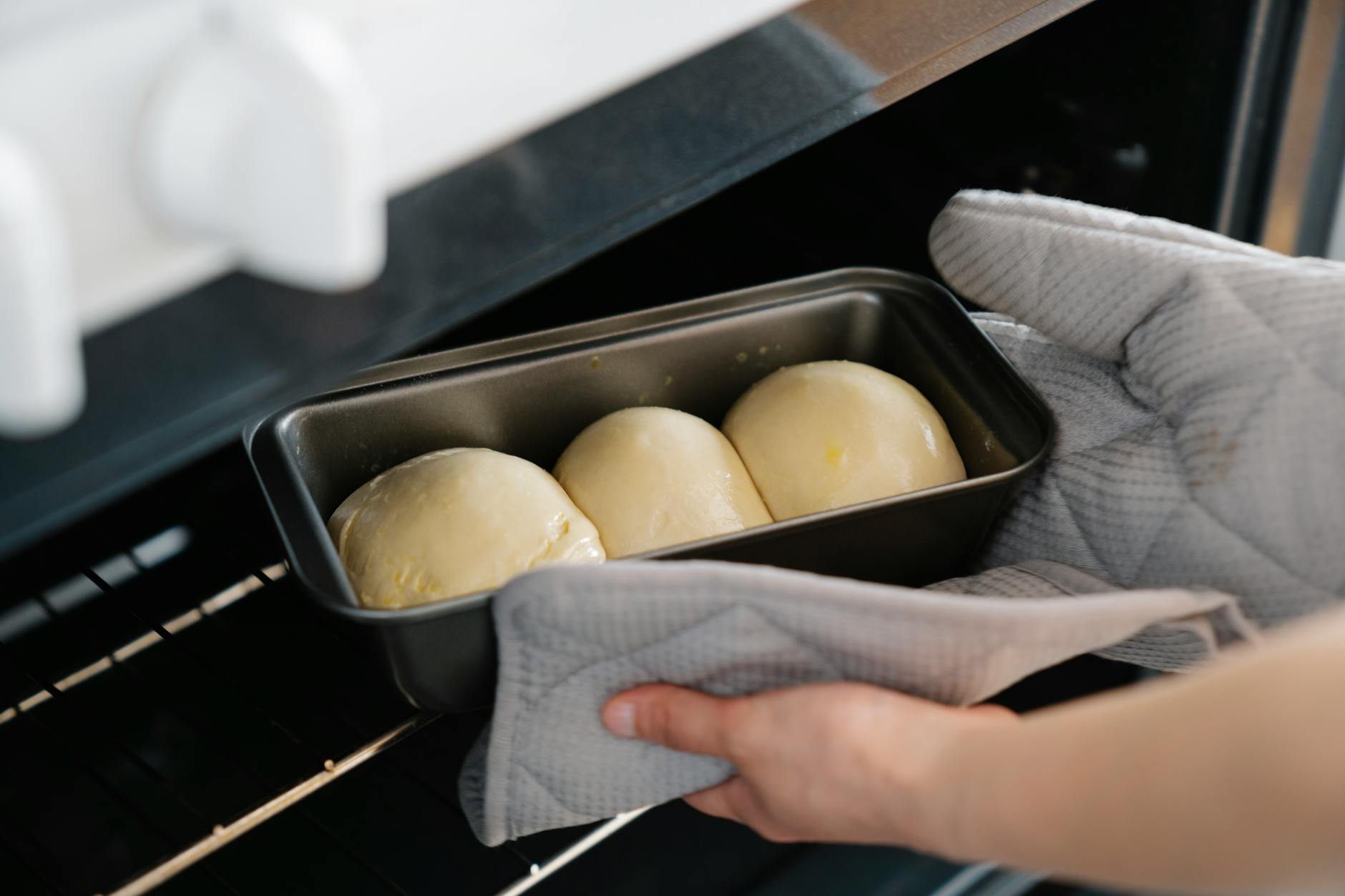
The heat-resistant lining in oven mitts thins out with use and exposes your hands to potential burns. Grease stains and food spills compromise the fabric and make it more flammable near open flames. Small tears or worn spots significantly reduce the protective barrier against hot cookware. New mitts ensure you can handle baking sheets and pans with confidence and safety.
Wooden Spoons
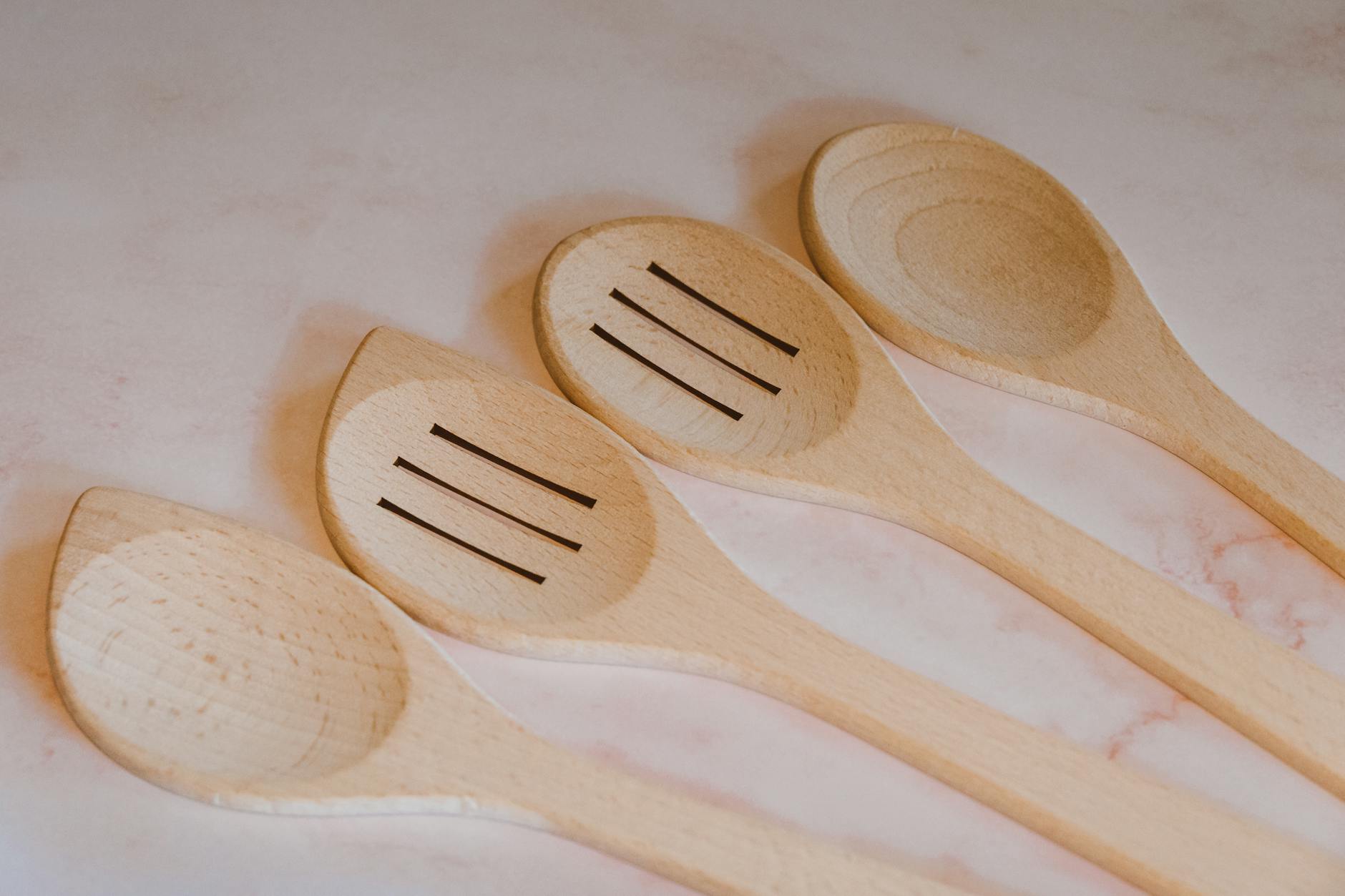
Wood is a porous material that absorbs moisture and food juices which leads to bacterial growth within the grain. Cracks and splinters eventually form and create hiding spots for germs that are impossible to clean. The wood may also darken or warp after repeated exposure to high cooking temperatures. Replacing wooden utensils yearly preserves the sanitation of your kitchen tools.
Bath Mats
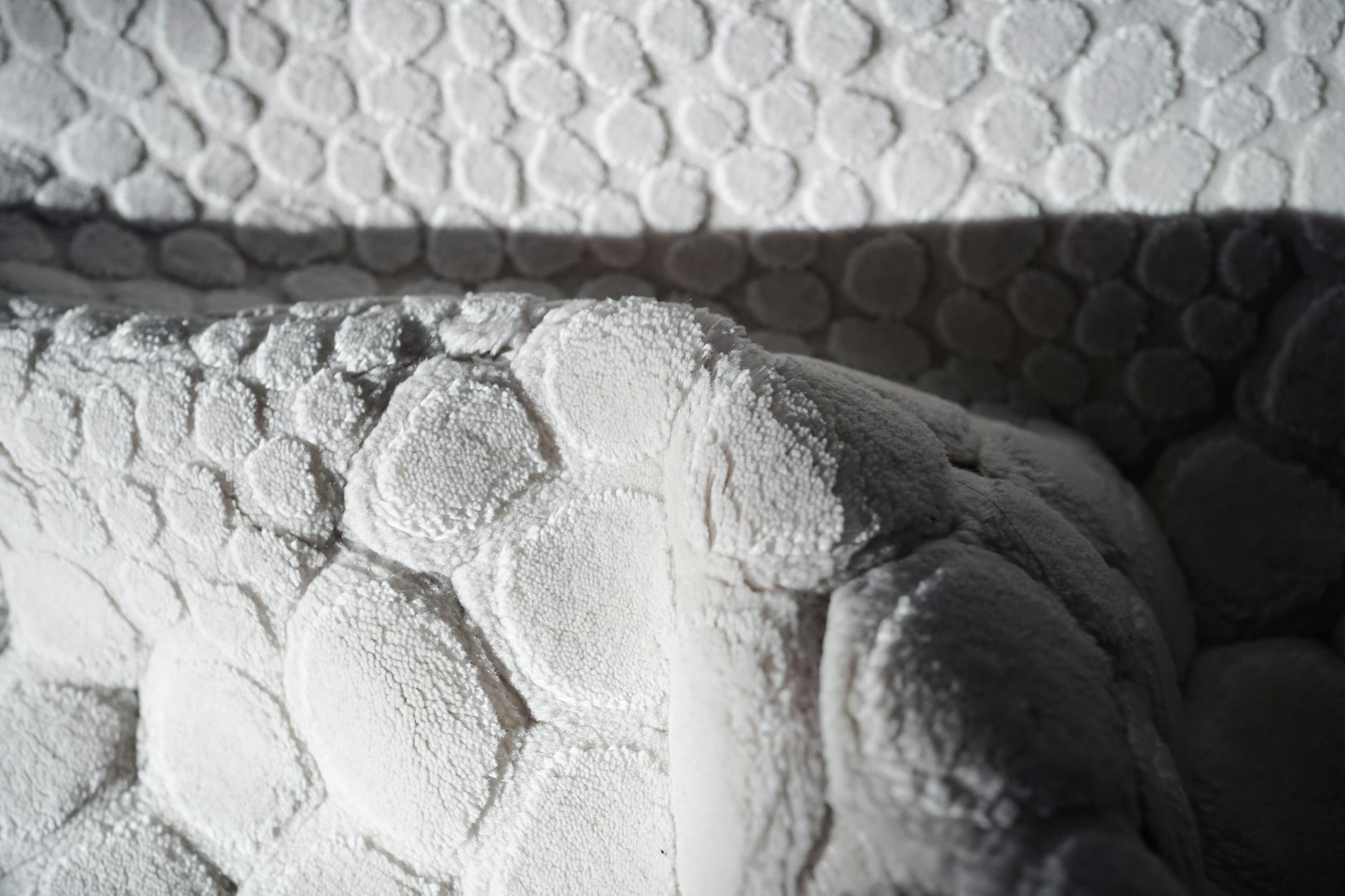
Rubber backings on bath mats disintegrate after frequent washing and leave the mat prone to slipping. The thick fabric traps moisture and dead skin which encourages mold growth deep within the fibers. Washing machines often cannot fully sanitize mats that have been used heavily for a full year. A fresh mat improves bathroom safety and eliminates a common source of damp odors.
Refrigerator Water Filters
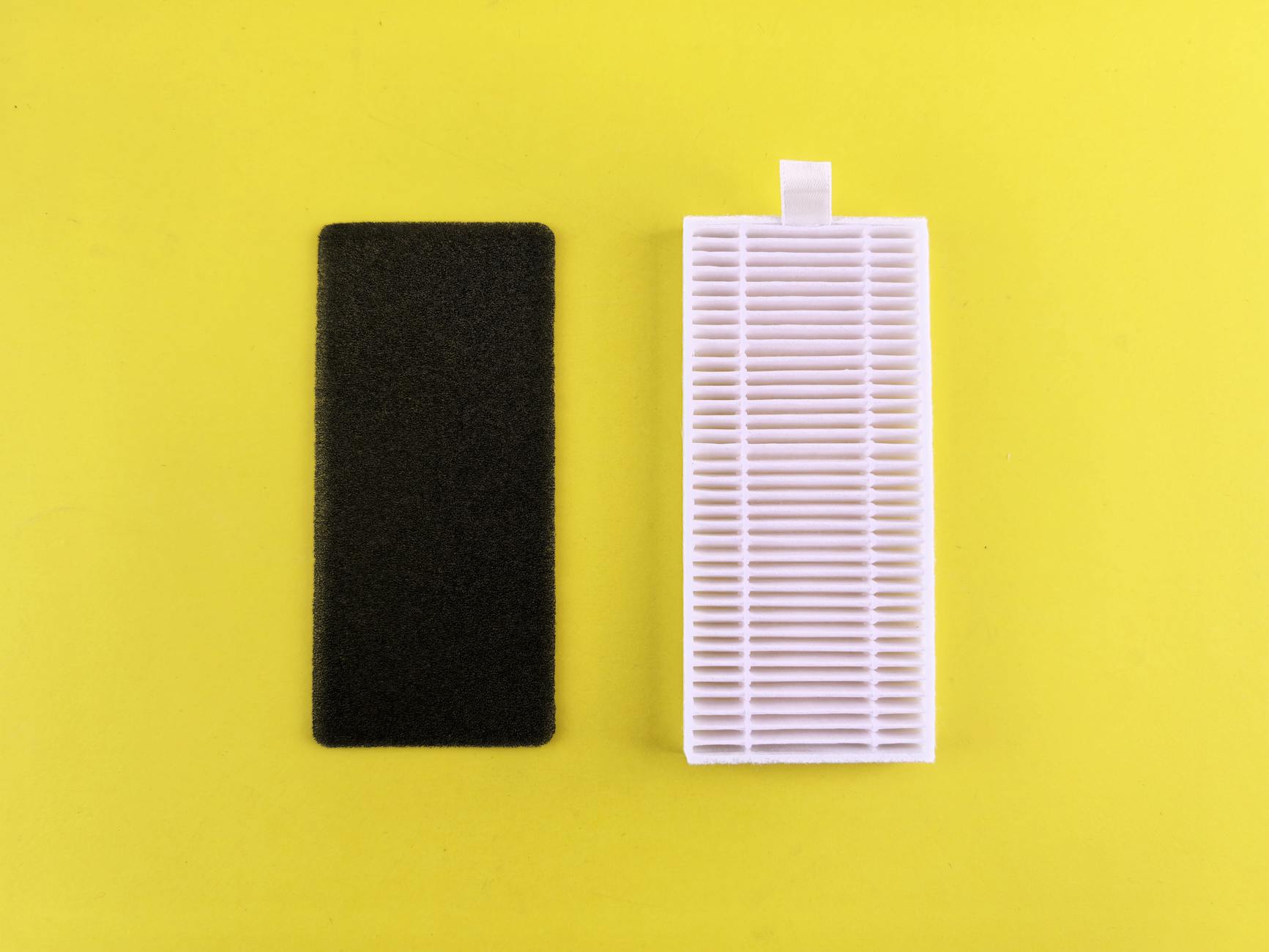
Filtration systems lose their ability to trap contaminants and improve taste after prolonged usage. A clogged filter can restrict water flow and may eventually harbor bacteria itself. Most manufacturers recommend replacement every six months but waiting longer than a year renders them useless. Keeping this component fresh ensures your drinking water remains clean and free of sediment.
Vacuum Filters
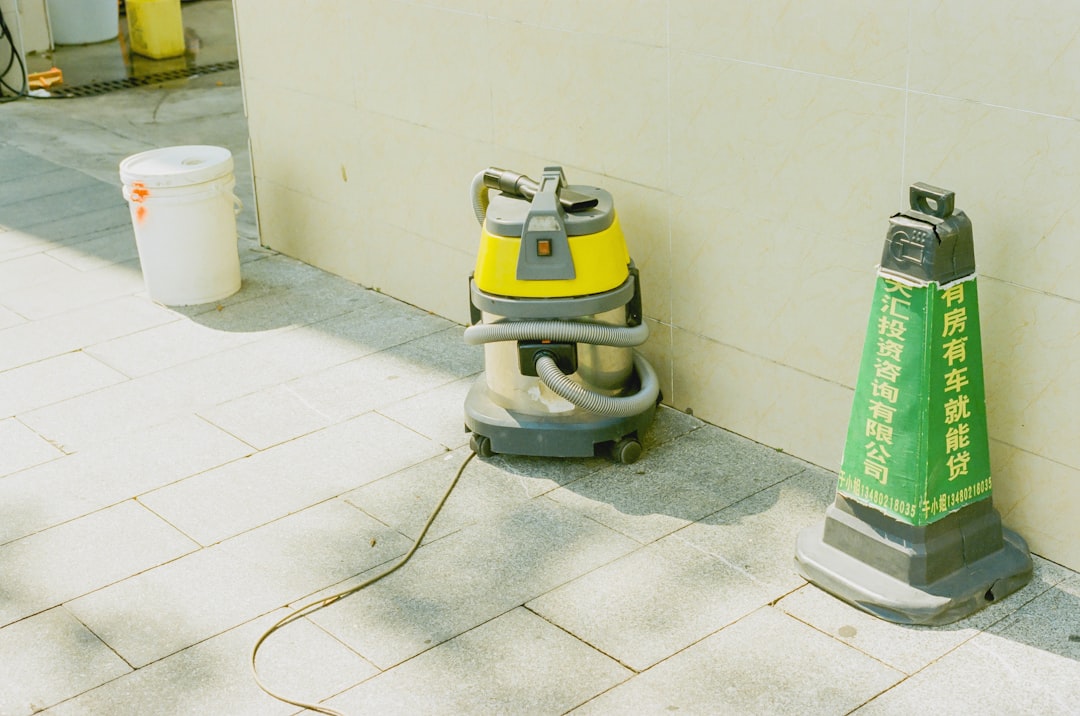
HEPA filters in vacuum cleaners clog with fine dust particles and reduce the machine’s suction power. A saturated filter can blow allergens back into the air rather than trapping them securely. Changing this filter annually maintains the efficiency of your vacuum and improves indoor air quality. This maintenance step is crucial for households with pets or allergy sufferers.
Contact Lens Cases
Biofilm builds up inside lens cases and creates a risk for serious eye infections and irritation. Cleaning the case daily is not enough to combat the bacteria that adhere to the plastic surface over time. Doctors strongly advise throwing away old cases frequently to protect vision health. An annual replacement schedule is the bare minimum for preventing contamination.
Makeup Sponges
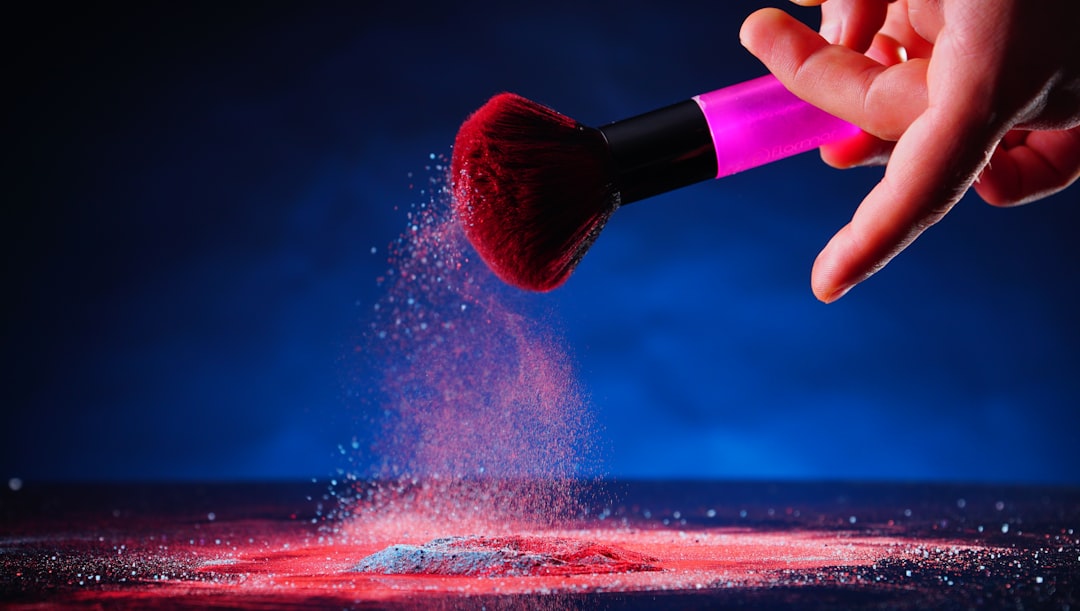
Porous beauty blenders absorb oils and dead skin cells that create a dense breeding ground for acne-causing bacteria. Washing these sponges helps temporarily but cannot remove all the deep-seated residue. Using an old sponge can lead to breakouts and uneven makeup application. Starting with fresh tools periodically ensures a flawless finish and healthy skin.
Mascara

Liquid eye makeup preservatives break down and allow bacteria to multiply inside the dark and moist tube. Using a tube for longer than recommended increases the risk of conjunctivitis and other eye infections. The formula often dries out and becomes clumpy which leads to flaking and poor lash definition. Replacing mascara frequently is a non-negotiable rule for eye safety.
Toothbrushes
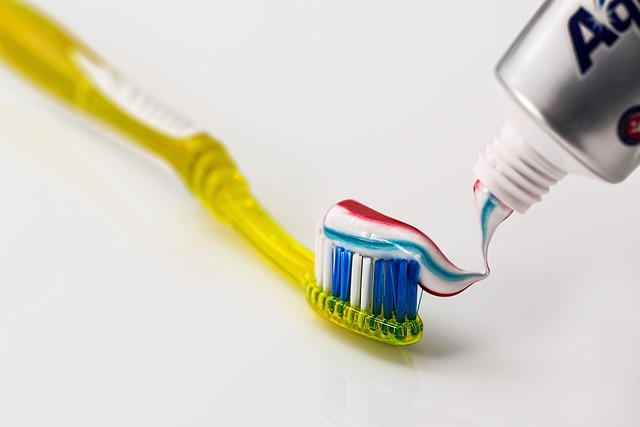
Bristles become frayed and ineffective at removing plaque after months of twice-daily brushing. Worn toothbrushes can damage gum tissue and fail to clean the spaces between teeth properly. Germs from the mouth and bathroom environment accumulate on the brush head over time. A new toothbrush ensures optimal dental hygiene and a brighter smile.
Dish Scrub Brushes
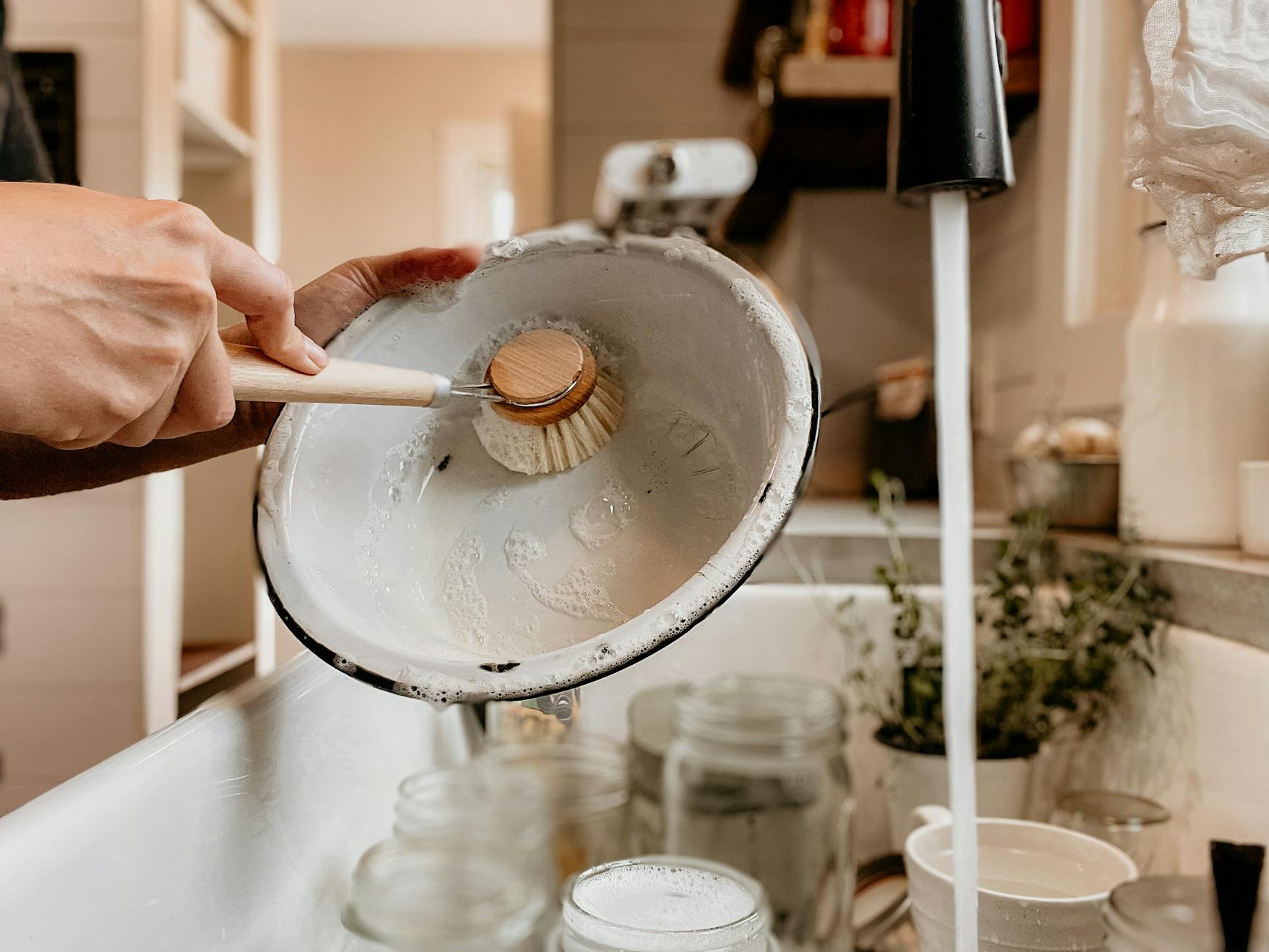
Kitchen brushes tackle grease and food debris daily and become heavily contaminated with harmful pathogens. The bristles bend and lose their scrubbing power which makes dishwashing more difficult and less effective. Sanitizing them in the dishwasher offers only a temporary solution to a permanent hygiene problem. Regular replacement prevents the spread of bacteria back onto your clean dishes.
Running Shoes
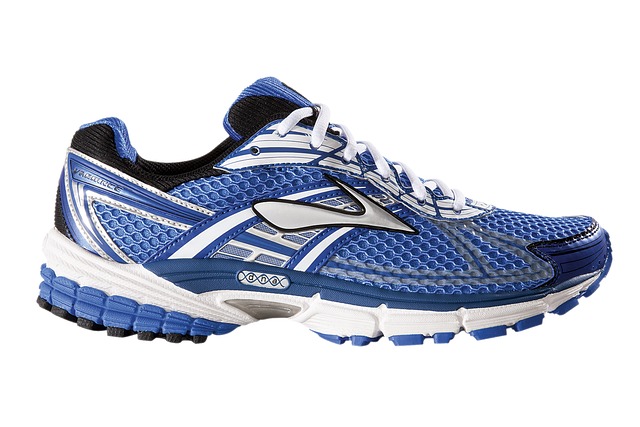
The cushioning foam in athletic shoes compresses and loses its shock-absorbing properties after consistent use. Worn soles can alter your gait and lead to joint pain or injuries in the knees and hips. Even if the outer fabric looks intact the internal support structure often fails within a year of regular activity. New shoes provide the necessary stability for safe and comfortable workouts.
Elastic Undergarments
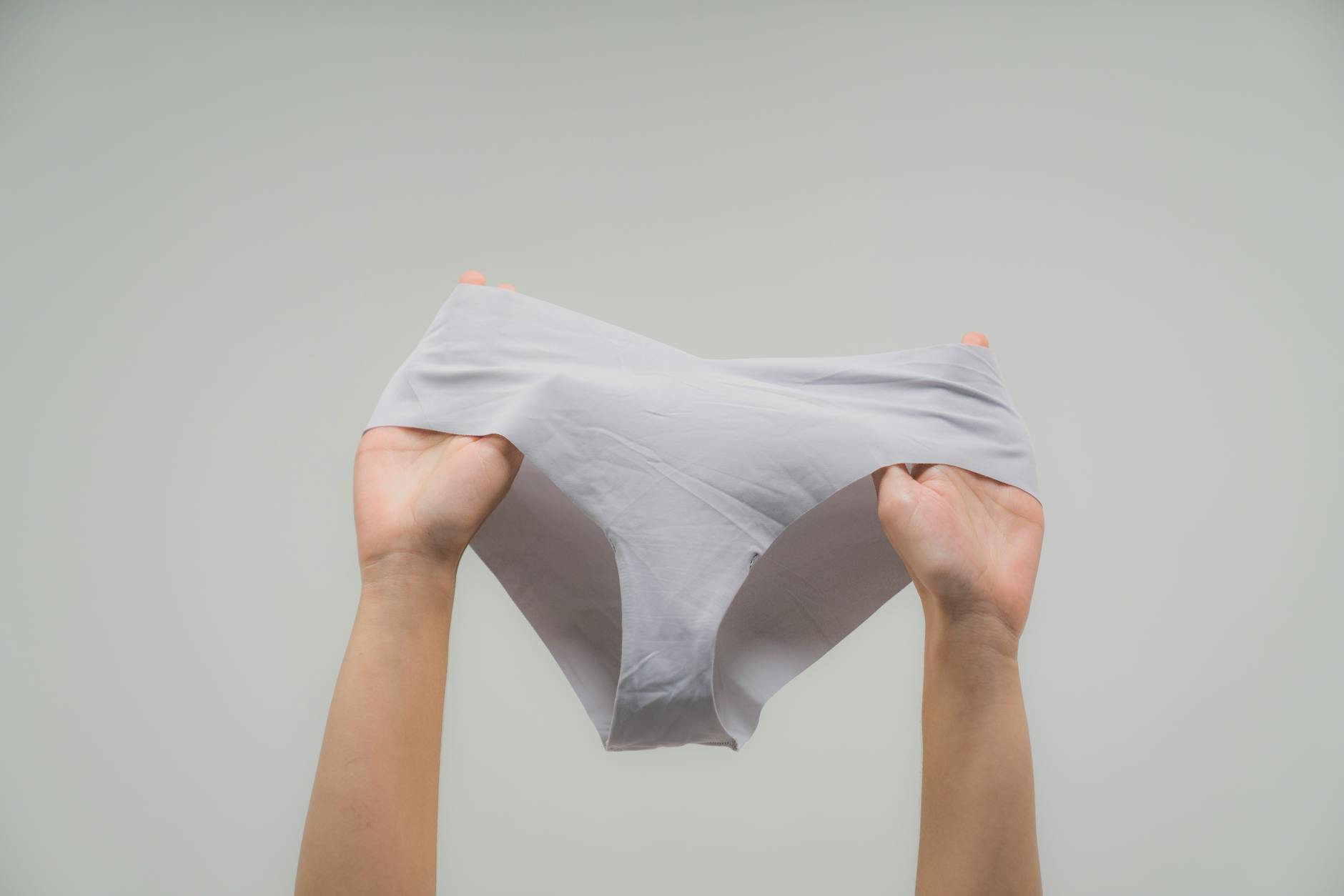
Elastic bands in underwear and bras stretch out and lose their elasticity after repeated washing and wearing. The fabric degrades and offers less support and comfort than when it was originally purchased. Ill-fitting undergarments can cause skin irritation and affect the fit of your outer clothing. Refreshing your drawer annually ensures proper fit and lasting comfort.
Hairbrushes
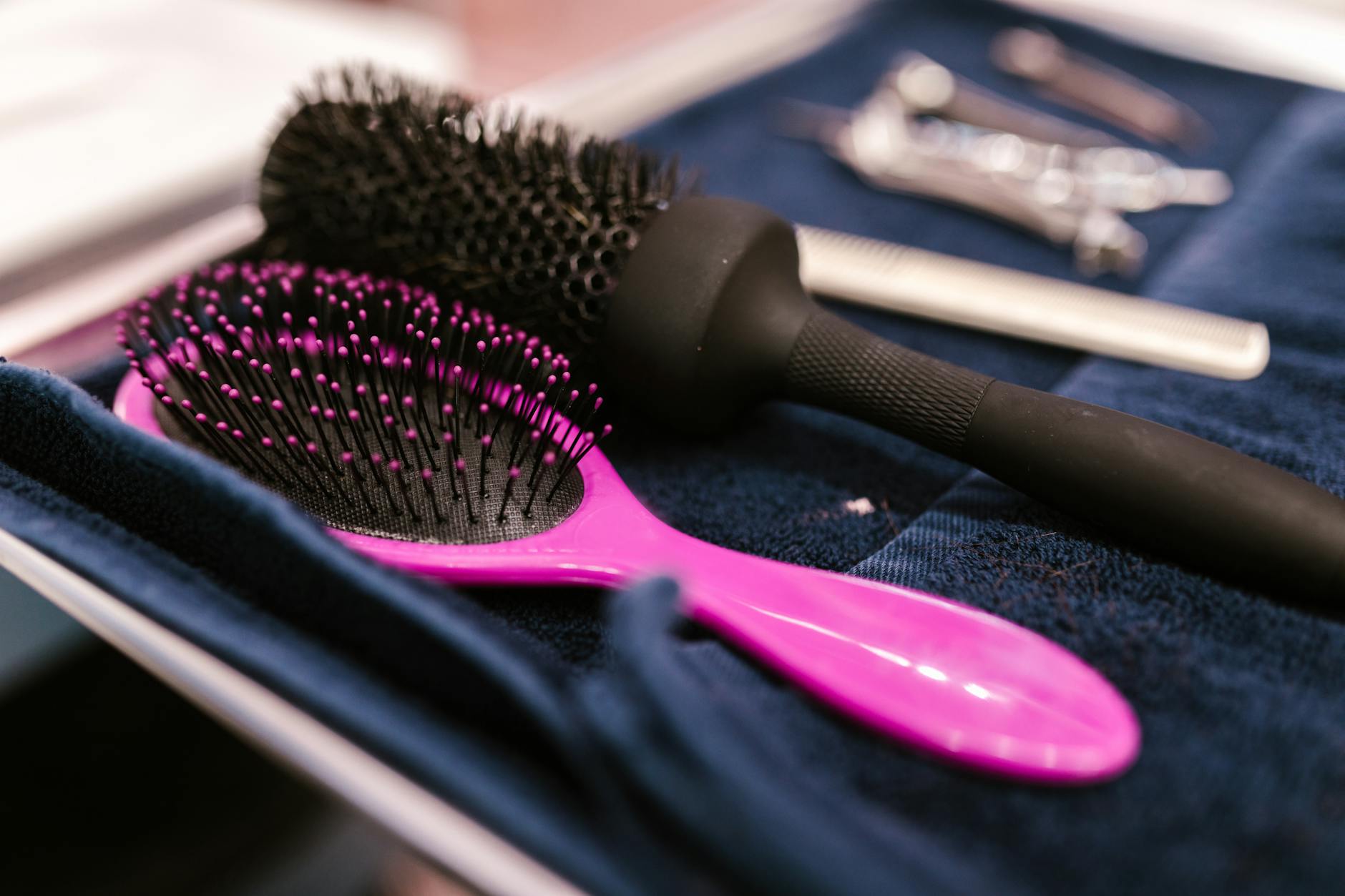
Product buildup and scalp oils accumulate at the base of bristles and are difficult to remove completely. Broken bristles can snag hair and cause breakage or split ends during styling. Dust mites and lint also become trapped in the brush and are transferred back to clean hair. A clean start with a new brush keeps hair shiny and healthy.
Yoga Mats
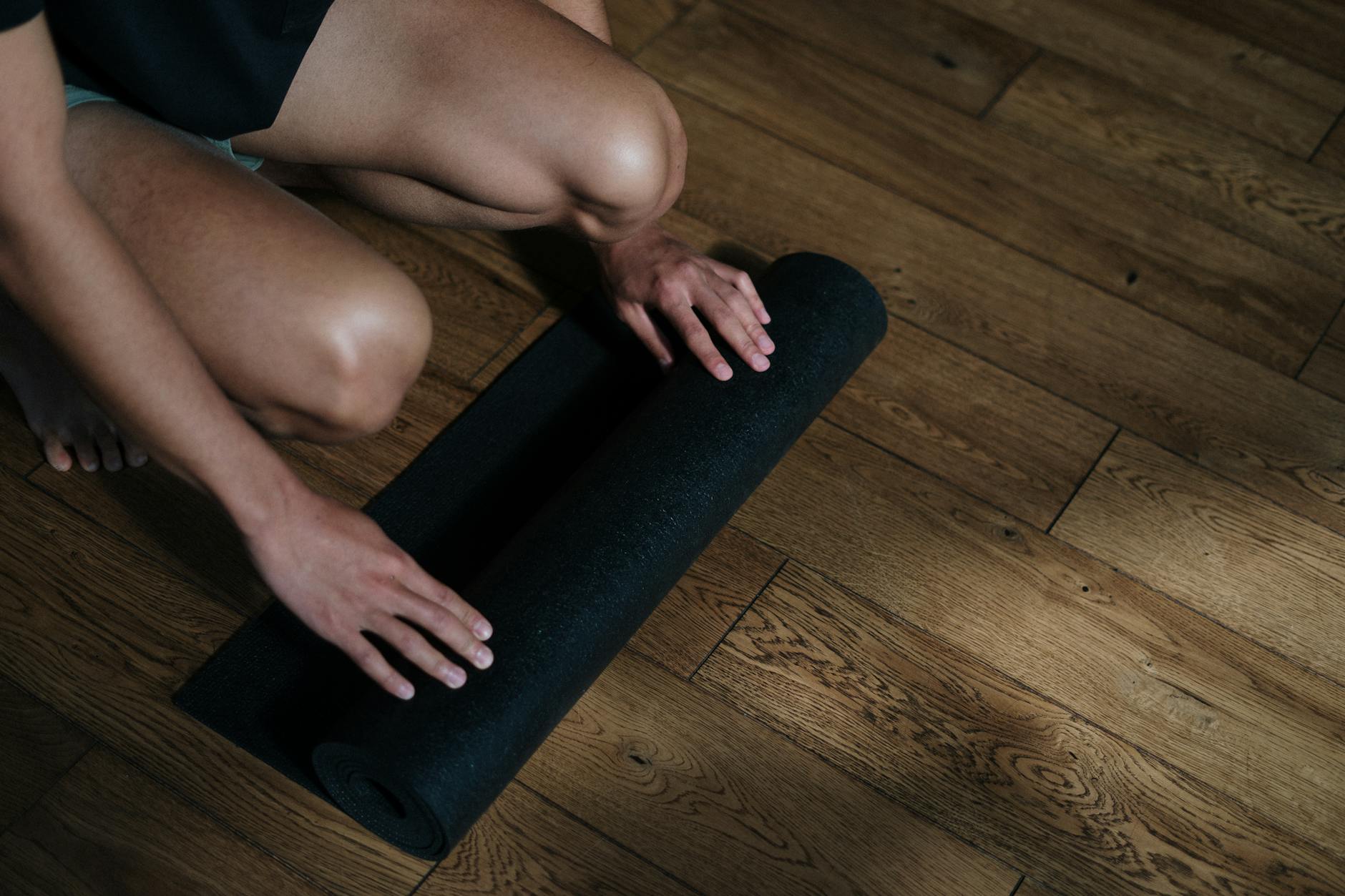
Sweat and body oils degrade the surface texture of yoga mats and cause them to lose their grip. Bacteria and fungi can penetrate the porous material and lead to skin infections or unpleasant smells. The cushioning compresses over time and offers less protection for joints during poses. Replacing your mat ensures a sanitary practice and maintains necessary traction.
Reusable Plastic Water Bottles
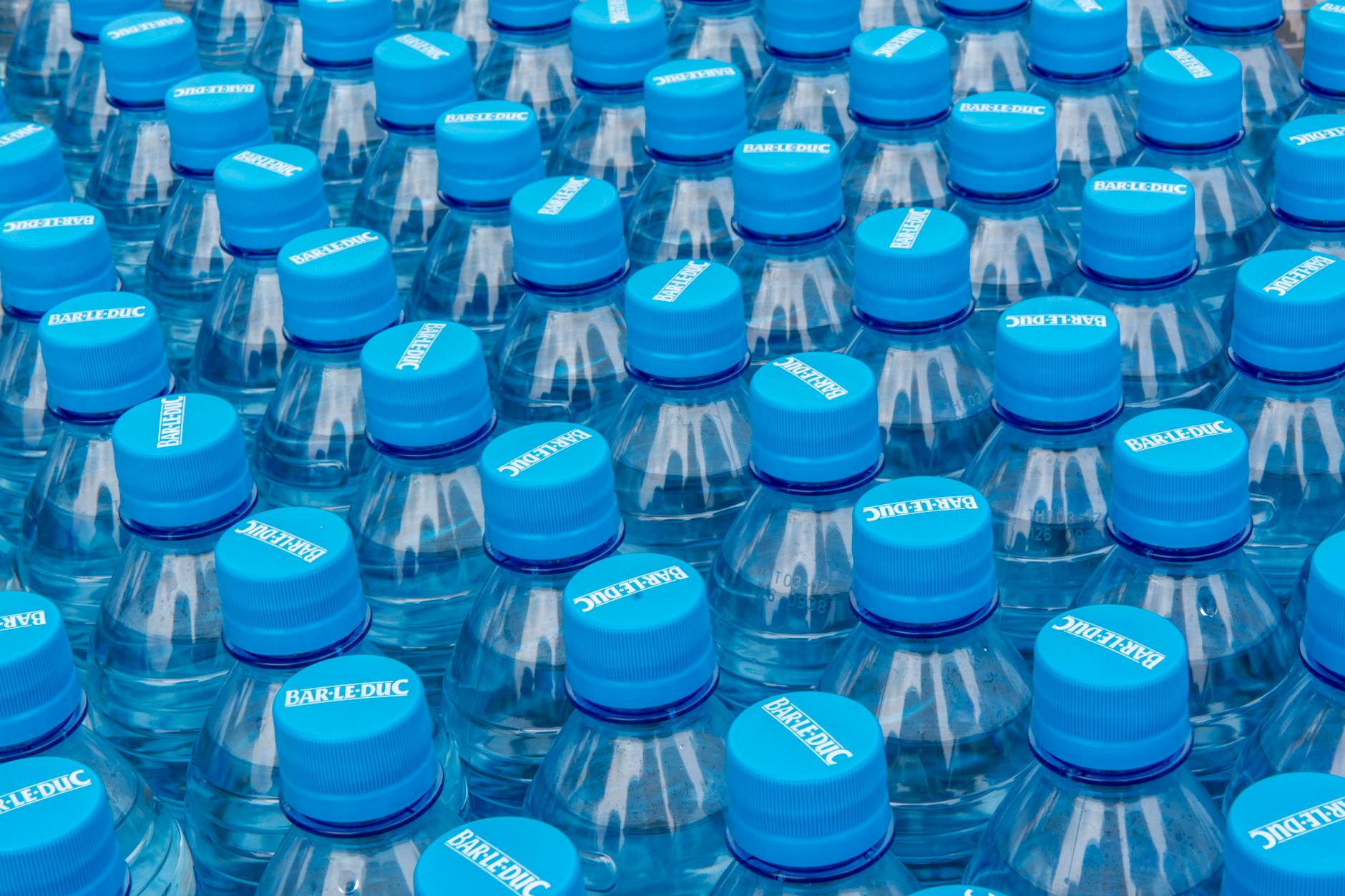
Scratches inside plastic bottles become havens for bacteria that scrubbing brushes cannot reach. The material can retain odors from flavored drinks that affect the taste of fresh water. Repeated washing in hot water can degrade the plastic and compromise its structural safety. An annual update guarantees your hydration habits remain healthy and chemical-free.
Non-Stick Pans
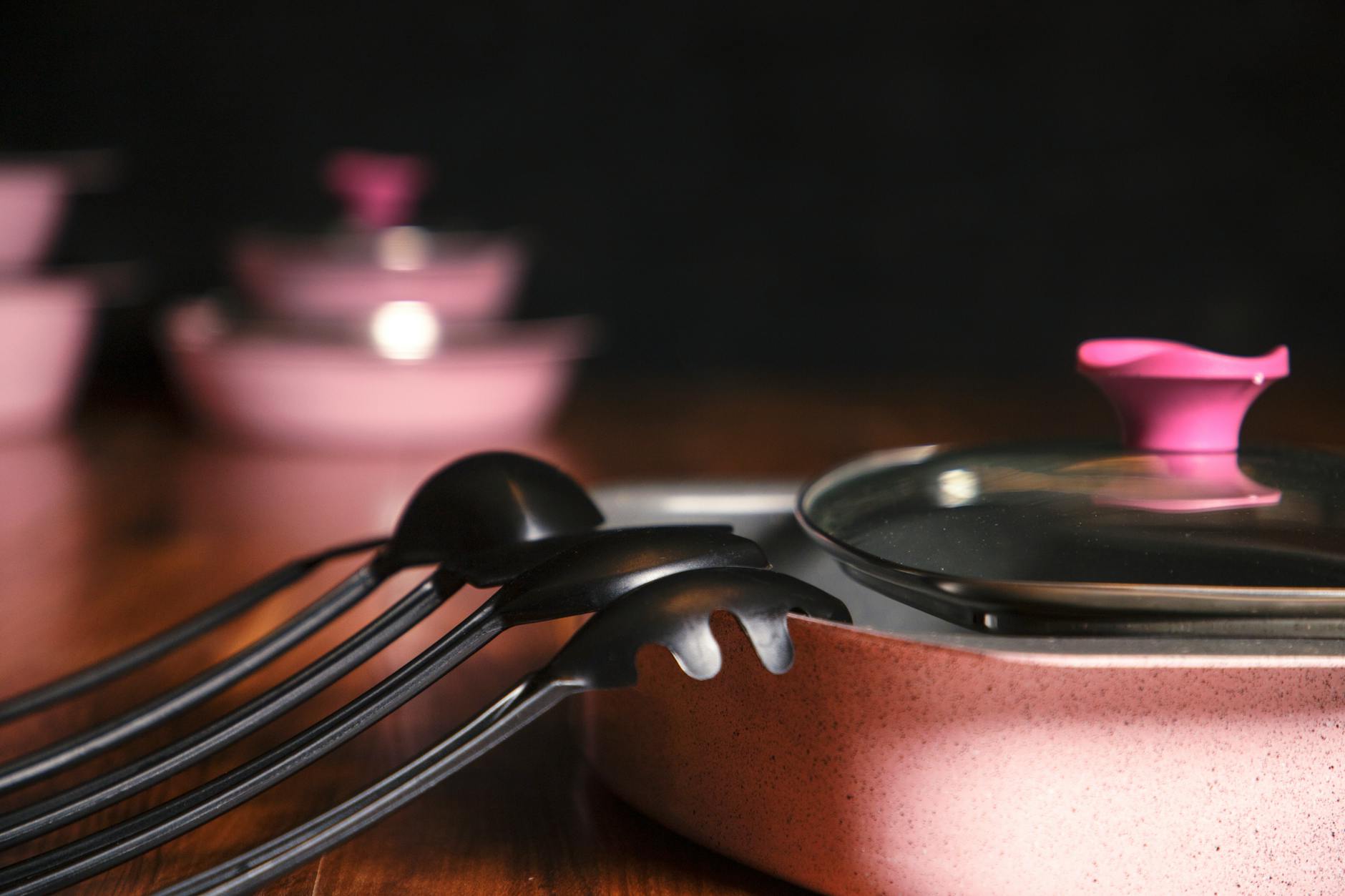
The chemical coating on non-stick cookware scratches and chips away with regular use and cleaning. Flaking coating can end up in your food and poses potential health risks. The pan eventually loses its non-stick properties which results in uneven cooking and sticking food. Replacing these pans when they show signs of wear ensures safe and easy cooking.
Vegetable Peelers
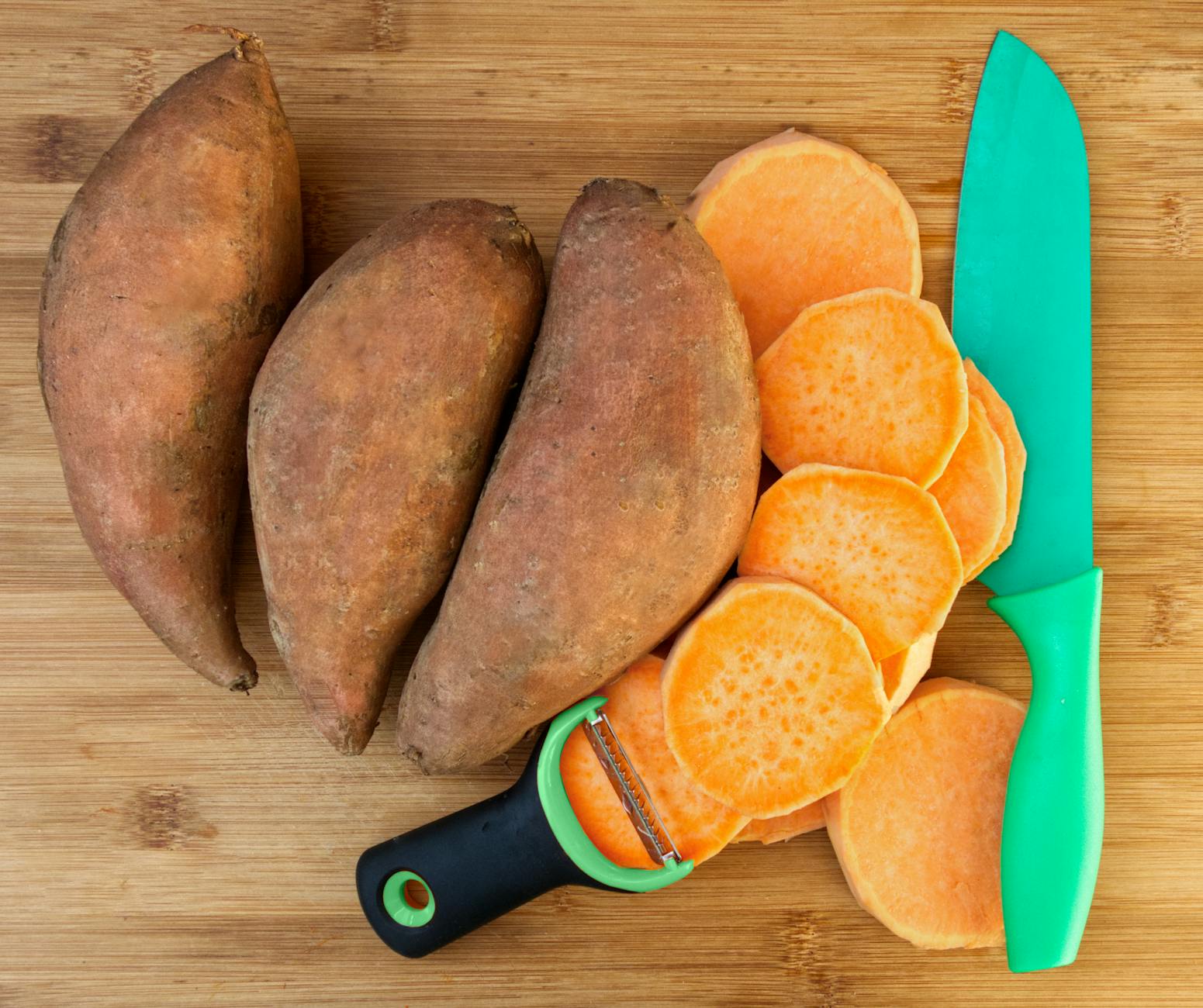
Blades on peelers dull significantly after a year of handling tough skins and root vegetables. A dull blade requires more force to use and increases the likelihood of slipping and cutting your hand. Rust spots can form in the crevices where the blade meets the handle. A sharp new peeler makes food preparation faster and safer.
Can Openers
Food residue builds up on the cutting wheels and gears which leads to rust and bacterial growth. The mechanism becomes stiff and difficult to turn as the gears degrade or get clogged. Metal shavings from the opener can sometimes fall into the can if the blade is dull or misaligned. Swapping this tool out ensures smooth operation and cleaner opened cans.
Extension Cords

Daily wear and tear can damage the insulation on extension cords and create a hidden fire hazard. Plugs that fit loosely into the outlets indicate that the internal contacts have worn down. Cords that are stepped on or bent frequently develop internal breaks that cause overheating. Replacing worn cords annually is a critical safety measure for any home.
Surge Protectors
The components that divert excess voltage degrade with every small power spike they absorb. Most surge protectors have no indicator light to tell you when their protection capacity is depleted. A unit that functions as a simple power strip offers no defense against damaging electrical surges. Replacing them yearly safeguards your expensive electronics from unexpected power issues.
Fire Extinguishers
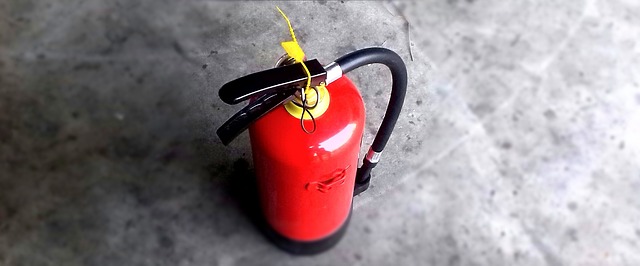
Portable fire extinguishers can lose pressure over time which renders them useless in an emergency. The chemical powder inside can settle and compact at the bottom and prevent proper discharge. Seals and hoses can crack or degrade even if the device has never been used. checking the manufacture date and replacing or servicing them annually is vital for home safety.
Liquid Bleach
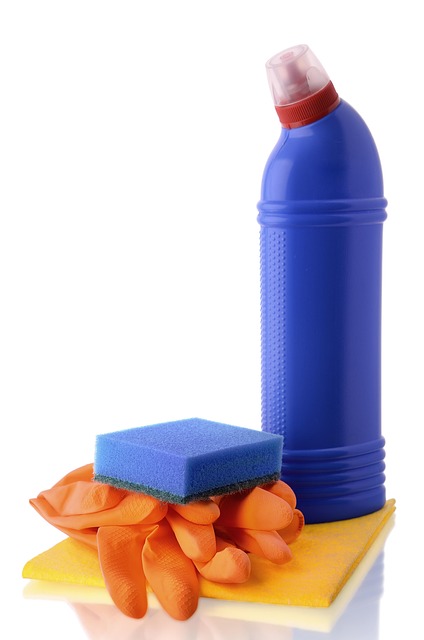
Chlorine bleach begins to degrade naturally and loses its disinfecting power about six months after manufacturing. An open bottle sitting in your laundry room for a year is likely just salt water. Using ineffective bleach fails to sanitize surfaces or whiten laundry as intended. Buying smaller bottles more frequently ensures you always have potent cleaning power.
Hydrogen Peroxide
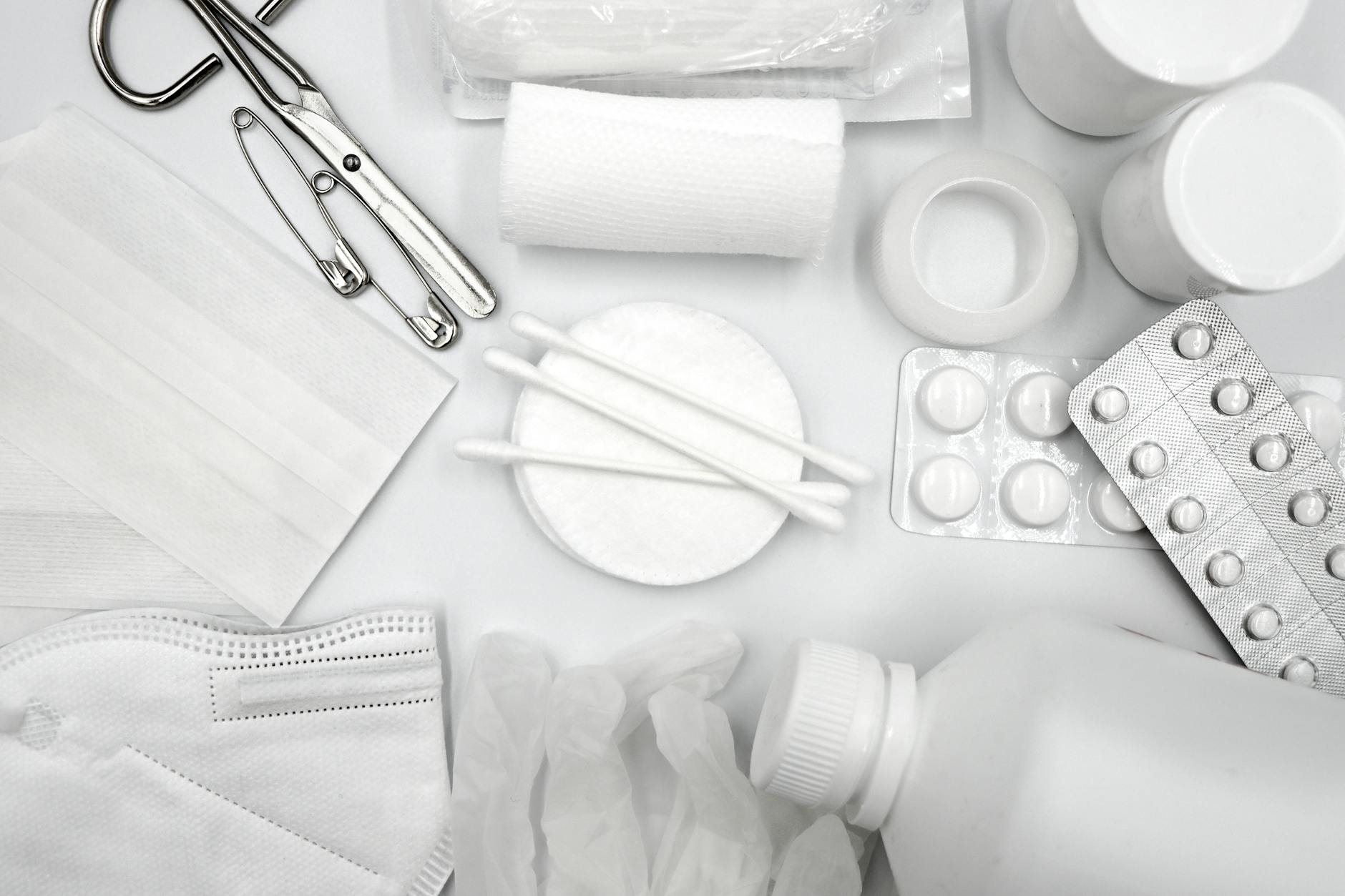
This common antiseptic breaks down into plain water and oxygen rapidly once the seal is broken. A bottle that has been open for a year will no longer fizz when applied to a wound. The lack of fizzing indicates it has lost its antiseptic properties and is useless for first aid. Replacing your supply ensures you are ready to treat minor cuts effectively.
Rubbing Alcohol
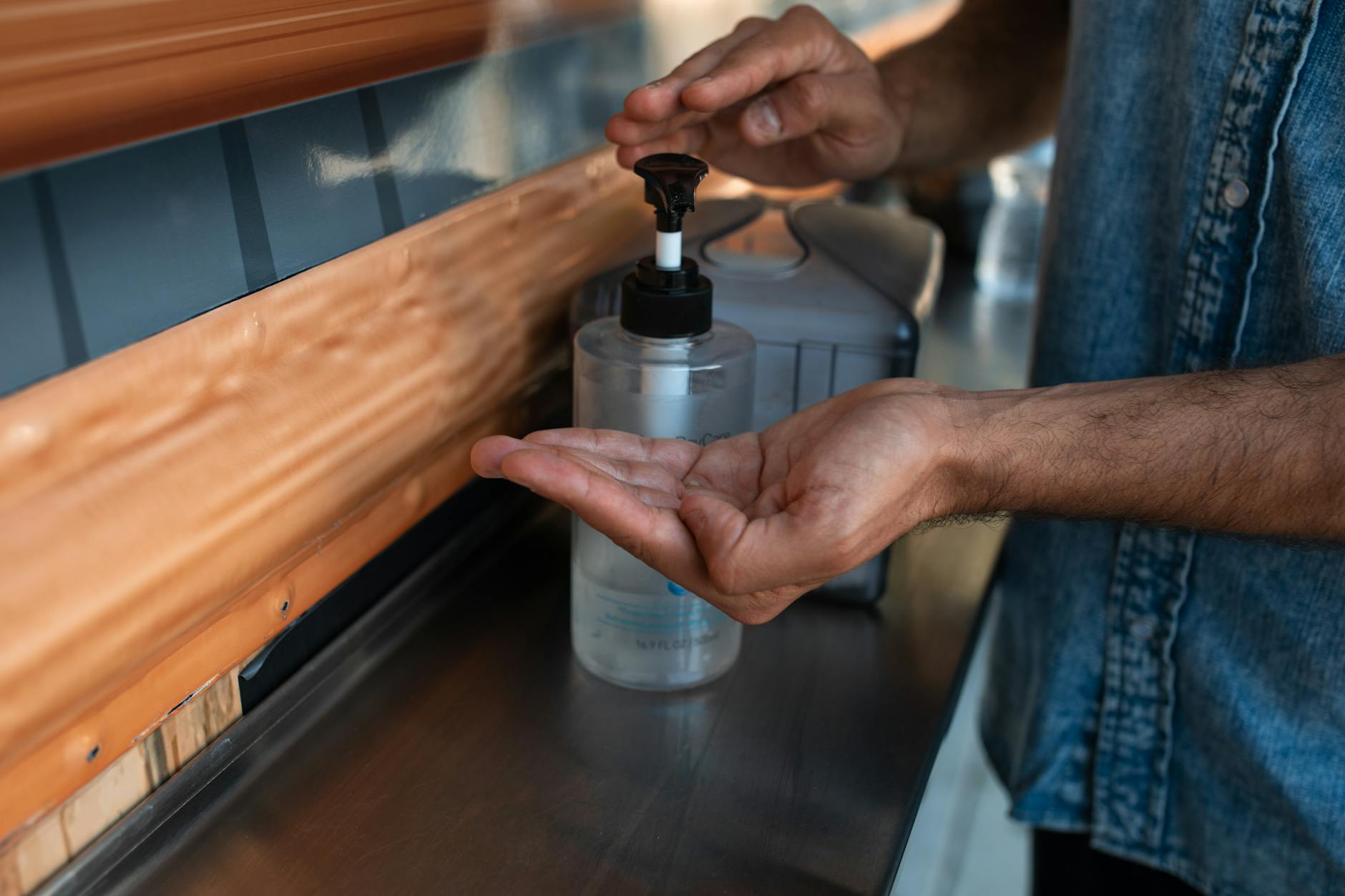
Isopropyl alcohol evaporates quickly and loses its concentration if the cap is not sealed perfectly tight. The effectiveness of the solution drops below the level required to kill bacteria and viruses. Using a weak solution creates a false sense of cleanliness when sanitizing surfaces or tools. A fresh bottle guarantees you have the sterilization power you need.
Insect Repellent
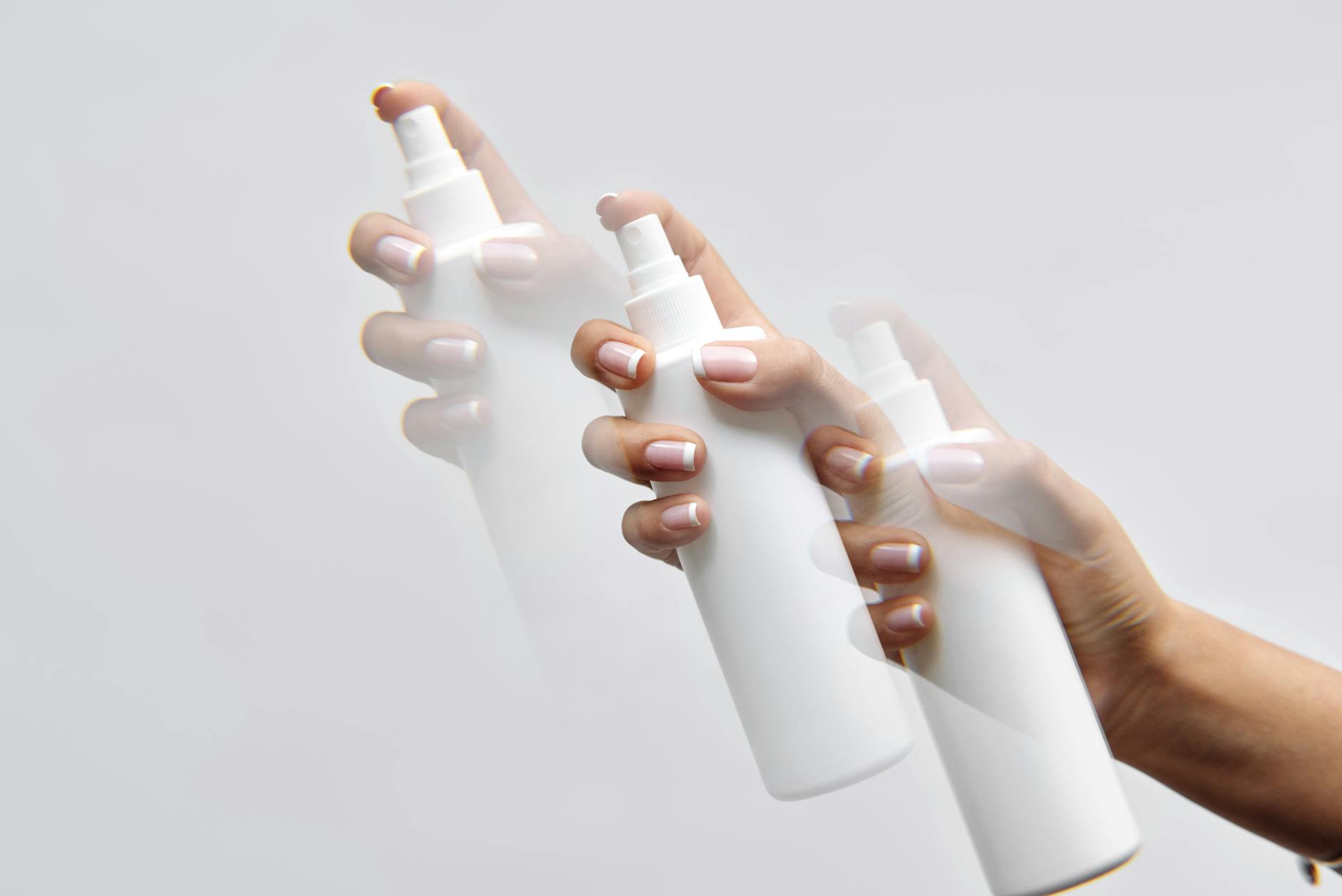
The active chemicals that repel mosquitoes and ticks break down and become less potent over time. Using an old spray leaves you vulnerable to bug bites and the diseases they may carry. The smell may change or the formula may separate inside the container. Fresh repellent provides the reliable coverage necessary for outdoor comfort.
Nail Polish
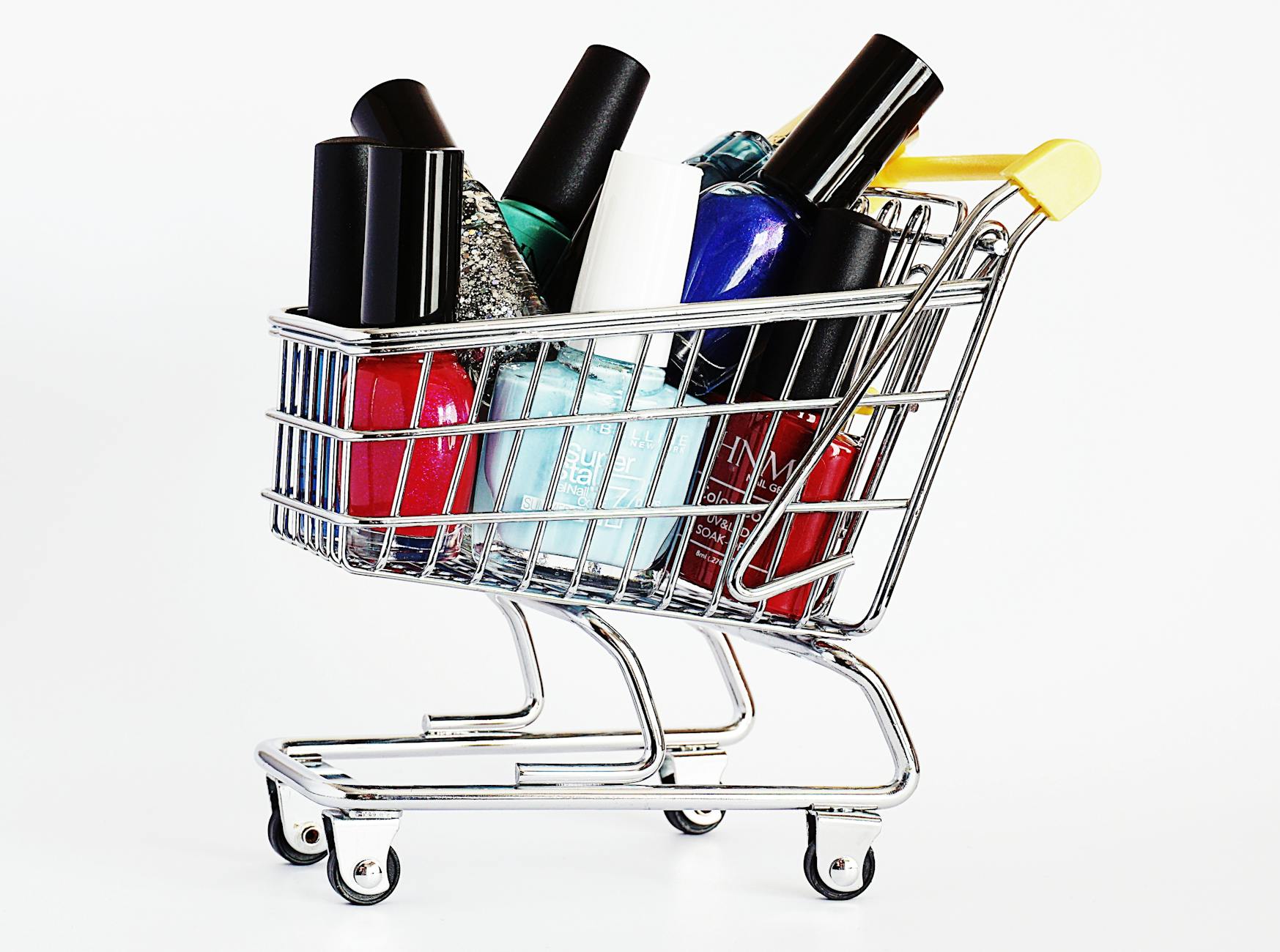
Solvents in nail polish evaporate over time and cause the formula to become thick and gloopy. The ingredients often separate and create a streaky application that never dries properly. Adding thinner can only temporarily salvage a polish that has passed its prime. Refreshing your collection ensures a smooth and professional-looking manicure.
Pot Holders

Fabric pot holders endure extreme heat and frequent washing which weakens the fibers and insulation. Thin spots develop where the fabric is worn and allow heat to penetrate quickly to your skin. Grease buildup can make them flammable and dangerous to use near gas burners. New pot holders provide the thermal protection necessary for handling hot dishes safely.
We invite you to join the conversation and tell us which of these household items you are adding to your shopping list in the comments.




