Travel brochures often paint a picture of pristine landmarks and life-changing cultural experiences that rarely align with reality. Many of the world’s most famous sites suffer from extreme overcrowding and exorbitant ticket prices that detract significantly from the visit. Social media filters frequently hide the surrounding commercialization or the underwhelming scale of these renowned destinations. Seasoned travelers know that the true essence of a location is often found in the quiet streets rather than the ticketed queues. This guide highlights twenty-five popular attractions that often fail to justify the time and expense required to see them.
Plymouth Rock
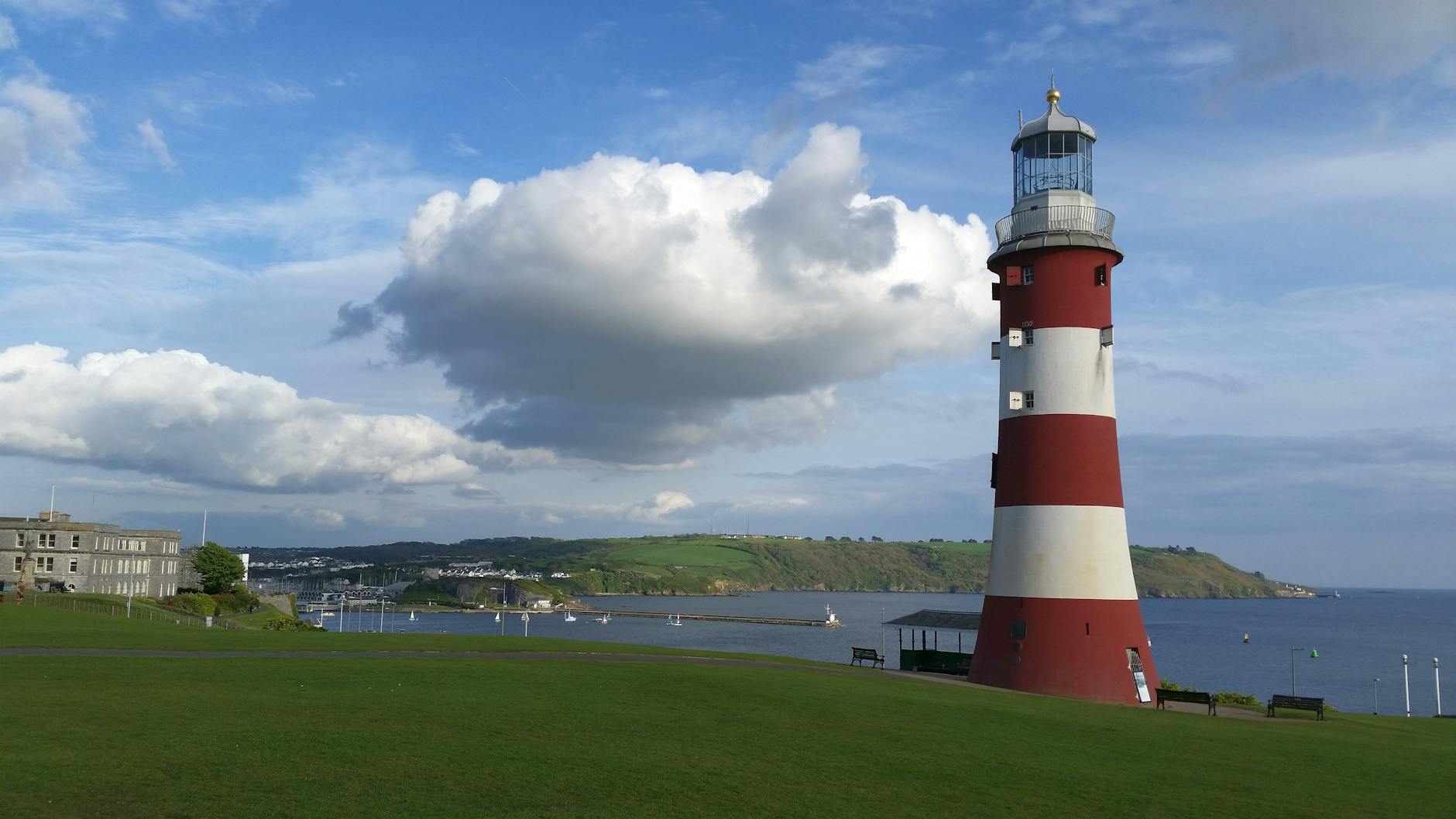
This landmark in Massachusetts is widely recognized as the symbolic landing site of the Mayflower Pilgrims in 1620. Visitors often express surprise at the relatively small size of the stone which sits protected within a granite canopy. The viewing platform keeps observers at a distance that makes it difficult to read the inscribed date on the rock’s surface. Historical accuracy regarding whether the Pilgrims actually stepped on this specific rock remains a subject of debate among scholars.
The Little Mermaid
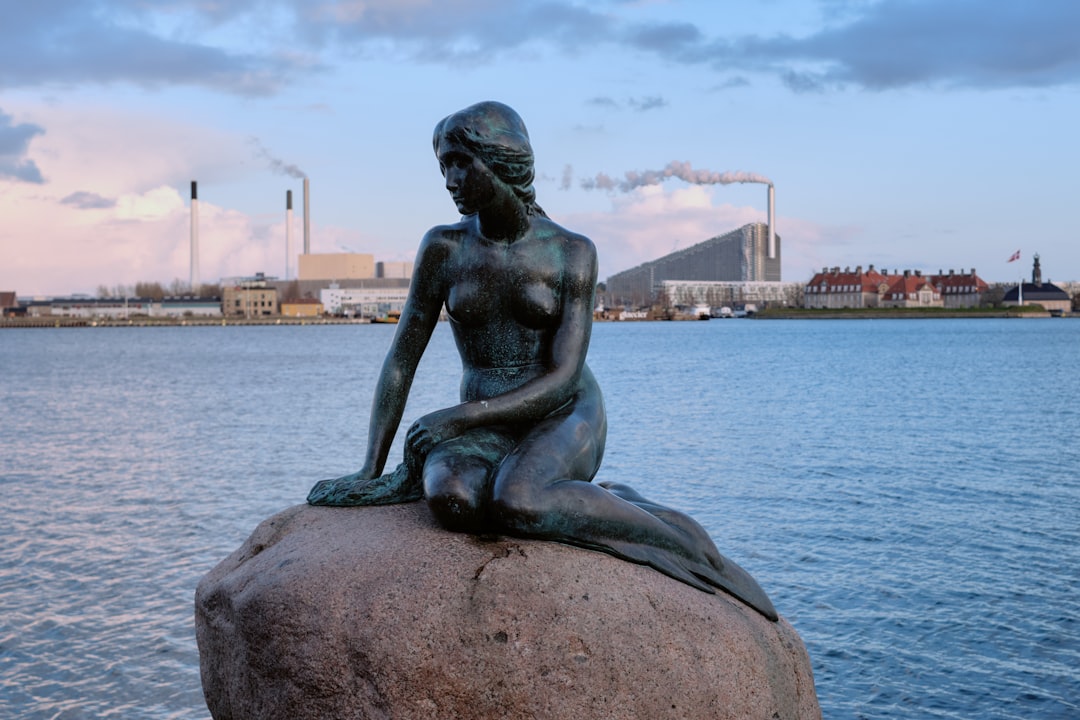
Copenhagen’s most famous statue sits on a rock in the harbor and draws massive busloads of tourists daily. The bronze sculpture is surprisingly diminutive and can be hard to see clearly through the wall of visitors clamoring for photos. Its industrial backdrop of cranes and shipping containers contrasts sharply with the fairytale image many travelers expect to find. Visitors often leave feeling that the long walk from the city center was not worth the brief glimpse of the small figure.
Manneken Pis
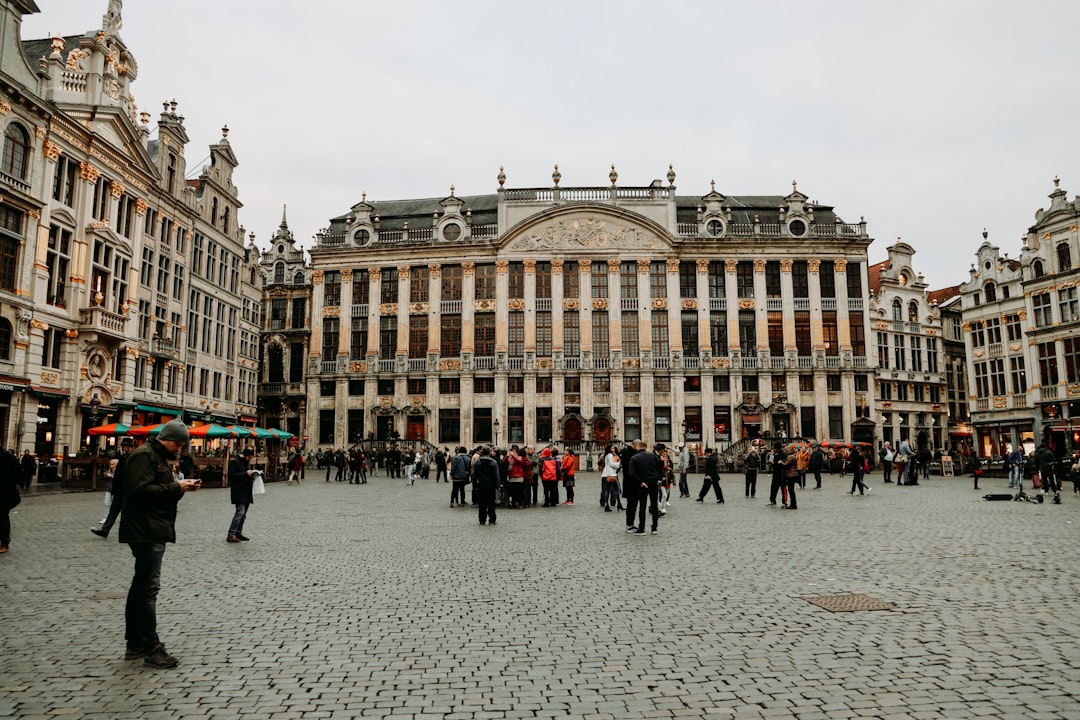
Brussels is home to this small bronze fountain sculpture of a urinating boy that has become an odd global icon. The statue itself is only about two feet tall and stands on a corner that is perpetually clogged with crowds. Tourists frequently struggle to get close enough to the fence to see the figure due to the density of the gathering. The surrounding streets are filled with souvenir shops selling overpriced replicas that further commercialize the experience.
Hollywood Walk of Fame
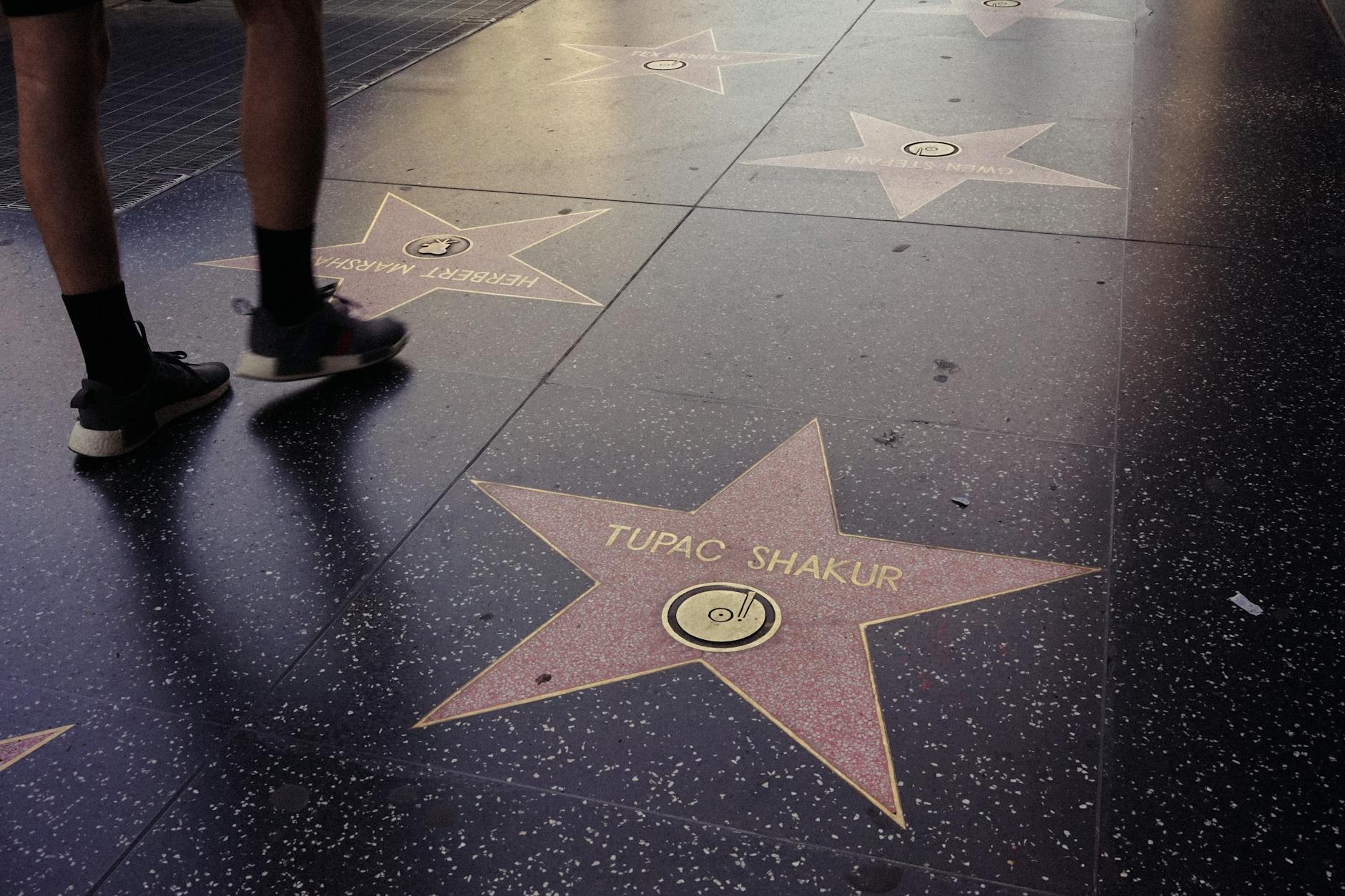
This famous sidewalk in Los Angeles stretches for fifteen blocks and features thousands of brass stars embedded in terrazzo. The area is frequently congested with aggressive street performers and vendors trying to sell tours to passersby. Cleanliness is a common complaint among visitors who find the street gritty and far removed from the glamour of the film industry. Most travelers find that locating the star of their favorite celebrity involves dodging heavy foot traffic and noise.
Times Square
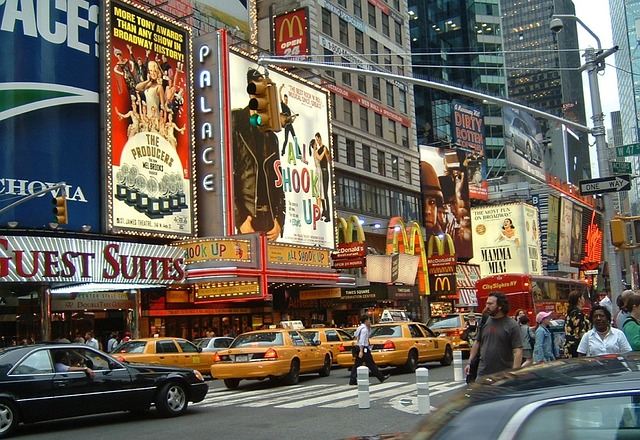
New York City’s commercial hub is known for its blinding neon billboards and overwhelming pedestrian density. Locals generally avoid the area due to the slow-moving crowds and the inflated prices at chain restaurants. The sensory overload of flashing lights and costumed characters demanding tips can make the experience stressful rather than enjoyable. Authentic New York culture is better experienced in the diverse neighborhoods surrounding this chaotic tourist center.
Mona Lisa
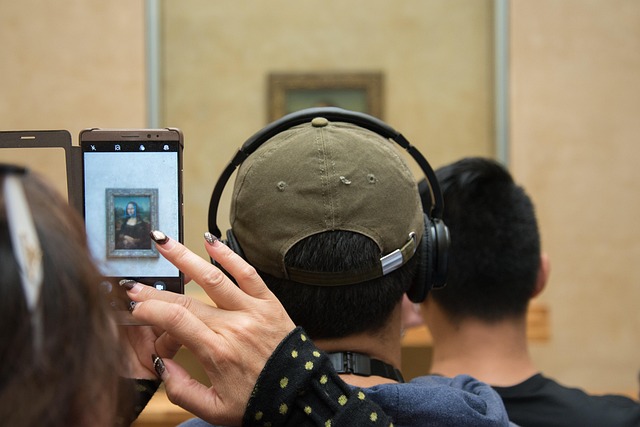
The Louvre Museum in Paris houses this Renaissance masterpiece behind thick bulletproof glass. The painting is much smaller than most people anticipate and viewing it requires waiting in a chaotic crush of visitors. Guards urge the crowd to keep moving constantly which allows for only a few seconds of actual observation. Reflection from the protective glass and the distance from the barrier make it nearly impossible to appreciate the artistic details.
Leaning Tower of Pisa
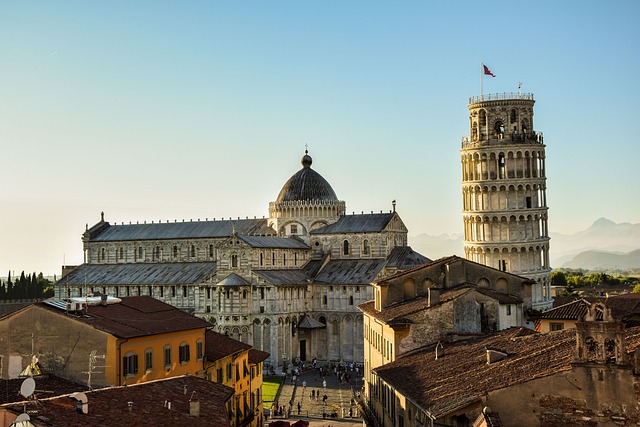
This architectural oddity in Italy attracts thousands of people who perform the same forced perspective pose for their cameras. The piazza surrounding the tower is packed with souvenir stalls that disrupt the historical atmosphere of the site. Climbing the tower is expensive and the view from the top is generally considered average compared to other Italian viewpoints. The crowds in the immediate vicinity often make it difficult to simply sit and appreciate the structure’s unique history.
Stonehenge
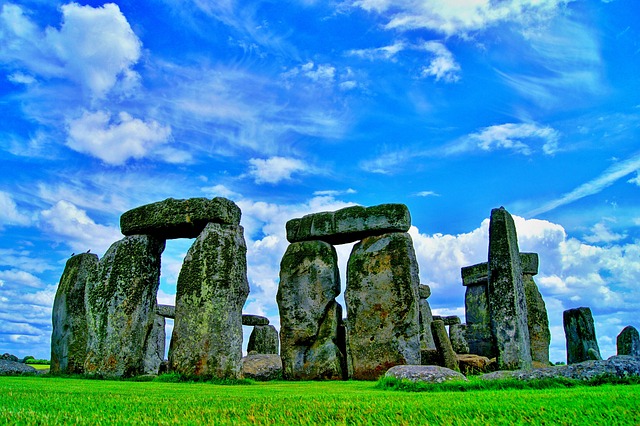
This prehistoric monument in the English countryside is fenced off to protect the stones from damage. Visitors must view the circle from a considerable distance which can diminish the sense of mystery and grandeur. The site is situated near a busy highway that produces audible traffic noise which cuts through the atmosphere. Entry fees are high for a walking path that does not allow direct access to the ancient megaliths.
Blarney Stone
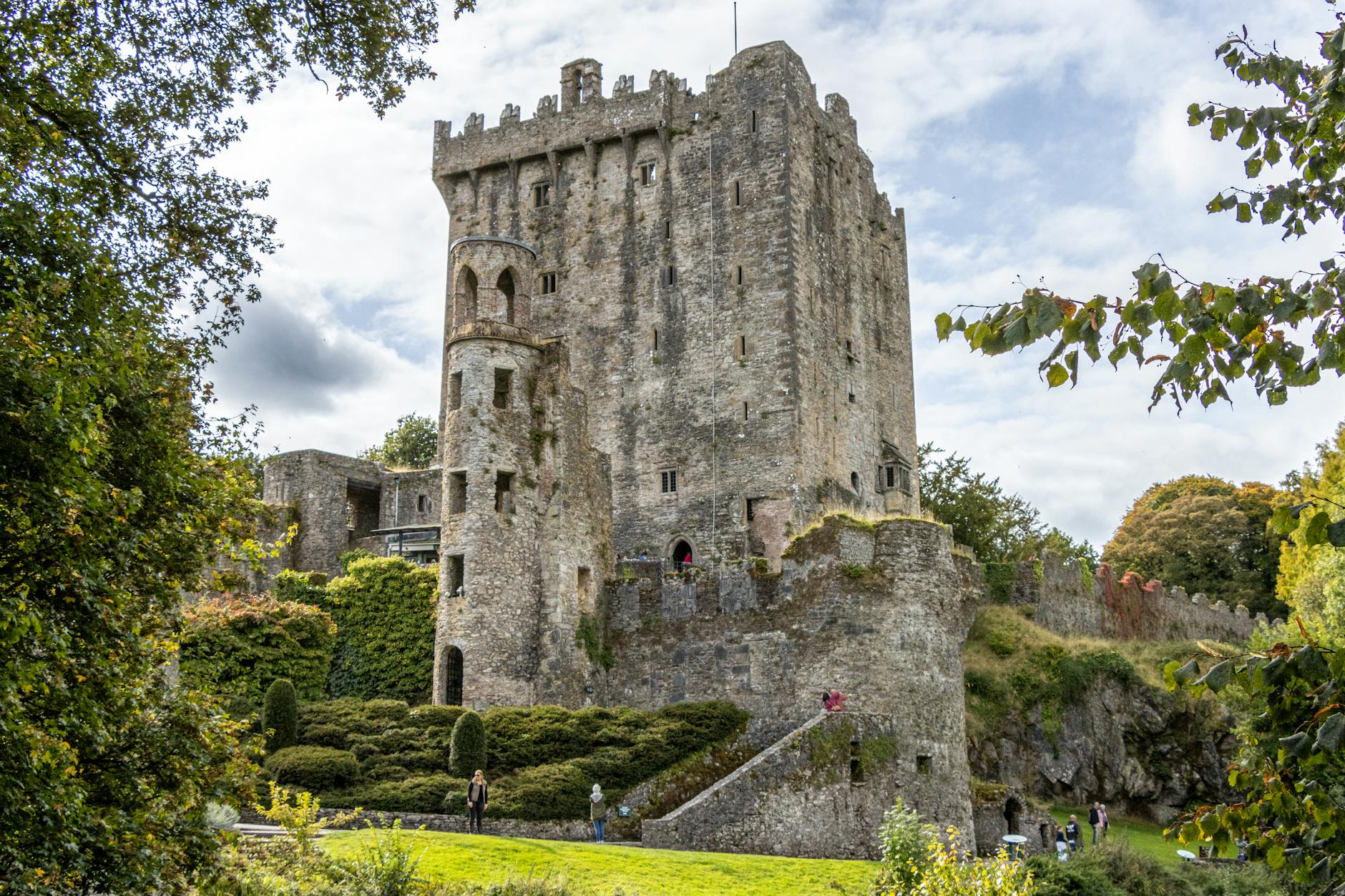
Travelers flock to Blarney Castle in Ireland to kiss this legendary stone in hopes of gaining the gift of gab. The process involves waiting in a long line for hours only to lean backward over a sheer drop while held by a staff member. Hygiene concerns are a frequent topic of discussion since thousands of people press their lips to the same spot daily. Many visitors find the beautiful castle grounds to be more rewarding than the actual stone itself.
Checkpoint Charlie
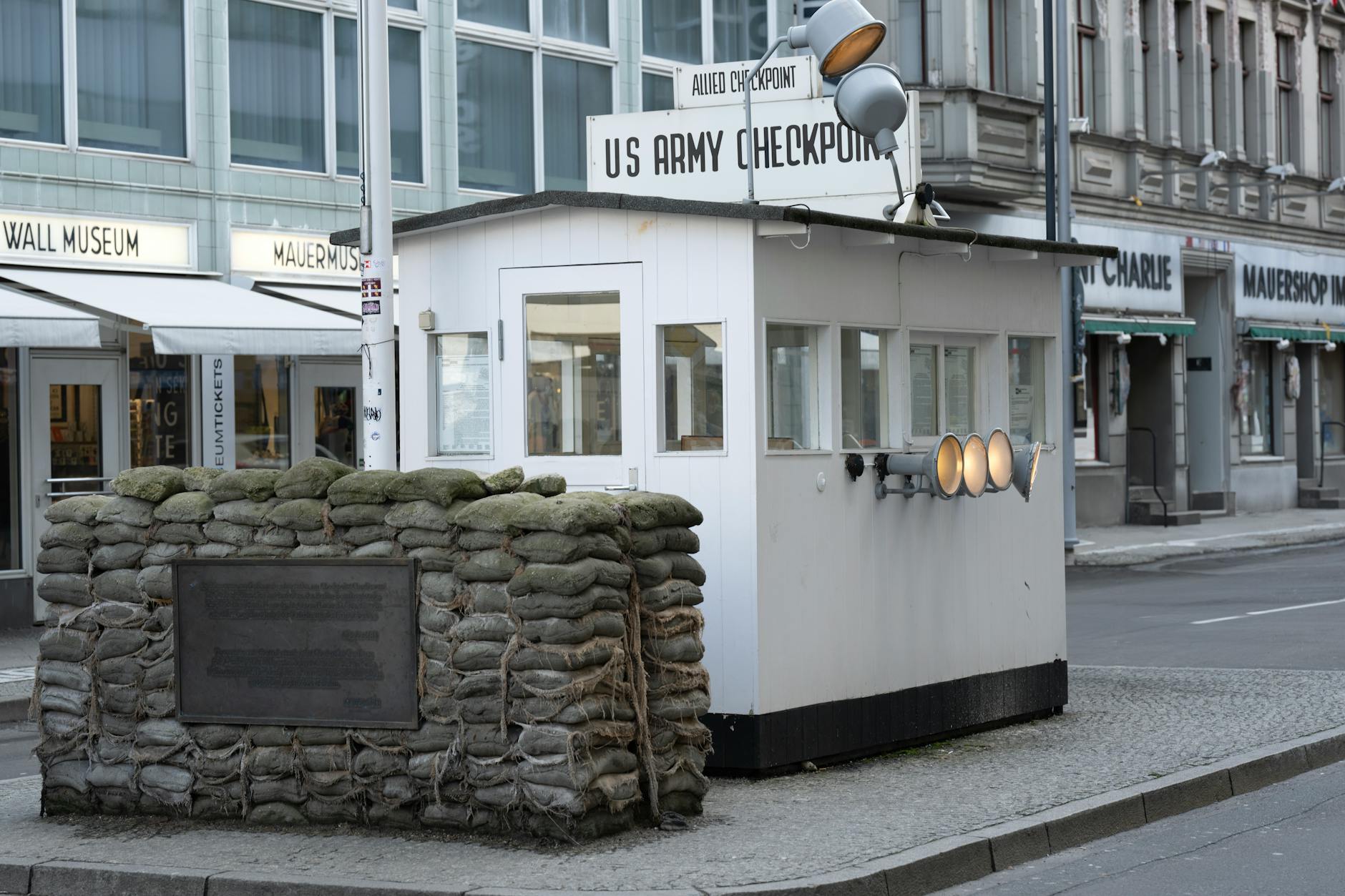
The famous border crossing between East and West Berlin is now largely a reproduction surrounded by commercial development. Actors dressed as soldiers stand at the booth and charge fees for photographs with tourists. The site lacks the somber historical gravity that one might expect from such a significant Cold War location. The adjacent museum offers information but the checkpoint itself feels like a staged photo opportunity rather than a historical monument.
The Alamo
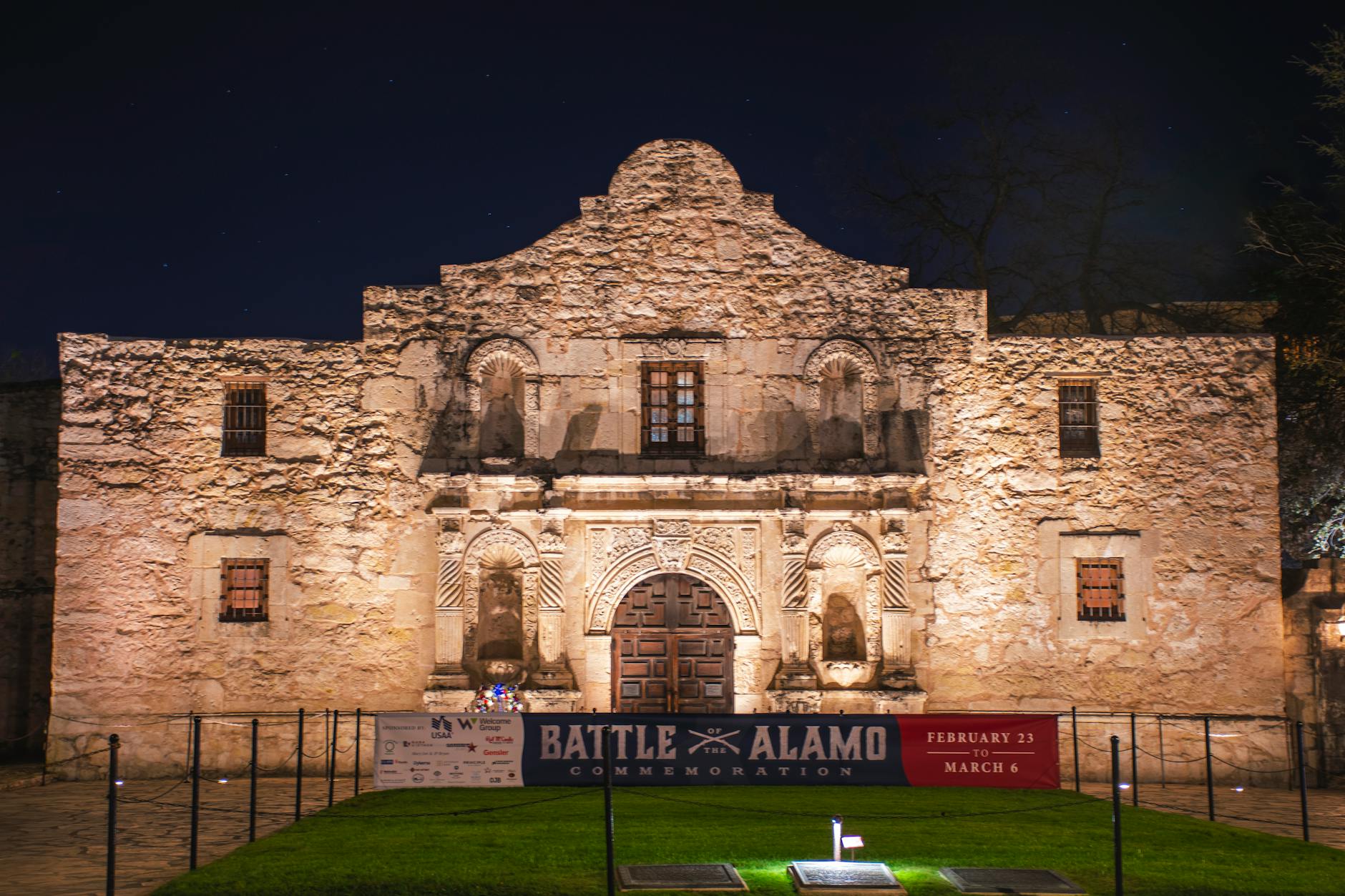
This historic mission in San Antonio is significantly smaller than it appears in movies and photographs. The complex is located directly in the center of the modern city and is overshadowed by tall hotels and office buildings. Visitors expecting a vast battlefield are often disappointed by the modest size of the church and the surrounding grounds. The heavy crowds and urban noise can make it difficult to connect with the solemn history of the battle.
Mount Rushmore
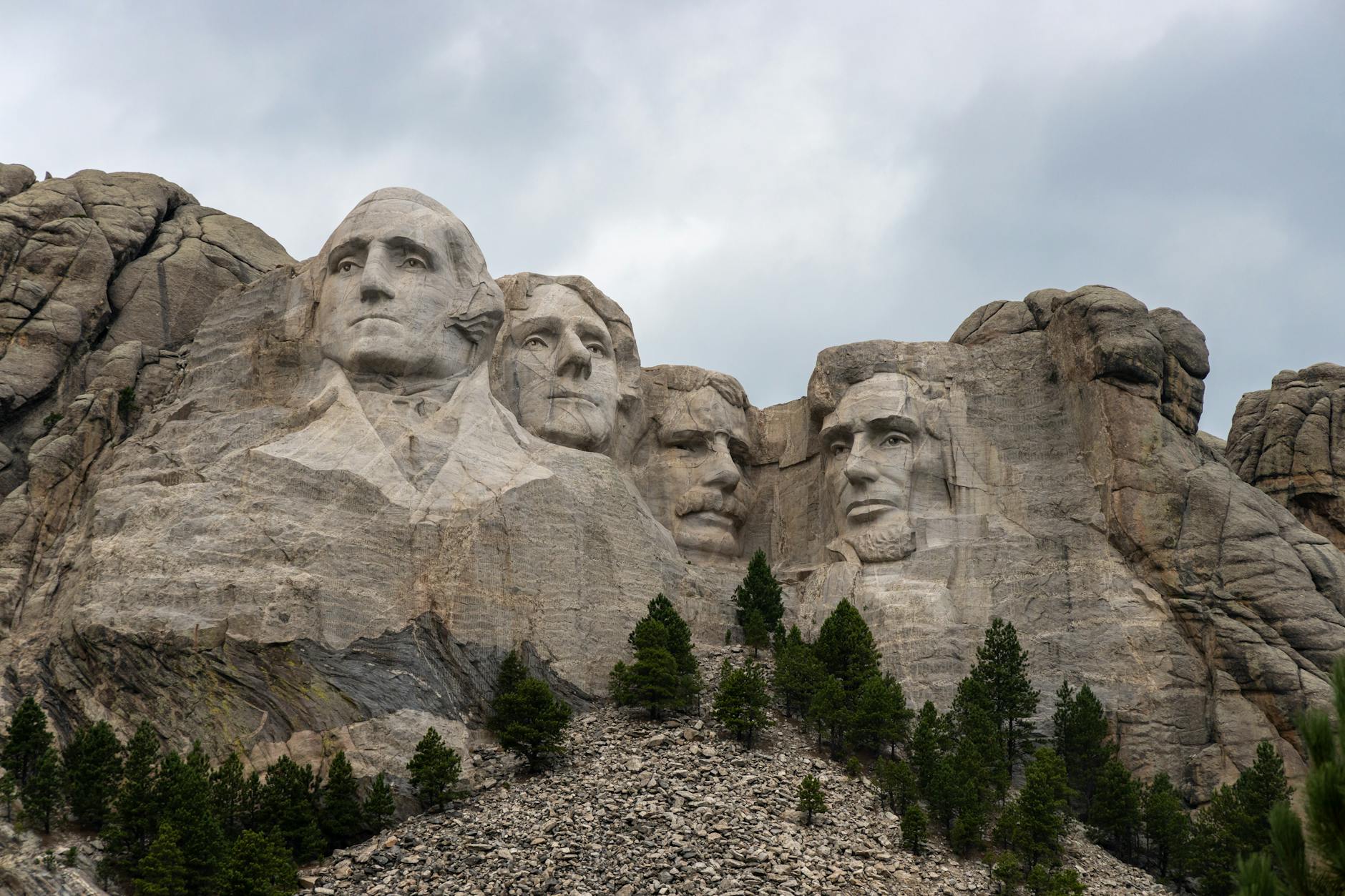
This massive sculpture in South Dakota is best viewed from a distance where the full scale is visible. The observation deck is often crowded and offers a view that is not significantly better than what can be seen from the highway. The surrounding area has become highly commercialized with tourist traps that have little to do with the monument or its history. Many travelers find the journey to this remote location does not justify the short amount of time spent viewing the faces.
London Eye
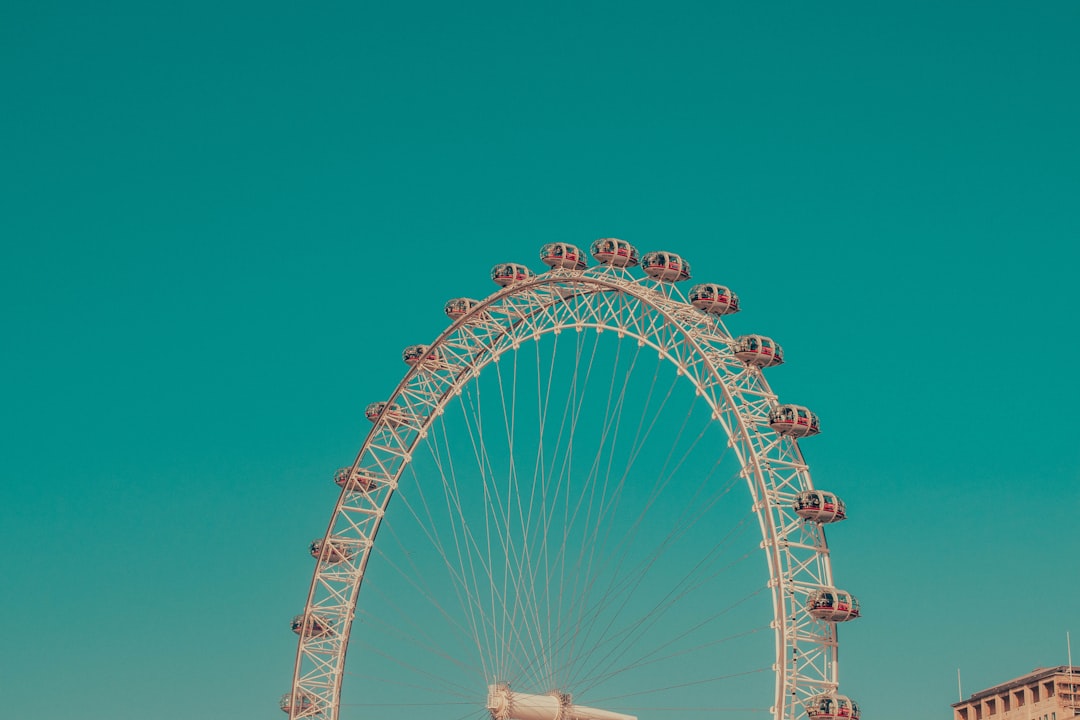
This giant Ferris wheel on the South Bank offers views of the city but moves at an incredibly slow pace. Ticket prices are steep and the lines to board the capsules can last for over an hour during peak times. The enclosed glass pods can feel stuffy and crowded when filled to capacity with other tourists. London offers several free rooftop viewing platforms that provide similar panoramas without the cost or the wait.
Fisherman’s Wharf
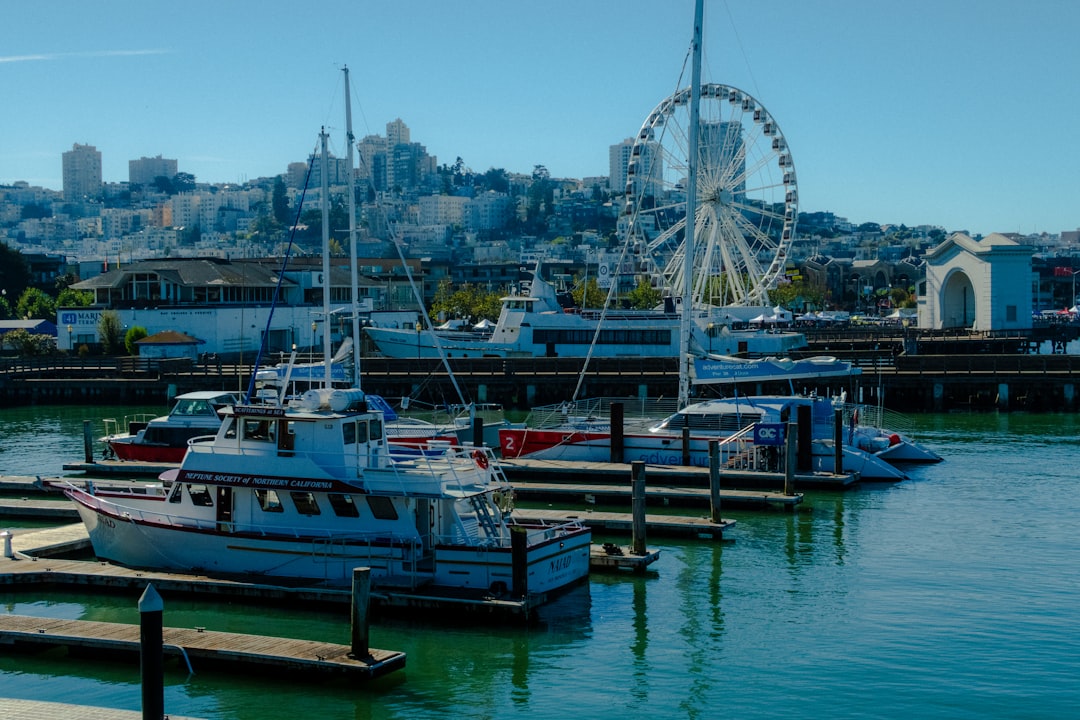
San Francisco’s waterfront district is dominated by souvenir shops and chain restaurants rather than authentic maritime culture. The area is frequently packed with visitors and the prices for food and goods are significantly higher than in the rest of the city. The famous sea lions at Pier 39 are a draw but the surrounding carnival atmosphere detracts from the natural appeal. Locals rarely visit this neighborhood as it offers little representation of the city’s true character.
Juliet’s Balcony
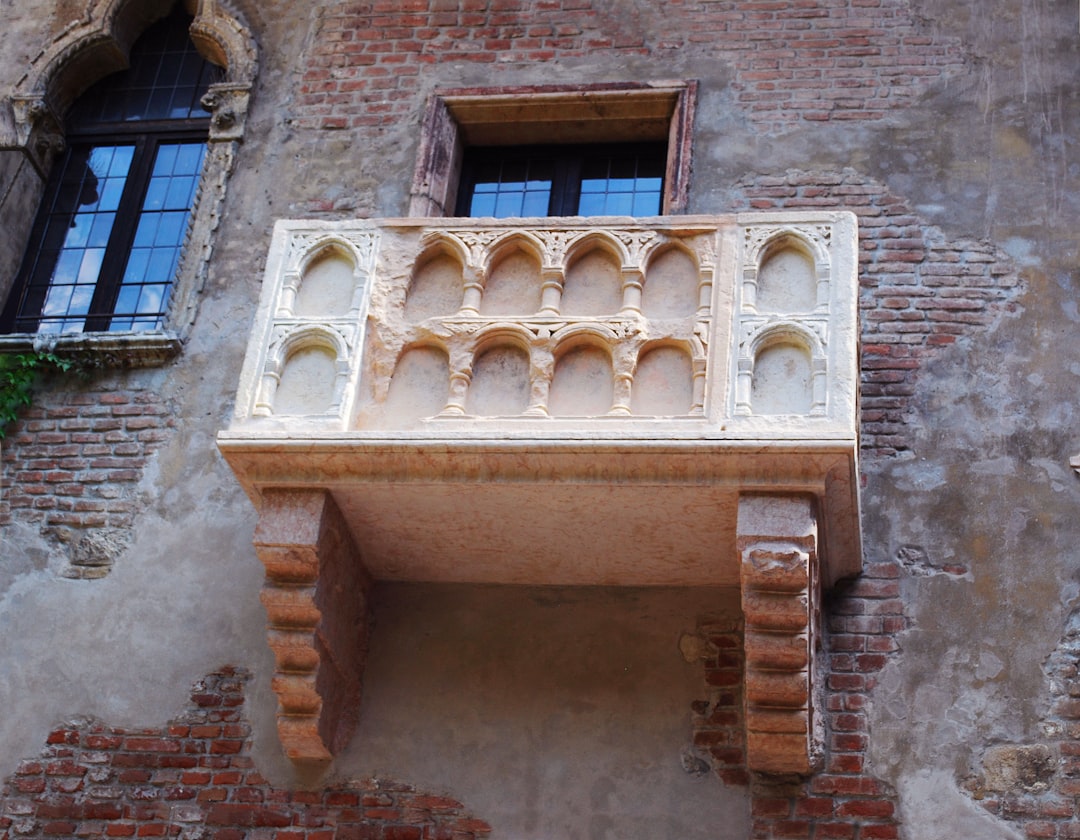
Verona attracts literature lovers to this courtyard which supposedly inspired Shakespeare’s famous play. The balcony was actually added to the building in the 20th century and has no real connection to the fictional story. The tiny courtyard is perpetually stuffed with tourists trying to take photos or write on the graffiti-covered walls. The experience is often described as claustrophobic and lacks the romantic atmosphere that visitors arrive expecting to find.
Trevi Fountain
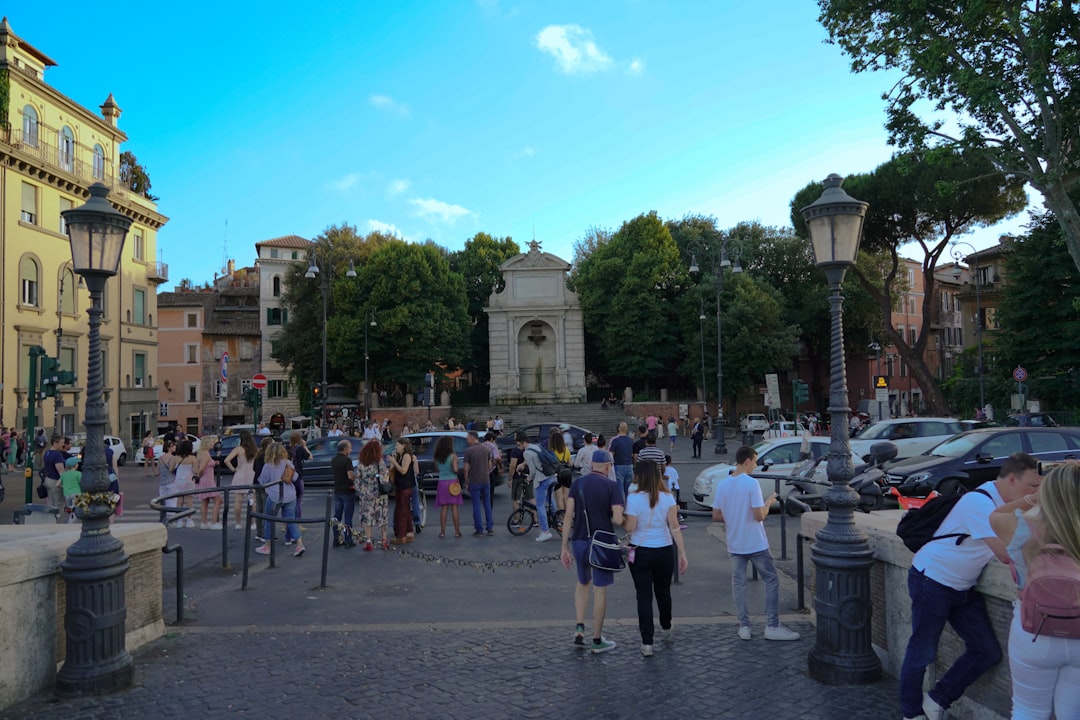
Rome’s Baroque masterpiece is stunning but the experience is marred by the sheer number of people in the small square. Police constantly blow whistles to manage the crowd and prevent people from sitting on the monument’s edge. Getting close enough to the water to toss a coin requires aggressive maneuvering through the dense mass of bodies. The noise level and jostling make it impossible to enjoy the artistic details of the fountain in peace.
Las Ramblas
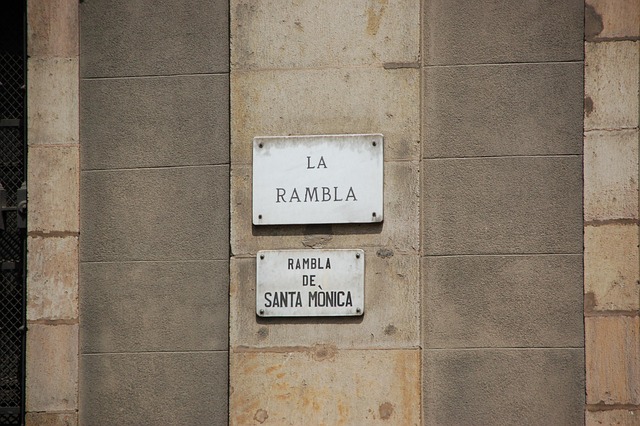
This famous tree-lined pedestrian street in Barcelona is notorious for its overwhelming crowds and pickpockets. The restaurants lining the walkway are known for serving overpriced food of lower quality than can be found in nearby neighborhoods. Street sellers and performers clog the path and make walking a slow and frustrating endeavor. Most locals avoid this thoroughfare entirely in favor of the city’s many other beautiful and less chaotic promenades.
Copacabana Beach
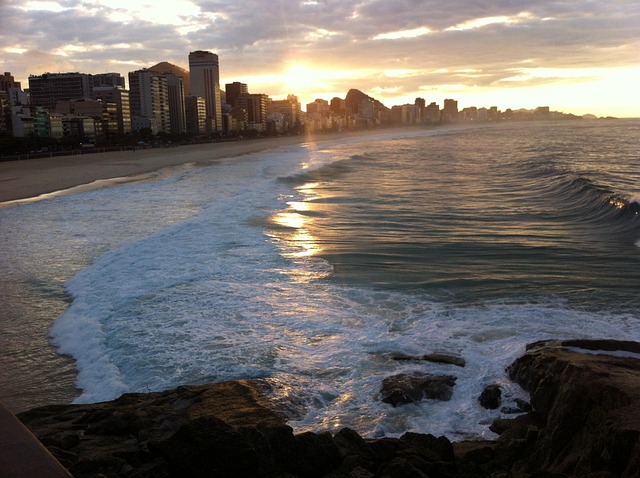
Rio de Janeiro’s famous crescent of sand is iconic but often suffers from severe overcrowding and safety issues. The beach is lined with high-rise hotels that cast long shadows over the sand in the late afternoon. Vendors constantly patrol the beach selling goods which can interrupt any attempt at relaxation. The water quality varies and the constant vigilance required to watch personal belongings can make the visit stressful.
Bondi Beach
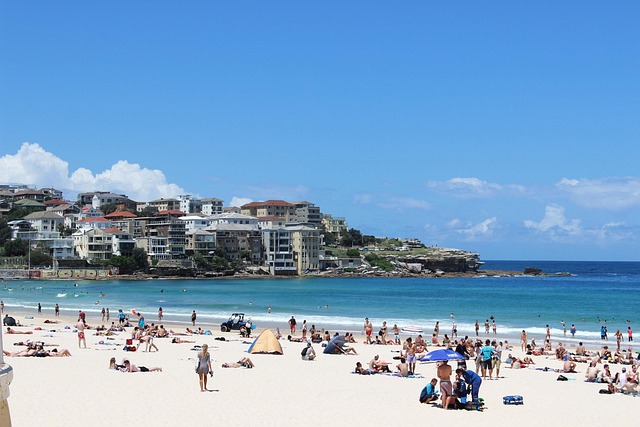
Sydney’s most famous beach is frequently packed towel-to-towel with tourists and backpackers. The surrounding suburb is highly commercialized with expensive cafes and shops that cater primarily to the transient crowd. Strong rip currents can make swimming dangerous for those unfamiliar with ocean conditions. Australia boasts hundreds of equally beautiful beaches that offer more space and a more authentic local vibe.
Badaling Great Wall
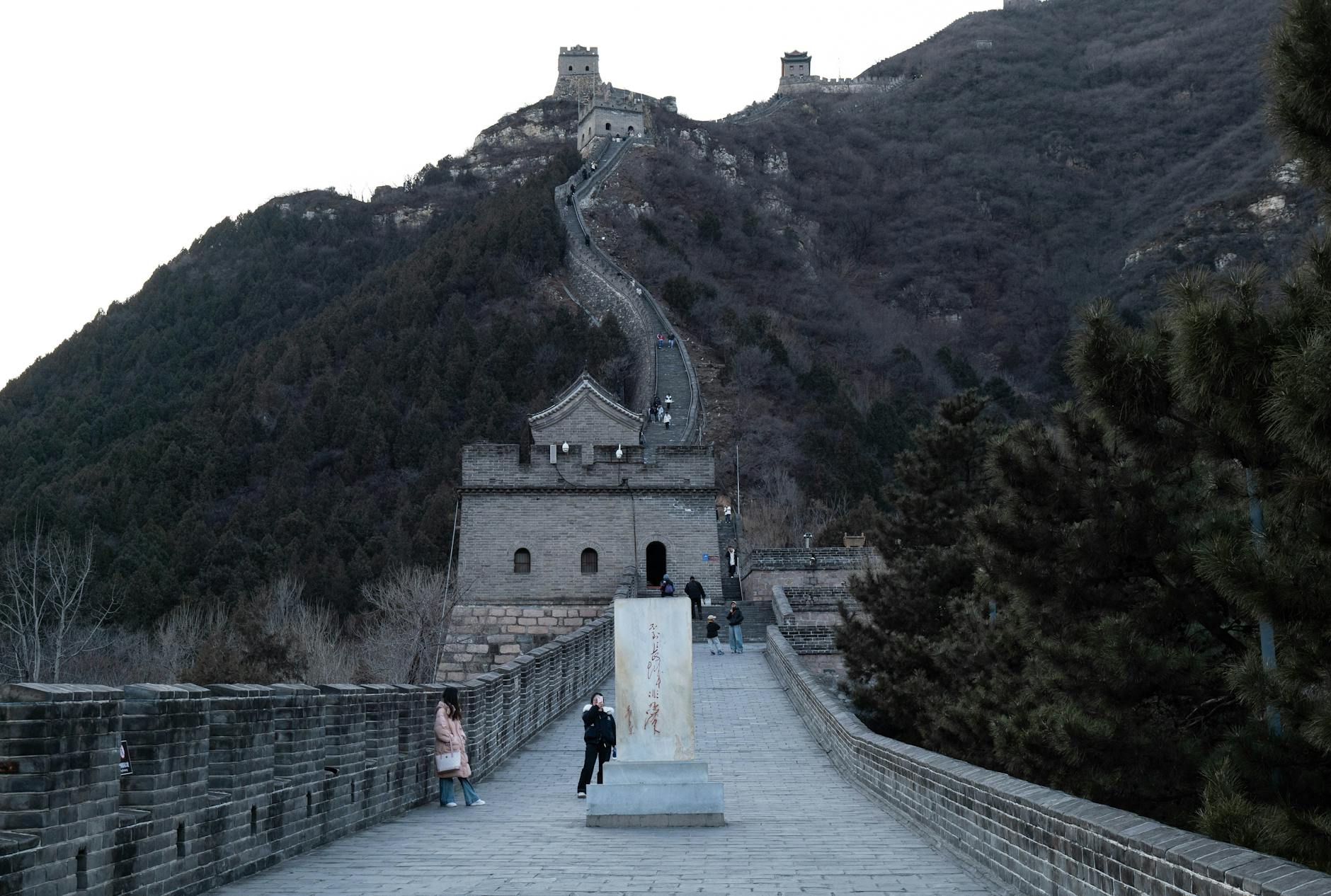
This section of the Great Wall of China is the most accessible from Beijing and consequently the most overrun. Visitors often find themselves stuck in a human traffic jam where movement is dictated by the flow of the crowd. A cable car and toboggan ride add a theme park atmosphere that detracts from the ancient history of the structure. Restored sections here look brand new and lack the weathered authenticity found in more remote parts of the wall.
Empire State Building
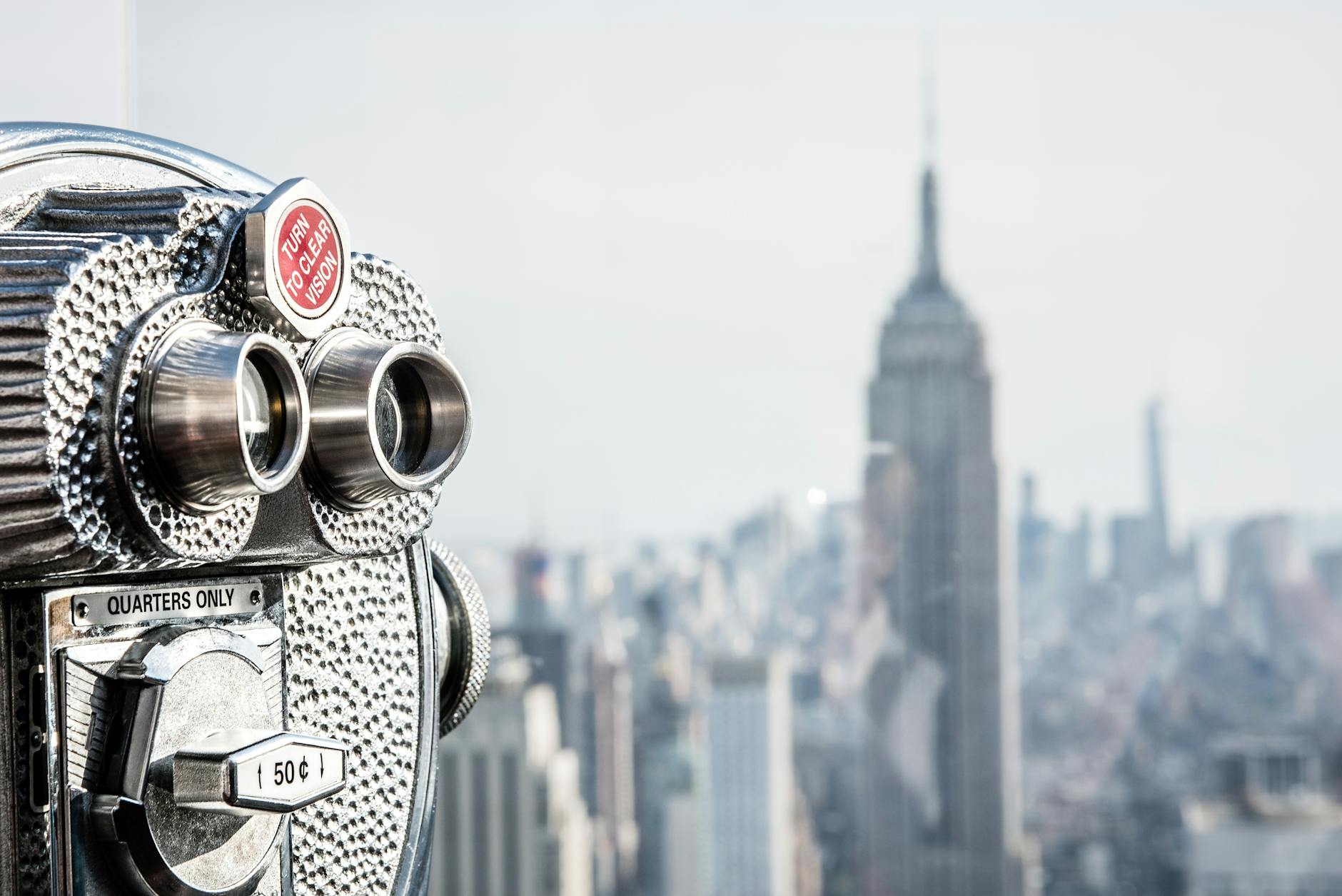
The observation deck of this Art Deco skyscraper is famous but the experience involves long lines and high costs. The high walls and fencing on the viewing platform can obstruct the view and make photography difficult. You cannot see the Empire State Building itself when you are standing on top of it which is a key part of the skyline. Other observation decks in the city offer better views that actually include this iconic building in the frame.
Loch Ness
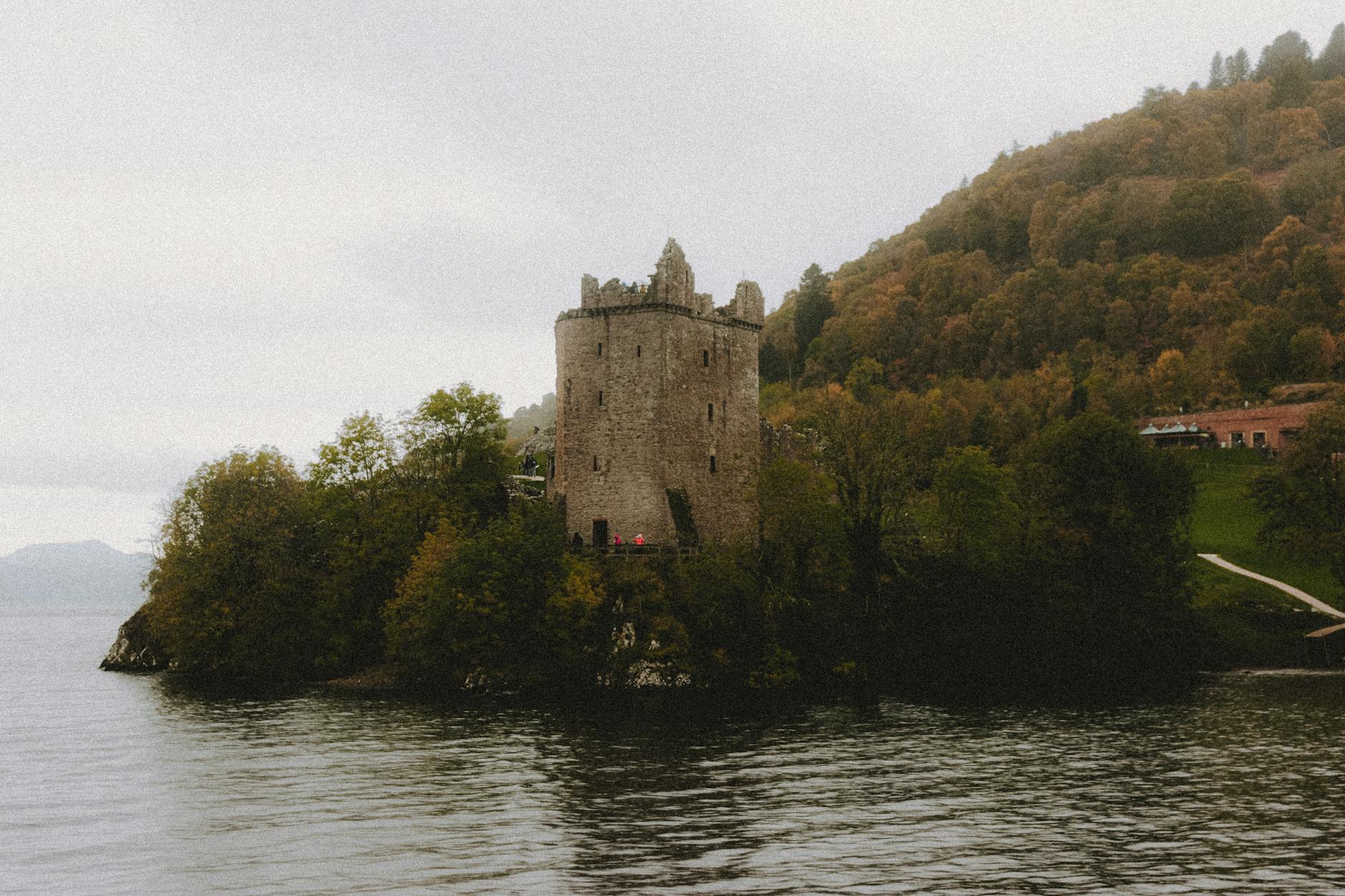
Scotland’s legendary lake is a beautiful body of water but the monster mythology has turned it into a major tourist trap. The Loch Ness Centre focuses heavily on the cryptozoology aspect rather than the natural beauty of the Highlands. Visitors staring at the dark water hoping for a sighting often miss out on the more dramatic scenery found elsewhere in Scotland. The roads around the loch can be clogged with tour buses that disrupt the tranquility of the area.
Spanish Steps
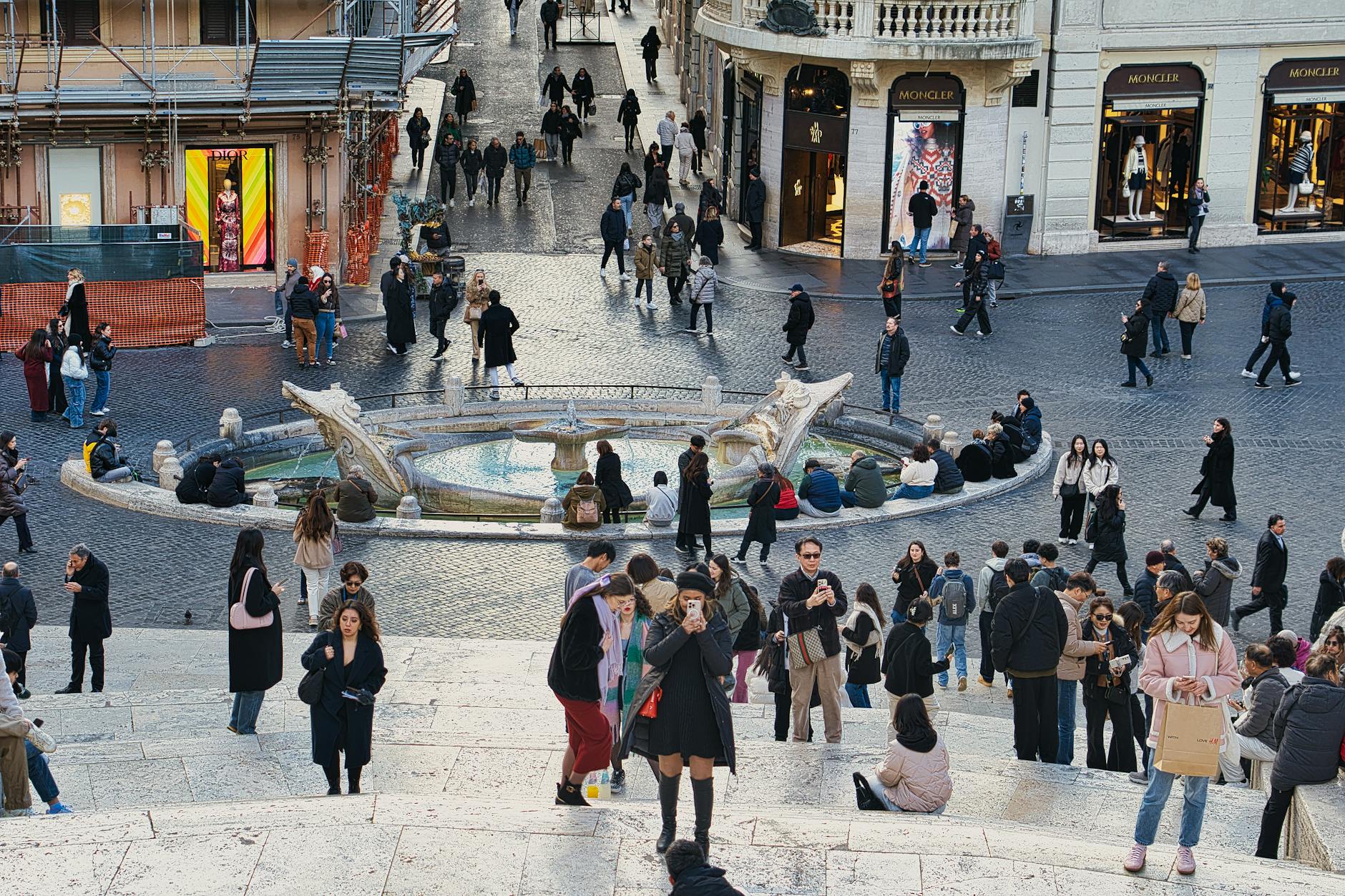
These famous stairs in Rome are no longer a place where visitors can sit and relax due to new city regulations. Police patrol the area to ensure no one sits down which removes the social aspect that once defined the landmark. The steps are often crowded with people moving up and down without any reason to linger. The climb offers a decent view but the experience is largely functional rather than atmospheric.
The Giza Pyramids
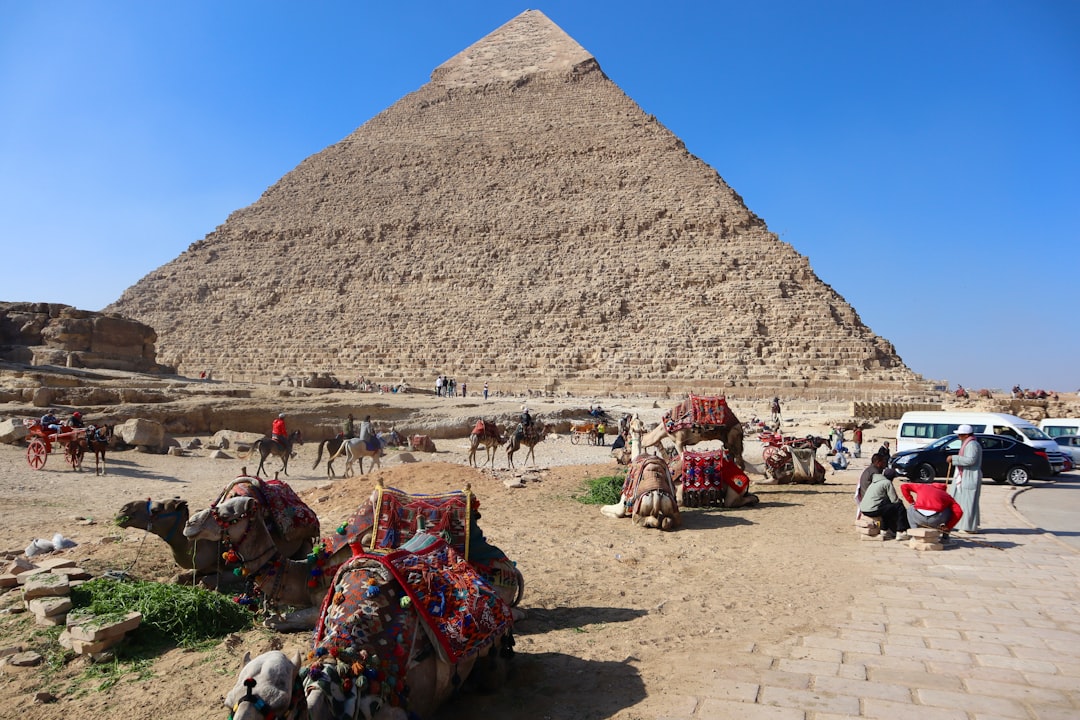
The ancient pyramids in Egypt are undeniably majestic but the visitor experience is often stressful due to aggressive vendors. Touts and scammers frequently harass tourists for camel rides or guided tours from the moment they arrive. The city of Cairo has expanded right up to the edge of the complex which ruins the illusion of a remote desert location. Views of the Sphinx are often blocked by scaffolding or crowds attending the nightly sound and light show.
Are there any other famous travel spots you felt were not worth the hype? Share your experiences in the comments.




