Marketing campaigns frequently use terms like natural and wholesome to create a health halo around processed foods that are actually nutritionally void. Consumers often purchase these items under the assumption that they are making a responsible dietary choice without examining the ingredient list. Manufacturers typically add significant amounts of sugar and sodium and unhealthy fats to compensate for flavor when removing other ingredients. This discrepancy between marketing claims and nutritional reality leads many people to unknowingly consume excess empty calories. The following items highlight how deceptive packaging can mask the true nature of popular snack foods.
Granola Bars

Commercial granola bars often contain high fructose corn syrup and other sweeteners to bind the oats together. The sugar content in a single bar can easily equal or exceed that of a standard chocolate candy bar. Marketing phrases emphasizing whole grains often distract shoppers from the lengthy list of artificial additives and preservatives. These snacks provide a quick burst of energy that is usually followed by a rapid crash in blood sugar levels. They rarely offer enough protein or fiber to serve as a substantial or satiating meal replacement.
Flavored Yogurt

Many fruit yogurts available in supermarkets contain as much sugar as a dessert or a can of soda. The fruit component is frequently a jam or syrup mixture rather than fresh produce. Manufacturers add thickeners and artificial flavors to simulate a creamy texture and consistent taste profile. Opting for plain yogurt and adding fresh fruit yourself allows for better control over sweetener intake. This prepackaged convenience item often transforms a potential protein source into a high calorie treat.
Dried Fruit
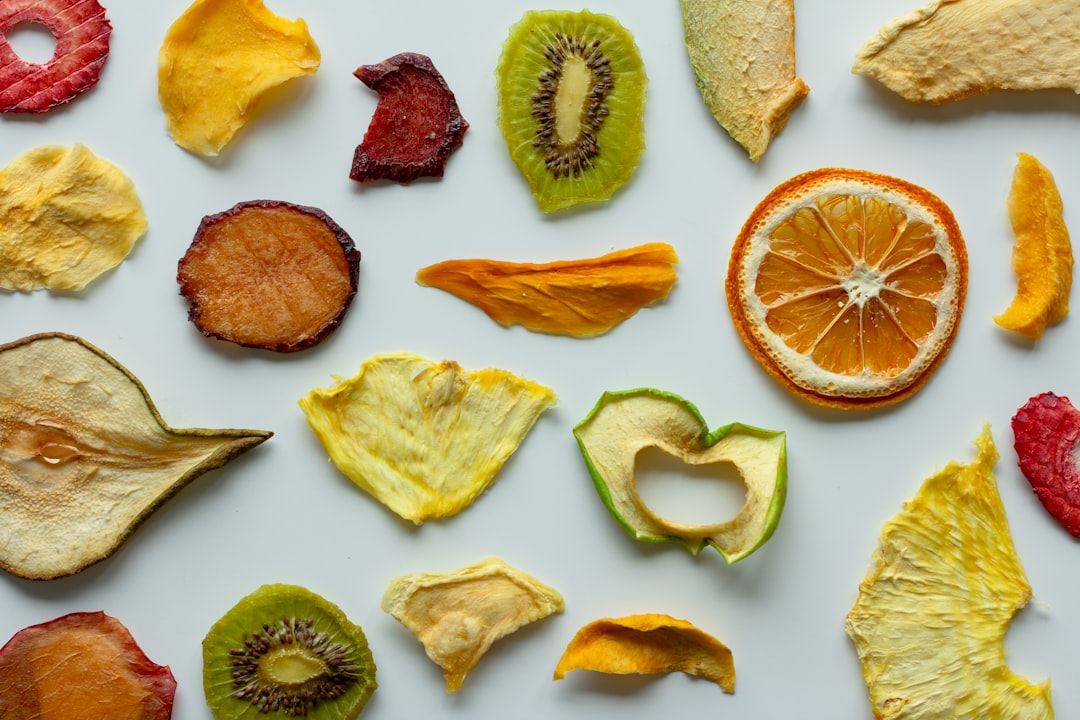
Fruit loses water volume during the drying process which concentrates the natural sugars into a much smaller and denser package. Many brands coat dried fruits like cranberries and mangoes in additional table sugar to enhance sweetness. Consuming these snacks makes it easy to eat large quantities of sugar and calories in a very short sitting. Some varieties also contain sulfites as a preservative to maintain bright colors on the shelf. Fresh fruit provides greater volume and hydration that helps signal fullness to the brain much sooner.
Trail Mix
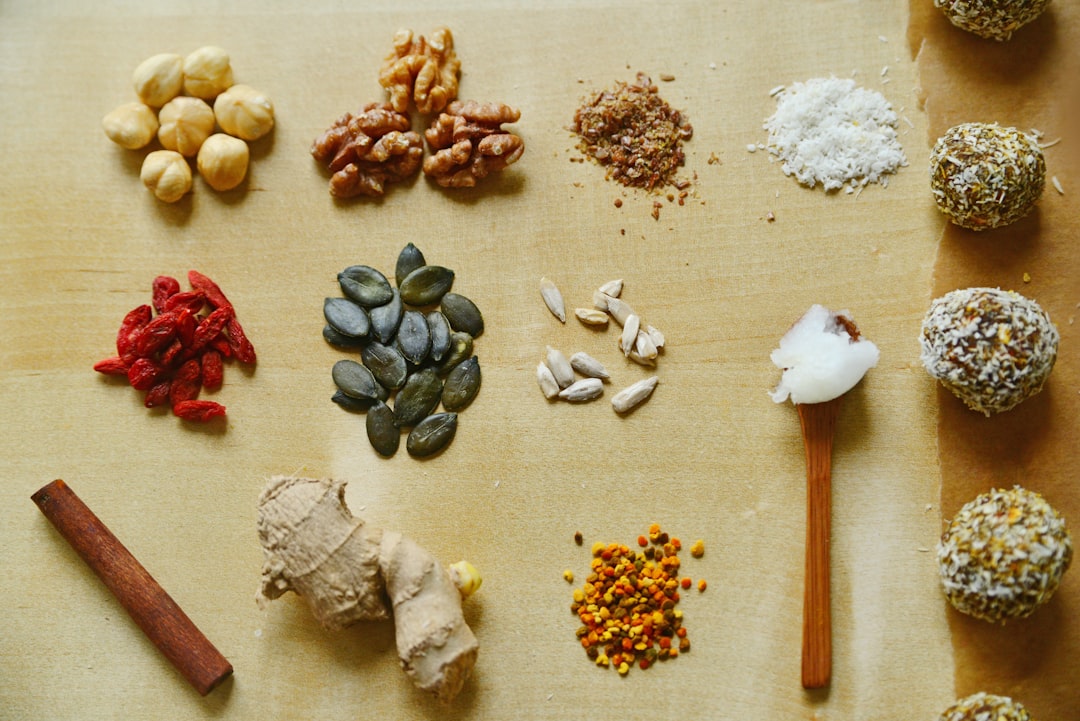
Standard trail mixes often include substantial amounts of milk chocolate chips and candy coated pieces. The nuts and seeds are frequently roasted in hydrogenated oils and heavily salted to improve flavor. A small serving size packs a dense caloric load that can undermine weight management goals if not measured carefully. The perception of trail mix as hiking fuel leads many to consume it while sitting sedentary at a desk. Making a custom mix at home is the only way to ensure the ingredients support your health objectives.
Agave Nectar
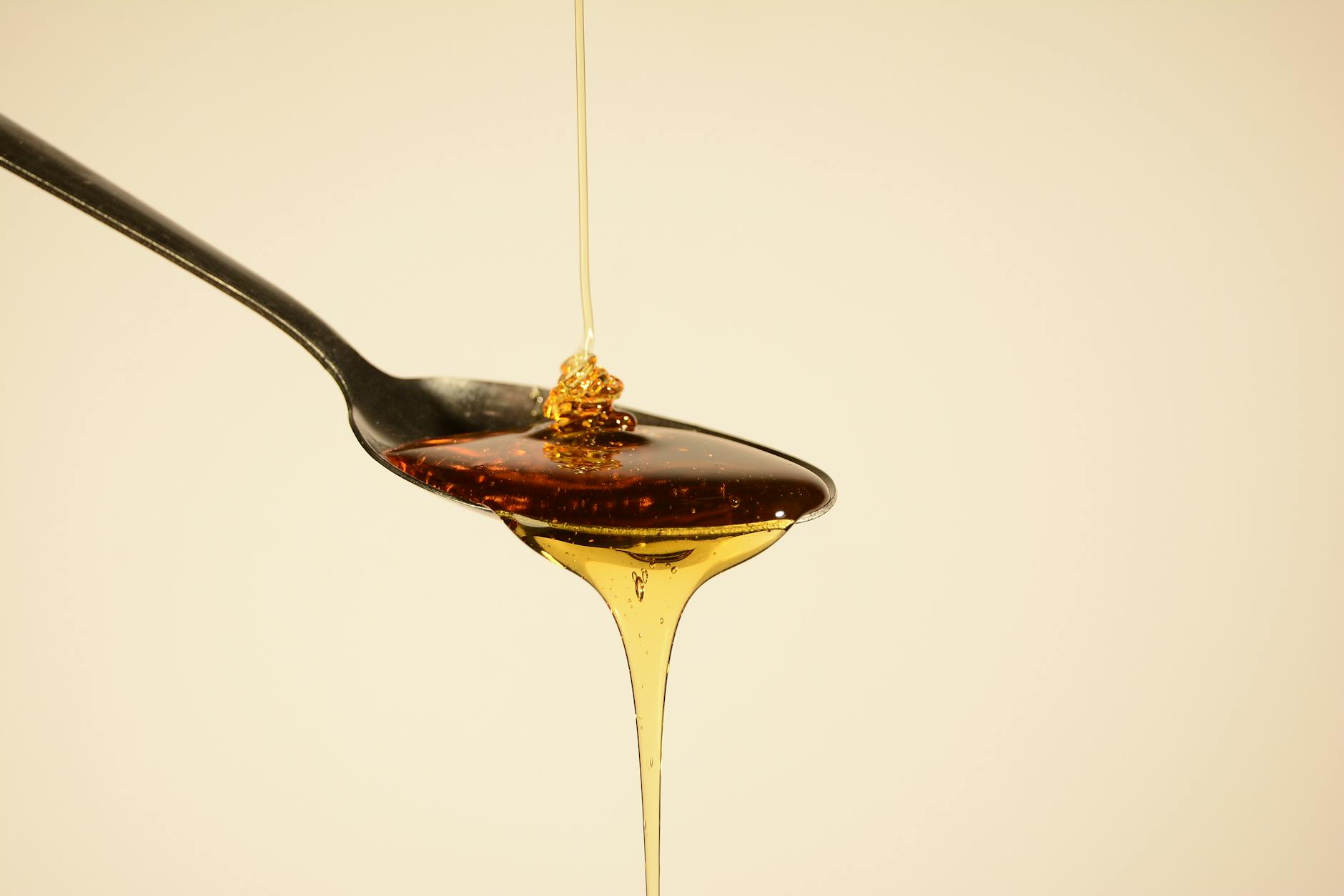
This sweetener is frequently marketed as a natural low glycemic alternative to white sugar or honey. Agave is highly processed and contains extremely high levels of concentrated fructose. The liver must process this fructose which can contribute to metabolic issues and insulin resistance over time. It actually contains more fructose by weight than high fructose corn syrup does. Using it liberally in tea or baking adds significant empty calories without providing nutritional benefits.
Sports Drinks

These beverages are formulated specifically for athletes engaging in intense and prolonged physical exertion. The average person consumes them as a casual drink and ingests unnecessary quantities of sugar and sodium. They often contain artificial food dyes and flavorings that offer no health value to the body. Water is almost always the superior choice for hydration during moderate exercise or daily activities. Marketing suggests these drinks are essential for wellness when they are essentially non carbonated soda.
Pretzels

Pretzels are made primarily from refined white flour which the body breaks down quickly into simple sugars. They offer almost no nutritional value in terms of fiber or protein or vitamins. The high salt content can contribute to water retention and elevated blood pressure in sensitive individuals. Eating them rarely leads to satiety which encourages overconsumption of empty calories. They function as a simple carbohydrate vehicle for salt rather than a nourishing snack option.
Veggie Chips
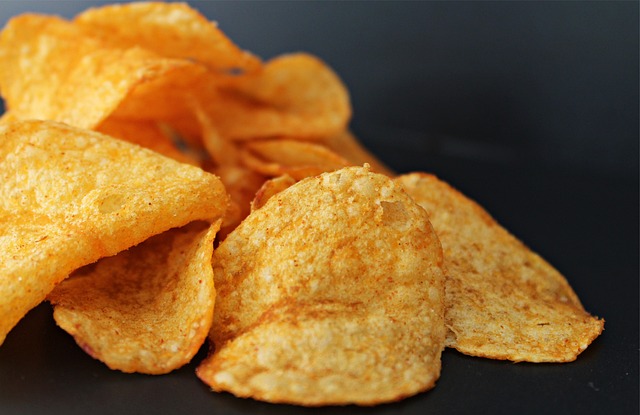
Most vegetable chips are simply potato starch or corn flour with a dusting of vegetable powder for color. The actual vegetable content is negligible and offers virtually no vitamins or minerals. These snacks are typically deep fried in processed oils just like standard potato chips. The green or orange hues create a false impression of consuming a serving of vegetables. Reading the nutrition label reveals they are nutritionally identical to the unhealthy snacks they aim to replace.
Protein Bars
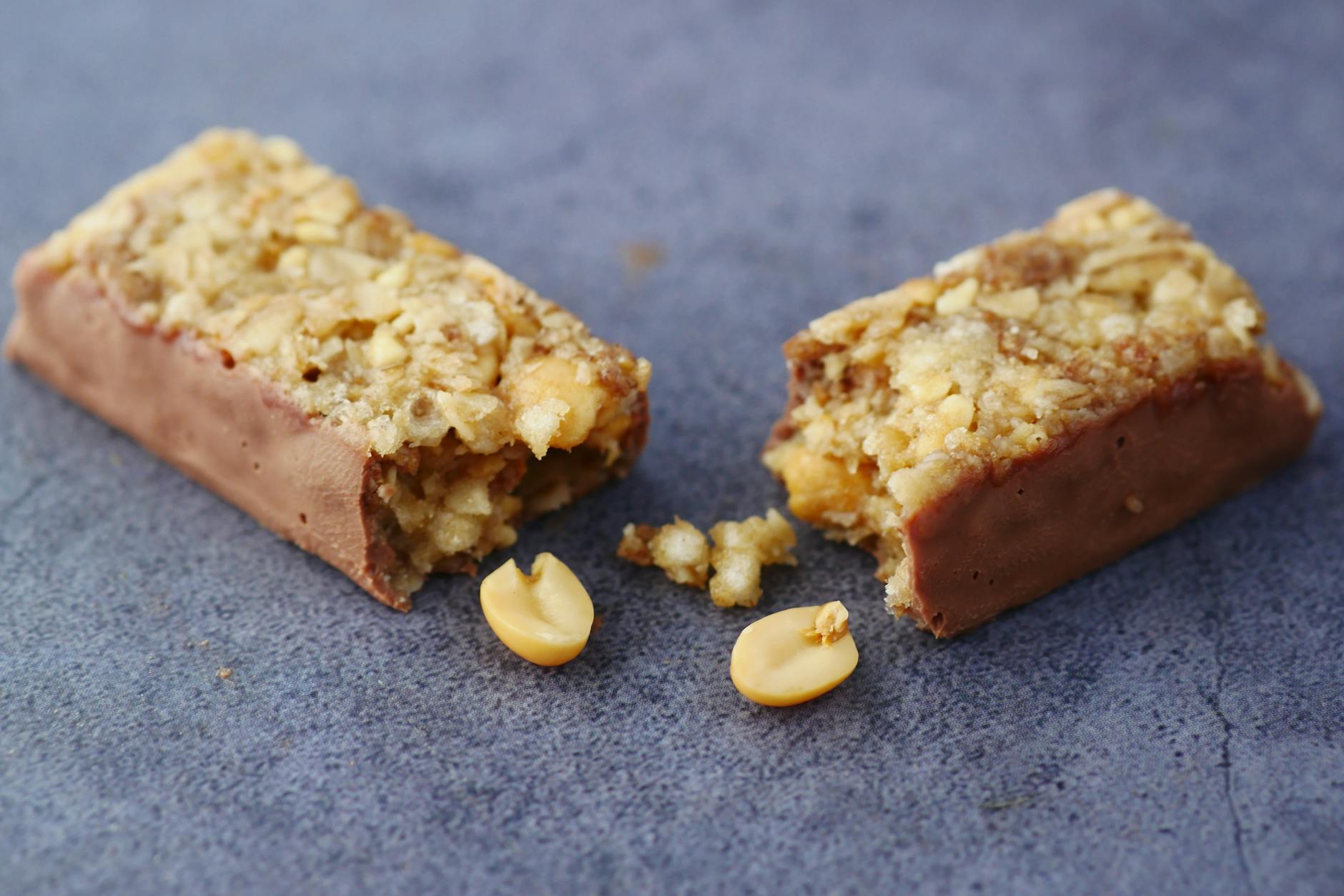
Many protein bars are highly processed products filled with sugar alcohols and artificial sweeteners to keep calorie counts low. They often rely on soy protein isolate and other industrial ingredients rather than whole food sources. Some bars contain as much saturated fat and sugar as a confectionery treat found in the candy aisle. Digesting the synthetic fibers and sweeteners used in these bars can cause significant bloating and gastrointestinal distress. They are frequently marketed as health food despite being chemical engineered edible products.
Fruit Juice
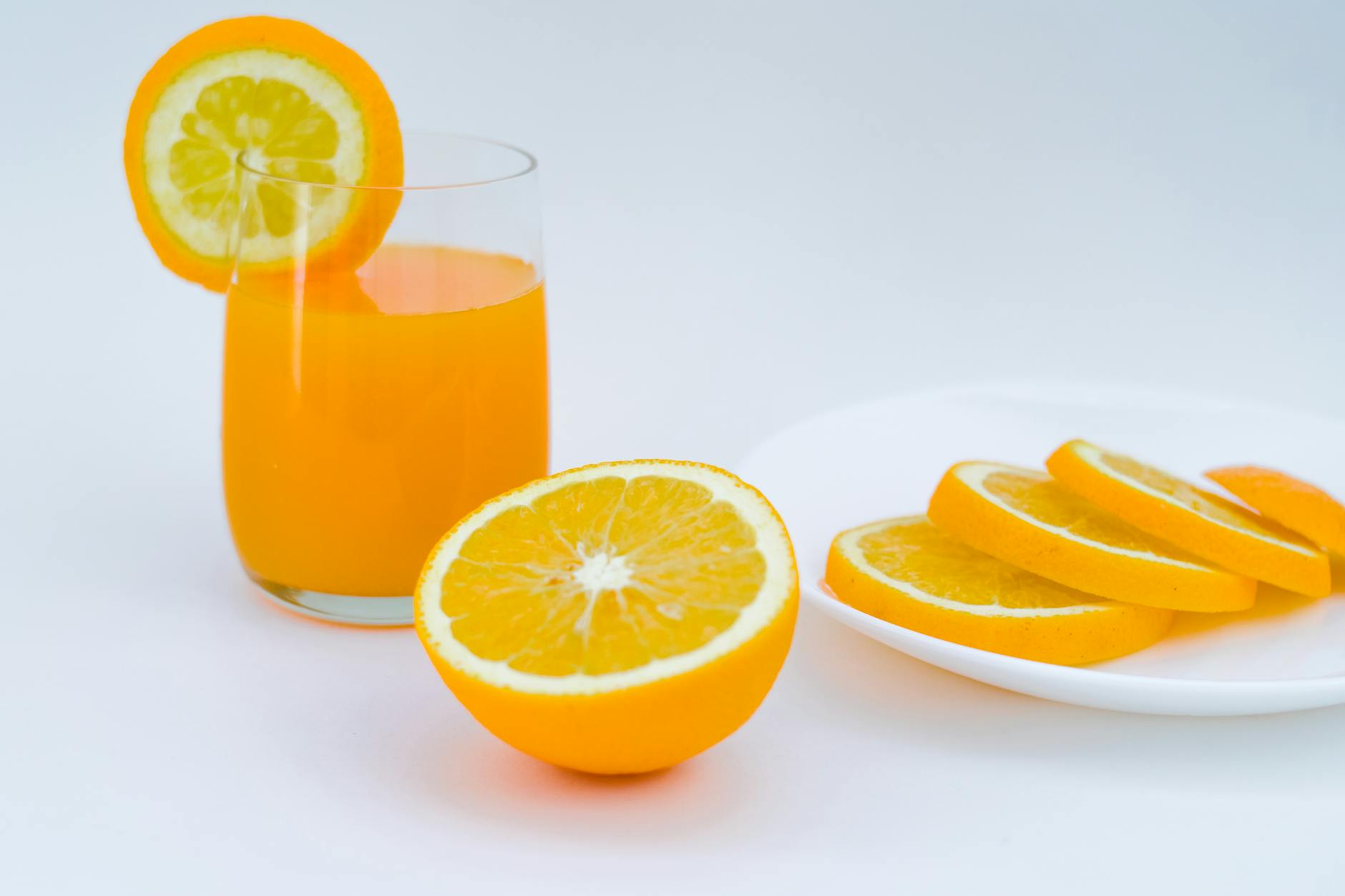
Juicing removes the essential fiber found in whole fruit that helps regulate the absorption of sugar into the bloodstream. A single glass of orange juice contains the sugar from several oranges without the digestive benefits of the pulp. Drinking calories does not trigger the same satiety signals in the brain as eating solid food does. This leads to increased overall calorie consumption throughout the day without feeling full. Stick to whole fruits to gain the full spectrum of vitamins and fiber they offer.
Gluten Free Cookies
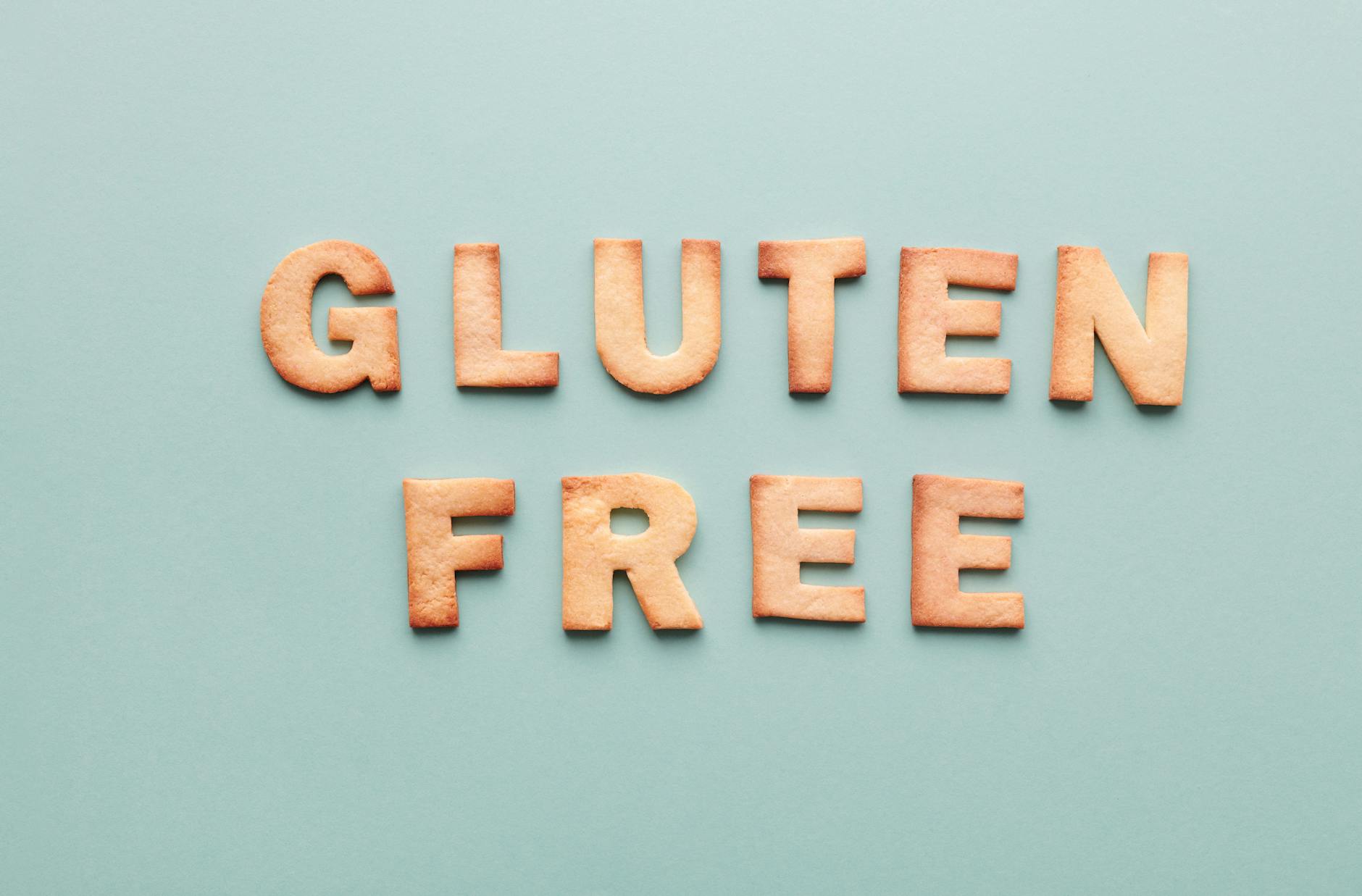
Removing gluten does not automatically make a baked good healthy or lower in calories. Manufacturers often replace wheat flour with tapioca starch or rice flour which are refined carbohydrates. These products frequently contain more sugar and fat than their gluten containing counterparts to improve texture. People often overindulge in these treats under the mistaken belief that they are a diet friendly option. They remain a dessert item that should be consumed in moderation regardless of the label.
Rice Cakes

Rice cakes have a very high glycemic index which causes rapid spikes in blood sugar levels. They are low in calories but also devoid of fiber and protein and essential nutrients. The lack of substance means you are likely to feel hungry again very shortly after eating them. Flavored varieties are often dusted with artificial powders and sodium and sugar. They are essentially purely refined carbohydrates with a crunch that offers little nutritional payoff.
Bottled Smoothies
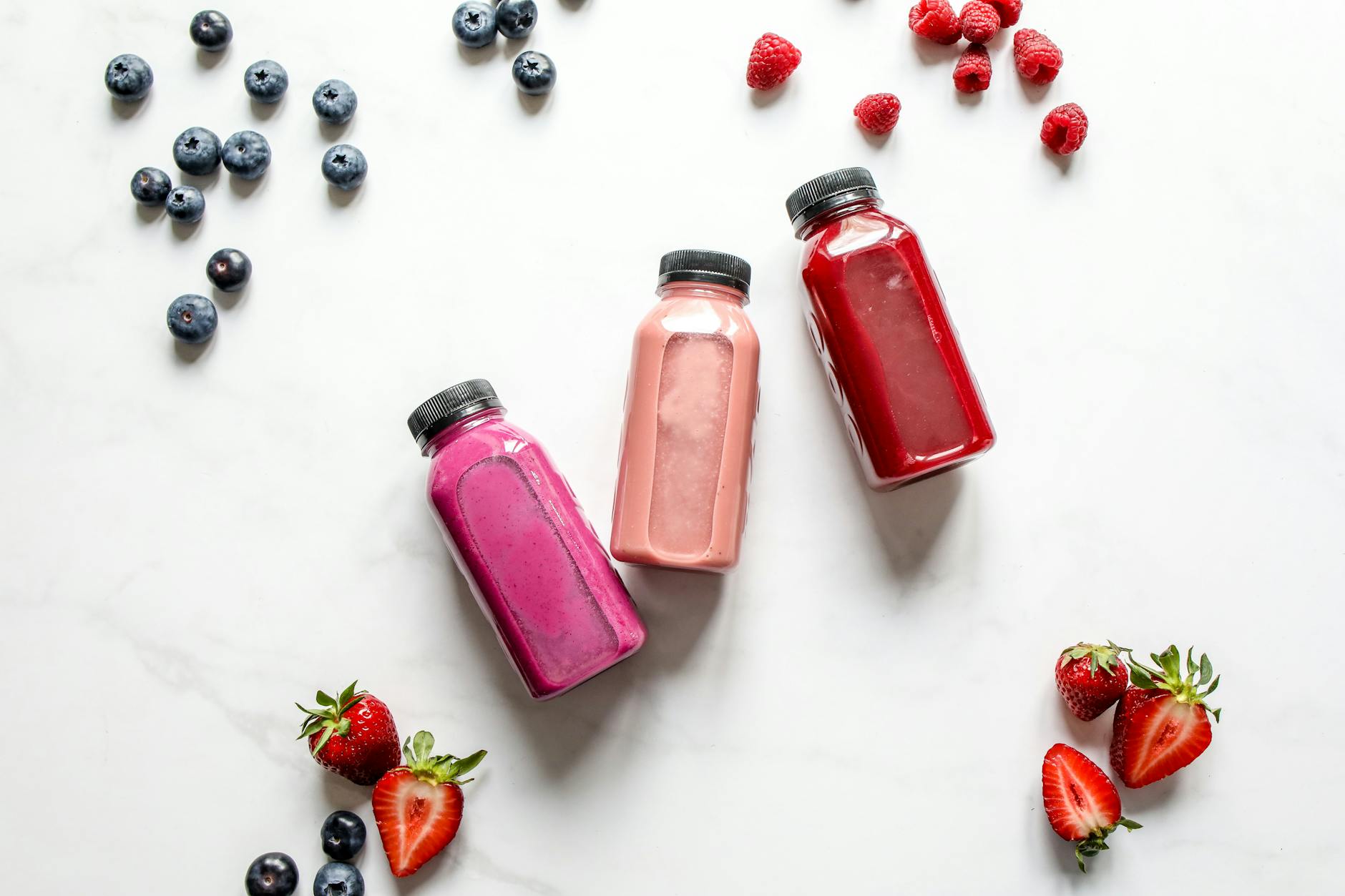
Premade smoothies sold in stores often undergo pasteurization that destroys heat sensitive vitamins and enzymes. A single bottle can contain more sugar than two cans of soda due to the concentration of fruit juices. Manufacturers use purees and concentrates rather than whole fruits to extend shelf life and reduce costs. The serving sizes on the bottles are often misleadingly small compared to the actual container size. Homemade smoothies allow you to include fiber and greens and protein to balance the sugar.
Acai Bowls
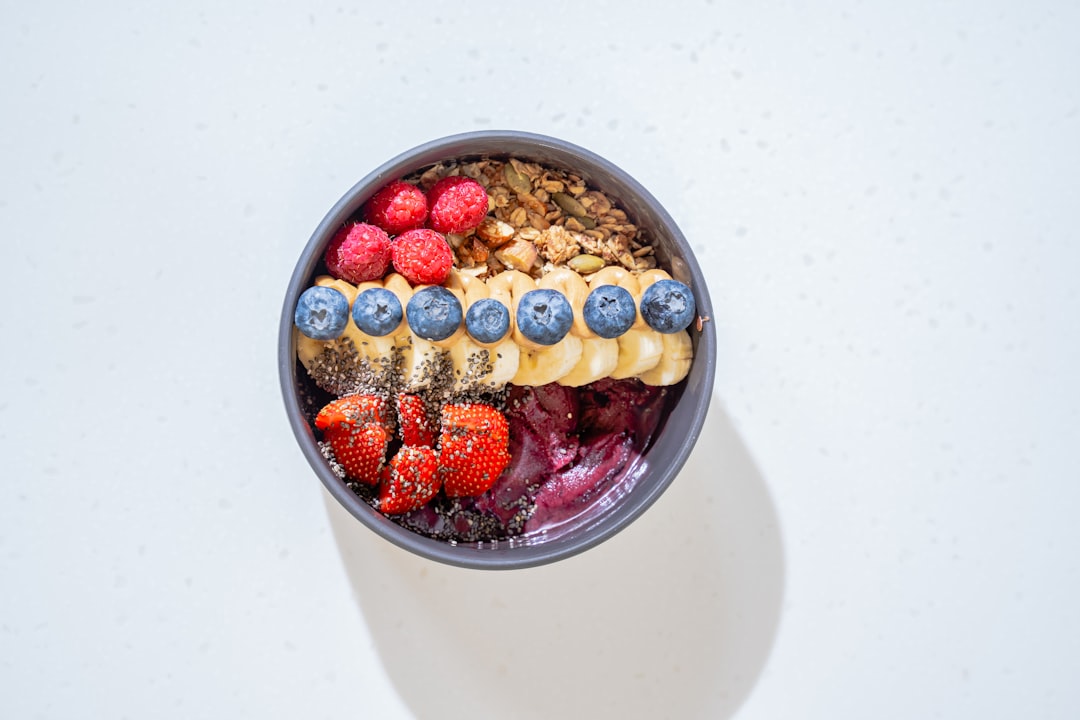
Commercial acai bowls are frequently loaded with sweetened granola and honey and extra fruit toppings. The base is often a sorbet with added sugar rather than just the acai berry pulp itself. A single bowl can contain over one hundred grams of sugar and nearly one thousand calories. While the berries themselves have antioxidants the massive sugar load negates many benefits. This trendy breakfast item is closer to a large ice cream sundae in its nutritional profile.
Reduced Fat Peanut Butter
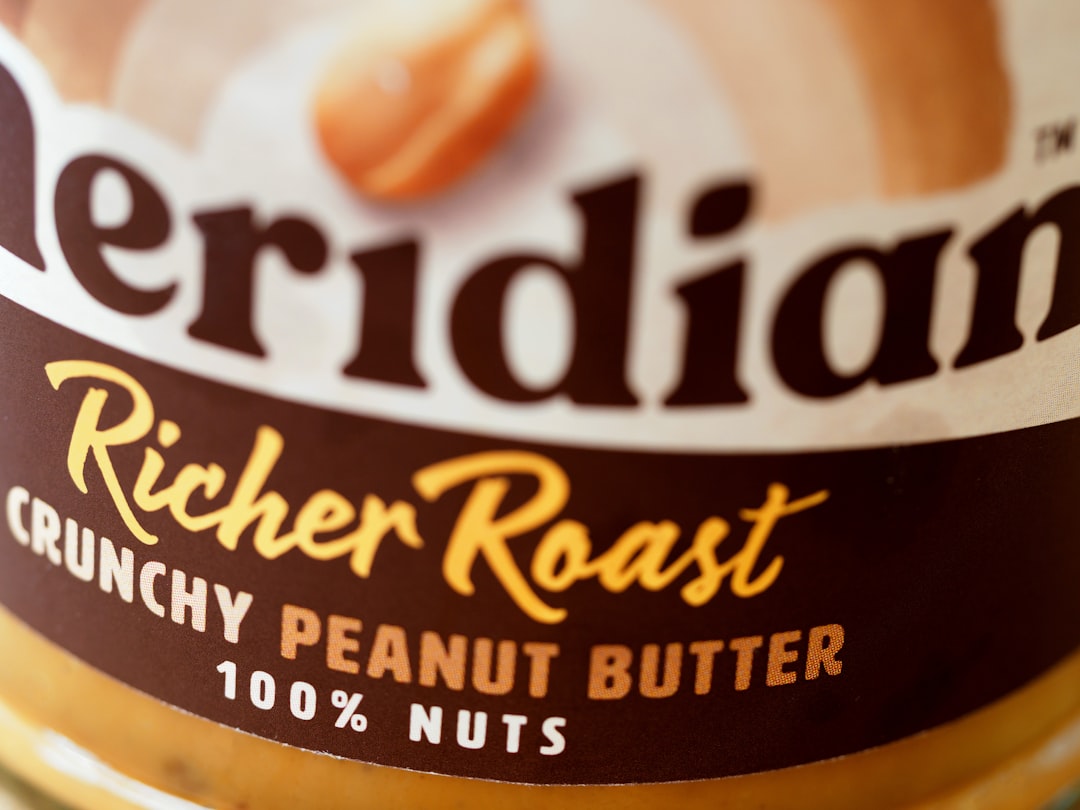
When manufacturers remove fat from peanut butter they typically add sugar and starchy fillers to maintain texture. This processing removes the healthy monounsaturated fats that make nuts a nutritious choice. The result is a product with similar calorie counts but significantly higher carbohydrate content. You lose the satiety benefits of the natural fats while increasing your sugar intake. Natural peanut butter containing only peanuts and salt is always the superior nutritional option.
Vitamin Water

These beverages are essentially sugar water fortified with a small dusting of synthetic vitamins. The amount of sugar in a single bottle rivals that of standard soft drinks. Most people already get enough of the added vitamins through their regular diet and do not need supplementation. The marketing relies on the premise that more vitamins equal better health which is not always true. Drinking these beverages adds unnecessary liquid calories without providing real hydration or nourishment.
Bran Muffins

Bran muffins sold in coffee shops are often colossal in size and loaded with sugar and vegetable oils. The presence of bran fiber does not cancel out the effects of the refined flour and sweeteners. One large muffin can contain more calories and sugar than a slice of frosted cake. They are cake masquerading as a sensible breakfast choice through clever naming conventions. Making smaller muffins at home allows for control over the sugar and fat content.
Instant Oatmeal Packets
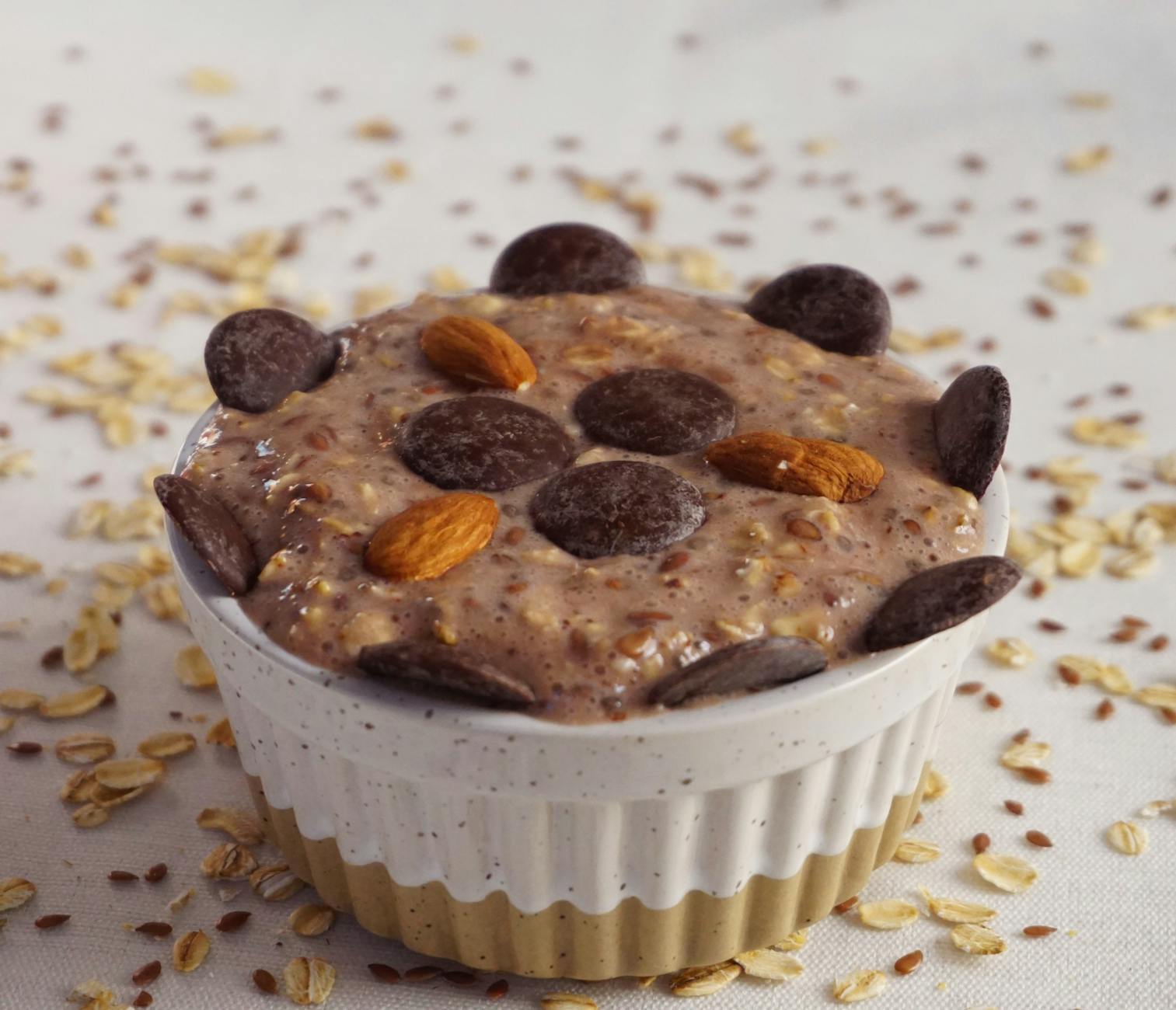
Flavored instant oatmeal packets are highly processed and packed with added sugars and artificial flavors. The oats are cut fine to cook quickly which increases their glycemic index compared to rolled or steel cut oats. A small packet often contains several teaspoons of sugar and sodium preservatives. This convenient breakfast spikes blood sugar rapidly and leaves you hungry within an hour or two. Plain oats with fresh fruit and cinnamon provide a much slower and sustained energy release.
Frozen Yogurt

Frozen yogurt is frequently viewed as a guilt free alternative to ice cream despite high sugar levels. Customers often compensate for the lower fat content by piling on candy toppings and syrups. The probiotics naturally found in yogurt often do not survive the freezing process in significant numbers. The lack of fat means the sugar is absorbed quickly into the bloodstream. It remains a sugary dessert that should be treated as an occasional indulgence rather than a healthy snack.
Sushi Rolls
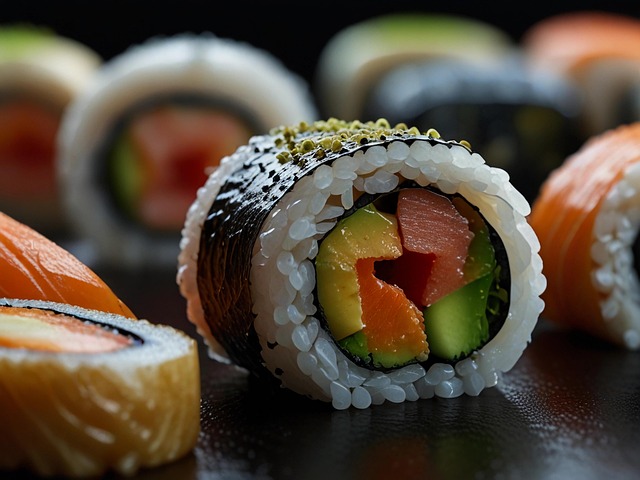
Westernized sushi rolls often feature tempura fried ingredients and cream cheese and sugary sauces. The rice is seasoned with a mixture of vinegar and sugar which adds hidden calories to every bite. Spicy mayo and eel sauce are calorie dense condiments that significantly alter the nutritional profile. A typical roll can contain as many calories as a burger without providing the same protein density. Sashimi or rolls wrapped in cucumber are much lighter options than the popular special rolls.
Plantain Chips
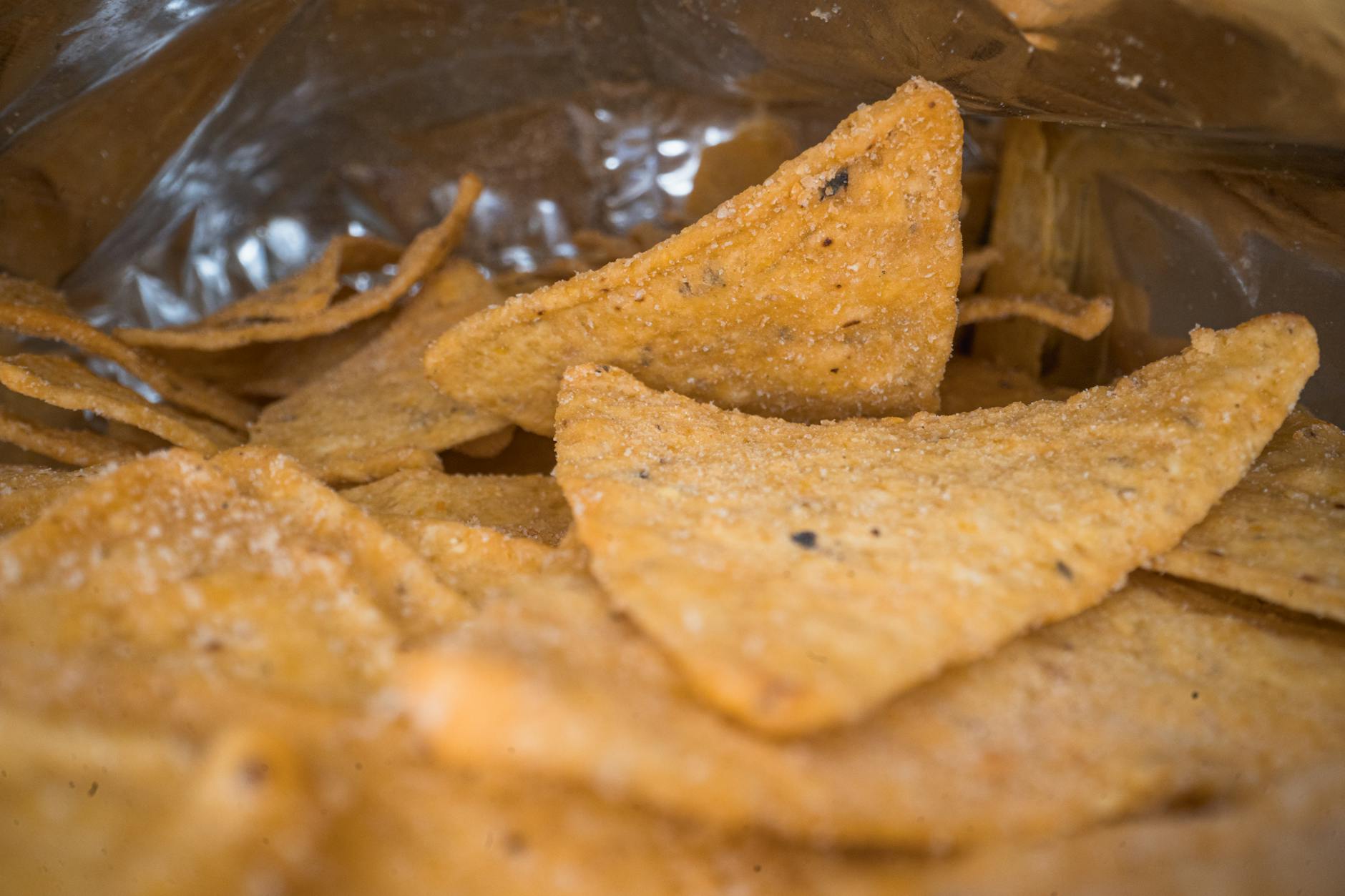
Plantain chips are typically fried in palm oil or sunflower oil just like traditional potato chips. While plantains offer some vitamins they lose much of their nutritional edge when deep fried and salted. The calorie density is very high and it is easy to consume multiple servings in one sitting. They are technically a fruit but are nutritionally comparable to any other salty fried snack. Baked plantains prepared at home avoid the excess oxidized oils found in bagged versions.
Fruit Snacks
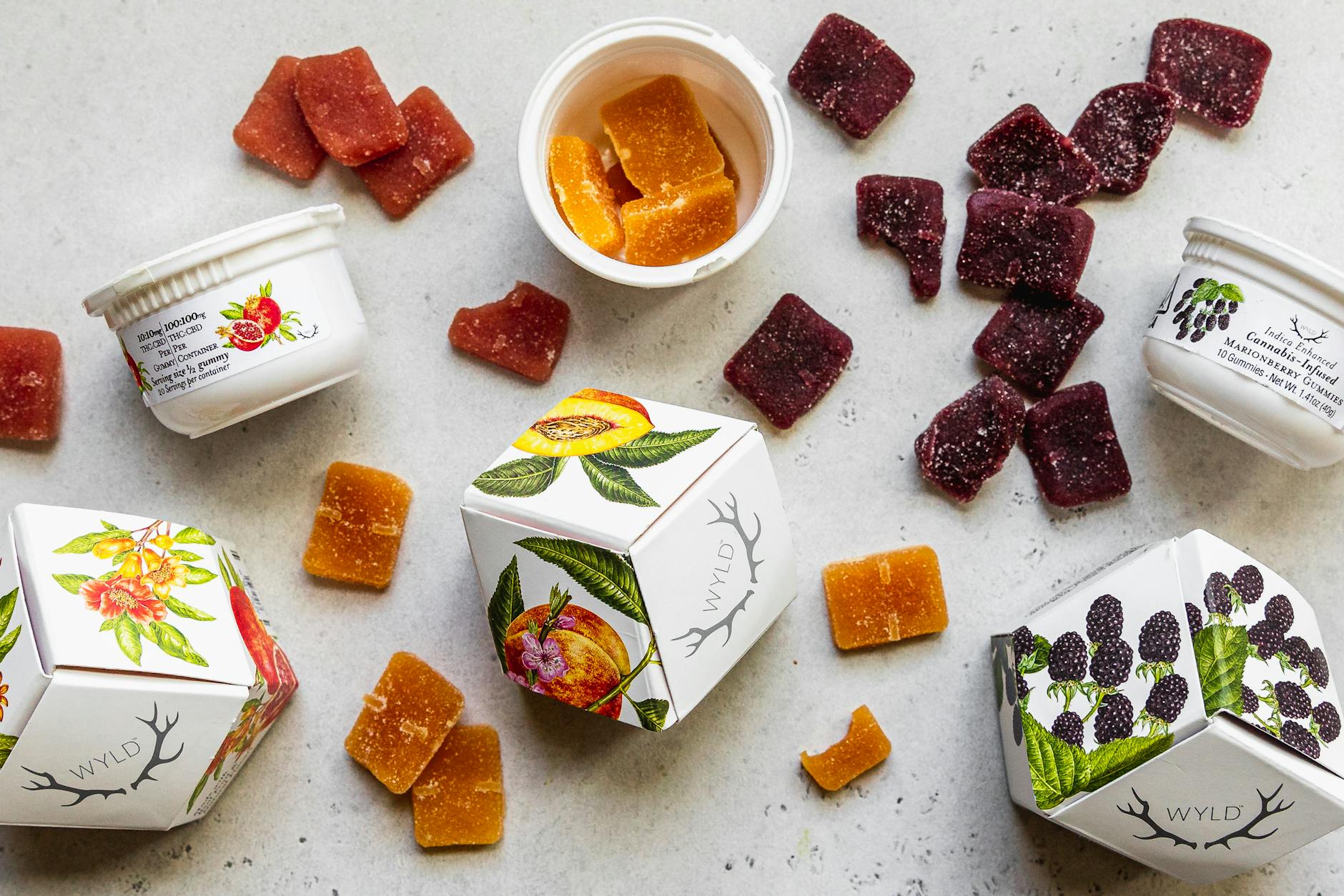
Gummy fruit snacks are essentially candy marketed to parents as a way to feed their children fruit. The primary ingredients are usually corn syrup and sugar and modified corn starch. They contain very little actual fruit puree and almost no fiber or vitamins. The sticky texture adheres to teeth and can contribute to cavities and dental issues. Eating real fruit provides the necessary fiber to regulate sugar absorption which these gummies completely lack.
Cereal Bars
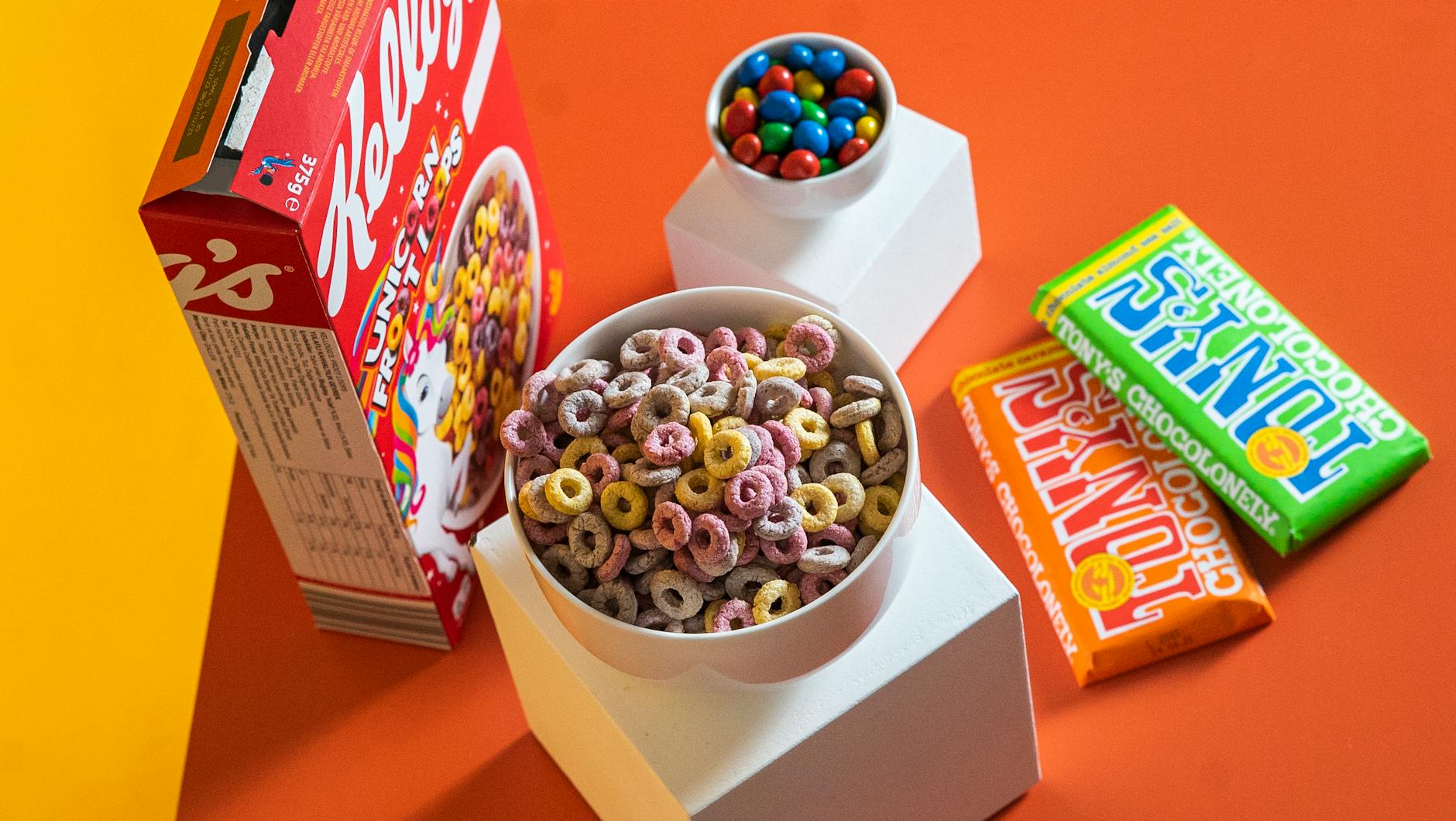
These bars are typically made from refined grains and held together with milk solids and sugar syrups. They often contain artificial dyes and preservatives to make them appealing to children. The vitamin content is usually sprayed on rather than naturally occurring in the ingredients. They offer a very low satiety factor and are often consumed in addition to a meal rather than as a replacement. A bowl of whole grain cereal with milk is generally a more balanced option.
Energy Drinks
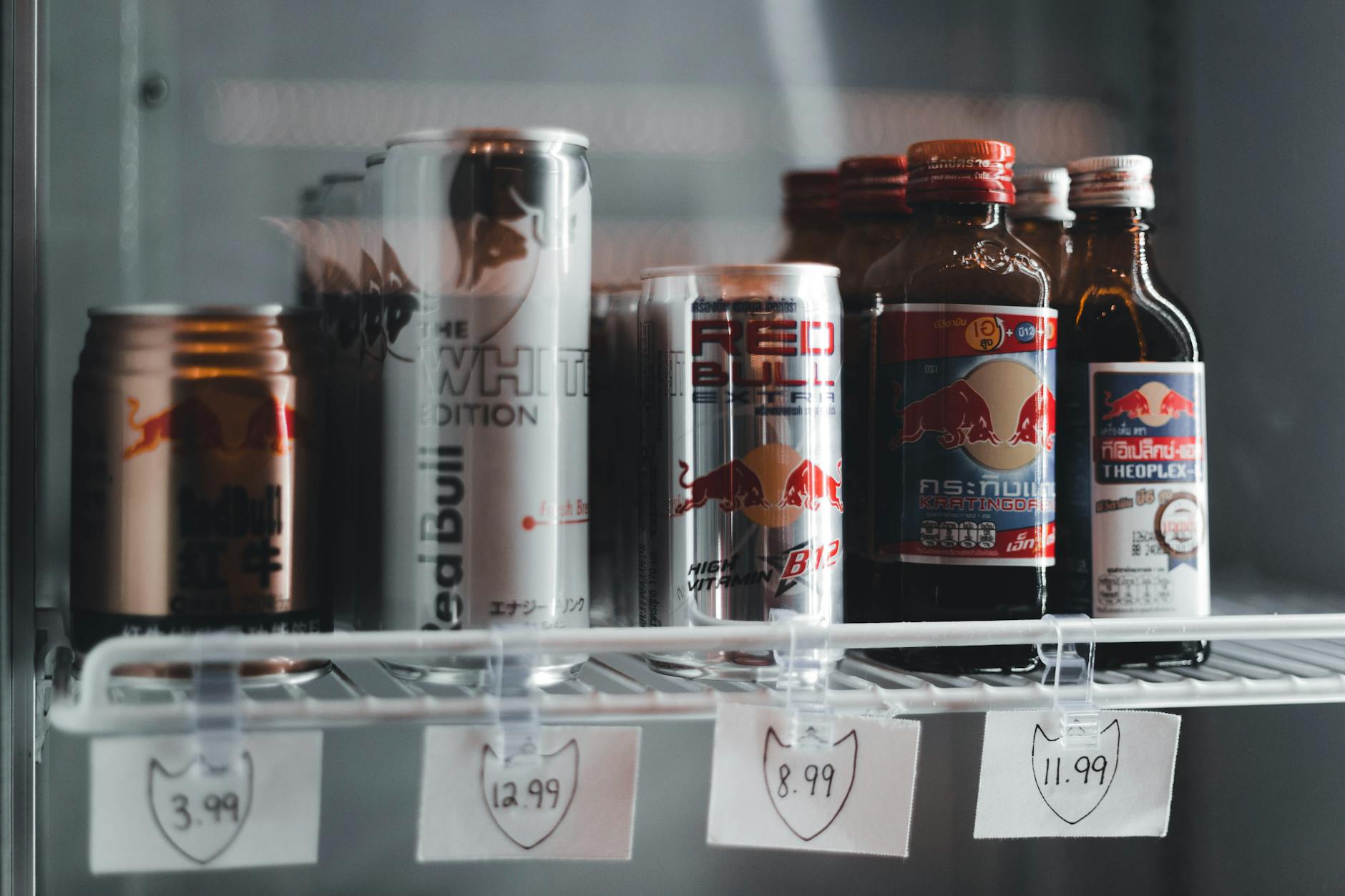
Energy drinks rely on massive doses of caffeine and sugar to provide a temporary feeling of alertness. The herbal ingredients often advertised on the can are usually present in negligible amounts. Regular consumption can lead to heart palpitations and sleep disturbances and increased anxiety. The crash that follows the sugar and caffeine high often leaves the user more tired than before. Plain black coffee or tea offers the benefits of caffeine without the chemical cocktail.
Baked Chips
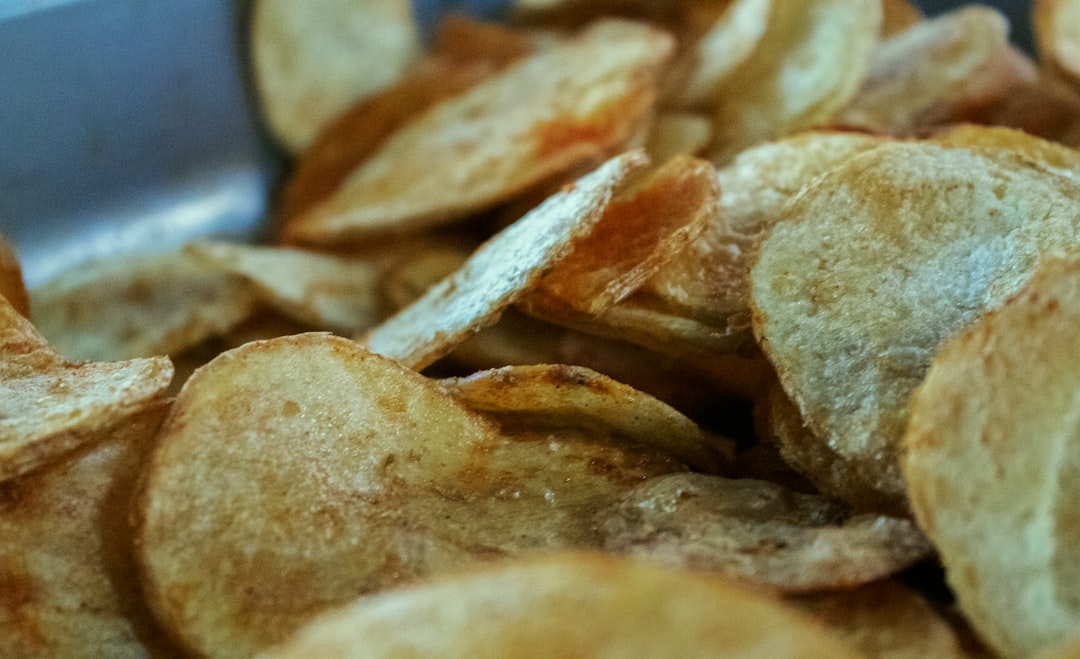
Baked chips may have lower fat content than fried chips but they are still highly refined processed foods. The starch converts to glucose rapidly during digestion which affects blood sugar levels. Manufacturers often add more sodium and sugar to baked products to compensate for the lack of fat flavor. They offer empty calories without the satisfaction that comes from eating nutrient dense foods. The perception of them being healthy often leads to eating a larger portion size.
Banana Chips
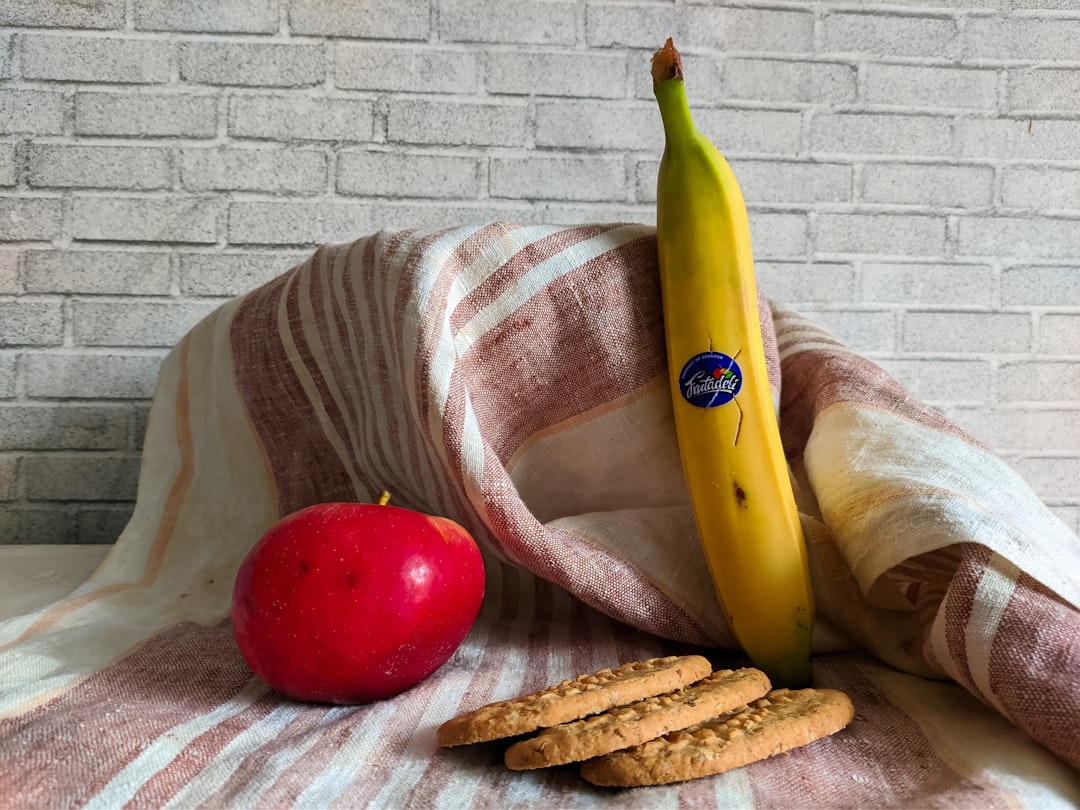
Most banana chips found in stores are deep fried in coconut oil or vegetable oil and sweetened with honey. This processing turns a fibrous fruit into a calorie dense product loaded with saturated fat and added sugar. The water removal concentrates the calories significantly compared to a fresh banana. You lose the volume and hydration benefits of the fresh fruit while gaining unnecessary fat. Fresh bananas come in their own natural packaging and are far superior nutritionally.
Microwave Popcorn
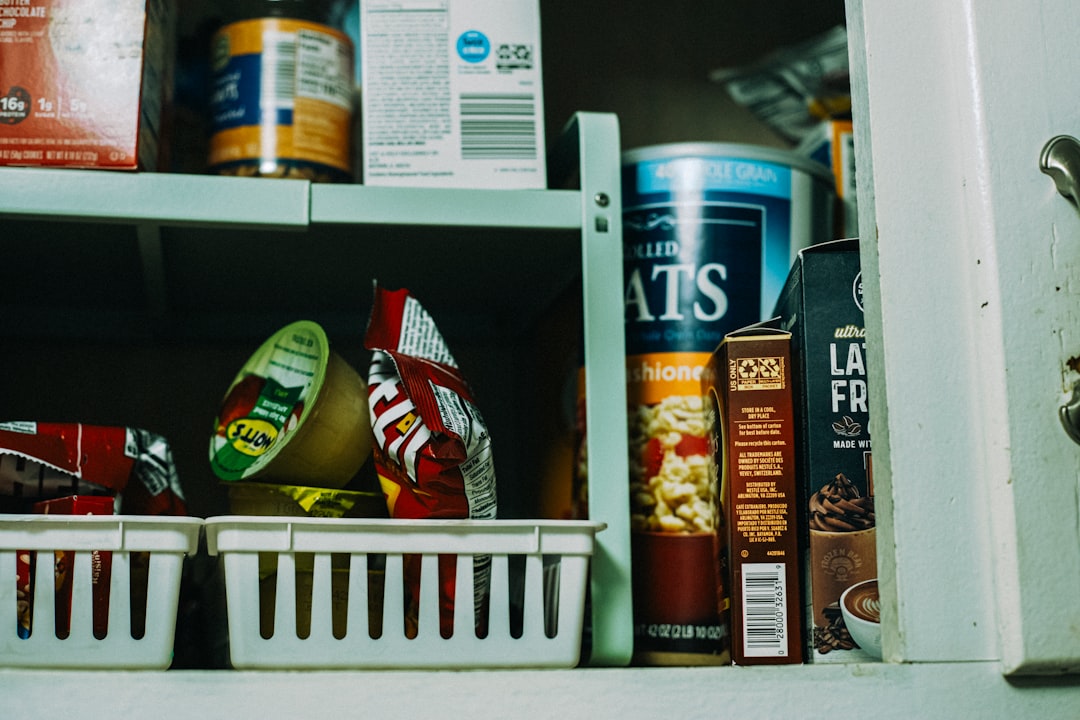
Microwave popcorn bags are often lined with chemicals to prevent grease from soaking through the paper. The artificial butter flavorings and high sodium content make this a potentially inflammatory snack. Some varieties use unhealthy hydrogenated oils that are detrimental to heart health. The portion sizes in a single bag are often much larger than a recommended individual serving. Air popped popcorn with light seasoning is a safe and whole grain alternative.
Flavored Coconut Water
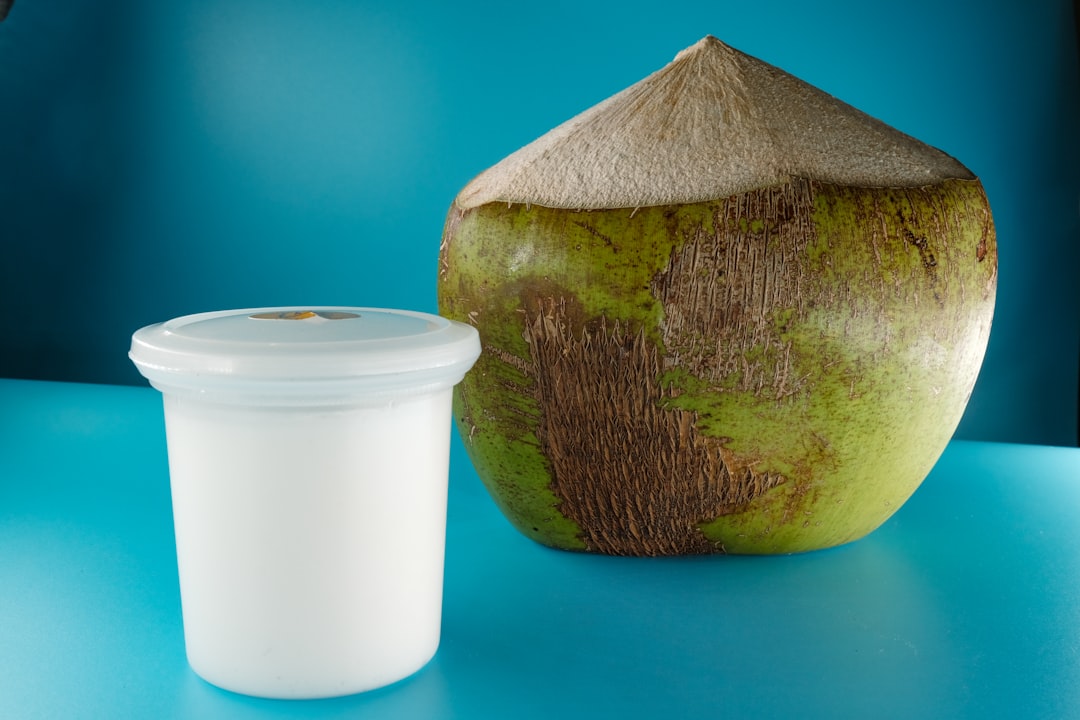
Coconut water is naturally rich in electrolytes but flavored versions often contain significant added cane sugar. The marketing focuses on hydration while ignoring the extra calories introduced by the sweeteners. Pure coconut water has a distinct taste that brands mask with fruit purees and syrups. This turns a functional beverage into another form of sugary juice. Always check the ingredient label to ensure you are buying one hundred percent coconut water.
Sweetened Almond Milk

Original or vanilla flavored almond milks often contain substantial amounts of added cane sugar. Almond milk is naturally low in protein compared to cow milk or soy milk. Drinking the sweetened version adds carbohydrates without providing the macronutrients needed for satiety. It acts more like a dessert beverage than a functional dairy replacement in the diet. Unsweetened varieties are widely available and are a much better choice for general consumption.
Fat Free Salad Dressing

To compensate for the removal of oil manufacturers load fat free dressings with sugar and thickeners and salt. The body requires some dietary fat to properly absorb the fat soluble vitamins found in salad greens. Using a sugar laden dressing can negate the health benefits of eating a fresh salad. These processed dressings often contain artificial colors and preservatives to maintain shelf stability. A simple vinaigrette made with olive oil and vinegar is healthier and tastes better.
Pita Chips

Pita chips are made from refined white flour that is twice baked and heavily seasoned with salt. They are calorie dense and lack the fiber found in whole wheat bread products. The crunchiness makes them easy to overeat especially when paired with high calorie dips. They metabolize quickly into sugar in the body similar to other refined crackers. Using raw vegetable slices for dipping provides crunch without the refined carbohydrate load.
Croutons

Croutons are essentially stale white bread cubes that have been fried in oil and covered in salt. They add significant empty calories and sodium to a salad without improving its nutritional profile. Many commercial varieties contain partially hydrogenated oils and artificial flavor enhancers. They absorb dressing quickly which adds even more fat and calories to every bite. toasted nuts or seeds can add texture to a salad while providing healthy fats.
Yogurt Covered Raisins
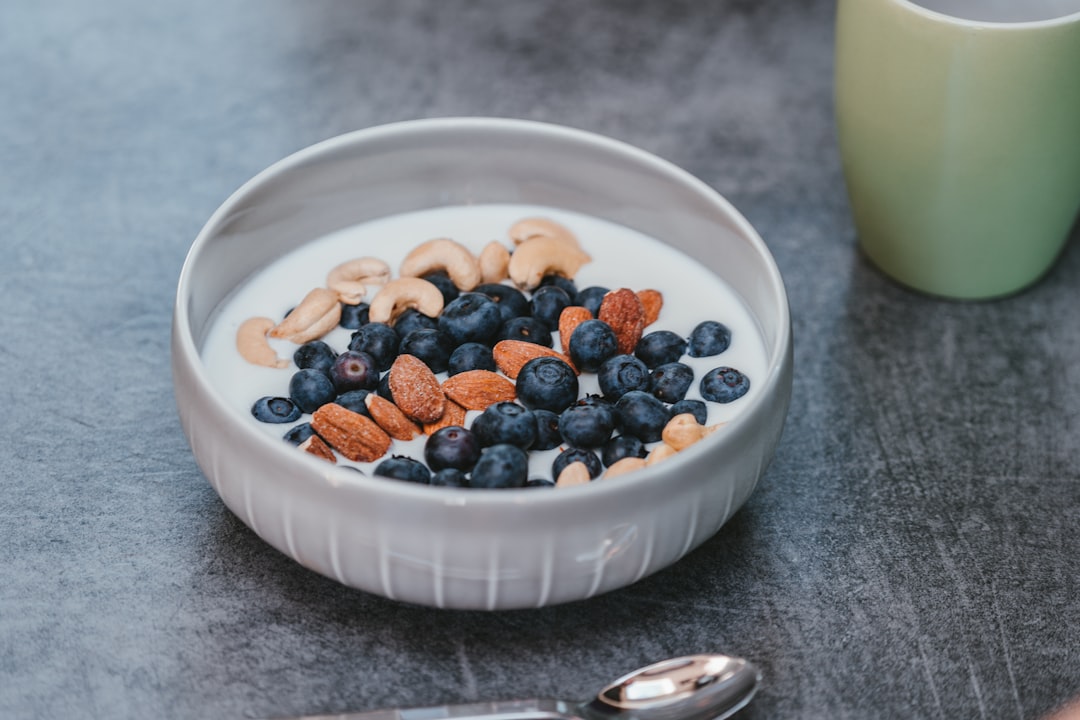
The coating on these raisins is rarely made of actual yogurt but rather a mix of sugar and oil. It is a confectionery shell that turns a piece of dried fruit into a candy. The sugar content outweighs any nutritional benefit derived from the raisin inside. They are easy to consume in large quantities due to their small size and sweetness. You are effectively eating candy that has a tiny piece of fruit in the center.
Yogurt Covered Pretzels

This snack combines refined white flour pretzels with a sugary and fatty confectionery coating. The yogurt aspect is primarily marketing rather than a significant ingredient listing. The combination of salt and sugar triggers cravings that make portion control very difficult. There is virtually no protein or fiber to slow down the digestion of the sugars. It serves as a high calorie treat rather than a sustaining snack option.
Canned Fruit in Syrup
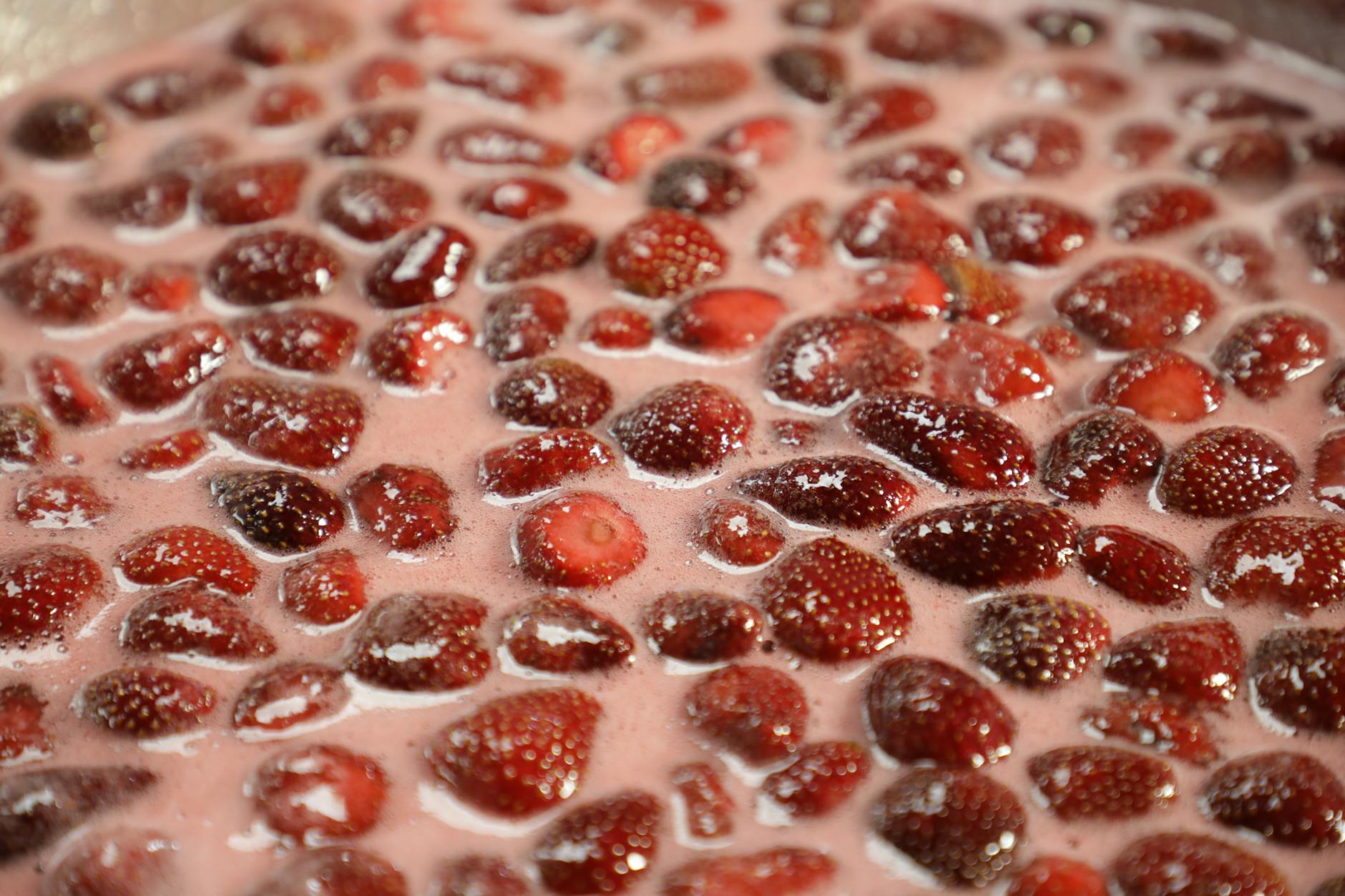
Canned fruit is often packed in heavy syrup which is essentially a thick solution of corn syrup and sugar. This processing method dramatically increases the calorie count of the fruit serving. The syrup leaches out vitamins and minerals from the fruit into the liquid which is often discarded. Even light syrup adds unnecessary refined sugar to a naturally sweet food. Fruit packed in water or its own juice is the only way to avoid this sugar trap.
Loose Granola
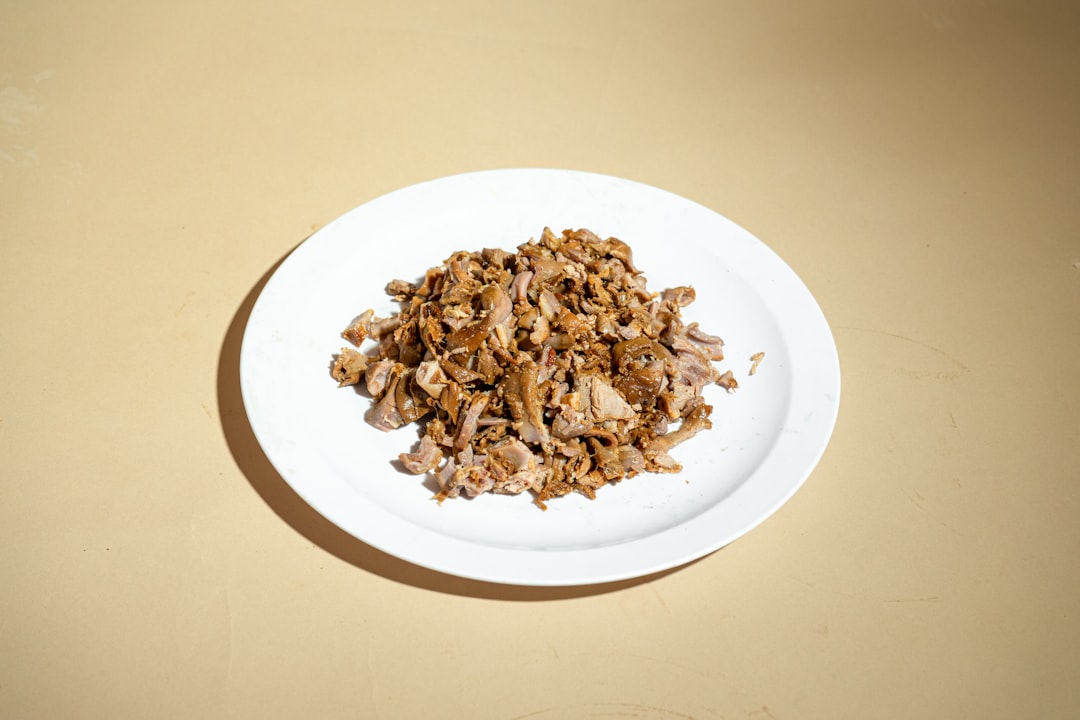
Loose granola sold in bags is typically calorie dense due to the nuts and oils and sweeteners used. A small half cup serving can contain hundreds of calories and significant grams of sugar. It is often eaten in bowls like cereal which leads to consuming three or four times the recommended serving size. The health benefits of the oats are often overshadowed by the sheer volume of sugar. It works best as a light garnish rather than the main component of a meal.
Premade Protein Shakes
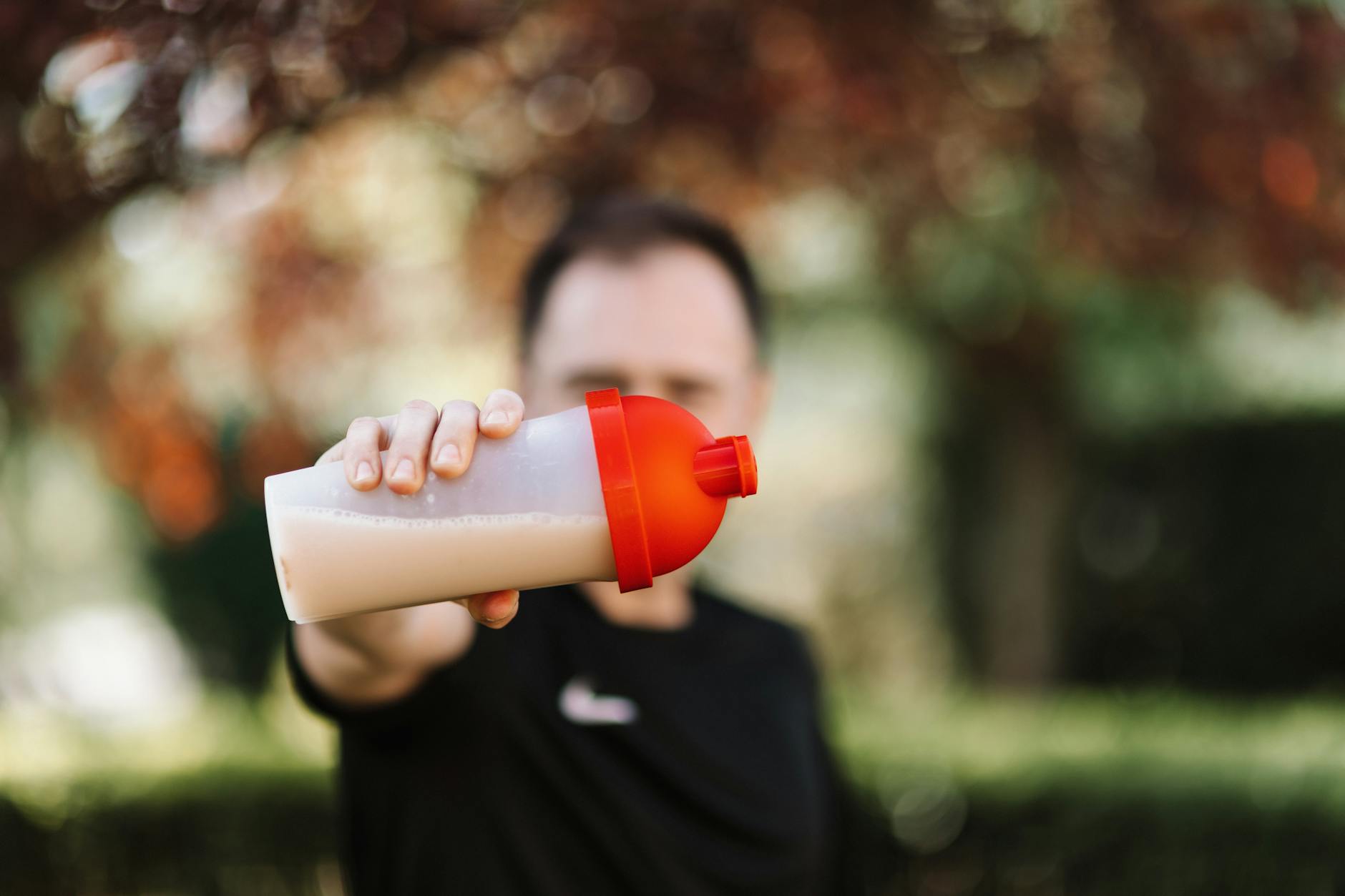
Many ready to drink protein shakes contain low quality protein sources and a long list of artificial ingredients. They are often thickened with gums and sweetened with sucralose or other artificial sweeteners. The convenience comes at the cost of consuming preservatives and stabilizers. Real food sources of protein are generally better absorbed and utilized by the body. These shakes are processed foods that should not replace balanced whole food meals.
Fruit Leather

Commercial fruit leathers are often made from fruit juice concentrates rather than whole fruit puree. They frequently contain added corn syrup and artificial food dyes to enhance appearance. The sticky consistency promotes tooth decay by holding sugar against the enamel for long periods. They lack the fiber and water volume that makes fresh fruit a filling snack. It is essentially a flat and chewy gummy candy with a small amount of fruit juice.
Coleslaw

Coleslaw is based on cabbage but the health benefits are drowned in a dressing of mayonnaise and sugar. A standard side serving can contain more fat and calories than the main fried dish it accompanies. The high sugar content in the dressing is used to counteract the bitterness of the raw cabbage. Creamy coleslaw is a calorie bomb that offers very little nutritional redemption. Vinegar based slaws are generally lighter but can still be high in added sodium.
Couscous
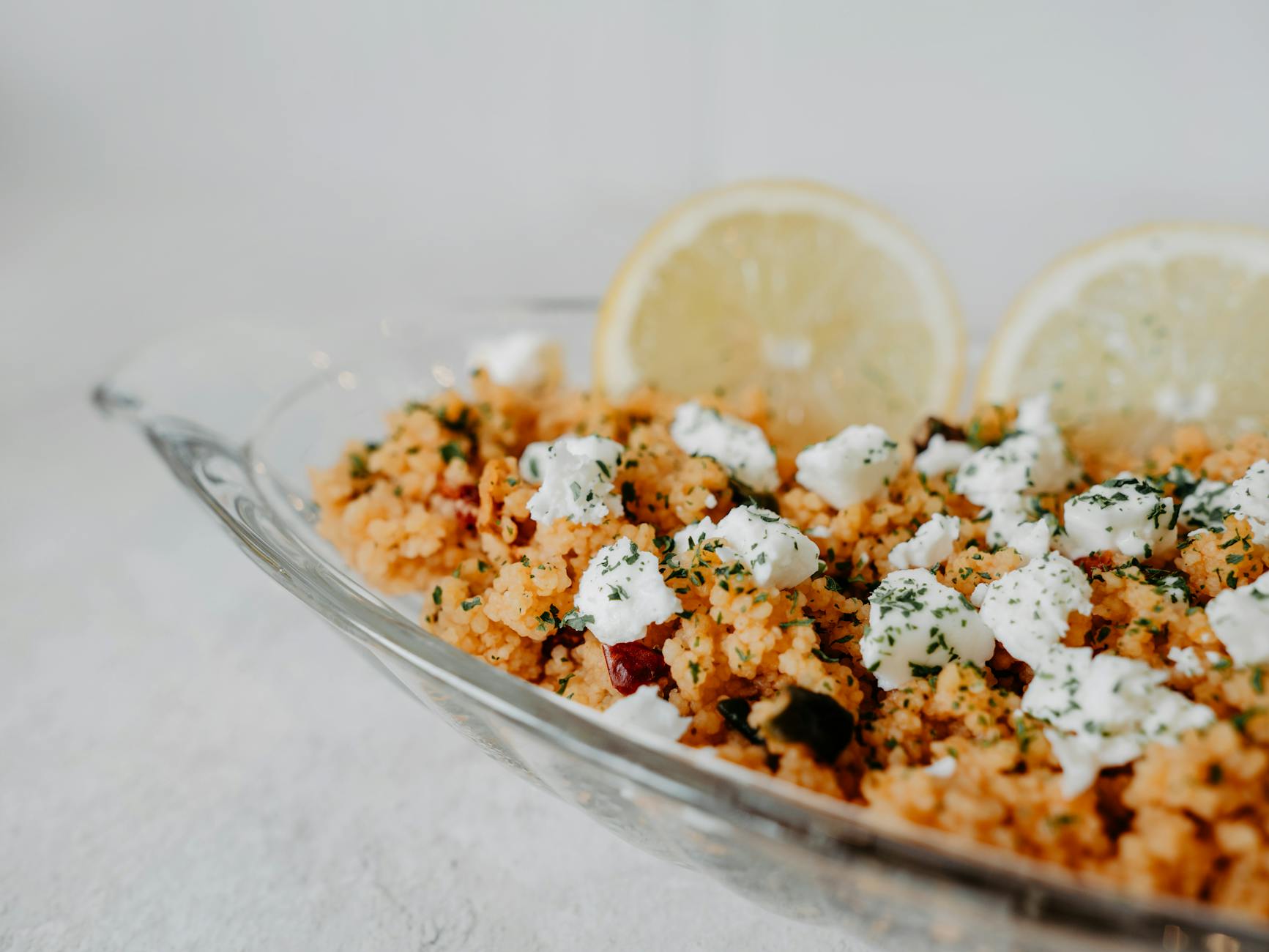
Couscous is often mistaken for a whole grain but it is actually tiny balls of refined semolina wheat pasta. It behaves exactly like white pasta in the body by raising blood sugar levels quickly. It lacks the fiber content of grains like quinoa or bulgur or brown rice. The instant varieties often come with seasoning packets high in sodium and artificial flavors. It is a carbohydrate source that offers little nutritional density compared to whole grains.
Bagels

A typical coffee shop bagel contains the carbohydrate equivalent of four to five slices of white bread. Most are made from refined flour that has been stripped of its fiber and nutrients. The density of the dough makes them extremely high in calories before any toppings are added. They cause a massive insulin spike that can lead to lethargy later in the morning. Scoop out the inside or choose a thin bagel to reduce the carbohydrate load.
Flour Tortilla Wraps
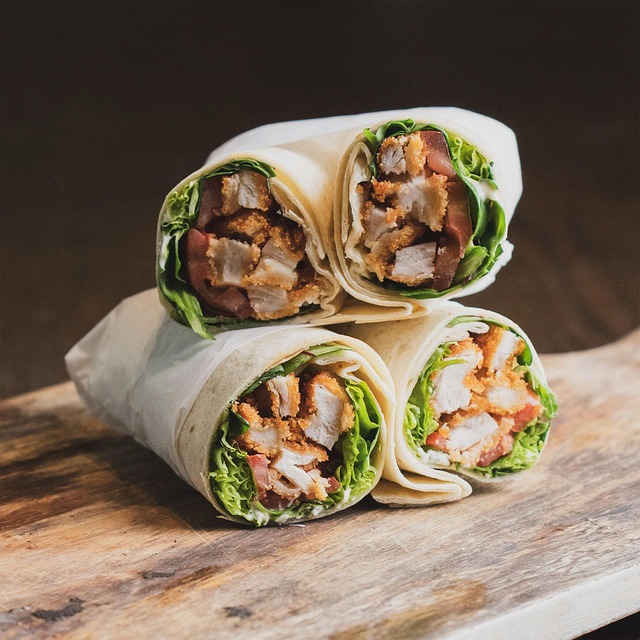
Many large flour tortillas used for wraps contain more calories and fat than two slices of bread. They are often made with hydrogenated oils or lard to keep them pliable and soft. The surface area allows for stuffing which leads to larger portion sizes than a sandwich. Spinach or tomato flavored wraps usually contain negligible amounts of vegetable powder and are just dyed white flour. Corn tortillas or lettuce wraps are significantly lower in calories and processed ingredients.
Rice Milk
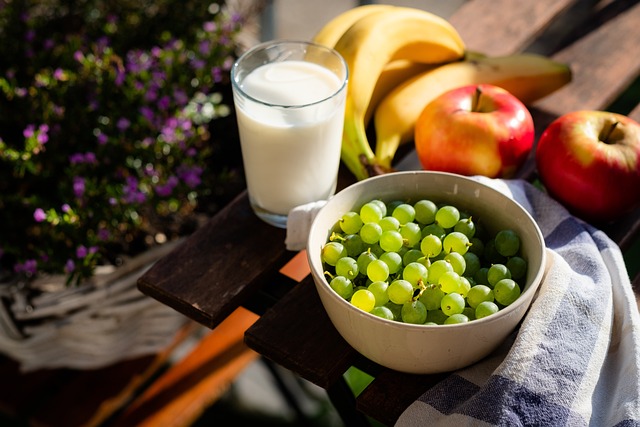
Rice milk is made from boiled rice and starch and is naturally very high in carbohydrates. It contains almost no protein which makes it a poor nutritional substitute for cow milk. The glycemic index is very high meaning it converts to sugar in the blood very rapidly. It is essentially a source of liquid starch that provides quick energy but little satiety. It is one of the least nutritious plant based milk alternatives available on the market.
Dried Cranberries
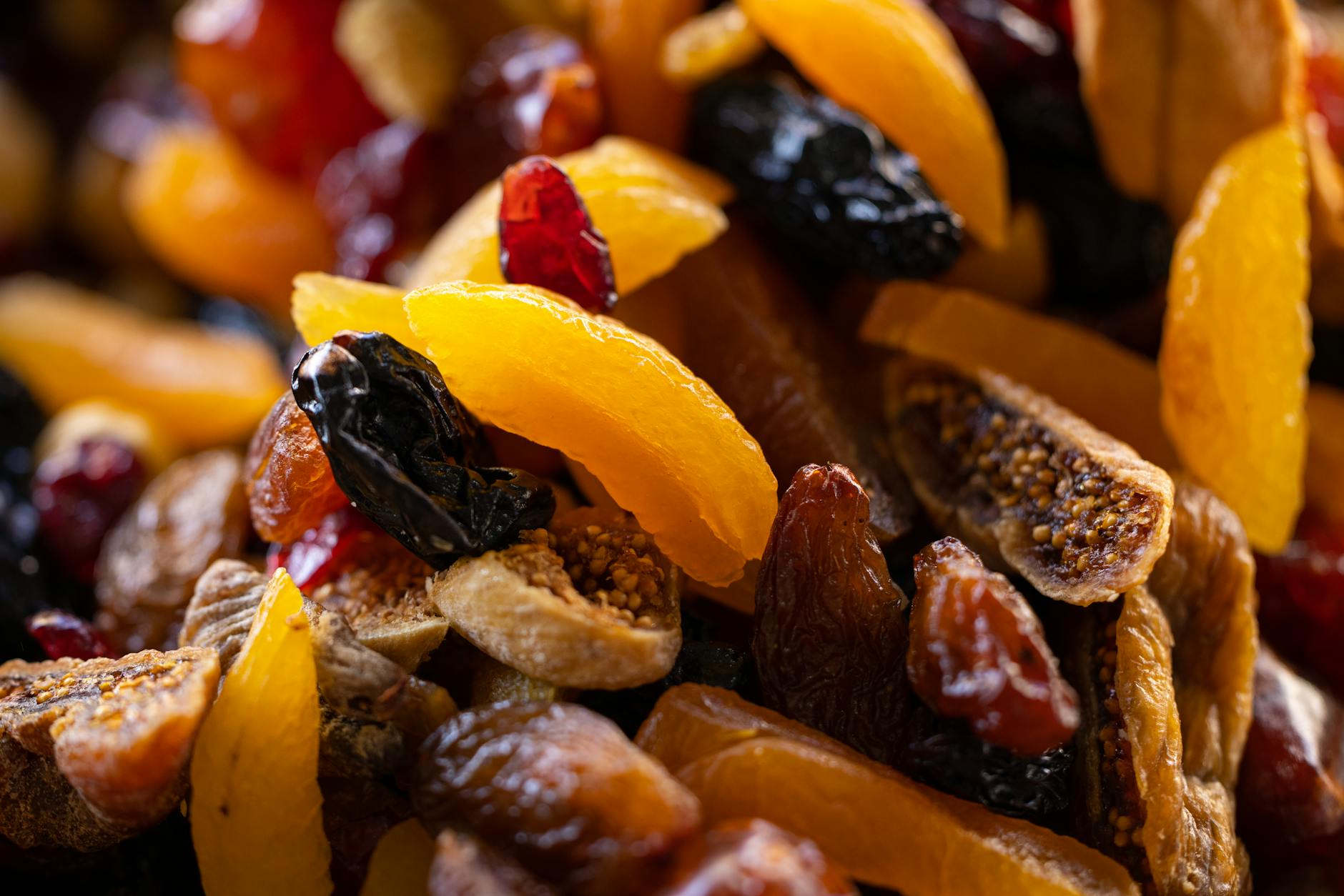
Cranberries are naturally very tart so the dried version is almost always infused with sugar syrup. The ratio of sugar to fruit in a dried cranberry is very high to make them palatable. They are often used in salads and trail mixes where they add hidden carbohydrates. The amount of sugar added often exceeds the natural sugar found in sweeter dried fruits like raisins. Fresh or frozen cranberries are much lower in sugar but require preparation to be edible.
Corn Nuts
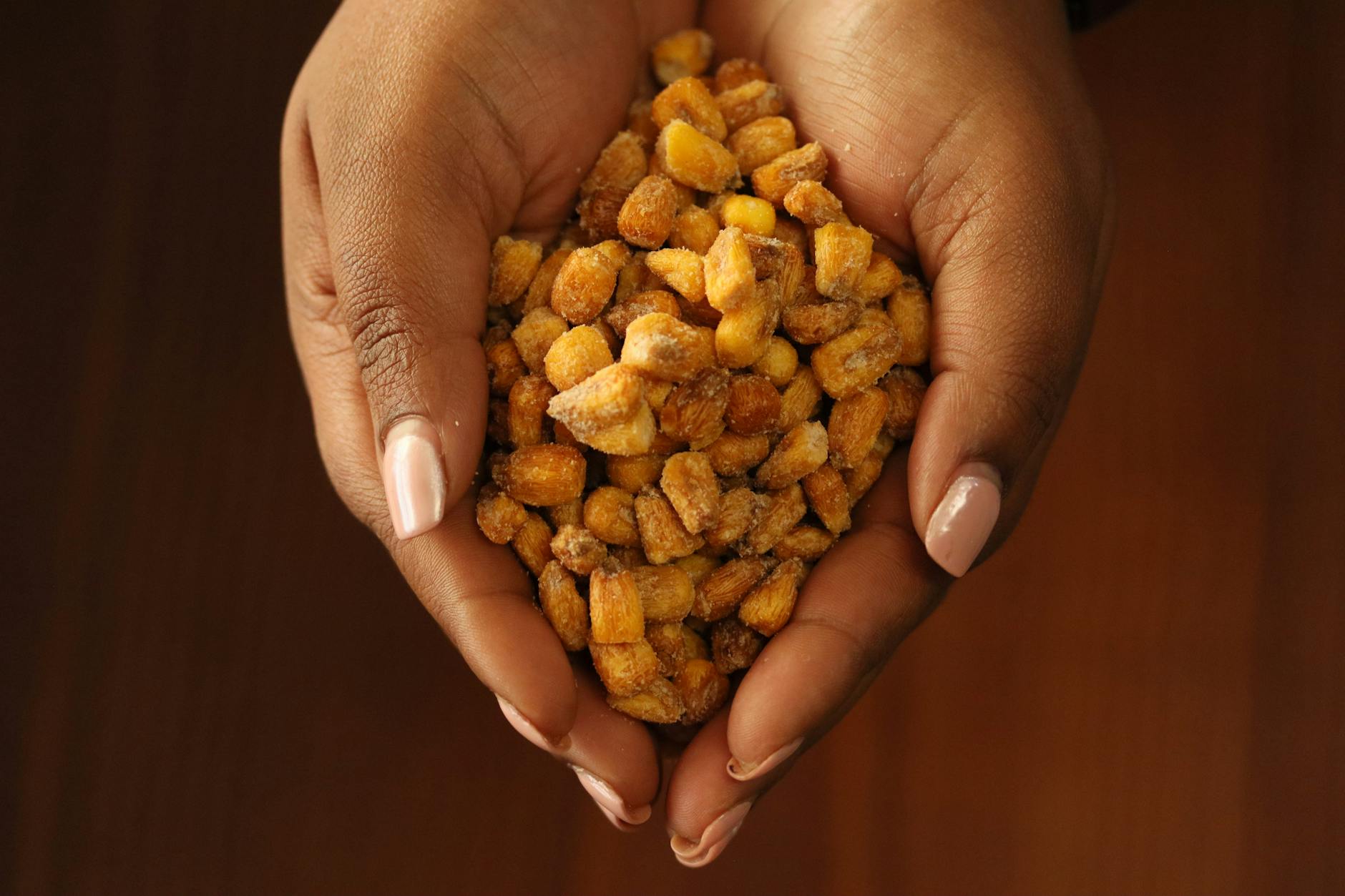
Corn nuts are whole corn kernels that have been deep fried in oil and heavily salted. They are extremely hard on teeth and are a dense source of oxidized fats and sodium. While corn is a vegetable this preparation removes it from any healthy category. They are calorie dense and easy to overconsume due to their crunchy texture. Air popped popcorn provides the same corn flavor with a fraction of the fat and calories.
Tell us which of these snacks surprised you the most by sharing your reaction in the comments.




