Many homeowners unknowingly sabotage their cleaning efforts by falling into common traps that spread grime rather than removing it. These widespread habits often lead to wasted time and products while leaving surfaces with sticky residues or hidden bacteria. Identifying these errors requires a closer look at the tools and techniques used during daily chores. Adjusting these routines can significantly improve the hygiene and appearance of living spaces.
Using a Feather Duster

Feather dusters are famous for looking effective while actually just spreading dust from one surface to another. The feathers agitate particles into the air only for them to settle back down on furniture and floors moments later. A microfiber cloth is a far superior choice because it traps dust particles within its fibers using an electrostatic charge. This switch ensures that allergens and dirt are physically removed from the home instead of being displaced.
Spraying Cleaner Directly on Surfaces

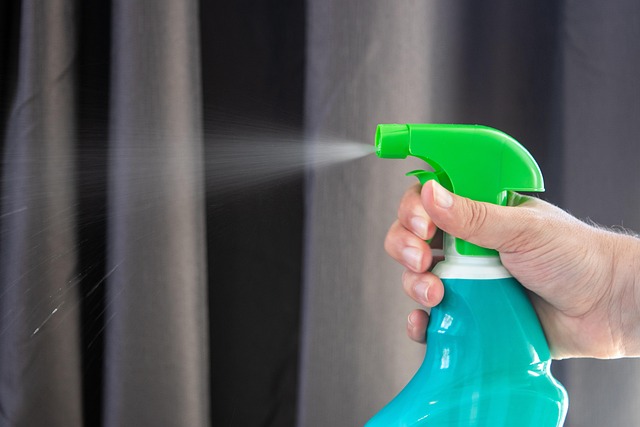
Spraying cleaning solutions directly onto furniture or countertops often leads to a buildup of sticky residue that attracts more dust. This method also makes it difficult to control the amount of product used and can damage delicate finishes over time. Applying the cleaner to a microfiber cloth first allows for a more controlled and even application. This technique prevents oversaturation and ensures the product goes exactly where it is needed without waste.
Overloading the Washing Machine
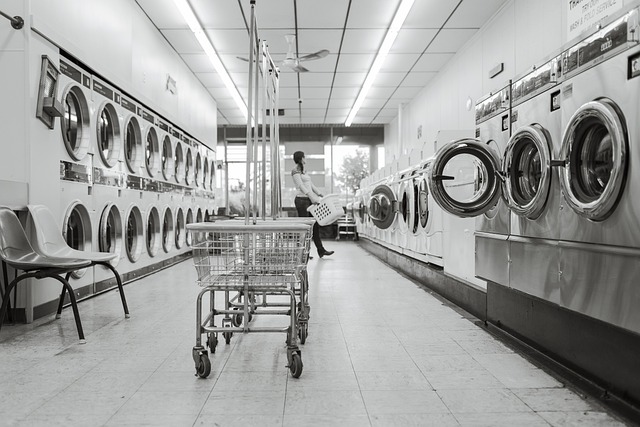
Stuffing the washing machine to its brim prevents water and detergent from circulating effectively through the fabrics. Clothes come out retaining dirt and odors because they did not have enough room to agitate and rinse properly. Excessive loads also put unnecessary strain on the machine and can lead to mechanical failures or costly repairs. Washing smaller loads ensures that every garment is thoroughly cleaned and rinsed.
Washing Windows on a Sunny Day

Direct sunlight causes cleaning solutions to dry onto the glass before you can wipe them away. This rapid evaporation leaves behind stubborn streaks and spots that are difficult to remove. Overcast days are ideal for window cleaning because the slower drying time allows for a streak-free finish. You will find that waiting for cloud cover saves time and frustration in the long run.
Using the Same Rag for Everything
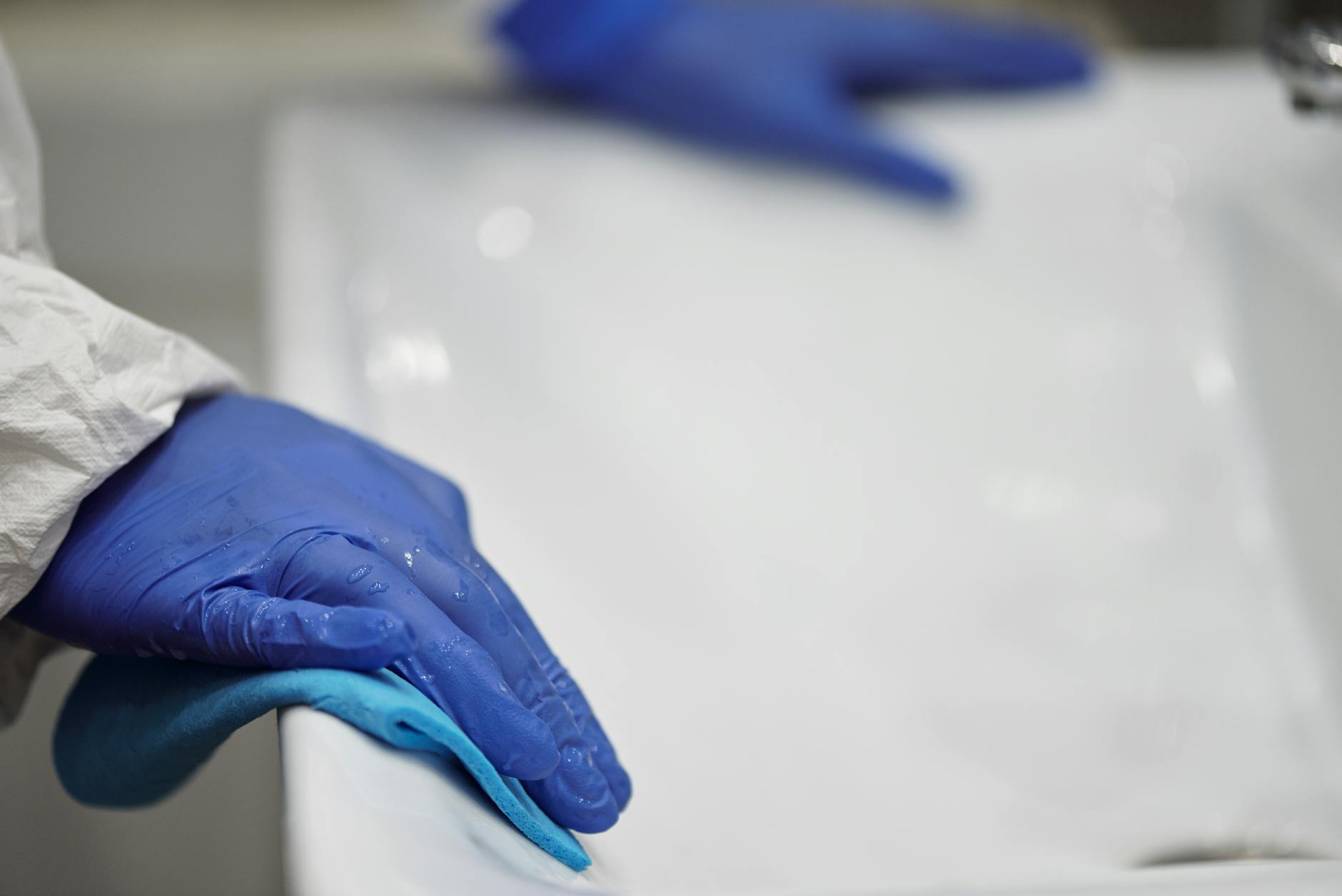
Carrying one cloth from the bathroom to the kitchen spreads dangerous bacteria across the entire house. Cross-contamination occurs easily when the same tool is used on a toilet and then on a food preparation surface. Assigning color-coded cloths to specific rooms or tasks is a simple professional strategy to maintain hygiene. This separation keeps germs contained and prevents the transfer of pathogens to high-traffic areas.
Neglecting to Clean the Vacuum Filter
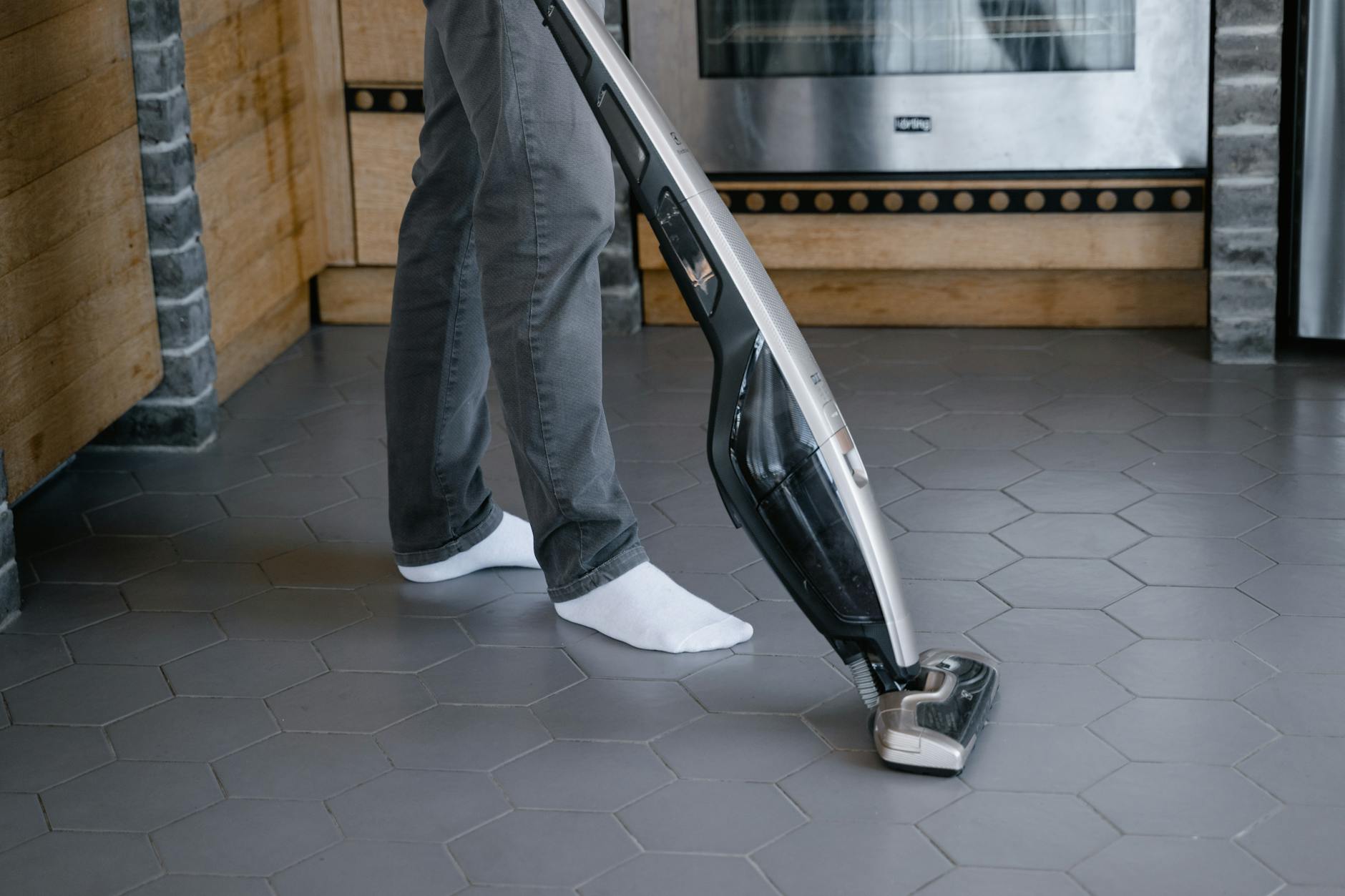
A clogged vacuum filter restricts airflow and drastically reduces suction power during use. The machine ends up blowing dust and allergens back into the air rather than trapping them inside the canister. Regular maintenance of the vacuum involves washing or replacing filters according to the manufacturer’s instructions. Keeping the internal components clean ensures the device operates at peak efficiency and actually cleans the floors.
Putting Toilet Brushes Away Wet

Storing a wet toilet brush immediately after use creates a breeding ground for bacteria and mold in the holder. The moisture trapped in the container encourages microbial growth that can cause unpleasant odors. Allowing the brush to air dry completely by propping it between the seat and the bowl is a sanitary necessity. This simple step prevents the brush from becoming dirtier than the toilet it is meant to clean.
Scrubbing Carpet Stains Violently
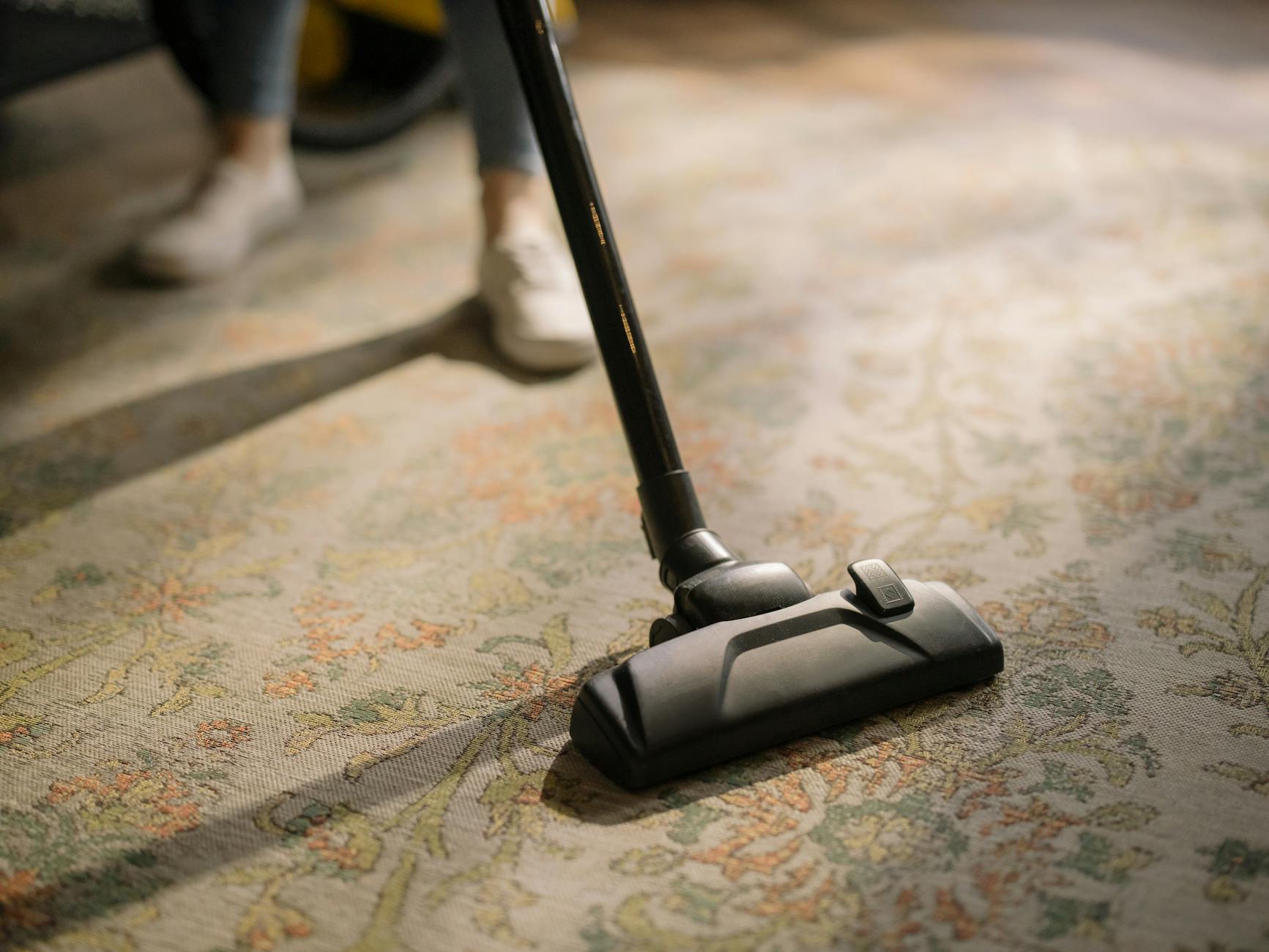
Vigorous scrubbing pushes spills deeper into the carpet fibers and can permanently damage the pile. This aggressive action often causes the stain to spread outward and become larger than the original spot. Blotting the area gently with a clean cloth lifts the liquid out without untwisting the carpet threads. Patience and a dabbing motion are the keys to successful stain removal without ruining the rug.
Using Too Much Detergent
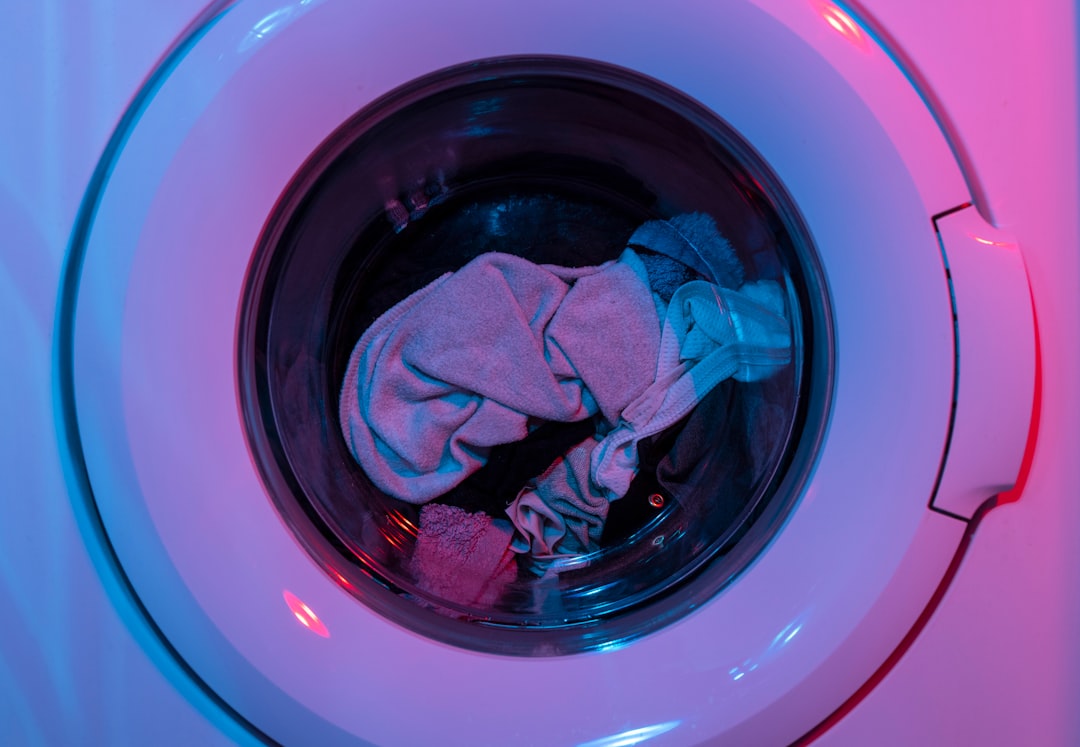
Excessive laundry detergent creates a surplus of suds that traps soil on clothes rather than washing it away. The residue left behind can irritate skin and make fabrics feel stiff or scratchy after drying. Modern high-efficiency machines require only a small fraction of the soap that people typically use. Measuring the correct amount prevents buildup inside the machine and keeps clothing feeling soft.
Cleaning from the Floor Up
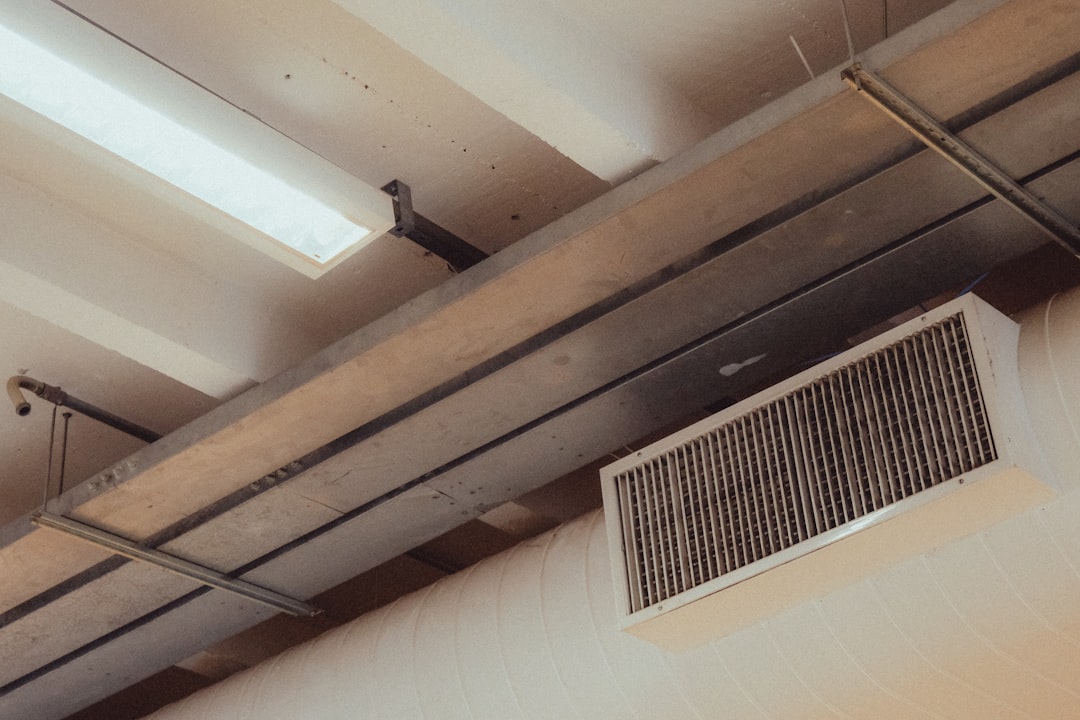
Starting with the floors means that dust from higher surfaces will eventually fall and dirty the freshly cleaned area. Gravity dictates that dirt falls downward so cleaning should always begin at the top of the room. Ceiling fans and shelves should be dusted first to ensure that falling particles are vacuumed up later. This top-down approach saves you from having to clean the floors twice.
Ignoring High-Touch Points
Doorknobs and light switches are some of the germiest spots in a home yet are frequently overlooked during routine cleaning. These areas accumulate oils and bacteria from hands multiple times a day and facilitate the spread of illness. Wiping down handles and switches with a disinfectant should be a daily habit. focusing on these small areas significantly reduces the bacterial load in the home.
Using Dirty Sponges
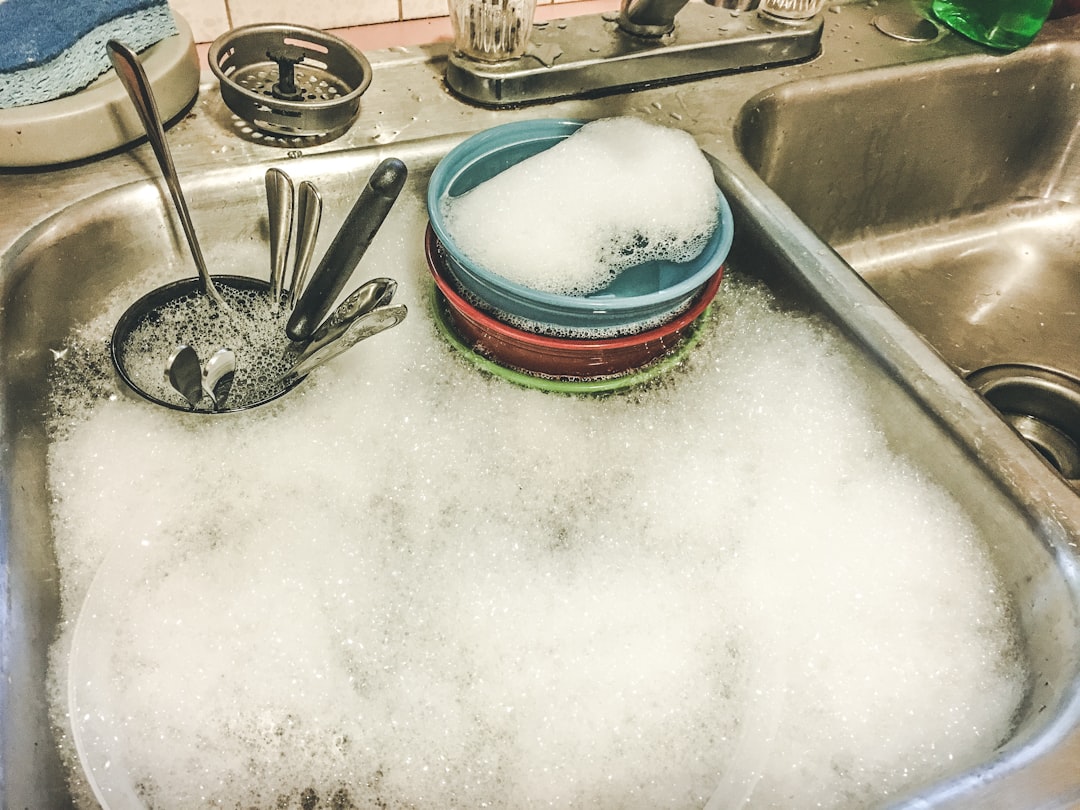
A kitchen sponge can harbor more bacteria than a toilet seat if it is not replaced or sanitized regularly. wiping counters with a contaminated sponge simply spreads pathogens like salmonella and E. coli across food surfaces. Microwaving a damp sponge or running it through the dishwasher can help kill bacteria between uses. Replacing the sponge frequently is the only way to ensure you are truly cleaning rather than contaminating.
Washing Knives in the Dishwasher
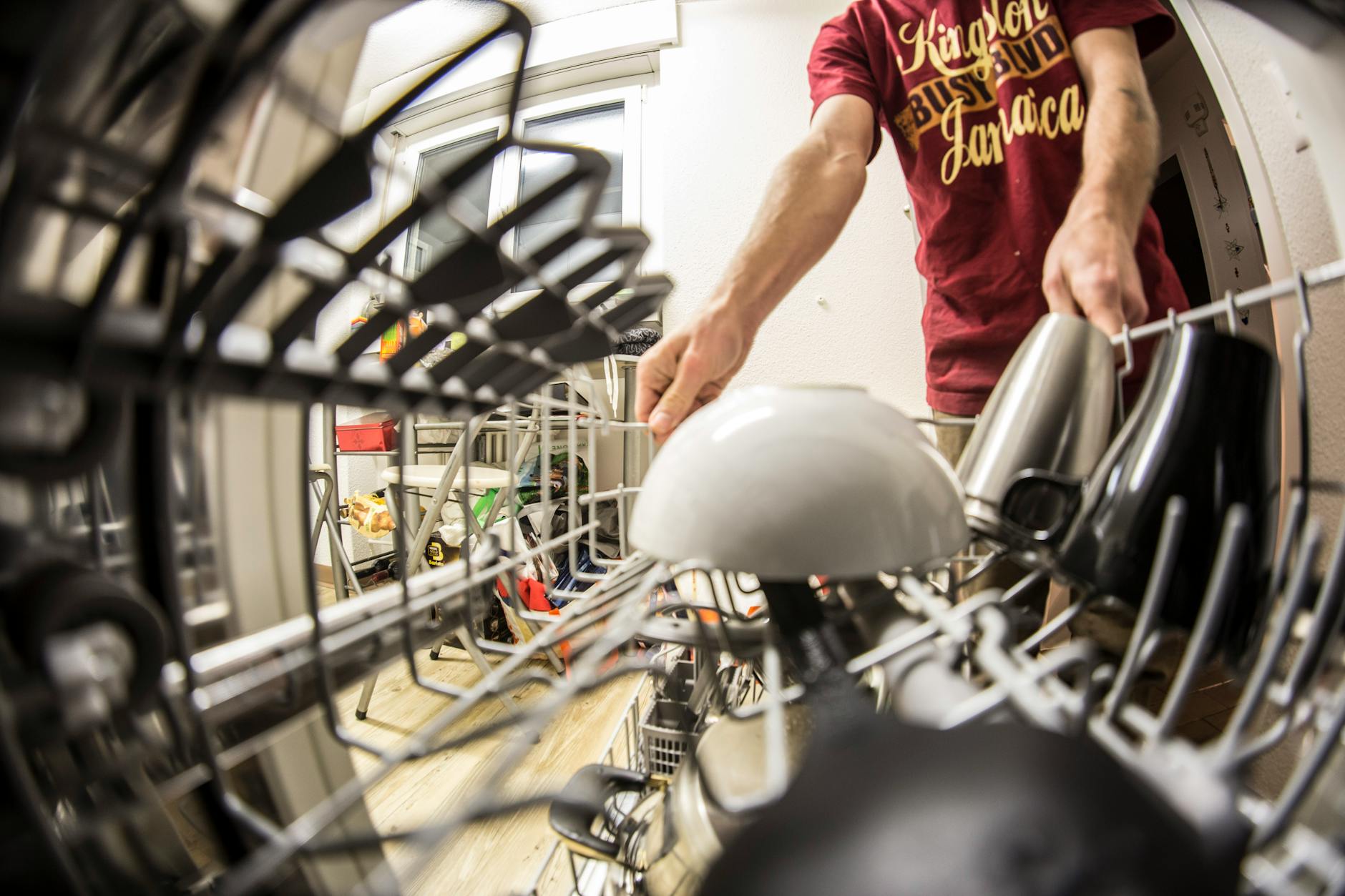
High heat and harsh detergents in the dishwasher can dull the sharp edges of kitchen knives and damage their handles. The agitation during the wash cycle may also cause the blade to bang against other utensils and chip. Hand washing knives with mild soap and drying them immediately preserves their longevity and sharpness. This care prevents rust spots and ensures the tools remain safe and effective for cooking.
Mixing Cleaning Products
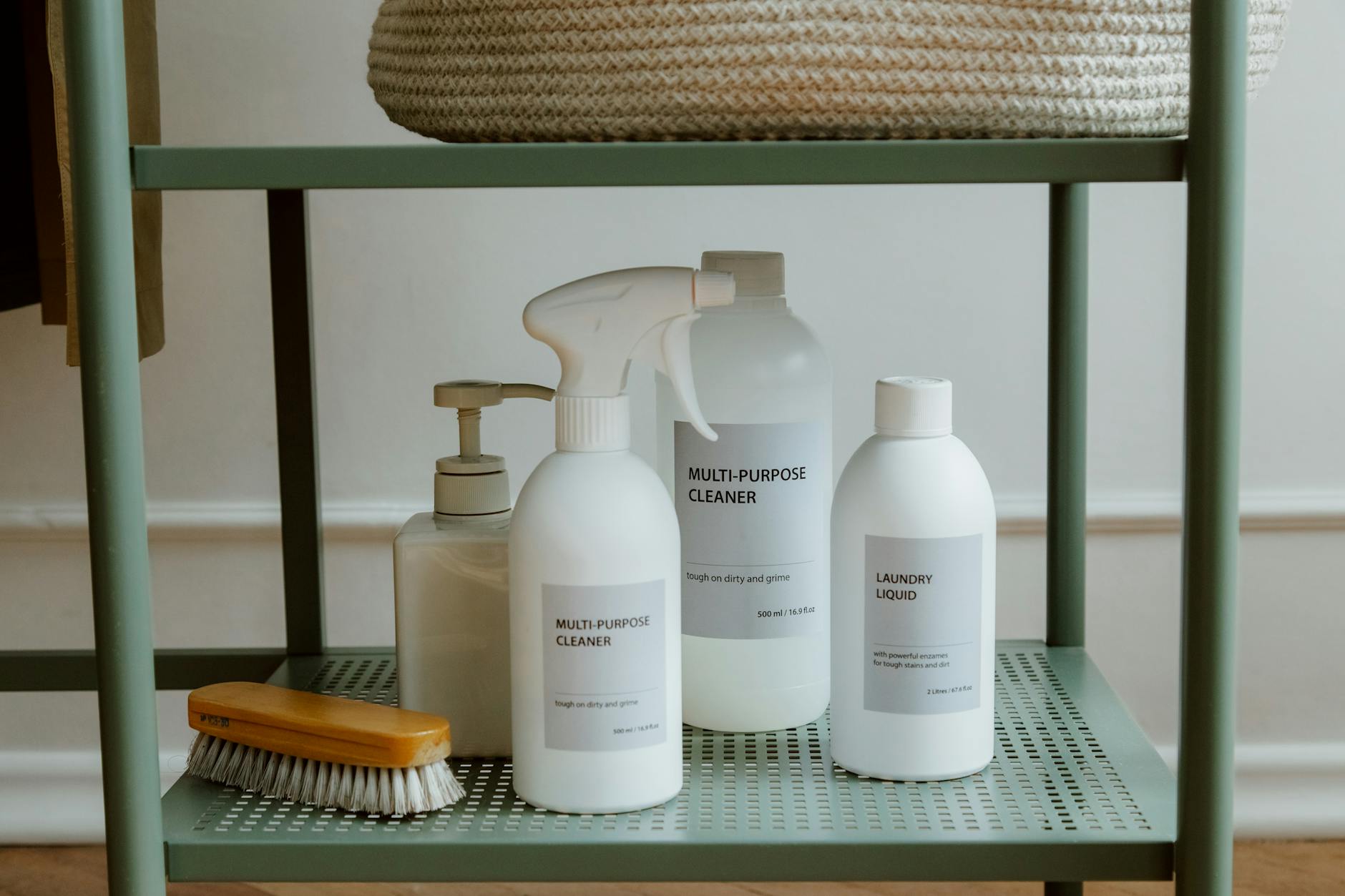
Combining different cleaning agents can create toxic fumes that are dangerous to inhale. The mixture of bleach and ammonia is particularly hazardous and can result in severe respiratory damage. Stick to one product at a time and follow the manufacturer’s safety guidelines strictly. Using simple and separate cleaners is safer for your health and prevents chemical reactions that damage surfaces.
Ignoring the Garbage Disposal

Food particles and grease build up inside the garbage disposal and cause foul odors to permeate the kitchen. Many people assume the disposal cleans itself when water runs through it but this is incorrect. Grinding ice cubes and citrus peels helps to dislodge debris and freshen the unit. Regular cleaning prevents bacterial growth and keeps the sink smelling fresh.
Using Fabric Softener on Towels
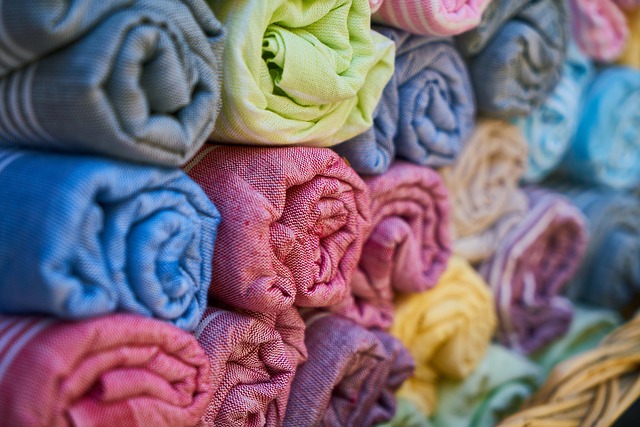
Fabric softener coats fibers with a waxy layer that reduces the absorbency of bath towels over time. This coating makes the towel feel soft but prevents it from effectively drying your skin. Using white vinegar in the rinse cycle is a natural alternative that softens fabric without leaving a residue. This method keeps towels fluffy and absorbent for much longer.
Not Dusting Light Bulbs

Dust accumulation on light bulbs dims the brightness of a room and can emit a burning smell when the light is on. The heat from the bulb can also bake the dust onto the surface making it harder to remove later. Wiping cool bulbs with a dry microfiber cloth restores the quality of light in the room. Clean fixtures make the entire home look brighter and cleaner.
Vacuuming in One Direction Only
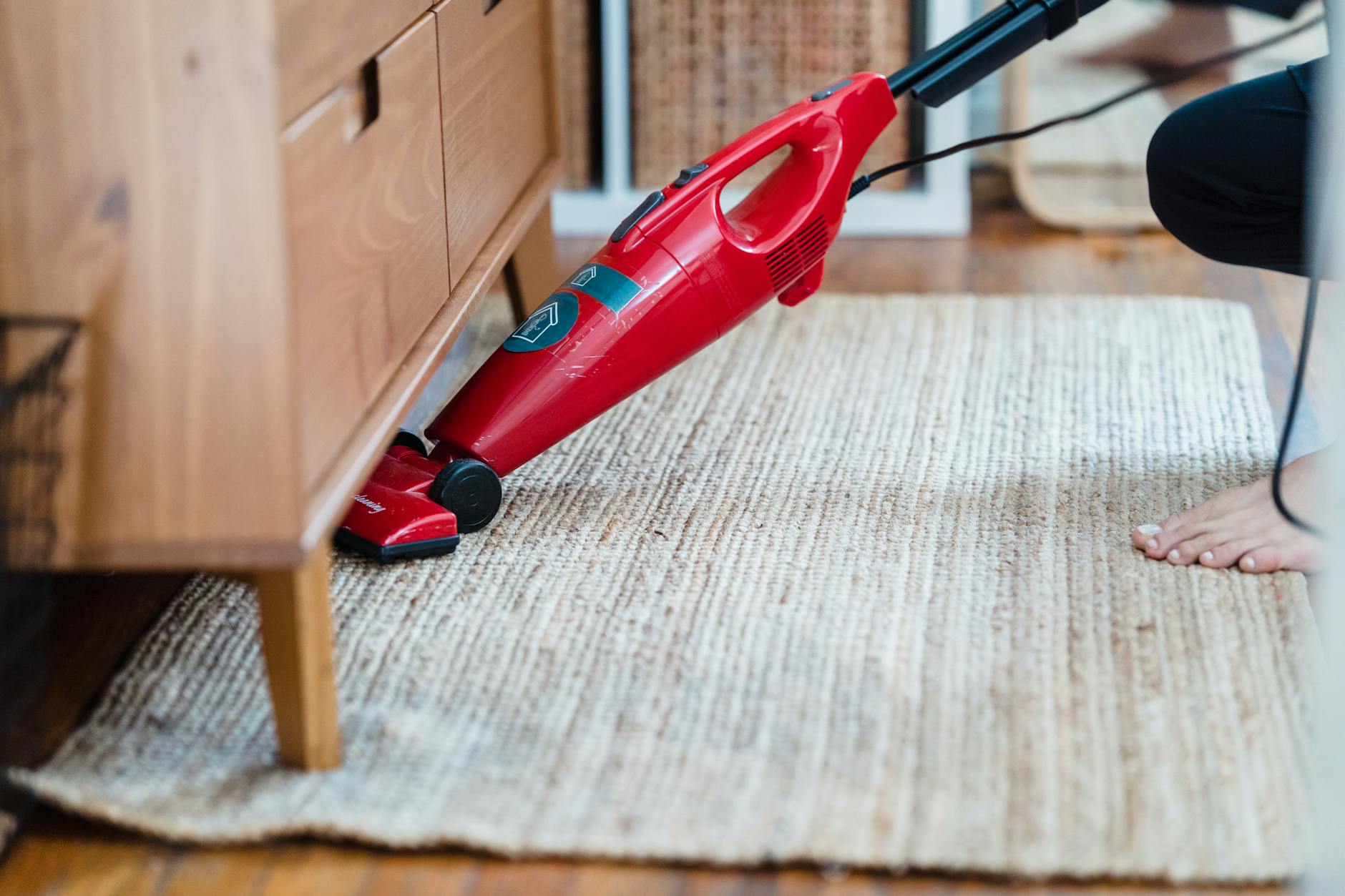
Passing the vacuum cleaner in a single direction fails to remove all the dirt trapped deep within carpet fibers. Moving the machine back and forth and side to side agitates the pile to release stubborn dust. This multi-directional technique ensures a thorough clean and revitalizes the texture of the carpet. Taking the time to cross-vacuum extends the life of the flooring.
Using Vinegar on Stone Surfaces
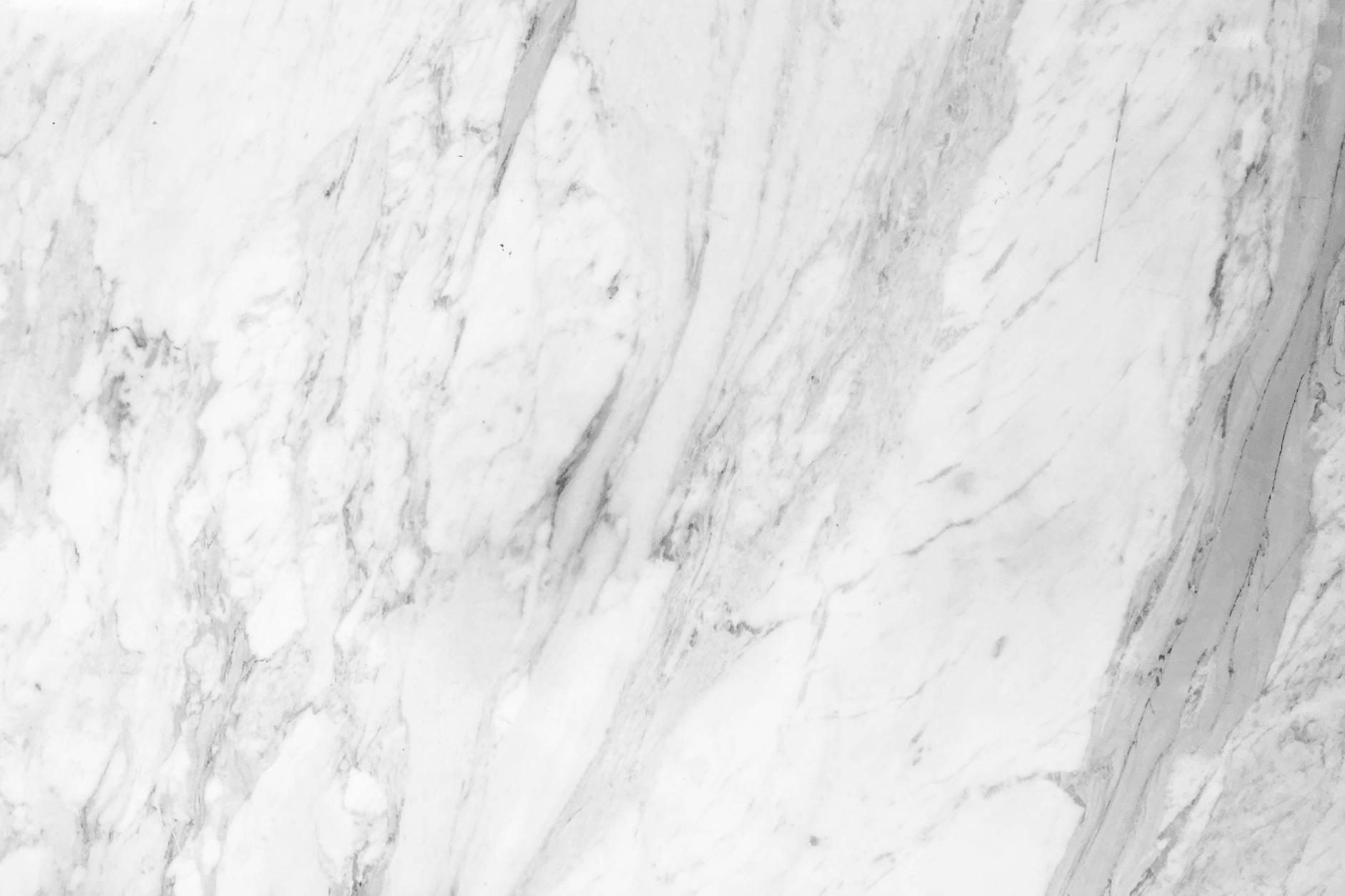
Acidic cleaners like vinegar can etch natural stone surfaces such as granite and marble causing permanent damage. The acid reacts with the calcium in the stone and leaves dull spots or scratches. pH-neutral cleaners formulated specifically for stone are required to maintain the sealant and shine. avoiding harsh acids protects the investment in high-quality countertops.
Forgetting to Clean the Sink
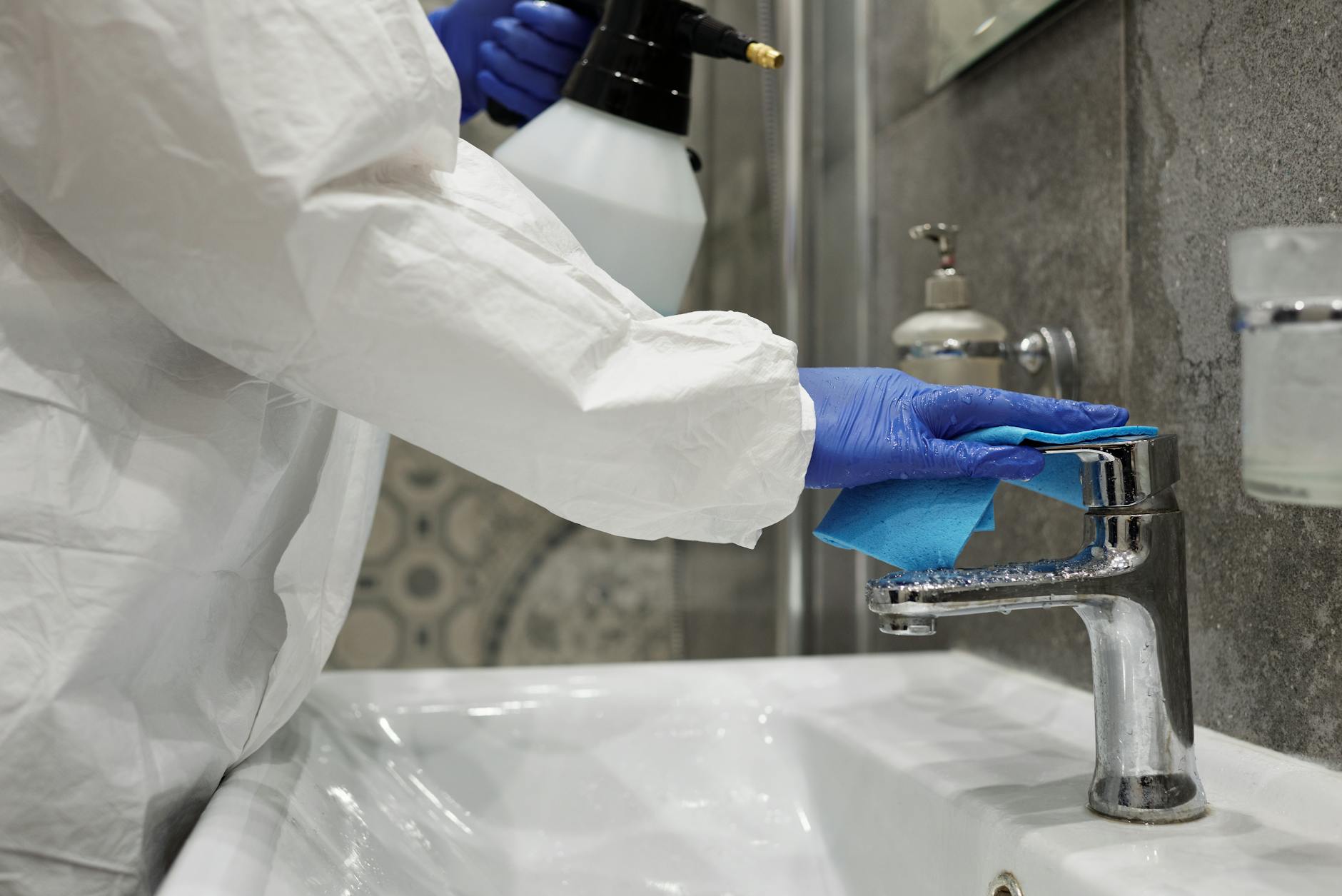
The kitchen sink is a breeding ground for bacteria from raw meat and food scraps. Rinsing it with water is not sufficient to remove the pathogens that accumulate on the surface. scrubbing the basin with a disinfectant cleaner is necessary after handling raw food or washing dishes. A sanitized sink is crucial for maintaining a safe food preparation environment.
Leaving Crumbs in the Toaster
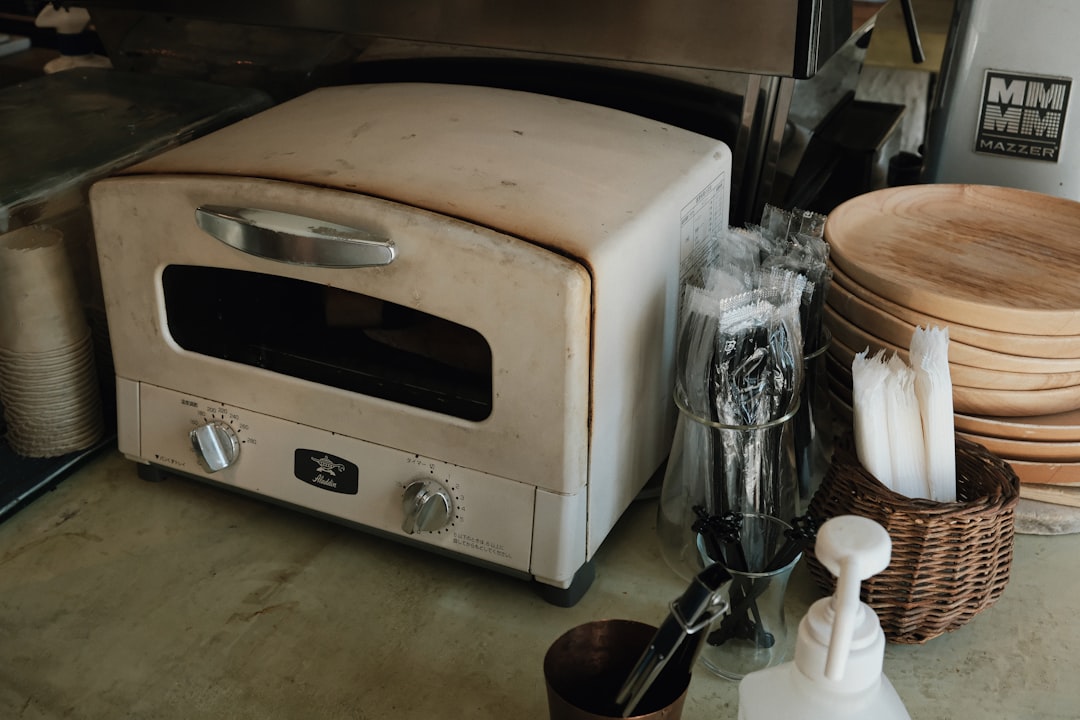
Accumulated crumbs in the bottom of a toaster are a fire hazard and can attract pests into the kitchen. The heat from the appliance burns old crumbs and creates unpleasant charred smells during use. Emptying the crumb tray regularly is a quick task that improves safety and hygiene. Keeping small appliances clean prevents insects from finding a food source.
Polishing Wood Furniture with Wax Every Time
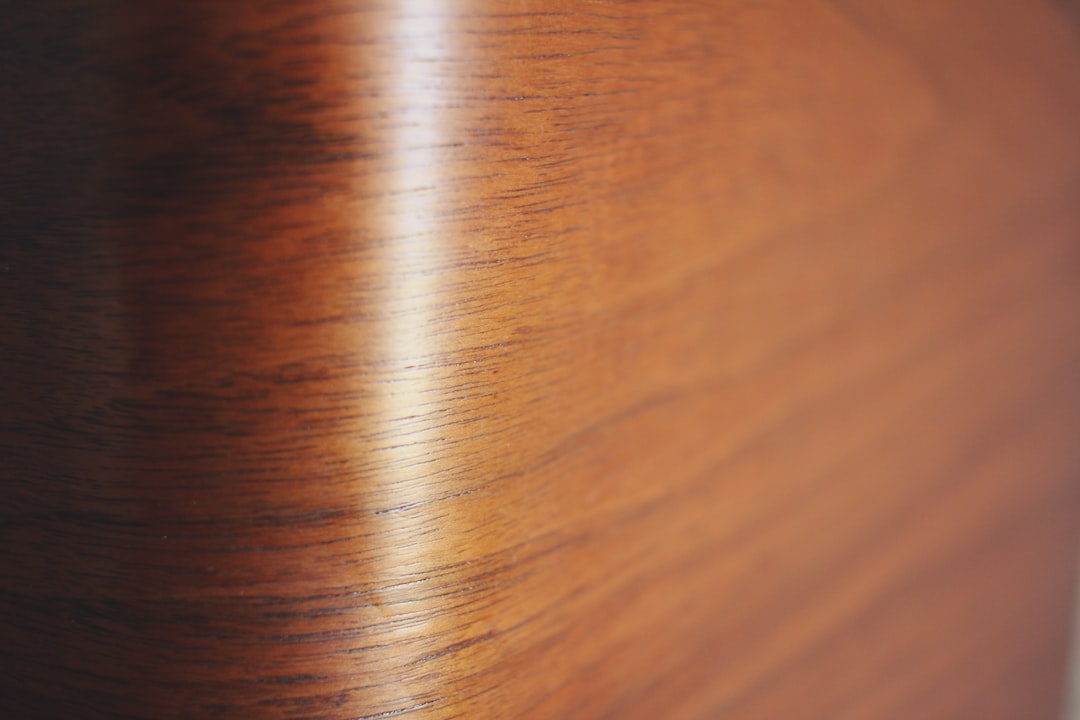
Applying wax polish every time you dust creates a sticky buildup that dulls the wood finish over time. This layer traps dust and makes the furniture look cloudy instead of shiny. dusting with a dry cloth is usually sufficient for regular maintenance. Polish should be used sparingly and only when the wood actually needs protection or shine.
Cleaning Stainless Steel in Circular Motions
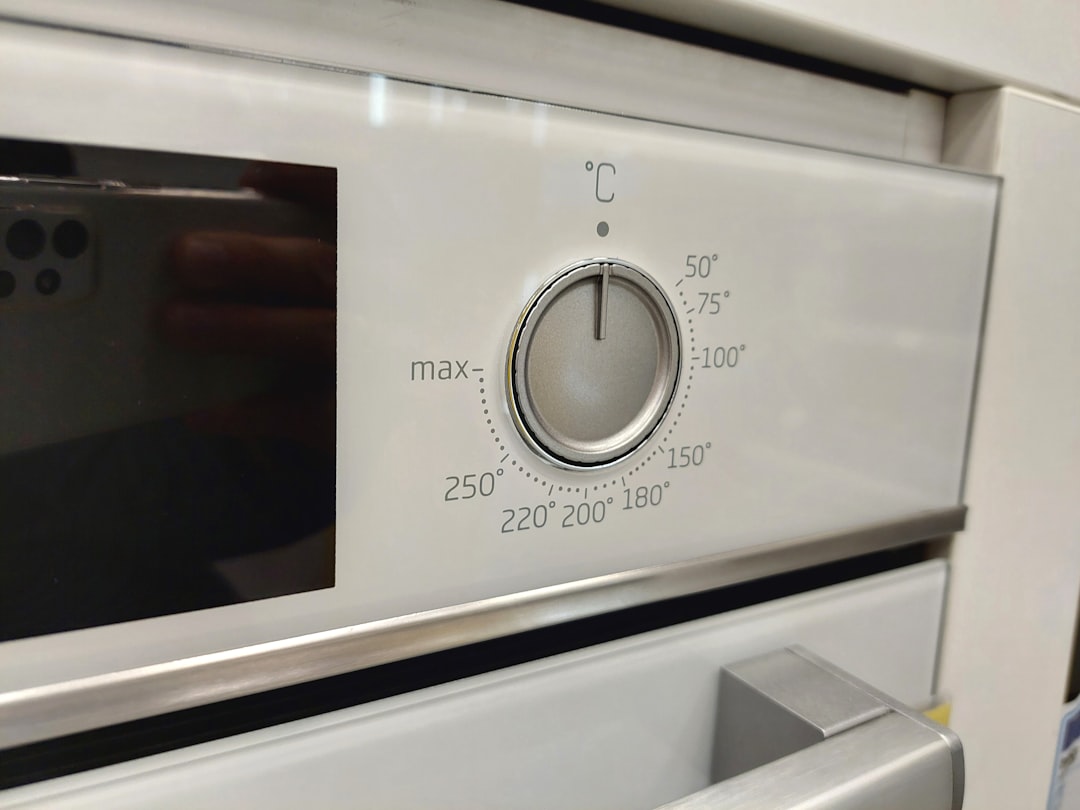
Rubbing stainless steel in circles often leaves streaks and goes against the grain of the metal. The finish on stainless steel appliances has a directional grain that should be followed for the best results. Wiping in the direction of the grain prevents scratches and ensures a uniform shine. This technique keeps appliances looking new and free of smudges.
Ignoring the Shower Curtain Liner

Soap scum and mildew accumulate rapidly on the bottom of shower curtain liners. Ignoring this buildup leads to pink or black mold that spreads to the rest of the shower. Many liners are machine washable and can be cleaned with towels to scrub away the grime. Regular washing or replacement keeps the bathroom smelling fresh and looking clean.
Sweeping with a Dirty Broom

A broom filled with old dust and hair simply redistributes dirt across the floor rather than collecting it. Debris trapped in the bristles can scratch delicate flooring surfaces during sweeping. Cleaning the bristles with warm soapy water and removing tangled hair maintains the tool’s effectiveness. A clean broom ensures that dirt is actually picked up and removed.
Not Cleaning the Washing Machine Dispenser
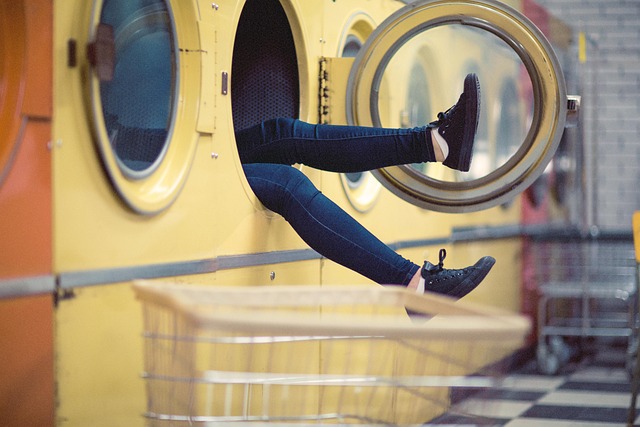
Detergent drawers often develop mold and mildew due to constant moisture and leftover product. This black sludge can be washed into the machine and contaminate clean clothes. Removing the drawer and scrubbing it with an old toothbrush eliminates hidden fungal growth. Keeping this compartment dry between uses prevents mold from returning.
Rushing the Disinfectant
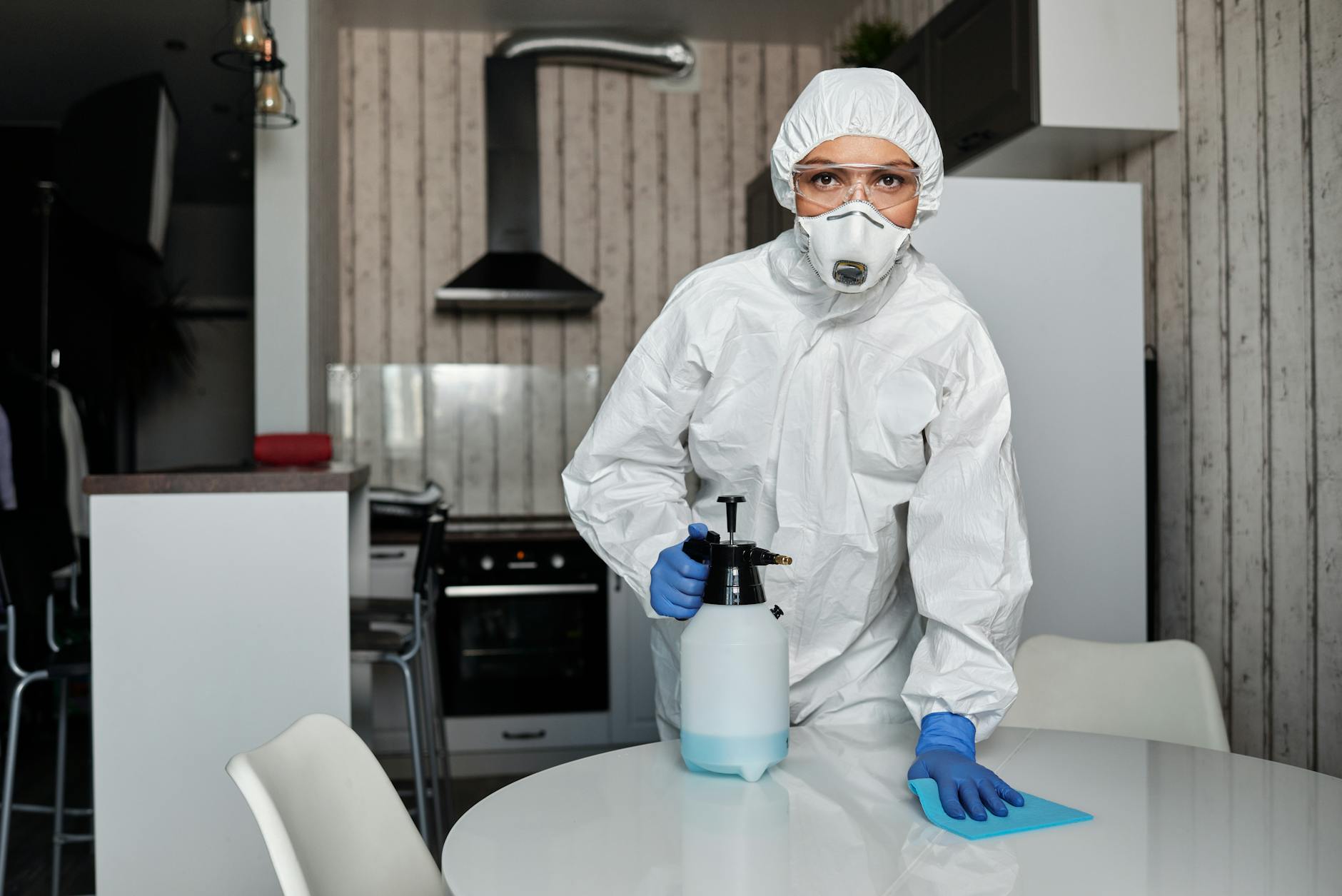
Disinfectants need to remain wet on a surface for a specific amount of time to effectively kill bacteria. Wiping the spray away immediately renders the product useless against germs and viruses. Reading the label to find the required contact time is essential for true sanitization. Patience ensures that the chemical actually does its job.
Mopping with Dirty Water
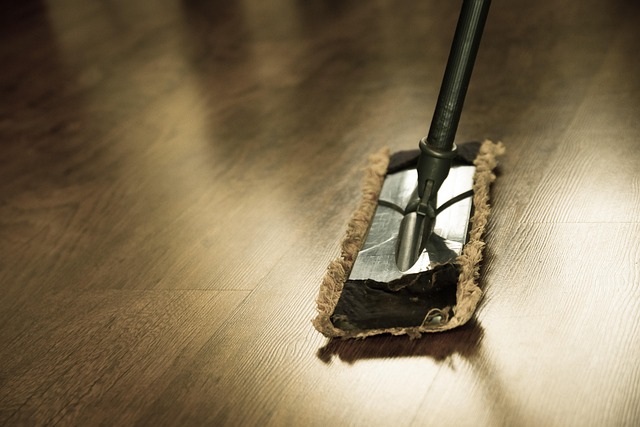
Dipping a mop back into gray water spreads grime back onto the floor instead of removing it. The water becomes saturated with dirt quickly and leaves a dull film on the surface. Changing the cleaning solution frequently ensures the floors are truly clean. A two-bucket system separates clean and dirty water for superior results.
Overwetting Upholstery
Soaking fabric furniture with too much water or cleaner can cause mildew growth deep within the foam. Excess moisture can also leave water rings on the fabric surface that are impossible to remove. Using a specialized upholstery cleaner with minimal moisture prevents damage. Blotting stains and using foam-based cleaners protects the integrity of the furniture.
Skipping the Baseboards

Baseboards collect a significant amount of dust and pet hair that is often ignored during routine vacuuming. Dirty baseboards make a room look dingy even if the floors are clean. Running a vacuum attachment or a damp cloth along the trim brightens the perimeter of the room. This detail work provides a polished and finished look to any space.
Putting Hot Cast Iron in Water
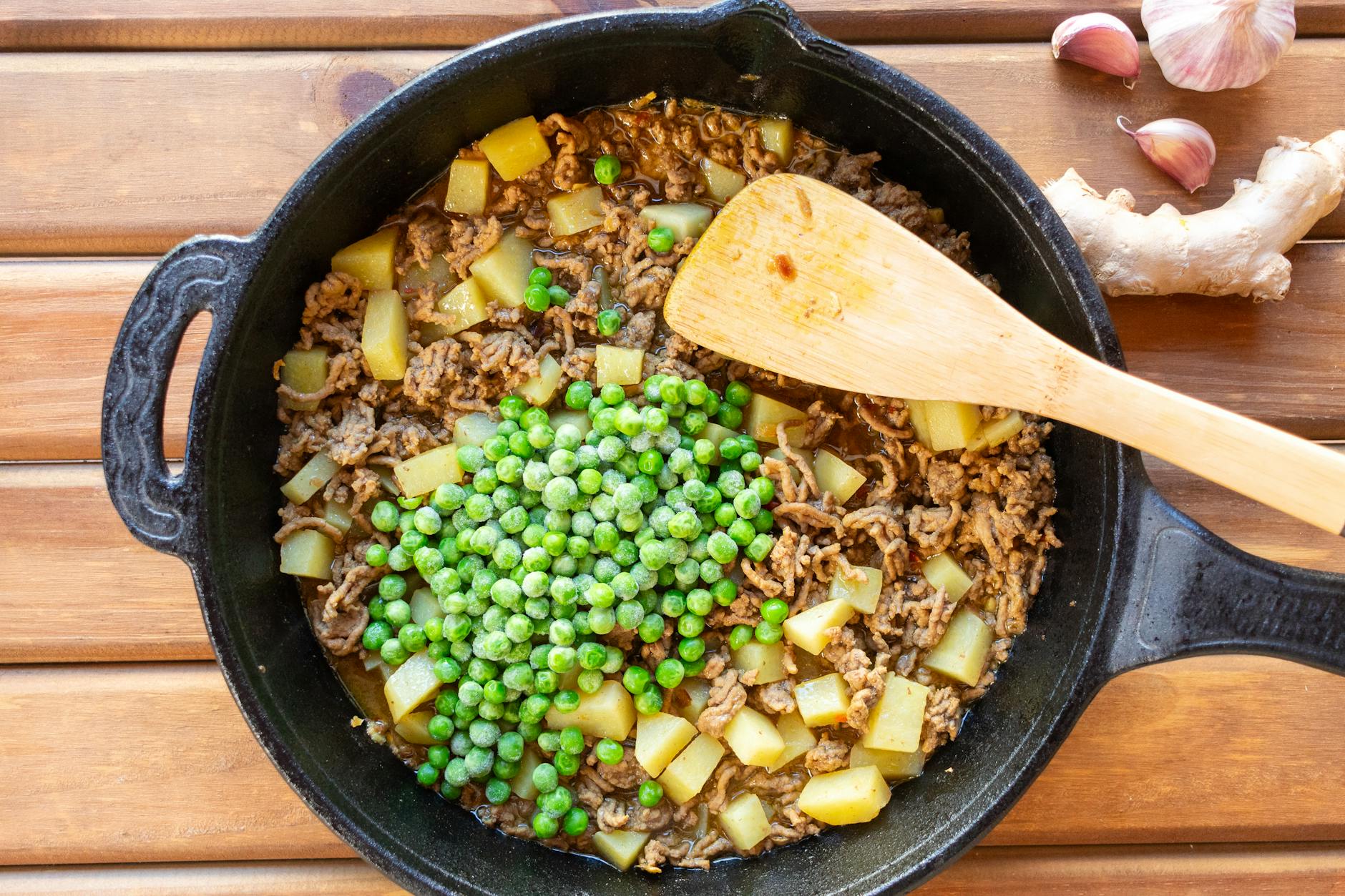
Submerging a hot cast iron skillet in cold water can cause the metal to warp or crack due to thermal shock. This mistake ruins the pan and destroys the seasoned non-stick surface. allowing the cookware to cool gradually before cleaning preserves its structure. Proper care ensures that cast iron lasts for generations.
Using Bleach to Clean Rust
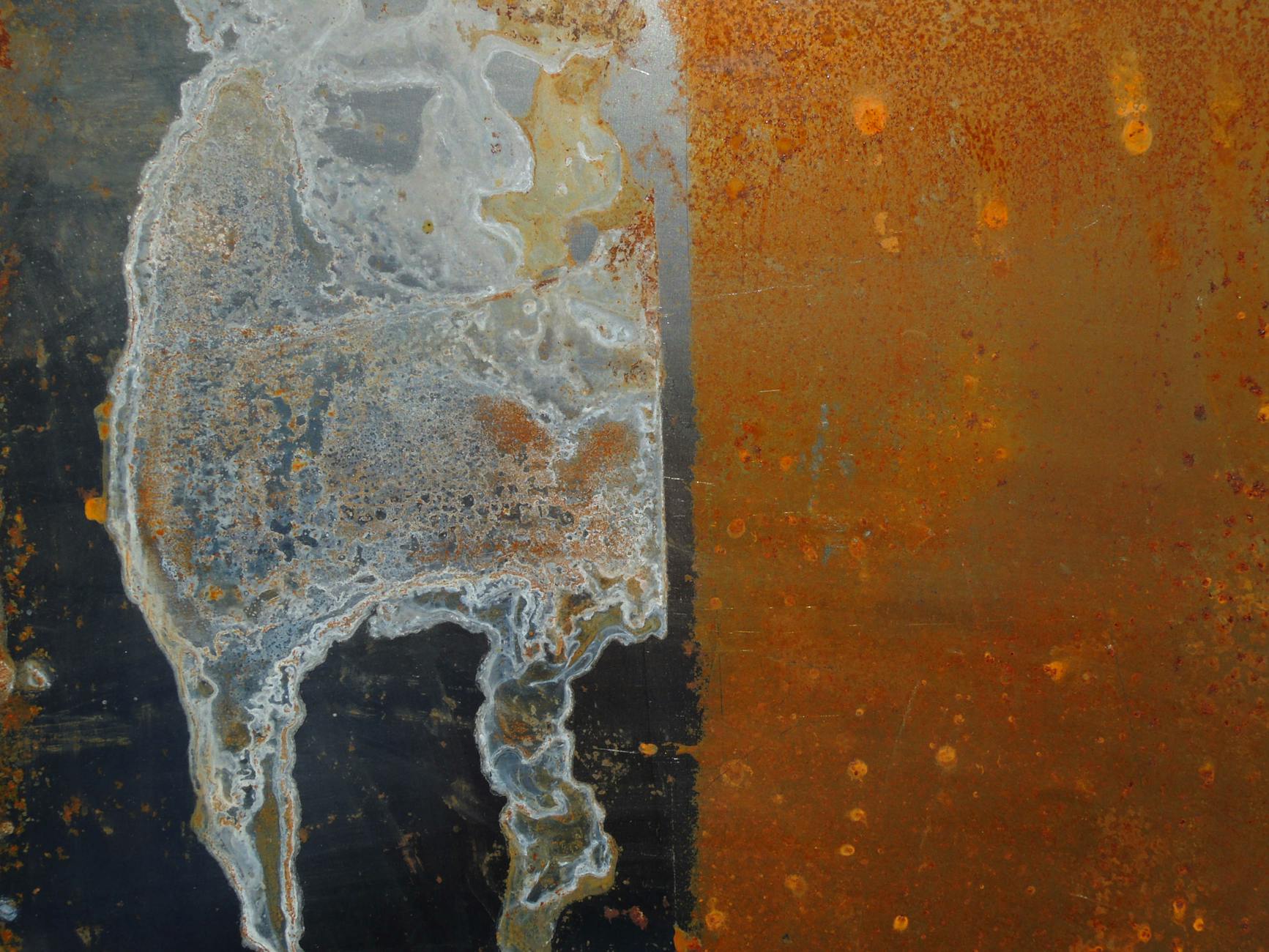
Bleach is an oxidizing agent that can actually set rust stains and make them harder to remove. The chemical reaction accelerates the rusting process on metal surfaces. specialized rust removers or lemon juice are far more effective for treating corrosion. avoiding bleach on metal fixtures prevents the problem from getting worse.
Storing Toothbrushes Near the Toilet
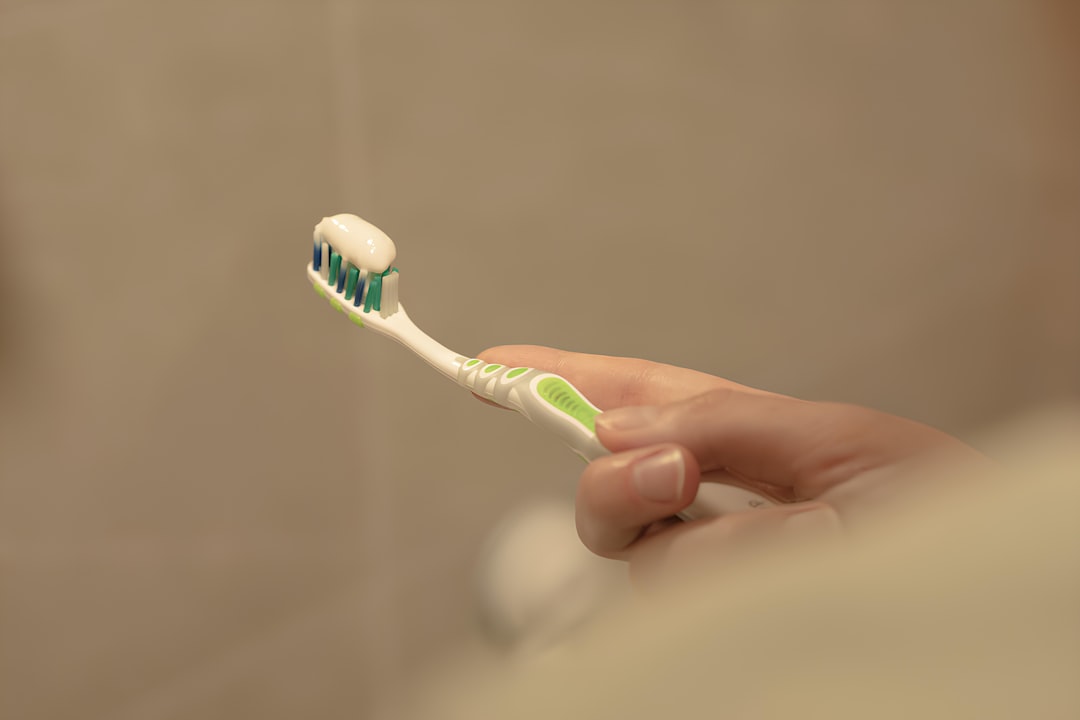
Toilet plumes can spray microscopic fecal matter onto surfaces within a several-foot radius when flushed. Toothbrushes left on the counter are vulnerable to this invisible contamination. storing oral hygiene tools in a cabinet or using a cover protects them from airborne germs. closing the toilet lid before flushing is also a critical preventative measure.
Not Cleaning Reusable Grocery Bags
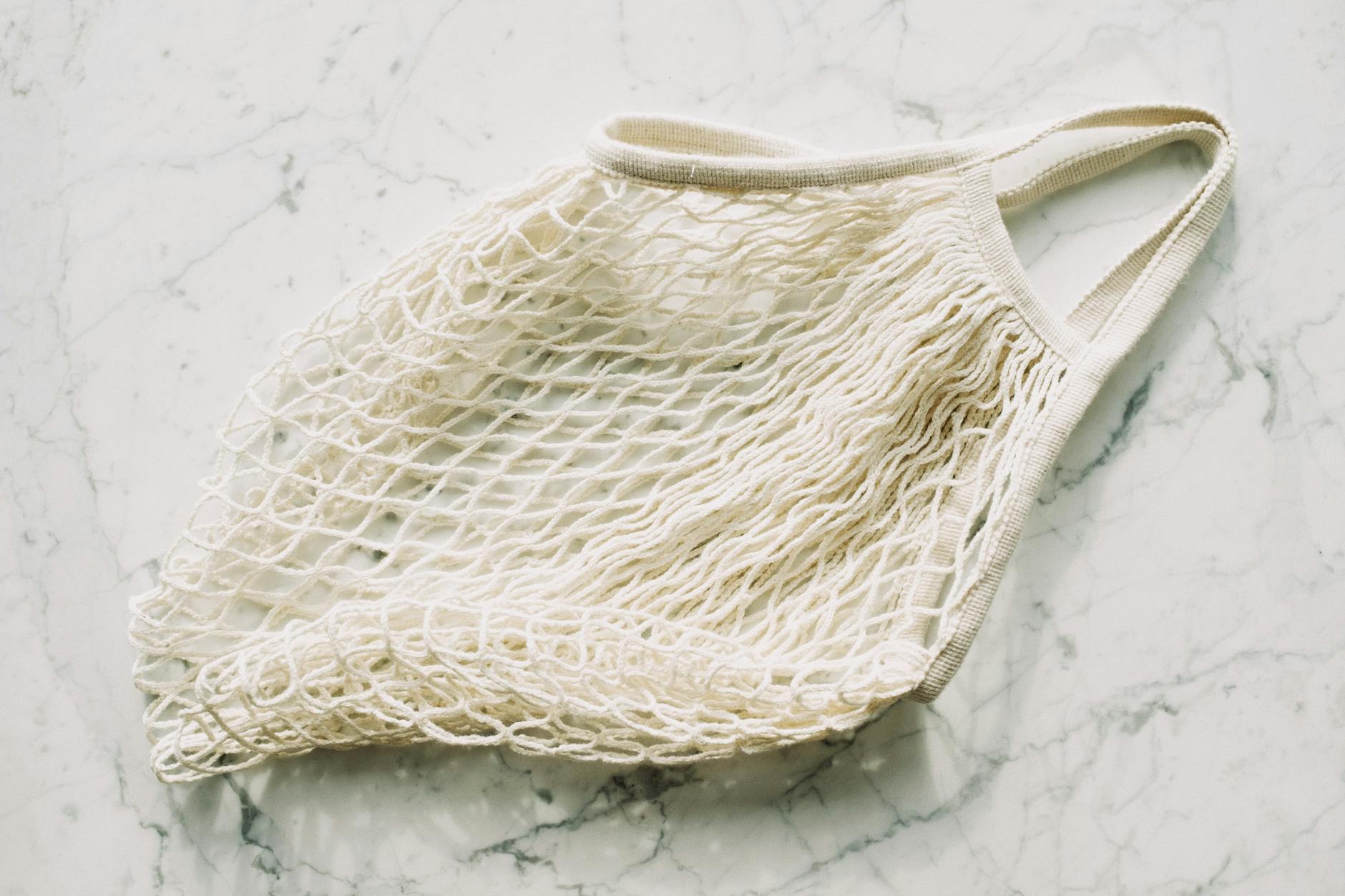
Reusable bags often carry bacteria from raw meat and produce that can cross-contaminate future groceries. placing fresh food into a dirty bag creates a health risk for the consumer. washing fabric bags in the laundry and wiping down plastic ones prevents bacterial growth. treating these bags like any other laundry item ensures food safety.
Neglecting the Dishwasher Filter
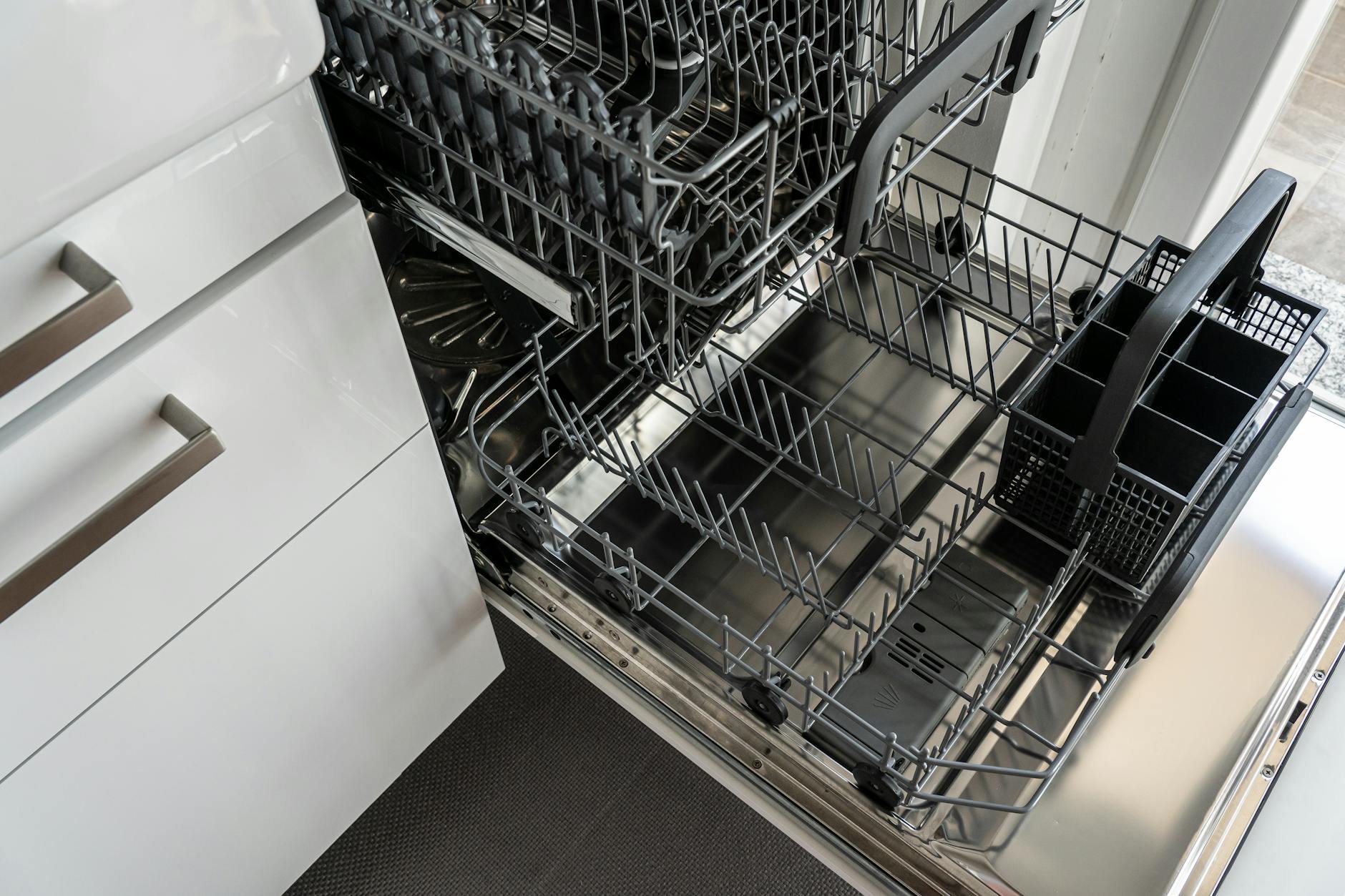
Food particles trapped in the dishwasher filter rot over time and redeposit onto “clean” dishes. A clogged filter also restricts water flow and reduces the cleaning performance of the machine. removing and rinsing the filter weekly keeps the appliance smelling fresh and working correctly. This maintenance step guarantees sparkling dishes after every cycle.
Share your own cleaning revelations or ask for advice on specific hurdles in the comments.