Dishwashers act as modern miracles that save significant time and water in the daily kitchen routine. Not every kitchen item withstands the high heat and strong detergents found in a standard cleaning cycle. Hand washing certain materials preserves their finish and structural integrity for many years of use. Understanding what belongs in the sink protects your expensive investments and ensures your culinary tools remain in top condition.
Cast Iron Skillets
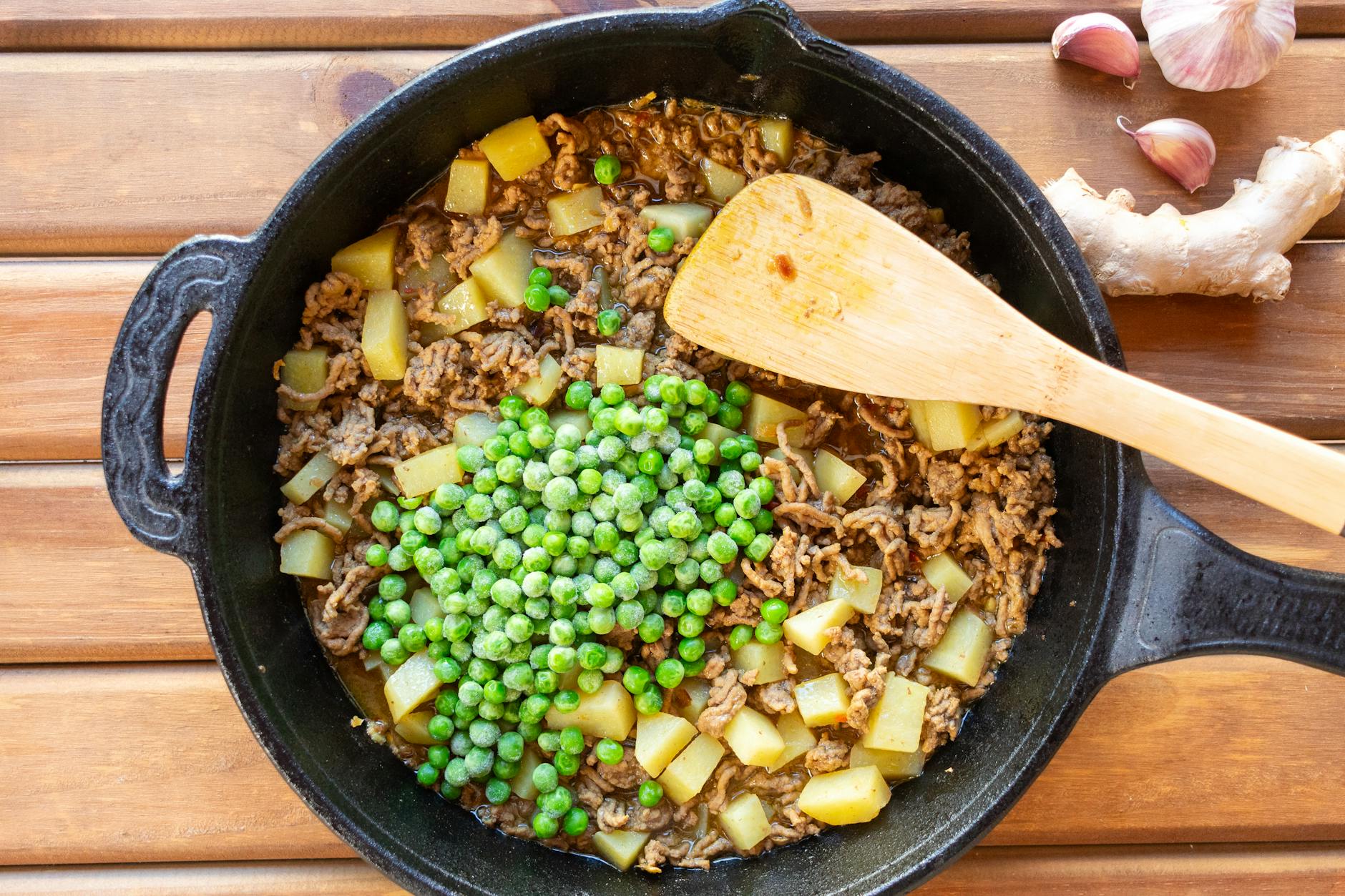
The harsh detergent strips away the valuable seasoning built up over years of cooking. Rust forms quickly on the raw metal surface when exposed to the humid environment of the machine. Re-seasoning a damaged pan takes significant time and effort to restore the non-stick surface. Always wash these heavy skillets by hand with hot water and a stiff brush to maintain their quality.
Wooden Spoons
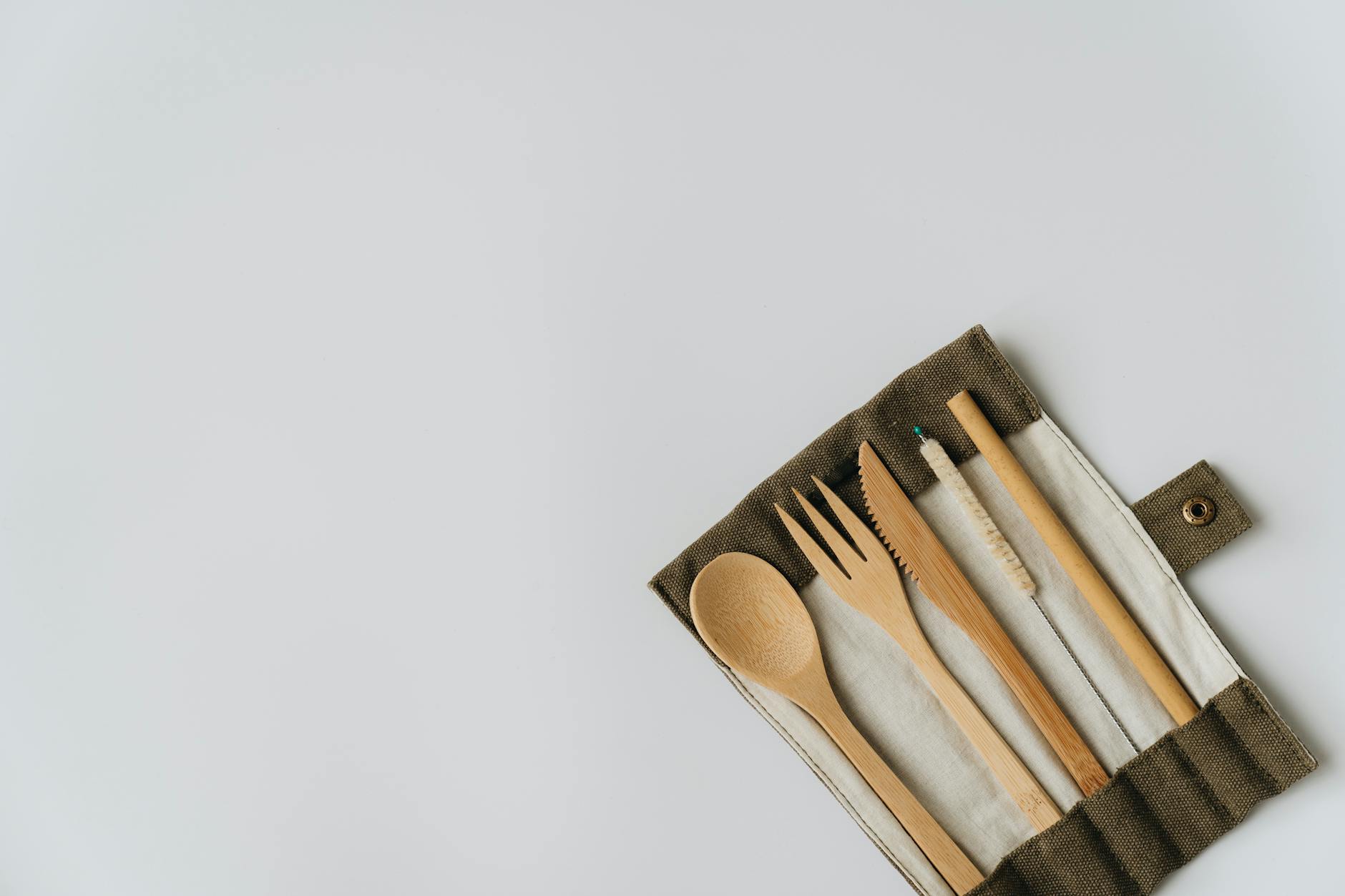
High water temperatures cause wood fibers to swell and crack over time. The drying cycle sucks moisture out of the wood and leaves it feeling rough and splintered. Detergents strip away natural oils and leave the utensils looking grey and lifeless. A quick rinse with mild soap and immediate drying preserves the smooth texture of wooden tools.
Chef’s Knives
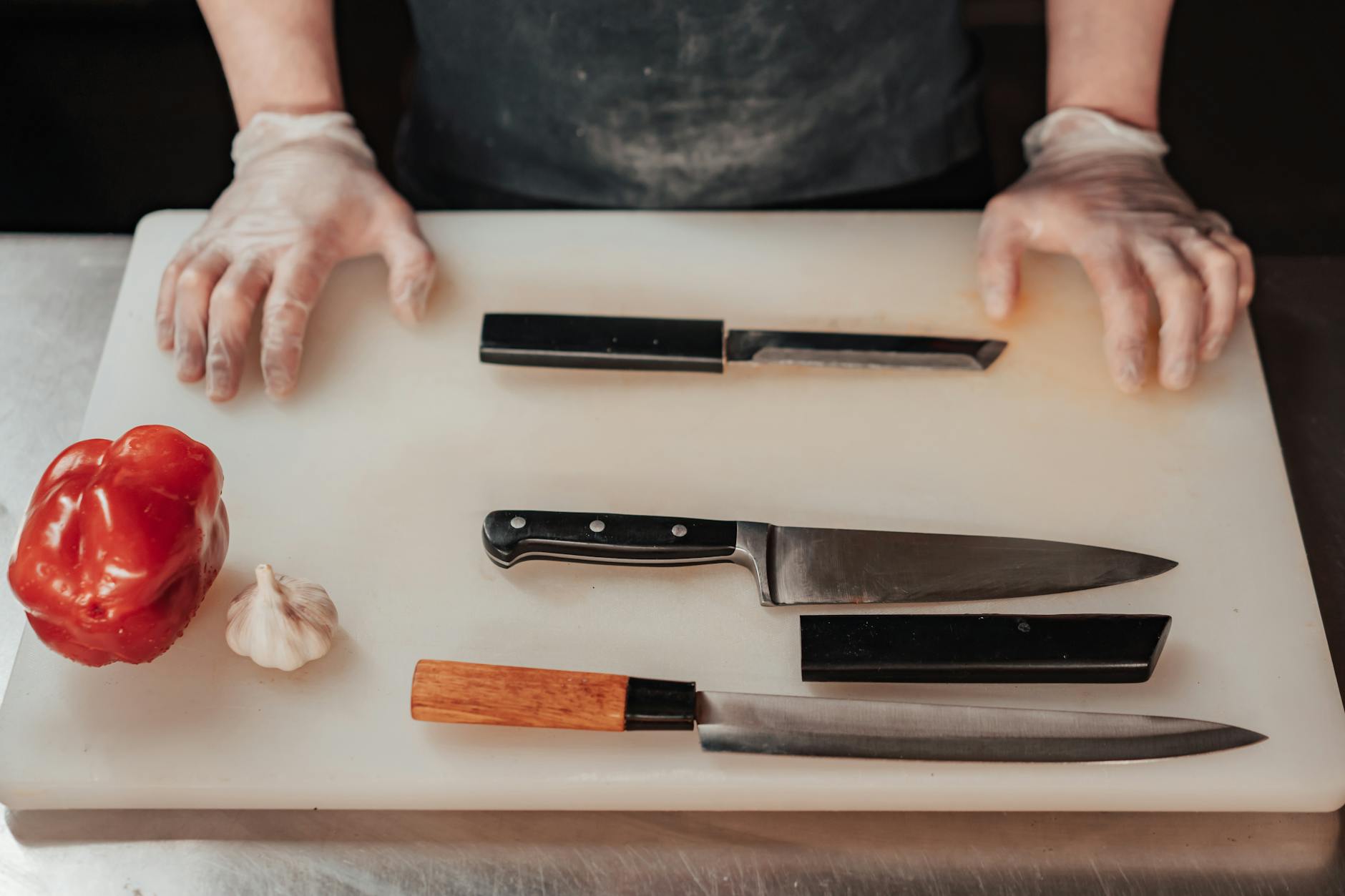
Abrasive detergents dull the sharp edge much faster than normal usage in the kitchen. The high heat damages handle materials and causes them to separate from the metal tang. Rattling against other cutlery during the wash cycle leads to chips and nicks in the blade. Professional sharpeners always recommend hand washing and drying immediately to maintain a precise cutting edge.
Fine China
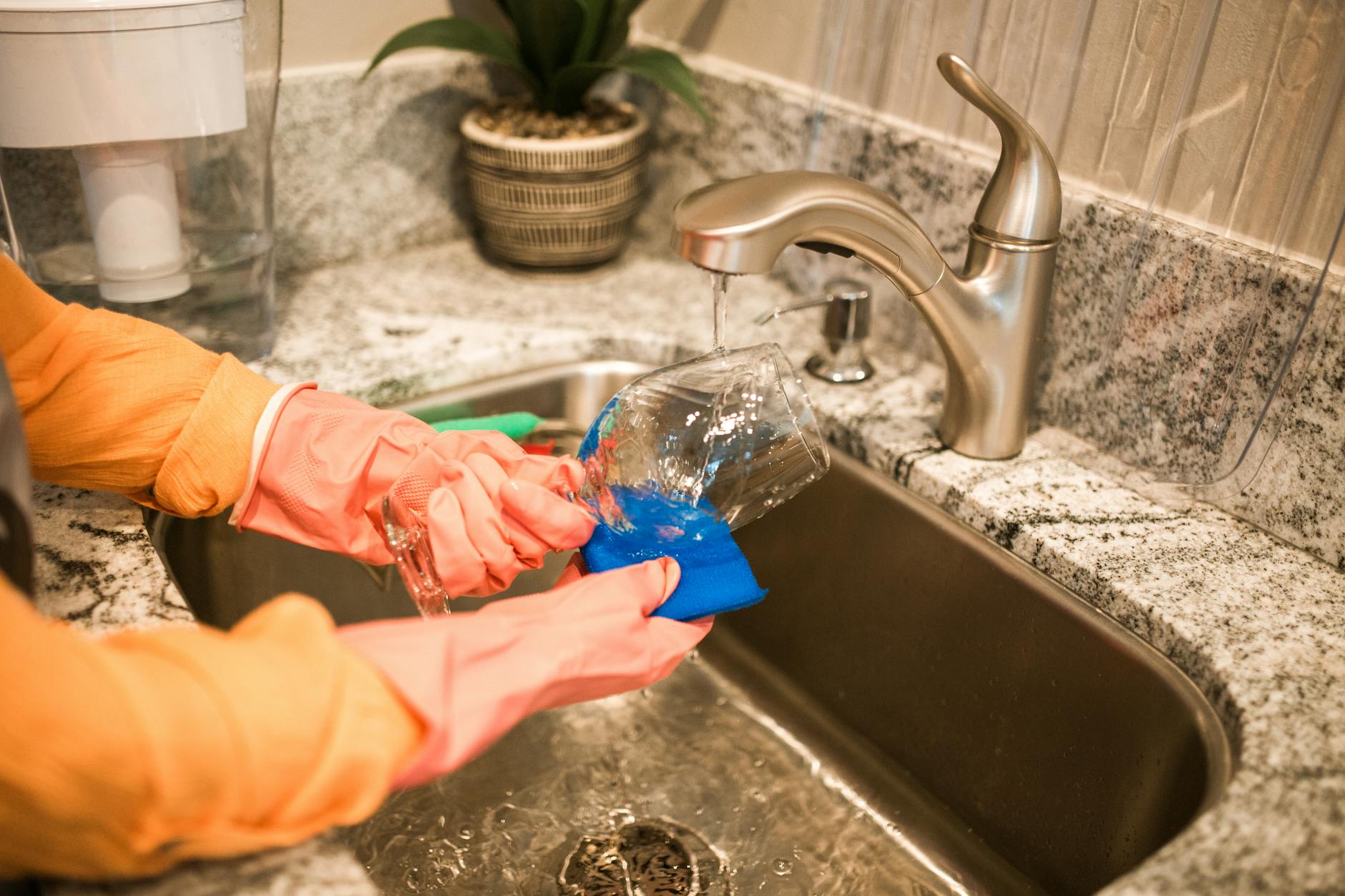
Heirloom plates often feature delicate patterns that fade under the intensity of machine washing. The agitation causes chips or cracks in fragile porcelain that cannot be repaired. Gold or platinum rims wear away completely after just a few cycles in the dishwasher. Washing these items by hand ensures they remain pristine for future generations to enjoy.
Crystal Glasses
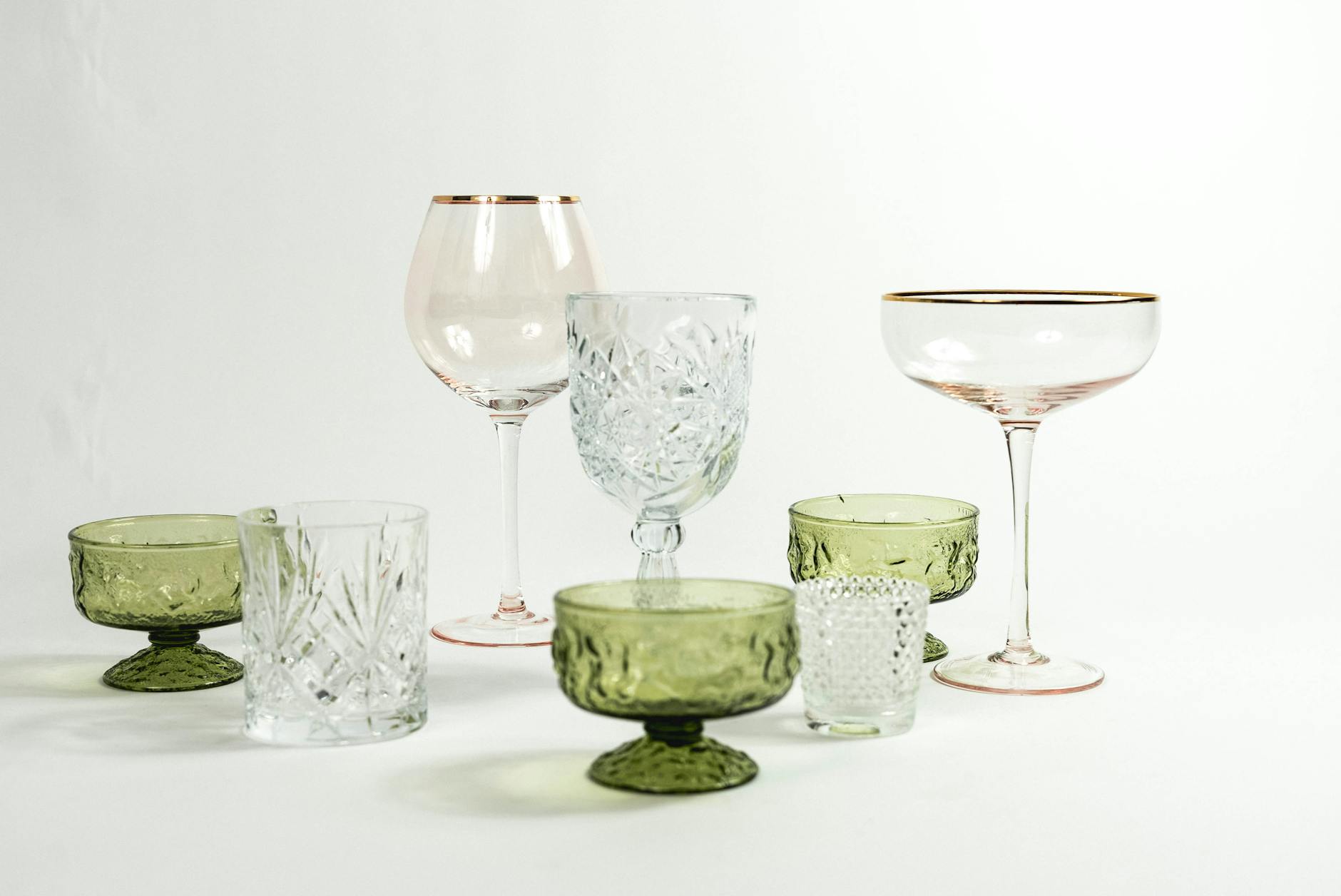
High water temperatures and strong detergents cause cloudiness or etching that ruins the clarity of crystal. The vibrations during the cycle often lead to breakage of delicate stems and rims. Lead crystal is particularly susceptible to pitting and permanent damage from harsh dishwasher tablets. Hand washing with a soft cloth keeps these glasses sparkling and intact.
Insulated Travel Mugs
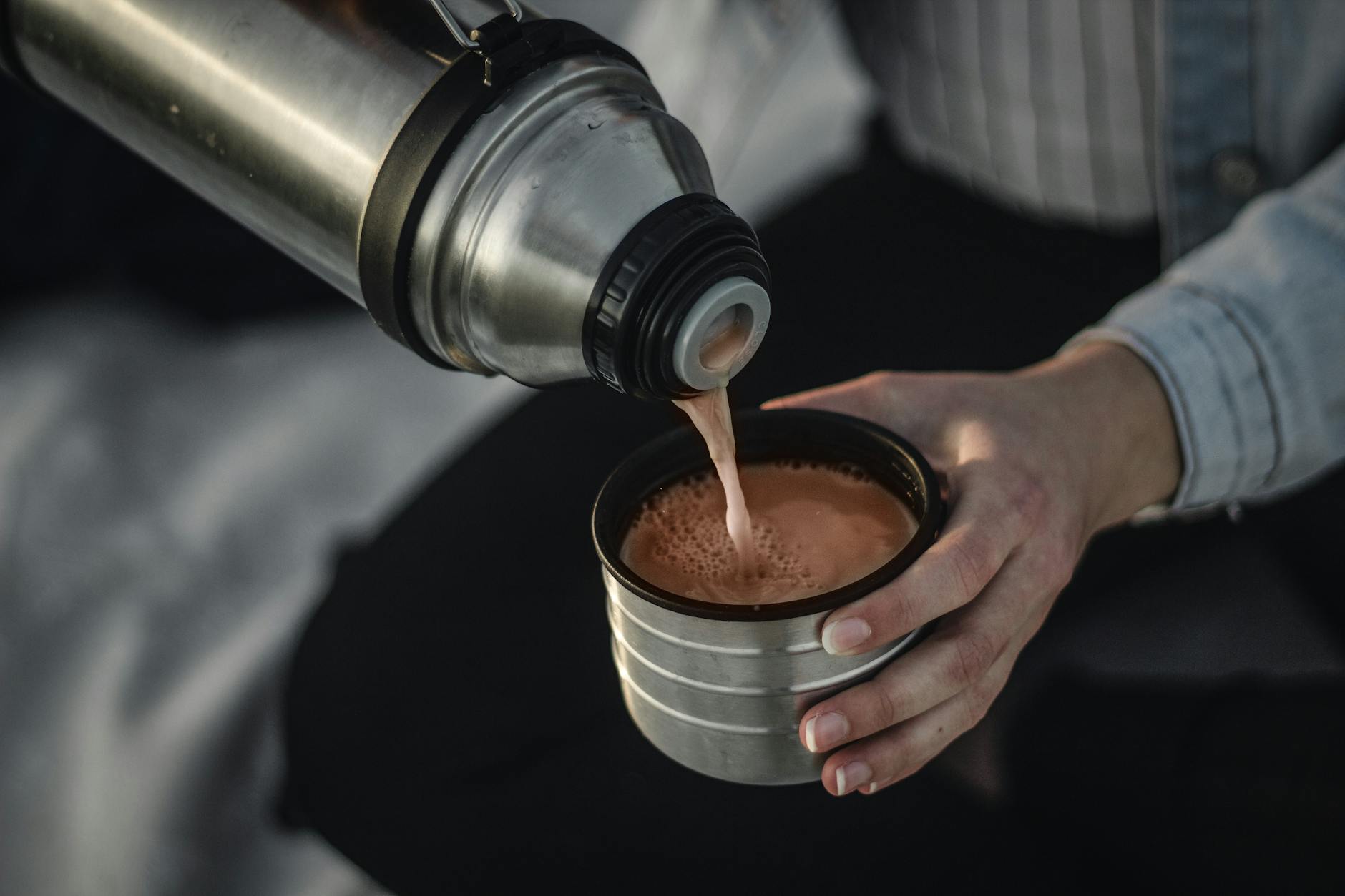
The high heat of the dishwasher compromises the vacuum seal that keeps beverages hot or cold. Water gets trapped between the inner and outer layers and leads to mold growth. The exterior finish often peels or fades when exposed to the abrasive environment. Hand washing ensures the insulation properties remain effective for the life of the mug.
Non-Stick Pans
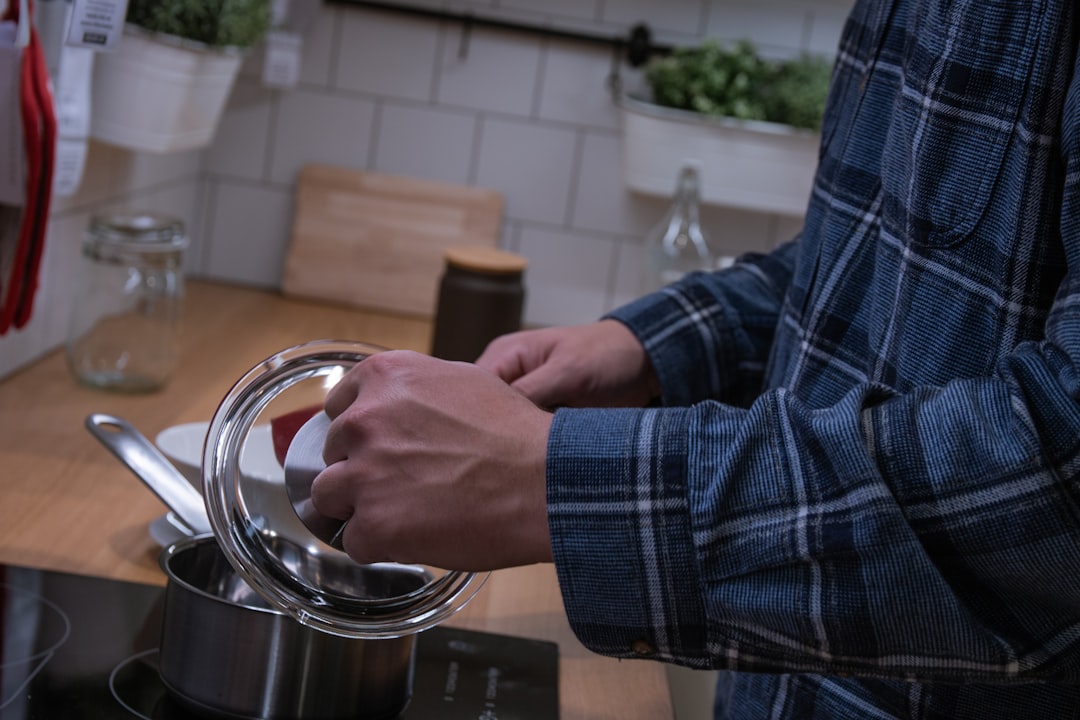
Dishwasher detergents contain abrasives that wear down the non-stick coating over time. The drying cycle’s heat causes the coating to flake and peel into your food. Once the surface is compromised the pan loses its effectiveness and becomes difficult to clean. Gentle hand washing with a soft sponge extends the life of these convenient cookware items.
Copper Pots
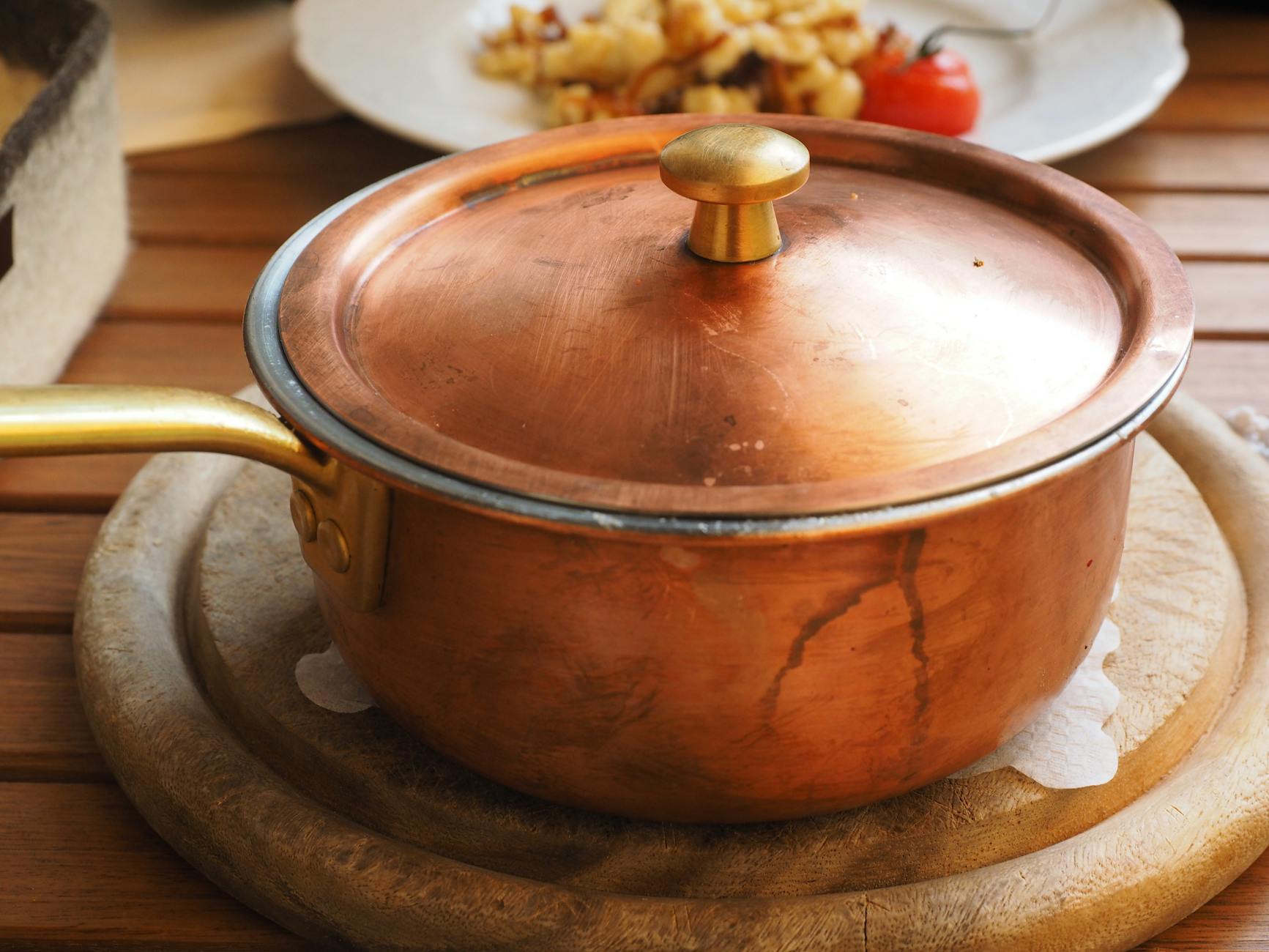
The harsh chemicals in dishwasher detergent cause copper to tarnish and develop dark spots. The protective layer is stripped away and leaves the metal vulnerable to corrosion. Restoring the shine requires extensive polishing that could be avoided with proper care. Hand washing maintains the warm glow and superior heat conductivity of copper cookware.
Aluminum Cookware
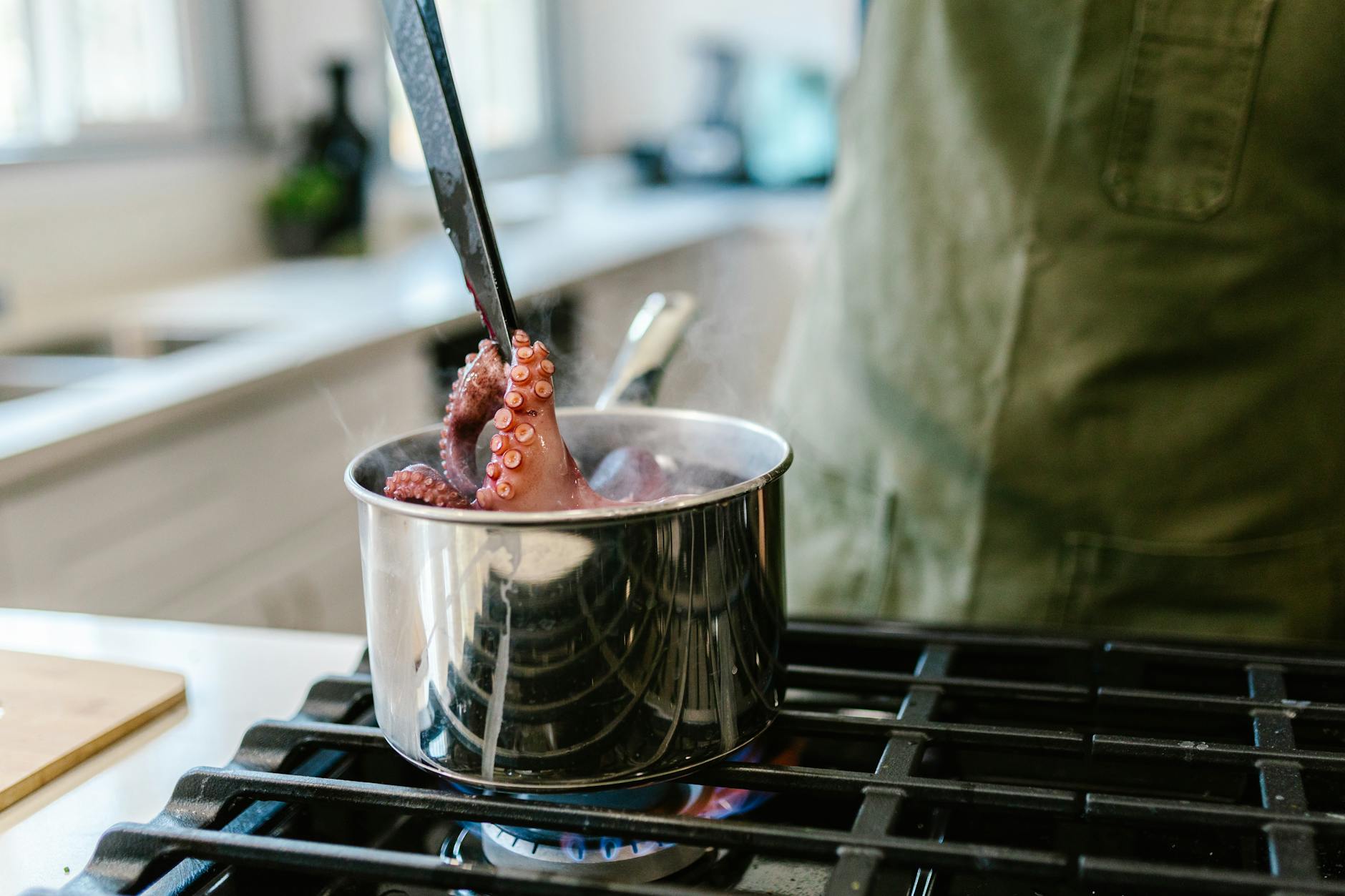
Uncoated aluminum reacts with dishwasher detergent and turns a dull dark grey color. The oxidation leaves a black residue on hands and towels when the pan is handled. Pitting occurs on the surface and creates an uneven texture that causes food to stick. Aluminum requires hand washing to maintain its bright appearance and smooth finish.
Gold-Trimmed Plates

The metallic trim on fancy dinnerware is delicate and susceptible to peeling in the dishwasher. Heat and agitation lift the gold foil right off the porcelain surface. Once the trim is damaged the plate loses its value and aesthetic appeal. Gentle cleaning by hand preserves the luxurious look of gold-rimmed table settings.
Hand-Painted Ceramics
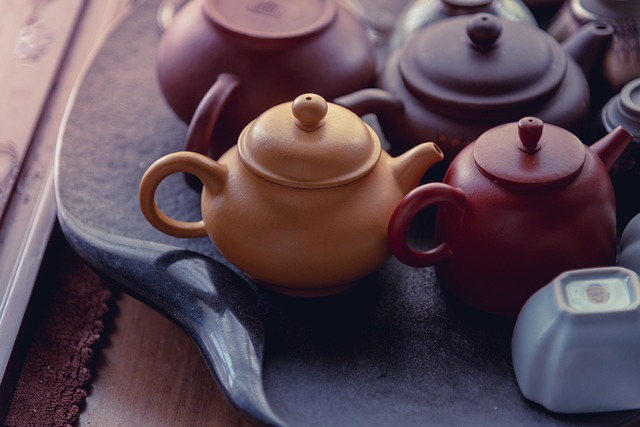
The glaze over hand-painted designs is often not durable enough to withstand machine washing. Colors fade and details blur after repeated exposure to hot water and detergent. The artwork eventually washes away completely and leaves a plain ceramic surface. Preserving the artist’s work requires careful hand washing with mild soap.
Milk Glass
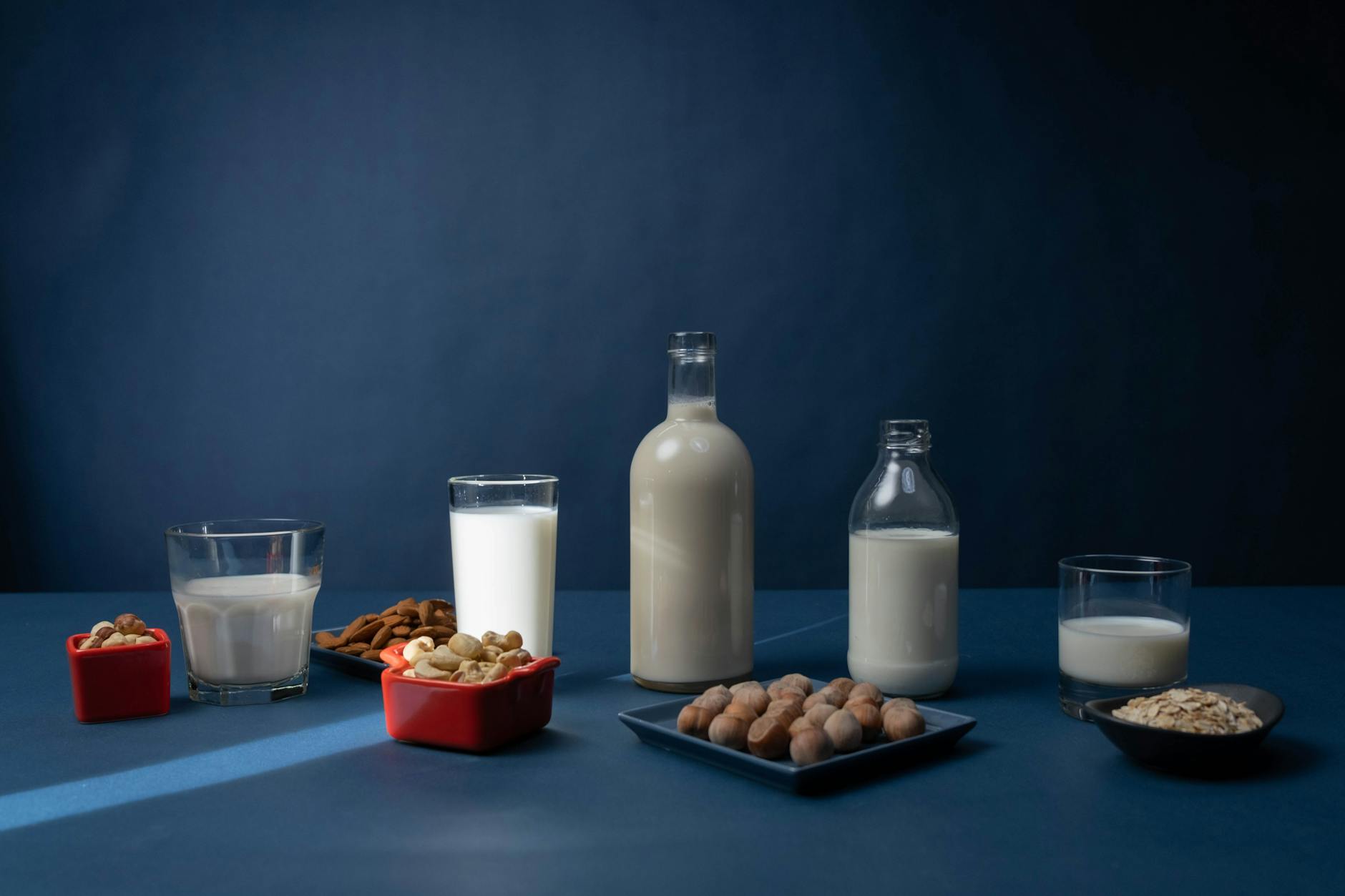
This vintage glassware turns yellow and brittle when subjected to the heat of a dishwasher. The opaque white color becomes translucent and patchy over time. Chips and cracks occur easily due to the thermal shock of the wash cycle. Collectors know that hand washing is the only safe way to clean these classic pieces.
Cast Aluminum
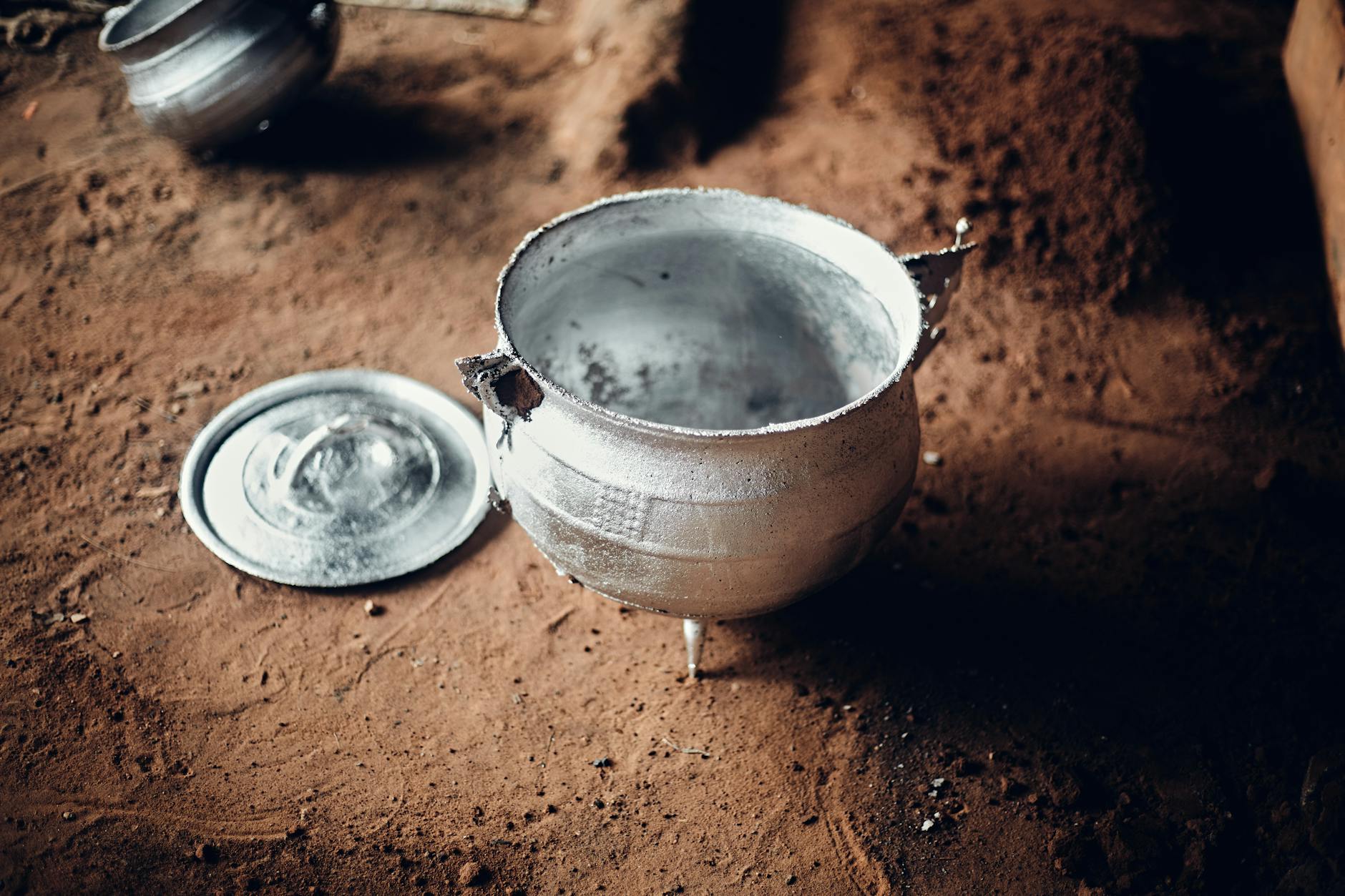
Similar to standard aluminum the cast variety suffers from oxidation and pitting in the dishwasher. The finish becomes rough and makes it difficult to release food during cooking. Detergents leave a chalky white residue that is hard to remove. Hand washing prevents these issues and keeps the heavy cookware functional.
Wooden Cutting Boards
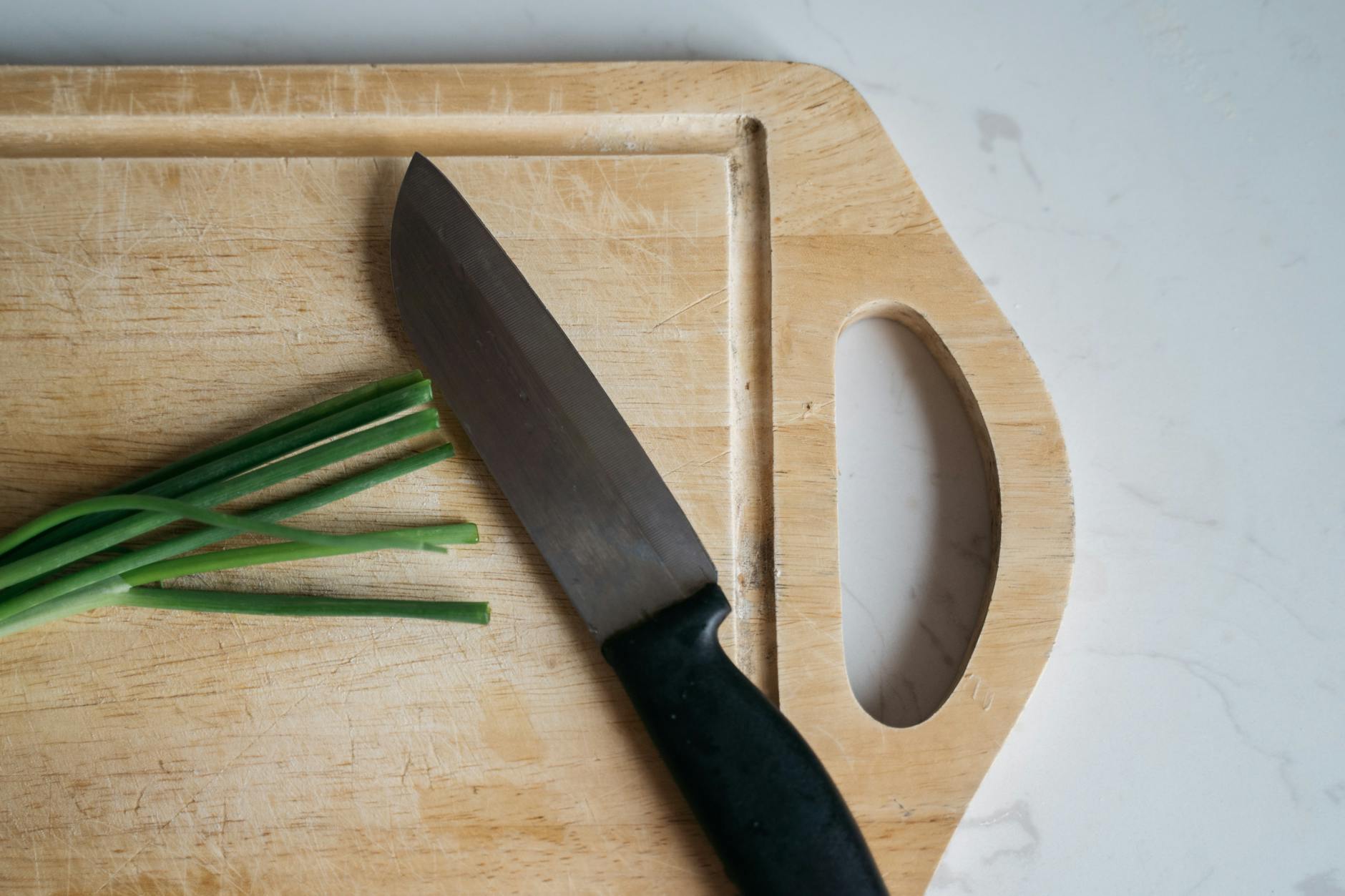
The combination of heat and water causes cutting boards to warp and split down the middle. Bacteria get trapped in the cracks and create a health hazard for future food preparation. The glue holding the wood strips together dissolves and causes the board to fall apart. Hot soapy water and a monthly oil treatment keep boards safe and smooth.
Soft Plastics
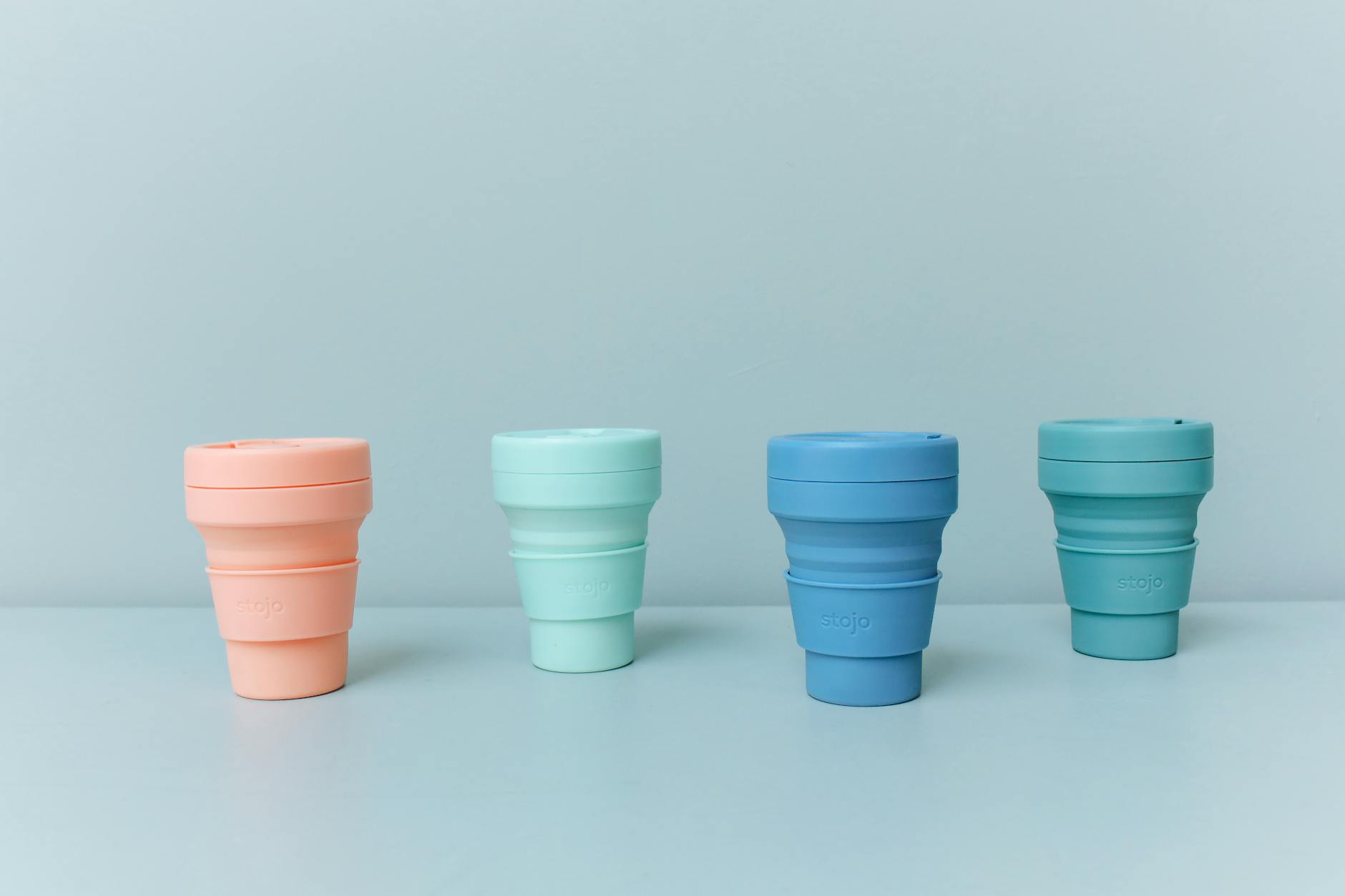
Thin plastic containers warp and lose their shape in the high heat of the bottom rack. The material can melt and damage the dishwasher heating element permanently. Distorted lids no longer fit properly and render the container useless for storage. Checking the label for dishwasher safety or hand washing prevents these mishaps.
Graters
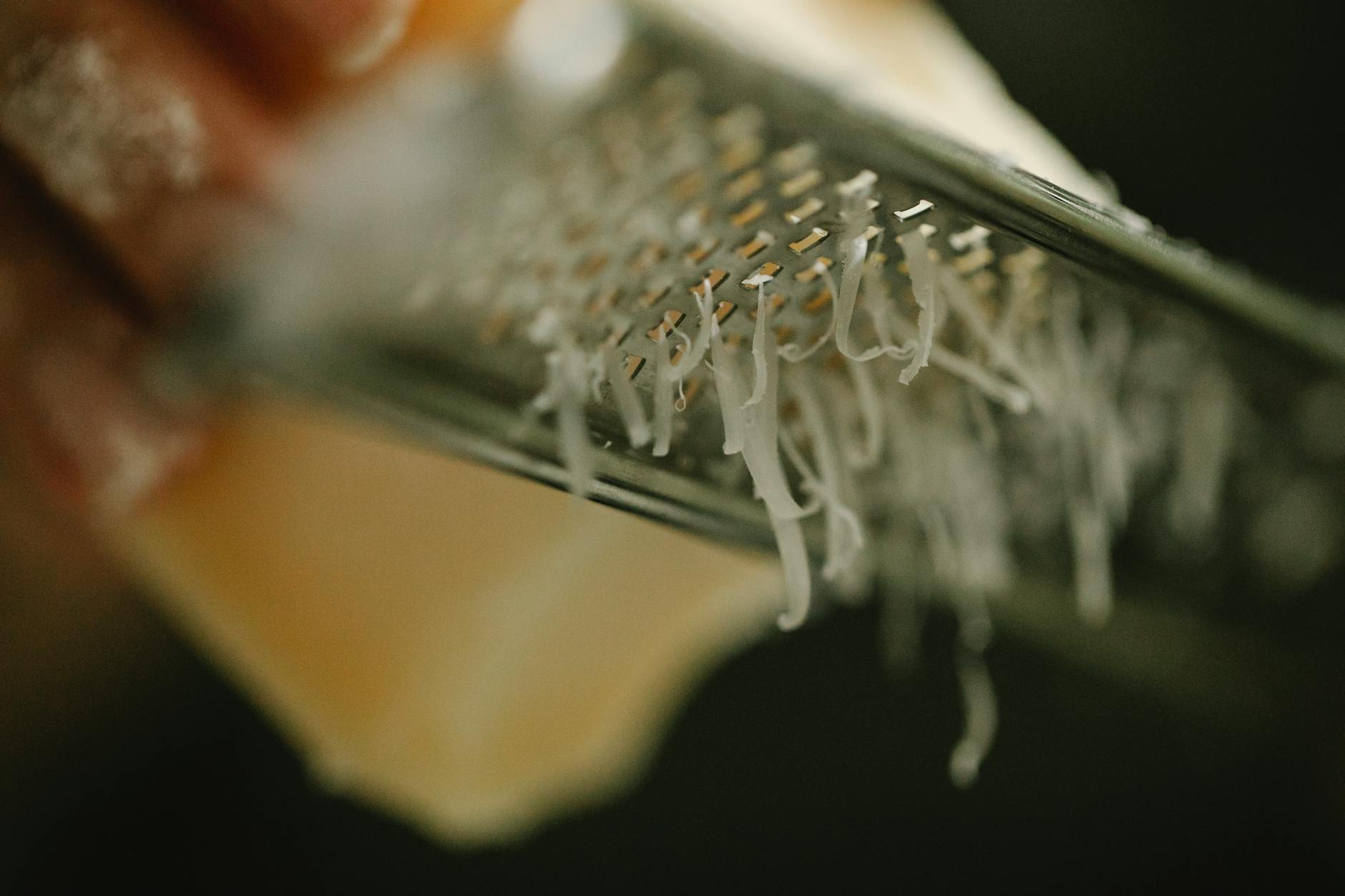
Cheese and vegetable residue gets stuck in the tiny holes and does not wash away during the cycle. The grater teeth dull quickly when exposed to abrasive detergents and hot water. Rust forms in the crevices that the dishwasher spray arm cannot reach effectively. Using a brush and hot water ensures all food particles are removed completely.
Garlic Press
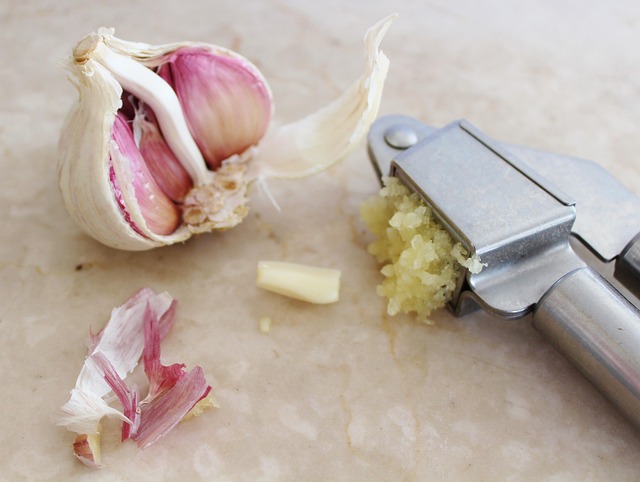
Sticky garlic paste clings to the inner workings and resists the water jets of the dishwasher. The metal plunger often oxidizes or discolors from the harsh cleaning agents. Leftover garlic creates a breeding ground for bacteria if not manually scrubbed away. A toothbrush works best to clean out the small holes and crevices.
Sieve and Mesh Strainers
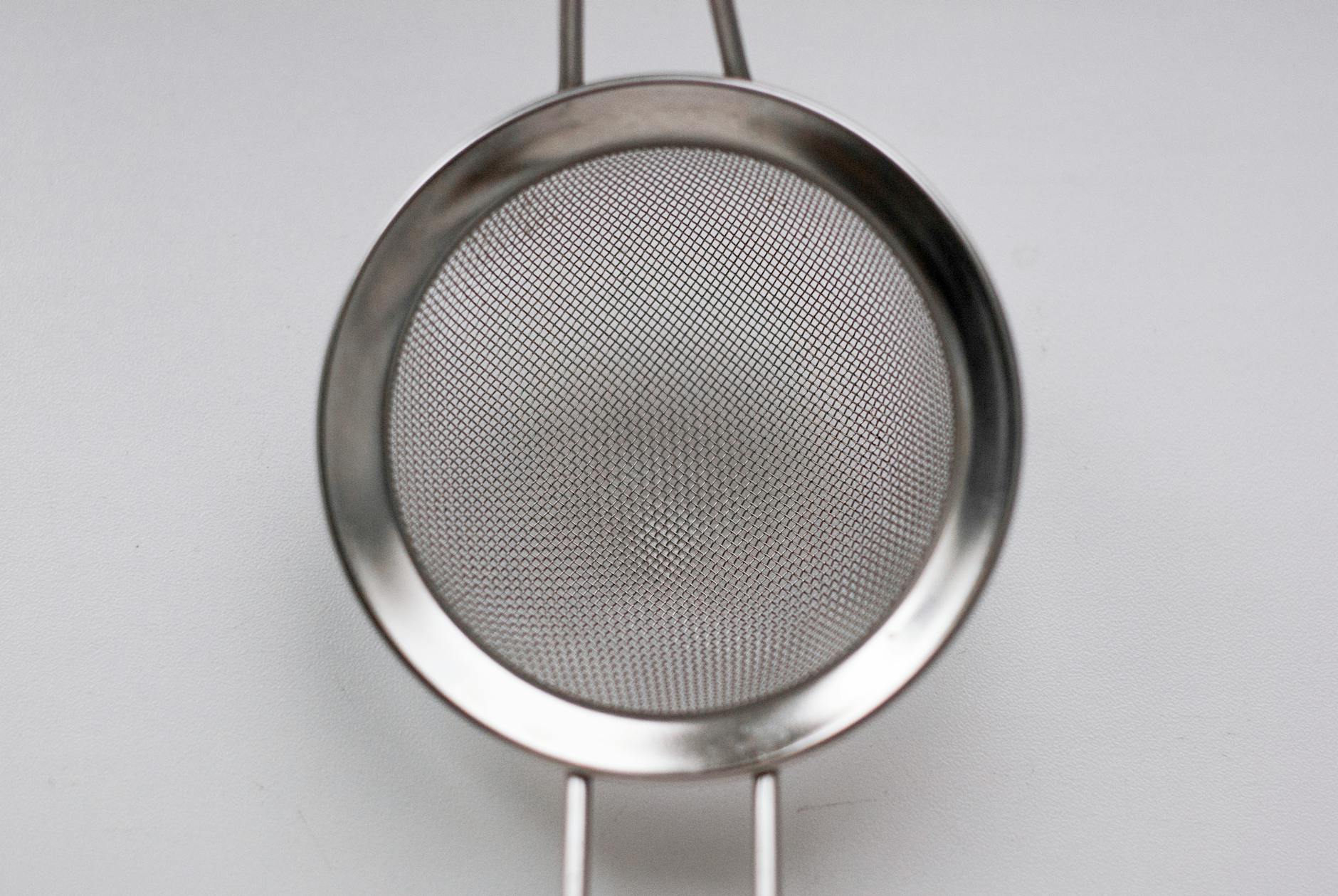
The fine mesh traps food particles that the dishwasher spray cannot dislodge. Detergent builds up in the screen and alters the taste of food in subsequent uses. The delicate wire mesh tears or bends under the pressure of the water jets. Hand washing ensures the strainer remains clean and the mesh stays intact.
Sterling Silver Flatware
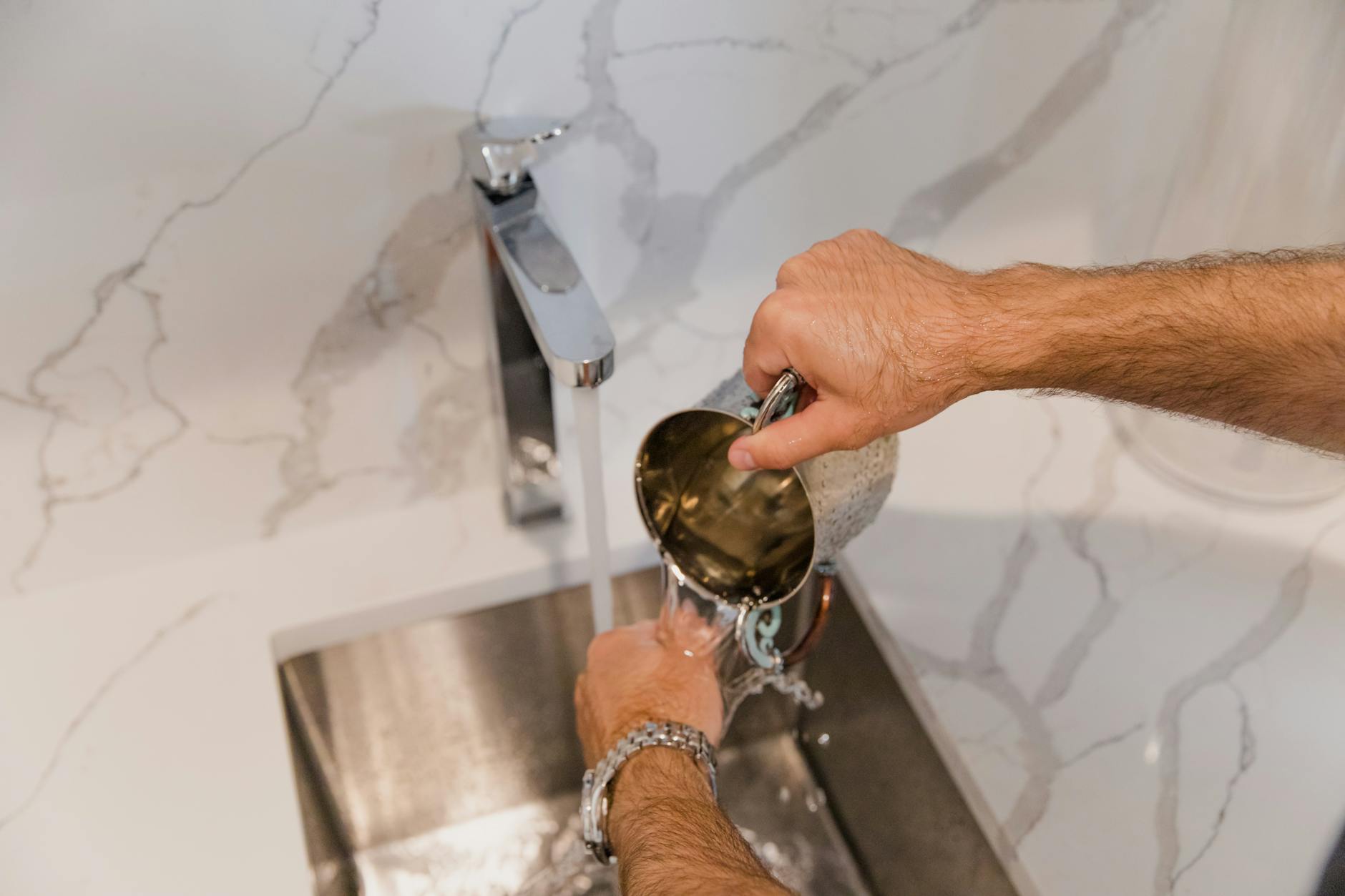
Silver develops a black tarnish when washed in the dishwasher alongside stainless steel. The chemical reaction between the metals and the detergent ruins the finish. Harsh detergents scour the surface and leave permanent scratches. Polishing silver is labor intensive so hand washing is the preventive measure of choice.
Silver-Plated Cutlery
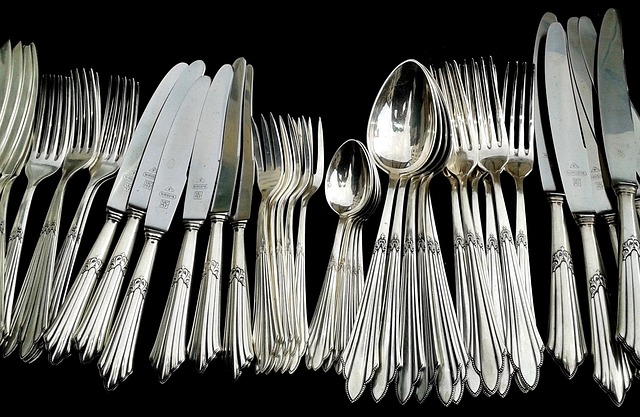
The thin layer of silver wears off quickly under the assault of abrasive dishwasher tablets. Base metal shows through and ruins the appearance of the flatware set. The plating peels and flakes after repeated exposure to high heat. Gentle hand washing preserves the plating and keeps the cutlery looking elegant.
Measuring Cups with Printed Markings
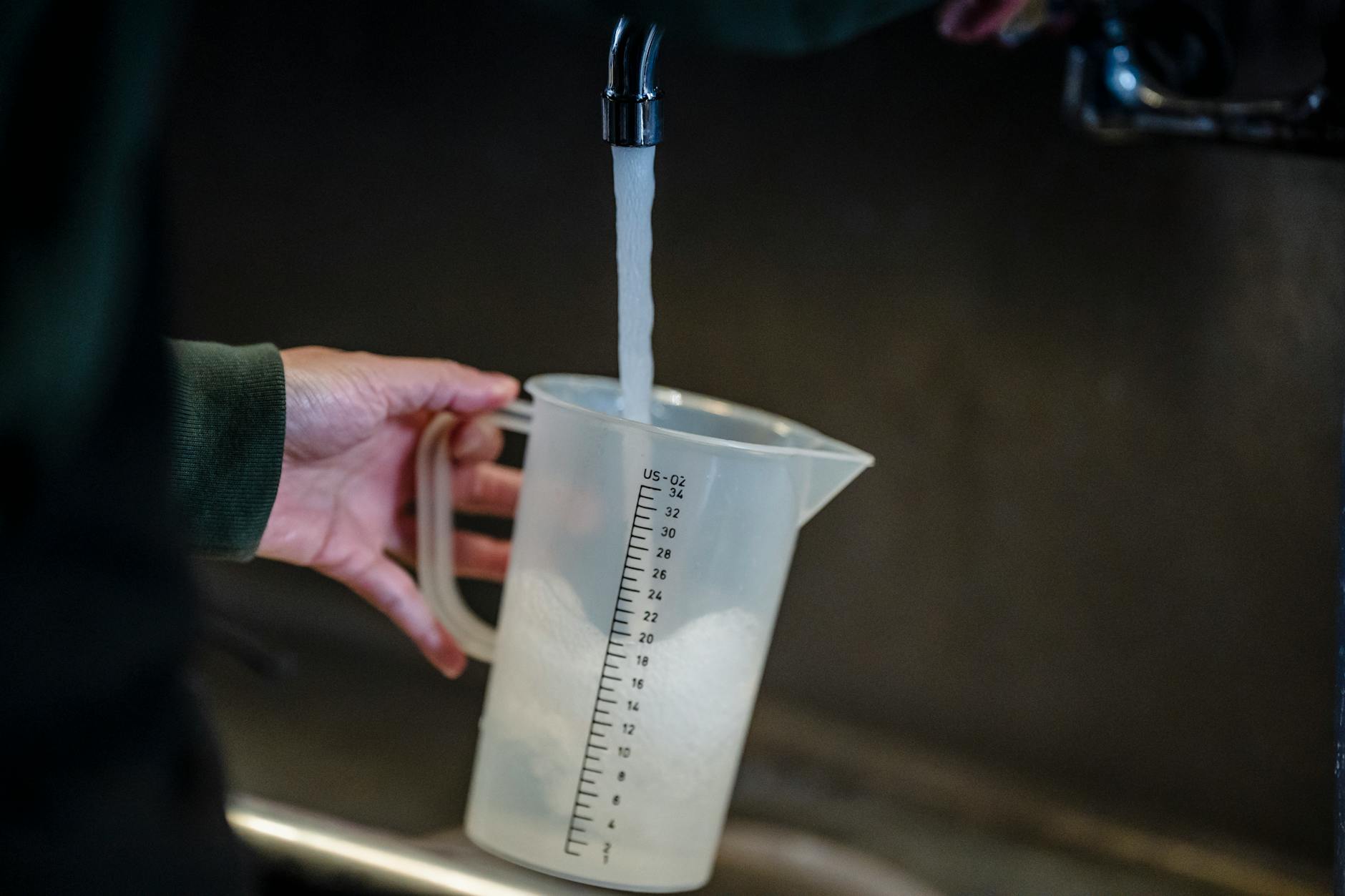
The heat and water pressure blast the printed measurements off the side of the glass or plastic. You are left with a plain cup that serves no purpose for baking accuracy. Once the lines fade there is no way to restore them. Washing these items by hand protects the vital markings needed for recipes.
Glued Items
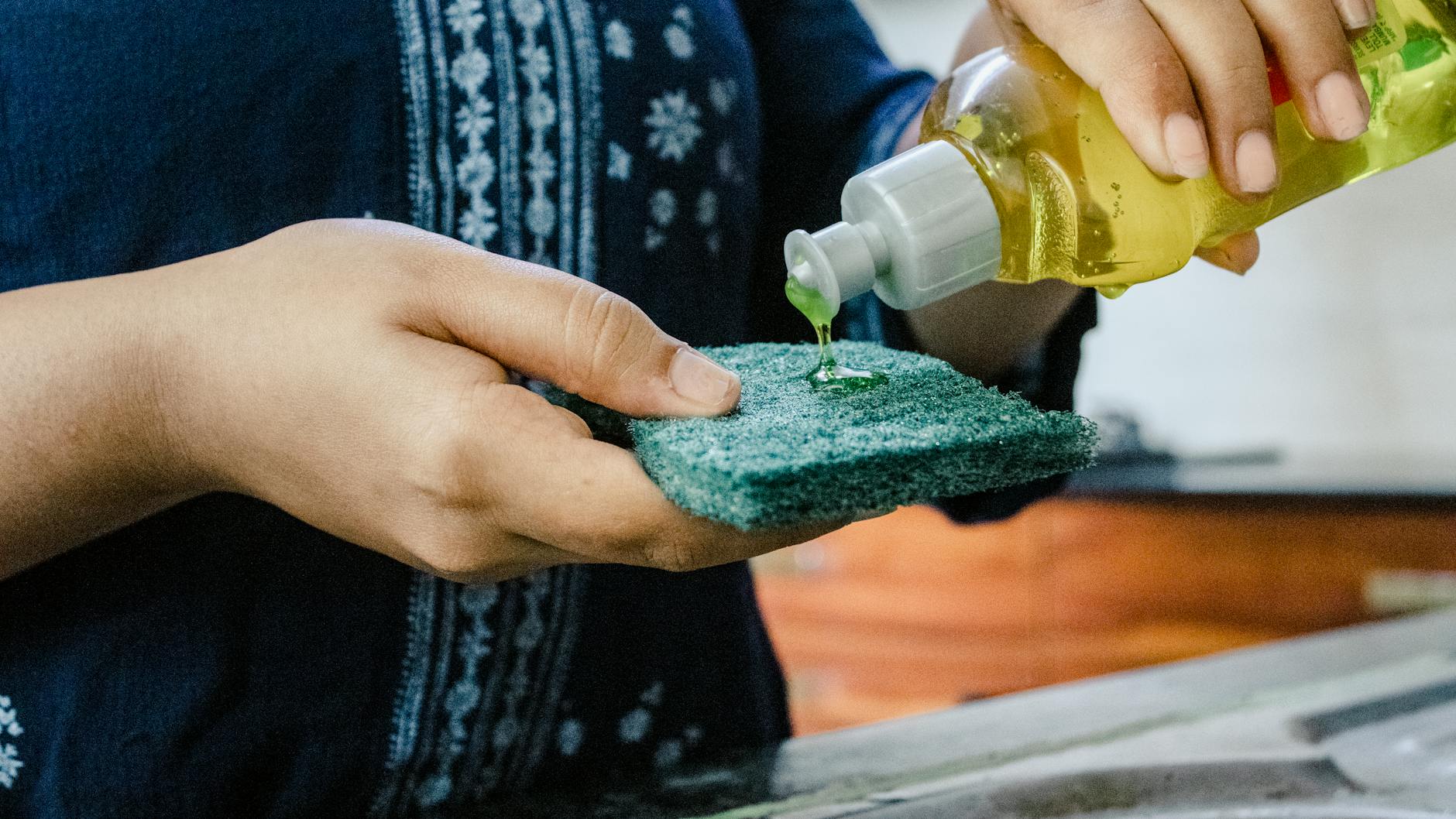
Any kitchen tool that consists of two parts glued together will fail in the dishwasher. The high heat melts the adhesive and causes handles to detach from bases. This applies to everything from specialty knives to decorative serving pieces. Keeping these items out of the high-heat environment keeps them in one piece.
Acrylic Dishware
Acrylic develops a network of fine cracks called crazing after repeated dishwasher cycles. The material becomes cloudy and looks permanently dirty regardless of cleanliness. Detergents etch the surface and ruin the glass-like appearance of the plastic. Hand washing maintains the clarity and prevents the material from becoming brittle.
Hollow-Handle Knives

The adhesive that holds the blade into the hollow handle melts in the high heat. The two pieces separate and make the knife dangerous or impossible to use. Water enters the cavity and causes rust to form from the inside out. Washing these knives by hand ensures the handle remains securely attached.
Bronze Cookware
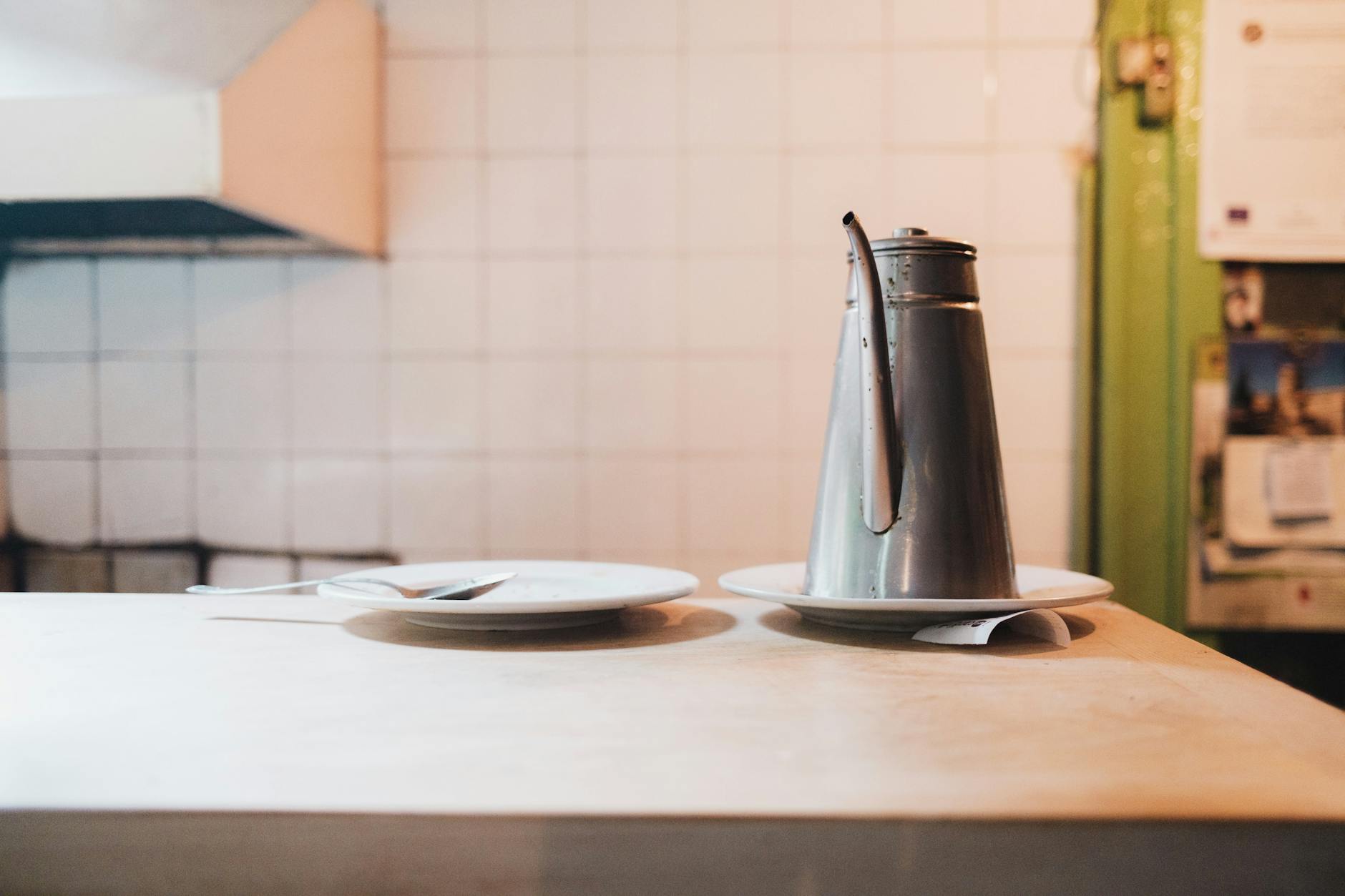
Bronze is an alloy that reacts poorly to the strong alkalinity of dishwasher detergents. The metal loses its shine and develops a dull and pitted surface. Scratches occur easily when bronze items rub against other dishes in the rack. Careful hand cleaning preserves the aesthetic and structural quality of bronze.
Brass Fixtures and Decor
The protective lacquer on brass items strips away in the dishwasher environment. Tarnish develops rapidly once the metal is exposed to the hot water and air. The finish becomes splotchy and requires professional restoration to fix. Wiping with a damp cloth is usually sufficient for cleaning brass items.
Pressure Cooker Lids
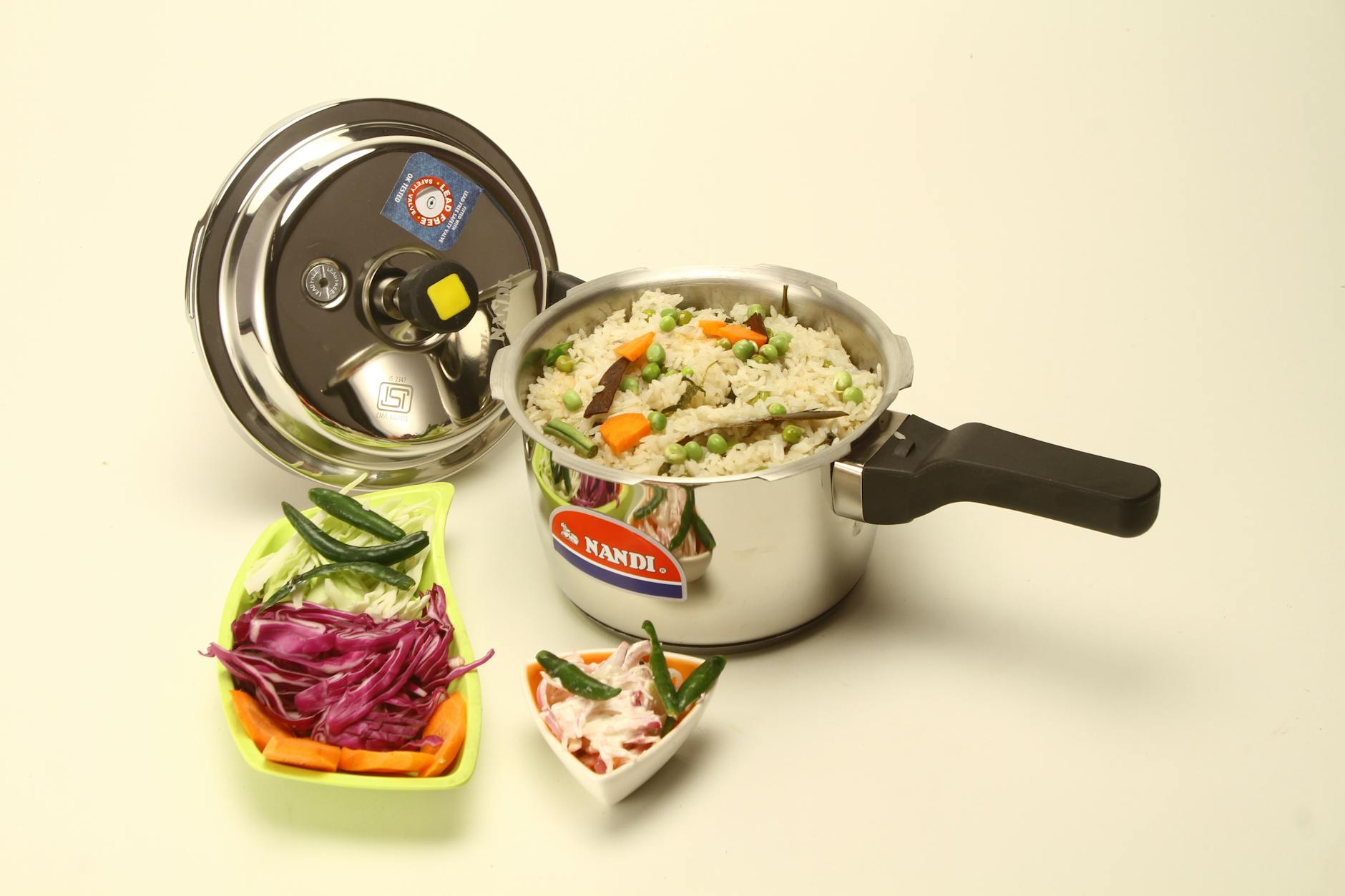
Small particles of food get forced into the safety valves and regulators by the water jets. The rubber gasket dries out and cracks due to the high heat of the drying cycle. A compromised lid poses a serious safety risk during pressure cooking. Manufacturers insist on hand washing lids to ensure all safety mechanisms function correctly.
Rubber Seals and Gaskets
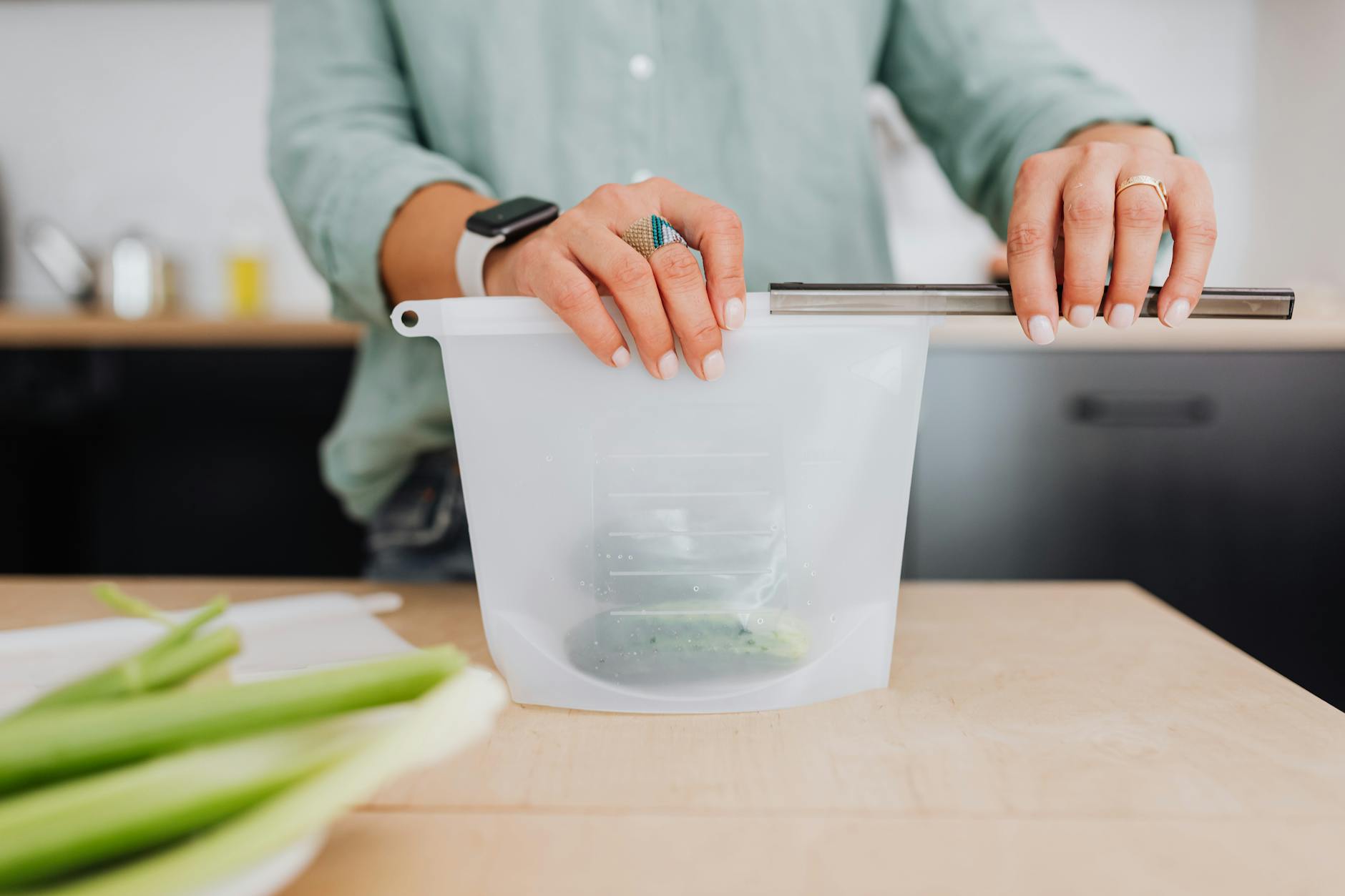
The rubber rings found in blender bases and storage containers dry out in the dishwasher. They become brittle and crack which leads to leaks during use. The seal loses its elasticity and no longer fits the corresponding groove tightly. Washing these small parts by hand prolongs their lifespan significantly.
Paper Labels on Jars
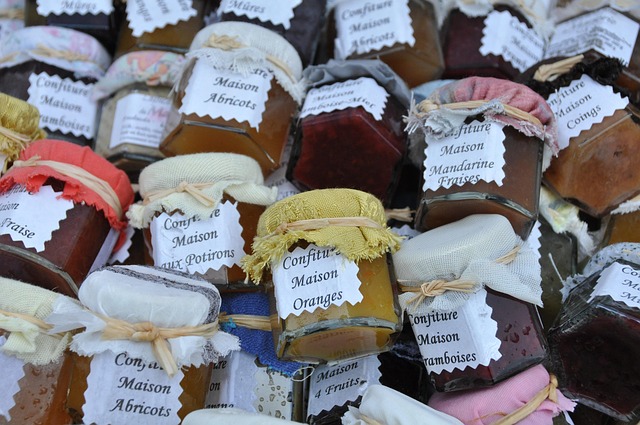
Paper labels disintegrate in the wash and clog the dishwasher drain and pump. The glue residue sticks to other dishes and creates a sticky mess that is hard to remove. Repairing a clogged dishwasher pump is an expensive and avoidable plumber bill. Soaking jars in warm soapy water removes labels safely before washing.
Pet Dishes with Rubber Bases

The non-slip rubber ring on the bottom of pet bowls peels off in the high heat. Glue dissolves and leaves the rubber dangling or completely detached. The loose rubber piece creates a choking hazard if the pet decides to chew on it. Hand washing these bowls keeps the non-slip base intact and safe.
Vintage Enamelware
The enamel coating on vintage items is often already chipped or compromised. The dishwasher exacerbates these flaws and causes the coating to flake off further. Rust forms on the exposed metal underneath the enamel layer. Gentle cleaning preserves the historical value and utility of these pieces.
Thermometers

Water seeps into the dial or digital casing and ruins the internal mechanism. The calibration drifts significantly due to the extreme temperature fluctuations. Glass thermometers can shatter and leave dangerous shards in the bottom of the machine. A simple wipe with a soapy cloth sanitizes the probe effectively.
Mandoline Slicers
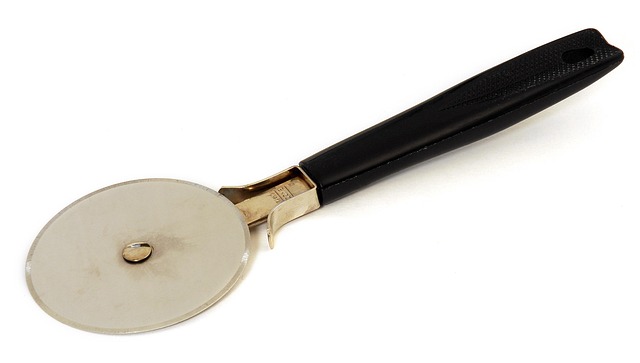
The extremely sharp blades dull quickly when exposed to dishwasher detergents. Handling the slicer to load and unload it presents a significant risk of cutting fingers. Food gets stuck in the nooks and crannies of the adjustment mechanism. Washing carefully by hand with a brush is safer for both the tool and the user.
Microplane Zesters
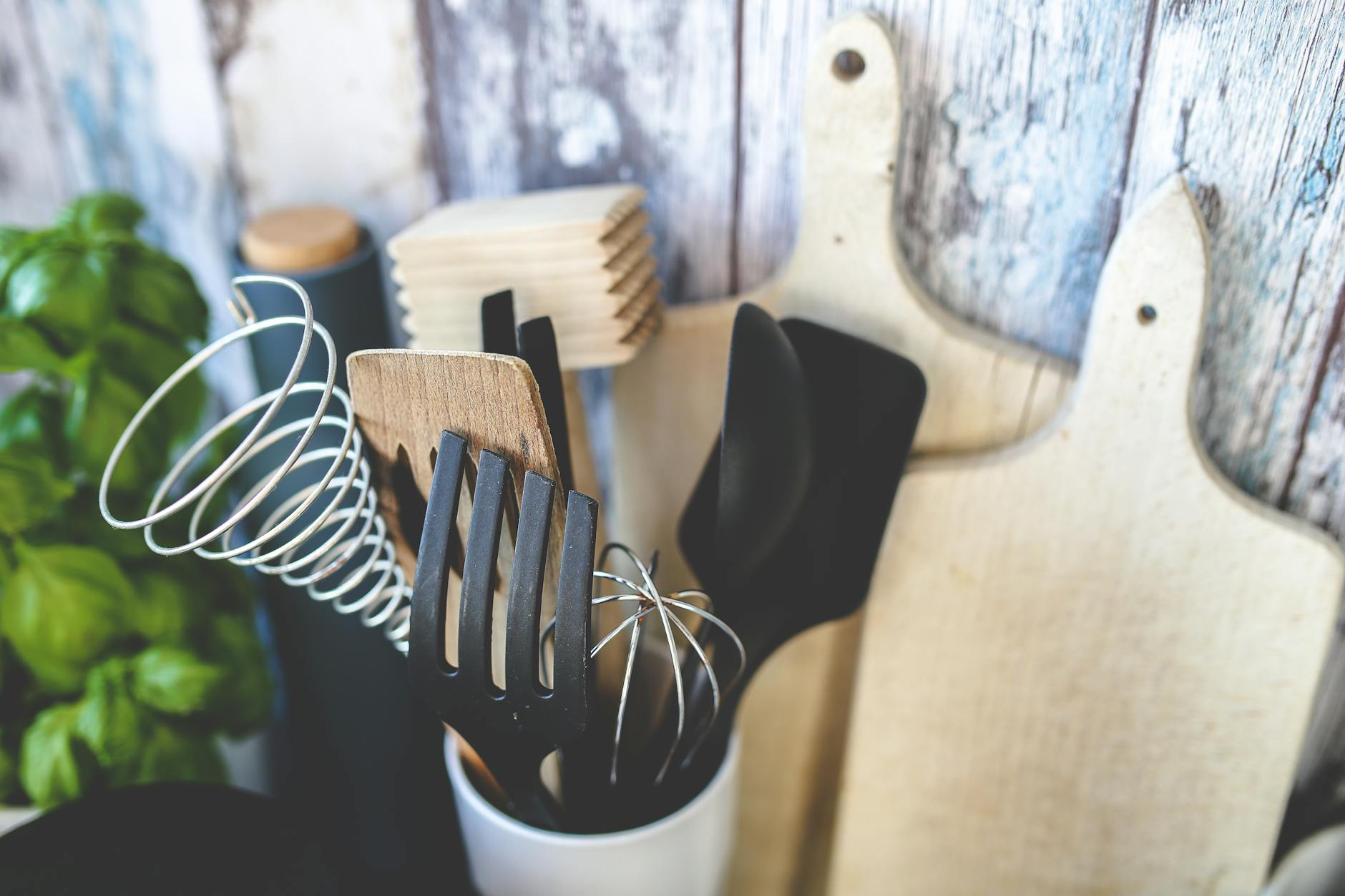
The tiny razor-sharp edges become dull and ineffective after machine washing. Citrus oils and zest dry into the crevices and are not removed by the spray arm. The plastic frame can crack or warp from the heat of the cycle. Rinse immediately after use and scrub with a brush for best results.
Pizza Stones

Porous stones absorb water and detergent like a sponge during the wash cycle. The absorbed soap imparts a chemical taste to the next pizza you bake. Thermal shock from the wash cycle causes the stone to crack or shatter unexpectedly. A simple scrape and wipe with a damp cloth cleans them sufficiently.
Slate Serving Platters

Slate is a layered stone that can delaminate and flake in the dishwasher environment. The harsh chemicals cause discoloration and leave white spots on the dark surface. The rough edges can scratch other dishes or the dishwasher racks. Wiping clean with a damp cloth preserves the natural beauty of the stone.
Natural Stone Mortar and Pestle

The porous stone absorbs soapy water that leaches out into your spices later. Grinding herbs becomes difficult as the surface texture changes from detergent exposure. The stone can crack or crumble under the thermal stress of the drying cycle. Rinse with warm water and no soap to maintain the integrity of the tool.
Bamboo Steamers
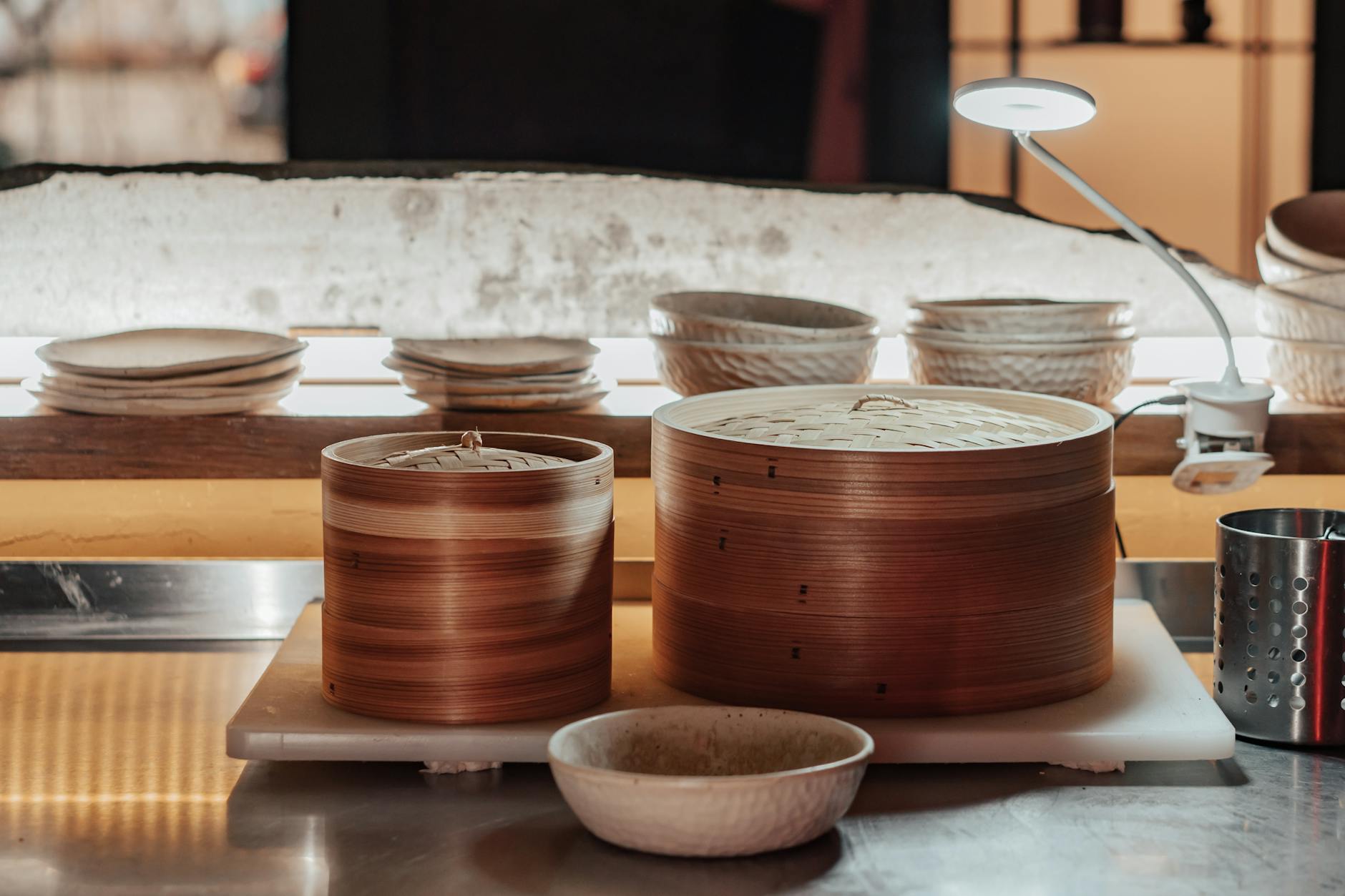
Bamboo is a grass that swells and cracks when subjected to the intense moisture of a dishwasher. The glue holding the steamer together dissolves and causes the layers to separate. Mold develops easily in the wet wood if it does not dry out instantly. Hand wash and air dry thoroughly to prevent warping and bacterial growth.
Silk Screened Glassware
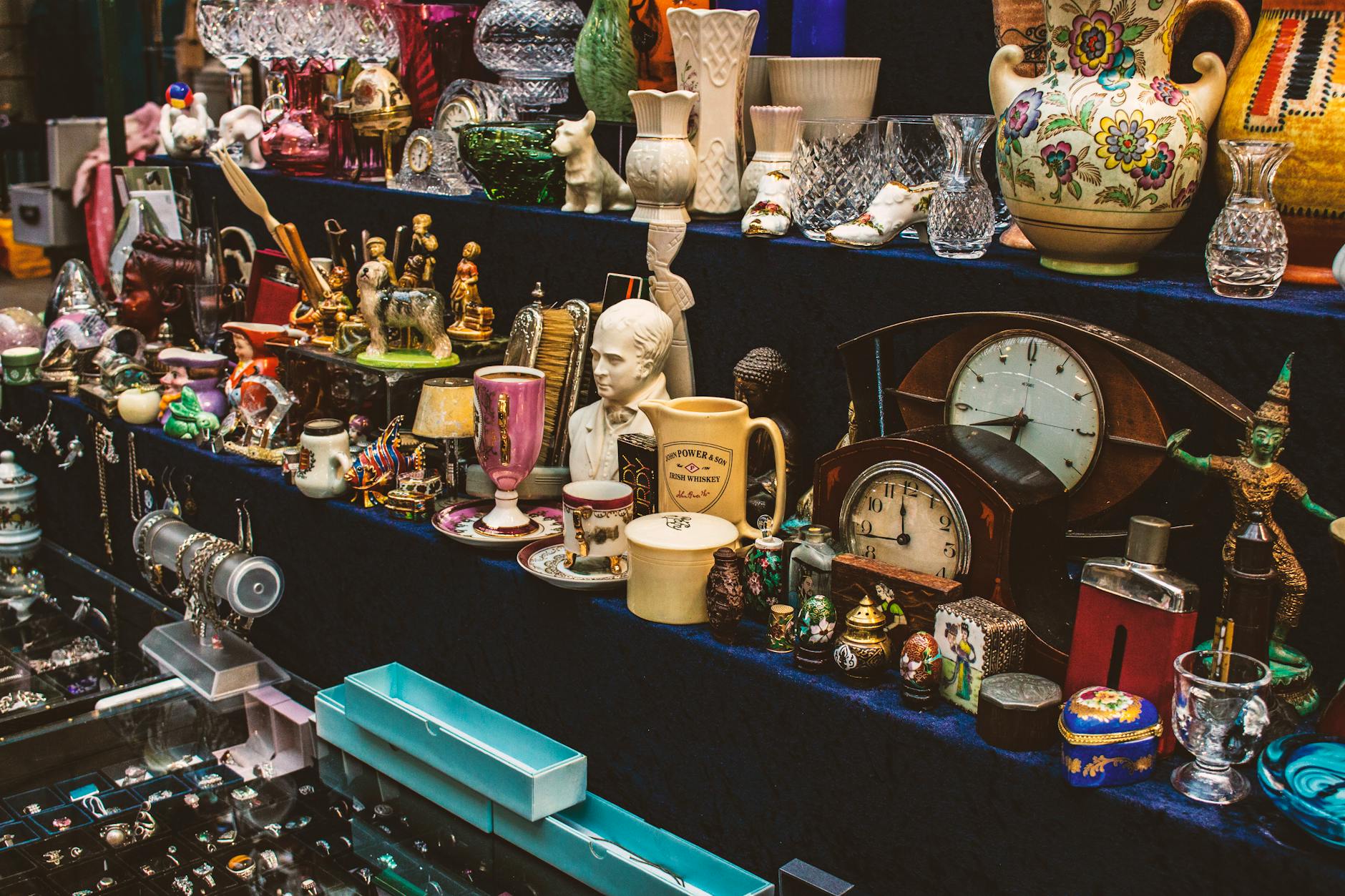
Souvenir pint glasses with printed logos lose their designs in the dishwasher. The heat and water pressure flake the paint off until the glass is completely bare. Detergents etch the glass surface and make it look cloudy and worn. Washing these collectible items by hand keeps the memories and designs alive.
Share your own dishwasher disasters or tips for hand washing in the comments.




