Many cultures around the world believe that certain plants can influence the energy flow within a living space. Feng Shui and Vastu Shastra specialists often suggest avoiding flora that might harbor stagnant or aggressive vibrations. Some plants are thought to block positive opportunities or encourage discord among family members due to their shape or growth patterns. Homeowners seeking a harmonious environment frequently look into botanical folklore before decorating their interiors. Understanding these traditional beliefs helps individuals cultivate a space that aligns with their desire for peace and prosperity.
Cactus
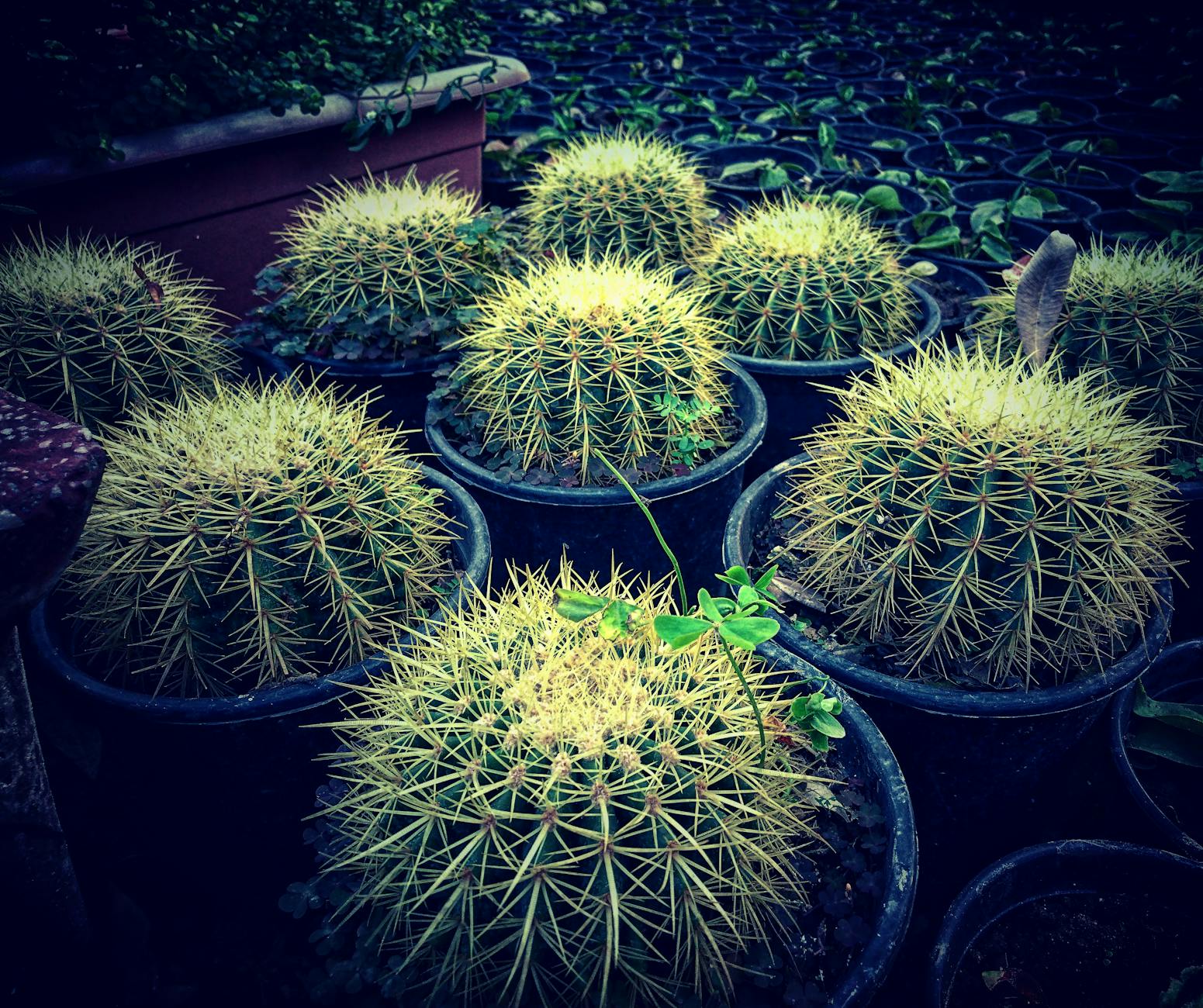
These popular desert succulents are famous for their sharp spines that point outward in all directions. Feng Shui practitioners believe these prickly spikes generate “sha qi” or poison arrows that shoot negative energy into the surrounding room. Keeping a cactus inside the home is often said to lead to misunderstandings and conflicts among residents. Many experts recommend placing them outdoors where their protective nature can guard the perimeter instead of disrupting the interior calm.
Bonsai
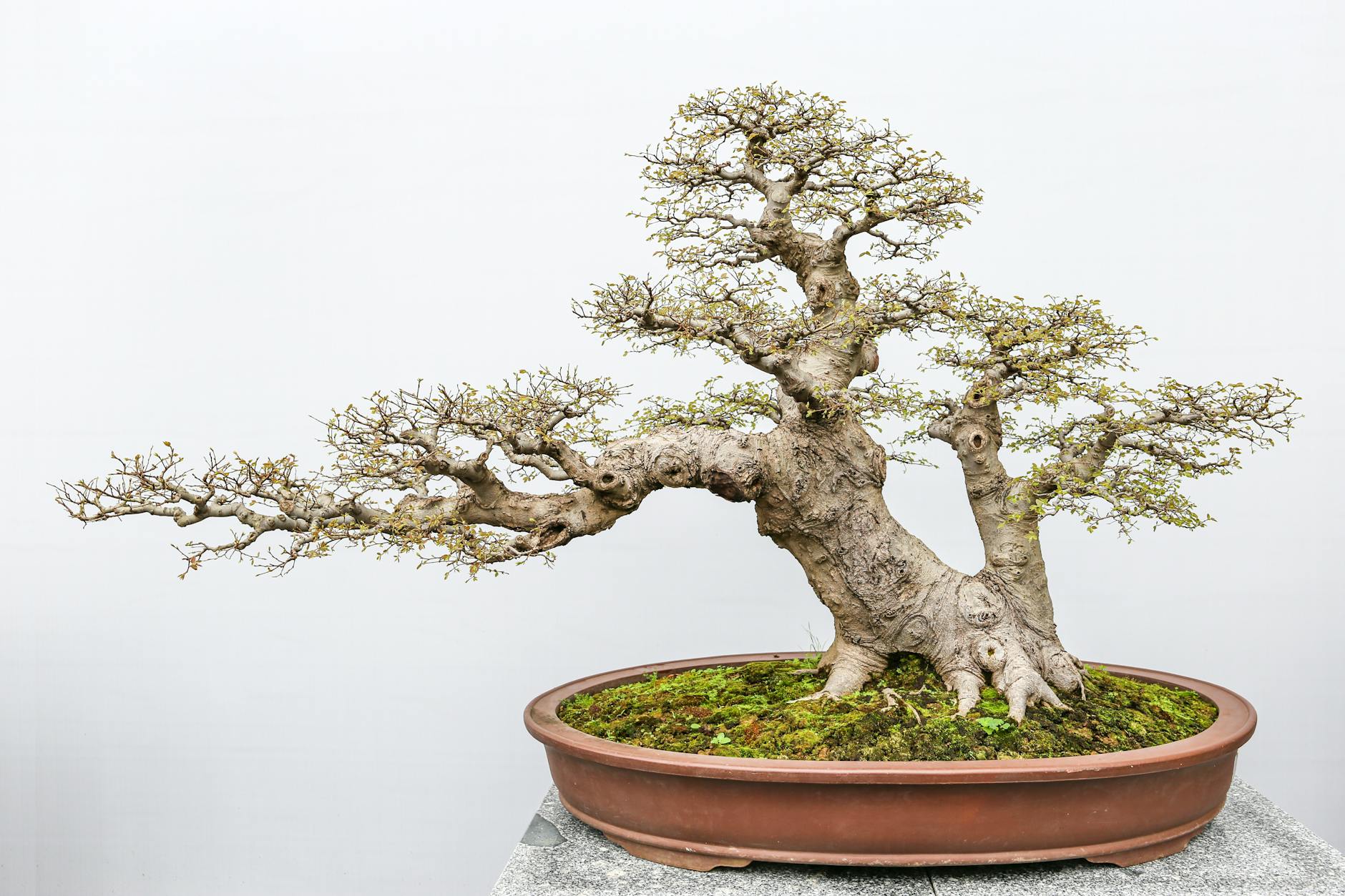
The art of restricting a tree’s growth to keep it artificially small is considered beautiful by some but inauspicious by others. Certain traditions view the stunted growth of a bonsai as a symbol of limited potential and restricted career progress. Keeping these miniature trees inside might inadvertently signal that the inhabitants should not grow or expand their horizons. It is often suggested that these specimens belong in a garden or a greenhouse rather than the center of a living space.
Weeping Fig
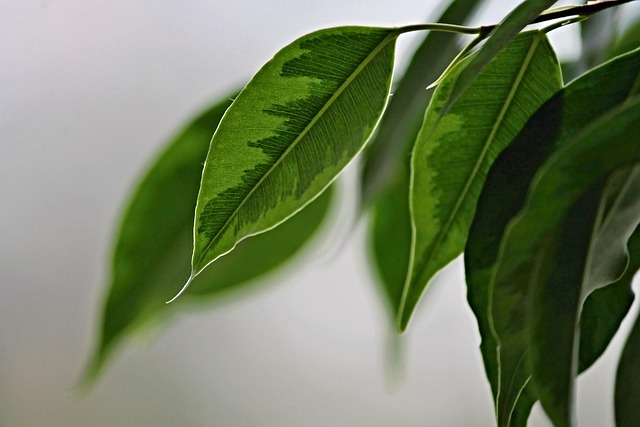
The physical appearance of the Weeping Fig is frequently associated with sorrow and sadness due to its drooping leaves. Folklore suggests that bringing this tree indoors invites gloom and depression into the household atmosphere. The downward growth pattern is thought to lower the vibrational frequency of a room and dampen the spirits of those who enter. Some believe it creates a heavy energy that makes it difficult for joy and optimism to thrive within the home.
Cotton Plant
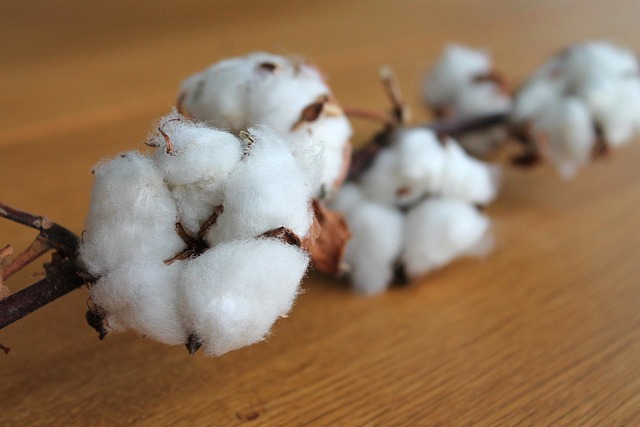
Snowy white cotton bolls look decorative but are considered unlucky in Vastu Shastra when placed inside a house. Ancient texts suggest that the cotton plant is an inauspicious addition that attracts dust and poverty into the domestic sphere. The texture of the plant is believed to trap negative energy and prevent the free flow of good fortune. Removing cotton plants from the interior is thought to clear the path for financial stability and cleanliness.
Tamarind
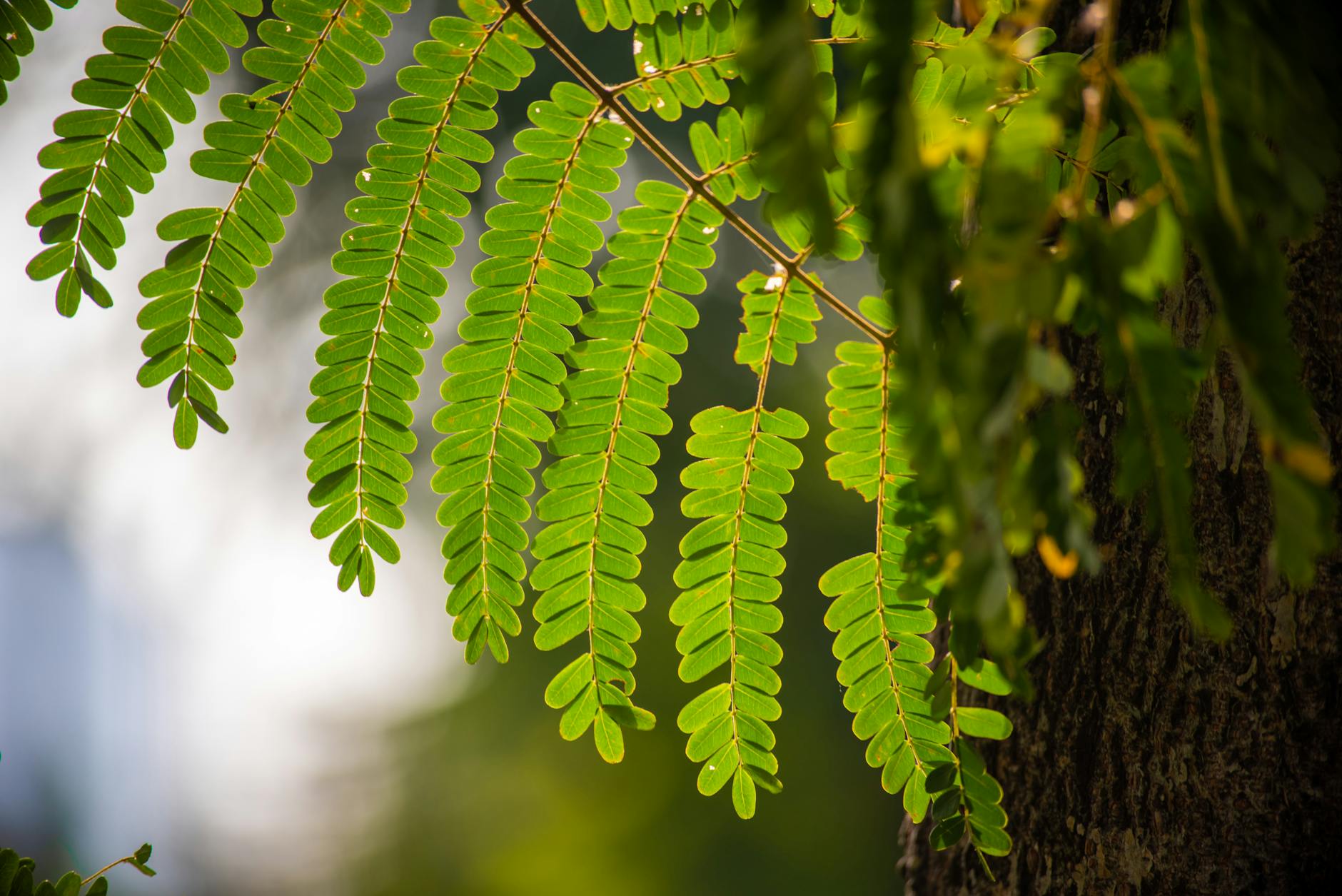
This large tree is traditionally associated with dwelling places for spirits and negative entities in various South Asian beliefs. Vastu Shastra strongly advises against growing a tamarind tree near the house or bringing its branches indoors. The acidity of the plant is metaphorically linked to souring relationships and causing health issues for the family members. Many people avoid this plant entirely in residential zones to ensure that no unseen disturbances affect their daily lives.
Dead or Dying Plants
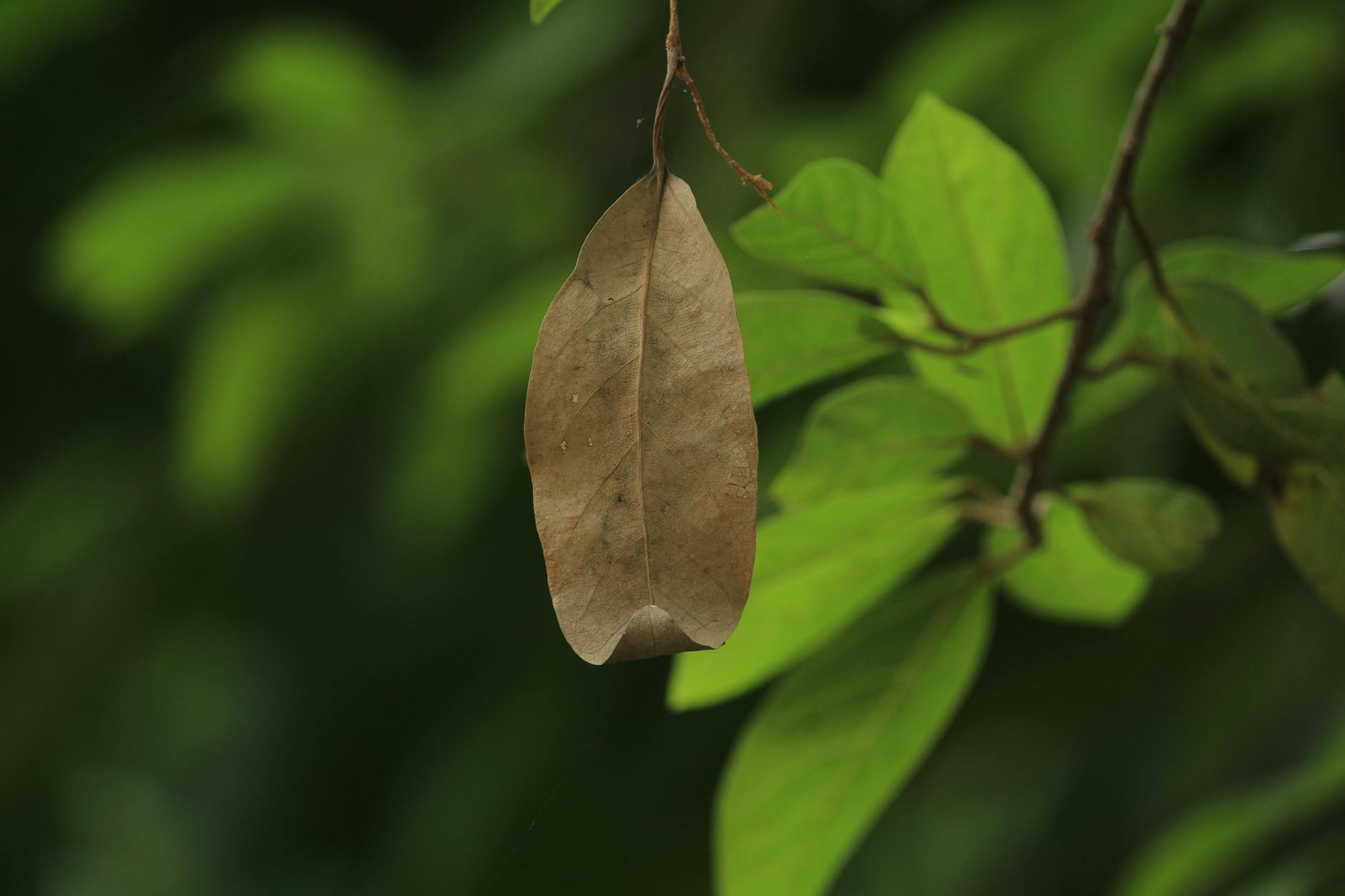
Withered leaves and drying stems represent decay and the end of life which naturally lowers the energy of a home. Keeping a struggling plant that cannot be revived holds onto stagnant chi that can block new beginnings. Feng Shui principles emphasize that vitality is essential for a prosperous home and dead matter acts as an anchor for bad luck. Promptly removing any flora that has passed its prime is essential to maintain a vibrant and living environment.
Babool
The Babool tree is another thorny variety that is widely considered unsuitable for indoor decoration or home gardens. Its thorns are believed to create chaos and disharmony within the family unit by piercing the peaceful atmosphere. Vastu experts warn that the presence of this plant can lead to frequent arguments and a general sense of unease. The rough nature of the bark and the sharp spikes serve as a physical manifestation of the abrasive energy it brings.
Mehandi
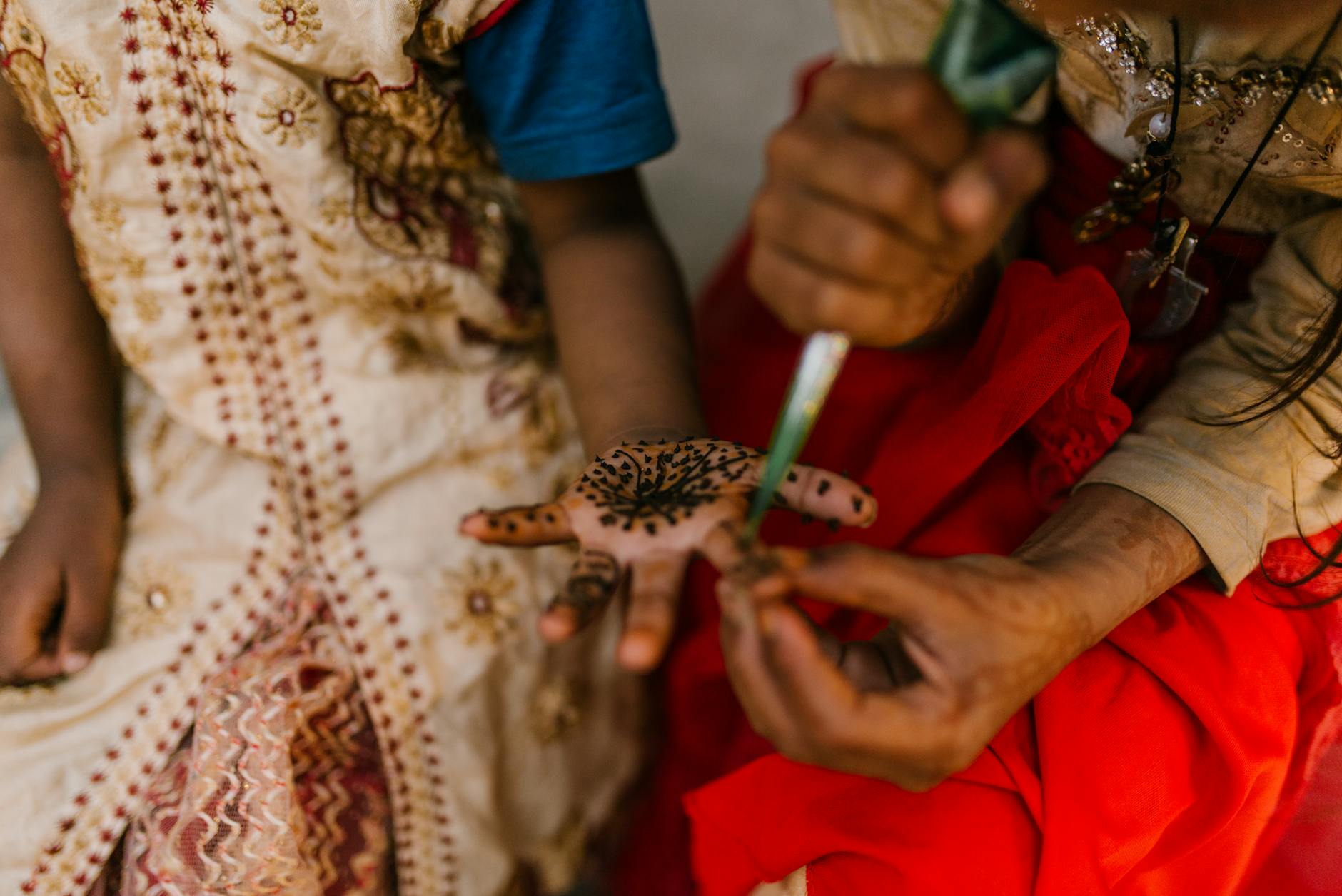
Mehandi or henna plants are prized for their dye but are viewed with caution in residential folklore. Tales from various regions claim that the strong fragrance of these bushes attracts evil spirits and negative forces. Planting them directly in front of a home or keeping them indoors is said to disturb the tranquility of the household. It is generally preferred to grow these shrubs in open fields far away from the main living quarters.
Philodendron
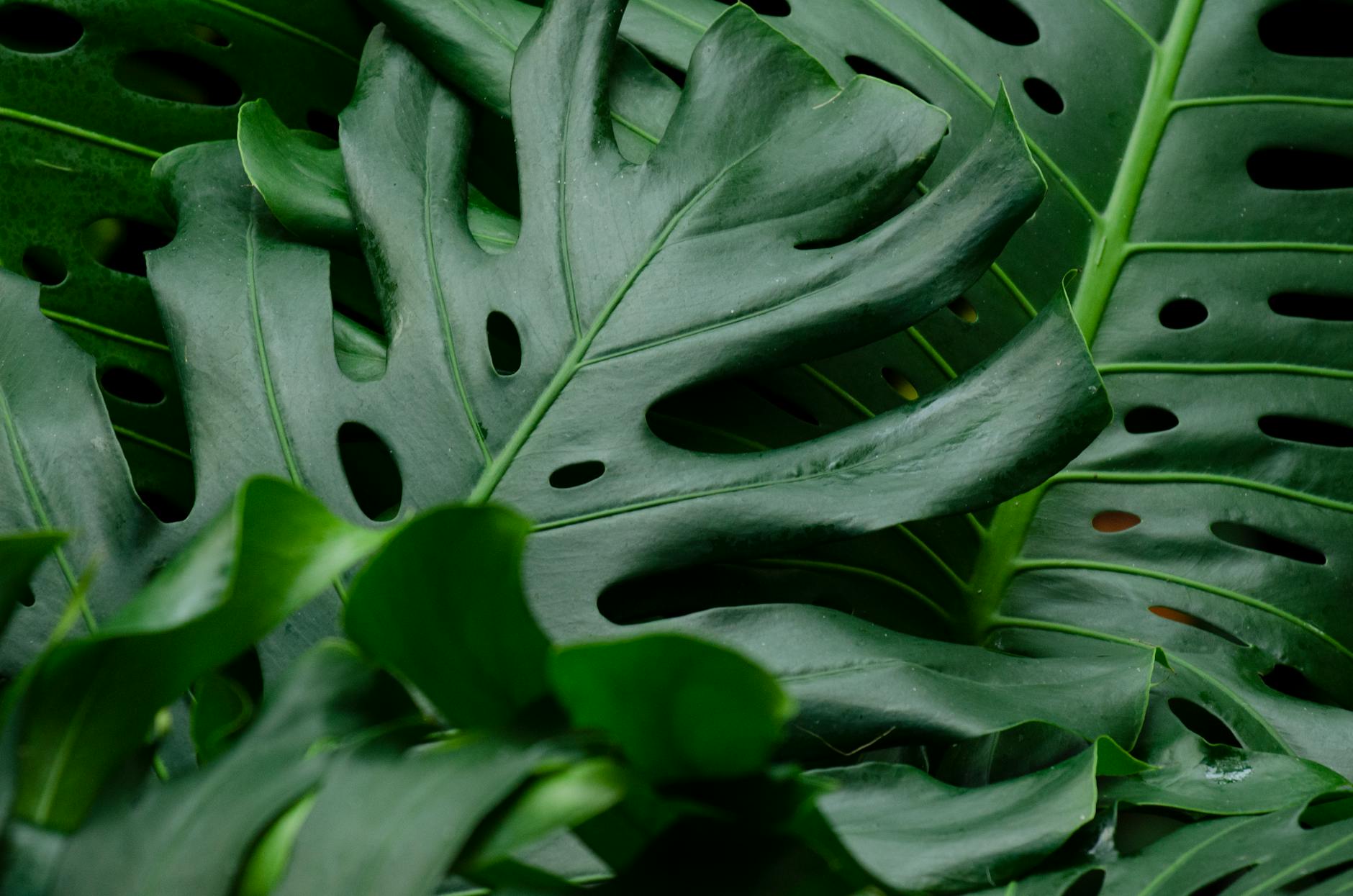
Some varieties of Philodendron are popular but others are cautioned against due to their rapid climbing and choking growth habits. Certain beliefs hold that creeping plants which cover walls can suffocate the financial growth of the homeowners. The heart-shaped leaves are visually appealing yet the aggressive spread is sometimes interpreted as overwhelming the residents. Keeping these vines trimmed and controlled is necessary to prevent them from dominating the energy of the room.
Hydrangea
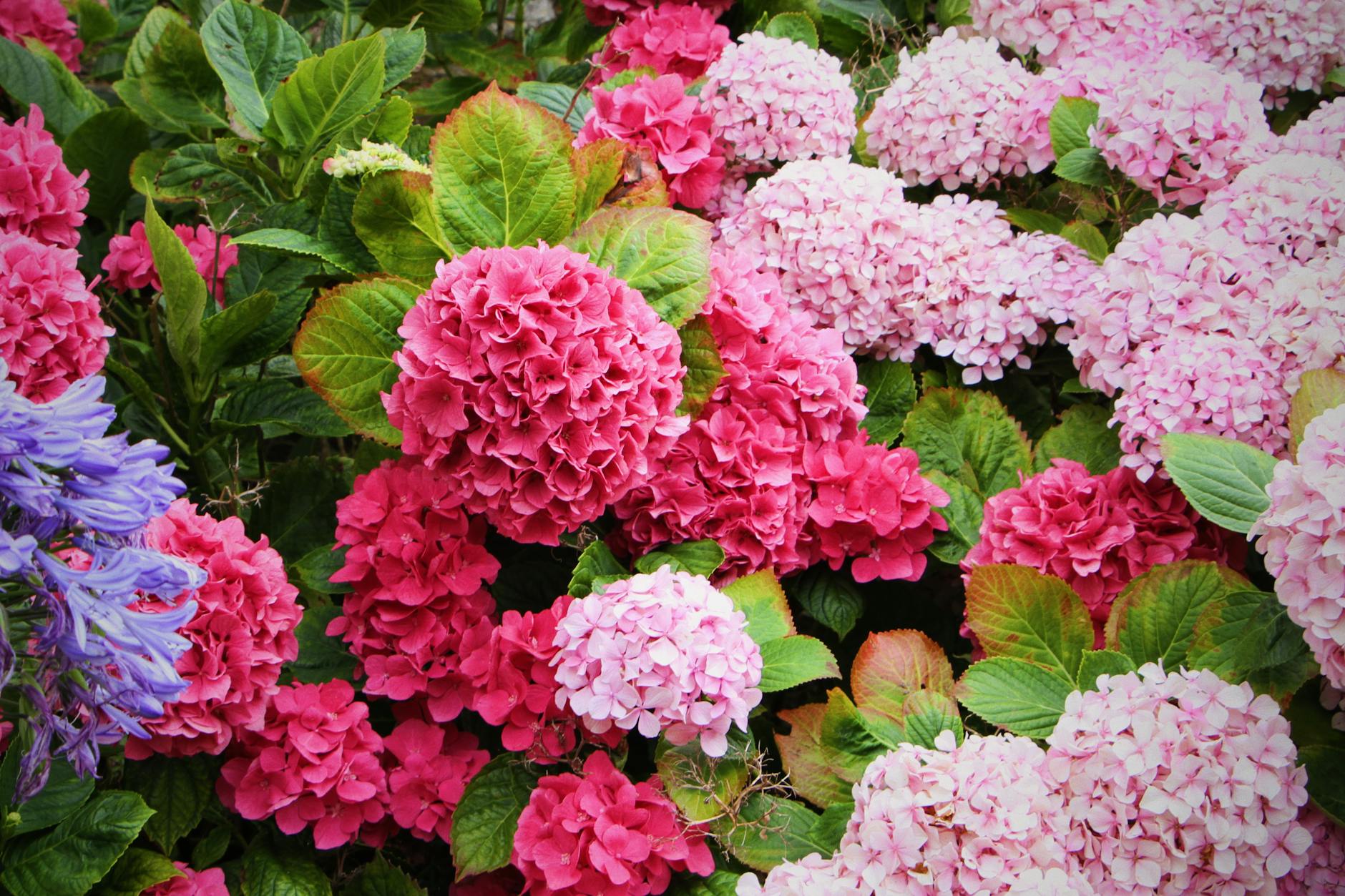
The beautiful blooms of the hydrangea are sometimes associated with coldness and frigidity in the language of flowers. One superstition suggests that planting them near the house or bringing cut flowers inside contributes to marital isolation. They are historically linked to spinsters and are thought to bring bad luck to daughters seeking a partner. This negative connotation makes them a controversial choice for romantic bedrooms or family gathering areas.
English Ivy
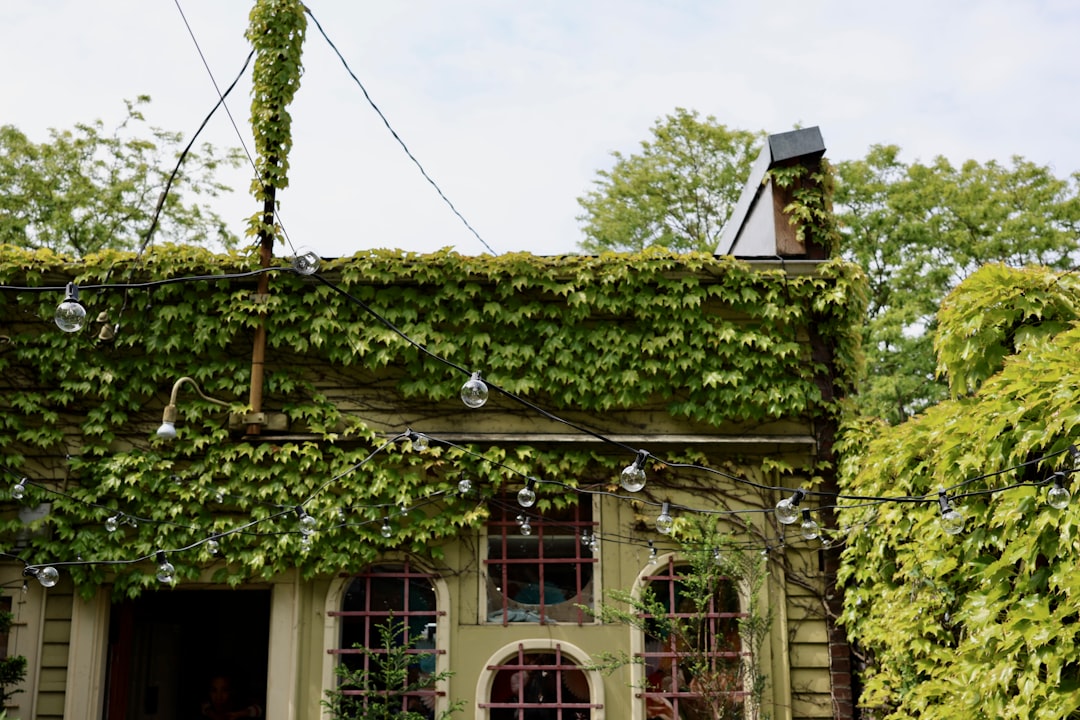
This invasive species is known for its ability to cling tightly to surfaces and cover entire structures over time. Folklore warns that ivy growing on the walls of a house can symbolise financial strangulation and inability to move forward. The dense coverage can block light and trap moisture which creates a damp and stagnant energy field. Many homeowners remove ivy to protect the structural integrity of the building and the energetic clarity of the home.
Crown of Thorns
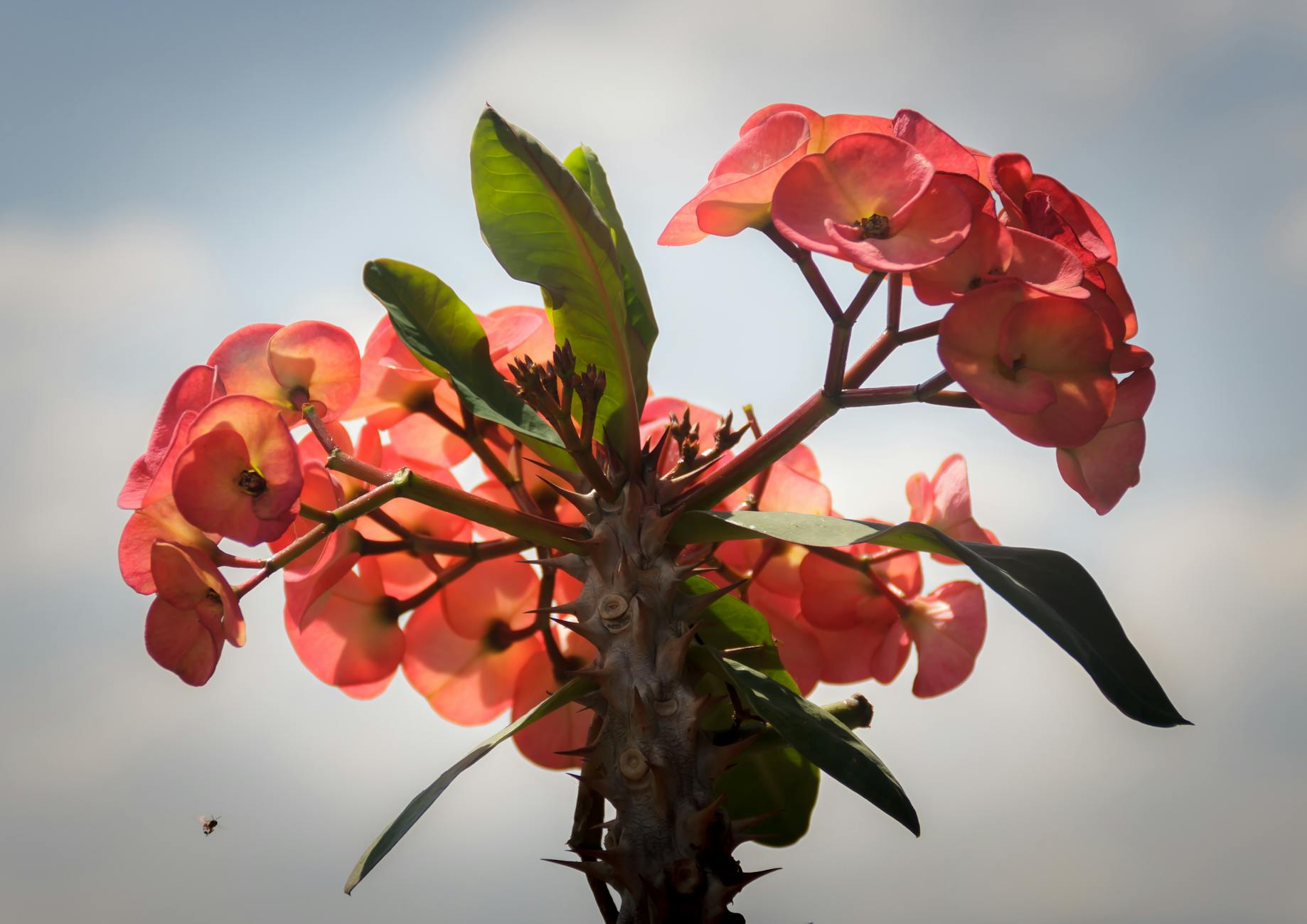
The name of this succulent clearly indicates the potential danger and negative association it carries in a domestic setting. Its sharp thorns and poisonous sap make it a hazardous presence that creates nervous energy for inhabitants. Feng Shui masters classify this plant as a source of aggressive energy that can provoke anxiety and tension. It is rarely recommended for indoor placement due to the combination of physical risk and energetic sharpness.
Artificial Plants
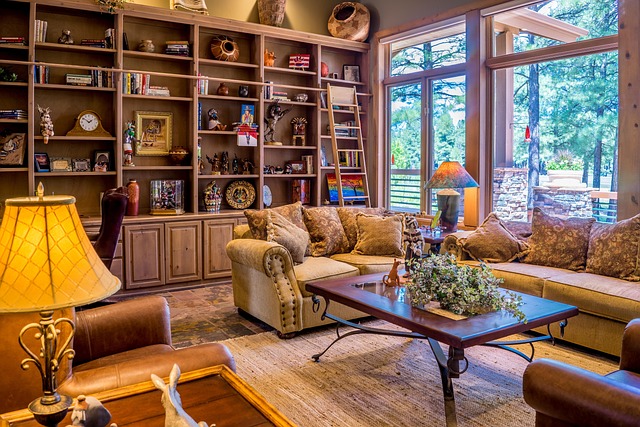
Fake greenery that is not regularly cleaned acts as a magnet for dust and stagnant energy. While they require less maintenance they lack the life force or chi that living plants contribute to a room. Dirty artificial plants represent neglect and can make a home feel lifeless and stuck in the past. Keeping them explicitly clean is the only way to mitigate the dead energy they naturally introduce to the environment.
Snake Plant
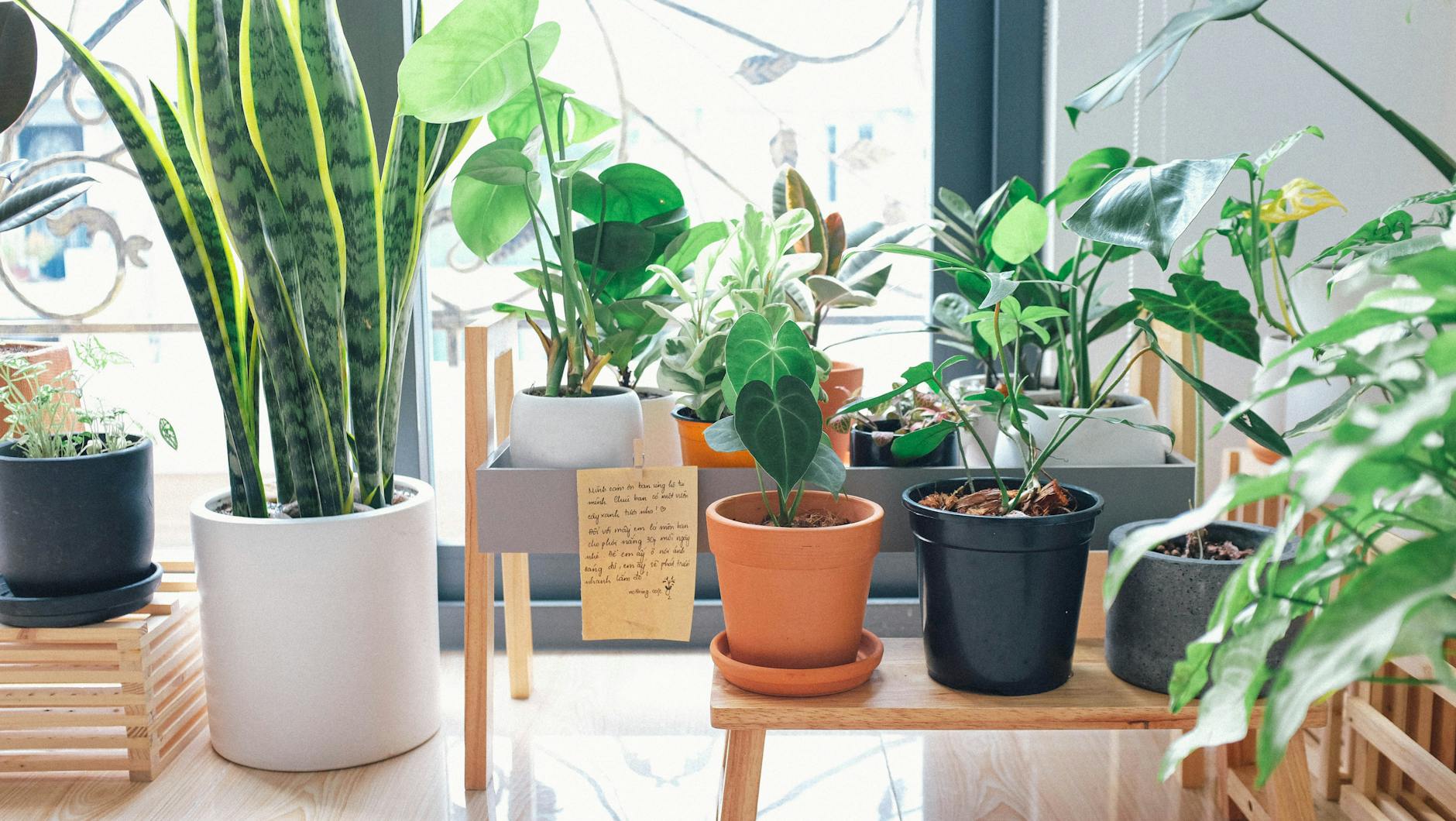
While often praised for air purification the Snake Plant can bring bad luck if placed in the wrong sector of the home. Its sword-like leaves are seen as cutting through the energy of a room and creating aggressive vibrations. Feng Shui consultants often advise against placing them in bedrooms where a soft and restful atmosphere is required. The sharp points are thought to incite arguments if they are directed towards areas where people rest or work.
Myrtle
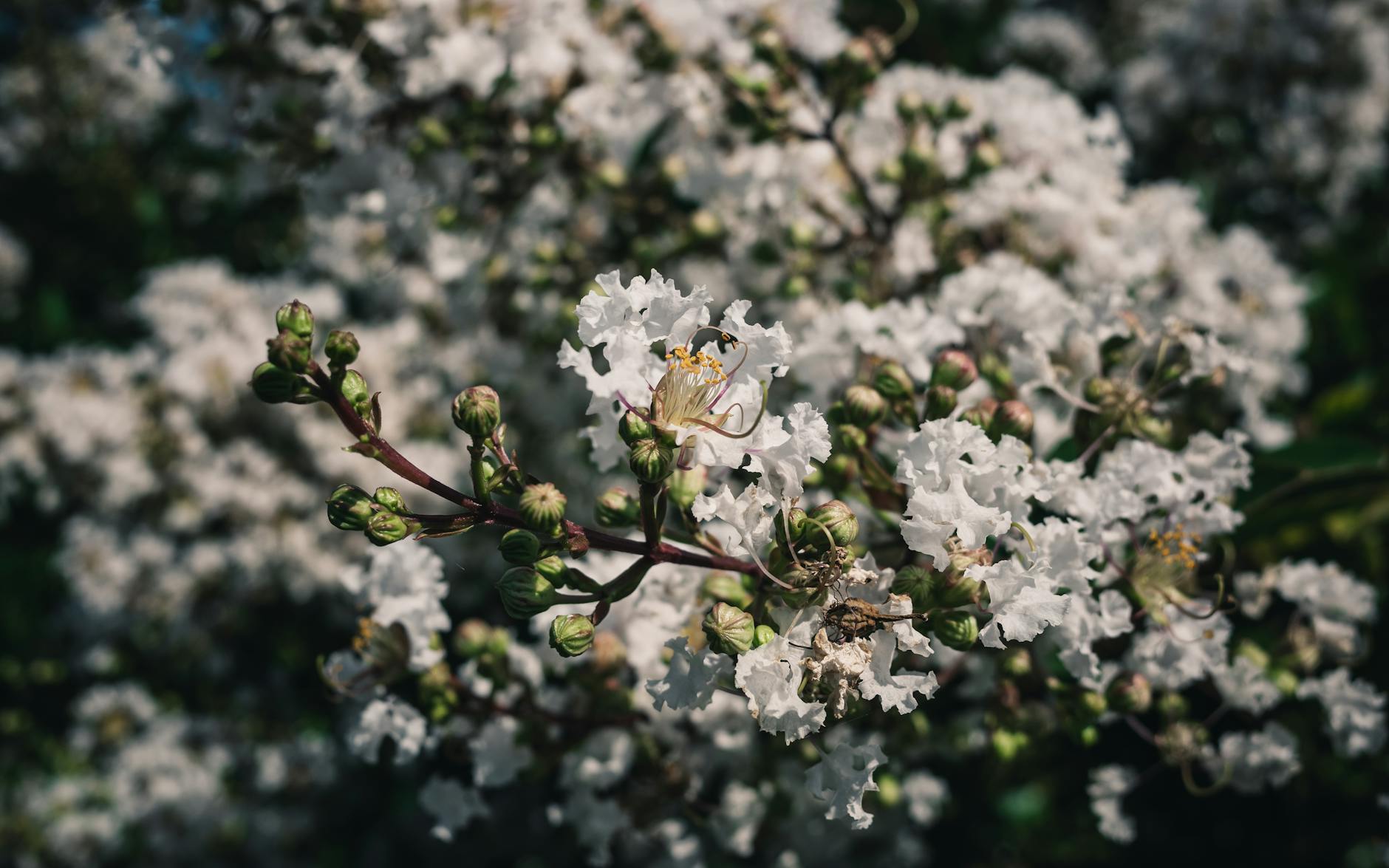
This historical plant has conflicting associations but is sometimes viewed as an emblem of death or the afterlife in certain European traditions. Bringing myrtle inside the home was once thought to invite illness or misfortune upon the residents. Its connection to funeral rites in some cultures makes it a heavy presence for a lively and happy home. Superstitious individuals often choose to enjoy this plant in a cemetery or memorial garden rather than a living room.
Monkshood
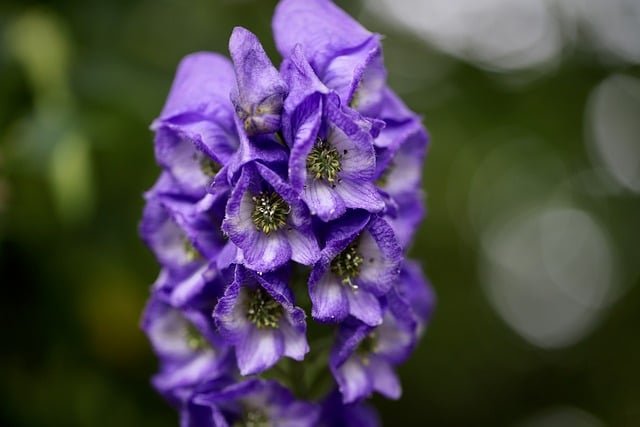
This toxic plant is historically known as Wolfsbane and carries a dark reputation due to its poisonous nature. The danger associated with its ingestion translates into a belief that it brings harmful energy into a safe sanctuary. Folklore links it to witchcraft and deception which are energies most people wish to keep out of their homes. Its presence is considered a risk to both the physical safety of pets and the spiritual safety of the household.
Agave
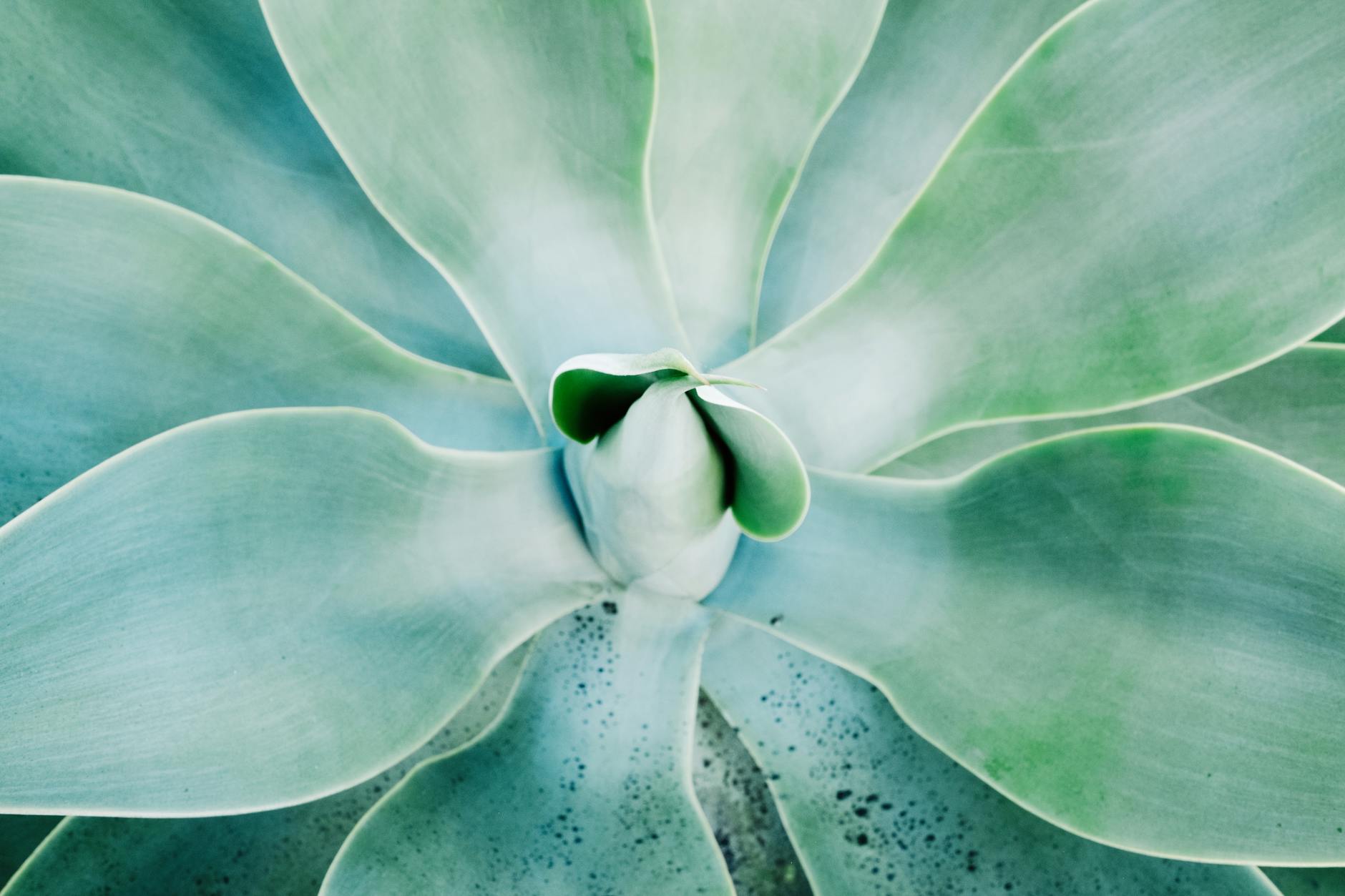
The Agave plant shares similar characteristics with cacti due to its sharp and pointed leaves. These spear-like features are believed to create tension and unease among people sharing the space. Placing a large Agave indoors is thought to provoke irritability and reduce the patience of family members. It is best suited for wide open outdoor spaces where its aggressive form does not crowd the personal energy field.
Yew
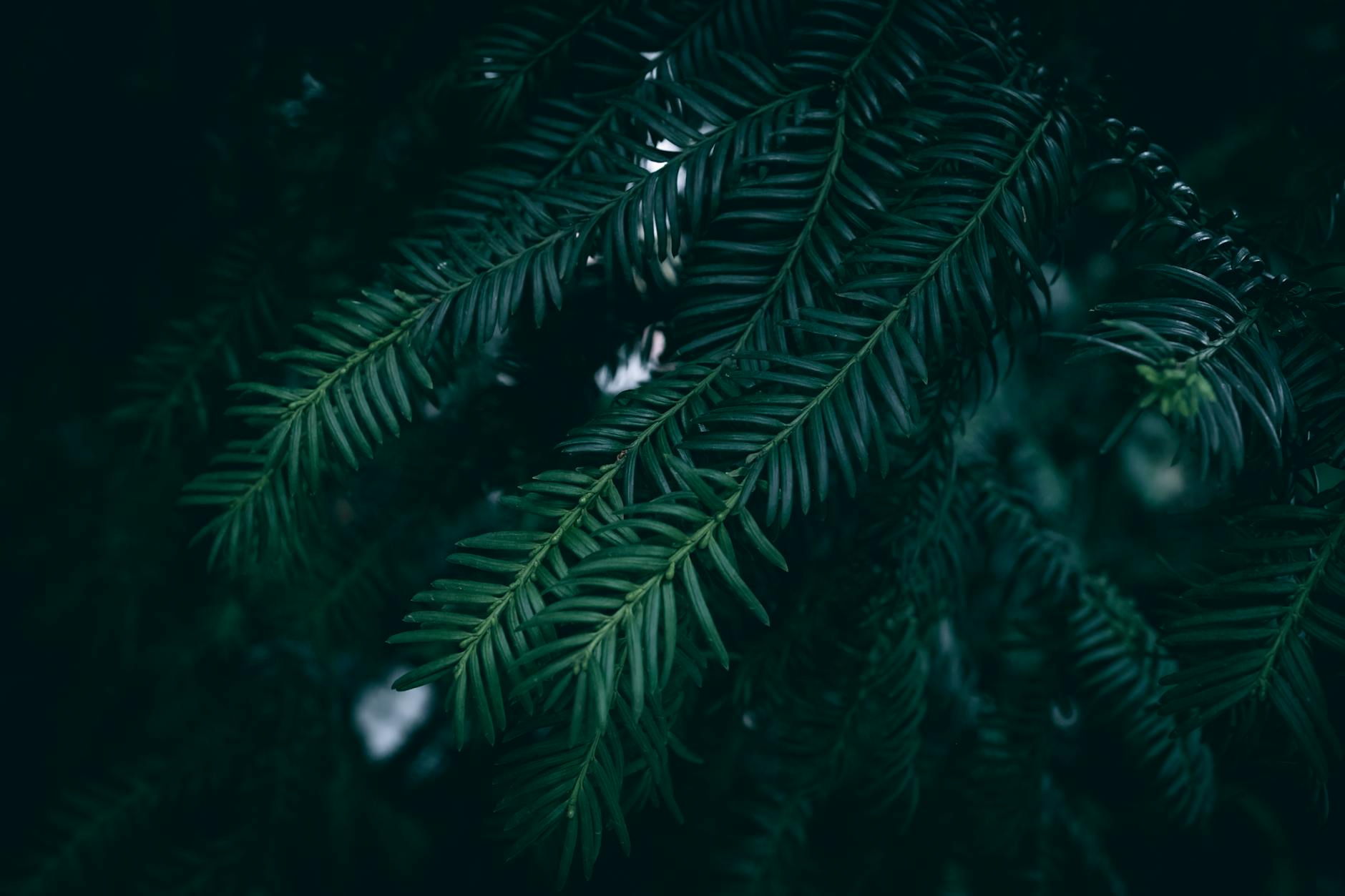
The Yew tree is one of the most prominent symbols of death and is frequently found in churchyards and graveyards. Its association with mortality makes it an incredibly inauspicious choice for interior decoration or front door planting. Ancient beliefs suggest that the Yew absorbs the spirits of the departed and should not be disturbed. Bringing cuttings of this tree indoors is widely regarded as inviting bad luck and endings into the home.
Cypress
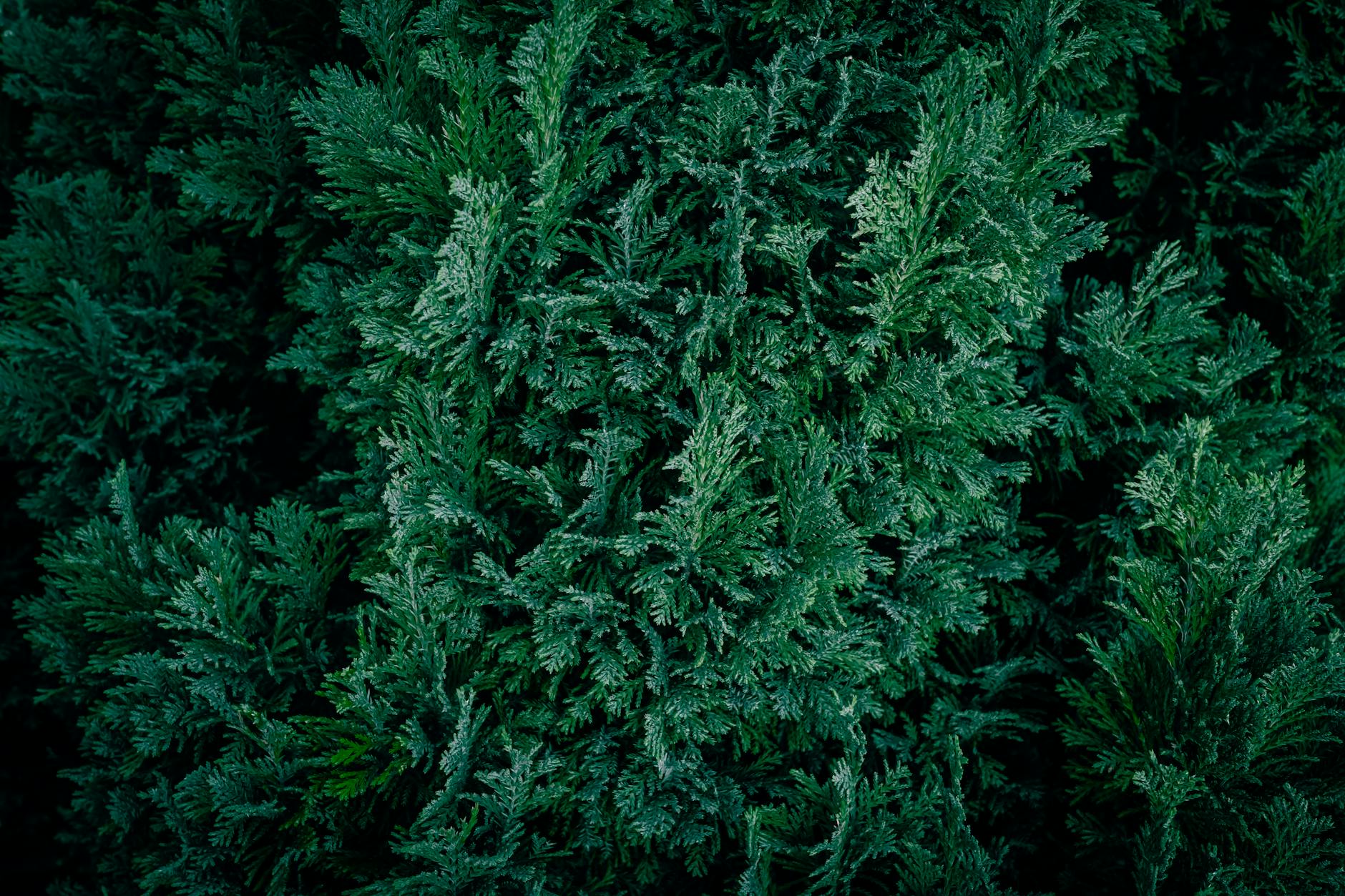
Cypress trees are another botanical variety that is deeply connected to mourning and funeral landscapes. The sombre appearance and association with grief make them unsuitable for fostering a cheerful home environment. Planting them too close to the entrance or bringing small versions inside is thought to attract melancholy. They are respected in places of rest but are considered believed to dampen the vitality of a living residence.
Date Palm
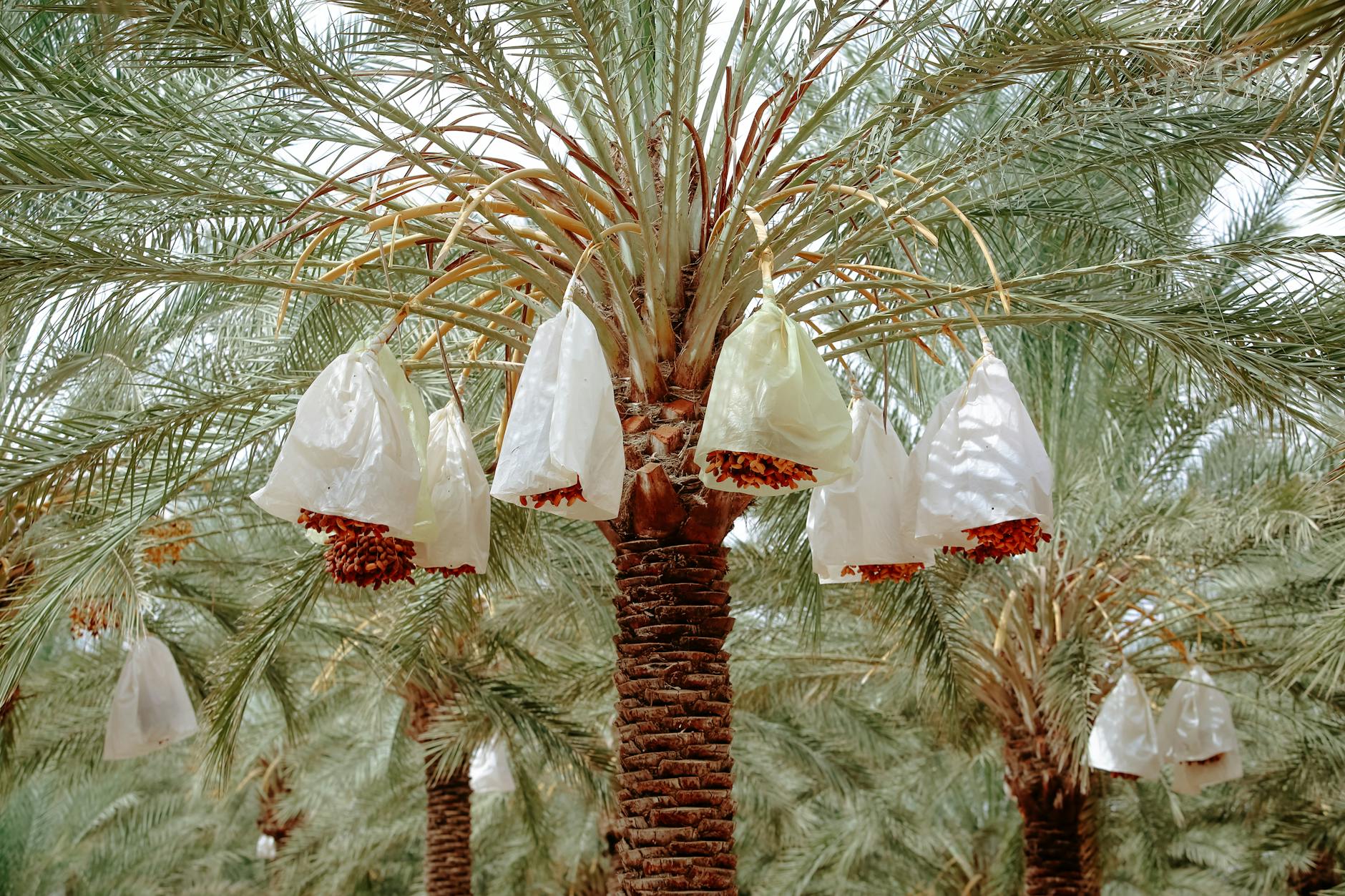
While palms are generally liked there are specific superstitions regarding the Date Palm in Vastu Shastra. It is believed that this specific variety can lead to financial hardships and lack of stability for the master of the house. The energy of the Date Palm is said to be too intense for indoor confinement and can disrupt the balance of domestic life. Experts often recommend choosing softer palm varieties like the Areca for indoor use instead.
Please tell us in the comments if you have ever removed a plant because you felt it brought negative vibes to your home.




