The kitchen design landscape is shifting dramatically as homeowners move away from the stark aesthetics that defined the last decade. Interior designers are now prioritizing warmth and texture over the sterile perfection that once dominated social media feeds. This year marks a significant departure from rigid uniformity and impractical features that look good in photos but fail in daily life. Many trends that felt ubiquitous only a few years ago are now being replaced by more organic and personalized choices. The focus has turned toward creating spaces that feel lived-in and authentic rather than resembling commercial showrooms.
All-White Laboratories
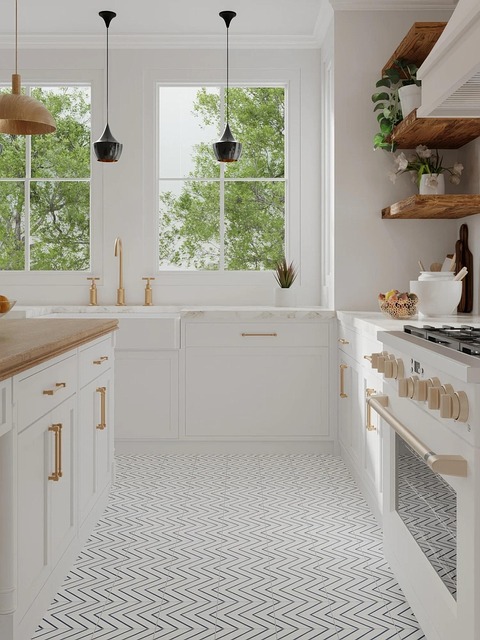
The era of the completely white kitchen is finally coming to a close after years of dominance. Homeowners are realizing that maintaining a pristine white space is incredibly difficult and often feels cold or clinical. Designers are swapping out bright white cabinetry for softer shades like mushroom or taupe to add depth. A lack of contrast in these monochromatic spaces can make a room feel flat and uninviting. The shift is now toward layering tone and texture to create a cozy atmosphere.
Open Shelving Overload
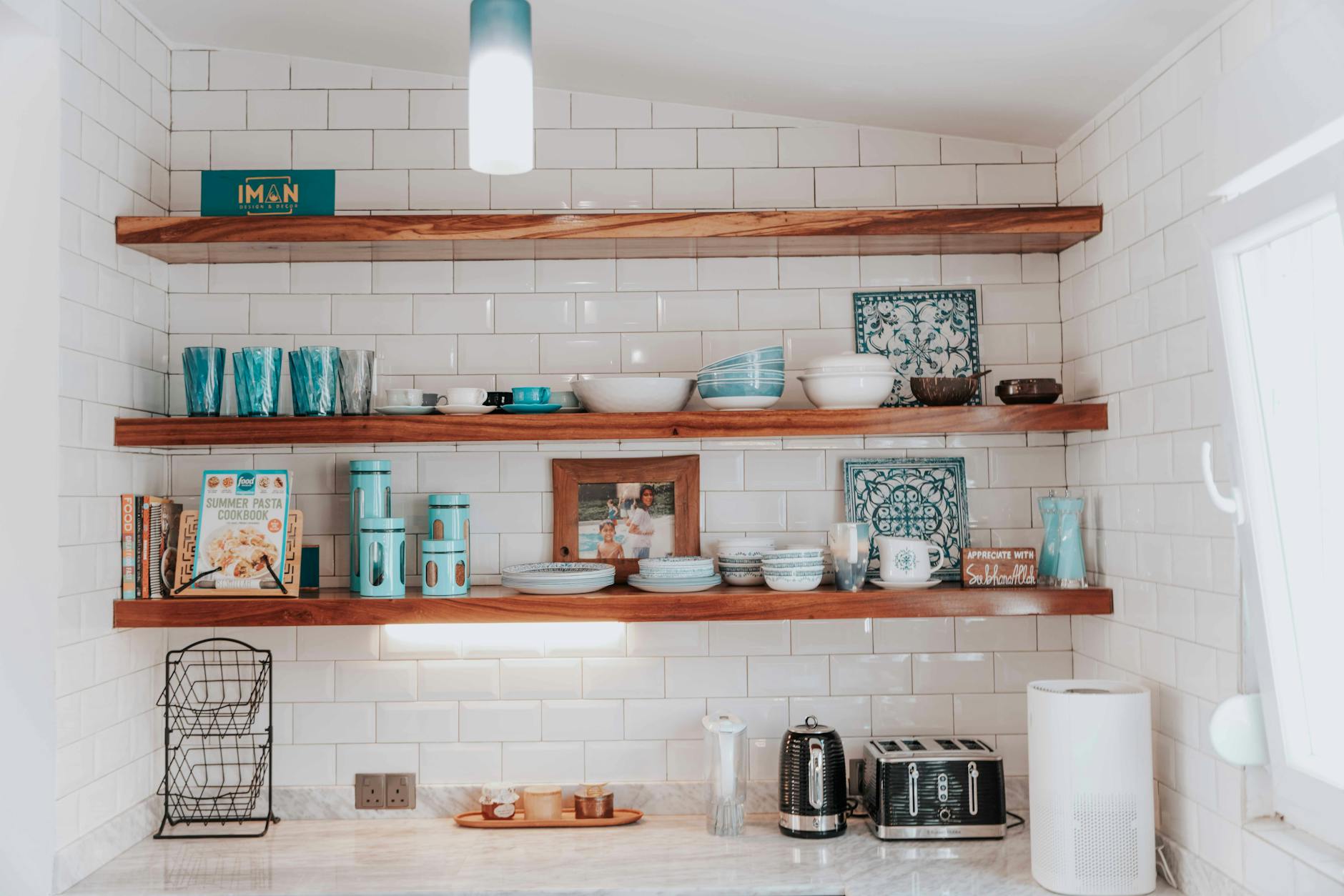
Replacing upper cabinets with open shelves was a massive trend that is now being reconsidered for its lack of practicality. Keeping dishes perfectly stacked and free of dust requires constant maintenance that many find exhausting. The visual clutter created by everyday items can make a kitchen feel disorganized rather than curated. Homeowners are returning to closed cabinetry to hide the inevitable mess of real life. A single accent shelf is remaining popular while full walls of open shelving are fading away.
Industrial Pipe Shelving
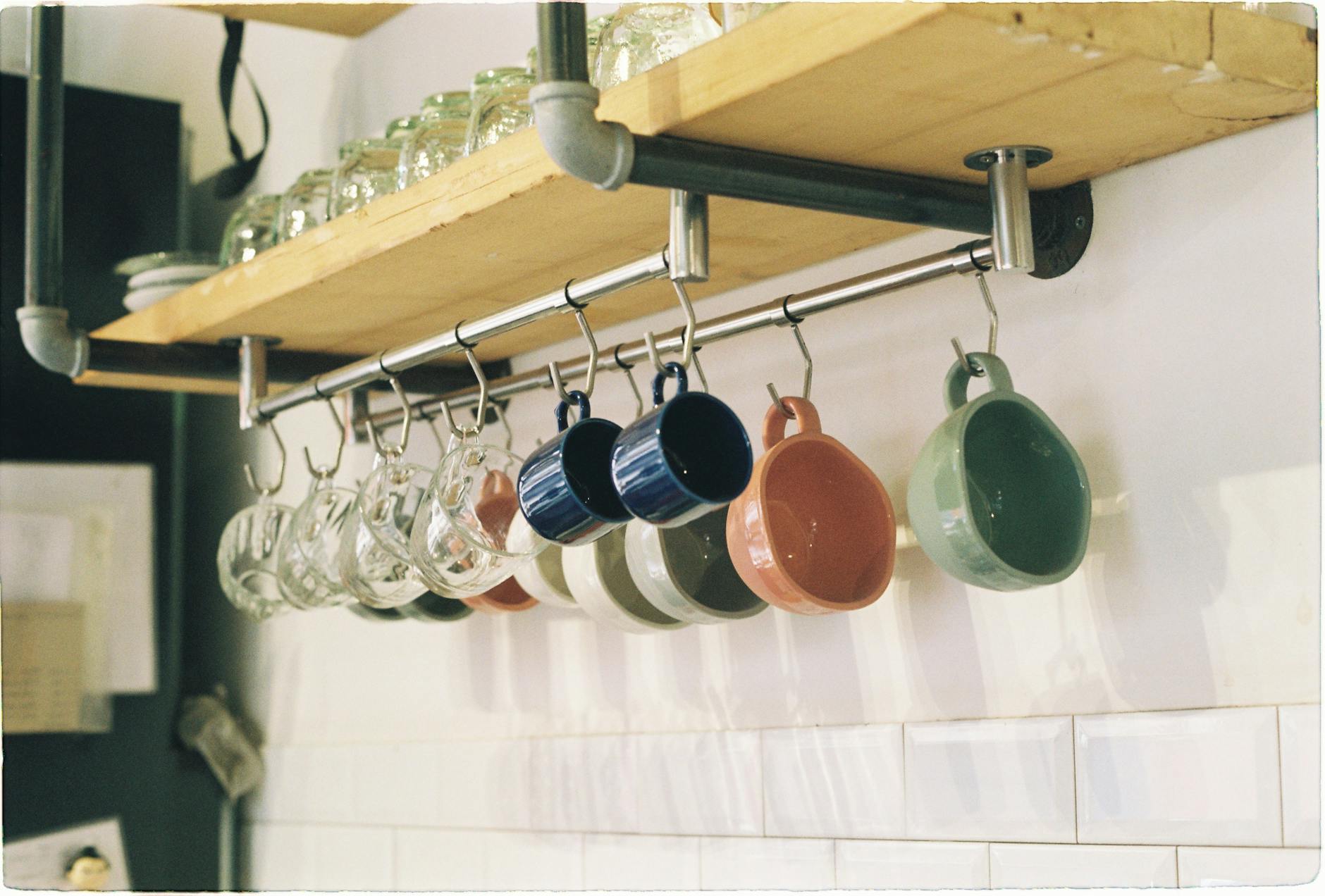
The raw industrial look featuring black iron piping and reclaimed wood is disappearing from modern kitchen designs. This specific aesthetic feels heavily tied to a past era and lacks the refinement current trends demand. Such heavy fixtures can dominate a room and make it feel dark or heavy. Current preferences lean toward concealed supports or lighter brackets that do not interrupt the visual flow. The goal is now a seamless and airy look rather than a rugged or unfinished one.
Cool Gray Cabinetry
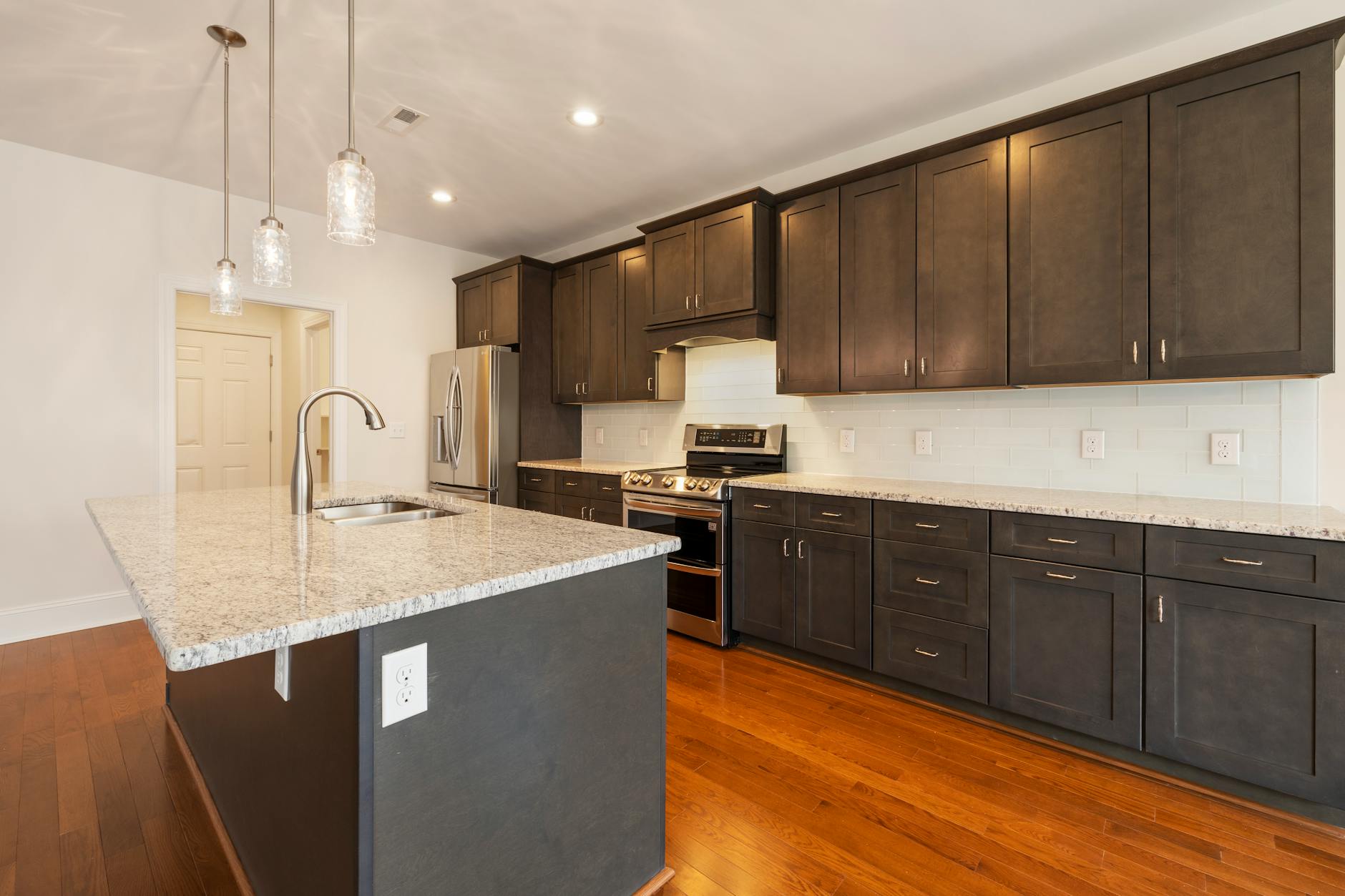
Cool-toned gray cabinets saturated the market for years but now feel dated and uninspiring. These icy shades often cast a gloomy pallor over the kitchen particularly in low light. The industry is pivoting toward warmer neutrals and natural wood tones that bring life to the space. Gray is not disappearing entirely but is evolving into warmer greiges and earthier blends. The stark battleship gray that was once the default choice is no longer the standard for renovation.
Speckled Granite
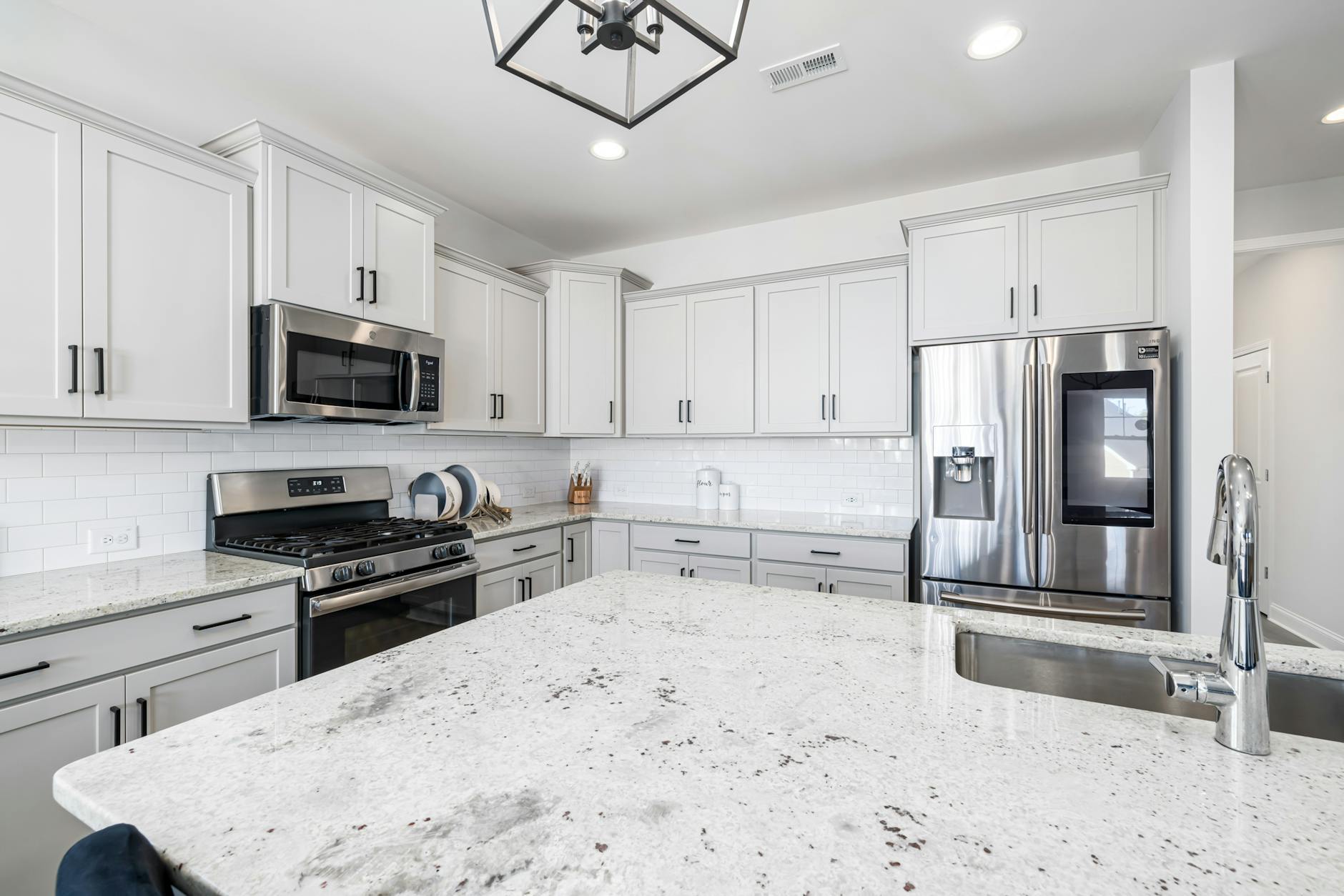
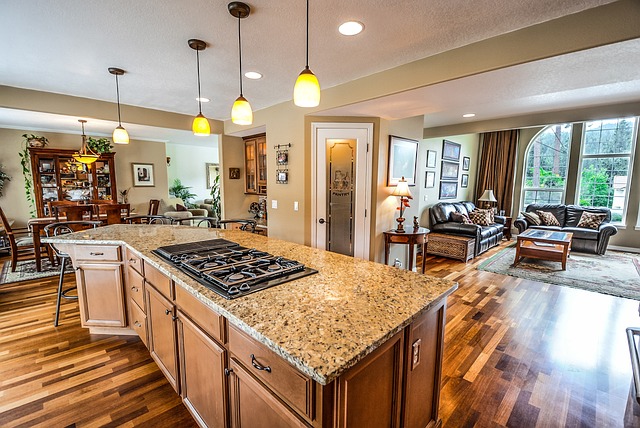
Granite countertops with busy speckled patterns are being swapped for materials with cleaner visuals. The chaotic graining found in early 2000s granite tends to limit other design choices in the room. Homeowners prefer the smoother look of quartz or natural stones like quartzite with subtle veining. The busy appearance of speckled granite often clashes with modern backsplashes and fixtures. Simpler surfaces allow for more freedom when selecting other finishes and decor.
Matte Black Faucets
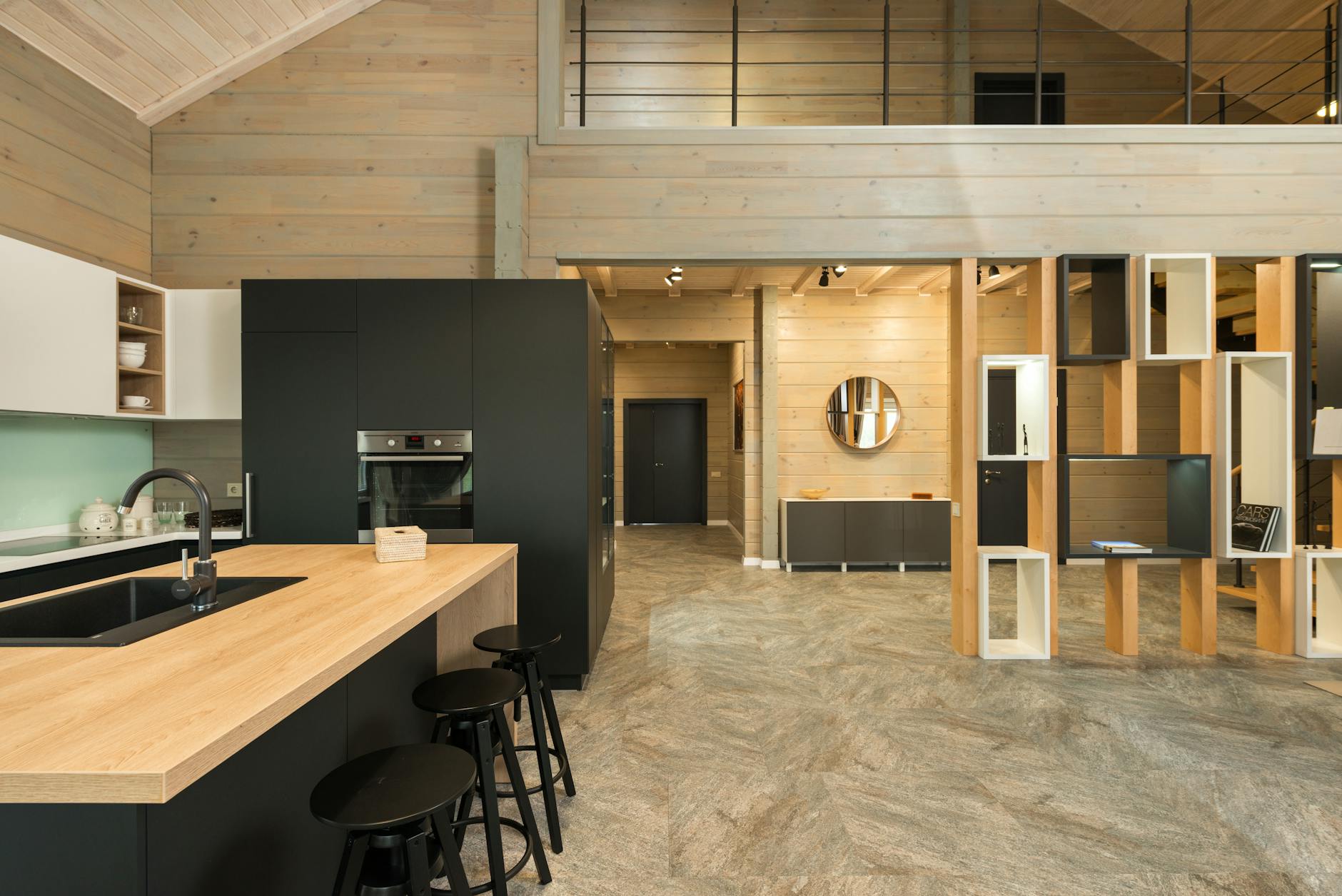
Matte black fixtures had a major moment but are proving to be difficult to maintain in hard water areas. Calcium buildup and water spots show up vividly on the dark finish and require frequent cleaning. The finish can also chip or fade over time which reveals the metal underneath. Designers are returning to classic finishes like polished nickel or unlacquered brass for their longevity. These timeless metals offer a warmth and shine that matte black simply cannot provide.
Mosaic Glass Backsplashes
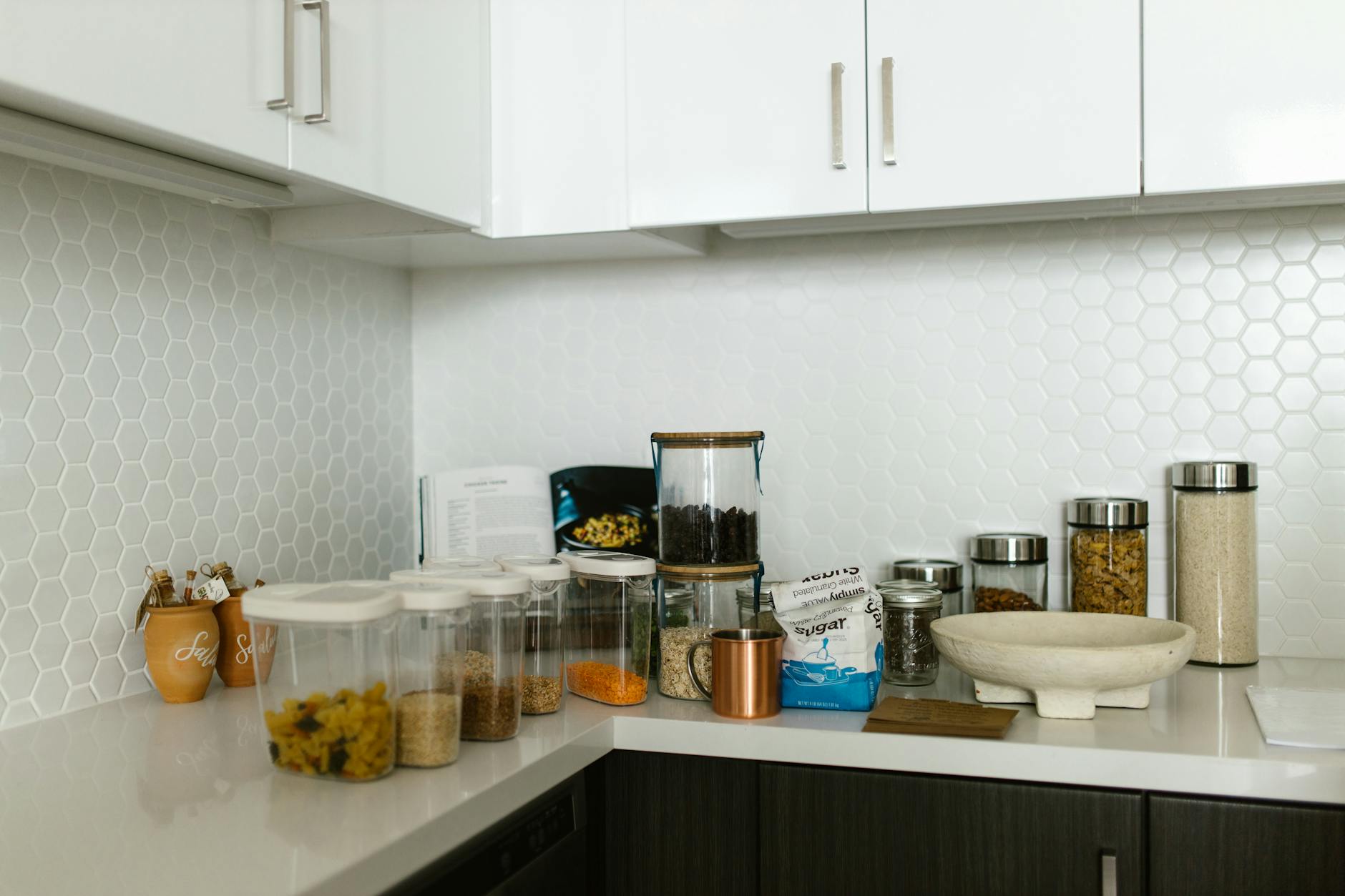
Small square glass tiles in multicolored grids are rapidly falling out of favor in kitchen design. This busy look can distract from other elements and often makes a kitchen feel smaller. The trend is moving toward larger format tiles or solid slabs of stone for a seamless appearance. Glass mosaics often reflect light in a way that feels dated rather than sparkling or modern. A continuous backsplash creates a calmer and more sophisticated visual line.
Oversized Pendant Lights
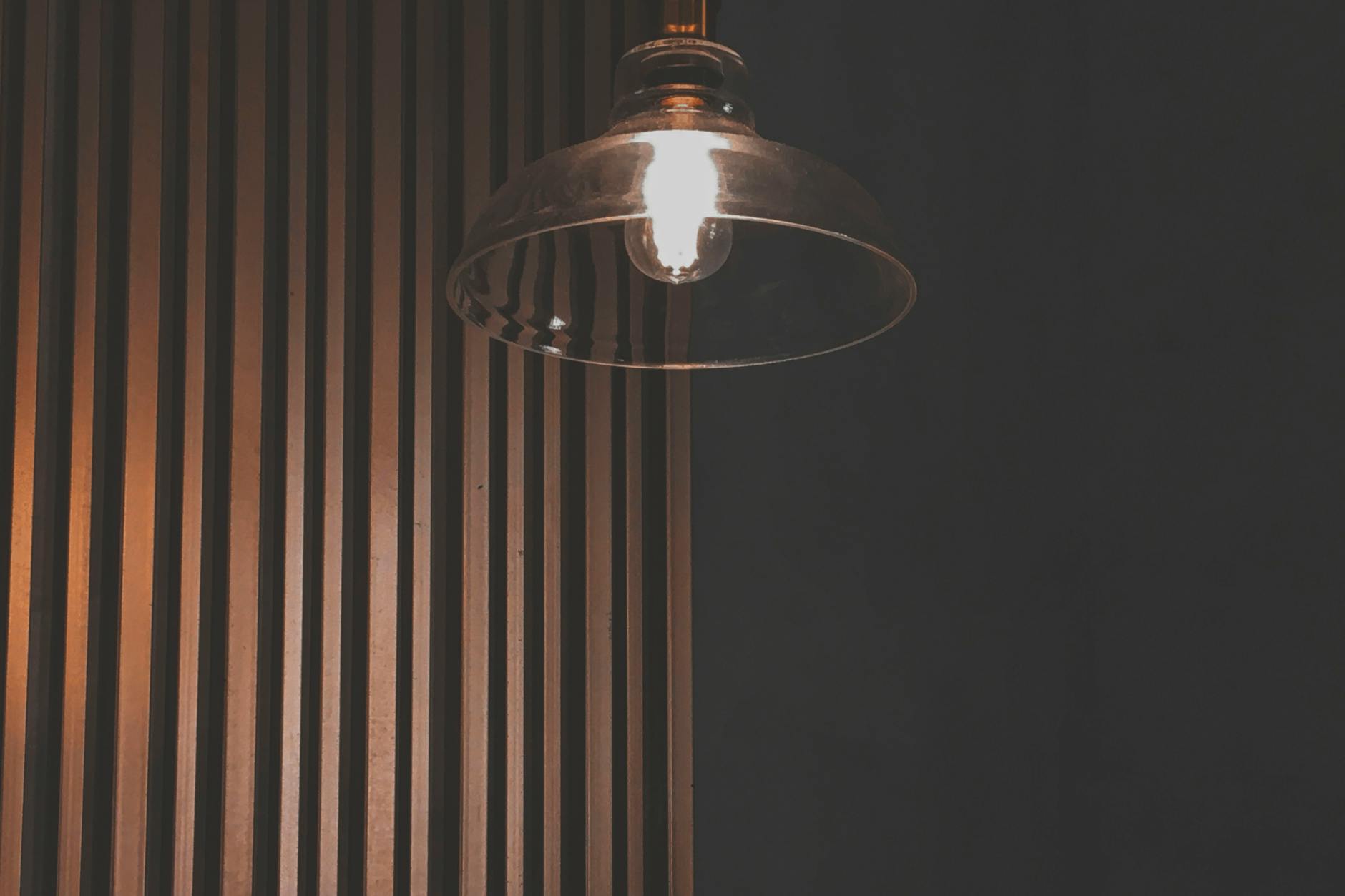
Giant pendant lights that dwarf the kitchen island are being replaced by more proportionate options. Excessive scale in lighting can obstruct sightlines and make the room feel top-heavy. Designers are opting for linear fixtures or clusters of smaller lights to provide illumination without blocking views. The focus is shifting to lighting that complements the space rather than dominating it. Subtlety is becoming key in creating a balanced and harmonious kitchen environment.
The Rigid Work Triangle
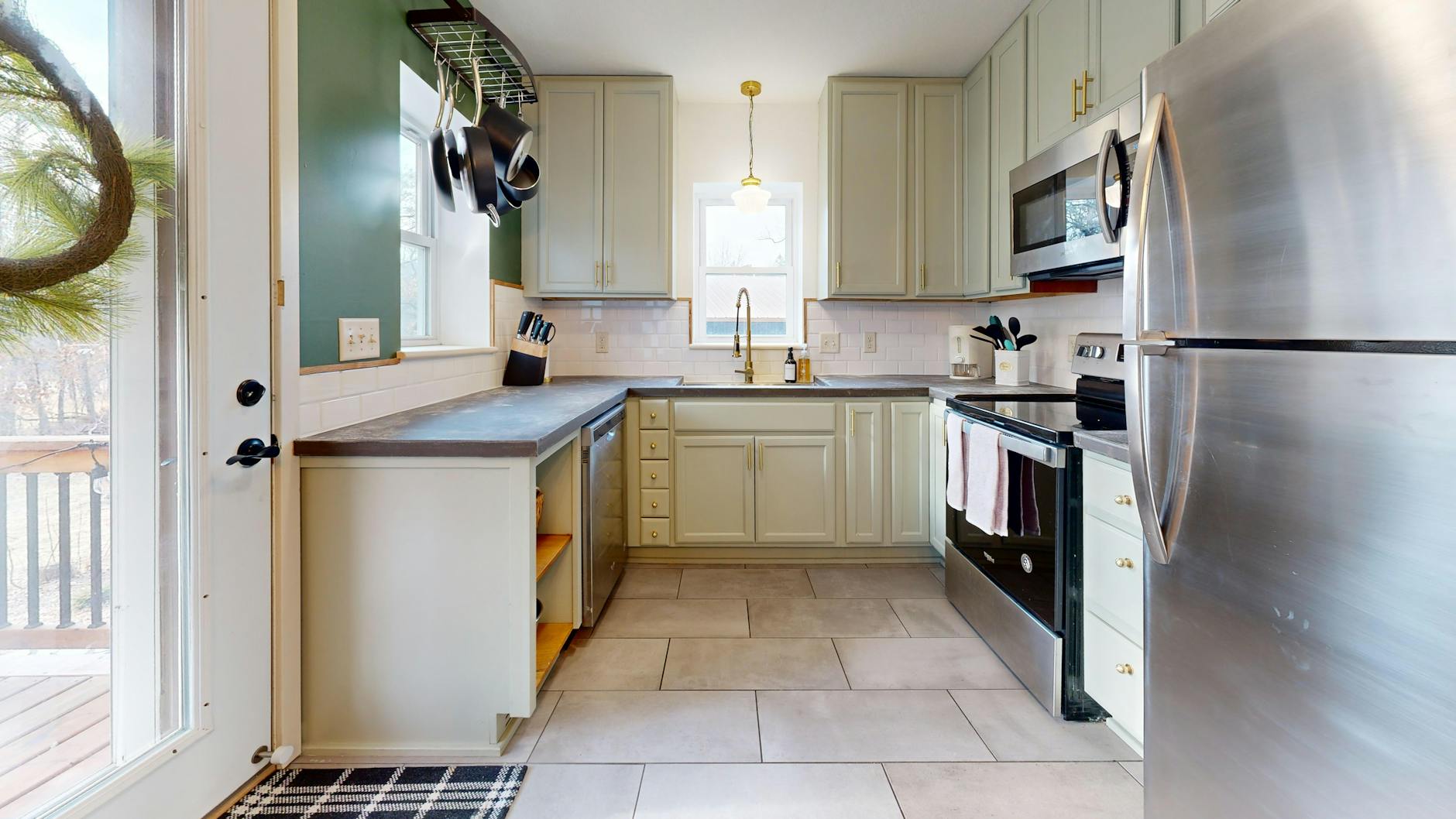
Strict adherence to the traditional stove-sink-fridge triangle is fading as kitchens grow larger and more complex. Modern layouts often include separate zones for prep and cleaning that do not fit this old rule. Multiple cooks often share the space which requires a more flexible approach to appliance placement. Designers are focusing on work zones that cater to specific tasks rather than a single geometric path. Functionality is now defined by flow and usage rather than a rigid architectural concept.
Double Kitchen Islands
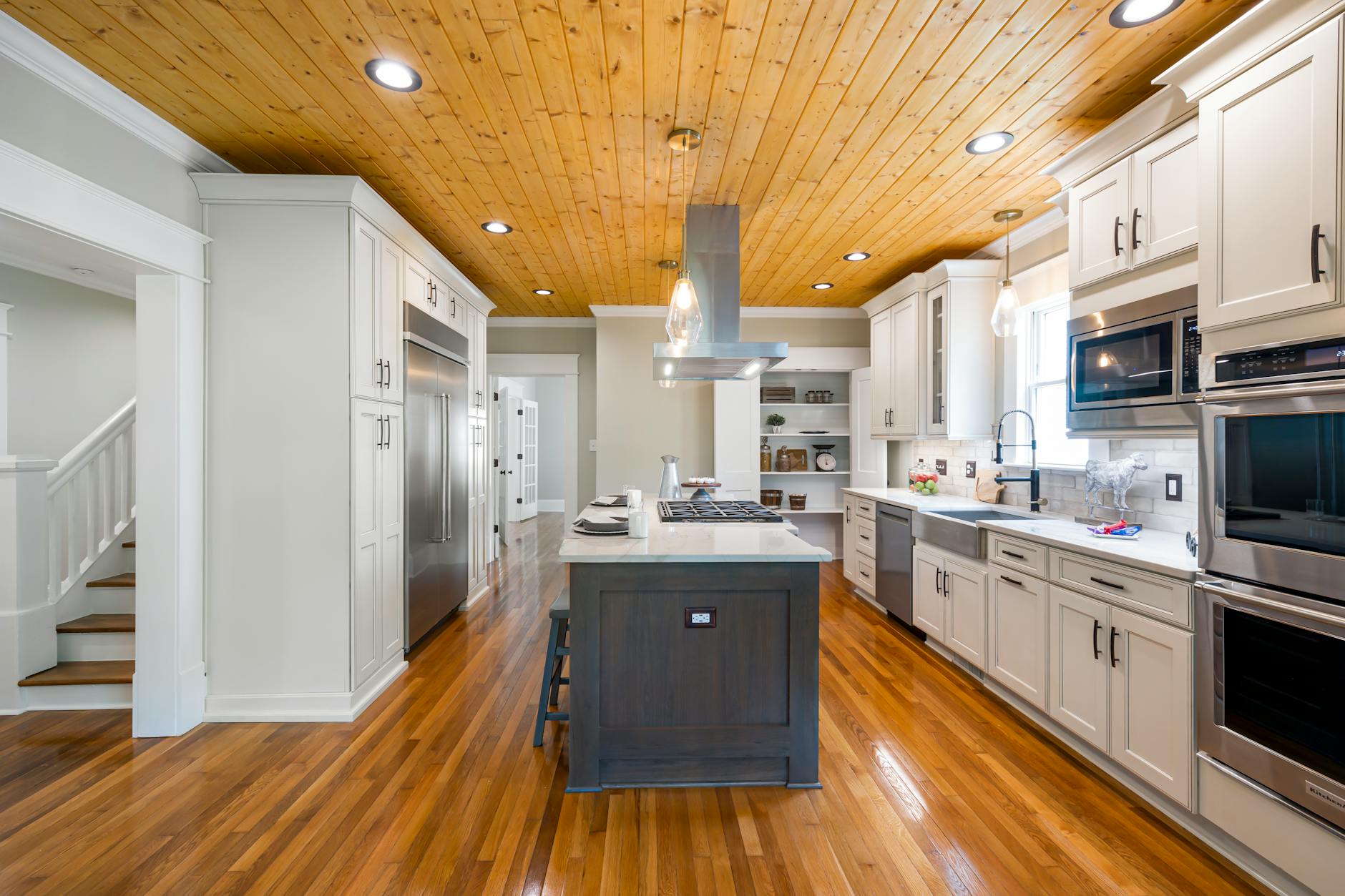
The trend of installing two massive islands is being reconsidered as it often impedes traffic flow. While it offers ample counter space it can create a barrier that separates the cook from guests. Many homeowners find that a single well-designed island serves the space better than two large obstacles. The double island layout creates a showroom feel that lacks the intimacy of a home kitchen. Open space for movement is becoming more valuable than excessive surface area.
Faux-Antiqued Cabinets
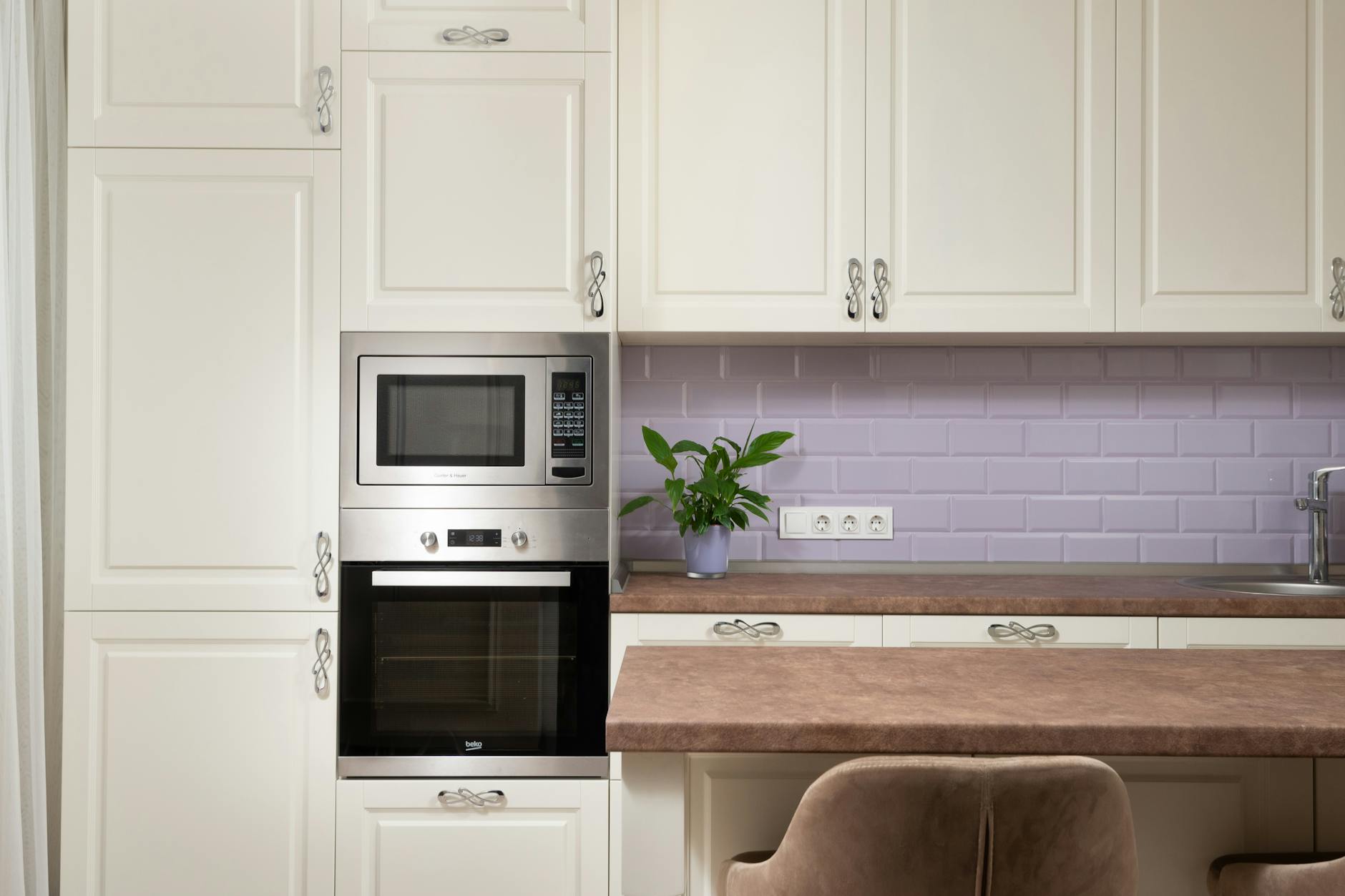
Cabinetry with artificial glazing applied to the crevices to mimic age is a look that has passed. This technique often results in dirty-looking lines that detract from the clean profile of the doors. Genuine aging or simple solid paint jobs are preferred over this manufactured rustic effect. The glaze can yellow over time and make the kitchen look tired rather than charmingly vintage. Clean and crisp finishes are the standard for today’s high-end renovations.
Short Backsplashes
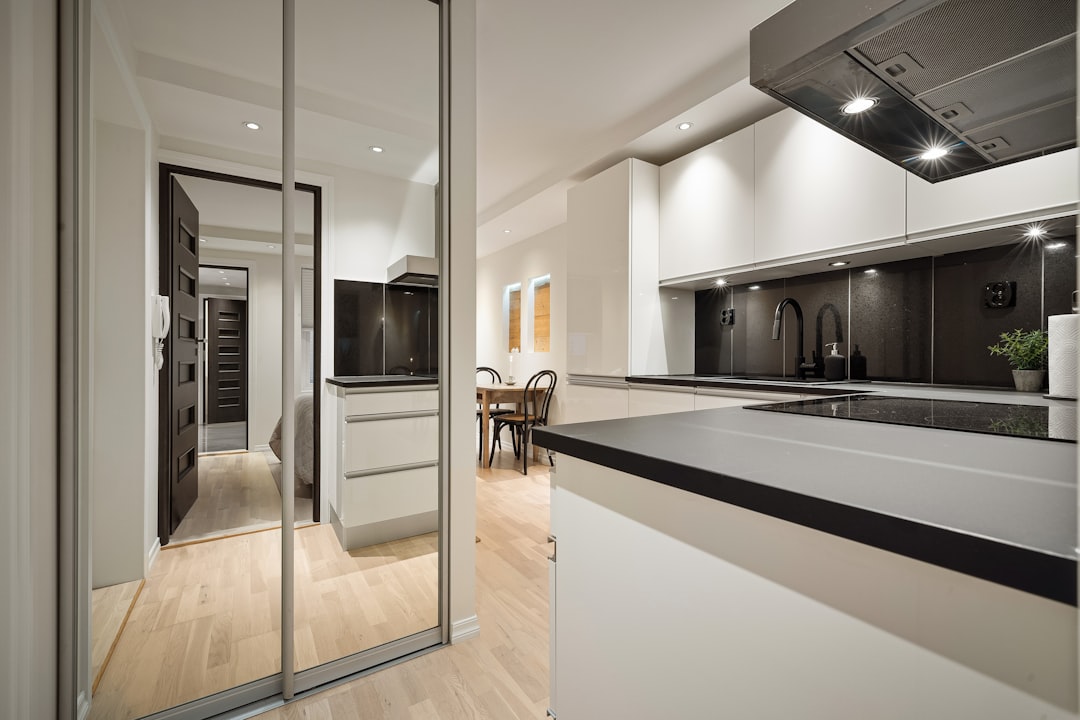
The standard four-inch riser backsplash made of the same material as the countertop is disappearing. This look is often associated with builder-grade finishes and offers minimal protection for the wall. Full-height backsplashes that extend to the upper cabinets or ceiling are the new norm. This approach creates a high-end look and makes cleaning much easier after cooking. Extending the tile or stone emphasizes the vertical height of the room.
Microwave Hood Combos
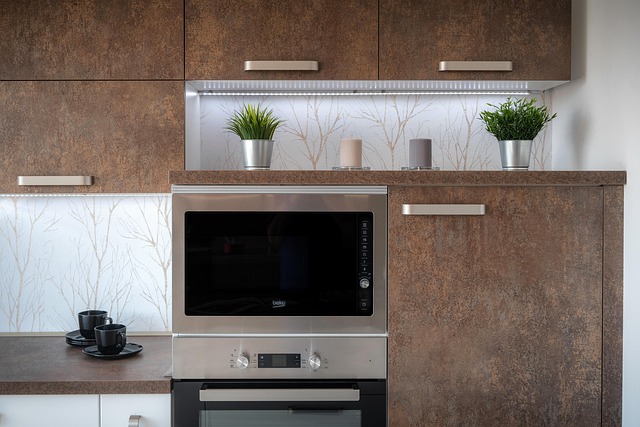
Mounting the microwave directly above the range is a space-saving hack that degrades the look of a custom kitchen. It crowds the cooking area and is often less effective at ventilation than a dedicated hood. Designers are moving microwaves to under-counter drawers or built-in wall units to keep them out of sight. A beautiful range hood is now considered a focal point that should not be obscured. Separating these appliances improves both the aesthetics and the functionality of the cooking zone.
Barn Doors on Pantries
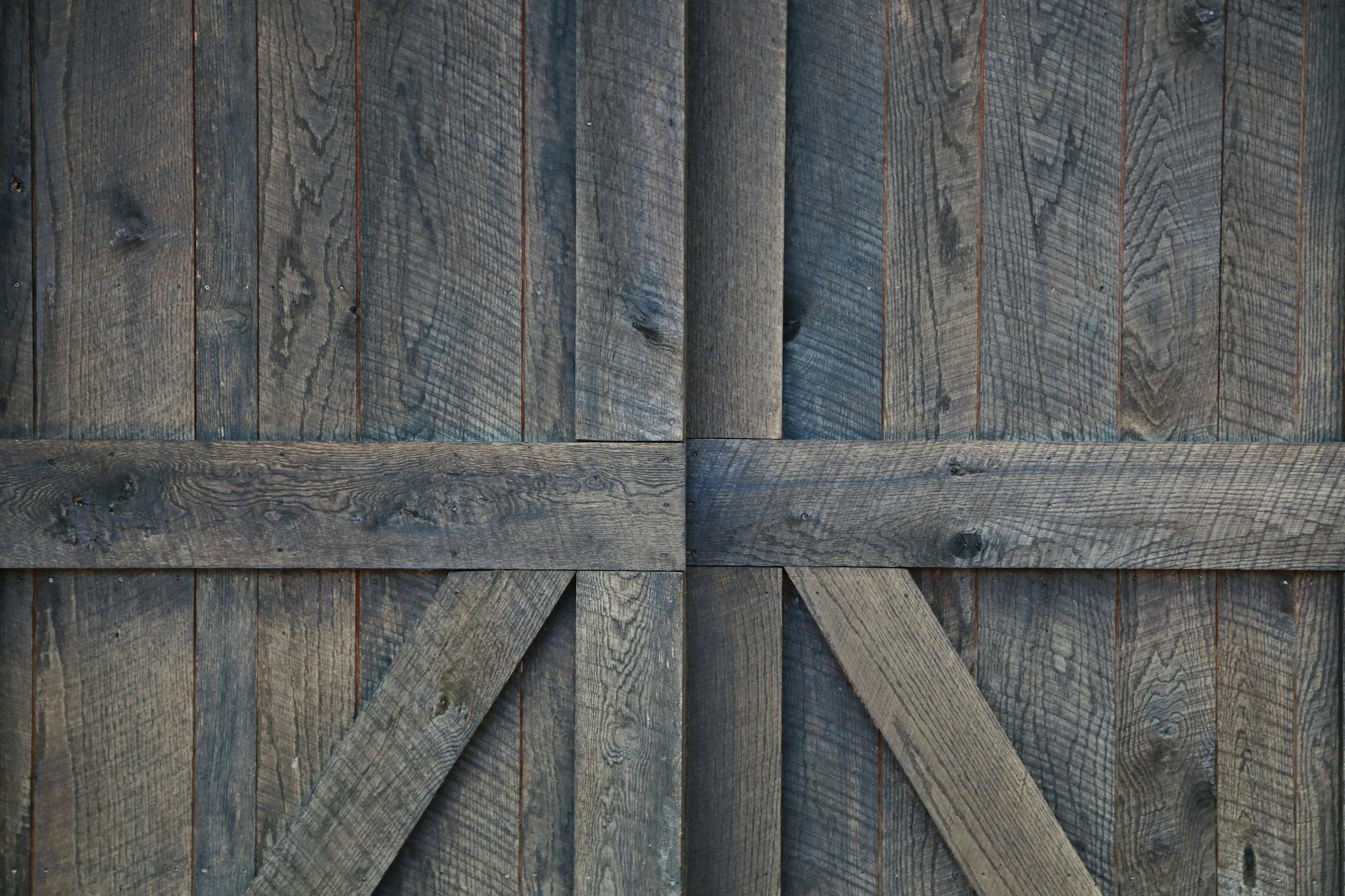
Sliding barn doors are losing popularity due to their acoustic and olfactory drawbacks. They often leave gaps that allow noise and smells to escape the pantry or scullery area. The rustic aesthetic of the hardware often clashes with more streamlined modern kitchen elements. Pocket doors or standard swinging doors offer better sealing and a cleaner look. Function is taking precedence over the farmhouse style that popularized this door type.
Pot Fillers
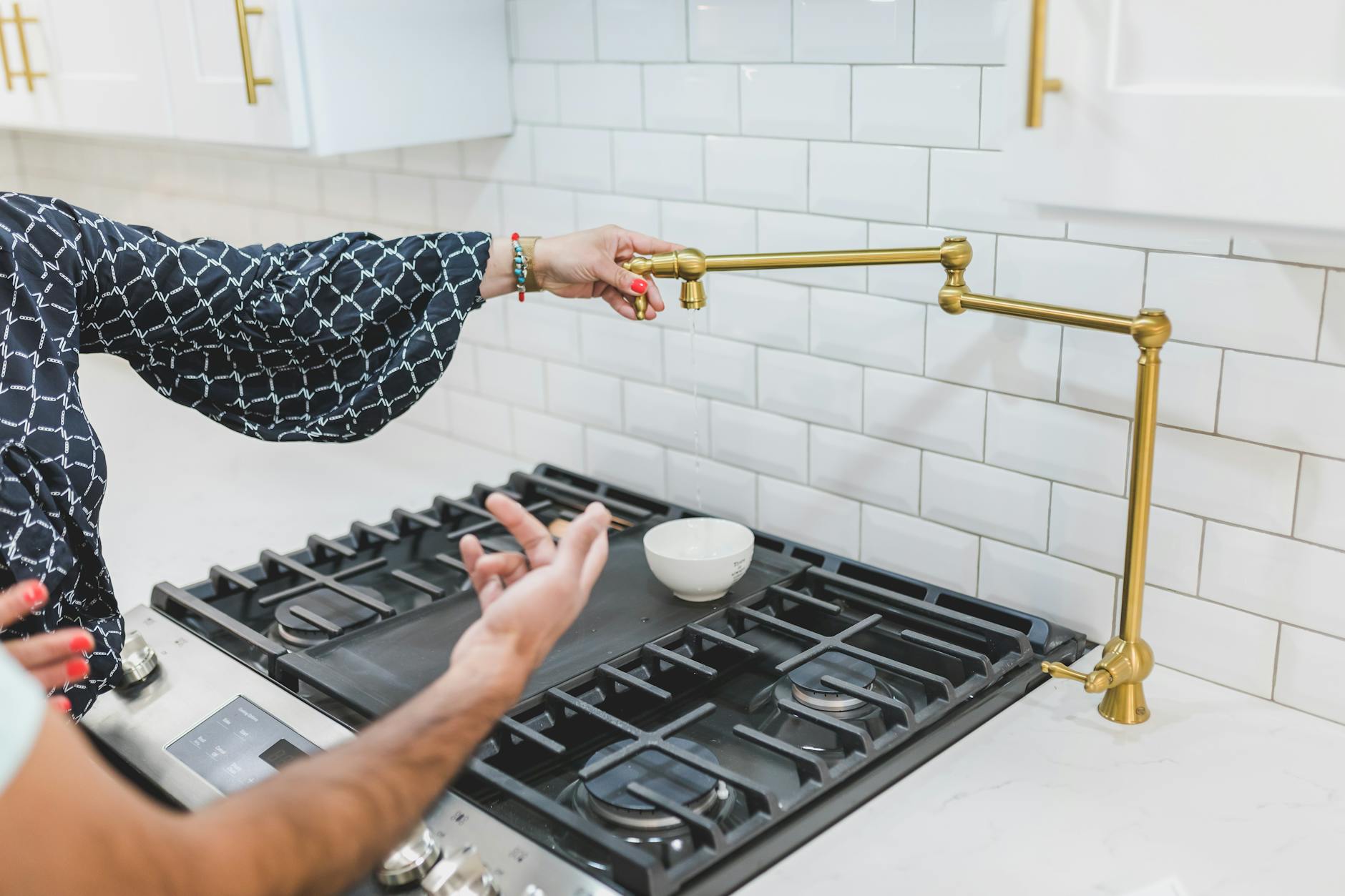
The faucet mounted over the stove is being recognized as an unnecessary luxury that often goes unused. Water must still be carried to the sink to be drained which negates the convenience of filling the pot on the stove. These fixtures add a potential leak point behind a heavy appliance which can be a plumbing nightmare. The visual clutter of an extra faucet on the backsplash is something minimalists are avoiding. Most homeowners find the regular sink faucet sufficient for their cooking needs.
High-Gloss Lacquer
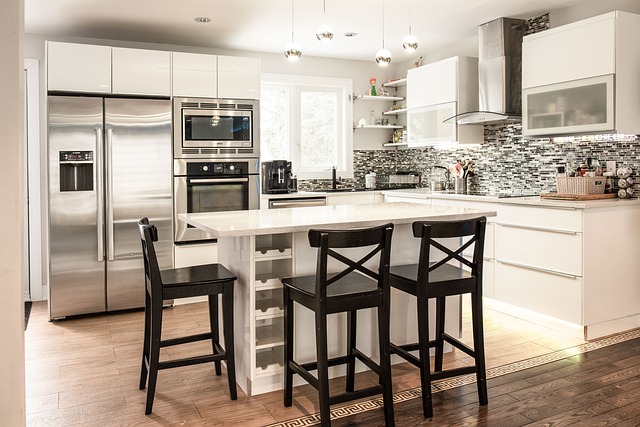
Super shiny cabinetry that reflects everything is giving way to matte and satin finishes. High-gloss surfaces are notorious for showing every fingerprint and smudge. Keeping these cabinets looking clean requires constant wiping which is impractical for families. The glare from the glossy finish can also be harsh under bright kitchen lighting. Softer finishes absorb light and create a more welcoming and tactile experience.
Matching Appliance Suites
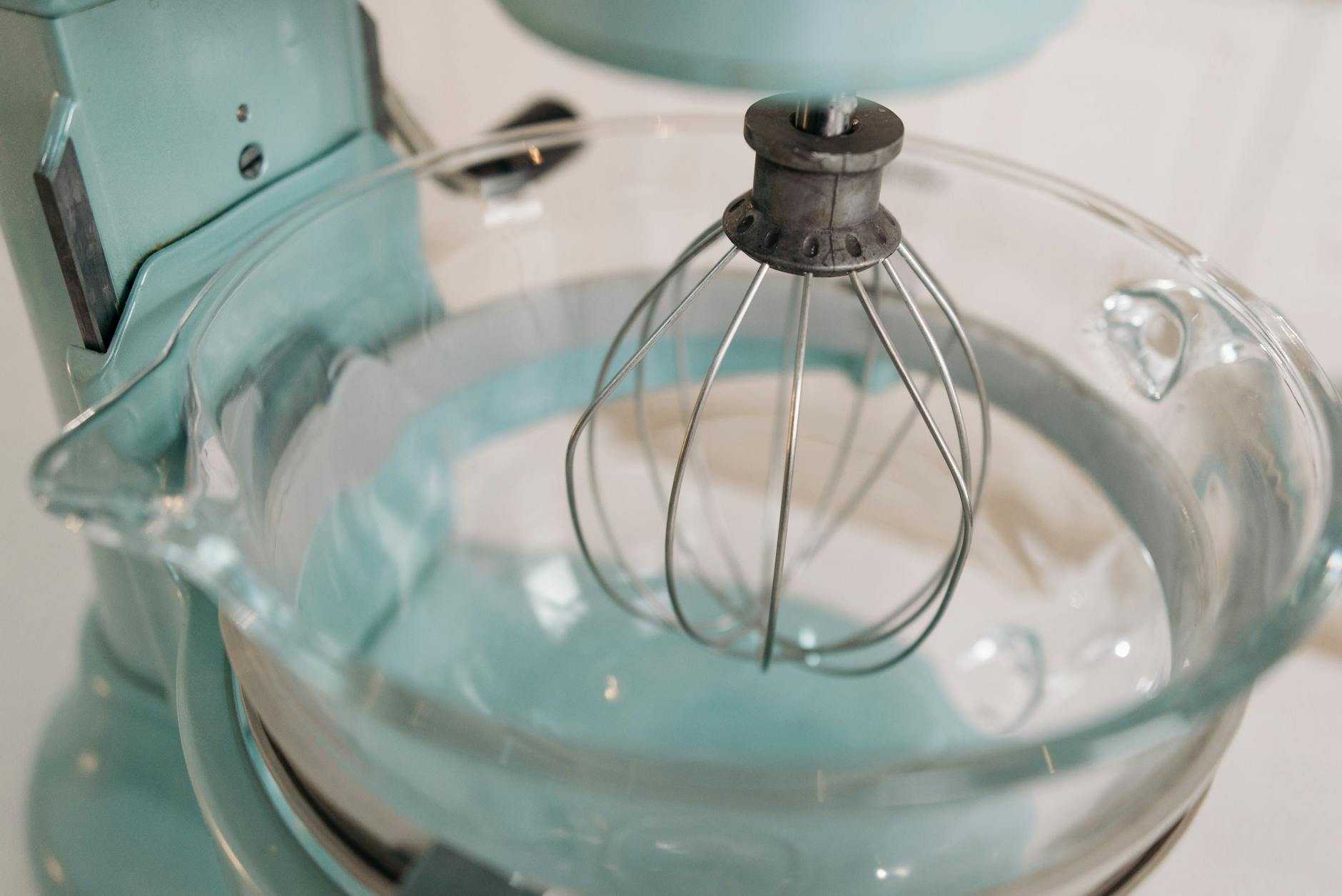
Buying every appliance from a single brand to ensure matching handles is no longer a priority. Homeowners are prioritizing performance over uniformity and choosing the best machine for each task. It is acceptable to mix brands if it means getting a superior range and a better refrigerator. Panel-ready appliances allow different brands to blend seamless into the cabinetry. The look of a curated kitchen is preferred over a generic package deal.
Word Art Decor
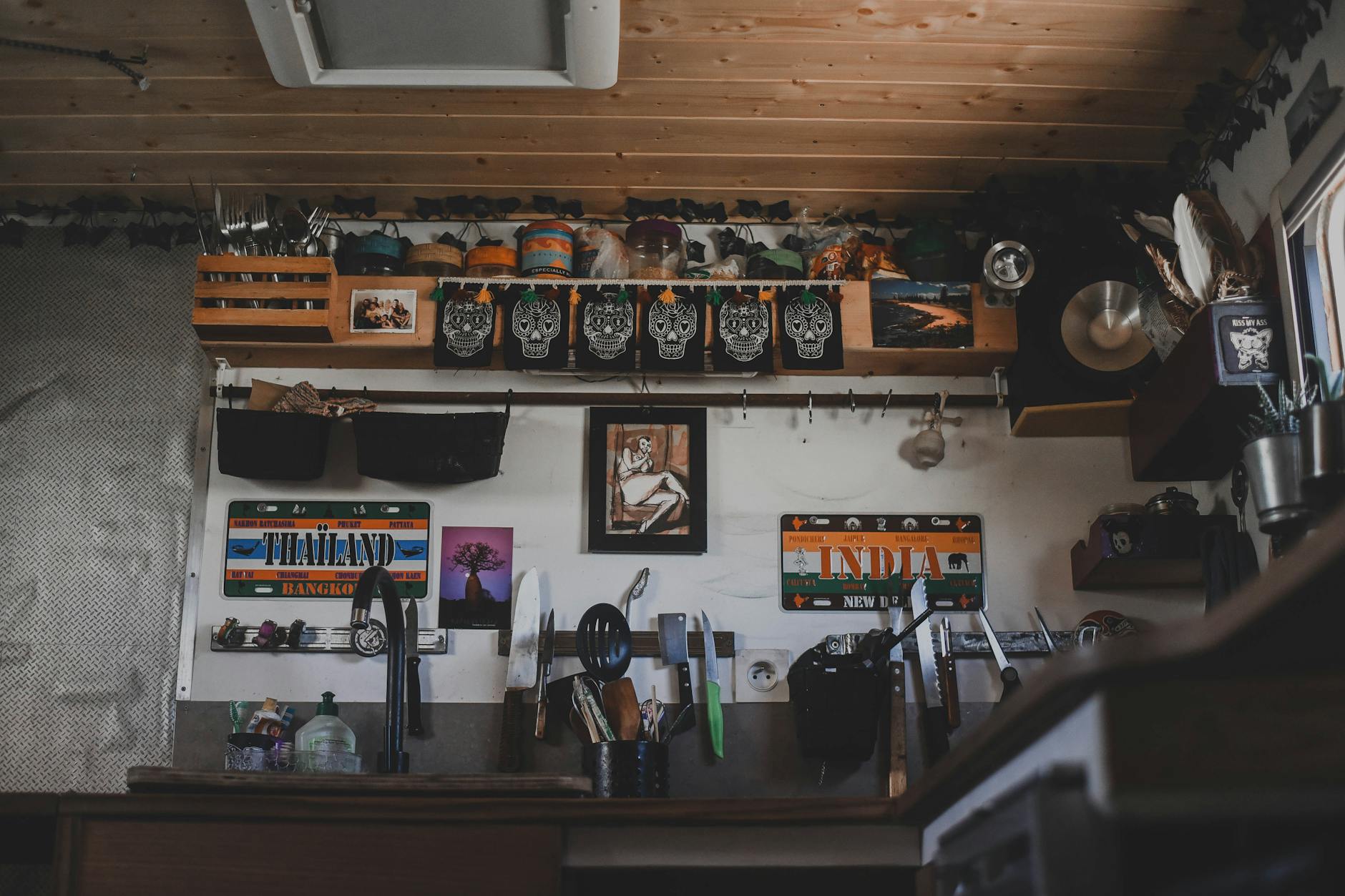
Wooden signs commanding residents to eat or gather are being removed from stylish kitchens. This literal approach to decor is seen as cliché and lacking in personal imagination. Art in the kitchen is becoming more sophisticated with vintage prints or oil paintings taking center stage. The trend is to treat the kitchen like a living space with genuine art rather than generic slogans. Personality is expressed through color and material rather than text.
Cold LED Lighting
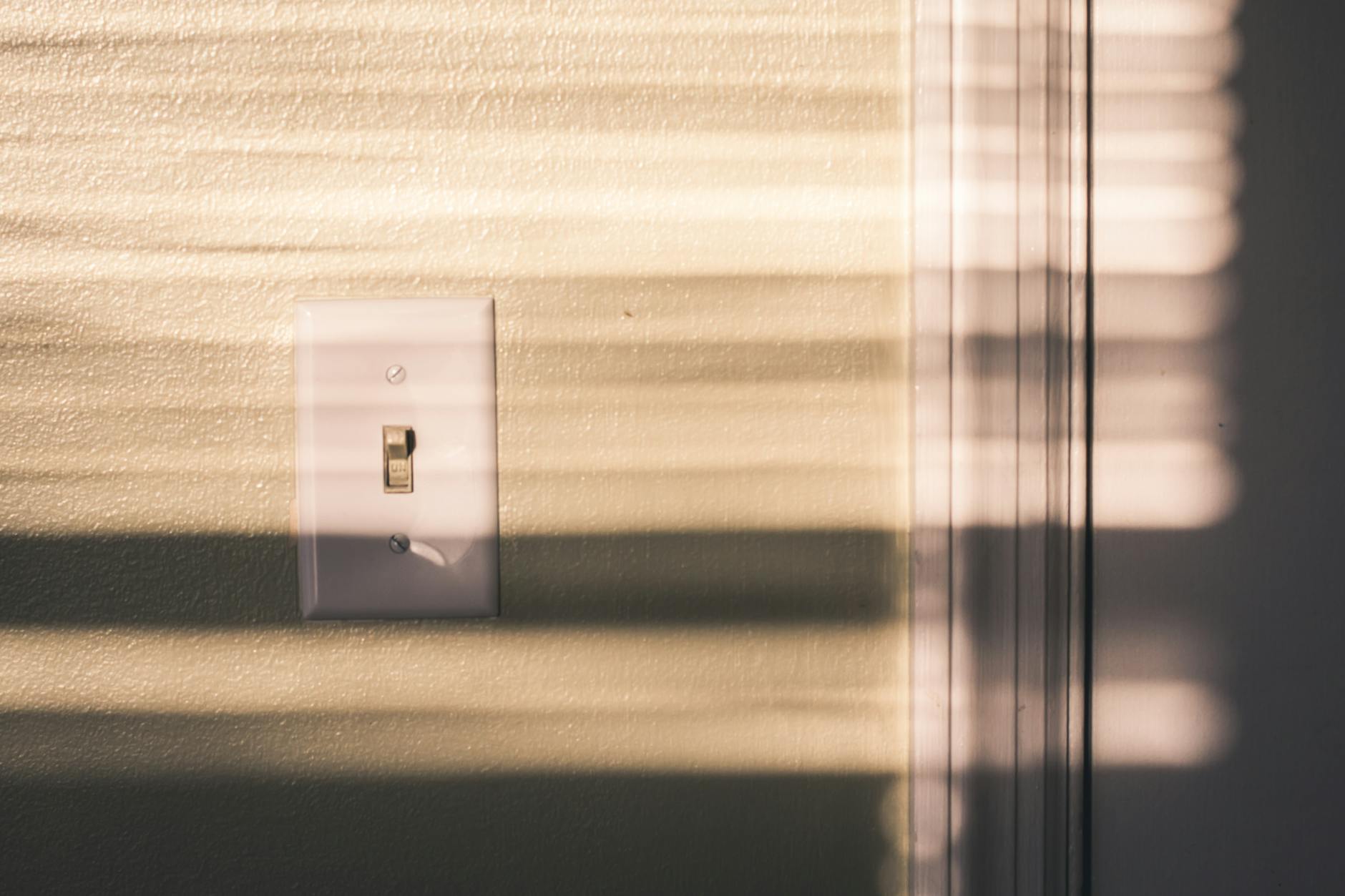
Daylight-balanced LED bulbs that cast a blueish glow are being swapped for warmer temperatures. Harsh cool lighting creates a sterile environment that is unflattering to both food and people. Lighting design is focusing on 2700K or 3000K bulbs that mimic the warmth of traditional incandescent light. Dimmer switches and layered lighting plans are essential for setting the right mood. The goal is a cozy ambiance rather than the brightness of an operating room.
Geometric Cement Tiles
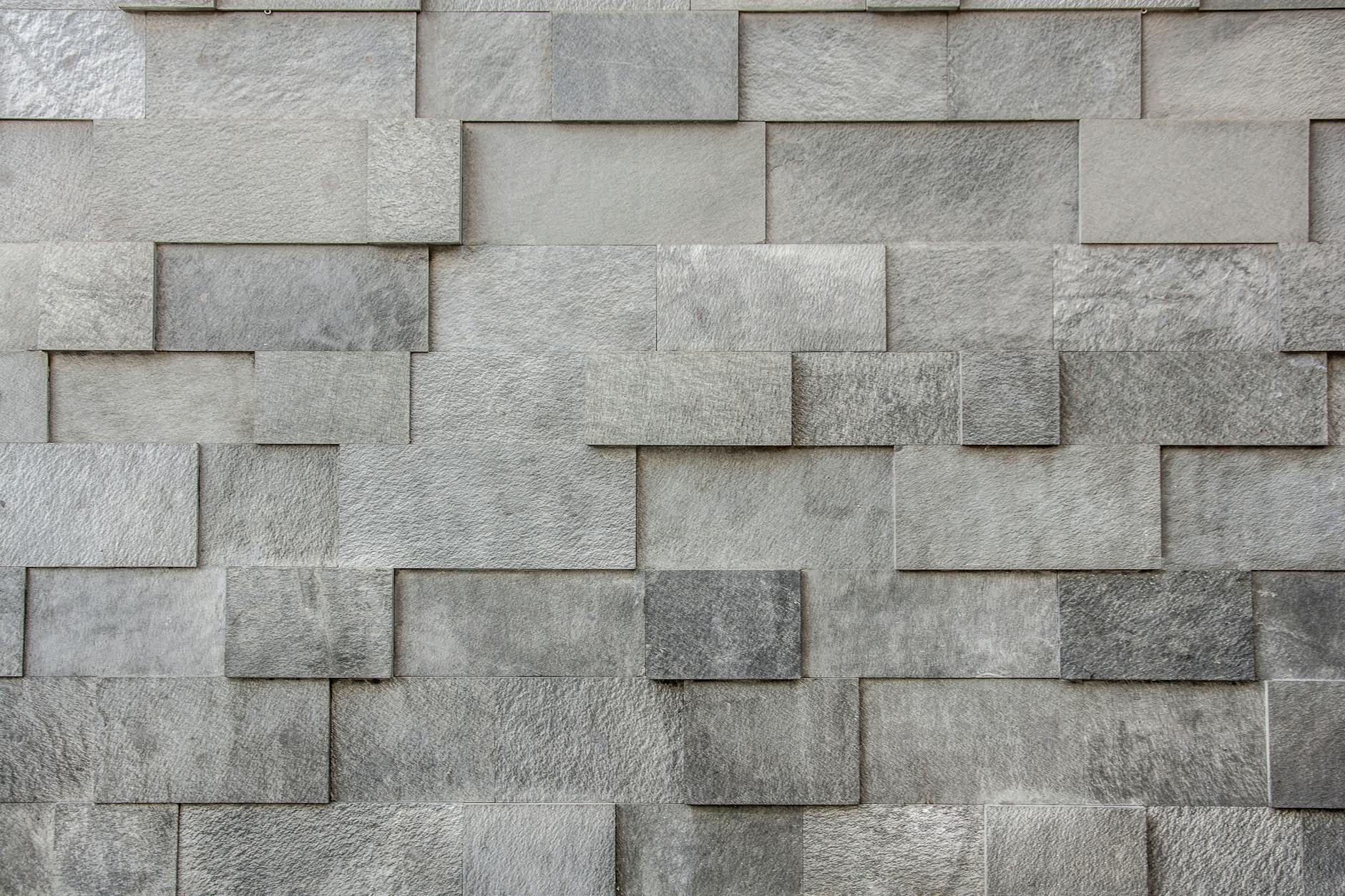
Encaustic cement tiles with bold graphic patterns are feeling overused and busy. These tiles can dominate a room and dictate the color palette too strictly. They often patina unevenly and can be difficult to maintain in high-traffic spill zones. Designers are favoring subtle textures or classic stone patterns that have more longevity. A timeless floor allows for updates to cabinetry and decor without a full renovation.
Rose Gold Hardware

The pink-hued metal trend was short-lived and is now largely absent from new collections. Rose gold can be difficult to mix with other metals and often looks trendy rather than timeless. It tends to clash with the warmer wood tones that are currently coming back into style. Homeowners are returning to unlacquered brass or polished nickel for a warmer metal accent. These classic finishes develop a patina that adds character rather than looking dated.
Integrated Desks
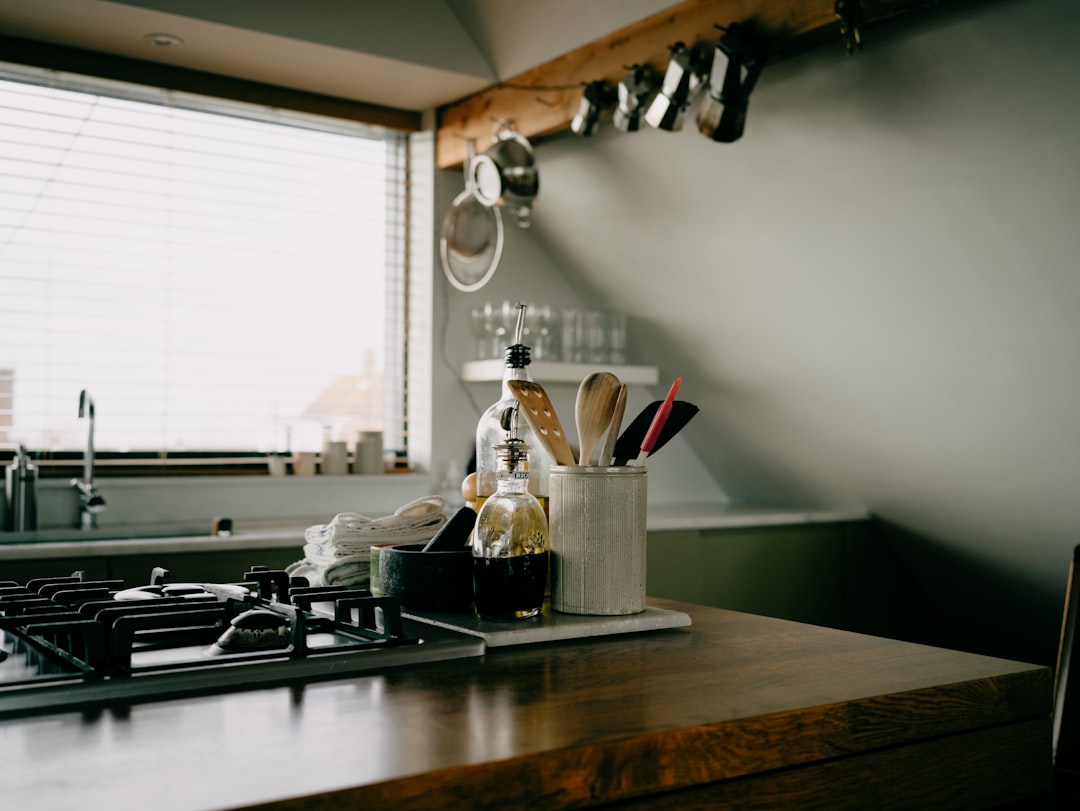
The built-in desk area in the kitchen is often a magnet for clutter rather than a productive workspace. Modern families prefer to work at the island or in a dedicated home office elsewhere. These nooks usually end up filled with mail and junk rather than being used for their intended purpose. Renovators are reclaiming this space for additional pantry storage or a beverage center. The kitchen is returning to its primary role as a space for cooking and socializing.
Trash Compactors
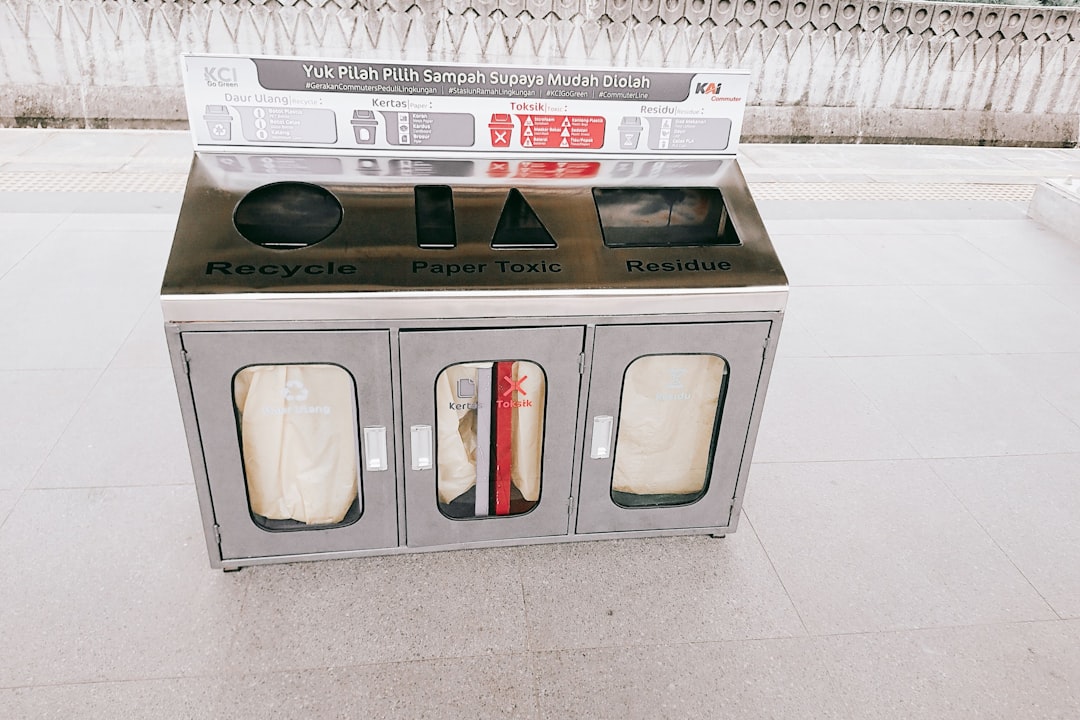
Once a symbol of a luxury kitchen the trash compactor is now considered an obsolete appliance. Modern recycling habits and composting reduce the need for compacting mixed trash. These units can be noisy and often develop odors that are trapped inside the mechanism. Simple pull-out trash and recycling bins hidden in cabinetry are the preferred solution. They are easier to clean and manage than a mechanical compactor.
Wine Racks in Cabinetry
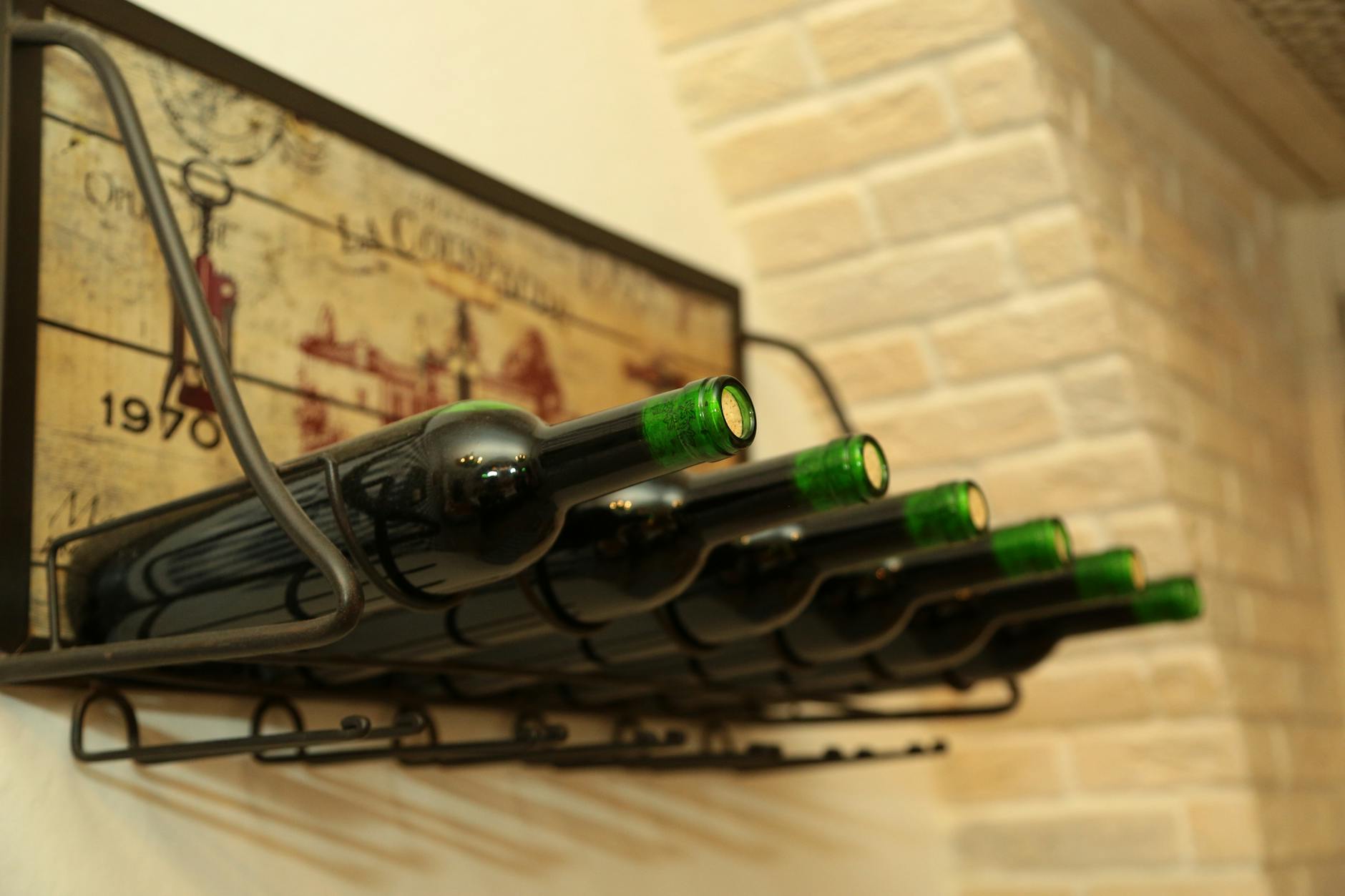
Open grids for wine storage built into the cabinetry are fading due to temperature concerns. Storing wine in a warm kitchen environment is poor preservation practice. These cubbies often collect dust and can be difficult to clean thoroughly. Wine fridges offer proper temperature control and a sleeker look for modern homes. Dedicated beverage centers are replacing these passive storage solutions.
Distressed Wood Floors
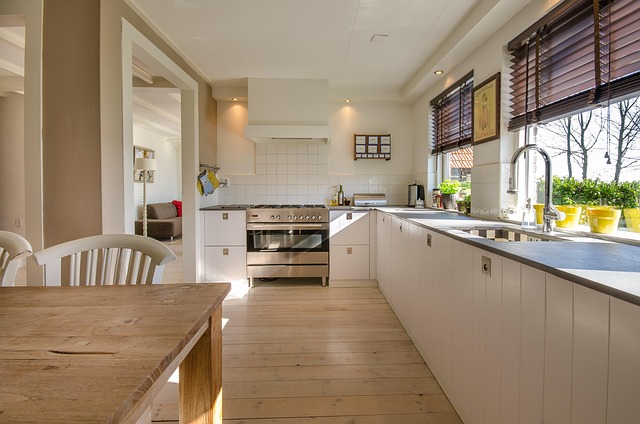
Flooring that comes pre-scratched and scraped to look old is being replaced by smoother finishes. The artificial distressing patterns often repeat and look inauthentic across a large floor plan. Dirt and grime can get trapped in the deep faux grooves making cleaning difficult. Homeowners are choosing clean-grade wood with subtle grain for a more refined foundation. Authentic wear over time is valued more than a manufactured rustic look.
Oversized Range Hoods
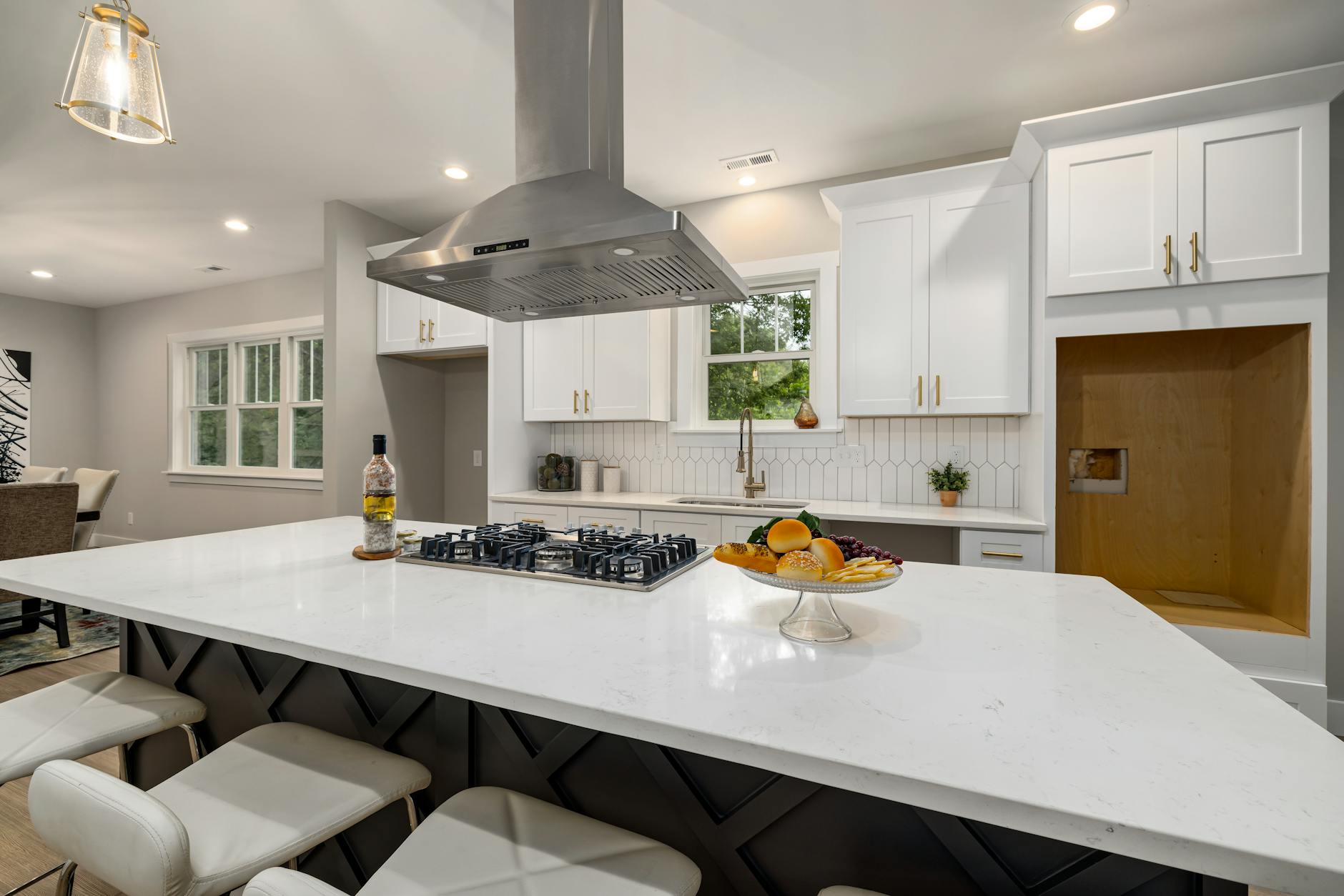
Massive hoods that flare out and dominate the wall are being scaled back. Boxy or streamlined hood designs are preferred for their clean lines and integration with cabinetry. The focus is on ventilation performance without the visual bulk of a giant metal canopy. Many designers are cladding hoods in drywall or plaster to blend them into the wall. This approach keeps the kitchen feeling open and airy.
Faux Marble Veining
Quartz with thick jagged veins that try too hard to look like marble is falling out of style. The patterns often look pixelated or unnatural when viewed up close. Subtle veining or solid colors are becoming the smarter choice for synthetic countertops. Real stone is regaining popularity for those who want dramatic movement. The industry is moving toward materials that look authentic rather than like an imitation.
Strictly Mid-Century Modern
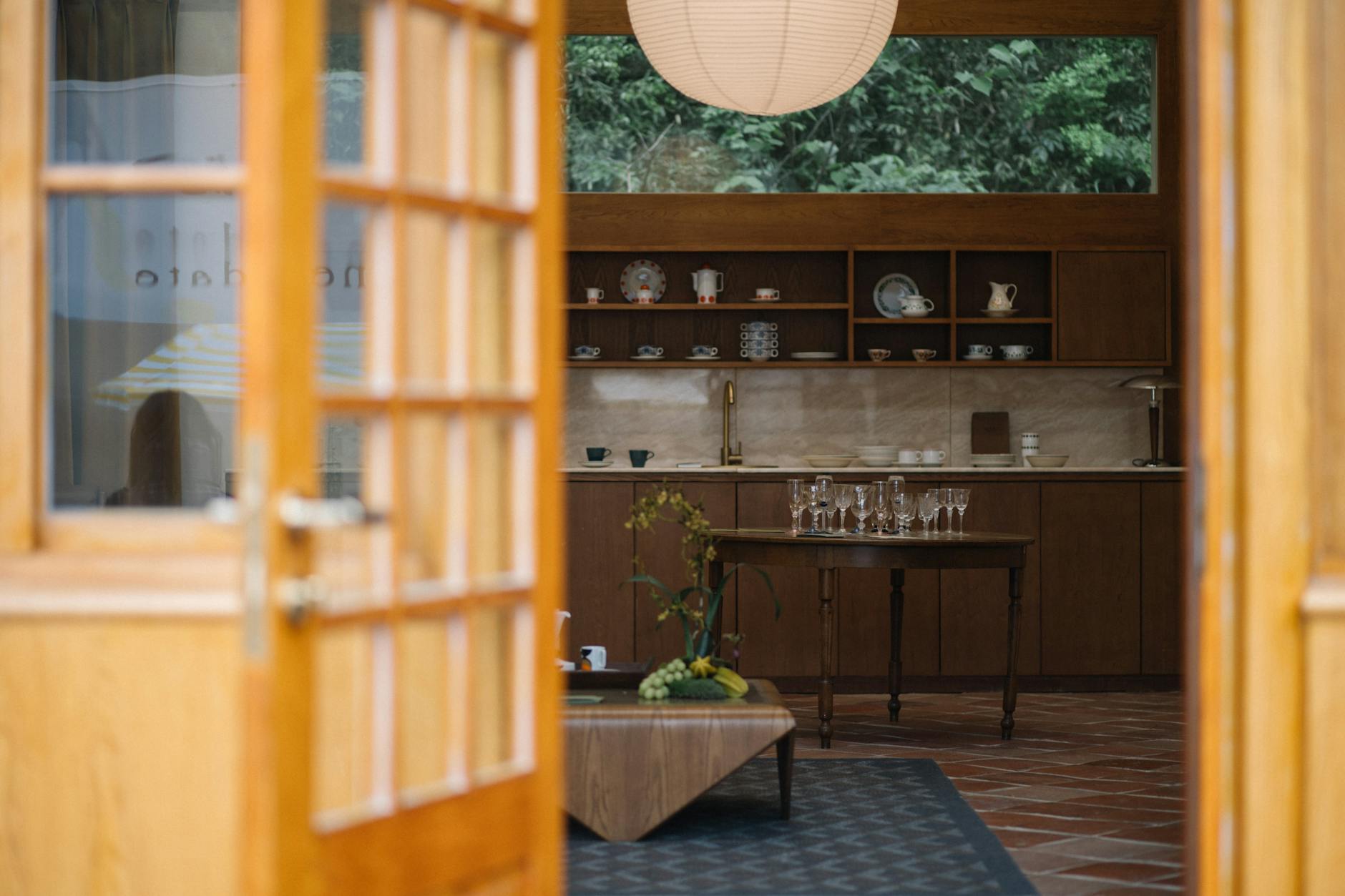
The strict adherence to mid-century modern design principles is loosening into a more transitional mix. A kitchen that looks like a set from the 1950s can feel disconnected from the rest of a contemporary home. Designers are mixing eras by combining vintage elements with modern conveniences. The look is becoming more eclectic and layered rather than adhering to a single time period. This flexible approach allows for more personal expression.
The Kitchen Office Nook

Similar to the integrated desk the dedicated computer nook is vanishing from kitchen plans. Laptops and tablets allow work to happen anywhere making a stationary computer spot unnecessary. These corners often become dumping grounds for paper and unorganized clutter. The space is better utilized for a dedicated coffee station or appliance garage. Flexibility is the new priority for kitchen floor plans.
Exposed Brick Veneer
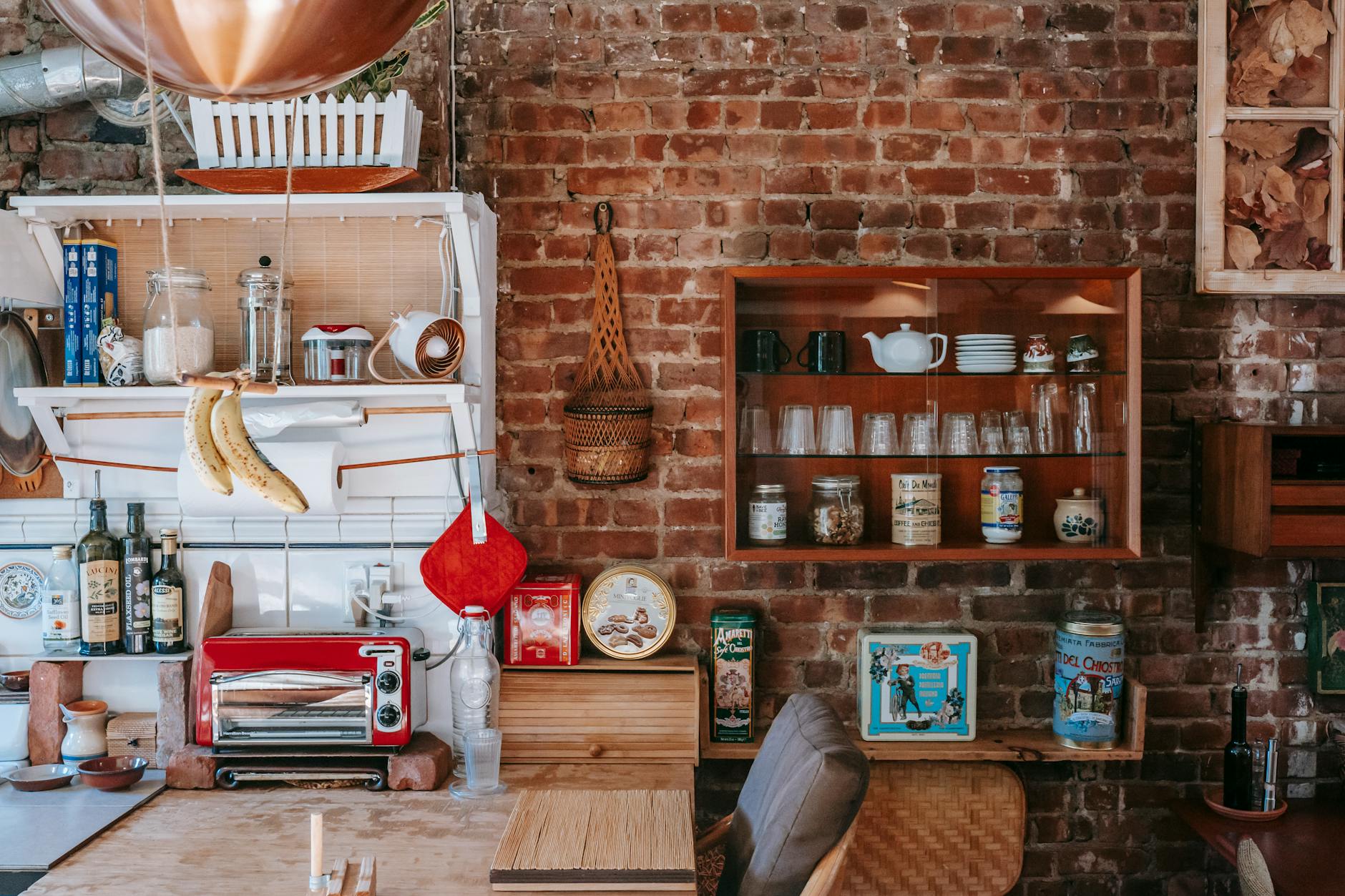
Applying thin brick slices to walls to create a loft look is seeing a decline. Unless the building structure is actually brick this application can feel decorative and fake. The texture is rough and can be difficult to keep clean in a greasy kitchen environment. Smooth plaster or paneling is offering a sophisticated alternative for wall treatments. Authenticity in materials is a major driver for current design decisions.
Neon Appliances
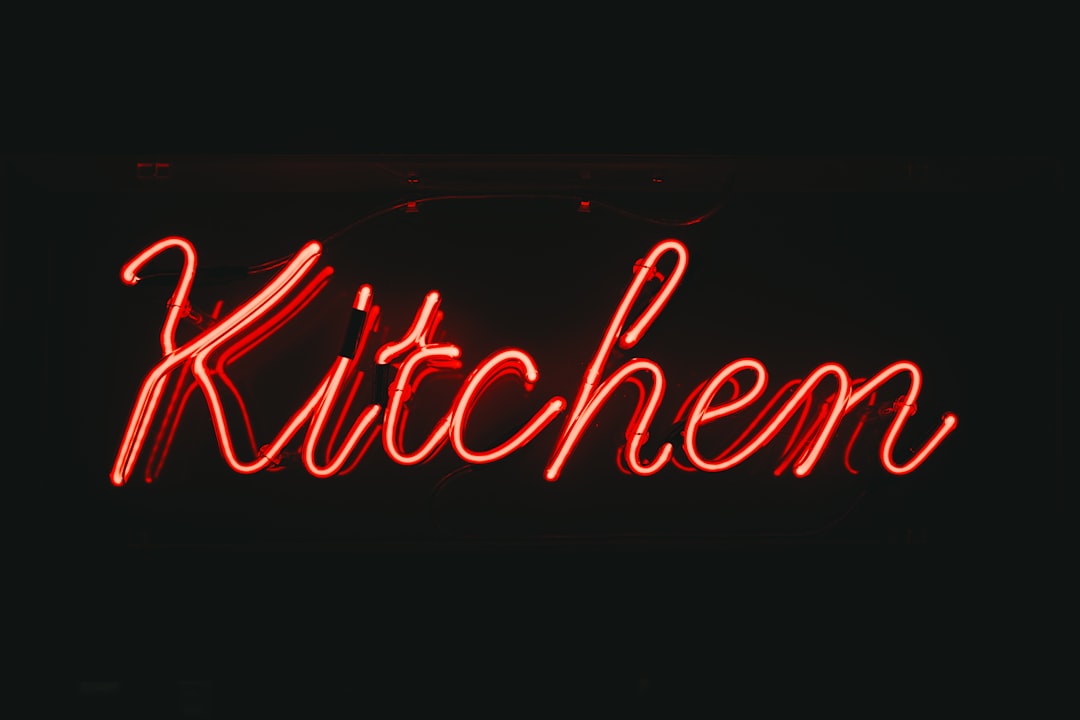
Brightly colored retro fridges in neon orange or lime green are hard to commit to for the long term. These statement pieces can limit future decor changes and often have lower resale value. Homeowners are sticking to stainless steel or panel-ready options that blend in. Color is being introduced through easily changeable accessories like towels and bowls. The investment in major appliances dictates a more neutral choice for longevity.
Plinth Heaters
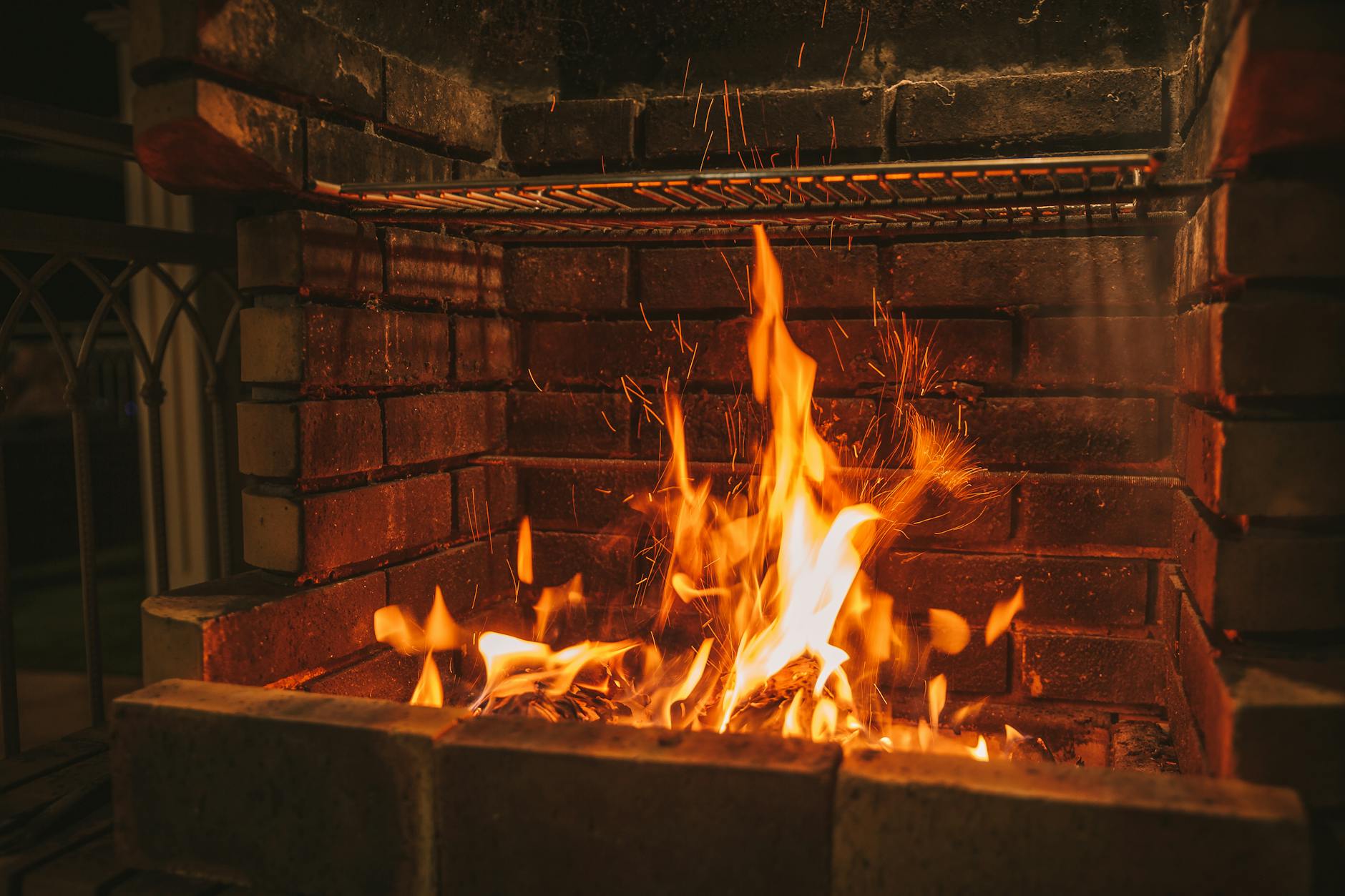
The electric heaters installed in the toe kick of cabinets are being replaced by better HVAC solutions. They can be noisy and blow dust across the kitchen floor. Underfloor radiant heating provides a much more comfortable and silent warmth. The unsightly grilles disrupt the clean lines of the cabinetry base. Modern heating solutions are designed to be invisible and efficient.
Linear Mosaic Backsplashes
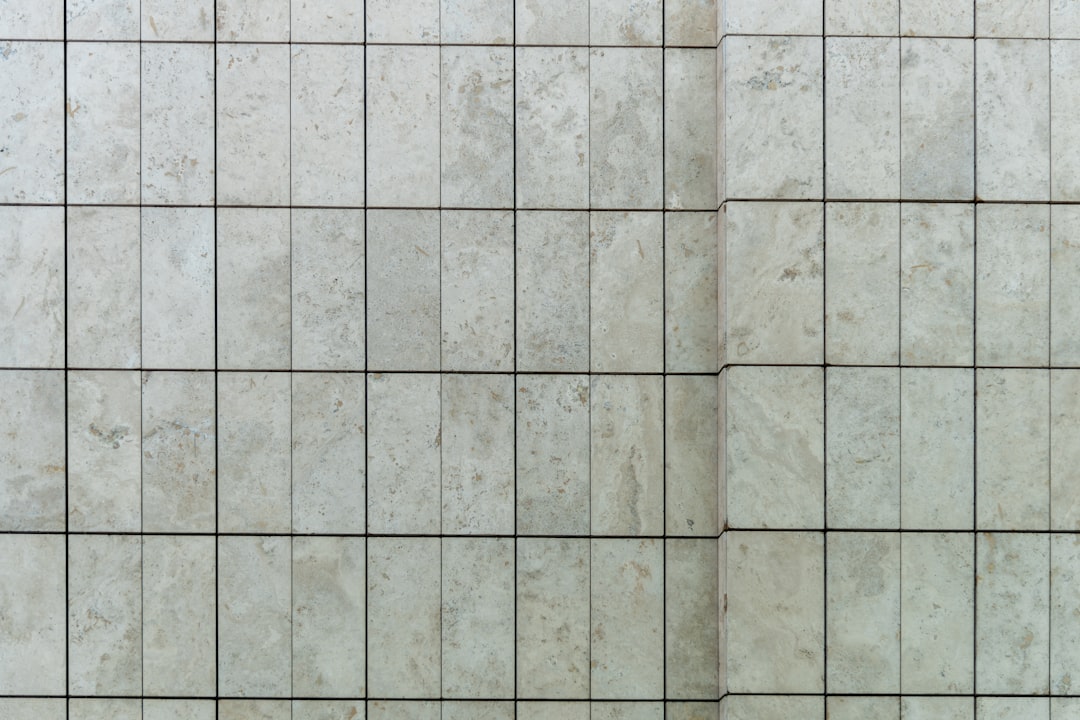
The skinny horizontal glass or stone bars that were popular a decade ago are definitely out. This pattern creates a busy visual vibration that distracts from the rest of the kitchen. It immediately dates a renovation to the early 2010s. Larger tiles or classic subway shapes offer a more enduring aesthetic. Simplicity in tile patterns is ensuring that designs age gracefully.
Decorative Corbels
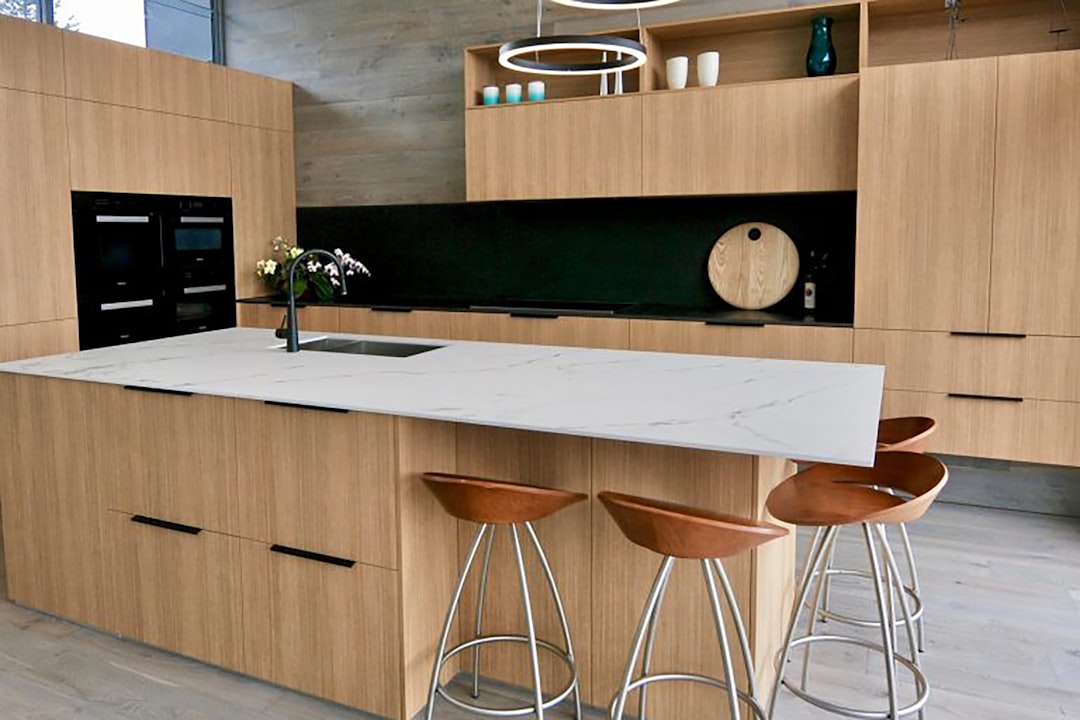
Heavy carved wooden brackets under islands or shelves are being removed for a cleaner look. These ornate details feel too fussy for contemporary tastes and collect grease and dust. Structural supports are now hidden or designed with simple geometric lines. The trend is away from decorative excess and toward streamlined architecture. Clean overhangs without visual clutter are the preferred finish.
The Clopen Layout
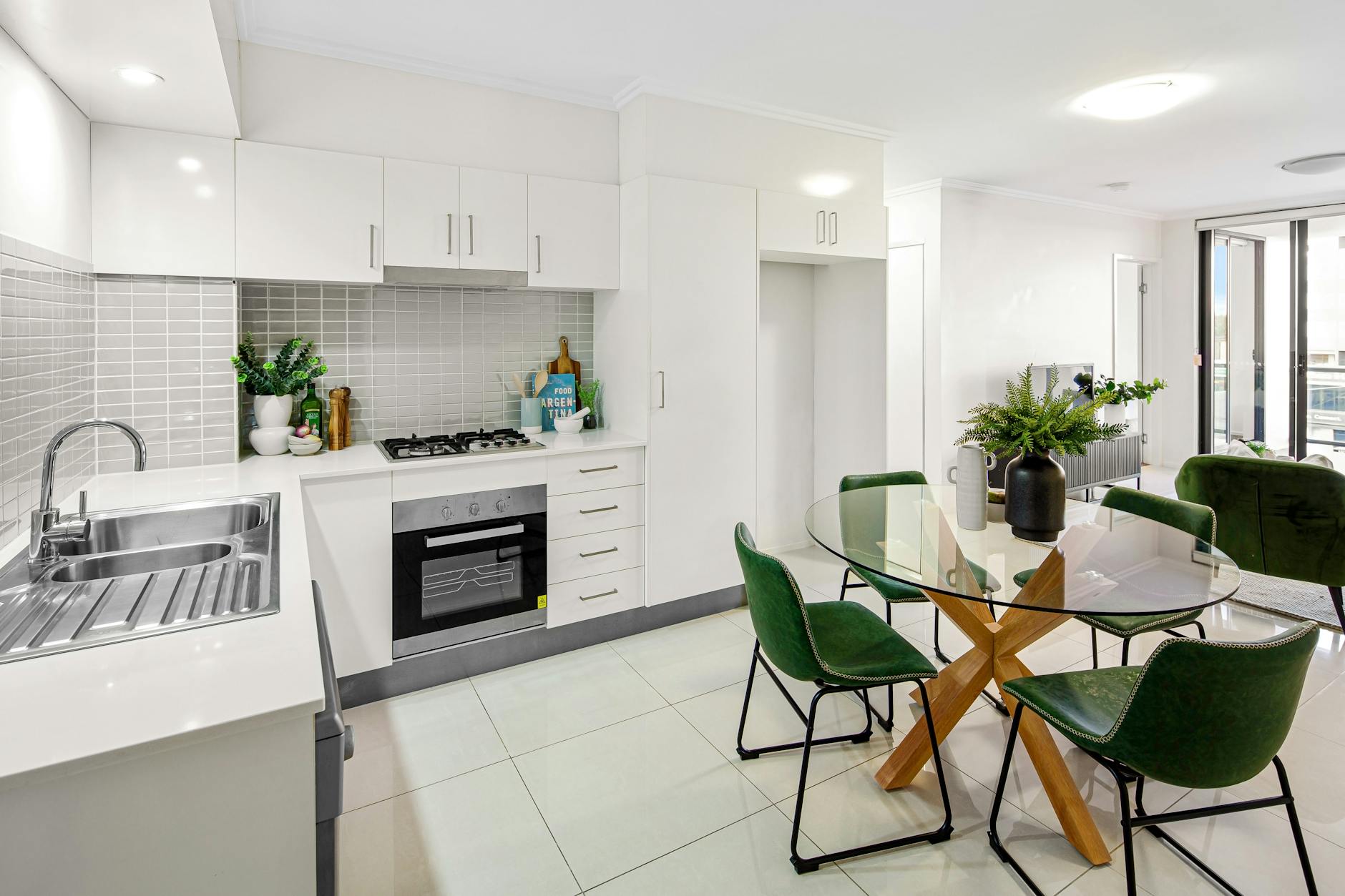
The concept of a kitchen completely open to the living room with no visual separation is evolving. Homeowners are realizing that seeing dirty dishes from the sofa is not ideal. Broken-plan living which uses screens or partial walls is gaining traction. This allows for connection without completely exposing the mess of the kitchen. The desire for some separation and sound control is reshaping floor plans.
Which of these outdated trends are you happy to see go?




