Dental professionals consistently warn patients about dietary choices that compromise oral health and accelerate decay. The foods we consume daily play a significant role in the longevity of our enamel and the overall condition of our gums. Sugar and acid are the primary culprits in damaging teeth by fueling bacteria or eroding protective layers. Awareness of these specific items can help individuals make better decisions for their dental hygiene routine. Understanding the mechanics of how these foods affect the mouth empowers you to take preventative measures after eating.
Chewy Candy
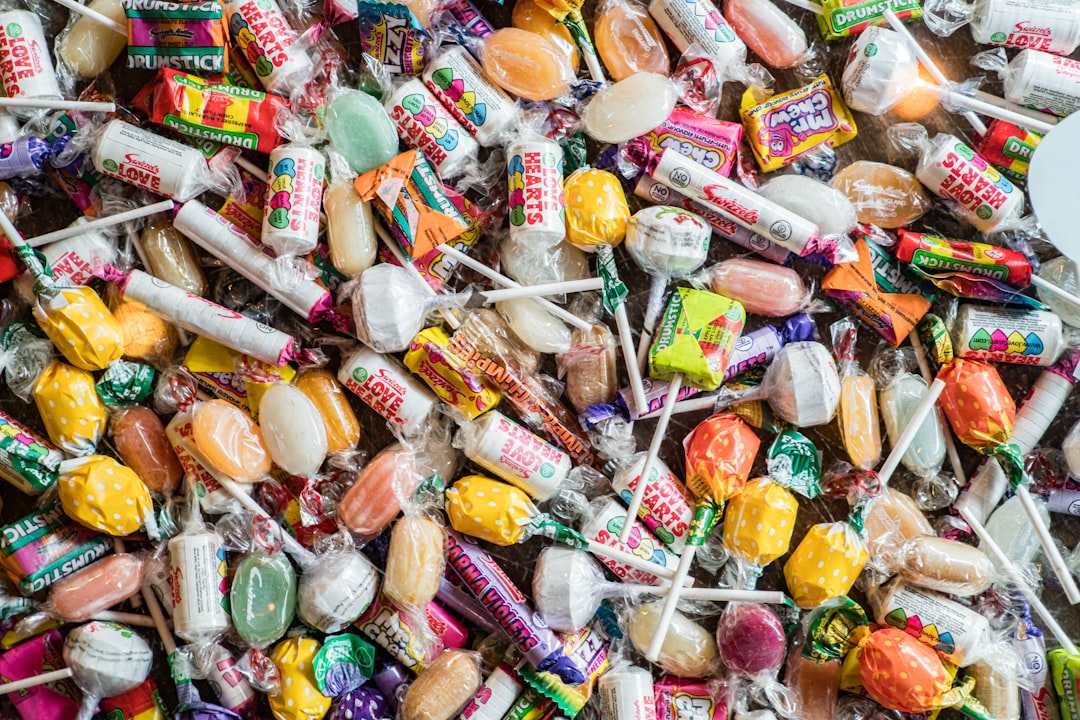
Sticky sweets like taffy or caramel adhere stubbornly to the tooth surface for extended periods. This prolonged contact allows bacteria to feast on the sugar and produce harmful acids that attack enamel. Saliva often fails to wash away these dense textures effectively without vigorous brushing. Dental work such as fillings or crowns can also be pulled loose by the extreme stickiness of these treats.
Ice
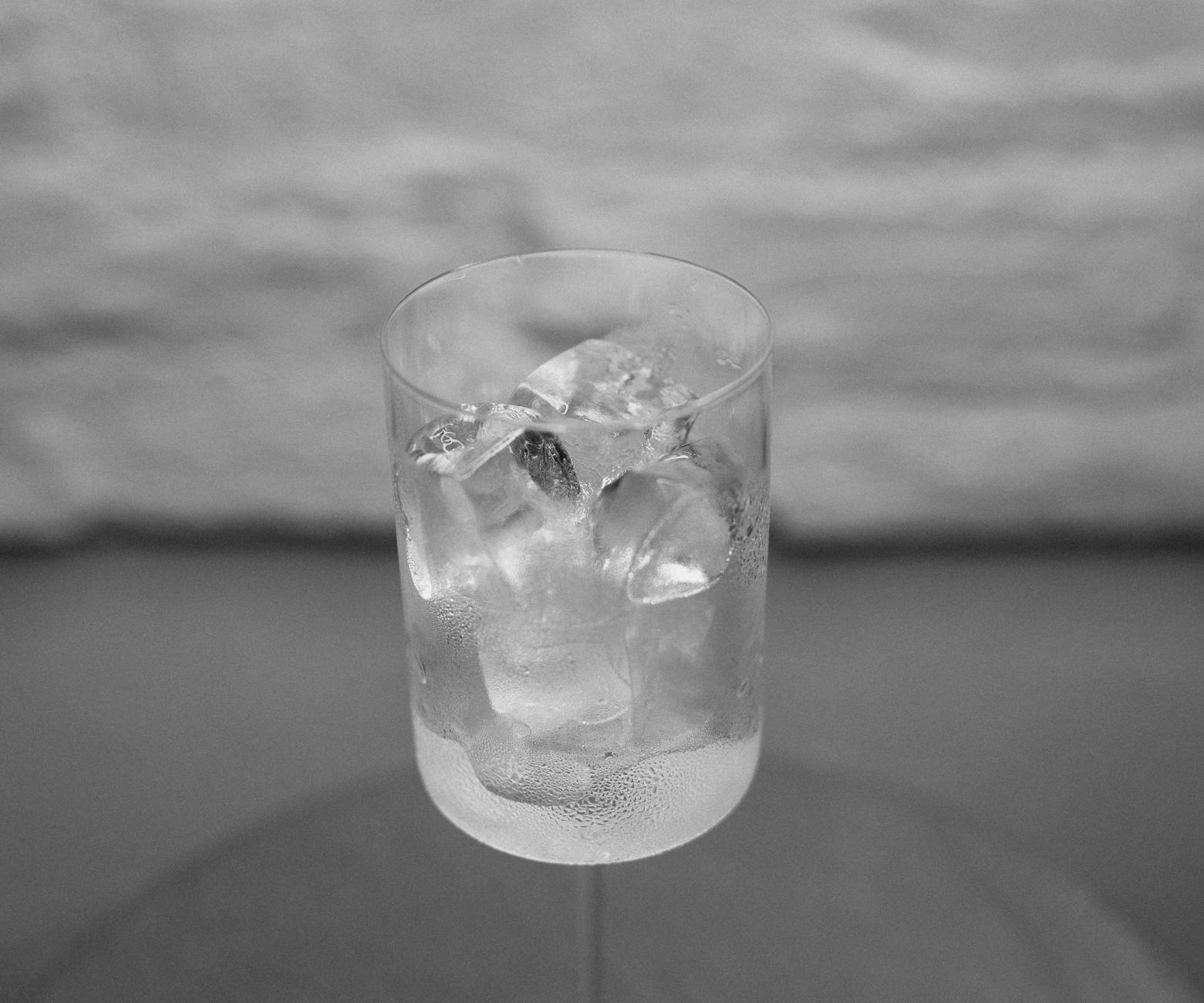
Chewing on hard ice cubes creates microscopic fractures in the enamel that weaken the tooth structure over time. Many people unknowingly expose their teeth to this danger as a nervous habit or a way to cool down. The extreme cold temperature combined with the hardness can shock the nerve and cause sensitivity. Dentists frequently repair chipped or cracked teeth resulting from this seemingly harmless practice.
Citrus Fruits
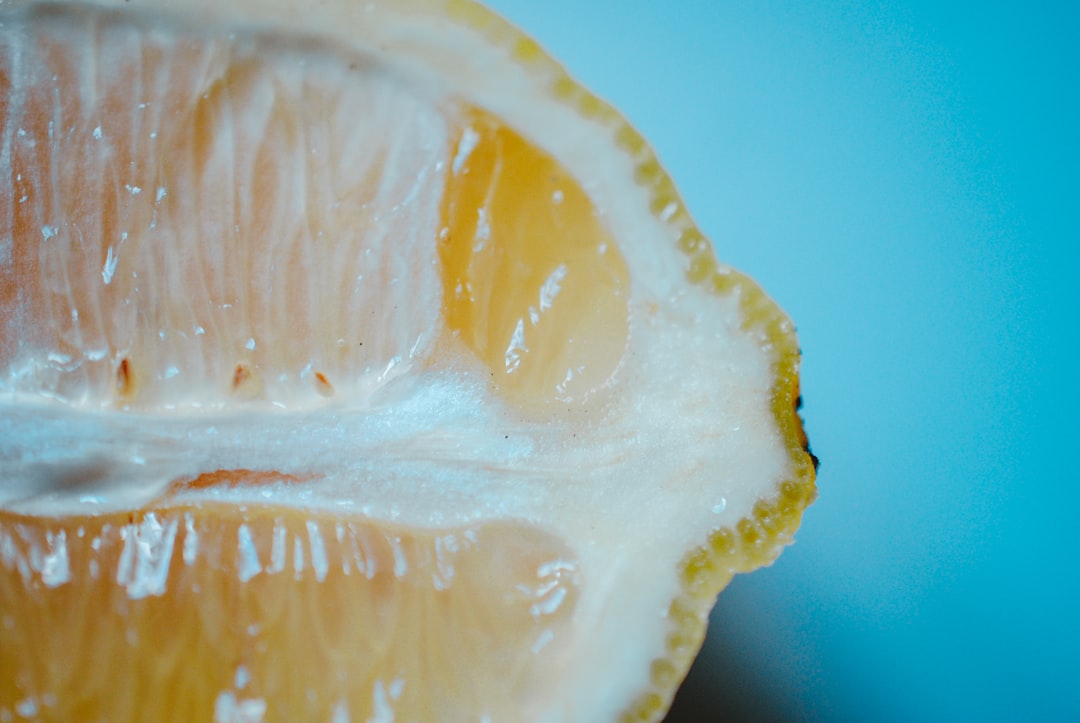
Lemons and grapefruits contain high levels of citric acid that can erode enamel quickly upon contact. Frequent exposure to these acidic juices softens the outer layer of the tooth and makes it susceptible to decay. Even adding a wedge of lime to water increases the acidity of the beverage significantly. It is best to rinse with plain water immediately after consuming these fruits to neutralize the pH level in the mouth.
Coffee
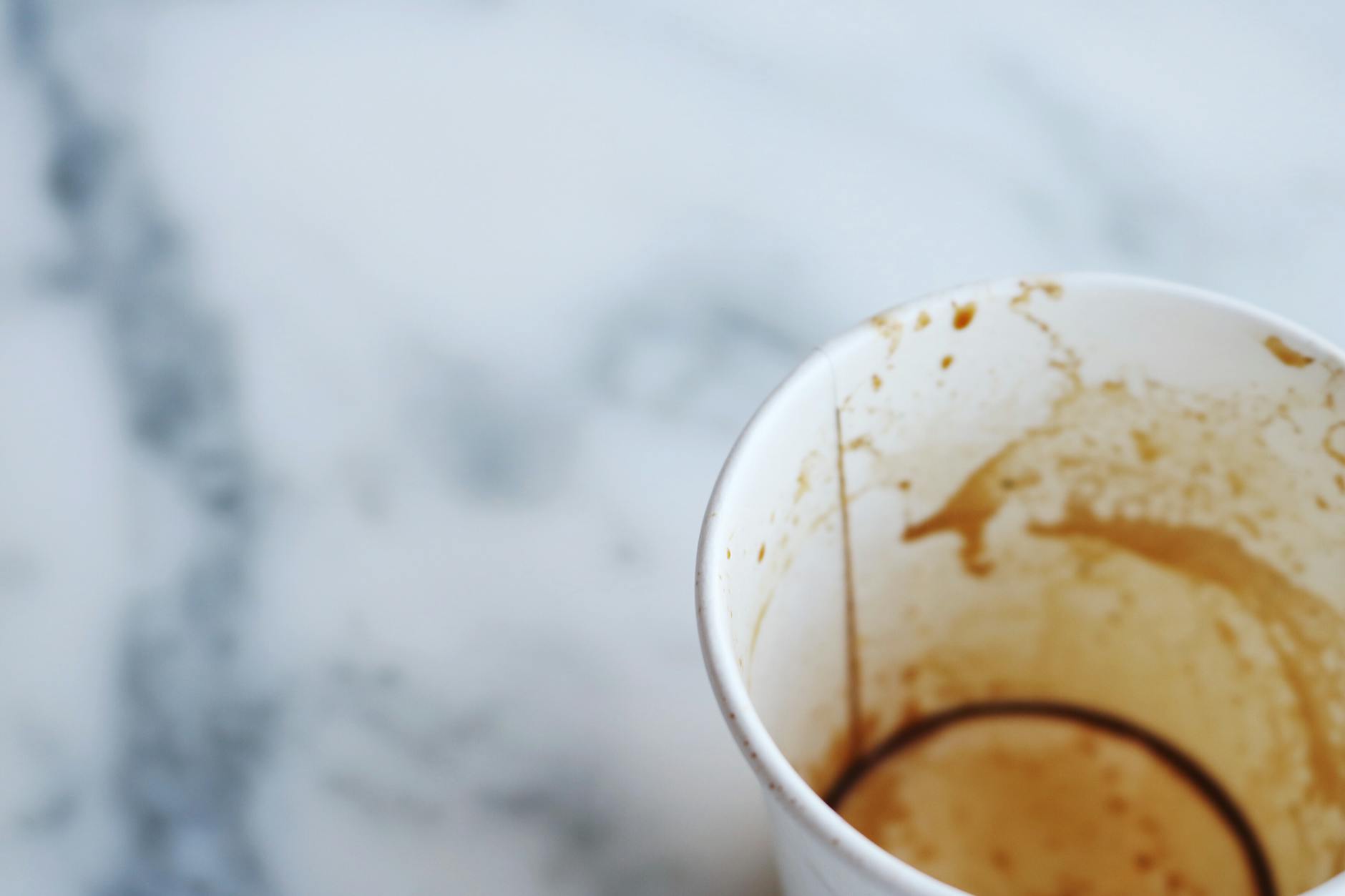
Dark roasted coffee contains tannins that stain teeth and create a rough surface where plaque accumulates easily. The acidity in black coffee also contributes to enamel erosion when consumed throughout the day. Many drinkers add sugar or syrup which further fuels bacteria growth in the oral cavity. Drinking water alongside your morning cup helps wash away the staining compounds and reduces the acidic impact.
Sticky Dried Fruit
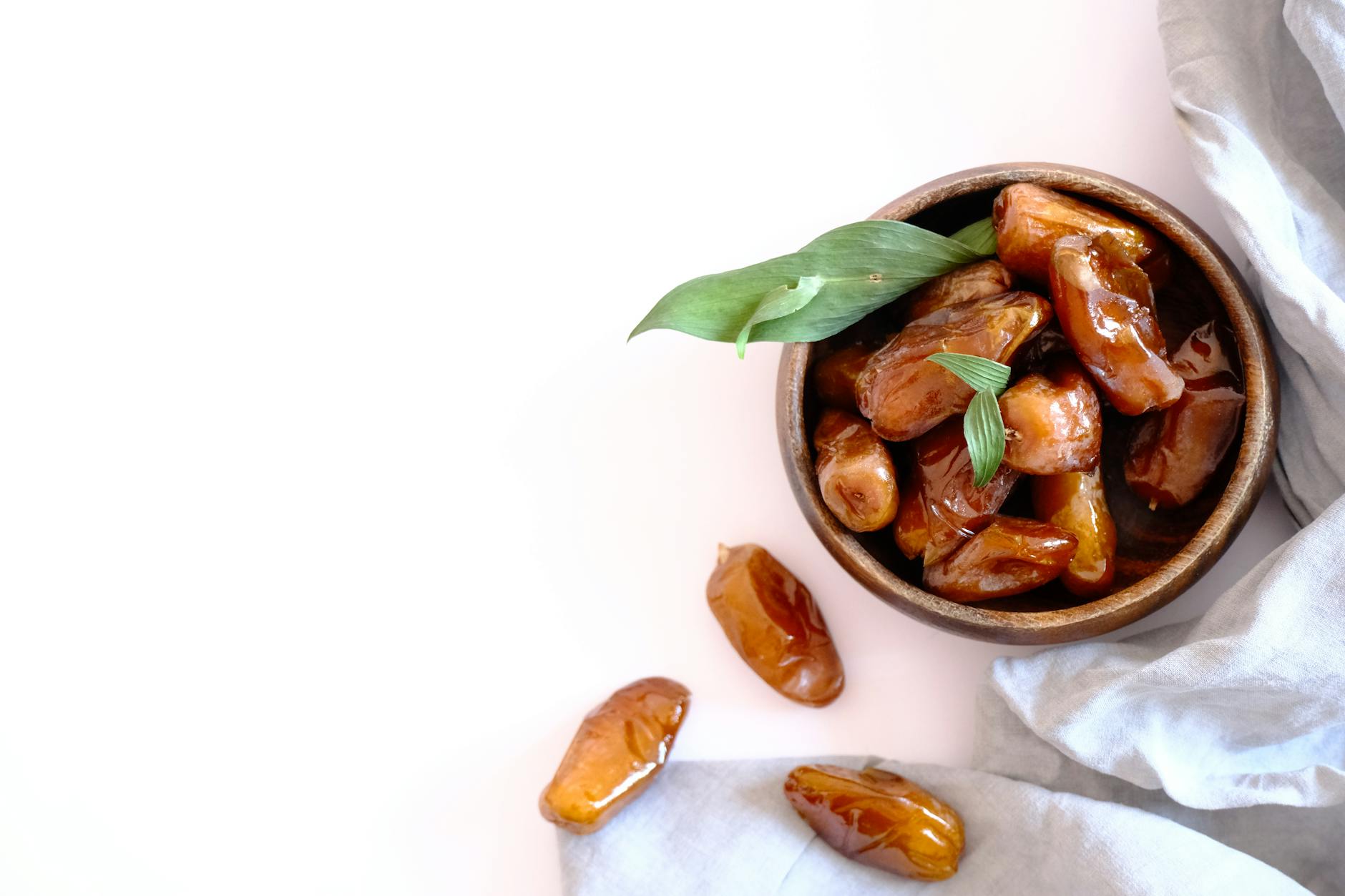
Dried apricots and raisins are often marketed as healthy snacks but act much like sticky candy in the mouth. The drying process concentrates the sugars and creates a gummy texture that clings to crevices in the molars. Bacteria thrive on this concentrated sugar source and produce acid for hours after consumption. Fresh fruit is generally a safer option because the high water content helps clean the teeth naturally.
Potato Chips
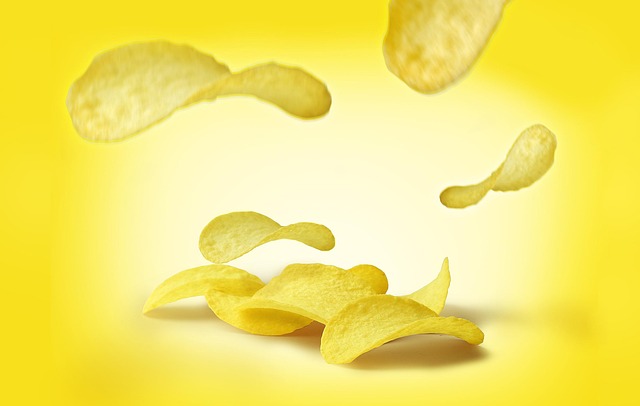
Starchy snacks break down into sugar almost immediately once they mix with saliva in the mouth. The mash created by chewing chips gets trapped between teeth and along the gumline effortlessly. This paste lingers in hidden areas where it feeds bacteria and promotes plaque buildup. Flossing is essential after eating chips to remove the starchy residue that brushing might miss.
Soda
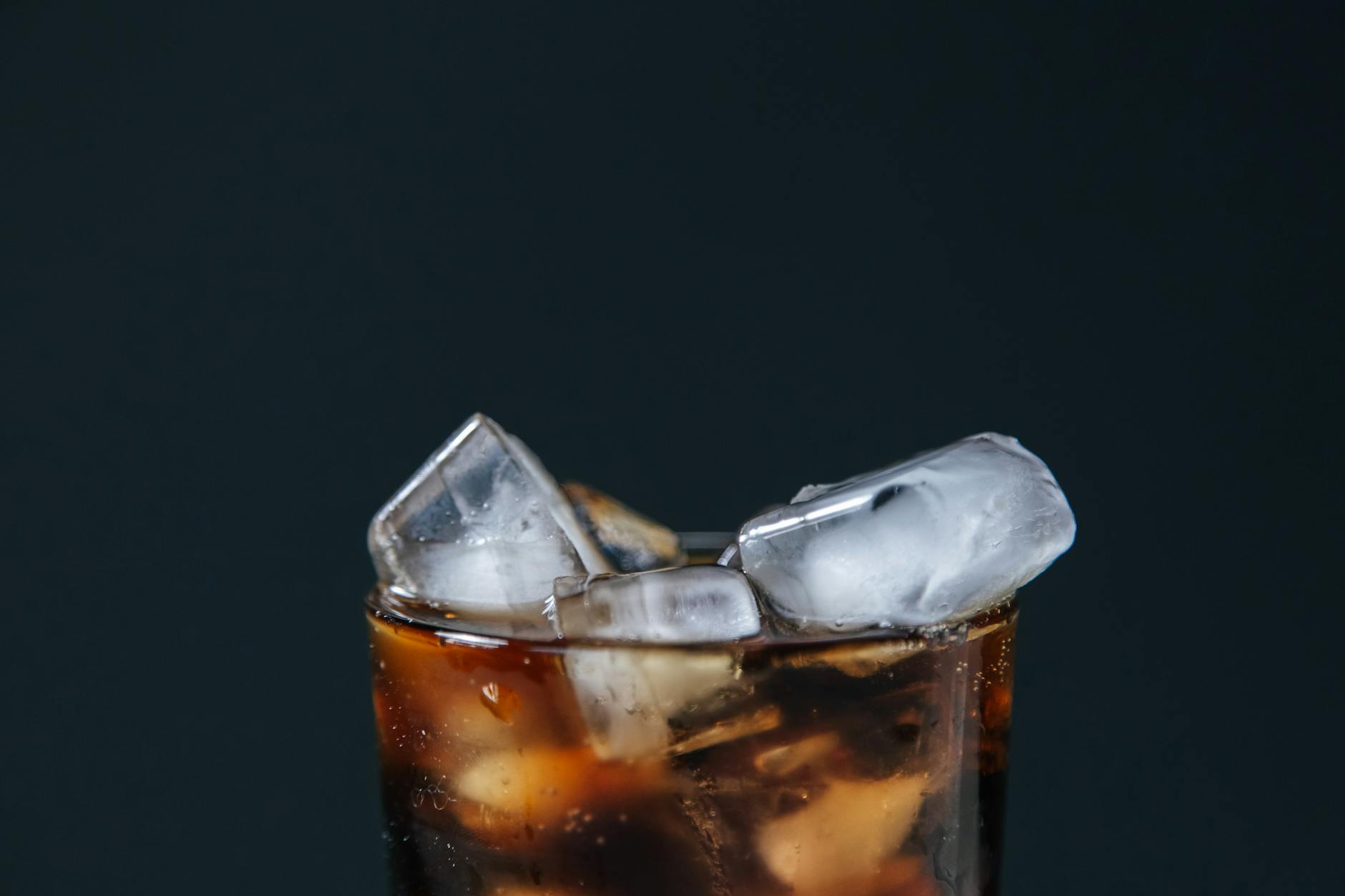
Carbonated soft drinks bathe the teeth in a combination of sugar and acid that is devastating for enamel. The carbonation itself is acidic and begins to wear down the tooth surface instantly. Bacteria use the high sugar content to produce even more acid which leads to cavities. Diet sodas are not a safe alternative because they still contain the damaging acids that etch the enamel.
Alcohol
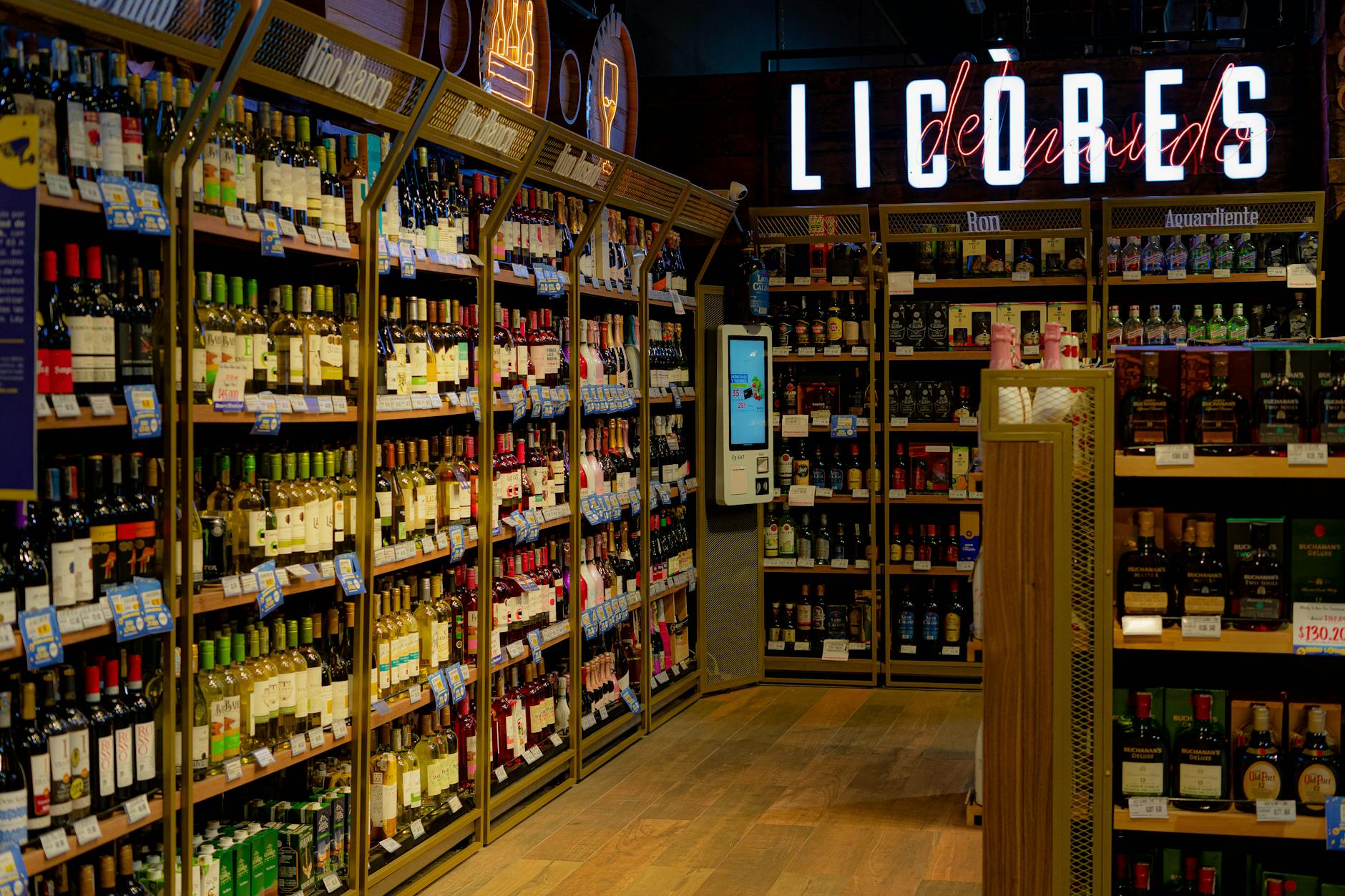
Excessive alcohol consumption dries out the mouth and reduces the production of protective saliva. Saliva is crucial for washing away food particles and neutralizing acids produced by plaque. A dry mouth creates an environment where gum disease and tooth decay can progress rapidly. Many mixed drinks also contain syrups and juices that add a heavy dose of sugar to the problem.
Sports Drinks

Athletes often consume these beverages to rehydrate but expose their teeth to high levels of acid and sugar. The liquid creates a sugary bath for the teeth that can lead to rapid decay if consumed frequently. The thick consistency of some sports drinks allows them to coat the teeth longer than water. Water remains the superior choice for hydration without the risk of dental erosion.
White Bread
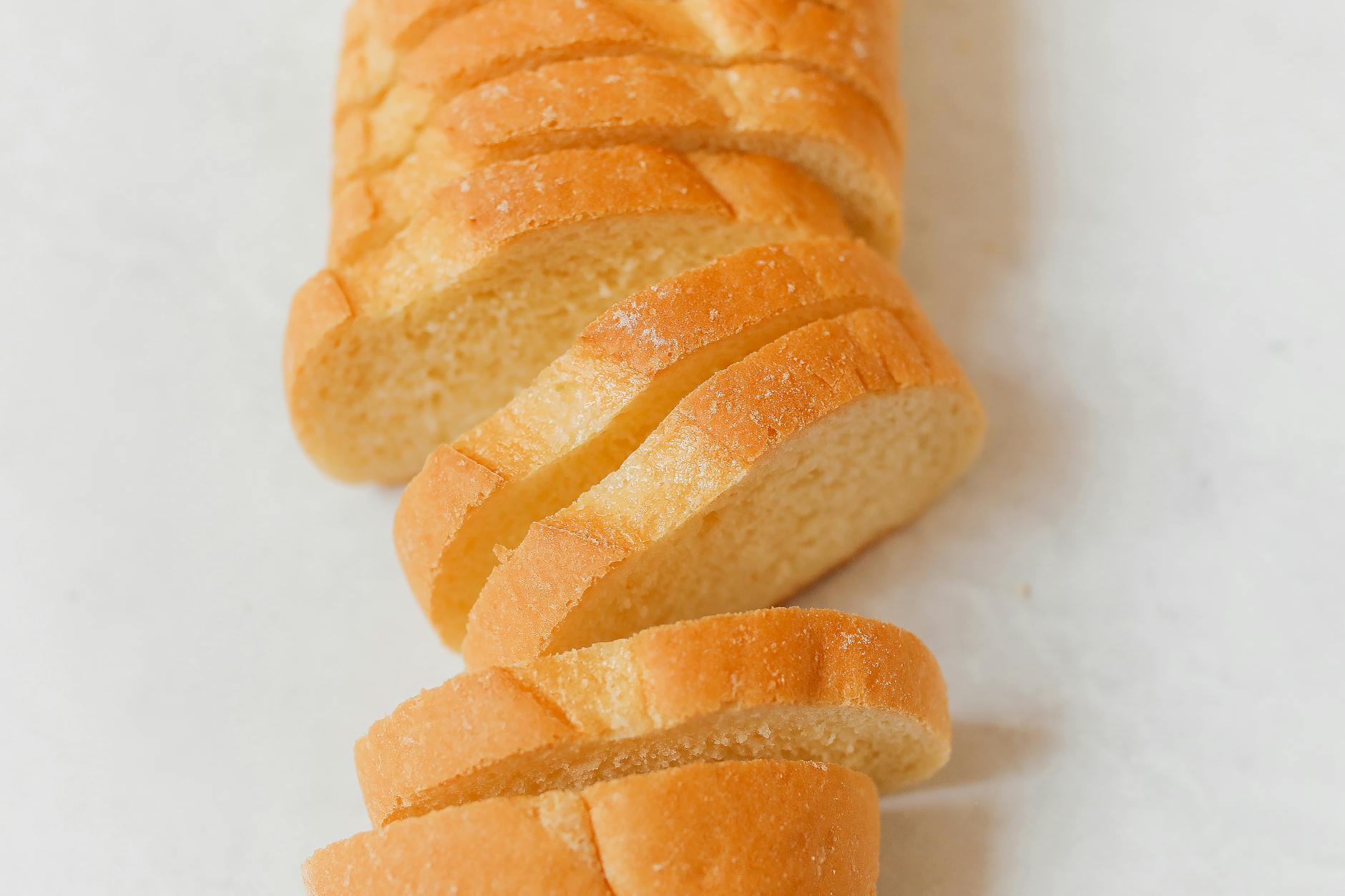
Refined carbohydrates in white bread dissolve quickly into a gummy paste when chewed. This sticky substance lodges easily between teeth and provides a feast for oral bacteria. Enzymes in saliva convert the starches into sugar before you even swallow. Whole grain options are less sticky and generally contain less added sugar than highly processed white varieties.
Popcorn
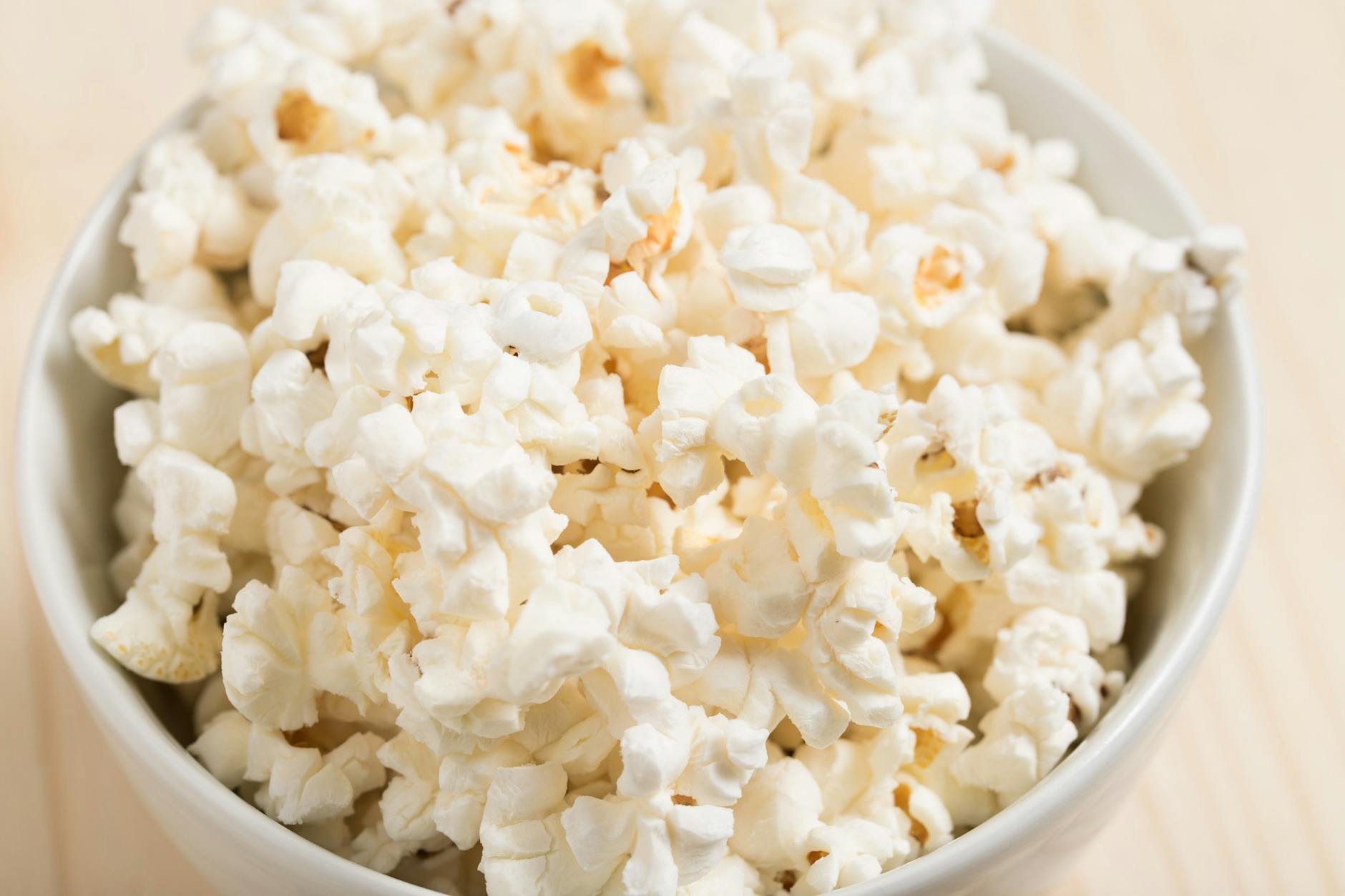
Unpopped kernels present a significant fracture risk to teeth when bitten down on unexpectedly. The thin hulls of the popcorn often slide between the tooth and gum causing irritation or infection. These trapped pieces are notoriously difficult to remove and can cause lasting gum damage. Regular popcorn eaters should be vigilant about flossing immediately to prevent these painful issues.
Cough Drops

Most throat lozenges are essentially hard candy made with sugar to soothe irritation. Sucking on them for extended periods keeps the teeth coated in sugar and acid. This continuous exposure is far worse than eating a sweet treat quickly. Sugar-free versions are a much better alternative for treating a sore throat without risking cavities.
Pickles
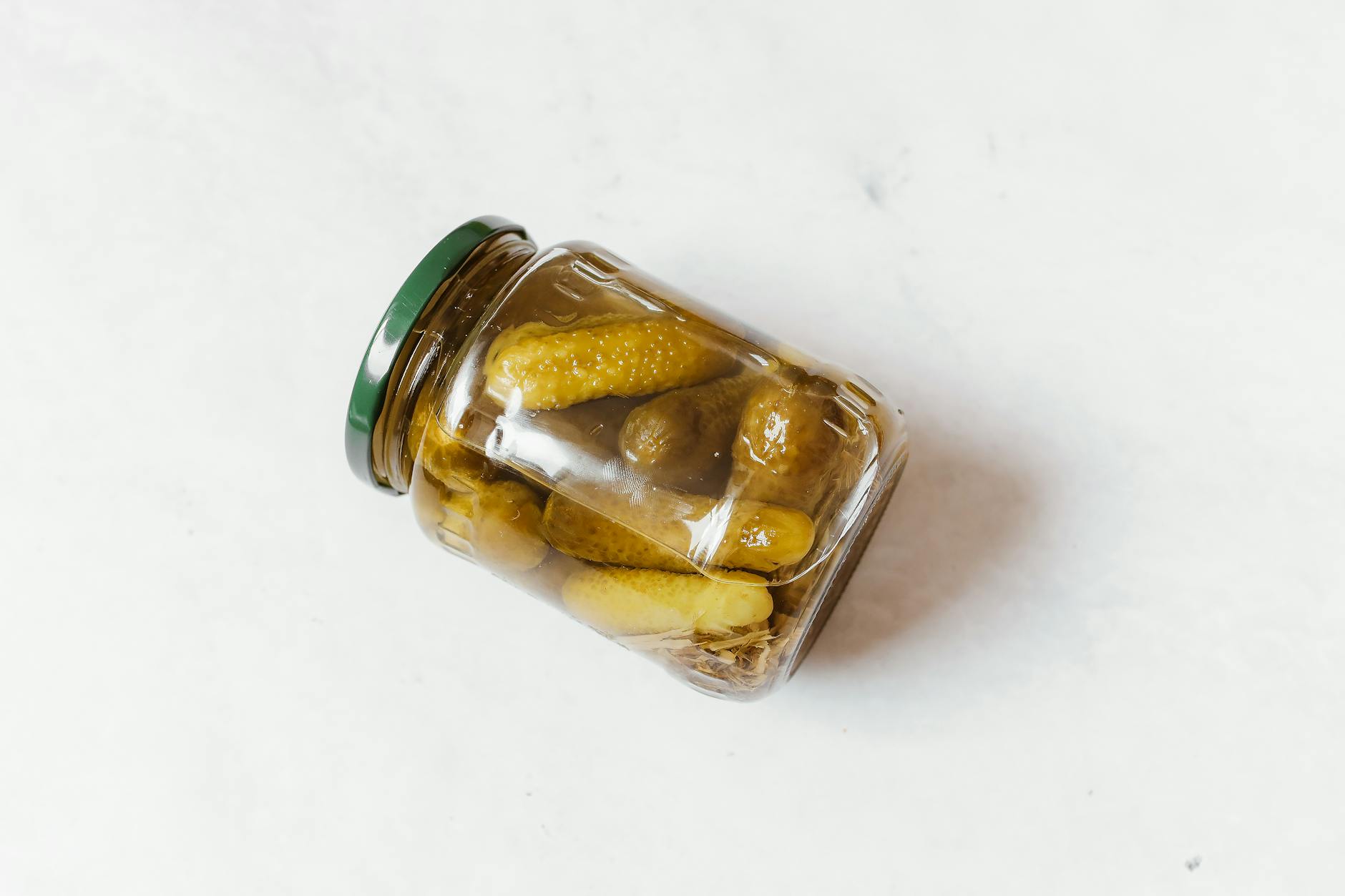
The vinegar used in the pickling process is highly acidic and dangerous for tooth enamel. Frequent snacking on pickles exposes teeth to this acid which causes erosion and sensitivity. The combination of acid and sugar in sweet pickles creates a double threat to oral health. Eating pickles as part of a meal helps minimize the damage compared to eating them alone.
Tomatoes
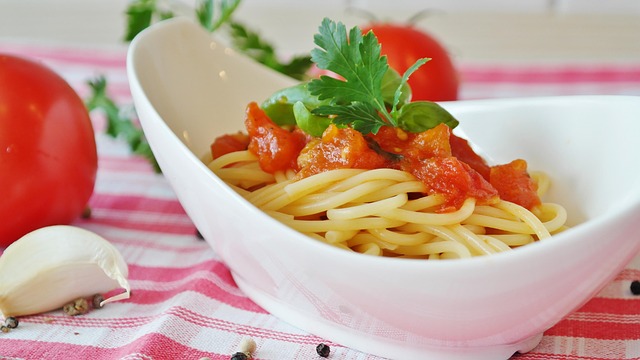
Tomato products like pasta sauce and ketchup are naturally acidic and can stain porous enamel. The rich red pigment penetrates the tooth surface while the acid softens the protective layer. Eating these foods with other non-acidic items can help buffer the effect on your teeth. Rinsing the mouth after a spaghetti dinner reduces the likelihood of lasting stains or erosion.
Vinegar
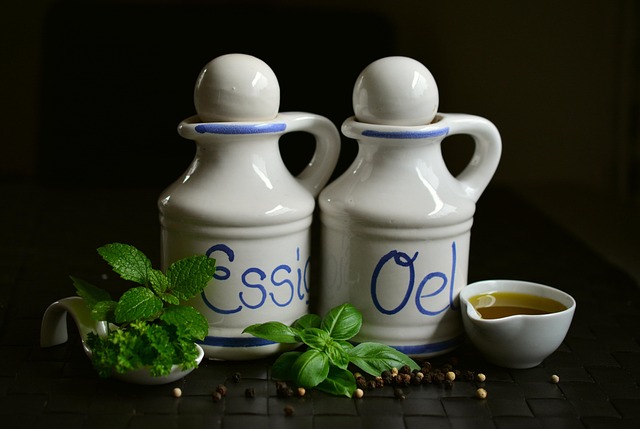
Balsamic and other vinegars are popular in salad dressings but pose a risk due to high acidity. The dark color of balsamic vinegar also carries the potential to stain teeth with frequent consumption. Lettuce acts as a barrier to some extent but the acid still affects the enamel. Using a vinaigrette sparingly or pairing it with crunchy vegetables helps mitigate the impact.
Peanut Butter and Jelly
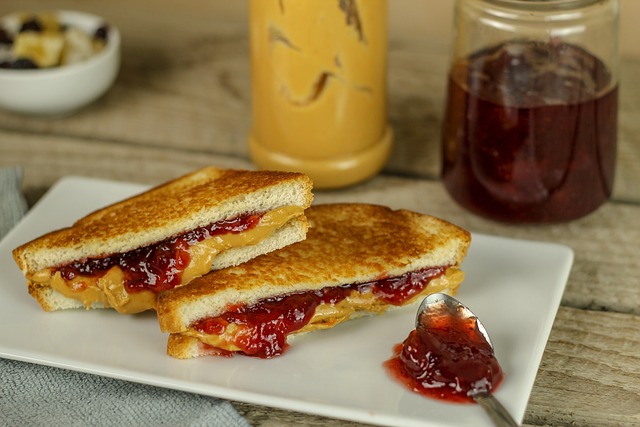
This classic sandwich combination pairs sticky peanut butter with sugary jam for a dental nightmare. The bread and peanut butter form a paste that adheres to the roof of the mouth and teeth. The added sugar in the jelly provides immediate fuel for bacteria to create acid. Drinking milk or water with this meal aids in clearing the sticky residue from the mouth.
Fruit Juice
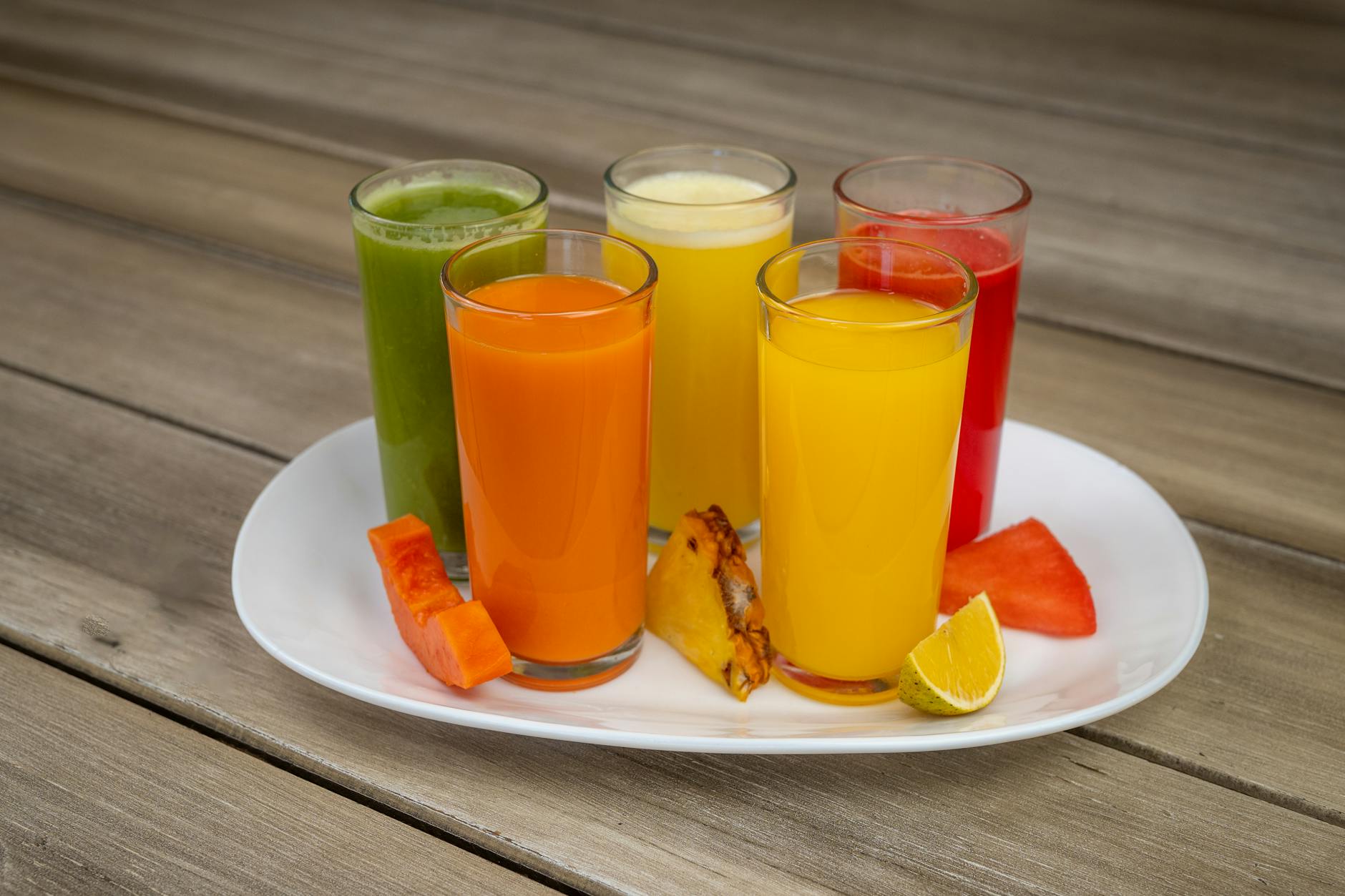
Concentrated fruit juices deliver a high dose of sugar without the beneficial fiber of the whole fruit. Orange and apple juice are also quite acidic and can wear down enamel over time. Giving juice to children in sippy cups prolongs the exposure and increases the risk of early childhood caries. Diluting juice with water is a practical way to lower the sugar concentration and acidity.
Canned Fruit
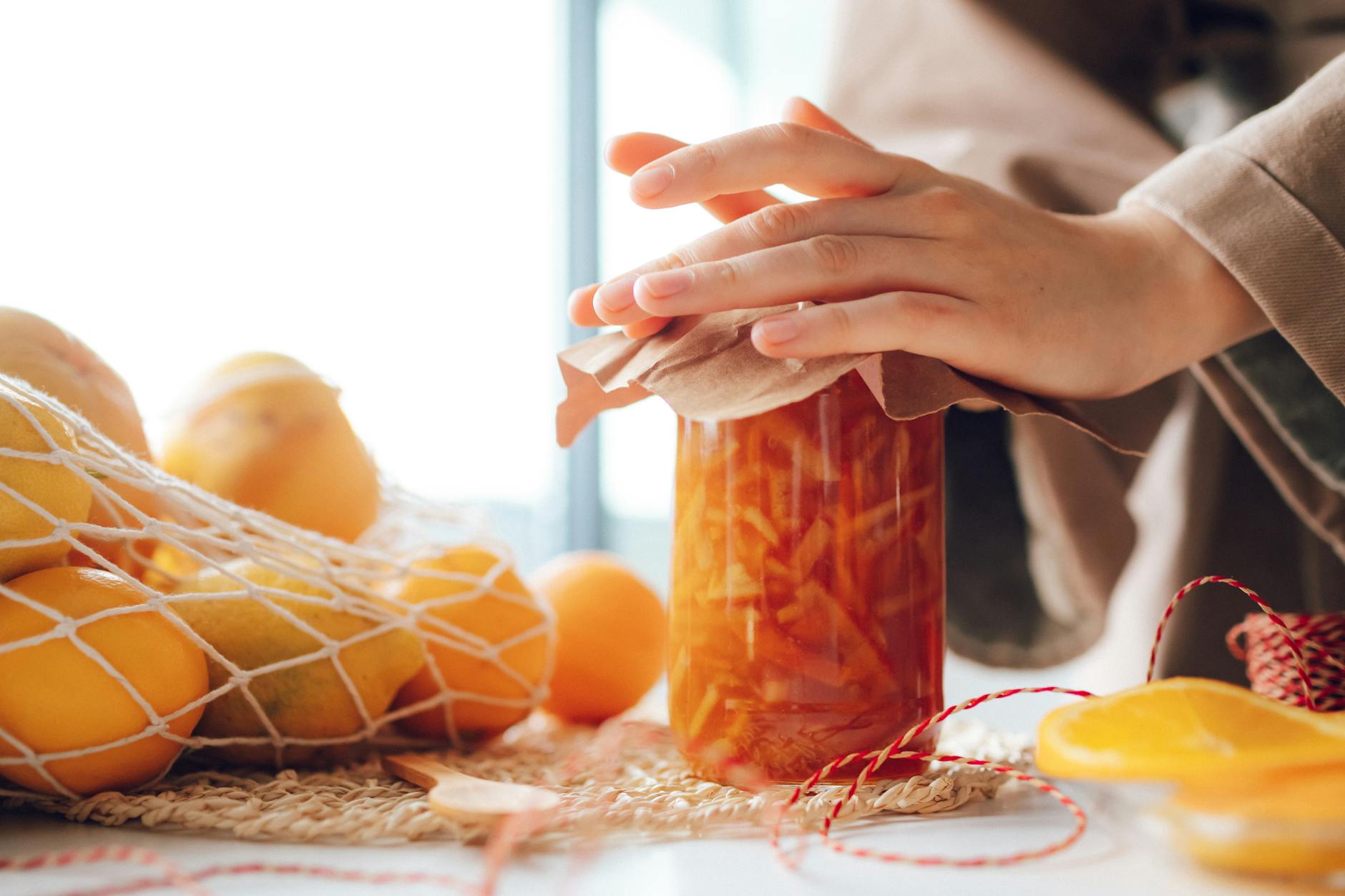
Fruit preserved in heavy syrup is saturated in added sugar that coats the teeth. The texture of the fruit is often soft and easily stuck between teeth during chewing. Even fruit packed in its own juice has a high concentration of natural sugars. Draining the liquid and rinsing the fruit can help reduce the amount of sugar that enters the mouth.
Crackers
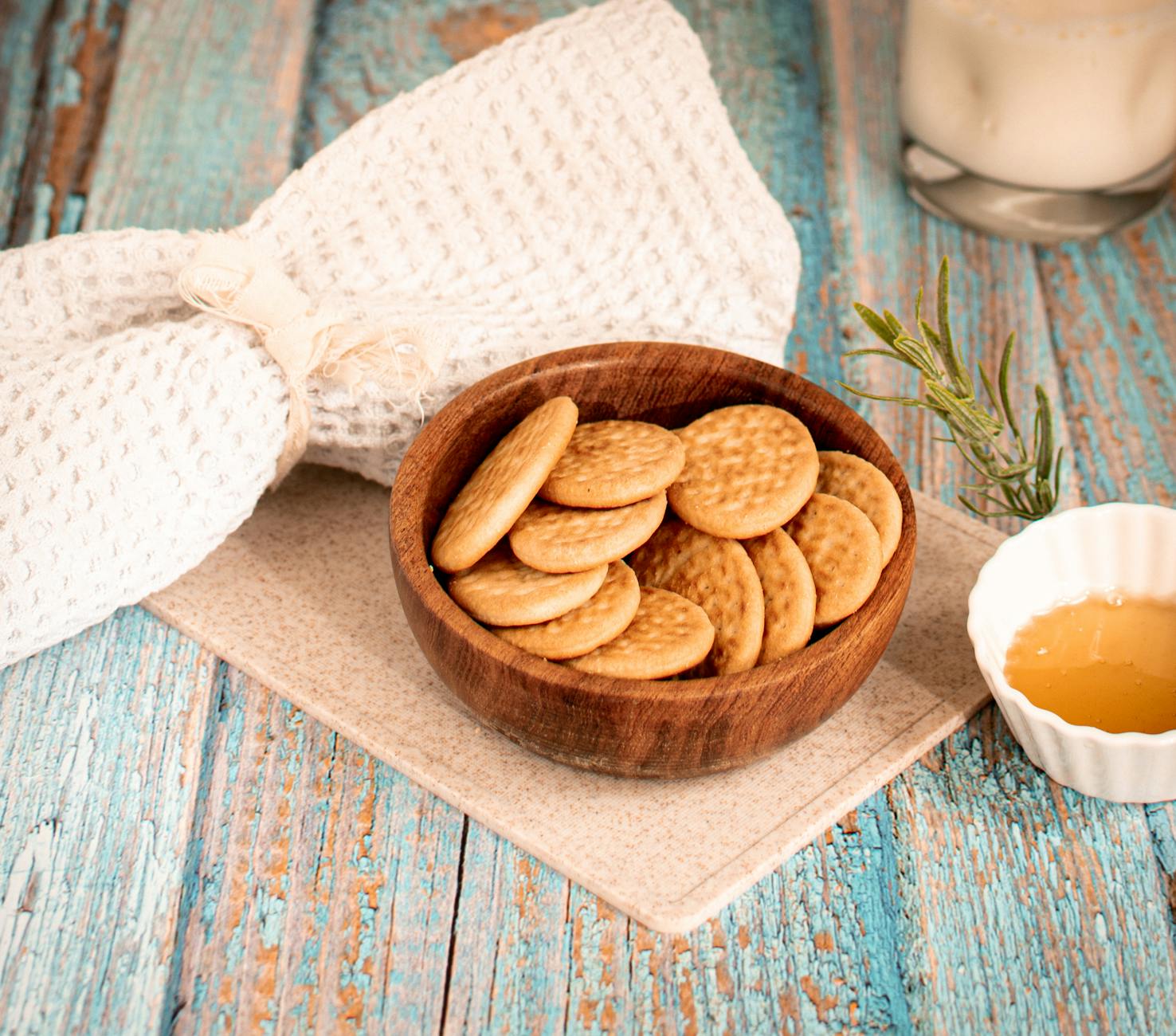
Saltines and other crackers are refined starches that turn into a sticky mush upon chewing. This mixture packs into the grooves of the molars and provides a breeding ground for bacteria. The breakdown of starch into sugar happens rapidly and spikes the acidity in the mouth. Choosing whole wheat crackers can reduce the stickiness and sugar conversion rate slightly.
Kombucha
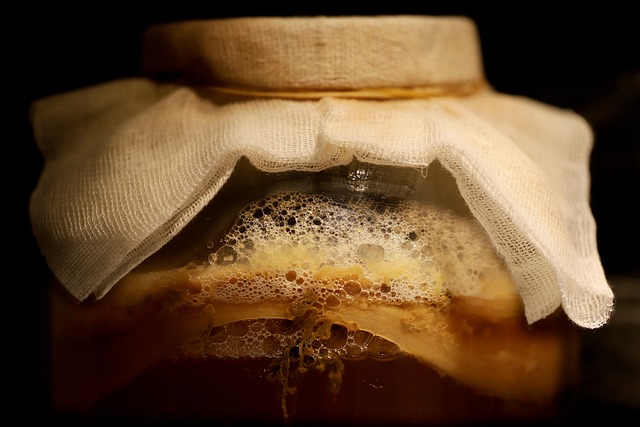
Fermented tea beverages are trendy but contain acid and sugar that harm teeth. The acidity levels in some kombucha brands are comparable to soda or vinegar. Frequent sipping allows the acid to stay in contact with enamel for dangerous amounts of time. Drinking through a straw can bypass the teeth and minimize direct contact with the acidic liquid.
Energy Drinks
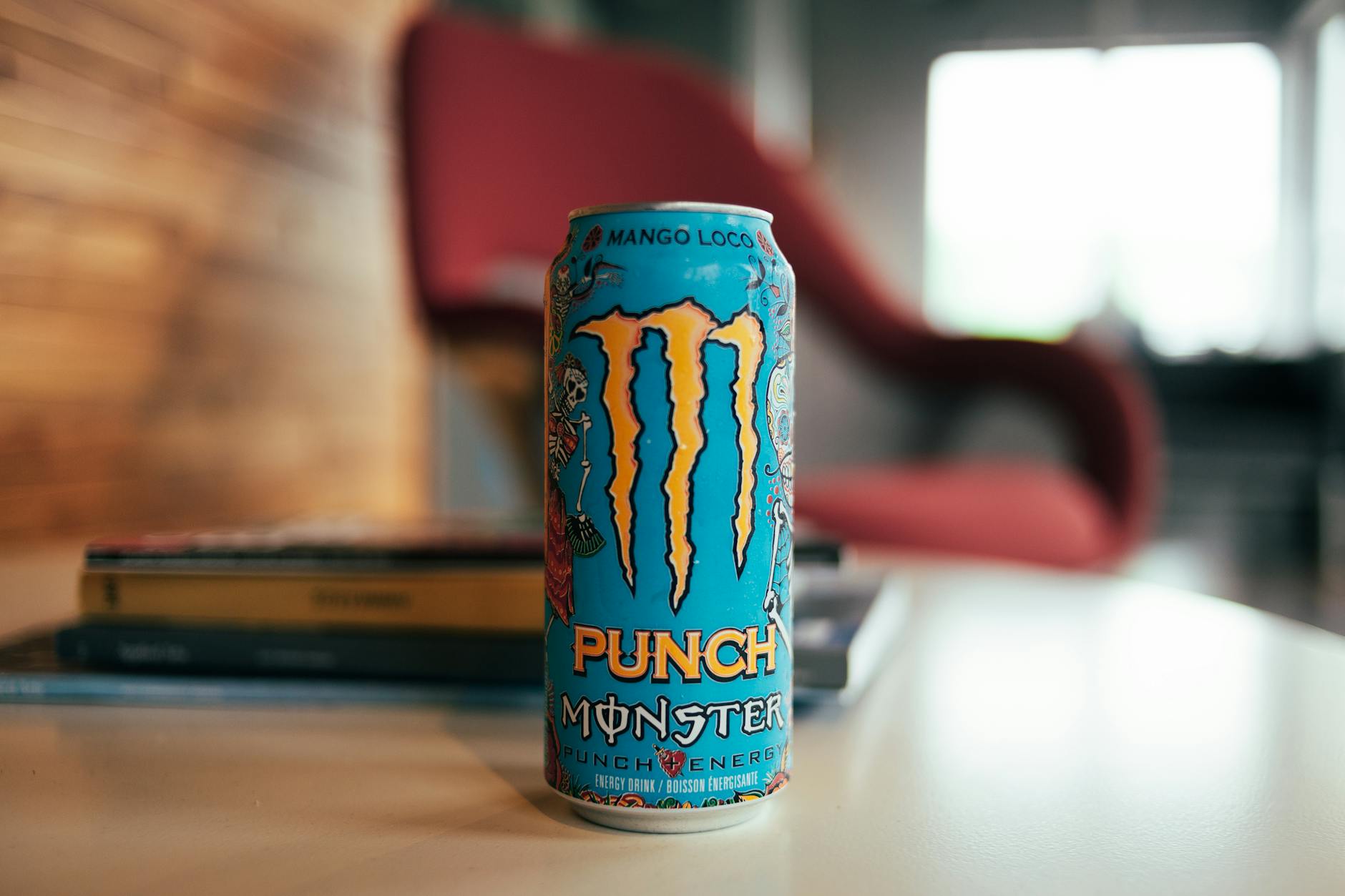
These beverages are incredibly acidic and often packed with excessive amounts of sugar. The high acid content can strip enamel layers even faster than sports drinks or soda. Many people sip energy drinks slowly which prolongs the acidic attack on their teeth. The jittery side effects can also lead to teeth grinding which further damages the weakened enamel.
Red Wine
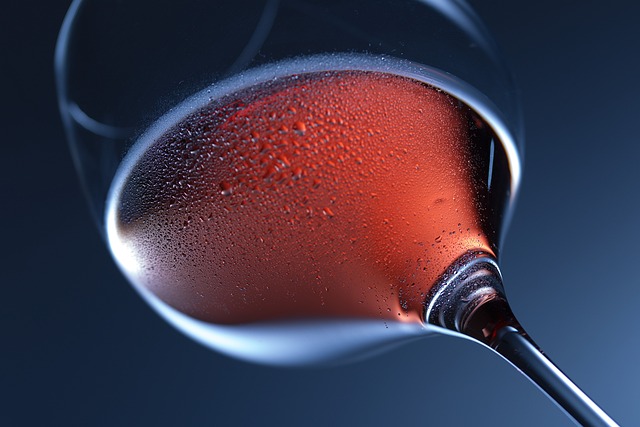
The deep red pigments in wine called chromogens bind to teeth and cause significant discoloration. The alcohol content dries out the mouth and reduces saliva flow needed to protect enamel. Acid in the wine etches the tooth surface and allows stains to penetrate deeper. Pairing wine with cheese can help neutralize the acid and provide calcium for the teeth.
White Wine

While it lacks the dark pigment of red wine it is actually more acidic and creates a rough surface on teeth. This roughened texture makes the enamel more susceptible to stains from other foods. The acidity creates microscopic pockets where pigments from coffee or berries can settle later. Sipping water between glasses helps rinse away the acid and protect the tooth surface.
Soy Sauce
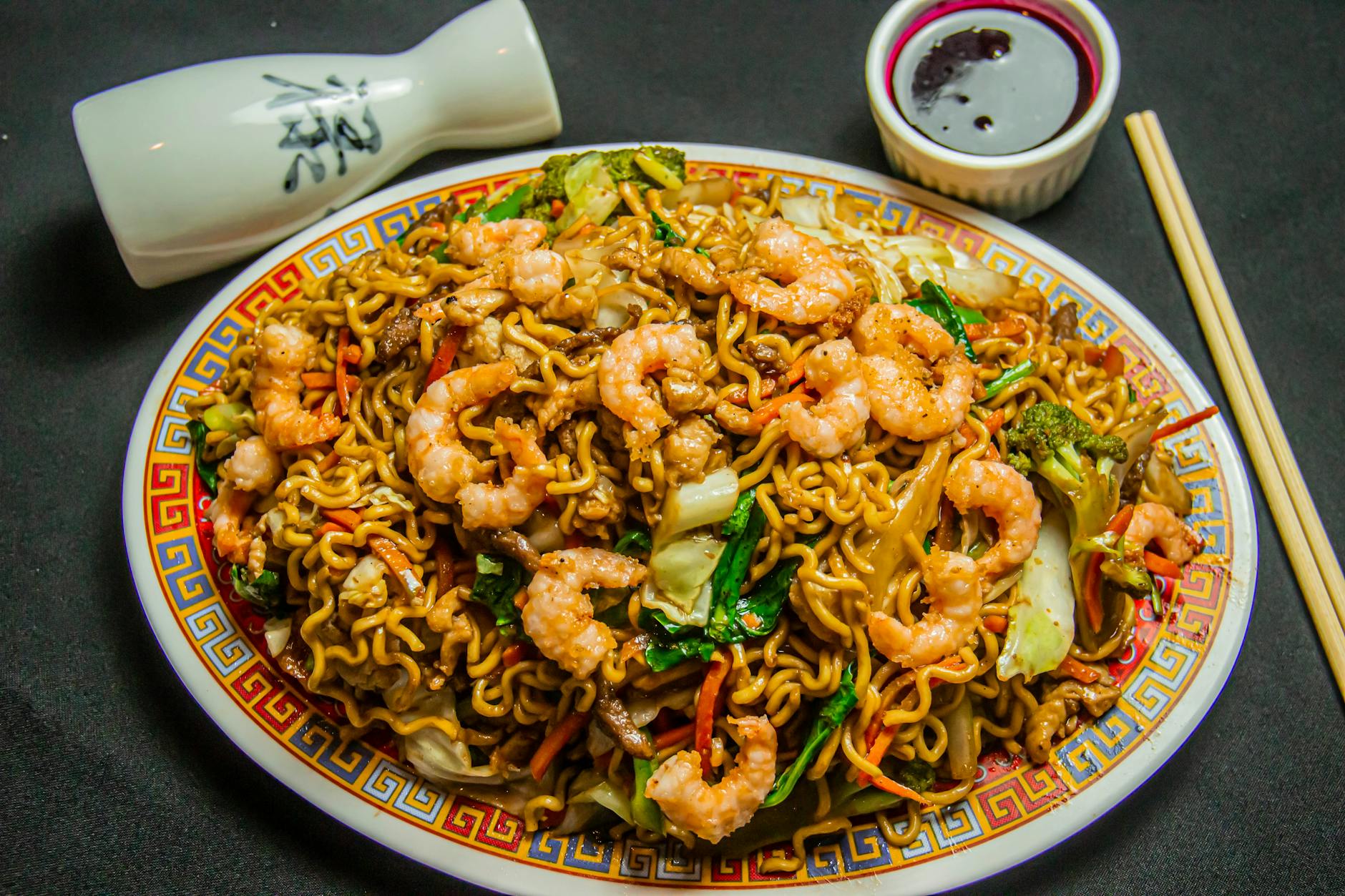
Dark condiments like soy sauce contain staining agents that can dull the brightness of a smile. The high sodium content can also contribute to dehydration and a reduction in saliva production. Using this sauce sparingly prevents the dark liquid from lingering on the tooth surface. Rinsing with water after sushi is a simple habit to prevent staining.
Curry
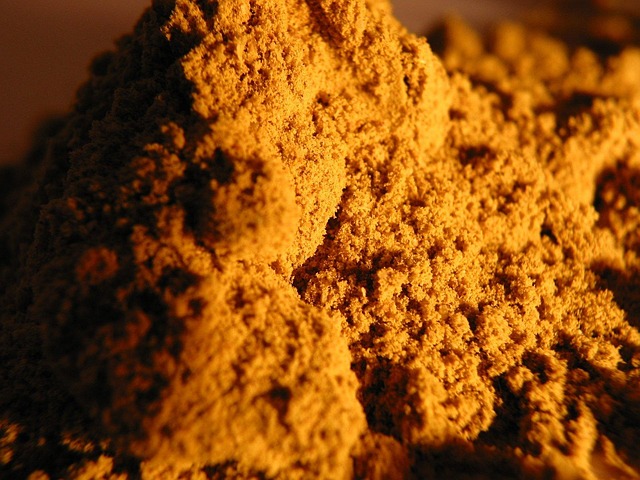
The deep yellow pigment in turmeric and curry powder is notorious for staining teeth quickly. Repeated consumption can lead to a yellow tint on the enamel that is difficult to remove. The spices can be abrasive and the sauces often cling to the teeth. Brushing or rinsing soon after eating curry dishes is essential to maintain a white smile.
Berries
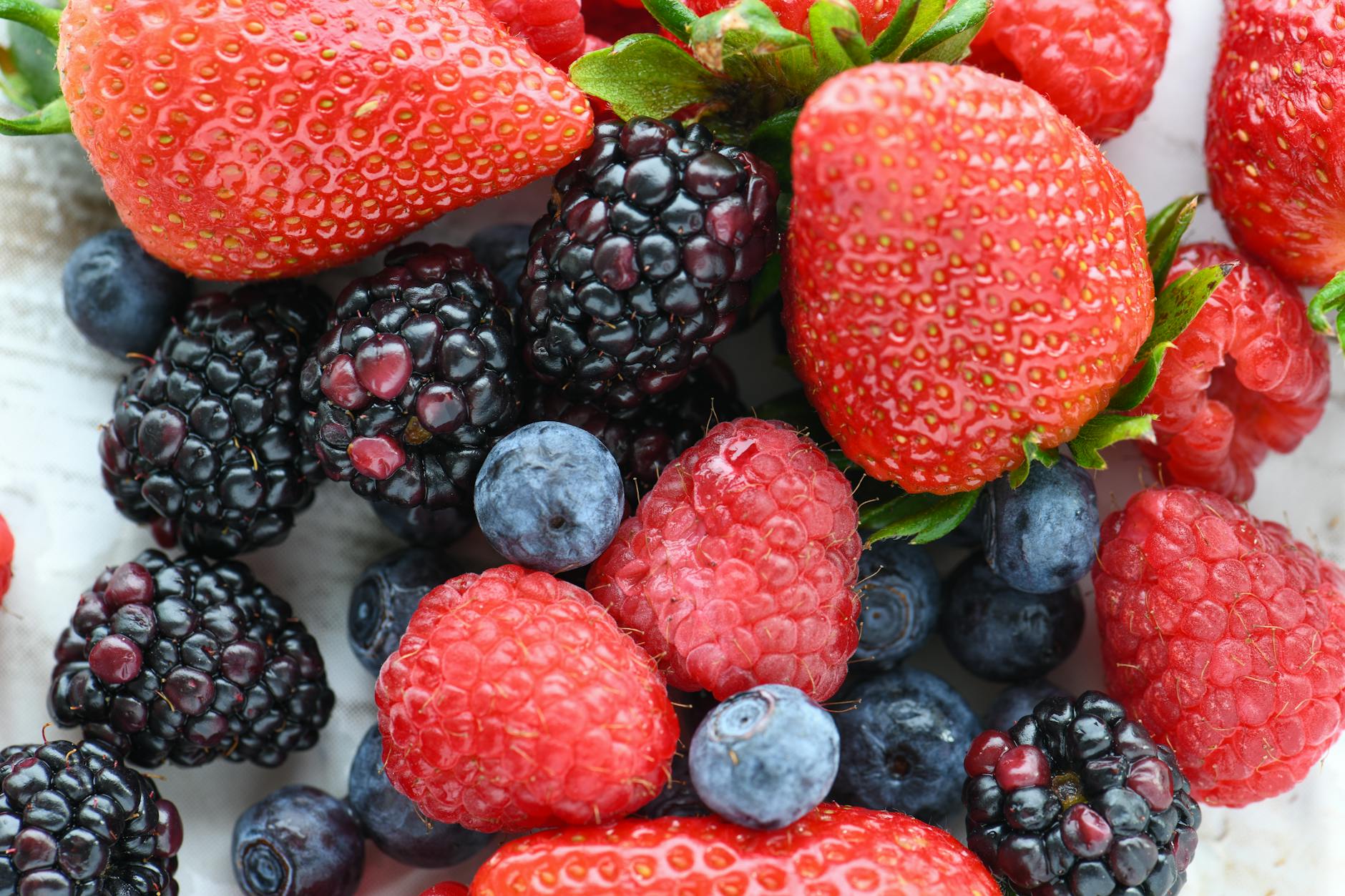
Blueberries, blackberries, and raspberries are healthy but packed with dark pigments that stain teeth. The seeds can also get trapped in gum pockets and between teeth causing irritation. The natural acidity in these fruits softens the enamel slightly and aids the staining process. Eating cheese or yogurt with berries helps neutralize the acid and reduce staining.
Beets
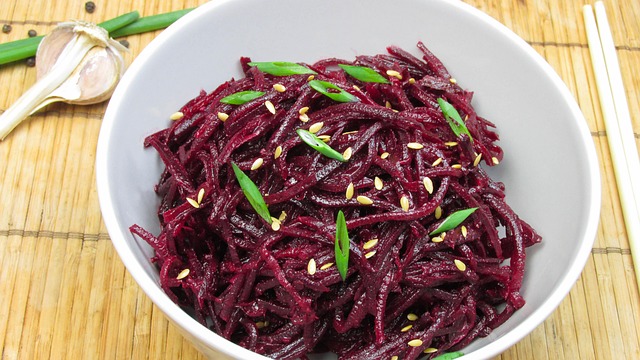
The powerful red juice from beets is a potent staining agent for porous tooth enamel. Teeth can take on a reddish or pinkish hue immediately after consuming them. The pigment is strong enough to resist simple rinsing if allowed to sit on the teeth. Brushing shortly after eating beets prevents the color from setting into the enamel.
Granola Bars
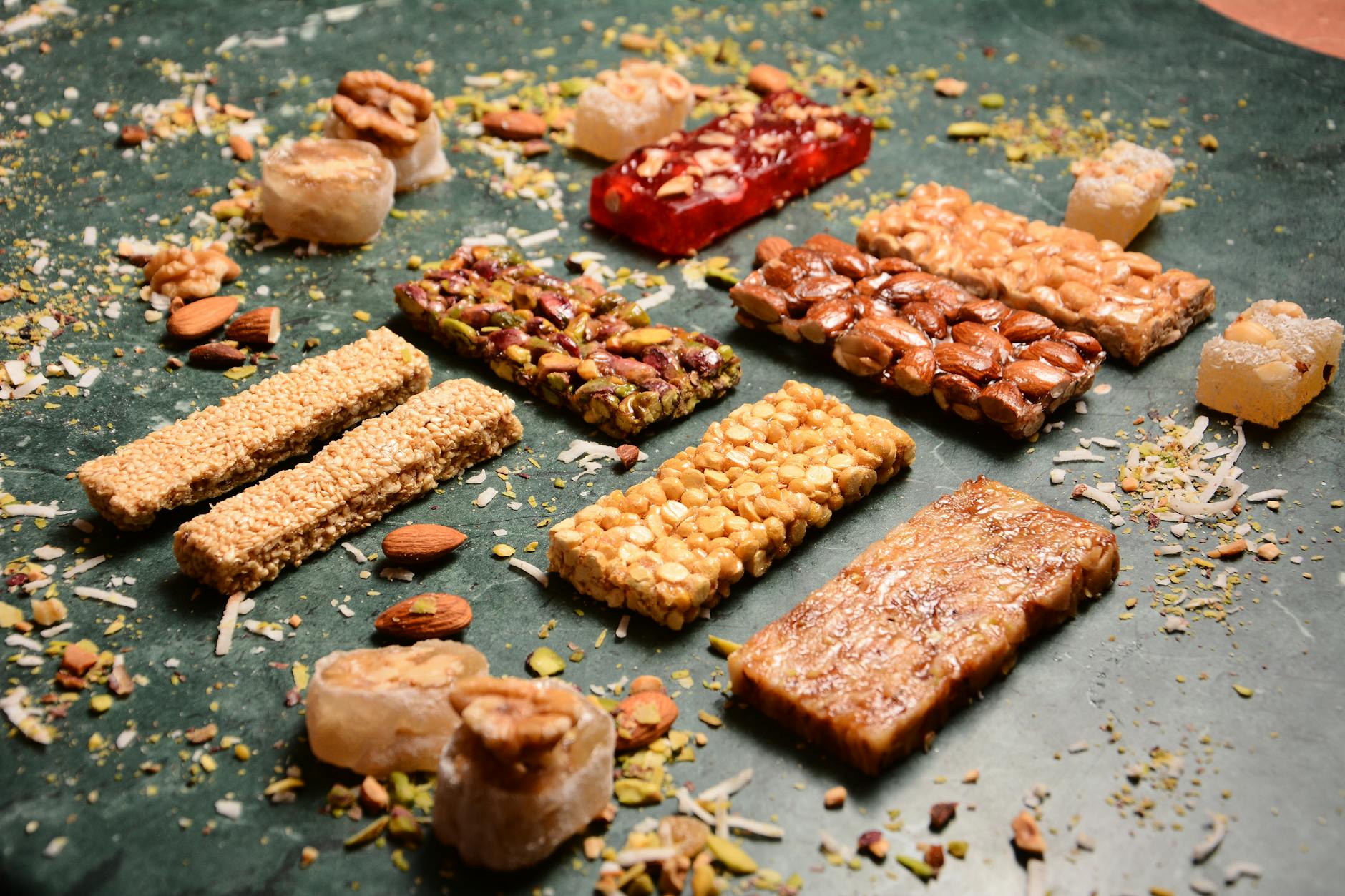
Many granola bars are held together with sticky syrups and honey that cling to teeth. They often contain dried fruit and chocolate chips that add to the sugar load. The texture requires significant chewing which forces the sugary mixture into deep grooves. These are often perceived as healthy but can be just as damaging as a candy bar.
Mints
Breath mints are designed to dissolve slowly and keep sugar in the mouth for a long time. This provides a continuous supply of fuel for bacteria to produce acid and attack enamel. Even sugar-free mints can contain acids that are harmful if consumed in large quantities. Chewing sugar-free gum with xylitol is a safer option for freshening breath.
Gummy Vitamins
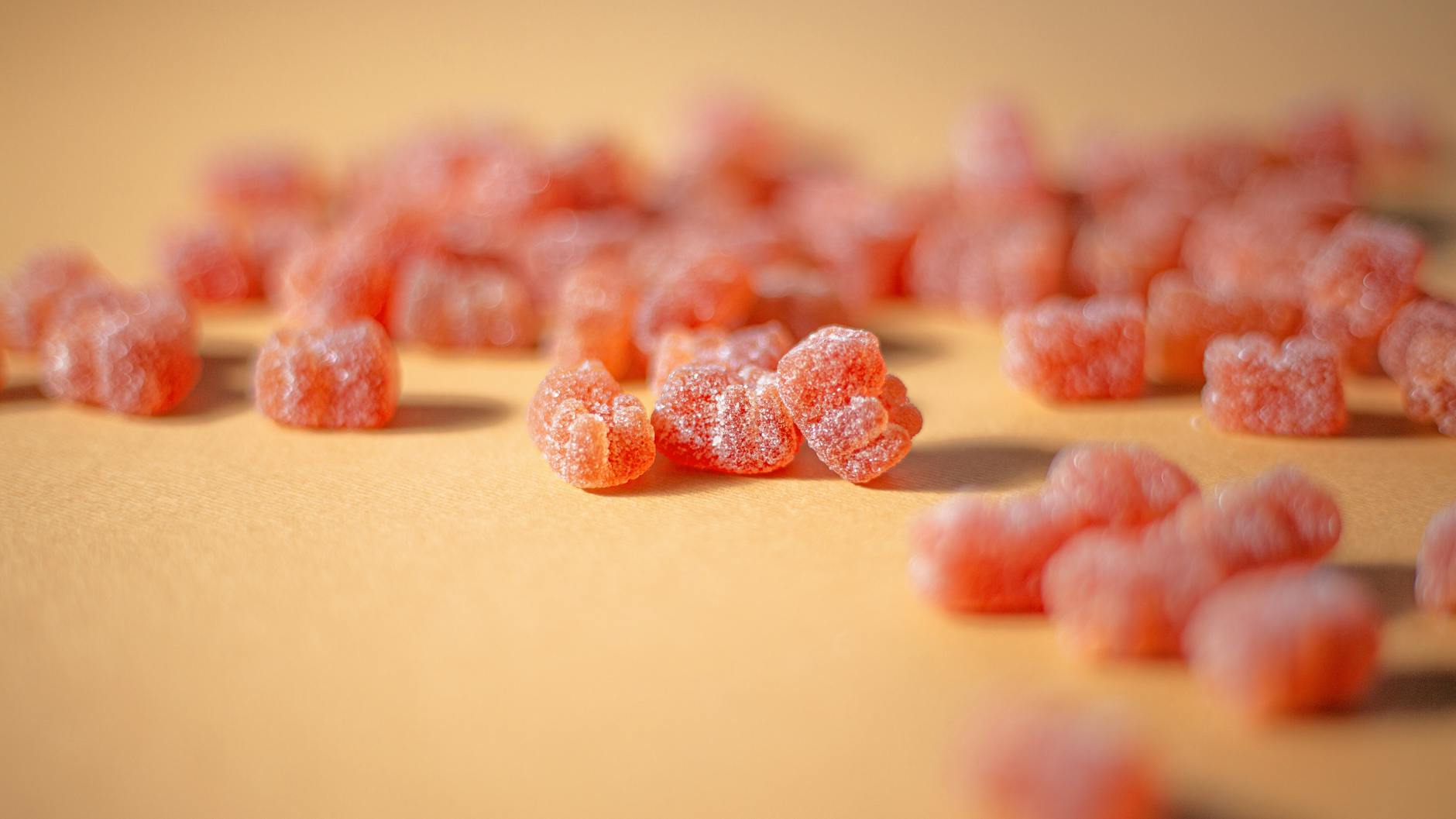
Chewable vitamins stick to teeth just like gummy candies and trap sugar against the enamel. Children are particularly susceptible to cavities from the daily habit of eating these sticky supplements. The sugar content effectively negates some of the health benefits by promoting tooth decay. taking pill-form vitamins prevents this sticky residue from damaging dental health.
Pretzels
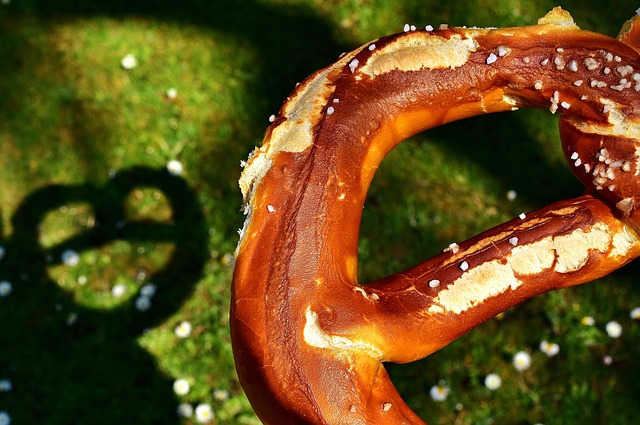
The refined flour in pretzels behaves exactly like chips and crackers by turning into a sugary paste. Their shape often causes them to snap and wedge sharp pieces into the gums. This starchy buildup is hard to remove without floss and feeds plaque bacteria. Eating them with water helps wash away the debris before it hardens.
Goldfish Crackers
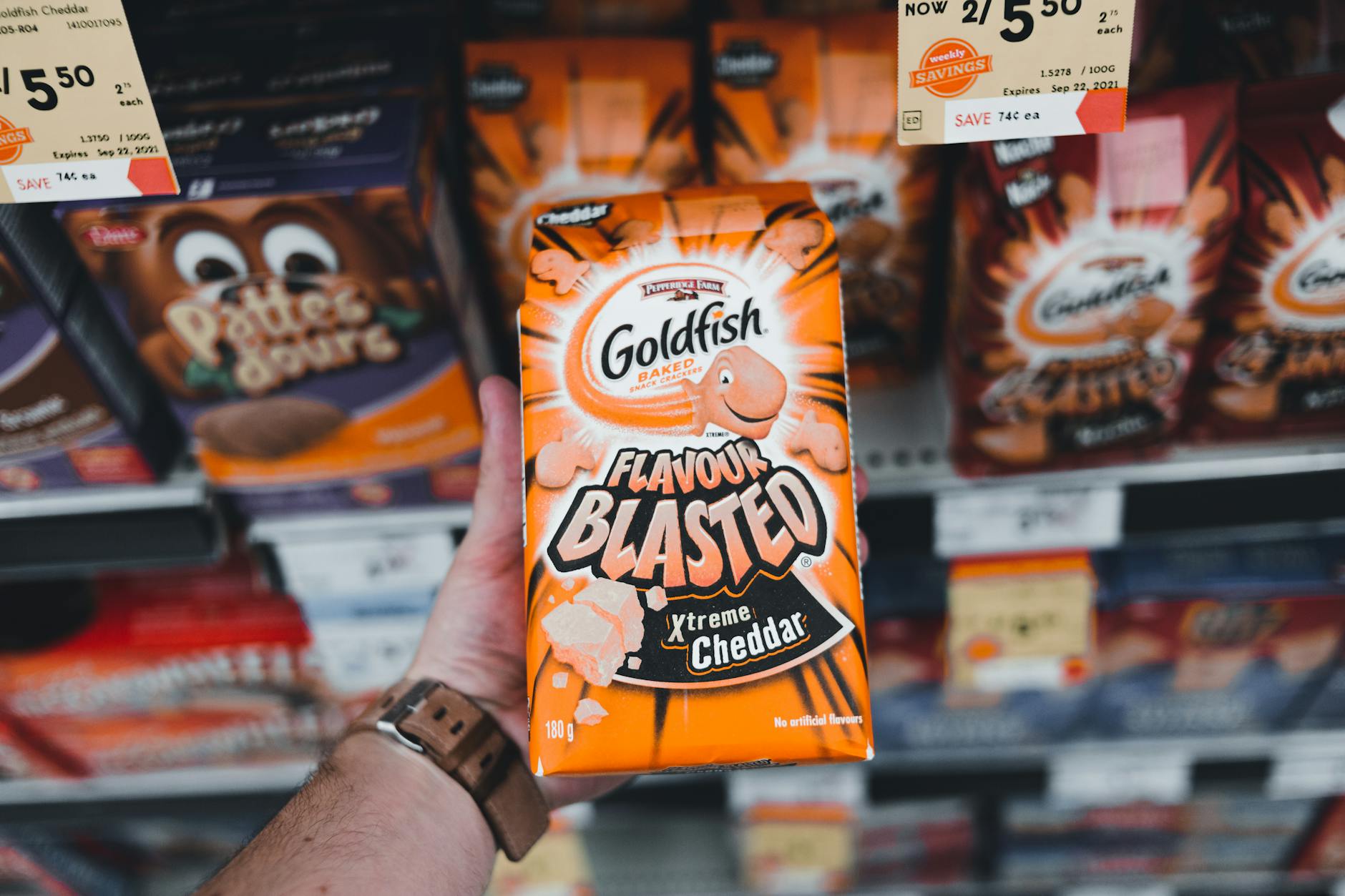
These popular snacks are a staple for children but stick relentlessly to the biting surfaces of teeth. The processed starch converts to sugar rapidly and stays in the mouth long after snack time ends. Parents often miss the residue these crackers leave behind during brushing. Serving crunchy vegetables instead offers a tooth-friendly alternative for kids.
Iced Tea
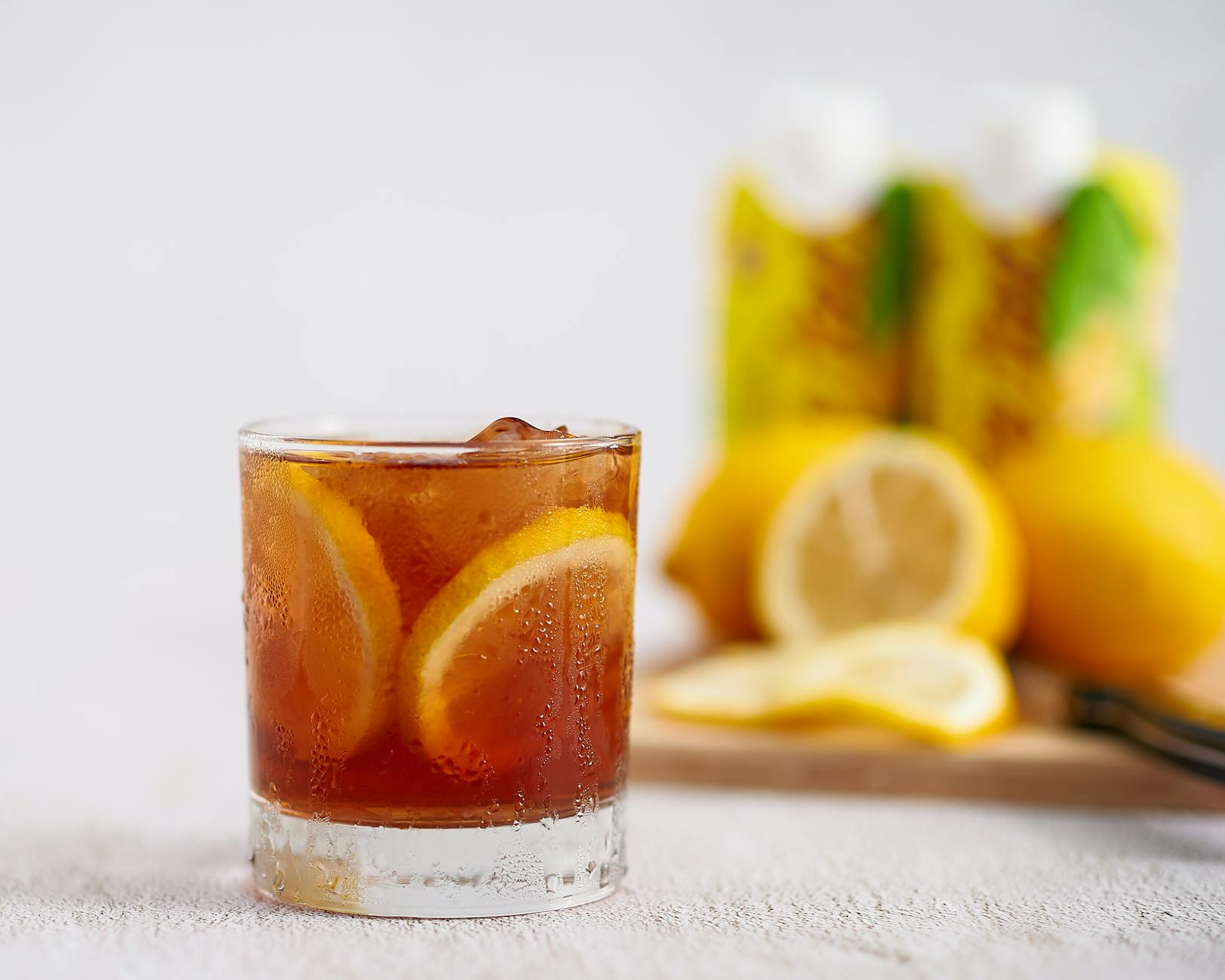
Many bottled iced teas are loaded with sugar and citric acid for flavor preservation. The tea itself contains tannins that stain teeth while the sugar promotes decay. Sipping on sweet tea throughout the day creates a constant acid attack on enamel. Brewing tea at home allows for control over sugar levels and acidity.
Barbecue Sauce
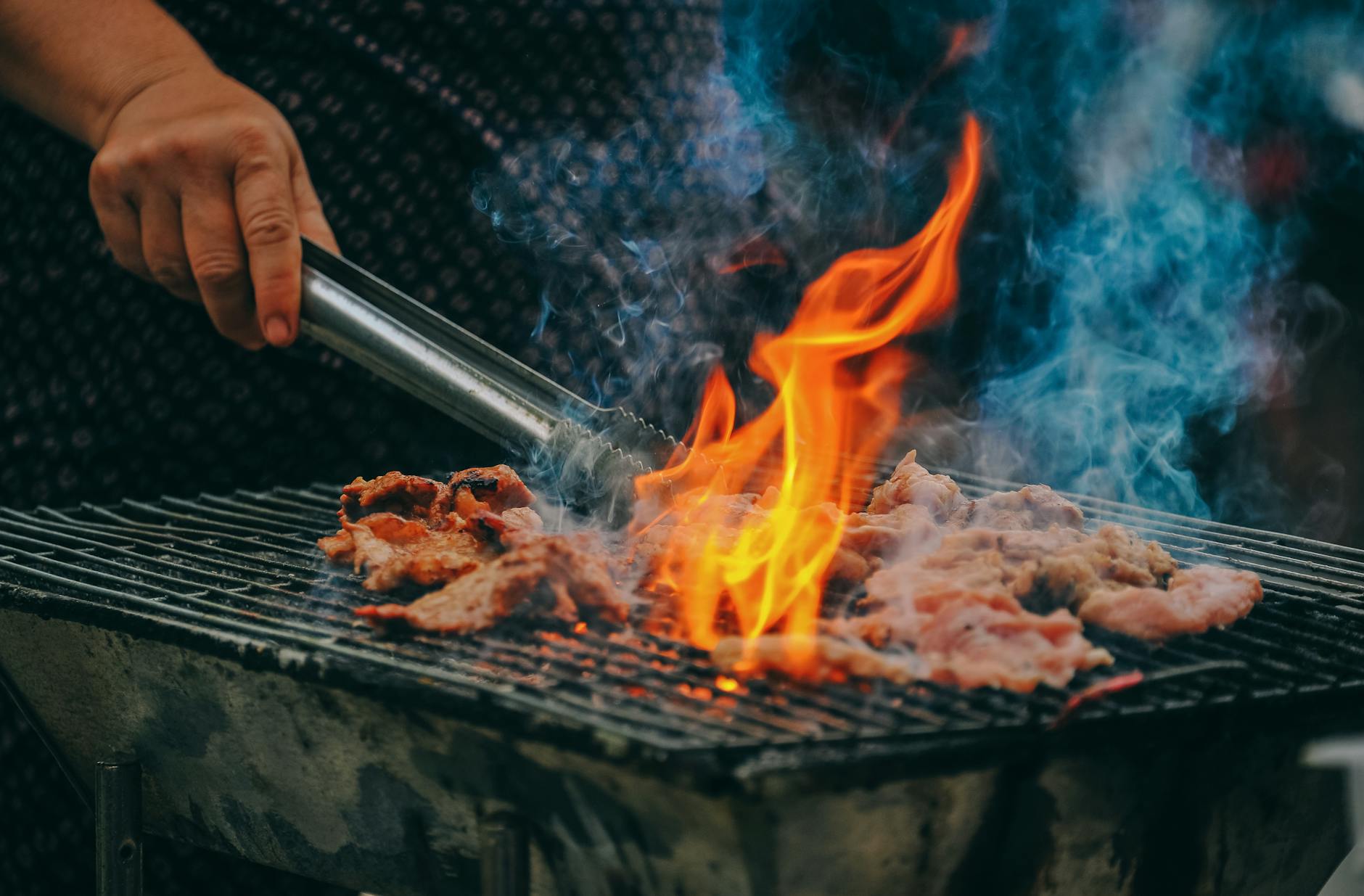
The thick and sticky nature of barbecue sauce helps it adhere to teeth for a long time. It is typically made with high amounts of sugar or molasses and vinegar. This combination of sugar and acid makes it a double threat to dental health. Using a dry rub on meat is a flavorful alternative that protects your teeth.
Popsicles
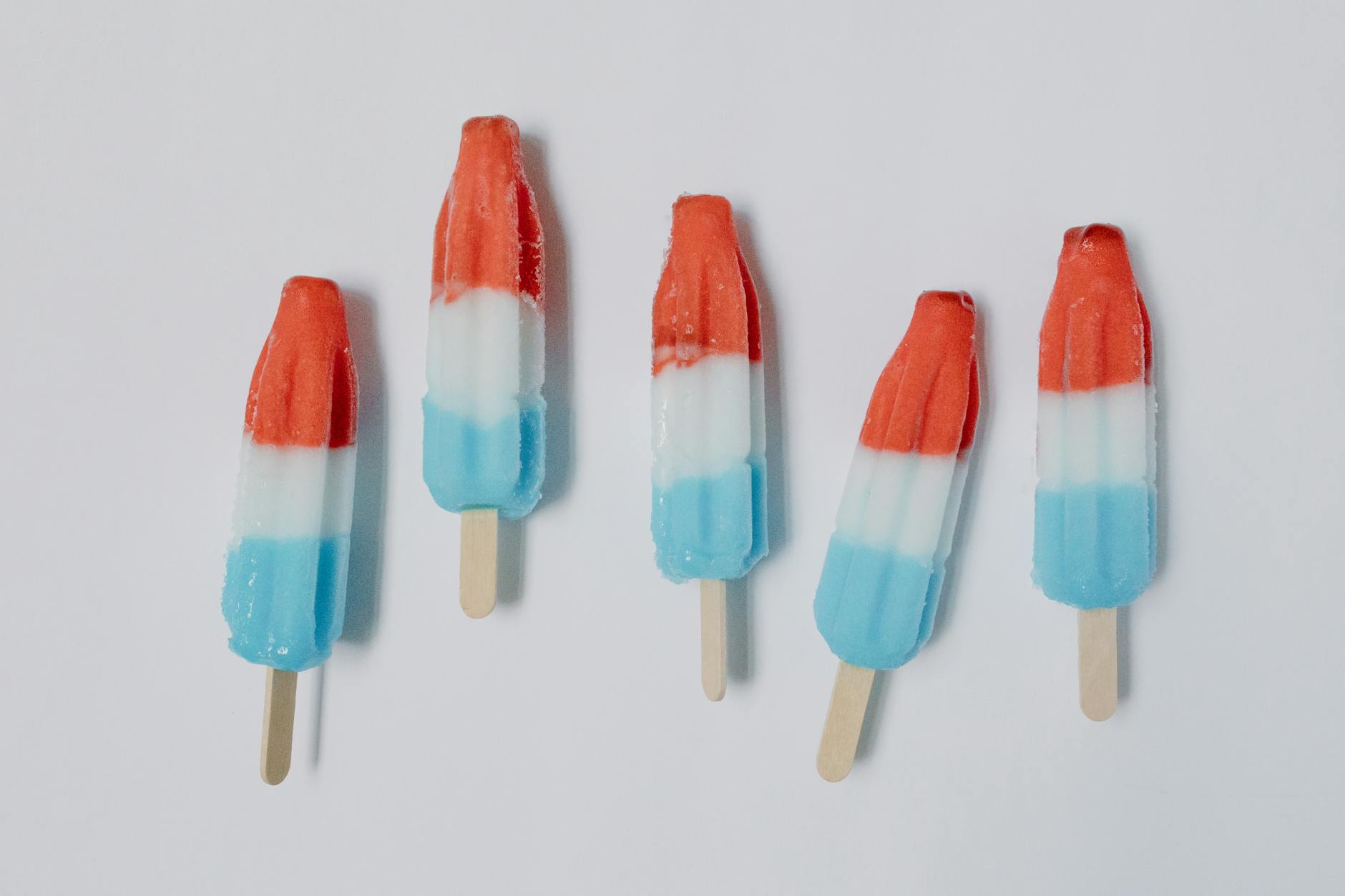
Frozen treats are often just frozen sugar water with added food coloring and fruit flavor. The artificial colors can stain teeth while the sugar feeds decay-causing bacteria. Biting into hard popsicles can also risk chipping or cracking weakened teeth. Making homemade popsicles with pureed fruit reduces the added sugar content significantly.
Caramel Corn
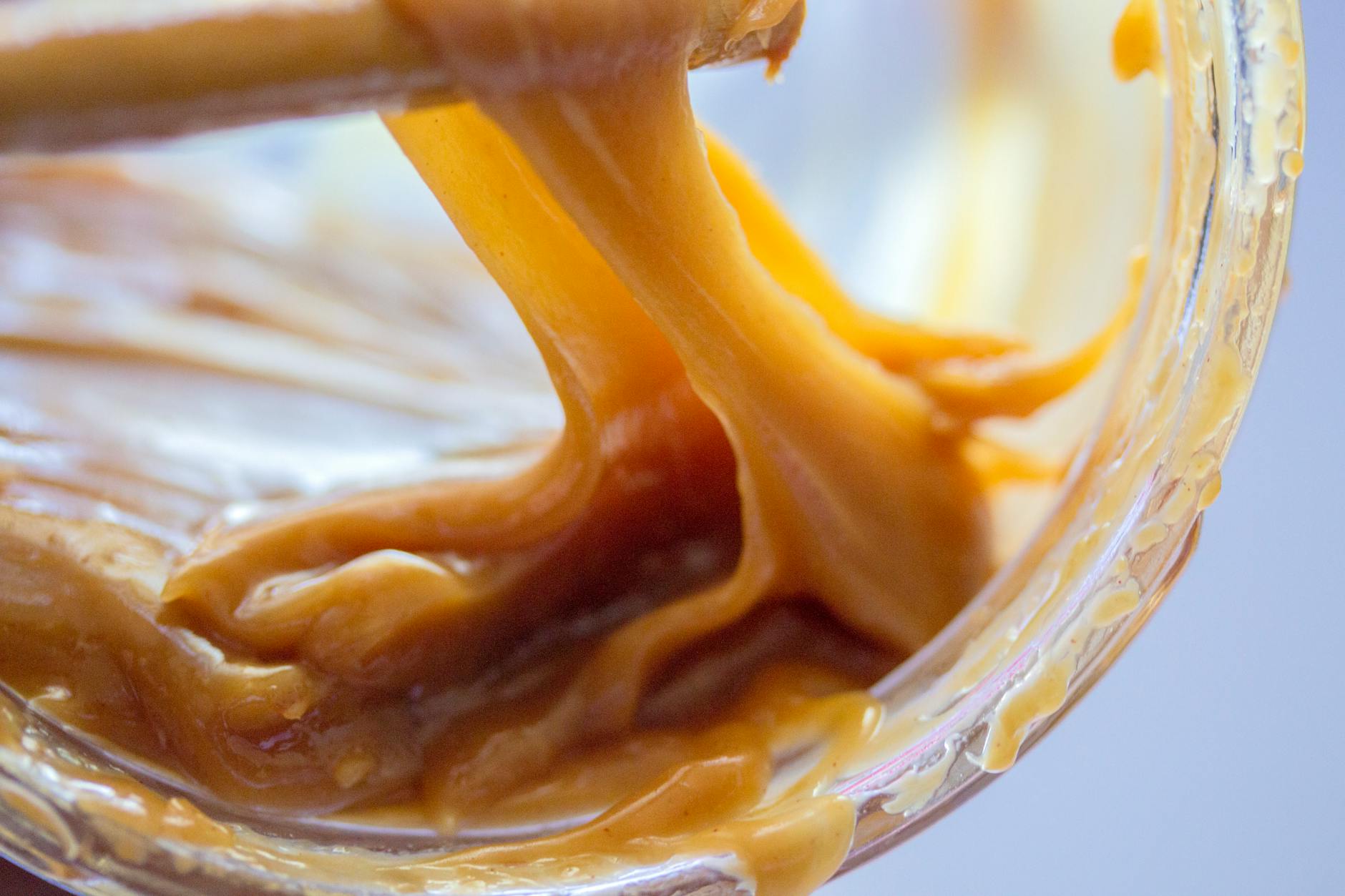
Coating popcorn in caramel adds a layer of sticky sugar to an already risky snack. The caramel glues the popcorn hulls to the teeth and gums making them harder to remove. This creates a long-lasting sugar source for bacteria while risking physical damage to the gums. It is one of the most challenging foods to clean off teeth effectively.
Toffee
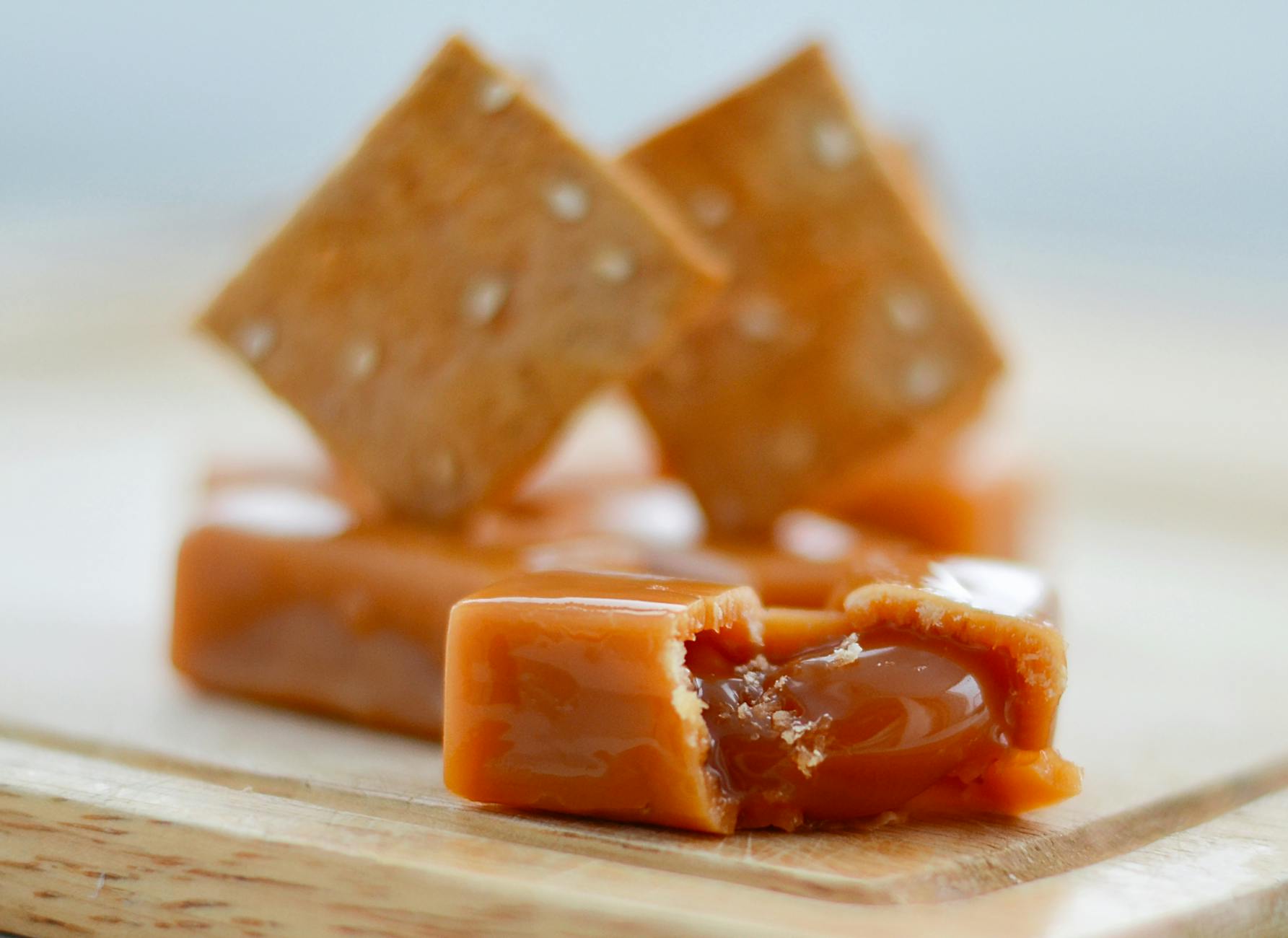
Hard toffee presents a fracture risk when bitten and a decay risk as it melts. The dense sugar sticks to the tooth surface and resists the natural cleaning action of saliva. Pieces often get wedged between teeth where they dissolve slowly over time. Eating softer treats reduces the risk of breaking a tooth or losing a filling.
Salad Dressing
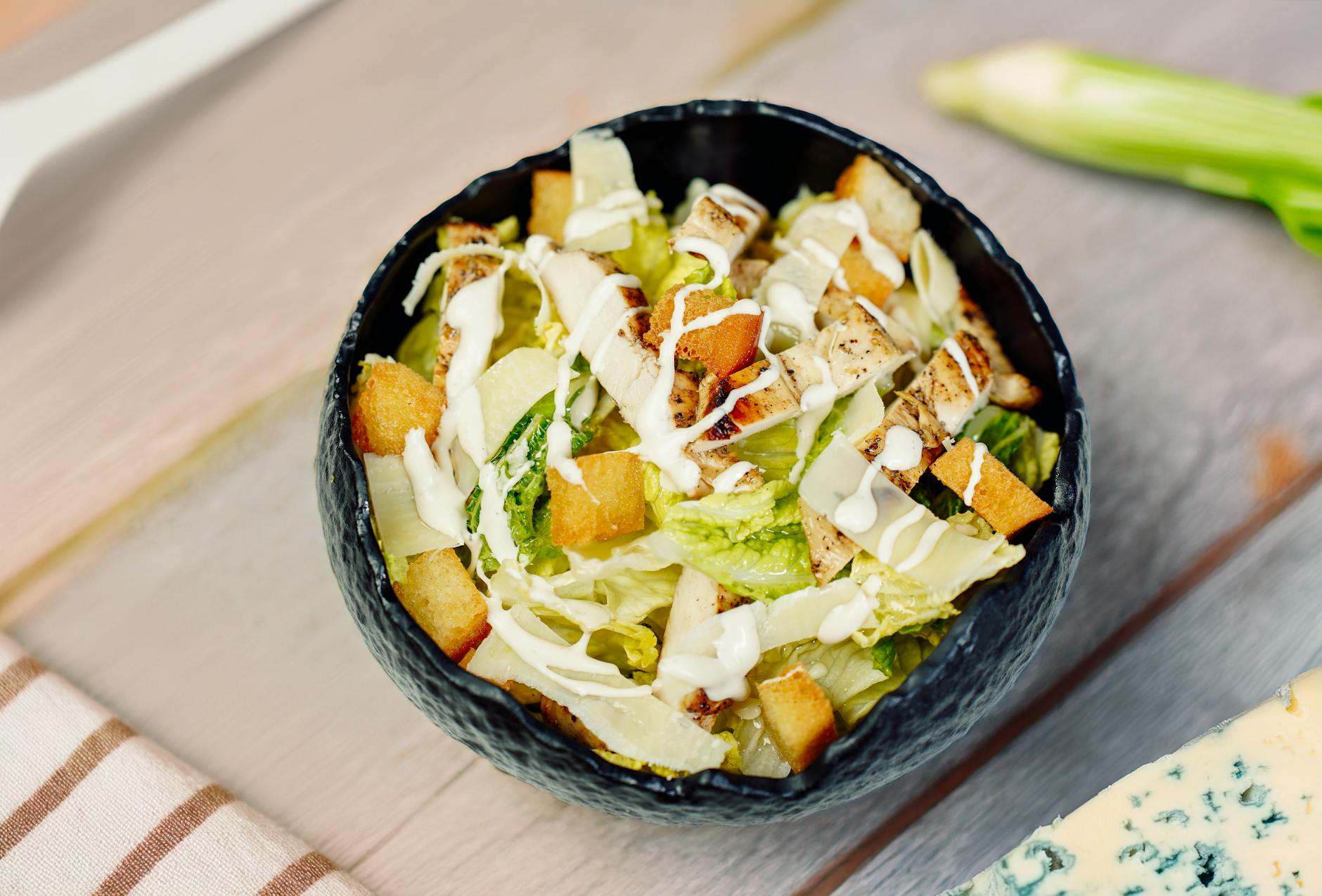
Creamy dressings often contain hidden sugars while vinaigrettes are high in acid. Both types can coat the teeth and contribute to enamel erosion or decay. Store-bought versions are particularly high in preservatives and thickeners that stick to teeth. Making simple dressing with olive oil and herbs is much gentler on your smile.
Canned Soup

Many canned soups contain high levels of sugar to enhance flavor and sodium which dries the mouth. The hidden sugar content can be surprising and detrimental to oral health. Cream-based soups may also stick to teeth and linger longer than broth-based ones. Reading labels helps identify soups with lower sugar content and fewer acidic additives.
Hard Tacos
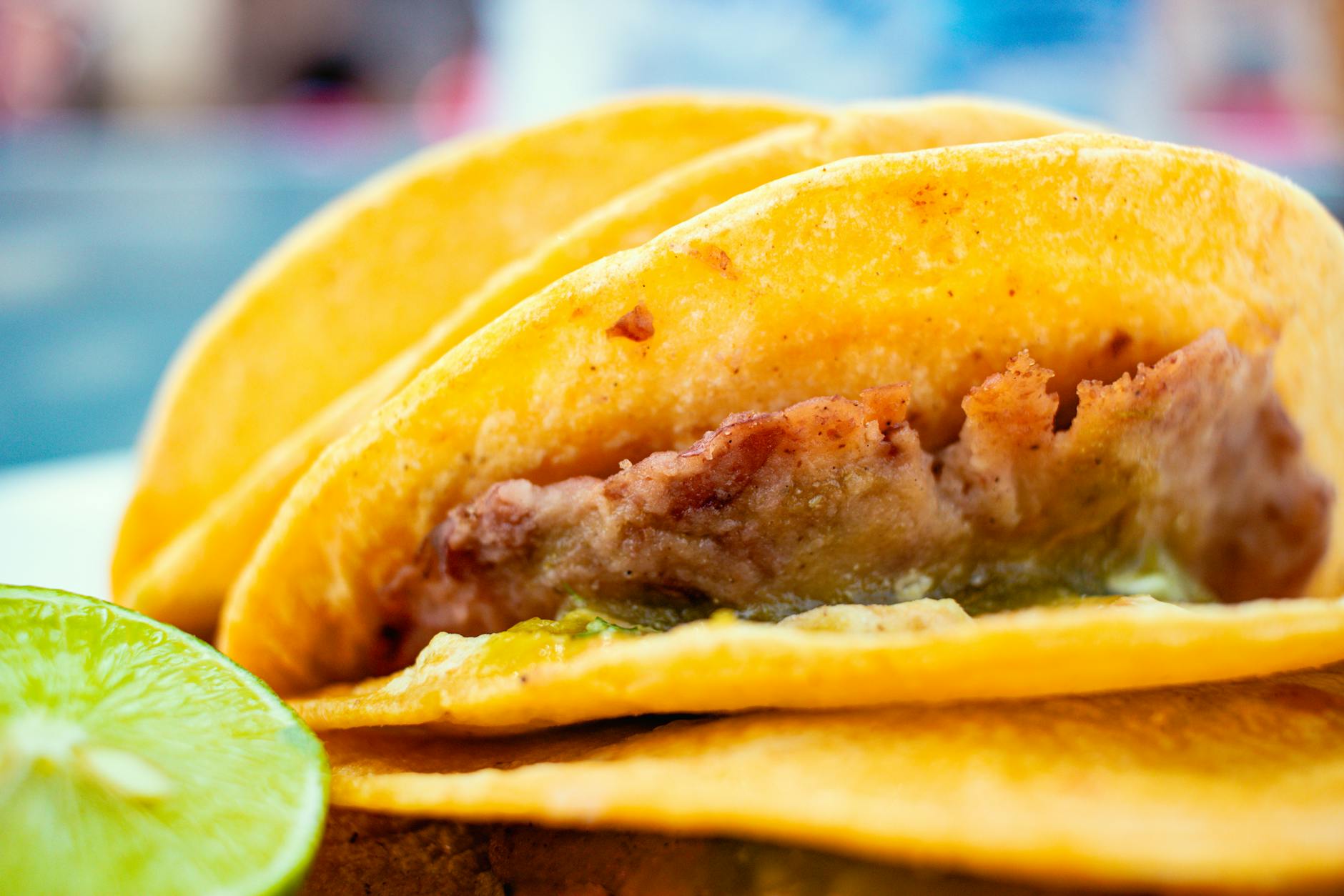
The hard corn shells of tacos can shatter into sharp shards that damage gum tissue. These starchy fragments pack into the molars and turn into sugar as they break down. The pressure required to bite through the shell can also harm compromised teeth. Soft tortillas are generally a safer option for avoiding gum injury and tooth fractures.
Please describe your own experiences with these foods or ask questions about dental hygiene in the comments.




