Emotional immaturity often manifests as a lack of depth in understanding oneself or the inability to communicate effectively during conflicts. These behaviors can slowly erode trust and intimacy within a partnership over time. Identifying these traits early allows individuals to understand relationship dynamics and make informed decisions about their future. This list explores common behavioral patterns that indicate a partner may struggle with emotional growth and stability.
Defensiveness During Conflict
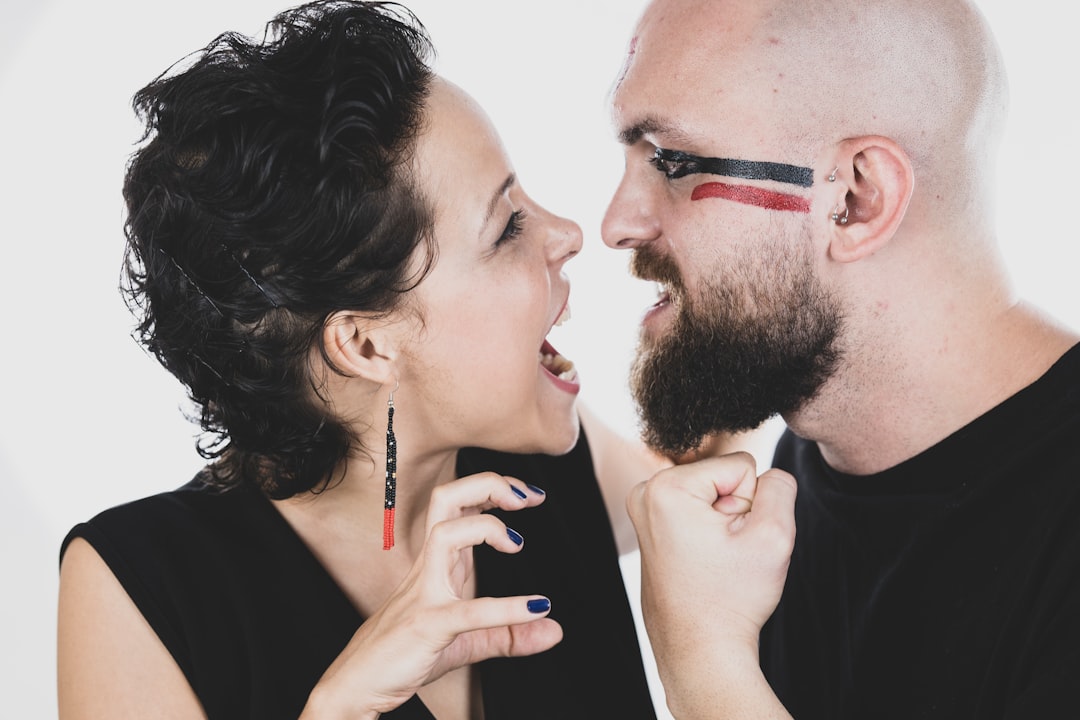
Partners with limited emotional maturity often perceive constructive feedback as a personal attack rather than an opportunity for growth. This reaction instantly shuts down productive conversation and prevents any real problem solving from occurring between the couple. You may notice they immediately armor themselves with excuses instead of listening to your perspective on the matter. It becomes impossible to address minor issues without a major argument ensuing because they refuse to accept responsibility.
The Silent Treatment

Silence is frequently used as a weapon to punish you when things do not go their way or when they feel slighted. This behavior prevents resolution and creates anxiety for the partner who is left waiting for a response. It demonstrates a clear inability to regulate emotions or articulate feelings in a healthy and constructive manner. You might find yourself apologizing just to end the silence even if you did nothing wrong to cause the rift.
Inability to Apologize
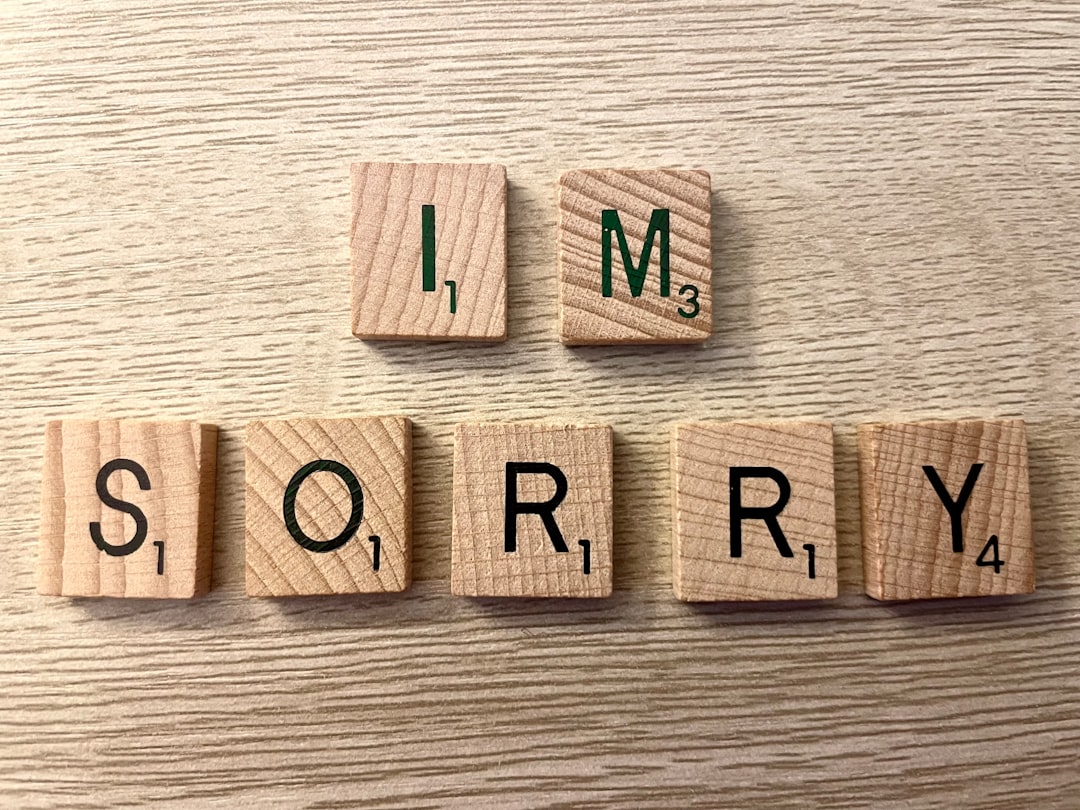
A sincere apology requires a person to set aside their ego and admit they made a mistake that hurt someone else. An emotionally immature partner will struggle to say the words or will phrase them in a way that deflects blame. They might say they are sorry that you feel a certain way rather than owning their specific actions. This lack of accountability creates a cycle where issues are never fully resolved or forgiven.
Constant Blame Shifting

When things go wrong they invariably look for external factors or other people to blame for their misfortunes. This protects their fragile self-esteem from the reality that they made an error or a poor judgment call. You will rarely hear them admit fault because they view mistakes as a weakness rather than a normal part of life. Conversations often spin in circles until the blame lands anywhere but on them.
Low Stress Tolerance

Small inconveniences often trigger disproportionately large reactions that seem confusing to those around them. They may have a meltdown over traffic or a wrong food order because they lack coping mechanisms for minor frustrations. This volatility forces you to walk on eggshells to avoid triggering an outburst over something trivial. Their inability to manage stress often means you must carry the emotional burden for both of you during hard times.
Keeping Score

Relationships are viewed as a transactional exchange where every favor or mistake is tallied for future leverage. They will bring up past errors you made years ago to win a current argument or justify their bad behavior. This tit-for-tat mentality prevents true forgiveness and keeps the relationship stuck in the past. It erodes the sense of partnership because love becomes conditional based on a mental scoreboard.
Difficulty with Empathy

They struggle to put themselves in your shoes or understand your feelings when those feelings differ from their own. You might express sadness or frustration only to be met with indifference or a dismissal of your emotions. This disconnect makes you feel lonely within the relationship because your inner world is not being validated. They often prioritize their own immediate comfort over your emotional needs during vulnerable moments.
Impulse Control Issues

Financial decisions or lifestyle choices are often made on a whim without considering the long-term consequences for the couple. They might spend money meant for bills on luxury items or make abrupt plans that disrupt your shared schedule. This impulsivity suggests a focus on immediate gratification rather than future stability or shared goals. It creates an environment of unpredictability that makes it hard to build a secure life together.
Passive-Aggressive Jabs

Instead of stating their needs or grievances directly they use sarcasm and backhanded compliments to express their displeasure. These comments are often disguised as jokes which allows them to claim you are being too sensitive if you get upset. This indirect communication style creates a toxic atmosphere where resentment builds up silently over time. It avoids honest vulnerability while still inflicting emotional stinging on the partner.
Need for Constant Attention

The conversation constantly gravitates back to them and their interests regardless of the original topic. They may interrupt you while you are speaking or lose interest entirely when the focus shifts to your day. This self-centeredness stems from a deep need for external validation to feel worthy or important. A balanced exchange is rare because they require the spotlight to feel secure in the interaction.
Fear of Commitment

Conversations about the future or deepening the relationship are avoided or met with vague answers that promise nothing. They enjoy the benefits of a partnership but shy away from the responsibilities and labels that come with it. This hesitation often stems from a fear of losing freedom or being unable to handle the expectations of a serious bond. You are left in a state of limbo wondering where the relationship is actually heading.
Surface Level Conversations

Discussions rarely go beyond daily events or shallow topics because they are uncomfortable with emotional intimacy. Attempts to discuss dreams or fears or complex feelings are often deflected with jokes or subject changes. This limits the connection you can form and keeps the relationship in a permanent state of casual dating. Emotional depth requires vulnerability which they are not yet ready or willing to offer.
Holding Grudges

They hold onto anger and resentment for long periods instead of processing emotions and moving forward. A minor disagreement can result in days of coldness because they do not know how to let go of negative feelings. This accumulation of grievances creates a wall between partners that gets higher with every conflict. The relationship suffers because past hurts are always present in the current moment.
Dependence on Your Approval

Their mood and self-worth are entirely dictated by how much praise or attention you give them at any moment. They constantly fish for compliments and need reassurance that they are good enough or attractive enough. This places a heavy burden on you to maintain their emotional equilibrium throughout the day. It is exhausting to serve as the sole source of validation for another adult.
Avoiding Difficult Conversations

They will go to great lengths to avoid any discussion that might be uncomfortable or lead to a potential conflict. Important issues are swept under the rug where they fester and grow worse over time. They prioritize false harmony in the present moment over the long-term health of the relationship. This avoidance leaves you feeling like you are the only one trying to solve problems.
Name Calling

Resorting to insults or derogatory labels during an argument is a clear sign of poor emotional regulation. It shows they are more interested in hurting you than in resolving the actual issue at hand. This behavior is disrespectful and crosses boundaries that should exist in a loving partnership. Mature adults express anger without attacking the character of the person they love.
Playing the Victim

Every story they tell features them as the innocent party who was wronged by a cruel or unfair world. They refuse to acknowledge how their own actions contributed to the negative outcomes they experienced. This narrative prevents them from learning from mistakes because they believe they have no agency. It creates a dynamic where you are always expected to comfort and rescue them.
Ignoring Boundaries

They repeatedly cross lines you have clearly drawn regarding your time or your space or your emotional energy. Requests for privacy or solitude are taken as personal rejections rather than normal human needs. They believe their desire for closeness overrides your need for autonomy in the relationship. This lack of respect for limits shows a fundamental misunderstanding of individual identity.
Jealousy and Possessiveness

They view your interactions with friends or colleagues as a threat to their position in your life. Innocent situations are scrutinized and you are frequently accused of being unfaithful or disloyal without cause. This behavior stems from deep insecurity and a lack of trust in themselves and you. It isolates you from your support system and creates a suffocating relationship dynamic.
Inconsistent Behavior

Their actions and words rarely align which leaves you confused about their true intentions and feelings. One day they are affectionate and attentive but the next they are cold and distant without explanation. This intermittent reinforcement keeps you hooked while destabilizing your sense of security. You never know which version of your partner you are going to get.
Mocking Your Interests

Hobbies or passions that are important to you are belittled or treated as a waste of time. They make you feel foolish for caring about things that they do not personally understand or value. This dismissal discourages you from sharing your authentic self with them for fear of judgment. A supportive partner encourages your growth even if they do not share your specific interests.
Refusal to Plan

They resist making concrete plans for dates or trips because they prefer to live entirely in the moment. This lack of foresight forces you to handle all the logistics and organization for the couple. It shows a lack of consideration for your time and the effort required to coordinate lives. You are often left waiting until the last minute to know what is happening.
Competitive Nature

They view your successes as a challenge to their own status rather than a victory for the team. You might notice they try to one-up your stories or downplay your achievements to make themselves feel better. This rivalry prevents them from being a truly supportive partner who celebrates your wins. A healthy relationship is a partnership and not a contest for dominance.
Projecting Feelings

They accuse you of feeling angry or sad or jealous when they are actually the one experiencing those emotions. This psychological defense mechanism allows them to disown unwanted feelings by attributing them to you. It creates confusion because you end up defending yourself against feelings you do not actually have. Conversations become distorted because they are arguing with a mirror image of themselves.
Stonewalling

During discussions they will physically turn away or leave the room or simply tune out completely. This refusal to engage sends a message that your thoughts and feelings are not worth their attention. It leaves you with no avenue for resolution and intensifies the frustration of the conflict. This is a severe communication breakdown that often predicts relationship failure.
Emotional Spending

They use shopping and acquiring new things as a primary way to manage difficult emotions or boredom. This habit can lead to financial instability that affects shared goals like buying a home or traveling. It masks the underlying emotional issues that need to be addressed through introspection or therapy. You may find yourself stressing over budgets while they seek the next dopamine hit.
Oversharing on Social Media

Private relationship matters or intimate details are broadcast to the public for validation or sympathy. They prioritize the opinion of online followers over the sanctity and privacy of your partnership. This breach of trust can be humiliating and damaging to the bond you share. It suggests they value the appearance of the relationship more than the relationship itself.
Black and White Thinking

People and situations are categorized as either all good or all bad with no room for nuance. They struggle to accept that a good person can make a mistake or that a bad situation might have a silver lining. This rigidity makes it difficult to navigate the complexities of real life and human relationships. It leads to harsh judgments and abrupt cut-offs when expectations are not met perfectly.
Lack of Introspection

They rarely take time to reflect on their own behaviors or motivations or patterns in life. Suggestions that they might benefit from self-improvement are met with resistance or total denial. Without this internal work they remain stagnant while you may be evolving and growing. A relationship cannot mature if the individuals within it are not maturing as well.
Reliance on Parents

They defer to their parents for decision making and emotional support rather than turning to their partner. Boundaries between their family of origin and your relationship are porous or non-existent. This dynamic makes you feel like an outsider in your own relationship. True adulthood involves establishing independence and prioritizing the partnership you are building.
We invite you to share your own experiences with these signs in the comments section.




