Carrying a cluttered wallet creates unnecessary physical bulk while exposing the owner to significant security risks. Modern digital alternatives allow most sensitive documents to remain safely stored at home without sacrificing daily convenience. A lost wallet transitions from a minor inconvenience to a major identity theft nightmare when it contains specific high-value documents. Streamlining daily carry essentials protects finances and personal data from falling into malicious hands. This guide outlines specific items that belong in a secure safe rather than a back pocket.
Social Security Card
Identity thieves covet this nine-digit number more than any credit card or cash found in a lost billfold. Carrying the physical card increases the risk of someone opening fraudulent loans or bank accounts in your name. Government agencies rarely require the physical card for standard daily identification purposes. Memorizing the number eliminates the need to keep this critical document on your person at all times. Keeping it locked in a fireproof box at home remains the safest protocol for long-term security.
Password Cheat Sheets
Writing down pin codes and login credentials on a slip of paper defeats the purpose of strong digital security. A thief finding a wallet with a debit card and a corresponding pin code gains immediate access to bank funds. Many people mistakenly believe hiding these notes in obscure folds makes them secure from prying eyes. Password manager applications offer encrypted storage that is far superior to physical scraps of paper. Memorization or digital vaults are the only acceptable methods for storing sensitive access codes.
Spare House Key
Losing a wallet containing a home address and a key creates an immediate threat to physical household safety. Burglars often look for identification within a lost wallet to locate the owner’s residence. Changing locks becomes an expensive and urgent necessity if this key goes missing along with an ID. Leaving a spare key with a trusted neighbor or family member is a much safer alternative. Smart locks allow for keyless entry and eliminate the risk associated with carrying physical duplicates.
Blank Checks
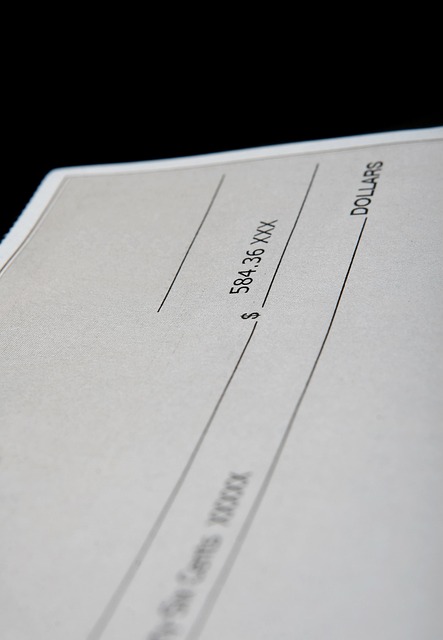
A blank check serves as an open invitation for thieves to drain a checking account without needing a pin. Sophisticated criminals can use the routing and account numbers to manufacture new checks or initiate electronic transfers. Carrying a checkbook was once necessary but has become obsolete due to debit cards and mobile payments. Taking only the specific check needed for a planned transaction limits potential financial exposure. The safest place for a checkbook is a locked drawer at home.
Passport
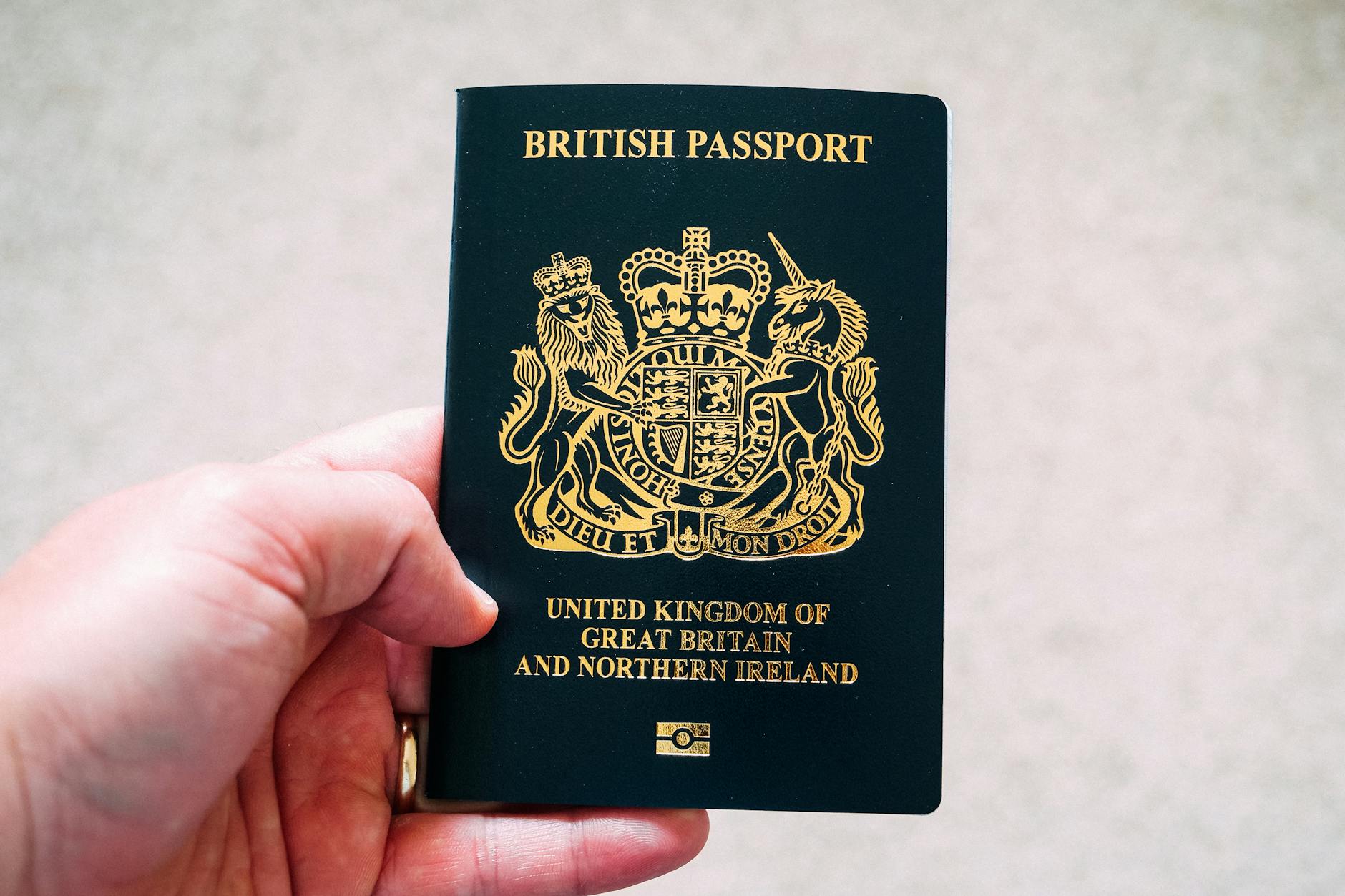
A passport is a high-value target for identity thieves who can use it to travel or forge other documents. Replacing a lost passport involves a lengthy bureaucratic process and significant fees. Domestic travel rarely requires this level of identification for routine identification purposes. Carrying a passport card or a state ID is sufficient for most daily situations. Travelers should leave this document in a hotel safe rather than carrying it during sightseeing excursions.
Birth Certificate
This foundational document proves citizenship and acts as the root for obtaining all other forms of identification. Losing a birth certificate provides criminals with enough information to build a completely new identity profile. The replacement process varies by state but is generally time consuming and frustrating. There is almost never a reason to carry an original birth certificate during a normal day. It should remain strictly in a secure home storage system alongside other vital records.
Multiple Credit Cards
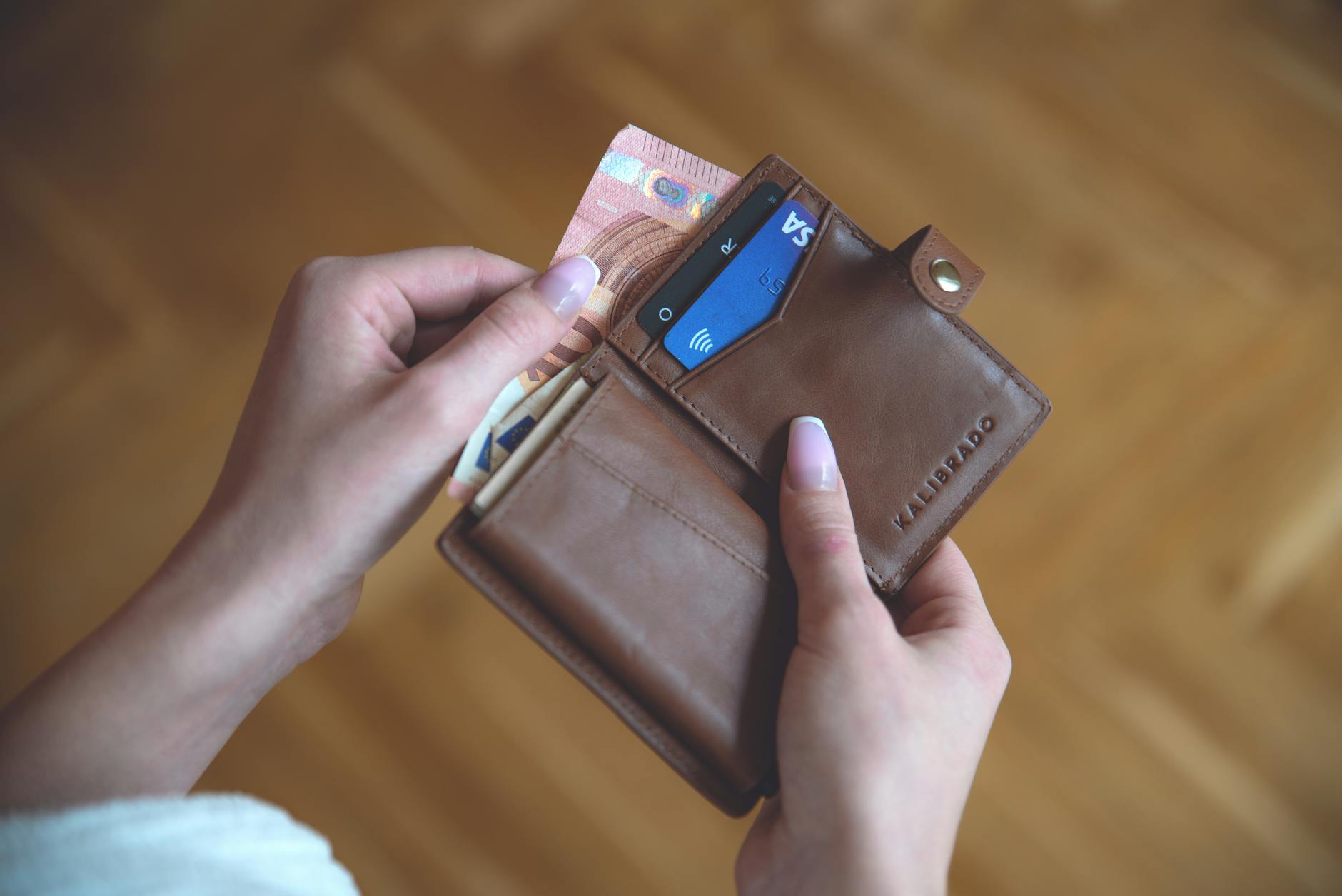
Carrying every credit card you own increases the time required to cancel and replace them if the wallet is lost. A lost wallet with multiple cards spreads financial data across several issuers and increases the risk of undetected fraud. Selecting one or two primary cards for daily use minimizes the potential damage of theft or loss. Digital wallets on smartphones allow users to access backup funding sources without the physical plastic. Rotating cards based on planned purchases is a smarter strategy than carrying the entire deck.
Old Receipts
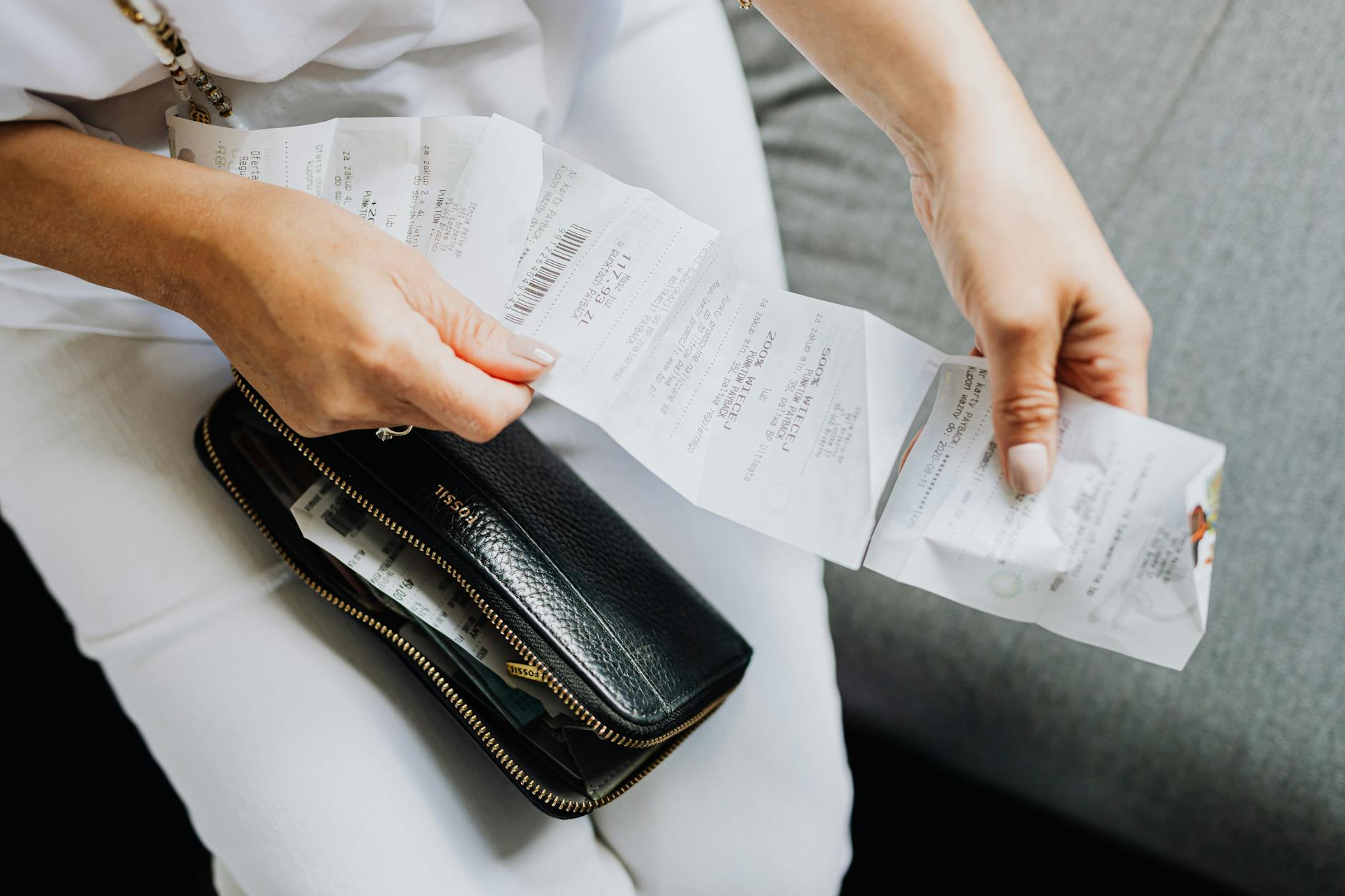
Accumulating paper receipts adds unnecessary bulk and creates a treasure trove of partial account numbers for data miners. Thermal paper receipts often fade over time and become useless for returns or tax purposes anyway. Thieves can piece together spending habits and partial card information to engineer social engineering attacks. Snapping photos of receipts for expense tracking apps is a more efficient organization method. Shredding physical receipts immediately after processing prevents sensitive transaction data from lingering in a wallet.
Gift Cards
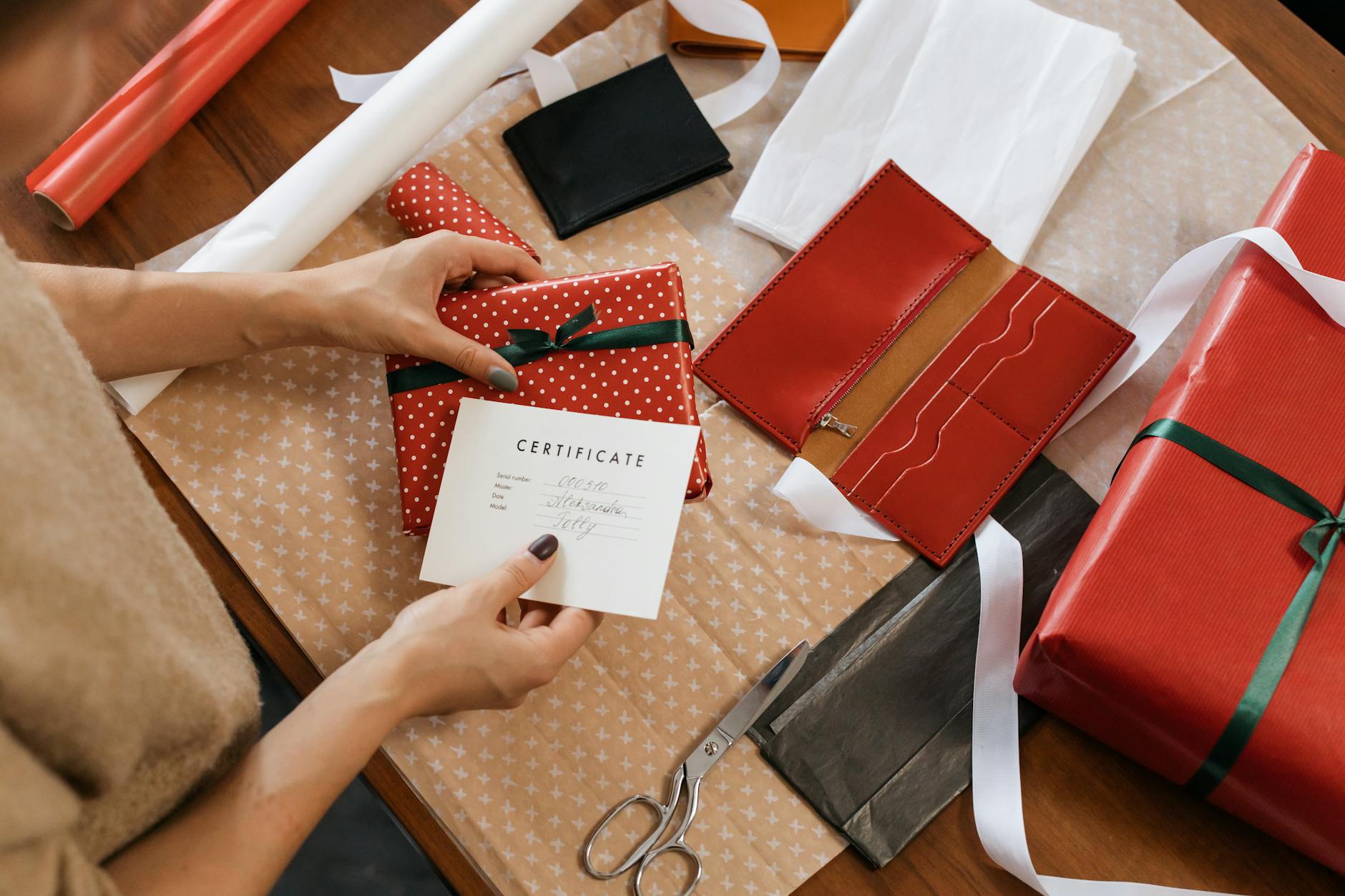
Gift cards function exactly like cash because they lack the fraud protection features of credit or debit cards. Losing a wallet filled with unredeemed gift cards results in a total and unrecoverable financial loss. Carrying these cards often leads to forgetting the balance or letting them expire unused. Storing the card numbers and pins in a mobile wallet app ensures the funds are available without the physical risk. Keeping the physical cards in a drawer at home preserves their value until a specific shopping trip.
Membership Cards
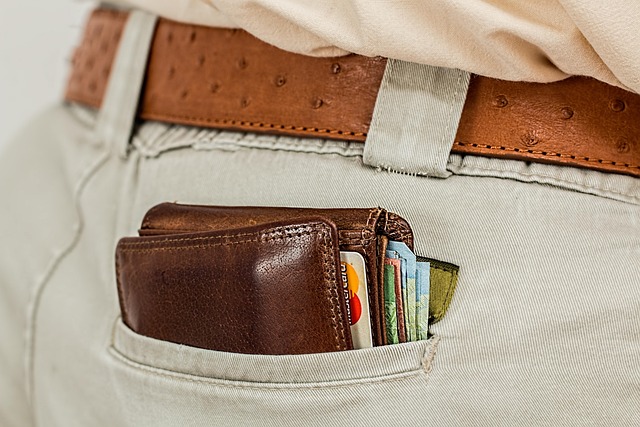
Gym passes and library cards add thickness to a wallet while rarely being needed for unplanned visits. Most modern facilities allow members to check in using a smartphone app or a phone number lookup. Losing these cards requires contacting multiple organizations to request replacements and update member IDs. Digitizing barcodes using loyalty card applications clears significant space in a standard billfold. Only carrying the cards required for that specific day creates a lighter and more organized pocket.
Medicare Card

The standard Medicare card displays a unique beneficiary identifier that is crucial for receiving medical benefits. Seniors are frequent targets for medical identity theft where criminals use stolen benefits for fraudulent procedures. Carrying a photocopy with the last few digits blacked out is safer for emergency reference. The original card should only leave the house for specific doctor appointments or hospital visits. Protecting this number is as important as protecting a Social Security number.
Excessive Cash
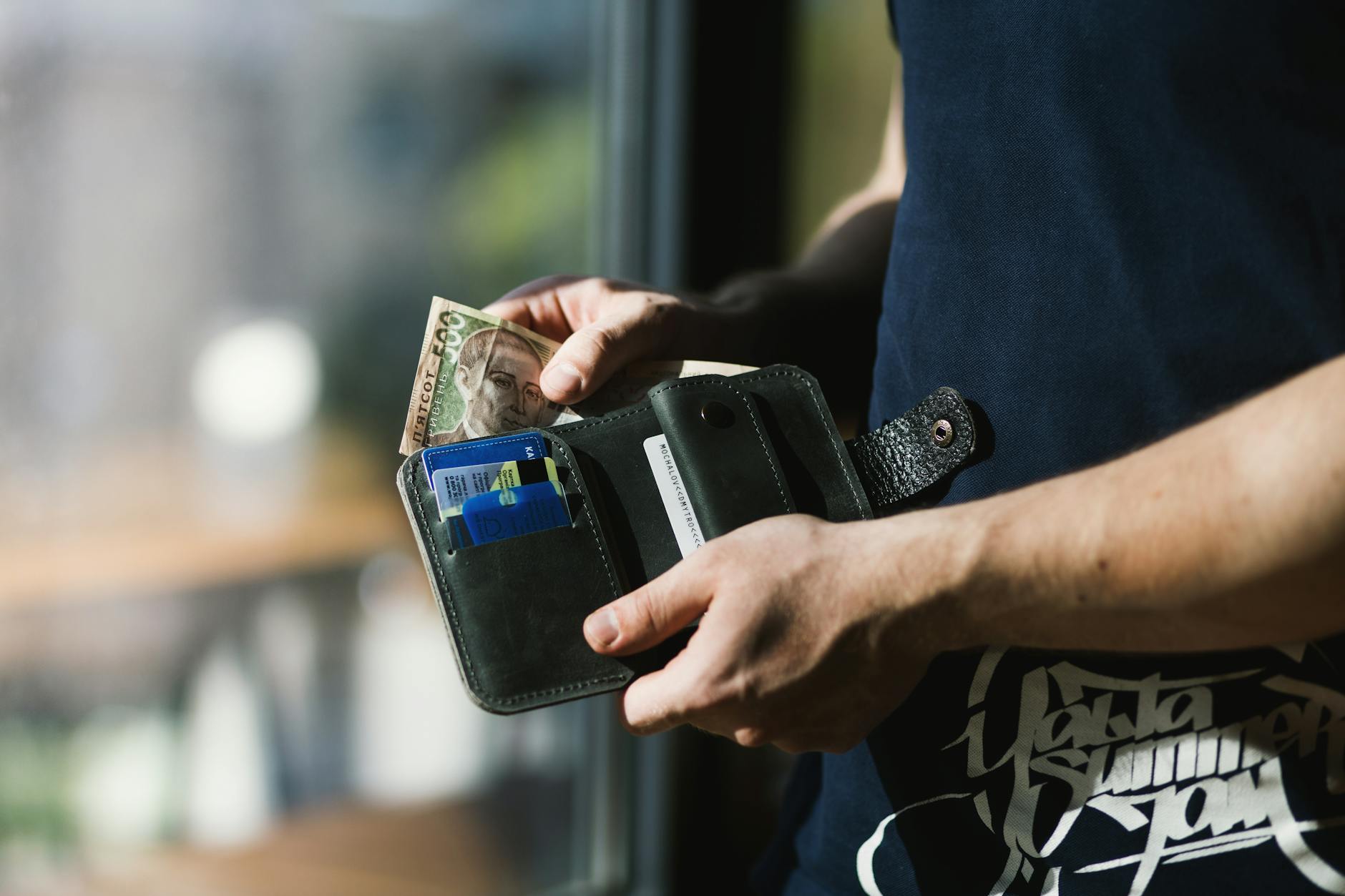
Carrying large sums of cash makes a wallet an attractive target for pickpockets and guarantees a financial loss if misplaced. Cash offers zero recourse for recovery once it leaves your possession. Credit and debit cards offer fraud protection and the ability to freeze accounts instantly. Keeping only enough cash for small tips or minor emergencies is a prudent financial habit. ATMs are ubiquitous enough that withdrawing cash on demand is safer than hoarding it.
Business Cards
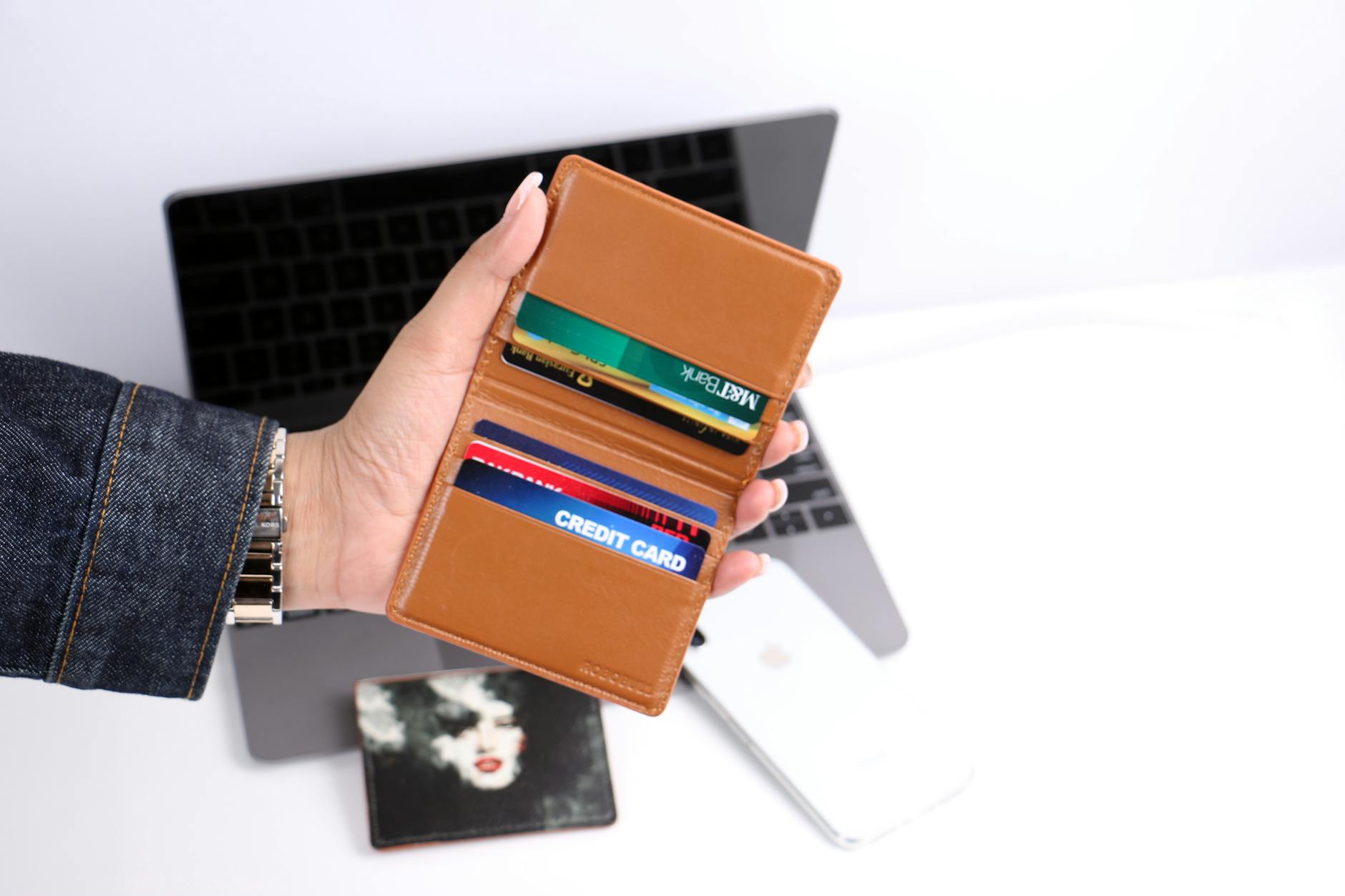
Stacks of outdated business cards create clutter and often contain information that is no longer accurate. Most professionals prefer digital contact exchange via LinkedIn or email rather than managing physical card collections. A wallet stuffed with cardboard creates uneven pressure that can damage the spine or leather. Scanning received cards into a contact management system preserves the data without the physical mess. Carrying only two or three of your own cards is sufficient for unexpected networking opportunities.
Voter Registration Card
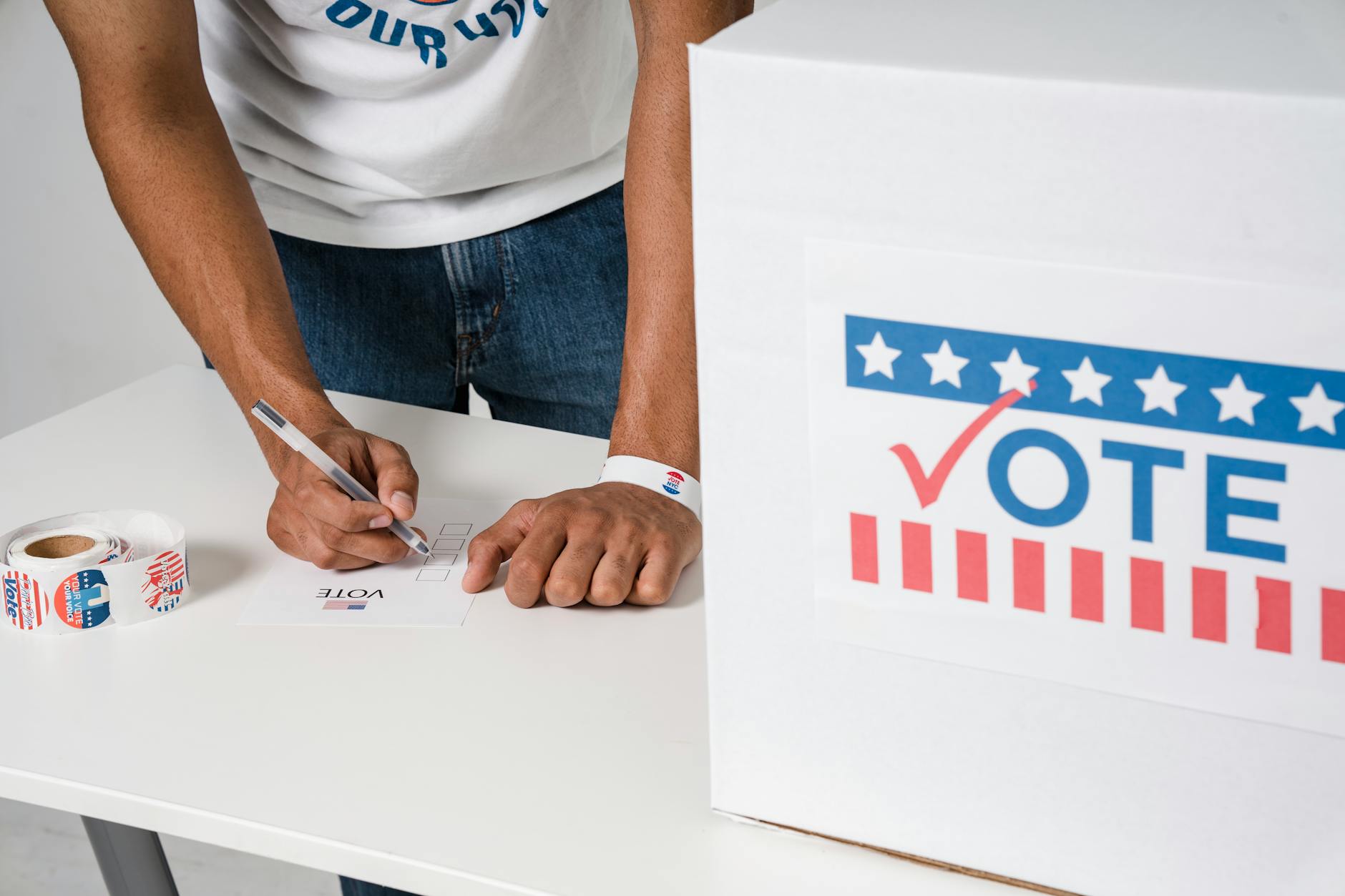
This card confirms registration status but is rarely required as a form of identification at the polling place. The information on the card includes the full name and address which adds to the personal data profile available to a thief. Most states allow voters to verify their status online or use a driver’s license for verification. Keeping this card with other important files at home prevents it from becoming dog-eared or lost. It serves no functional purpose in a daily carry rotation.
Prescription Medications

Storing pills in a wallet exposes them to heat and friction that can degrade their chemical potency. Crushed pills can powder and contaminate other items or credit card strips within the wallet. If a wallet is lost the finder may have access to controlled substances or critical medication the owner needs. Using a proper pill case or keychain fob protects the medication from environmental damage. Pharmacists recommend keeping medication in original containers or specialized travel organizers.
Condoms

Friction and body heat from carrying a wallet in a pocket can degrade the latex and cause invisible micro-tears. A compromised condom offers a false sense of security and may fail during use. Manufacturers specifically advise against storing these items in tight or warm spaces like billfolds. Keeping them in a cool and loose compartment like a bag pocket ensures they remain effective. Checking the expiration date and storing them properly is essential for safety.
Jewelry
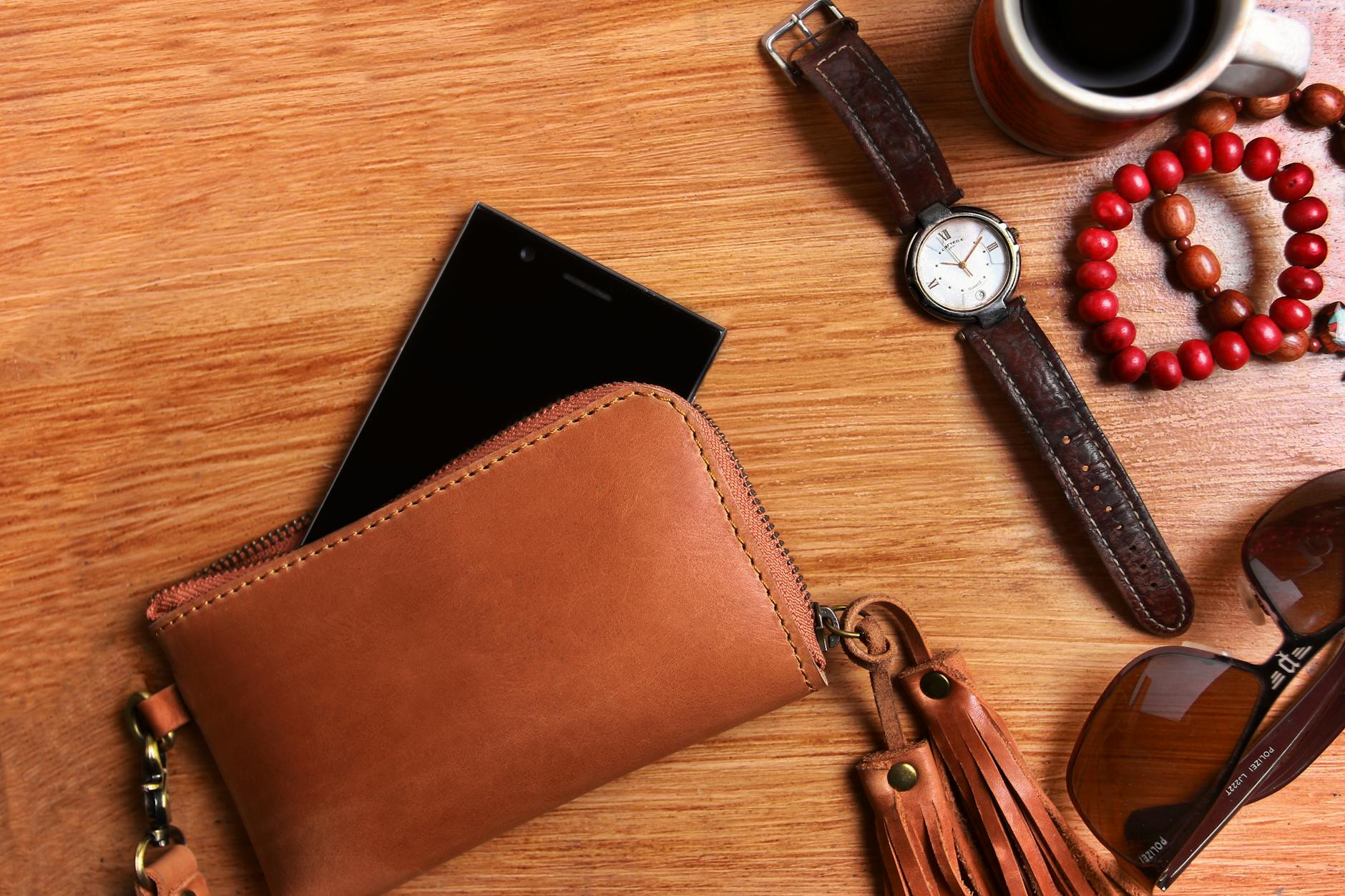
Storing spare earrings or chains in the coin pouch of a wallet risks damaging both the jewelry and the wallet lining. Small metal items can scratch credit card magnetic strips or chips. The high value of jewelry makes the wallet an even more lucrative prize for a potential thief. Delicate items can easily slip out of loose pockets unnoticed during transaction handling. A dedicated jewelry pouch or box at home is the only safe storage option.
USB Drives
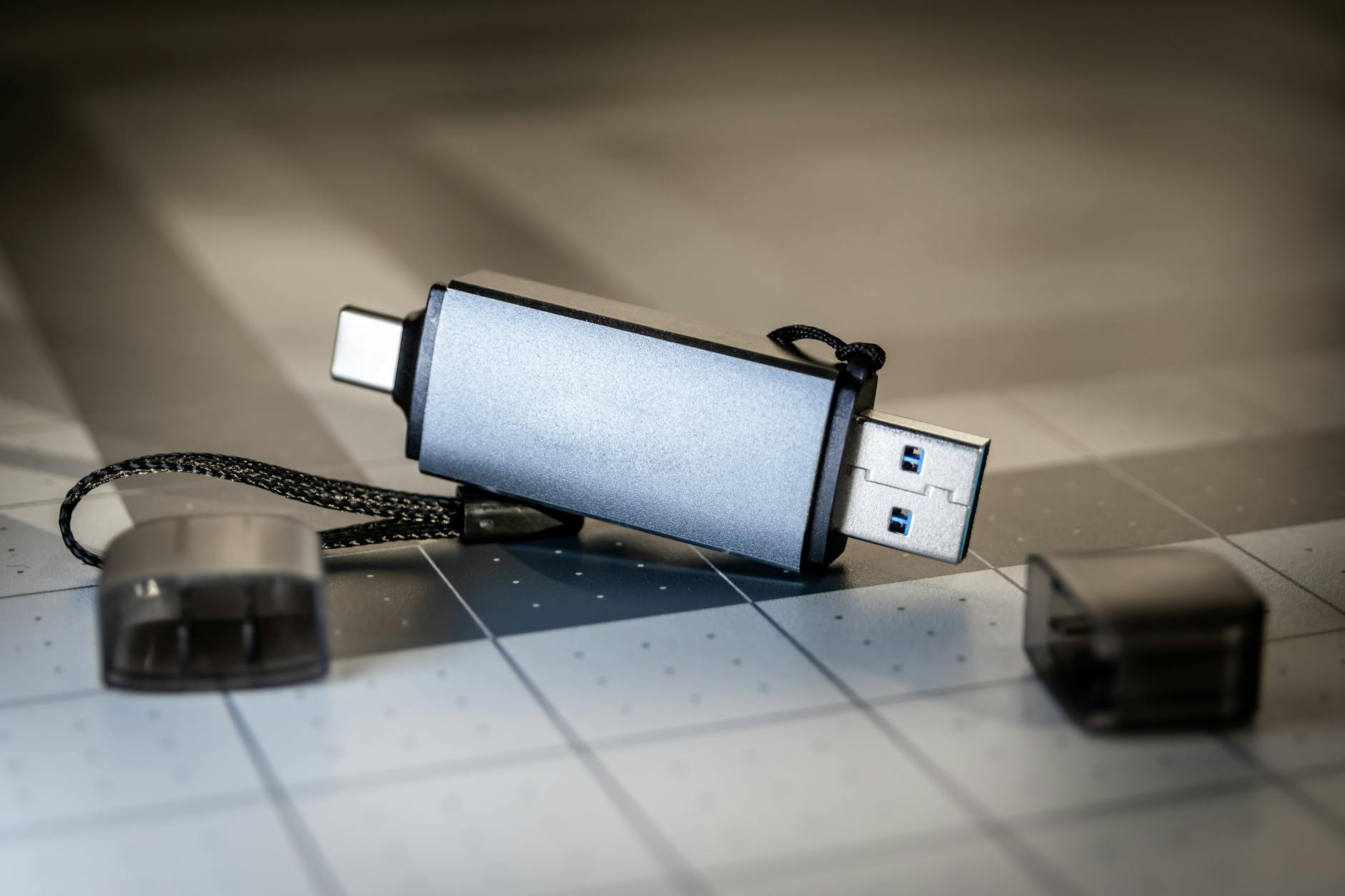
Flash drives stored in wallets are subject to bending and pressure that can corrupt the internal memory chips. Losing a drive often means losing sensitive personal documents or work files without a backup. Malware can easily spread if a found drive is plugged into a computer by a curious stranger. Cloud storage solutions provide secure access to files from any device without physical hardware. Encrypting data is essential if physical transport of digital files is absolutely necessary.
Frequent Flyer Cards
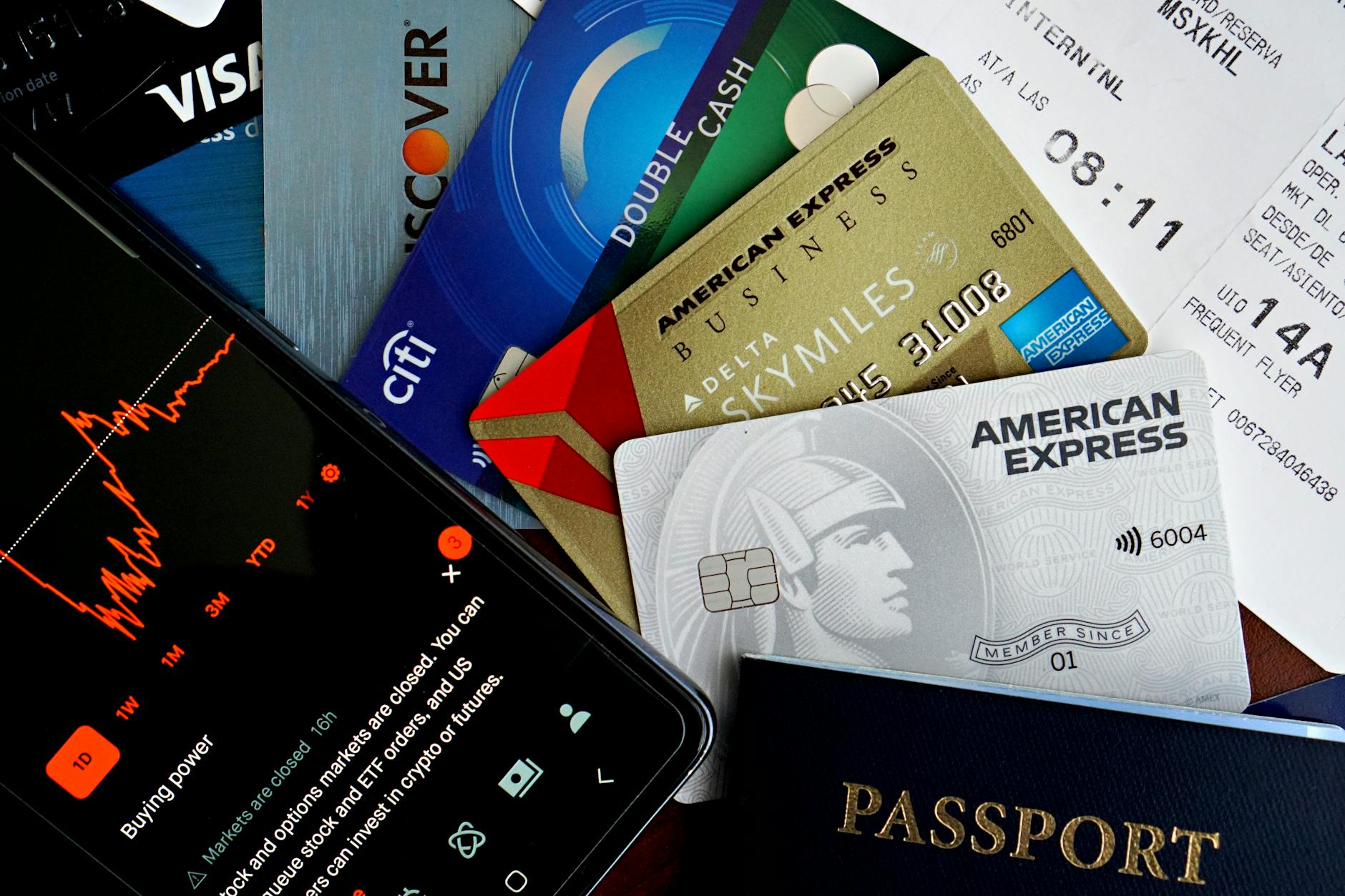
Airline loyalty programs rarely require the physical membership card for check-in or lounge access. Most travel apps display the status and membership number directly on a smartphone screen. Carrying these cards adds plastic bulk that contributes to wallet deformation over time. The number itself is usually saved in the booking profile for automatic credit. Leaving the plastic card in a travel drawer reduces daily pocket weight.
Expired Student IDs
An expired university card serves no legal purpose and takes up valuable card slots. Venues offering student discounts usually check for a current validation date or semester sticker. The barcode or magnetic strip may contain personal student data that is better kept private. Keeping it as a memento is fine if it is stored in a memory box rather than a wallet. Removing it frees up space for active and useful identification.
Work Access Badges
Losing a security badge compromises the safety of an entire workplace and necessitates an immediate security protocol reporting. Thieves can use these cards to gain unauthorized entry to offices or sensitive corporate areas. Wearing the badge on a lanyard or keeping it in a dedicated bag pocket reduces the risk of loss. Separation of work credentials from personal financial items is a smart security layering strategy. Most companies charge a fee for replacing lost access cards.
Irreplaceable Photos
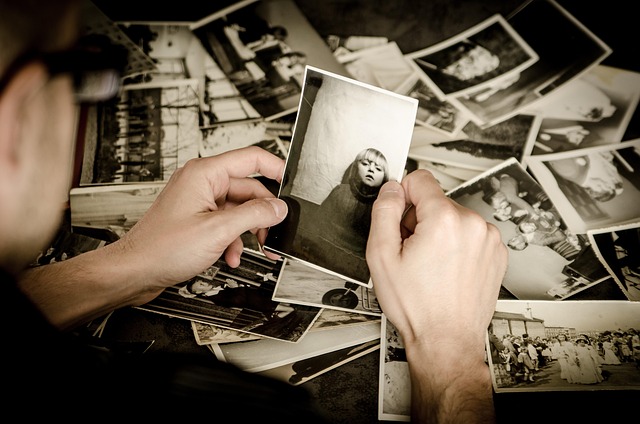
Carrying the only copy of a vintage family photo risks destroying it through wear and tear. Humidity and friction will eventually cause the image to fade or stick to plastic windows. Once a unique physical photo is lost it is gone forever. Scanning the image to a phone provides a high-quality digital copy for showing friends. The original should be preserved in an album or frame where it is safe from damage.
Lottery Tickets
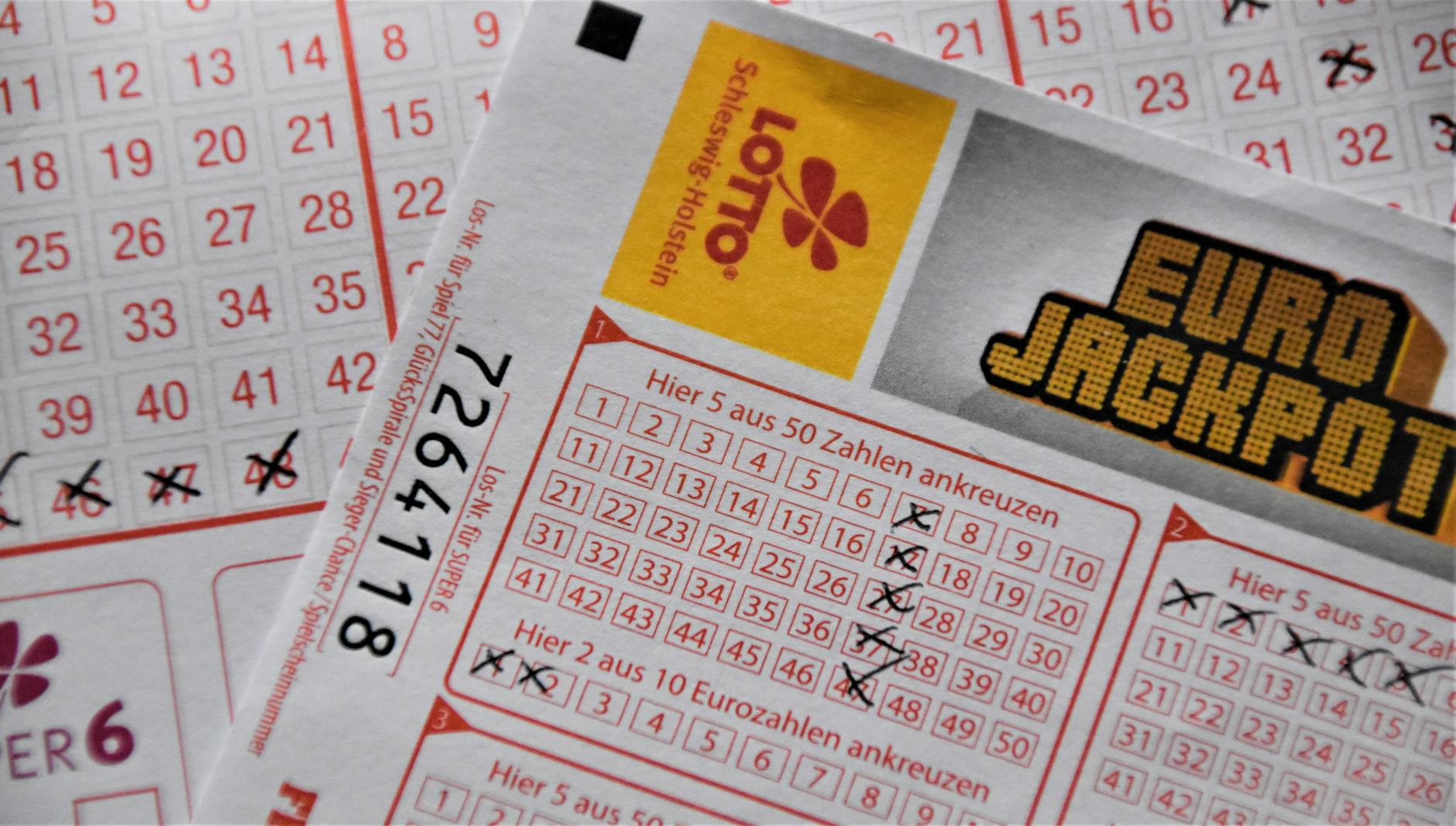
Winning tickets are bearer instruments that allow anyone holding them to claim the prize money. A lost wallet containing a winner means the money likely belongs to whoever finds it first. Losing tickets also means losing the ability to check if they are winners later. Scanning tickets immediately with a lottery app registers them and checks for winnings. Cashing them out or storing them securely at home is the only responsible choice.
Coupons
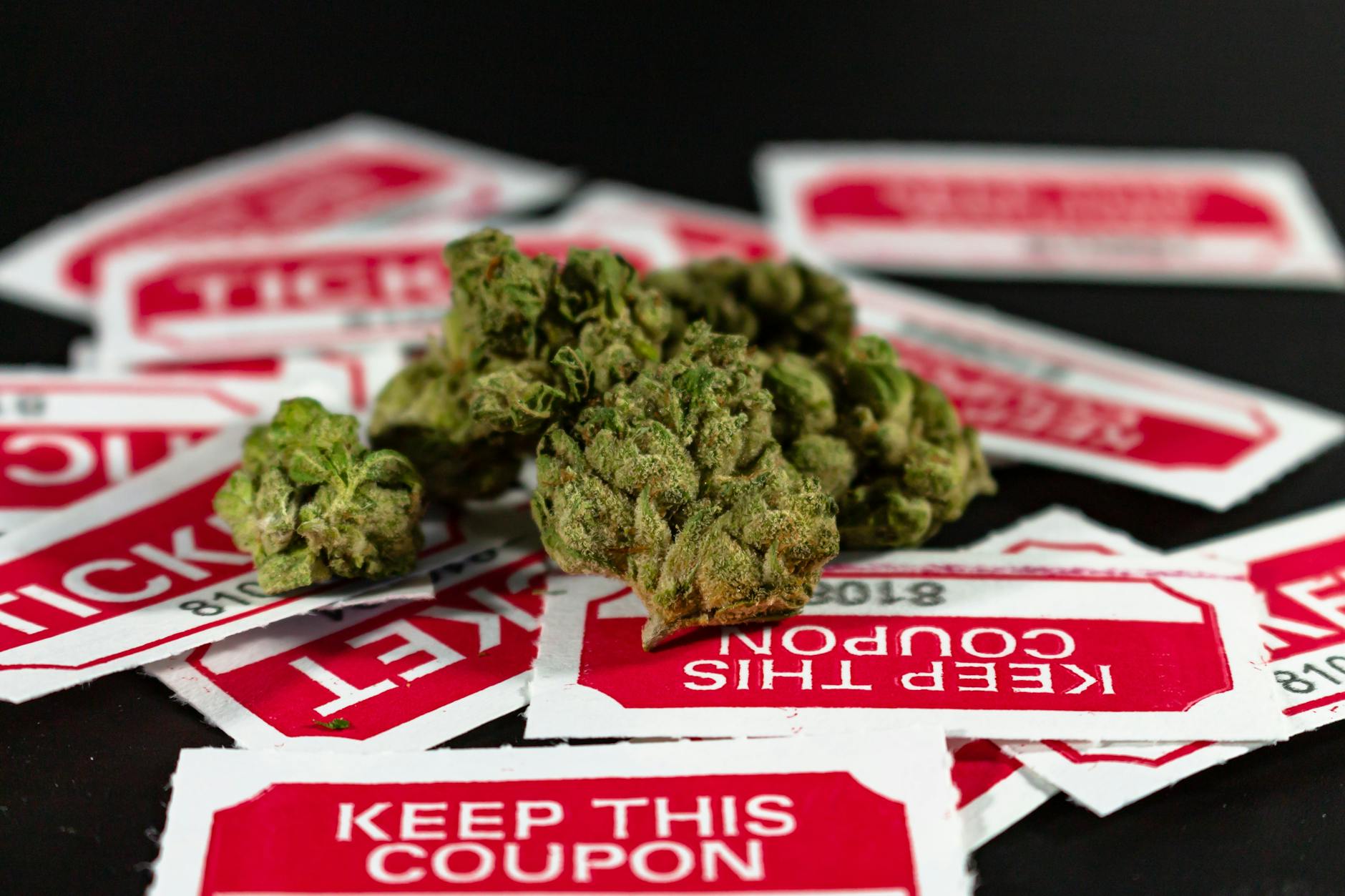
Paper coupons expire quickly and create significant paper clutter that hides important items. Most retailers now offer digital coupon clipping through their proprietary mobile applications. Searching through a wad of crumpled paper at the checkout slows down the line and creates stress. Organizing coupons in a car organizer or leaving them at home until a shopping trip is better. A streamlined wallet helps you find the payment method faster.
Appointment Cards
Medical and dental reminder cards become useless trash the moment the appointment date passes. The information is better stored in a digital calendar with an automated reminder alert. These cards often contain the name of doctors which implies medical conditions a thief could leverage. Entering the date immediately into a phone allows the card to be recycled instantly. Keeping outdated reminders makes it harder to find current and relevant information.
SIM Cards
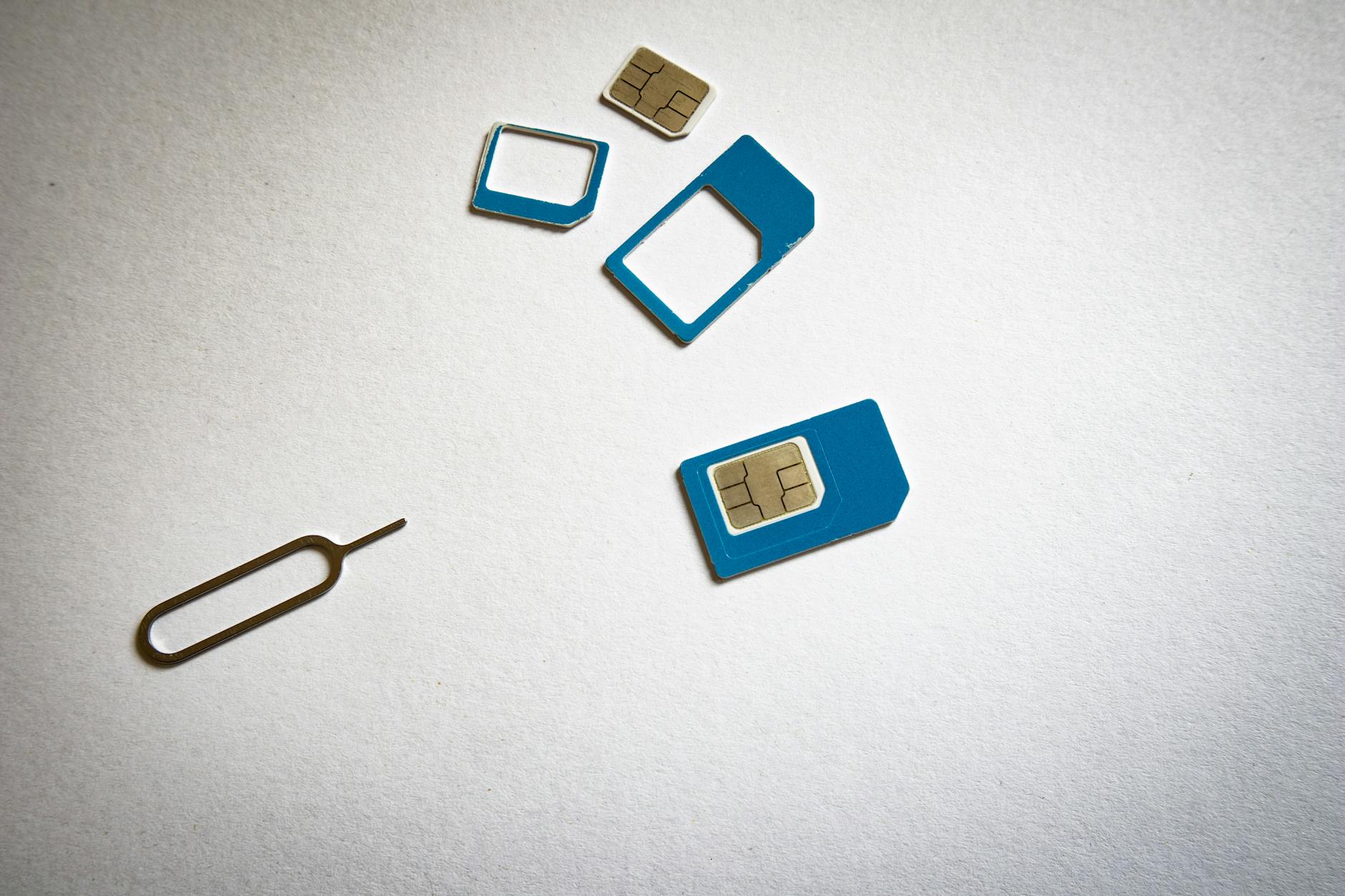
Tiny SIM cards and ejector tools are easily lost when stored loosely in a coin pocket. They are delicate electronic components that can be damaged by the pressure of sitting on a wallet. Losing a SIM card can mean losing contacts and requiring a visit to a mobile carrier store. Specialized cases exist for traveling with tech accessories that offer far better protection. Securing these items in a dedicated tech pouch prevents accidental loss.
Coins
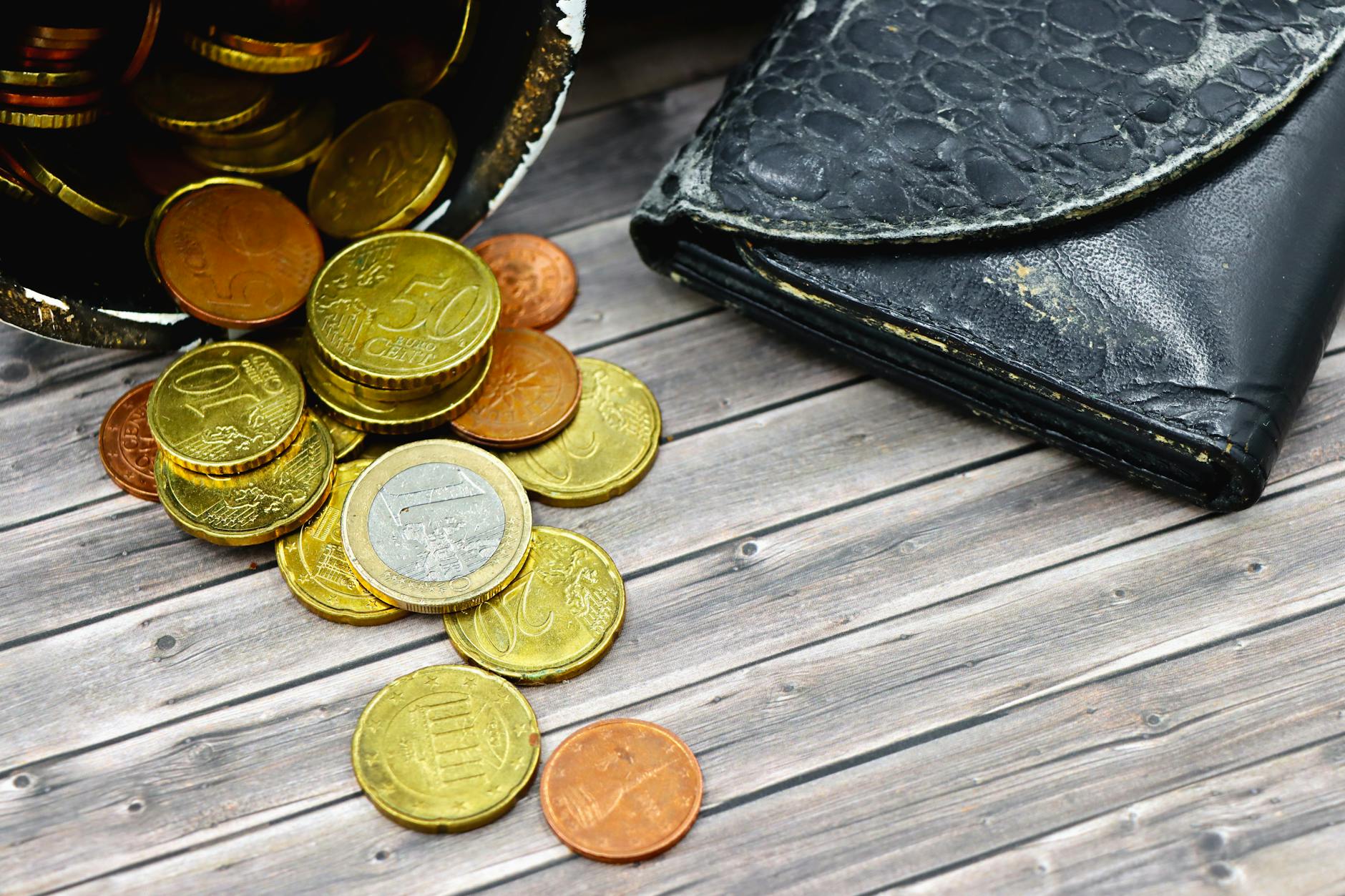
Coins add significant weight and uncomfortable bulk to any standard wallet design. The metal edges can dig into leather and leave permanent indentations on credit cards. Storing change in a jar at home helps accumulate savings rather than weighing down a pocket. Using a separate coin purse is a classic solution that preserves the structure of a main wallet. Spending exact change is difficult and slows down modern contactless transactions.
Old Hotel Key Cards
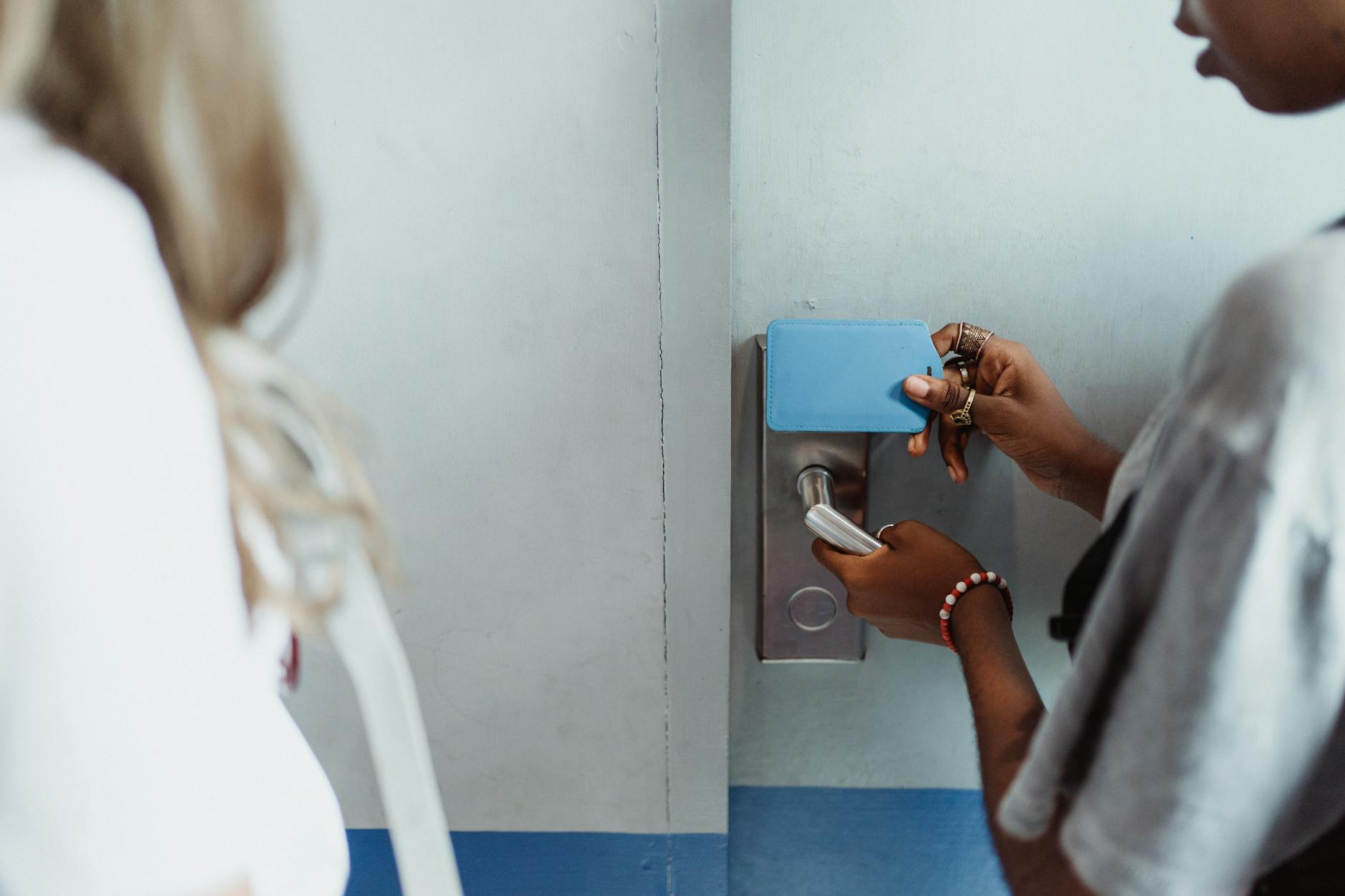
Travelers often forget to return plastic key cards and let them accumulate in card slots. These cards are useless after checkout but can sometimes retain encoded guest data. They take up space that could be used for active cards or essentials. Most hotels recycle these cards and prefer to have them returned at the front desk. Clearing them out immediately after a trip prevents wallet stretching.
Library Card

Most modern library systems allow patrons to check out materials using a smartphone app or a driver’s license. The physical card is rarely needed unless using a specialized self-checkout machine. Losing the card can make the owner liable for books checked out by a thief. Storing the barcode number in a loyalty card app is a space-saving solution. Keeping the physical card in a desk drawer works for the rare occasions it is strictly required.
Baby Teeth
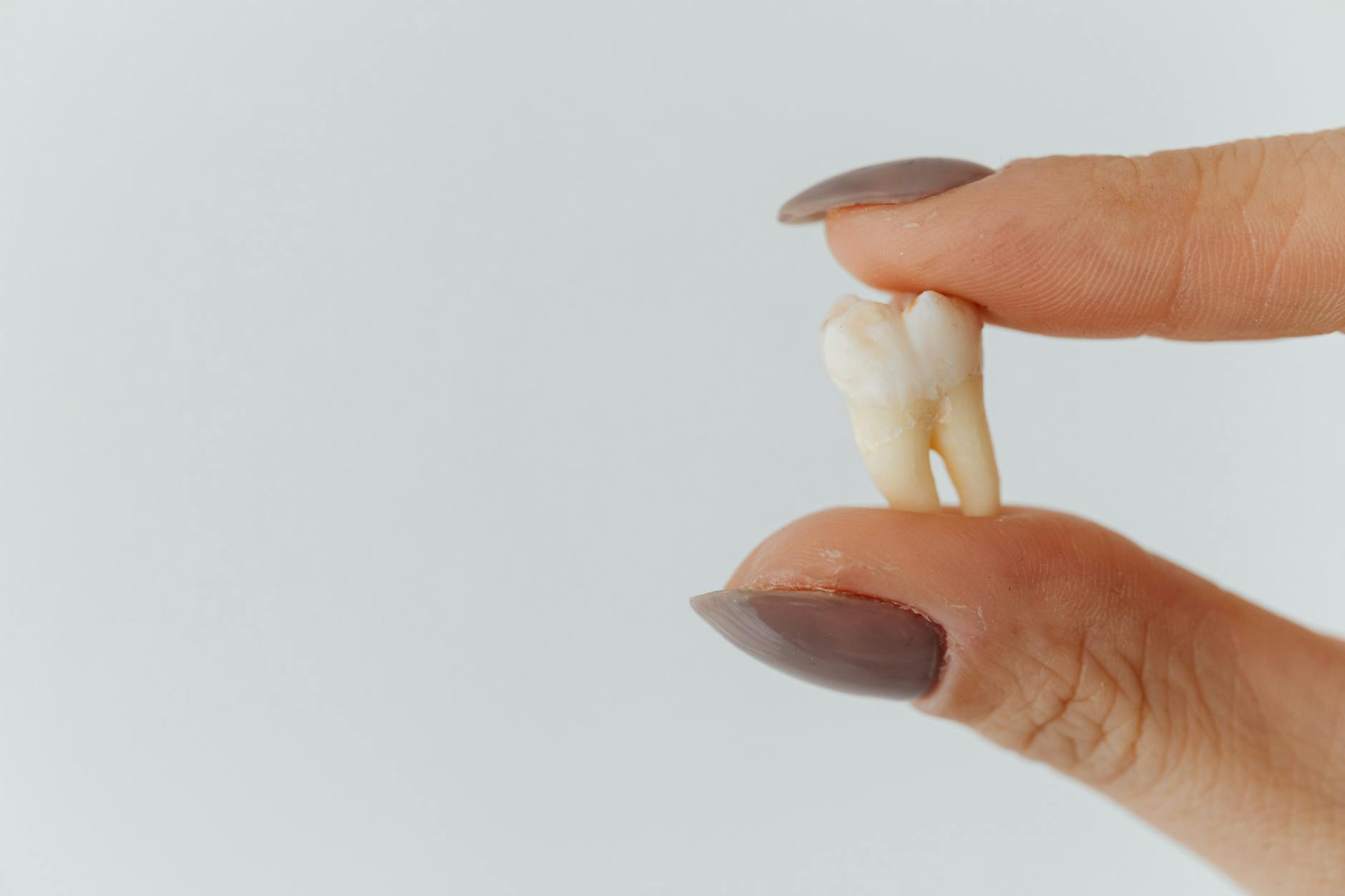
Some parents keep a sentimental baby tooth in a wallet for good luck or posterity. This biological material is brittle and can easily be crushed into dust during daily activity. It creates an unhygienic environment within the storage compartments of the wallet. Losing a wallet means losing this sentimental object with no hope of replacement. A jewelry box or memory album is the appropriate place for such keepsakes.
Tell us which item you plan to remove from your wallet first by leaving a note in the comments.




