Understanding nonverbal communication remains one of the most useful social skills in navigating human relationships. People often betray their true intentions through subtle physical signals even when their words seem perfectly plausible. Observers can learn to spot inconsistencies between spoken language and physical actions by paying attention to specific movements. This awareness helps individuals protect themselves from deception in both professional and personal contexts. Mastery of these cues requires patience and keen observation of baseline behaviors.
Covering the Mouth

A hand covering the mouth often serves as an unconscious attempt to suppress deceitful words before they escape. This gesture might manifest as a few fingers over the lips or a closed fist resting against the cheek. It signals that the brain is trying to block the lie from being spoken aloud to the listener. Adults may disguise this movement by pretending to cough or clear their throat to make it appear natural.
Touching the Nose

The sudden urge to touch the nose frequently occurs when a person is not being entirely truthful about a situation. Scientists refer to this as the Pinocchio Effect because lying releases chemicals that cause nasal tissue to swell. This slight swelling creates an itching sensation that requires a quick scratch or rub to satisfy. The movement is usually subtle but acts as a reliable indicator of increased blood pressure associated with stress.
Rubbing the Eyes

People often rub their eyes to unconsciously block out the sight of the person they are deceiving. This gesture stems from a natural instinct to avoid eye contact during a dishonest moment. Men tend to rub their eyes vigorously while looking at the floor during this action. Women might use a gentle touch underneath the eye while glancing upward to avoid smudging makeup.
Grabbing the Ear
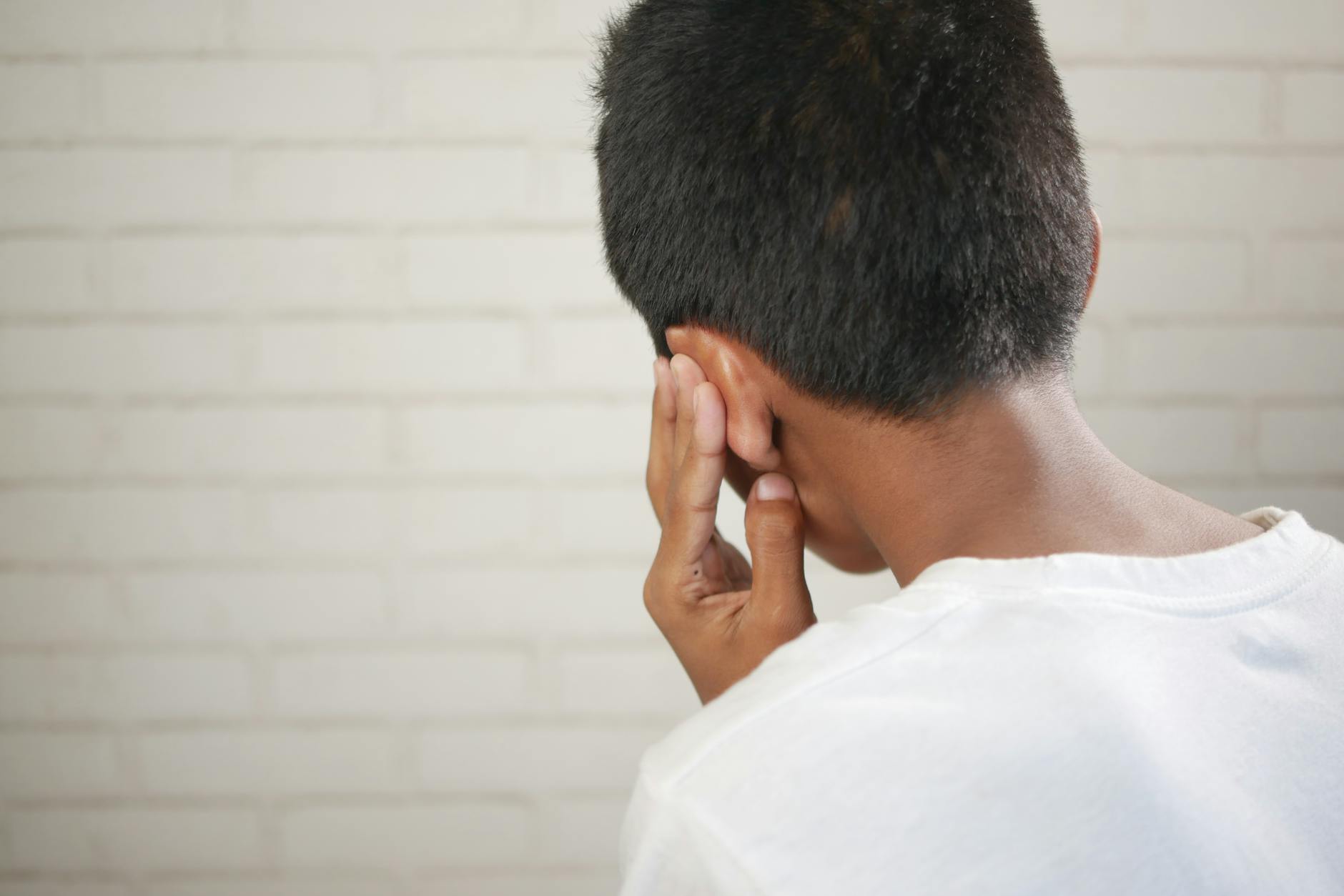
Reaching for the ear acts as a symbolic attempt to block the sound of the lie being told to the listener. This might involve rubbing the back of the ear or tugging on the earlobe while speaking. It indicates that the speaker feels uncomfortable with the words coming out of their own mouth. The gesture signals a subconscious desire to stop the conversation or silence the deceit.
Scratching the Neck

A person scratching the side of their neck usually signals doubt or uncertainty about what they are saying. This specific gesture typically involves the index finger of the writing hand scratching the area below the earlobe. The action often repeats roughly five times and suggests a discrepancy between verbal agreement and internal thought. It serves as a physical manifestation of the internal conflict caused by lying.
Pulling the Collar
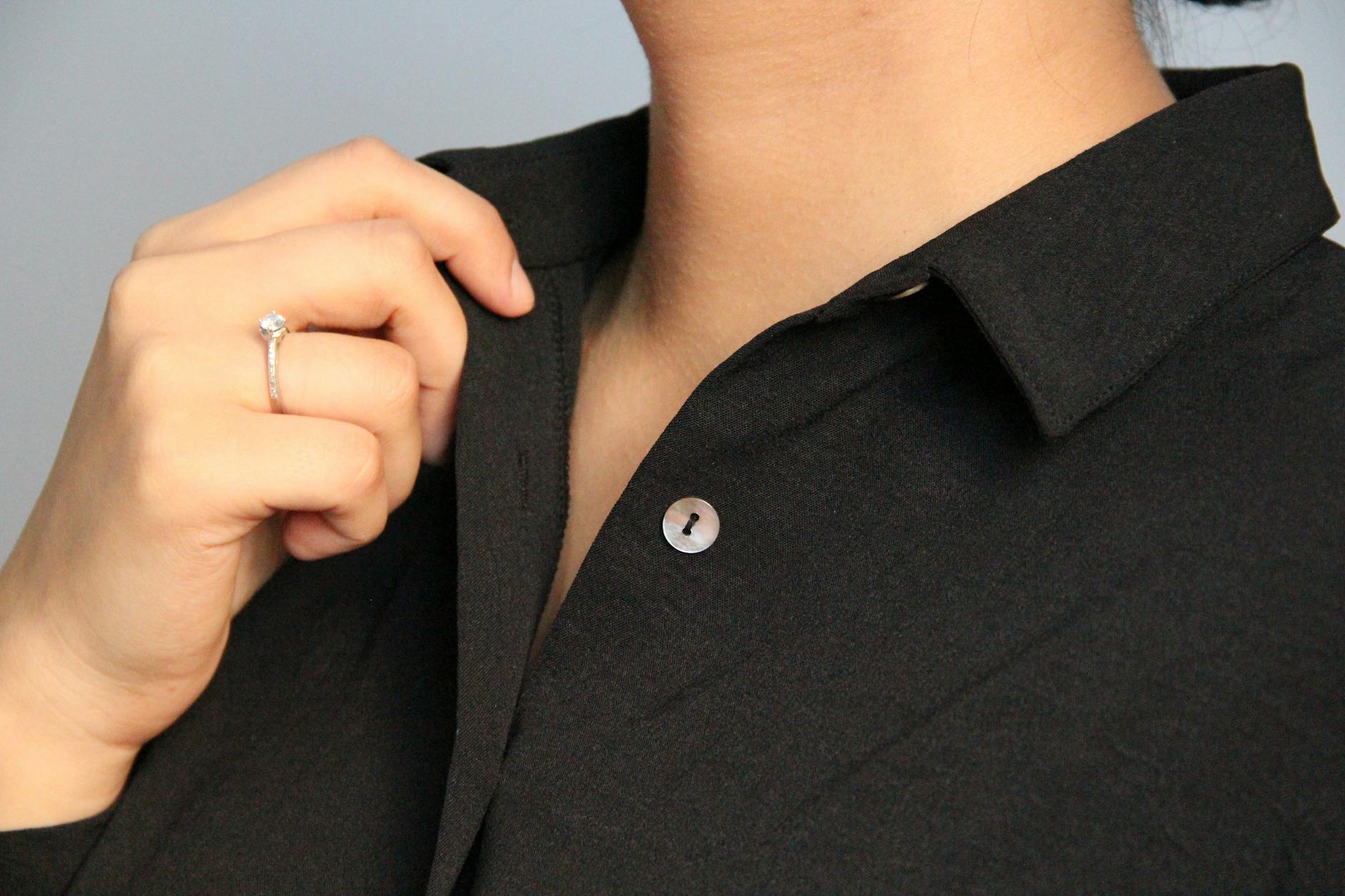
Deception causes a distinct rise in blood pressure and sweat production around the neck area. The liar pulls their collar away from their neck to allow cool air to circulate and relieve the tingling sensation. This gesture implies the person feels the heat of the situation and fears getting caught. It often occurs immediately after a difficult question creates a spike in anxiety.
Placing Fingers in the Mouth

Putting fingers or objects near the mouth indicates an unconscious need for reassurance during a stressful interaction. This behavior relates to the infant instinct of suckling for comfort when feeling insecure or exposed. An adult might chew on a pen or their fingernails rather than placing actual fingers in their mouth. It reveals that the individual requires comforting because they feel vulnerable while lying.
Sudden Head Movements

A person lying often makes a sudden head movement when asked a direct and probing question. The head may retract, bow down, or tilt to the side immediately before the person responds. This reflex serves as a physical attempt to distance oneself from the inquiry or the lie itself. It happens quickly and indicates the person was not prepared for that specific line of questioning.
Intense Eye Contact

Liars sometimes compensate for the myth that dishonest people avoid eye contact by staring too intently. They hold their gaze longer than natural to prove they are being truthful and attentive. The stare feels uncomfortable and rigid because the person forgets to blink at a normal rhythm. This overcompensation reveals a conscious effort to manipulate the perception of the listener.
Rapid Blinking
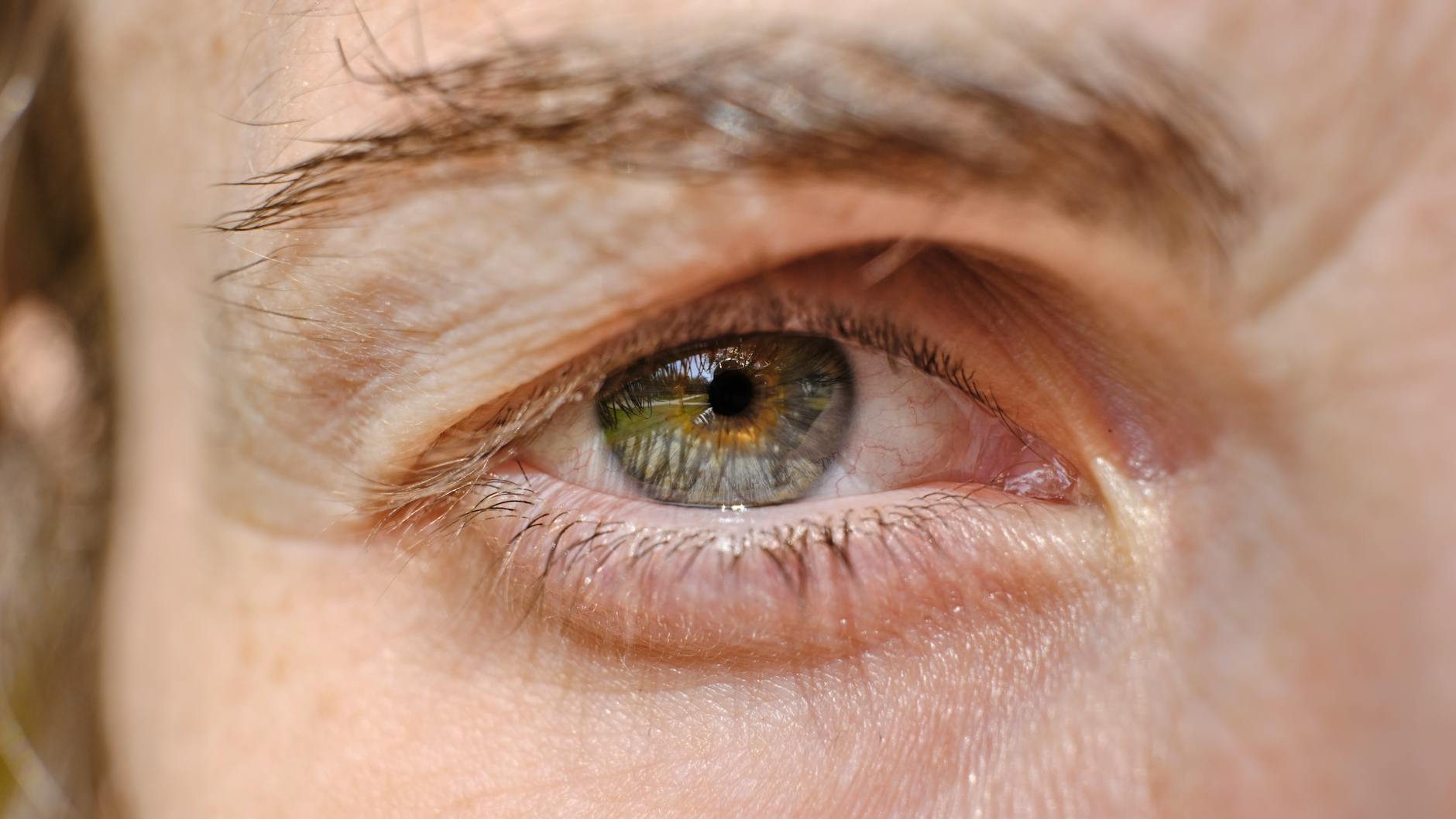
Stress and anxiety cause the blink rate to increase significantly during a deceptive statement. A normal blink rate sits between six and eight blinks per minute during casual conversation. The rate can jump dramatically as the brain processes the cognitive load of constructing a lie. This fluttering of the eyelids betrays the internal nervous energy the speaker is trying to hide.
Pupil Dilation
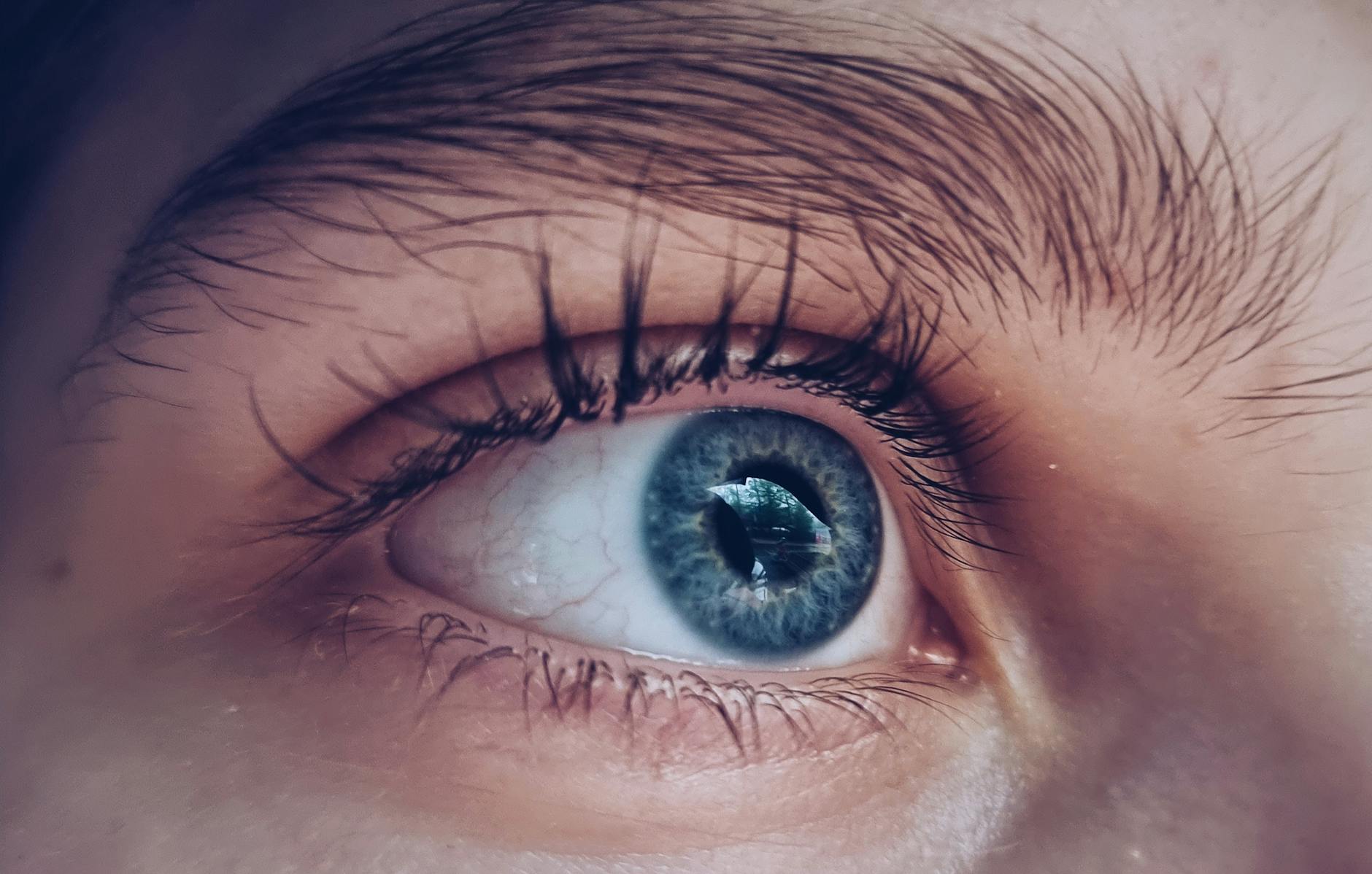
The pupils naturally dilate when the brain works hard to fabricate a story or conceal the truth. This physiological response occurs automatically and cannot be controlled by the person speaking. It signals high cognitive demand and increased arousal of the autonomic nervous system. Observers can spot this cue more easily in individuals with lighter eye colors.
Looking to the Right

Visualizing constructed images often causes the eyes to dart up and to the right for many people. This directional glance suggests the brain is using its creative centers rather than memory recall centers. Looking up and to the left typically indicates recalling a visual memory that actually happened. While not universal, this pattern provides a hint that the speaker might be inventing a scenario.
Fake Smiles
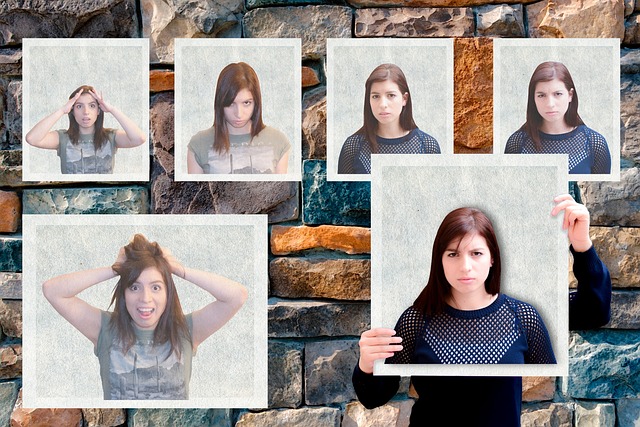
A genuine smile always involves the muscles around the eyes creating crinkles or crow’s feet. A deceptive smile relies only on the muscles around the mouth and leaves the upper face completely still. The expression looks forced and disappears from the face more abruptly than a natural smile. This disconnect creates an eerie impression that the emotion is being performed rather than felt.
Pursed Lips
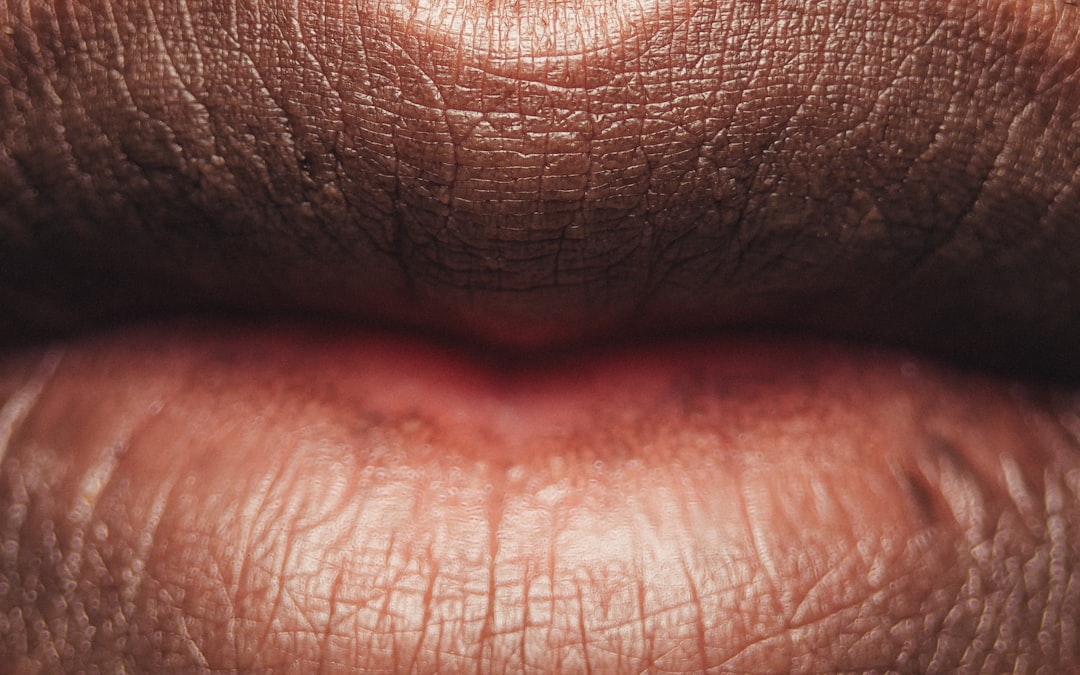
Tightening the lips until they almost disappear signals that a person is holding back information or emotions. This expression frequently appears when someone disagrees with what is being said but chooses not to voice it. It indicates a high level of stress and a desire to keep the mouth shut tight. The gesture suggests the person has formed a negative opinion or is hiding a crucial fact.
Throat Clearing
The stress of lying causes the throat to dry out and the voice to crack or waver. A person will clear their throat or cough to prepare their vocal cords for speaking the untruth. This helps them ensure their voice sounds steady and confident despite their internal anxiety. The action often serves as a stalling tactic to buy time to formulate an answer.
Crossed Arms

Crossing arms across the chest creates a physical barrier between the liar and the person asking questions. This defensive posture signals that the person feels attacked or needs to protect themselves. It suggests a closed mind and a refusal to be open or vulnerable in the conversation. The gesture often accompanies a rigid torso and a general lack of expressiveness.
Hiding the Hands

Concealing hands in pockets or behind the back suggests the person is hiding information from the listener. Open palms historically demonstrate that a person has nothing to hide and is unarmed. Liars instinctively tuck their hands away to prevent their extremities from leaking nervous energy. This suppression of hand gestures makes the speaker appear stiff and calculated.
Finger Pointing
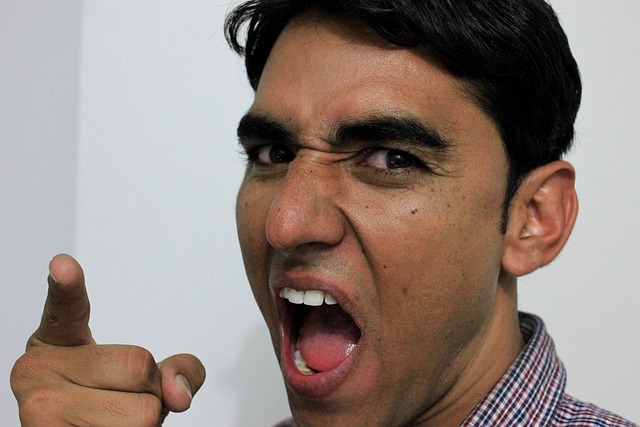
Liars often use aggressive finger pointing to distract from their own guilt and turn the tables. This gesture attempts to put the accuser on the defensive and shift the focus of the interrogation. It mimics the behavior of a strict authority figure to assert dominance over the situation. The hostility serves as a smokescreen to cover the deception taking place.
Shuffling Feet
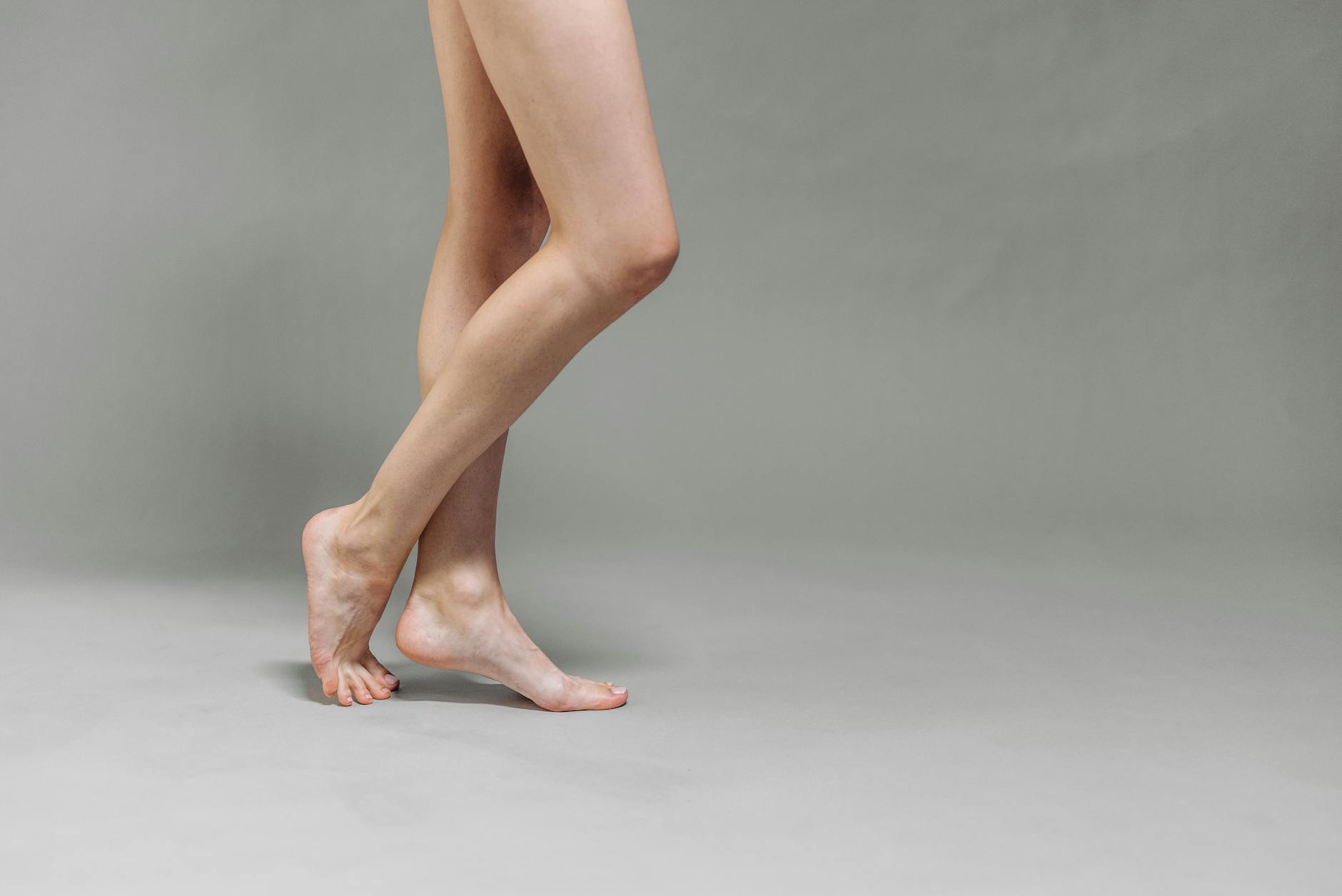
Restless feet reveal a desire to walk away from the situation and escape the interrogation. The nervous energy produced by the lie travels to the extremities and causes shuffling or tapping. This leakage occurs because people often focus on controlling their face but forget their lower body. It indicates impatience and a strong flight response triggered by the interaction.
Feet Pointing Away

The direction of the feet often indicates where a person actually wants to go regardless of their torso position. Feet pointing toward the door signal a subconscious desire to exit the conversation immediately. This alignment reveals that the person is mentally checking out of the interaction. It contradicts a polite facial expression and shows their true intent to leave.
Leaning Back

Leaning the torso away from the listener creates physical distance from the lie being told. This movement indicates a lack of commitment to the statement and a desire to disassociate. It often looks like the person is trying to retreat into the back of their chair. The posture signals discomfort and a refusal to engage fully with the other person.
Placing Barriers
Liars frequently place physical objects between themselves and the accuser to create a safety buffer. This might involve moving a coffee cup, phone, or stack of papers into the line of sight. The object serves as a psychological shield that makes the person feel more secure. It represents a subconscious effort to hide behind something tangible during the deception.
Microexpressions

Brief flashes of genuine emotion sometimes appear on the face for a fraction of a second. These involuntary expressions reveal the true feeling before the mask of the lie slides back into place. A fleeting look of fear or anger might precede a calm and collected answer. Spotting these requires intense focus as they vanish almost as quickly as they appear.
Unnatural Stillness

Some people freeze completely when lying to avoid making any gestures that might give them away. This reaction stems from the primal fight or flight response where the body chooses to play dead. The lack of natural body movement looks robotic and rehearsed to an observant onlooker. It contrasts sharply with the dynamic movement usually present in relaxed conversation.
Change in Breathing

The physical demand of deception alters the breathing pattern and causes heavier or shallower breaths. The shoulders may rise and fall more noticeably as the body craves more oxygen. This change creates a breathless quality in the voice or causes the person to speak in shorter sentences. It is a direct result of the heart rate accelerating due to the stress of the lie.
Tell us which of these cues you have noticed most often in your own interactions in the comments.




