Living in close proximity to others requires a delicate balance of respect and communication to maintain a peaceful environment. Sometimes the relationship sours without a singular explosive event to mark the change in dynamic. Understanding the subtle cues of neighborly discontent can help you address issues before they escalate into larger conflicts. These behavioral shifts often manifest in passive-aggressive actions rather than direct confrontation. Identifying these signs early allows homeowners to reflect on their own habits and potentially mend the fence.
The Immediate Retreat

Neighbors who harbor ill feelings will often go to great lengths to avoid physical proximity or conversation. You may observe them immediately retreating inside their home the moment you step out your front door. This specific timing creates a clear signal that they do not wish to interact even for a brief second. Such calculated movements demonstrate a strong desire to minimize any potential contact or eye contact. It effectively shuts down the opportunity for a casual greeting or friendly wave.
The Official Complaint

A neighbor who dislikes you will often bypass a friendly conversation and go straight to the authorities. You might receive a formal notice from the city or your homeowners association regarding a minor infraction. This escalation indicates they prefer bureaucratic enforcement over personal resolution. It suggests they view you as an adversary rather than a community member worthy of a chat. They likely feel that direct communication is futile or simply do not want to engage with you.
The Property Line Obsession
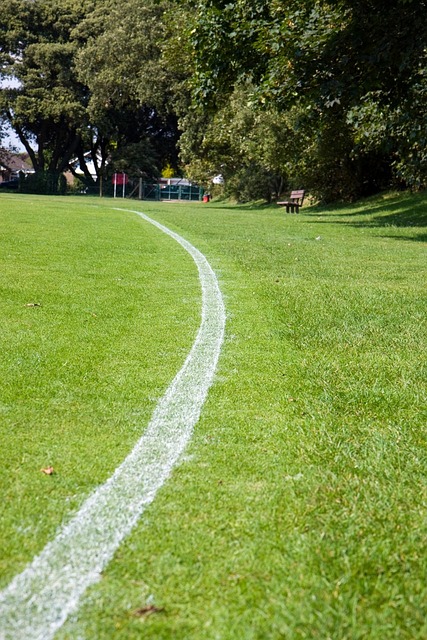
Disputes over boundaries often serve as a proxy for deeper personal dislike. You might notice your neighbor strictly enforcing the property line with new markers or landscaping features. They may make a show of trimming branches that hang even an inch over their side of the fence. This territorial behavior emphasizes a desire for separation and rigid adherence to rules. It creates a physical and psychological barrier that discourages any encroachment or shared space.
The Passive-Aggressive Note
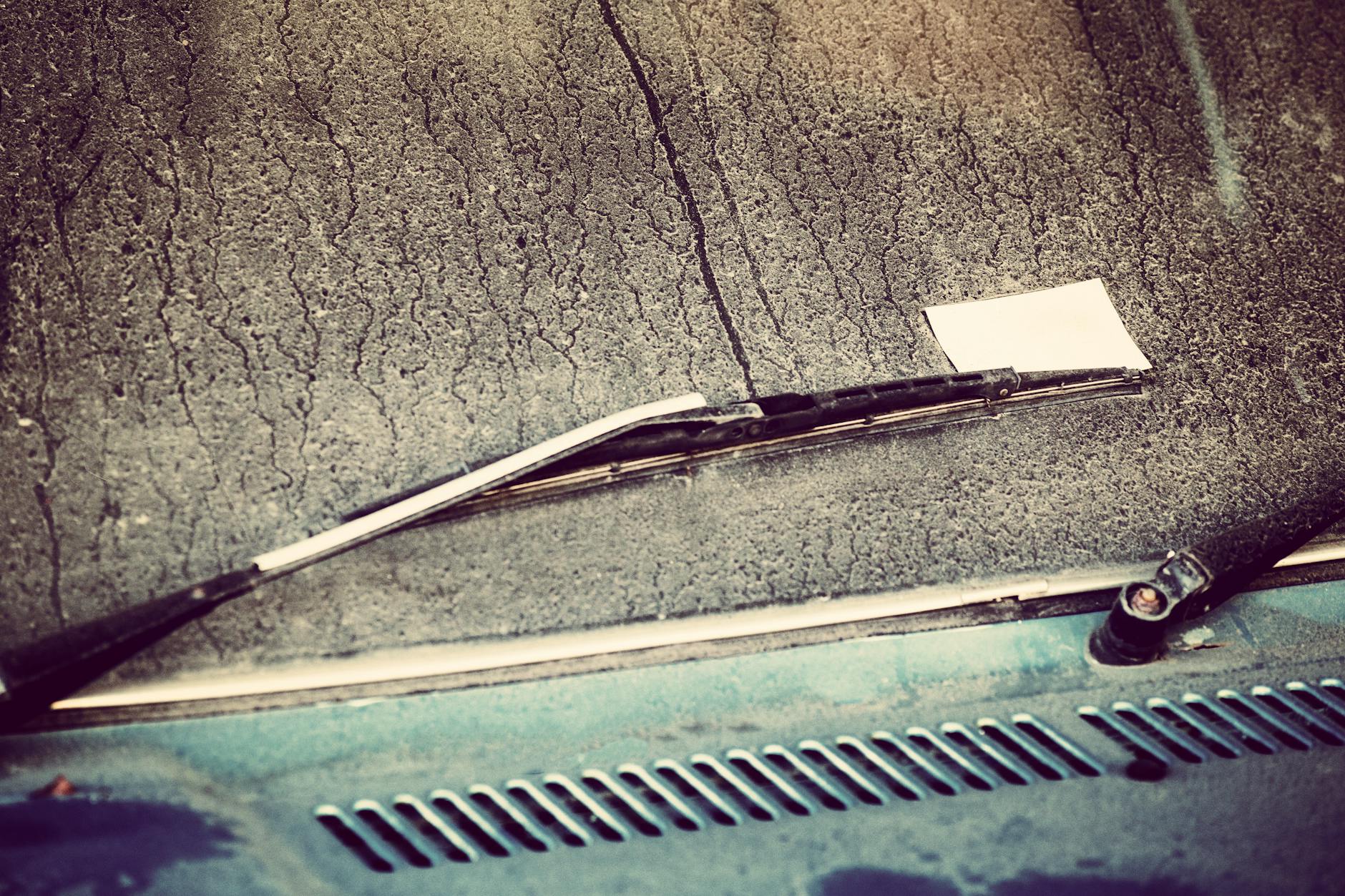
Leaving a written message on a car windshield or front door acts as a way to vent frustration without facing the person. These notes often contain sarcastic language or excessive capitalization to convey anger. The writer chooses this medium because it allows them to have the final word without risking a rebuttal. It is a classic sign that they have been stewing over an issue for some time. This method removes the human element of negotiation and treats the recipient as a nuisance.
The Social Exclusion
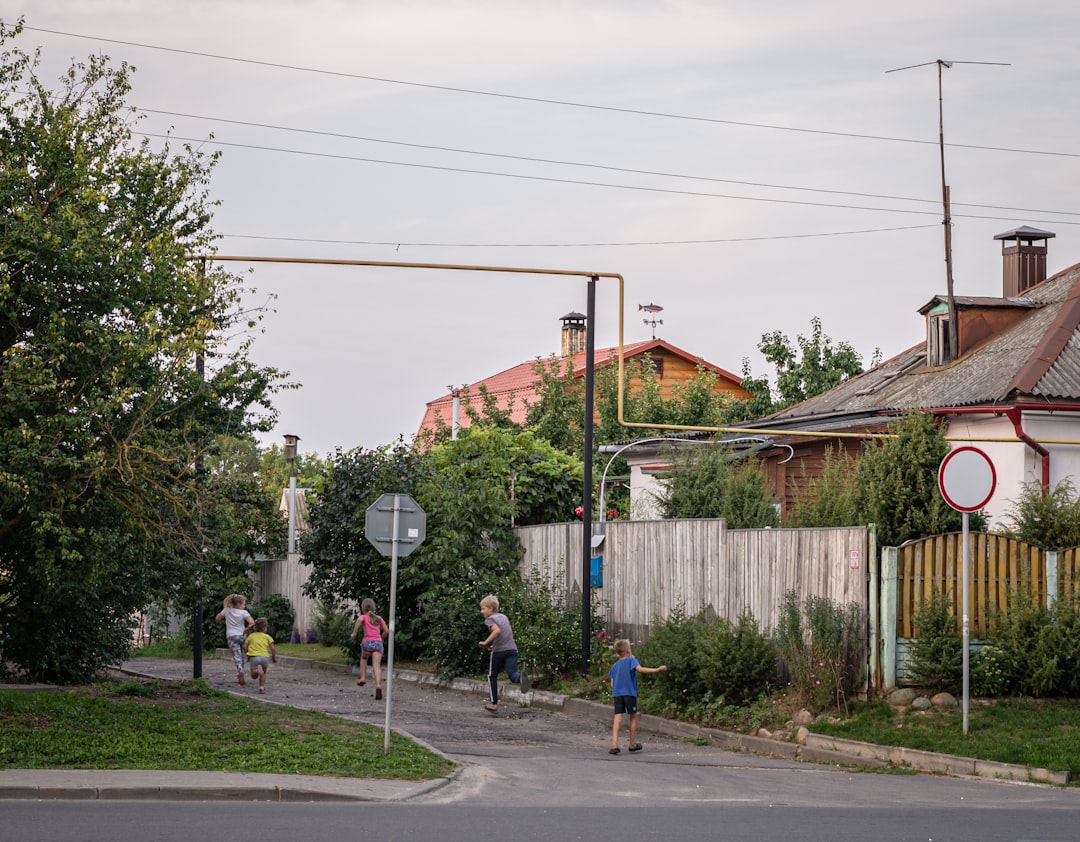
Neighborhoods often have informal gatherings or block parties where the community comes together. Being consistently left off the invitation list for these local events is a glaring sign of alienation. You may see photos on social media or hear the music from your own living room while sitting alone. This deliberate omission sends a message that you are not considered part of the inner circle. It isolates you socially and reinforces the idea that you are an outsider on your own street.
The Trash Can blockade
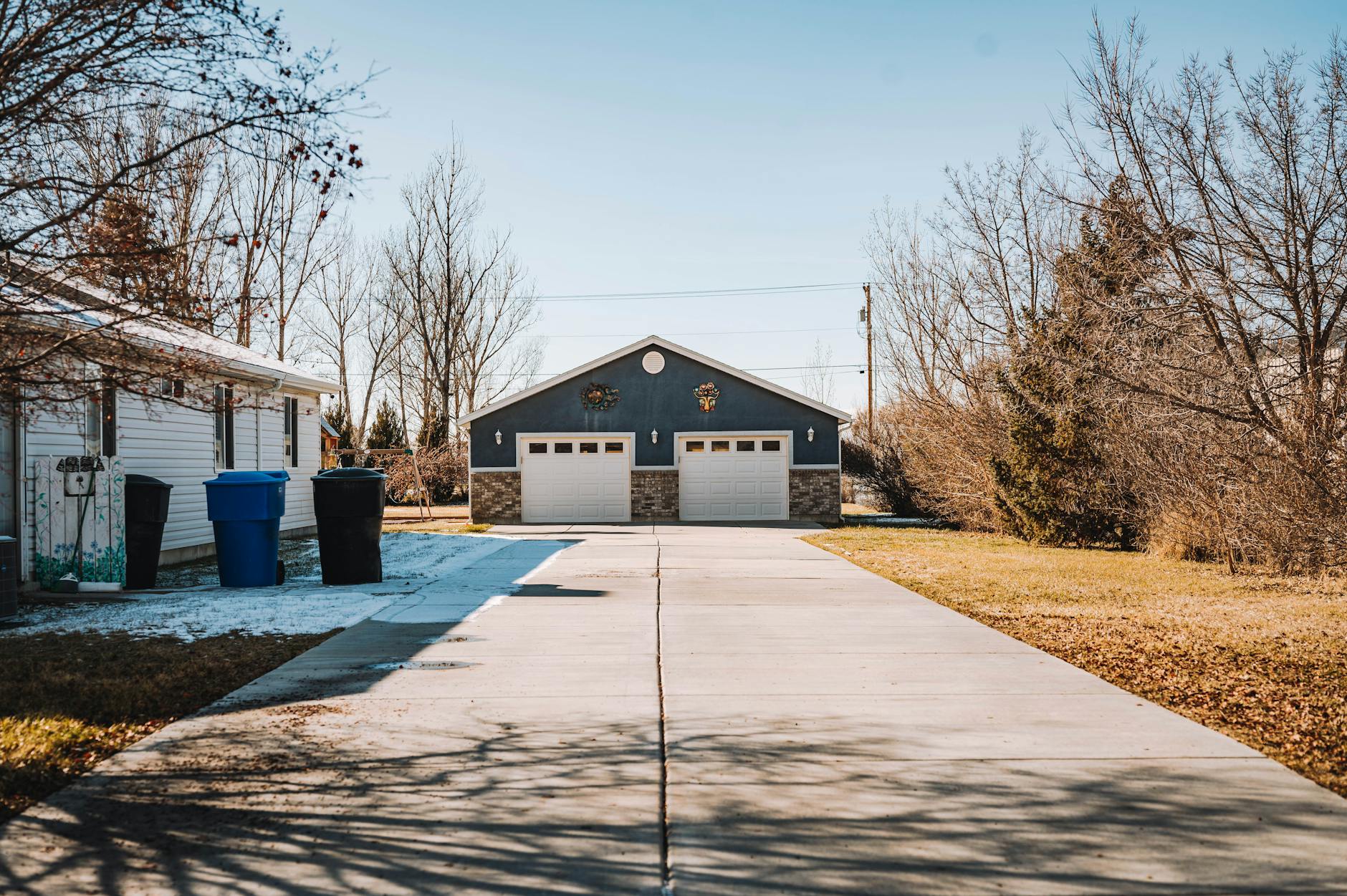
Placement of waste bins can become a weapon in a subtle suburban war. A neighbor might leave their empty bins in front of your driveway or on your verge for days after collection. This negligence is often an intentional act of disrespect meant to inconvenience you. It forces you to interact with their garbage or move the bins yourself. This small act of rebellion signals a lack of consideration for your access and property aesthetics.
The Glacial Stare

Eye contact usually prompts a smile or a nod in a friendly neighborhood setting. A hostile neighbor will instead lock eyes with you and offer absolutely no facial expression. This intense staring is meant to make you feel uncomfortable and scrutinized in your own space. It serves as a nonverbal challenge that asserts dominance or disapproval. The absence of a greeting turns a neutral moment into a hostile interaction.
The Guest Parking Blocker
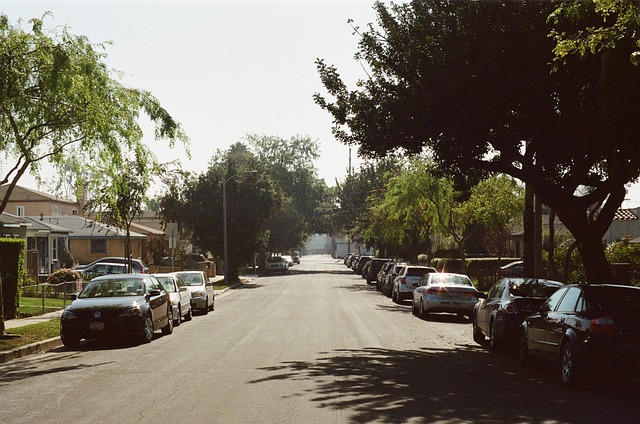
People who dislike their neighbors often become possessive over public street parking spots. They may park their own vehicles in front of your house specifically when you are hosting a dinner party. This tactic limits convenience for your guests and creates immediate friction upon their arrival. It is a calculated move to disrupt your social life and cause frustration. They claim public space to spite you rather than using their own driveway.
The Silence Treatment
A complete cessation of pleasantries often indicates a significant shift in neighborhood dynamics. You might notice they no longer offer a verbal hello when you pass each other on the sidewalk. This intentional lack of acknowledgement serves as a nonverbal barrier to human connection. It suggests they have decided to pretend you do not exist to avoid negative feelings. This silence can feel heavier and more aggressive than a shouted argument.
The Delivery Refusal
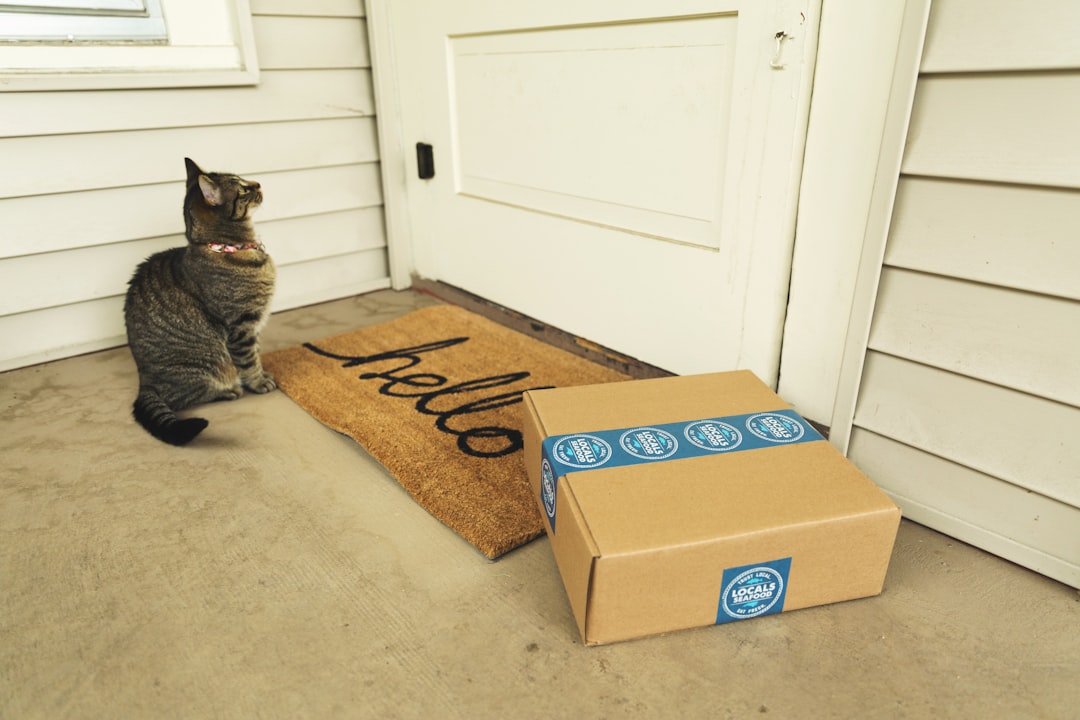
Neighbors often sign for each other’s packages to prevent theft or weather damage. A neighbor who hates you will watch a delivery driver struggle or leave a package in the rain without intervening. They might even refuse to accept a misdelivered parcel and send it back to the depot. This lack of helpfulness demonstrates a breakdown in the unwritten social contract of the street. It shows they are unwilling to expend even minimal effort to assist you.
The Exterior Critique
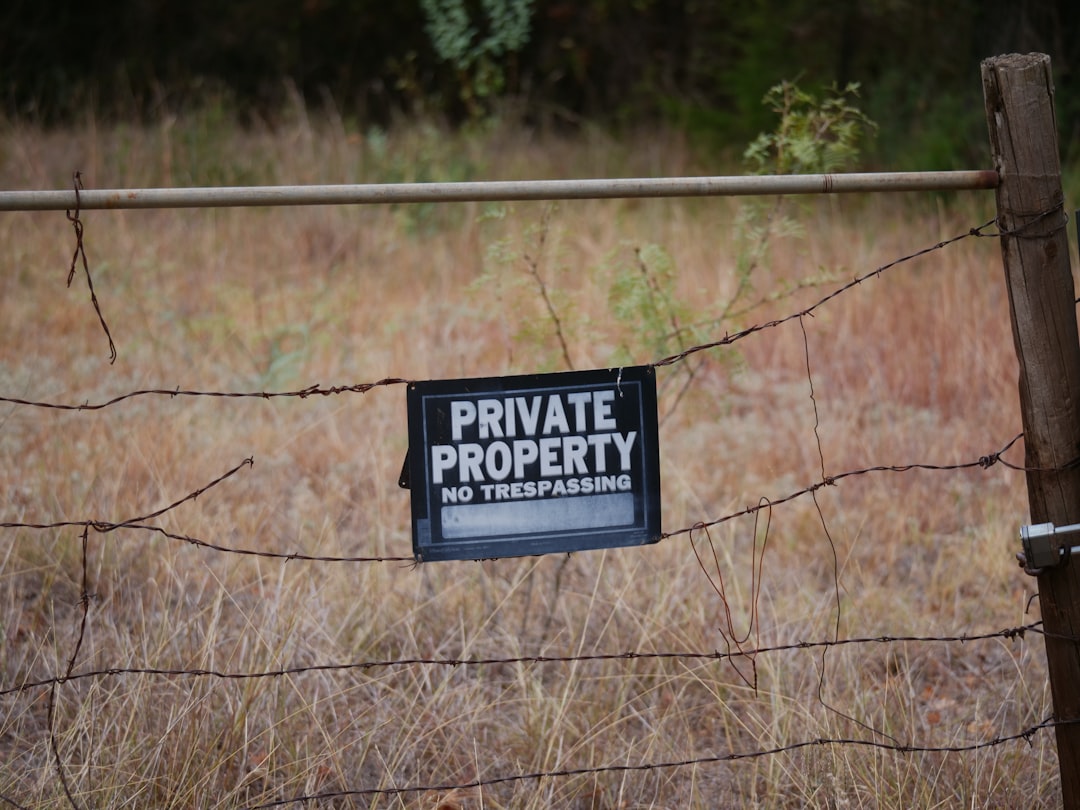
Loud comments about the state of your lawn or house paint are meant for your ears. You might hear them talking to others on their phone while standing near your property line. These critiques are often exaggerated to validate their dislike of your lifestyle. They use shame as a tool to pressure you into conforming to their standards. It is a passive way to police your property without addressing you directly.
The Pet Monitor
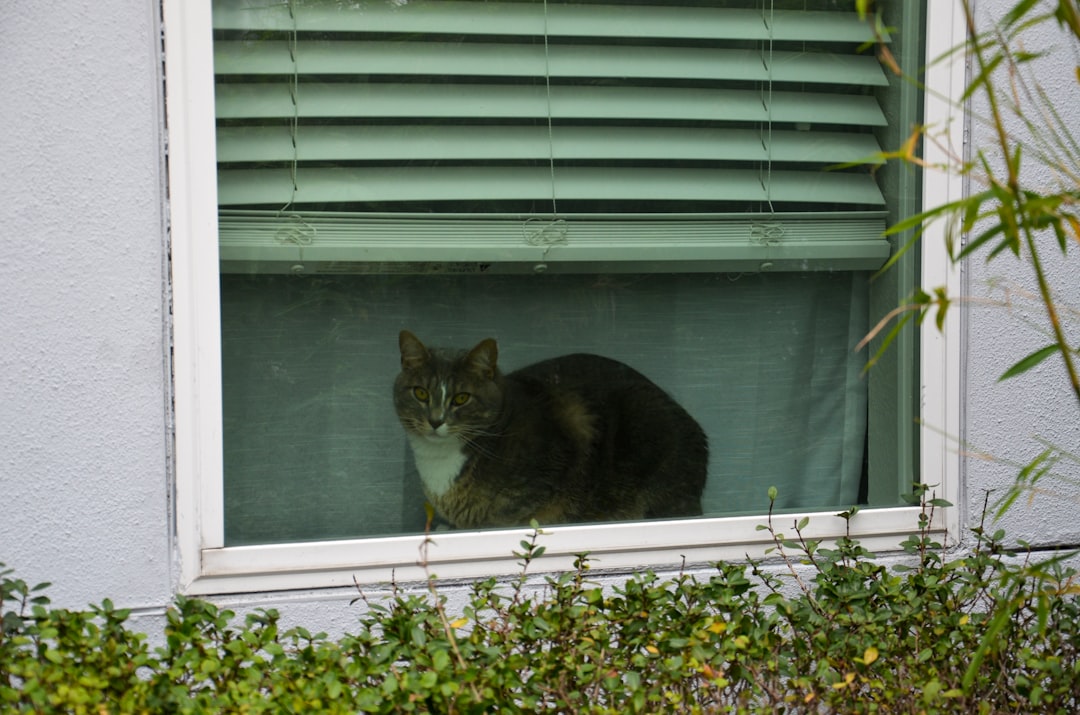
A hostile neighbor will often fixate on the behavior of your pets as a source of contention. They may document every time your dog barks or claim your cat is trespassing in their garden. This hyper-vigilance allows them to build a case against you based on animal control regulations. They view your pet as an extension of your own perceived irresponsibility. It turns innocent animal behavior into a constant source of stress and liability.
The Gossip Grapevine

Hearing rumors about yourself from other neighbors is a sure sign of a targeted smear campaign. A disgruntled neighbor will often vent their grievances to anyone who will listen in the area. This spreads negativity and attempts to turn the rest of the street against you. It creates a hostile environment where you feel judged by people you have rarely met. This backchannel communication poisons the community atmosphere.
The Noise Intolerance

Every household generates a certain amount of noise during the course of daily living. A neighbor who despises you will treat normal sounds like mowing the lawn or playing music as egregious offenses. They might bang on the wall or shout out the window at the slightest disturbance. This zero-tolerance policy is usually reserved specifically for you and not applied to others. It creates a living situation where you feel you must tiptoe around your own home.
The Blind Eye
A good neighbor will alert you if they see suspicious activity or a potential emergency at your house. A neighbor who hates you will likely ignore a flat tire on your car or a light left on inside. They detach themselves from any moral obligation to look out for your safety or security. This indifference can be dangerous if a genuine emergency arises when you are away. It marks the total erosion of trust and community care.
The Hedge Fortification
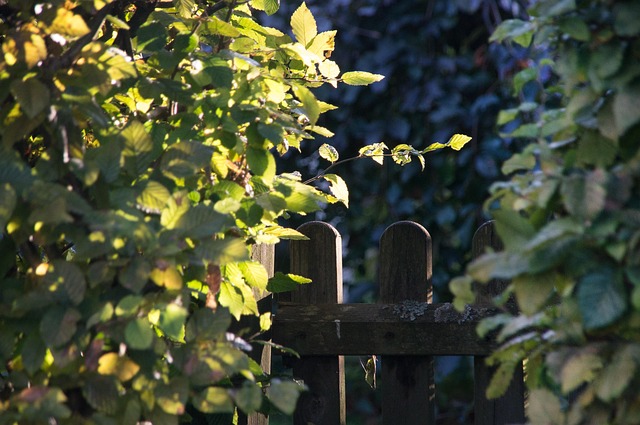
Sudden changes to landscaping can indicate a desire to block you out visually. A neighbor might plant fast-growing privacy hedges or install a taller fence without discussing it. This physical construction reinforces the emotional distance they wish to maintain. It is an investment of money and labor solely dedicated to not seeing you. The barrier serves as a permanent reminder of the fractured relationship.
Tell us about the moment you realized your relationship with a neighbor had gone south in the comments.




