Many travelers flock to famous destinations like Yellowstone or Yosemite while overlooking spectacular wilderness areas that offer solitude and pristine beauty. These hidden gems provide intimate encounters with nature without the frustration of battling large crowds or fighting for parking spaces. Visiting lesser-known parks allows for a deeper connection with the environment and a chance to explore unique landscapes that remain largely untouched by mass tourism. The following list highlights twenty-five exceptional locations that deserve a spot on every outdoor enthusiast’s bucket list.
North Cascades
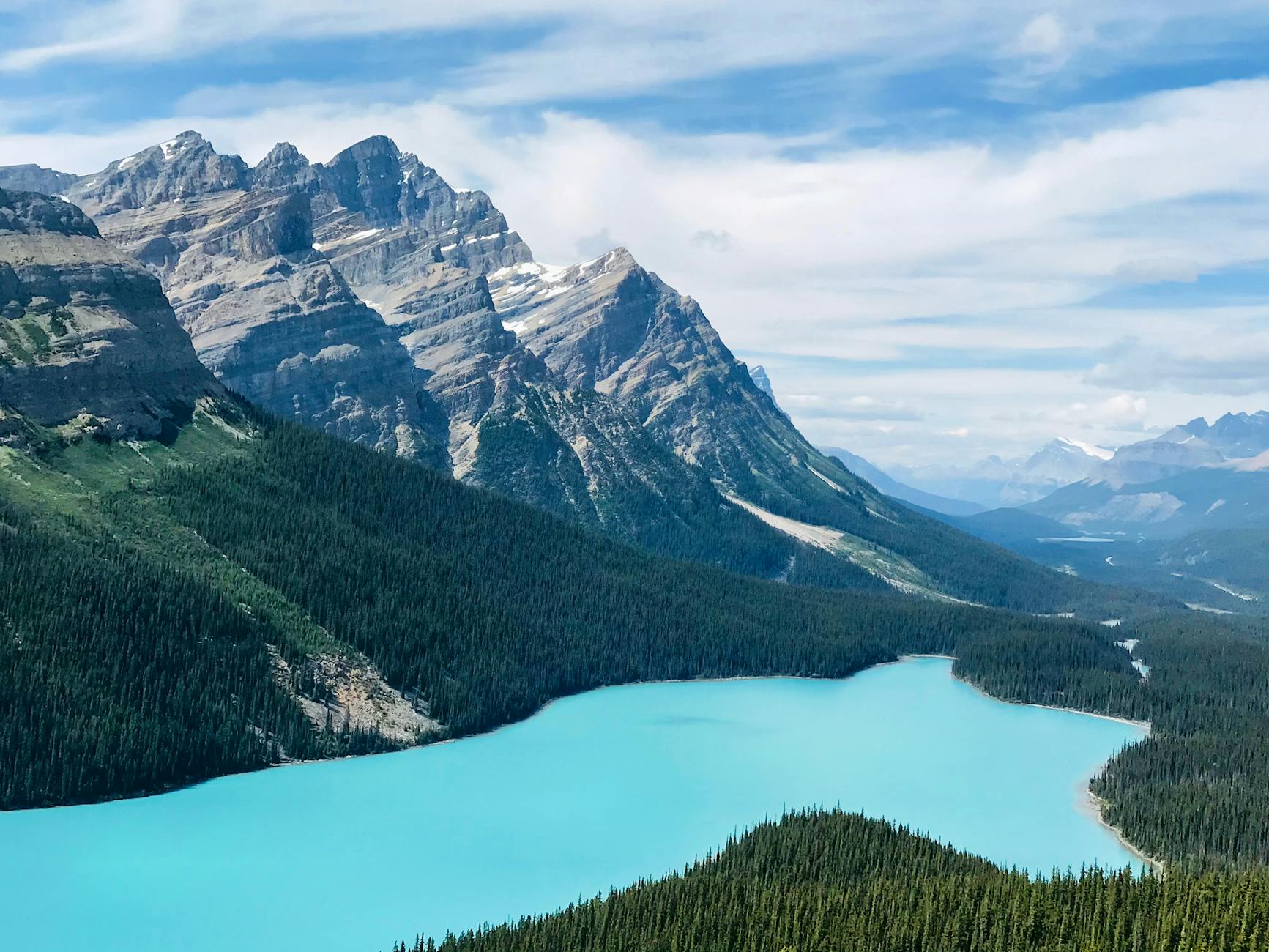
This rugged alpine landscape in Washington State is often called the American Alps due to its jagged peaks and over three hundred glaciers. Visitors can explore a vast wilderness of conifer forests and cascading waterfalls that feed into turquoise glacial lakes. The park features very few roads which preserves its wild character and offers unmatched opportunities for backcountry hiking. Wildlife enthusiasts may spot grizzly bears and gray wolves roaming the remote valleys of this pristine sanctuary. The sheer vertical relief of the mountains creates a dramatic backdrop that rivals any other range in North America.
Isle Royale
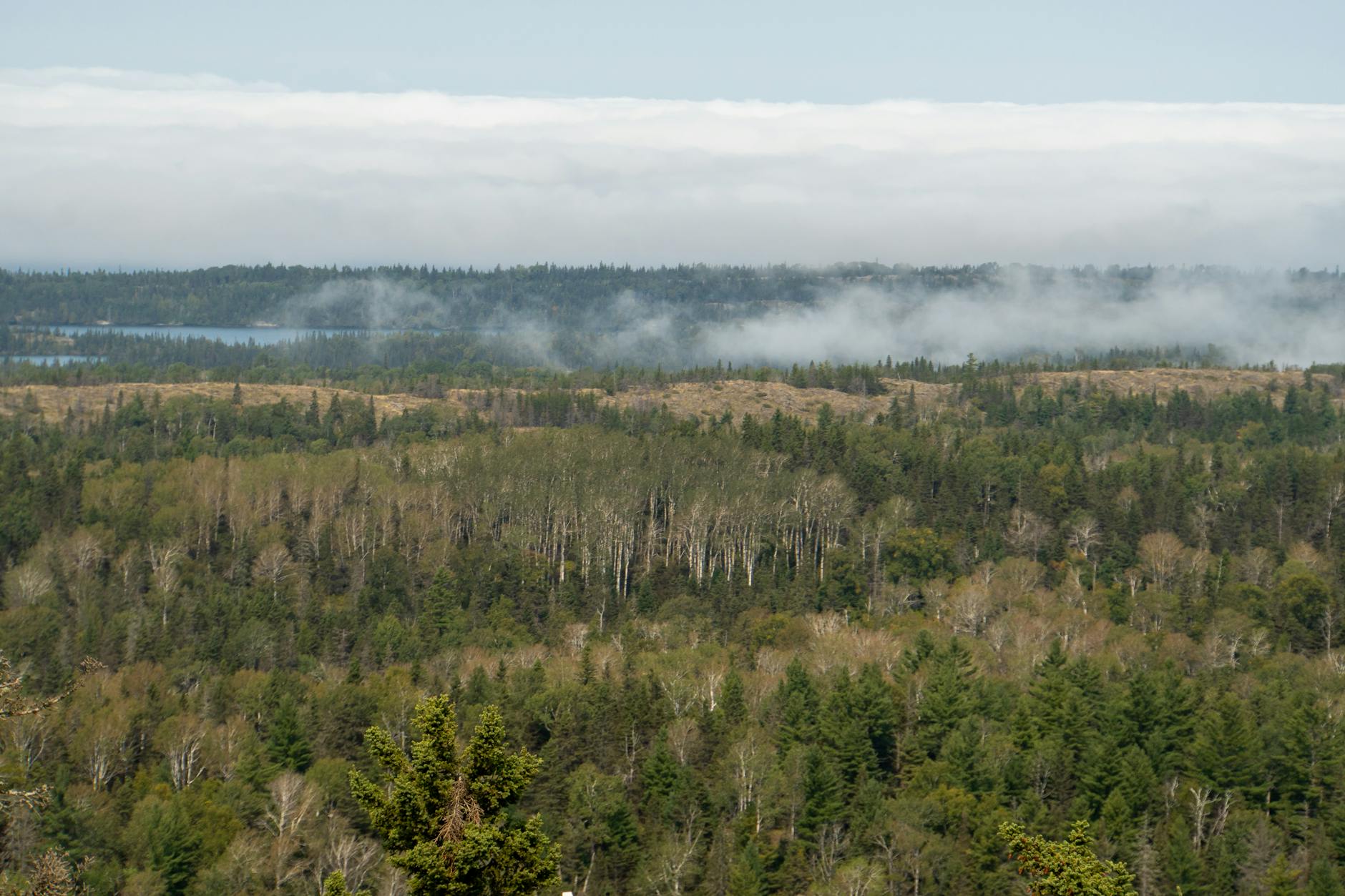
Located in the middle of Lake Superior this remote island park is accessible only by boat or seaplane. The isolation ensures a tranquil experience where the sounds of civilization are replaced by the calls of loons and the rustle of wind in the trees. Backpackers traverse miles of rugged trails that wind through boreal forests and along rocky shorelines. The park is famous for its long-running study of the predator-prey relationship between the resident wolf and moose populations. Scuba divers also visit to explore the well-preserved shipwrecks scattered in the cold waters surrounding the island.
Great Basin
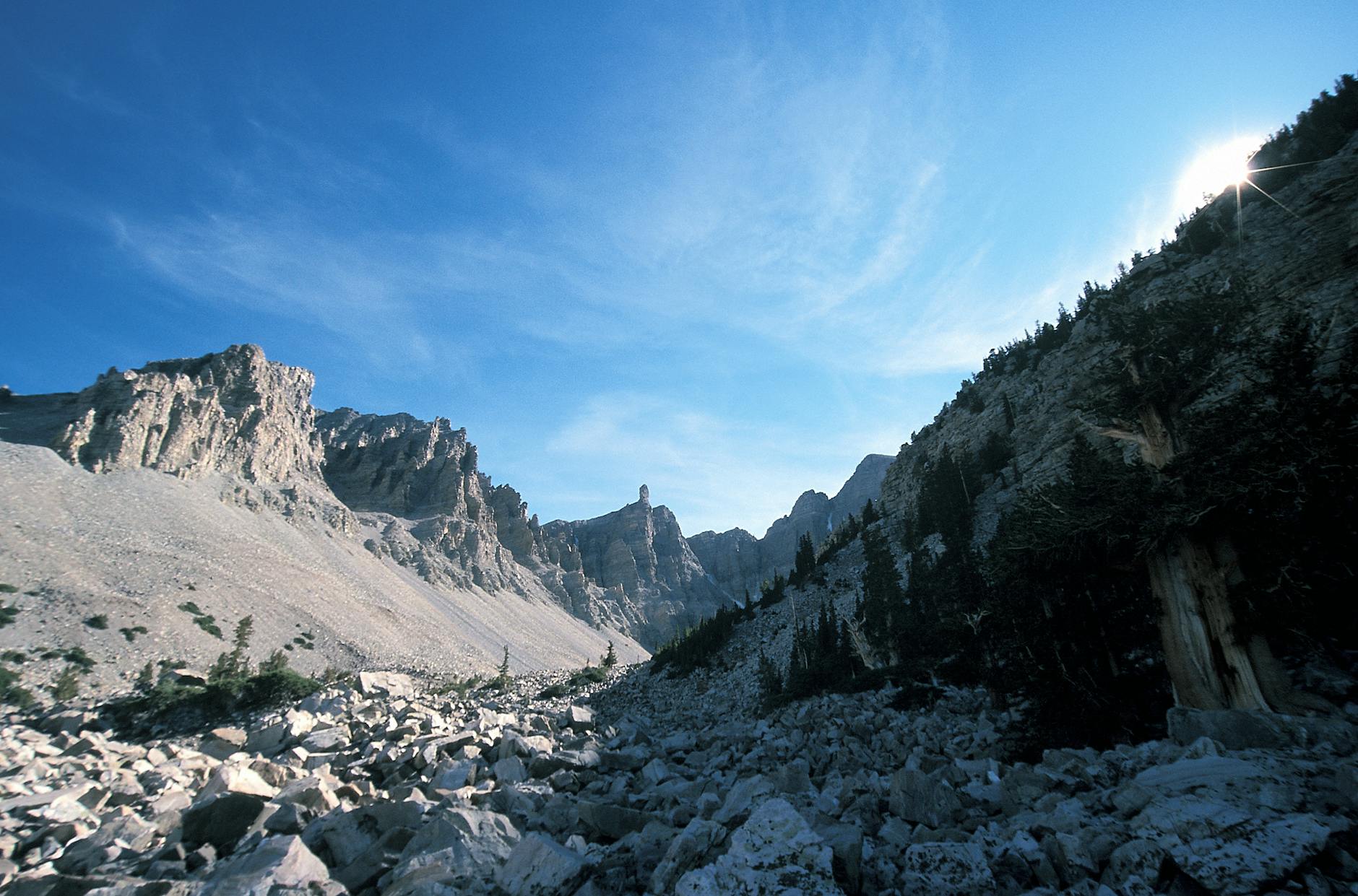
This Nevada treasure encompasses a diverse landscape ranging from the sagebrush flats of the valley floor to the soaring peak of Mount Wheeler. One of its most remarkable features is the presence of ancient bristlecone pines which are among the oldest living organisms on Earth. Visitors can tour the intricate Lehman Caves to see impressive limestone formations and rare shield stalactites. The park is designated as an International Dark Sky Park and offers some of the best stargazing opportunities in the country. The dramatic elevation changes create distinct life zones that support a surprising variety of plant and animal species.
Congaree
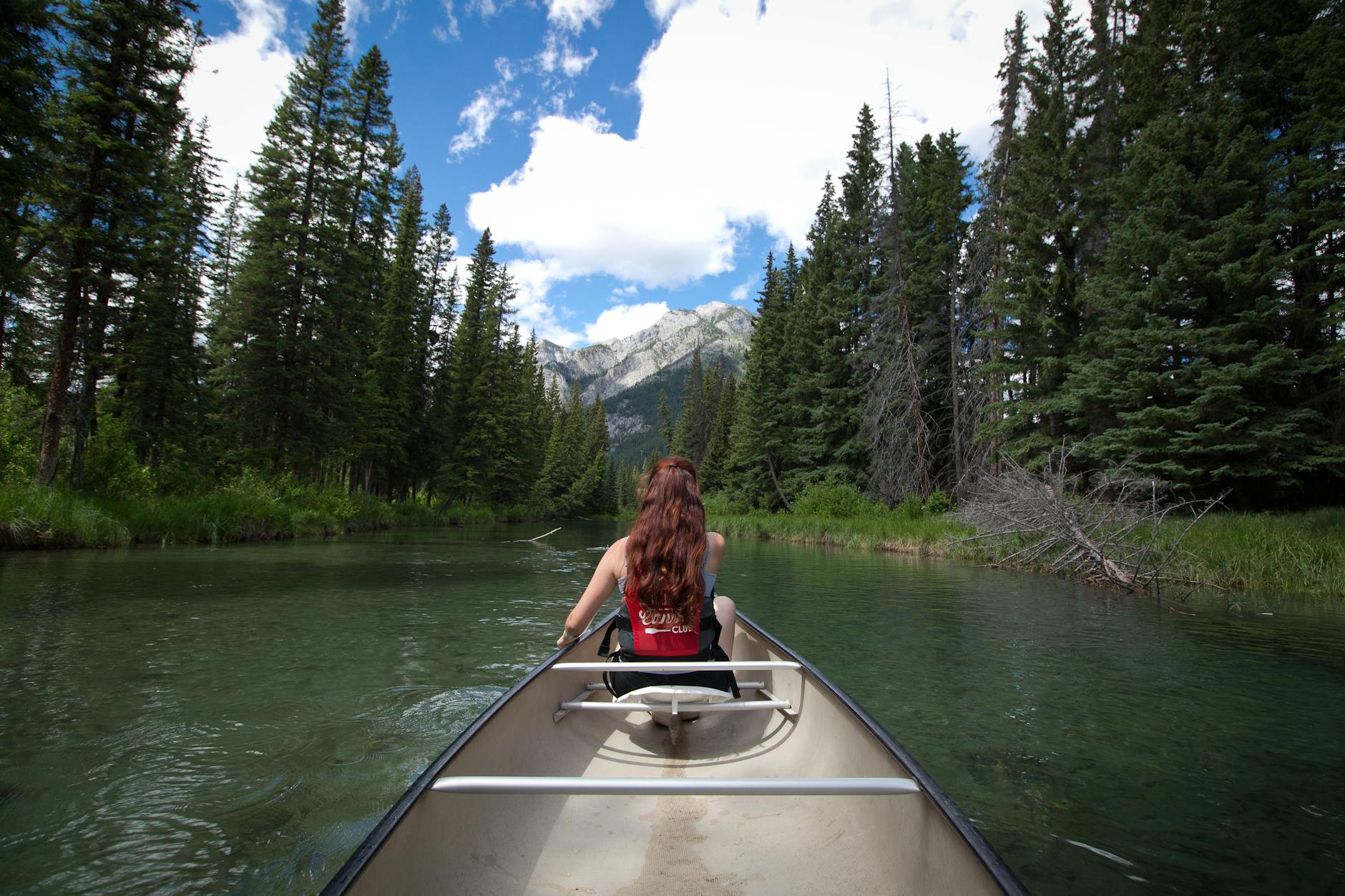
Home to the largest intact expanse of old-growth bottomland hardwood forest remaining in the southeastern United States this South Carolina park is a biodiversity hotspot. A raised boardwalk loop allows visitors to walk comfortably through the swampy terrain and admire the towering bald cypress trees. The floodplain forest floods periodically and transforms the landscape into a watery wilderness best explored by canoe or kayak. Fireflies put on a synchronized light show during certain weeks in late spring that attracts nature lovers from around the world. The humid climate fosters a lush canopy that provides habitat for river otters and bobcats and numerous bird species.
Dry Tortugas

This unique park lies almost seventy miles west of Key West and is composed of seven small islands surrounded by crystal clear waters. The centerpiece is the massive Fort Jefferson which is one of the largest brick masonry structures in the Western Hemisphere. Snorkelers and divers flock here to explore vibrant coral reefs teeming with tropical fish and sea turtles. The park is accessible only by ferry or seaplane and limits the number of daily visitors to ensure the ecosystem remains protected. Birdwatchers value the islands as a crucial stopover for migrating birds flying between South America and the United States.
Black Canyon of the Gunnison
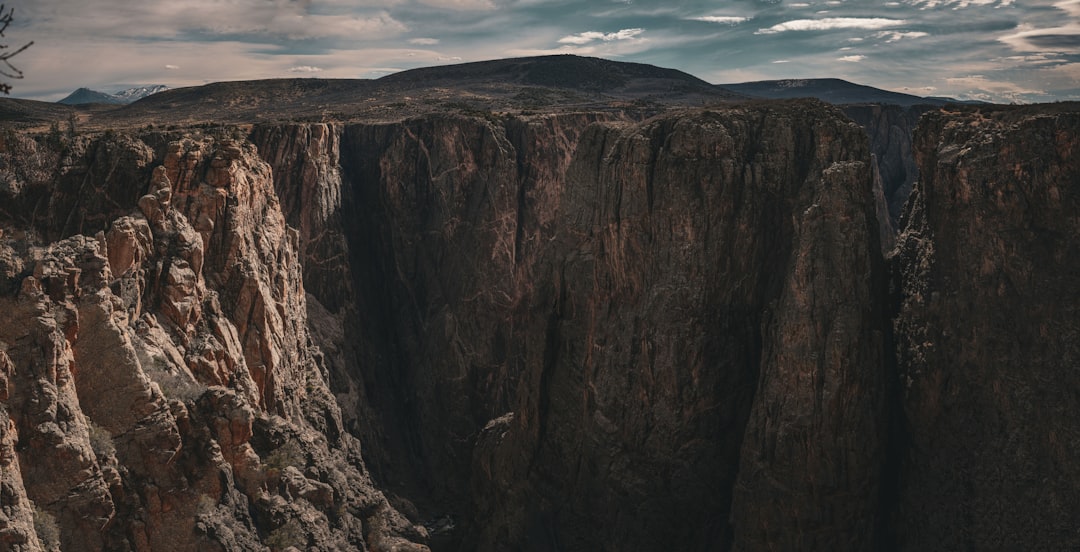
The Gunnison River has carved a remarkably deep and narrow gorge through dark Precambrian rock in western Colorado. Some parts of the canyon receive only a few minutes of sunlight a day due to the steepness of the sheer walls. Rock climbers face immense challenges on the jagged cliffs while hikers enjoy breathtaking views from the rim trails. The park protects a rugged wilderness that serves as a sanctuary for mule deer and golden eagles. The sheer scale and geological history of the canyon leave visitors awestruck by the power of erosion.
Voyageurs

A vast network of interconnected waterways defines this park in northern Minnesota near the Canadian border. Houseboating is the primary mode of exploration and allows visitors to camp on the water under the starry skies. In the winter the frozen lakes transform into highways for snowmobiles and cross-country skiers. The park is situated in the southern part of the Canadian Shield and features exposed ancient rocks that date back billions of years. Visitors frequently see bald eagles nesting in tall pines and hear the haunting calls of timber wolves at night.
Guadalupe Mountains
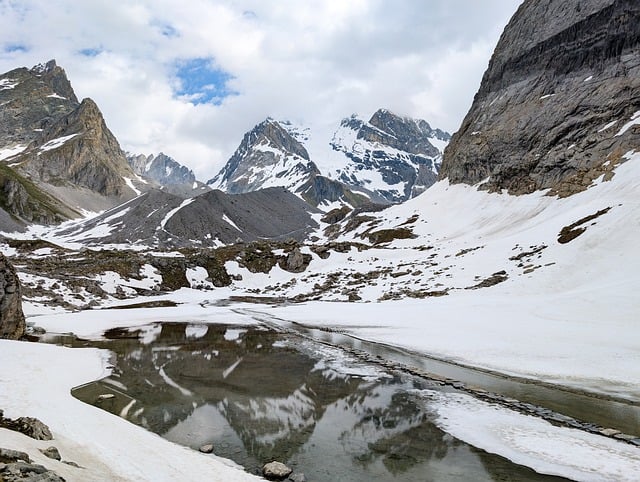
Rising abruptly from the Chihuahuan Desert in Texas this park protects the world’s most extensive Permian fossil reef. It contains Guadalupe Peak which stands as the highest point in Texas and offers panoramic views of the surrounding salt flats. Hikers can explore McKittrick Canyon where bigtooth maples display brilliant red and orange colors in the autumn. The rugged terrain provides a haven for elk and mountain lions within a landscape of stark contrasts. Geology enthusiasts marvel at the exposed reef structures that were once submerged under an ancient inland sea.
Pinnacles
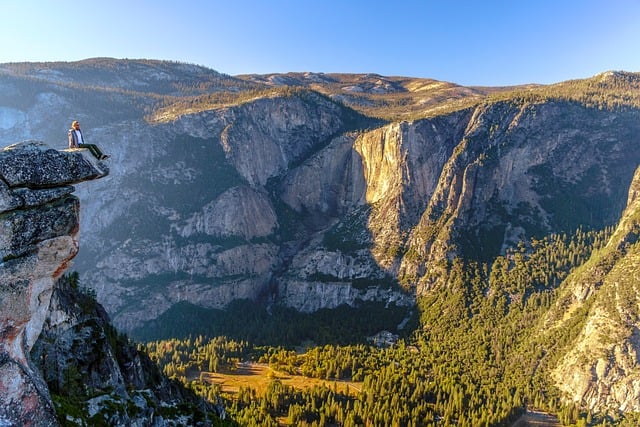
Massive monoliths and spire-like rock formations dominate the landscape of this park in central California. These geological structures are the eroded remains of an extinct volcano that has moved northward along the San Andreas Fault. Talus caves formed by fallen boulders offer adventurous hikers a chance to scramble through dark and narrow passages. The park is a critical release site for the endangered California condor and offers excellent opportunities to see these massive birds in flight. Springtime brings a spectacular display of wildflowers that carpets the rolling hills in vibrant colors.
Channel Islands

Five rugged islands off the coast of Southern California comprise this park which preserves a wealth of unique biological and cultural resources. Isolation from the mainland has allowed for the evolution of endemic species such as the island fox that are found nowhere else on earth. Visitors can kayak through sea caves and kelp forests that teem with marine life including seals and sea lions. The islands offer a glimpse into the past with well-preserved archaeological sites that document thousands of years of human habitation. The absence of modern development creates a sense of stepping back in time to a wilder California.
Theodore Roosevelt
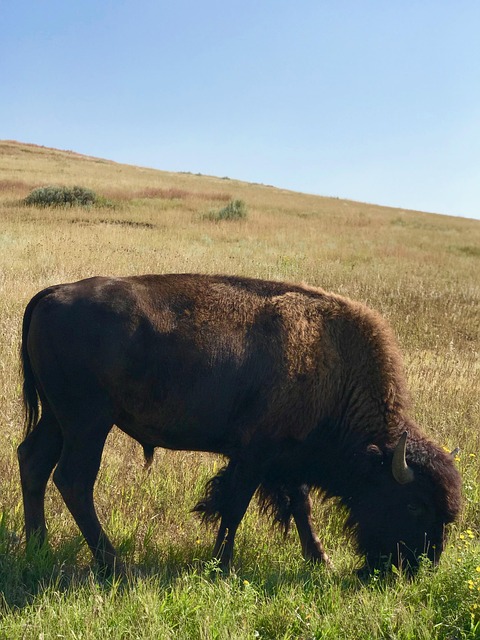
This park in the North Dakota badlands honors the conservation legacy of the twenty-sixth president who once ranched in the area. The colorful painted canyons and rugged terrain provide a dramatic setting for viewing bison and wild horses. The Little Missouri River winds through the park and creates a riparian habitat that supports a variety of wildlife. Visitors can visit the Maltese Cross Cabin where Roosevelt lived and gain insight into his early life on the frontier. The scenic loop drive offers easy access to sweeping overlooks where the vastness of the prairie is on full display.
Wind Cave
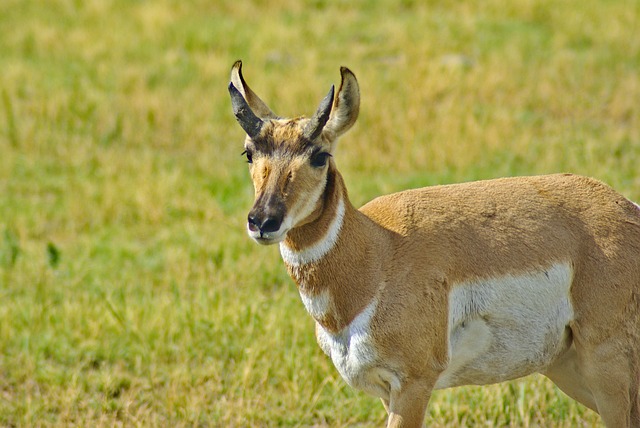
Beneath the rolling prairies of South Dakota lies one of the longest and most complex cave systems in the world. The cave is famous for its distinctive boxwork formations which are rarely found elsewhere in such abundance. Above ground the park protects a remnant of mixed-grass prairie that supports herds of bison and pronghorn antelope. Tours of the cave range from easy walks to strenuous crawling adventures for those seeking a physical challenge. The intersection of the subterranean world and the vibrant surface ecosystem makes this park a unique geological and biological treasure.
Kobuk Valley
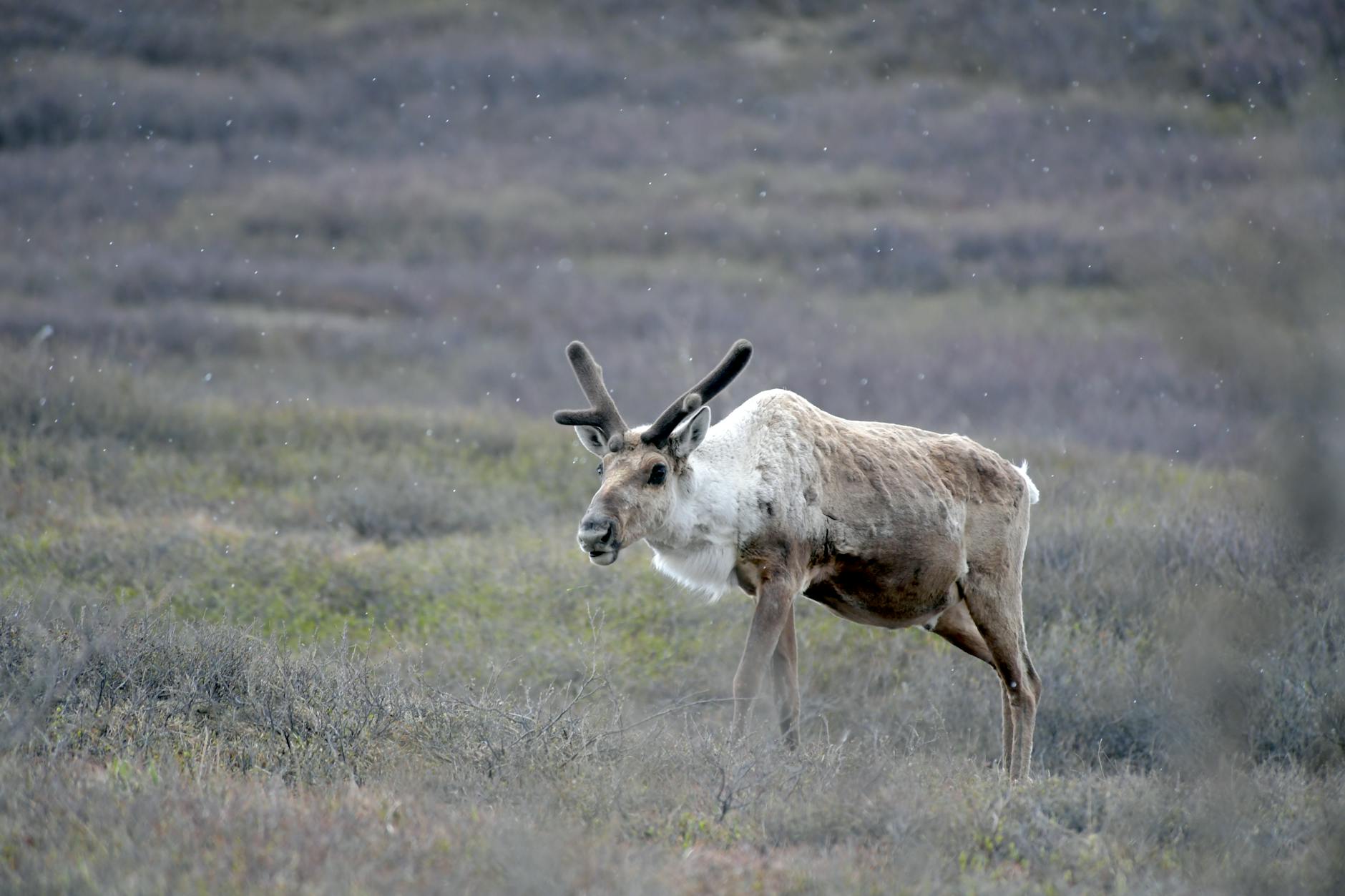
Located entirely north of the Arctic Circle in Alaska this vast park is famous for the Great Kobuk Sand Dunes. These unexpected dunes rise up to one hundred feet high and look out of place in the surrounding tundra landscape. Half a million caribou migrate through the park twice a year and create trails that have been used for millennia. The Onion Portage archaeological district documents at least nine thousand years of human use of the river crossing. There are no roads or trails so visitors must be self-sufficient and prepared for true wilderness travel.
Lake Clark
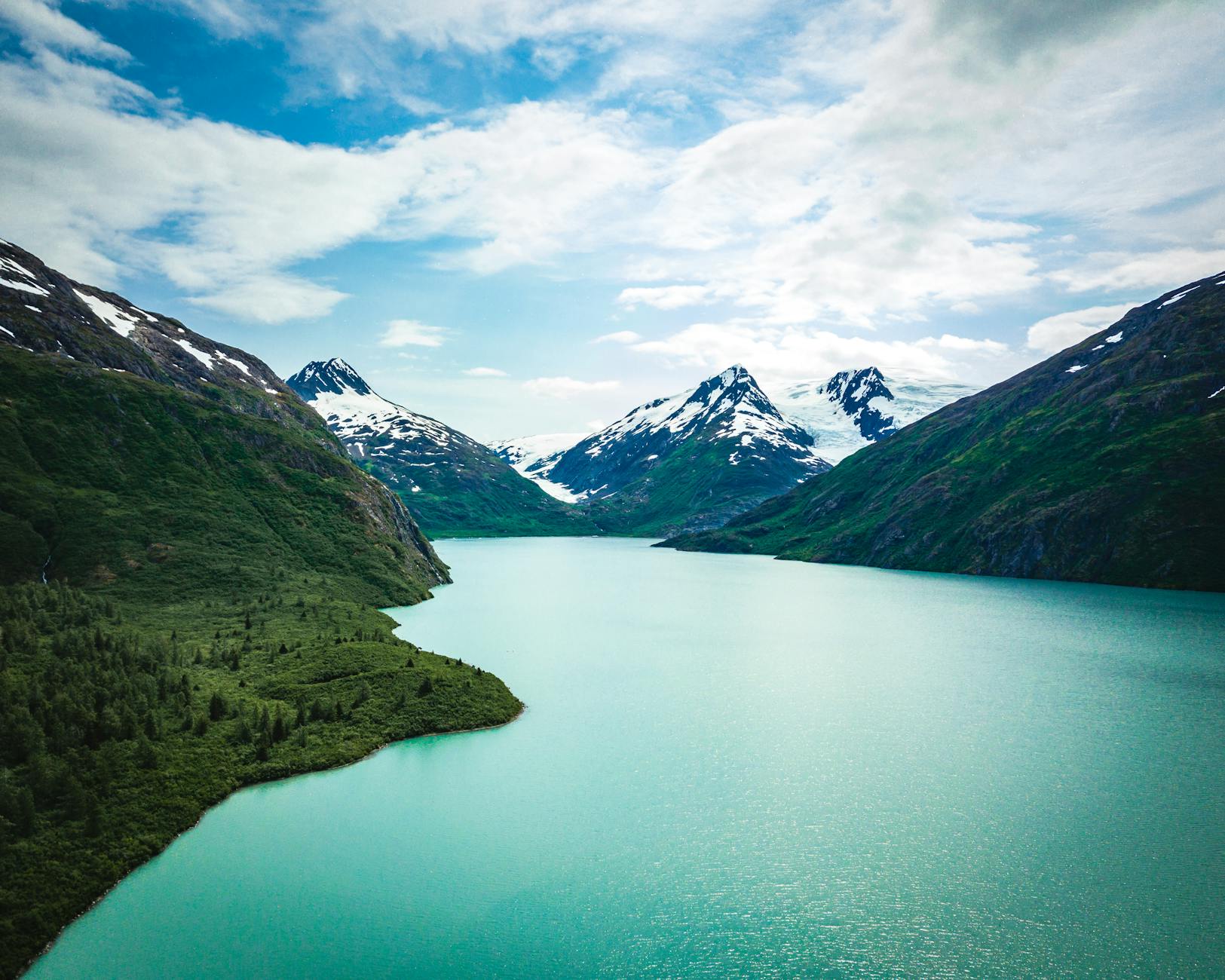
This diverse park in Alaska features steaming volcanoes and jagged mountains along with glaciated valleys and turquoise lakes. It sits at the junction of three mountain ranges which creates a dynamic landscape of unmatched beauty. The park is one of the best places in the world to observe brown bears in their natural habitat as they fish for salmon. Visitors can stay in rustic lodges or camp in the backcountry to experience the solitude of the Alaskan wilderness. The rich Dena’ina culture is woven into the history of the land and is preserved through local traditions and subsistence practices.
Gates of the Arctic
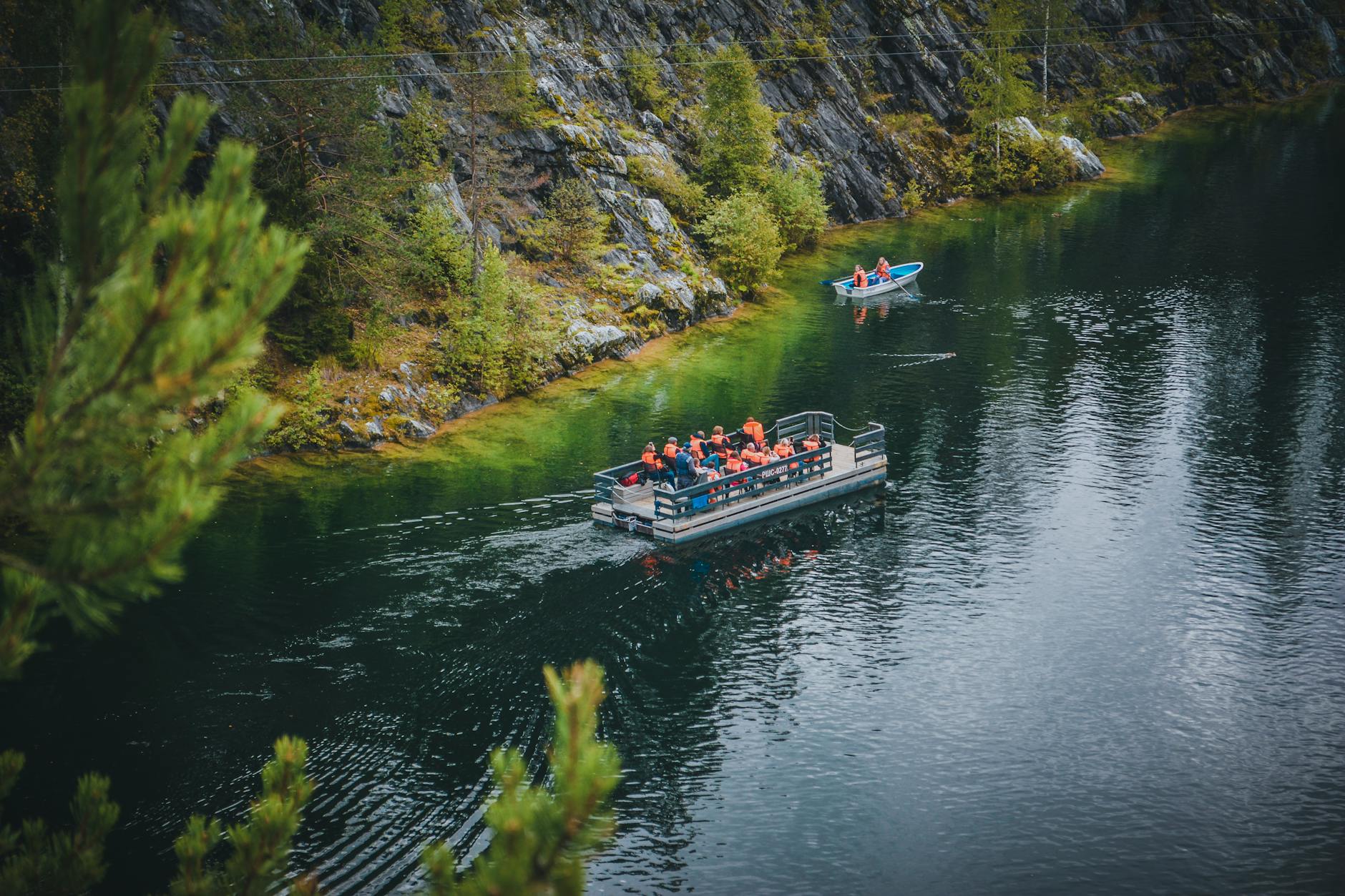
As the northernmost national park in the United States this vast wilderness lies entirely above the Arctic Circle. It contains no roads or established trails and offers the ultimate challenge for experienced backpackers and river travelers. Six wild and scenic rivers flow through the park and provide pristine routes for rafting and canoeing. The landscape is dominated by the jagged peaks of the Brooks Range and vast sweeps of tundra that seem to stretch forever. Visitors must possess strong survival skills to navigate this unforgiving yet breathtakingly beautiful environment.
Katmai
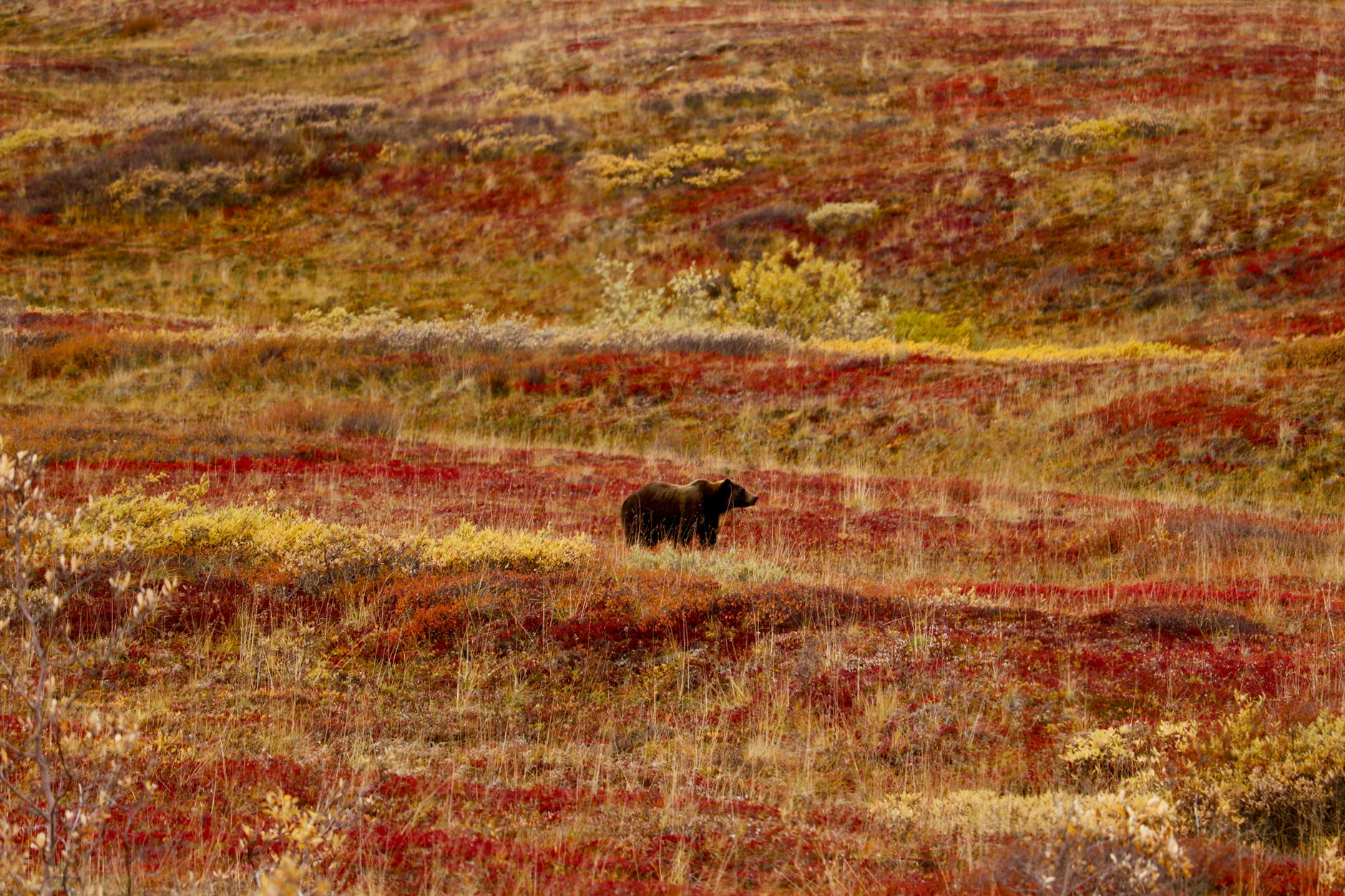
famous for its large population of brown bears this Alaskan park offers incredible wildlife viewing at Brooks Falls. Bears gather here in summer to catch migrating salmon jumping up the waterfalls in a display of power and agility. The Valley of Ten Thousand Smokes is a volcanic landscape created by the massive eruption of Novarupta in 1912. Hikers can explore the ash-filled valley which presents a stark contrast to the lush green forests and lakes found elsewhere in the park. The remote location ensures that visitors experience a true wilderness adventure far from modern distractions.
Wrangell-St. Elias
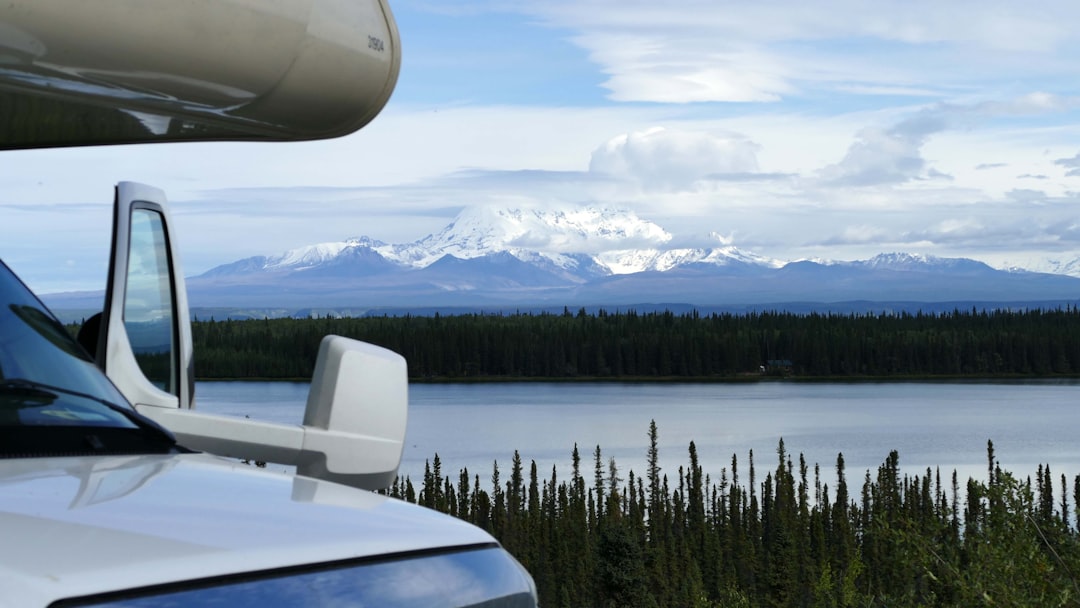
This massive park is the largest in the United States and encompasses an area larger than Switzerland. It contains nine of the sixteen highest peaks in the country including the massive Mount Saint Elias. Visitors can explore the historic Kennecott Mines which tell the story of the copper boom that once thrived in this remote region. Glaciers cover a significant portion of the park and create a landscape of ice and rock that is both beautiful and formidable. The sheer scale of the mountains and valleys makes even the most seasoned traveler feel small and humbled.
National Park of American Samoa

Distributed across three islands in the South Pacific this park preserves the tropical rainforests and coral reefs of Samoa. It is the only national park in the United States located south of the equator. Visitors can snorkel in warm waters teeming with colorful fish or hike through lush jungles to scenic ridges. The park is managed in cooperation with local villages to protect the fa’asamoa or traditional Samoan way of life. Fruit bats with wing spans of up to three feet play a crucial role in pollinating the native plants of this island paradise.
Virgin Islands
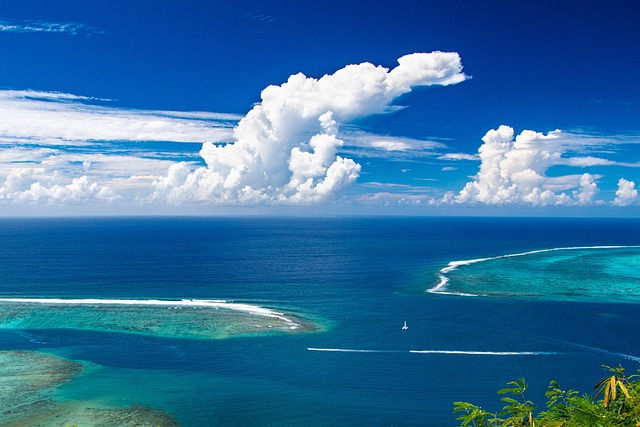
Covering nearly sixty percent of the island of Saint John this park is renowned for its pristine white sand beaches and turquoise waters. Coral reefs fringe the island and offer world-class snorkeling opportunities just steps from the shore. The park also protects the ruins of sugar plantations that serve as a reminder of the island’s colonial history. Hikers can follow trails through subtropical forests to discover hidden petroglyphs carved by the indigenous Taino people. Strict conservation measures ensure that the marine and terrestrial ecosystems remain healthy for future generations.
Big Bend
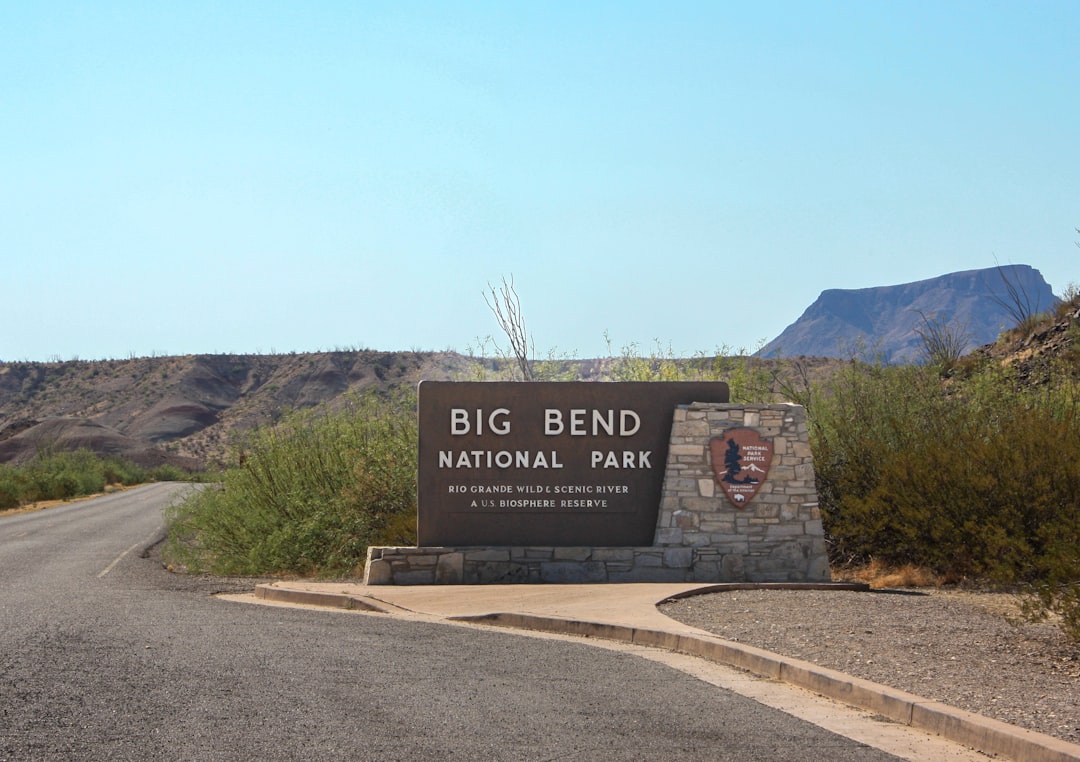
The Rio Grande forms the southern boundary of this vast park in West Texas where the river cuts through immense canyons. The Chisos Mountains rise from the desert floor and provide a cool refuge for hikers and campers. This park is a birdwatcher’s paradise with more recorded bird species than any other national park in the country. Visitors can soak in natural hot springs on the banks of the river while looking across to Mexico. The dark night skies are legendary and allow stargazers to see the Milky Way with incredible clarity.
Capitol Reef
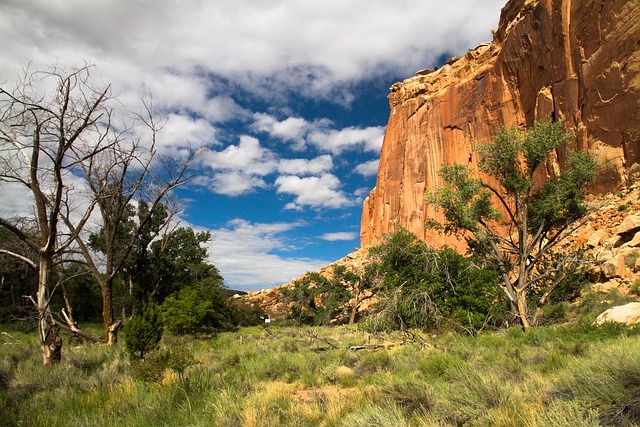
A massive geological monocline known as the Waterpocket Fold defines the landscape of this park in south-central Utah. The colorful rock layers create towering cliffs and deep canyons that are perfect for hiking and photography. The historic district of Fruita features orchards planted by early Mormon settlers where visitors can pick fruit in season. Slot canyons offer adventurous routes for those willing to squeeze through narrow sandstone passages. The remote location keeps crowds thinner than in nearby parks and allows for a quieter experience of the red rock desert.
Canyonlands
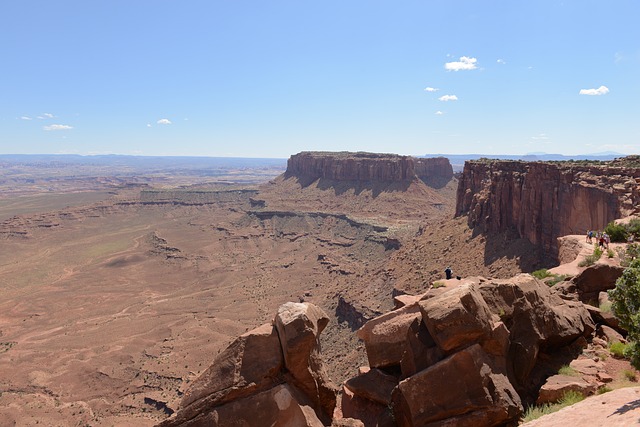
The Green and Colorado Rivers divide this Utah park into distinct districts that each offer a different character. The Island in the Sky district provides sweeping views from high mesas while the Needles district features colorful sandstone spires. White Rim Road is a famous route for mountain bikers and four-wheel drivers seeking a multi-day backcountry adventure. The Maze district is one of the most remote and inaccessible areas in the lower forty-eight states. Ancient rock art panels scattered throughout the canyons hint at the long history of human presence in this rugged terrain.
Lassen Volcanic
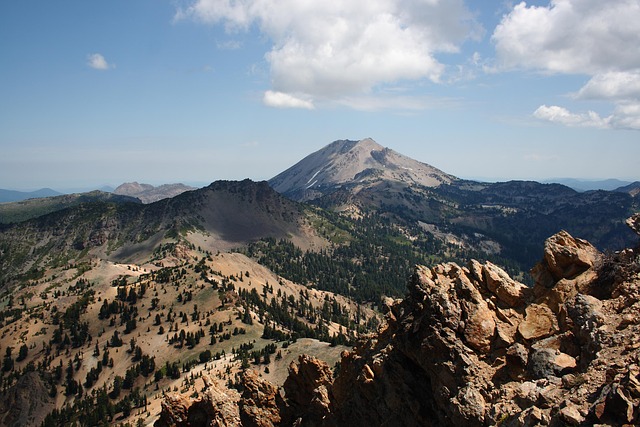
All four types of volcanoes found in the world exist within this park in northern California. The centerpiece is Lassen Peak which is the largest plug dome volcano in the world. Hydrothermal areas like Bumpass Hell feature boiling mud pots and steaming fumaroles that demonstrate the volcanic activity below the surface. Clear mountain lakes and wildflower meadows provide a softer contrast to the harsh volcanic features. The park receives heavy snowfall in winter which keeps the main road closed for much of the year but opens the landscape to snowshoers.
Petrified Forest
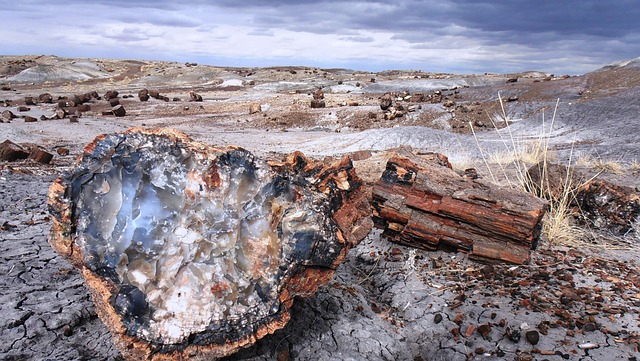
Large deposits of petrified wood fill this park in northeastern Arizona and showcase trees that have turned to stone over millions of years. The Painted Desert section features badlands with colorful bands of red and grey bentonite clay. Visitors can explore the Puerco Pueblo to see the remains of a hundred-room dwelling built by the ancestral Puebloan people. The park is also known for its rich deposits of Triassic fossils that provide a window into the age of early dinosaurs. A drive through the park reveals a landscape of stark beauty and deep geological time.
Saguaro
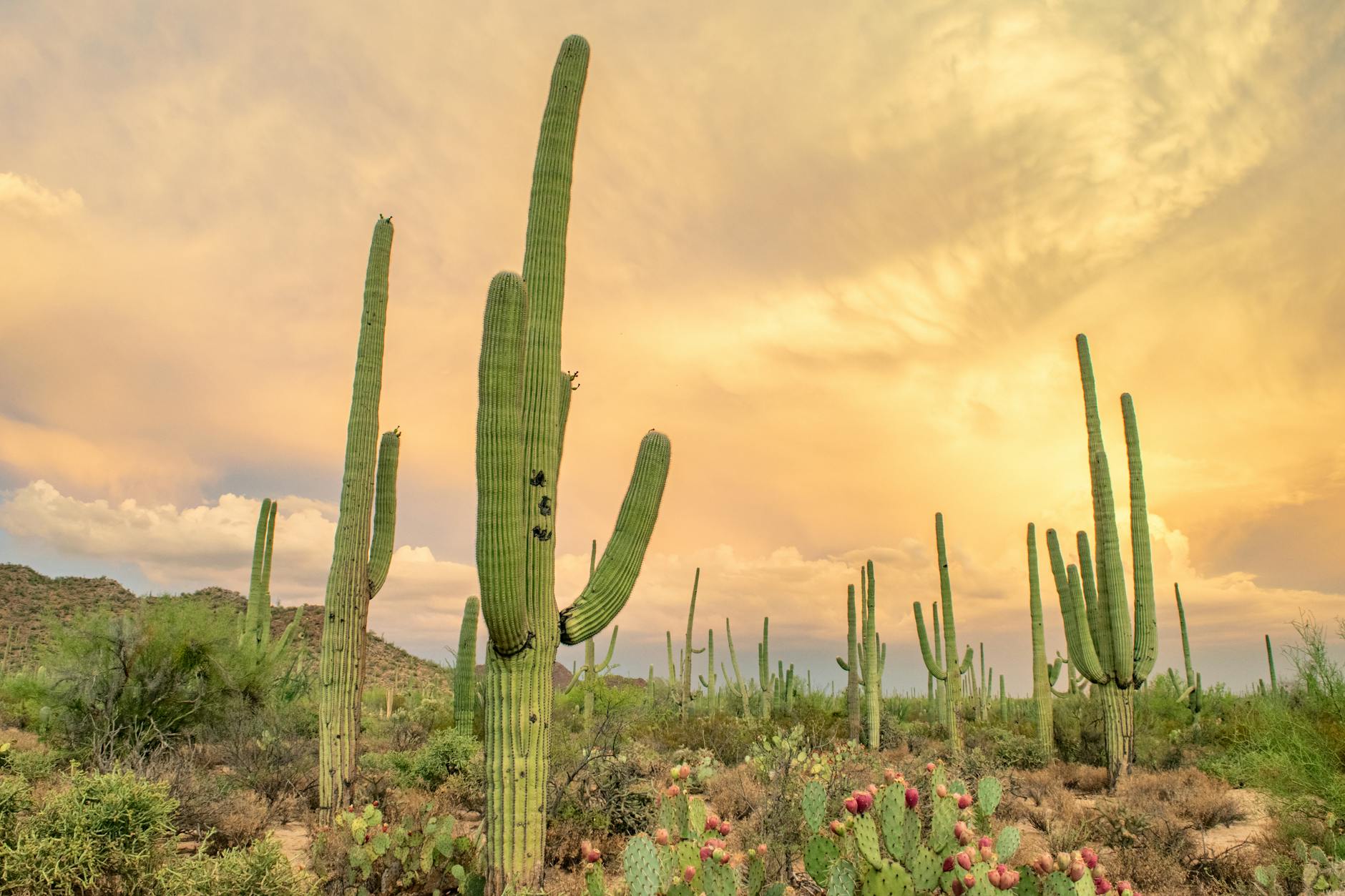
Enormous saguaro cacti which can live for nearly two centuries are the signature feature of this park in southern Arizona. These giants of the desert provide nesting sites for Gila woodpeckers and other desert birds. The park is split into two districts that flank the city of Tucson and offer both mountain and desert environments. Hiking trails range from easy nature walks among the cacti to challenging climbs into the Rincon Mountains. The sunset views over the Sonoran Desert are spectacular as the silhouettes of the saguaros stand against the colorful sky.
We invite you to detail your favorite hidden wilderness experiences in the comments.




