Recognizing discomfort in our canine companions requires careful observation since they cannot verbally communicate their distress. Dogs often mask their pain instinctively to avoid showing weakness to potential predators or rivals. Owners must learn to identify subtle behavioral changes that deviate from their pet’s normal baseline personality. Early detection of these silent signals allows for faster veterinary intervention and relief for the animal. Paying close attention to physical cues and daily habits is the best way to ensure your dog maintains a high quality of life.
Excessive Panting
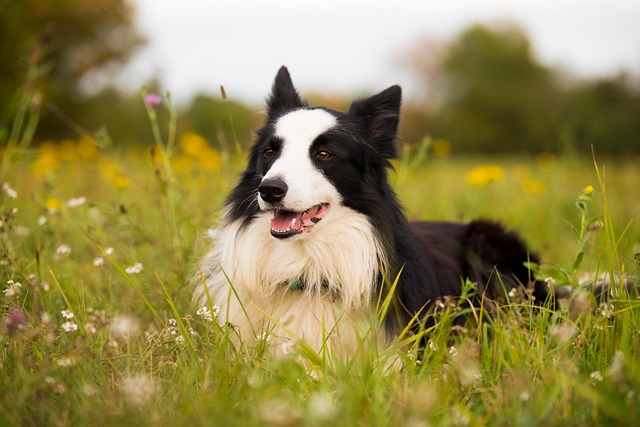
Heavy breathing is normal after exercise but it becomes concerning when it occurs while the dog is at rest. You might notice the panting is significantly faster or shallower than their usual rhythm during relaxation. This physiological response often indicates that the body is under stress or dealing with acute physical discomfort. Owners should observe if this behavior happens in a cool room without any prior physical exertion. Persistent panting without an obvious cause warrants immediate attention to rule out internal issues.
Trembling or Shaking
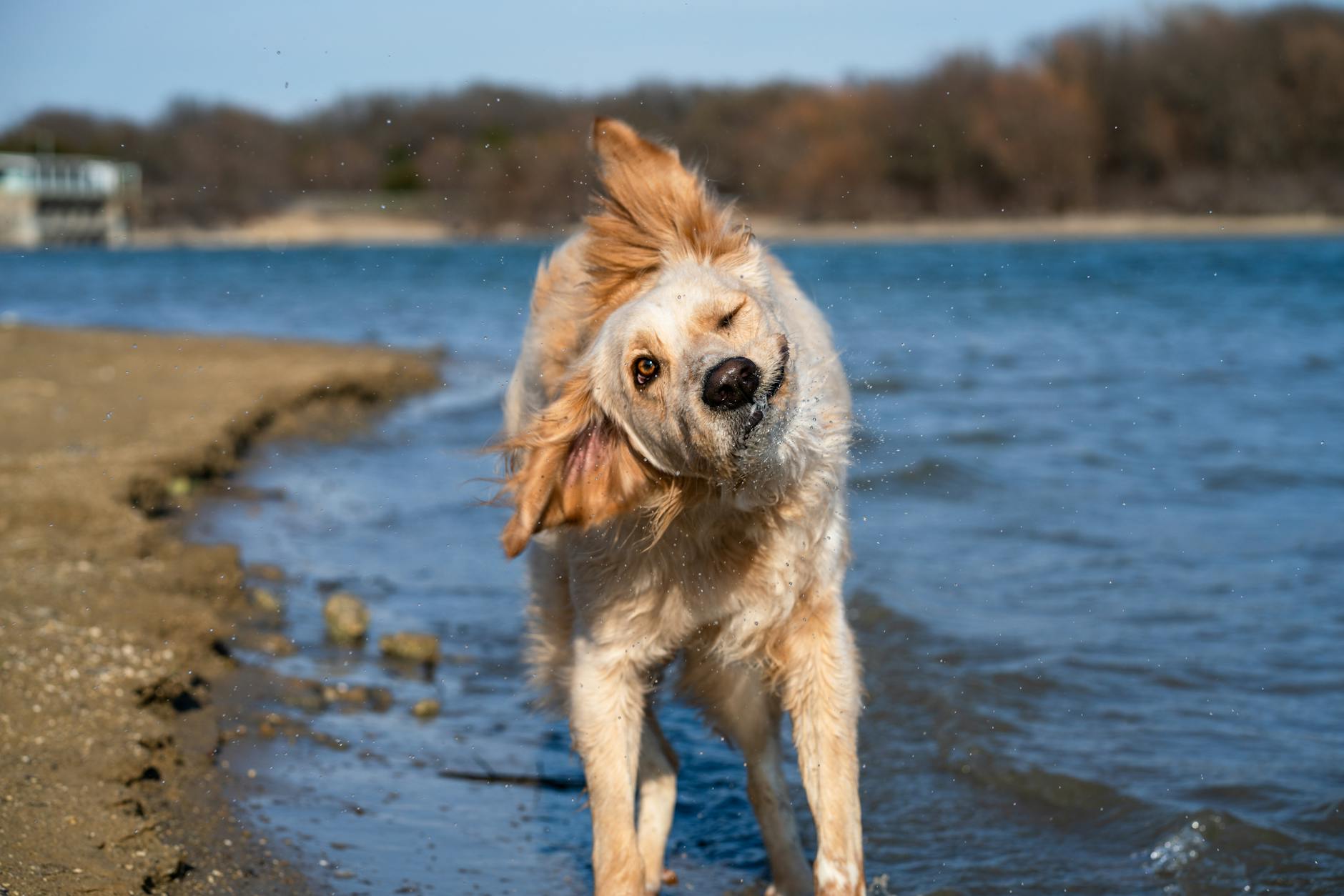
Muscle tremors often suggest that a dog is experiencing significant physical pain or extreme anxiety caused by discomfort. This shaking can be localized to a specific limb or affect the entire body depending on the severity of the issue. Older dogs might exhibit this symptom more frequently as they deal with chronic conditions like arthritis or joint inflammation. It is important to distinguish this trembling from excitement or cold temperatures by checking for other stress signals. Consistent shivering in a warm environment usually points directly to an underlying health problem.
Changes in Appetite
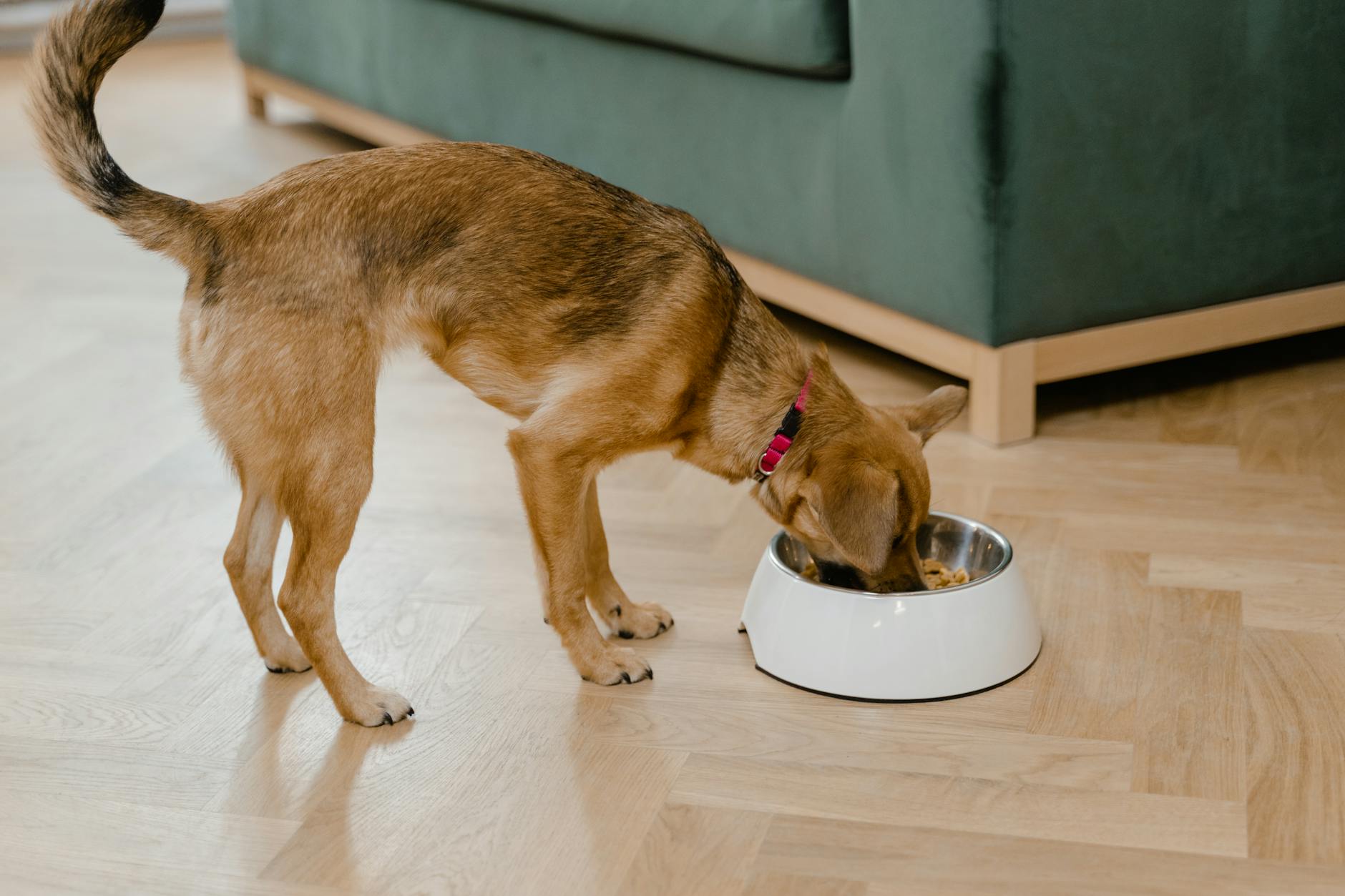
A sudden lack of interest in food is one of the most common indicators that a dog is not feeling well. Pain often suppresses the desire to eat because the act of chewing or digestion might exacerbate their discomfort. You may observe them approaching the food bowl tentatively before turning away without taking a bite. Some dogs might still eat treats but refuse their regular kibble due to dental pain or nausea. Monitoring daily food intake provides crucial clues about their overall physical wellbeing.
Reluctance to Move
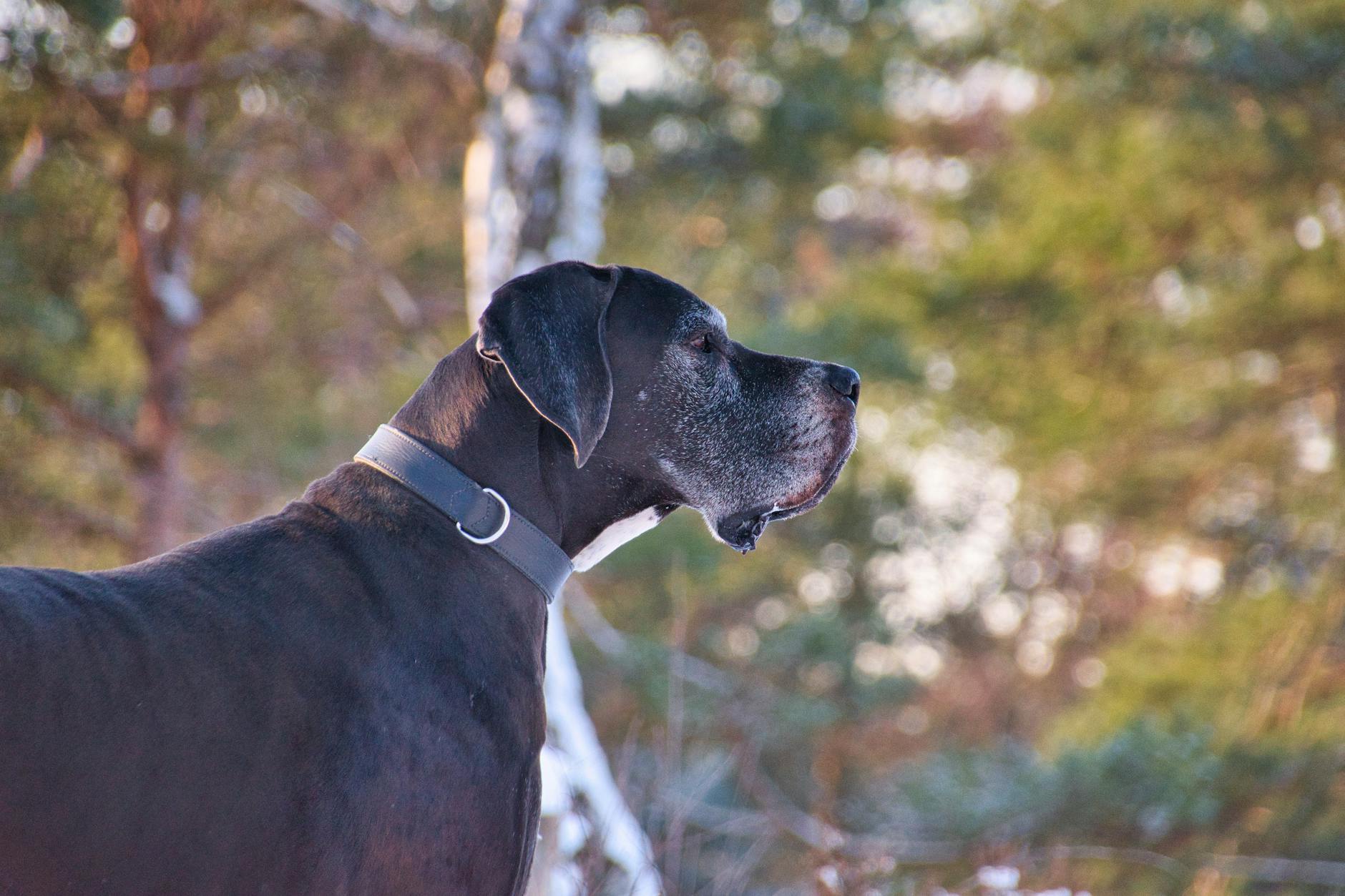
Dogs in pain often hesitate to perform physical activities that they usually enjoy such as jumping into the car or climbing stairs. You might notice they take longer to stand up after sleeping or seem stiff during their morning walk. This reluctance is frequently associated with orthopedic issues or soft tissue injuries that limit their range of motion. They may refuse to go for walks or stop frequently while outside to avoid aggravating sore muscles. A decrease in general activity levels is a strong signal that physical movement has become difficult.
Excessive Licking
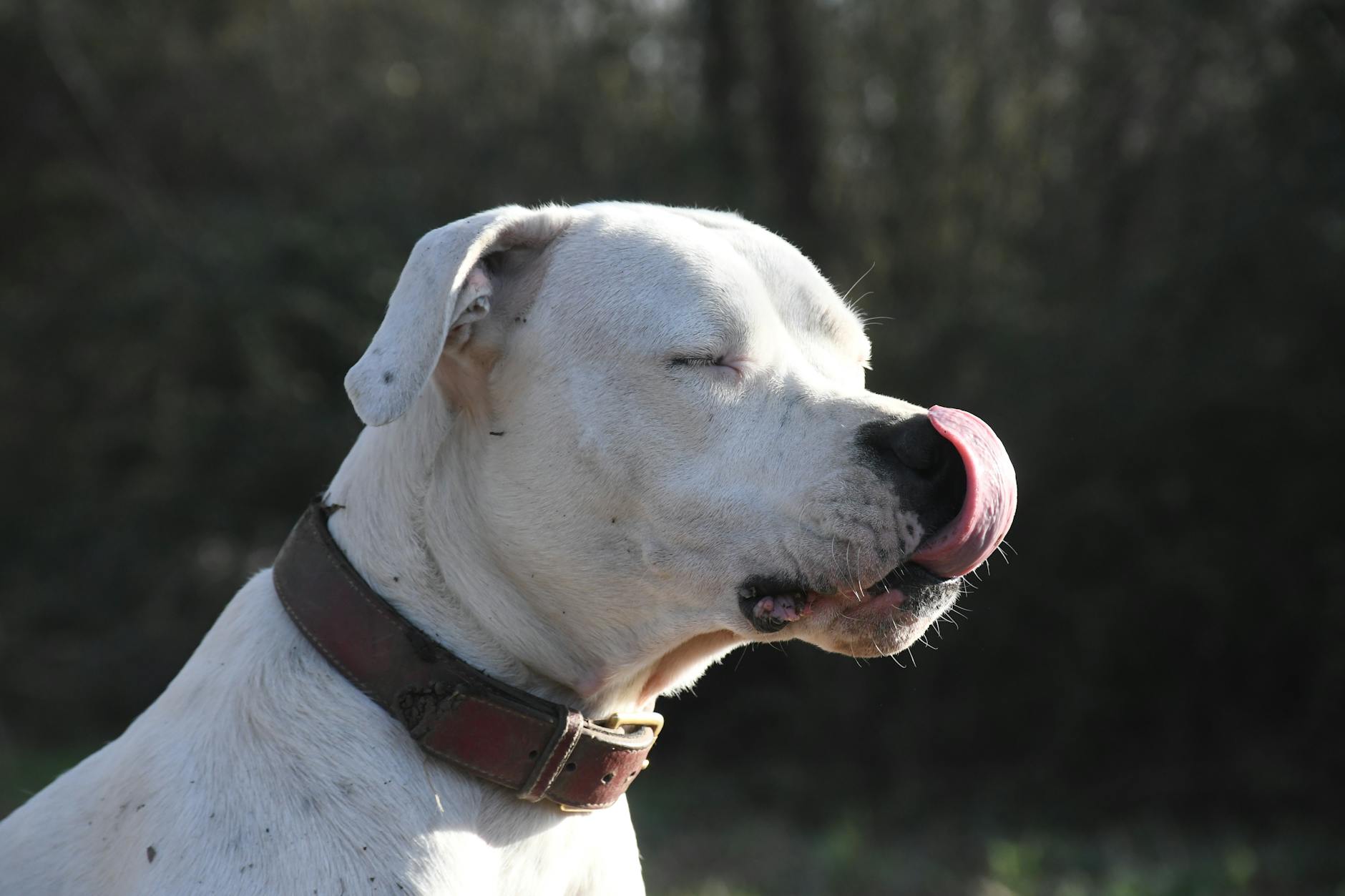
Animals instinctively lick wounds to clean them but obsessive grooming of a specific area often indicates focal pain. You might see the dog focusing intensely on a paw or joint that has no visible cut or scrape. This repetitive behavior can lead to skin irritation or hot spots if it is not addressed quickly. The licking acts as a soothing mechanism to distract them from the throbbing or aching sensation underneath the skin. Identifying the exact spot they are targeting helps veterinarians localize the source of the trouble.
Whining or Whimpering

Vocalizations are a direct way for dogs to express that they are suffering or feeling anxious about their condition. These sounds might occur when they try to move or when a specific part of their body is touched. Silent sufferers may only whimper softly when they are alone or trying to get comfortable for sleep. It is essential to note when these vocalizations happen to help diagnose the potential trigger. Sudden yelping is usually a sign of acute pain while low whining often suggests chronic dull discomfort.
Restlessness
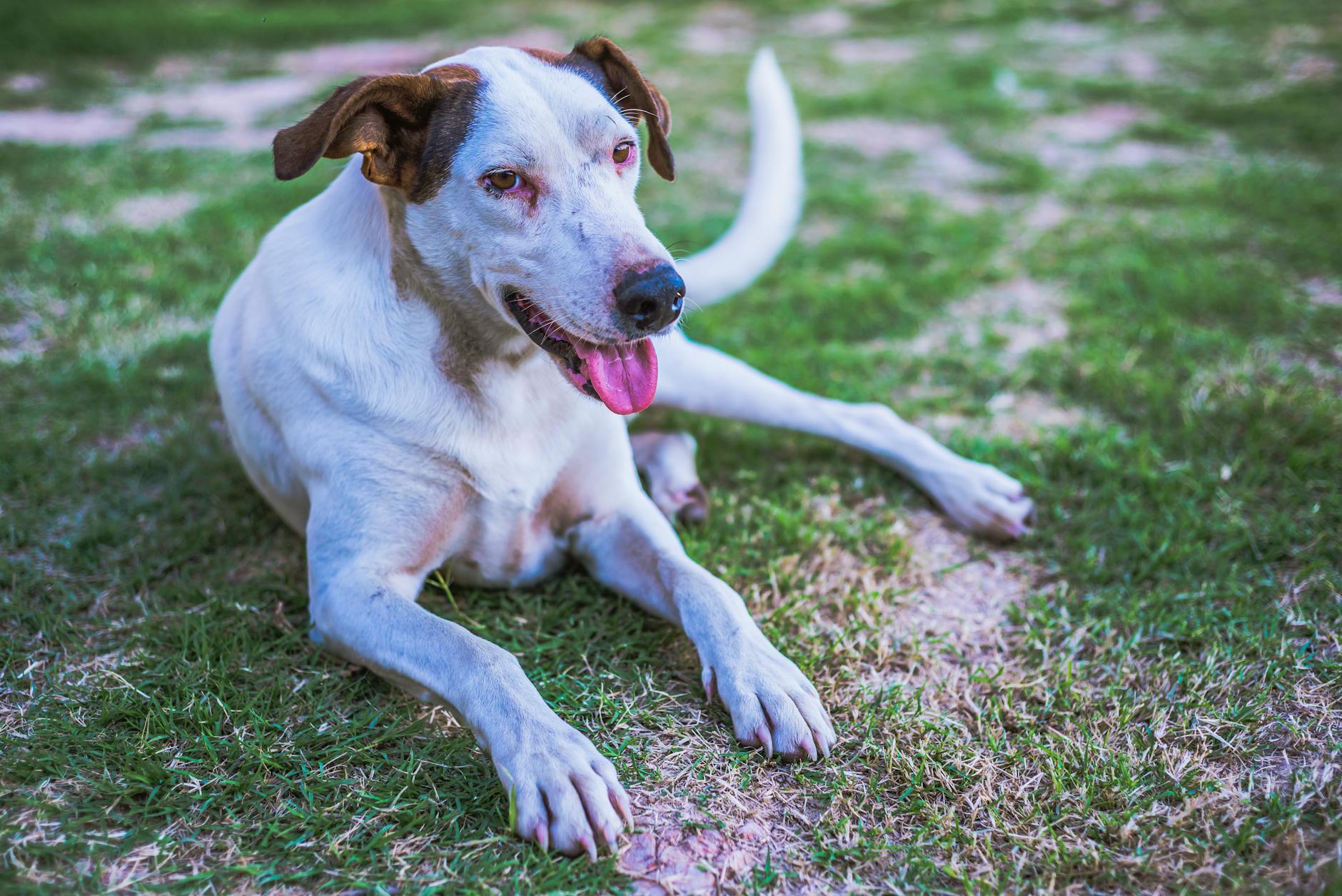
A dog in pain often struggles to settle down because they cannot find a comfortable position to rest. You might see them pacing back and forth or repeatedly standing up and lying down in a short period. This inability to relax suggests that laying still causes them more distress than moving around. They may wander aimlessly through the house during the night instead of sleeping in their designated spot. This agitated behavior is a clear sign that something is preventing them from achieving a state of calm.
Changes in Sleeping Patterns

Physical discomfort can disrupt natural sleep cycles leading to either insomnia or excessive lethargy depending on the condition. Some dogs may sleep significantly more than usual as their body attempts to heal and conserve energy. Others might be awake all night because the pain prevents them from falling into a deep restorative sleep. You should track whether they are sleeping in unusual places or avoiding their soft bedding. Drastic shifts in the amount of time spent sleeping are significant health indicators.
Aggression or Irritability
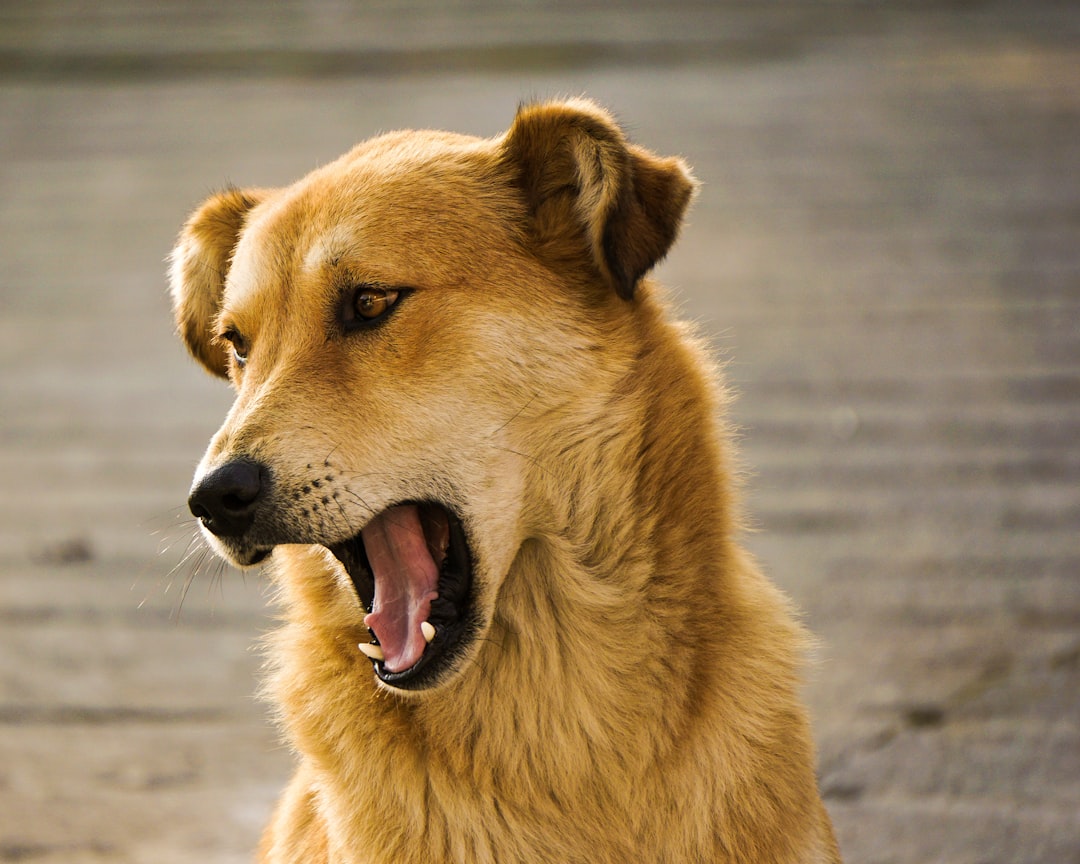
Pain can shorten a dog’s fuse and cause a normally gentle animal to snap or growl unexpectedly. They may react defensively if someone attempts to touch a sore area or simply approaches them too quickly. This behavioral change is a protective mechanism intended to keep others away from their vulnerable state. Owners should be cautious when handling a dog that suddenly displays uncharacteristic grumpiness or hostility. Sudden aggression is frequently a medical issue rather than a behavioral training problem.
Hiding or Withdrawing
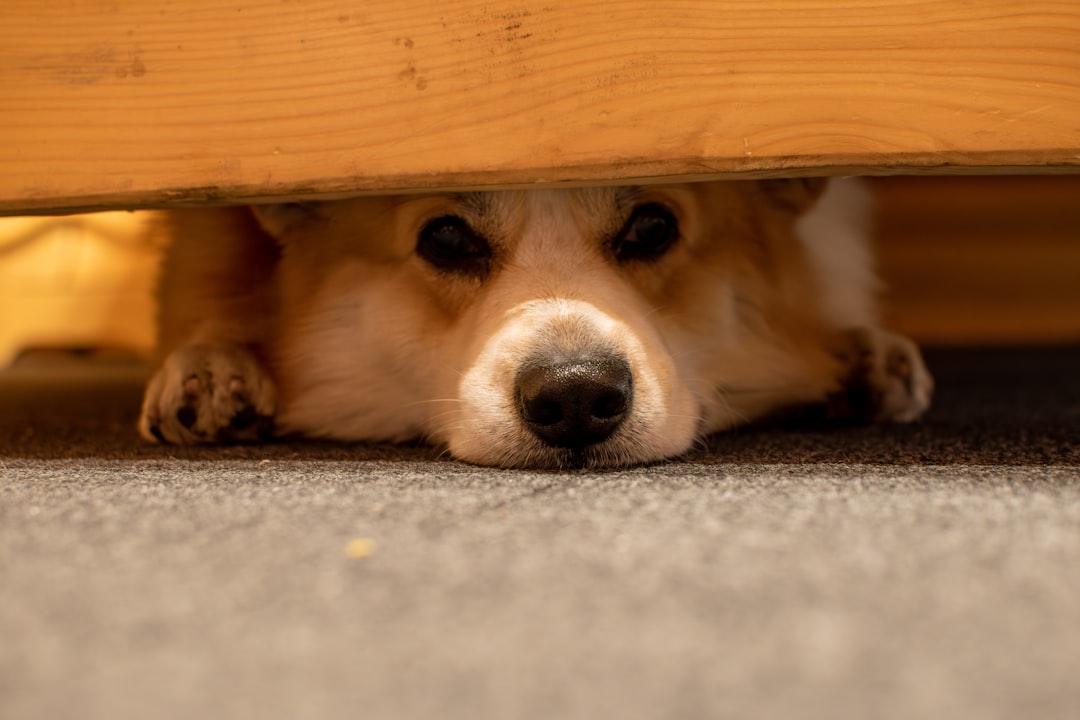
Many dogs instinctively retreat to a quiet and dark place when they are feeling unwell or vulnerable. You might find them under a bed or in the back of a closet where they feel safe from disturbances. This isolation behavior is an attempt to recover without the threat of interaction or accidental bumping. A dog that is usually social and clings to family members will act very differently when they withdraw. Seeking solitude is a primal response to mask weakness and avoid potential conflict.
Posture Changes
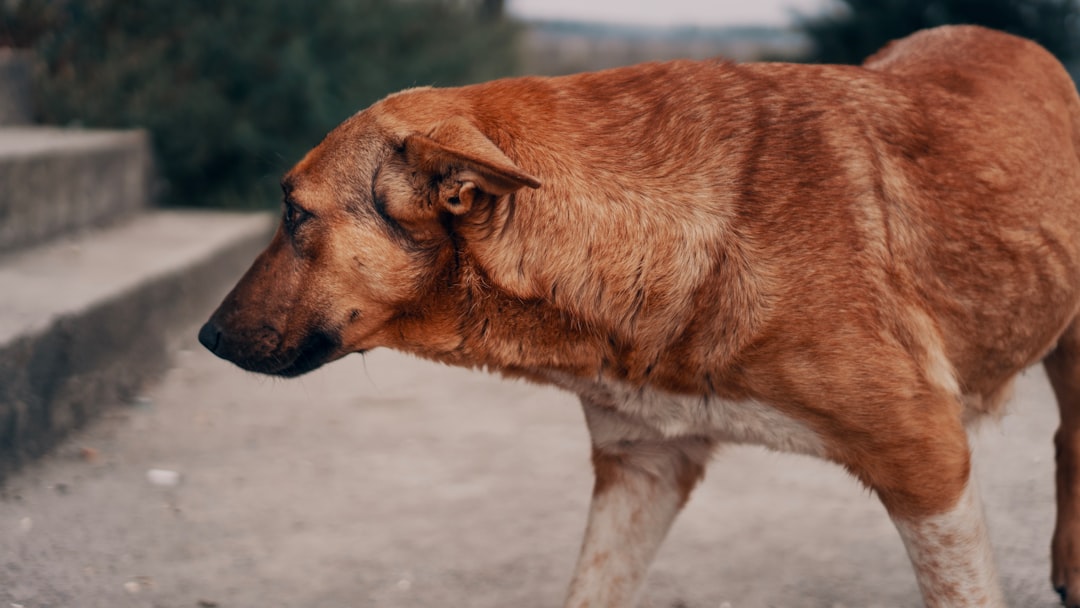
A dog experiencing abdominal pain may adopt a hunched posture or the prayer position with their front legs down and rear end up. You might notice they carry their head lower than usual or arch their back while walking. These postural adjustments are attempts to relieve pressure on internal organs or sore spinal areas. Stiffness in the neck or back often results in a rigid stance where the dog refuses to turn their head. Observing their silhouette can reveal a lot about where they are hurting.
Flattened Ears
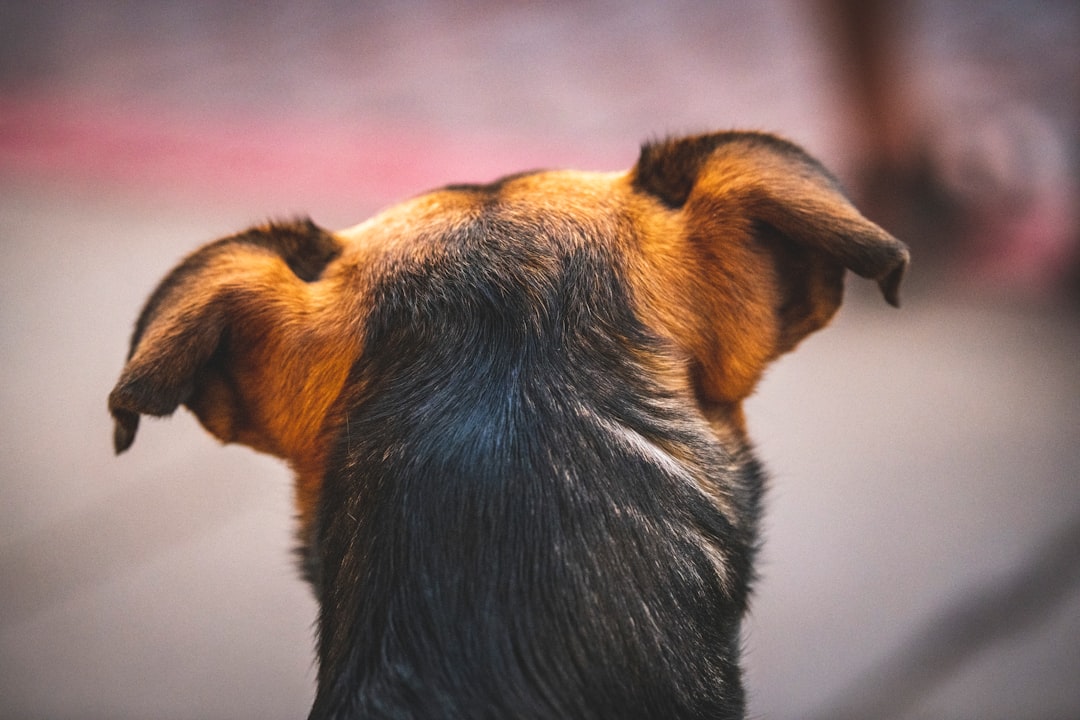
facial expressions provide subtle clues about a dog’s internal state and flattened ears are a reliable sign of distress. You might see their ears pinned back tightly against their head even when they are not being scolded. This look is often accompanied by a worried expression or furrowed brow that indicates anxiety. It is a submissive and fearful signal that suggests the dog feels threatened by their own physical sensations. Assessing their ear position alongside other body language cues confirms the presence of discomfort.
Tail Tucked Between Legs
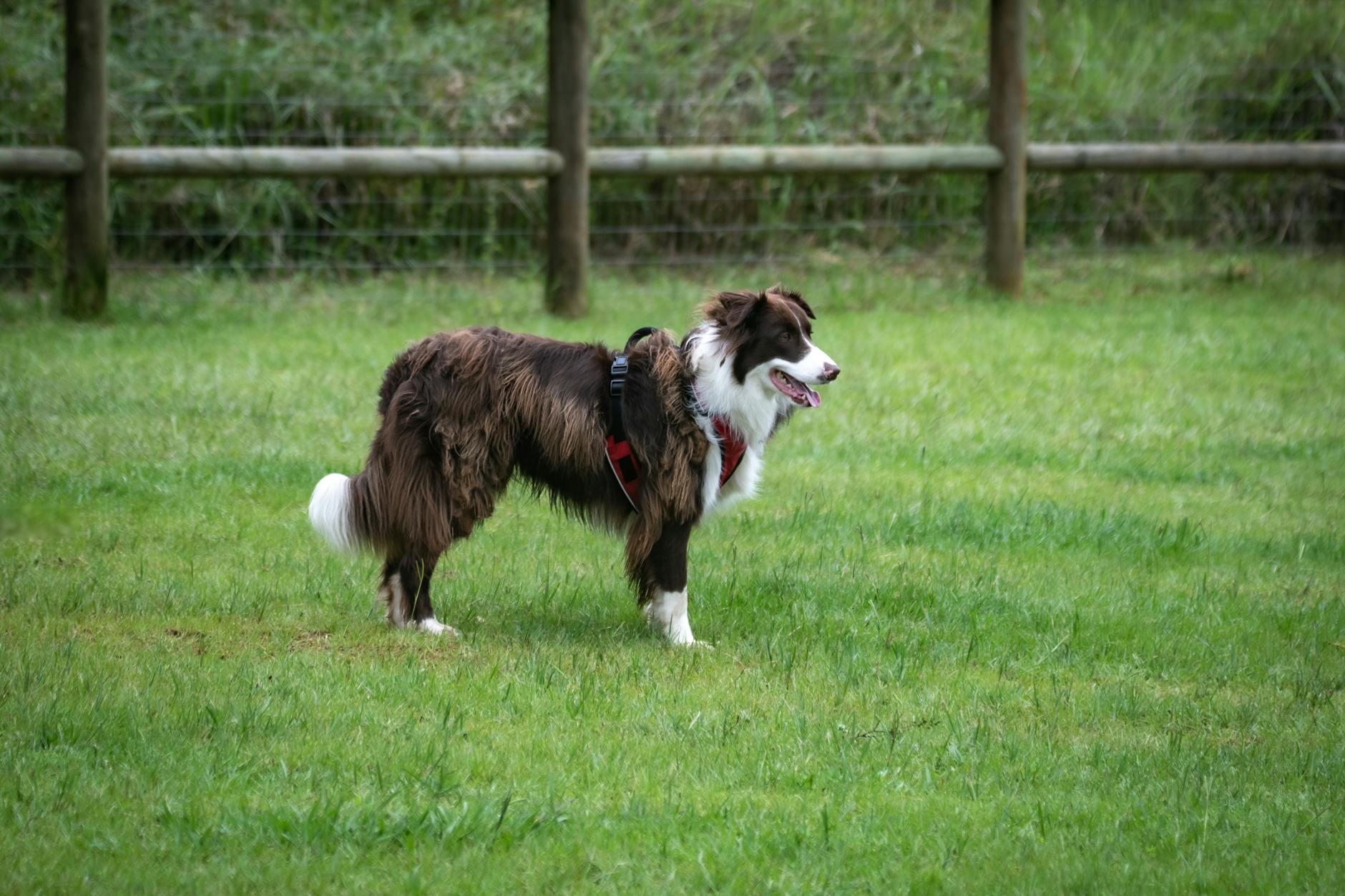
A tail positioned tightly between the hind legs is a classic sign of fear or physical suffering in canines. This protective posture guards the sensitive underbelly and signals a lack of confidence or security. You might observe this even in dogs that usually carry their tail high and wagging. It often occurs simultaneously with a lowered body stance or cowering behavior. A tucked tail that persists without an external threat is a strong indicator of internal distress.
Limping or Favoring a Limb
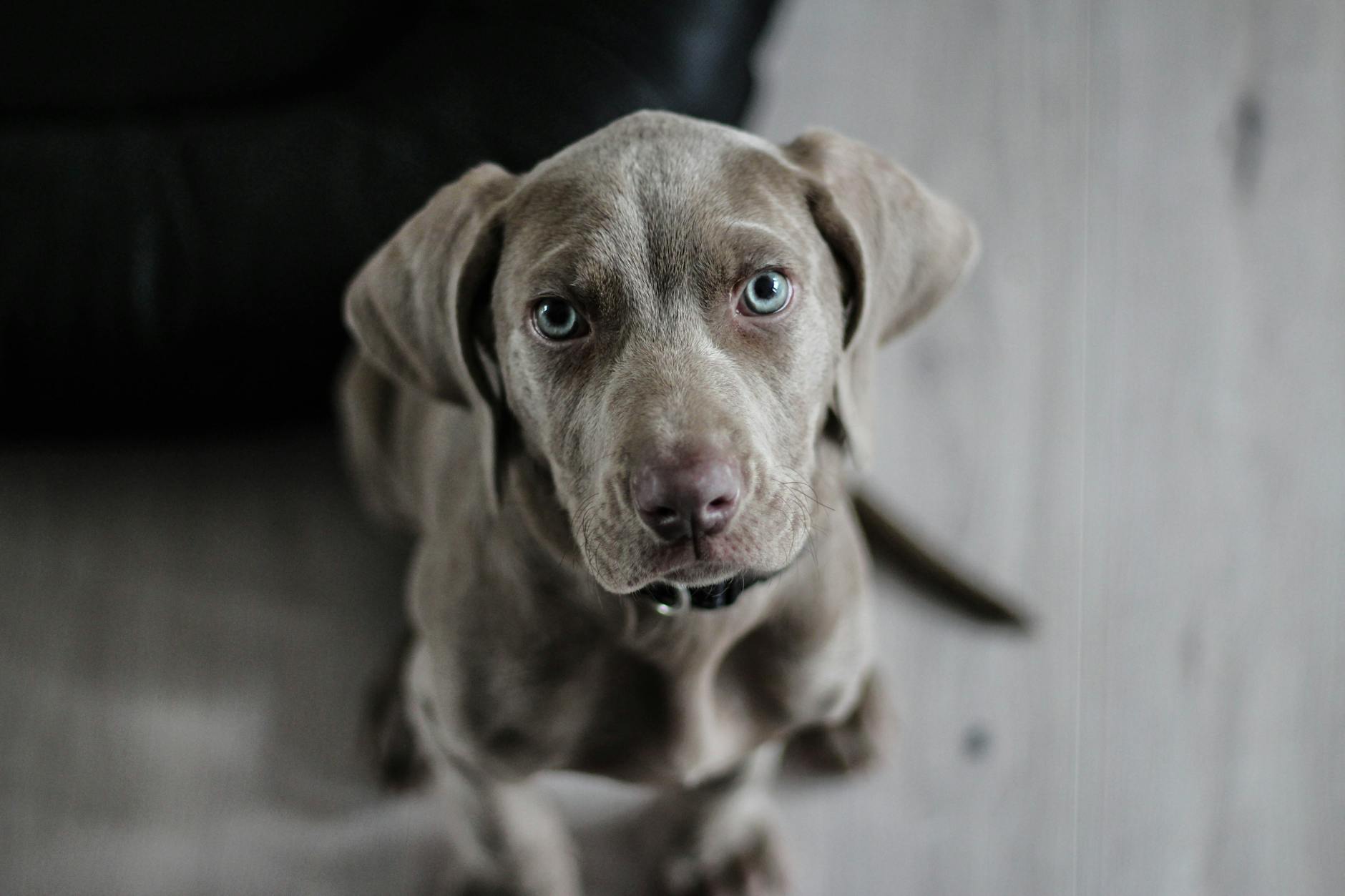
Altered gait is one of the most obvious visual signs that a dog is protecting an injured leg or paw. You might notice a head bob when they walk or a refusal to put any weight on a specific foot. The limp may be more pronounced after exercise or immediately after they wake up from a nap. Sometimes the lameness is intermittent and only appears during certain movements or activities. Watching how they distribute their weight while standing can help pinpoint the affected extremity.
Changes in Bathroom Habits
Pain can make the physical act of squatting or lifting a leg difficult and lead to accidents inside the house. You might notice the dog straining to go or taking much longer than usual to find the right spot. Back pain or joint stiffness often prevents them from assuming the necessary posture for elimination. Incontinence can also occur if the dog is too painful to move quickly enough to get outside. Any sudden loss of housetraining in an adult dog warrants a medical checkup.
Please leave a note in the comments describing any other signs you have noticed when your pet was unwell.




