Proper laundry care is essential for maintaining the longevity of your wardrobe and the efficiency of your appliances. Many common habits actually cause significant damage to fabrics and internal machine components over time. Small adjustments to your washing routine can save money on repairs and replacement clothing items. Understanding these errors allows for a more effective and sustainable approach to household chores.
Overloading the Washing Machine
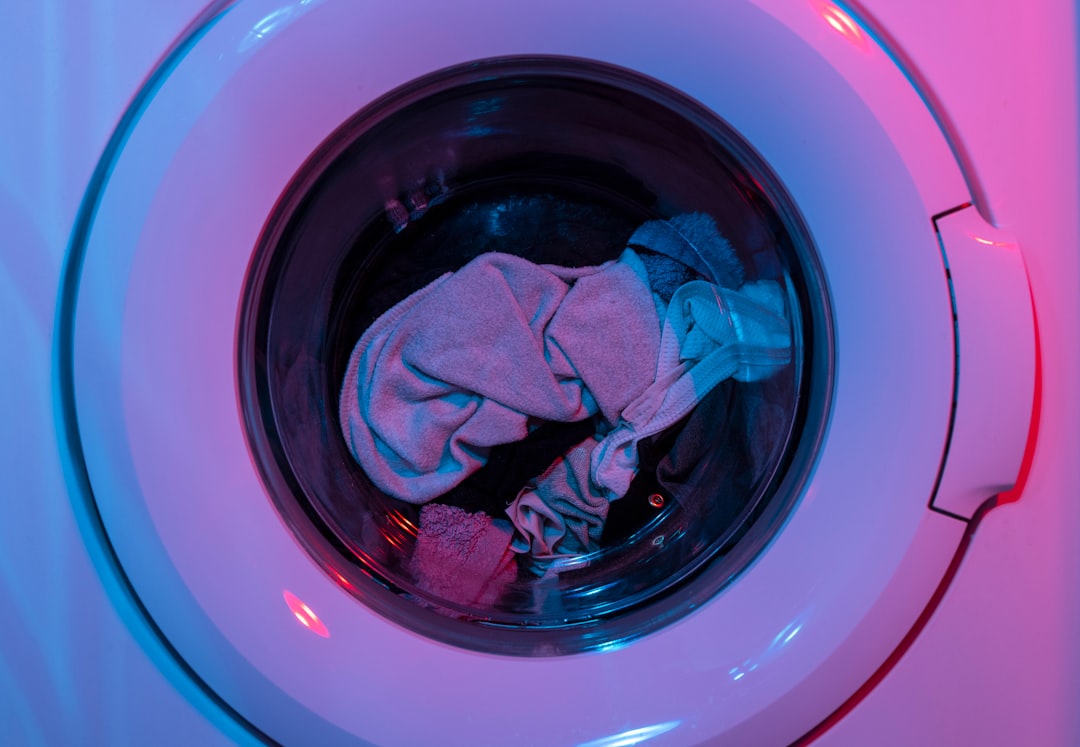
Stuffing too many items into the drum prevents water and detergent from circulating effectively among the clothes. This practice causes fabrics to rub against each other aggressively and leads to pilling or tearing. The excessive weight places severe strain on the machine bearings and suspension system during the spin cycle. Clothes often emerge from such loads with untouched stains and significant wrinkling.
Using Too Much Detergent
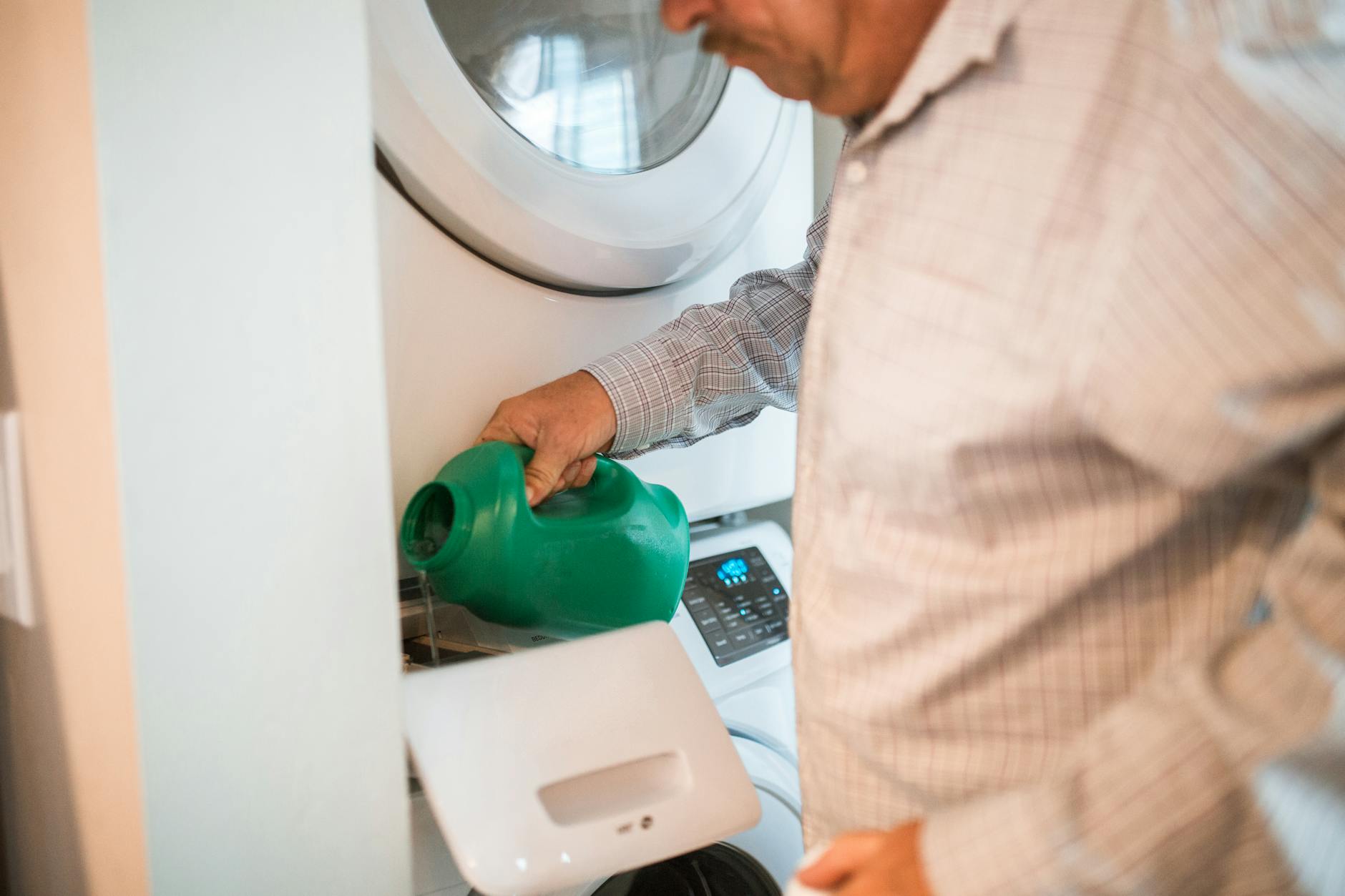
Excessive soap creates a surplus of suds that traps dirt back onto your clothing rather than rinsing it away. This residue builds up in the fibers and makes them feel crunchy or stiff after drying. The accumulation allows bacteria to thrive and eventually causes unpleasant odors in both the machine and the laundry. Modern high-efficiency washers require very small amounts of concentrated detergent to function correctly.
Ignoring the Lint Screen
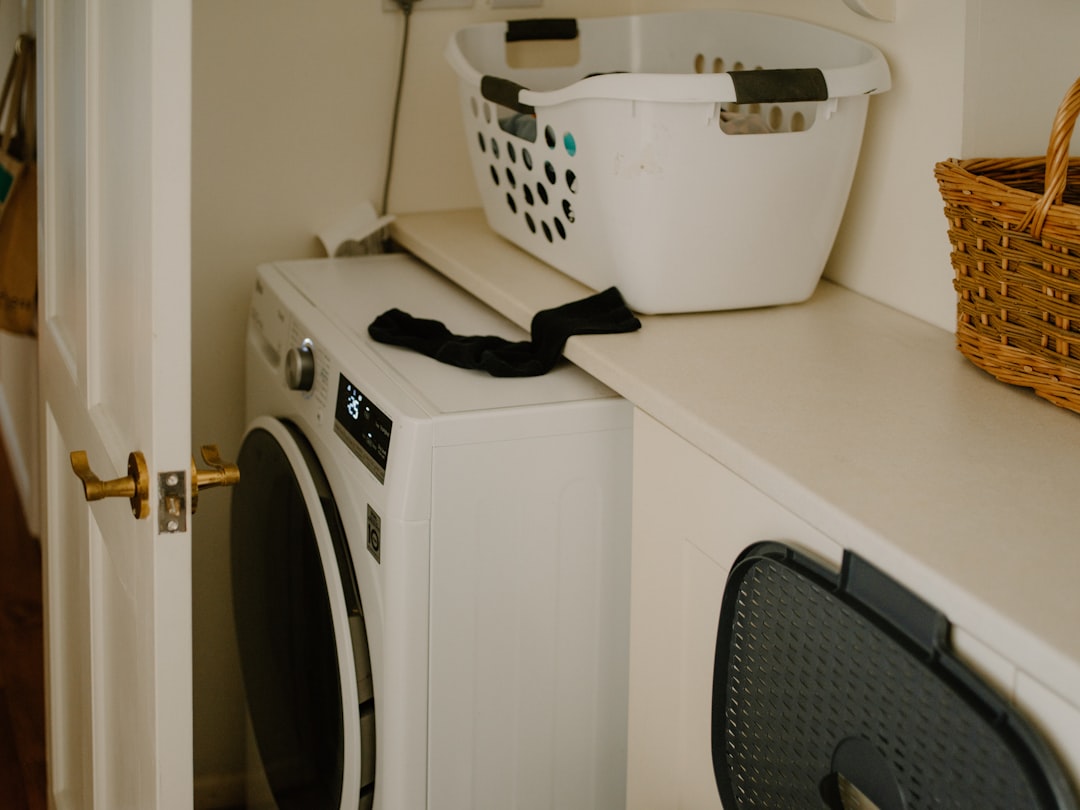
Failing to clean the lint trap before every dryer cycle significantly reduces airflow and forces the appliance to work harder. This negligence increases energy consumption and extends the drying time required for each load. Accumulated lint poses a serious fire hazard as it is highly flammable when exposed to high heat. Regular removal of this debris maintains dryer efficiency and protects your home.
Zipping Zippers Incorrectly
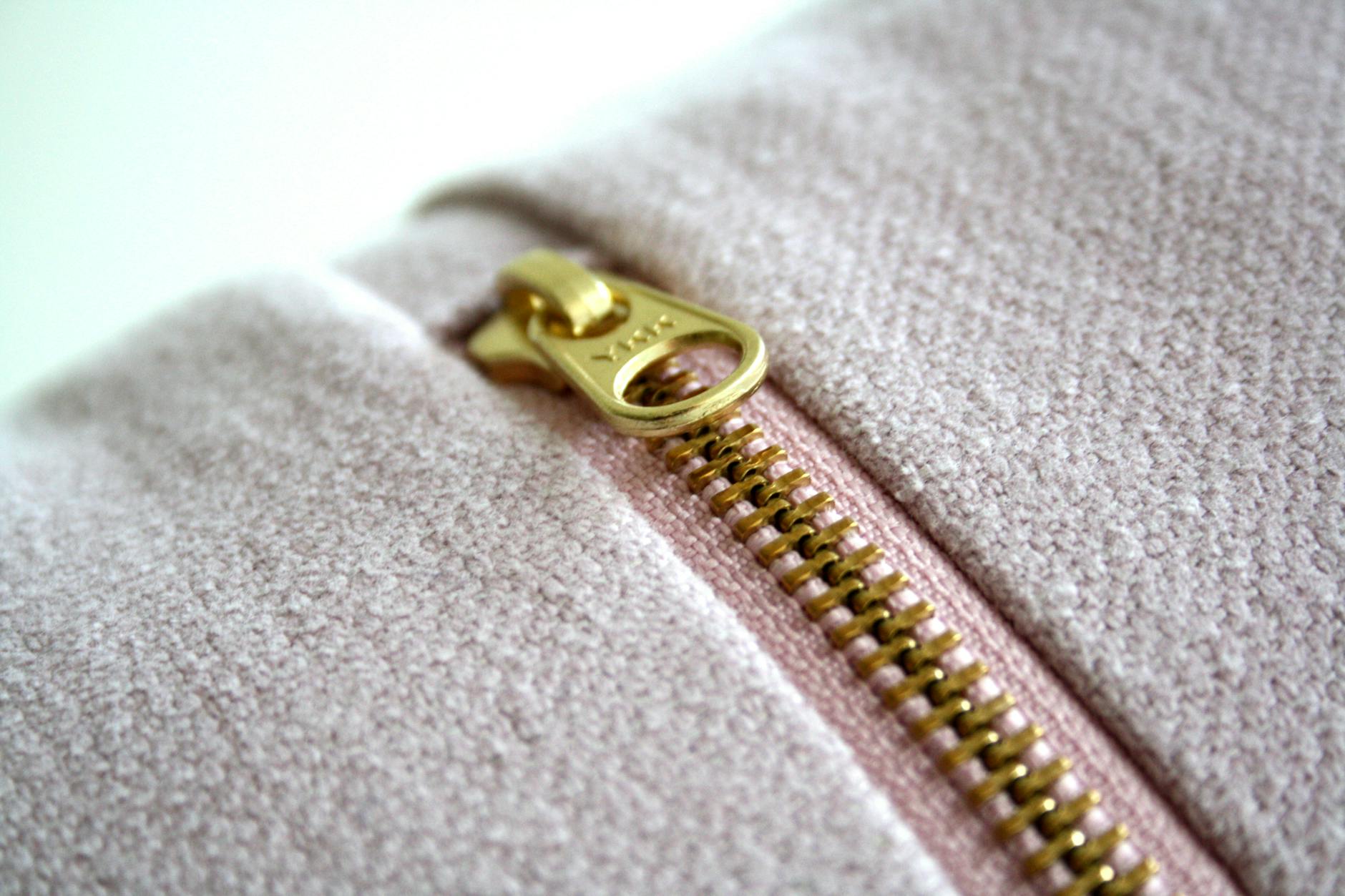
Open zippers act like tiny saws that snag delicate fabrics and scratch the interior of the washing machine door. The metal teeth can easily tear holes in lighter items during the agitation process. It is vital to close all zippers on jeans and jackets completely before throwing them in the hamper. This simple step prevents irreversible damage to your favorite shirts and knitwear.
Buttoning Shirts Before Washing
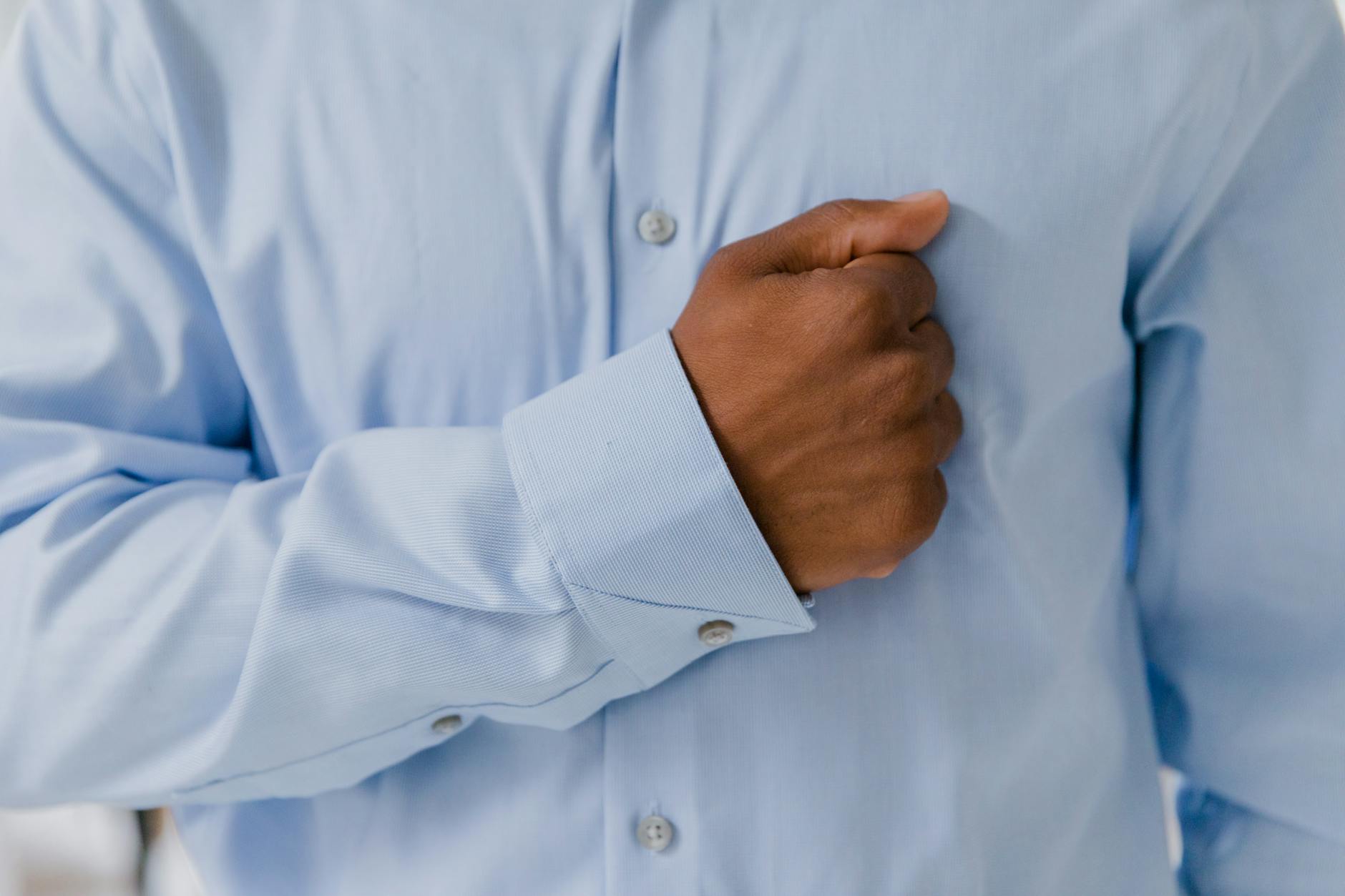
Leaving buttons fastened places unnecessary stress on the threads and the buttonholes during the wash cycle. The agitation pulls at the fabric and frequently causes buttons to loosen or pop off entirely. Unbuttoning shirts allows the water to clean the inside of the collar and cuffs more thoroughly. Keeping shirts open preserves the structural integrity of the garment and extends its wearable life.
Pouring Detergent Directly on Clothes
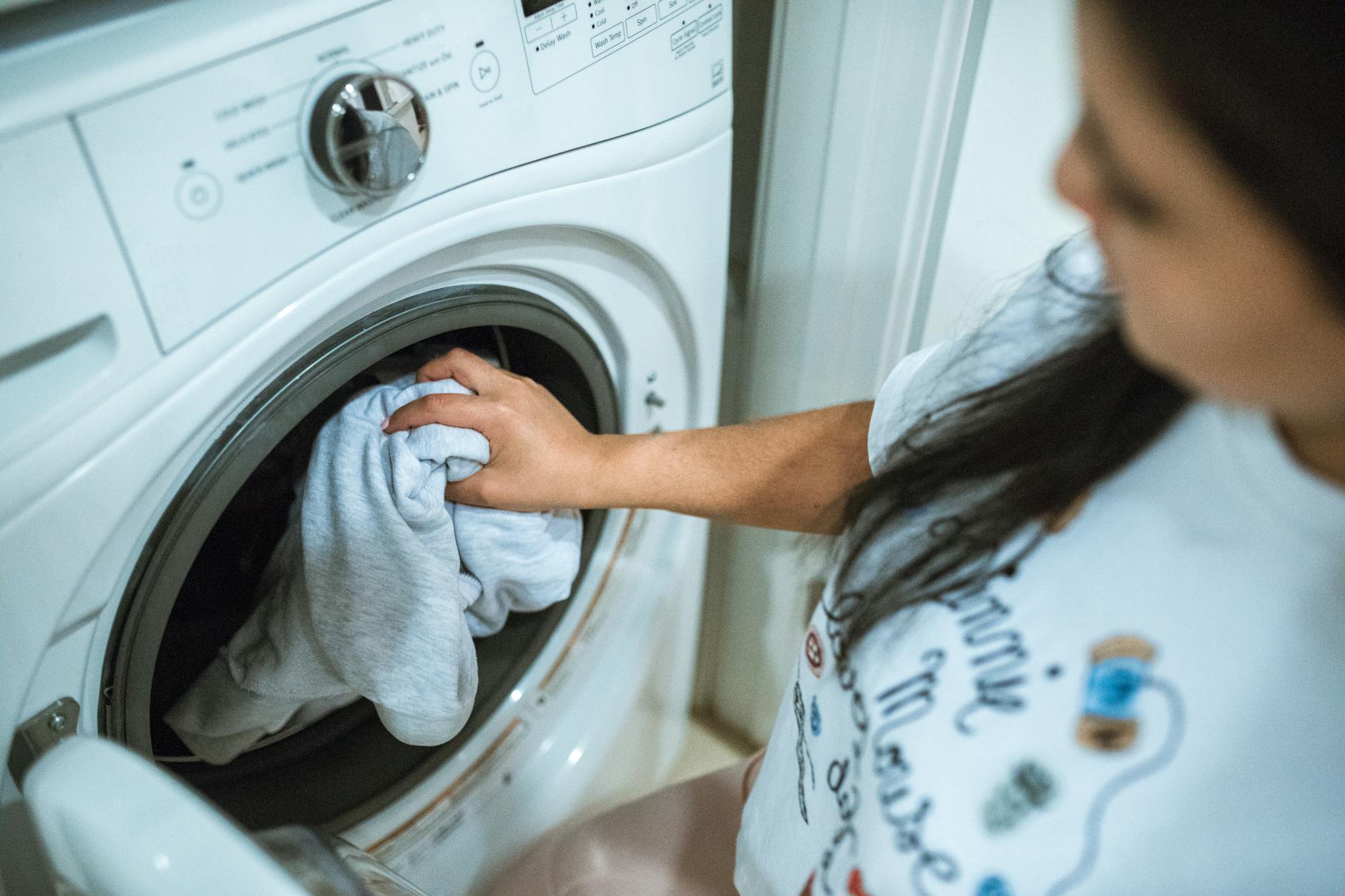
Dumping concentrated soap straight onto dry fabrics can leave spots or cause fading in that specific area. Most machines have a designated dispenser drawer that dilutes the detergent with water before it touches the laundry. If you do not have a dispenser you should fill the washer with water and soap before adding the clothes. This method ensures even distribution and prevents chemical burns on sensitive textiles.
Overusing Fabric Softener
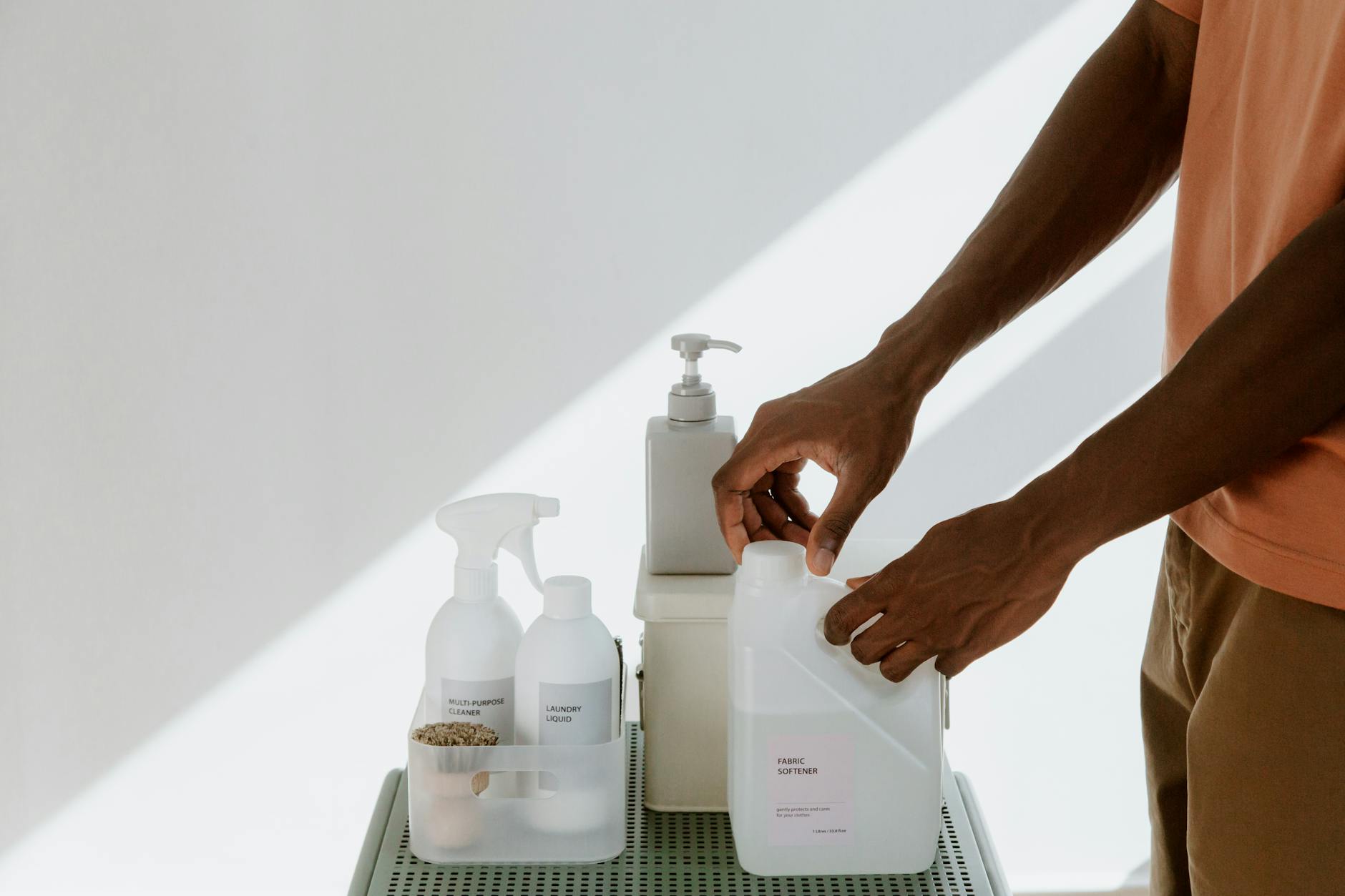
Adding softener to every load creates a waxy coating on fabrics that reduces their absorbency over time. This is particularly detrimental to towels and athletic wear designed to wick moisture away from the body. The chemical buildup can also trap bad odors inside the fibers rather than removing them. Limiting the use of these products keeps your absorbent items functional and fresh.
Washing Items That Should Be Dry Cleaned
Ignoring the dry clean only label is a gamble that often results in shrinkage or texture changes. Many structured garments like blazers contain interfacings that dissolve or deform when exposed to water. Delicate fabrics such as rayon or silk may lose their sheen and drape permanently. Trusting professional cleaners with these specific items protects your investment in high-quality clothing.
Scrubbing Stains Vigorously
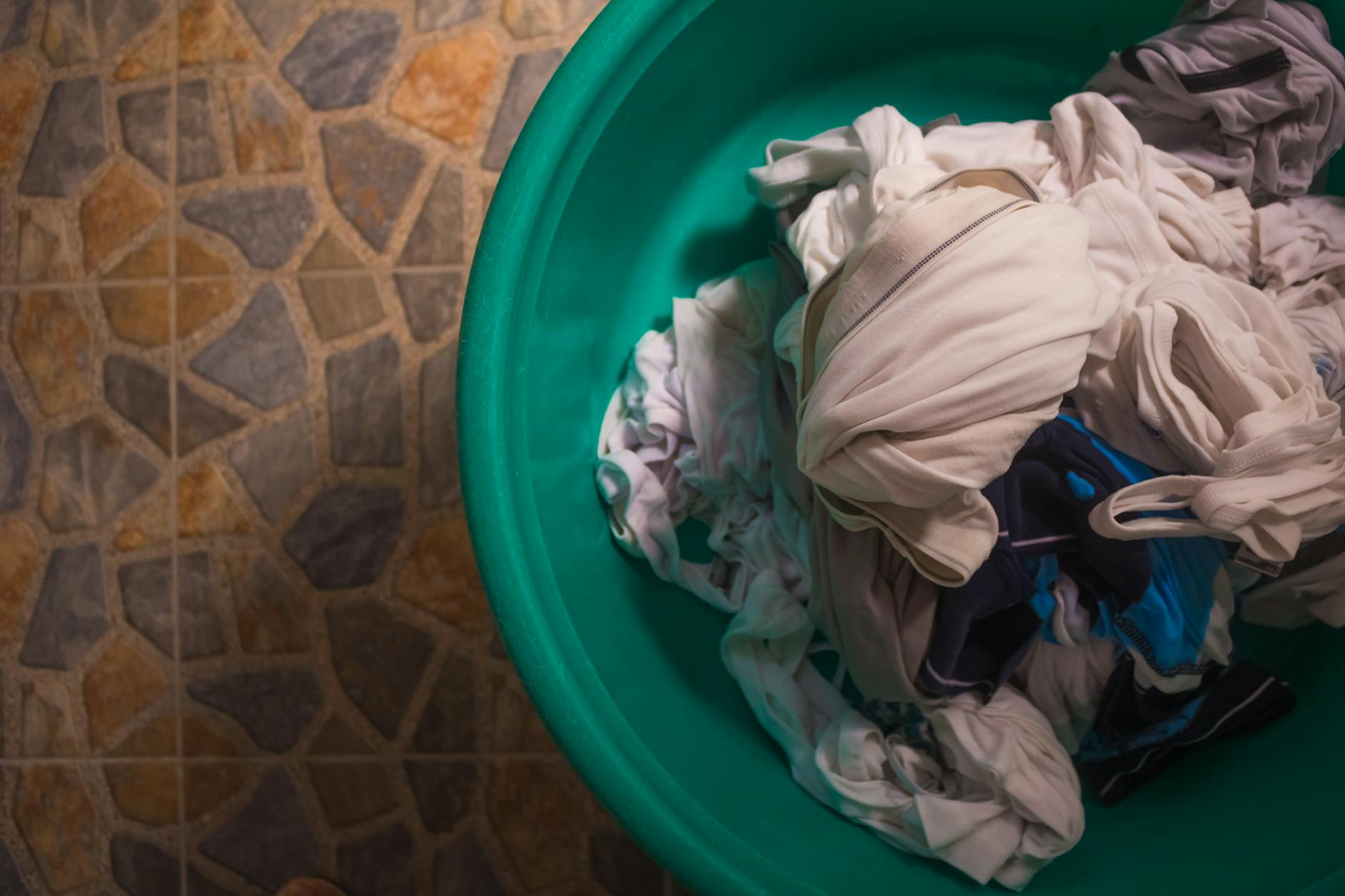
Rubbing a stain aggressively pushes the substance deeper into the fabric fibers rather than lifting it out. This action often damages the surface of the material and causes a faded or worn appearance in that spot. Gentle blotting or soaking is a much more effective method for treating sudden spills. Patience allows the stain remover to work chemically without destroying the garment physically.
Mixing Socks with Clothes
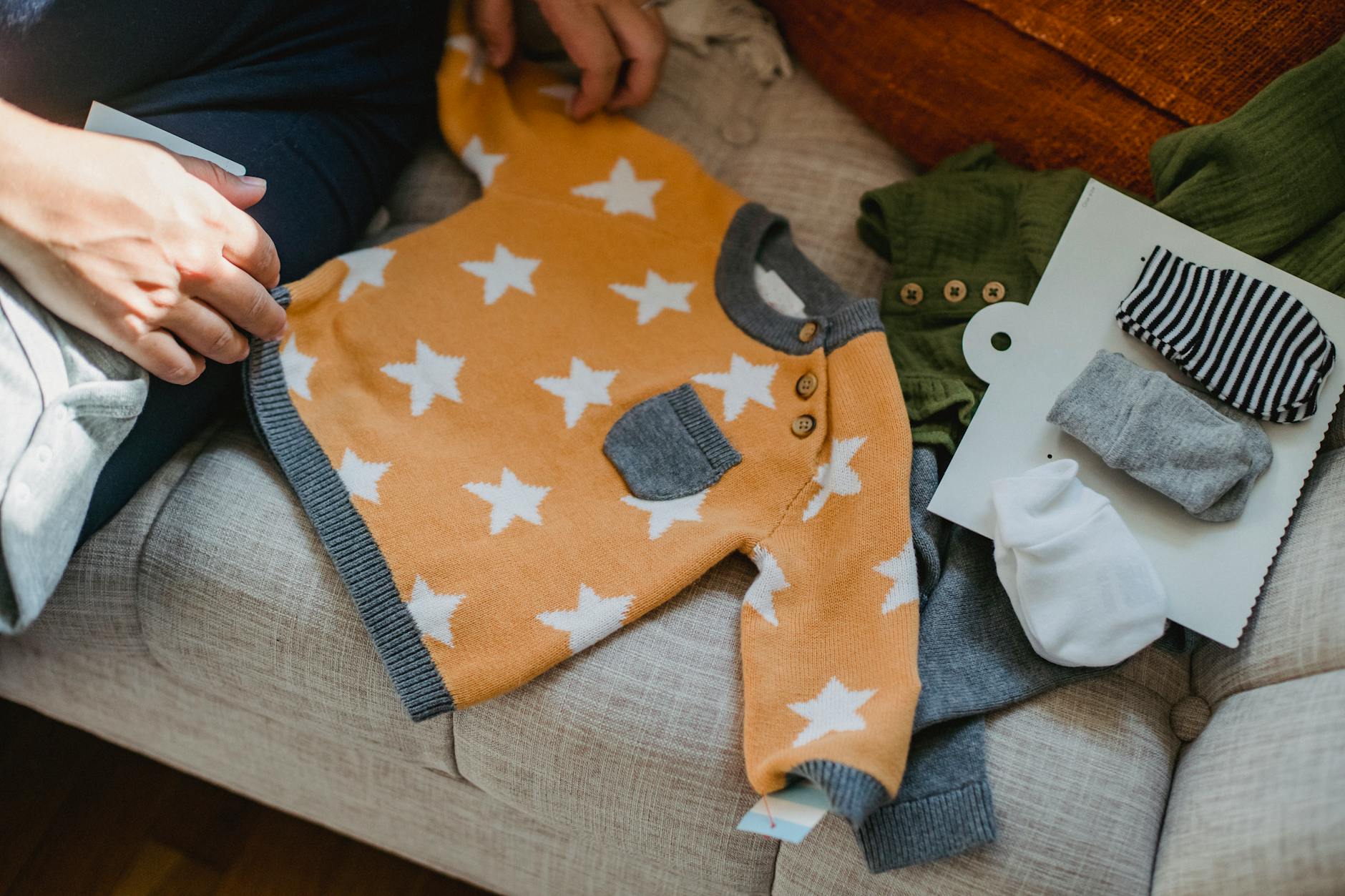
Small items like socks frequently get lost in the sleeves of shirts or stuck in the rubber door seal. Washing them loose increases the likelihood of mismatched pairs and lost articles. Placing socks and underwear in a mesh laundry bag keeps them contained and ensures they receive a proper wash. This organization simplifies the folding process and prevents small items from clogging the drain pump.
Not Checking Pockets

Leaving tissues or receipts in pockets results in a mess of paper shreds covering the entire load of wet laundry. Hard objects like coins and keys can shatter the glass door of front-loading machines or damage the drum. Metal items may also rust and leave difficult stains on light-colored fabrics. A quick inspection of every pocket prevents these frustrating and potentially expensive accidents.
Washing Everything in Cold Water
While cold water is excellent for energy savings and preventing colors from bleeding it does not sanitize effectively. Bedding and towels require hot water to kill dust mites and bacteria that accumulate during use. Using only cold settings may leave body oils and heavy soils lingering in the fabric fibers. A periodic hot cycle is necessary for hygiene and for keeping the machine interior clean.
Leaving Wet Clothes in the Washer
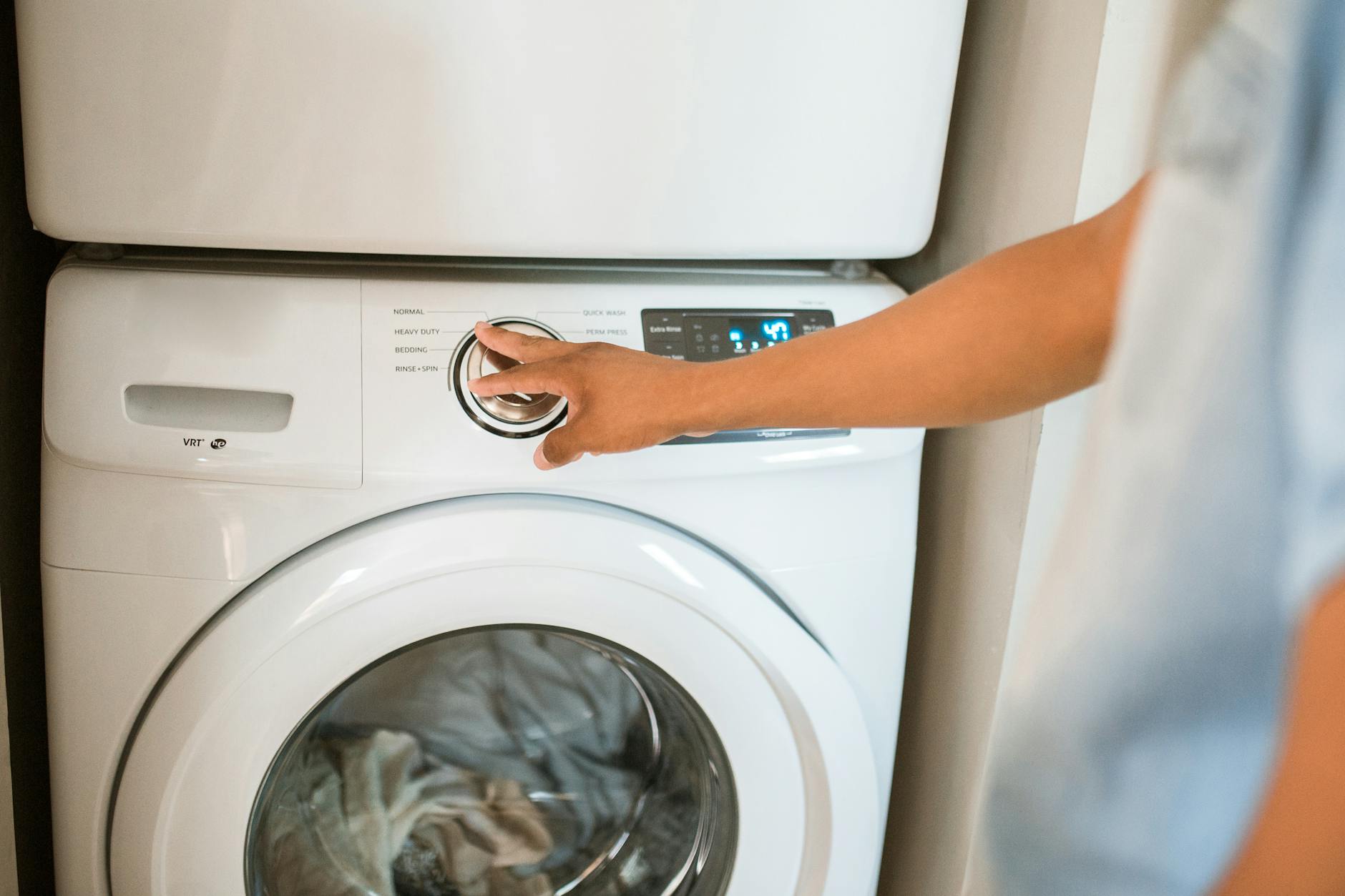
Allowing damp laundry to sit in the machine for hours promotes the rapid growth of mold and mildew. This results in a musty smell that is difficult to remove even after rewashing the load. The moisture can also transfer color from one garment to another if they are left in contact too long. Moving clothes to the dryer immediately upon cycle completion ensures freshness and prevents odors.
Using the Wrong Bleach
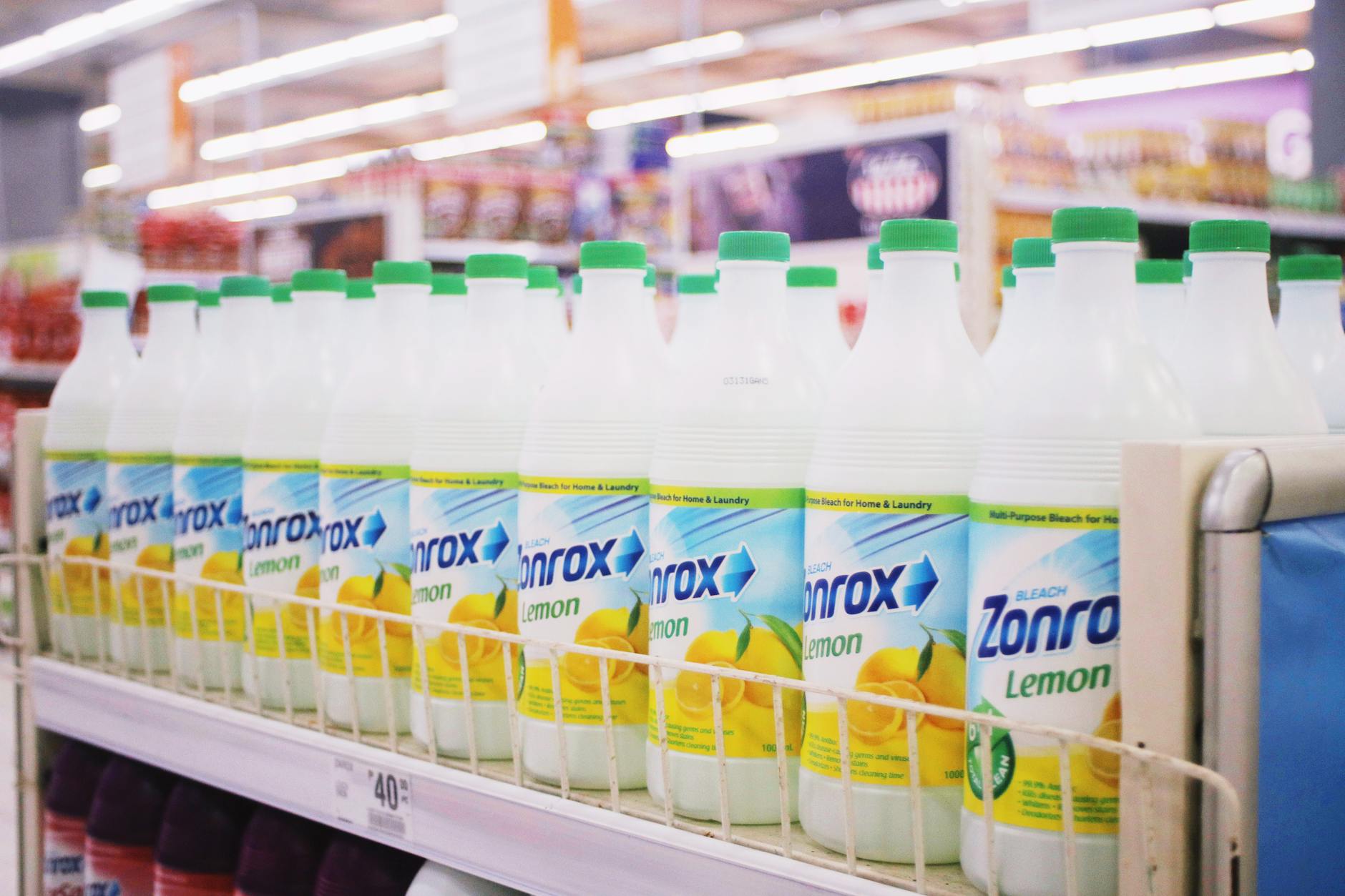
Chlorine bleach is a harsh chemical that can eat through spandex and protein-based fibers like wool or silk. Using it on the wrong fabrics leads to yellowing and significant weakening of the material structure. Oxygen bleach is a safer alternative that removes stains without damaging color or fiber integrity. Always checking the care label for the triangle symbol guides the correct choice of whitening agent.
Not Leveling the Machine
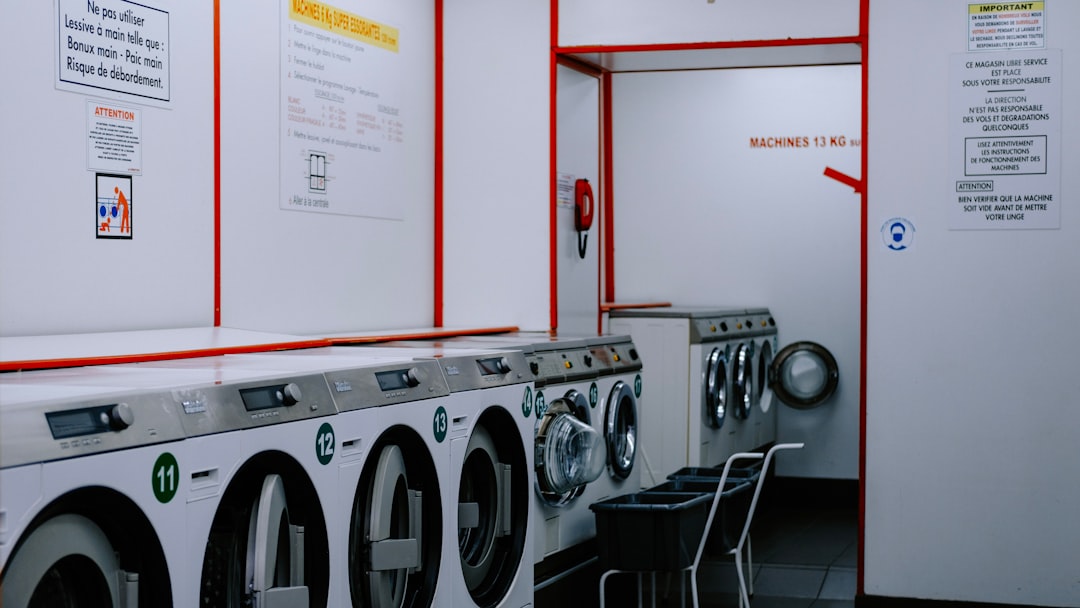
A washing machine that is not balanced will vibrate excessively and may walk across the floor during the spin cycle. This violent movement damages the floor and the internal components of the appliance. Adjusting the feet at the bottom of the unit ensures it sits perfectly flat and operates quietly. Proper leveling prevents premature wear on the shock absorbers and suspension springs.
Overdrying Clothes
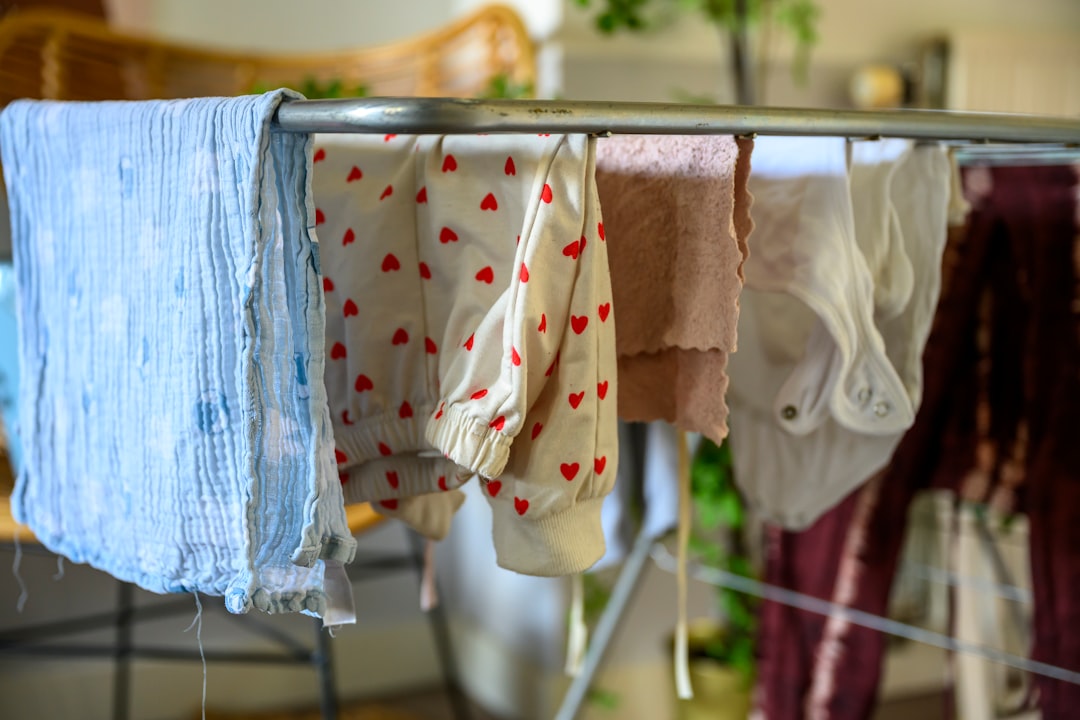
Leaving clothes in the dryer until they are bone dry creates static electricity and sets wrinkles firmly into the fabric. Excessive heat damages elastic fibers and causes shrinkage in natural materials like cotton and linen. Removing items while they are slightly damp allows them to air dry smoothly and retain their shape. This practice reduces the need for ironing and extends the life of the garments.
Sorting Only by Color
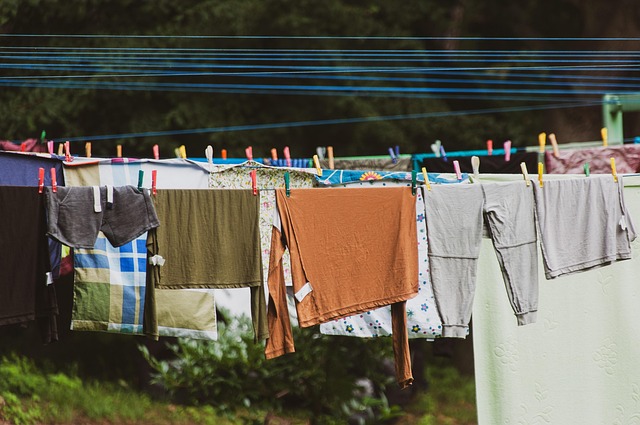
Separating lights from darks is important but fabric weight is an equally critical sorting factor. Washing heavy jeans with delicate blouses causes friction that damages the lighter materials. Heavier items also take much longer to dry which exposes lighter items to unnecessary heat. Sorting by fabric type ensures that each load receives the appropriate agitation and drying time.
Putting Swimwear in the Washer

The mechanical action of a washing machine ruins the elasticity of swimsuits very quickly. Detergents can also degrade the specialized fabrics used for UV protection and chlorine resistance. Hand washing in cool water with a mild soap is the best way to clean these items. Air drying them flat away from direct sunlight preserves their fit and color vibrancy.
Overlooking the Filter
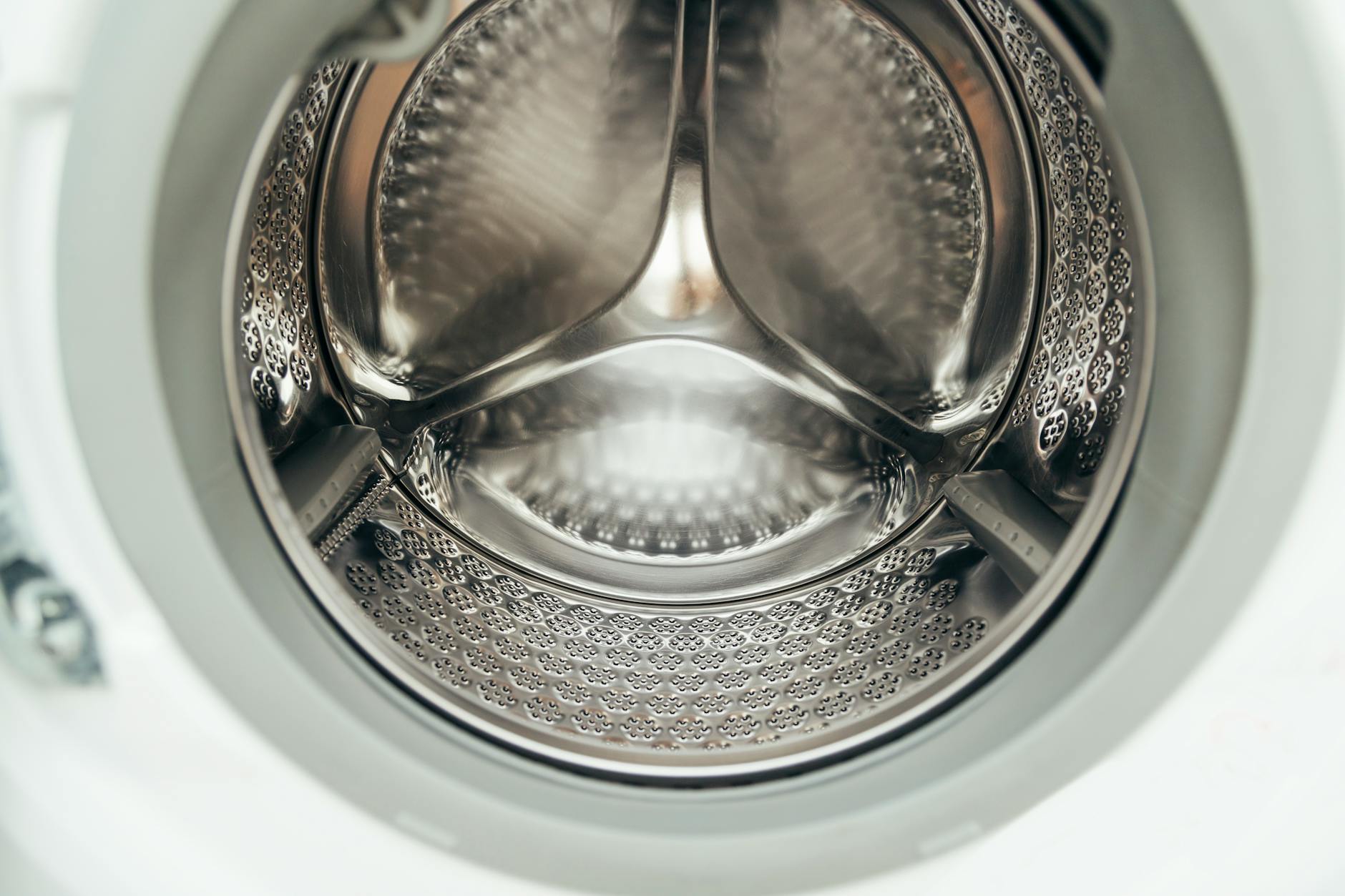
Many modern washing machines have a drain pump filter that collects coins and lint and hair. Failing to clean this filter leads to drainage issues and can cause the machine to stop mid-cycle. A clogged filter creates a breeding ground for bacteria and unpleasant smells. Checking this component every few months keeps the water draining smoothly and the machine smelling fresh.
Ignoring the “Hand Wash” Label
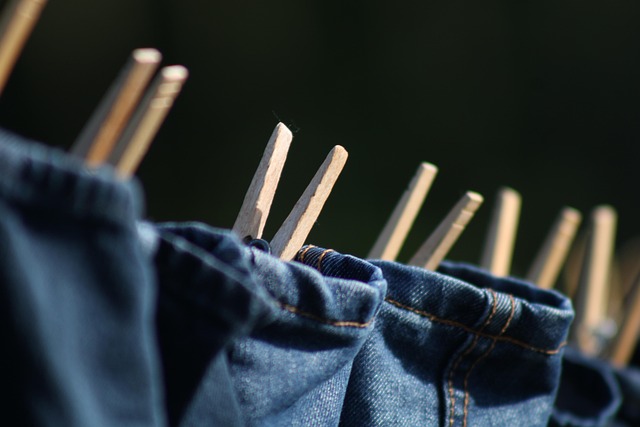
Garments marked for hand washing are too delicate to withstand the tossing and spinning of a machine cycle. Even the gentle cycle on a washer can cause snagging or stretching in these fragile items. Taking the time to wash them in a basin ensures they remain intact and beautiful. This extra effort preserves intricate details like lace or beadwork that machines would destroy.
Using Dryer Sheets on Towels
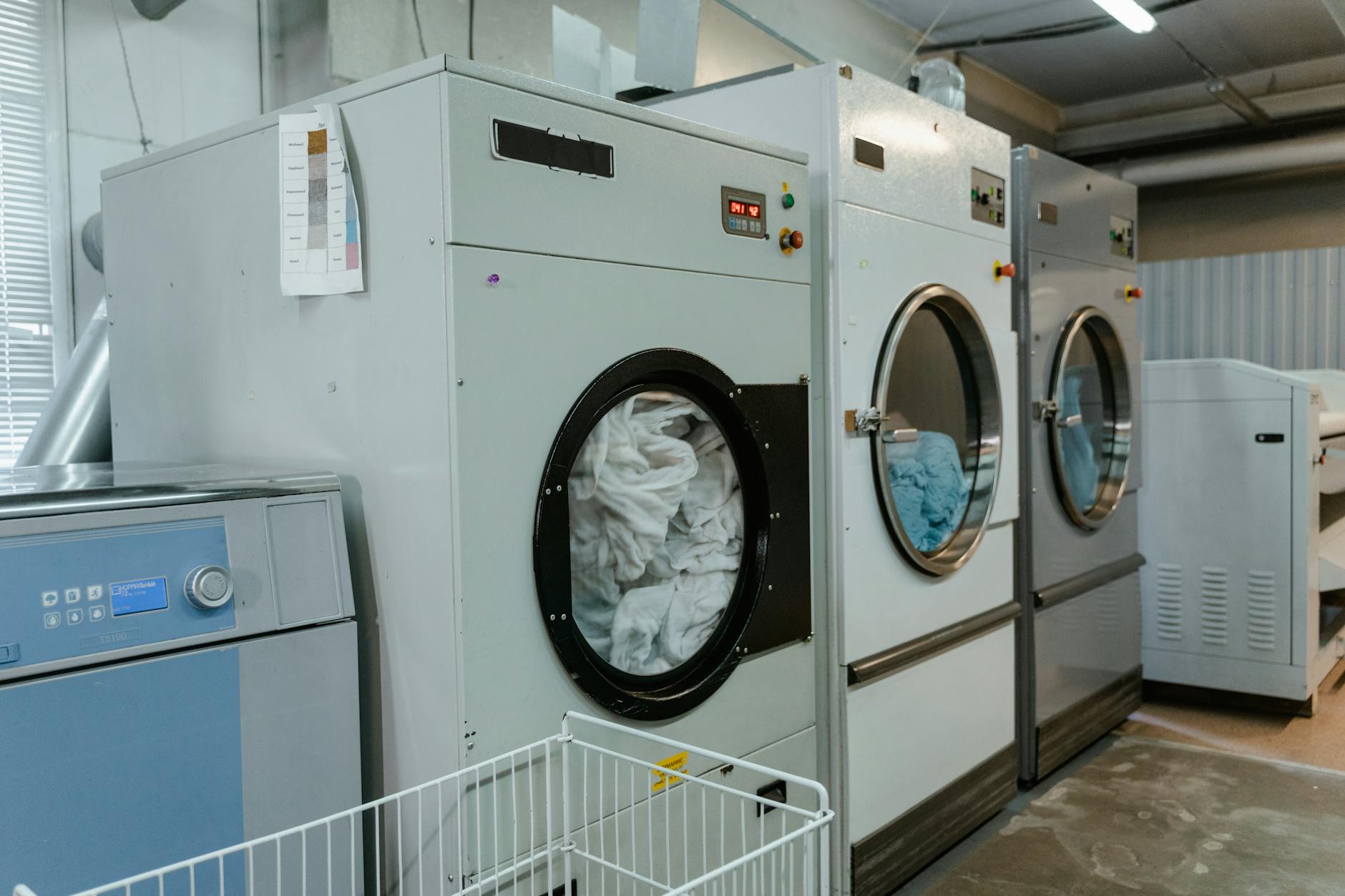
Dryer sheets coat fabrics with a chemical layer that reduces static but also inhibits water absorption. This is counterproductive for towels which need to absorb moisture effectively to be useful. The coating can also build up on the electronic moisture sensors in the dryer. Using wool dryer balls is a natural alternative that softens fabrics without compromising absorbency.
Washing Bras Without Protection

The hooks on bras can snag other clothes and the underwires often get bent or poke through the fabric. Washing them loose allows the straps to tangle and stretch out of shape. Placing bras in a structured lingerie bag protects them from damage and keeps them separated from other items. Air drying preserves the elasticity and support that the dryer heat would ruin.
Not Cleaning the Dispenser Drawer
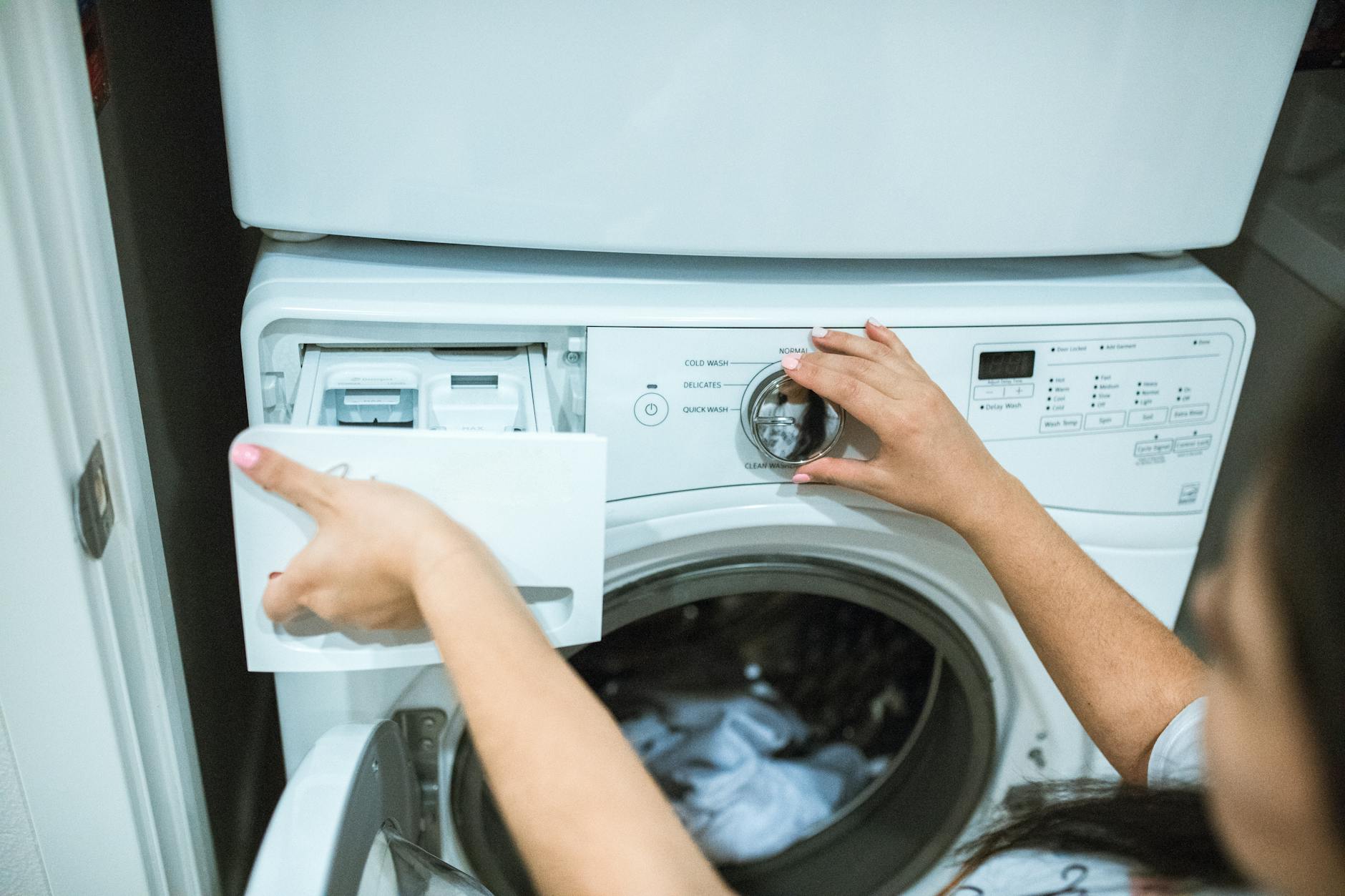
Detergent and fabric softener residue accumulates in the dispenser drawer and turns into black mold over time. This sludge gets washed into the machine with every cycle and contaminates your clean clothes. Removing the drawer and scrubbing it with hot water prevents this unhygienic buildup. A clean dispenser ensures that the soap flows freely and works as intended.
Washing Dark Clothes Right Side Out
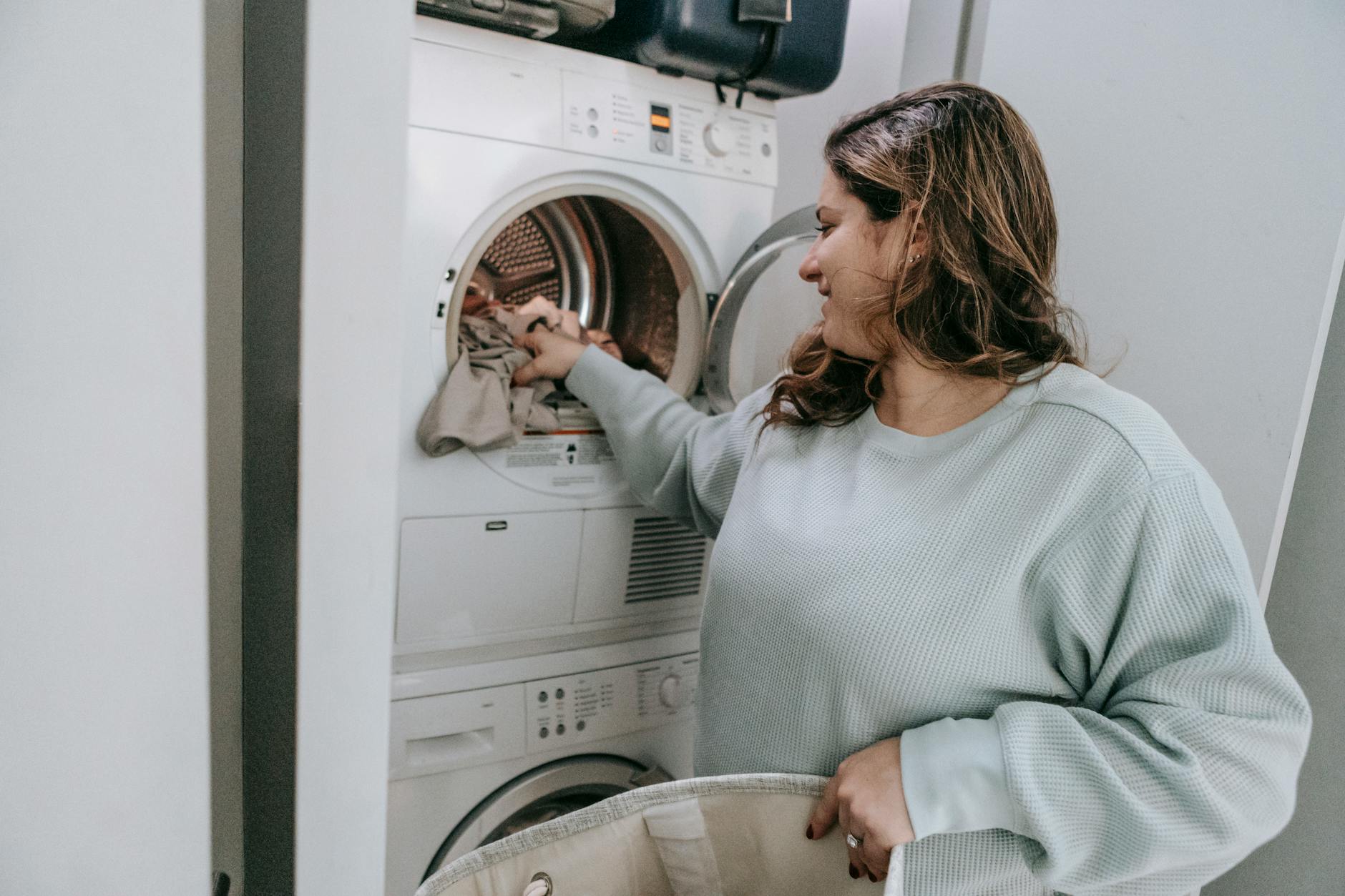
The friction of washing and tumbling causes the surface fibers of dark fabrics to break and fade. Turning jeans and black shirts inside out protects the visible side of the garment from abrasion. This simple habit preserves the depth of the color and prevents whitish streaks from forming. Your dark wardrobe staples will look newer for much longer with this method.
Using Too Much Bleach
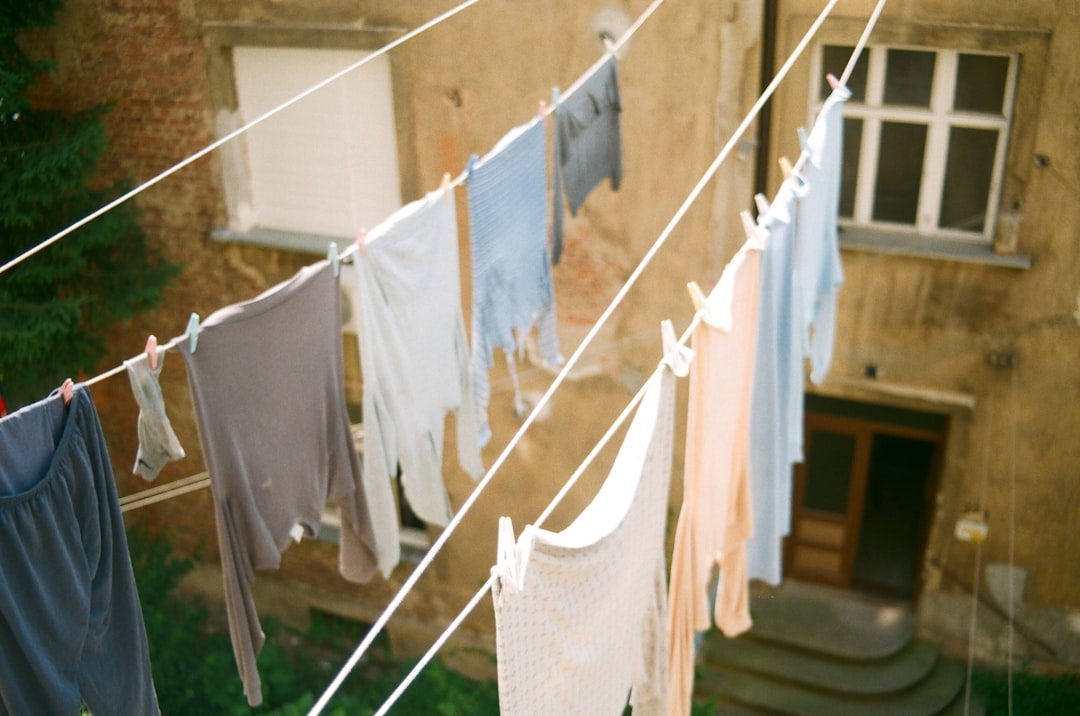
Pouring more bleach than recommended does not make clothes whiter but actually damages the fibers. The chemical can cause holes to appear after just a few washes due to fiber degradation. It is crucial to measure carefully and dilute the bleach according to the bottle instructions. Adhering to the recommended limits protects the fabric strength while still brightening the load.
Tumble Drying Rubber-Backed Mats
The intense heat of the dryer causes the rubber backing on bath mats to crack and crumble. These small pieces of rubber can melt and damage the dryer drum or clog the vents. It is safer to hang these mats to dry to preserve their non-slip properties. Air drying extends the life of the mat and protects your expensive appliance.
Not Checking for Bleeding Colors
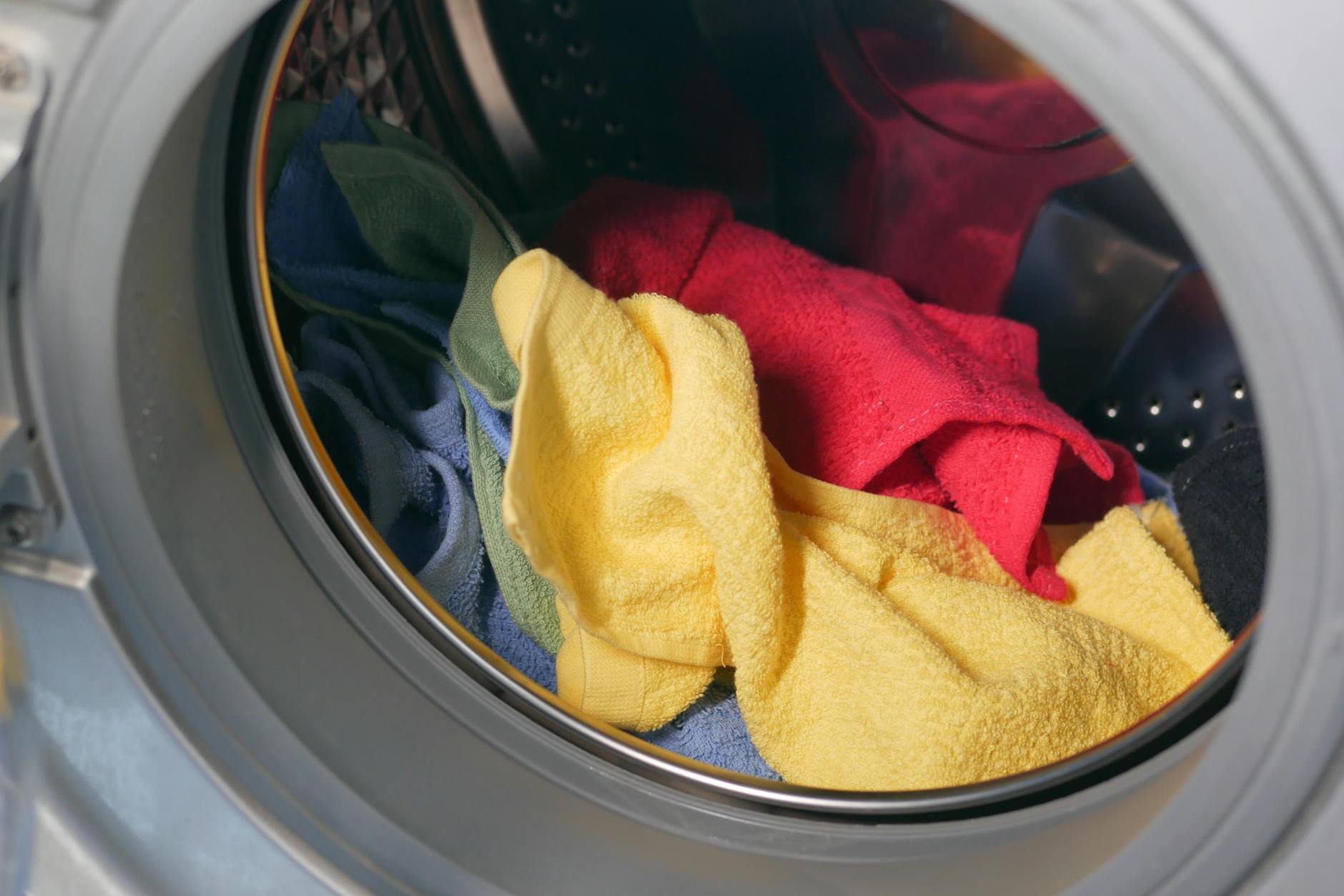
New red or dark-colored items often release excess dye during the first few washes. Failing to test for colorfastness can result in pink socks and ruined light-colored clothing. Washing a new item separately or with a color catcher sheet prevents dye transfer disasters. This precaution saves the rest of your wardrobe from permanent discoloration.
Overfilling the Dryer
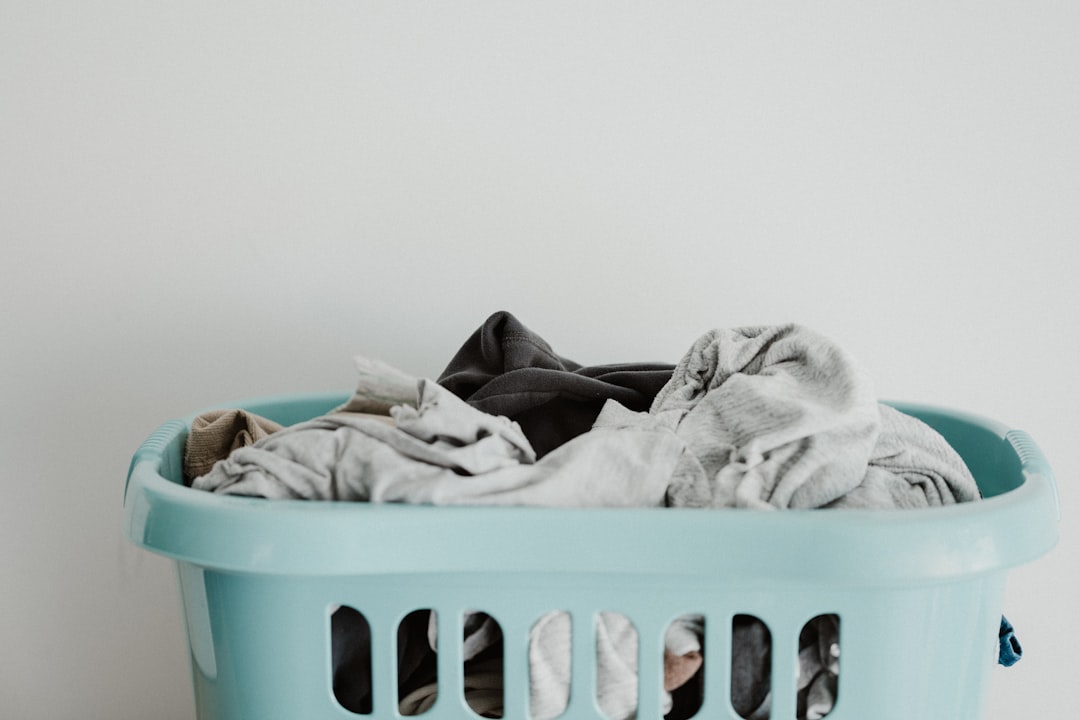
Packing the dryer too full prevents hot air from circulating properly through the wet clothes. This leads to uneven drying where some items are damp while others are overheated. The heavy load puts strain on the dryer belt and motor which can lead to mechanical failure. Drying smaller loads ensures efficiency and reduces the amount of wrinkles.
Using High Heat for Everything
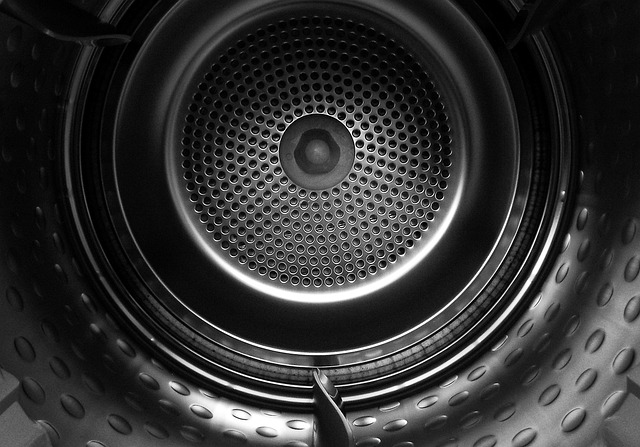
High heat is damaging to most fabrics and causes shrinkage and fading and elastic failure. Only heavy cottons like towels and sheets typically require the highest temperature setting. Using the medium or low heat setting is gentler on everyday clothing and uses less energy. Adjusting the temperature based on the fabric type prolongs the life of your wardrobe.
Ignoring Machine Vibration

A washing machine that shakes violently may have shipping bolts left in the back or worn-out shock absorbers. Ignoring this issue leads to loud noise and potential damage to the surrounding cabinetry or walls. Addressing the vibration early prevents the machine from destroying itself internally. Regular maintenance checks ensure smooth and quiet operation during the spin cycle.
Washing Jackets Incorrectly
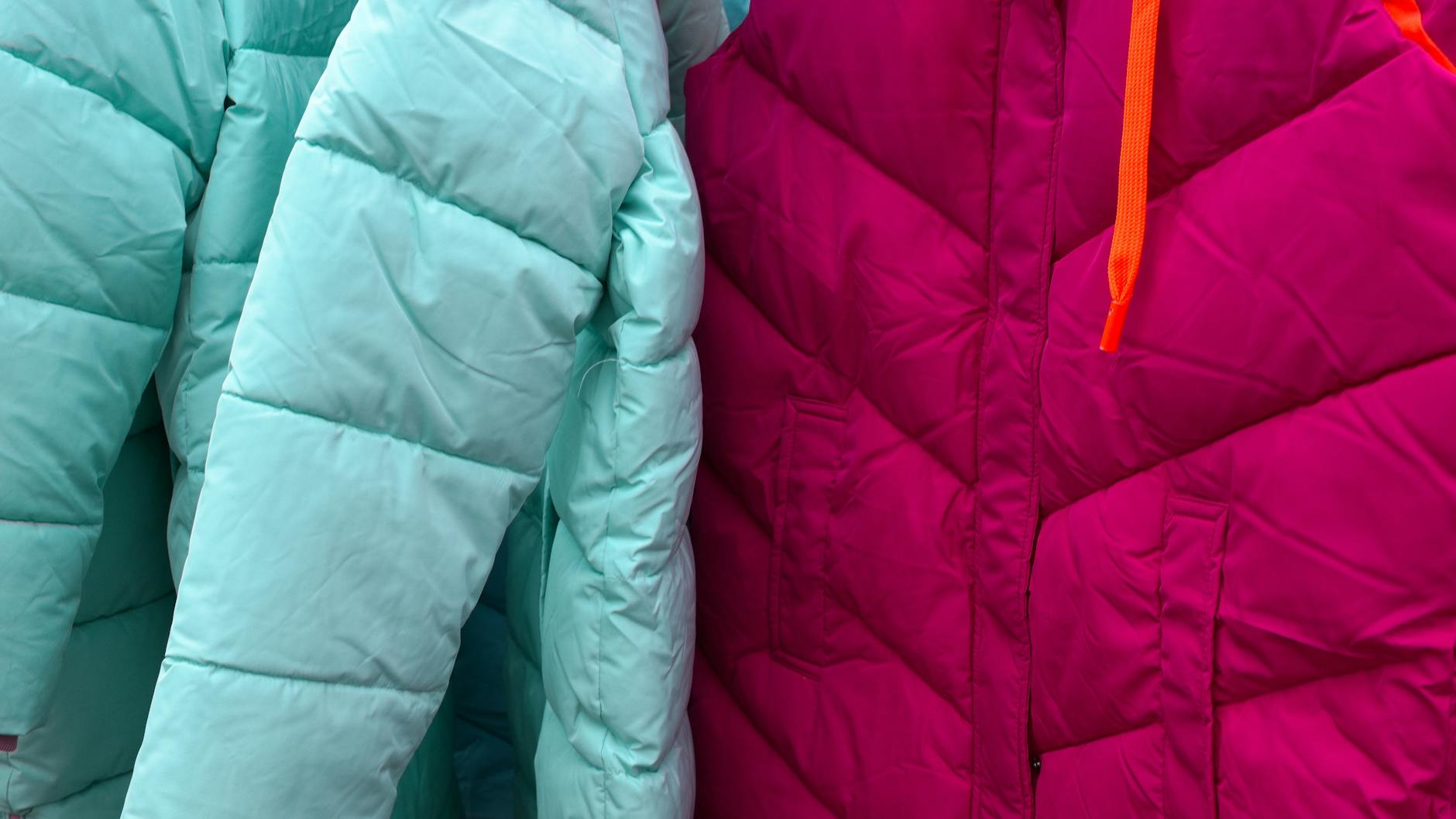
Down jackets and pillows require specific care to maintain their loft and insulating properties. Washing them with standard detergent can strip the natural oils from the feathers. Drying them without tennis balls or dryer balls causes the filling to clump together. Proper technique ensures the down stays fluffy and provides warmth for years.
Forgetting to Clean the Gasket
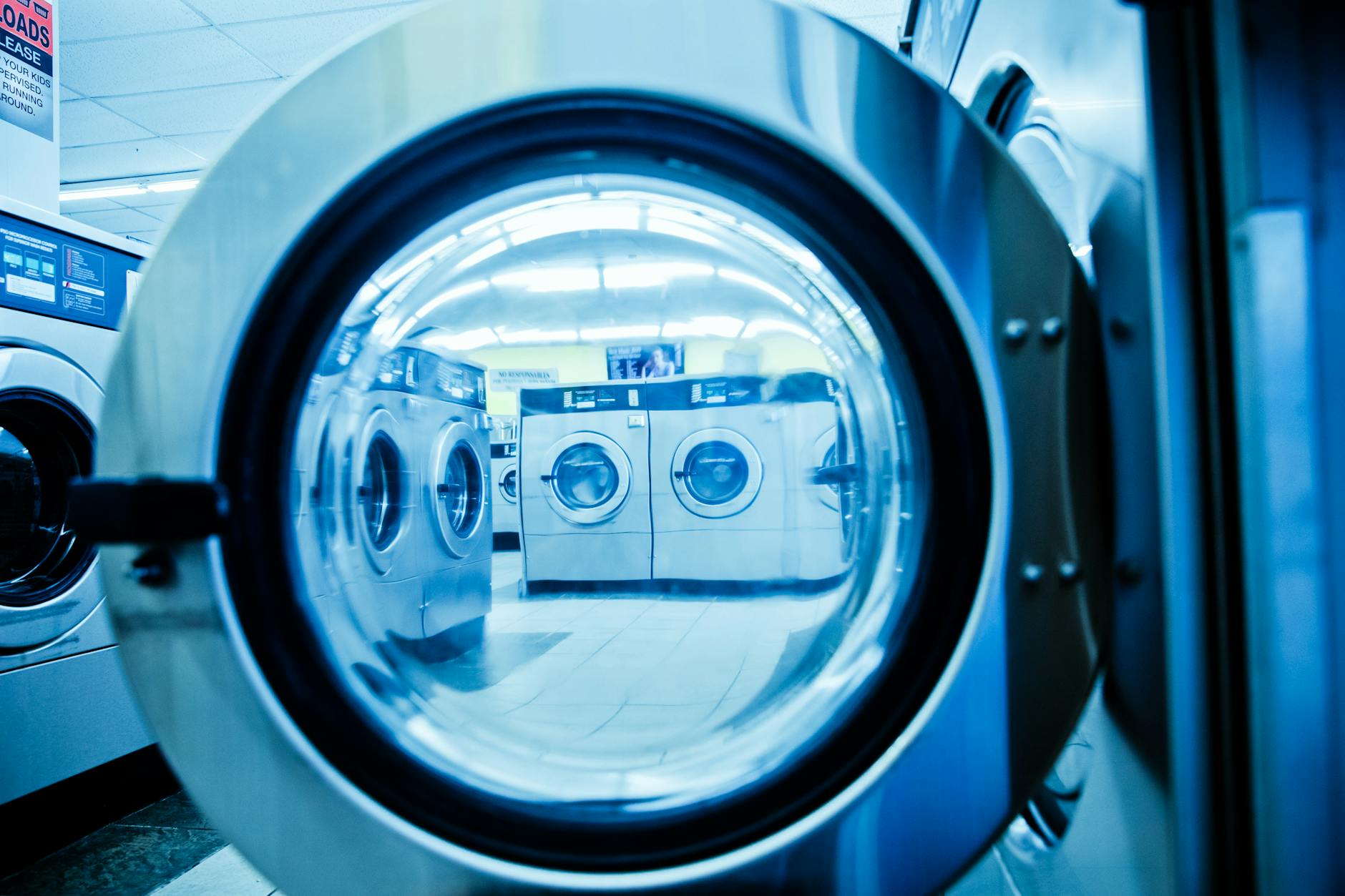
The rubber seal around the door of a front-loading washer traps water and lint and hair. Mold grows rapidly in this dark and damp environment if it is not wiped down regularly. This grime transfers onto clothes as they are pulled out of the machine. Cleaning the gasket after wash days prevents odors and protects the seal from rotting.
Not Pre-treating Stains
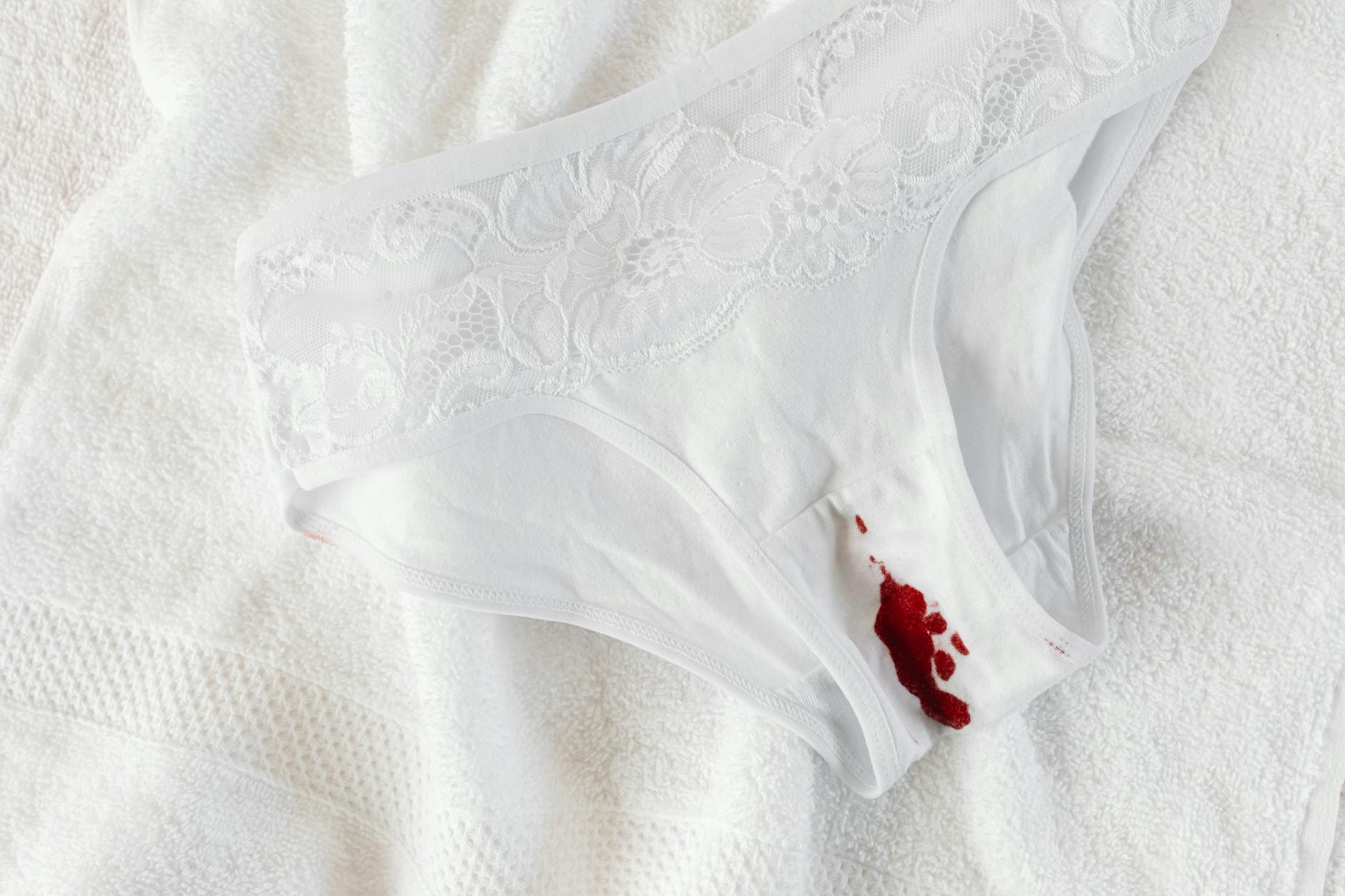
Throwing a stained shirt directly into the wash without preparation rarely removes the mark completely. Once the stain has been exposed to the heat of the dryer it becomes nearly impossible to remove. Applying a pre-treatment spray or gel gives the chemistry time to break down the soil. Taking a moment to treat spots ensures the garment comes out clean the first time.
Overusing the Sanitize Cycle
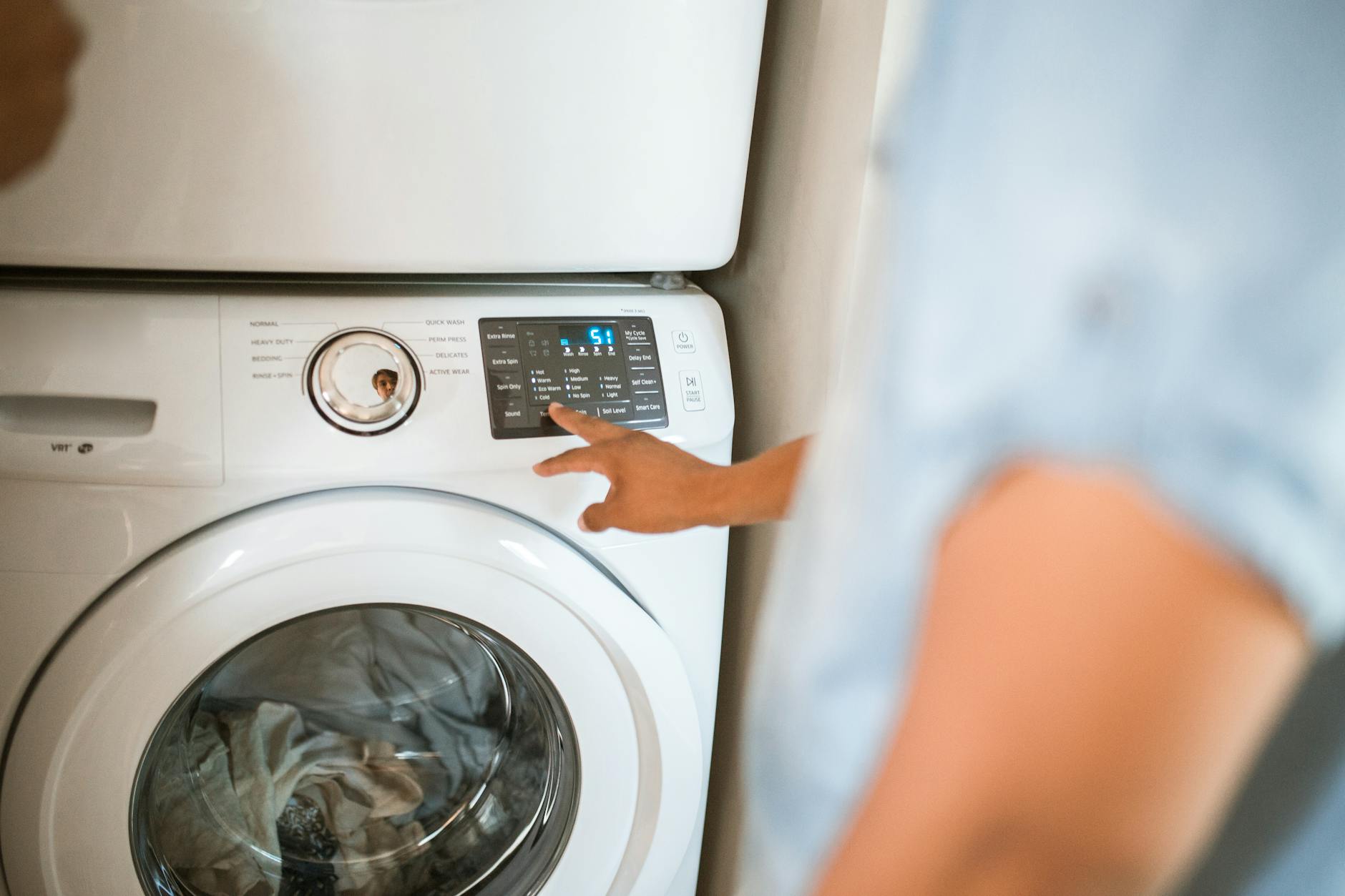
The sanitize cycle uses extremely hot water and extended wash times to kill bacteria. Using this setting for every load is unnecessary and degrades fabrics much faster than normal cycles. It consumes a significant amount of energy and increases your utility bills. reserving this cycle for sickbed linens or heavily soiled items is the most practical approach.
Washing Velcro Items Unfastened
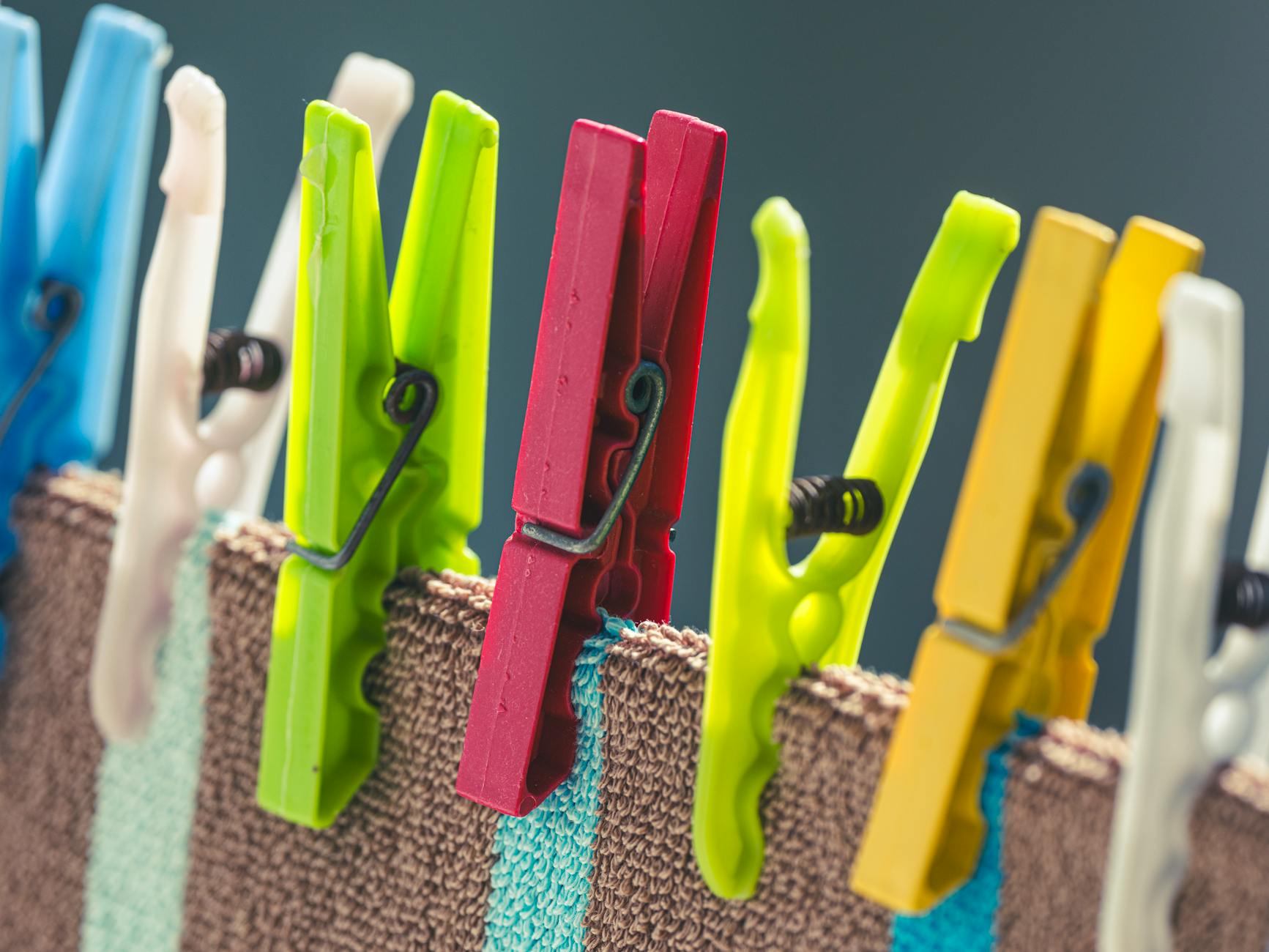
Loose Velcro strips act like abrasive pads that snag knits and ruin delicate fabrics. They also collect lint and thread which reduces their ability to stick together over time. Fastening all Velcro closures before washing protects the rest of the load from damage. This simple step keeps the fasteners clean and functional for the life of the item.
We invite you to share your own laundry tips or experiences with these common mistakes in the comments.




