Travel safety involves more than just adhering to security regulations or listening to the flight attendant’s briefing before takeoff. The clothing you choose plays a critical role in your ability to react quickly during an emergency evacuation. Many fabrics and footwear styles that appear comfortable can actually pose significant risks in fire scenarios or crash landings. Experienced travelers prioritize function and specific materials to ensure they remain protected from potential hazards. This guide outlines the specific items you should avoid wearing to maximize your personal safety aboard an aircraft.
Stiletto Heels
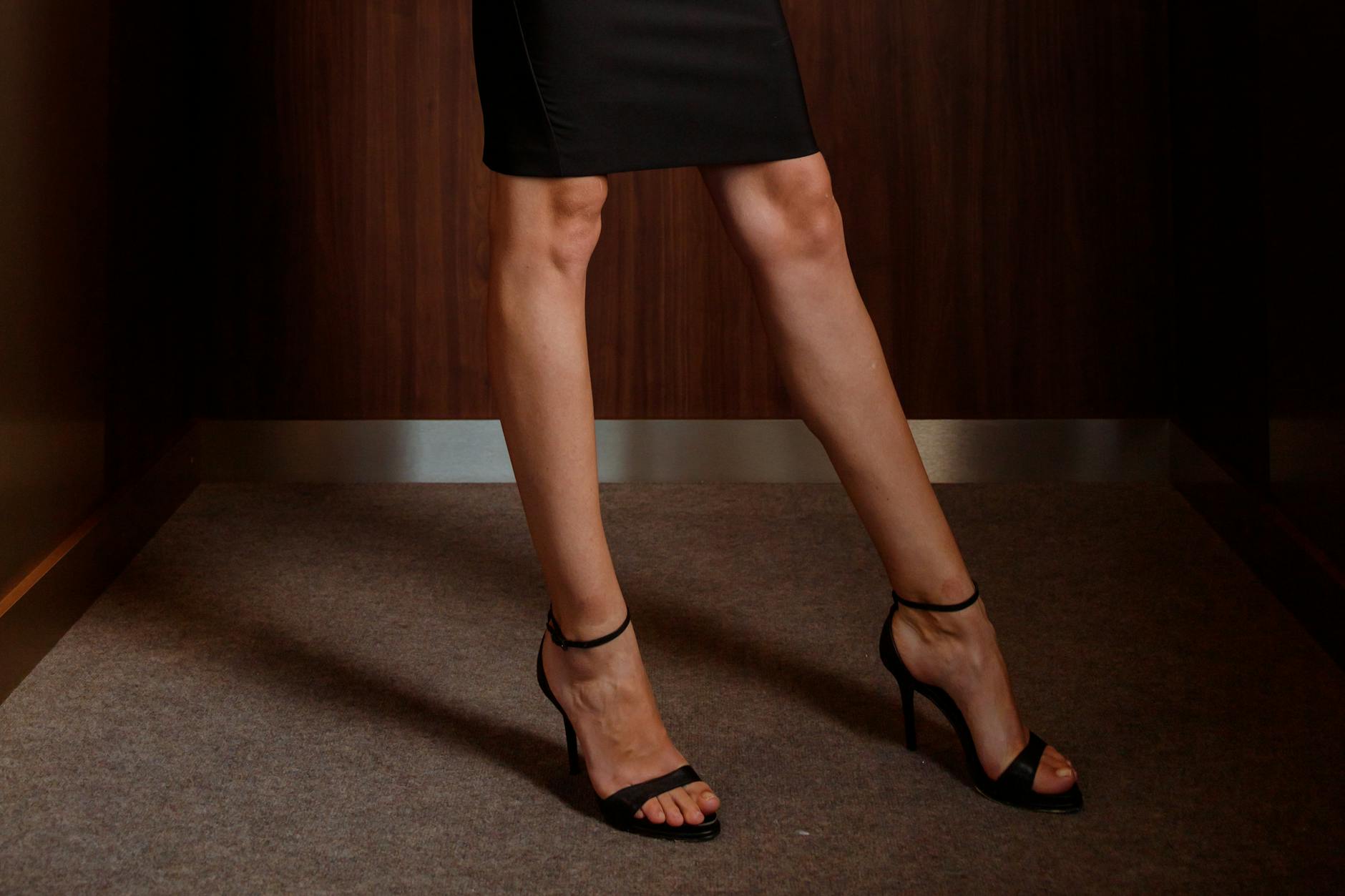
High heels pose a serious threat to the integrity of emergency evacuation slides used during a landing incident. Sharp heels can puncture the inflatable material and render the slide useless for other passengers. Flight attendants will require you to remove these shoes before exiting the aircraft during an emergency. This creates a delay that wastes valuable seconds when immediate evacuation is necessary. Flat shoes are always the safer and more responsible choice for air travel.
Synthetic Leggings
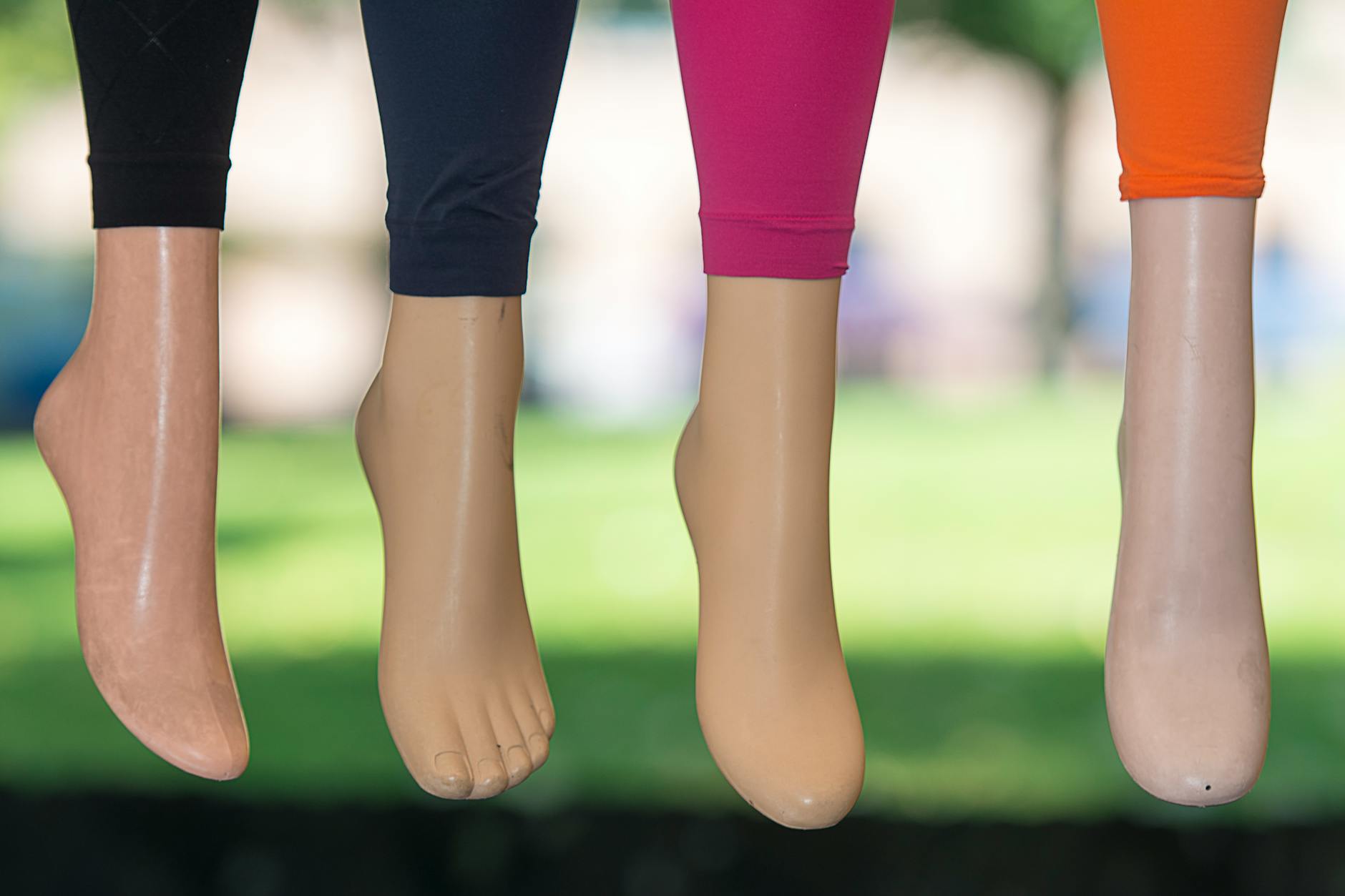
Many popular athletic leggings are made from artificial fibers that have a low melting point. These materials can fuse to your skin if exposed to the intense heat or flames of a cabin fire. Burns caused by melted synthetic fabric are severe and complicate medical treatment significantly. Natural fibers like cotton or wool offer much better protection against thermal hazards. Choosing the right fabric composition is a small step that greatly enhances your physical safety.
Flip Flops
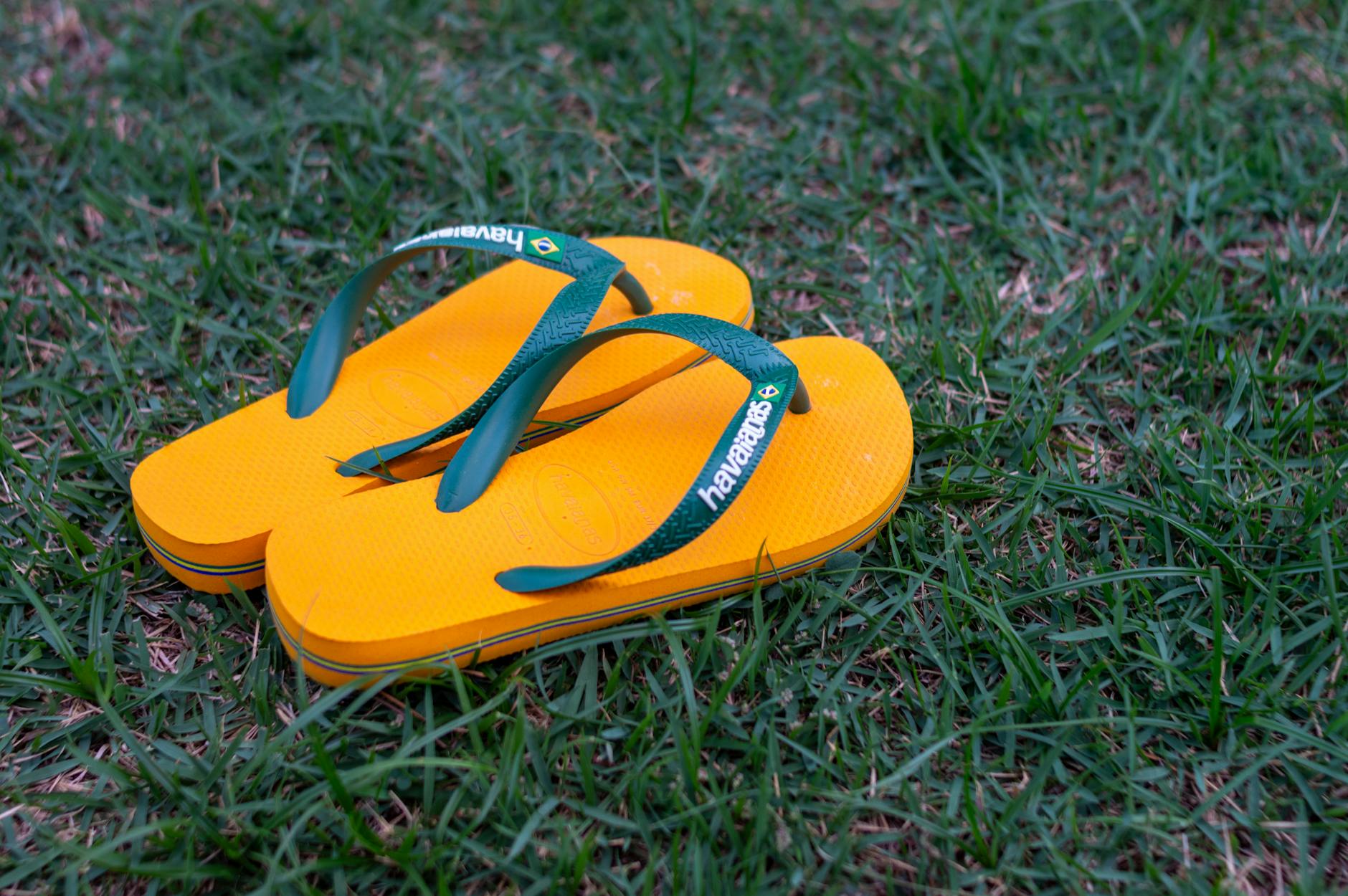
Loose footwear makes it incredibly difficult to move quickly over uneven terrain or debris. You may lose your shoes entirely in the chaos of a rapid evacuation. Running barefoot puts you at risk of cuts from broken glass or sharp metal on the tarmac. Your feet need sturdy protection to help you navigate away from danger without injury. Secure shoes with laces or straps ensure you remain mobile when speed matters most.
Tight Skinny Jeans
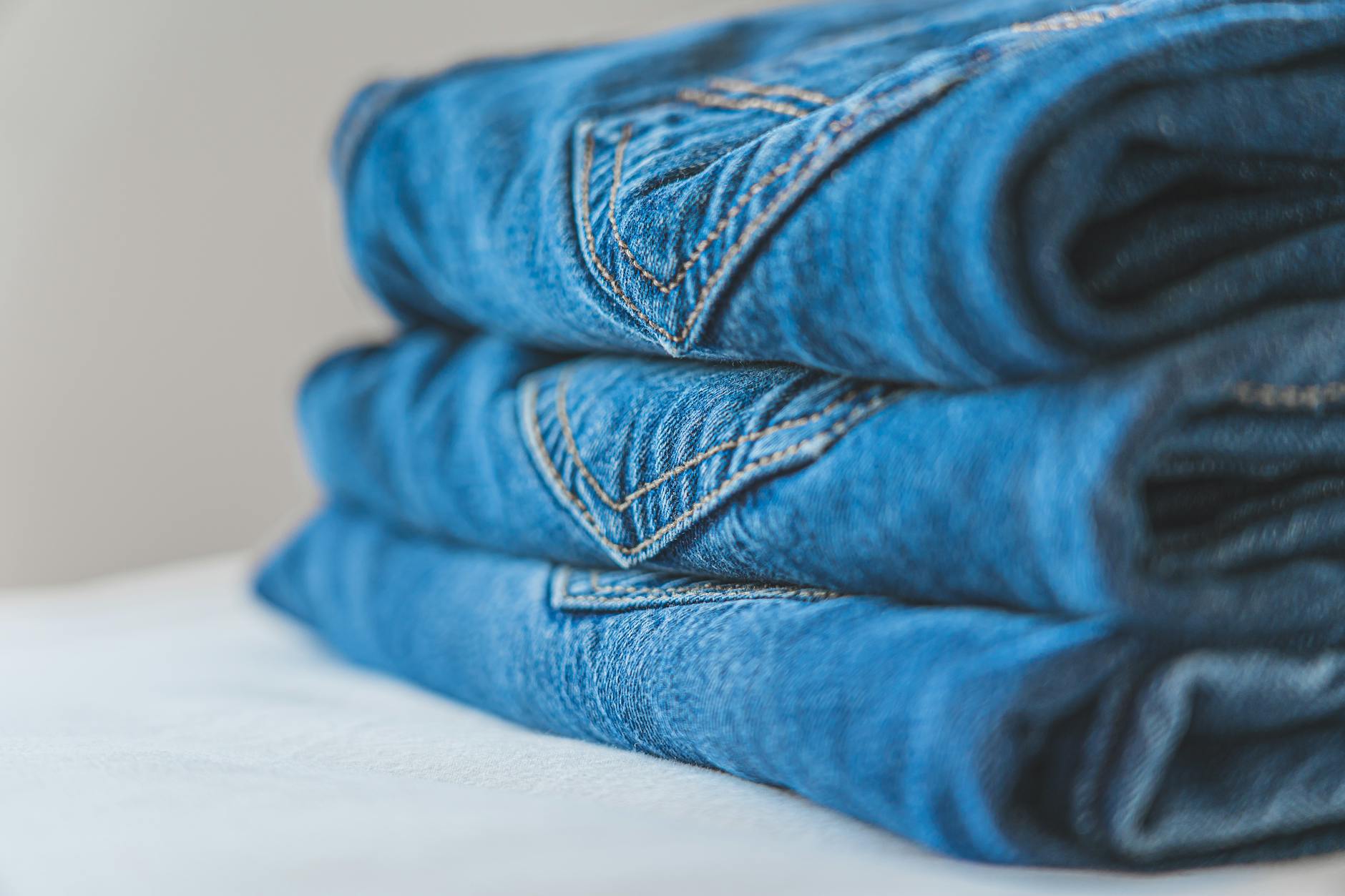
Wearing extremely tight denim can restrict blood flow to your legs during long periods of sitting. This restriction increases the risk of Deep Vein Thrombosis which is the formation of dangerous blood clots. The cabin pressure changes already place stress on your circulatory system without the added compression of tight clothing. Trousers with a relaxed fit allow for better circulation and reduce the chance of medical emergencies. Comfort and health should always take precedence over fashion in the air.
Contact Lenses
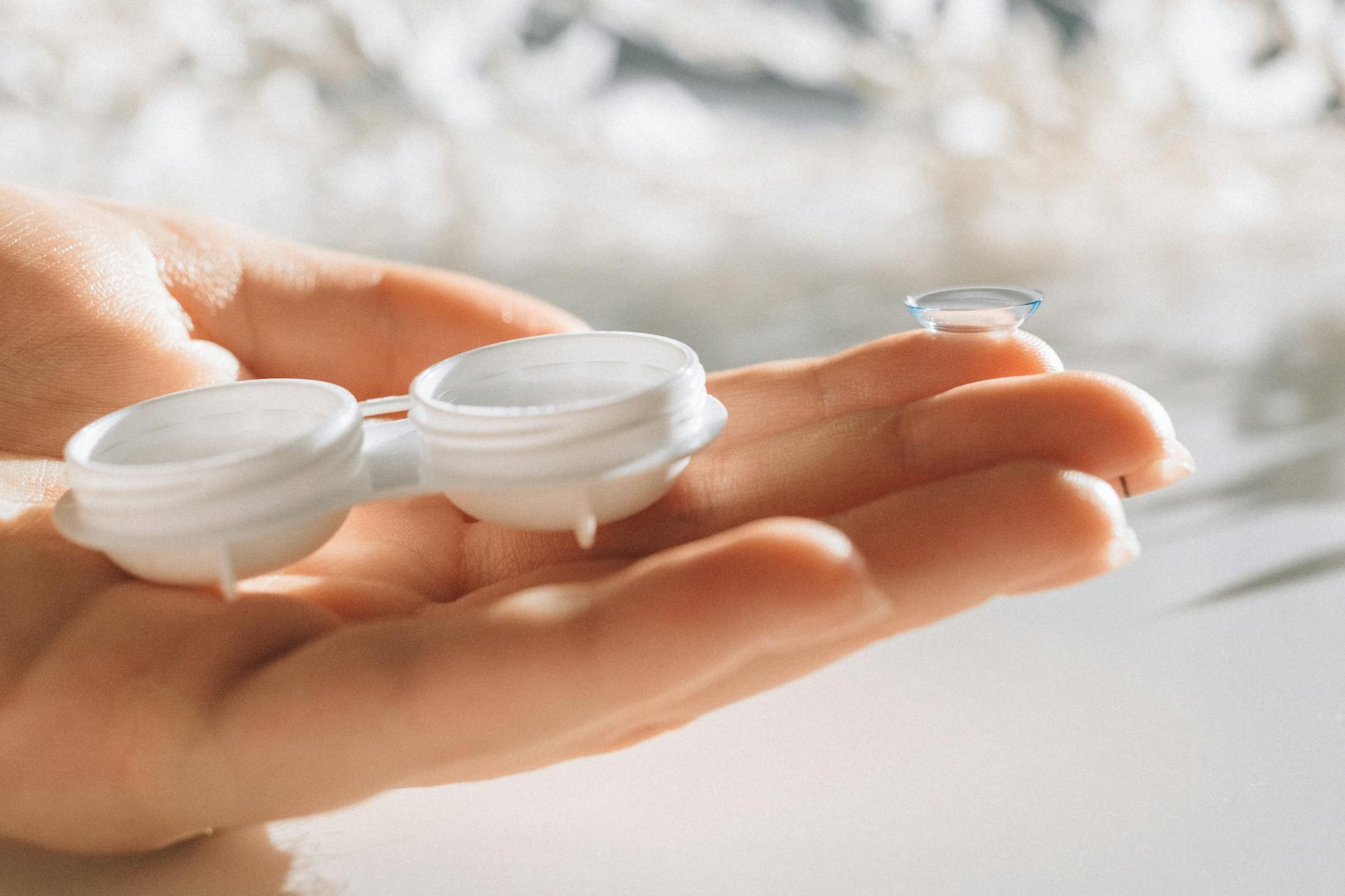
The cabin air is exceptionally dry and often causes contact lenses to stick to the eyes. This can lead to corneal scratches or infections if you rub your irritated eyes with unclean hands. In an emergency situation where smoke is present the lenses may trap irritants against the eye. Vision impairment during an evacuation hampers your ability to see exit signs or follow crew instructions. Glasses are the safer option to maintain clear vision and eye health throughout the flight.
Short Shorts
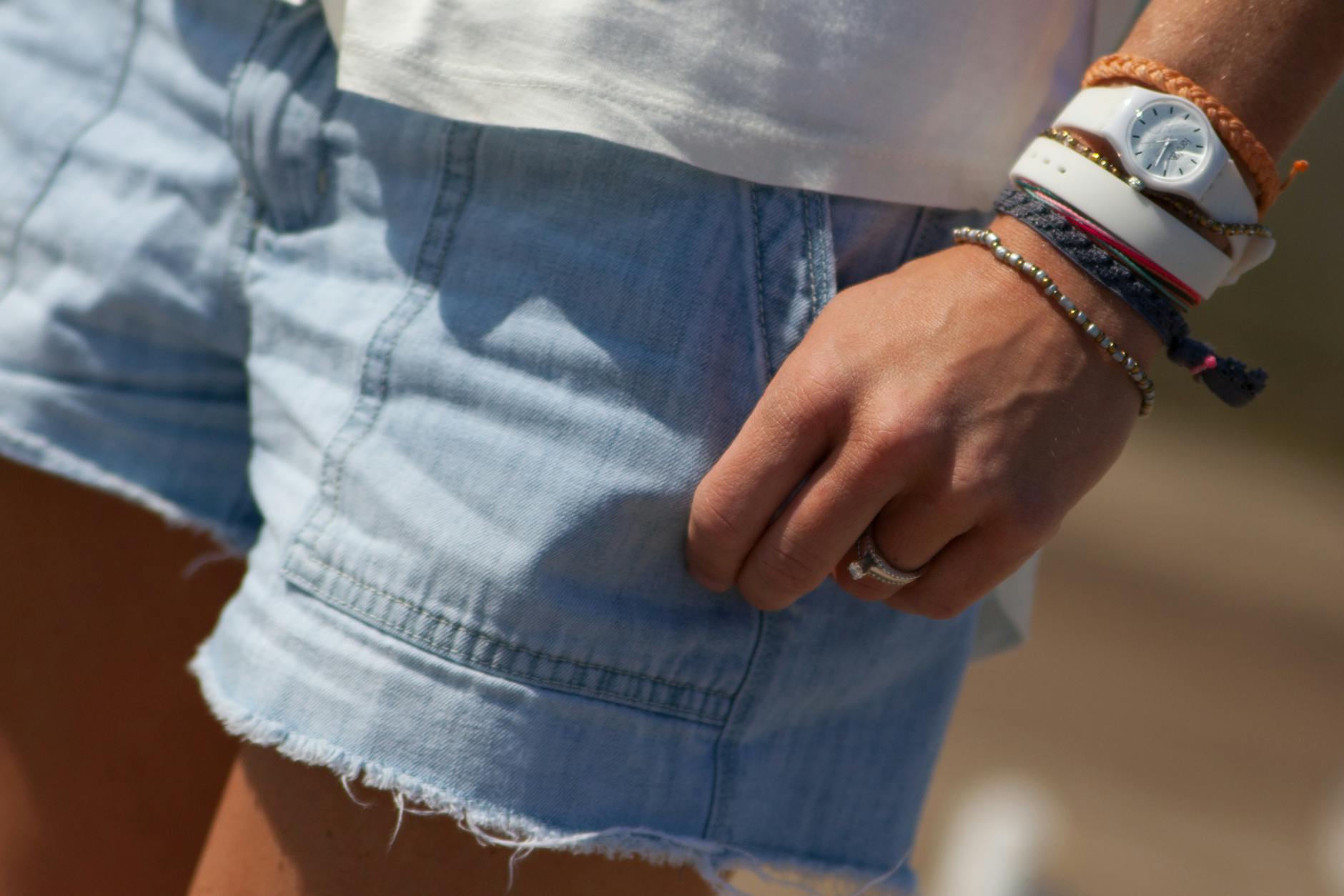
Exposed skin creates a high risk of friction burns if you are required to use an evacuation slide. The rapid descent down the slide generates significant heat that can injure bare legs. Long pants provide a necessary barrier between your skin and the slide material. Covering your legs also protects you from debris and flames in the event of a crash. Full coverage is essential for minimizing potential injuries during an escape.
Complicated Lace-Up Boots
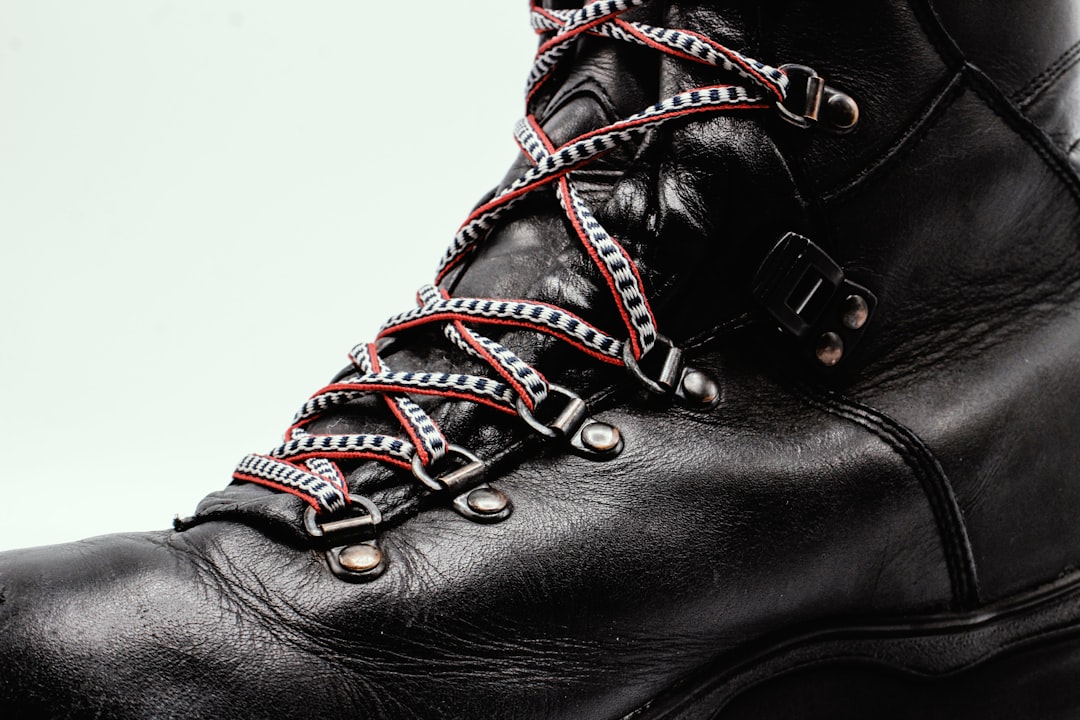
Footwear that takes a long time to put on or take off poses a risk during security checks and emergencies. You may need to remove shoes quickly if swelling occurs or if instructed by the flight crew. Boots with elaborate lacing systems can trap your feet if you sustain an injury that causes rapid swelling. Slip-on styles or shoes with simple fasteners allow for quick removal when necessary. Speed and adaptability are key factors in choosing appropriate travel footwear.
Oversized Coats

Bulky outerwear can significantly impede your movement within the cramped confines of an economy seat. Large coats may snag on armrests or other passengers during a hurried exit from the plane. They also reduce your ability to feel if you are overheating or suffering from a medical issue. Layering with thinner garments provides warmth without the bulk that restricts mobility. Agility is crucial when navigating narrow aircraft aisles during an emergency.
Dangling Scarves
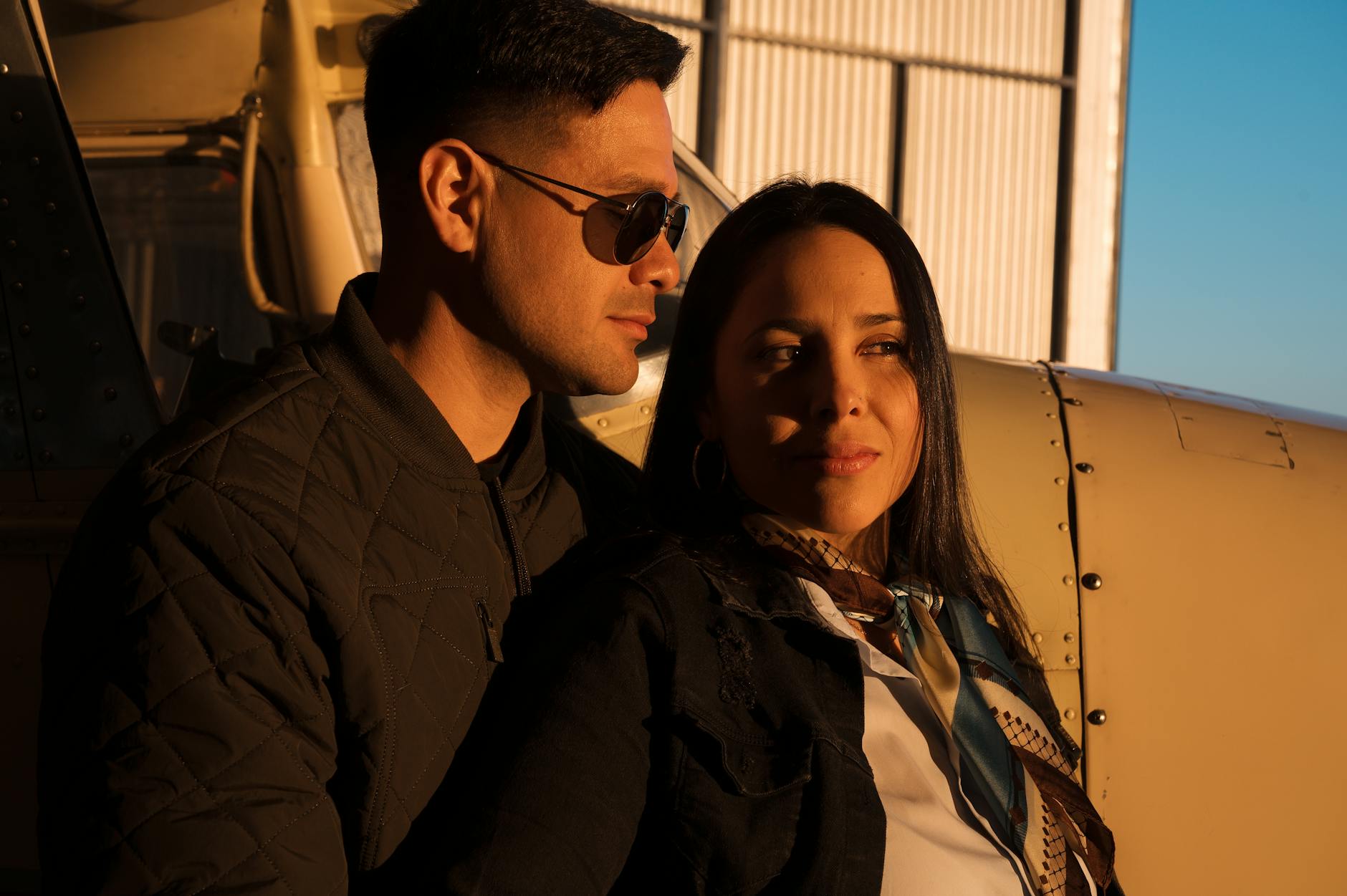
Long and loose accessories present a snagging hazard in the tight spaces of an aircraft cabin. A scarf can easily get caught in the gap between seats or on tray table latches. In an emergency evacuation scenario a caught scarf could trap you or cause a choking injury. Keeping accessories minimal and close to the body reduces the risk of entanglement. You should store loose items in your carry-on bag until you reach your destination.
Metal Hair Clips

Hard metal accessories worn in the hair can become dangerous projectiles or pressure points during severe turbulence. A sudden jolt could drive a clip into the scalp and cause a head injury. The headrest pushes against the back of your head and makes bulky clips uncomfortable and unsafe. Soft hair ties or fabric bands are much safer alternatives for keeping hair secured. Minimizing rigid objects on your person reduces the risk of impact injuries.
Backless Loafers
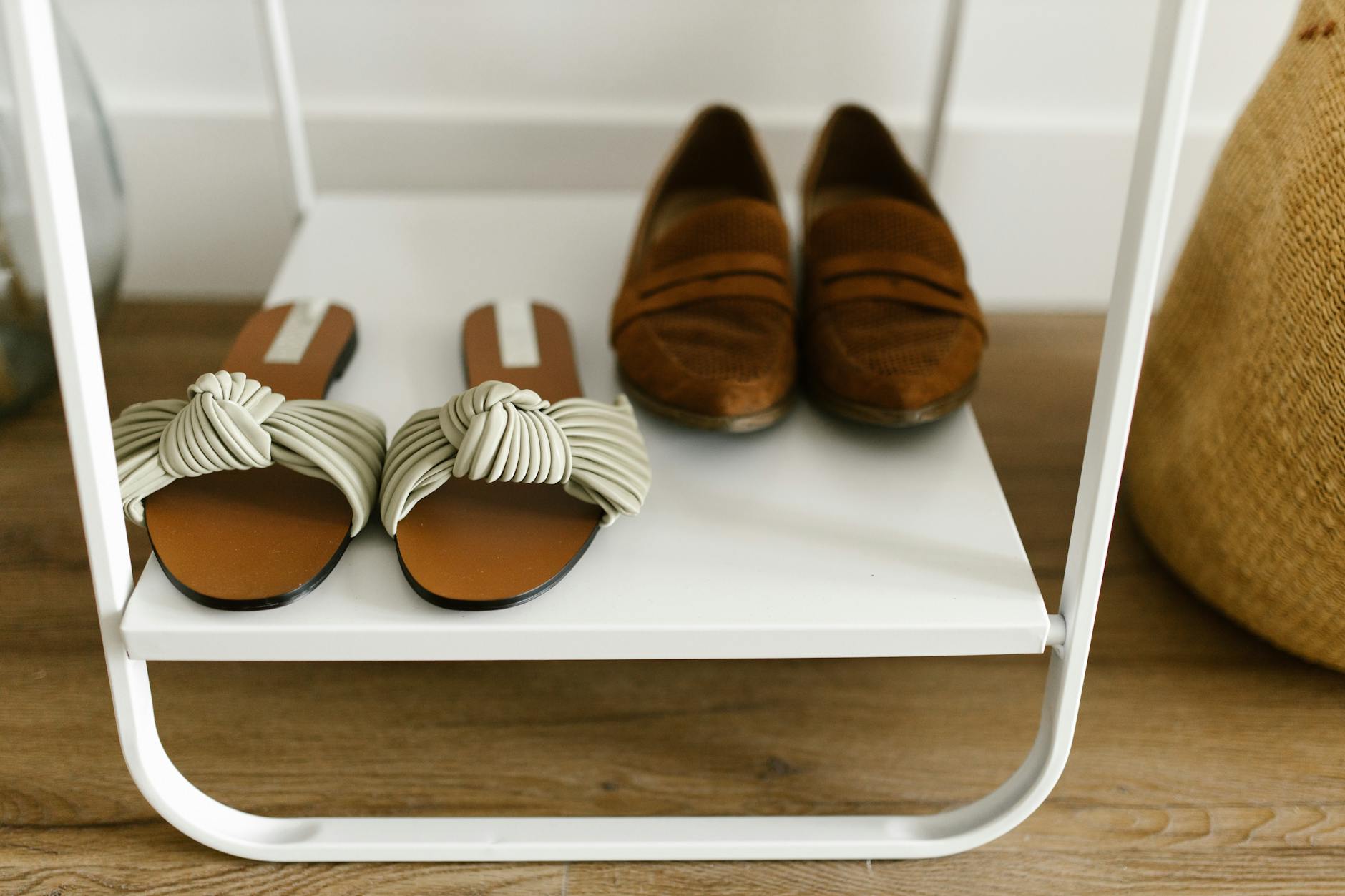
Shoes without a heel support slide off easily when you run or climb over obstacles. You need footwear that stays securely attached to your feet during vigorous movement. Losing a shoe during an evacuation leaves you vulnerable to foot injuries that slow you down. The lack of ankle support also increases the chance of twisting an ankle on uneven surfaces. Fully enclosed shoes provide the stability required for emergency situations.
Restrictive Shapewear
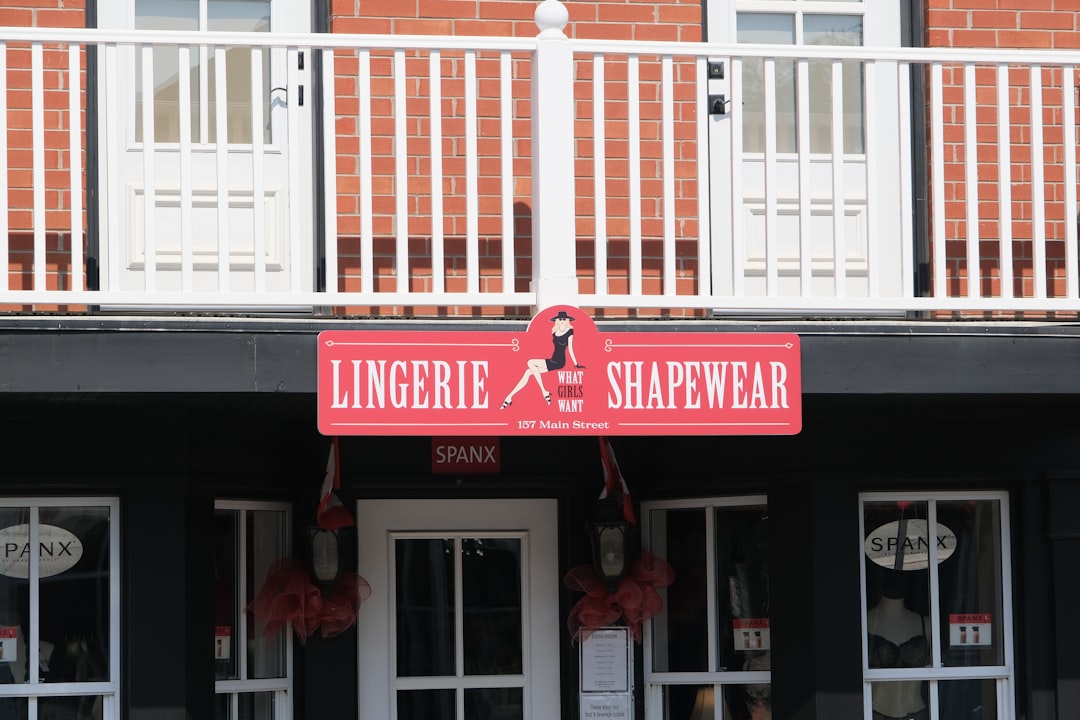
Undergarments designed to compress the body can severely impact circulation at high altitudes. The combination of cabin pressure and tight compression leads to discomfort and potential blood clotting issues. Breathing can also become more difficult if the shapewear restricts diaphragm movement. You need to be able to breathe deeply and move freely during a flight. Loose and breathable underlayers are far better for maintaining physiological safety.
Mesh Paneling

Clothing with open mesh inserts offers little protection against heat or debris. The mesh can melt quickly into the skin during a fire just like other synthetic materials. It also leaves portions of the skin exposed to potential friction burns on evacuation slides. Solid fabrics provide a continuous shield that is far more effective in an emergency. Uniform coverage is superior to designs that sacrifice safety for ventilation.
Bare Feet
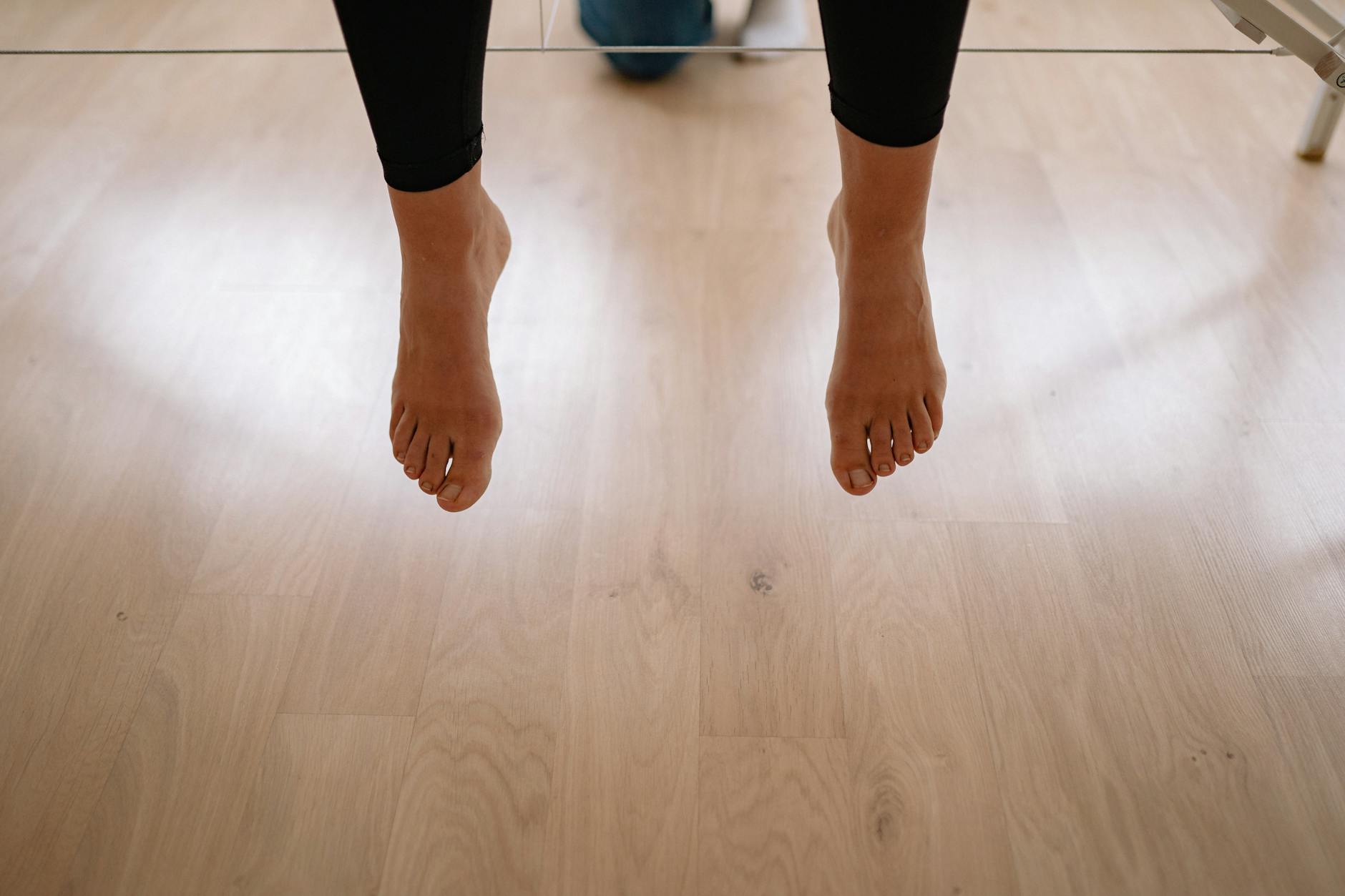
Walking without shoes exposes your feet to bacteria and sharp objects on the cabin floor. In an emergency evacuation the floor may be hot or covered in glass and fuel. Injured feet will prevent you from moving quickly to an exit and may impede others behind you. Flight attendants constantly warn passengers to keep footwear on for this specific reason. Keeping shoes on is a fundamental rule for personal safety on board.
Baggy Trousers
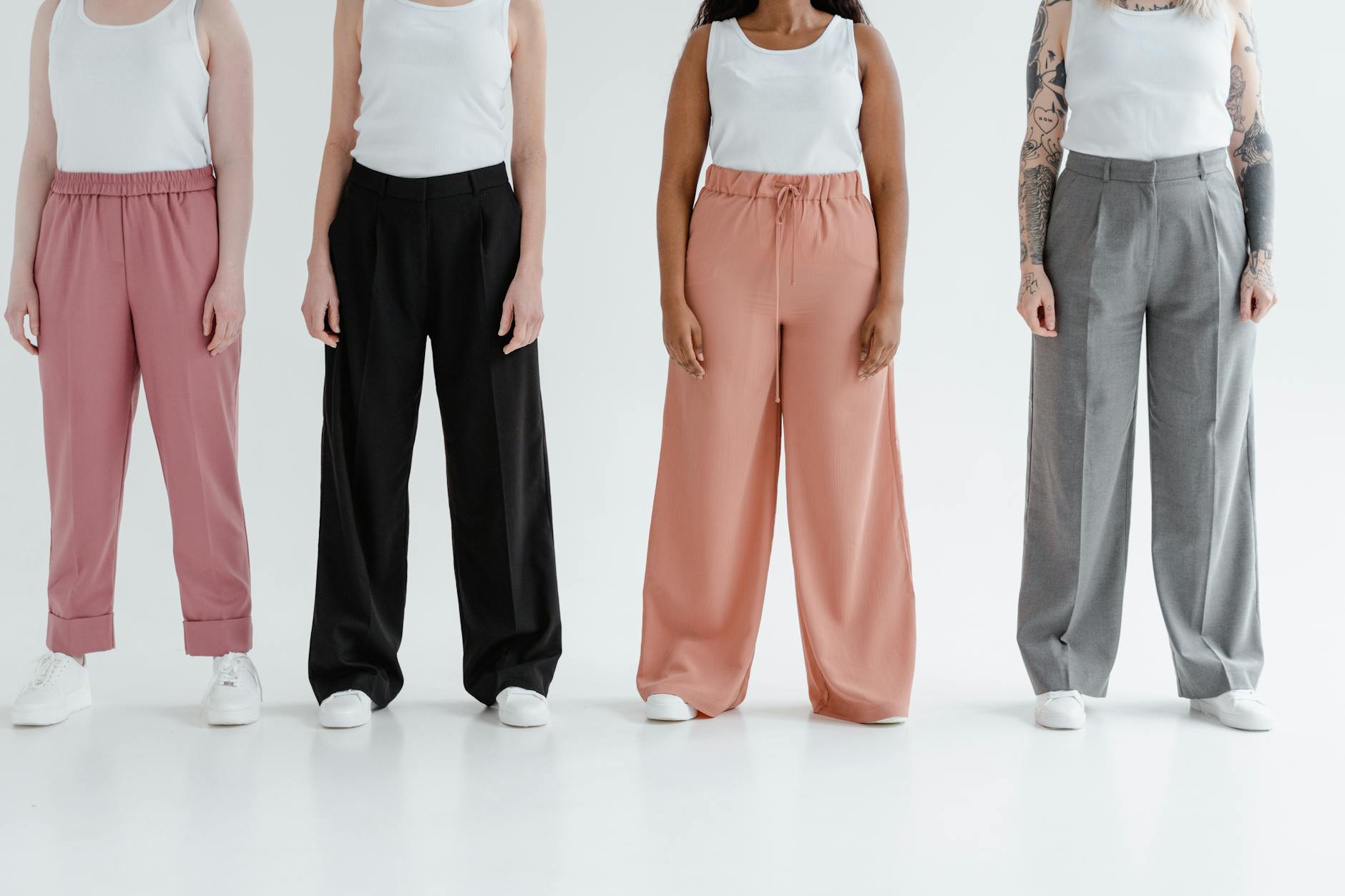
Extremely wide-legged pants can cause you to trip or get tangled while moving through narrow aisles. Excess fabric is likely to catch on seat frames or luggage handles during a rush. Tripping during an evacuation blocks the path for everyone else and creates a dangerous bottleneck. Streamlined clothing that follows the body’s lines is safer for maneuvering in tight spaces. You should avoid any garment that generates a trip hazard.
Rompers

One-piece garments complicate the process of using the restroom which can be urgent during flight. Struggling with a romper in a tiny lavatory during turbulence increases the risk of a fall or injury. If you need to access a wound or medical device on your torso the garment makes it difficult. Separate top and bottom pieces allow for easier access and mobility. Practicality is a major component of safety when flying.
Underwire Bras
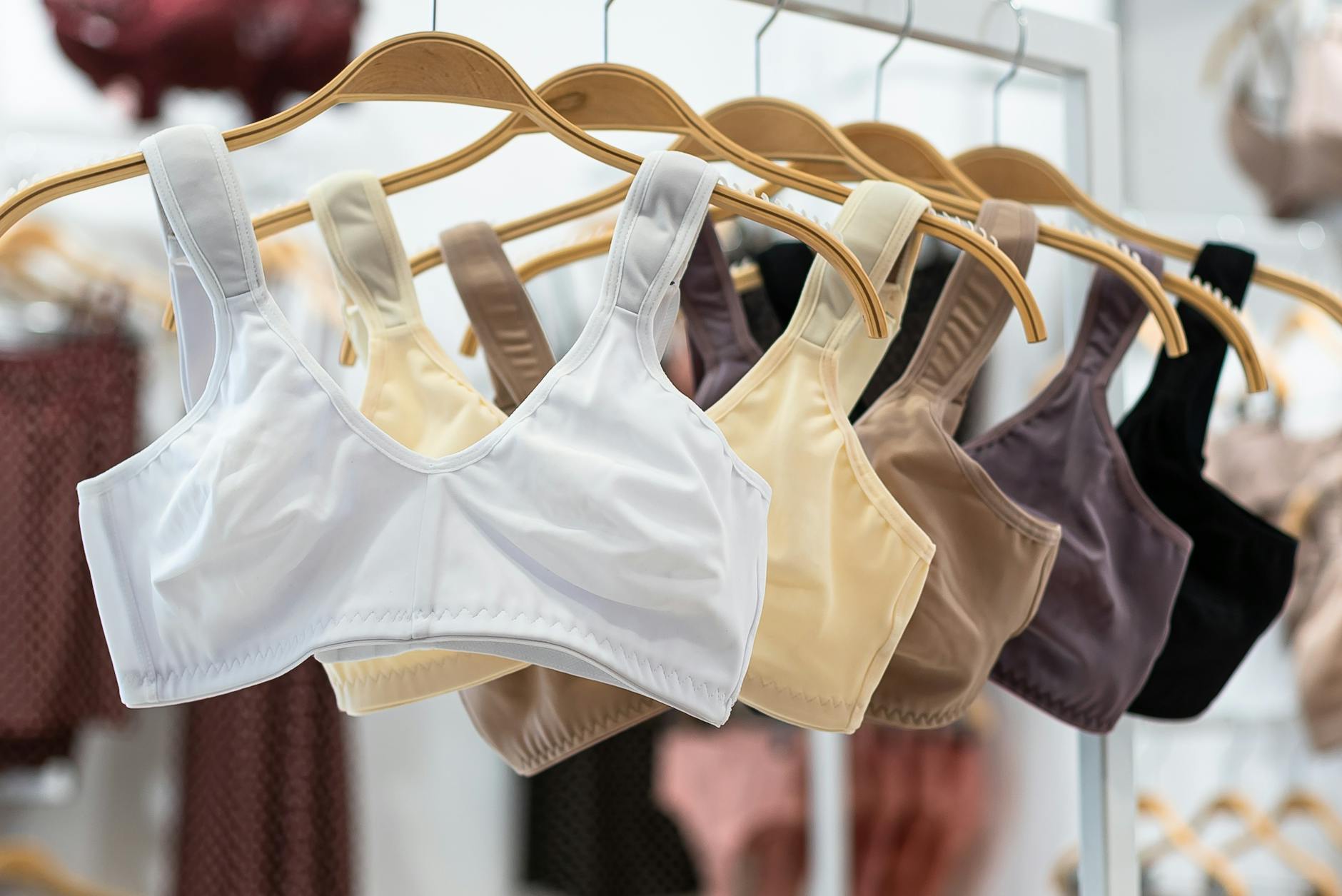
Metal wires in bras can trigger security sensors and lead to additional pat-downs or delays. In the air the wire can dig into the chest if the body swells due to pressure changes. This discomfort can mask other chest pains that might signal a medical emergency. Wire-free options provide support without the risk of pressure points or security hassles. Comfort allows you to remain alert and focused on your surroundings.
High-Collared Shirts
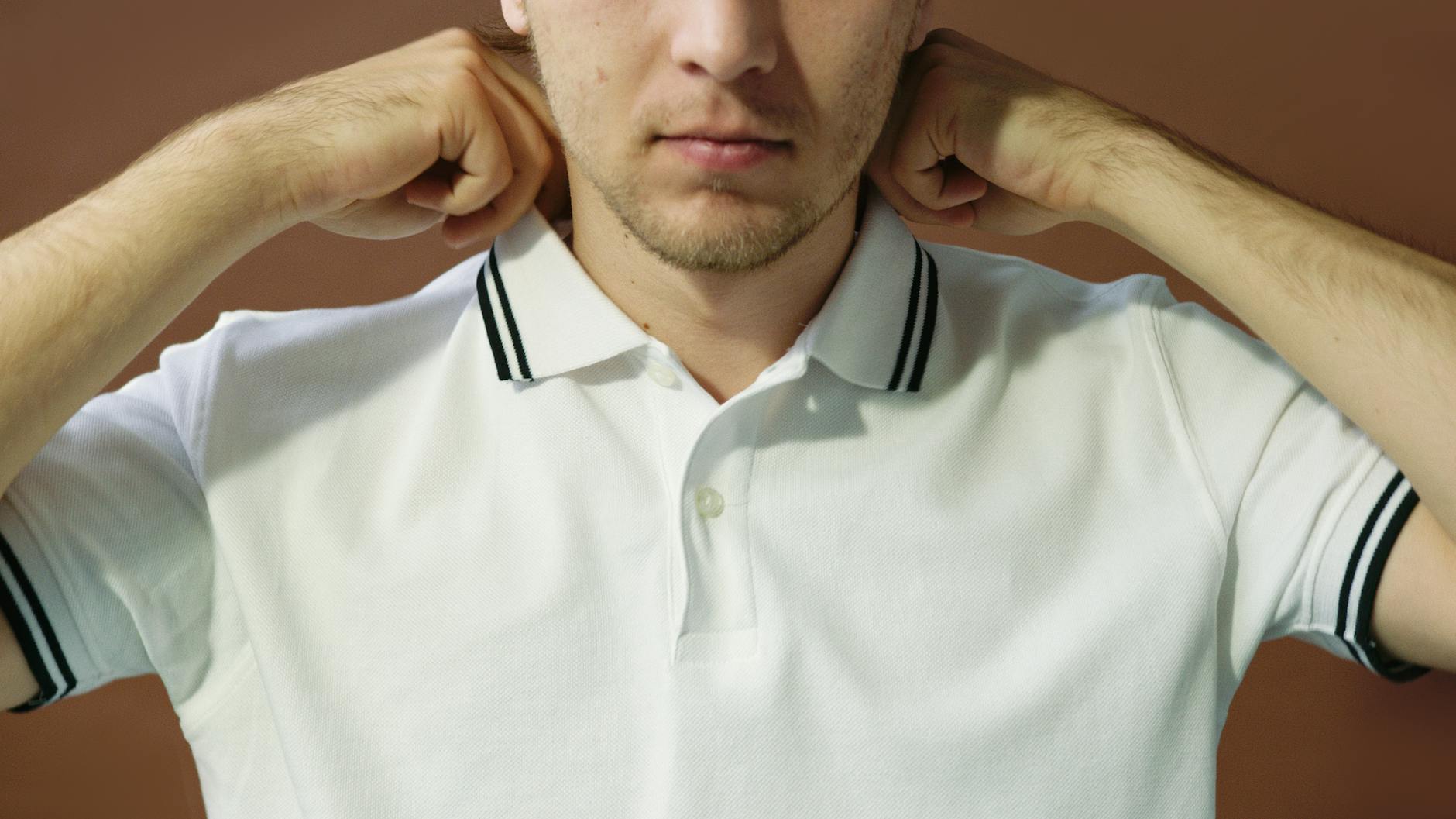
Stiff or tight collars can restrict breathing if you fall asleep and your head falls forward. They also make it difficult to check for a pulse or access the neck in a medical emergency. Constricting the neck area adds unnecessary stress when air pressure is already lower than normal. Open necklines or soft fabrics ensure your airway remains unrestricted at all times. Unobstructed breathing is vital for safe air travel.
Offensive Slogans

Clothing with controversial language can lead to conflicts with the crew or other passengers. The captain has the authority to remove any passenger who is deemed a disruption to flight safety. Being deplaned delays the flight and leaves you stranded at the airport. Wearing neutral clothing helps maintain a calm and orderly environment on board. avoiding conflict is an often overlooked aspect of travel safety.
Heavy Perfume

Strong scents can trigger asthma attacks or severe allergic reactions in fellow passengers. In the recirculated air of a plane cabin the concentration of the scent becomes unavoidable. Causing a medical emergency for someone else diverts crew attention away from flight duties. A neutral scent ensures the air remains breathable for everyone in the confined space. Consideration for others is part of maintaining a safe cabin environment.
Nylon Stockings
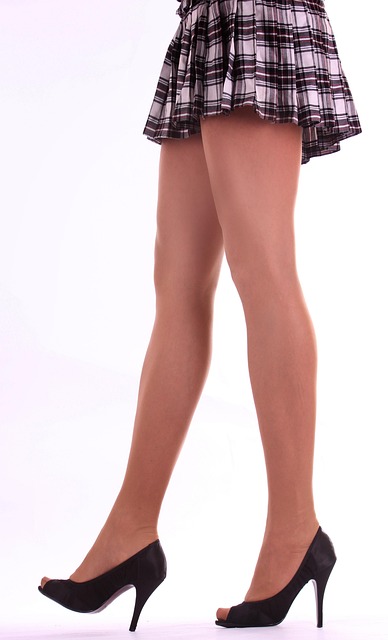
Nylon is highly flammable and will melt instantly upon contact with high heat. Wearing stockings under pants or a skirt adds a dangerous layer that can fuse to your legs. They provide no thermal protection and can complicate the treatment of burns. Bare legs or natural fiber socks are much safer options for air travel. Eliminating flammable layers is a key strategy for fire safety.
Hoodies with Large Strings
Long drawstrings on hooded sweatshirts can easily snag on seat armrests or tray tables. If the string catches as you stand up you could be jerked back and injured. In an evacuation scenario a snagged string could tether you to a seat and prevent escape. Tying strings or tucking them inside the garment eliminates this snagging risk. Awareness of loose clothing parts prevents accidental entrapment.
Heavy Winter Boots
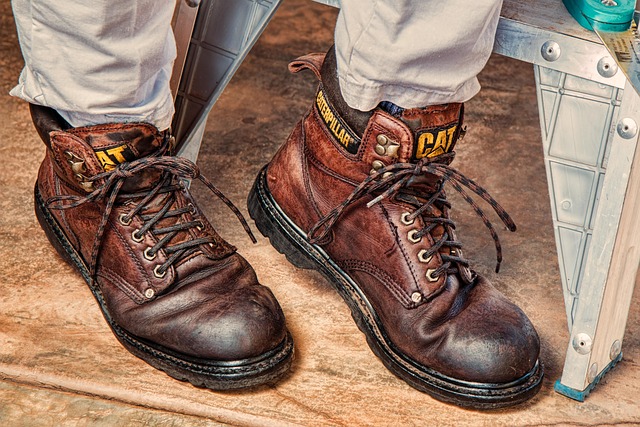
Large boots are heavy and can make swimming difficult if the plane lands in water. They are also cumbersome to move in when navigating the narrow space between seat rows. Your legs will tire more quickly if you have to walk or run long distances with heavy weights on your feet. Lighter sneakers provide traction without the excessive weight that hinders buoyancy. Mobility and energy conservation are critical survival factors.
Jewelry with Spikes

Accessories with sharp edges or spikes can puncture evacuation slides or life rafts. They also pose a risk of injuring you or the passenger next to you during turbulence. In a crowded exit situation sharp objects can cause cuts and abrasions. Smooth jewelry or no jewelry is the standard recommendation for safe flying. You must ensure your attire does not become a weapon against yourself or others.
Improperly Sized Compression Socks
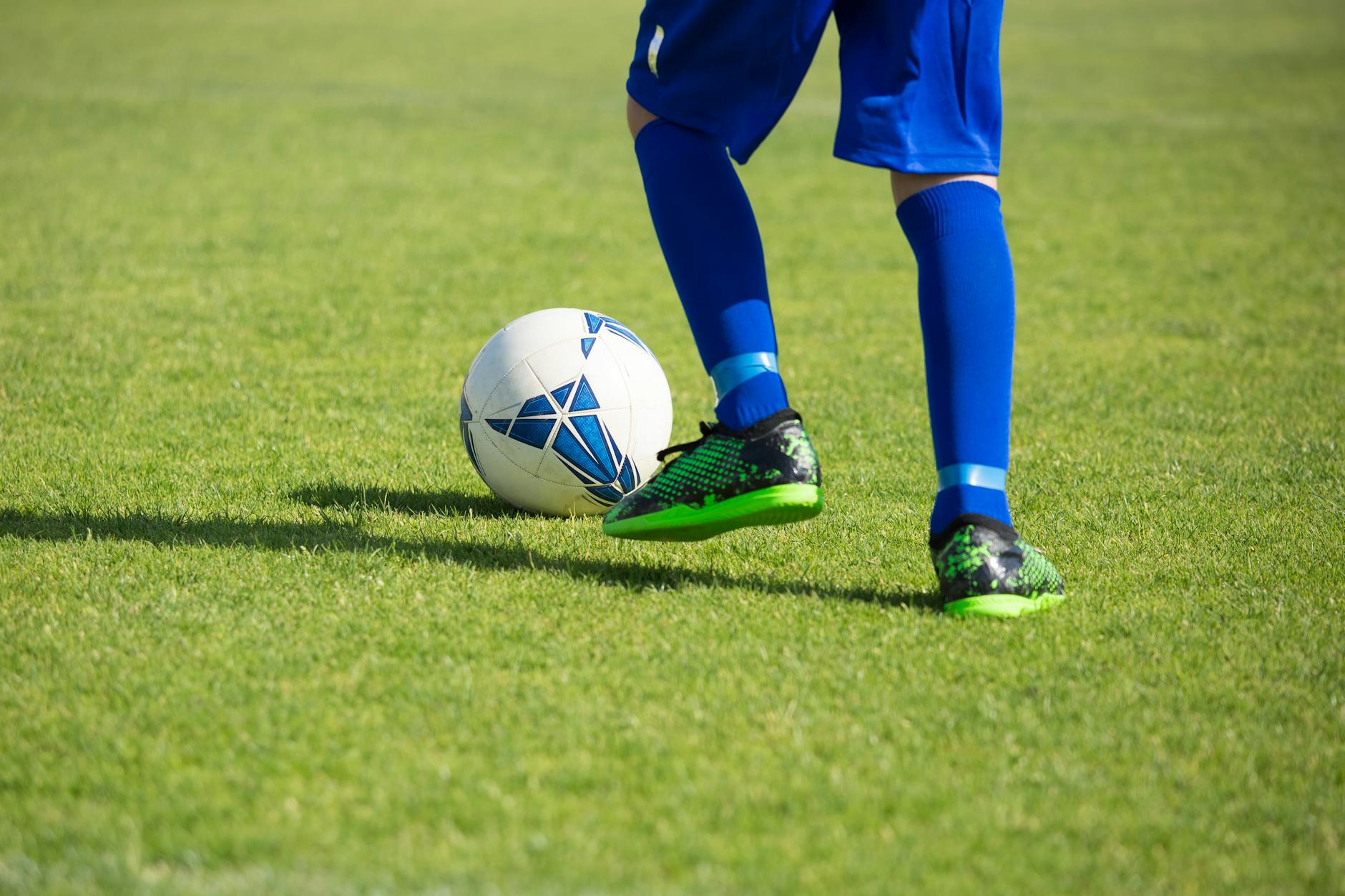
Compression socks that are too tight can cut off circulation rather than aiding it. This acts as a tourniquet and increases the risk of blood clots significantly. You must ensure you have been measured correctly for the socks before wearing them on a flight. Ill-fitting medical wear can cause more harm than good in a pressurized cabin. Proper fit is essential for the device to function safely.
Please share your own travel safety tips or experiences in the comments to help others fly smarter.




