Winter driving conditions present unique challenges across the United States as varying climates create hazardous environments for motorists. States with heavy snowfall often see higher accident rates due to slippery roads and reduced visibility during severe storms. Other regions face dangers from black ice and freezing rain that catch drivers off guard in areas less prepared for sudden temperature drops. Statistics consistently highlight specific states where winter weather significantly impacts road safety through increased collision frequency. Understanding these risks helps drivers prepare for treacherous commutes and long-distance travel during the coldest months of the year.
Michigan
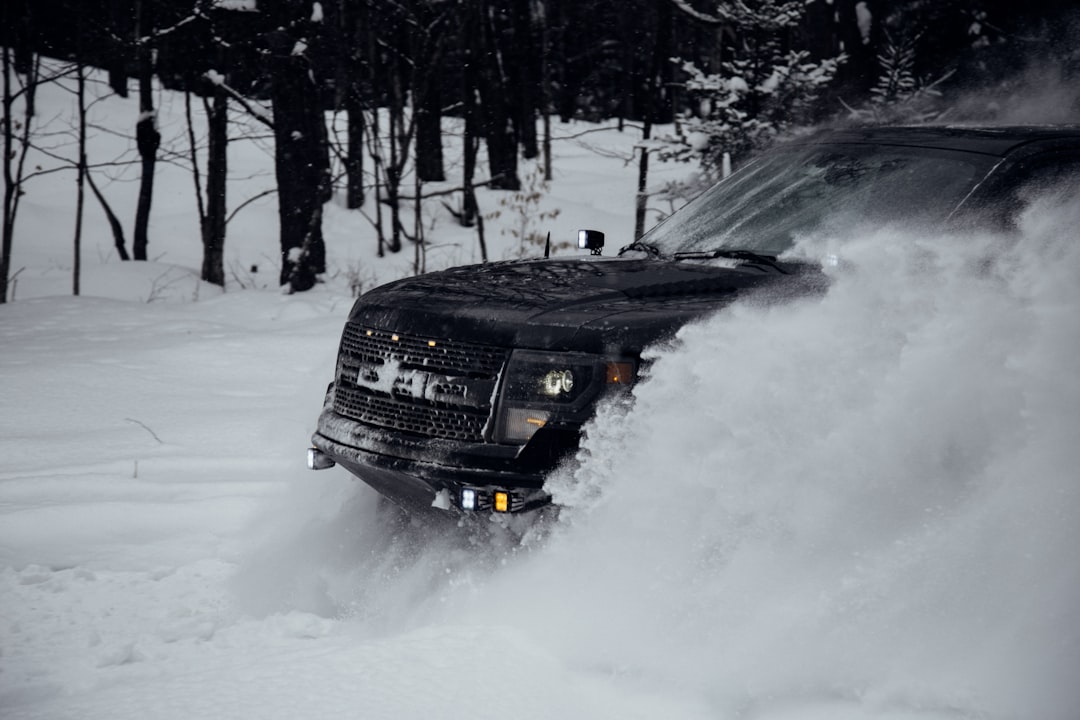
Michigan consistently ranks as the most dangerous state for winter driving due to the intense lake-effect snow that blankets the region. High traffic volumes in metropolitan areas like Detroit combine with frequent freezing conditions to create a high probability of accidents. Drivers often face sudden whiteouts that drastically reduce visibility within seconds on major highways. Road crews work tirelessly to clear snow but the sheer volume of precipitation can overwhelm maintenance efforts. This state sees a staggering number of winter-related crashes every year compared to the rest of the country.
Pennsylvania
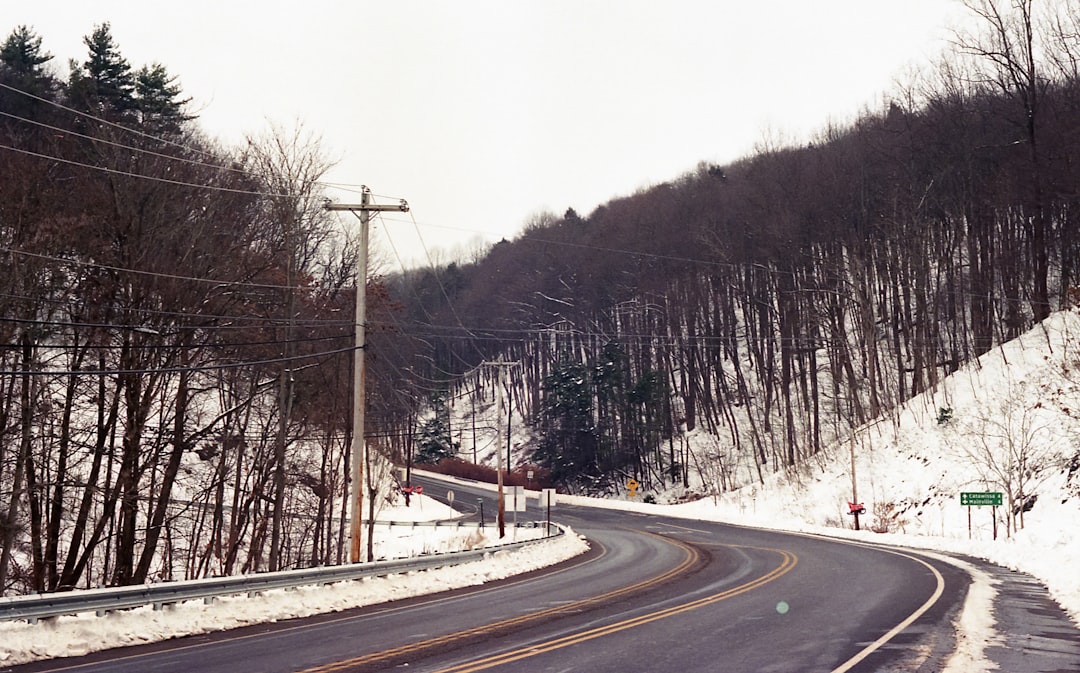
The Keystone State faces a dual threat of heavy snowfall in the mountains and freezing rain in the valleys. Interstate highways crossing the Appalachian Mountains become particularly treacherous when temperatures drop below freezing. Sudden snow squalls are a common occurrence and have led to massive pileups involving dozens of vehicles. The mix of high-speed travel and unpredictable weather patterns makes vigilance essential for anyone driving through the state. Winter storms here often result in substantial ice accumulation that lingers on untreated secondary roads.
Ohio
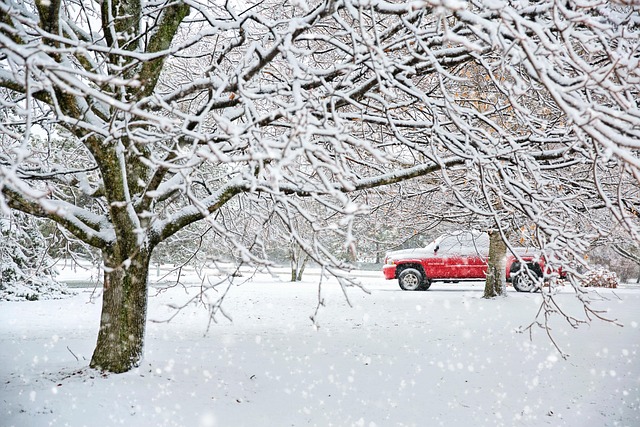
Ohio drivers contend with a volatile mix of lake-effect snow in the north and icy conditions throughout the central plains. The state serves as a major freight corridor where heavy truck traffic mixes with passenger vehicles on slick roadways. Frequent freeze-thaw cycles damage pavement and create potholes that add another layer of danger to winter travel. Black ice is a persistent threat on bridges and overpasses during early morning commutes. Statistical data reveals a high number of winter fatalities occurs here annually despite aggressive road treatment programs.
Alaska
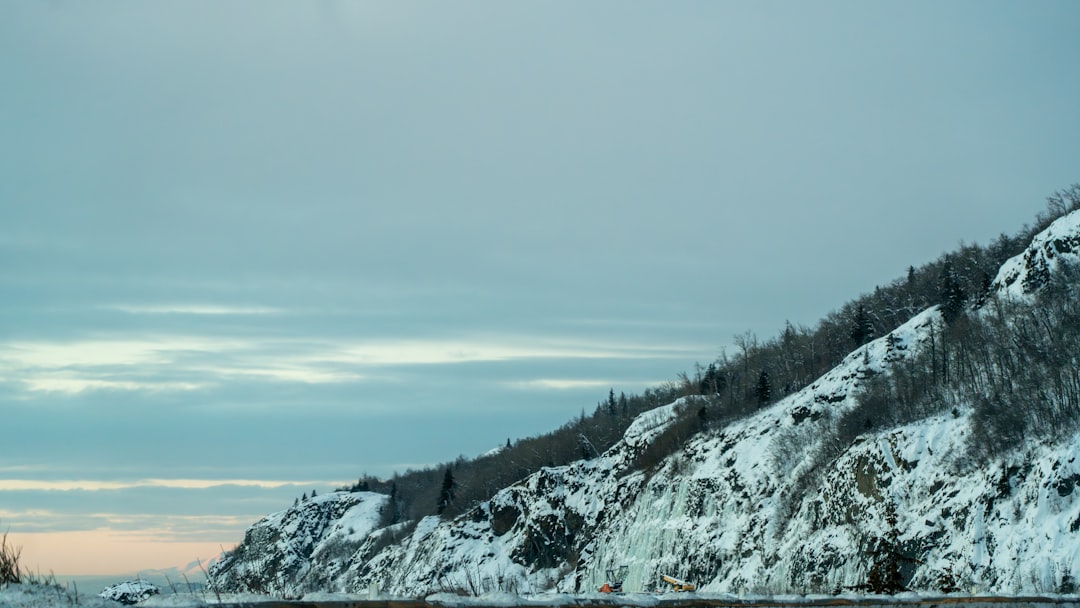
Extreme cold and prolonged darkness make Alaska one of the most challenging environments for operating a vehicle. Roads remain covered in compacted snow and ice for months at a time rather than clearing completely between storms. Drivers must equip their vehicles with specialized winter tires or chains to maintain traction on the slick surfaces. Wildlife collisions pose an additional risk as moose and deer wander onto highways during the dark winter hours. The vast distances between towns mean that help may be hours away in the event of an emergency.
Illinois
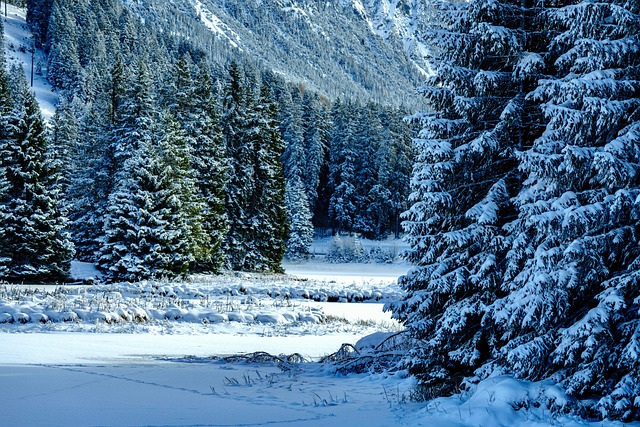
Winter in Illinois brings biting winds and snow that drift across the flat landscape to obscure roadways. The Chicago area experiences severe congestion that becomes gridlocked during even minor snow events. Icy conditions on elevated ramps and bridges are a frequent cause of spin-outs and multi-car collisions. Rural roads in the southern part of the state are susceptible to freezing rain that turns pavement into a sheet of ice. Commuters often face extended travel times and hazardous driving conditions from November through March.
Wyoming
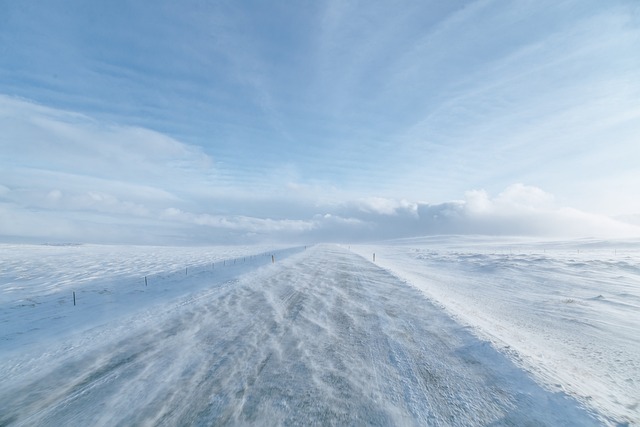
Strong winds in Wyoming create ground blizzards that reduce visibility to zero even when snow is not falling from the sky. The state has one of the highest fatality rates per capita for winter driving due to high speeds and remote highways. Interstate 80 is frequently closed to light, high-profile vehicles because of dangerous crosswinds and slick surfaces. Drivers must be prepared for rapidly changing conditions that can strand travelers in isolated areas. The combination of black ice and blowing snow makes this state particularly hazardous for inexperienced winter drivers.
Montana
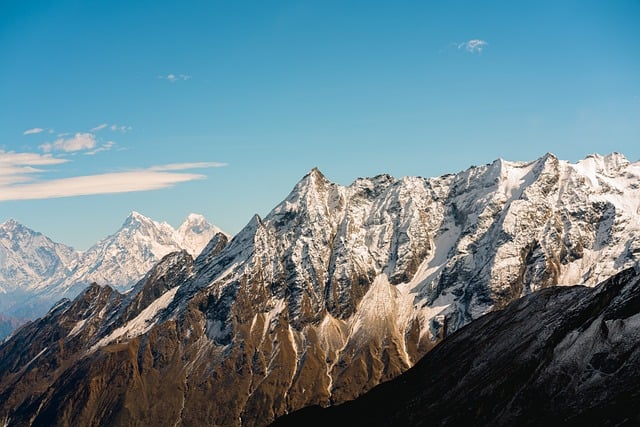
Mountainous terrain and severe winter storms create perilous driving conditions across Montana. Steep grades and winding roads become nearly impassable during heavy snowfall without proper four-wheel drive vehicles. The state experiences bitter cold snaps that can cause mechanical failures for unprepared motorists. Snowplows struggle to keep mountain passes open during the height of winter weather events. Locals know that carrying survival gear is a necessity rather than a precaution when traveling long distances here.
Colorado
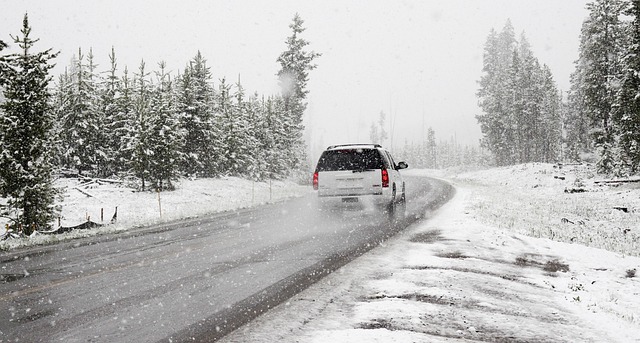
Rapid weather changes in the Rocky Mountains can turn a sunny drive into a blizzard within minutes. The I-70 corridor is notorious for traffic snarls caused by vehicles losing traction on steep inclines. Traction laws are strictly enforced to prevent passenger cars with inadequate tires from blocking traffic flow. Avalanches occasionally impact roadways and require closure for safety control work. Tourists unfamiliar with mountain driving often underestimate the severity of winter conditions at high elevations.
Wisconsin
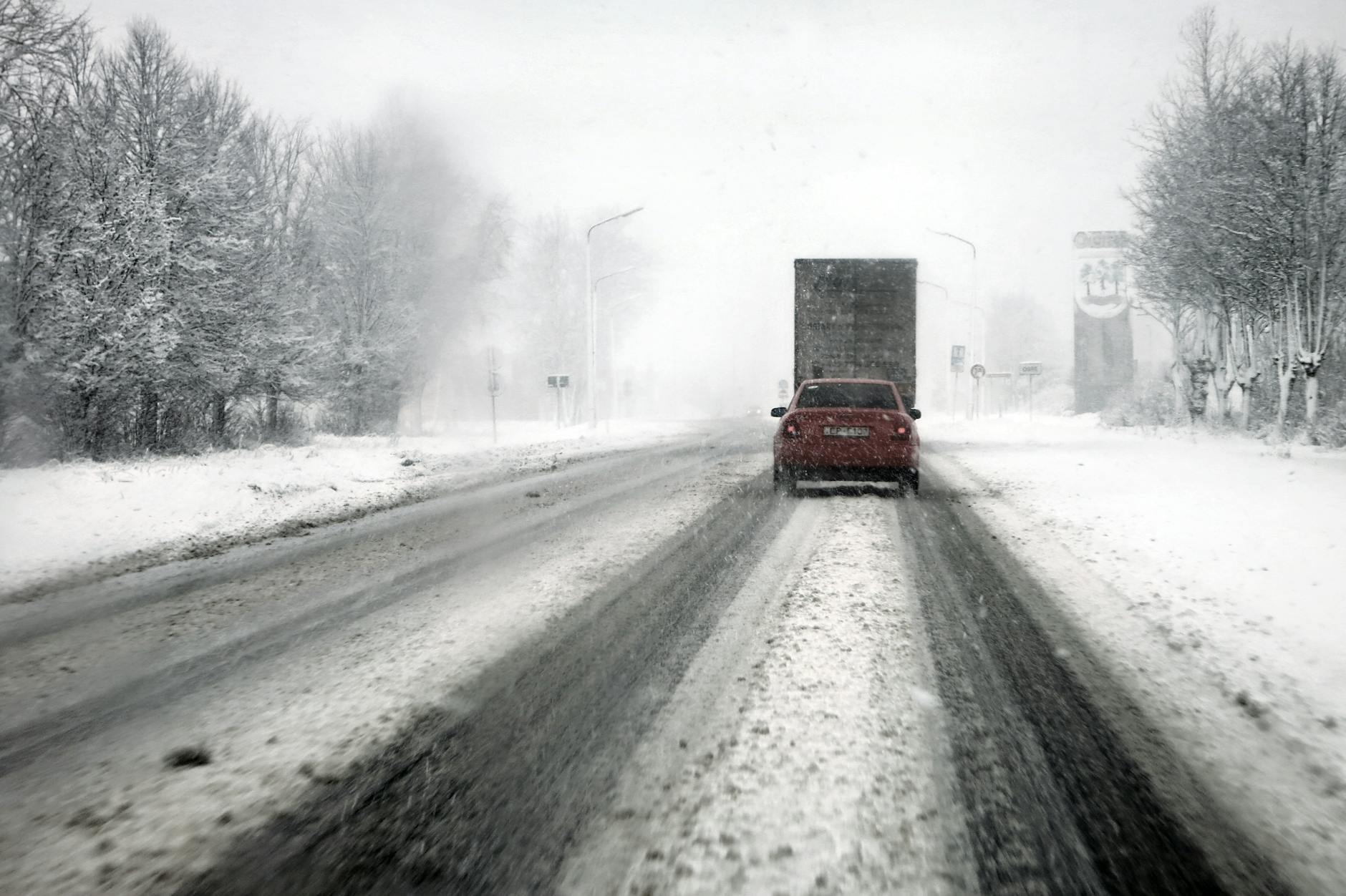
Wisconsin winters are characterized by deep snow and bitter cold that tests the limits of drivers and vehicles alike. The state experiences frequent snowstorms that leave roads slick and snow-packed for days. Municipalities use massive amounts of salt and sand to maintain traction on busy city streets. Rural highways often suffer from drifting snow that narrows the usable lane width. Accidents are common during the first major freeze when drivers have not yet adjusted their habits to the slippery conditions.
Minnesota
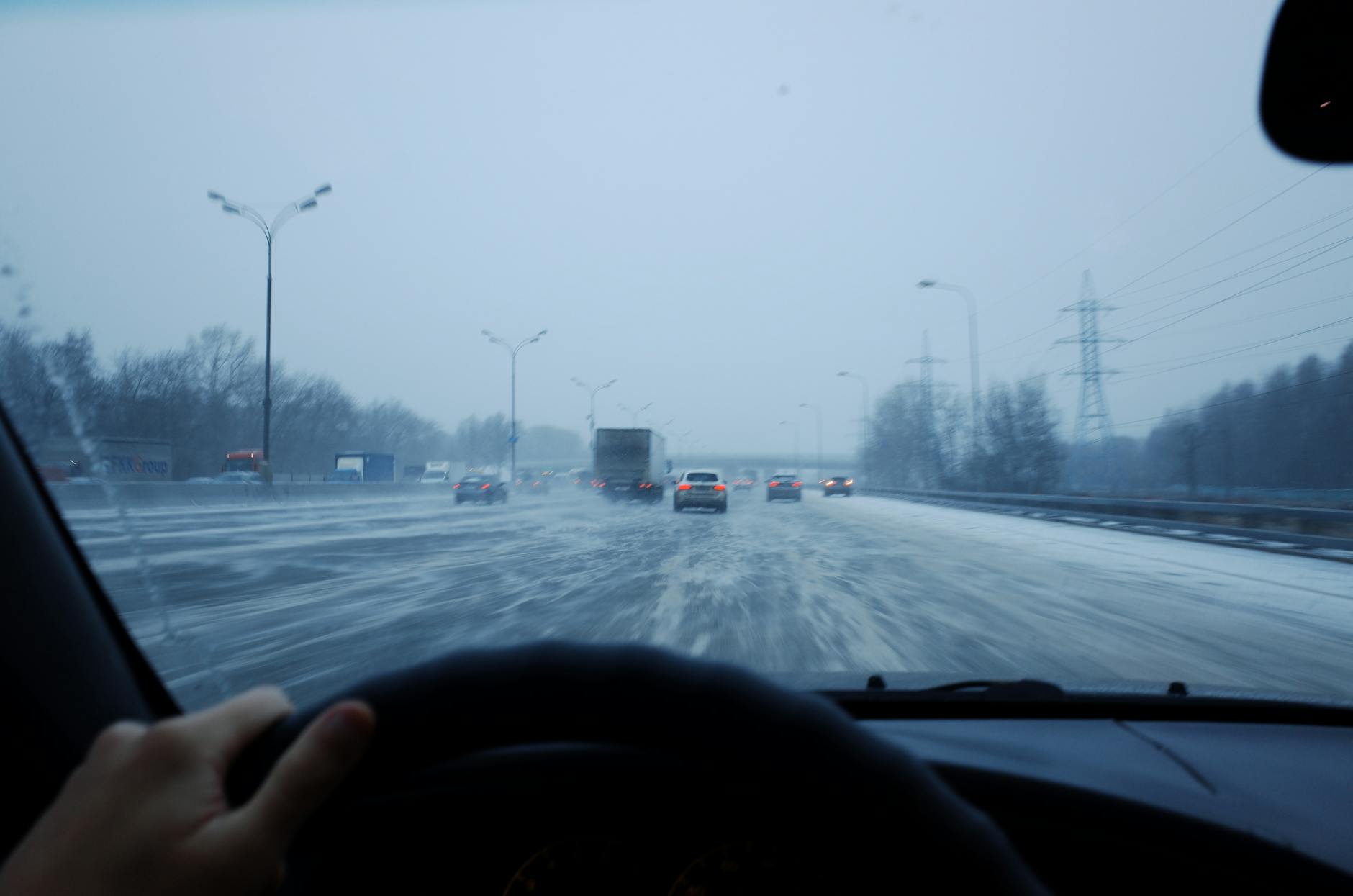
Minnesotans are accustomed to severe winter weather but the state still records a high number of weather-related accidents. Freezing drizzle and fog often coat roads in a thin layer of invisible ice that is difficult to detect. The flat terrain allows wind to polish snow-packed roads into extremely slippery surfaces. Sub-zero temperatures reduce the effectiveness of road salt and make ice removal difficult for maintenance crews. Drivers are advised to keep emergency kits in their vehicles to survive potential breakdowns in dangerous cold.
Indiana
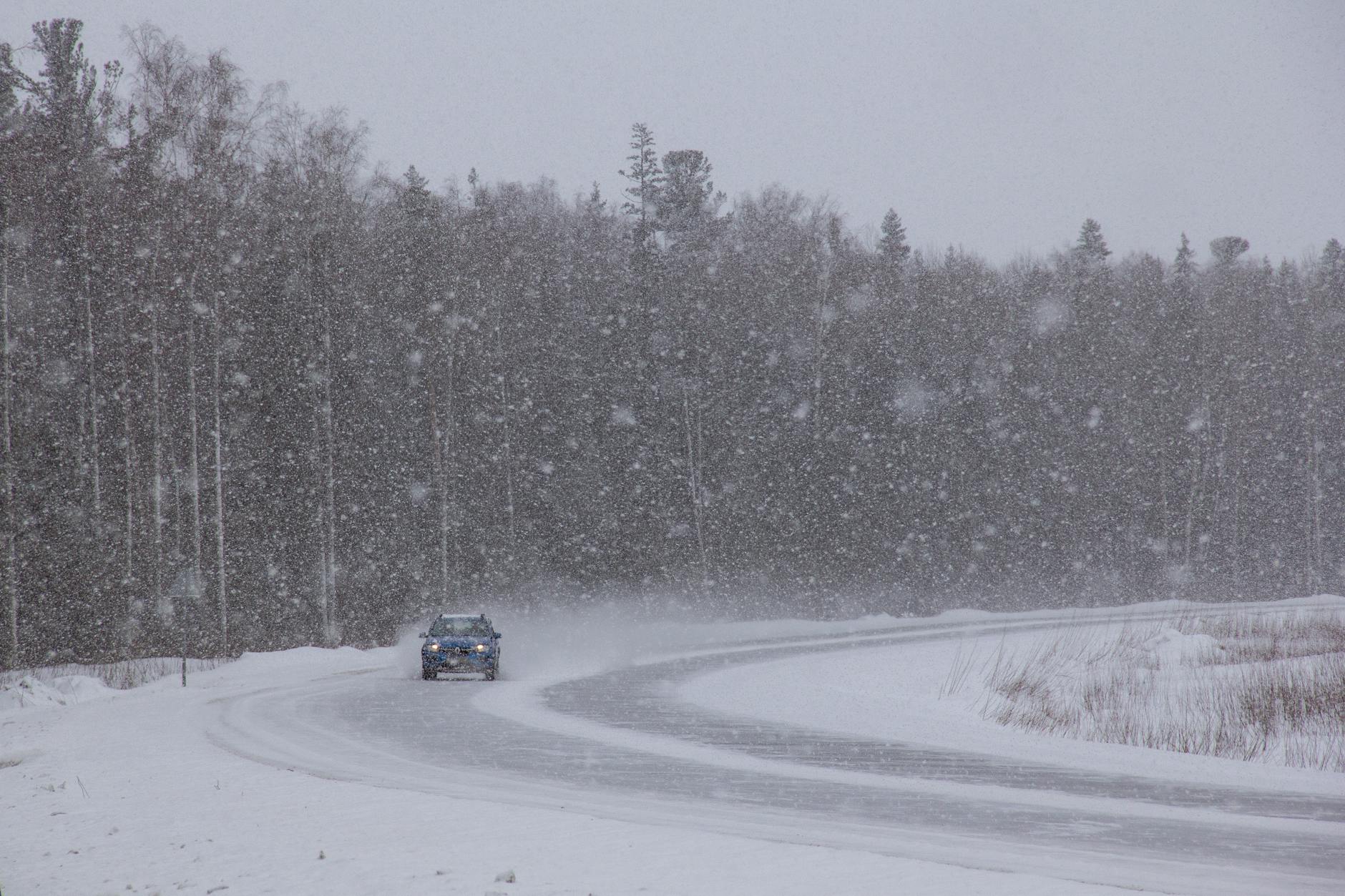
Lake-effect snow impacts the northern part of Indiana while the south often deals with dangerous ice storms. The sudden transition from dry pavement to slick roads catches many interstate travelers by surprise. Heavy truck traffic on major cross-country routes increases the risk of serious accidents during winter weather. Freezing rain is a particular hazard that can bring down power lines and render traffic lights inoperable. State police frequently respond to slide-offs and jackknifed semi-trucks during winter precipitation events.
New York
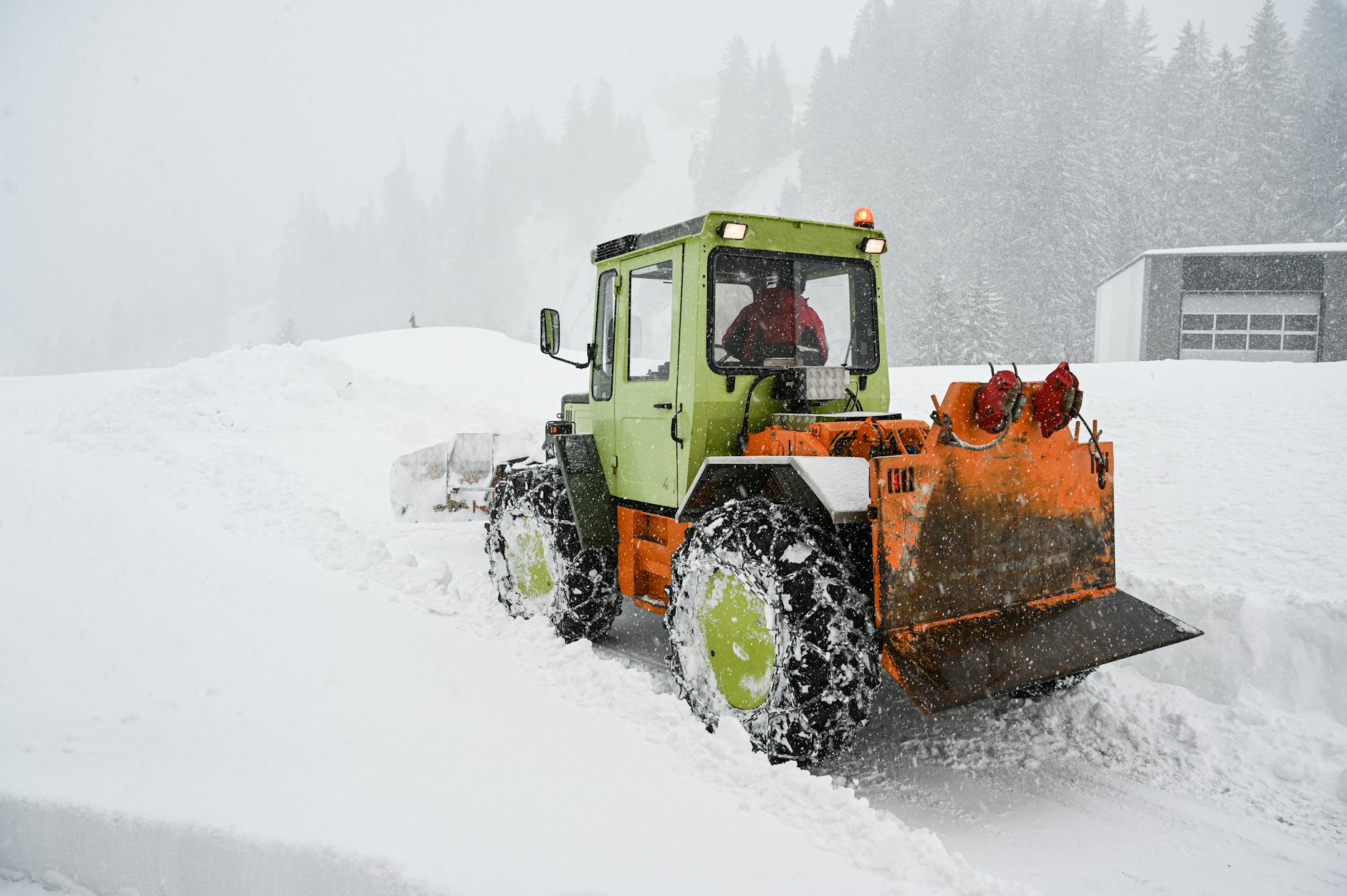
Upstate New York receives some of the highest annual snowfall totals in the country due to the Great Lakes. Cities like Buffalo and Syracuse are equipped to handle snow but the intensity of storms can still paralyze traffic. The contrast between the snowy upstate region and the slushy conditions of New York City creates varied driving hazards. Nor’easters bring heavy snow and strong winds that impact coastal roads and bridges. Drivers must remain alert for snowplows and emergency vehicles working to clear the lanes.
Texas
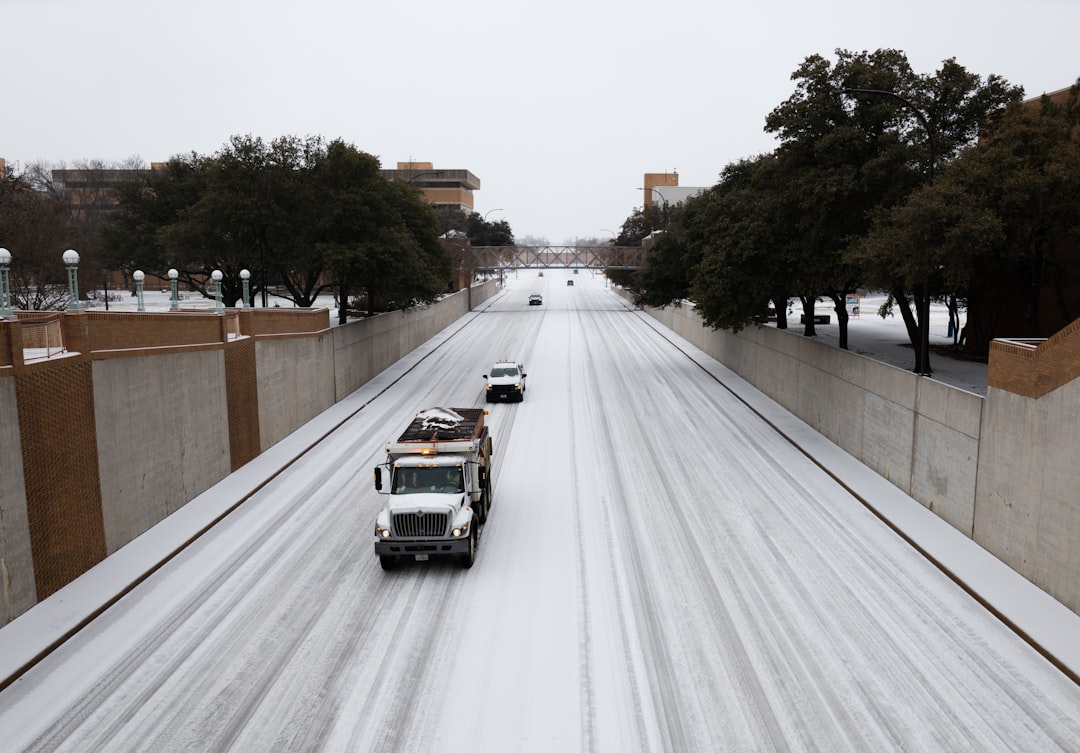
Texas appears on this list because the infrastructure and drivers are often unprepared for winter precipitation. Even small amounts of ice or snow can cause widespread chaos and massive pileups on major highways. The famous 2021 winter storm demonstrated how quickly roads can become impassable in a state unaccustomed to deep freezes. Overpasses and bridges freeze first and become unexpected hazards for drivers traveling at highway speeds. Lack of snow removal equipment means that roads often remain dangerous until the ice melts naturally.
South Dakota
Winter travel in South Dakota is defined by extreme cold and wide-open spaces where wind creates hazardous drifts. Interstate 90 often sees closures due to blinding snow and dangerous wind chills. Drivers must monitor weather forecasts closely as conditions can deteriorate rapidly across the plains. Black ice forms quickly on exposed roadways after the sun sets. The long distances between services make running out of fuel or suffering a breakdown a life-threatening situation.
Oregon
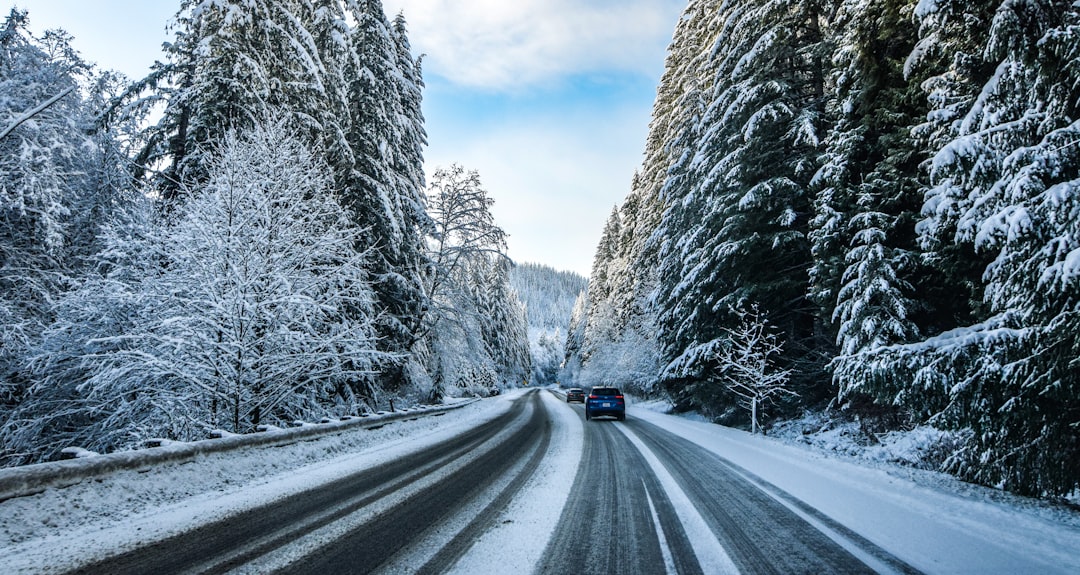
Oregon faces unique winter challenges with heavy rain often turning to snow and ice in the mountain passes. The Cascade Range requires drivers to carry chains and know how to use them during winter months. Valleys can experience freezing fog that coats roads in slick black ice during morning commutes. Coastal routes are subject to landslides and washouts during heavy winter storms. Travelers moving between the mild coast and the snowy interior must be prepared for drastically different driving environments.
Missouri
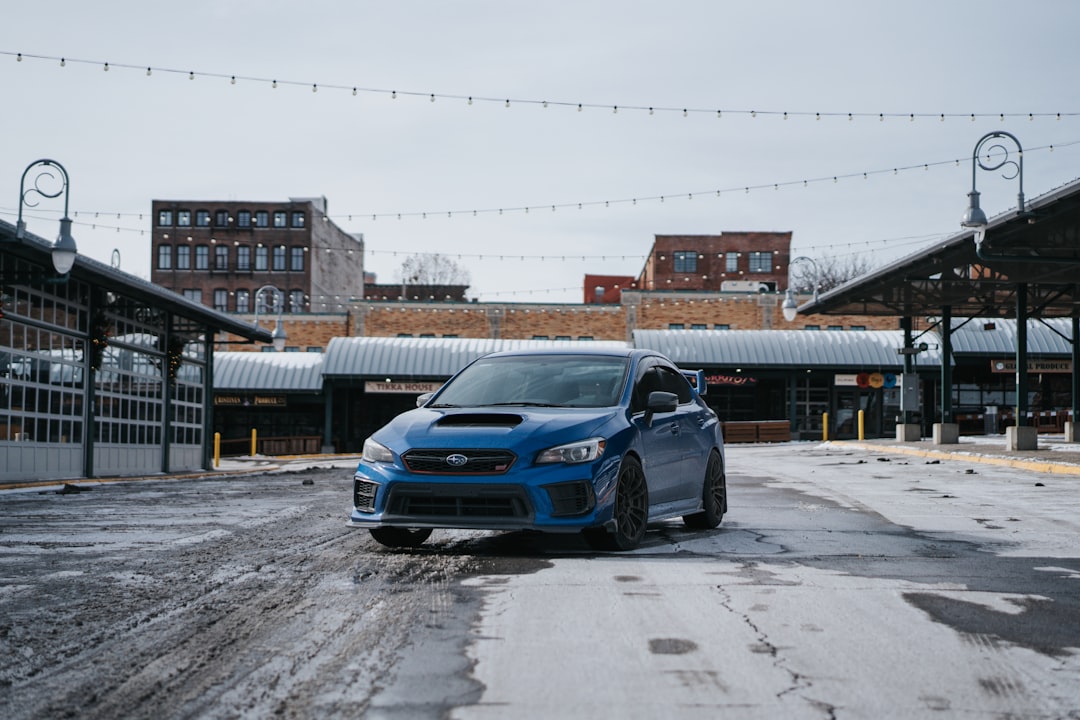
Missouri sits in a transition zone where winter storms often bring a dangerous mix of snow, sleet, and freezing rain. Icy roads are a major cause of winter accidents as precipitation refreezes overnight. The rolling terrain in the Ozarks makes driving particularly hazardous when roads are slick. Drivers often struggle with the unpredictable nature of the weather that can shift from rain to snow in hours. Highway departments work to pre-treat roads but sudden storms can still lead to dangerous travel conditions.
West Virginia
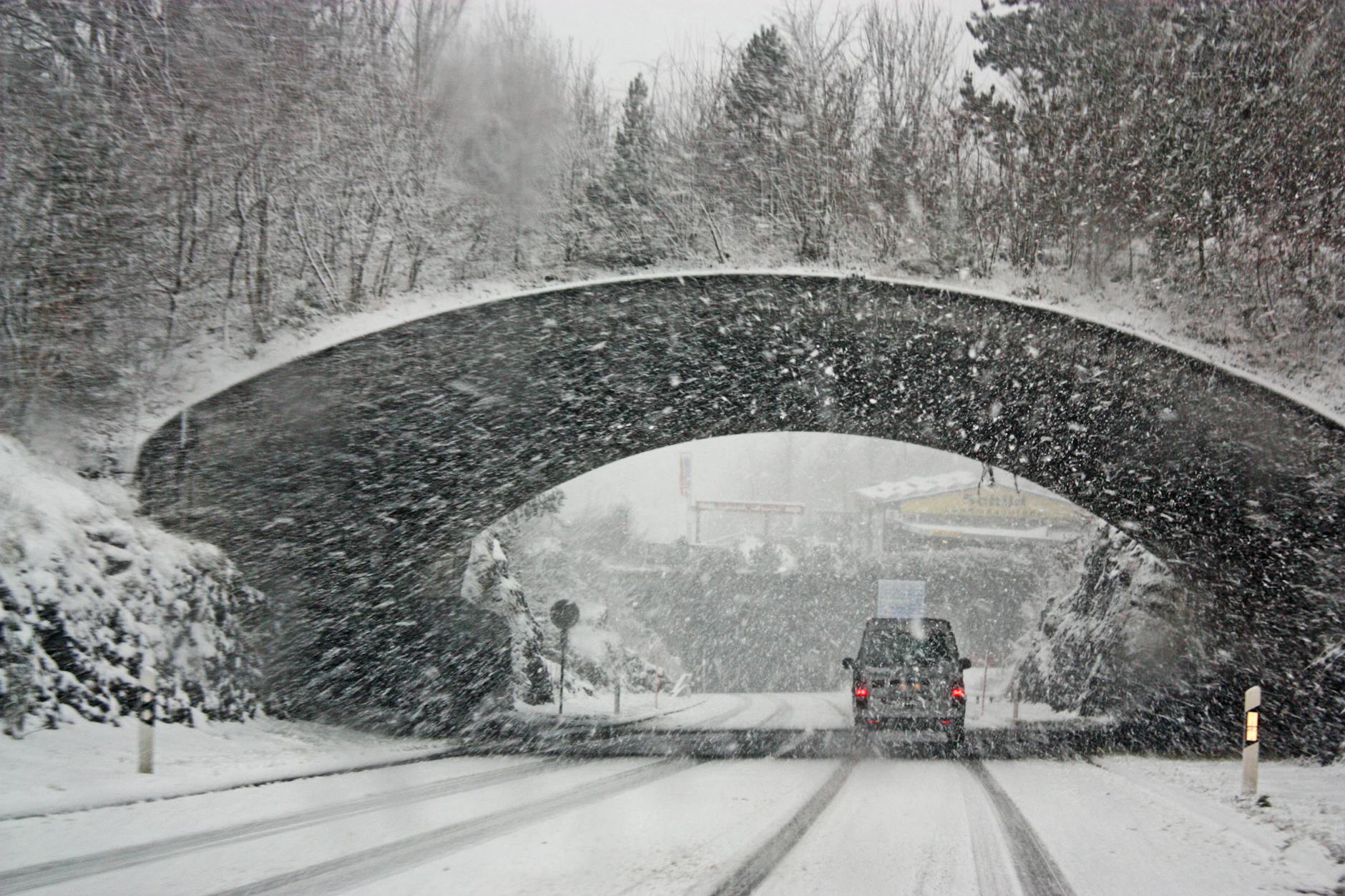
Winding mountain roads and frequent elevation changes make West Virginia dangerous during winter weather. Snow accumulation varies greatly depending on altitude and can catch drivers off guard on steep descents. The state struggles with black ice forming in shaded curves that do not receive direct sunlight. Secondary roads may take days to clear after a major storm hits the region. Heavy coal trucks and local traffic share narrow routes that become treacherous when covered in snow.
Kansas

Kansas drivers face the challenge of open plains where wind blows snow across the highway to create slick spots. Ice storms are a frequent occurrence and can coat the landscape in a thick layer of glaze. The flatness of the terrain offers no protection from strong winds that can push vehicles off course. Visibility is often reduced during storms due to the lack of windbreaks. Interstate travelers must be cautious of sudden patches of black ice on otherwise clear roads.
Nebraska
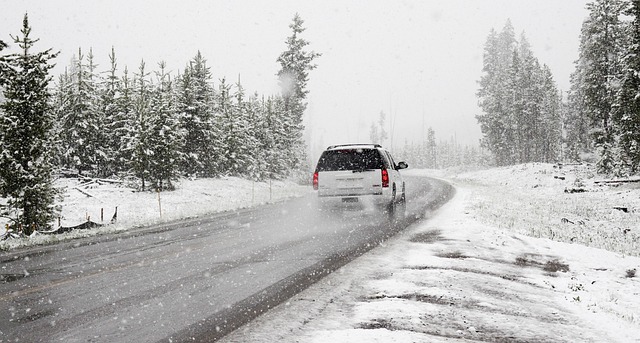
Nebraska winters are harsh with frequent snowstorms and sub-zero temperatures that impact road safety. The wind chill is often dangerous enough to cause frostbite quickly if a driver becomes stranded. Interstate 80 sees heavy commercial traffic that kicks up snow spray and reduces visibility for smaller vehicles. Drifting snow is a constant battle for road crews trying to keep lanes open. Drivers are encouraged to check road condition maps before setting out on long journeys across the state.
Vermont
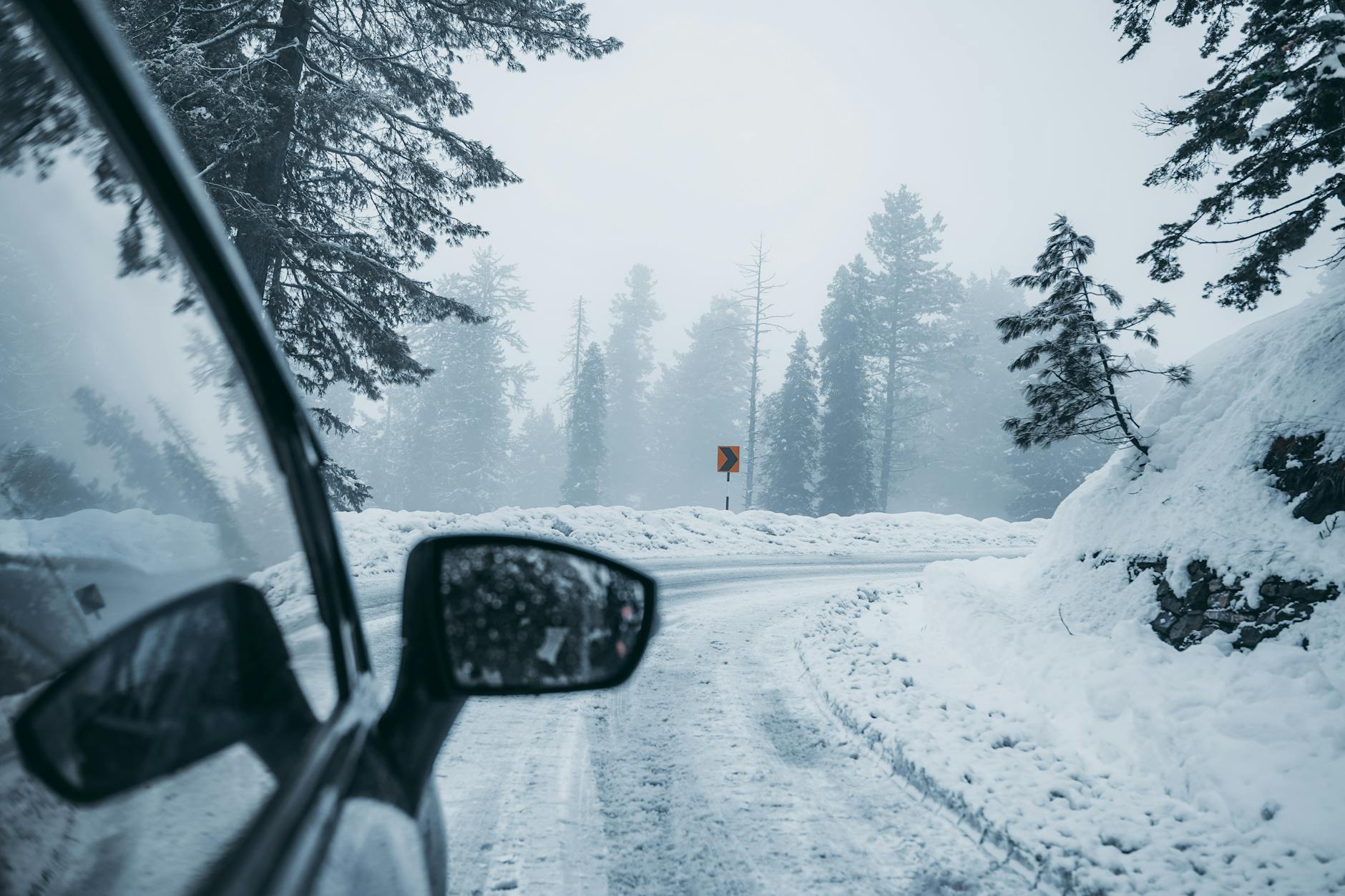
Vermont roads are often narrow and winding which complicates travel during heavy snowfall. The state relies heavily on salt and sand but the rural nature of many routes means maintenance takes time. Ski traffic adds to the volume on weekends and increases the risk of accidents on snowy mountain roads. Mud season in late winter adds another hazard as thawing ground makes unpaved roads unstable. Locals are accustomed to the conditions but visitors often struggle with the technical driving required.
Washington
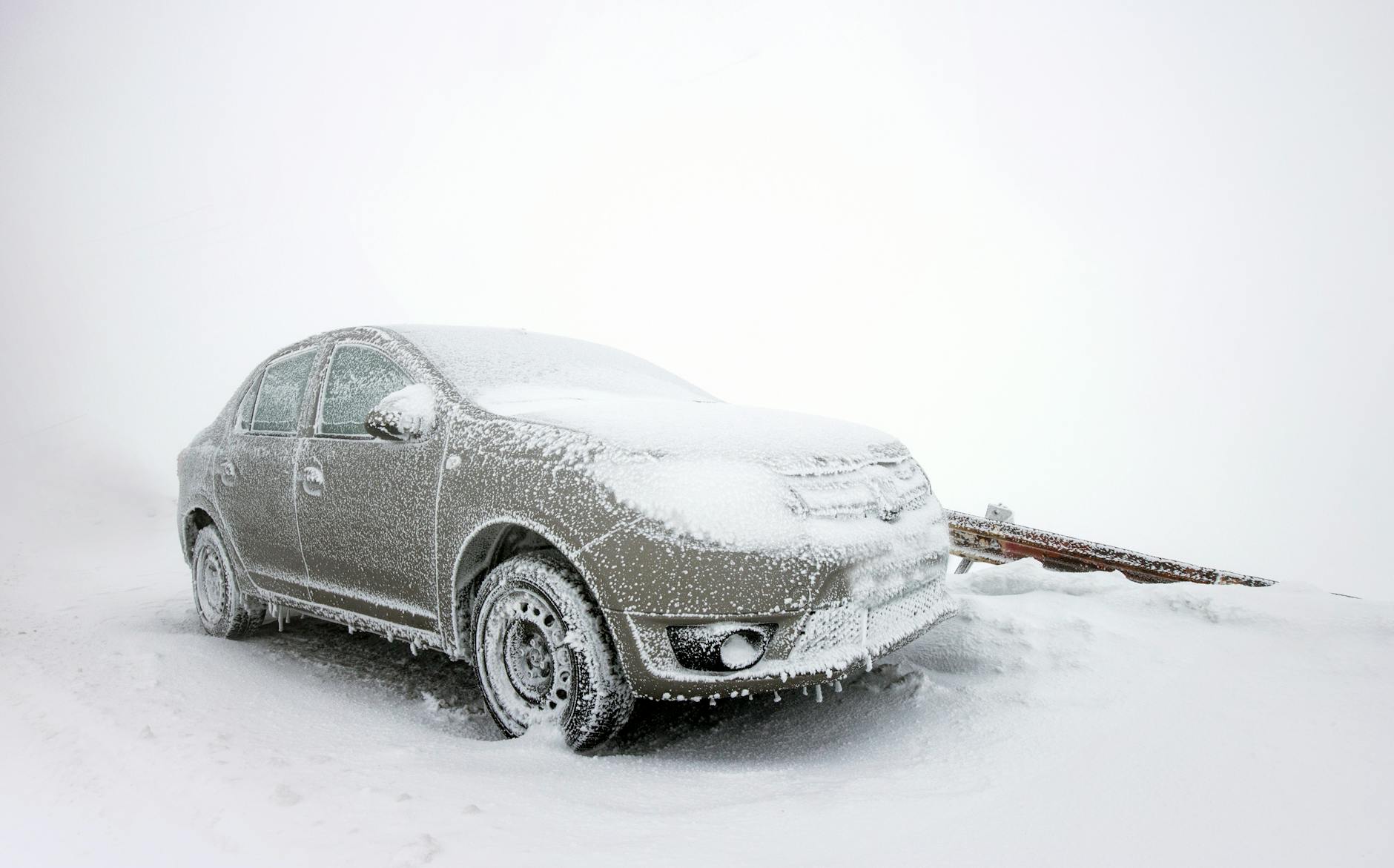
Washington state presents a stark contrast between the rainy west side and the snowy mountain passes. Snoqualmie Pass is a critical but dangerous corridor that experiences heavy snowfall and frequent closures. East of the Cascades the climate becomes colder and roads are often covered in compact snow and ice. avalanches can threaten roadways in the mountainous regions during unstable weather patterns. Drivers must carry chains and emergency supplies when crossing the state during winter.
Maine
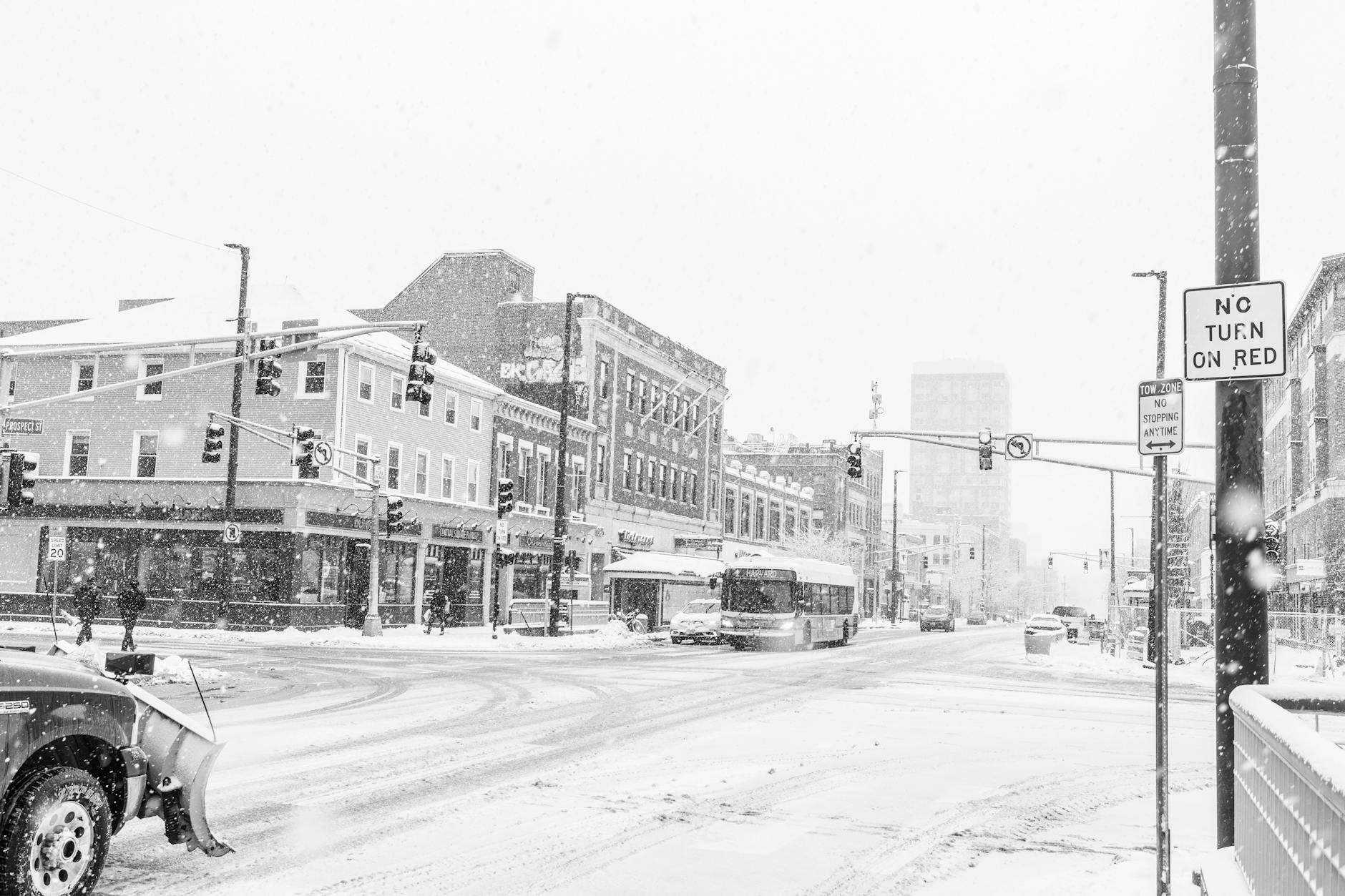
Maine experiences long and snowy winters that require drivers to be constantly vigilant. Coastal storms can drop heavy wet snow while the interior sees deep powdery accumulation. Moose are a significant hazard that becomes even more dangerous when visibility is poor. The state has a high rate of winter crashes on rural roads where help may be slow to arrive. Freezing rain events often coat the extensive network of secondary roads in dangerous ice.
North Dakota
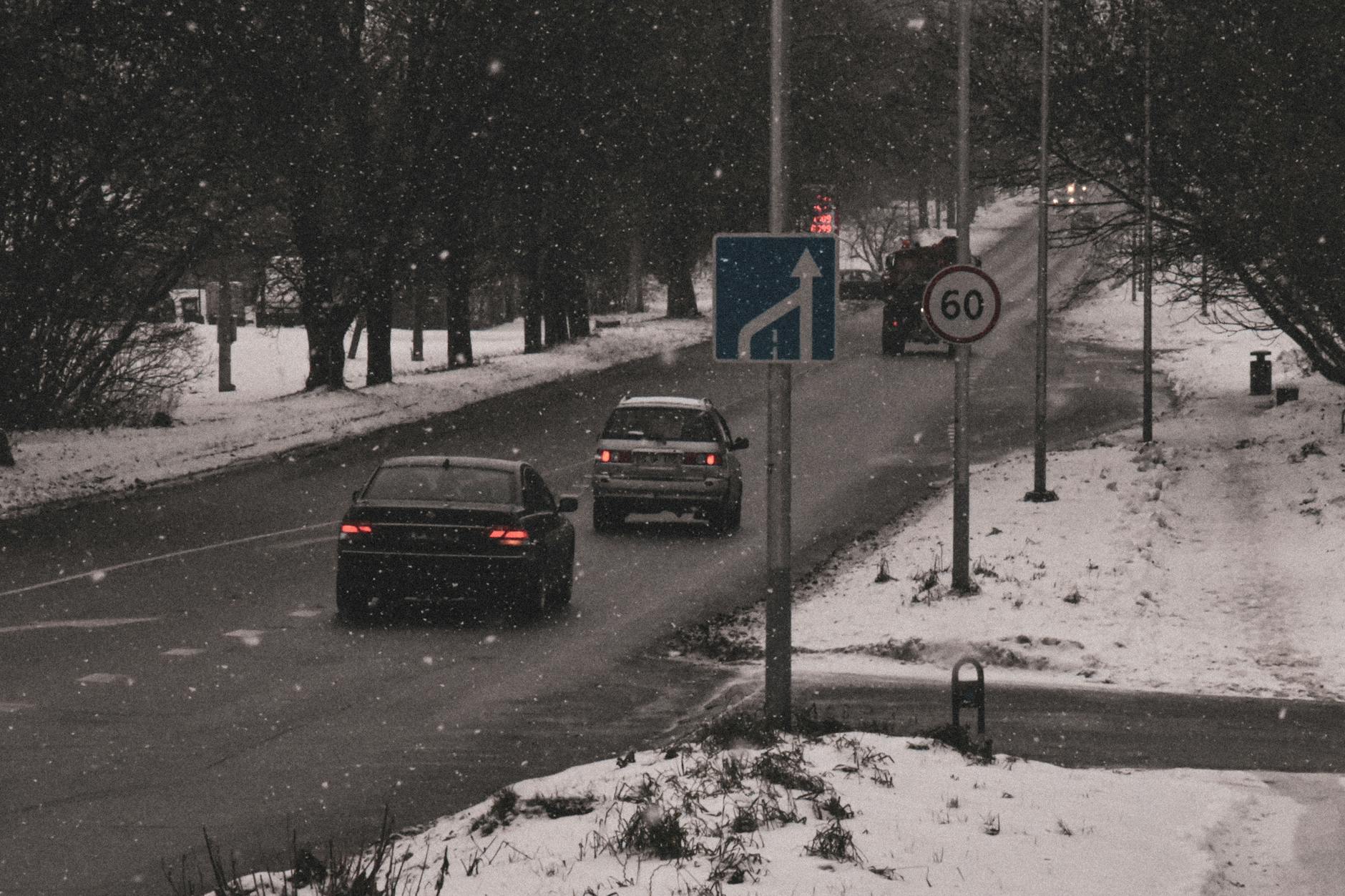
North Dakota is characterized by extreme cold that keeps snow and ice on the roads for the entire winter season. The flat terrain allows wind to polish snow into a surface that offers very little traction. Whiteout conditions are common and can occur even without new snowfall due to ground drift. Block heaters are standard equipment here to ensure engines start in the bitter temperatures. Survival gear is essential for anyone traveling outside of major cities during the winter months.
Kentucky
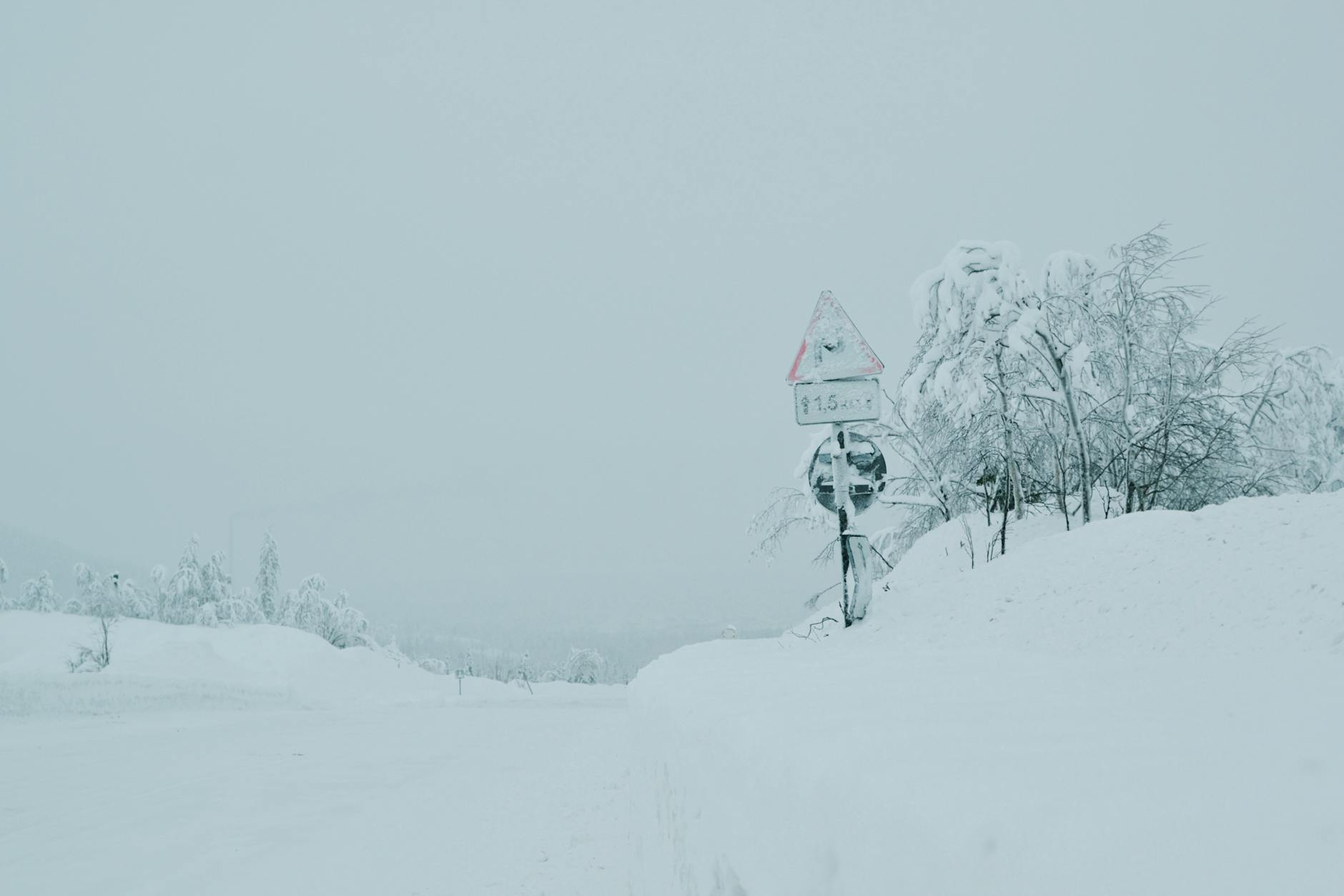
Kentucky often deals with ice storms that cripple transportation networks and cause widespread power outages. The state’s hilly terrain becomes dangerous when untreated roads turn into sheets of ice. Snow removal capabilities are sometimes overwhelmed by larger than average storms. Drivers are not always accustomed to heavy winter precipitation which leads to a higher accident rate. Black ice on bridges is a frequent cause of morning commute accidents in urban areas.
Tennessee
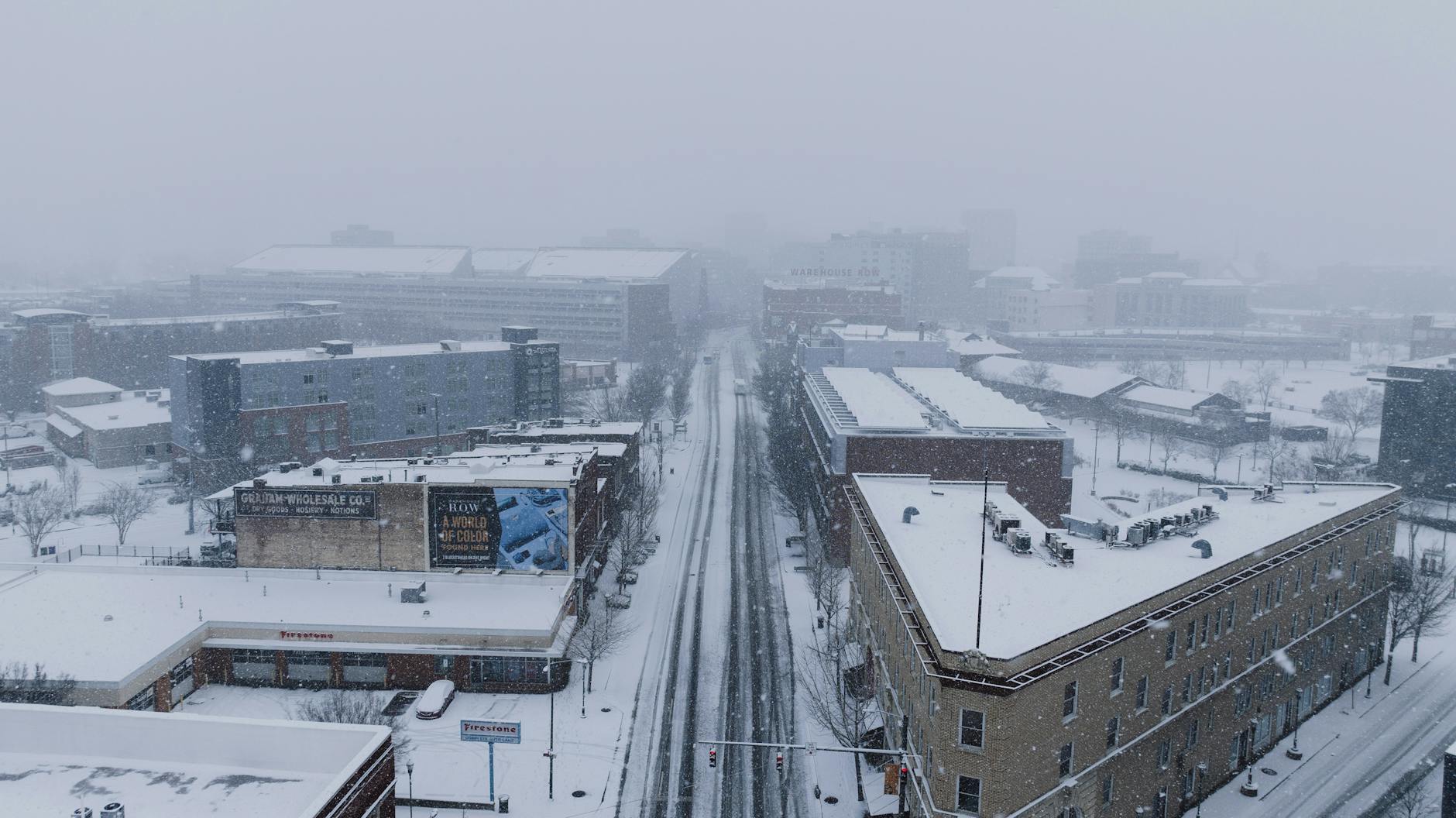
Tennessee drivers face significant risks from ice and freezing rain that occur more frequently than heavy snow. The mountainous eastern region sees different weather patterns than the flatter western part of the state. Sudden freezes can turn wet roads into skating rinks before crews can apply treatment. steep driveways and secondary roads become impassable for vehicles without four-wheel drive. Traffic grinds to a halt quickly when winter weather strikes major metropolitan areas like Nashville.
Share your own experiences with winter driving in these states or others by leaving a comment.




