Parenting is universally acknowledged as one of the most complex challenges an adult can face in their lifetime. Many guardians naturally default to the methods used by their own parents without questioning their long-term effectiveness. Developmental psychologists have extensively studied how specific disciplinary patterns impact a child’s emotional and social growth. Certain styles have been consistently linked to negative outcomes such as anxiety and low self-esteem or behavioral issues. Identifying these potentially harmful approaches is crucial for fostering a supportive environment that nurtures resilience and independence.
Helicopter Parenting

This pervasive style involves parents who hover intensely over every aspect of their child’s life to ensure success and safety. These parents often intervene immediately at the first sign of difficulty rather than allowing the child to problem-solve independently. Such constant monitoring prevents children from developing essential coping mechanisms or resilience when facing minor setbacks. Experts note that this excessive supervision often stems from parental anxiety rather than the child’s actual needs. The long-term result is frequently an adult who lacks confidence and struggles with basic decision-making skills.
Lawnmower Parenting

Parents adopting this approach seek to mow down any obstacles in their child’s path before the child even encounters them. They might contact teachers to argue about grades or intervene in peer conflicts to spare their child any distress. This pre-emptive removal of adversity denies children the opportunity to experience failure and learn from it in a safe environment. Children raised this way often develop a sense of entitlement and low tolerance for frustration. The lack of struggle ultimately leaves them ill-equipped to handle the inevitable challenges of the real world.
Authoritarian Parenting

This rigid style is characterized by high demands and low responsiveness where parents expect strict obedience without question. Communication is typically one-way as rules are enforced through punishment rather than explained through dialogue. Children in these households often behave well only to avoid consequences rather than because they understand right from wrong. This fear-based environment can lead to low self-esteem and aggressive behavior outside the home. Psychologists warn that this lack of warmth often damages the parent-child bond permanently.
Permissive Parenting
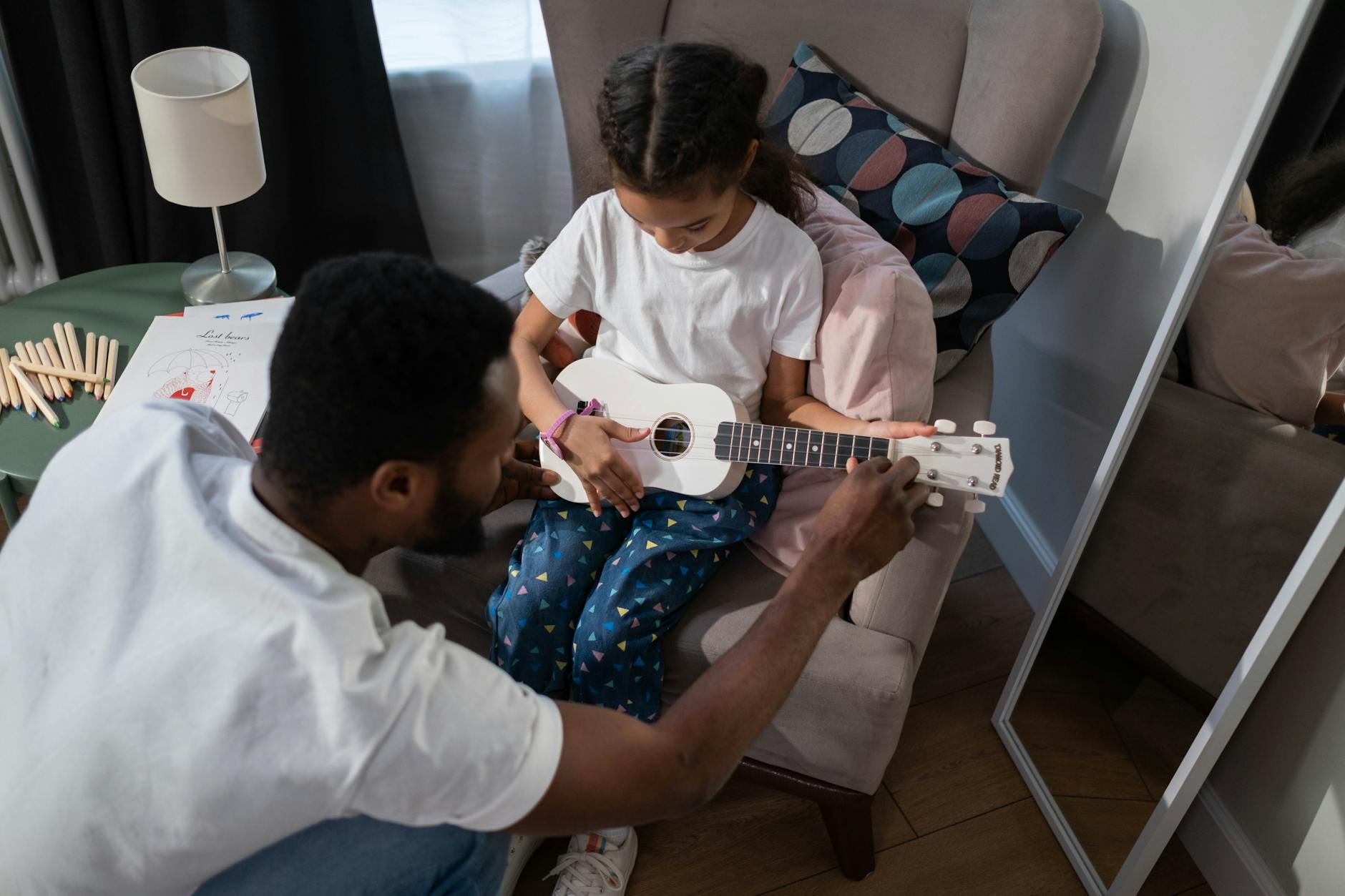
These parents act more like friends than authority figures and rarely enforce rules or structure. They are highly responsive and loving but provide very little discipline or guidance on behavioral expectations. Children raised without boundaries often struggle with self-regulation and impulse control in academic or social settings. The absence of consistent limits can lead to entitlement and difficulty respecting authority figures later in life. While the intent is to preserve the relationship the lack of structure often creates anxiety and insecurity.
Uninvolved Parenting

This style is marked by a distinct lack of responsiveness to the child’s emotional or physical needs. Parents may provide basic sustenance like food and shelter but remain emotionally detached and disengaged from the child’s life. The absence of guidance and support forces children to fend for themselves before they are developmentally ready. Children often struggle with self-esteem issues and have trouble forming healthy relationships with others. Research consistently links this neglectful approach to poor academic performance and behavioral problems.
Tiger Parenting
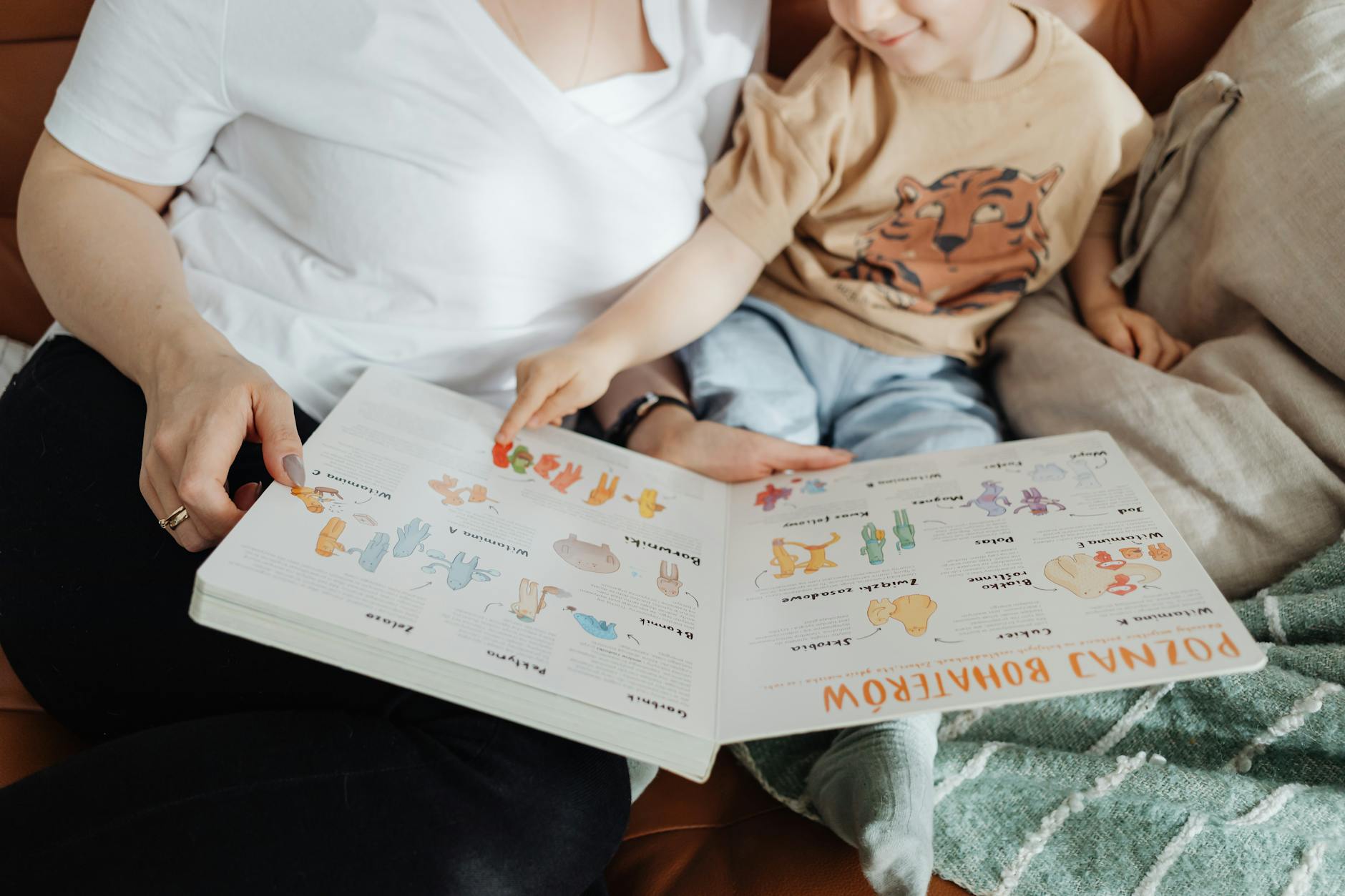
High academic achievement and extracurricular success are prioritized above all else in this demanding parenting style. Parents push their children relentlessly to perform at elite levels and often view anything less than perfection as a failure. Emotional needs and social development are frequently sacrificed in favor of rigorous study schedules and practice sessions. While children may achieve success on paper they often suffer from high levels of anxiety and depression. The immense pressure can lead to burnout and deep resentment toward the parents.
Narcissistic Parenting

A parent with this style views their child as an extension of themselves rather than an autonomous individual. The child’s achievements are used solely to boost the parent’s ego while the child’s needs are ignored or belittled. Emotional manipulation is common as the parent demands admiration and creates a competitive environment within the family. Children often grow up feeling they are only worthy of love when they are pleasing the parent. This dynamic creates deep-seated insecurity and difficulty establishing a separate identity.
Codependent Parenting

This unhealthy dynamic occurs when a parent relies heavily on their child to fulfill their own emotional needs. The parent may discourage the child’s independence to keep them close and maintain a sense of purpose. Boundaries are blurred as the parent becomes overly involved in the child’s feelings and decisions. Children often feel responsible for their parent’s happiness and struggle to develop their own autonomy. This enmeshment can prevent the child from forming healthy adult relationships outside the family unit.
Distracted Parenting

Modern technology has given rise to this style where parents are physically present but mentally disengaged due to screens. Constant interruptions from smartphones prevent meaningful eye contact and responsive communication during critical developmental moments. Children often escalate their behavior or act out specifically to compete with a device for their parent’s attention. The lack of consistent engagement can delay language development and hinder emotional bonding. Psychologists emphasize that quality interaction requires focused attention without digital interference.
Perfectionist Parenting

These parents set unattainably high standards and express disappointment whenever a child falls short of flawless performance. The focus remains constantly on what went wrong rather than celebrating efforts or partial successes. Children internalize this critical voice and develop a paralyzing fear of making mistakes. This often leads to procrastination or avoidance of challenges to escape the possibility of failure. The relentless pursuit of perfection usually results in chronic anxiety and low self-worth.
Transactional Parenting
Love and affection are treated as rewards to be earned rather than unconditional gifts in this parenting approach. Parents withdraw warmth or approval when a child misbehaves or fails to meet specific expectations. This teaches children that their value is tied strictly to their compliance or achievements. The resulting insecurity forces children to constantly perform to secure their place in the family. Such conditional regard damages trust and creates emotional instability.
Shame-Based Parenting

This harmful method relies on humiliation and mockery to correct behavior or control the child. Parents may belittle the child in front of others or use sarcasm to criticize their choices. The intent is to make the child feel small or unworthy as a means of enforcing compliance. Children subjected to this treatment often develop intense feelings of inadequacy and social anxiety. The toxic environment erodes self-confidence and fosters deep resentment.
Inconsistent Parenting
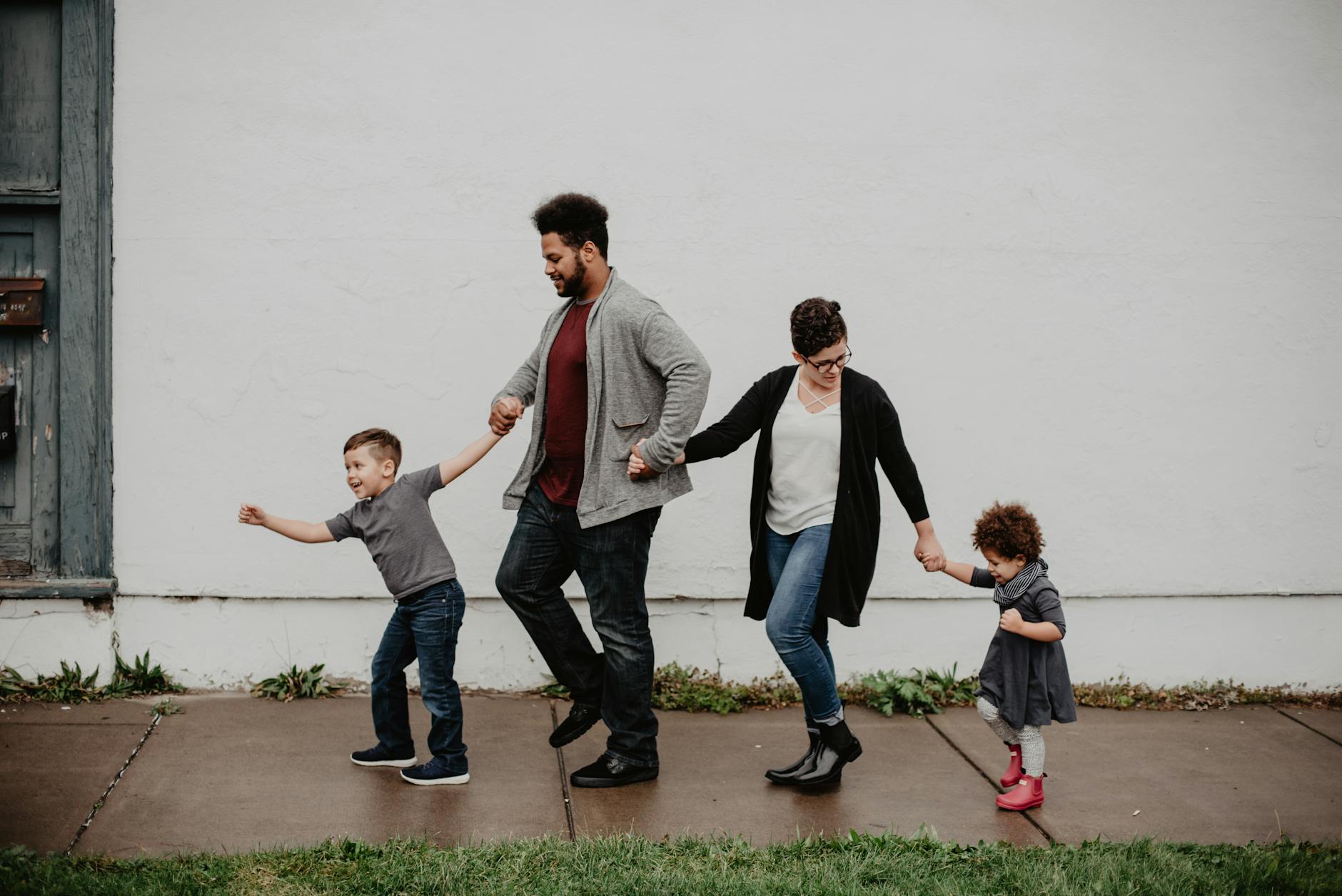
Parents using this style fluctuate unpredictably between strict discipline and leniency depending on their mood. Rules that are enforced one day may be ignored the next leaving the child confused about boundaries. This unpredictability creates a chaotic environment where the child feels anxious and unsure of how to behave. Without stable expectations children often push limits constantly to see what reaction they will get. The lack of structure hinders the development of self-discipline and emotional regulation.
Competitive Parenting

The child is treated as a status symbol to be compared against peers in this rivalry-focused style. Parents constantly measure their child’s milestones against others to validate their own parenting success. The child’s individual interests are often ignored in favor of activities that garner public praise or recognition. This creates immense pressure on the child to perform solely for the parent’s social standing. Children often feel commodified and struggle to understand their own intrinsic value.
Parentification

This reversal of roles occurs when parents expect their children to provide emotional or practical support suitable for adults. Children may be tasked with mediating parental conflicts or managing household responsibilities far beyond their age. This burden robs the child of a carefree childhood and forces them to grow up too quickly. The excessive responsibility often leads to anxiety and a tendency to prioritize others’ needs over their own. Adults who were parentified as children often struggle with setting boundaries.
Dismissive Parenting

Emotions are viewed as weaknesses or inconveniences to be ignored in this invalidating style. Parents may tell children to toughen up or stop crying rather than helping them process their feelings. This teaches children that their internal experiences are wrong or unimportant. Consequently children learn to suppress their emotions rather than managing them in healthy ways. The lack of emotional validation can lead to difficulty connecting with others later in life.
Fear-Based Parenting

Decisions in this household are driven by a constant worry about potential dangers in the outside world. Parents restrict normal activities and exploration because they overestimate the risks involved. This transmission of anxiety teaches children that the world is an inherently unsafe place. Children often adopt these fears and become hesitant to try new things or take healthy risks. The result is often a limited life experience and generalized anxiety.
Martyr Parenting

Parents who adopt this style constantly remind their children of the sacrifices made on their behalf. Guilt is used as a primary tool for control as parents emphasize how much they have given up. This creates a heavy emotional debt that the child feels obligated to repay through obedience. Children often feel like a burden and struggle with feelings of guilt whenever they assert their own needs. The dynamic stifles the child’s ability to pursue their own happiness.
Micromanagement Parenting

Every detail of the child’s schedule and activities is controlled and dictated by the parent. Choices regarding clothing and food or hobbies are made by the parent with little input from the child. This lack of autonomy prevents the child from learning who they are or what they enjoy. Children often become passive and rely entirely on others to structure their time and lives. The suppression of personal will can lead to a lack of identity in adulthood.
Reactive Parenting

Discipline is handled impulsively and emotionally rather than through a thoughtful or consistent plan. Parents often yell or assign punishments in the heat of the moment based on their own frustration levels. This teaches children that conflict is handled through improved aggression rather than calm resolution. The child learns to fear the parent’s emotional volatility rather than respecting established rules. This cycle often creates a volatile household atmosphere.
Gaslighting Parenting
This manipulative style involves parents denying the child’s reality or memories to maintain control. A parent might insist an event never happened or tell the child they are imagining things when they are not. This causes the child to doubt their own perceptions and sanity. The erosion of trust in one’s own mind is deeply damaging and creates long-lasting psychological scars. Victims often struggle to trust their own judgment as adults.
Achievement-Focused Parenting
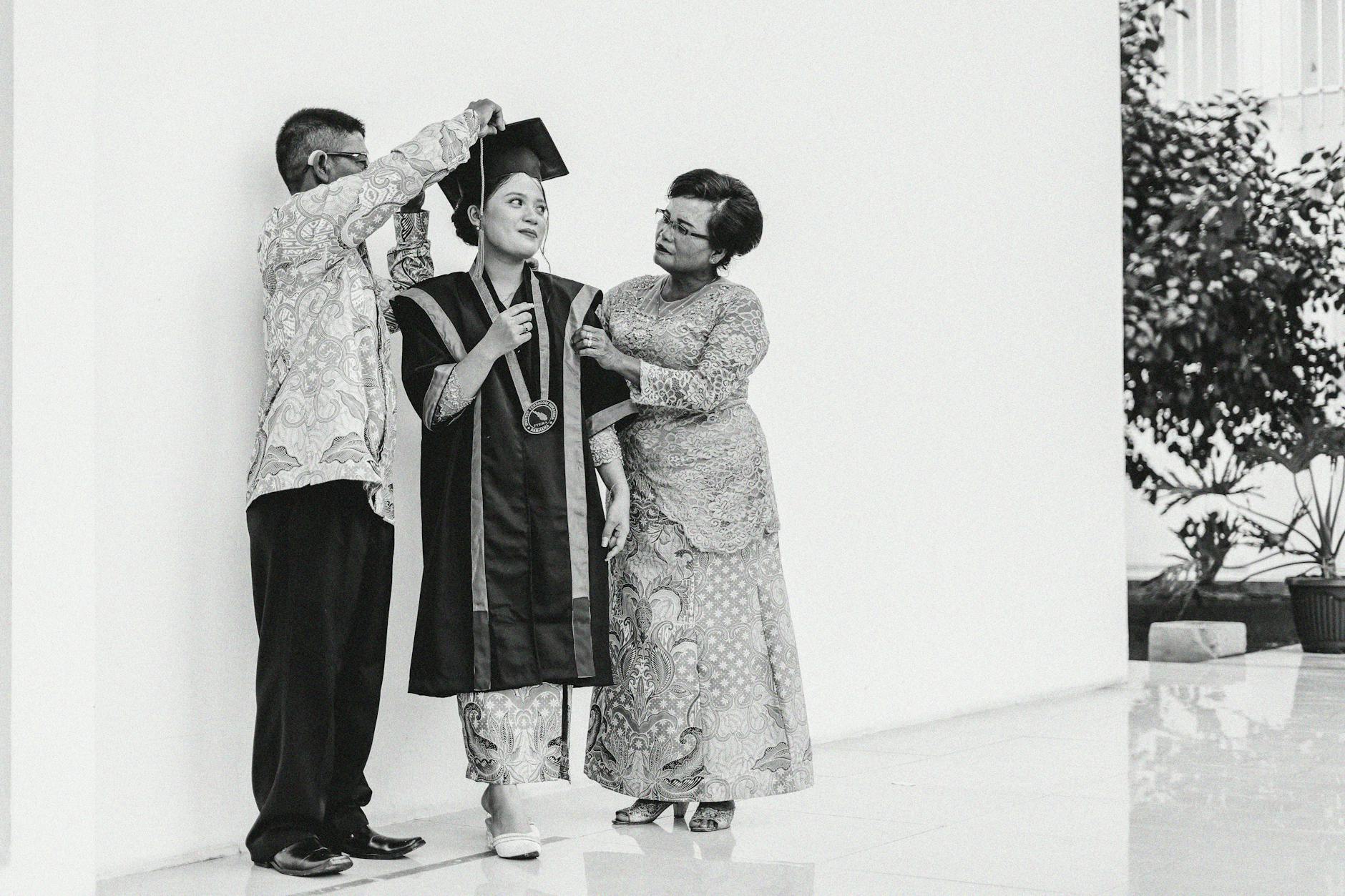
Similar to Tiger parenting but broader this style values external accolades over internal character development. Conversations revolve almost exclusively around grades or trophies and awards. The child learns that they are only as good as their last accomplishment. This extrinsic motivation fails to foster a genuine love for learning or personal growth. Children often experience burnout and emptiness once the achievements are attained.
Avoidant Parenting

Parents utilizing this style shy away from difficult conversations or conflicts entirely. They may ignore bad behavior or refuse to discuss sensitive topics like sex or drugs or emotions. This leaves the child without guidance or a safe space to discuss difficult issues. The lack of open communication forces children to seek information from unreliable sources. Problems often escalate because they are never addressed directly.
Buddy Parenting

The parent prioritizes being the child’s best friend over being a responsible guardian or authority figure. They often share inappropriate personal information with the child to build a peer-like bond. While the relationship may seem close it lacks the security that comes from having a capable adult in charge. Children often feel unsafe or anxious because they have to navigate boundaries on their own. The lack of hierarchy can make discipline impossible when it is actually needed.
Pessimistic Parenting

This style involves parents who constantly vocalize negative views about the world and the future. They may discourage the child’s dreams by framing them as unrealistic or doomed to fail. This constant negativity dampens the child’s natural optimism and curiosity. Children often internalize this defeatist attitude and give up on goals before even trying. The result is a mindset focused on limitations rather than possibilities.
We invite you to join the conversation and leave a comment sharing which of these styles you have encountered or experienced personally.




