Navigating the landscape of modern wellness trends can be incredibly confusing when popular advice contradicts medical reality. Many individuals adopt routines they believe will extend their longevity only to discover those choices place unexpected strain on the cardiovascular system. Marketing campaigns often highlight short-term benefits while obscuring the potential long-term damage to arteries and heart muscle. Understanding the nuance behind these choices is essential for maintaining true heart health. The following practices are frequently touted as beneficial but require careful reconsideration.
Coconut Oil

Popular culture frequently promotes this tropical fat as a miracle cure for various ailments and a staple for clean cooking. Recent studies highlight its extremely high concentration of saturated fat which significantly raises LDL cholesterol levels. Elevated bad cholesterol is a well-documented precursor to clogged arteries and potential heart attacks. Using it sparingly is acceptable but replacing olive oil with it completely poses risks. Moderation remains key when incorporating dense fats into a daily diet.
Cold Pressed Juice
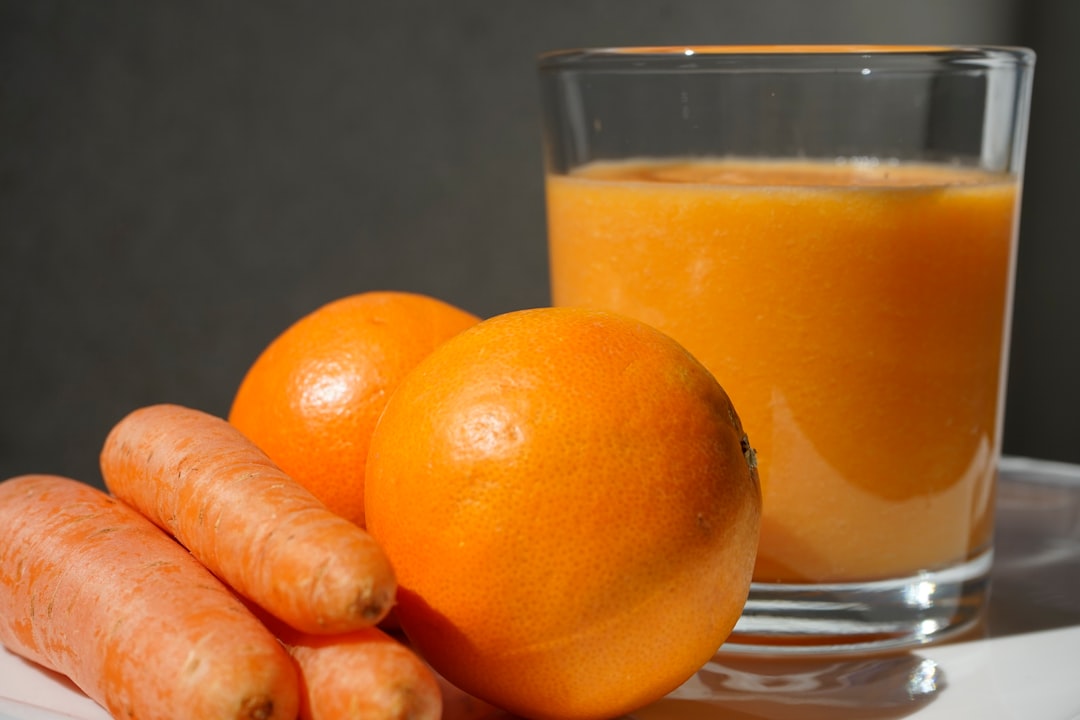
Drinking fruits and vegetables seems like the fastest way to absorb vital nutrients and vitamins. The juicing process removes essential fiber which normally regulates how sugar enters the bloodstream. Rapid spikes in blood sugar can damage blood vessels over time and place unnecessary strain on the cardiovascular system. Many commercial juices also contain added sugars that contribute to weight gain and metabolic issues. Eating whole produce is generally safer for long-term heart health.
Gluten Free Diets
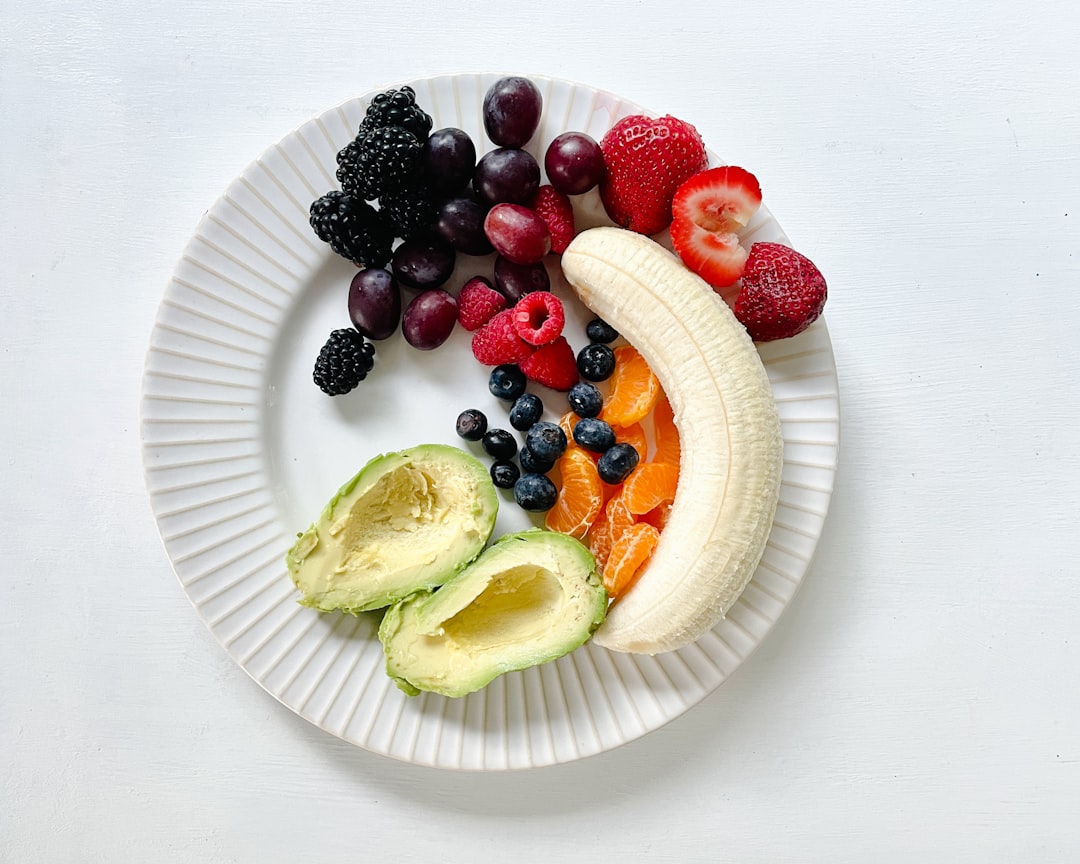
Eliminating gluten is medically necessary for those with celiac disease but has become a trend for the general population. Many processed gluten-free products rely on refined starches and sugar to mimic the texture of wheat. These substitutes often lack the heart-healthy whole grains and fiber found in traditional wheat products. A diet low in dietary fiber is linked to a higher risk of heart disease and diabetes. Focusing on naturally gluten-free whole foods is better than buying processed alternatives.
Excessive Endurance Training

Regular exercise is the cornerstone of heart health yet there is a point where returns diminish. Running ultra-marathons or engaging in extreme endurance events can cause temporary structural changes to the heart. Chronic excessive strain may lead to scarring of the heart muscle or irregular heartbeats known as arrhythmias. Recovery time is just as important as the workout itself for maintaining cardiac integrity. Moderate exercise usually offers the best balance of benefits and safety.
Low Fat Foods

The diet industry spent decades convincing consumers that fat was the enemy of good health. Manufacturers often replace the fat in these products with high amounts of sugar and refined carbohydrates to maintain flavor. This trade creates a blood sugar roller coaster that increases inflammation and triglycerides in the blood. High triglyceride levels are a major risk factor for developing heart disease later in life. Healthy fats from nuts and avocados are superior to processed low-fat snacks.
Diet Soda

Switching from sugary beverages to zero-calorie alternatives appears to be a smart move for weight management. Research suggests that artificial sweeteners may interfere with the body’s ability to regulate calorie intake. Frequent consumption has been linked to an increased risk of metabolic syndrome and stroke. The intense sweetness can also trigger insulin responses that stress the metabolic system. Water or unsweetened tea remain the only truly heart-safe hydration options.
Daily Aspirin
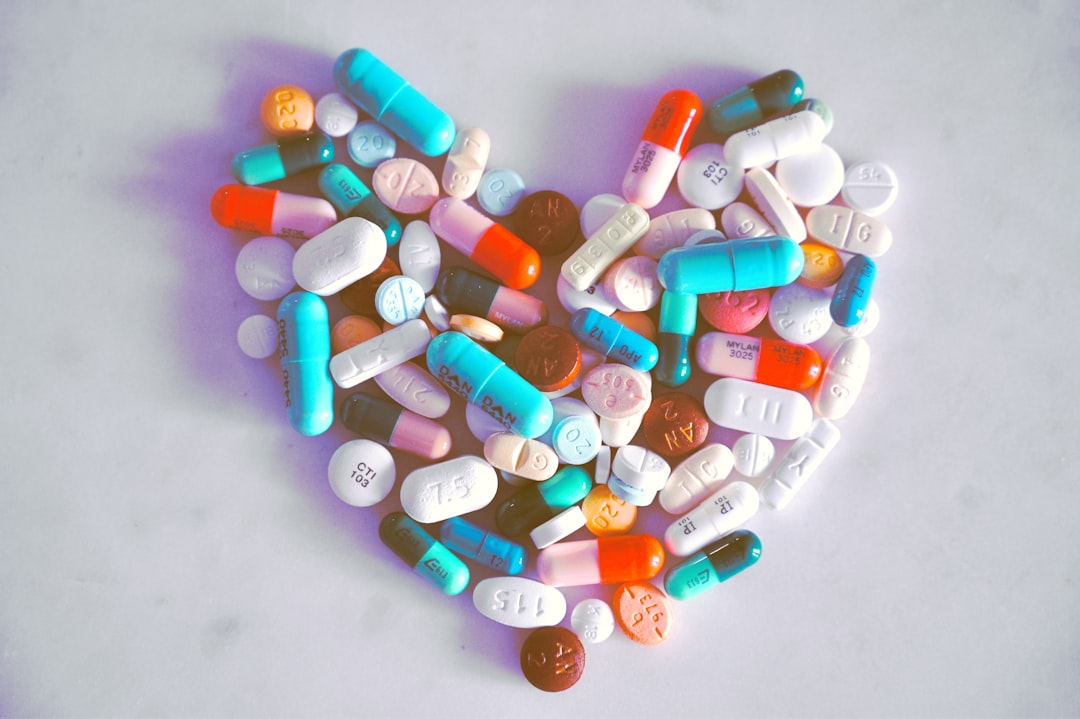
Many adults once took a low-dose aspirin daily as a preventative measure against heart attacks. Medical guidelines have shifted because the risk of internal bleeding often outweighs the benefits for healthy individuals. Unnecessary blood thinning can lead to dangerous complications without offering significant protection. This regimen should only be followed under the strict supervision of a cardiologist. It is no longer a universal recommendation for the general aging population.
Himalayan Sea Salt

Gourmet salts are often marketed as a healthier alternative to standard table salt due to their mineral content. The chemical composition of pink salt is still primarily sodium chloride just like the white variety. Consuming too much sodium of any kind raises blood pressure and forces the heart to work harder. The trace minerals found in sea salt are not significant enough to offset the risks of high sodium intake. reducing overall salt consumption is more effective than switching types.
Energy Bars

These convenient snacks are frequently sold in health food stores as perfect fuel for active lifestyles. A closer look at the nutrition label often reveals a sugar content comparable to a candy bar. Consuming high levels of sugar causes inflammation and contributes to arterial stiffness. Many bars also contain processed soy isolates and saturated fats that offer little nutritional value. Whole foods like nuts or fruit are far better for sustained energy and vascular health.
Red Wine

The antioxidant resveratrol found in red wine has long been praised for its potential heart benefits. Recent large-scale studies suggest that no amount of alcohol is truly safe for the cardiovascular system. Alcohol consumption can raise blood pressure and contribute to cardiomyopathy over time. The risks of irregular heart rhythms often outweigh the minimal benefits provided by antioxidants. getting antioxidants from grapes or berries is a much safer delivery method.
Detox Teas

Cleansing teas promise to flush toxins from the body and flatten the stomach quickly. These products often contain natural laxatives like senna which can cause severe dehydration and electrolyte imbalances. A lack of proper electrolytes affects the electrical signals that regulate the heartbeat. prolonged use can lead to dependency and potential heart function abnormalities. The liver and kidneys are fully capable of detoxifying the body without herbal assistance.
Frozen Yogurt
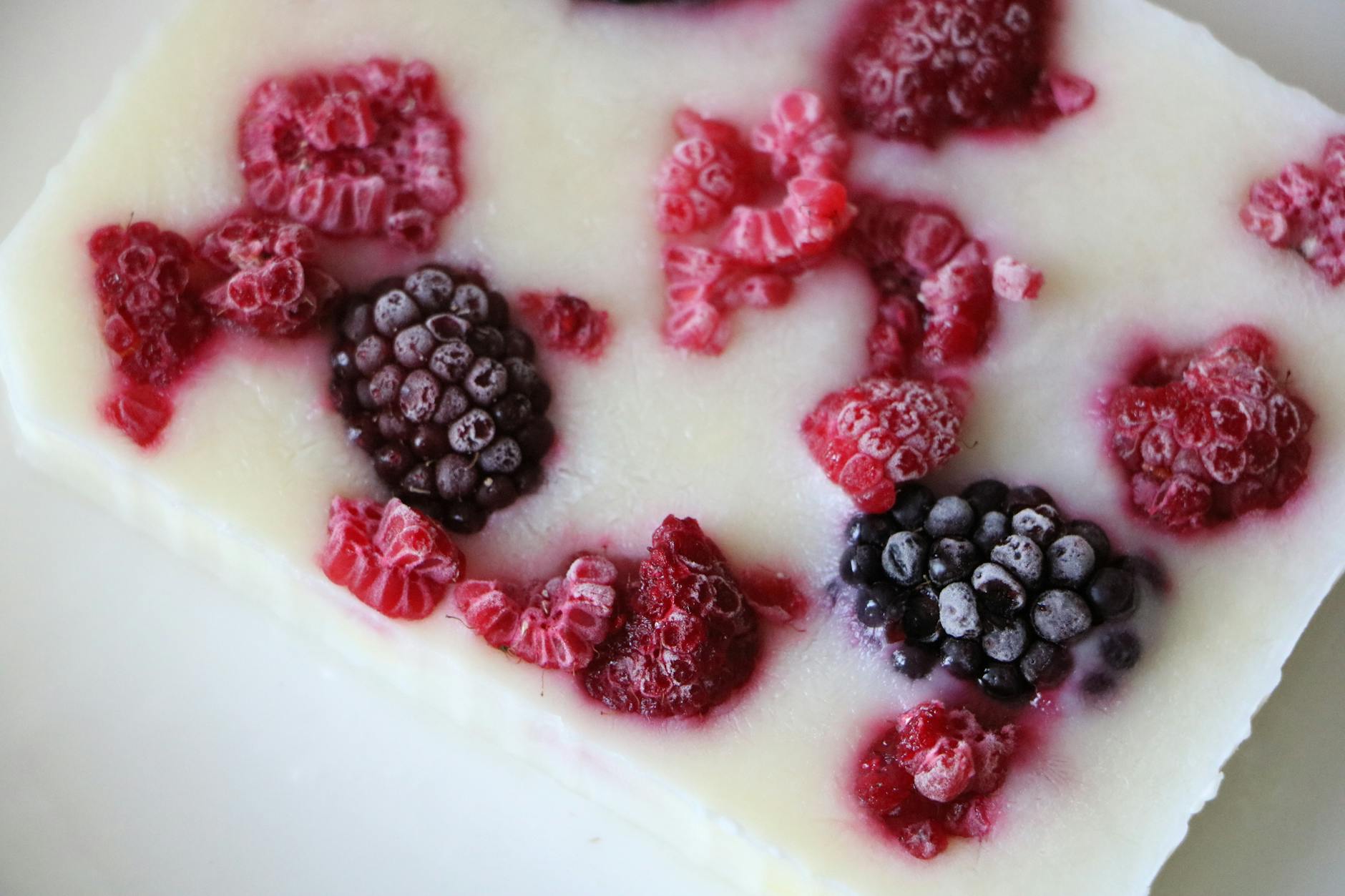
This dessert is widely perceived as the guilt-free cousin of ice cream due to its probiotic content. Most shops serve massive portions that are loaded with sugar before toppings are even added. The toppings bar often includes candies and syrups that turn the treat into a caloric bomb. High sugar intake is directly linked to obesity and inflammation which are enemies of heart health. Portion control is essential even when the base product is cultured milk.
Agave Nectar
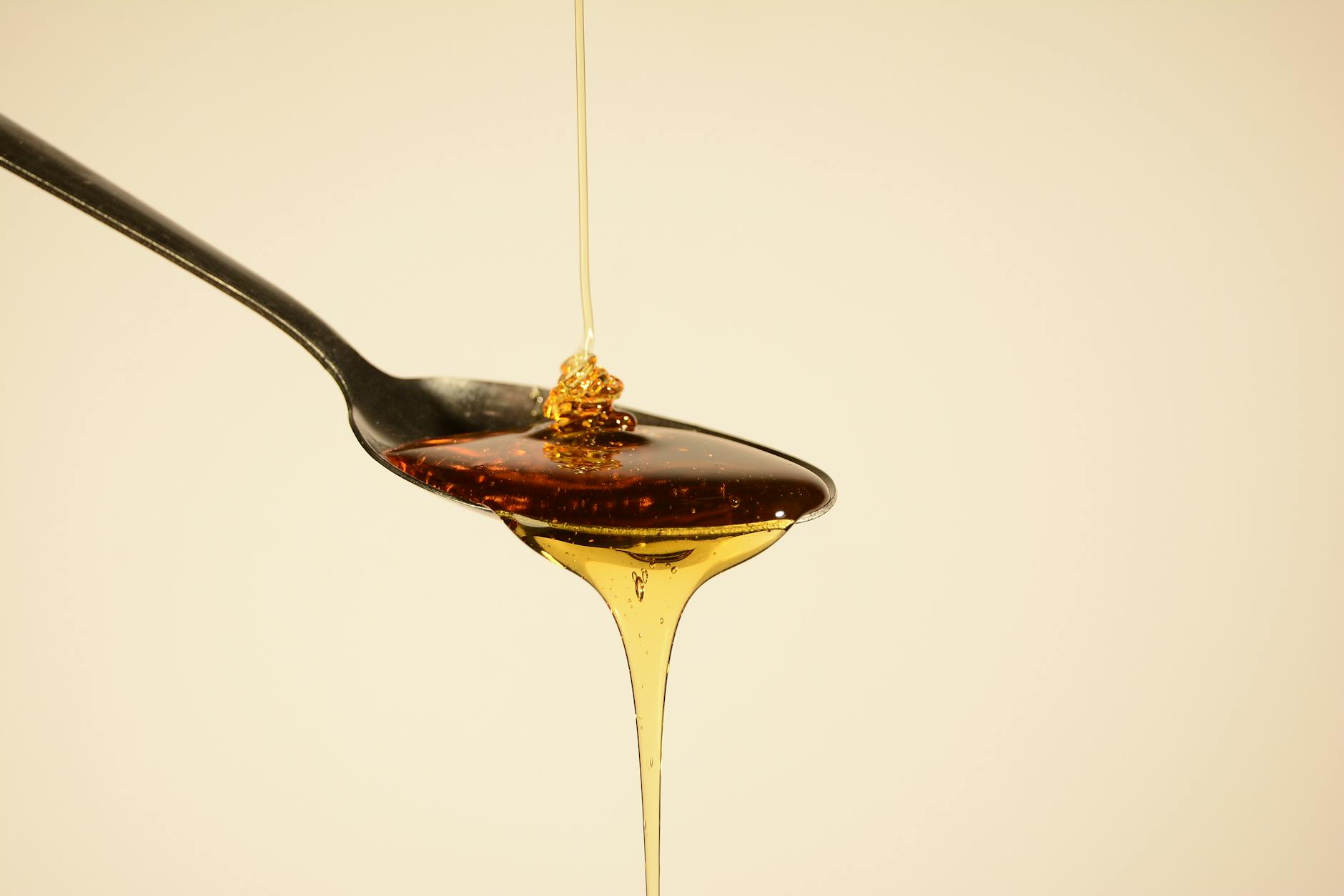
Health enthusiasts flocked to agave as a natural low-glycemic sweetener for tea and baking. This syrup is extremely high in fructose which is processed directly by the liver. excessive fructose consumption can lead to fatty liver disease and elevated triglycerides. These metabolic changes significantly increase the risk of developing cardiovascular problems. It is arguably more damaging to metabolism than standard table sugar.
Overhydration

Staying hydrated is vital but drinking excessive amounts of water can actually be dangerous. Drinking too much fluid dilutes the sodium levels in the blood leading to a condition called hyponatremia. This electrolyte imbalance can cause heart failure in severe cases as cells begin to swell. The heart must work harder to pump the increased volume of fluid through the body. Drinking to thirst is generally the best guide for maintaining proper balance.
Weekend Warrior Exercise
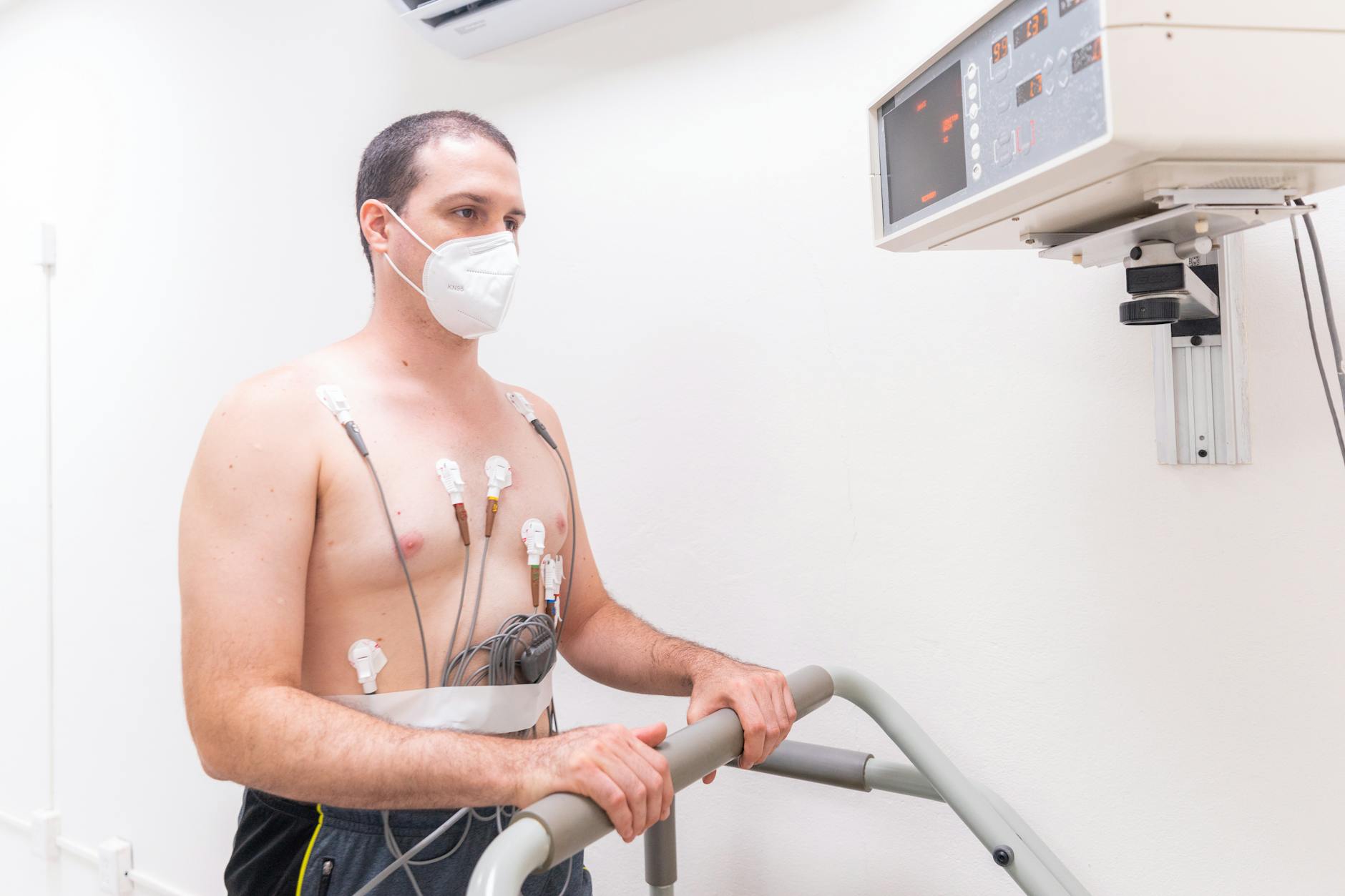
Sedentary individuals often try to cram a week of exercise into Saturday and Sunday. This sudden burst of intense activity places shocking demand on an unconditioned heart. The rapid rise in heart rate and blood pressure increases the risk of cardiac events during the activity. Consistency throughout the week is far more protective than sporadic high-intensity sessions. Gradual conditioning allows the cardiovascular system to adapt safely.
Dark Chocolate

Cocoa is rich in flavonoids that can lower blood pressure and improve blood flow. Many commercial dark chocolate bars still contain significant amounts of sugar and saturated fat. Eating large quantities to get the health benefits creates a calorie surplus that leads to weight gain. Weight gain places additional stress on the heart and cancels out the flavonoid benefits. A small square is a treat while a whole bar is a dietary setback.
Standing Desks

Office workers often switch to standing desks to combat the dangers of a sedentary lifestyle. Standing in one position for prolonged periods can actually cause blood to pool in the legs. This puts additional pressure on the veins and can strain the circulatory system over time. Movement is the critical factor rather than just avoiding a chair. Alternating between sitting and standing is the best strategy for vascular health.
Hot Yoga

Practicing yoga in a heated room is a popular way to increase flexibility and sweat out impurities. The extreme heat causes blood vessels to dilate which lowers blood pressure significantly. This drop forces the heart to pump faster to maintain adequate blood flow to the brain. Individuals with underlying heart conditions may find this stress leads to dizziness or fainting. Standard yoga offers similar benefits without the thermal strain on the heart.
Plant Based Meat Alternatives

Reducing red meat consumption is generally a positive step for lowering cholesterol. Many engineered meat substitutes are ultra-processed foods filled with sodium and preservatives. The saturated fat content from coconut or palm oil in these burgers often rivals that of beef. High sodium intake stiffens arteries and contributes to hypertension. Whole plant proteins like lentils and beans are superior to lab-grown imitations.
Vitamin E Supplements
Antioxidants are essential for fighting cell damage but getting them from pills can be risky. High-dose Vitamin E supplementation has been linked to an increased risk of heart failure and stroke. The body absorbs and utilizes nutrients better when they come from whole food sources. excess supplementation can interfere with the body’s natural clotting mechanisms. A diet rich in leafy greens and nuts provides safe levels of this vitamin.
Oversleeping

Sleep is crucial for repair but getting too much of it is correlated with poor health outcomes. Consistently sleeping more than nine hours a night is linked to higher inflammation markers and heart disease. It often signals underlying issues such as sleep apnea or depression which strain the heart. The sedentary nature of prolonged bed rest also slows circulation. Aiming for seven to eight hours is the sweet spot for cardiac longevity.
Protein Shakes
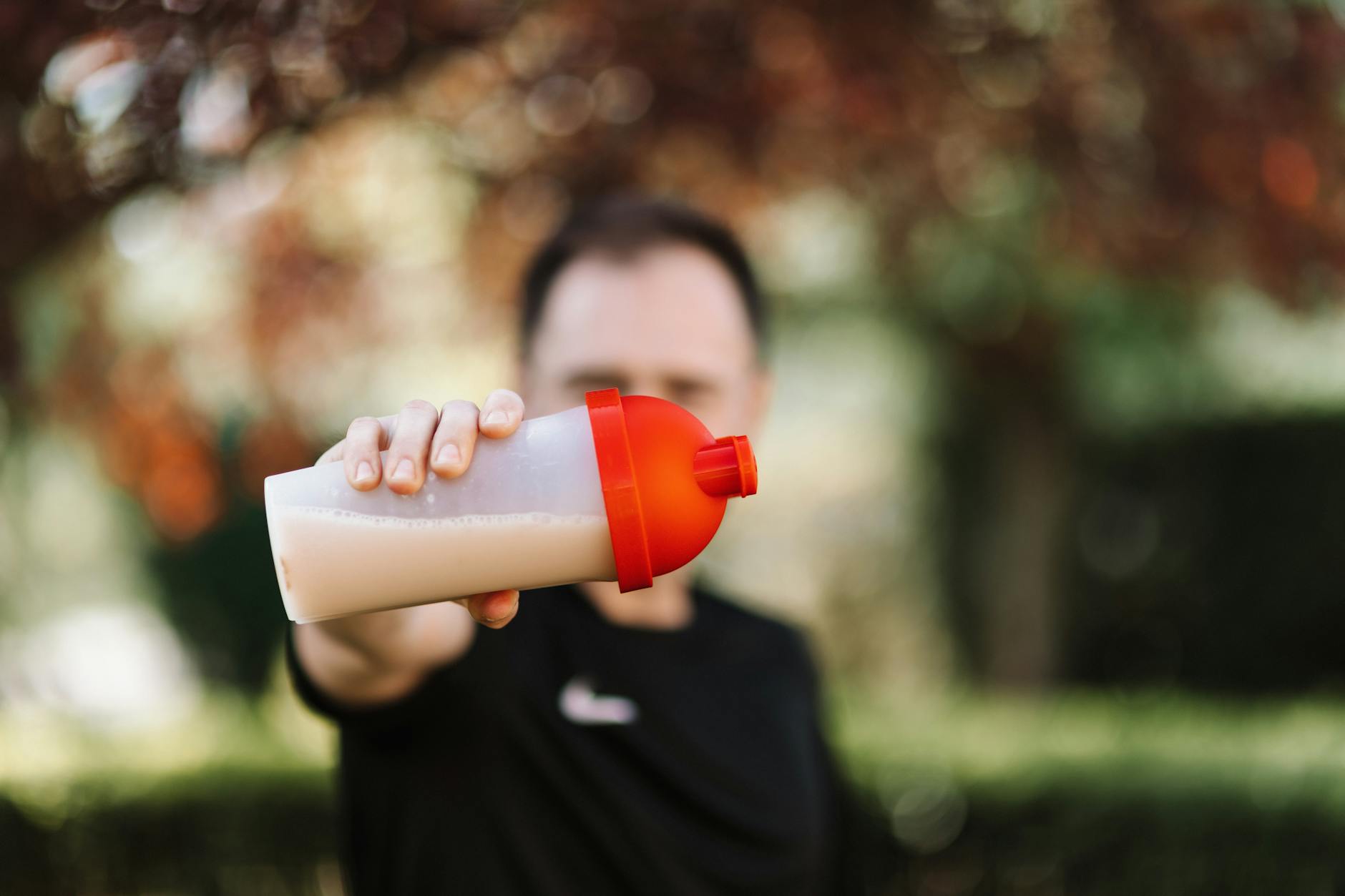
Athletes and gym-goers often rely on powdered supplements to meet their daily protein goals. Many of these powders contain heavy metals and added sugars that are not regulated by the FDA. The sudden influx of protein can also strain the kidneys which plays a role in blood pressure regulation. Liquid calories are less satiating and can lead to unintentional weight gain. Real food sources like chicken or tofu are safer and more nutritious options.
Keto Diet
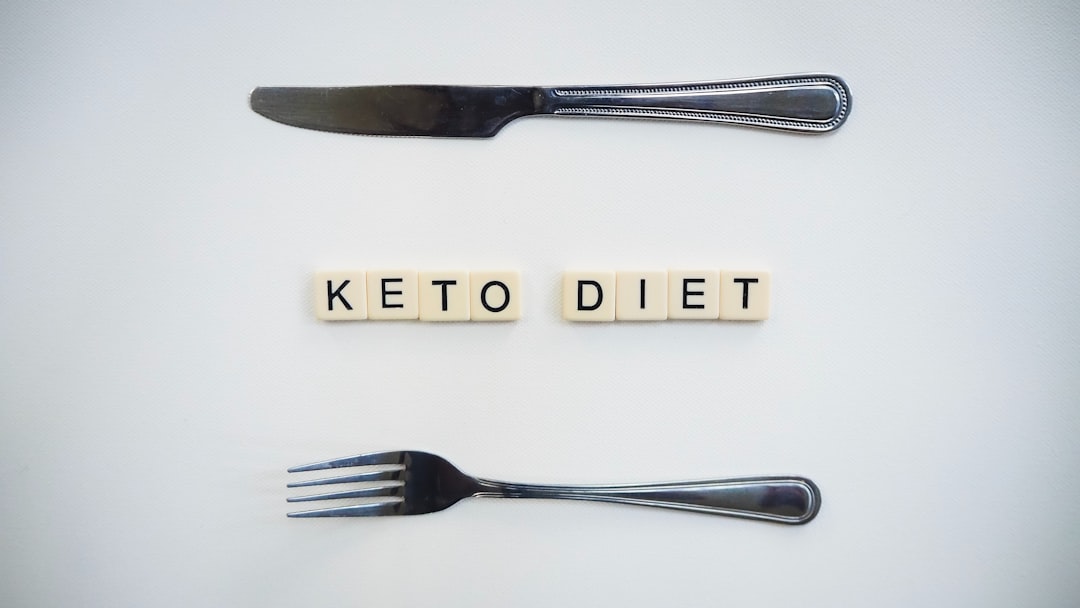
The ketogenic diet promotes high fat intake to induce a metabolic state called ketosis. While effective for weight loss it often encourages the consumption of bacon and butter. High saturated fat intake raises low density lipoprotein cholesterol which clogs arteries. Cardiologists warn that sustaining this diet long term may stiffen cardiac muscles. A balanced approach with plant fats is preferable for heart safety.
Turkey Bacon

People often choose turkey bacon as a lighter alternative to traditional pork strips. This processed meat is still loaded with nitrates and sodium to preserve flavor and color. Nitrates damage blood vessels and reduce the elasticity of arteries over time. The lower calorie count does not negate the high salt content that spikes blood pressure. Lean cuts of fresh poultry are far better than processed curing.
Dried Fruit
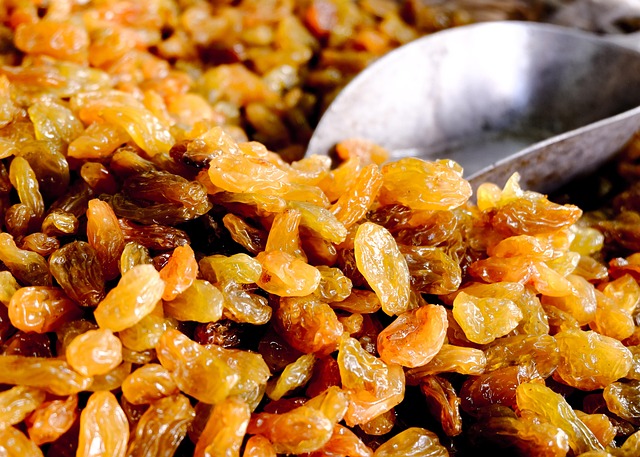
Fruit is healthy but removing the water concentrates the sugar content significantly. A small handful of dried fruit can contain as much sugar as a can of soda. The sticky texture also clings to teeth and can spike insulin levels rapidly. It is very easy to overeat dried fruit compared to the fresh version. Fresh fruit provides volume and hydration that aids in satiety and heart health.
Instant Oatmeal
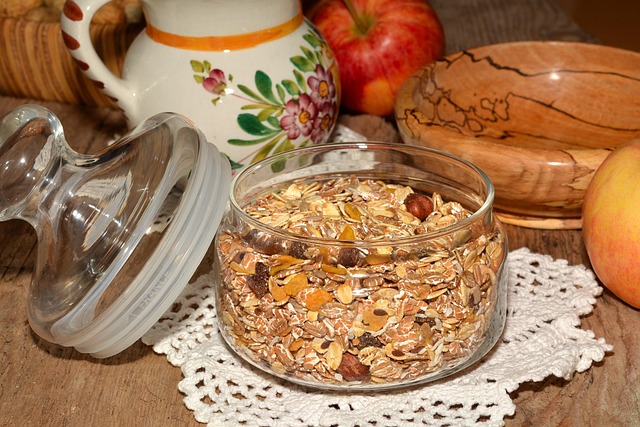
Oats are a heart-healthy superfood known for lowering cholesterol through beta-glucan. Instant flavored packets are typically processed for quick cooking and loaded with sugar. The processing increases the glycemic index causing faster absorption and sugar spikes. This negates the stabilizing benefits that steel-cut or rolled oats usually provide. Preparing plain oats and adding fresh fruit is the only way to ensure benefits.
Canned Soup

Soup is often viewed as a light and healthy meal for lunch or dinner. Canned varieties are notorious for containing more than half the daily recommended limit of sodium in one serving. Excess sodium forces the body to hold onto water which increases blood volume and pressure. Consistently high blood pressure damages arterial walls and weakens the heart. Homemade soup allows for control over salt and preservative levels.
Vegetable Chips

Snack aisles feature chips made from beets or sweet potatoes that claim to be healthy. These products are usually deep-fried in vegetable oils just like standard potato chips. The frying process adds trans fats and saturated fats that contribute to arterial plaque. Most of the vitamin content is destroyed during the high-heat processing. Air-popped popcorn or raw veggies are better choices for crunchy snacks.
Smoothie Bowls
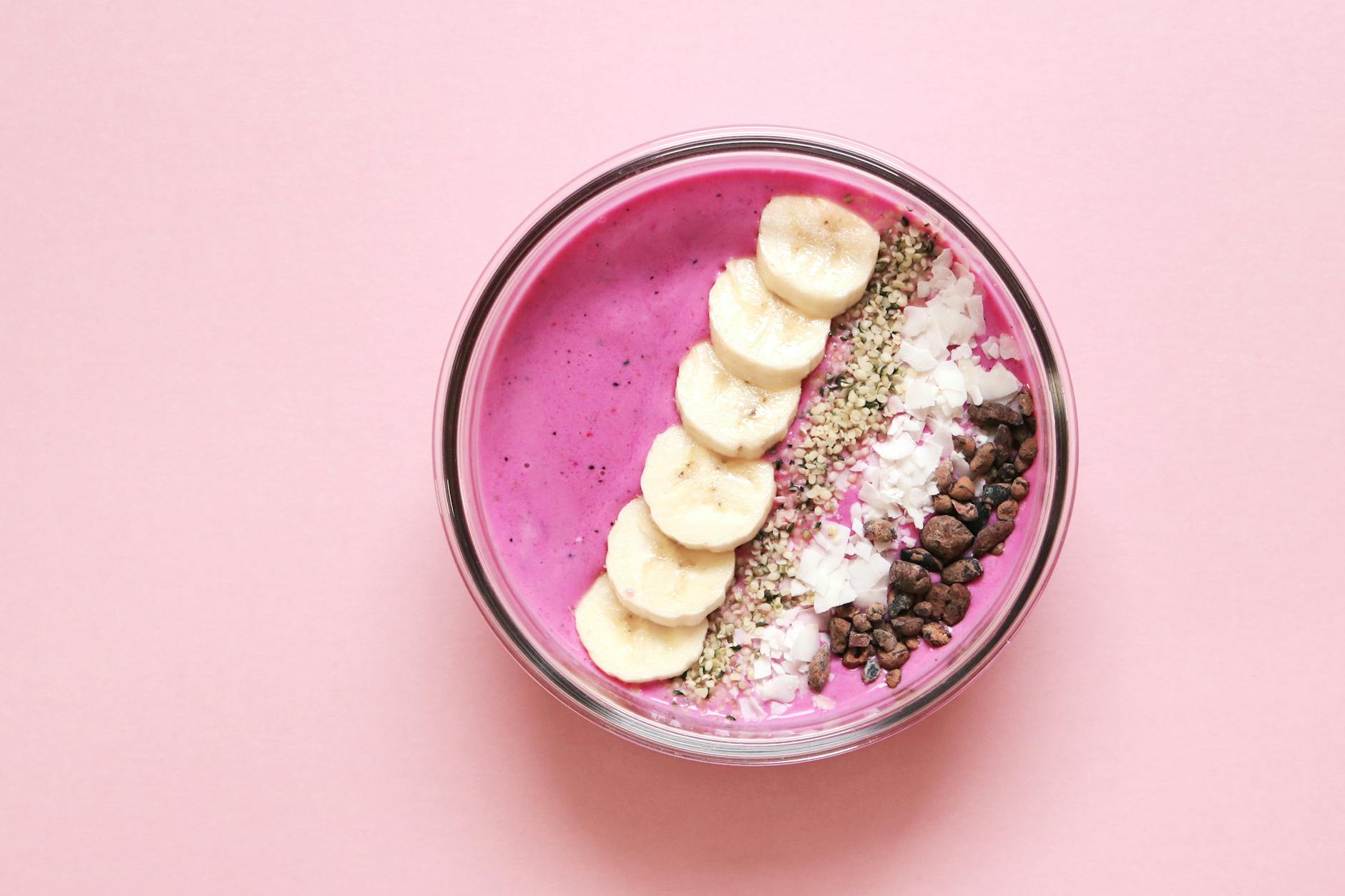
Acai and smoothie bowls are Instagram favorites that look like the epitome of health. They are frequently made with large amounts of fruit juice and sweetened granola and honey. A single bowl can contain upwards of fifty grams of sugar which stresses the heart. The lack of chewing also leads to faster ingestion and less satisfaction signaling. keeping the portion size small and limiting toppings is crucial.
Pre Workout Supplements

Gym culture promotes taking stimulants to maximize performance during lifting sessions. These powders contain massive doses of caffeine that can cause palpitations and high blood pressure. The constriction of blood vessels during heavy exertion adds to the cardiac workload. Some ingredients are untested and may cause adverse reactions in sensitive individuals. A cup of coffee provides a safer and more predictable energy boost.
Share your experiences with these habits and any changes you plan to make in the comments.




