Proper vehicle maintenance extends far beyond scheduled oil changes and occasional tire rotations. Many drivers unknowingly engage in daily habits that cause premature wear and expensive damage to their vehicles. Mechanics frequently see the same preventable issues caused by driving style or neglect. Understanding how specific actions affect the complex systems within a car can save thousands of dollars in repairs. Adopting better driving habits ensures the vehicle remains safe and reliable for years to come.
Ignoring Dashboard Lights
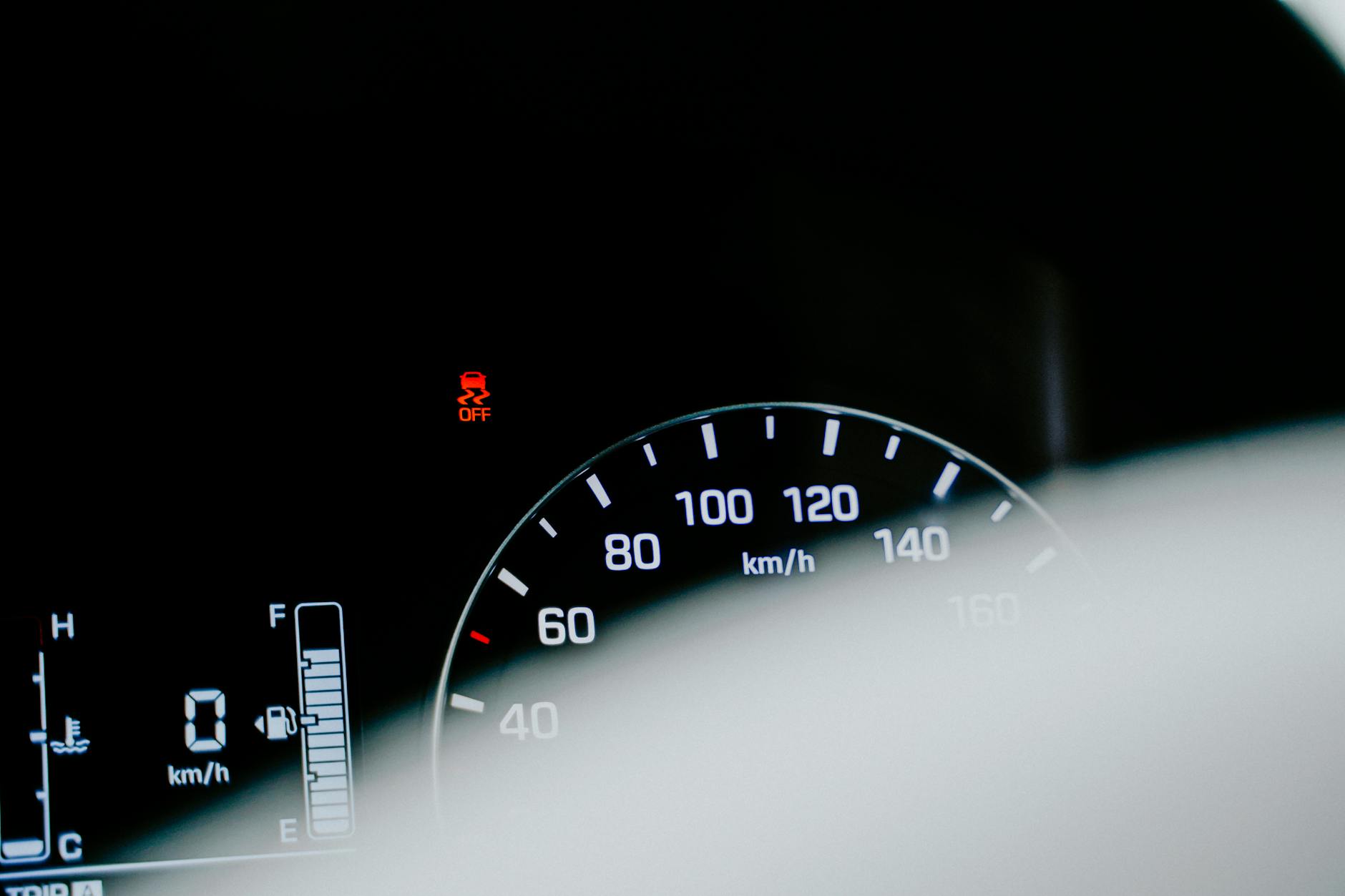
Ignoring the check engine light is a common mistake that leads to expensive repairs down the road. This warning indicator suggests that the onboard diagnostic system has detected a malfunction requiring attention. Continuing to drive with an illuminated dashboard light risks causing permanent damage to critical components like the catalytic converter. Mechanics advise bringing the vehicle in for a diagnostic scan as soon as any warning symbol appears. Prompt action often saves money and prevents a breakdown during a commute.
Skipping Oil Changes
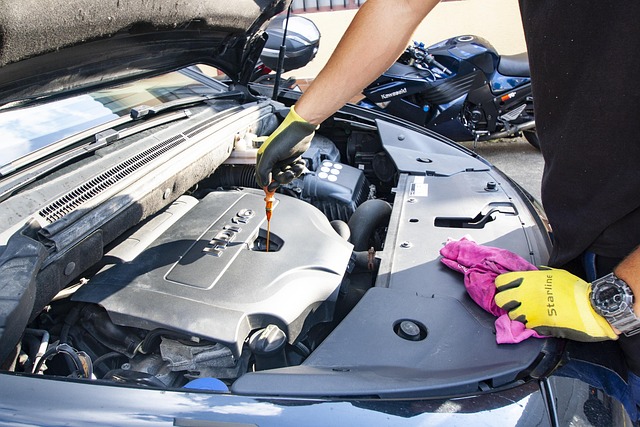
Stretching the time between oil changes allows sludge to build up inside the engine. Old oil loses its lubricating properties and increases friction among moving metal parts. This negligence causes the engine to run hotter and wear out significantly faster than it should. Adhering to the manufacturer’s recommended schedule ensures the motor remains clean and efficient. Regular maintenance is far cheaper than replacing a seized engine block.
Driving on Low Fuel
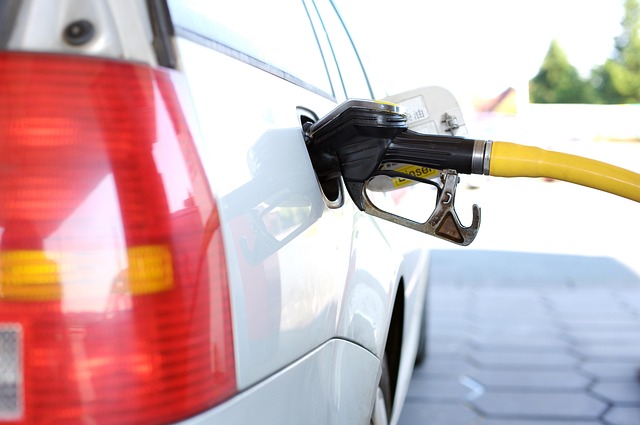
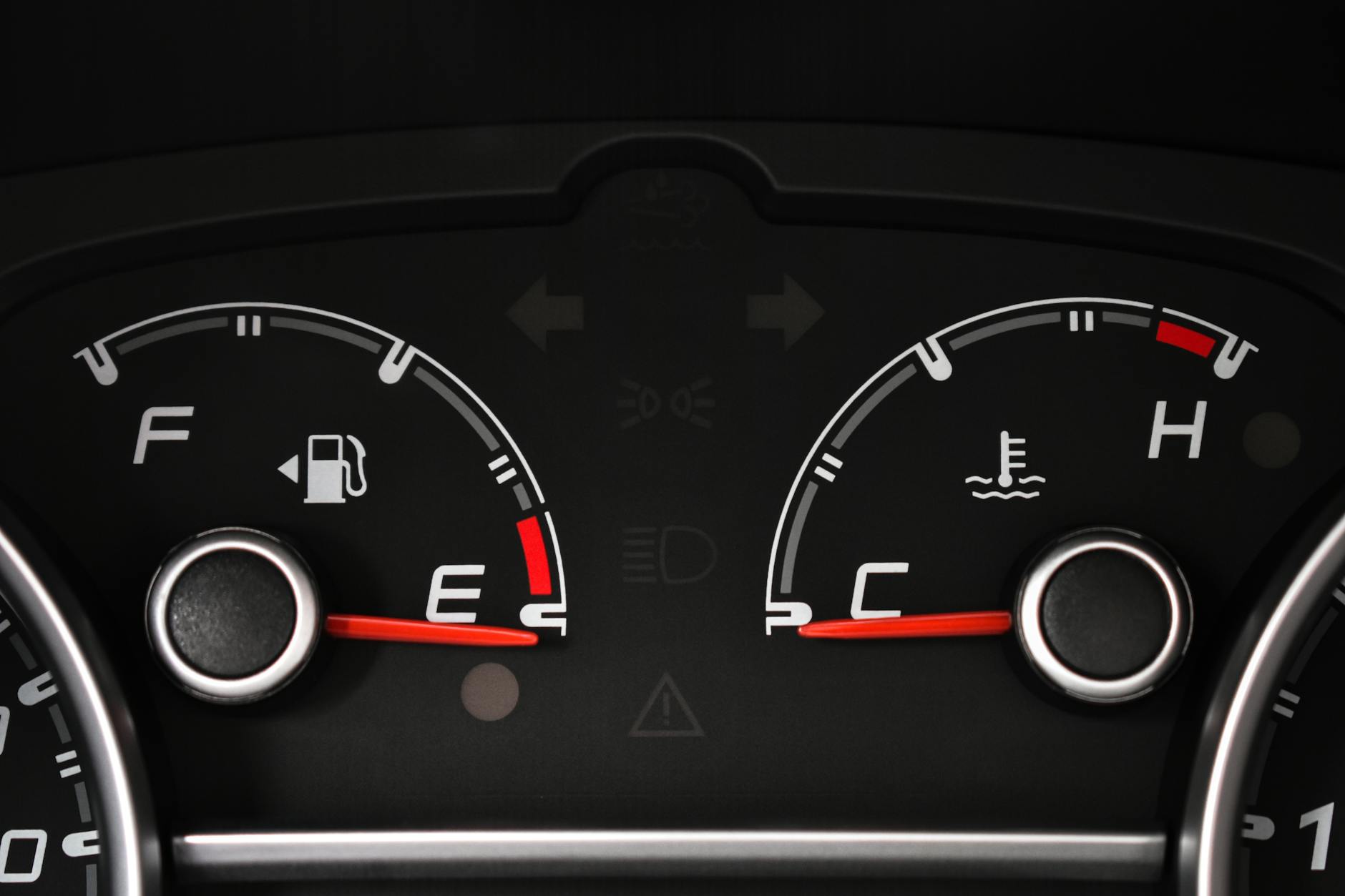
Consistently driving with the fuel light on forces the fuel pump to work harder than necessary. The fuel actually acts as a coolant for the pump inside the tank. Running the tank near empty exposes the pump to air and causes it to overheat or fail prematurely. Sediment at the bottom of the tank can also get sucked into the system and clog the fuel filter. Keeping the tank at least a quarter full extends the lifespan of these costly components.
Shifting from Reverse to Drive While Moving
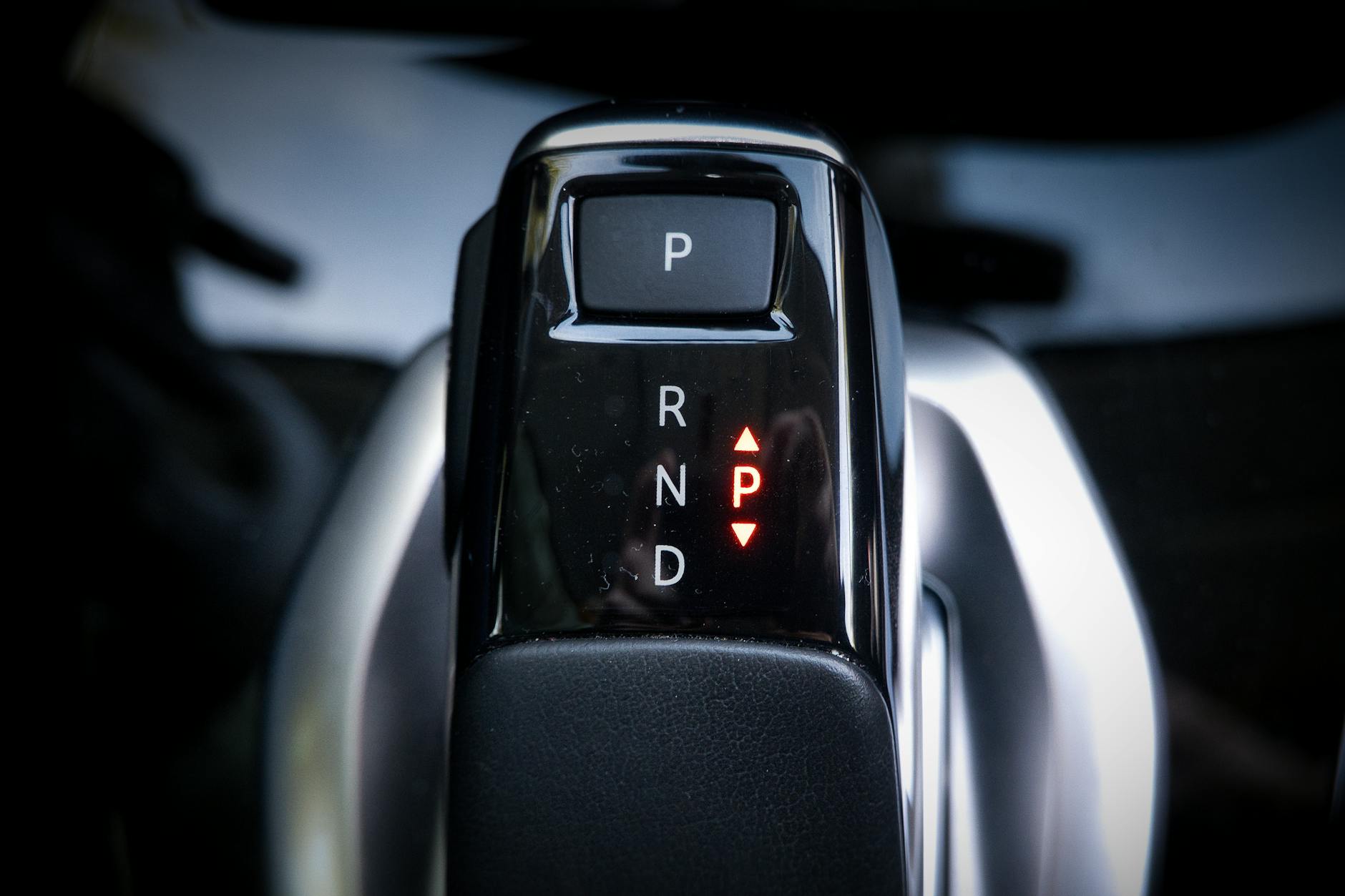
Switching gears before coming to a complete stop places immense stress on the transmission. This bad habit forces the transmission bands to act as brakes and causes unnecessary internal wear. The sudden change in direction can damage the drive shafts and suspension components over time. Automatic transmissions are complex systems designed to shift only when the vehicle is stationary. A brief pause to stop completely preserves the drivetrain and avoids expensive transmission rebuilds.
Ignoring Unusual Noises
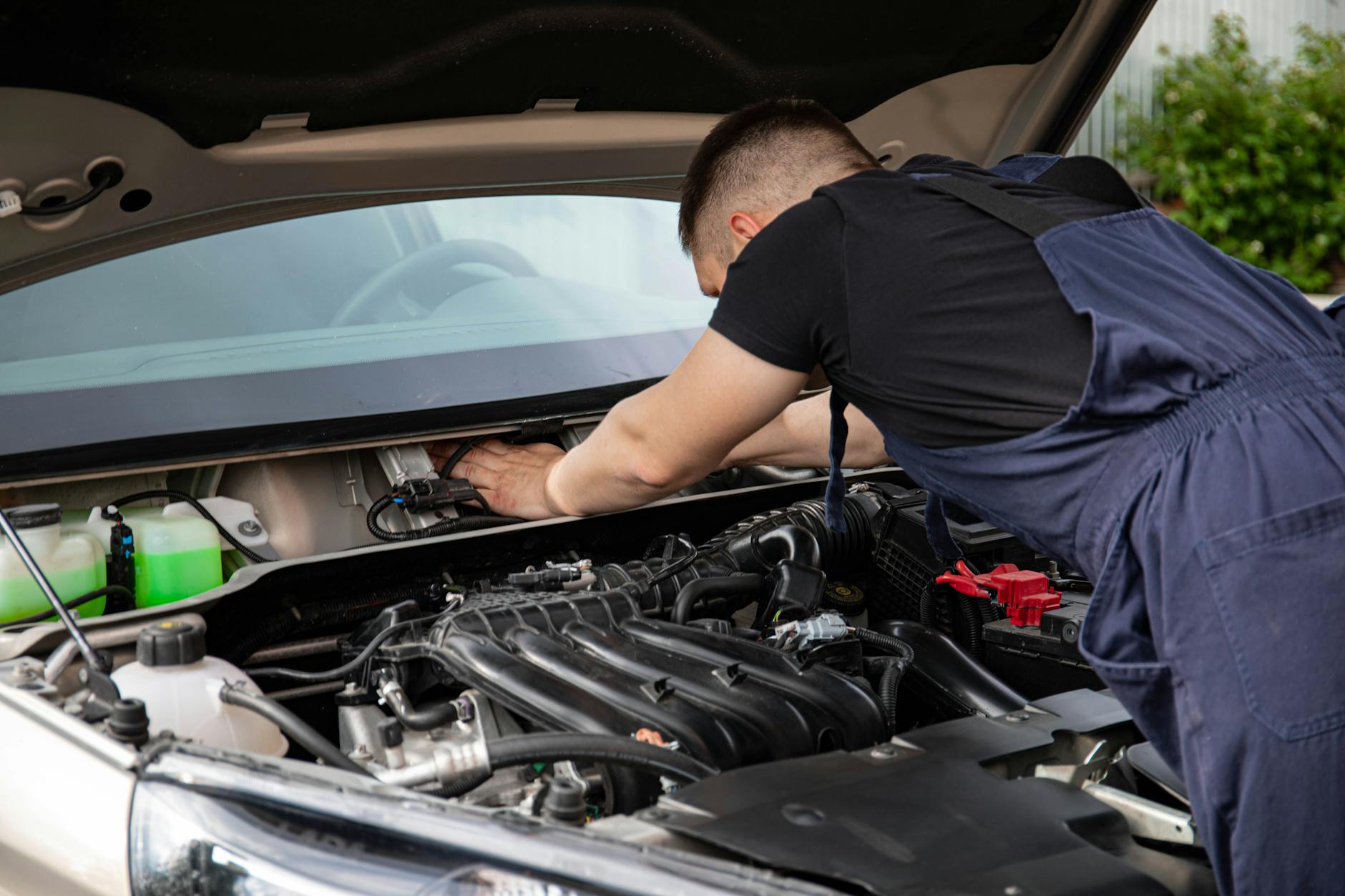
Turning up the radio to drown out squealing brakes or clunking suspension sounds is a dangerous practice. These auditory cues are often the first sign that a part has worn out or broken. Delaying an inspection usually results in collateral damage to surrounding mechanisms. A small squeak from a brake pad can turn into a destroyed rotor if left unchecked. Addressing strange sounds early prevents minor issues from becoming major safety hazards.
Neglecting Tire Pressure
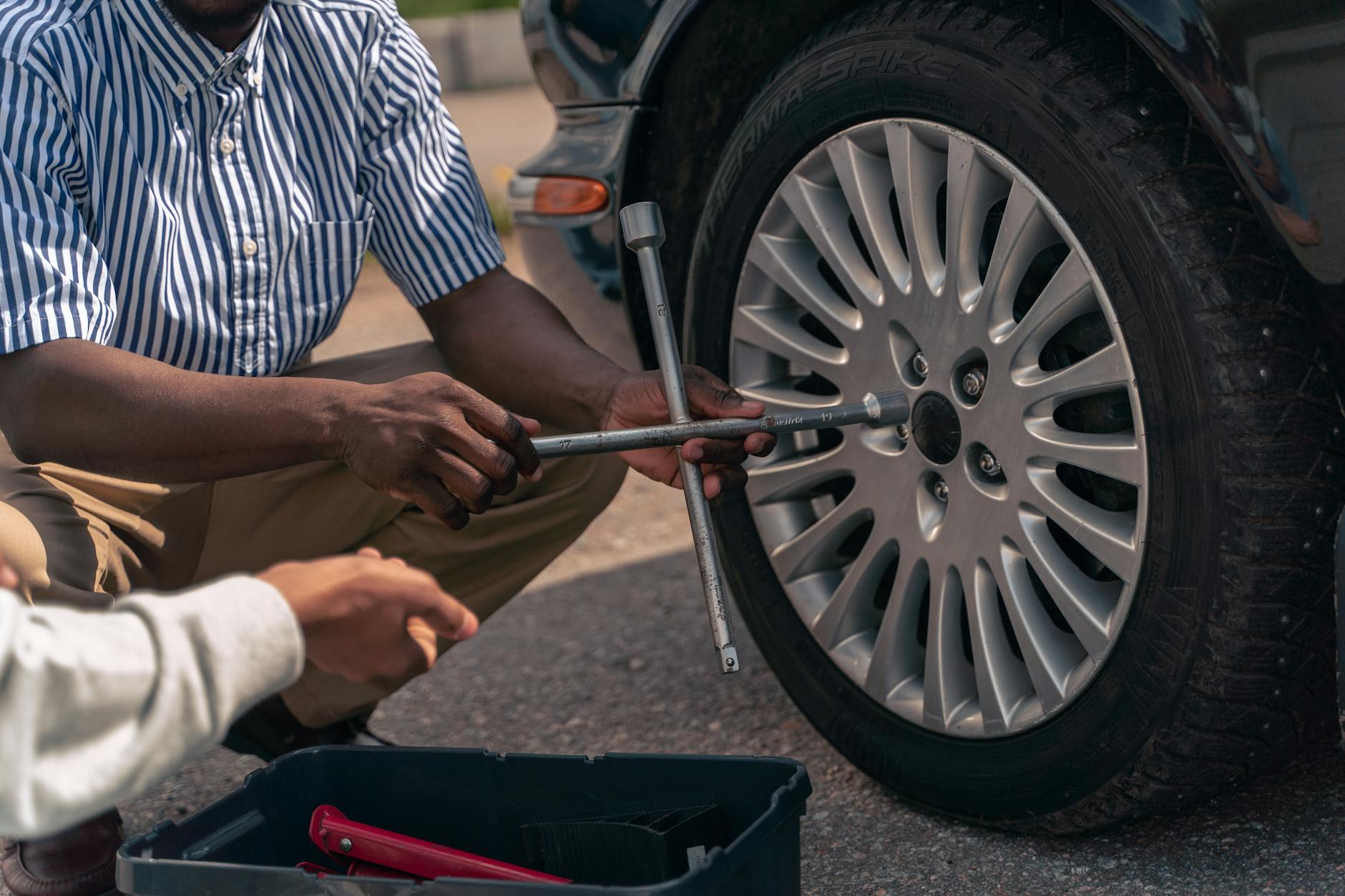
Driving on underinflated tires increases rolling resistance and significantly reduces fuel economy. Low pressure allows the sidewalls to flex excessively and generates dangerous levels of heat. This friction often leads to tire blowouts at highway speeds and uneven tread wear. Overinflated tires are equally problematic because they reduce traction and make the ride harsh. Checking pressure monthly ensures optimal safety and extends the life of the rubber.
Using the Wrong Fuel
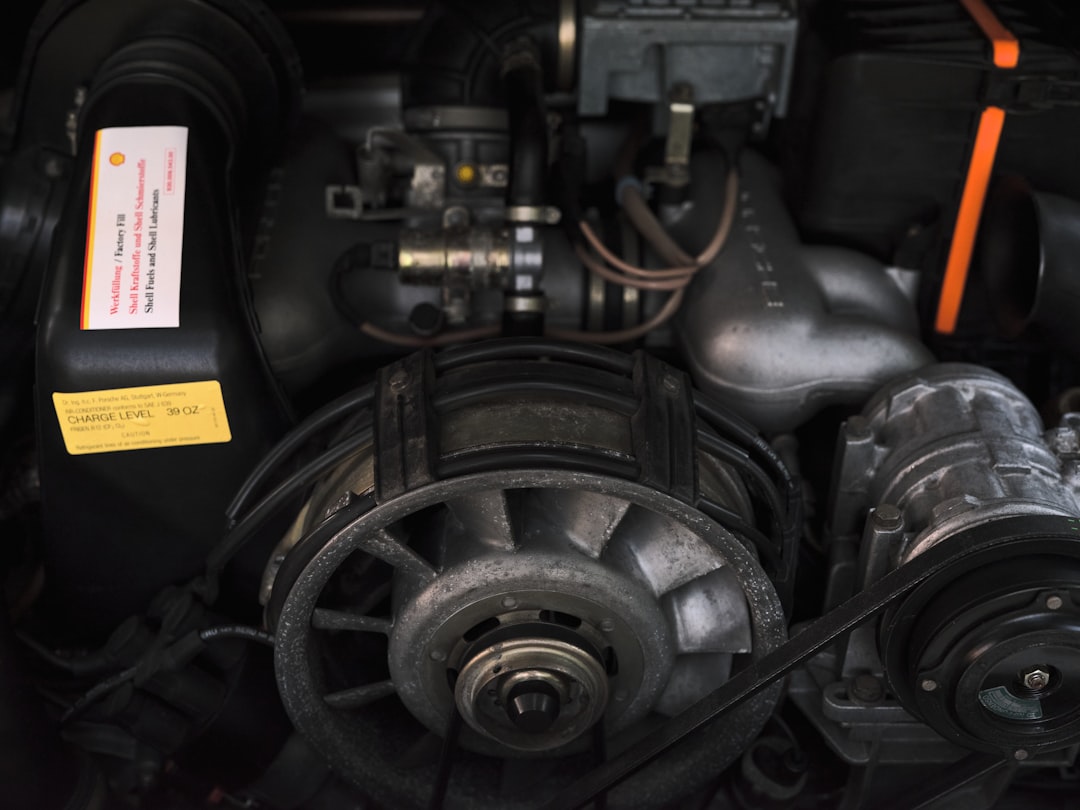
Filling a car with regular gas when the manual demands premium causes engine knocking and reduced performance. High-performance engines require higher octane to prevent the fuel from igniting too early in the combustion cycle. Using diesel in a gas engine or vice versa will cause catastrophic engine failure almost immediately. Even using fuel with high ethanol content in older cars can degrade rubber seals and fuel lines. Always checking the inside of the fuel door confirms the correct requirement before pumping.
Resting Hand on the Gear Shifter
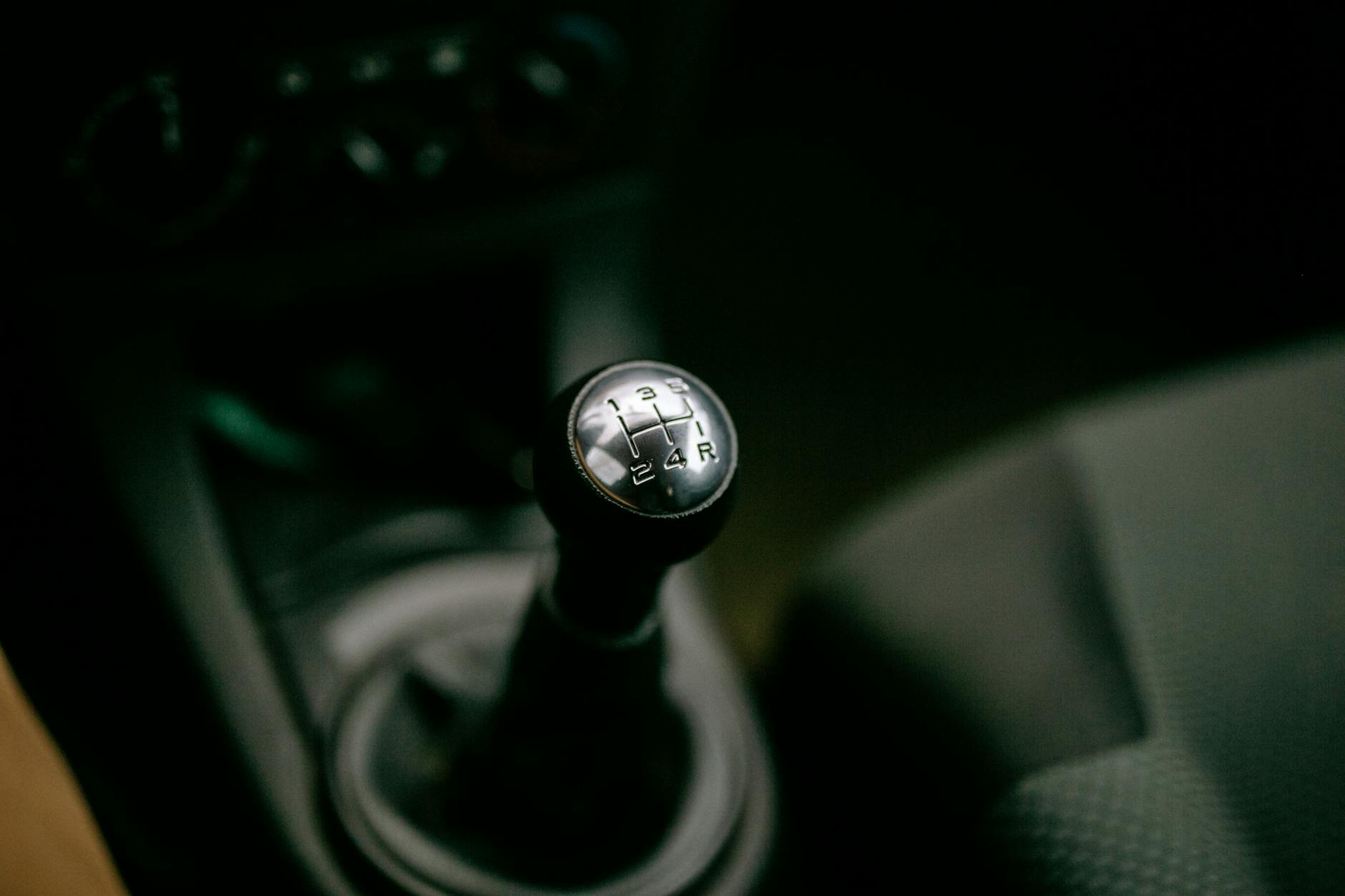
Keeping a hand on the manual gear stick applies constant pressure to the selector forks inside the transmission. This subtle force pushes the forks against the rotating collar and causes premature wear. The resulting damage can lead to gears slipping or difficulty shifting smoothly. Both manual and automatic drivers should keep both hands on the steering wheel for safety. Using the armrest instead preserves the internal mechanics of the gearbox.
Revving a Cold Engine
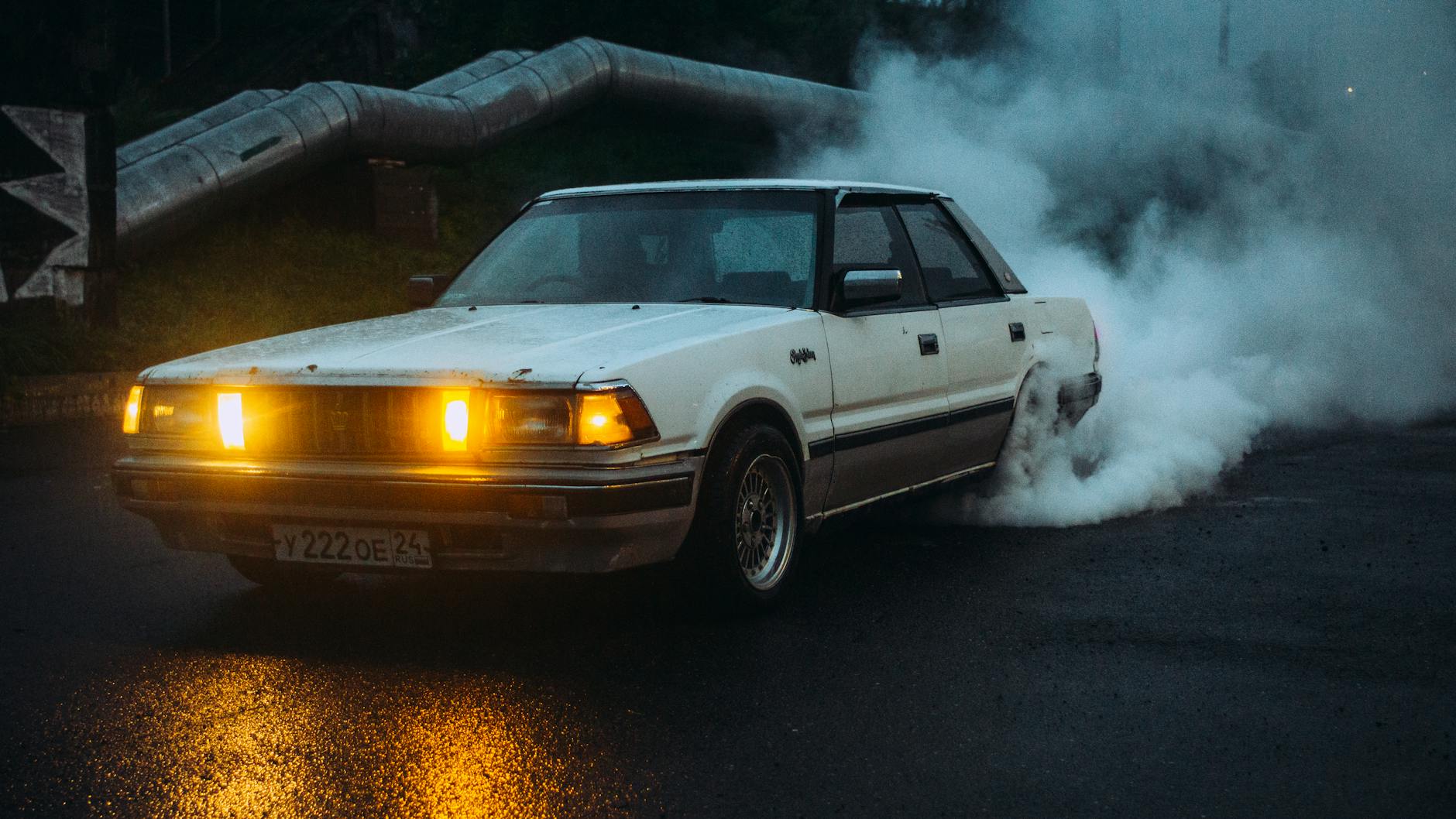
Aggressively accelerating immediately after starting the car denies the oil time to circulate. The engine needs a few moments for the oil pump to lubricate the upper components like the camshafts. Cold oil is thicker and flows slower than warm oil during those critical first seconds. High RPMs on a cold start cause metal grinding against metal. Gentle driving for the first few minutes allows the engine to reach operating temperature safely.
Overloading the Vehicle
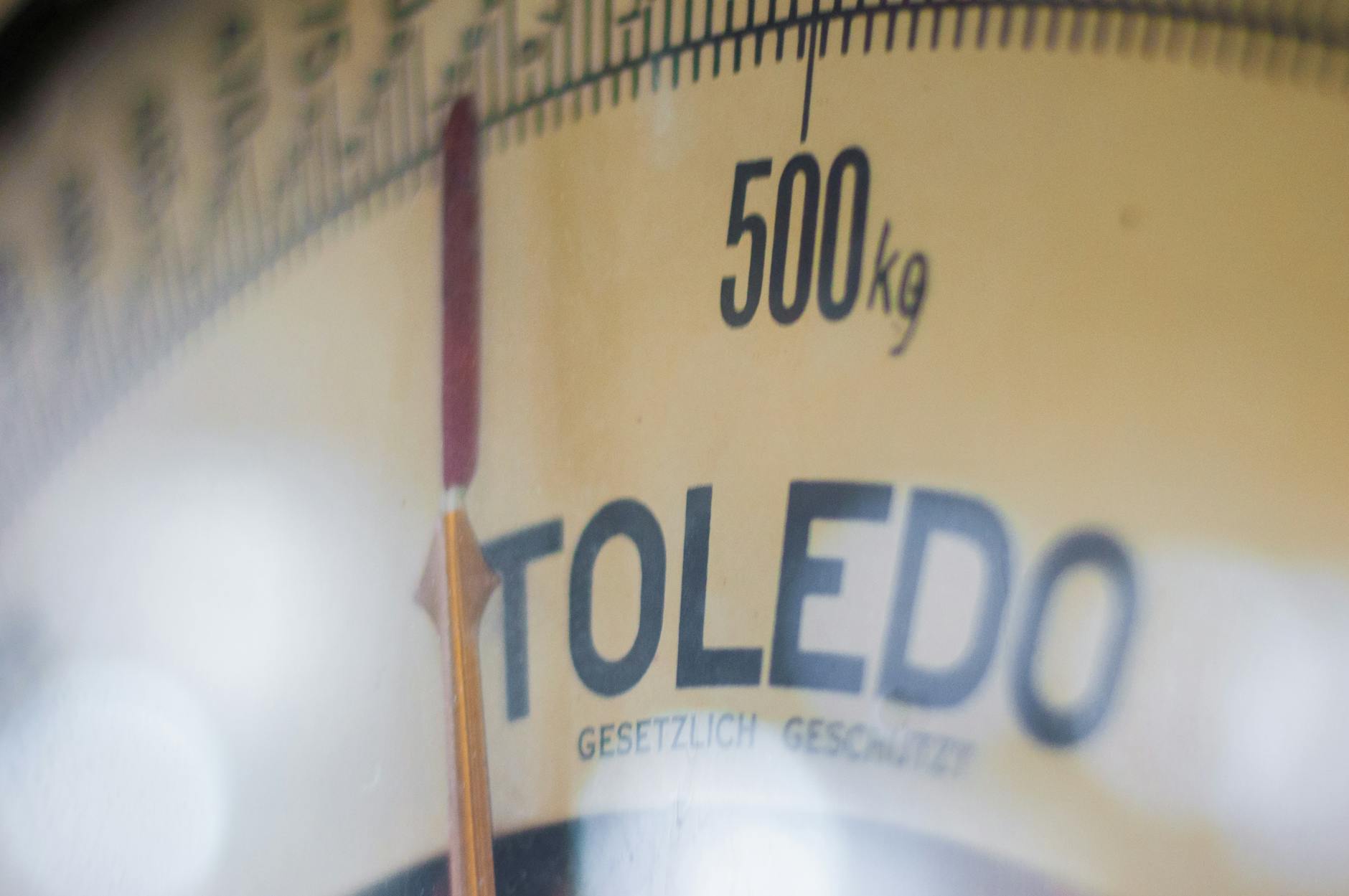
Exceeding the maximum payload capacity puts excessive strain on the suspension and brakes. Every vehicle has a specific weight limit listed on the driver’s side door jamb sticker. Carrying too much weight changes the handling characteristics and increases stopping distances significantly. This extra load also causes the engine and transmission to work harder to move the mass. Respecting weight limits protects structural integrity and ensures the car remains safe to drive.
Riding the Brakes
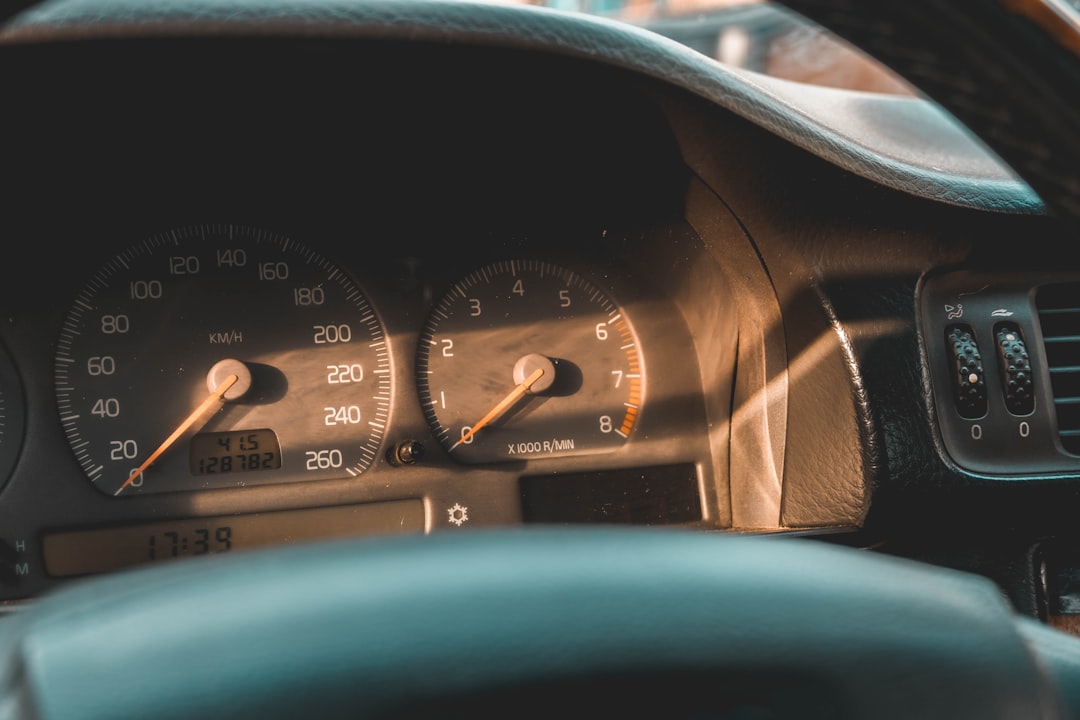
Resting a foot on the brake pedal while driving downhill causes the system to overheat. This continuous friction leads to brake fade where the car eventually loses stopping power completely. The immense heat can warp the rotors and glaze the brake pads. Downshifting to a lower gear allows the engine to help control the speed on steep declines. Using the brakes intermittently allows them to cool down and function correctly.
Ignoring Recall Notices
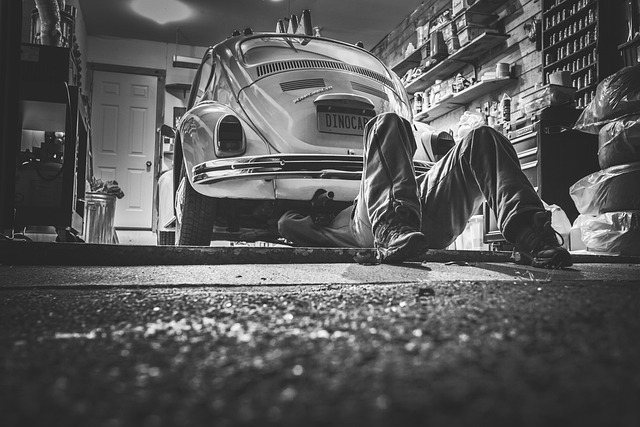
Discarding recall letters leaves potentially dangerous factory defects unresolved. Manufacturers issue these notices when a safety issue is discovered that requires a specific fix. These repairs are performed at dealerships free of charge to the owner. Ignoring them can lead to fires or airbag failures or loss of vehicle control. Checking the VIN online periodically ensures the car has all current safety updates.
Using Dish Soap to Wash the Car
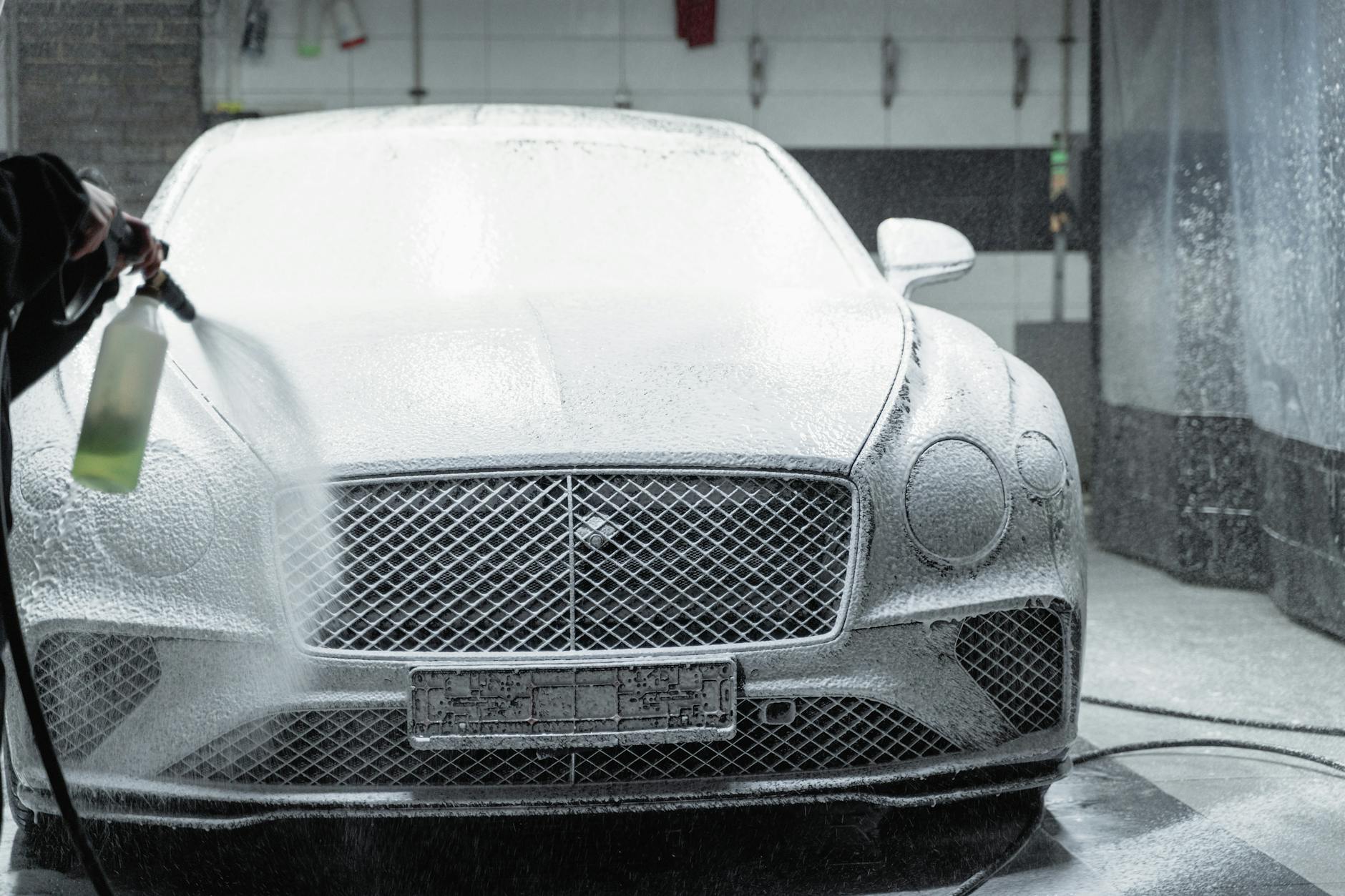
Washing a vehicle with household dish detergent strips away the protective wax coating. These soaps are designed to cut through grease and are too harsh for automotive paint. Removing the wax exposes the clear coat to UV rays and environmental contaminants. Oxidation and fading occur much faster without that crucial protective barrier. Using a dedicated car shampoo maintains the shine and protects the paint finish.
Coasting in Neutral
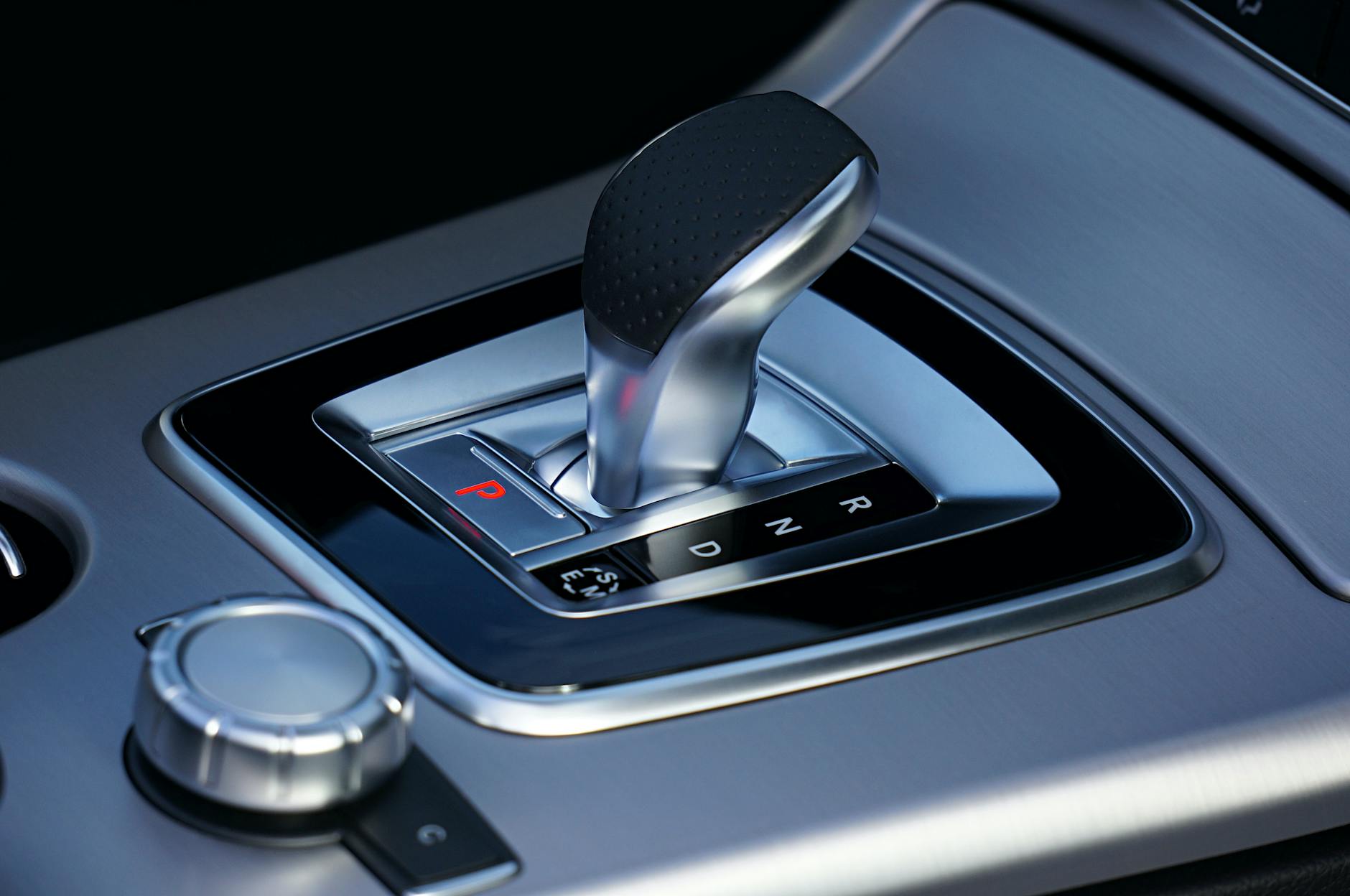
Shifting an automatic car into neutral while moving downhill does not save fuel in modern vehicles. The fuel injectors shut off automatically when the foot is off the accelerator in drive. Coasting in neutral removes the ability to accelerate quickly in an emergency situation. It also reduces control over the vehicle because the engine is disconnected from the wheels. Keeping the car in gear ensures full control and proper lubrication of the transmission.
Waiting Too Long for Repairs
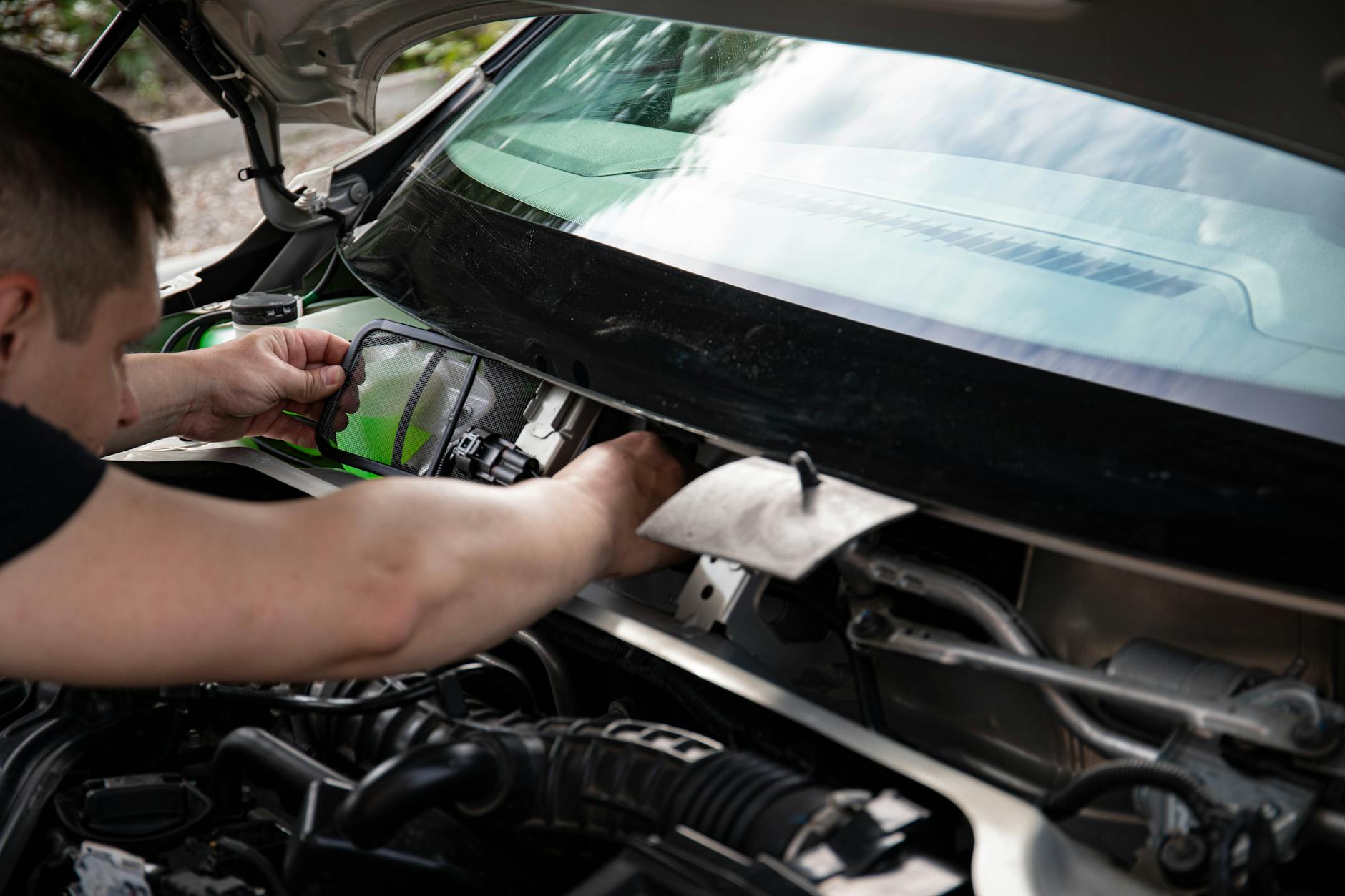
Delaying necessary repairs almost always results in a higher final bill. A worn part puts additional stress on connected components and causes a domino effect of failures. A leaking water pump can lead to a blown head gasket if the engine overheats. Mechanics prefer fixing small problems before they require an engine replacement. Timely maintenance keeps the vehicle reliable and safe for daily use.
Pumping the Gas Pedal on Start
Pumping the accelerator before starting a modern fuel-injected car is unnecessary and harmful. This action was only required for older carbureted engines to prime the fuel system. Modern sensors automatically adjust the fuel mixture based on temperature and air flow. Pressing the pedal can confuse the computer or flood the engine with too much gas. Simply turning the key allows the electronic systems to start the engine efficiently.
Ignoring Fluid Leaks
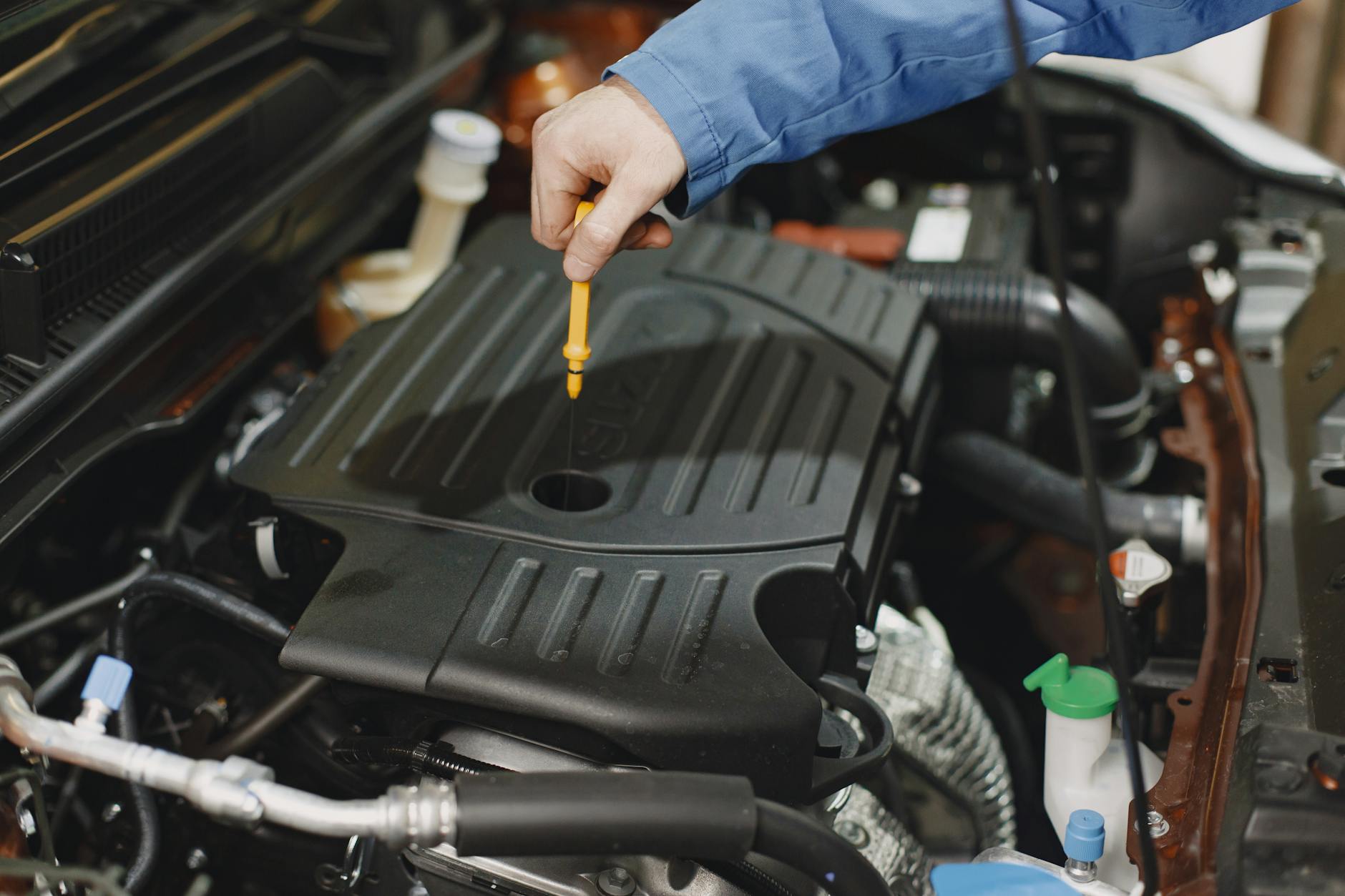
Leaving spots on the driveway unchecked invites serious mechanical failure. Different colored fluids indicate leaks from the transmission or radiator or power steering system. Low fluid levels lead to overheating and loss of hydraulic pressure and friction damage. Identifying the source of a leak early can save a transmission or steering rack. A dry driveway is a good indicator of a healthy and sealed vehicle system.
Slamming into Potholes
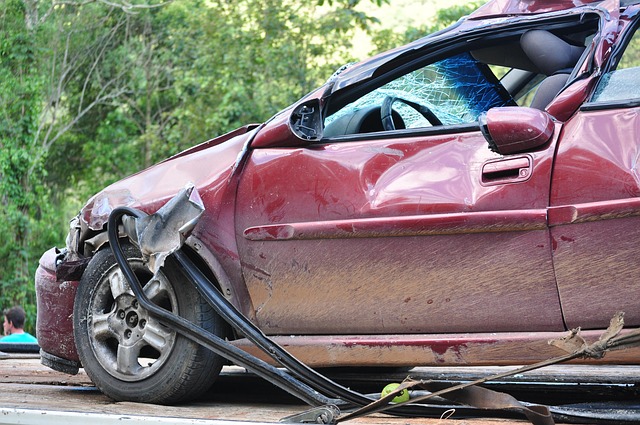
Driving through potholes without slowing down destroys tires and bends wheel rims. The impact shocks the suspension system and can knock the wheels out of alignment. Repeated hits damage ball joints and tie rods and struts. Swerving safely or braking before the impact reduces the force transferred to the car. Attentive driving helps avoid these road hazards and saves the undercarriage from expensive trauma.
Neglecting the Air Filter
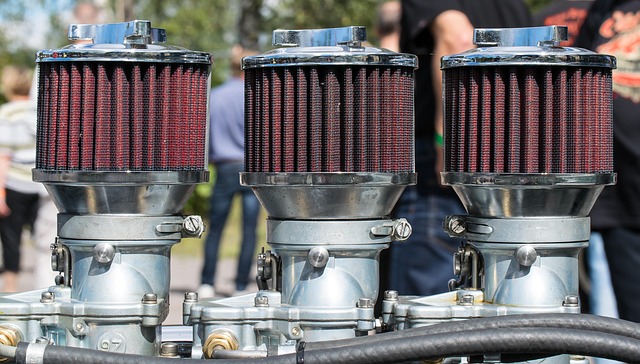
Driving with a dirty air filter restricts airflow to the engine and hurts performance. The engine struggles to breathe and compensates by burning more fuel than necessary. Dust and debris can bypass a clogged filter and enter the combustion chamber. This contamination scores the cylinder walls and degrades the piston rings. Checking the filter at every oil change is a simple way to protect engine health.
Hovering Over the Clutch

Keeping the clutch pedal partially depressed while driving burns out the friction disc. This habit prevents the clutch from fully engaging or disengaging. The constant slipping creates heat that destroys the pressure plate and flywheel. Drivers should keep their foot on the dead pedal when not actively shifting gears. Fully releasing the pedal ensures the clutch assembly lasts for the intended mileage.
If you have any other bad car habits to add to this list please share them in the comments.




