Maintaining a truly spotless home requires looking beyond the obvious surfaces like countertops and coffee tables. Dust particles settle in obscure locations that homeowners often ignore due to habituation or simple forgetfulness. Visitors often notice these overlooked areas immediately because they are observing the space with fresh eyes. A comprehensive cleaning routine must address these hidden zones to ensure a welcoming environment. Tackling these forty specific spots will significantly improve the overall air quality and visual appeal of any residence.
Ceiling Fan Blades
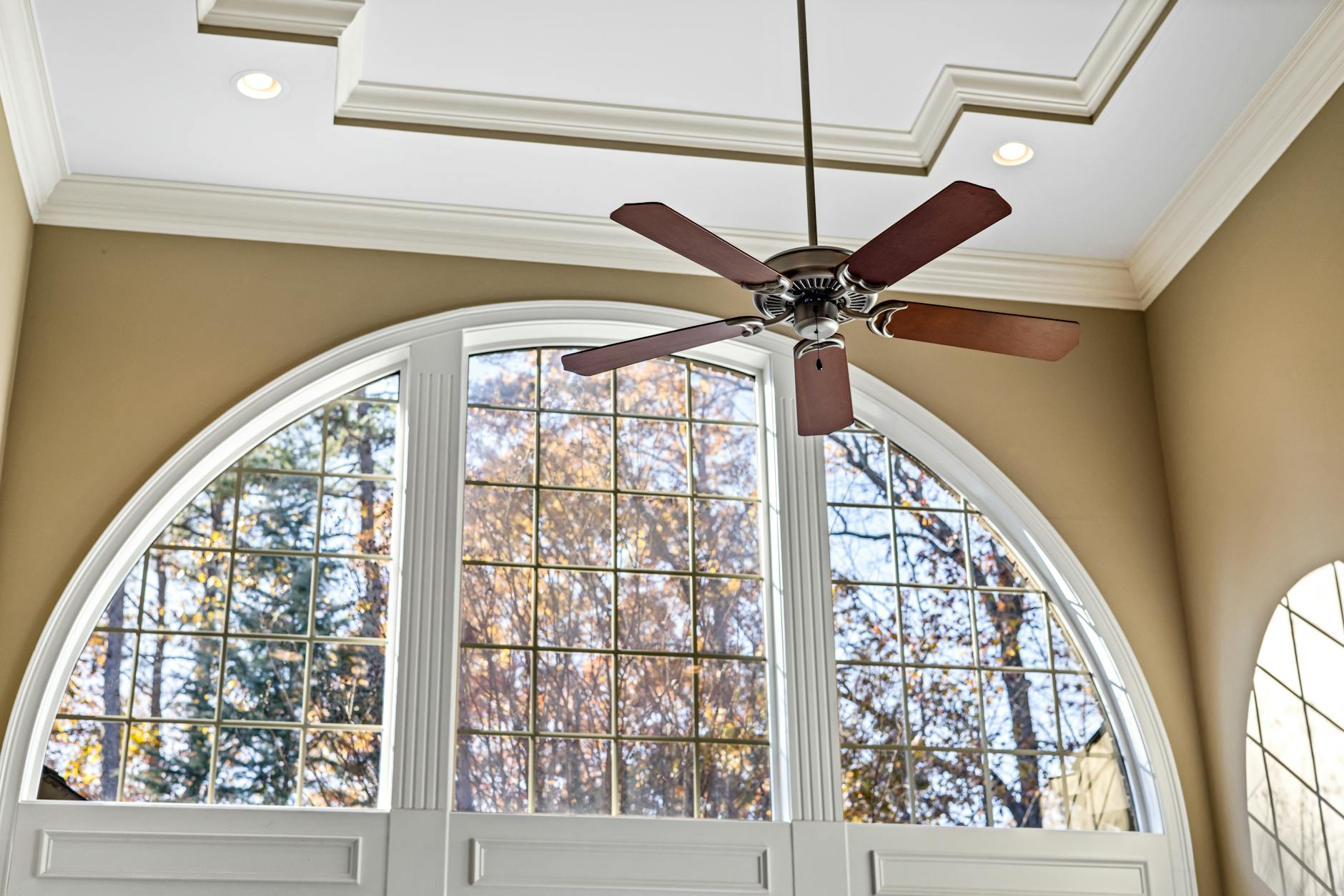
The upper surfaces of fan blades accumulate thick layers of gray dust that remain invisible until the fan is turned off. These heavy deposits can fall onto furniture or guests when the appliance is finally activated. Cleaning them requires a pillowcase or a specialized extending duster to trap the debris effectively. Neglecting this high area allows allergens to circulate throughout the room constantly.
Baseboards

Baseboards act as a narrow shelf for dust and pet hair right at the floor level where it is most visible. White trim shows dark lint clearly while dark wood reveals light gray dust particles instantly. Guests seated on sofas or chairs have a direct line of sight to these accumulations. A quick pass with a vacuum attachment or a microfiber cloth restores the clean frame of the room.
Top of the Refrigerator
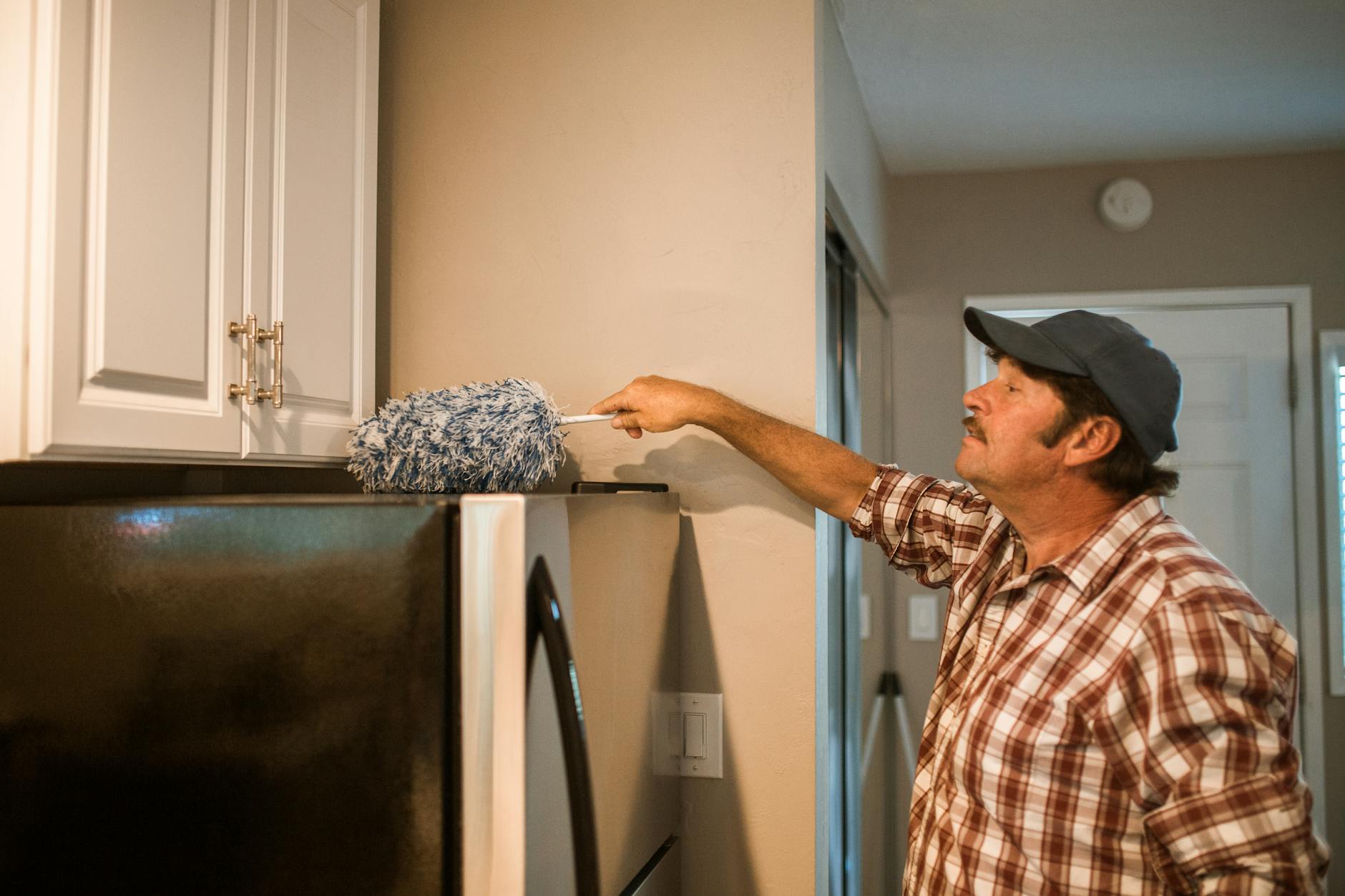
This surface combines household dust with airborne kitchen grease to create a sticky and stubborn layer. Tall guests or those grabbing a drink may inadvertently spot this neglected area. Standard dusting methods often smear the grime rather than removing it completely. A degreasing cleaner is usually necessary to cut through the buildup before wiping it away.
Window Blinds
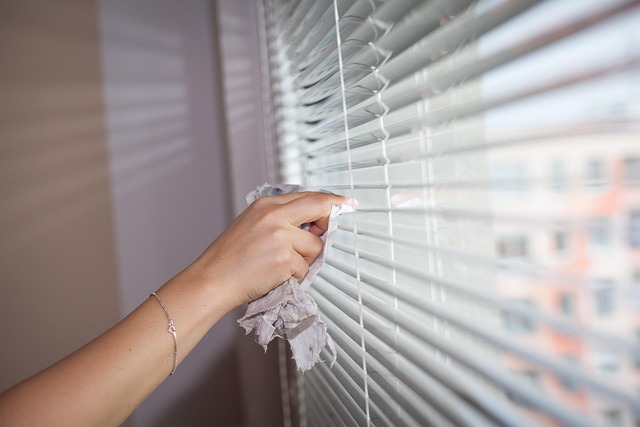
Horizontal slats on venetian blinds harbor dust on every single level and require tedious cleaning. Light streaming through the window highlights the particles and makes them obvious to anyone looking outside. A slat cleaner or a microfiber mitt can speed up the process of wiping each individual piece. Regular maintenance here prevents the dust from becoming caked on by the sun’s heat.
Door Frames
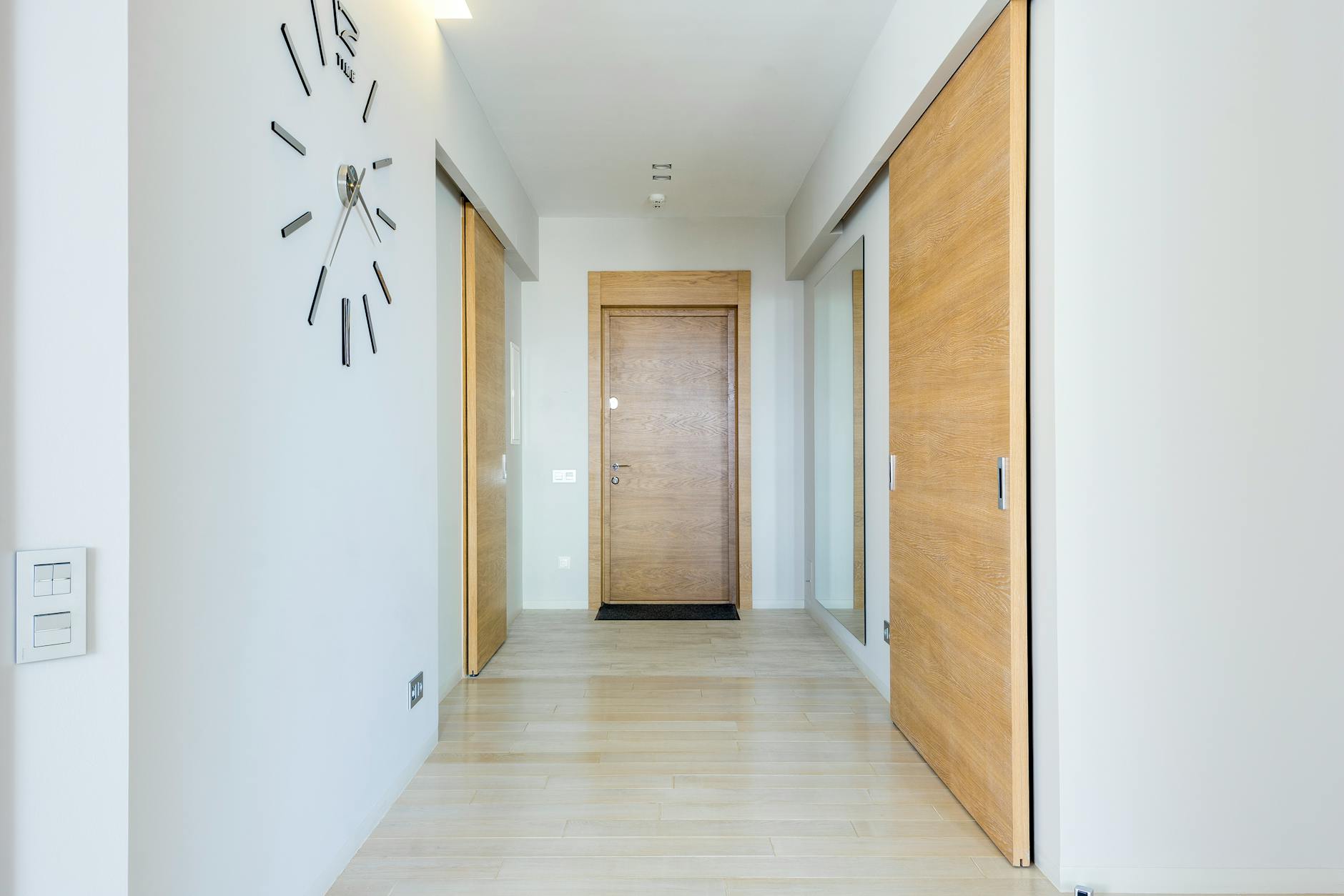
The narrow ledge atop every door frame in the house collects a surprising amount of settlement over time. This area is rarely touched because it is generally above eye level for the homeowner. Taller guests will spot the fuzzy gray layer as they walk through the threshold. Running a duster over these horizontal surfaces takes only seconds but makes a distinct difference.
Lampshades

Fabric lampshades attract dust that clings to the fibers and dims the light output significantly. When the lamp is illuminated the bulb highlights every speck of dirt and hair trapped on the material. Cleaning them often involves using a lint roller or a vacuum with an upholstery brush. Ignoring this detail can make an otherwise clean room feel dingy and poorly maintained.
Electronics Vents
The ventilation grilles on televisions and gaming consoles actively pull in dust due to internal cooling fans. This gray buildup blocks airflow and can eventually cause expensive equipment to overheat. Visitors sitting near the entertainment center will notice the clogged vents immediately. Compressed air or a soft brush helps dislodge the debris without damaging the delicate components.
Bookshelves

Books pushed back against the shelf leave an exposed ledge that gathers dust rapidly. The tops of the books themselves also collect a fine layer of grit that transfers to hands when touched. Open shelving units require frequent attention to prevent them from looking cluttered and dirty. Removing all items to wipe the shelf surface is the only way to ensure a thorough clean.
Houseplant Leaves
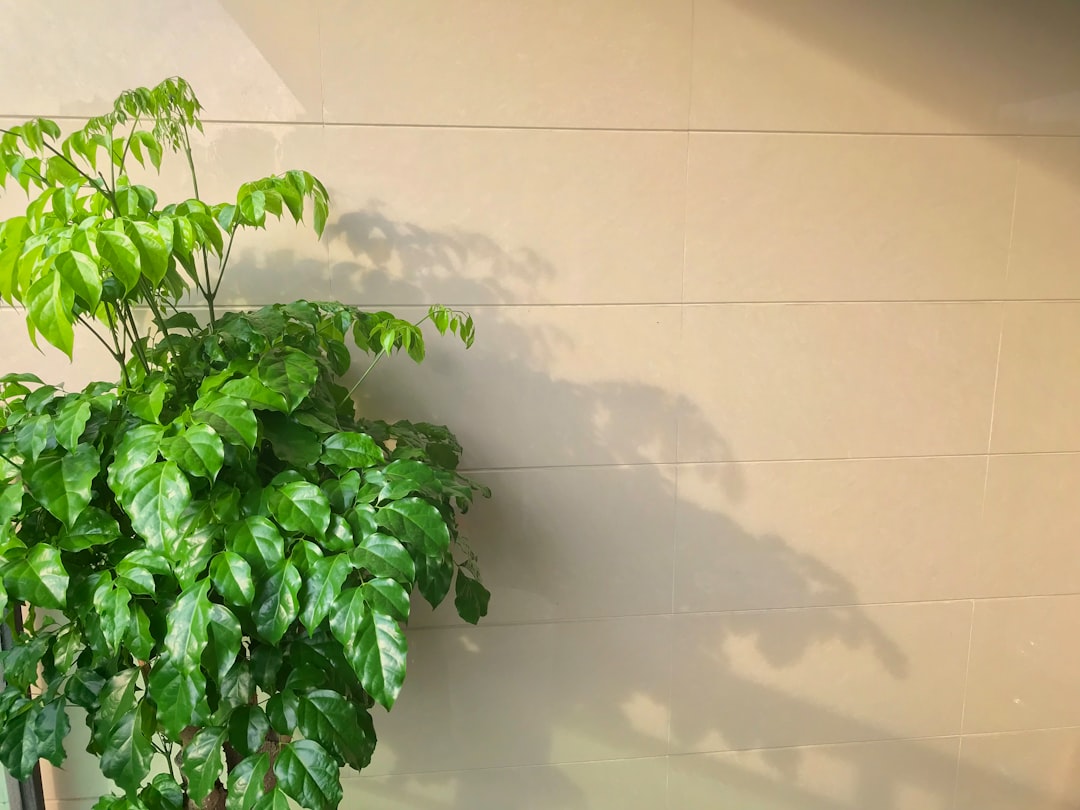
Broad leaves on indoor plants act as natural dust collectors and lose their luster over time. A layer of dust blocks sunlight and inhibits the plant’s ability to photosynthesize effectively. Guests often admire greenery and will quickly spot the dull and gray appearance of dirty foliage. Wiping leaves with a damp cloth or using a leaf shine spray revitalizes the plant instantly.
Behind the Toilet
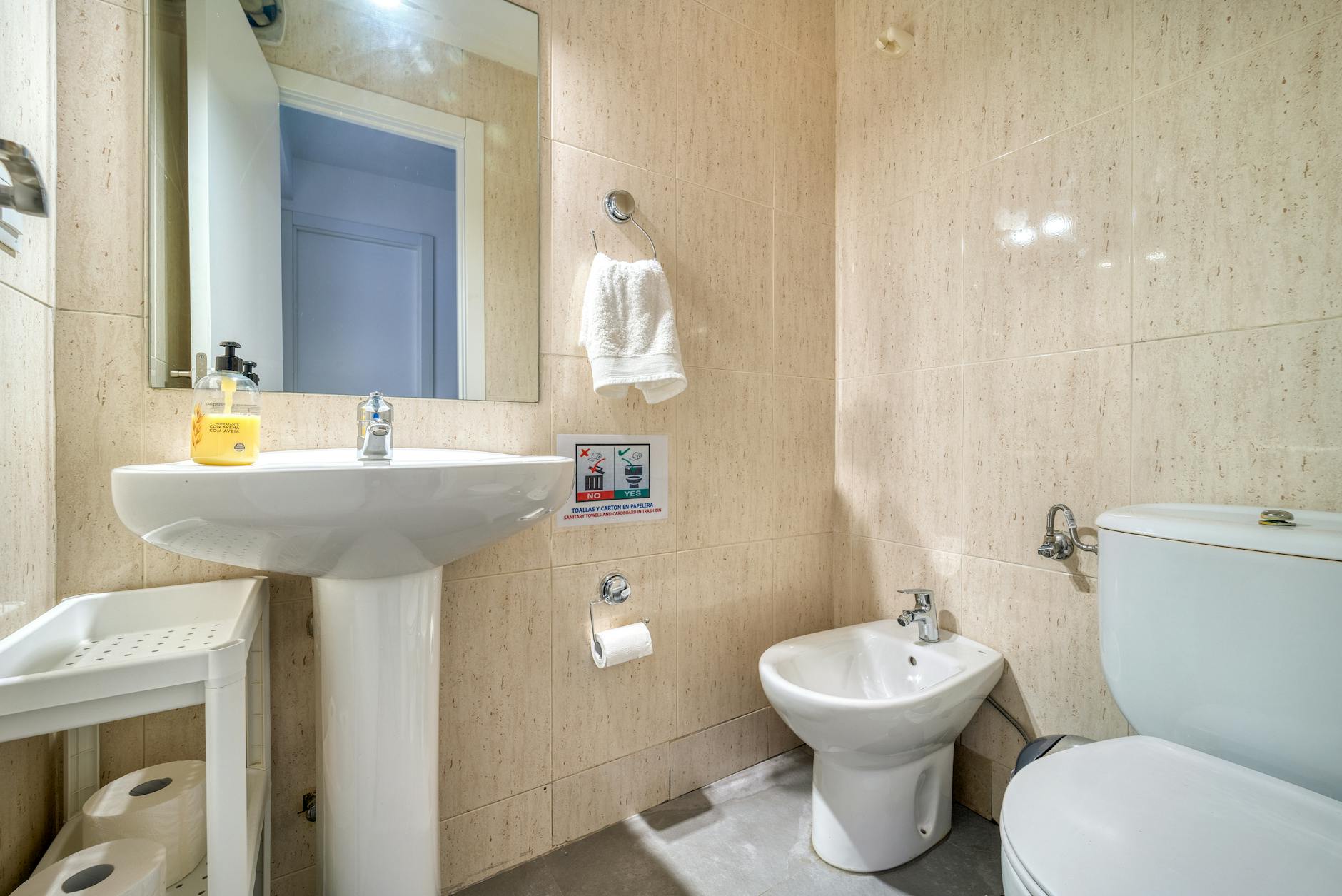
The space behind the toilet is difficult to reach and often accumulates lint from toilet paper and towels. Moisture in the bathroom causes this dust to stick to the floor and the porcelain base. It is a highly visible area for anyone using the facilities and implies a lack of deep cleaning. A mop often misses this tight spot so hand cleaning is usually required.
Picture Frames
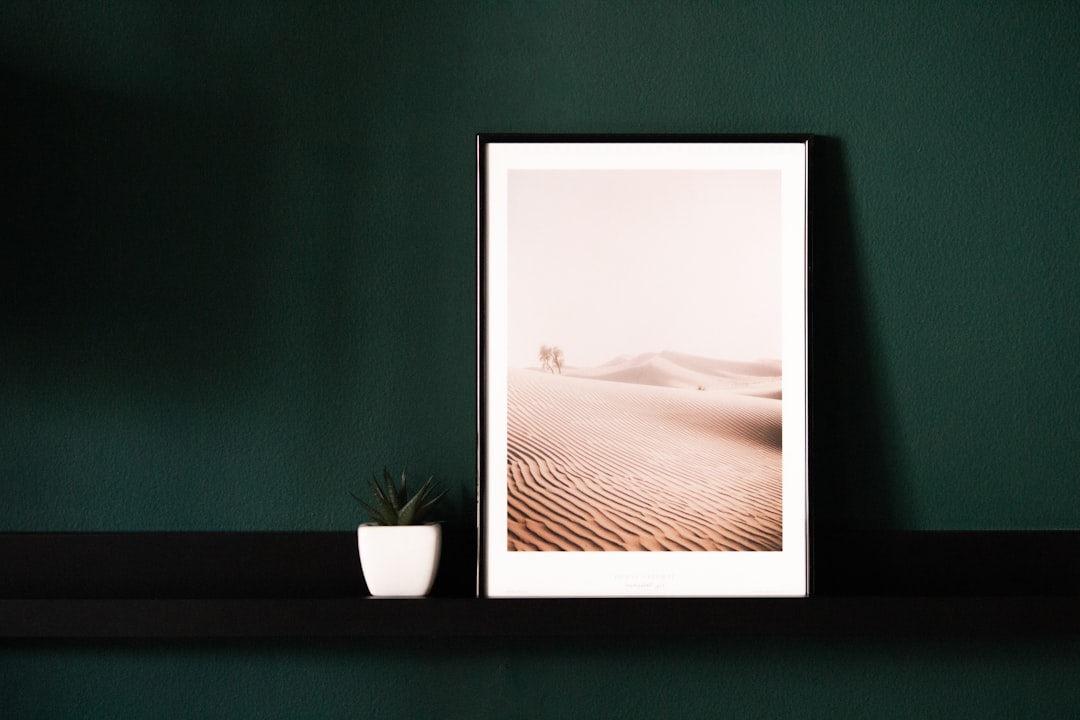
The top edge of every picture frame serves as a landing strip for airborne particles. Framed art is meant to be looked at so the eye is naturally drawn to the dust sitting just above the image. Groupings of photos can harbor a significant amount of dust in a small area. A feather duster works well here to remove the buildup without shifting the frames crooked.
Mirrors
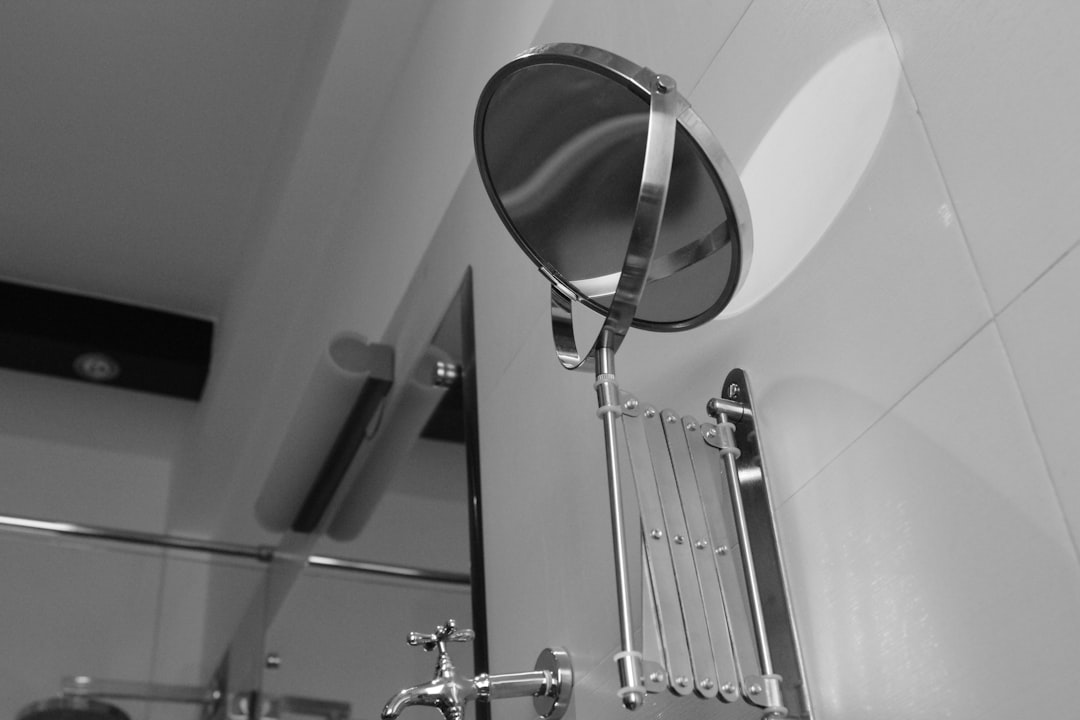
Dust settles on the glass surface and gathers in the corners of the mirror frame. Bathroom mirrors are particularly prone to a mix of hairspray residue and dust that creates a cloudy film. Proper lighting in bathrooms or hallways makes streaks and specks highly visible to guests checking their appearance. A streak-free glass cleaner and a lint-free cloth are essential tools for this task.
Air Return Vents
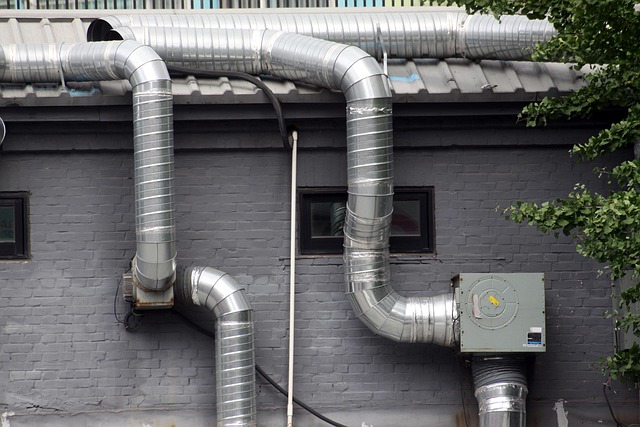
These large grilles constantly suck in air and trap heavy layers of gray lint on the metal slats. A dirty vent suggests that the air circulating through the home is not as clean as it could be. The accumulation can become thick enough to flap in the air current if left for too long. Vacuuming the exterior of the vent is a quick fix that improves both aesthetics and efficiency.
Light Switches
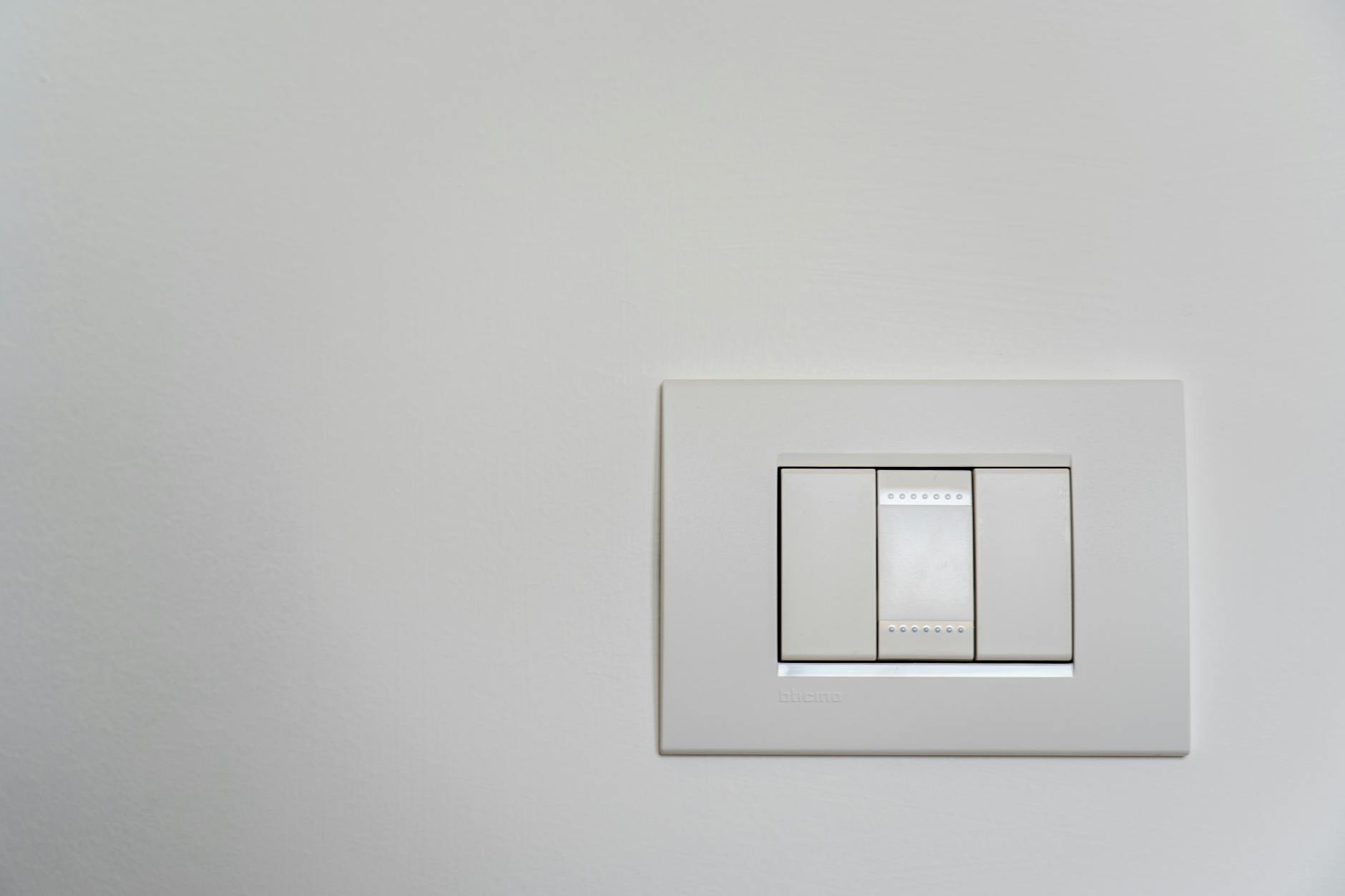
Switch plates accumulate a combination of finger oils and household dust that creates a dark grime. This high-touch surface is used by everyone entering the room and is a prime spot for germs. The top edge of the plate also gathers a small ridge of dry dust. Wiping these down with a disinfectant wipe handles both the dirt and the bacteria simultaneously.
Upholstery Crevices
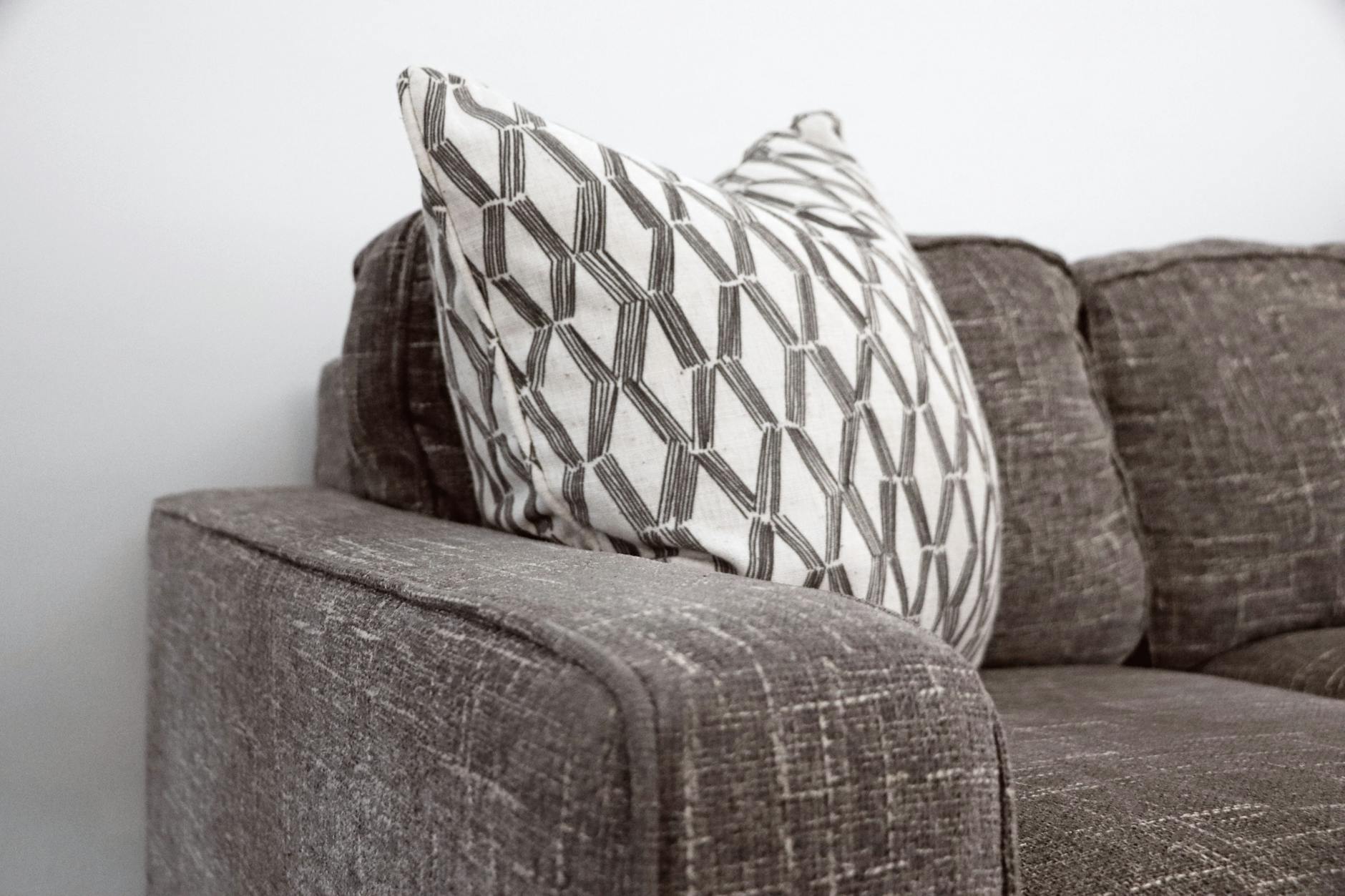
Crumbs and dust migrate into the spaces between sofa cushions and along the backrest. Guests who sit down may disturb this debris or see it peeking out from the seams. Vacuuming under the cushions is necessary to remove the hidden mess that accumulates daily. This task also helps prolong the life of the fabric by removing abrasive particles.
Top of Kitchen Cabinets

Cabinets that do not reach the ceiling leave a gap that becomes a graveyard for dust and cooking grease. This unseen area can harbor pests and create a stale odor in the kitchen. Even if it is not visible from the floor the knowledge of its presence can be unsettling. Laying down paper or wax paper makes future cleaning easier by allowing you to simply replace the covering.
Throw Pillows
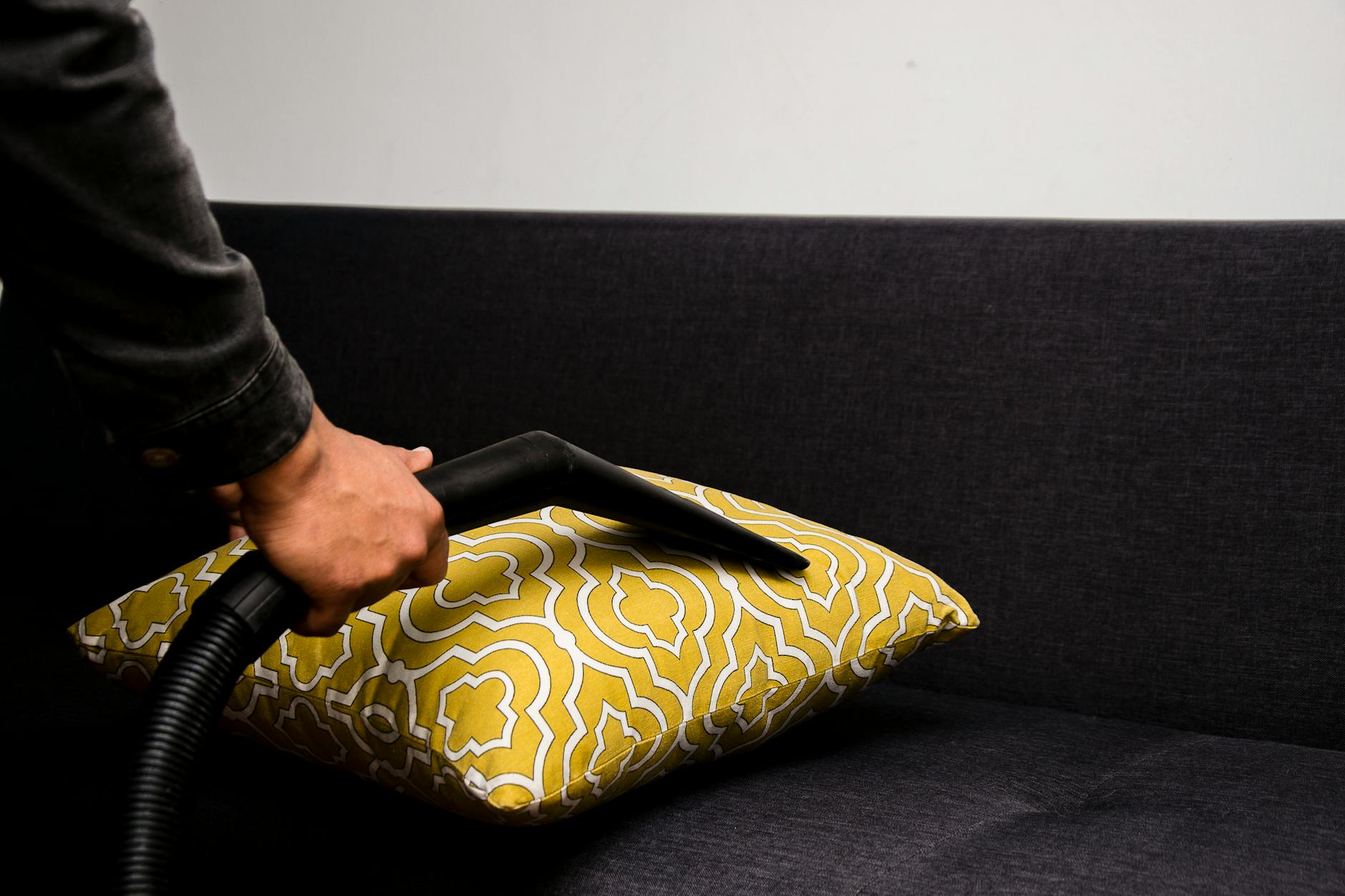
Decorative pillows are often moved around but rarely cleaned deep enough to remove embedded dust. Patting a pillow often releases a visible cloud of particles into the sunlight. They trap dead skin cells and pet dander that can aggravate allergies in sensitive visitors. Regular vacuuming or a spin in the dryer on a no-heat setting can refresh them.
Stair Railings
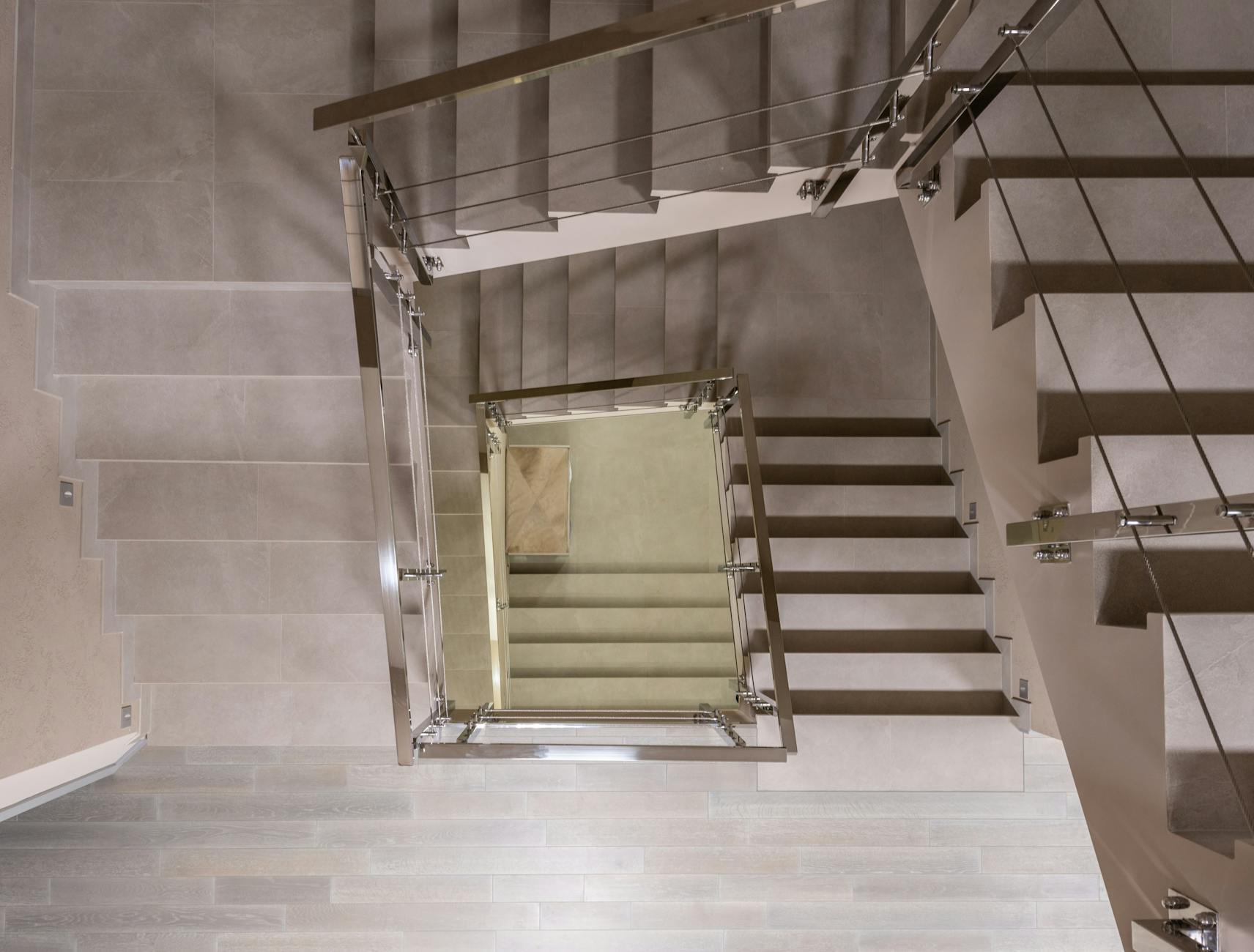
The balusters and the intricate details of a banister are magnets for dust and hand oils. Walking up the stairs gives guests a close view of the lower parts of the railing that are usually missed. Complex woodwork requires patience to clean effectively into every groove and corner. A microfiber glove can make wiping down these curved surfaces much more efficient.
Under the Bed
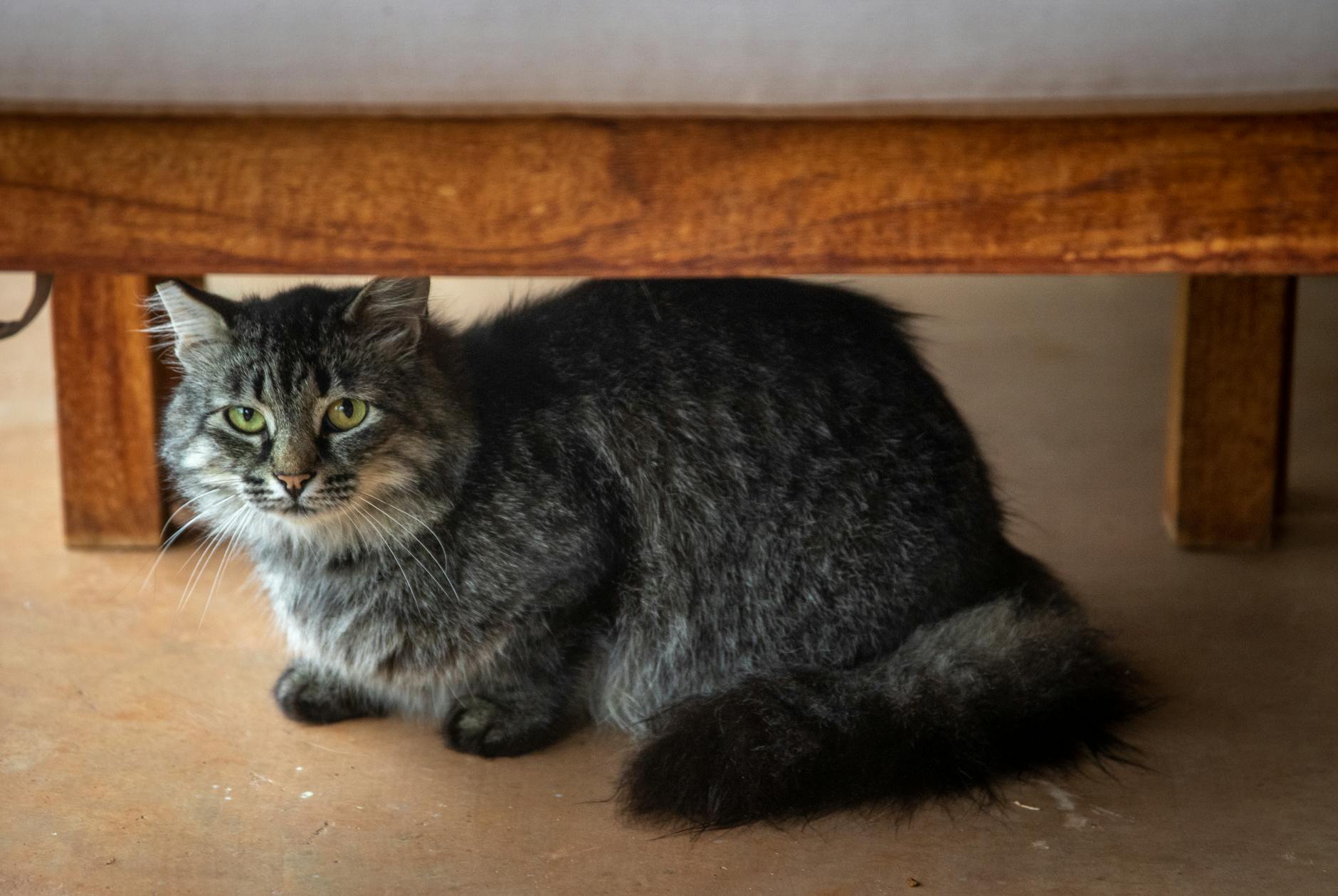
Dust bunnies grow to enormous sizes in the undisturbed airflow beneath a bed frame. Storage boxes kept underneath often become coated in a thick layer of gray fuzz. If a guest drops an item and looks under the bed they will see the accumulation immediately. A vacuum with a long wand extension is the best tool for reaching the center of this space.
Shower Curtain Rods
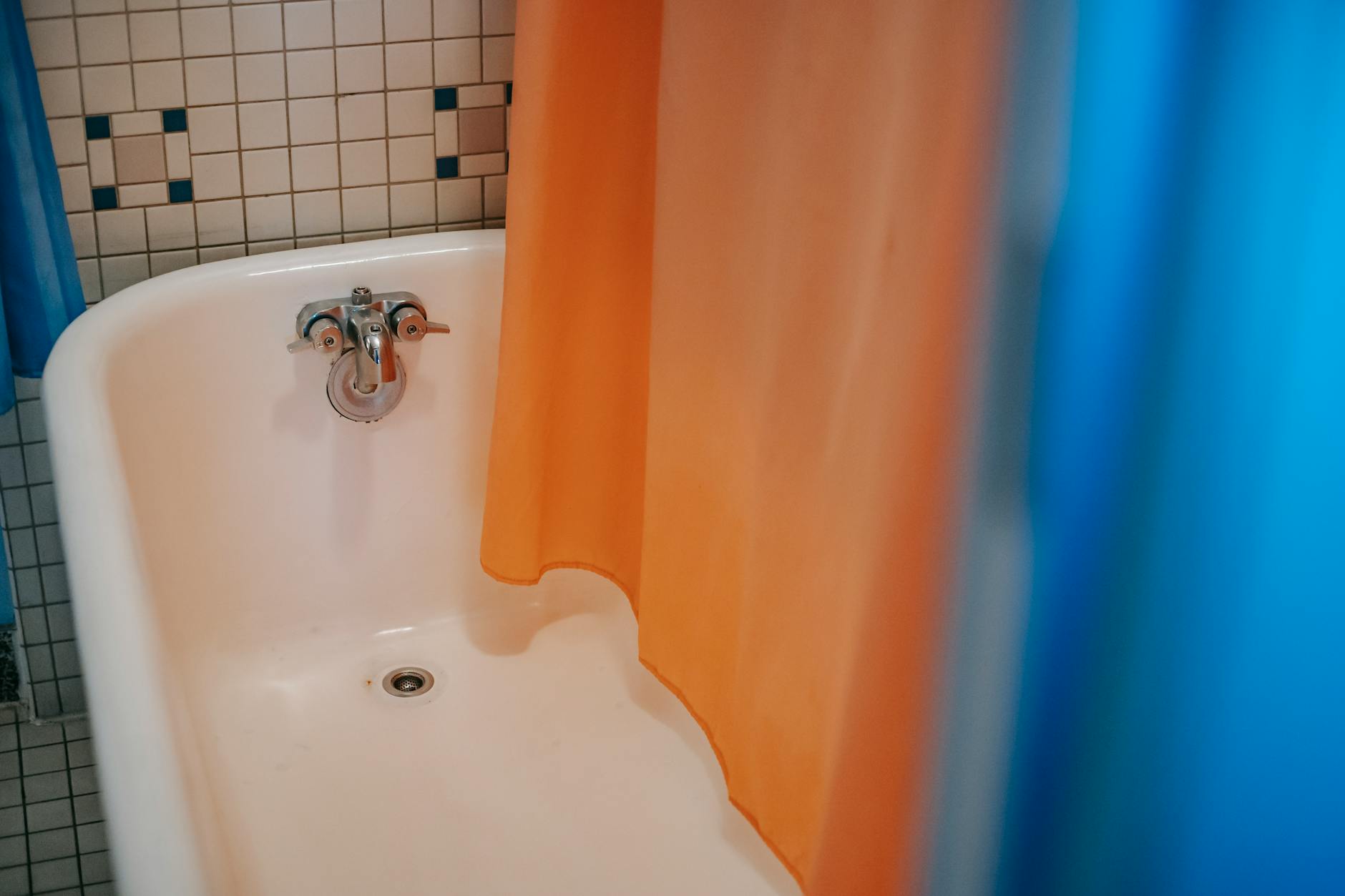
The top of the shower rod is high up and frequently ignored during routine bathroom scrubbing. Steam and humidity cause dust to adhere firmly to the metal or plastic surface. Anyone taller than the host will see this dusty line every time they enter the shower. Wiping it down prevents rust spots and keeps the bathroom looking sanitary.
Candle Jars
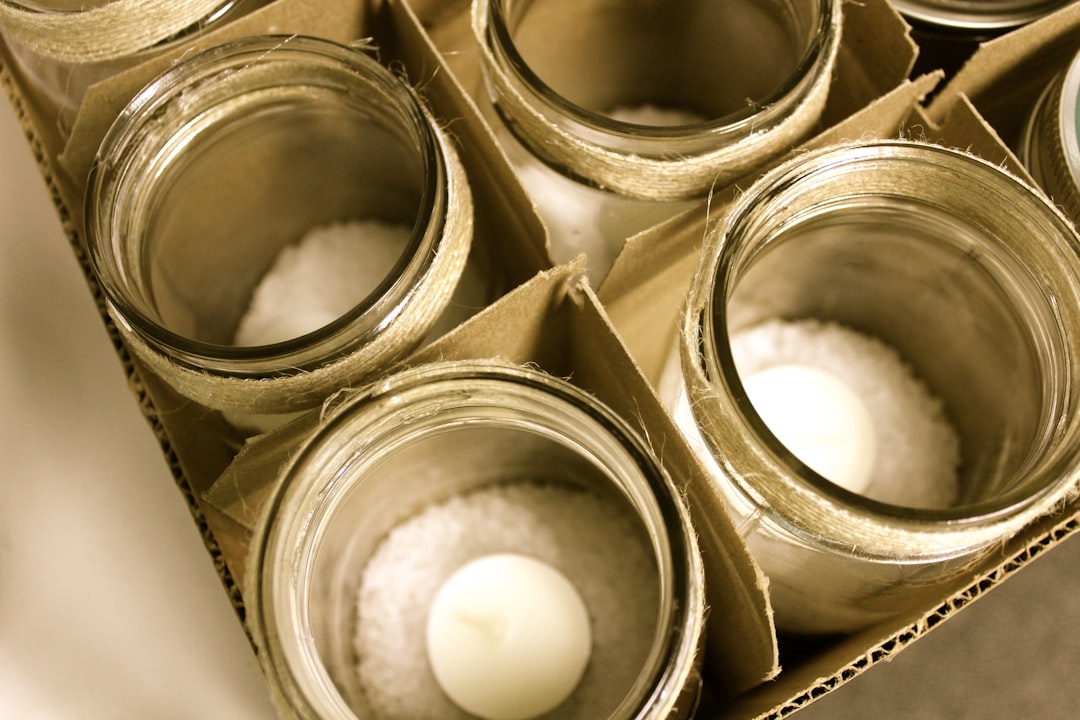
Candles that are not used daily collect dust on the wax surface and inside the glass rim. Burning a dusty candle smells unpleasant and looks unappealing as the debris floats in the melted wax. Lids help prevent this issue but open candles need regular maintenance. A soft cloth or a damp cotton ball can gently remove the dust before lighting.
Chair Rungs

The crossbars connecting the legs of dining chairs are located low to the ground and catch falling dust. Guests pulling out a chair to sit down will feel the grit or see the layer on the wood. This area collects pet hair and shoe dirt that is kicked up during dinner. Wiping these down requires crouching but ensures the dining set looks pristine.
Computer Towers
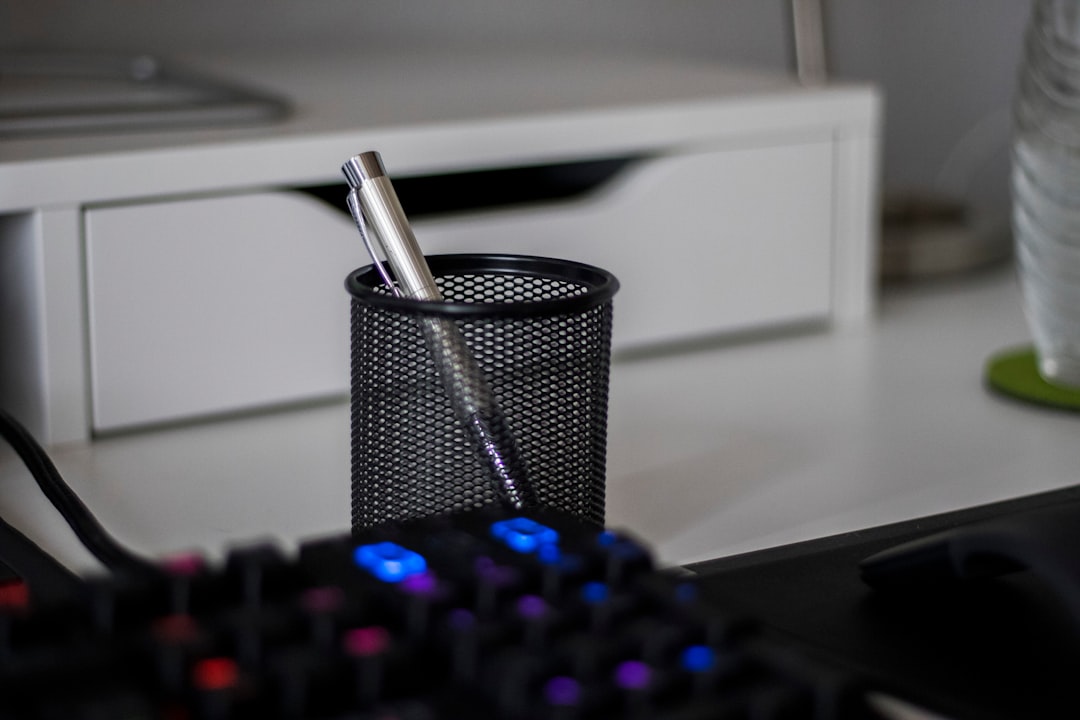
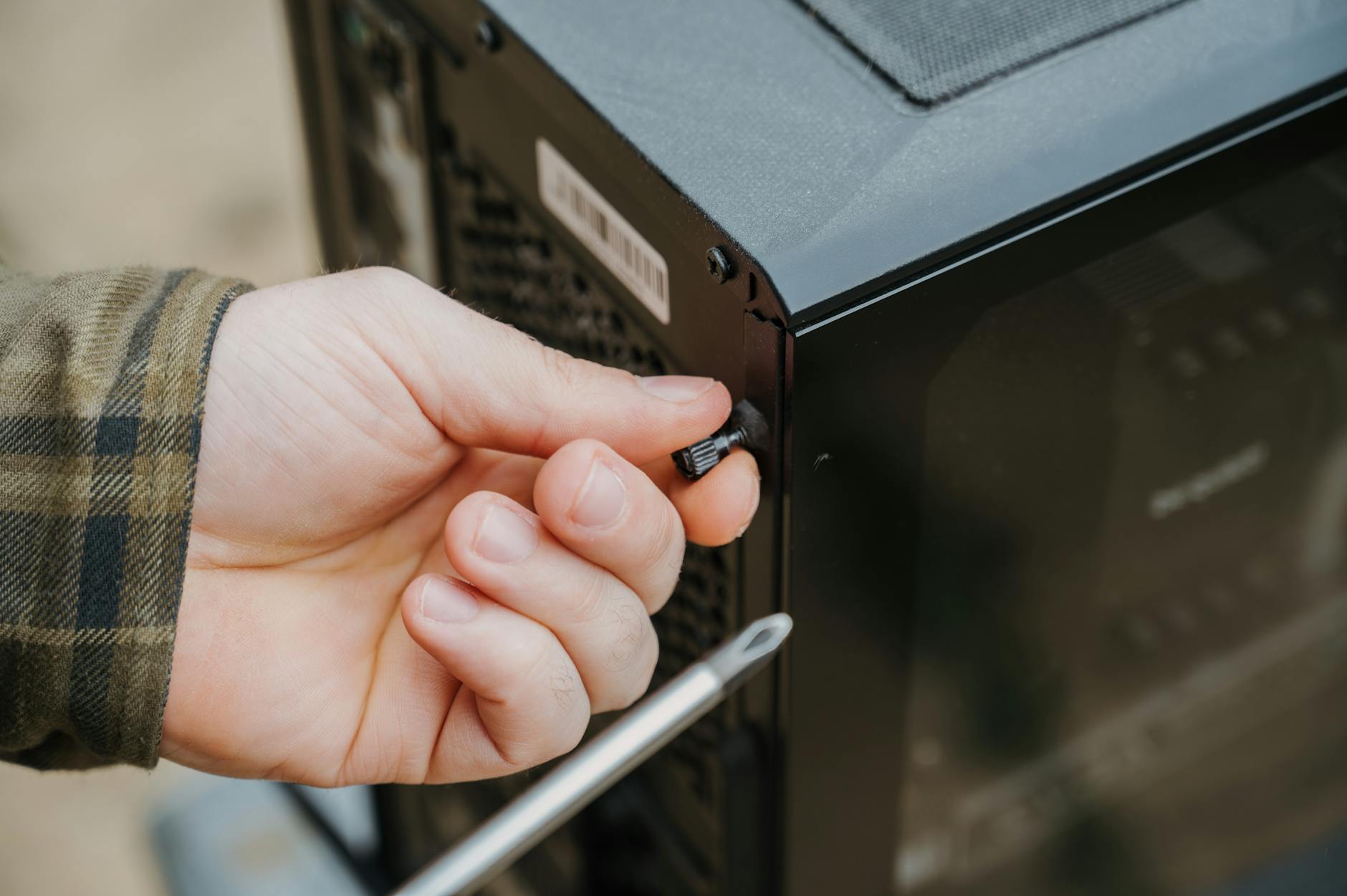
Desktop computers have intake fans that pull dust directly into the front and back grilles. This buildup looks unsightly and insulates the machine which causes performance issues. The tangle of cords behind the computer also traps large dust bunnies. Regularly clearing this area protects the hardware and improves the look of the home office.
Bathroom Exhaust Fan
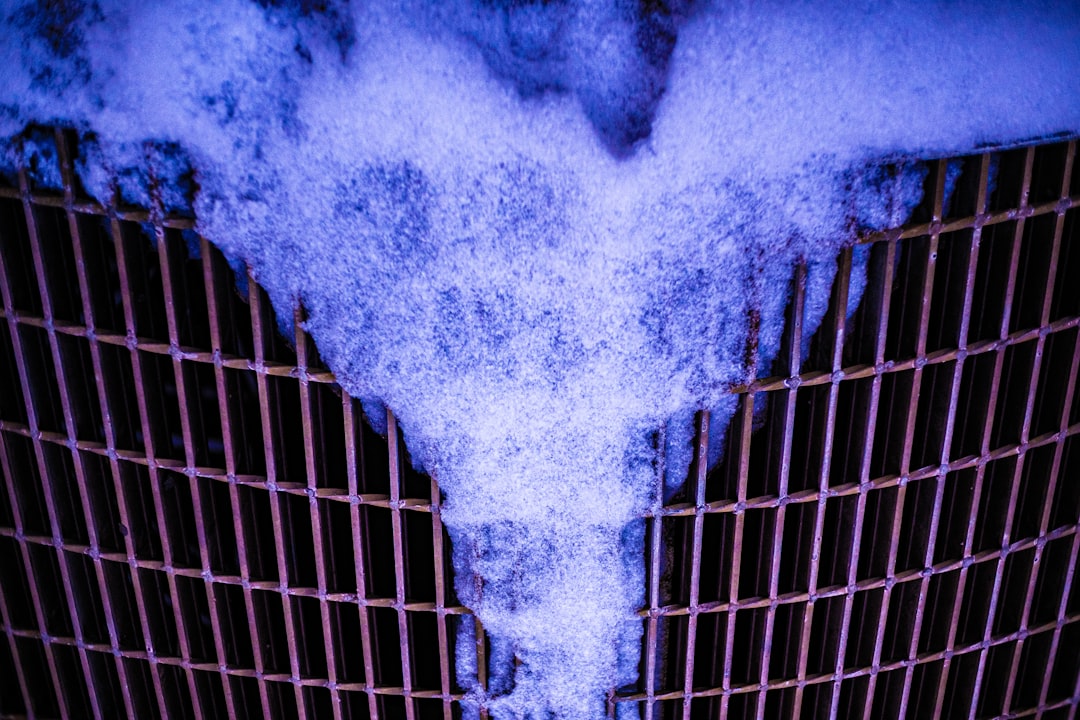
The exhaust fan grille is often the dustiest object in the bathroom due to the moist air it processes. Clogged vents cannot remove humidity effectively and may lead to mold growth on the ceiling. Looking up reveals dark fuzzy clumps sticking out of the ventilation slots. Vacuuming the cover or removing it for a wash is essential for bathroom hygiene.
Window Tracks

Open windows allow pollen and dirt to settle into the bottom tracks of the frame. This mixture often turns into a black sludge when combined with condensation or rain. A guest opening a window for fresh air will be greeted by this unsightly mess. Cleaning this requires a small brush and plenty of paper towels to dig out the grime.
Coat Rack
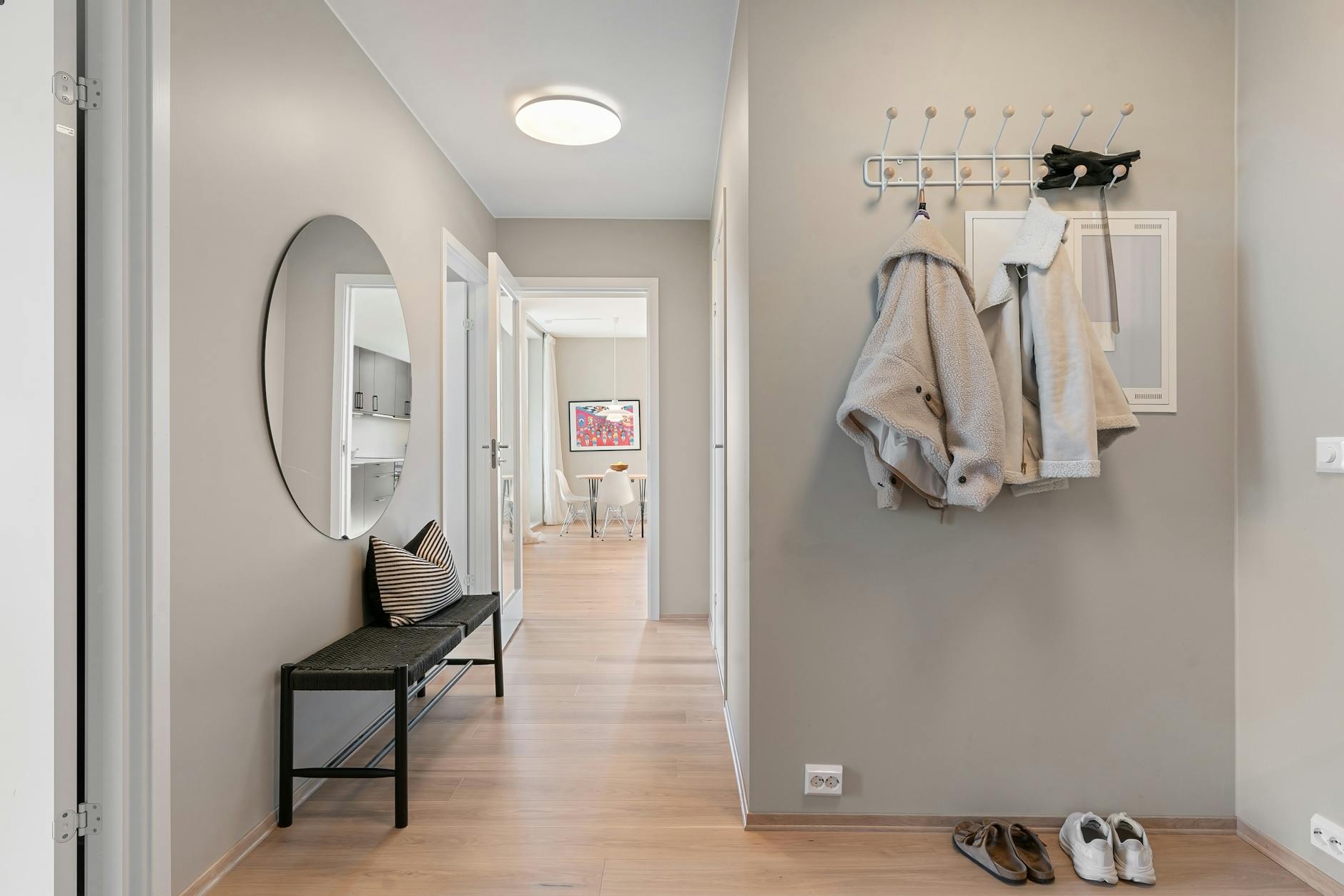
Coat racks and entry hooks often hold jackets that are rarely worn and gather dust on the shoulders. The hooks themselves and the base of the stand also collect debris from the floor. This is often the first piece of furniture a guest interacts with upon arrival. Keeping this area clear ensures a good first impression for anyone entering the home.
Radiators
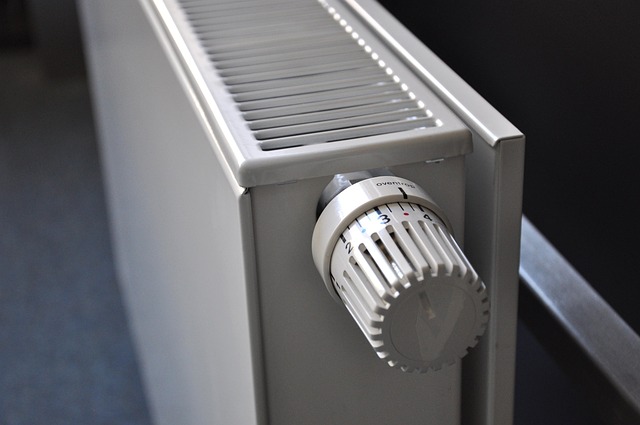
The fins and crevices of a radiator are perfect traps for dust that is difficult to reach. When the heat turns on the rising air circulates this dust throughout the room. The complex shape of the radiator makes it visually obvious when it has not been cleaned. specialized radiator brushes can slide between the fins to dislodge the hidden dirt.
Top of Tall Mirrors
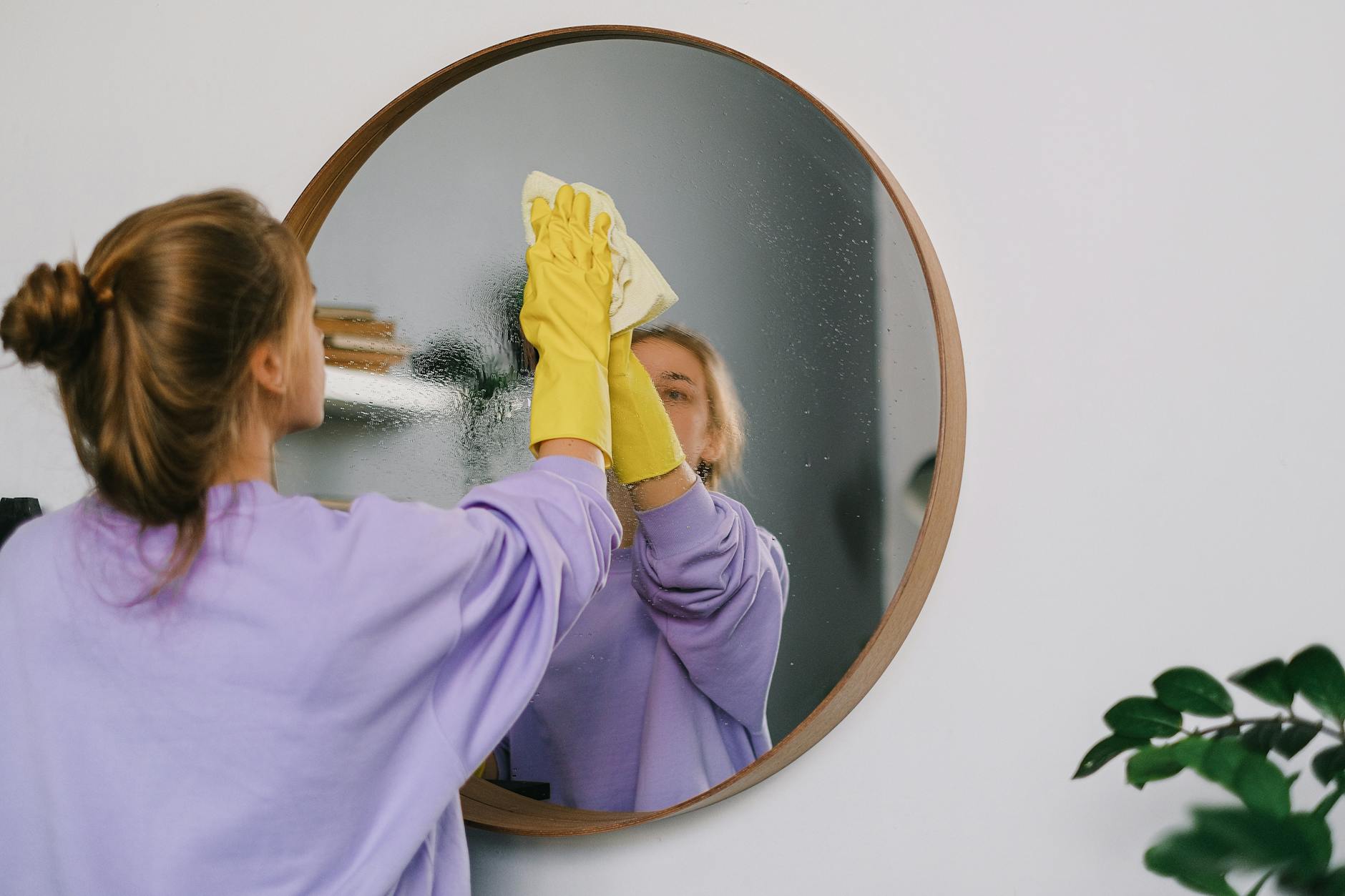
Leaning floor mirrors or wall-mounted glass often have a thick layer of dust on the very top edge. This is another surface that is generally above the eye level of the homeowner. Taller guests or those standing further back will see the gray line contrasting with the frame. A quick swipe with an extendable duster keeps the reflection and the frame clear.
Range Hood
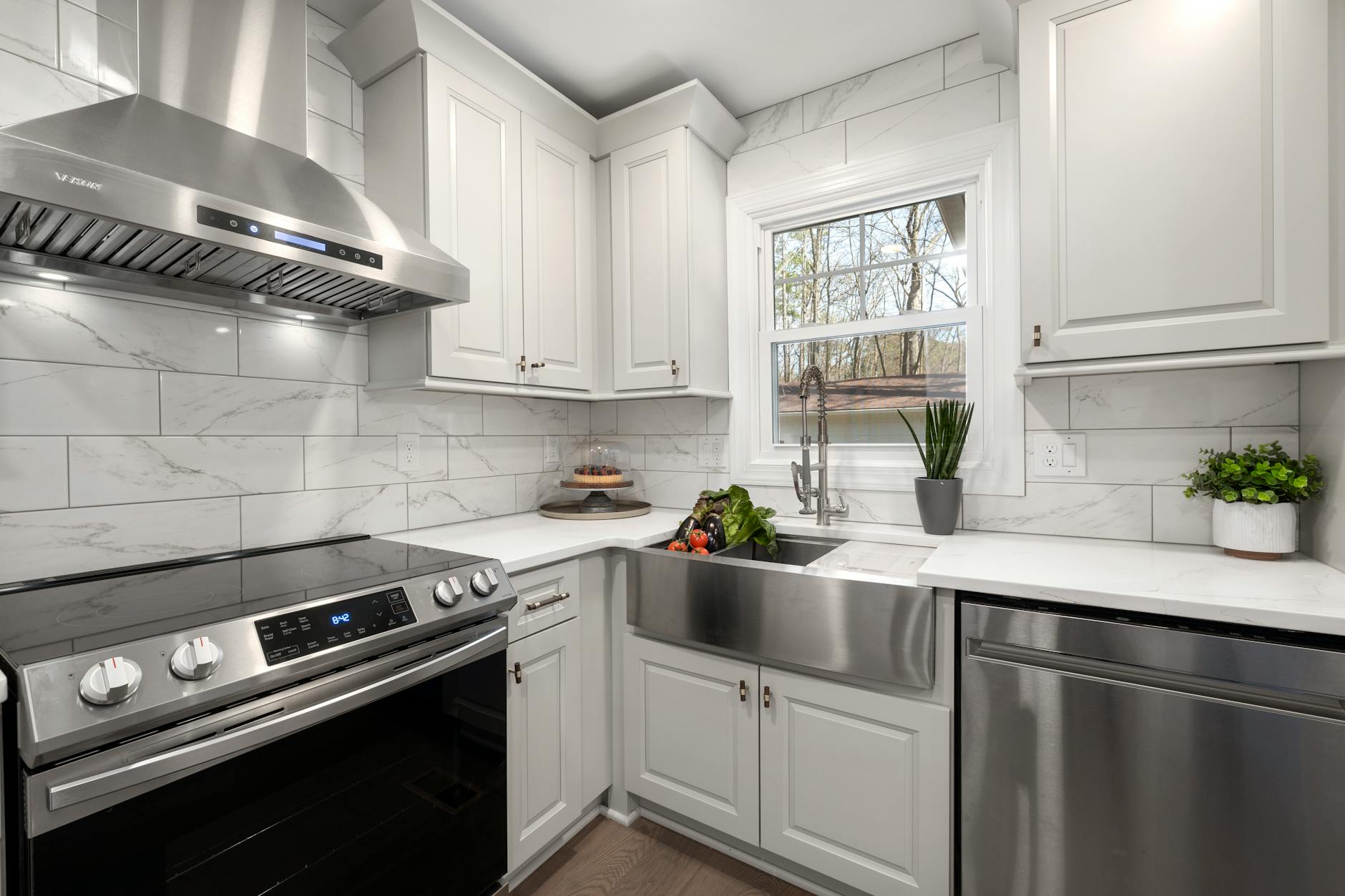
The kitchen exhaust hood gets coated in a sticky mixture of oil and airborne dust. This grime becomes visible as a yellowish film that feels tacky to the touch. It sits right at eye level for anyone cooking or standing near the stove. Heavy-duty degreasers are required to dissolve the bond between the grease and the metal.
Washing Machine Seal
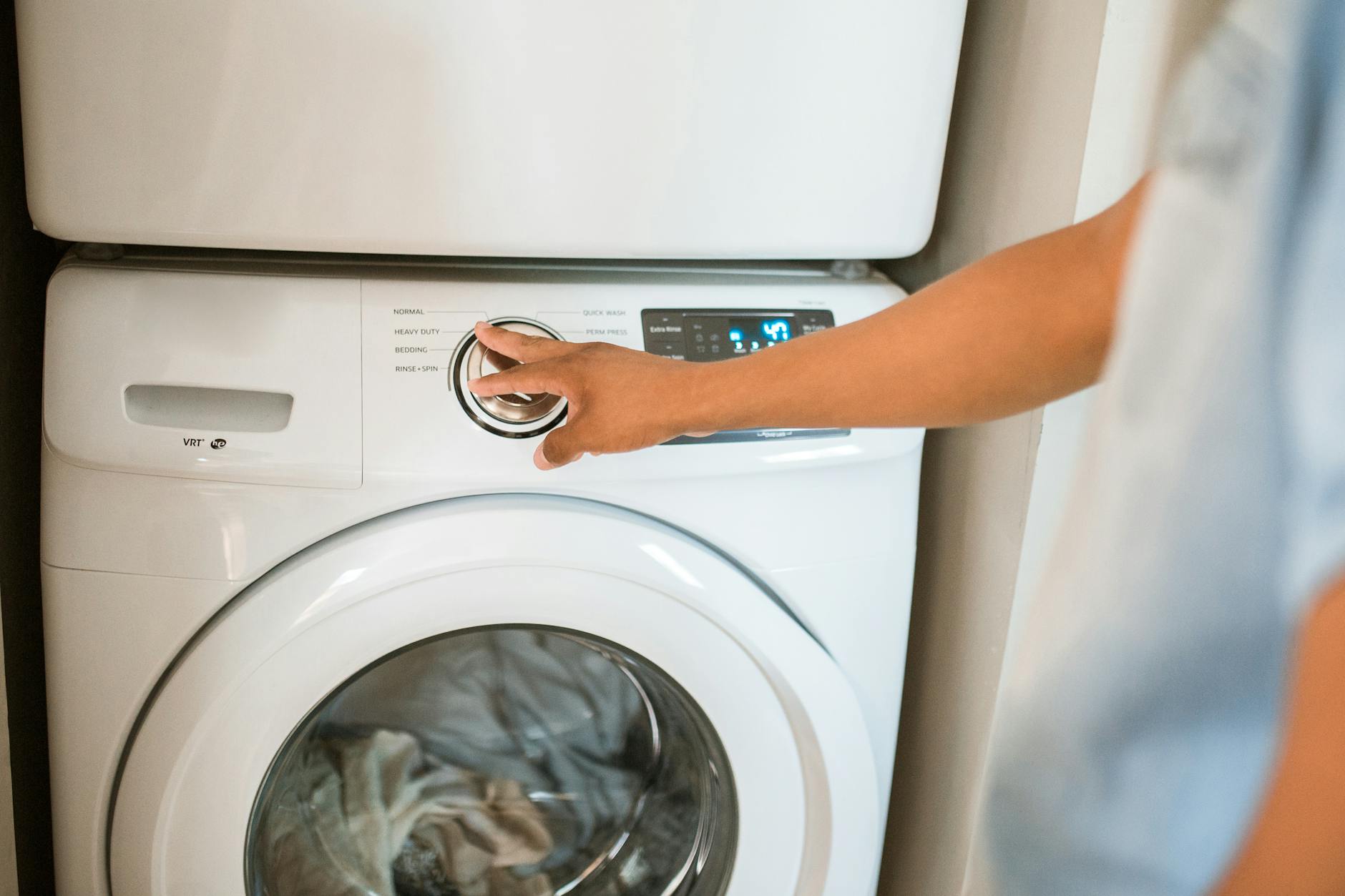
The rubber gasket on front-loading washing machines traps lint and moisture that turns into sludge. This hidden area can develop a strong mildew odor that permeates the laundry room. Guests may not see it directly but the smell is a clear indicator of the issue. Wiping out the fold in the rubber after every wash prevents this buildup.
Under Kitchen Appliances
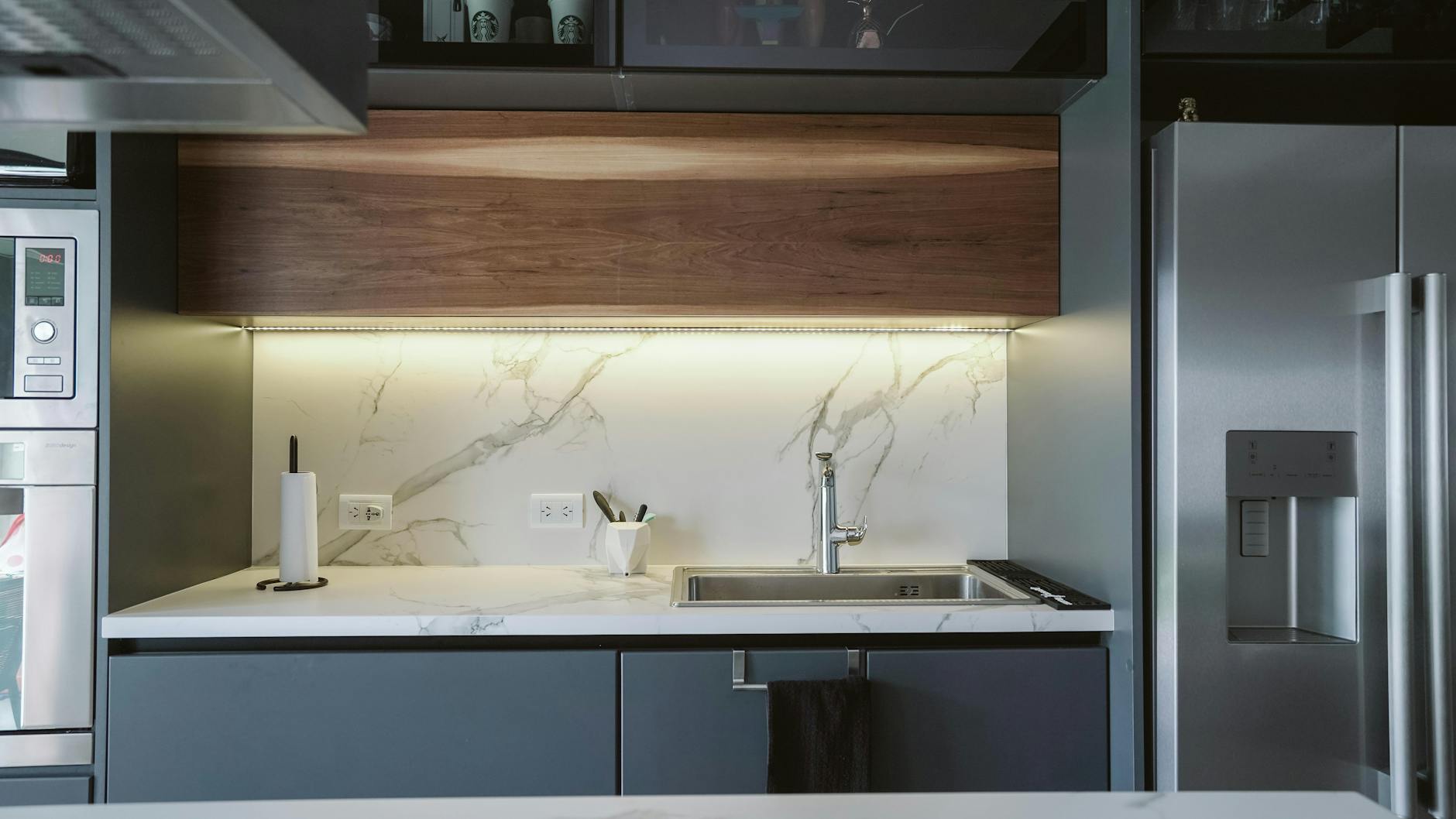
Small appliances like toasters and coffee makers often sit in the same spot for months. Crumbs and dust gather in the narrow gap between the machine and the countertop. Moving these items reveals a distinct outline of dirt that has been hiding in plain sight. A weekly lift and wipe routine keeps the kitchen counters truly sanitary.
Nightstand Knobs
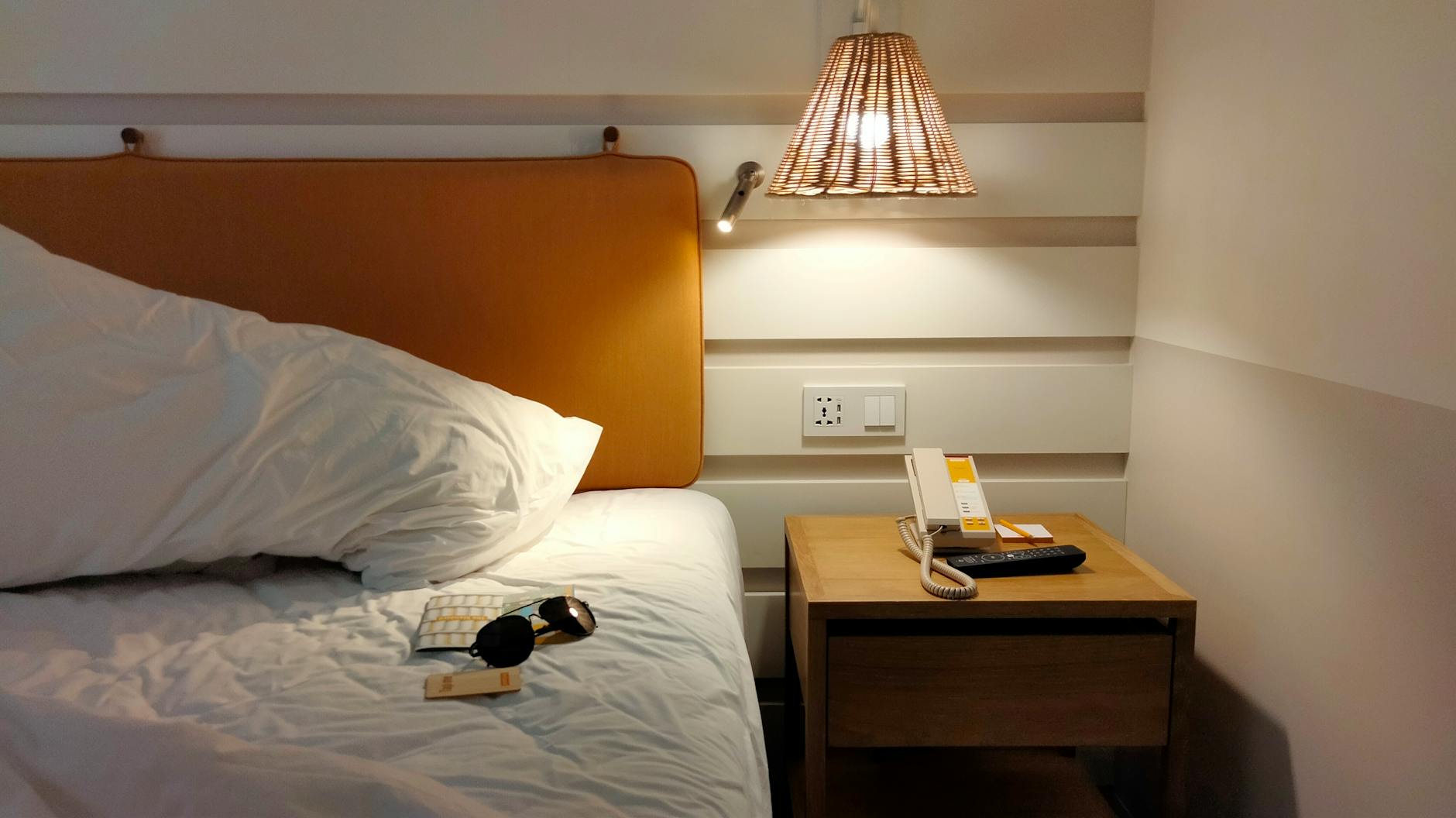
Drawer pulls and knobs catch dust on their top edges and oils from hands on the front. This detail is right next to the bed where a guest sleeps and sees it up close. Intricate hardware designs trap even more dirt than smooth surfaces. A toothbrush can be helpful for getting into the detailed grooves of the metal.
Trash Can Lids
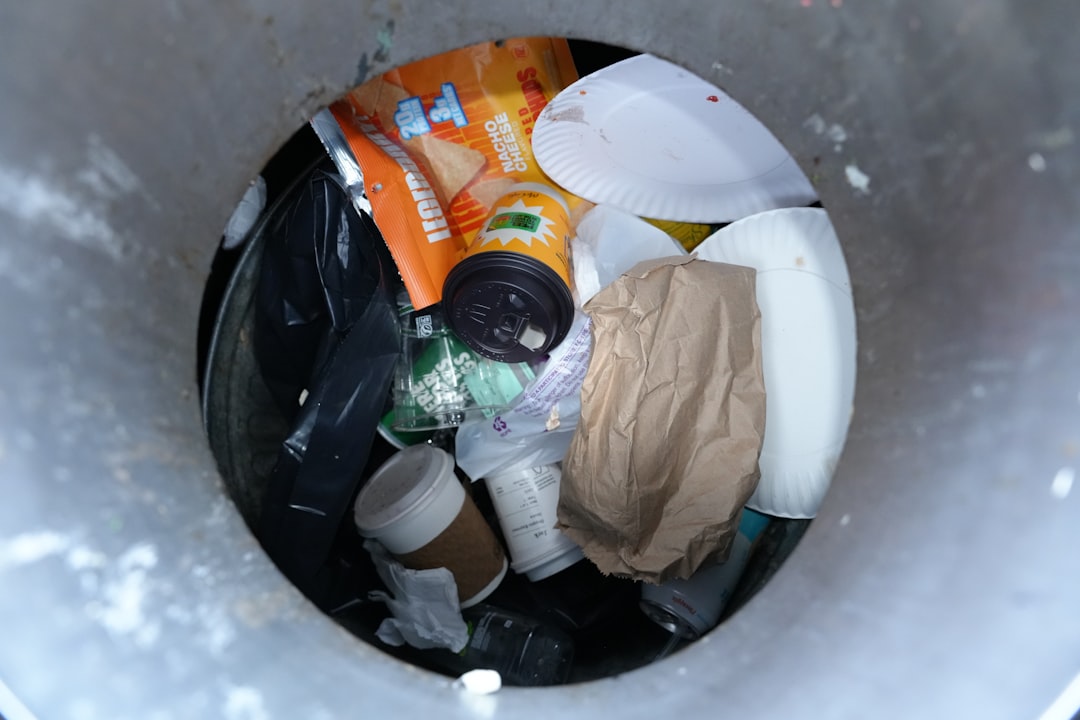
The mechanism and lid of a trash can often have splashes and dust that go unnoticed. Step-cans collect dust on the pedal and the hinges at the back near the wall. Guests using the bin will instantly notice if the lid is sticky or coated in grime. Disinfecting the entire exterior of the can is just as important as changing the liner.
Top of Shower Stall
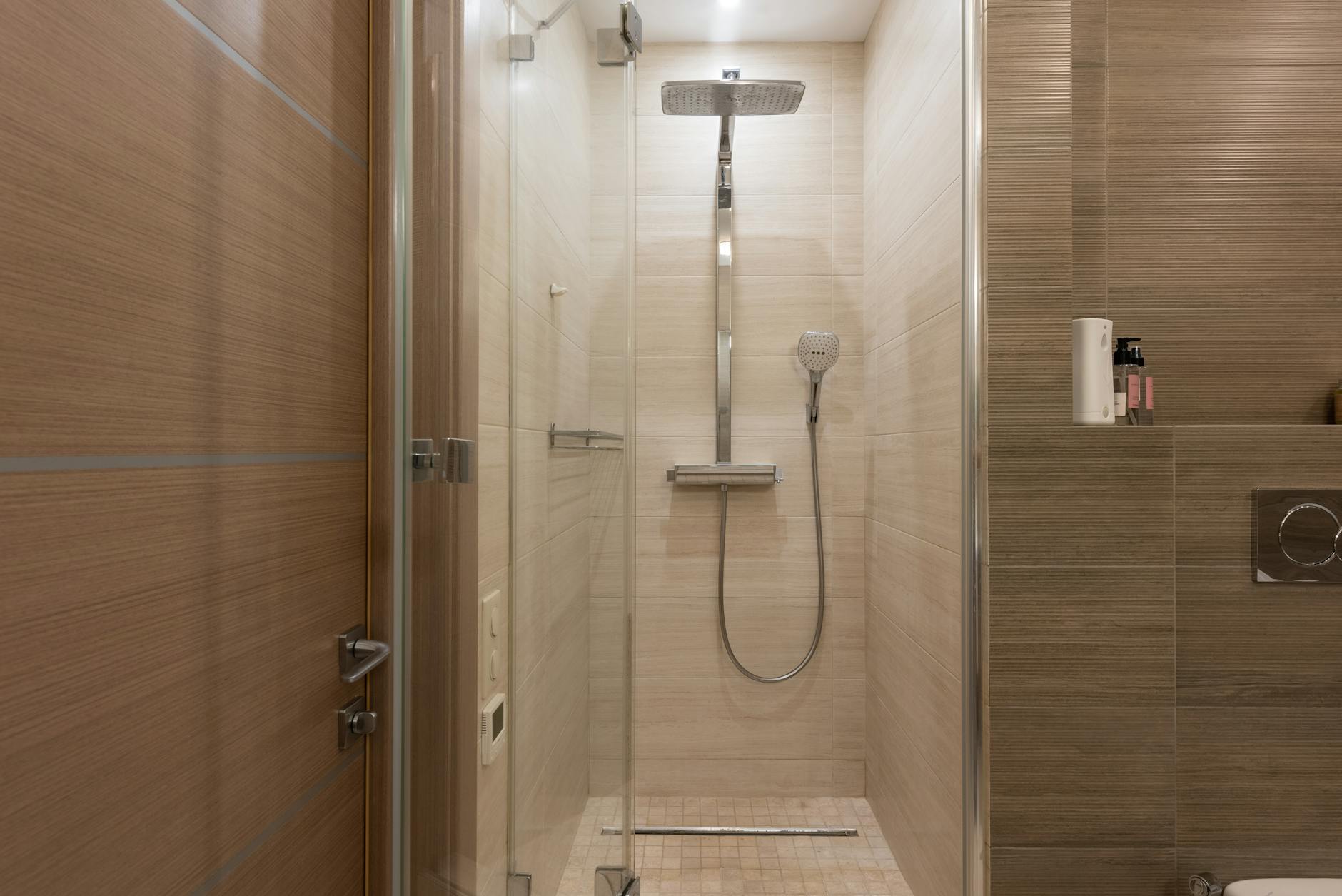
The upper rail or fiberglass edge of a shower stall is a high ledge that collects bathroom dust. It is rarely rinsed by the shower spray and builds up a thick layer over time. This area is visible to anyone standing in the bathroom and looking towards the shower. A step stool is often needed to scrub this area effectively.
Wi-Fi Router
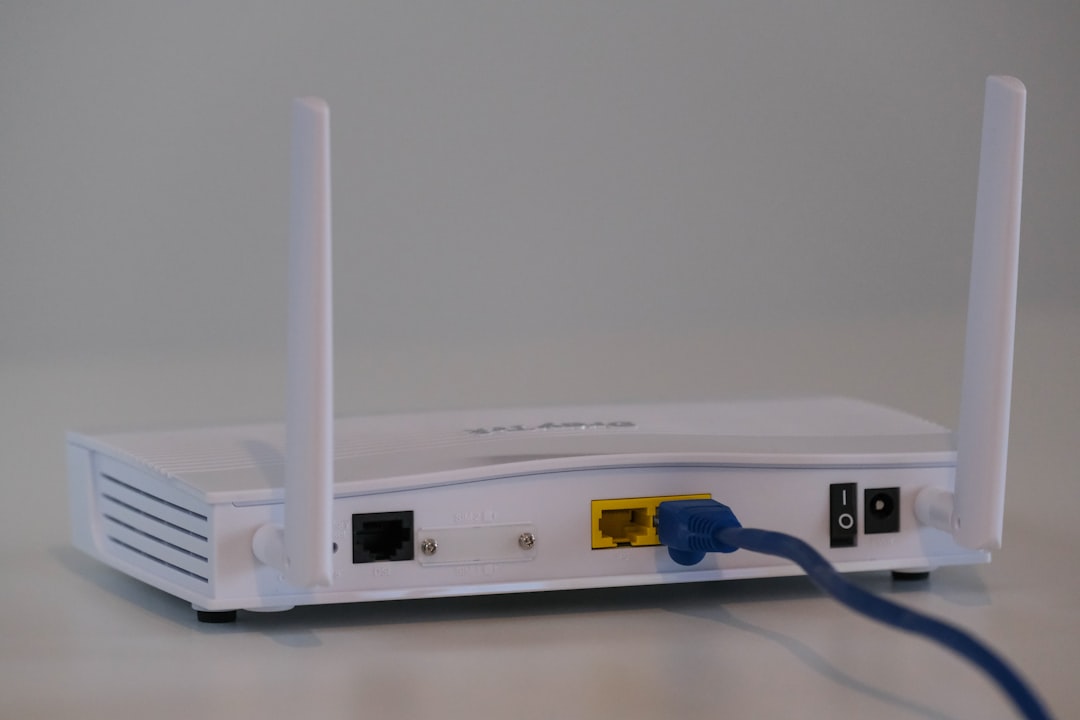
Routers and modems are constantly warm electronic devices that attract dust and hold it fast. They are often placed in open areas for better signal which makes them highly visible. The blinking lights draw the eye directly to the dusty plastic casing. keeping these devices clean helps them run cooler and look better on the shelf.
Bed Headboard
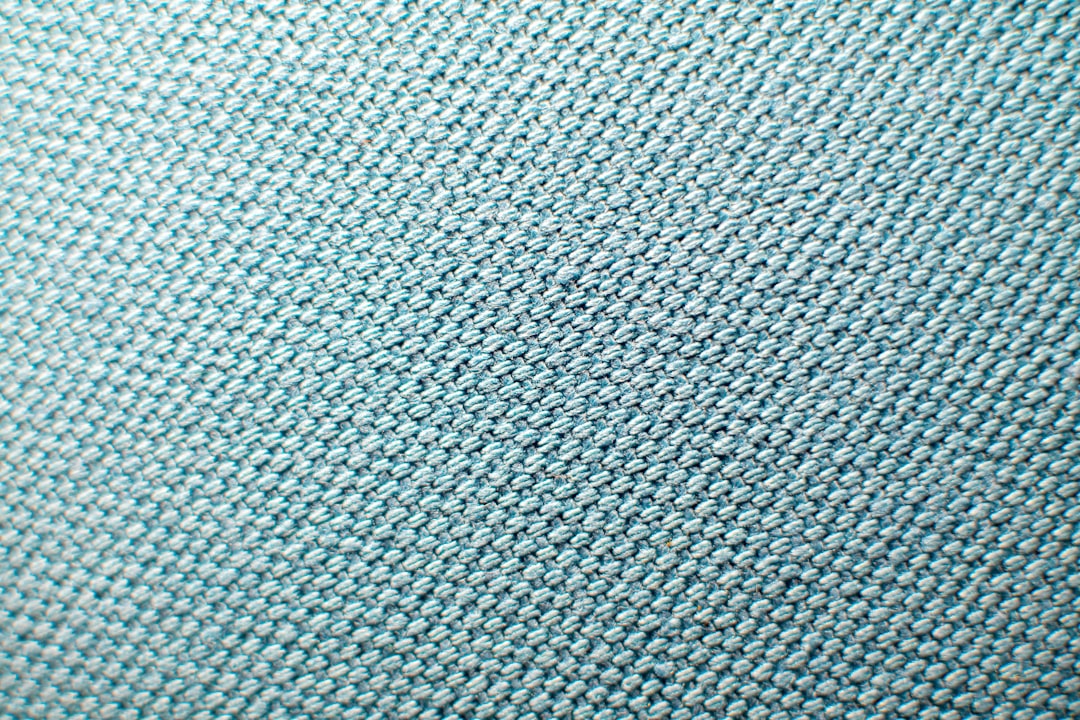
Tufted fabric headboards or intricate wooden carvings harbor dust in every button and groove. Sleeping with your head near a dusty surface can trigger allergies and disrupt rest. Guests reading in bed will be in close proximity to any accumulated dirt. Vacuuming the upholstery or wiping the wood should be part of the bedding change routine.
Closet Shelves

The high shelves in a closet are often used for long-term storage and gather undisturbed dust. Taking down a suitcase or a box can cause a shower of gray particles to fall on clean clothes. Guests hanging their coats might glance up and see the neglected storage area. Wiping these shelves ensures that stored items remain clean and ready for use.
Pet Bowls and Mats
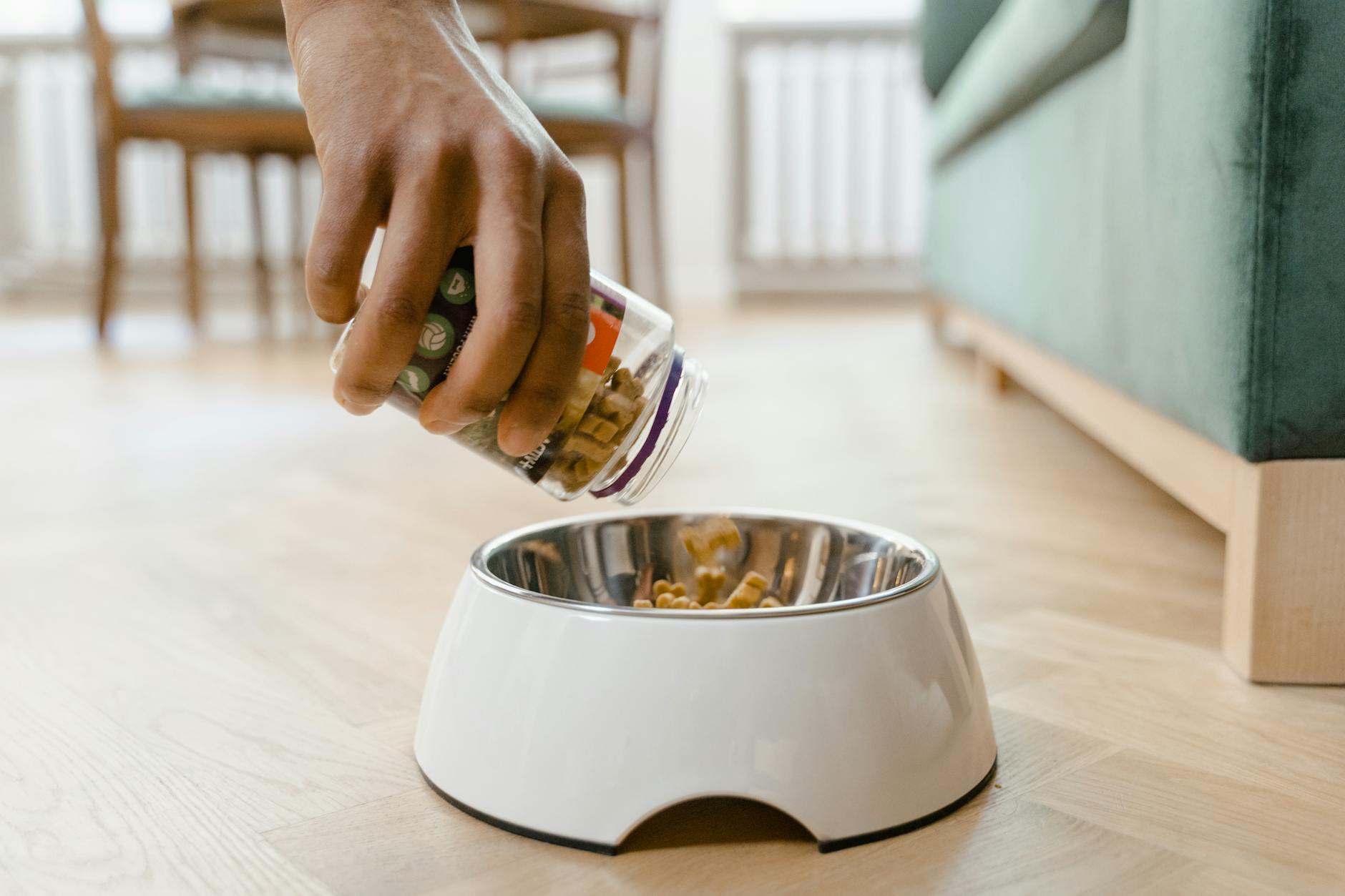
The area around pet feeding stations collects food crumbs and hair along with general household dust. Mats often have a textured surface that traps debris and becomes difficult to sweep. Guests will notice the mess on the floor even if they love animals. Shaking out the mat and washing the bowls daily keeps the feeding area hygienic.
Curtain Rods
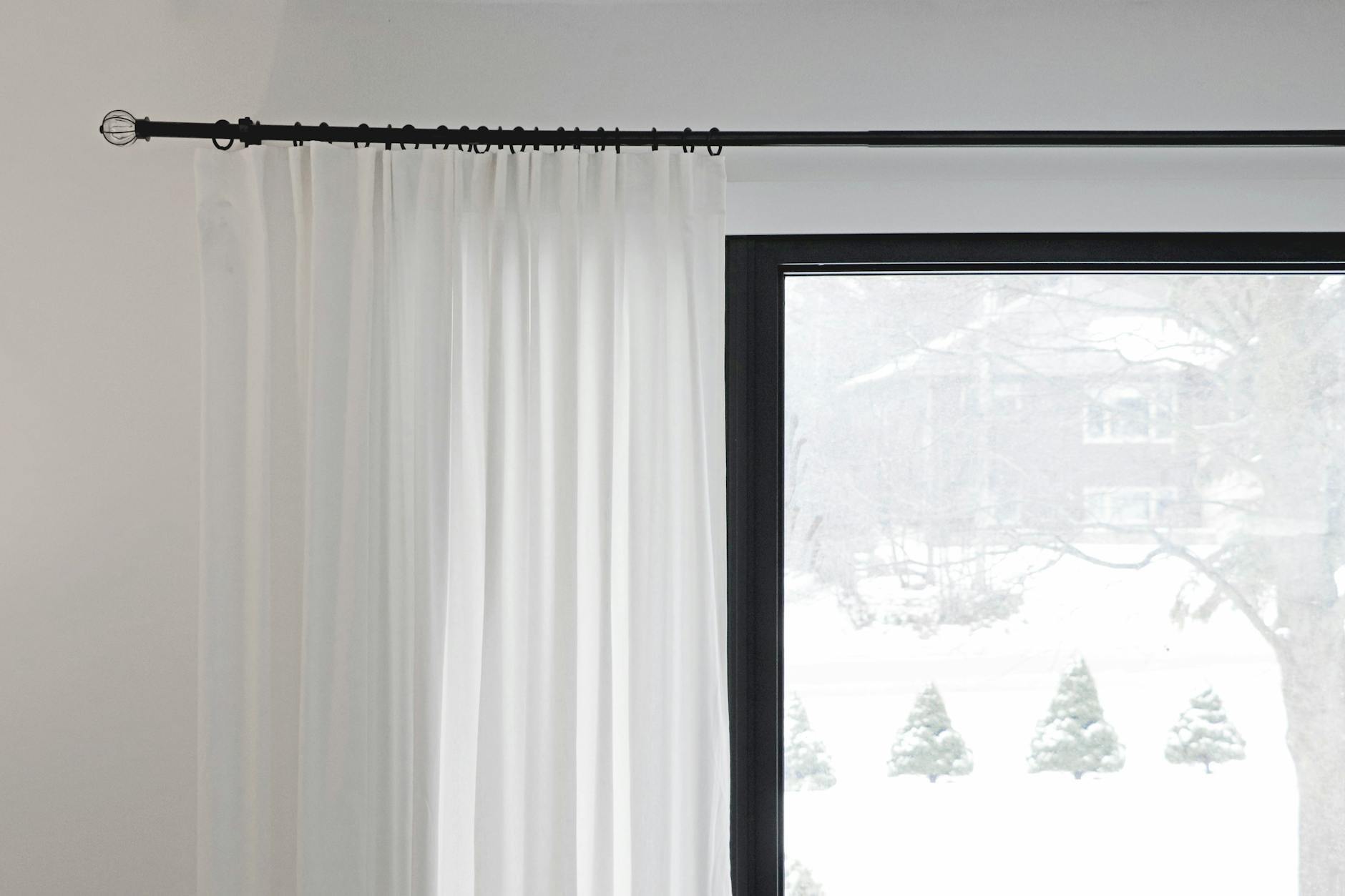
Curtain rods are mounted high on the wall and are often completely forgotten during cleaning. The horizontal pole collects a uniform layer of dust that can fall when curtains are drawn. This dust can also transfer onto the fabric of the drapes themselves. An extendable duster is the safest way to clean these without climbing a ladder.
Remote Controls
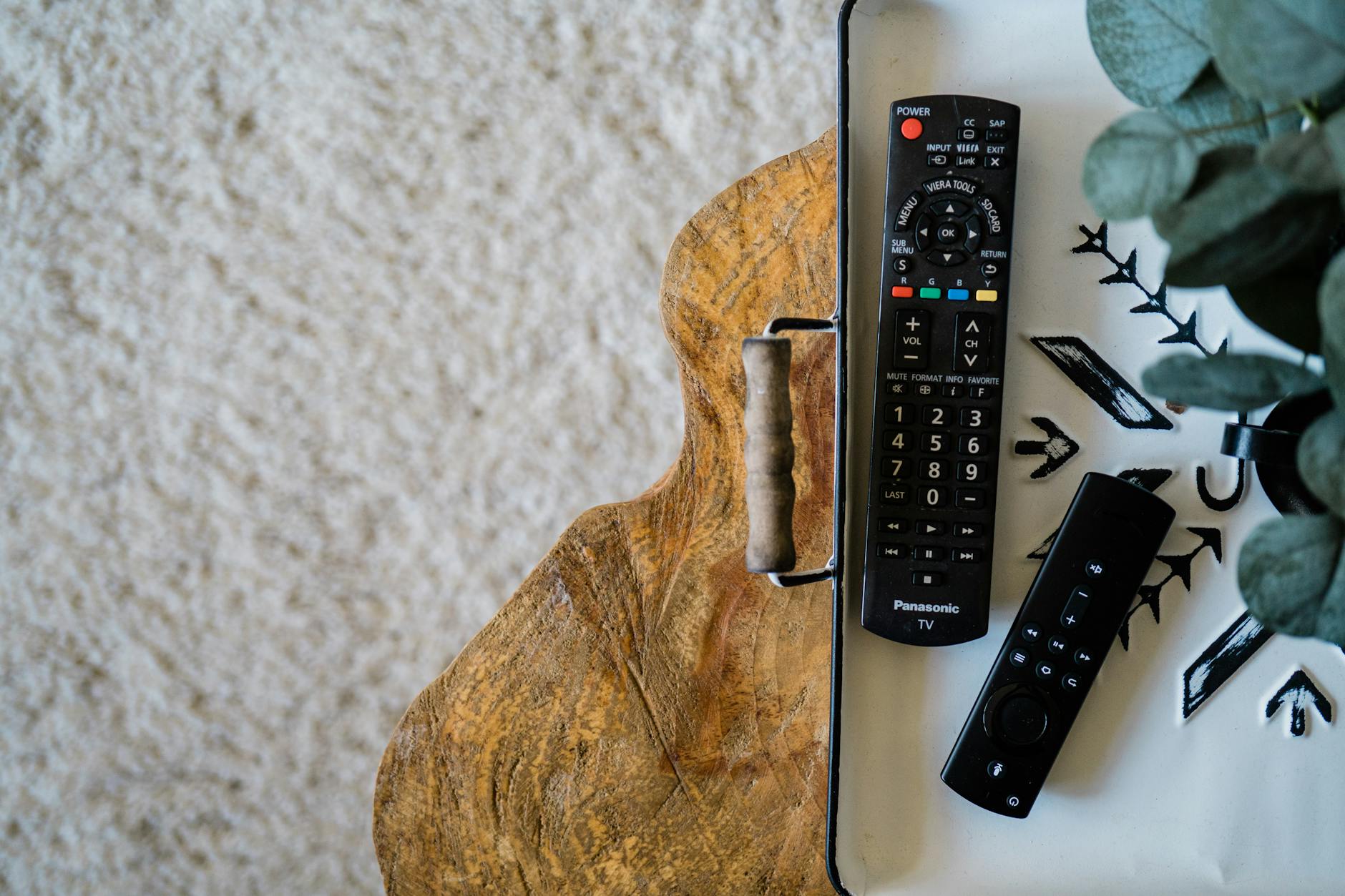
Remotes are handled by everyone and sit on coffee tables gathering dust between the rubber buttons. The texture of the buttons and the gaps in the casing trap dirt and skin oils. Guests often pick these up to adjust the volume and feel the grime immediately. Using a toothpick and a disinfectant wipe can restore them to a clean state.
Tell us which of these spots you are most guilty of ignoring in the comments.




