Words hold immense power in shaping a child’s self-esteem and worldview from a very young age. Parents often repeat phrases they heard in their own childhood without realizing the potential negative impact on their offspring. Replacing toxic language with supportive alternatives fosters better emotional regulation and strengthens the parent-child bond. This list highlights common phrases that may undermine a child’s development and explains why they should be retired immediately. Being mindful of these verbal habits is a crucial step toward positive and conscious parenting.
Stop crying

Telling a child to stop crying invalidates their emotions and teaches them to suppress their natural feelings. This phrase often causes children to withdraw or act out later because they feel their internal state is unacceptable. Parents can instead offer comfort and ask what is wrong to help the child process the emotion safely. Understanding the root cause of the tears fosters emotional intelligence and trust between parent and child. Acknowledging their sadness teaches them that expressing vulnerability is healthy and normal.
Because I said so

This authoritarian response shuts down curiosity and stifles critical thinking skills in developing minds. Children need to understand the logic behind rules to learn how to make good decisions independently in the future. Explaining the reason for a request helps them respect boundaries rather than blindly fearing authority. It transforms a command into a valuable learning moment about safety or social expectations. Providing context invites cooperation rather than resentment or confusion.
You are okay

Dismissing physical or emotional pain with this phrase can make a child doubt their own perceptions and bodily autonomy. It signals that their feelings are wrong or inconvenient to the parent at that specific moment. Validating their experience by acknowledging the hurt builds resilience and deepens self-trust over time. A better approach involves checking the injury or asking how they feel to show genuine empathy. This helps them learn to listen to their own bodies and emotions accurately.
Wait until your father gets home

Passing the disciplinary buck creates anxiety and paints the other parent as a source of fear. It undermines the authority of the parent present and delays the necessary consequences for the behavior. Immediate feedback is far more effective for learning than a looming threat of future punishment. This phrasing damages the relationship the child has with the absent parent before they even walk through the door. Discipline should be consistent and handled by the caregiver currently present.
I am on a diet

Constantly talking about weight restrictions or body dissatisfaction teaches children to judge their own bodies harshly. It promotes diet culture and can lead to unhealthy relationships with food and self-image issues. Children learn by observation and may start restricting food or obsessing over their appearance unnecessarily. Focusing on healthy eating for energy and nutrition is a much more positive message for growing bodies. Parents should model self-acceptance to help their children feel confident in their own skin.
You are so smart
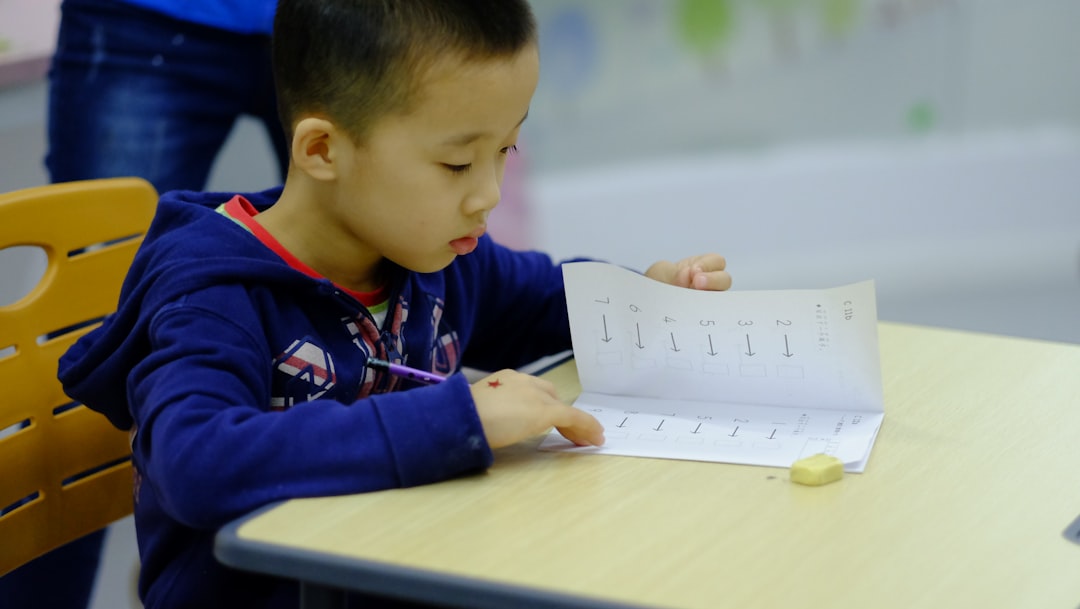
Praising innate intelligence rather than effort can actually lead to a fixed mindset and fear of failure. Children who believe they are naturally smart may avoid challenges to keep that label intact. It is more beneficial to praise the hard work and strategies they used to solve a problem. This encourages a growth mindset where mistakes are seen as opportunities to learn and improve. Valuing persistence over natural ability prepares them for real-world obstacles.
Why can not you be more like your sibling

Comparing children breeds resentment and creates deep sibling rivalry that can last a lifetime. It damages the self-esteem of the child being criticized and puts unfair pressure on the other sibling. Every child is an individual with unique strengths and weaknesses that should be celebrated separately. Comparisons make children feel that their parents’ love is conditional upon performance or behavior. Focusing on individual progress allows each child to flourish on their own timeline.
You make me so angry

Blaming a child for an adult’s emotional state places an unfair burden on their small shoulders. It suggests that they are responsible for regulating their parents’ feelings and reactions. Parents must model emotional control and take responsibility for their own triggers and responses. This phrase can lead to codependency or a fear of expressing needs to avoid upsetting others. Using statements that focus on the behavior rather than the emotion preserves the relationship.
Good job

Generic praise often becomes white noise and loses its meaning when used excessively for every small action. Specific feedback helps a child understand exactly what they did well and encourages them to repeat that behavior. Overusing this phrase can make children dependent on external validation rather than internal satisfaction. Describing what you see or appreciate allows the child to take pride in their own accomplishments. Meaningful encouragement fosters intrinsic motivation and self-efficacy.
I promise

Making promises that cannot be guaranteed erodes trust if circumstances change unexpectedly. Children have long memories and feel betrayed when a parent breaks a commitment regardless of the reason. It is safer to say that you will try your best or simply state the plan without a binding vow. Honesty about uncertainty teaches children flexibility and how to manage expectations realistically. Trust is built through consistent actions rather than empty verbal assurances.
You always do this

Using absolute terms like always or never generalizes behavior and makes a child feel defensive and defeated. It attacks their character rather than addressing the specific mistake or action at hand. This type of language creates a self-fulfilling prophecy where the child believes they cannot change. Addressing the specific incident allows for correction and growth without labeling the child permanently. Constructive criticism focuses on the present moment and future solutions.
It is not a big deal

Minimizing a child’s problem teaches them that their concerns are not important or worthy of attention. What seems small to an adult can feel catastrophic to a child with limited life experience. Empathy validates their perspective and helps them move through the issue more effectively. Dismissing their worries can lead to them hiding bigger problems from parents in the future. Listening helps them develop the skills to assess the size of problems accurately.
You are too sensitive

Labeling a child as too sensitive suggests that their natural temperament is a flaw that needs fixing. High sensitivity is often a strength that allows for deep empathy and creativity when nurtured correctly. This phrase shames them for their feelings and can lead to emotional suppression. Accepting their emotions helps them learn to regulate intense feelings without shame. Parents should help children navigate their feelings rather than criticizing the intensity of them.
Let me do it

Constantly taking over tasks prevents children from developing competence and independence in daily life skills. It sends a subtle message that they are not capable of doing things correctly on their own. Struggle is a necessary part of the learning process and builds confidence when success is finally achieved. Patience is required to allow children to fumble and figure things out at their own pace. stepping back empowers them to become self-sufficient problem solvers.
Hurry up

Constant rushing creates unnecessary stress and anxiety for both the parent and the child. Children have a different perception of time and often need transitions to be managed calmly. Frequent demands for speed can make a child feel like a burden or an inconvenience. Planning for extra time or using playful games to move faster is a more positive approach. A calm morning routine sets a better tone for the entire day than chaotic urgency.
Shut up
This phrase is disrespectful and hurtful regardless of the age of the person receiving it. It models rude behavior and poor communication skills that children will likely mimic with others. Telling a child to be quiet can be done firmly without resorting to insulting commands. It shuts down communication entirely and creates an environment of hostility. Respectful requests for silence teach children boundaries and politeness.
You are shy

Labeling a child as shy can make them feel socially anxious and trapped in that identity. It often excuses them from trying to engage with others and reinforces the behavior. Children may simply be observant or take longer to warm up to new situations. Describing the specific behavior or feeling allows them to evolve past the moment. Encouraging small steps toward social interaction builds confidence without the weight of a label.
Practice makes perfect
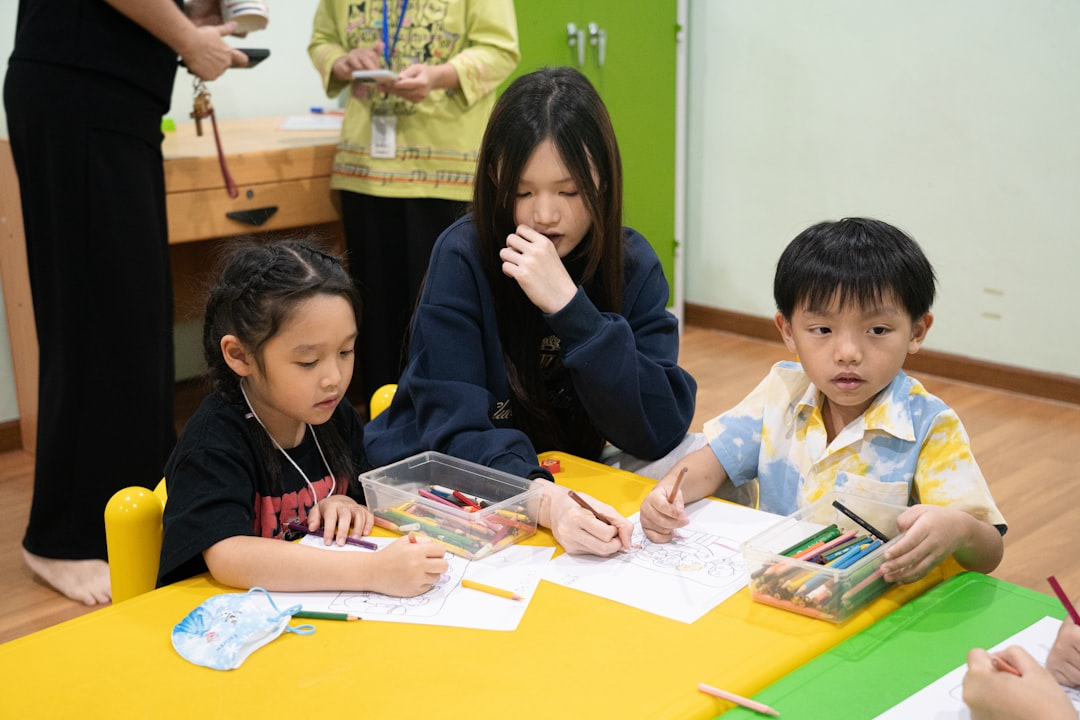
Perfection is an impossible standard that sets children up for anxiety and disappointment. This phrase suggests that mistakes are failures rather than essential parts of the learning curve. Emphasizing progress and effort is a much healthier way to encourage skill development. It is better to teach that practice leads to improvement and mastery over time. This shift reduces the pressure to perform flawlessness and encourages trying new things.
Big boys do not cry

Gender-based shaming prevents boys from developing a full range of emotional expression and intelligence. It forces them to hide sadness and fear which can lead to aggression or isolation later in life. All children need to feel safe expressing their vulnerability and seeking comfort from caregivers. Encouraging emotional repression is harmful to mental health and interpersonal relationships. Emotional strength comes from processing feelings rather than burying them.
That is just for boys
Limiting toys or activities based on gender stereotypes restricts a child’s potential and interests. Children should be free to explore a wide range of play to discover what they truly enjoy. These restrictions reinforce outdated social norms that do not serve the child’s individual growth. Open-ended play encourages creativity and allows children to define themselves authentically. Supporting their interests builds confidence and shows acceptance of who they are.
You are bad

Labeling a child as bad attacks their core identity rather than addressing a specific misbehavior. This can lead to shame and a belief that they are inherently flawed and unlovable. It is crucial to distinguish between the child and their actions when delivering discipline. Saying that a behavior is unacceptable leaves room for the child to make better choices next time. Unconditional love means correcting behavior while affirming the child’s worth.
I do everything for you
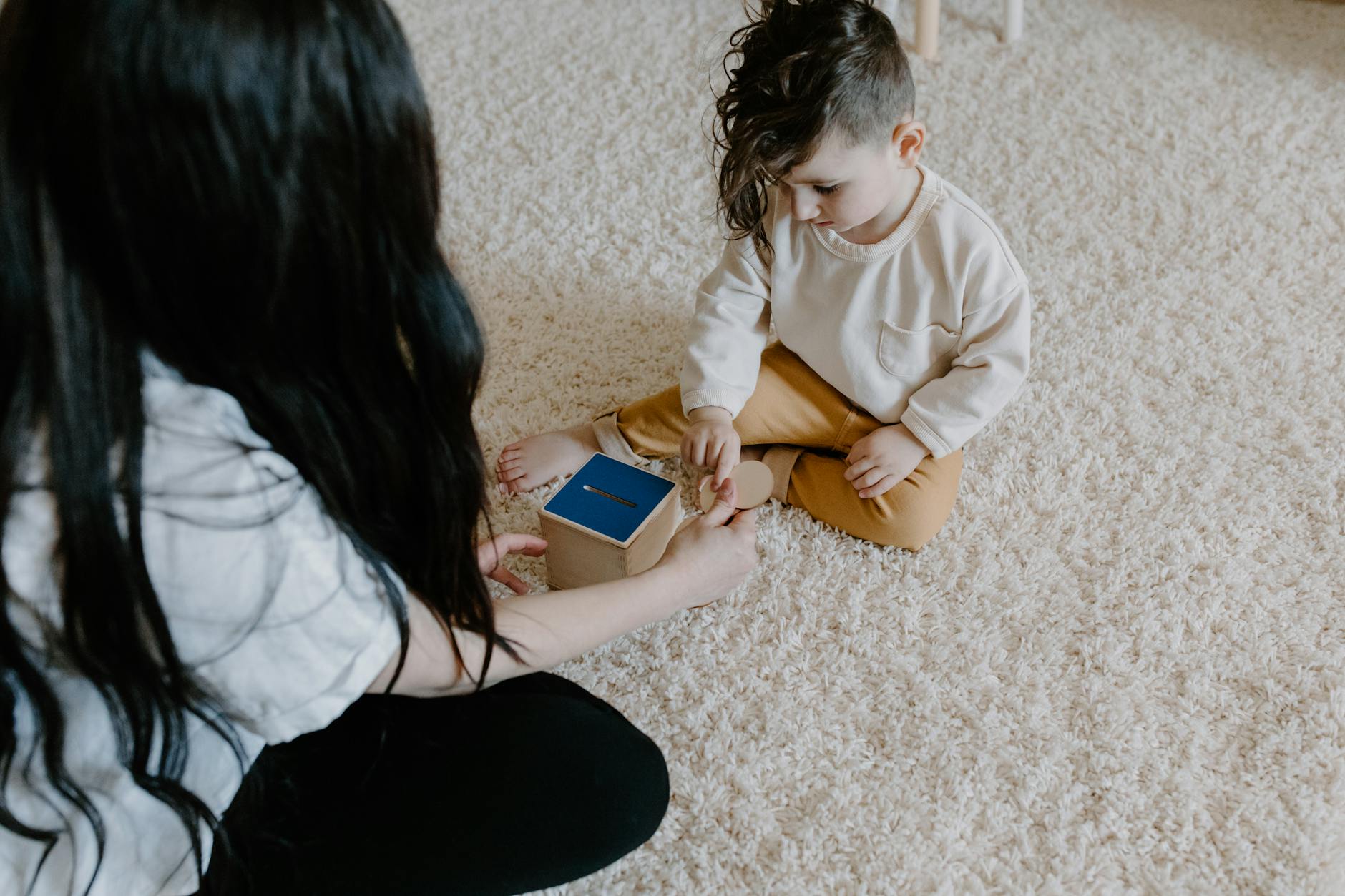
Using guilt to manipulate a child creates a transactional relationship based on obligation. It places the responsibility for the parent’s choices and sacrifices onto the child. Children should not feel burdened by the basic care and support that parenting requires. This phrase often arises from parental burnout but causes the child to feel like a burden. Expressing needs directly is healthier than using martyr language to induce compliance.
Stop it or else

Vague threats create fear without establishing clear boundaries or logical consequences. Children need to know exactly what will happen if they continue a behavior to make informed choices. Empty threats eventually lose their power and teach children to gamble on the outcome. Clear and consistent consequences provide a sense of security and structure. Discipline works best when it is predictable and related to the behavior.
You look so pretty

Focusing exclusively on appearance teaches children that their value lies primarily in how they look. While compliments are nice they should be balanced with praise for character and abilities. Overemphasis on beauty can lead to insecurity and vanity as they grow older. Highlighting qualities like kindness or creativity helps them build a more robust self-esteem. Children need to know they are valued for who they are inside.
Do not be a baby

Mocking a child for regression or age-appropriate behavior causes shame and insecurity. Children often regress when they are stressed or seeking connection with their parents. This phrase pushes them away precisely when they need reassurance and support. Meeting their needs for comfort usually helps them return to independence faster. Respecting their developmental pace builds a secure foundation for maturity.
Please share your thoughts on which of these phrases you find hardest to avoid in the comments.




