Dehydration is often misunderstood as simply feeling thirsty after a workout or on a hot day. The body sends subtle distress signals long before the sensation of thirst actually kicks in. Many people ignore these quiet indicators and attribute them to stress or fatigue or hunger. Understanding these physical cues is essential for maintaining optimal health and daily performance levels. Recognizing these signs early can prevent more serious complications down the road.
Persistent Headaches

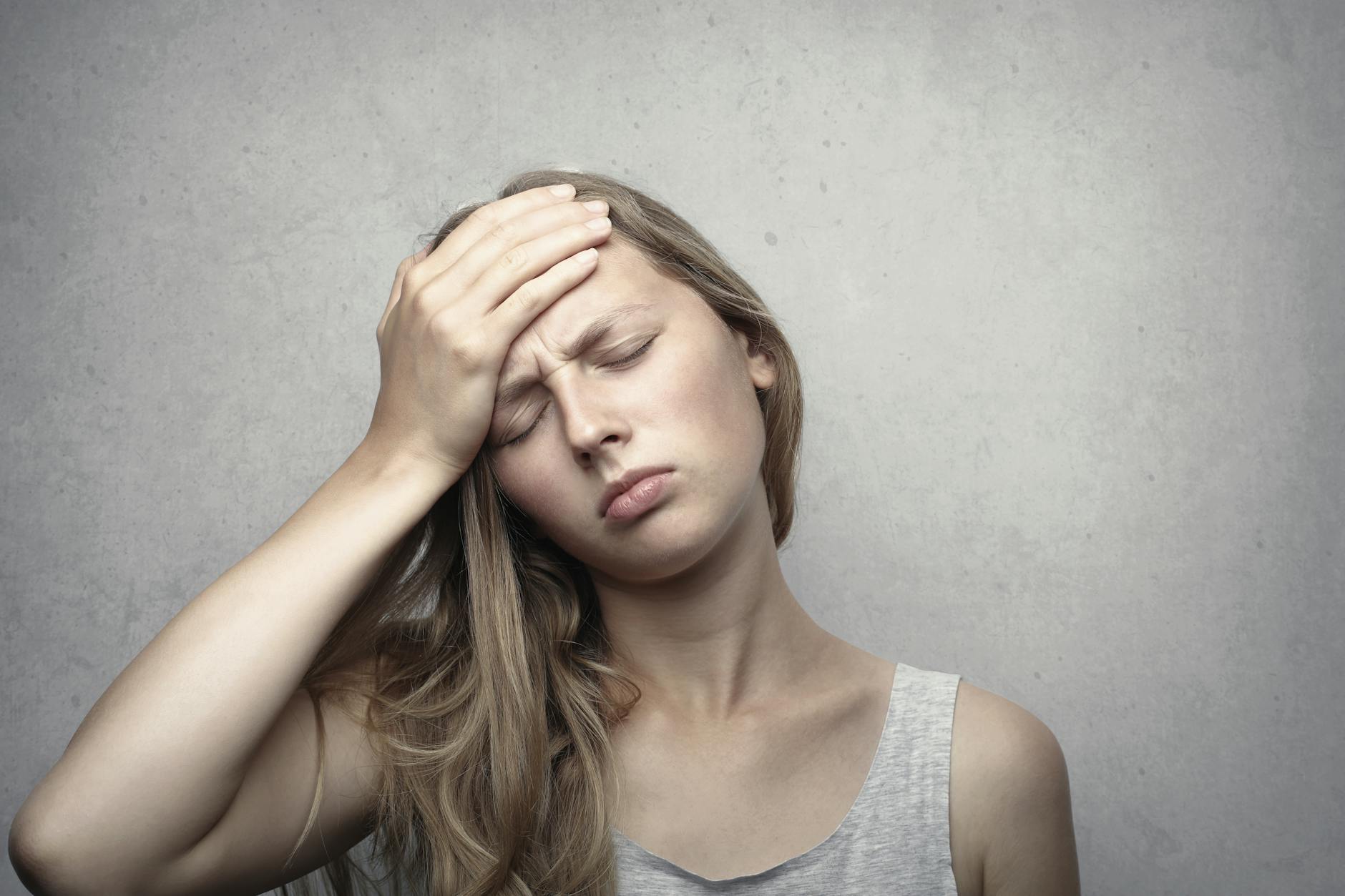
The brain can temporarily shrink and pull away from the skull when fluid levels drop too low. This physical reaction triggers pain receptors and results in a throbbing headache that medication may not fully cure. Proper hydration helps the brain regain its full volume and alleviates the tension surrounding the sensitive membranes. Drinking a large glass of water is often the most effective first step in treating sudden head pain.
Brain Fog
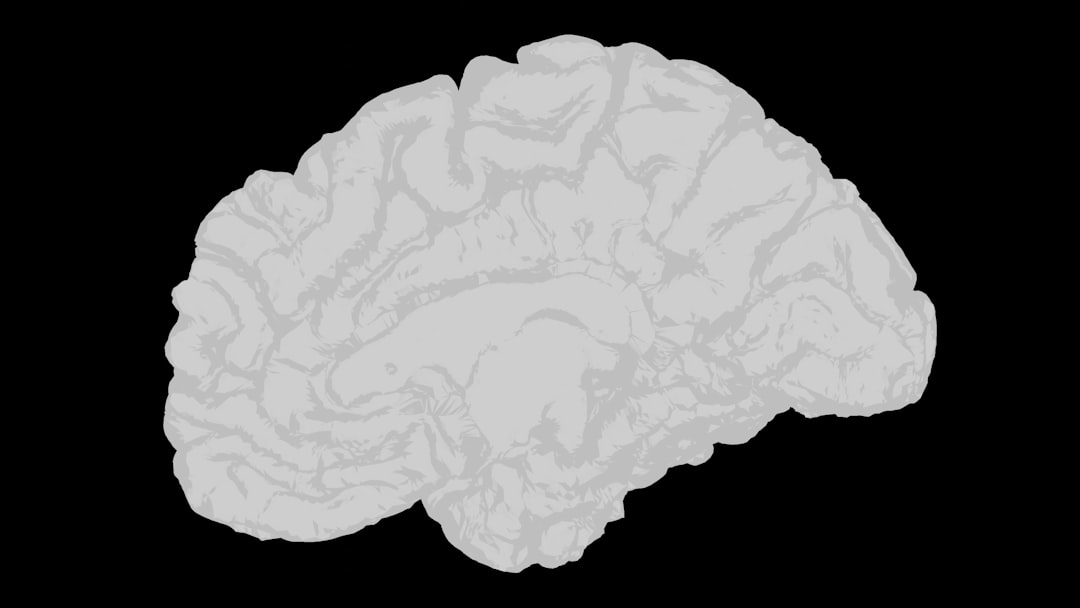
Cognitive function suffers significantly when the body lacks adequate water to transport nutrients to the brain. You might notice a sudden inability to focus or recall simple details during your workday. Mental clarity depends on proper blood flow and fluid balance within the neurological system. Rehydrating often sharpens attention and restores short-term memory speed within minutes.
Dry Skin
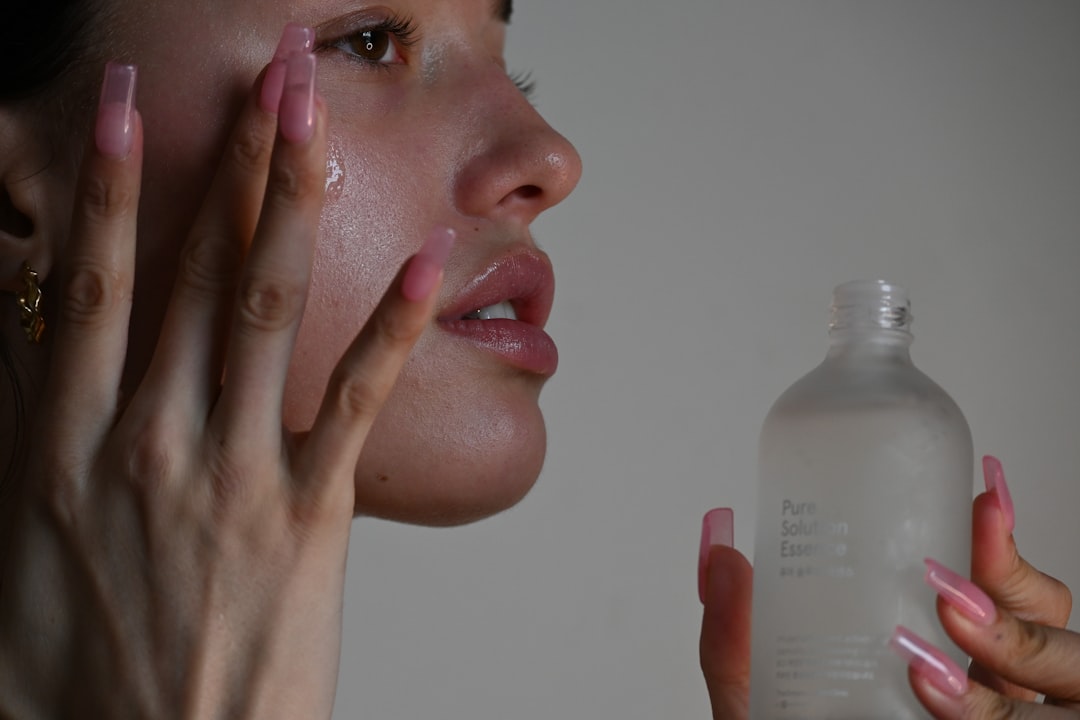
Skin is the largest organ of the body and requires significant water to maintain its barrier function. Dehydrated skin feels tight and looks dull rather than plump and radiant. You can test this by pinching the skin on the back of your hand to see if it snaps back quickly. Chronic dehydration leads to accelerated aging and more visible fine lines over time.
Muscle Cramps
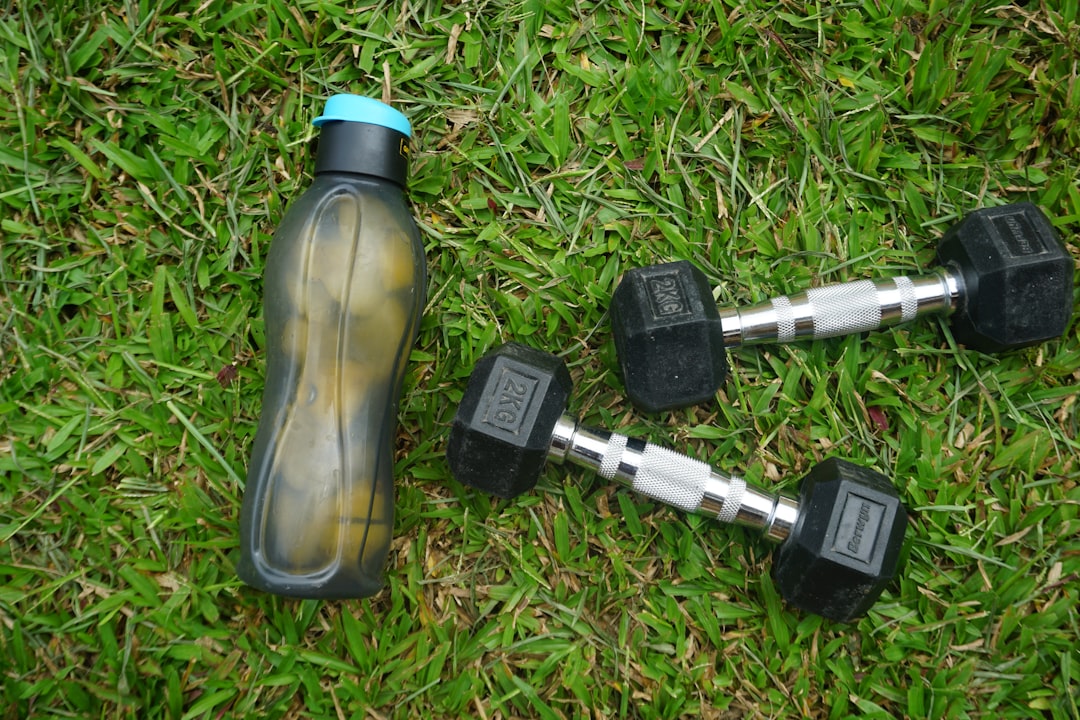
Muscles need a precise balance of water and electrolytes to contract and relax smoothly. Involuntary spasms often occur when sodium and potassium levels drop due to fluid loss. These cramps frequently strike the calves or feet during the night or after light exercise. Replenishing fluids helps restore the electrical signaling required for normal muscle function.
Bad Breath

Saliva plays a crucial role in cleansing the mouth and controlling bacterial growth on the tongue and gums. A decrease in saliva production allows bacteria to multiply rapidly and creates an unpleasant odor. Regular brushing and flossing cannot permanently mask bad breath caused by systemic dehydration. Drinking water stimulates the salivary glands and helps wash away the odor-causing microbes.
Unexplained Fatigue
The heart must work harder to pump blood when overall blood volume decreases due to water loss. This extra strain leads to a feeling of lethargy that caffeine or sleep cannot fix. Oxygen transport to muscles becomes less efficient and makes everyday movements feel heavy and difficult. Sipping water throughout the day maintains energy levels better than sugary energy drinks.
Dark Urine
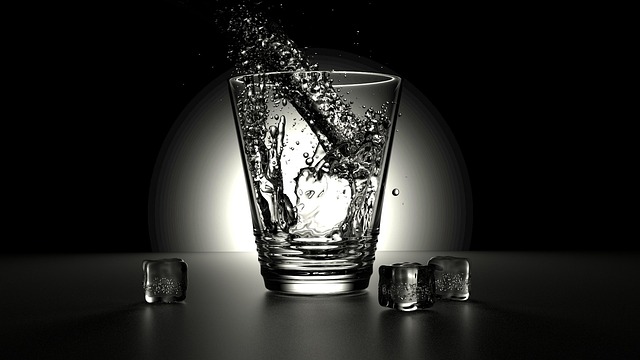
The color of urine serves as one of the most reliable indicators of internal hydration status. Pale yellow urine generally signals a healthy balance of fluids within the system. Dark amber or honey-colored urine suggests the kidneys are working hard to concentrate waste products. Increasing water intake usually restores a lighter color within a few hours.
Sugar Cravings
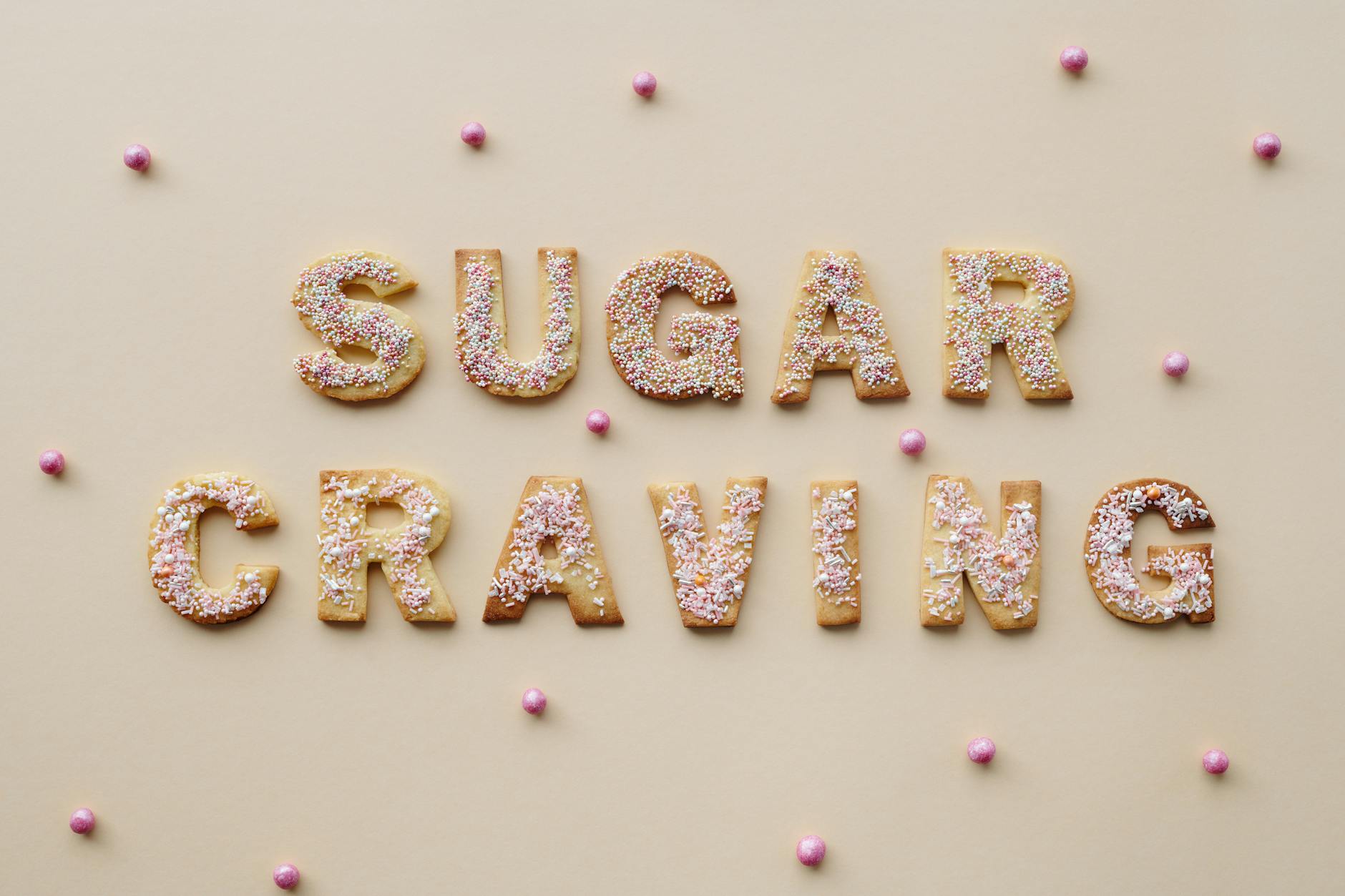
The liver requires water to release glycogen and other energy components effectively. A lack of fluids can interfere with this process and trick the brain into thinking it needs food. You may experience a sudden urge for sweets or carbohydrates when you are actually just thirsty. Drinking water before eating can help distinguish between true hunger and a hydration alert.
Dizziness

Blood pressure often drops when blood volume decreases from a lack of fluids. This drop can cause lightheadedness or a spinning sensation when standing up too quickly. The brain receives less oxygen temporarily and causes a momentary loss of balance. Staying hydrated keeps blood pressure stable and prevents these disorienting episodes.
Rapid Heartbeat

Dehydration causes the blood to thicken and forces the heart to beat faster to maintain circulation. Palpitations or a racing pulse can occur even when the body is at rest. This increased cardiac workload places unnecessary stress on the cardiovascular system. Electrolyte-rich fluids can help calm the heart rate and restore normal blood viscosity.
Irritability

Mood is heavily influenced by the physiological state of the brain and its fluid levels. Mild dehydration has been shown to increase feelings of anxiety and shorten temper. You might feel unusually grumpy or easily annoyed without a clear emotional cause. Restoring fluid balance often improves mood and emotional resilience quite rapidly.
Chapped Lips
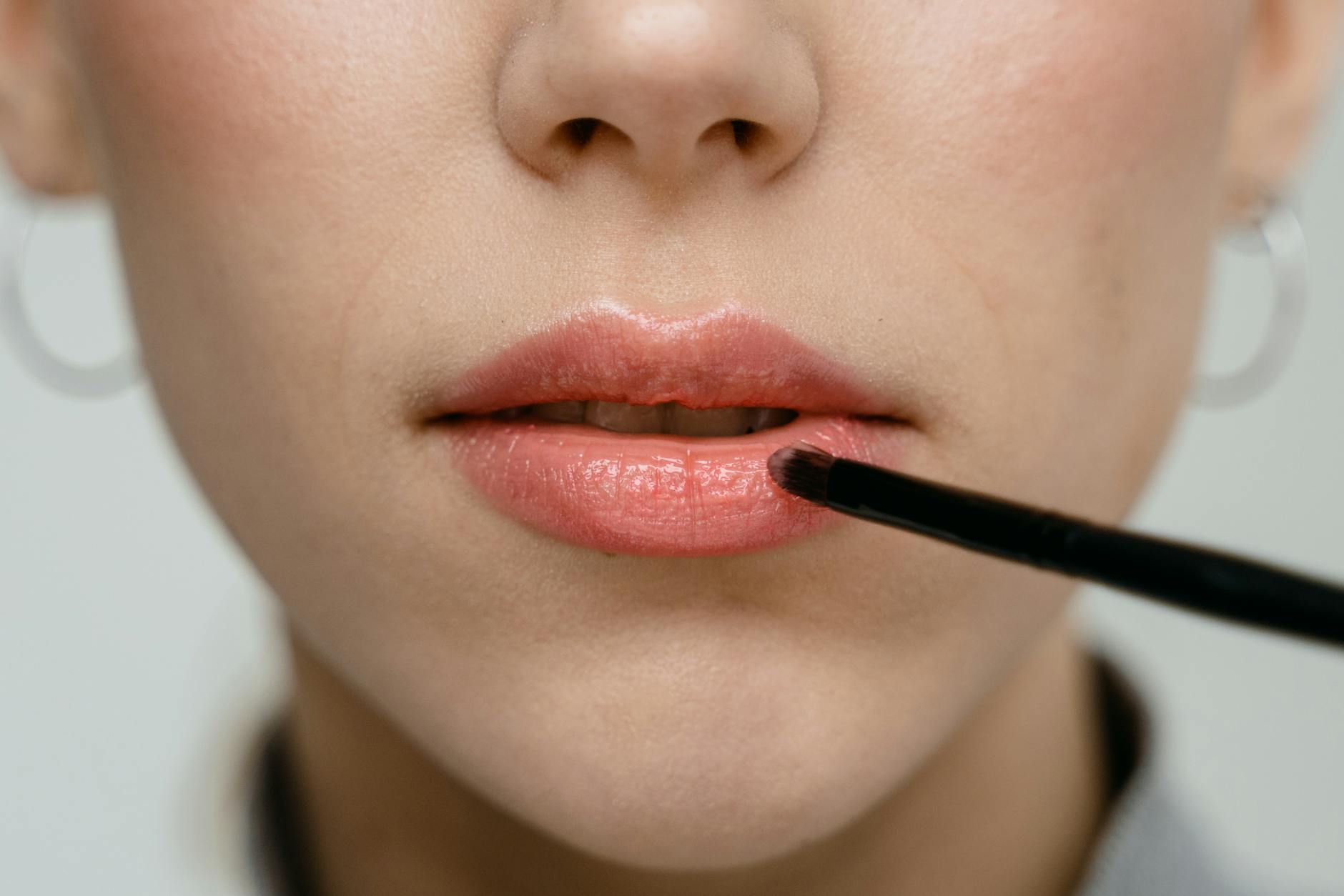
The sensitive skin on the lips is often the first place to show signs of internal dryness. Using lip balm provides a temporary external barrier but does not solve the internal issue. Chronic peeling or cracking usually indicates a need for increased daily water consumption. Treating the problem from the inside out results in softer and healthier lips.
Overheating
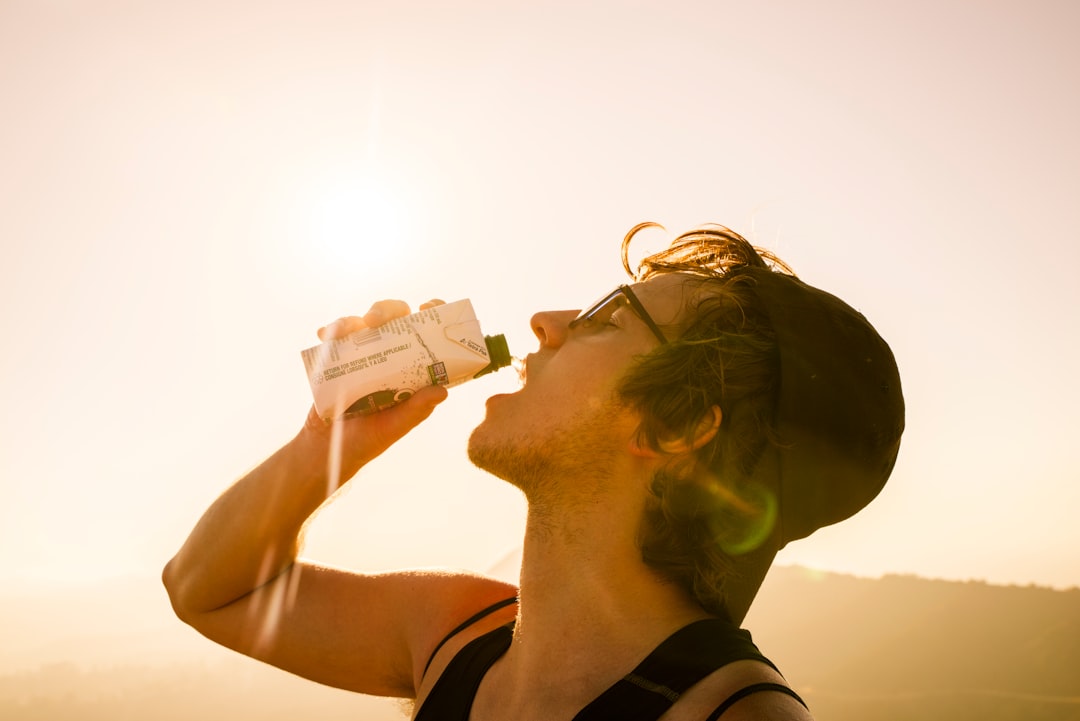
Water is the primary mechanism for regulating body temperature through sweating. A dehydrated body cannot produce enough sweat to cool down effectively during heat or exertion. This inability to release heat can lead to dangerously high internal temperatures and heat exhaustion. Proper fluid intake ensures the body acts as an efficient natural cooling system.
Decreased Urination
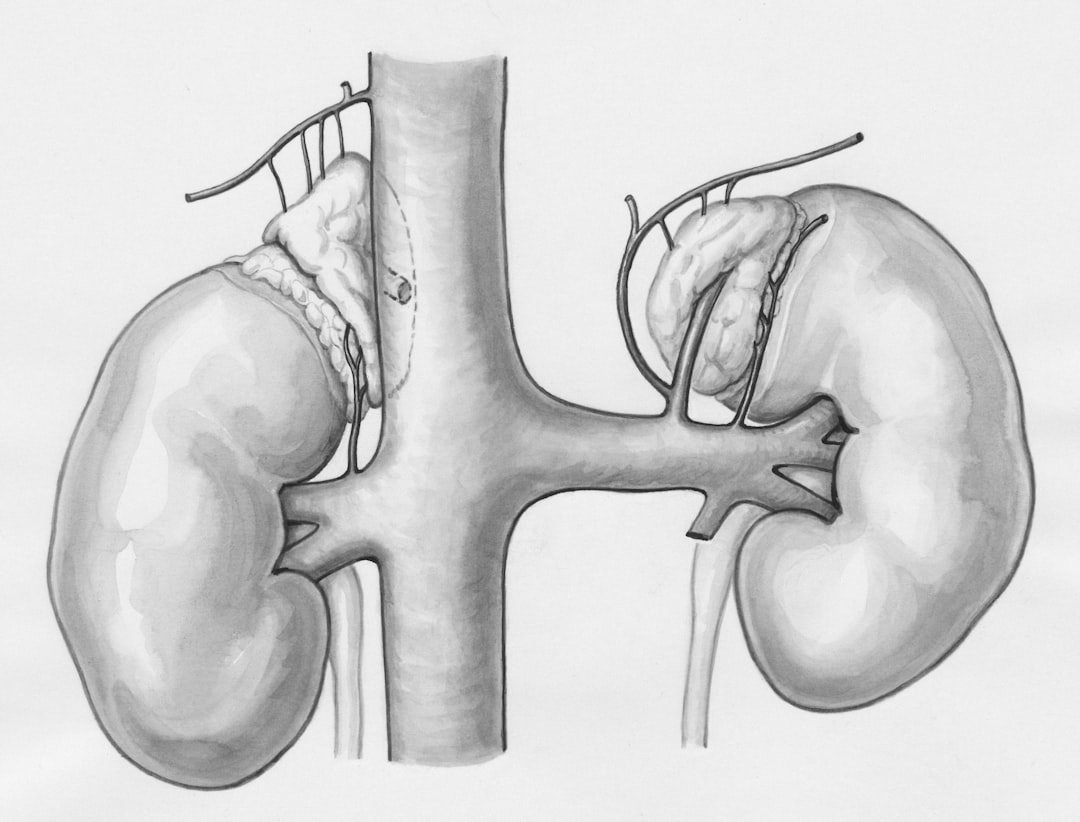
A healthy body typically voids the bladder several times throughout the day to remove toxins. Going for long periods without urinating indicates the kidneys are hoarding fluid to maintain vital functions. This retention concentrates toxins in the body and can strain the renal system. Regular urination is a positive sign of healthy hydration and kidney function.
Dry Eyes
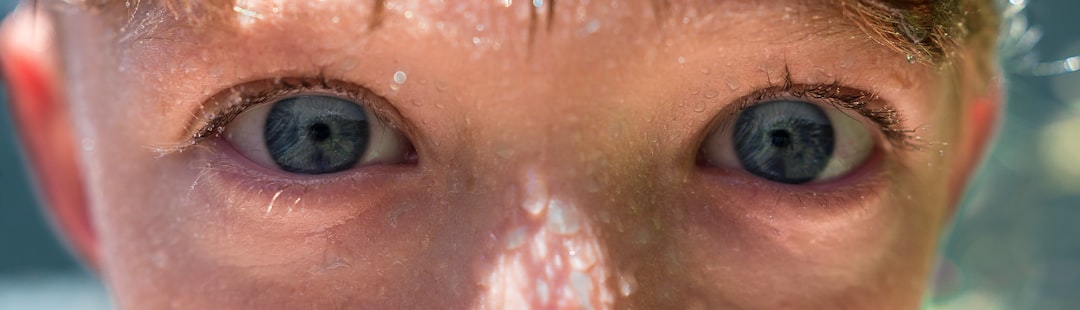
Tear ducts require sufficient fluid to keep the eyes lubricated and comfortable. A lack of water causes eyes to feel scratchy or gritty and may lead to redness. Contact lens wearers often feel this discomfort more acutely than others. Drinking more water ensures the eyes produce enough moisture to blink smoothly and clear debris.
Joint Pain
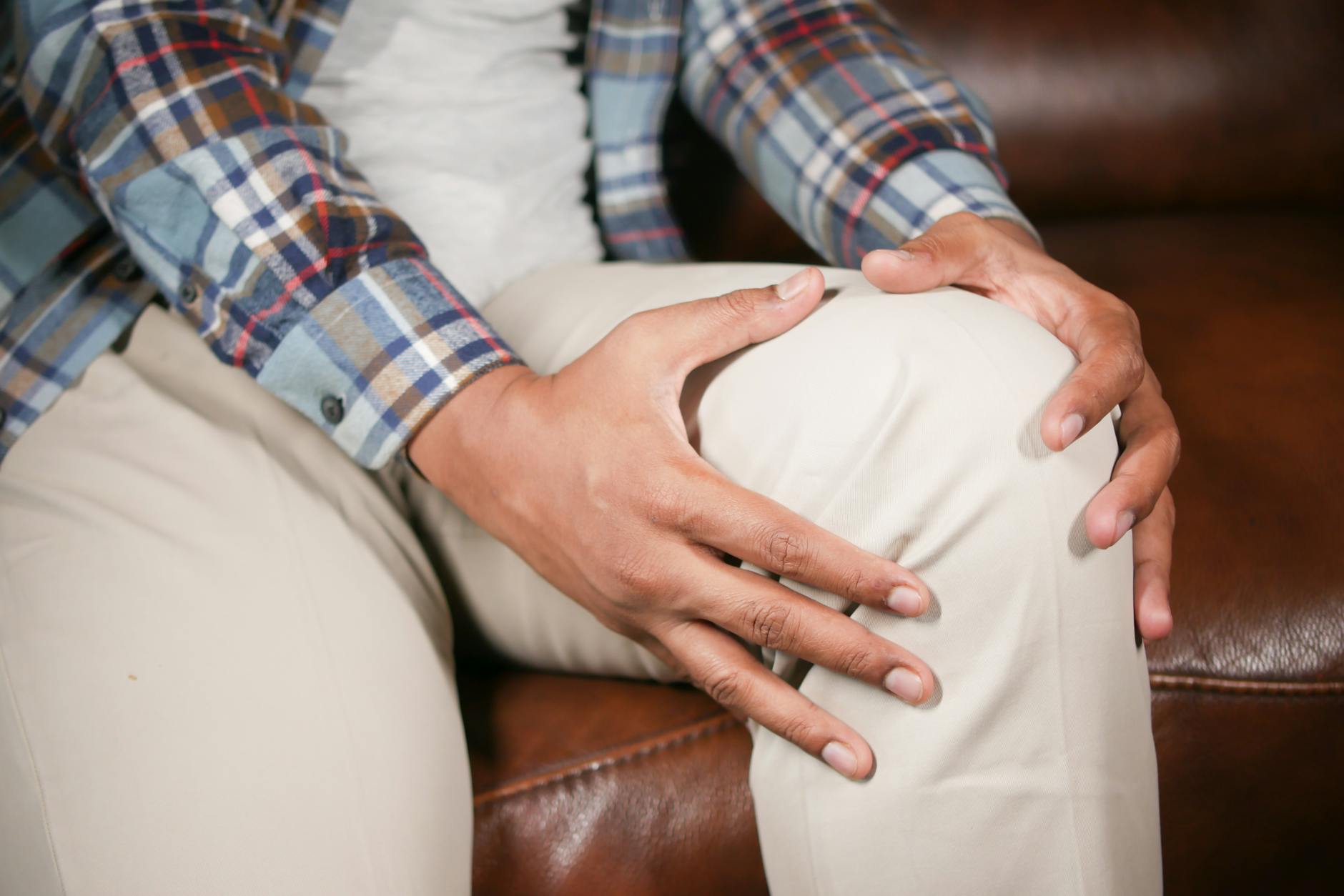
Cartilage in the joints is composed of a high percentage of water and relies on it for shock absorption. Dehydration reduces this cushioning effect and allows bones to grind closer together during movement. This friction causes aches and pains in the knees or back that mimic arthritis. Staying hydrated keeps the joints lubricated and moves freely without discomfort.
Constipation

The colon extracts water from waste to conserve fluids for the rest of the body. Waste becomes hard and difficult to pass when the body pulls too much water from the large intestine. Fiber requires water to work effectively and move digestion along smoothly. Increasing fluid intake is often the simplest remedy for maintaining regularity.
Cold Hands

Blood flow is diverted away from the extremities to protect vital organs during dehydration. This survival mechanism leaves fingers and toes feeling unusually cold or clammy. You might notice your hands feel chilled even in a warm environment. Restoring circulation through hydration helps return warmth to the skin surface.
Loss of Skin Elasticity
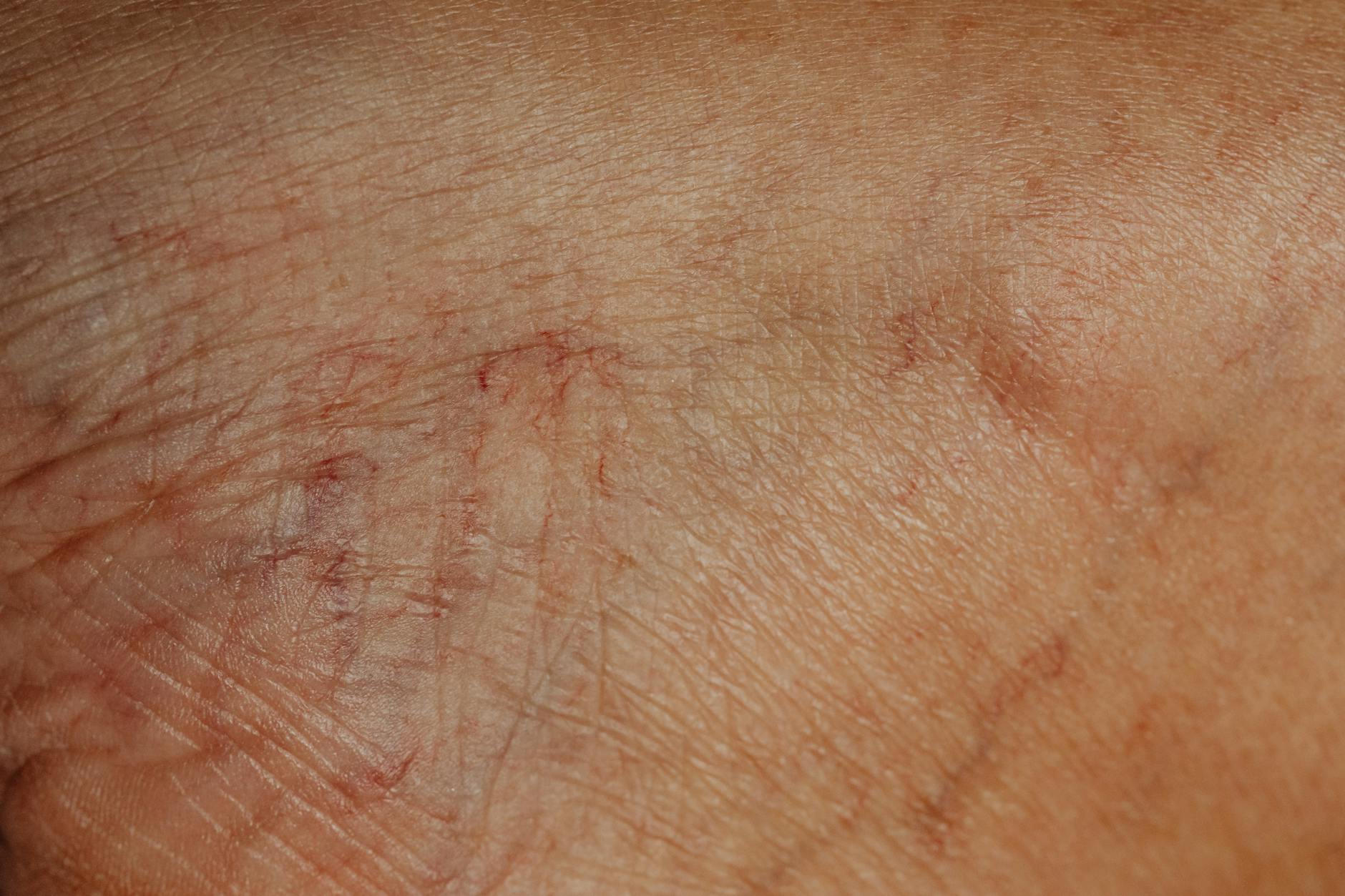
Dehydrated skin loses its ability to bounce back quickly after being manipulated. The pinch test on the abdomen or lower arm is a quick way to check turgor. Skin that takes a few seconds to return to flat indicates significant fluid loss. Maintaining hydration keeps the skin structure firm and resilient against gravity.
Low Blood Pressure
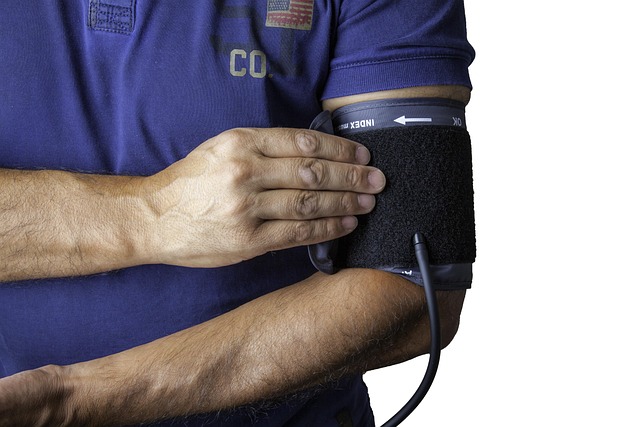
Severe dehydration reduces the total volume of blood circulating through the veins and arteries. This reduction leads to lower readings on a blood pressure monitor and associated weakness. It can be dangerous for individuals who already manage hypotension issues. Consuming fluids helps raise volume and stabilizes pressure to safe levels.
Sunken Eyes
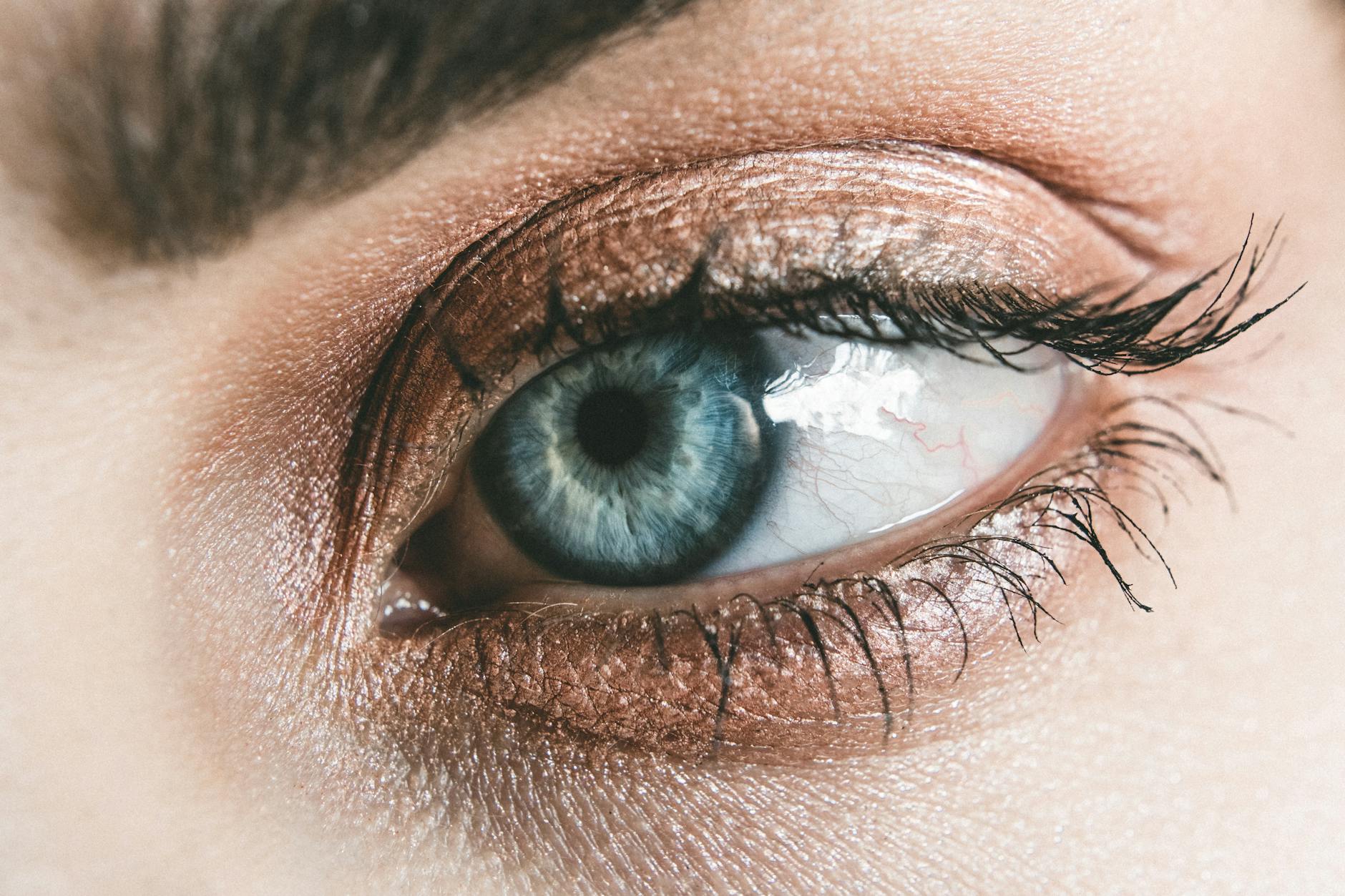
The delicate tissue around the eyes loses volume when the body is critically low on water. This results in a hollow or shadowed appearance that looks like extreme exhaustion. It is a more advanced sign that the body is prioritizing fluid for vital organs. Rehydration helps fill out the facial tissues and reduces the dark circles.
Clammy Skin

Skin may feel cool and moist to the touch even if the body is actually overheating internally. This occurs when the sweat mechanism fails but the body is still struggling to cool down. It is often a contradictory sign that confuses people who expect hot and dry skin. This symptom warrants immediate attention and fluid replacement.
Lack of Sweat

Stopping sweating during intense exercise or hot weather is a major warning sign. It means the body has no fluid left to spare for temperature regulation. This state can quickly escalate to heatstroke if not addressed immediately. Cooling the body and sipping water is critical when perspiration ceases.
Kidney Pain

The kidneys can ache when they are unable to flush out concentrated minerals and waste. This discomfort often manifests as a dull ache in the lower back or sides. It suggests that stones could be forming or that the organs are under stress. heavy water intake helps flush the kidneys and relieves this specific type of back pain.
Recurring UTIs
Frequent urinary tract infections can stem from infrequent urination due to dehydration. Bacteria are not flushed out of the urinary tract often enough and have time to colonize. A consistent flow of urine prevents these bacteria from adhering to the bladder walls. Drinking water is a preventative measure for those prone to these painful infections.
Fainting Spells
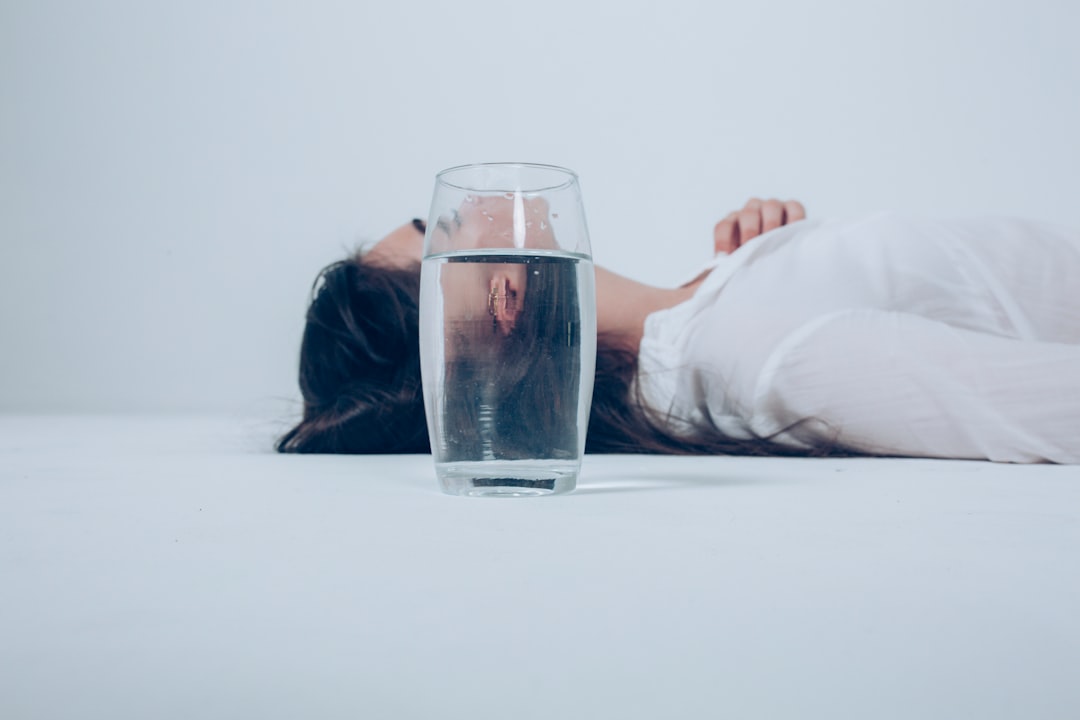
Passing out is an extreme reaction to the brain receiving insufficient blood and oxygen. This usually happens when dehydration causes a sharp drop in blood pressure. It is a protective mechanism that forces the body into a horizontal position to restore blood flow. This symptom requires immediate medical assessment and rehydration.
Dry Mouth
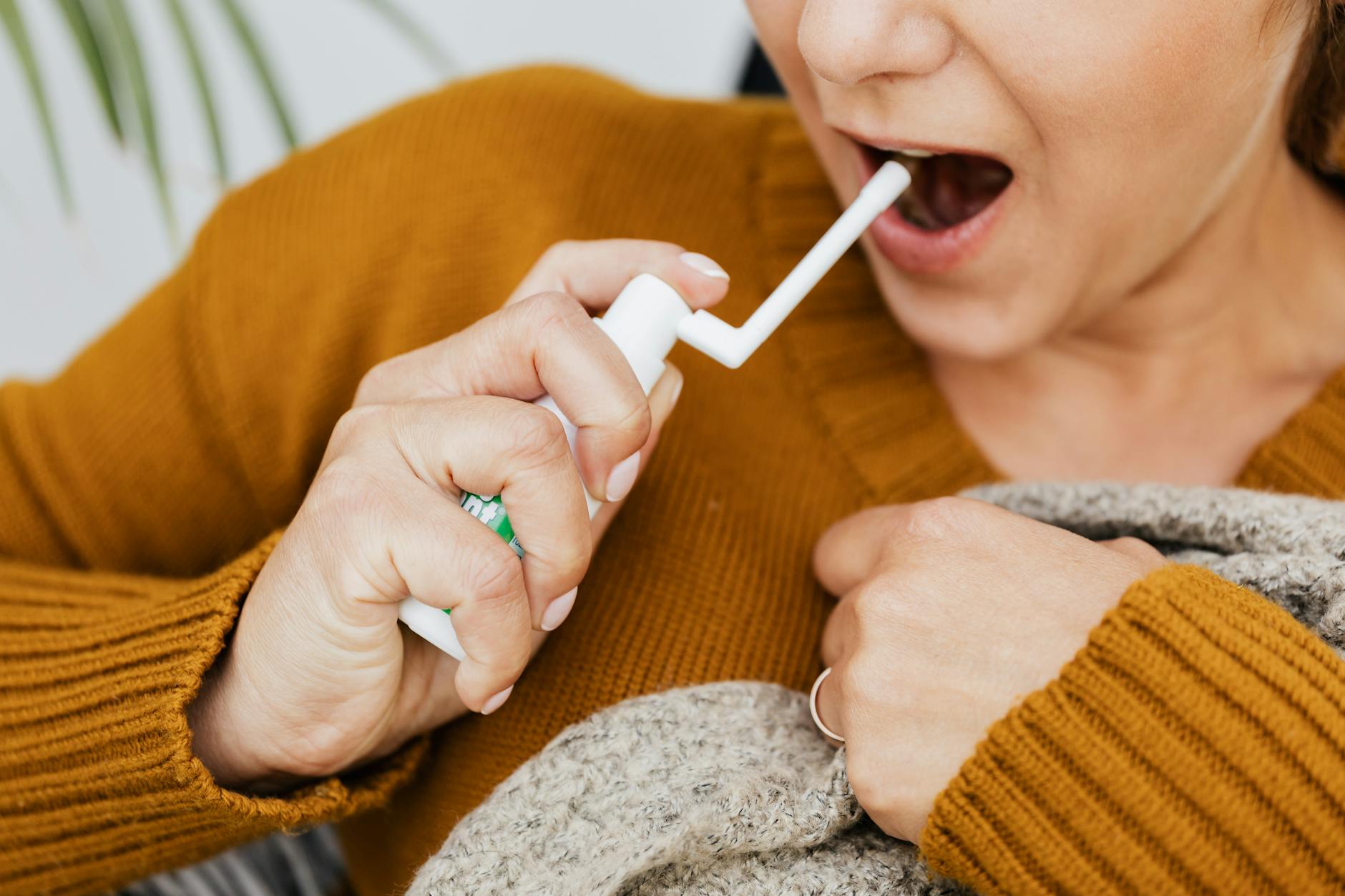
A sticky or parched feeling in the mouth is a direct signal from the body to drink. It affects the ability to speak clearly and swallow food comfortably. The tongue may feel swollen or rough against the roof of the mouth. Sipping water provides immediate relief and signals the body to restart saliva production.
Swollen Tongue
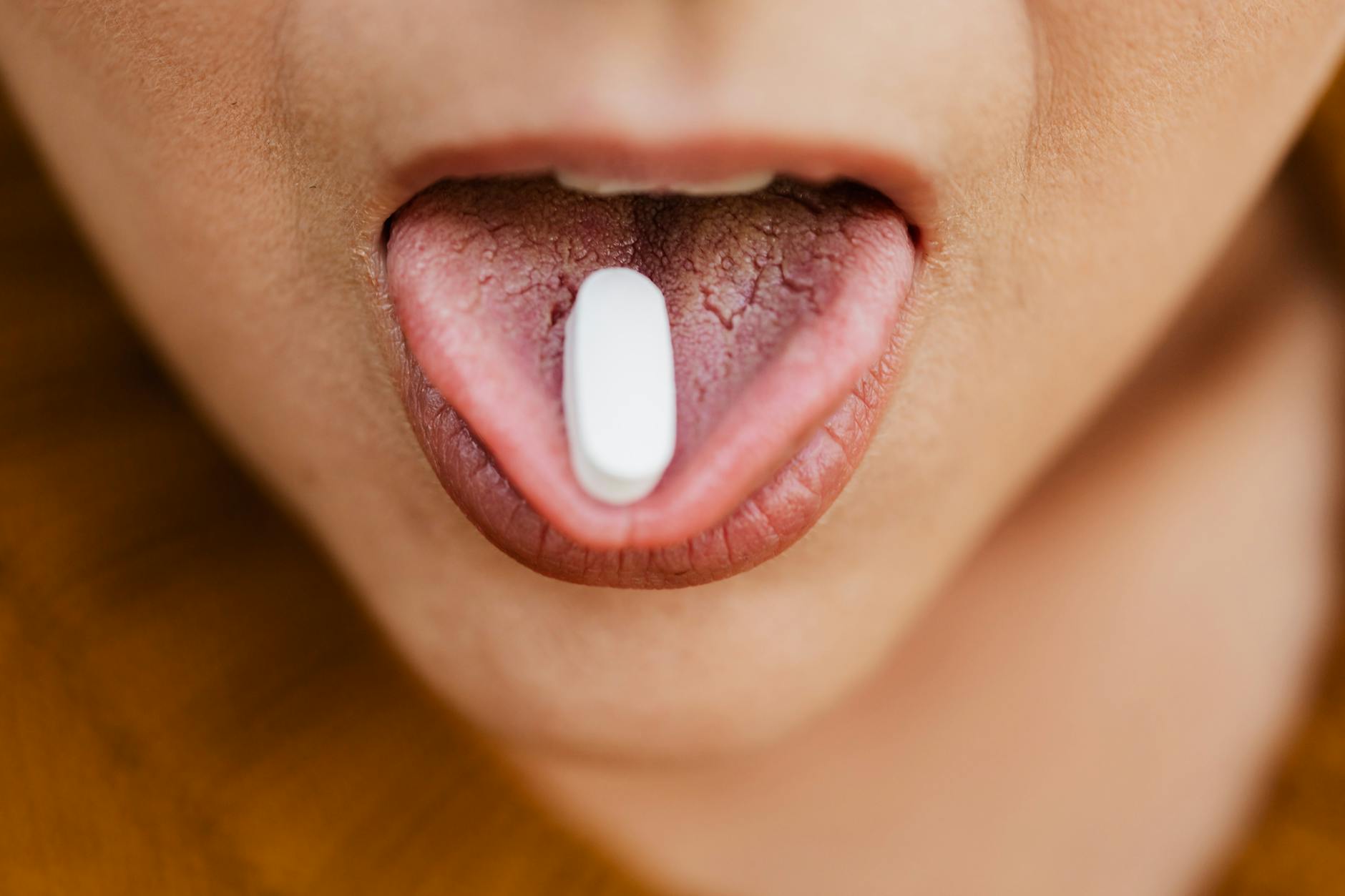
Extreme dehydration can cause the tongue to swell and change texture. It may appear larger than normal and feature deep cracks or fissures on the surface. This swelling can make breathing difficult in very severe cases. It is a clear visual indicator that the body requires fluids urgently.
Confusion

Mental instability and confusion occur when electrolyte imbalances disrupt brain signaling. This symptom is particularly common in elderly individuals who may not feel thirst. Family members might mistake this sudden change in mental state for dementia. Administering fluids often clears the confusion and restores normal cognitive patterns.
Poor Sleep

Body temperature must drop slightly to initiate and maintain deep sleep cycles. Dehydration prevents the body from thermoregulating and leads to tossing and turning. Waking up with a dry mouth or leg cramps further disrupts rest. Hydrating properly during the day supports a cooler body temperature and better sleep quality.
Please share your thoughts on these dehydration signs in the comments to help others stay healthy.




