The world of interior design moves quickly and leaves behind traces of past aesthetic movements in its wake. Many current home renovation choices might seem timeless right now but will soon reveal exactly when they were installed. Designing a home requires balancing contemporary appeal with lasting structural decisions that withstand changing tastes. The following renovation trends are already showing signs of fatigue and will likely appear entirely out of fashion within the next half decade.
Modern Farmhouse Barn Doors
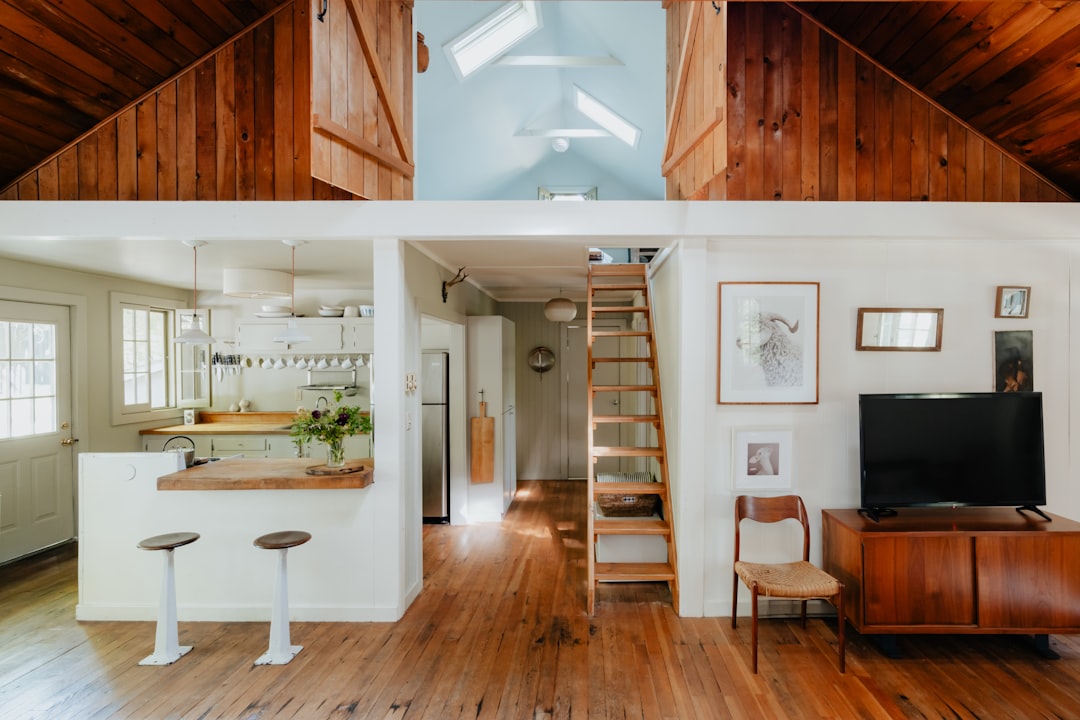
These heavy wooden sliding fixtures became ubiquitous in suburban homes over the last decade. The exposed metal track hardware requires significant wall space and often fails to block sound effectively between rooms. Designers are currently shifting back toward traditional pocket doors or classic French doors for functional separation. This rustic aesthetic struggles to integrate smoothly into homes lacking actual agricultural architecture.
All White Kitchens
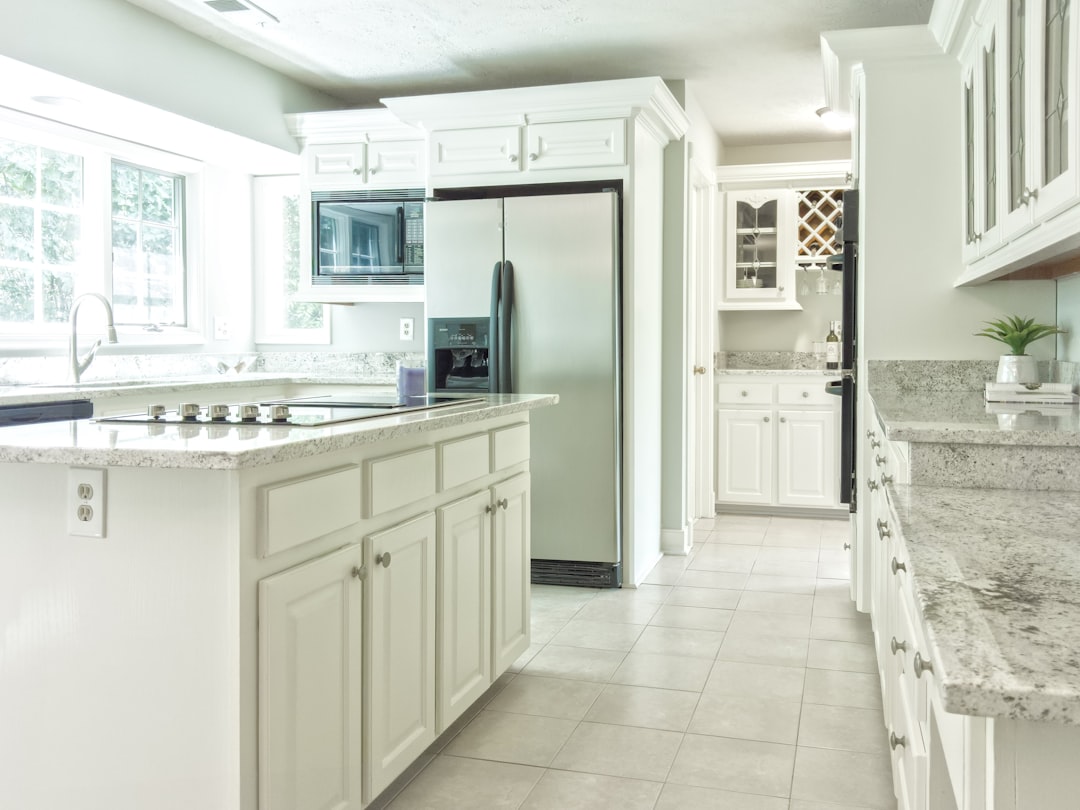
A completely sterile cooking space has dominated renovation mood boards for years. The visual appeal of matching white cabinets and white counters quickly fades when daily maintenance becomes a reality. Everyday spills and scuff marks stand out glaringly against the pale backdrop. Homeowners are increasingly replacing these monochromatic palettes with warm wood tones and rich earthy colors to create a cozier atmosphere.
Open Concept Floor Plans
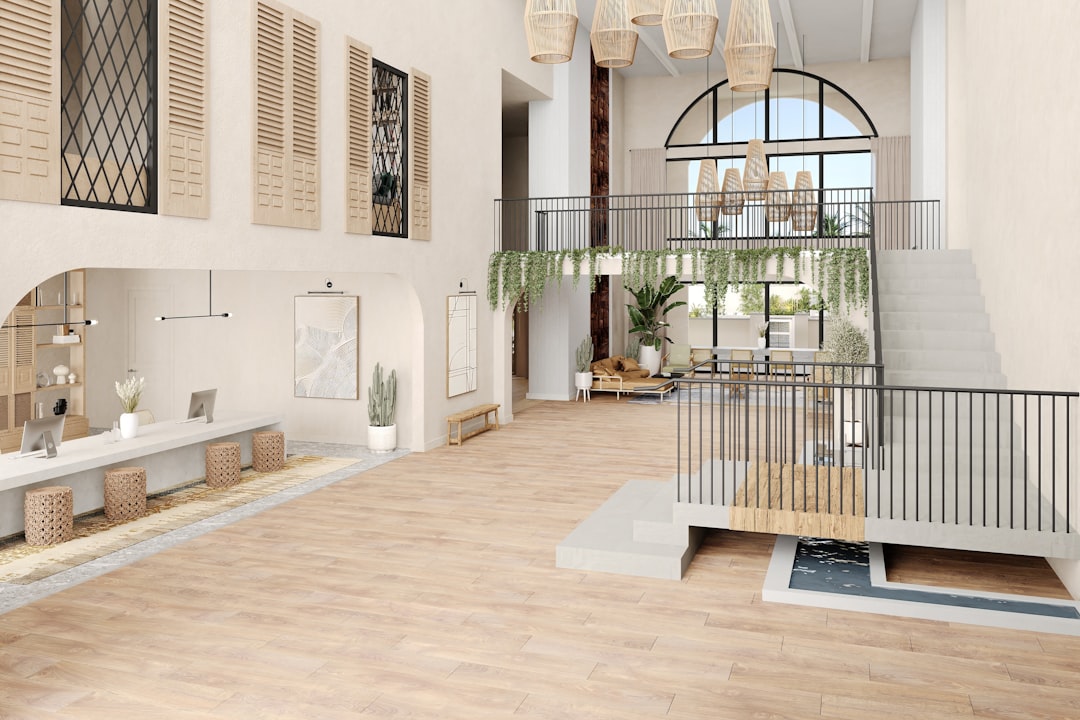
Removing every interior wall to create one massive living space is rapidly losing its appeal. The lack of acoustic separation makes working from home or managing different family activities incredibly difficult. Cooking smells from the kitchen easily permeate the living room upholstery and dining areas. Future renovations will prioritize purposeful zoning and dedicated rooms to restore a sense of privacy and order.
Shiplap Accent Walls
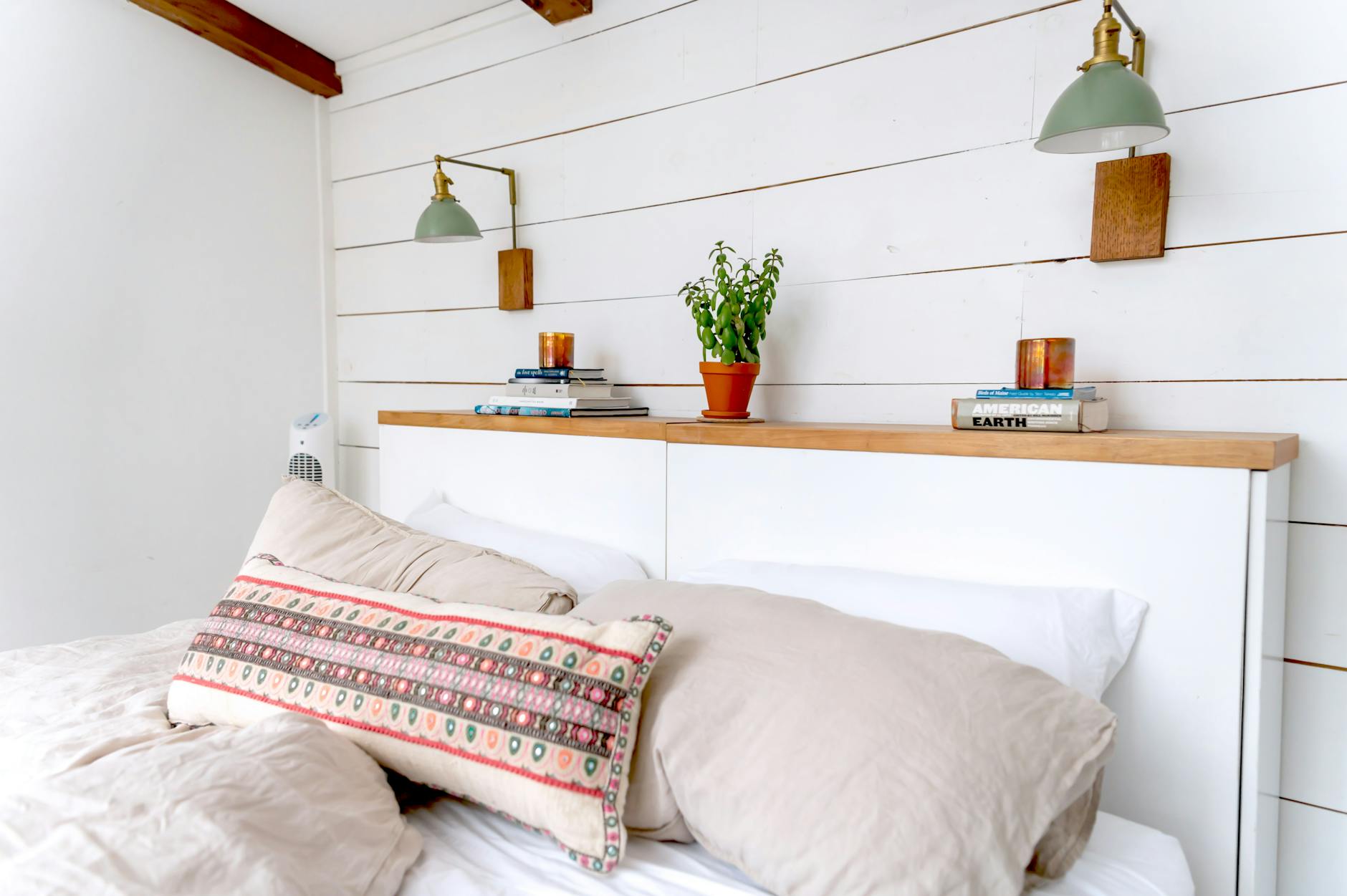
Horizontal wooden boards painted stark white heavily defined the aesthetic of the late twenty tens. This rustic wall treatment was installed in everything from coastal cottages to urban high rise apartments. The ubiquitous nature of the material has stripped it of its original charm and regional character. Modern builders are abandoning this textured look in favor of smooth plaster finishes or classic picture molding.
Gray Wood Flooring
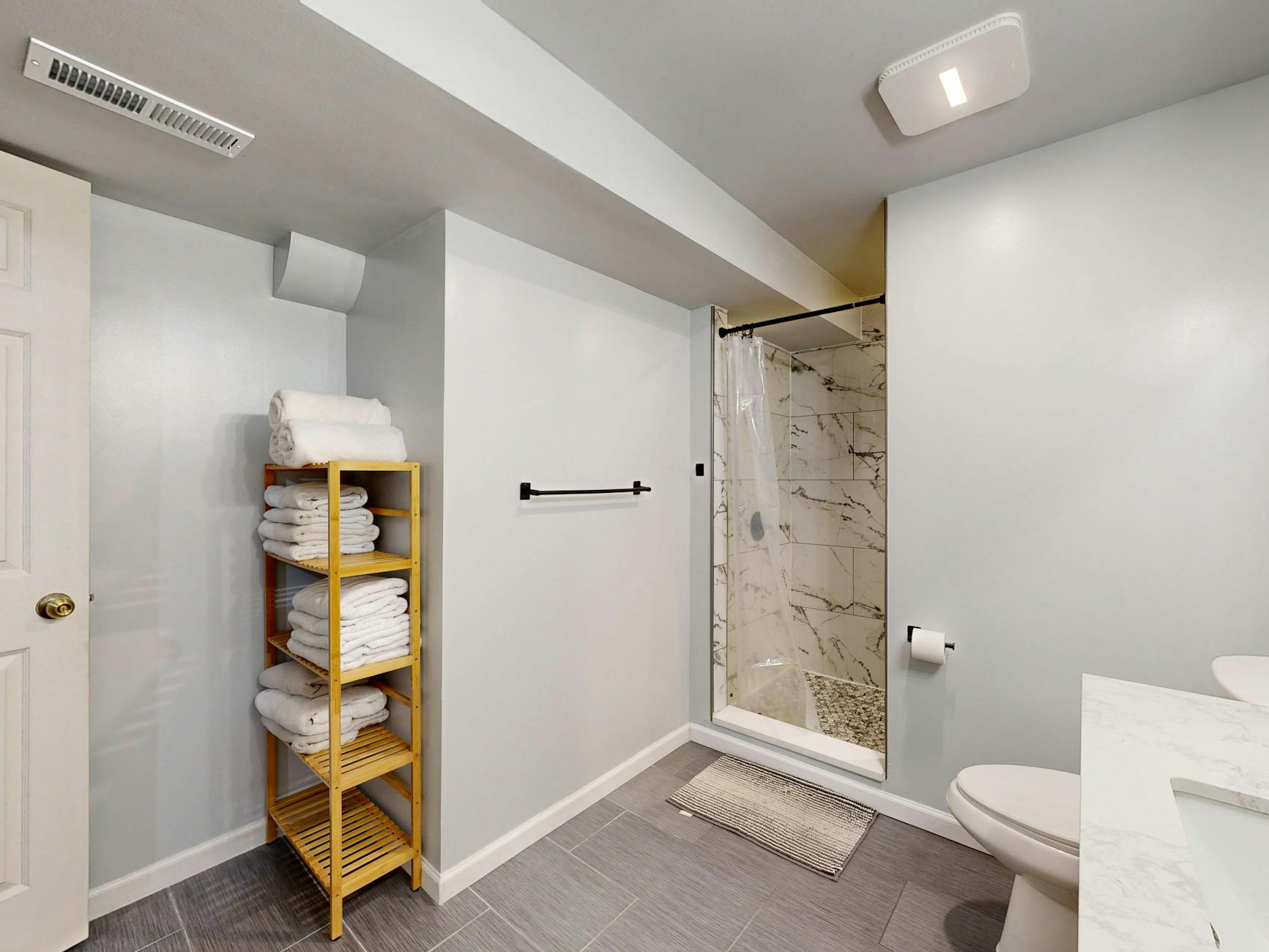
Cool toned artificial wood planks swept through the renovation market as a modern alternative to traditional oak. The ashy hue clashes severely with natural light and often makes residential spaces feel like commercial retail stores. This specific finish immediately identifies a renovation as having occurred during the peak of the gray interior design wave. Warm honey and rich walnut stains are returning to prominence for their organic and timeless appearance.
Rose Gold Hardware
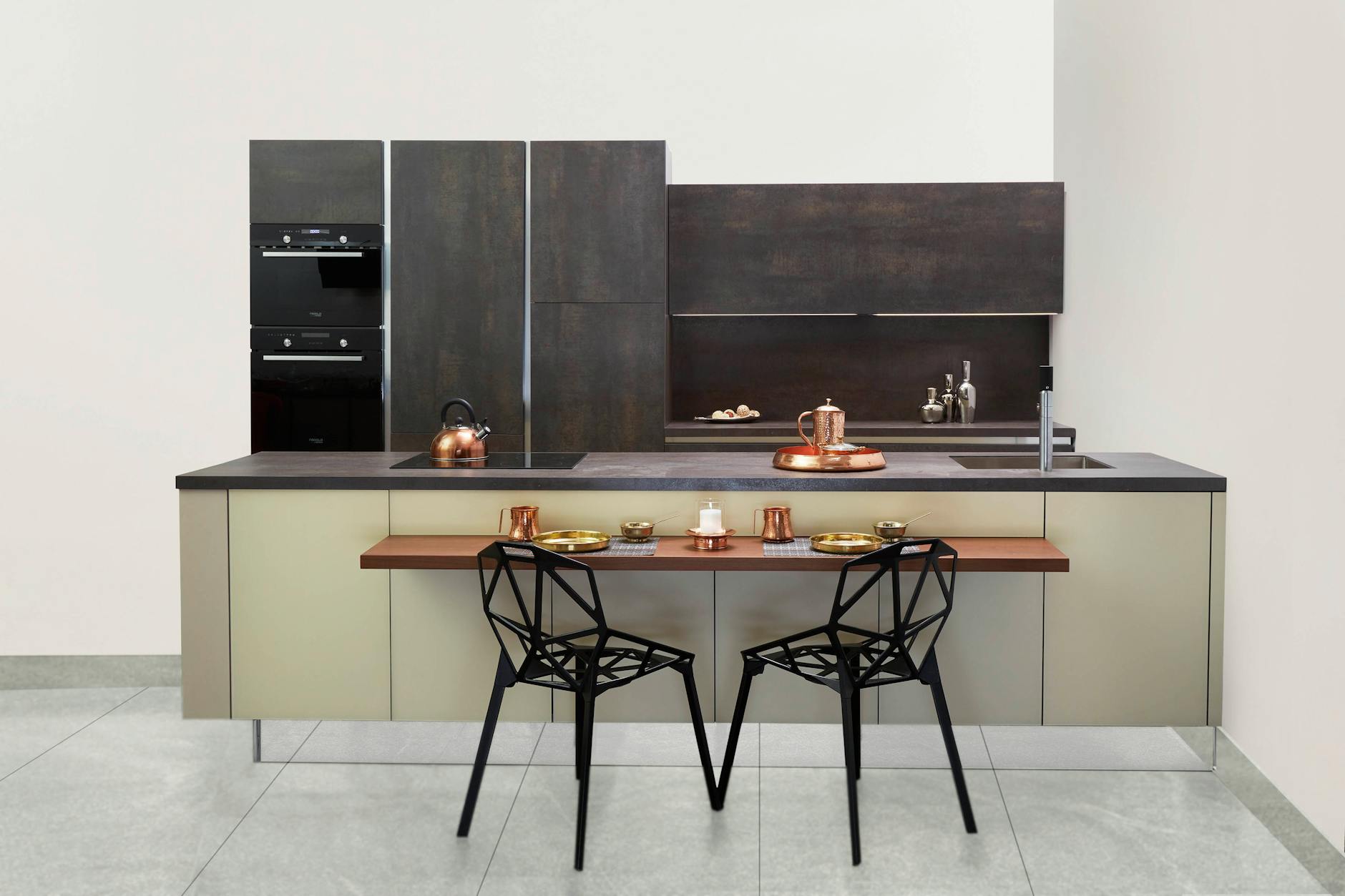
This pink tinted metallic finish experienced a massive surge in popularity across both technology and home fixtures. Cabinet pulls and kitchen faucets in this distinct shade quickly overwhelm a space and dictate the entire color scheme. Finding matching replacement parts from different manufacturers proves nearly impossible due to varying tone standards. Standard polished nickel and unlacquered brass offer much greater longevity and versatility in a modern home.
Industrial Edison Bulbs

Exposed filament lighting fixtures hang in countless dining rooms and kitchen spaces today. The warm orange glow provides terrible task lighting for actual food preparation or reading. Looking directly at the exposed glass bulbs causes eye strain and creates harsh shadows across the room. Elegant shaded fixtures and integrated ambient lighting systems provide superior illumination without the harsh warehouse aesthetic.
Matte Black Fixtures
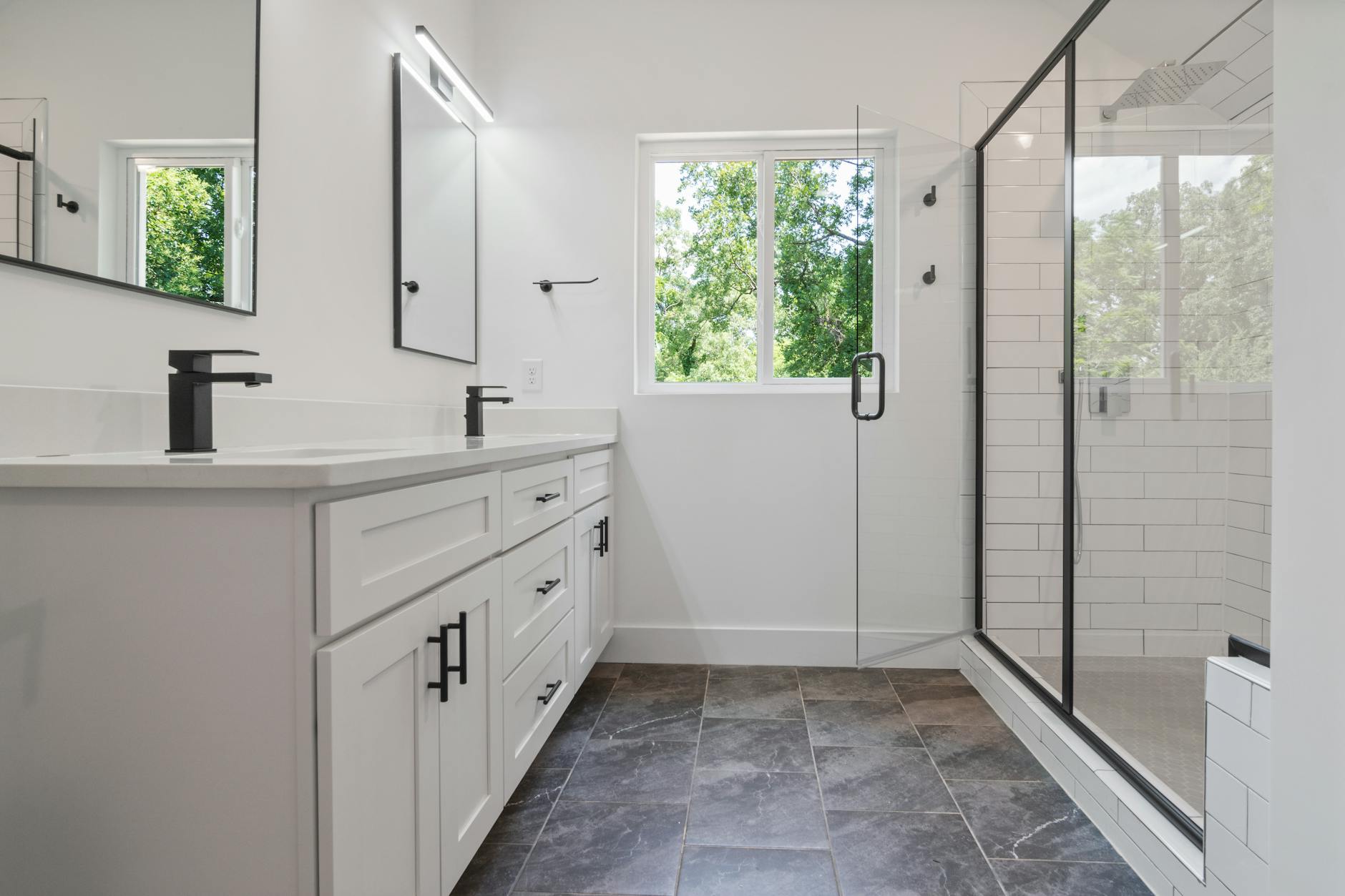
Dark sink faucets and shower heads initially offered a striking contrast to traditional chrome. Hard water stains and soap scum show up immediately on the flat dark surfaces and require constant wiping. The finish often chips or scratches over time and reveals the shiny brass or steel underneath. Interior designers now lean toward living finishes that age gracefully rather than painted metals that degrade noticeably.
Terrazzo Countertops
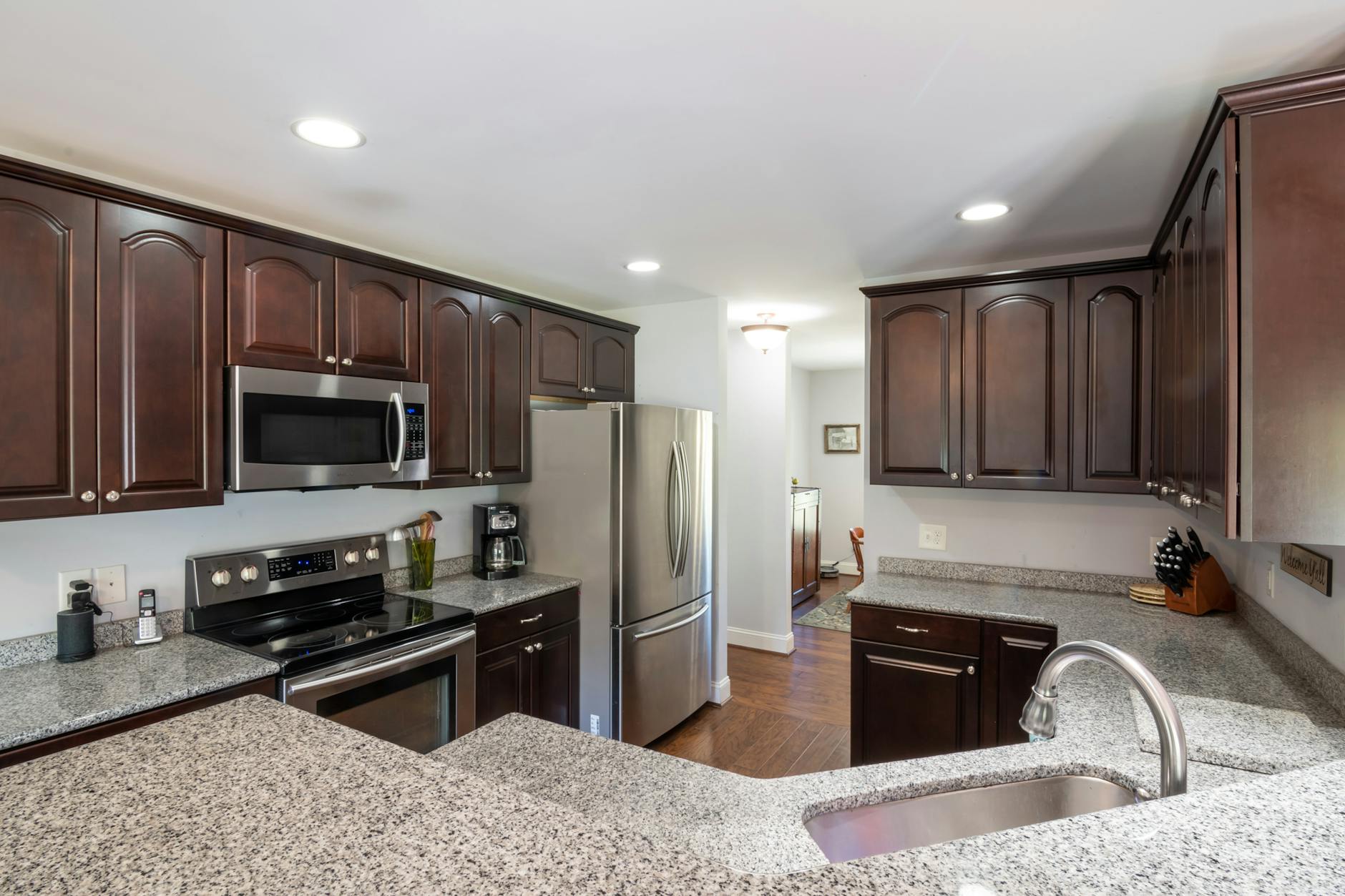
Speckled composite surfaces made a dramatic comeback from mid century commercial buildings into modern residential kitchens. The incredibly busy pattern easily overwhelms a small space and clashes with decorated backsplashes. This highly specific geometric look limits future decorating choices and demands a perfectly matched surrounding aesthetic. Solid natural stones or subtly veined quartz provide a much calmer foundation for daily kitchen activities.
Vessel Sinks
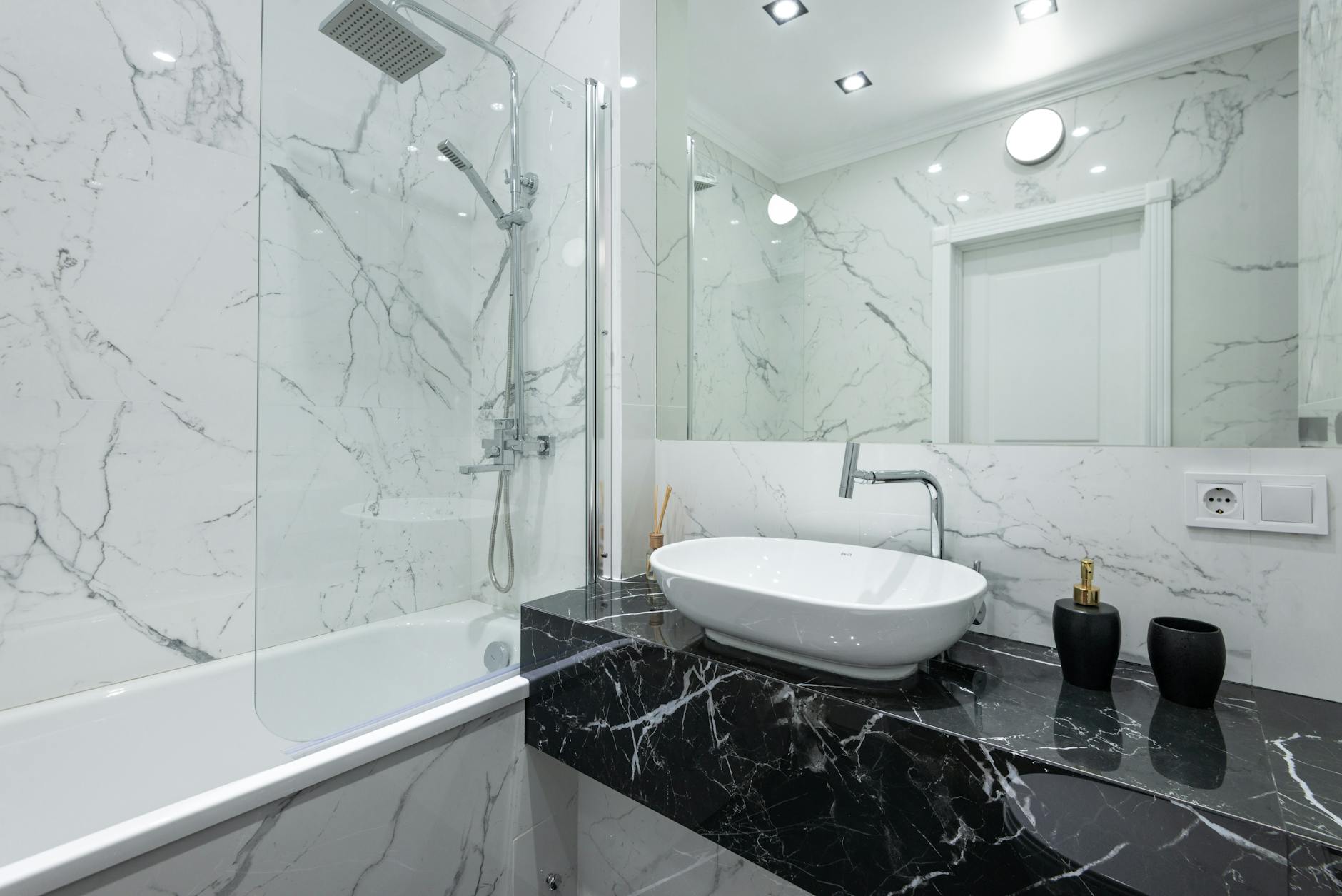
Large bowls sitting completely above the bathroom counter create an immediate visual statement in a powder room. Water easily splashes over the high sides and pools in the awkward crevice between the sink base and the vanity. Cleaning the exterior base of the bowl requires navigating tight spaces and specialized tools. Undermount sinks offer a seamless wiping surface and present a much cleaner profile for long term use.
Flat Pack Built Ins
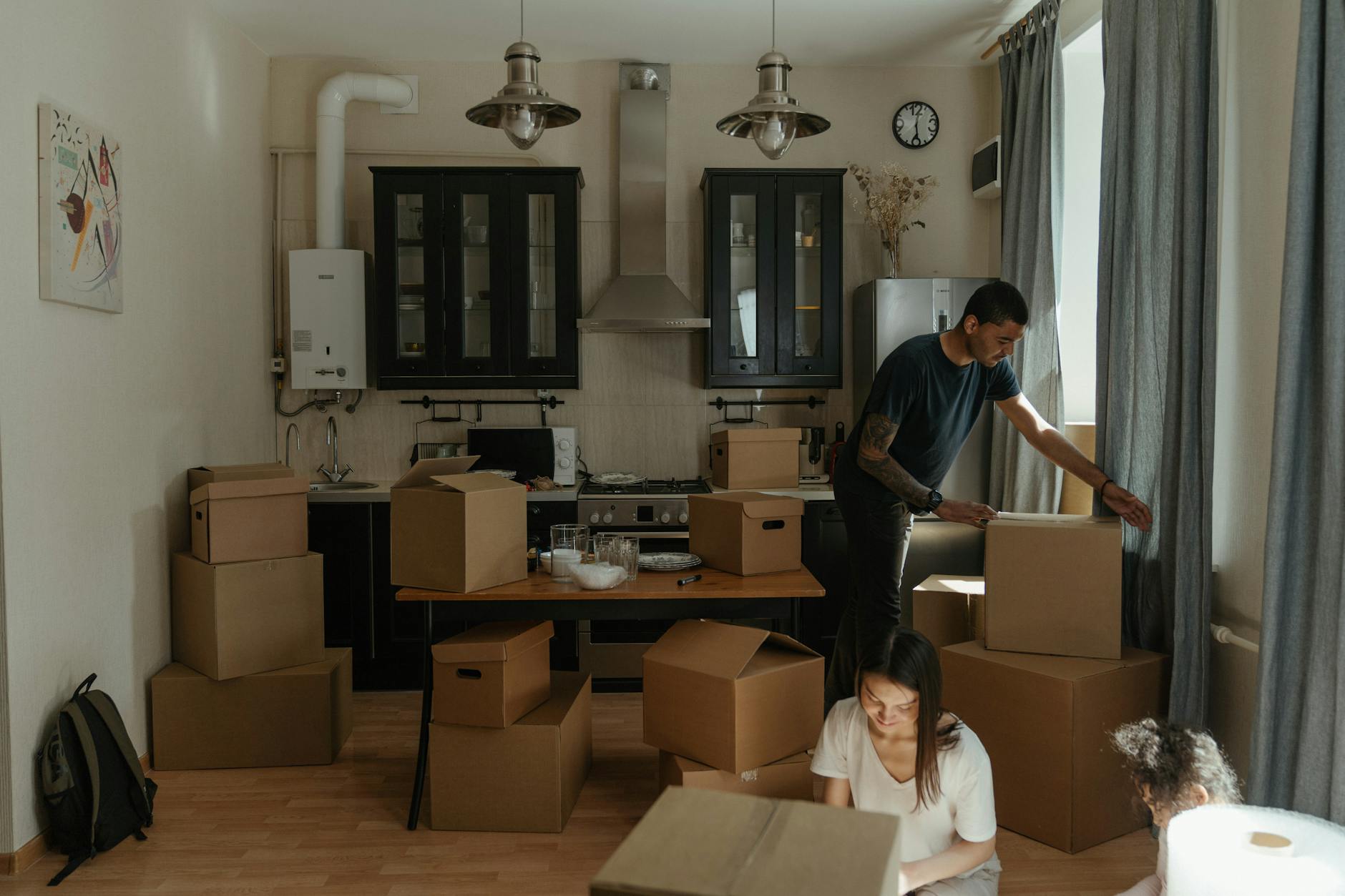
Customizing cheap modular shelving to look like bespoke carpentry has become a viral renovation shortcut. The low quality particle board materials often sag under the weight of heavy books or decorative objects. Temperature changes and typical household humidity eventually cause the veneer edges to peel away from the core. Authentic custom millwork holds its shape and value far better than these temporary weekend projects.
Floating Kitchen Shelves
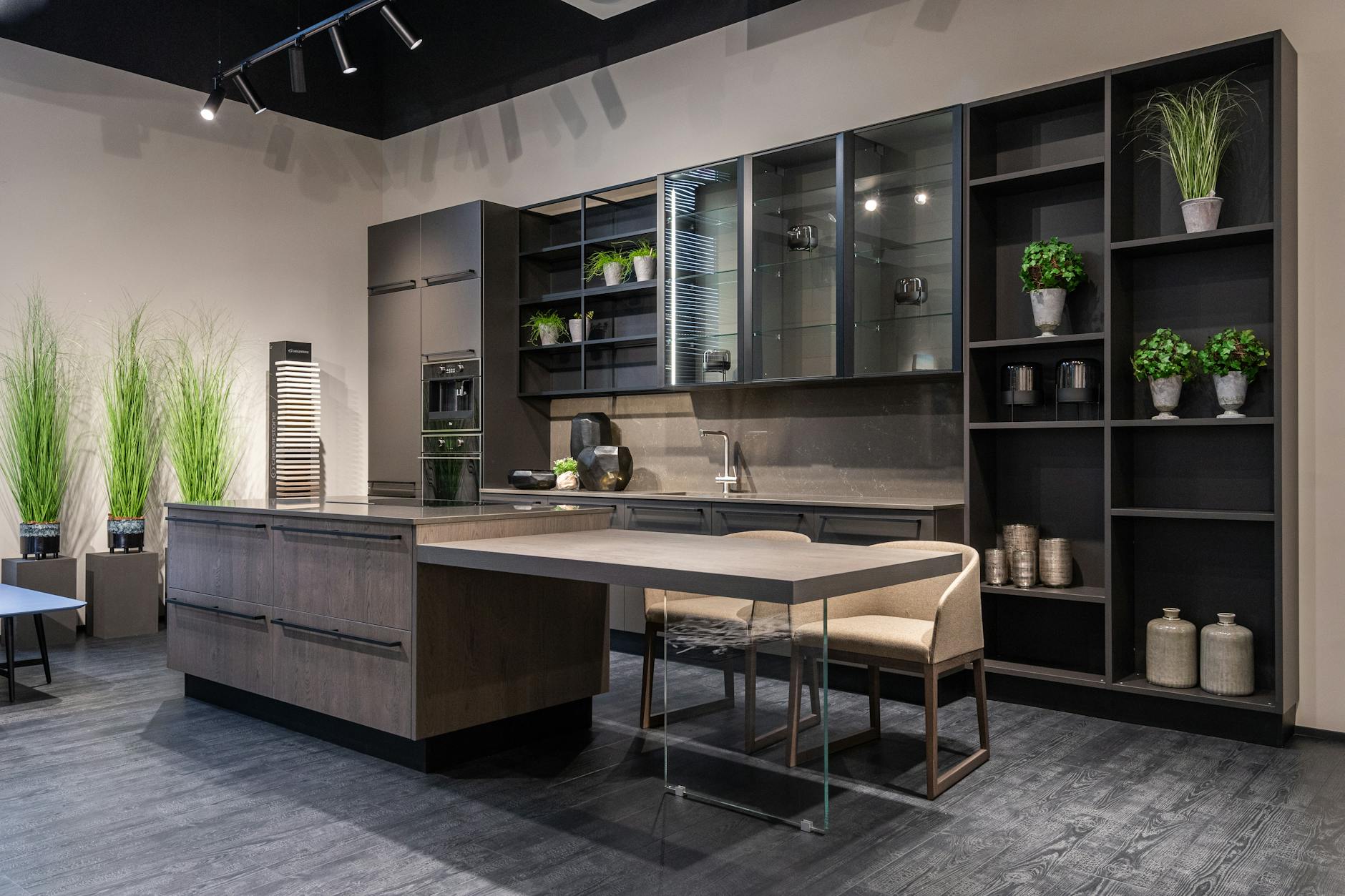
Replacing upper cabinets with exposed wooden planks forces homeowners to constantly curate their dishware. Dust and cooking grease settle directly onto clean glasses and decorative bowls within days. This storage method sacrifices highly valuable concealed space for the sake of a minimalist visual aesthetic. Traditional upper cabinetry with glass front doors provides the same airy feeling without the relentless cleaning requirements.
Geometric Painted Arches
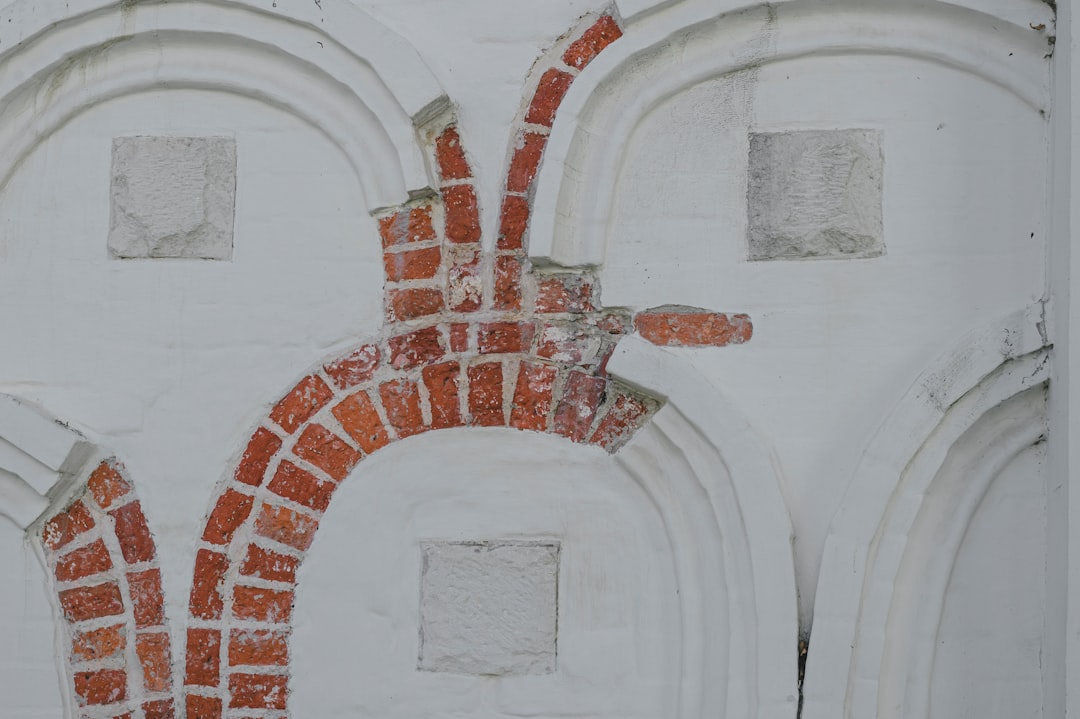
Painting large curved shapes directly onto flat walls emerged as a quick way to add architectural interest. The stark graphic blocks of color often feel juvenile and distract from the actual proportions of the room. This two dimensional trick fails to replicate the depth and shadow of genuine architectural arches. Paint trends are shifting back toward enveloping entire rooms in a single cohesive color rather than fragmented shapes.
Faux Marble Quartz
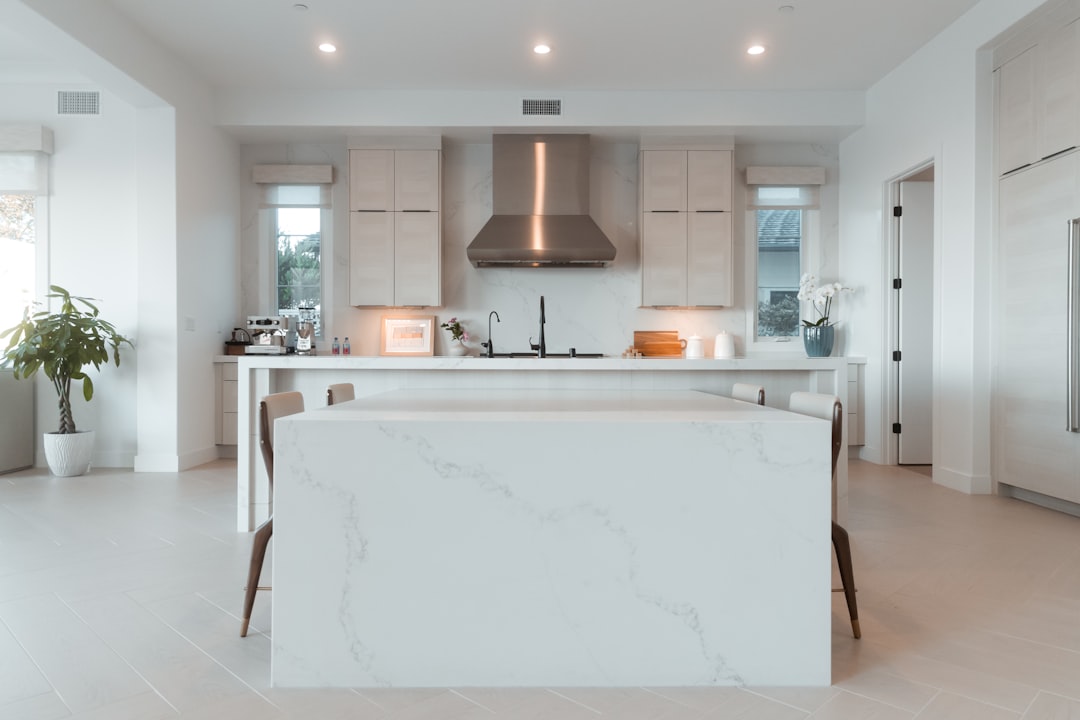
Engineered stone featuring exaggerated dramatic veining attempts to replicate high end Italian marble. The printed patterns often repeat noticeably across large kitchen islands and reveal their artificial manufacturing process. These bold contrasting lines command too much visual attention and dictate the entire style of the surrounding space. Subtle natural countertops with gentle organic movement blend much more seamlessly into evolving home environments.
Herringbone Backsplashes
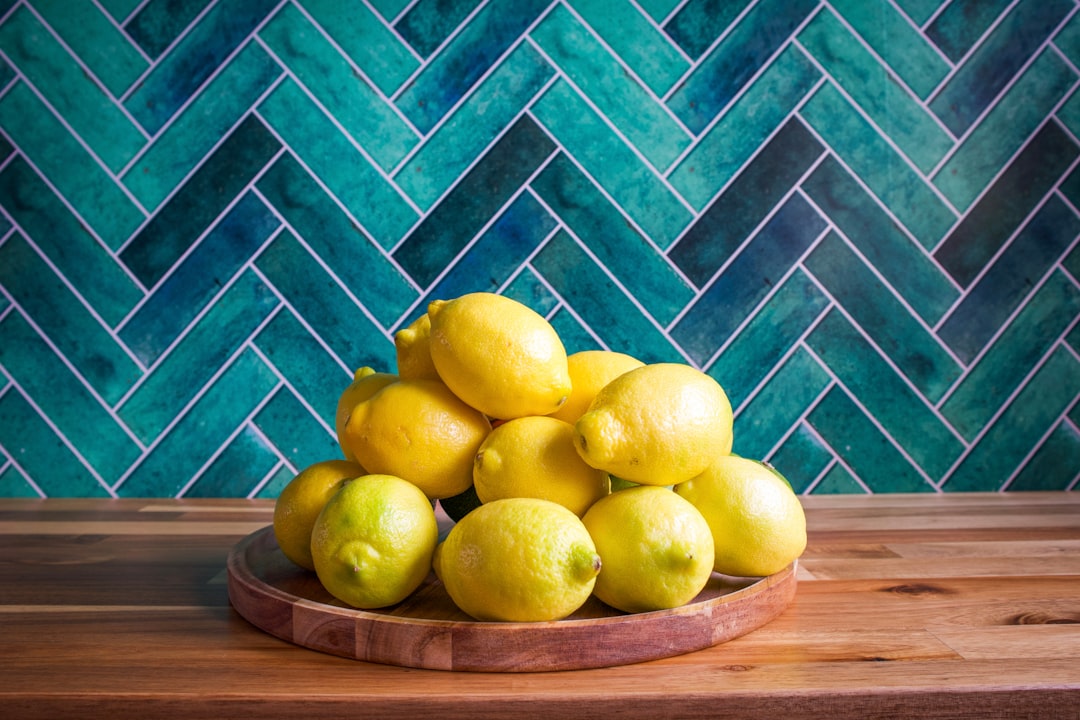
Arranging rectangular tiles in a staggered zigzag pattern adds significant labor costs to a kitchen renovation. The intersecting grout lines create a very busy visual texture that competes with nearby cabinetry and countertops. This highly specific geometric layout firmly anchors the kitchen to a narrow window of recent design history. Simple horizontal bonds or vertical stacks present a much cleaner backdrop that allows other design elements to shine.
White Boucle Upholstery
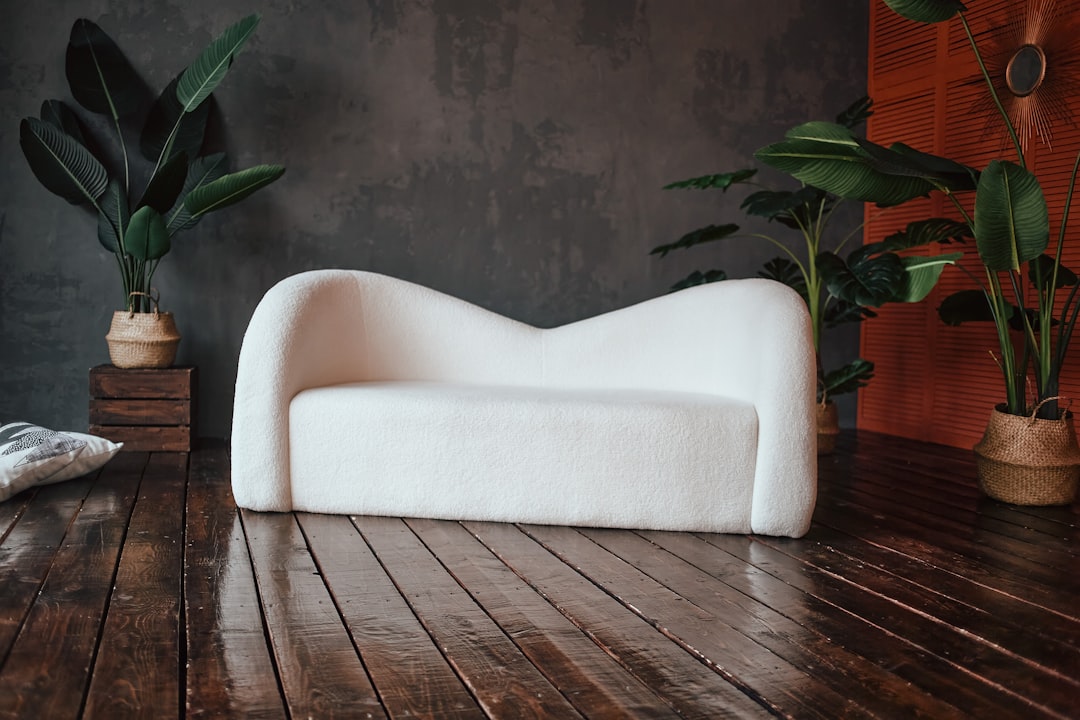
Bumpy textured fabrics in stark cream colors currently cover everything from accent chairs to large sectional sofas. The nubby material acts as a magnet for pet hair and traps everyday dirt deep within its woven loops. Spot cleaning this specific fabric often flattens the texture and leaves a permanent discolored patch. Performance velvets and natural linen blends offer superior durability while maintaining a refined tactile experience.
Subway Tile With Dark Grout
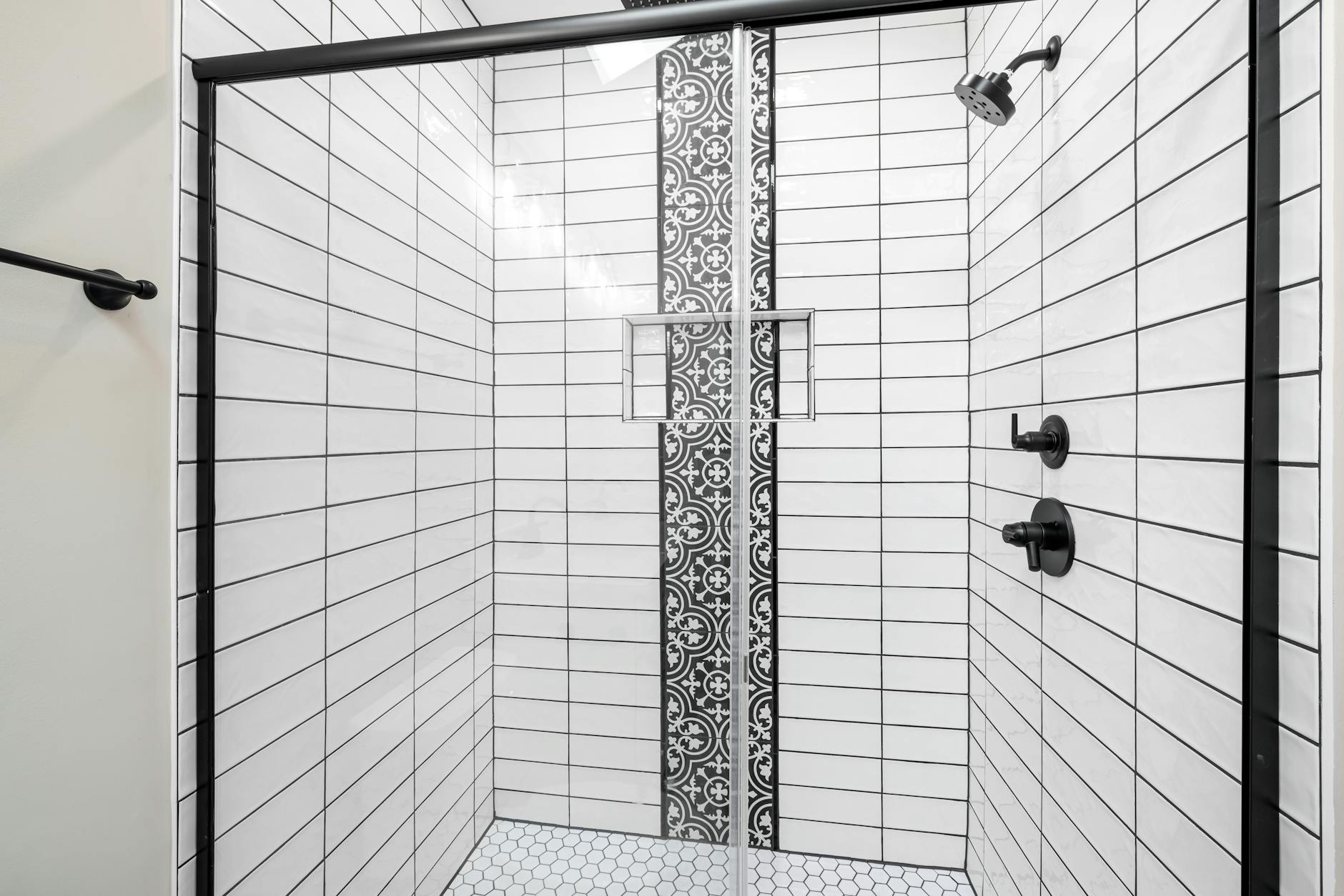
Using heavy black mortar between basic white rectangular tiles creates an intense grid pattern across entire walls. The stark contrast visually chops up the space and makes standard sized bathrooms feel significantly smaller. This industrial aesthetic closely mimics the appearance of commercial subway stations and public restroom facilities. Matching white or soft gray grout produces a much more soothing and expansive atmosphere in residential wet rooms.
Sliding Mirror Closet Doors
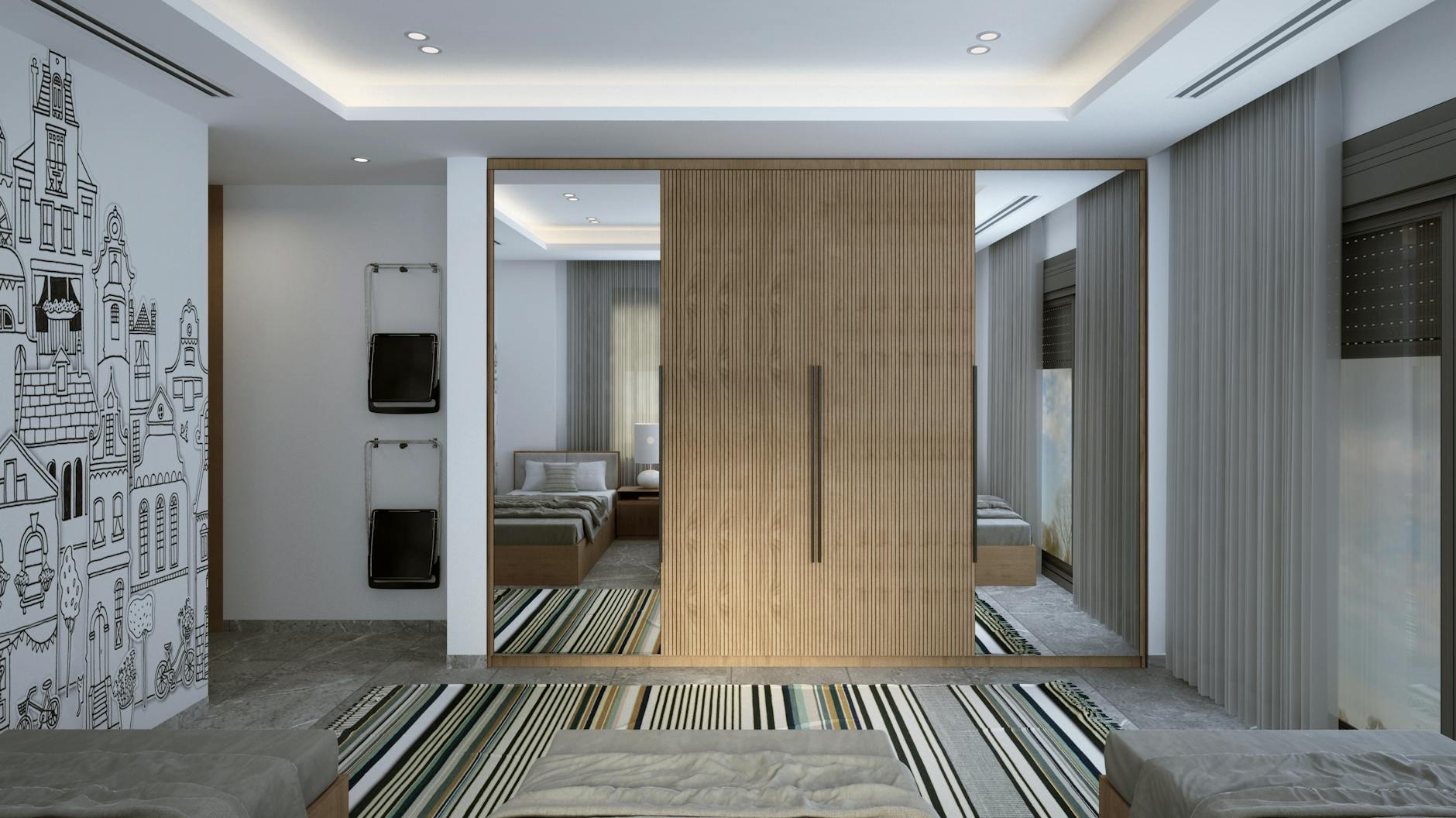
Large reflective panels set in lightweight metal tracks define many recent bedroom storage upgrades. The constant handling leaves highly visible fingerprints and smudges directly at eye level. These oversized mirrors bounce light aggressively around the room and disrupt the calm environment needed for restful sleep. Solid wooden bifold doors or simple painted swing doors offer a much more sophisticated approach to wardrobe concealment.
Patterned Cement Tiles
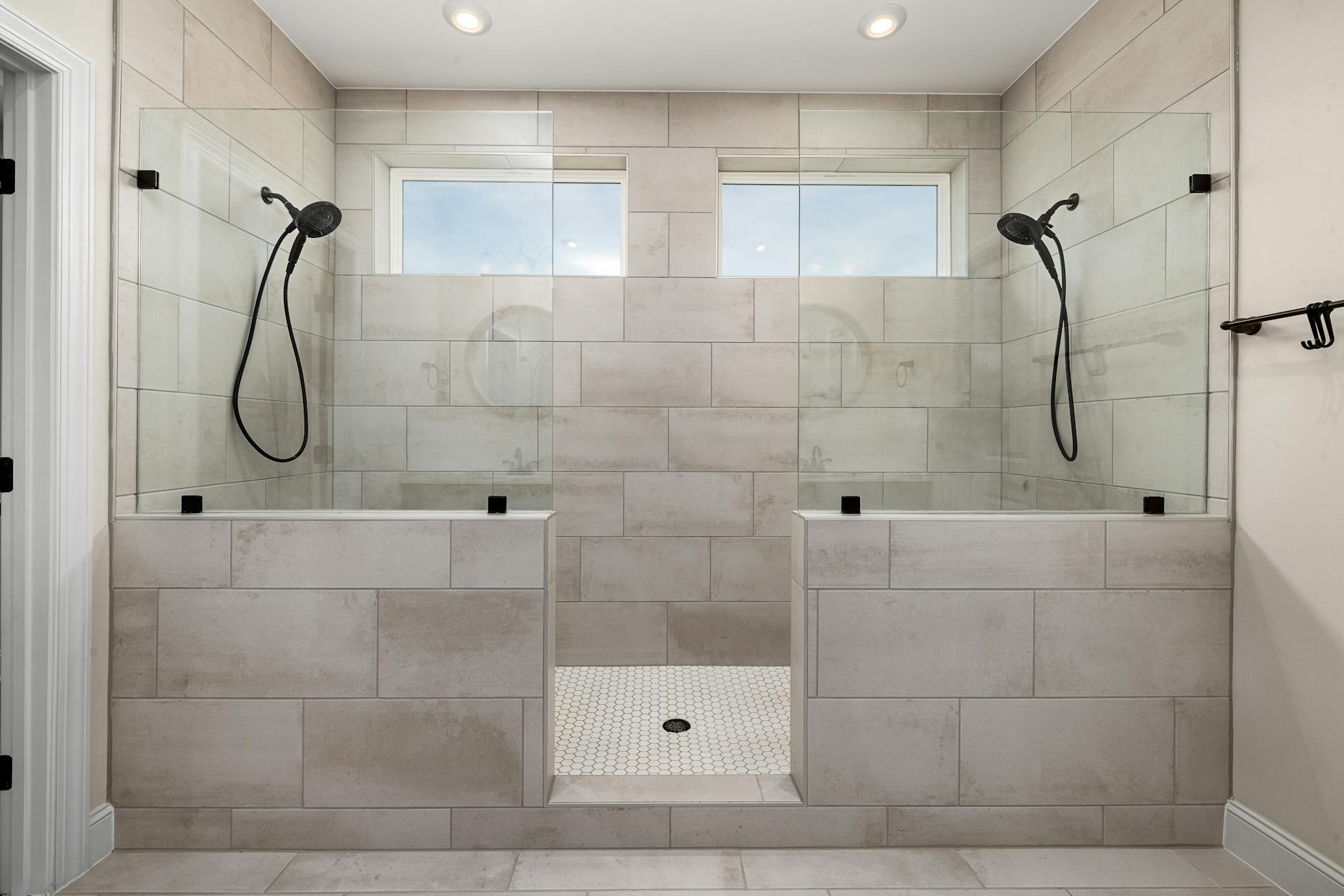
Thick porous tiles featuring vibrant repeating stars or floral motifs dominated bathroom floors and laundry rooms recently. The heavily saturated colors fade unevenly when exposed to standard chemical cleaning products and natural sunlight. Replacing a single cracked tile proves nearly impossible because dye lots vary drastically between different manufacturing runs. Classic porcelain hex tiles or natural slate floors provide lasting durability without dictating a specific global aesthetic.
Grandmillennial Floral Wallpaper
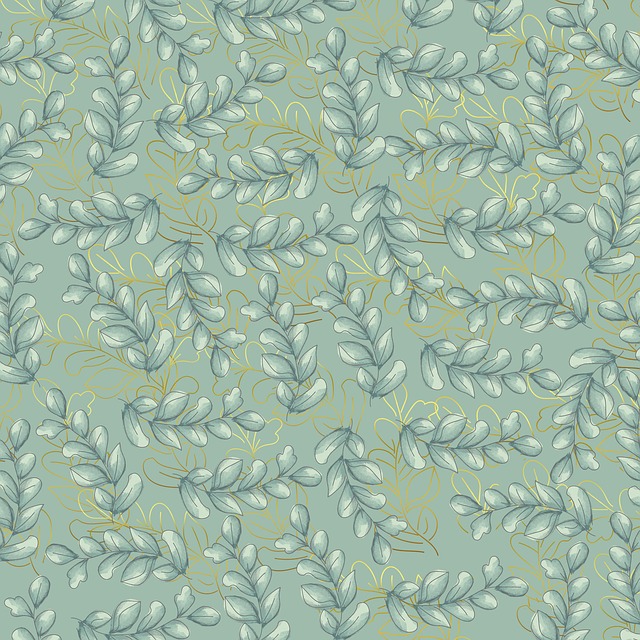
Oversized chintz patterns and heavy botanical prints currently cover dining rooms in an attempt to revive traditional decor. The intense visual density of these floral designs easily overwhelms standard height ceilings and modest room dimensions. Removing the heavy paper requires extensive chemical stripping and professional drywall repair when tastes inevitably change. Subtle grasscloth textures or rich solid paint colors create elegant traditional spaces without the overwhelming visual clutter.
Reclaimed Wood Accent Walls
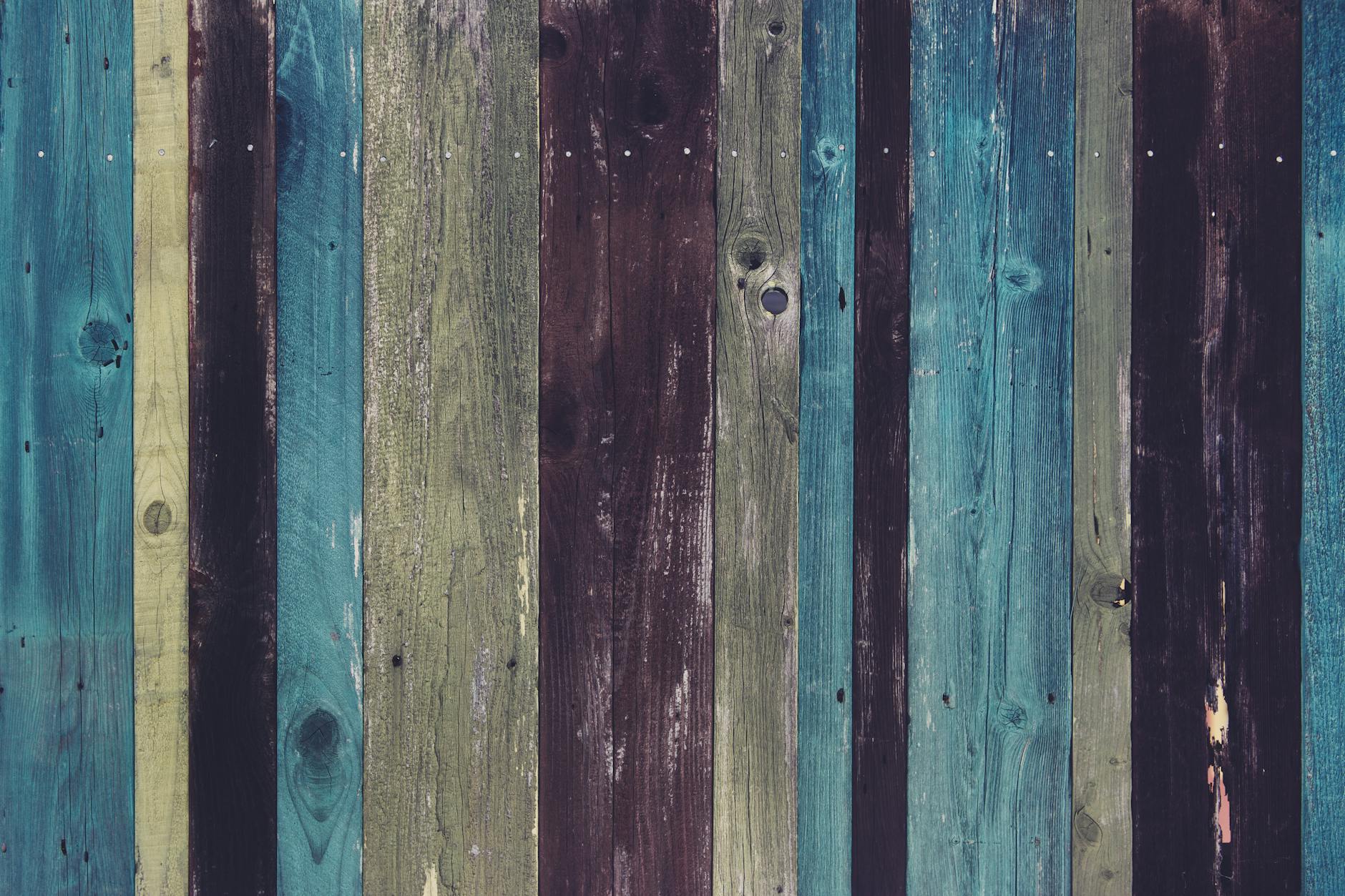
Plastering an entire interior wall with salvaged barn boards introduces uncontrolled textures and varied stains into a modern room. The rough splintered surfaces catch dust easily and snag delicate clothing or upholstery fabrics that brush against them. This hyper rustic element usually clashes completely with the sleek televisions or modern furniture placed in front of it. Smooth architectural paneling provides structural interest while remaining refined and easy to maintain.
Waterfall Kitchen Islands
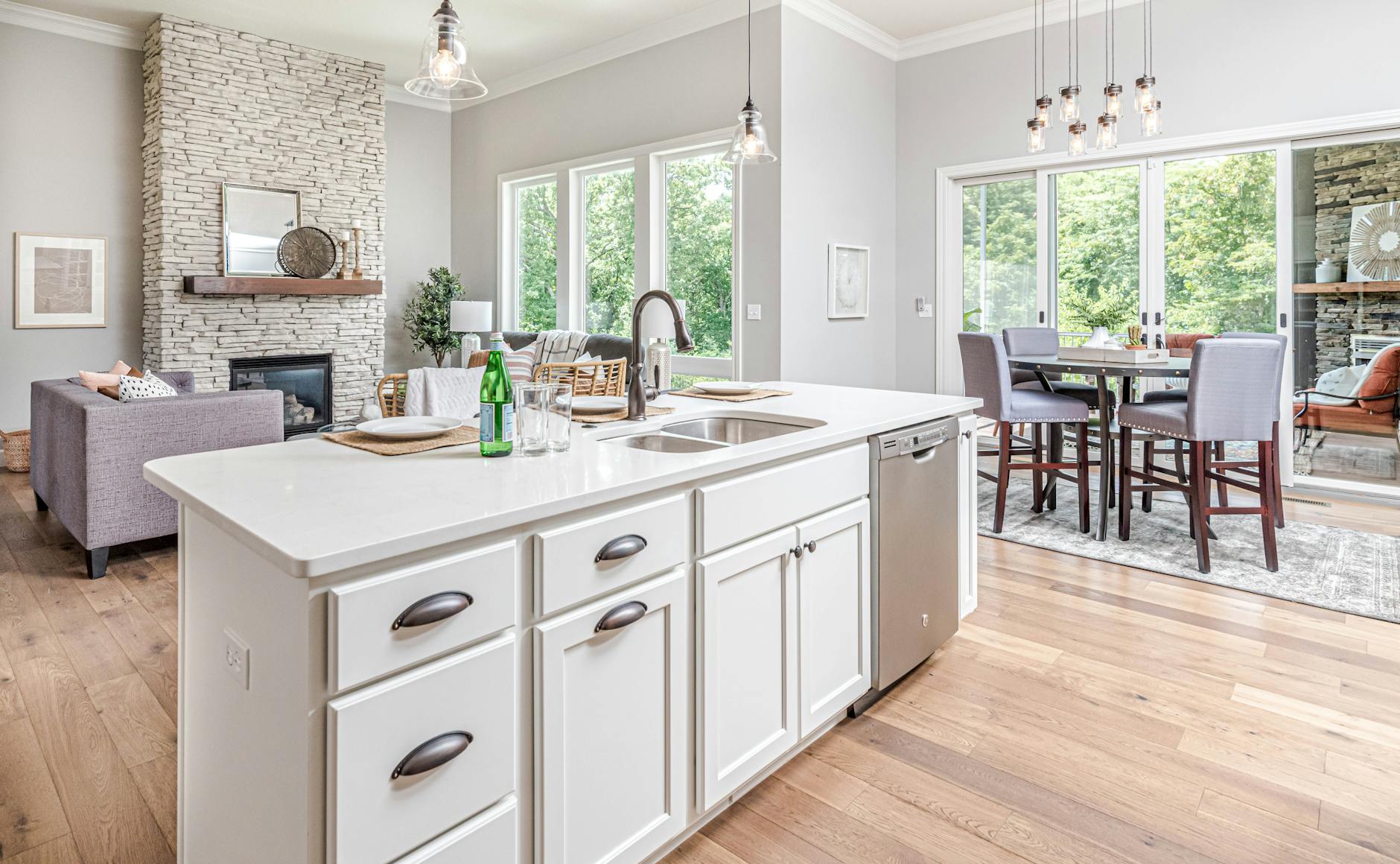
Running countertop material down the vertical sides of a kitchen island creates a heavy monolithic block in the room. The rigid stone surfaces chip easily when struck by barstools or vacuum cleaners during daily household navigation. This design entirely eliminates the possibility of adding decorative corbels or functional storage cabinets on the island ends. Standard overhangs with finished wooden end panels allow for greater seating flexibility and visual warmth.
Black Framed Shower Doors
Heavy dark grid lines printed on glass panels attempt to mimic the look of vintage factory windows in modern bathrooms. The harsh geometric squares break up the visual flow of the room and make the shower enclosure feel like a cage. Hard water deposits accumulate heavily along the black painted frames and require intense daily scrubbing. Frameless clear glass enclosures disappear visually and make any sized bathroom feel exponentially more spacious.
Colored LED Strip Lighting

Adhesive ribbons of changing lights stuck beneath cabinets and behind televisions turn living spaces into neon lounges. The exposed plastic strips often peel away from surfaces as the adhesive degrades from ambient household heat. The artificial glow from the bright colored diodes clashes with natural sunlight and sophisticated decorative lamps. Proper interior illumination relies on layered warm white light from strategically placed fixtures rather than glowing plastic tape.
Monochrome Gray Interiors
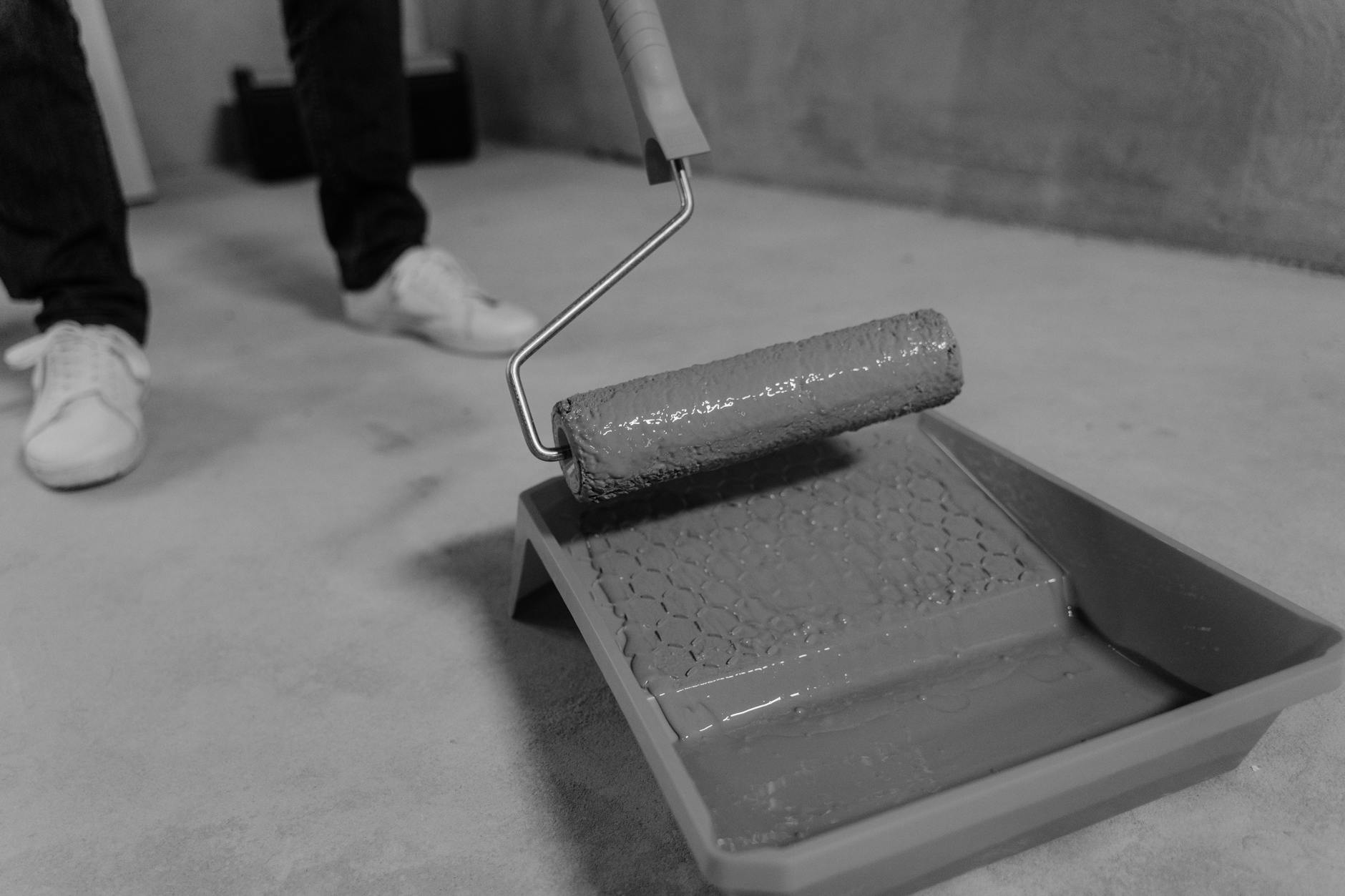
Painting walls and trim and ceilings in identical cool cement shades creates an incredibly flat and lifeless environment. This pervasive color scheme strips away architectural definition and makes spaces feel gloomy during overcast weather. Living in an entirely grayscale house negatively impacts mood and heavily suppresses natural domestic energy. Interior color consultants are actively steering clients toward enveloping warm neutrals and optimistic soft colors.
Copper Kitchen Sinks
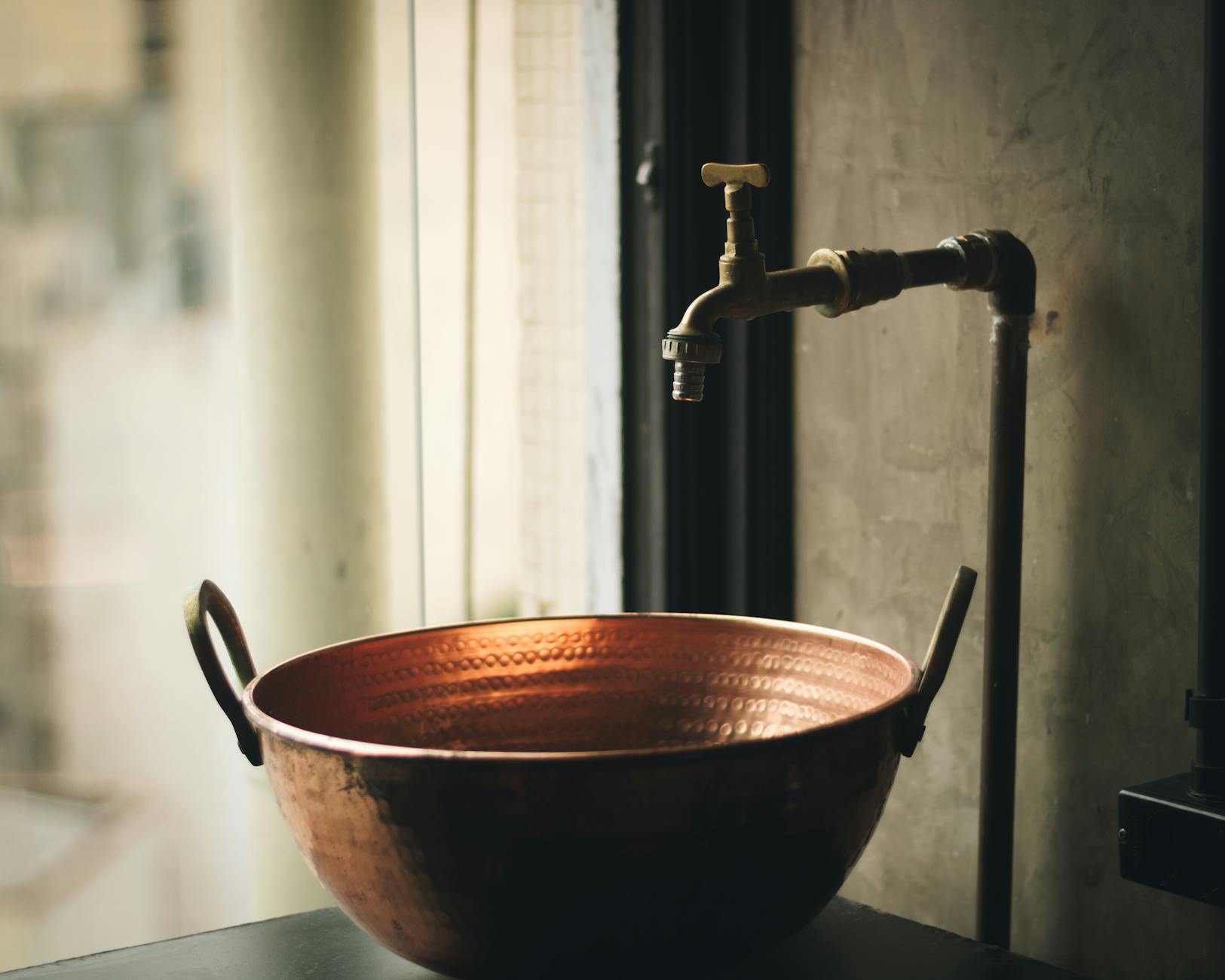
Hammered metallic basins develop an unpredictable green and brown patina as they interact with different foods and soaps. Maintaining a shiny finish requires constant acidic polishing and prevents the normal casual use of the kitchen sink. The soft metal scratches deeply when heavy pots and pans are dropped inside during regular dishwashing. Stainless steel or durable fireclay basins provide reliable sanitation without the extreme maintenance requirements of raw copper.
Oversized Rattan Pendants
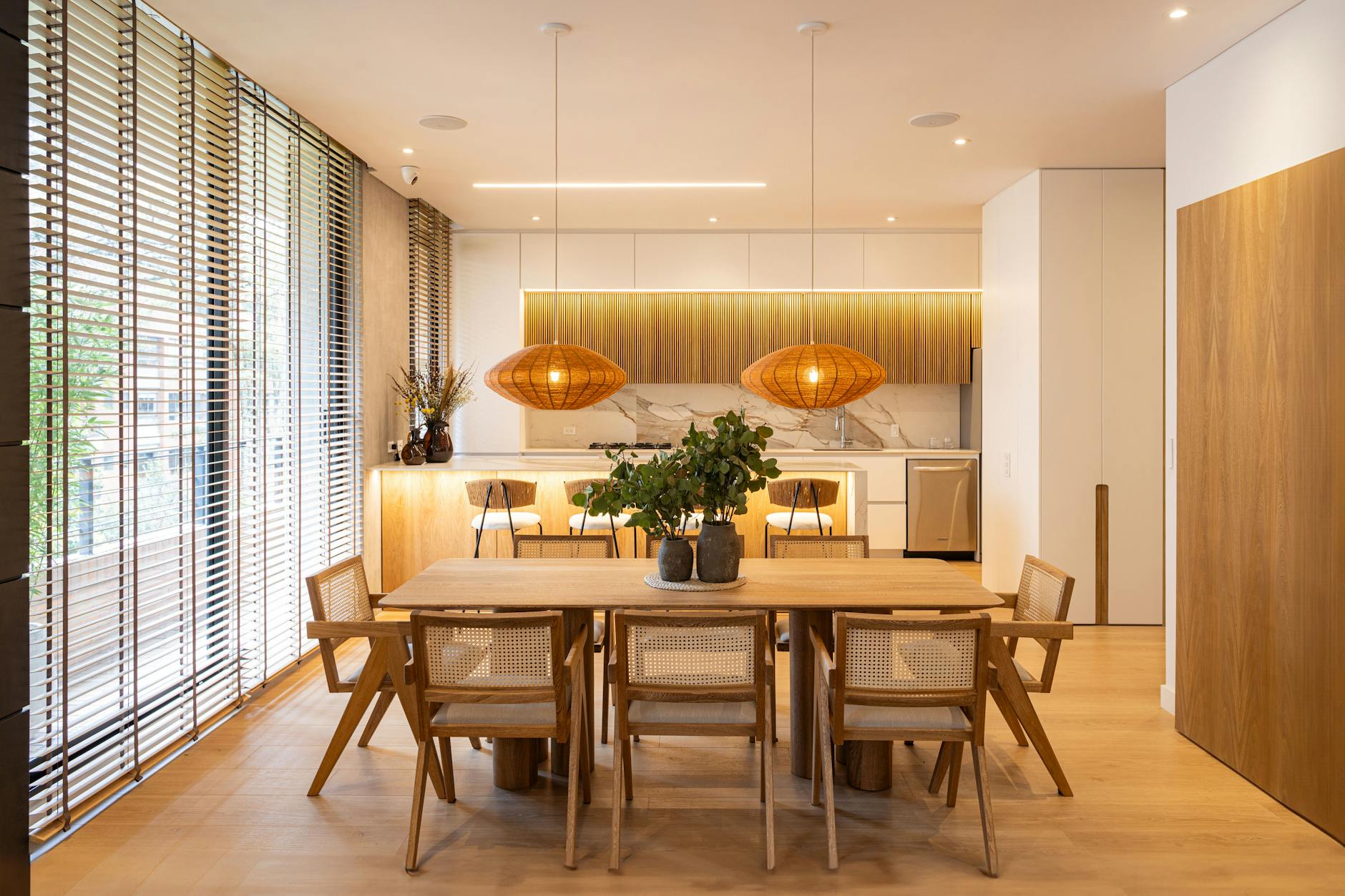
Massive woven basket lights hanging over dining tables dominate the sightlines of open concept spaces. The intricate woven patterns trap airborne dust and kitchen grease which proves nearly impossible to clean thoroughly. The natural dried materials become brittle over time and snap easily when bumped during routine household cleaning. Streamlined metal or glass lighting fixtures maintain an airy visual profile while remaining easy to dust and maintain.
Polished Brass Faucets
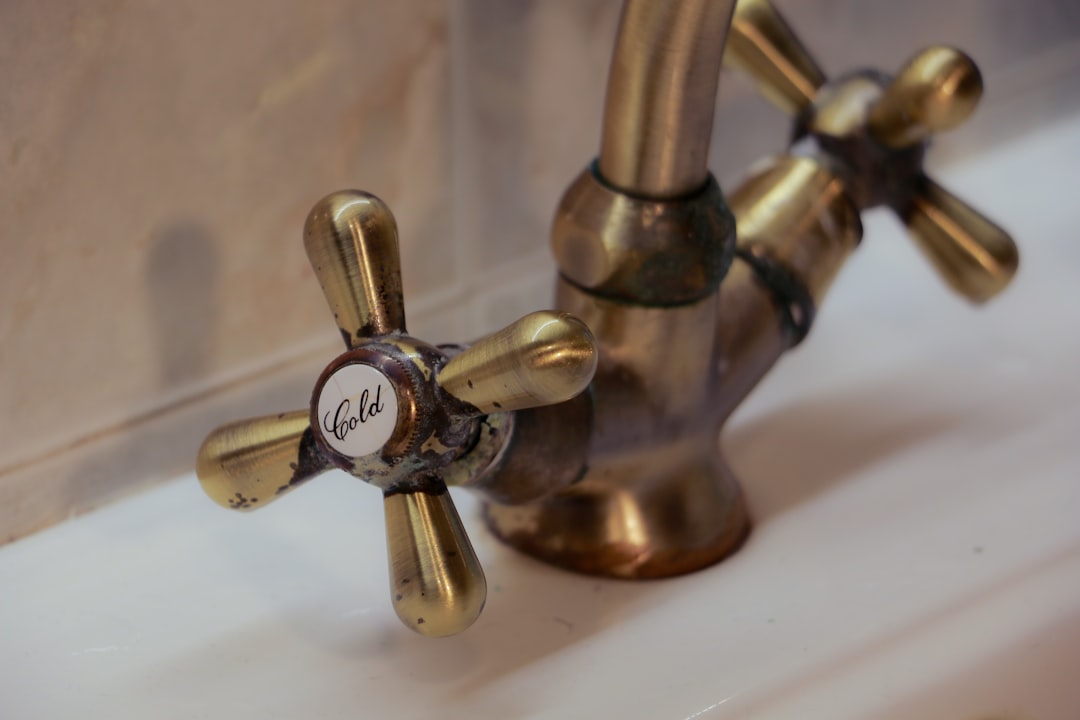
Shiny golden fixtures with a mirrored finish rapidly replaced brushed nickel in high end bathroom remodels. The highly reflective surface highlights every single water spot and fingerprint left behind after washing hands. Factory lacquers eventually peel away from the edges and leave splotchy tarnished marks across the base of the faucet. Soft brushed gold or living brass finishes offer the same warmth with significantly less daily upkeep.
Navy Blue Kitchen Cabinets
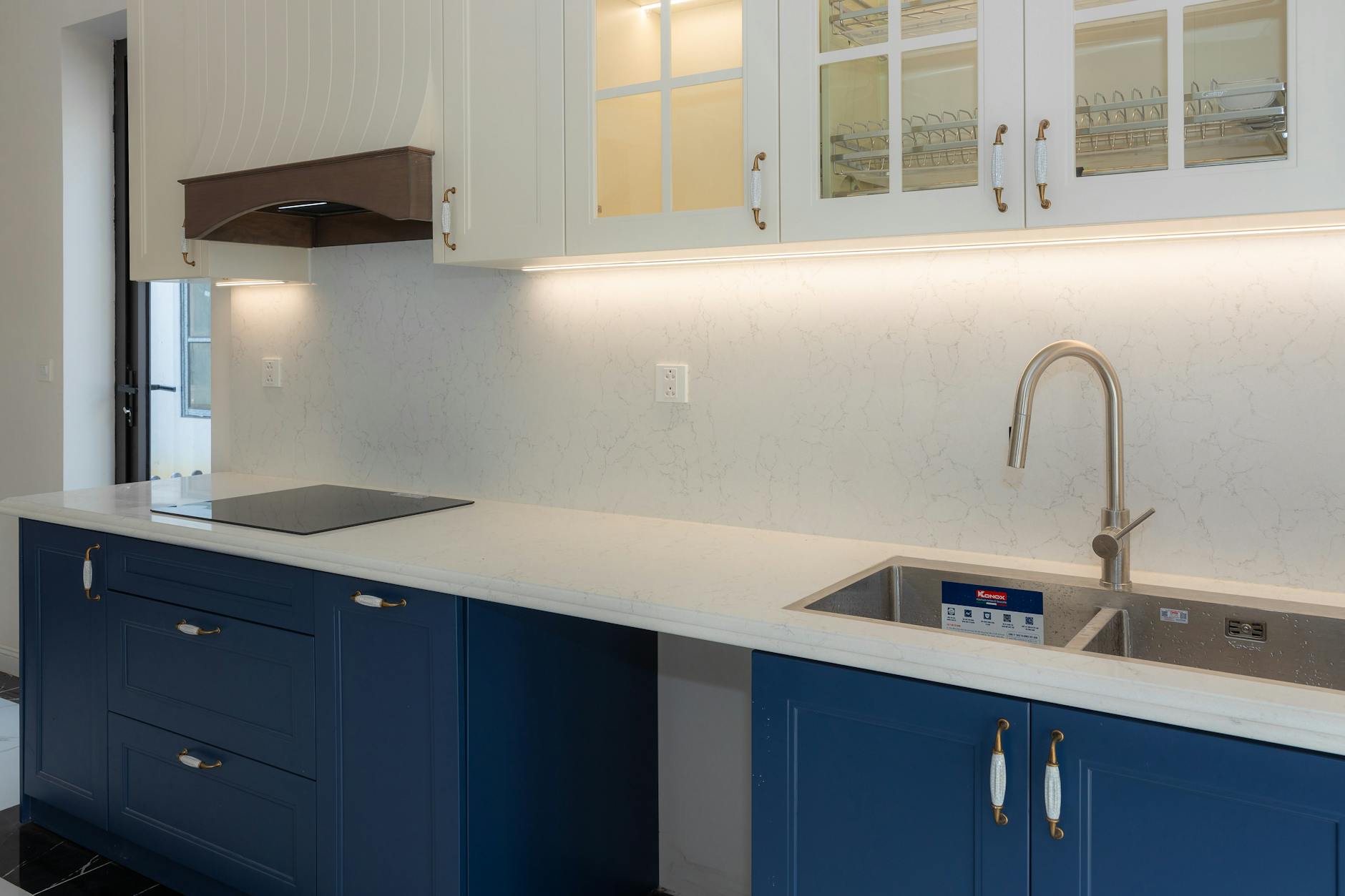
Coating entire banks of lower kitchen storage in dark blue paint became the default alternative to stark white. The deep color sucks light out of the room and makes dust and pet hair incredibly visible near the floorboards. Scuffs from shoes and vacuum cleaners leave permanent light colored marks on the dark painted surfaces. Homeowners are shifting toward muted organic greens or natural clear coated woods for a more forgiving colorful kitchen.
Microwave Vent Hoods
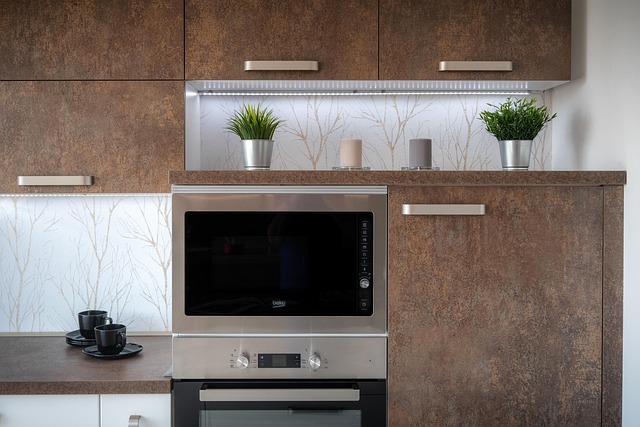
Installing a bulky cooking appliance directly over the main stove creates an awkward focal point in the kitchen. Reaching up over boiling pots to remove hot bowls of food poses a significant daily safety hazard. The integrated exhaust fans rarely possess enough power to properly vent heavy cooking smoke or grease outside. Countertop drawers or hidden pantry locations provide much safer microwave access while allowing for a proper decorative range hood.
Please let us know which of these fading design trends you are most eager to replace by sharing your thoughts in the comments.




