Managing blood pressure requires a careful look at dietary choices and everyday eating habits. Many common items found in pantries and refrigerators contain hidden sodium and preservatives that elevate blood pressure levels. Nutrition experts consistently recommend eliminating specific foods to maintain cardiovascular health and prevent long term complications. Understanding which items pose the greatest risk is the first step toward a healthier lifestyle. The following list details the specific foods experts suggest avoiding for optimal heart health.
Canned Soup

Canned soup often serves as a quick meal option but harbors dangerously high sodium levels. Manufacturers rely heavily on salt to preserve the ingredients and enhance the flavor during long shelf lives. Consuming just one bowl can easily exceed the recommended daily allowance for sodium intake. Nutritionists strongly advise selecting low sodium versions or preparing fresh homemade batches instead.
Deli Turkey

Deli turkey appears to be a healthy protein source but undergoes heavy processing with sodium nitrates. The curing process injects massive amounts of salt into the meat to extend its longevity and improve taste. This hidden sodium contributes significantly to elevated blood pressure levels when eaten regularly in sandwiches. Opting for freshly roasted poultry cooked at home provides the same protein without the dangerous additives.
Frozen Pizza

Frozen pizza combines several high sodium ingredients like processed cheese and cured meats into one convenient package. The thick crusts also contain significant amounts of salt to maintain texture after freezing and baking. Eating multiple slices delivers a massive dose of sodium that immediately strains the cardiovascular system. Experts recommend making pizzas from scratch using fresh ingredients to control the total salt content.
Pickles
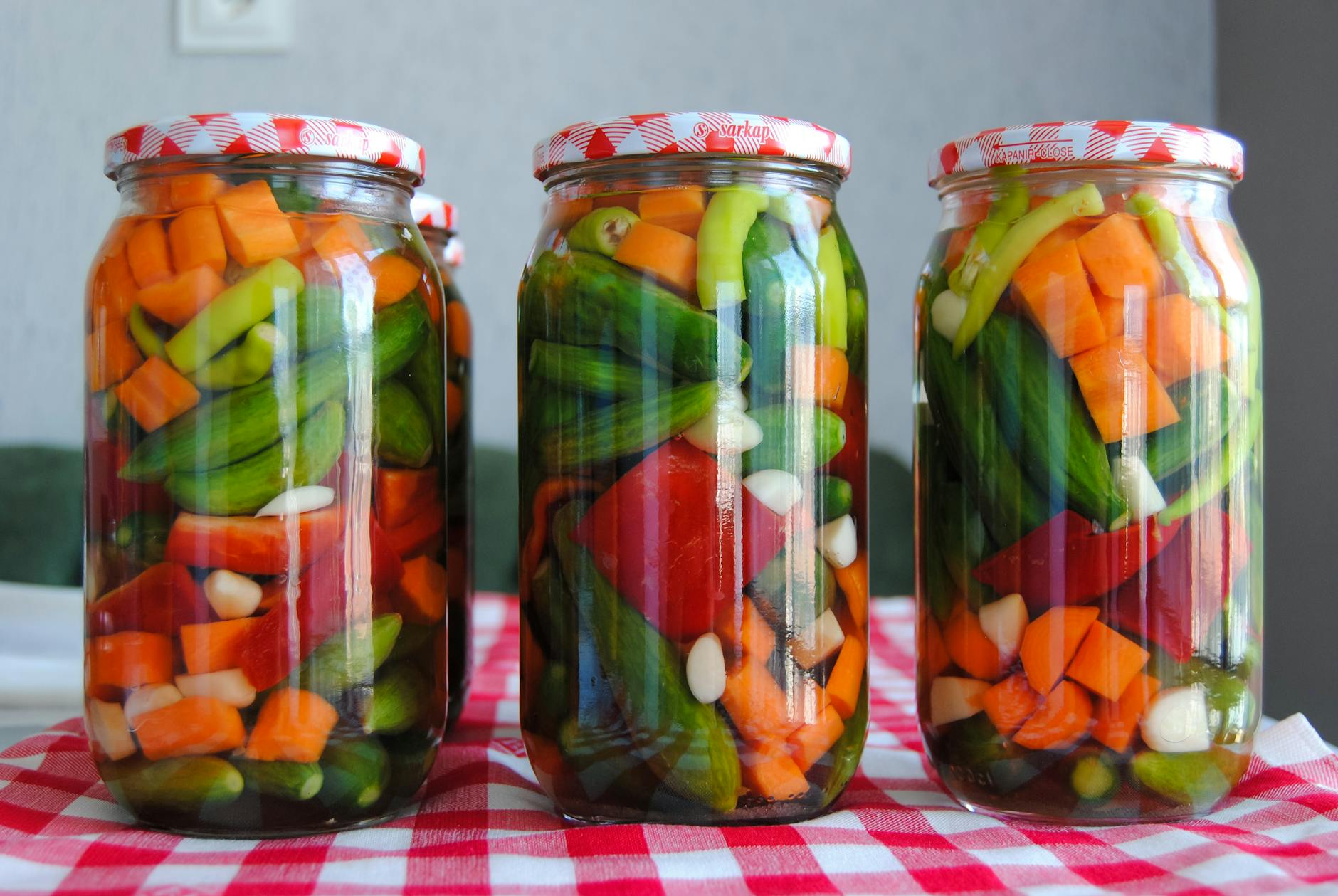
Pickles gain their signature tangy flavor through an extensive brining process in heavily salted water. A single pickle spear can contain hundreds of milligrams of sodium which quickly adds up during a meal. The high salt concentration directly forces the blood vessels to constrict and raises pressure against arterial walls. Enjoying fresh cucumbers offers a similarly crisp crunch without any of the dangerous cardiovascular side effects.
Canned Beans
Canned beans provide excellent fiber but typically come submerged in a liquid loaded with unnecessary salt. The canning process utilizes sodium to keep the beans firm and prevent them from spoiling on store shelves. Rinsing the beans thoroughly can remove some salt but significant amounts still penetrate the legumes. Nutrition experts suggest buying dry beans and soaking them overnight to completely avoid the added sodium.
Soy Sauce
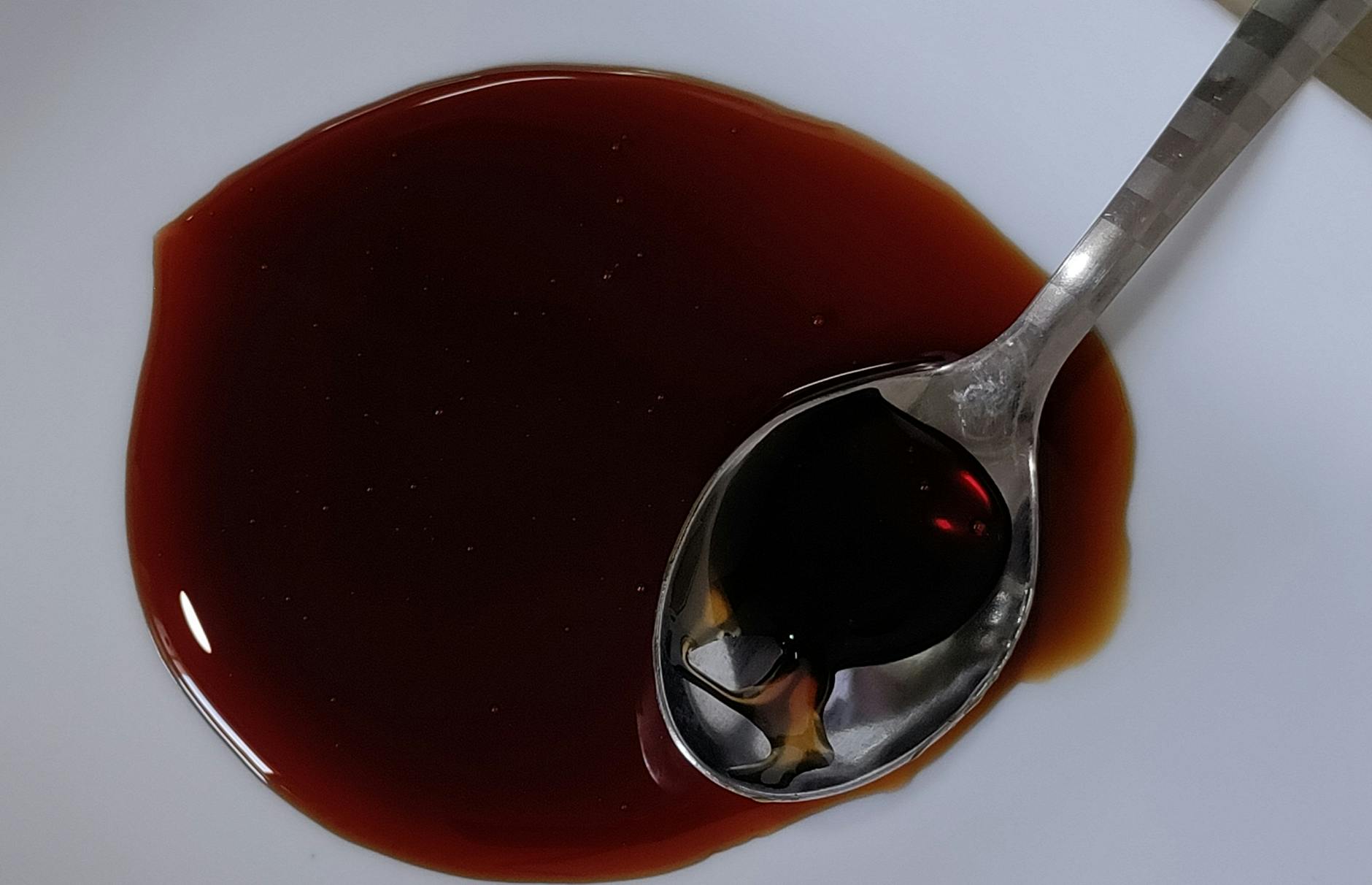
Soy sauce serves as a staple in many kitchens while packing an incredibly concentrated amount of sodium. Just a single tablespoon contains nearly half of the daily recommended limit for individuals monitoring their blood pressure. Pouring this condiment generously over rice or vegetables causes an immediate spike in blood sodium levels. Choosing reduced sodium alternatives or exploring different herb combinations helps protect long term cardiovascular health.
Potato Chips
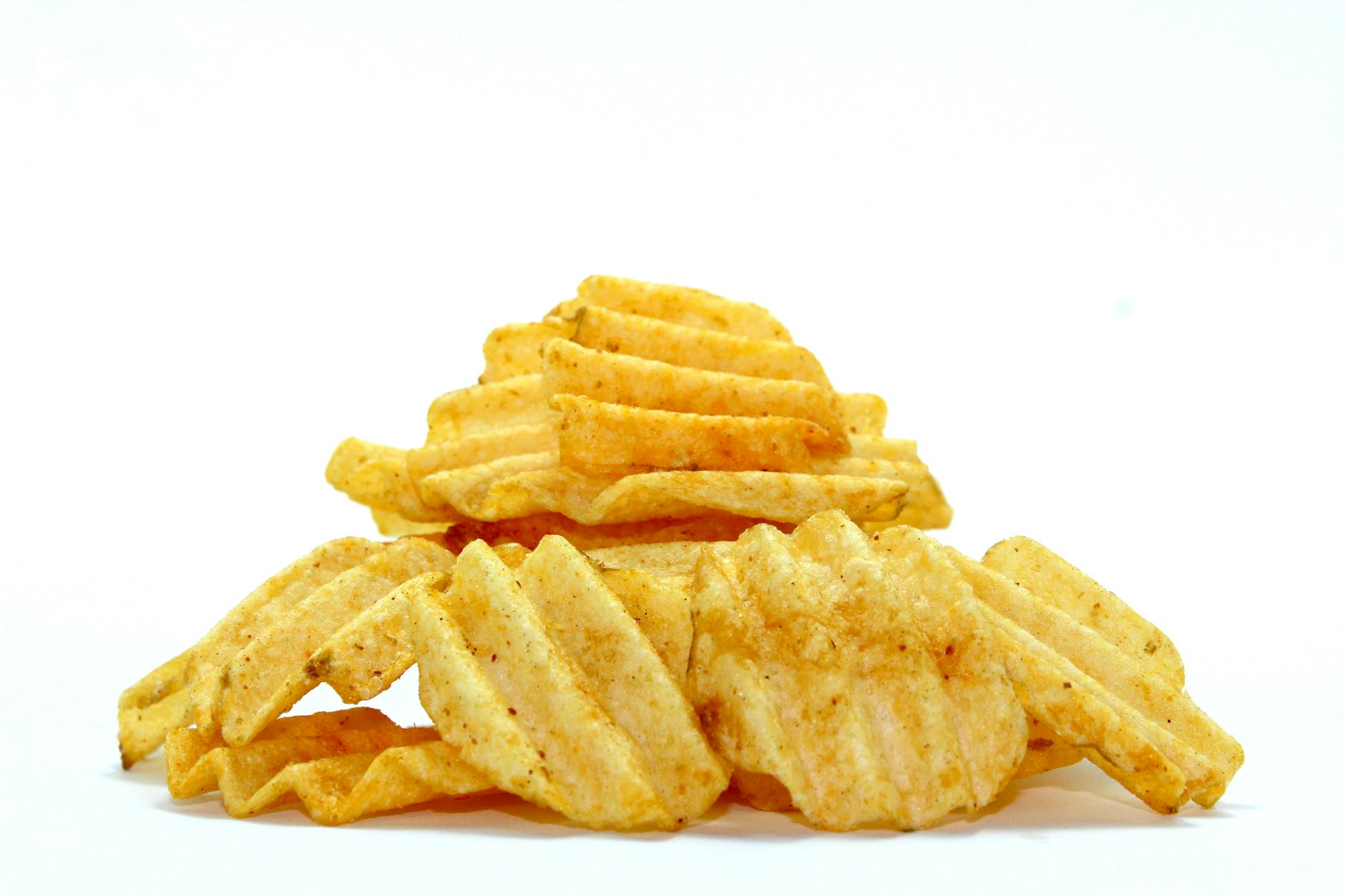
Potato chips undergo deep frying before receiving a heavy dusting of salt and artificial flavorings. The resulting snack encourages mindless eating which leads to massive sodium consumption in a single sitting. This sudden influx of salt forces the kidneys to work overtime while attempting to filter the excess minerals. Swapping these salty snacks for air popped popcorn without added salt satisfies cravings safely.
Bacon

Bacon remains a popular breakfast item despite containing massive quantities of sodium and saturated fat. The curing process relies heavily on salt to develop the distinctive flavor and crispy texture people enjoy. Regular consumption of this processed pork product steadily damages blood vessels and elevates resting blood pressure. Leaner protein sources like egg whites offer a much safer way to start the morning.
Hot Dogs

Hot dogs consist of highly processed meat trimmings packed tightly with sodium and artificial preservatives. Manufacturers add extreme amounts of salt to mask the taste of low quality ingredients and extend shelf life. Eating these popular stadium snacks regularly introduces harmful chemicals that stiffen arterial walls over time. Nutritionists recommend grilling fresh chicken breasts instead to enjoy cookouts without risking heart health.
French Fries
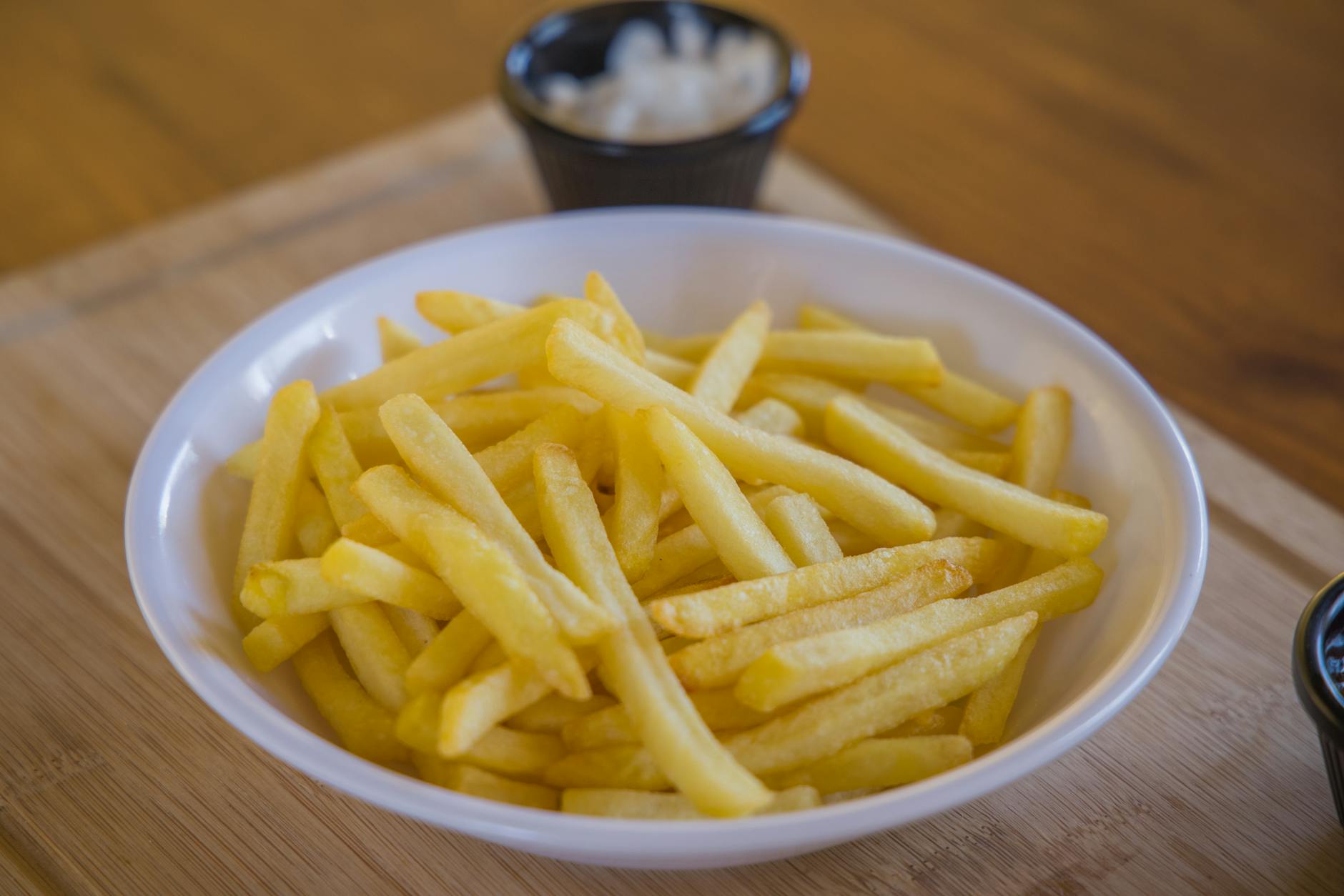
French fries deliver a dangerous combination of unhealthy frying oils and heavy surface salting. Restaurants typically toss the deep fried potatoes in coarse salt immediately after cooking to maximize flavor. This practice creates a side dish that rapidly increases blood volume and places undue stress on the heart. Baking potato wedges at home with simple herbal seasonings provides a delicious and heart safe alternative.
Bouillon Cubes
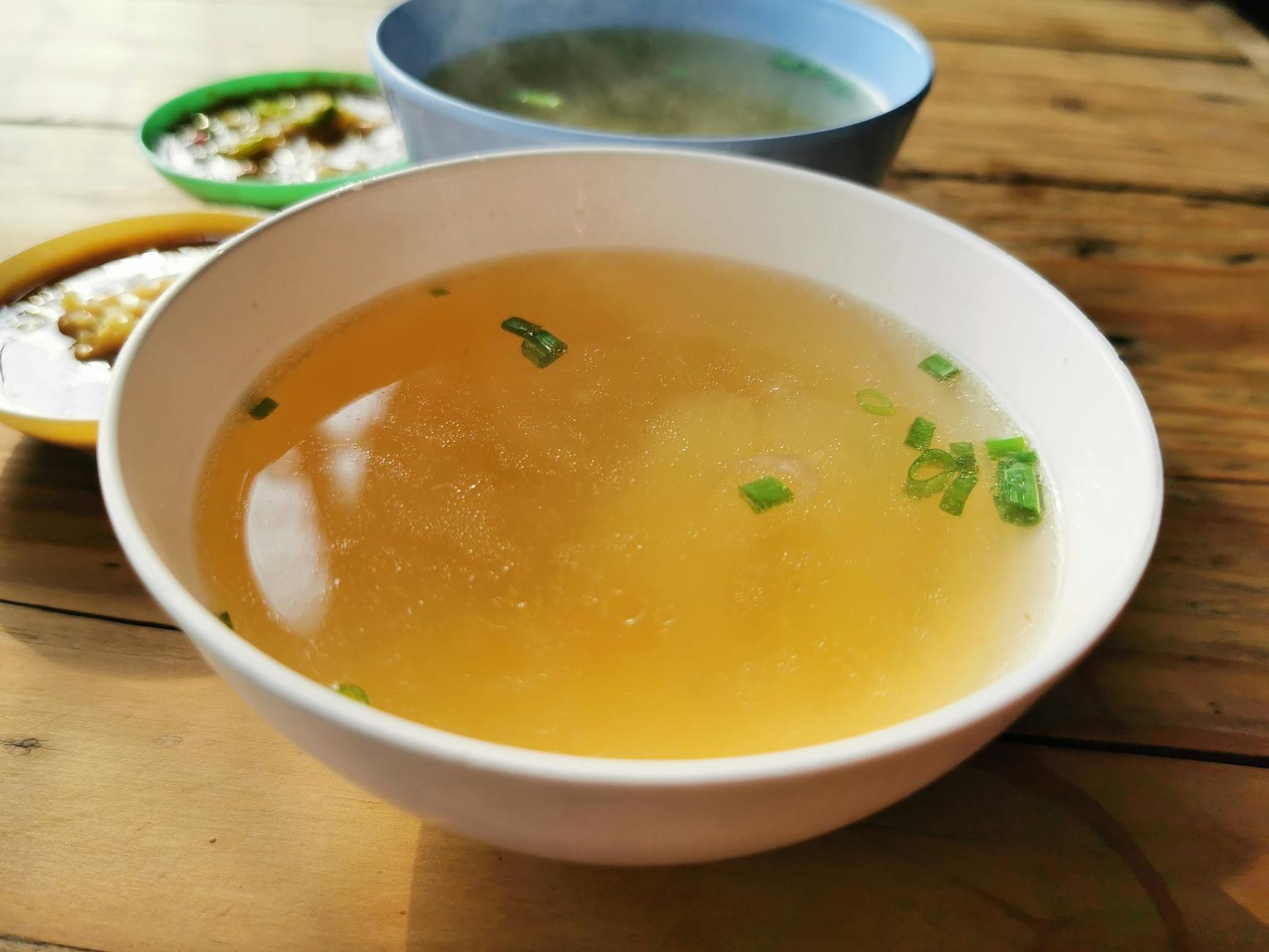
Bouillon cubes offer a convenient way to flavor broths but consist almost entirely of concentrated salt. Dropping just one cube into a pot of boiling water ruins the nutritional profile of an otherwise healthy soup. The dissolved sodium absorbs quickly into the bloodstream and immediately increases pressure against delicate vessel walls. Utilizing fresh vegetable scraps to create homemade stock ensures complete control over the final sodium content.
Ketchup
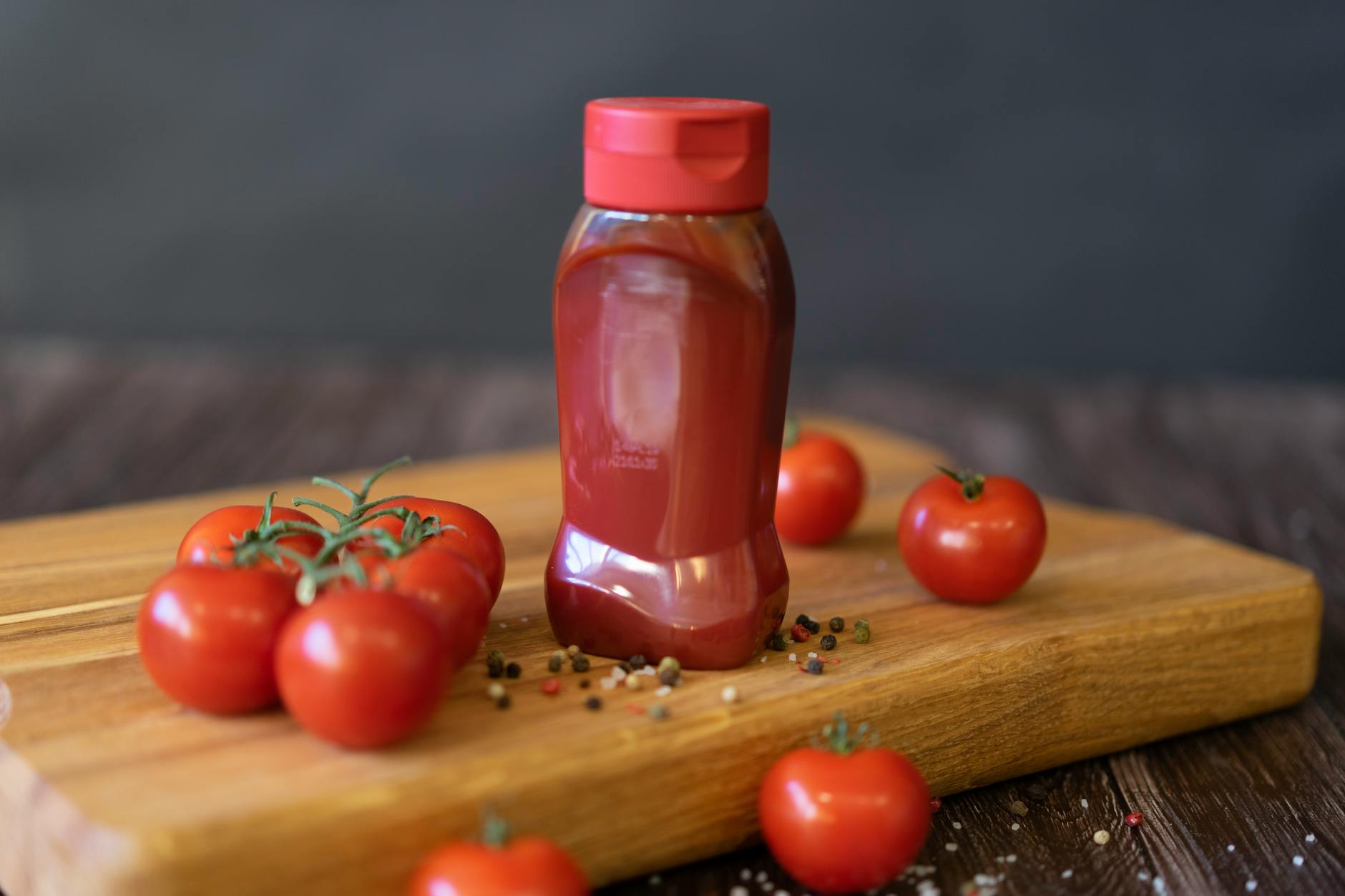
Ketchup contains deceptive amounts of hidden sodium alongside highly refined sugars in every single serving. Many people generously apply this popular condiment without realizing the cardiovascular impact of those extra spoonfuls. The combination of salt and sugar works together to promote inflammation and elevate blood pressure simultaneously. Using fresh tomato slices or unsalted homemade purees adds moisture to meals without the negative health impacts.
Barbecue Sauce
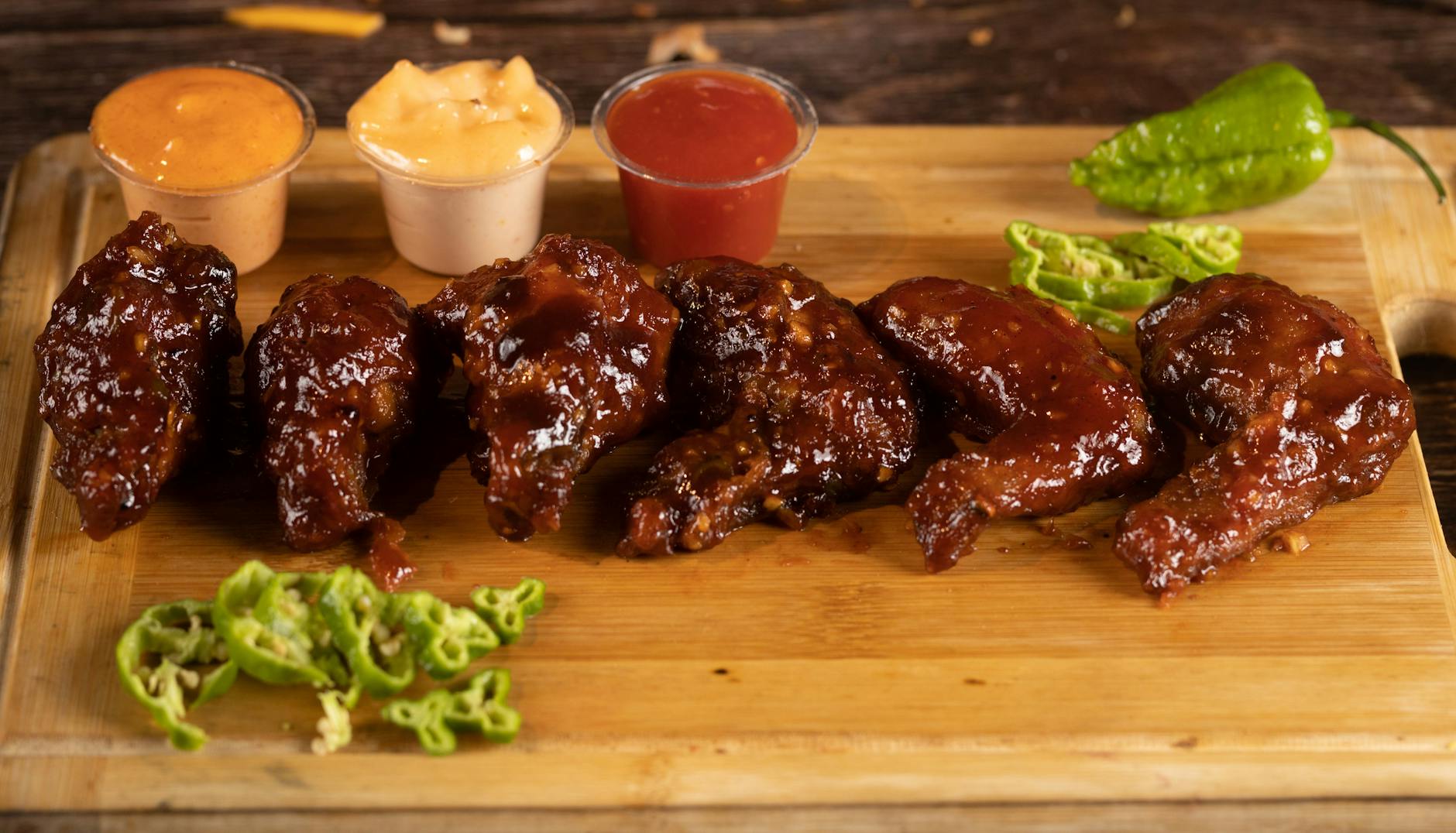
Barbecue sauce heavily relies on salt to balance its sweet and smoky flavor profile. Basting meats with thick layers of this sauce adds hundreds of milligrams of unnecessary sodium to a meal. The sticky glaze forms a concentrated crust of salt that directly contributes to cardiovascular strain. Marinating meats in vinegar and fresh herbs creates complex flavors without raising blood pressure levels.
Teriyaki Sauce
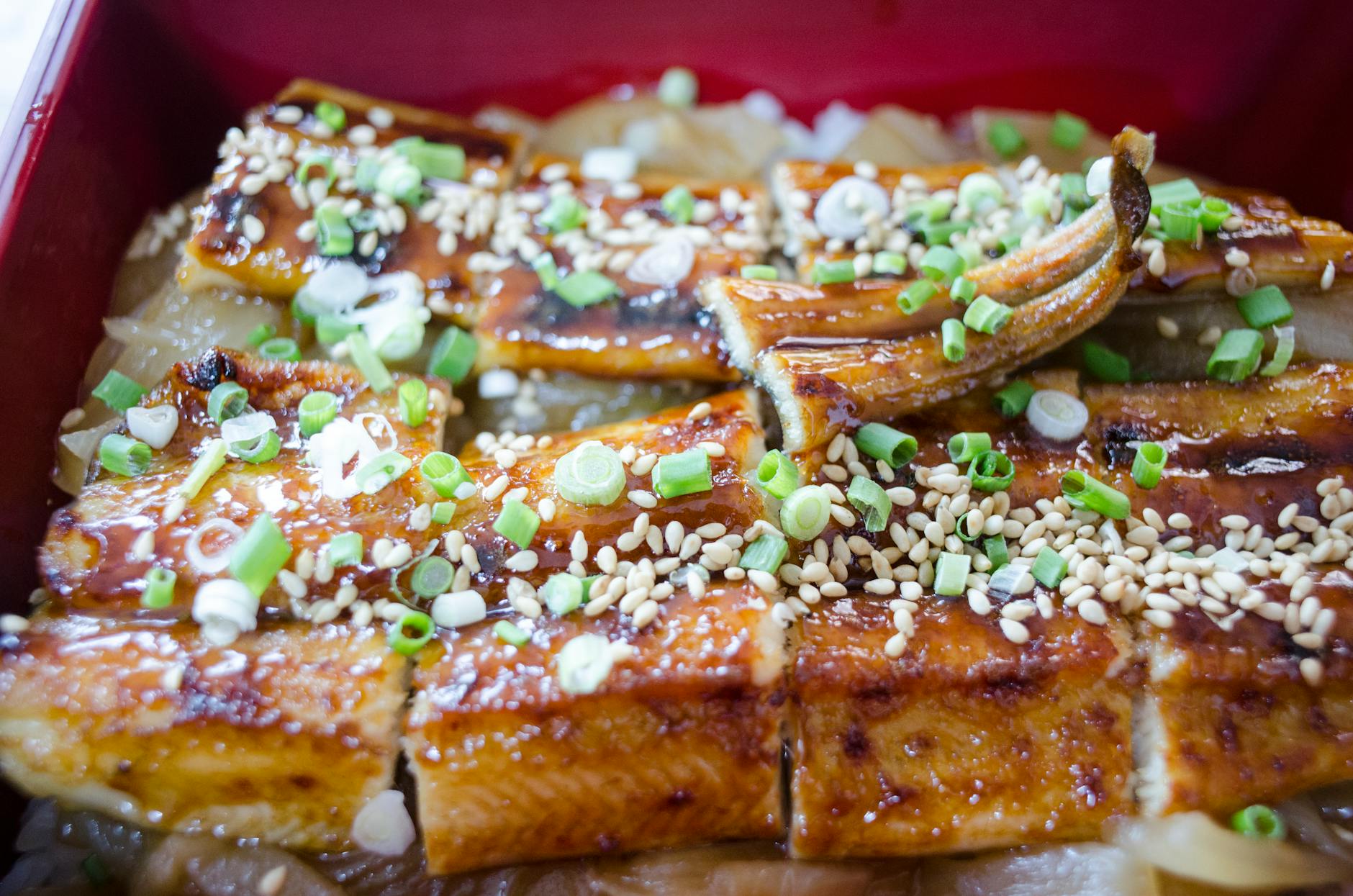
Teriyaki sauce utilizes a soy sauce base which guarantees an exceptionally high sodium concentration in every drop. Restaurants often drown dishes in this sweet and salty liquid to enhance the appeal of plain rice and chicken. Consuming such heavily sauced meals regularly causes the body to retain excess fluid and raises blood pressure. Creating a custom glaze using fresh ginger and citrus juice protects the heart from salt overload.
Canned Vegetables
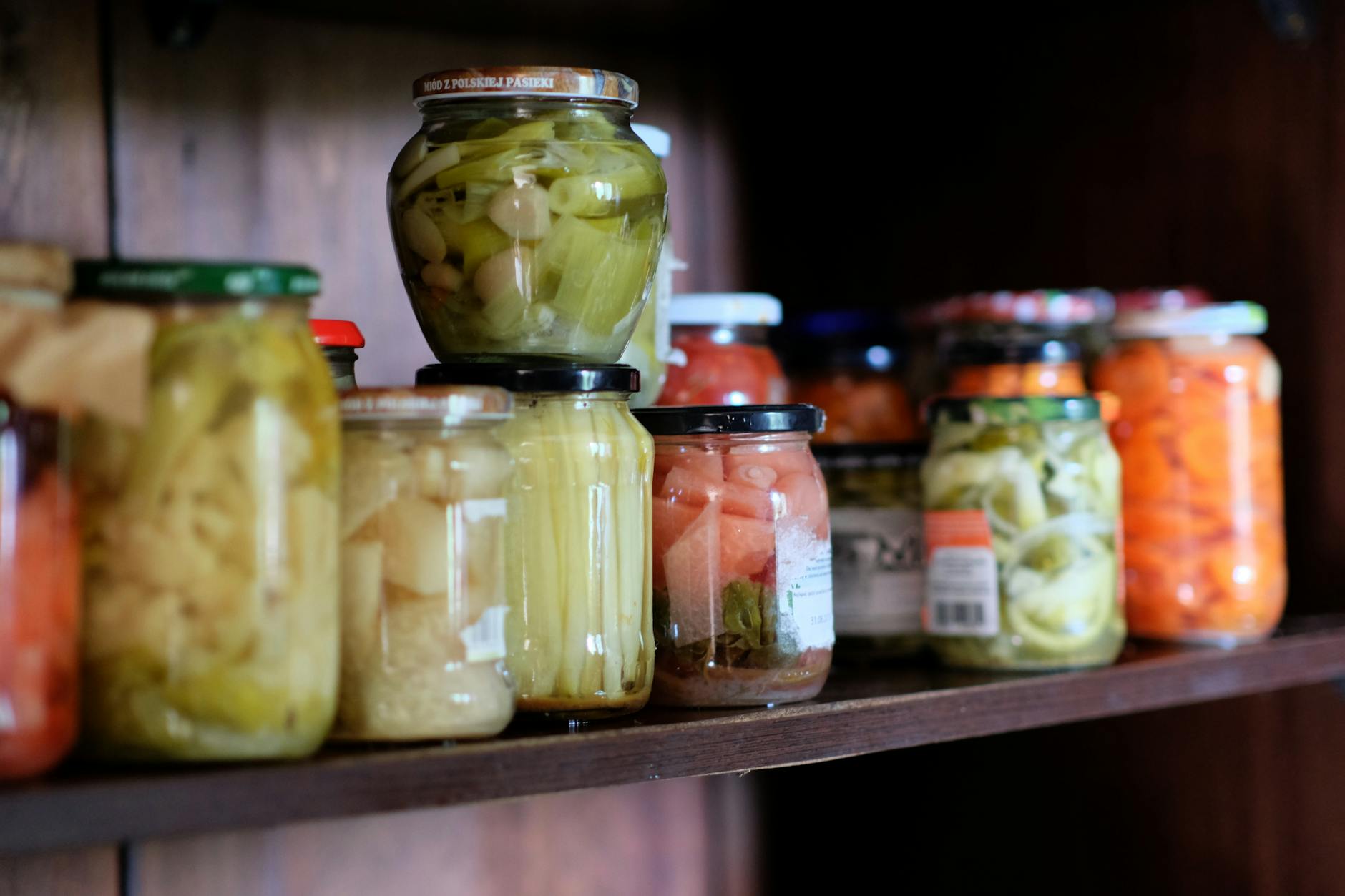
Canned vegetables offer convenience but frequently sit in solutions heavily saturated with preservative salts. The canning process diminishes the natural nutritional value while forcing sodium directly into the plant tissues. Even careful rinsing cannot completely eliminate the salt that absorbs during months of shelf storage. Purchasing fresh or frozen vegetables guarantees maximum nutrient retention without any dangerous cardiovascular additives.
Salted Pretzels

Salted pretzels often masquerade as a healthy snack due to their lack of saturated fat and simple ingredients. However the large visible salt crystals coating the exterior deliver an immediate shock of sodium to the system. Eating straight from the bag makes it incredibly easy to consume dangerous amounts of salt without noticing. Unsalted pretzels or fresh carrot sticks provide the desired crunch without compromising cardiovascular stability.
Processed Cheese
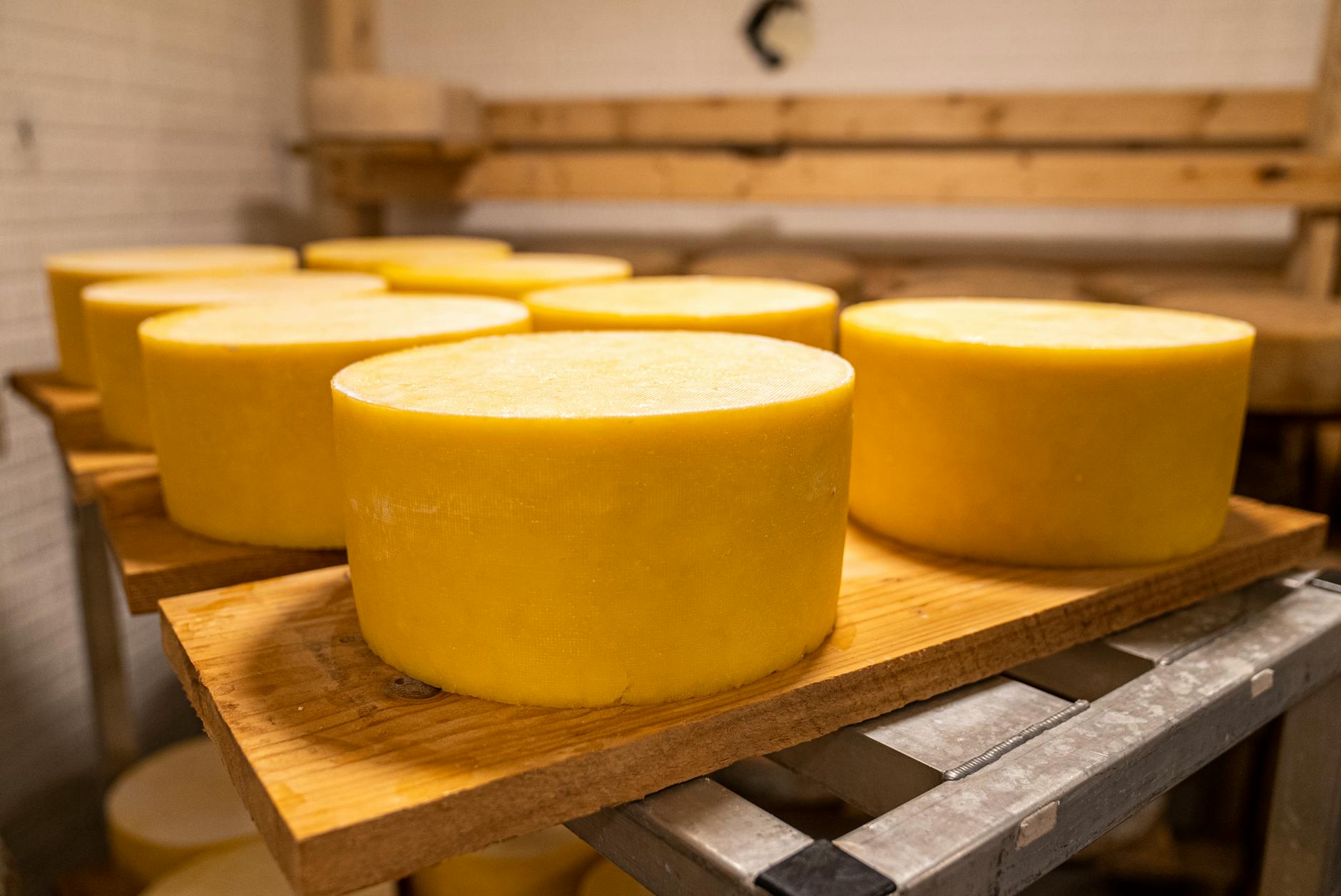
Processed cheese products melt perfectly but contain artificial emulsifiers and massive amounts of dietary sodium. These individually wrapped slices undergo intense manufacturing processes that strip away natural nutrients and add excessive salt. Melting this product over meals creates a dense layer of sodium that the body struggles to process efficiently. Selecting small portions of naturally aged cheeses offers better flavor with significantly fewer harmful additives.
Margarine
Margarine was once considered a healthy alternative to butter but often contains unhealthy trans fats and added sodium. The artificial flavoring process utilizes salt to mimic the natural taste of dairy products successfully. Spreading this processed fat onto daily morning toast slowly damages blood vessels and increases resting pressure. Using a modest amount of olive oil instead provides healthy fats that actually support overall heart health.
Canned Chili
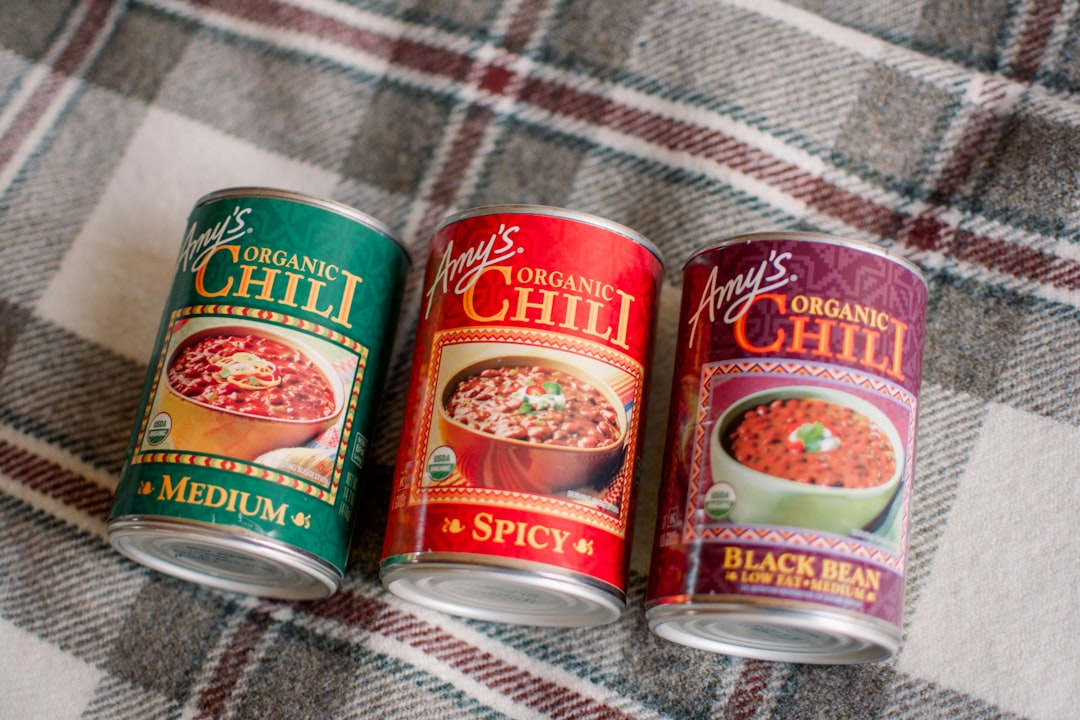
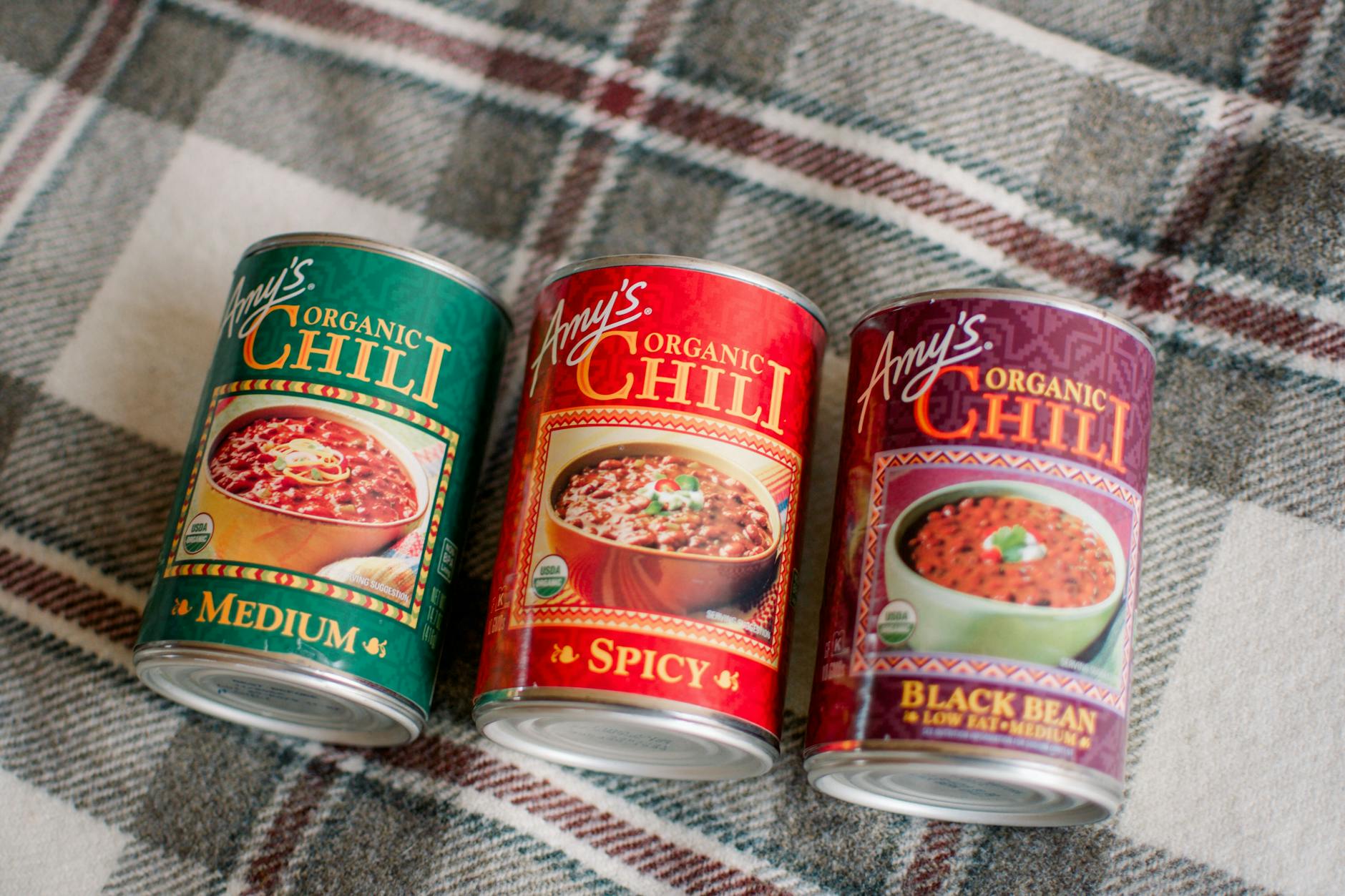
Canned chili combines processed meats and preserved beans into a heavily salted convenience meal. The dense sauce contains concentrated sodium designed to keep the mixture stable inside the metal tin. Eating a full bowl introduces enough salt to immediately force the cardiovascular system into a state of high stress. Preparing a large batch of homemade chili with fresh tomatoes allows for complete sodium control and better nutrition.
Boxed Macaroni
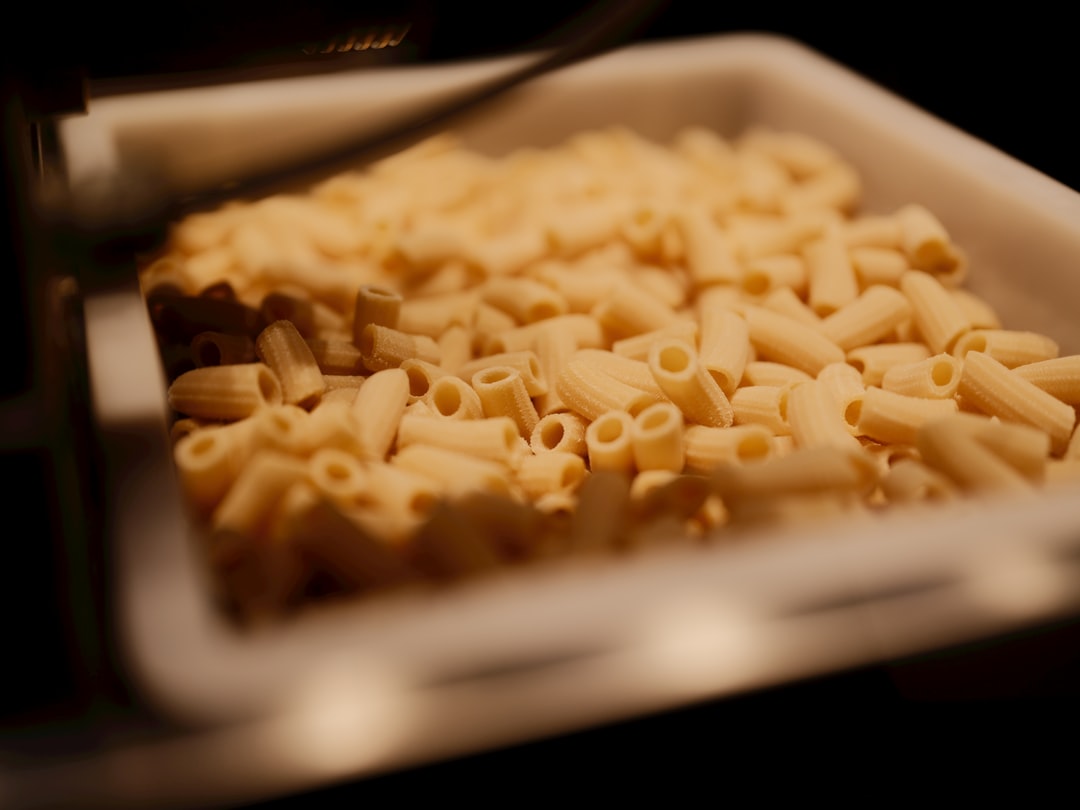
Boxed macaroni and cheese relies on powdered cheese packets that consist largely of artificial colors and pure sodium. The preparation process often calls for additional salted butter which further compounds the negative cardiovascular impact. This popular comfort food delivers an overwhelming amount of salt that causes rapid fluid retention in the body. Making a simple pasta dish with fresh garlic and olive oil offers a much safer dinner solution.
Ramen Noodles
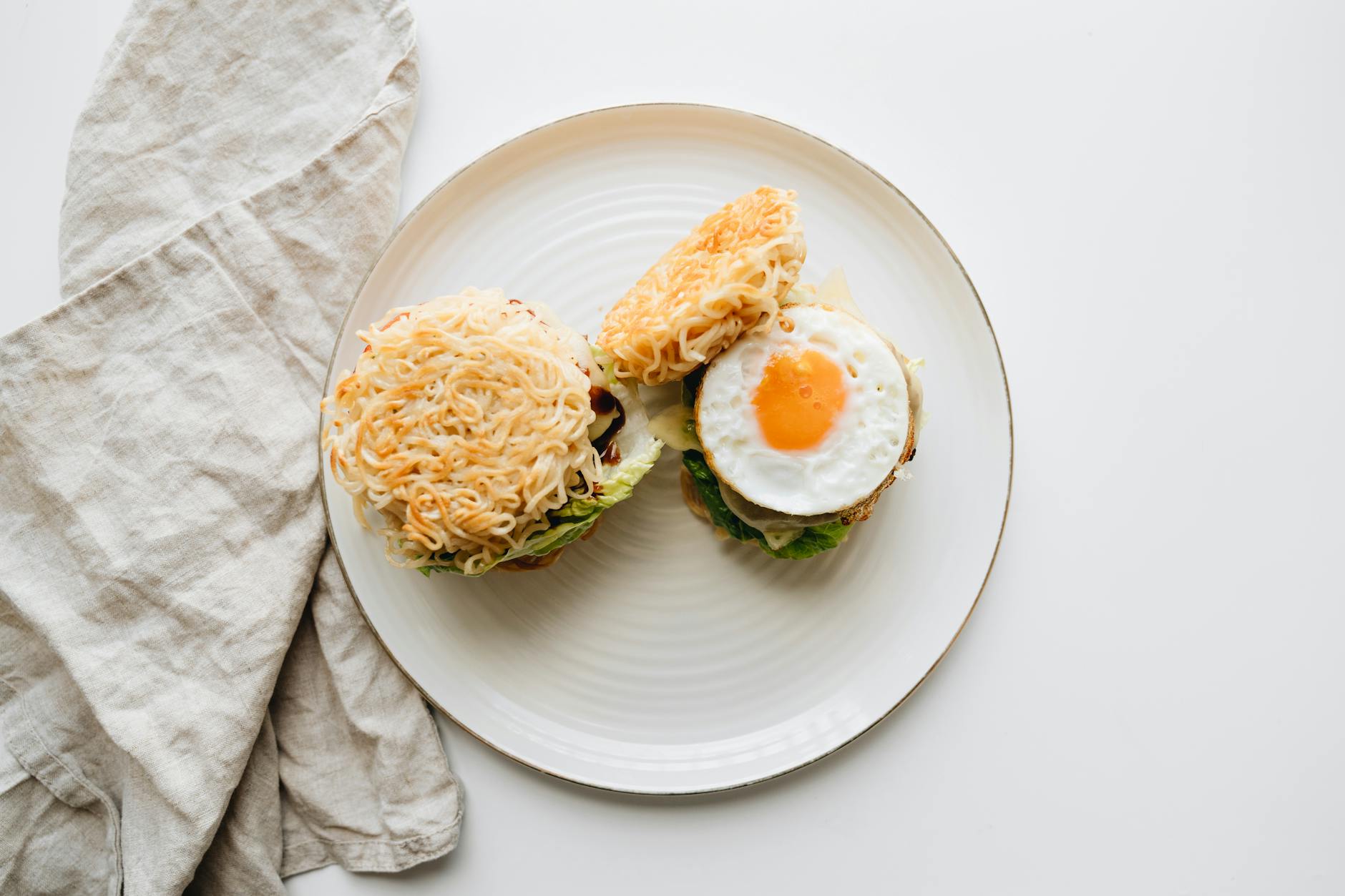
Ramen noodle packets contain a seasoning envelope that holds a dangerous volume of concentrated sodium and flavor enhancers. The dehydrated noodles themselves also undergo a frying process that adds unhealthy fats to the high salt content. Consuming the entire bowl of salty broth causes immediate blood pressure spikes and places extreme strain on the kidneys. Swapping the seasoning packet for fresh garlic and ginger instantly improves the nutritional value of the meal.
Beef Jerky
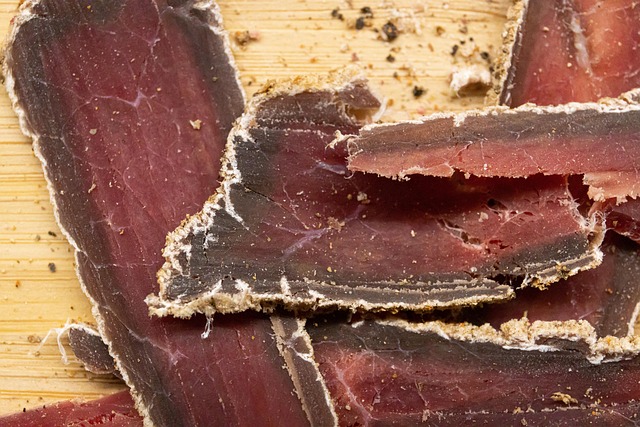
Beef jerky requires extensive salting to dehydrate the meat and prevent bacterial growth during long term storage. This popular travel snack provides protein but delivers massive doses of sodium in very small portions. Chewing on these preserved meat strips introduces steady streams of salt that directly constrict delicate blood vessels. Snacking on unsalted almonds offers a satisfying protein alternative without the cardiovascular risks associated with cured meats.
Canned Tuna
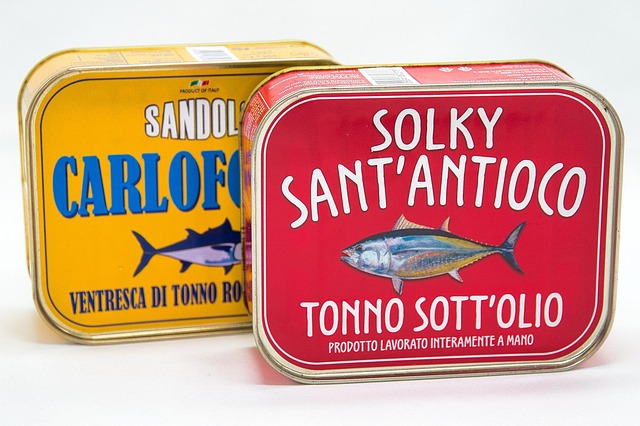
Canned tuna presents a convenient source of omega fatty acids but often comes packaged in heavily salted water. The commercial canning process utilizes sodium to maintain the texture and flavor of the fish over time. Rinsing the meat helps slightly but cannot reverse the absorption of salt into the fish flakes. Seeking out low sodium varieties or purchasing fresh fish fillets ensures a truly heart healthy protein choice.
Olives
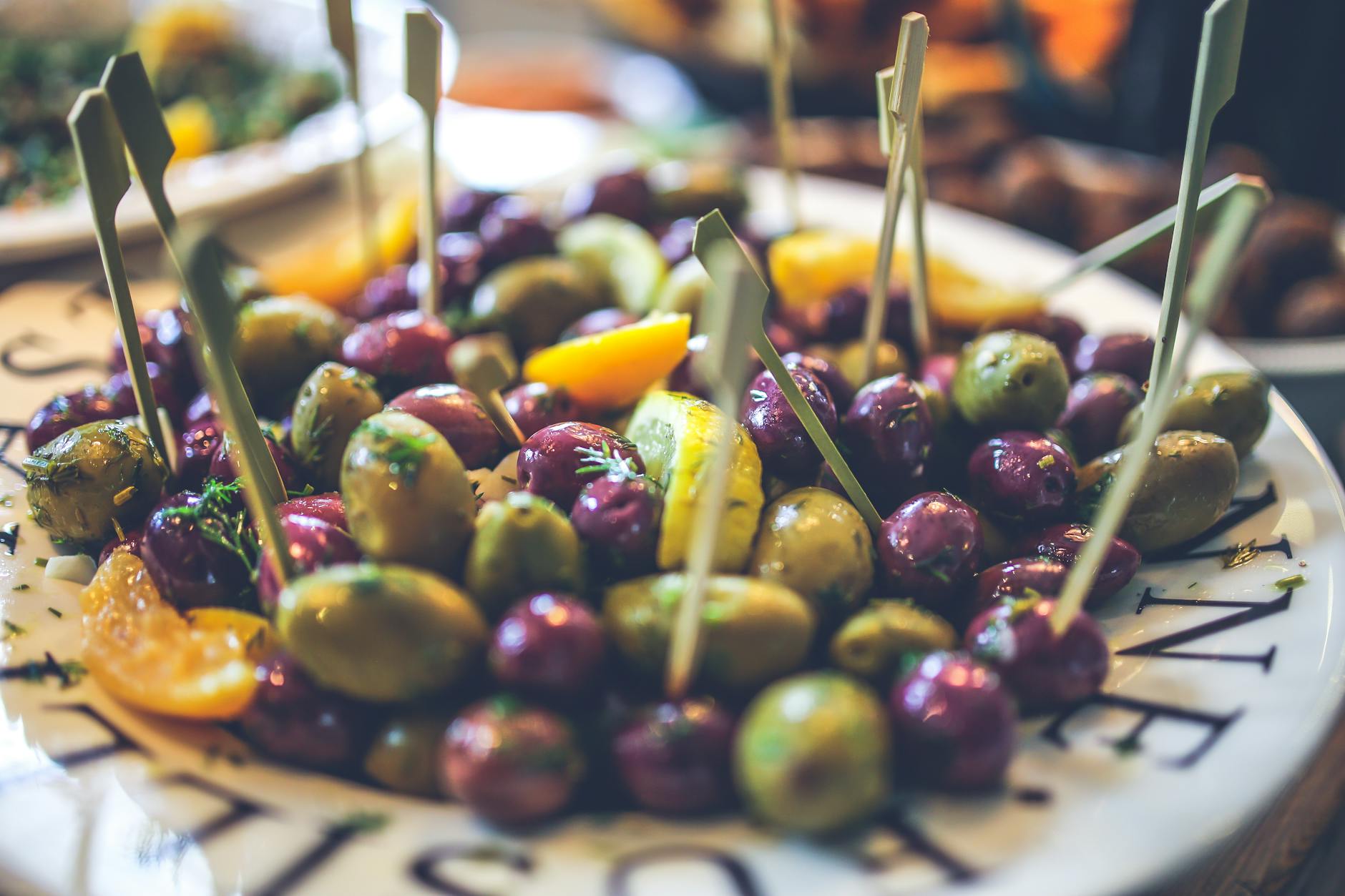
Olives naturally possess a bitter taste that manufacturers eliminate by soaking them in concentrated salt brines for weeks. This curing process fundamentally changes the fruit into a highly salty garnish that spikes blood pressure when overconsumed. Adding handfuls of olives to salads or pizzas quickly turns a healthy meal into a sodium rich hazard. Limiting intake to just one or two olives satisfies cravings without overwhelming the cardiovascular system.
Sauerkraut
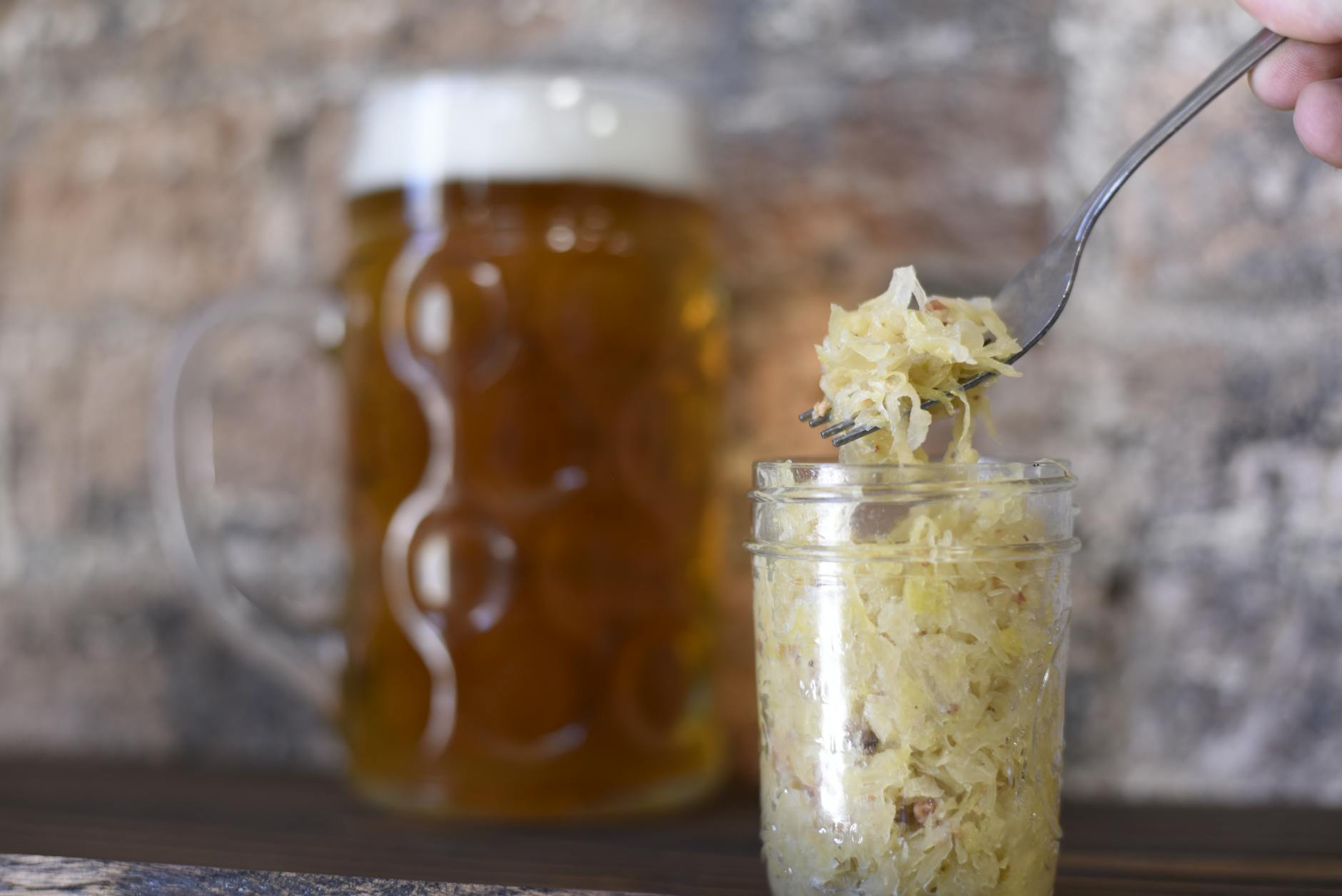
Sauerkraut develops its signature sour flavor through a fermentation process that requires large amounts of salt. The beneficial probiotics found in the cabbage often become overshadowed by the massive sodium content. Eating large portions of this side dish rapidly increases blood volume and elevates overall arterial pressure. Rinsing the cabbage thoroughly before serving helps reduce the salt impact while preserving some digestive benefits.
Frozen Dinners

Frozen dinners rely heavily on sodium to preserve flavor and texture through the freezing and reheating process. These convenient meals often disguise their poor nutritional quality behind savory sauces loaded with hidden salt. Consuming these prepackaged trays regularly ensures a steady influx of excessive sodium that damages blood vessels. Spending one evening meal prepping fresh ingredients for the week completely eliminates the need for these salty alternatives.
Salted Nuts
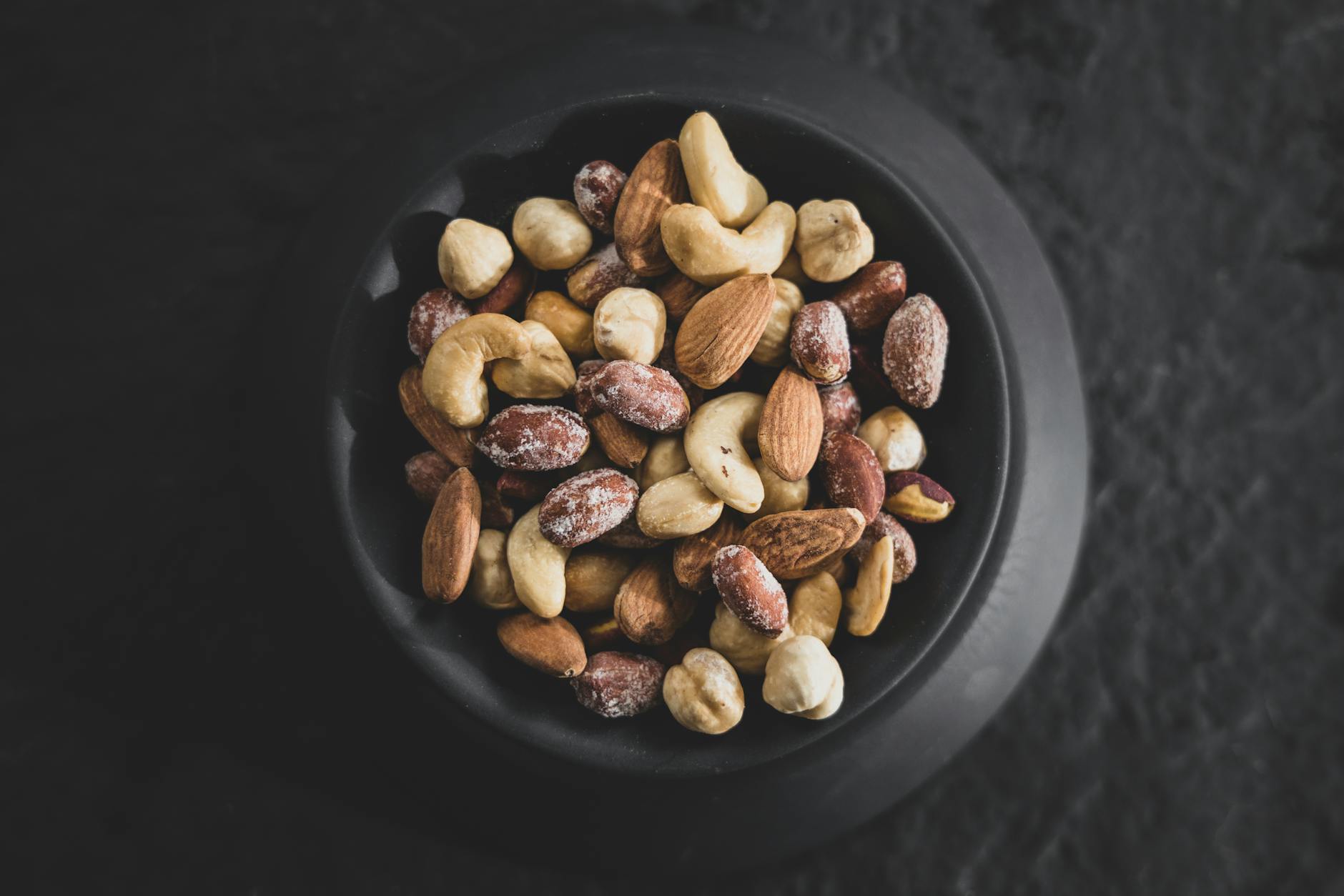
Salted nuts offer healthy fats and proteins but often come coated in thick layers of added sodium. Roasting processes frequently utilize oil and extra salt to maximize the savory appeal of the snack. Grabbing random handfuls throughout the day leads to accidental sodium overdoses that quietly raise blood pressure. Purchasing strictly raw or dry roasted unsalted nuts provides all the nutritional benefits without the cardiovascular dangers.
Bottled Salad Dressing
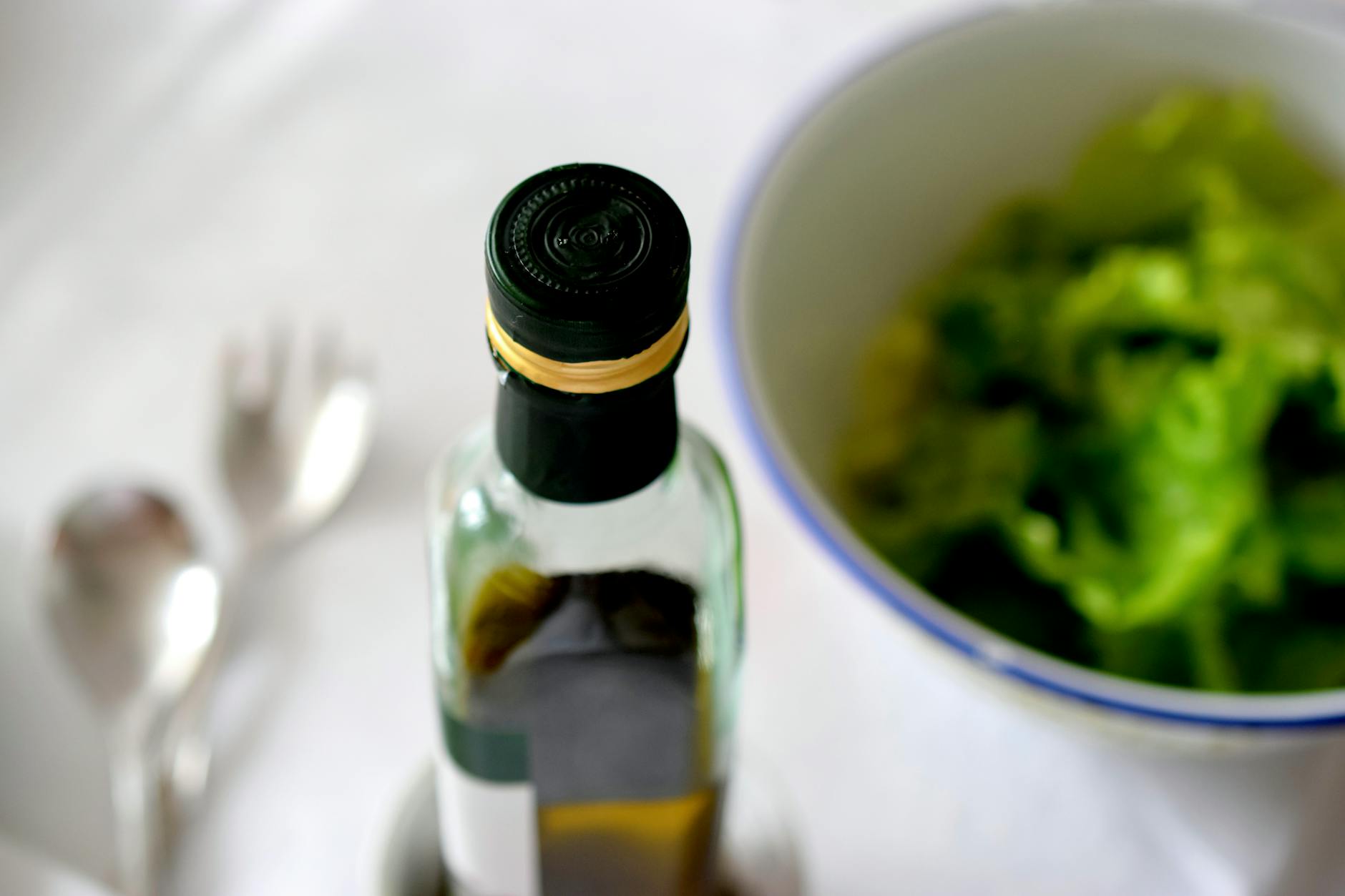
Bottled salad dressing often contains surprising amounts of hidden salt to enhance flavor and extend shelf life. People generously pour these liquids over healthy greens completely ruining the nutritional value of their meal. The combination of sodium and refined oils creates an inflammatory mixture that directly harms cardiovascular function. Whisking together fresh lemon juice and olive oil creates a vibrant dressing that actively supports heart health.
Canned Gravy
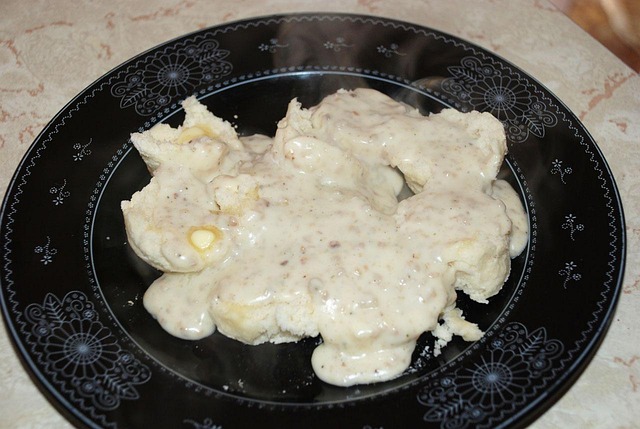
Canned gravy offers a quick shortcut for holiday meals but packs an extreme amount of sodium in every serving. Manufacturers use salt to mimic the deep roasted flavors of traditional meat drippings successfully. Pouring this processed sauce over potatoes and meats adds unnecessary strain to the heart and kidneys. Creating a simple reduction sauce from fresh vegetable broth provides rich flavor without the dangerous salt content.
Salami
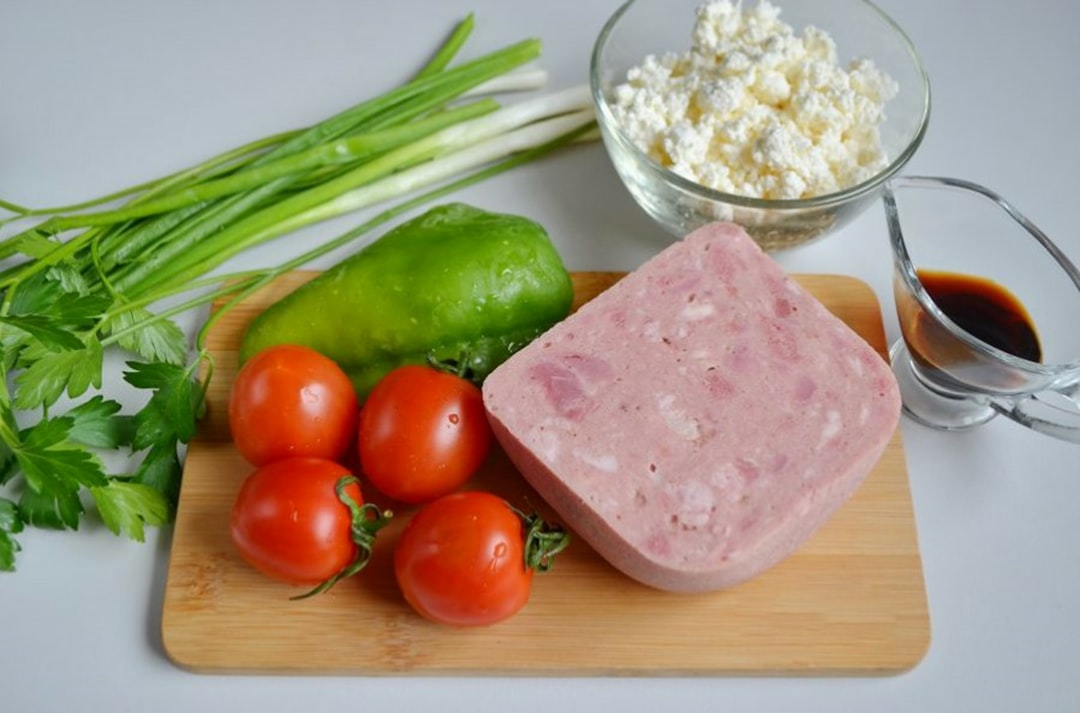
Salami undergoes a traditional curing process that utilizes copious amounts of salt to dry and preserve the meat. The marbled fat content combines with the sodium to create a product that heavily burdens the cardiovascular system. Just a few thin slices contain enough salt to force immediate fluid retention and increase arterial pressure. Replacing cured meats with fresh roasted chicken in sandwiches dramatically lowers daily sodium intake.
Prosciutto

Prosciutto represents a gourmet delicacy that achieves its unique texture through months of intense salt curing. The delicate thin slices easily deceive consumers regarding the massive volume of sodium present in each piece. Enjoying this meat alongside cheese and crackers creates a perfect storm of salt that spikes blood pressure instantly. Selecting fresh vegetable crudites instead of charcuterie boards protects the heart during social gatherings.
Canned Spaghetti
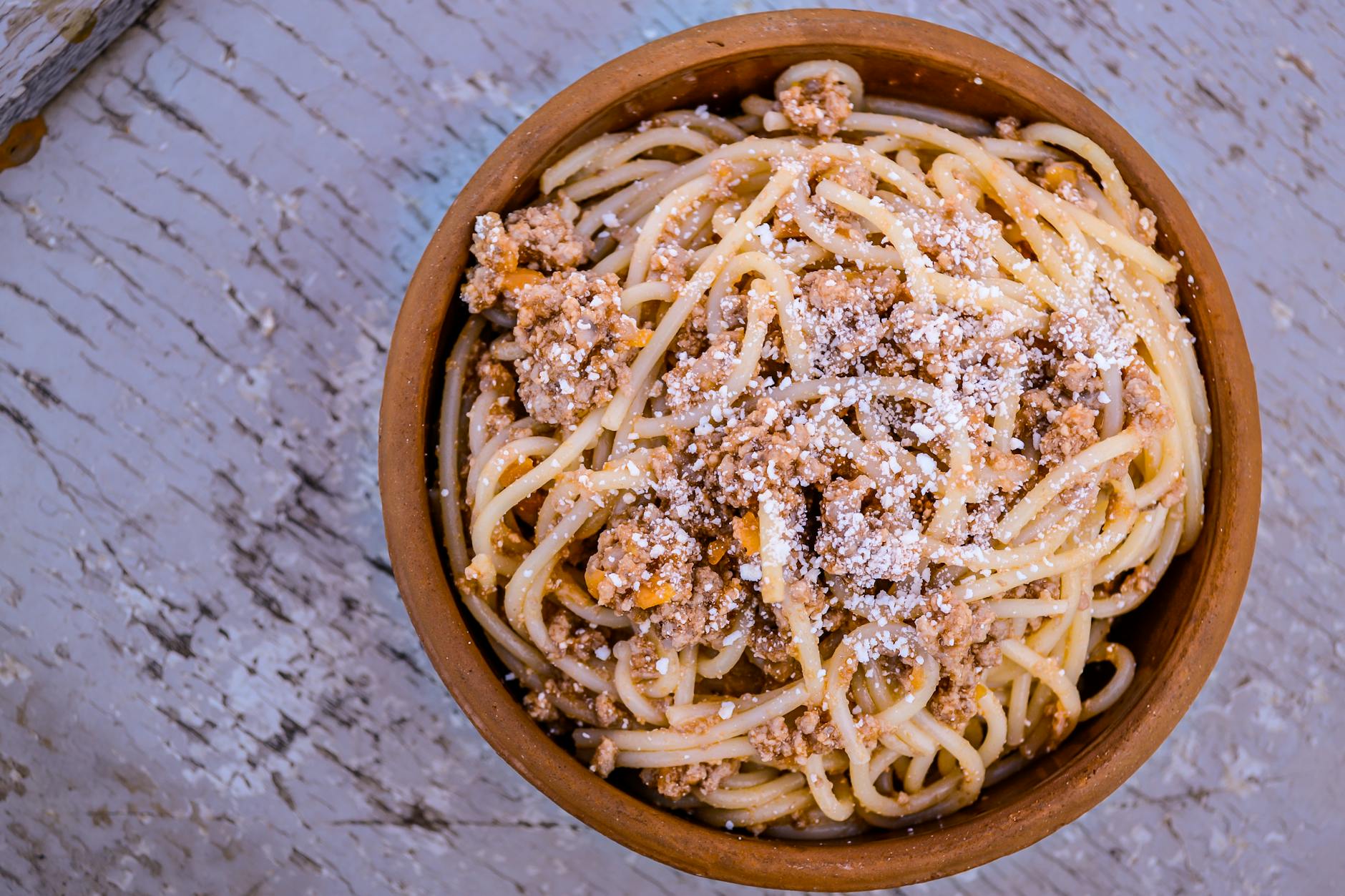
Canned spaghetti products target convenience but submerge soft pasta in heavily salted and sweetened tomato sauces. The extensive processing destroys any natural nutritional value while loading the meal with harmful preservatives. Children and adults who consume these meals regularly expose their cardiovascular systems to completely unnecessary stress. Boiling fresh pasta and tossing it with crushed fresh tomatoes takes minimal effort and protects overall health.
Instant Pudding
Instant pudding mix requires heavy amounts of sodium to interact with milk and create a thick texture quickly. Most people overlook sweet desserts when monitoring their salt intake which leads to hidden dietary dangers. The chemical reaction that sets the pudding relies on sodium compounds that eventually enter the bloodstream. Making traditional desserts from scratch allows for strict monitoring of all added ingredients including salt.
Breakfast Sausage
Breakfast sausage links combine ground meat with heavy doses of salt and savory spices for maximum morning flavor. The high sodium content works alongside saturated fats to immediately challenge cardiovascular function early in the day. Eating these processed meats regularly contributes to a steady hardening of arteries and chronic hypertension. Choosing fresh fruit and oatmeal provides sustained morning energy without compromising long term heart health.
Corned Beef
Corned beef receives its name from the large corns of salt used to cure and preserve the brisket. This intense brining process saturates every fiber of the meat with massive amounts of dangerous sodium. A single serving of this traditional dish easily surpasses the safe daily limit for blood pressure management. Opting for a fresh cut of lean beef roasted with herbs offers a satisfying and much safer alternative.
Onion Rings
Onion rings undergo deep frying in heavily salted batters that absorb massive amounts of unhealthy oils. Restaurants typically apply additional coarse salt immediately after removing the rings from the hot fryers. This double application of sodium creates a crispy snack that rapidly increases blood pressure and causes fluid retention. Baking thick cut onions at home with a light dusting of whole wheat breadcrumbs provides a heart safe crunch.
Chicken Nuggets
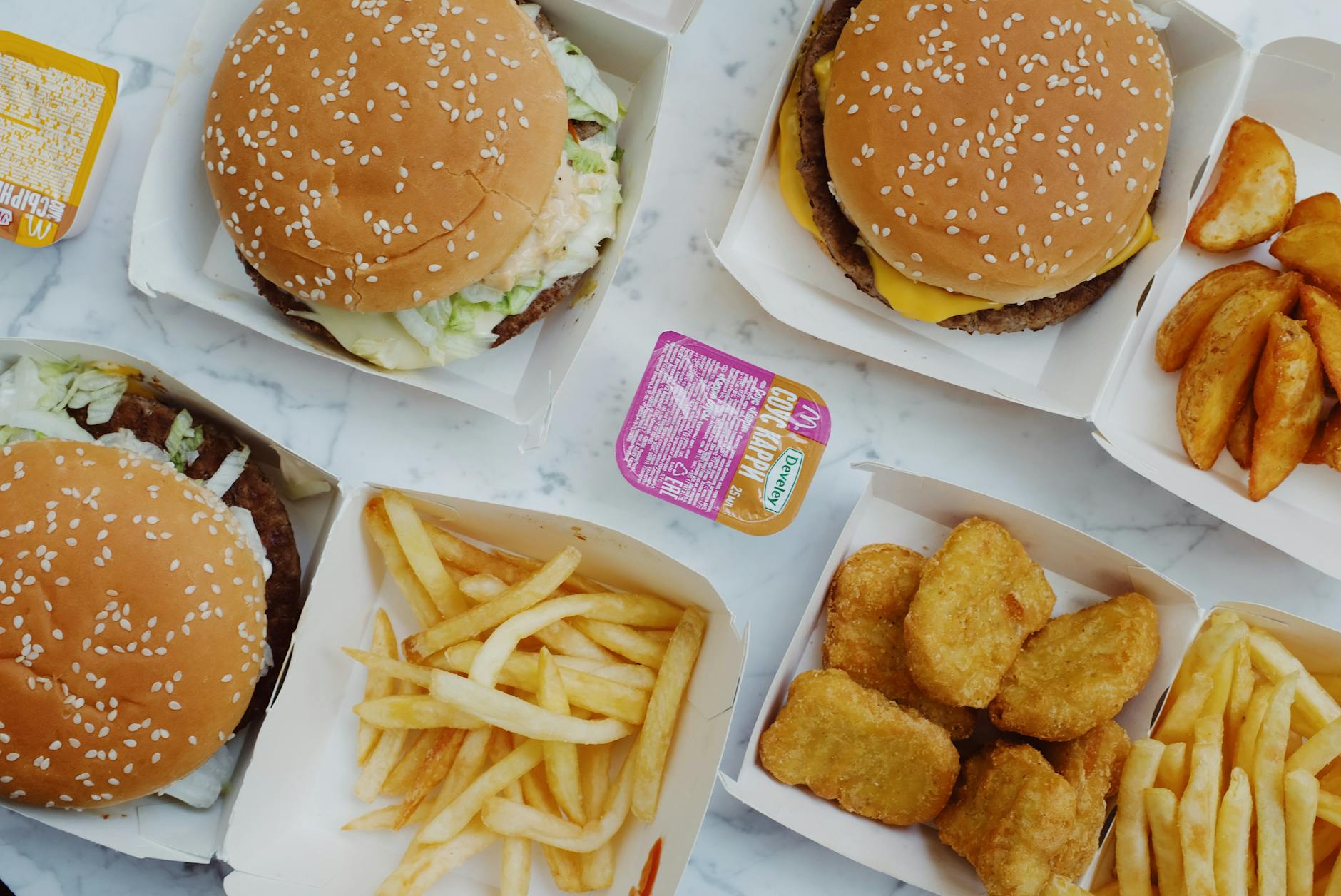
Chicken nuggets often consist of processed meat pastes blended with salt to maintain moisture during commercial frying. The breading holds extra sodium and absorbs poor quality oils that further degrade cardiovascular health. Dipping these salty bites into processed sauces multiplies the negative impact on blood pressure levels. Baking fresh chicken breast pieces coated in unsalted seasoning offers a nutritious version of this popular finger food.
Tater Tots

Tater tots combine grated potatoes with chemical binders and heavy salt to hold their iconic cylindrical shape. The commercial frying process locks in sodium before the product even reaches the home freezer. Heating these up and serving them as a frequent side dish quietly introduces dangerous levels of daily salt. Roasting diced sweet potatoes with fresh rosemary delivers a flavorful side dish without the hidden sodium risks.
Boxed Stuffing
Boxed stuffing mixes provide dehydrated bread cubes thoroughly coated in concentrated sodium and artificial chicken flavoring. The standard preparation instructions often require adding salted butter which further escalates the cardiovascular danger. Consuming this side dish during holidays or weeknight dinners guarantees a massive and immediate spike in blood pressure. Baking fresh whole grain bread with celery and unsalted broth creates a traditional taste safely.
Instant Oatmeal
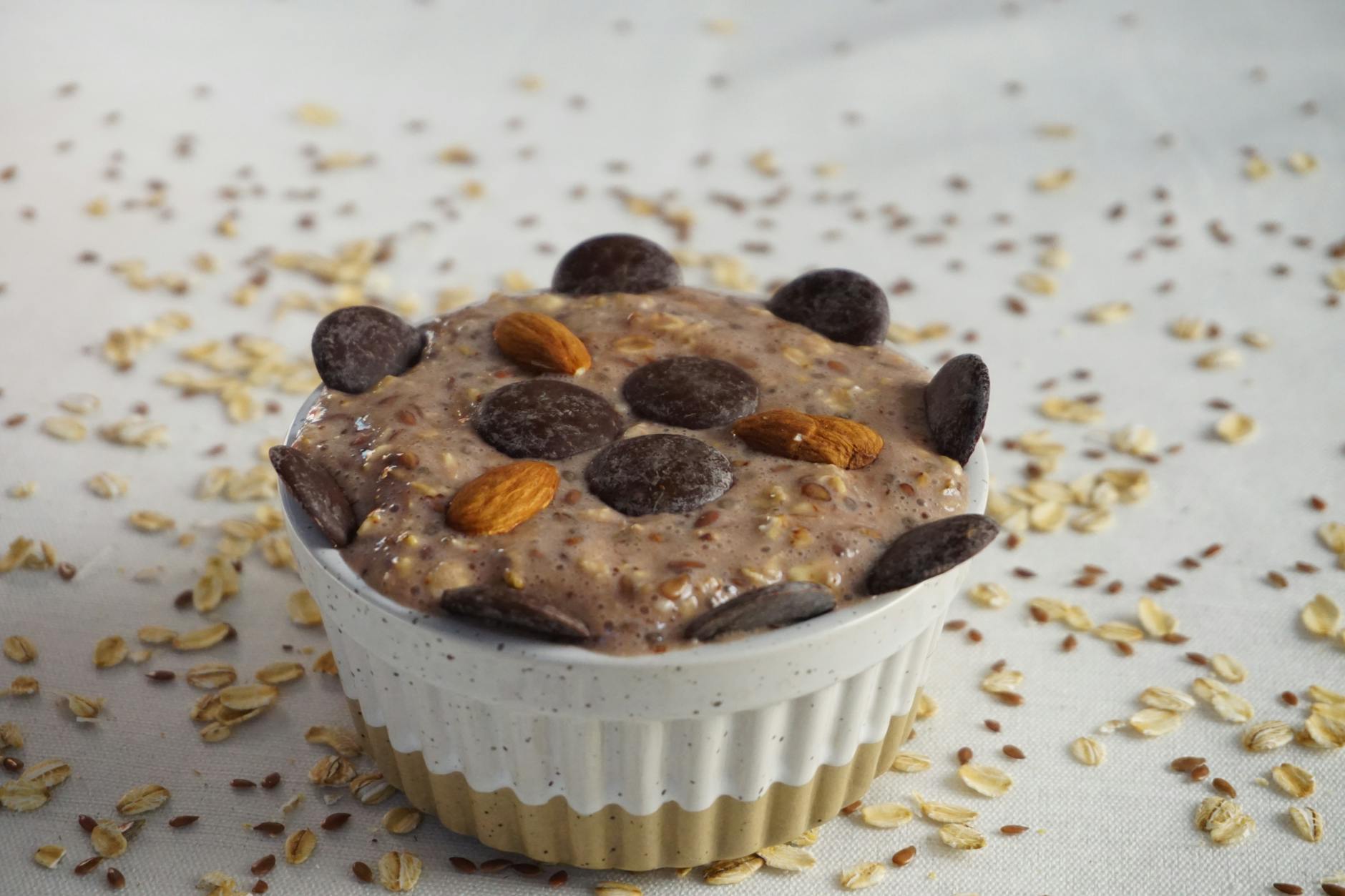
Instant oatmeal packets frequently hide surprising amounts of sodium meant to balance the heavy artificial sweeteners. While plain oats lower cholesterol the flavored instant varieties completely negate these natural cardiovascular benefits. The added salt helps the processed oats cook quickly but forces the heart to work harder throughout the morning. Cooking plain rolled oats on the stove takes only minutes and ensures a completely sodium free breakfast.
Canned Mushrooms
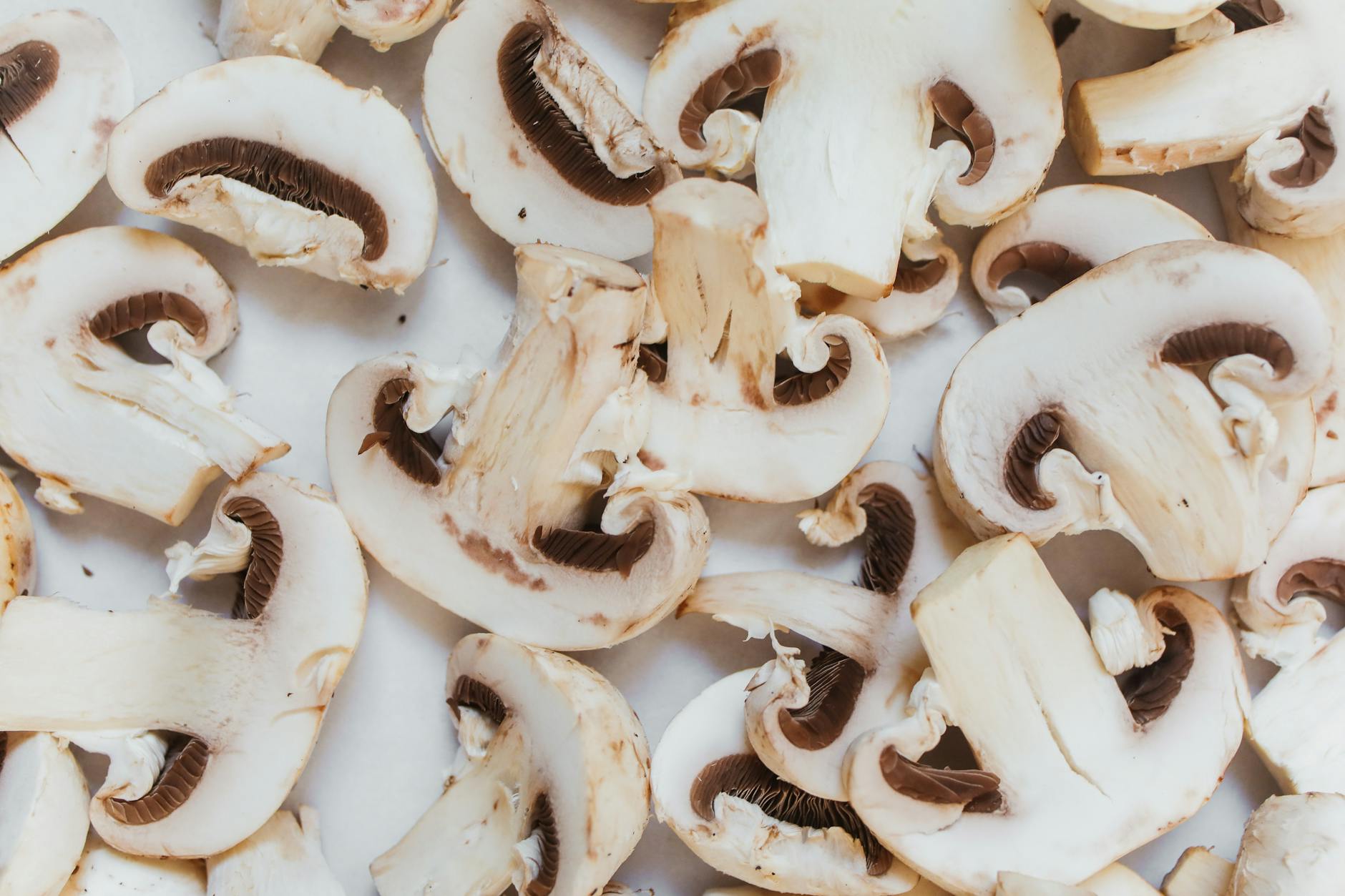
Canned mushrooms lose their delicate earthy flavor during the preservation process which relies heavily on salt water brines. The spongy texture of the fungi absorbs the surrounding sodium completely making rinsing relatively ineffective. Adding these preserved mushrooms to recipes secretly elevates the total salt content of the entire meal. Purchasing fresh mushrooms provides superior flavor and texture without any cardiovascular drawbacks.
Pasta Sauce
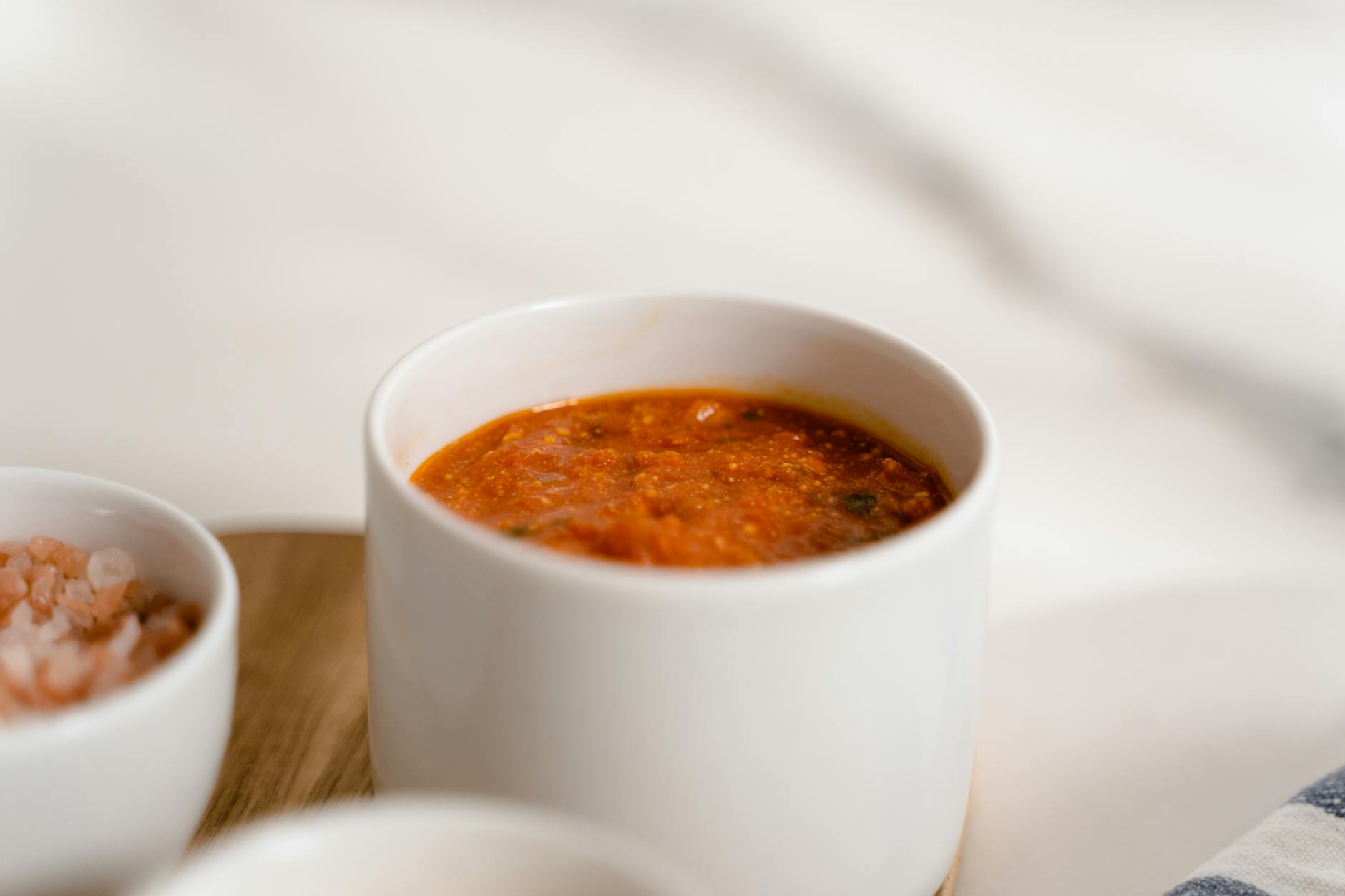
Pasta sauce sold in glass jars often contains extreme levels of added salt to ensure a long shelf life. Manufacturers also use sodium to mask the metallic taste of cheap tomatoes used in mass production. Pouring half a jar over dinner instantly introduces enough salt to elevate blood pressure into dangerous territories. Simmering fresh tomatoes with basil and garlic produces a vibrant sauce naturally free of excess sodium.
Salsa
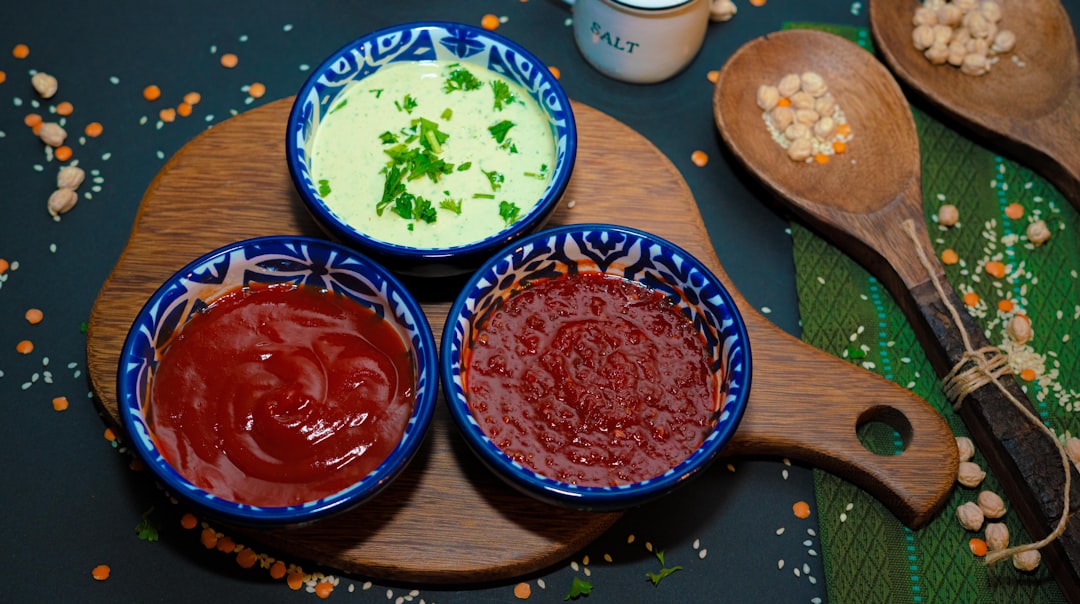
Salsa appears to be a healthy blend of vegetables but commercial brands heavily salt their recipes for preservation. Scooping this dip with already salted tortilla chips creates an incredibly dangerous combination for heart health. The spicy flavor profile often hides the true amount of sodium present in every single bite. Chopping fresh tomatoes with onions and jalapeños creates a bright pico de gallo completely devoid of added salt.
Processed Peanut Butter
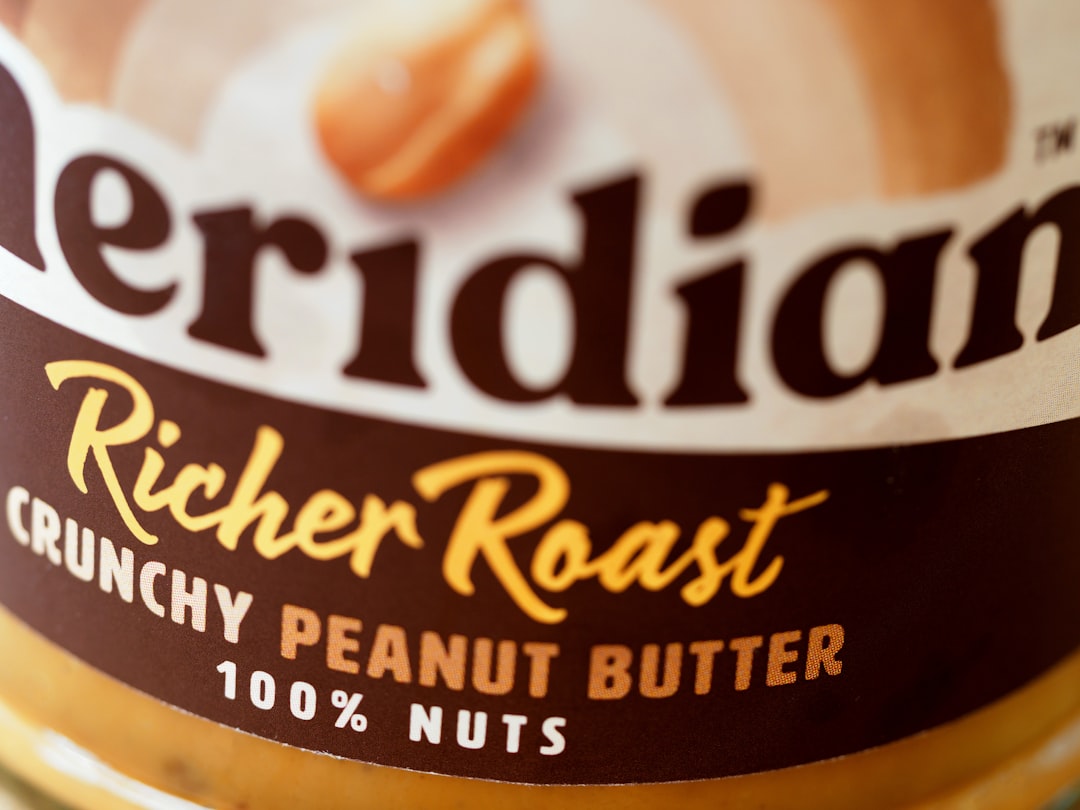
Processed peanut butter brands typically add salt and hydrogenated oils to prevent the natural separation of ingredients. This popular sandwich spread quietly contributes to daily sodium totals when consumed regularly for lunch. The combination of salt and sugar in commercial brands promotes inflammation and stresses the cardiovascular system. Grinding fresh unsalted peanuts at a local grocer guarantees a pure product that actually supports heart health.
Canned Ravioli
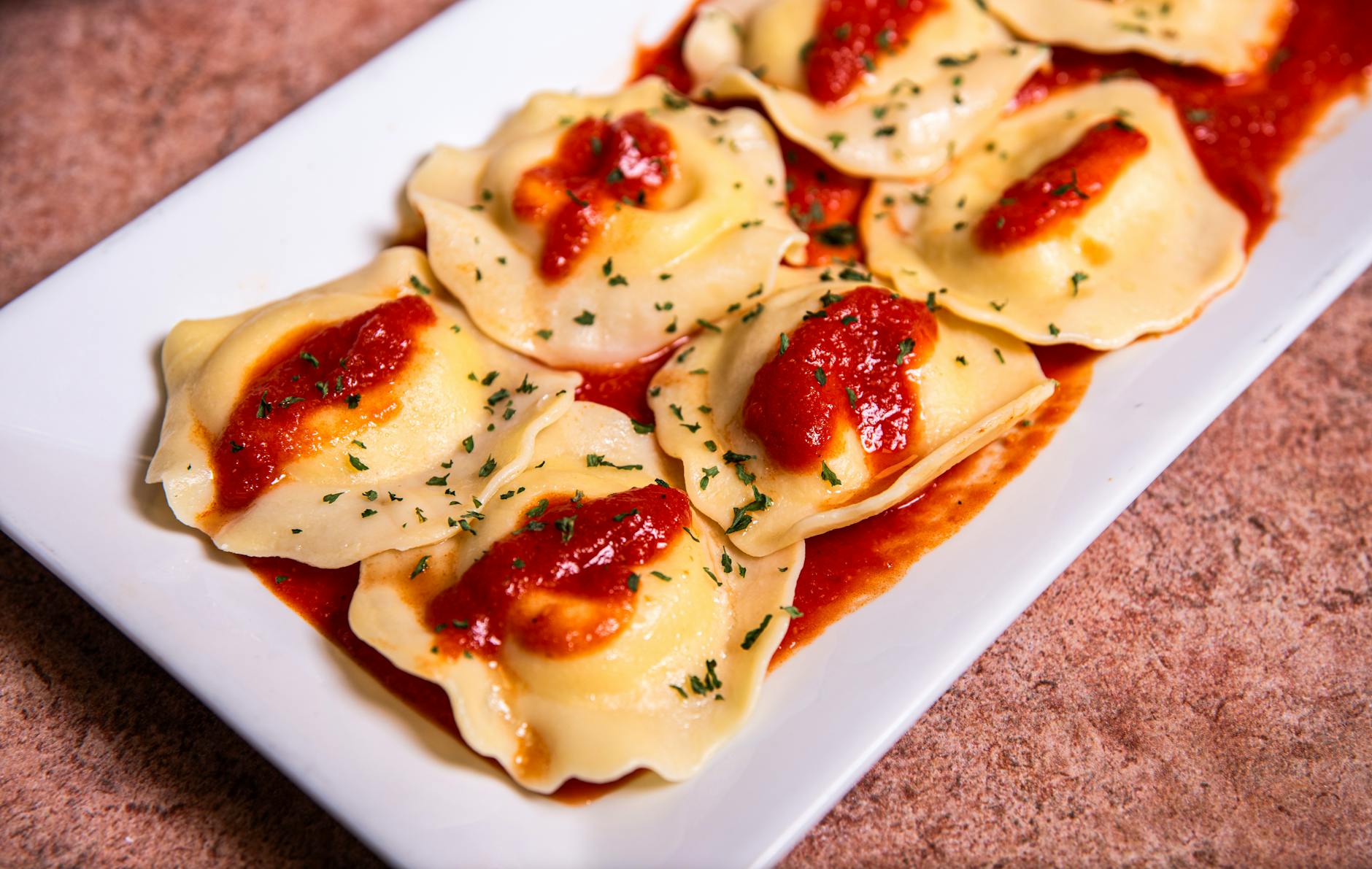
Canned ravioli features soft pasta stuffed with heavily processed meats floating in a notoriously salty tomato broth. The manufacturing process ensures that both the filling and the sauce contain excessive levels of cheap sodium preservatives. Feeding this convenience meal to families normalizes a dangerously high salt intake that damages growing blood vessels. Preparing simple homemade pasta dishes teaches better eating habits and protects long term health.
Flavored Rice Mixes
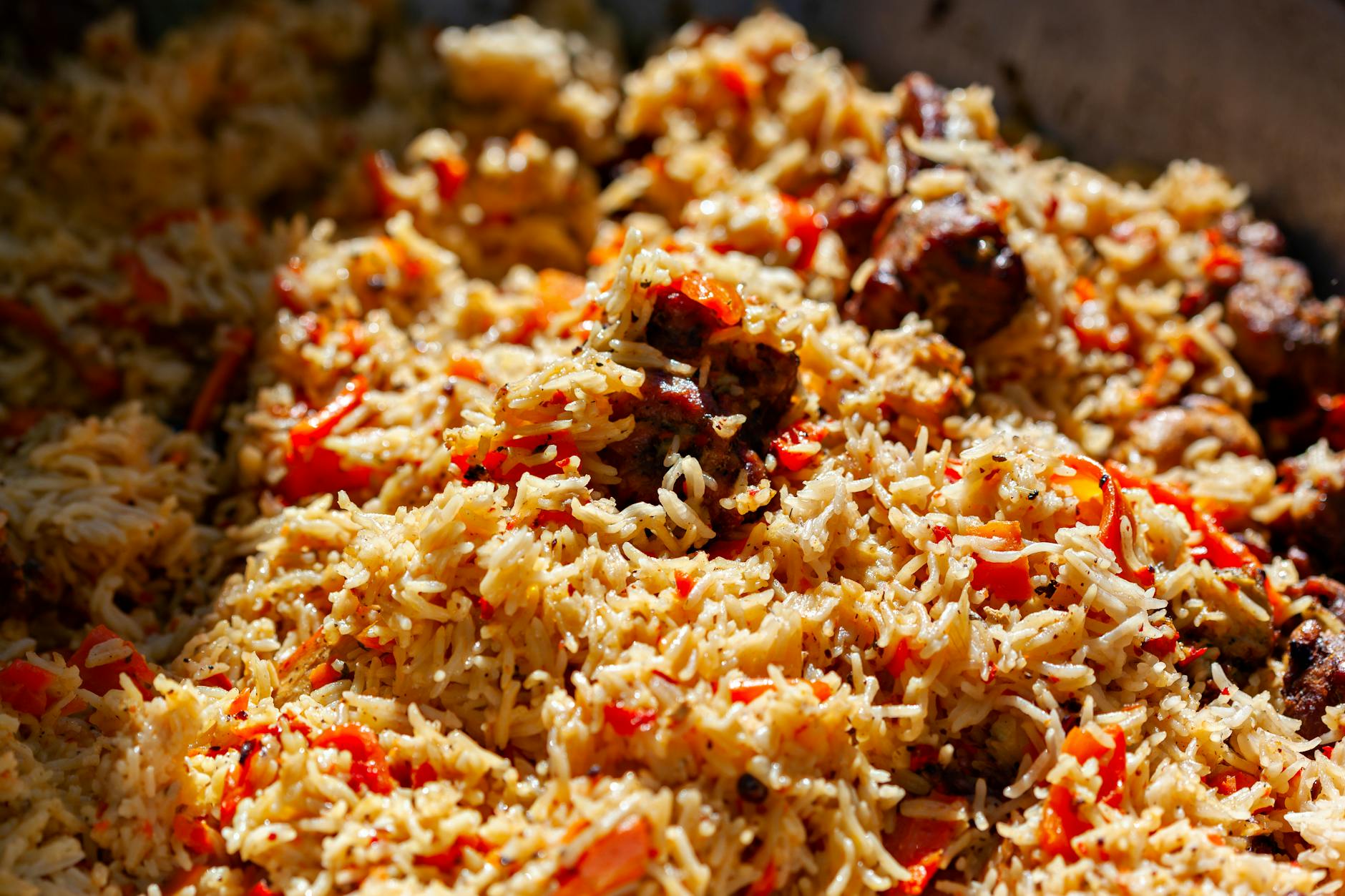
Flavored rice mixes come with seasoning packets that consist primarily of pure sodium and artificial coloring agents. The convenience of a quick side dish comes at the direct expense of optimal cardiovascular function. Boiling the rice in this salty solution forces the grains to absorb dangerous levels of blood pressure elevating minerals. Cooking plain brown rice in unsalted vegetable stock imparts savory flavor without the health risks.
Baked Beans
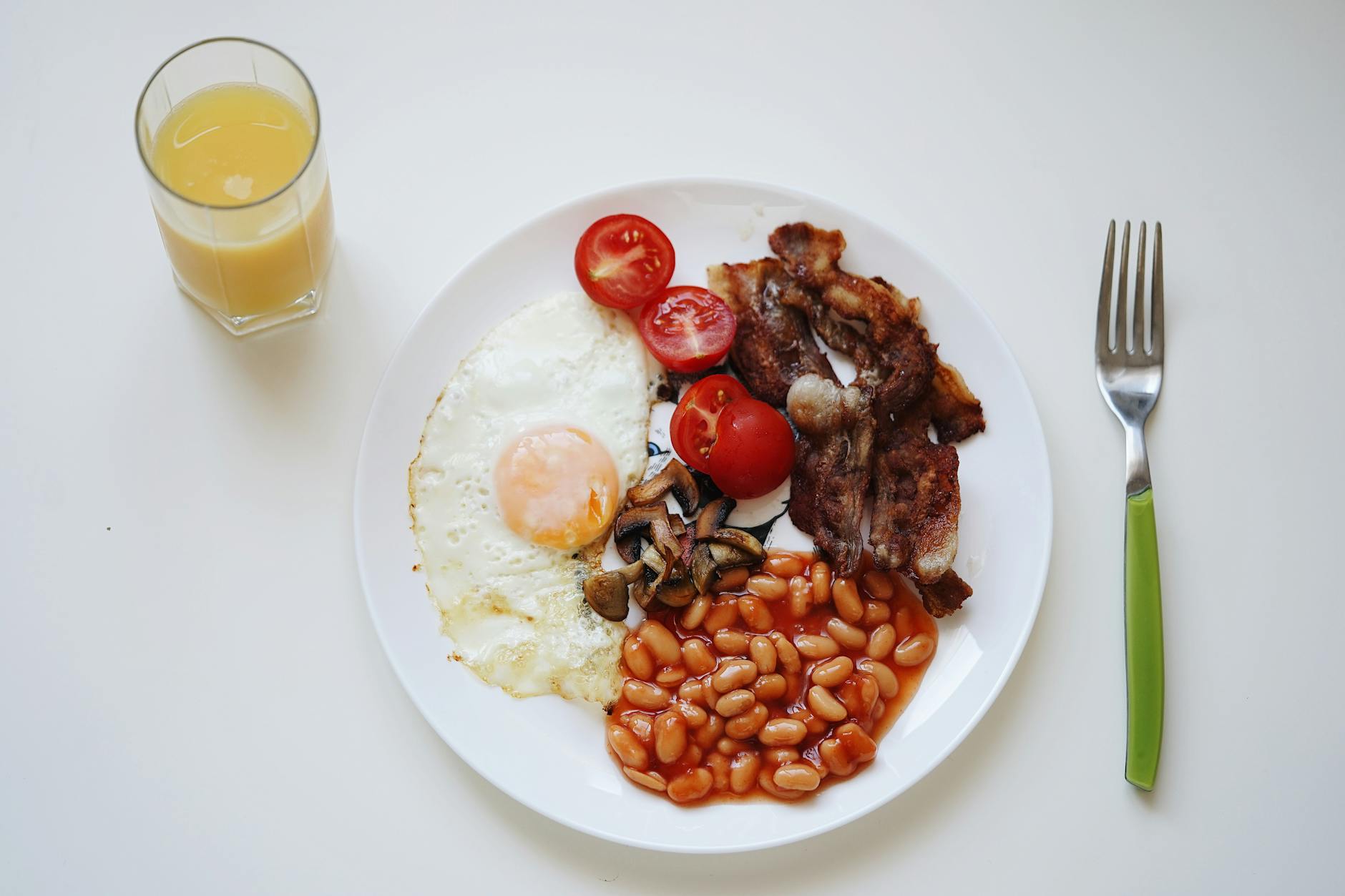
Baked beans sold in cans contain a thick sugary sauce heavily fortified with salt to balance the flavor profile. The slow cooking commercial process ensures the sodium deeply penetrates every single bean in the container. Serving this traditional barbecue side dish guarantees a rapid increase in blood volume and arterial stress. Preparing navy beans from scratch allows for the use of natural molasses without the heavy hand of commercial salt.
Canned Broth
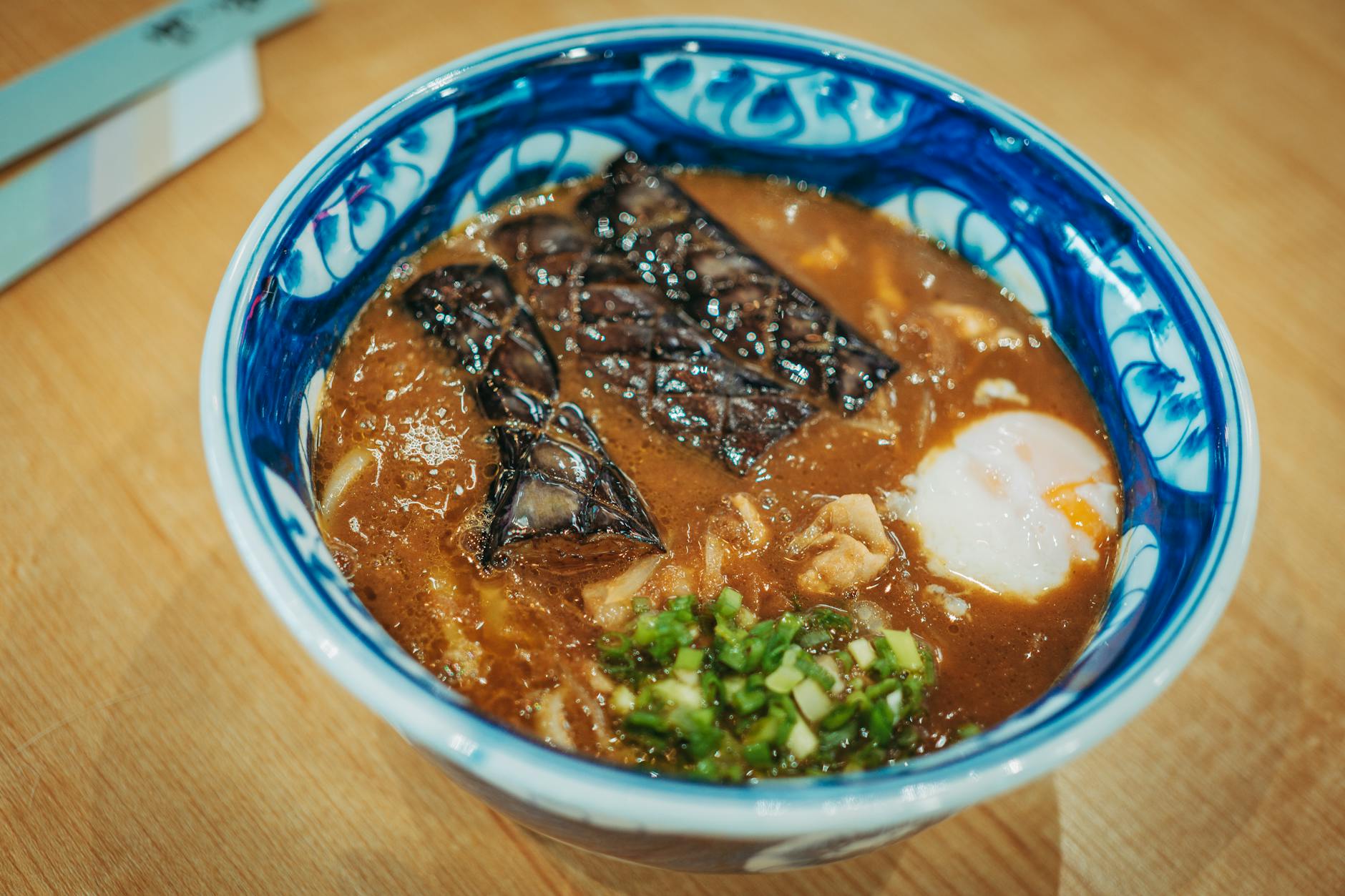
Canned broth forms the foundation of many home prepared meals but often ruins the nutritional profile with hidden salt. Even products labeled as reduced sodium frequently contain levels that concern cardiovascular health experts. Using this liquid to cook rice or make soup quietly distributes dangerous amounts of salt throughout the entire dish. Boiling leftover vegetable scraps in pure water creates a truly zero sodium base for healthy cooking.
Ham

Ham requires an intense curing process that injects massive volumes of salt and nitrates deep into the pork. A traditional holiday ham provides enough sodium in a single slice to drastically elevate resting blood pressure. The residual salt forces the body to retain water which immediately strains the heart and blood vessels. Choosing a fresh pork roast seasoned with aromatic herbs delivers a festive main course without the cardiovascular damage.
Capers

Capers provide a sharp burst of flavor but owe their signature taste to extensive soaking in concentrated salt vinegar brines. These tiny flower buds absorb incredible amounts of sodium relative to their very small physical size. Scattering just a few spoonfuls over a fish dish dramatically increases the total salt content of the meal. Utilizing fresh lemon zest offers a similarly bright and acidic flavor profile completely naturally.
Please share which of these hidden sodium traps surprised you the most and how you plan to adjust your grocery list in the comments.




