Frequent flyers and casual travelers alike understand that seat selection drastically impacts the quality of any flight. Some locations within an aircraft cabin practically guarantee discomfort through limited recline or constant disturbances from passing foot traffic. Understanding airline cabin layouts helps passengers avoid these notoriously unpleasant spots during the booking process. Careful consideration of proximity to galleys and lavatories is essential for securing a peaceful journey in the sky.
The Last Row Window Seat
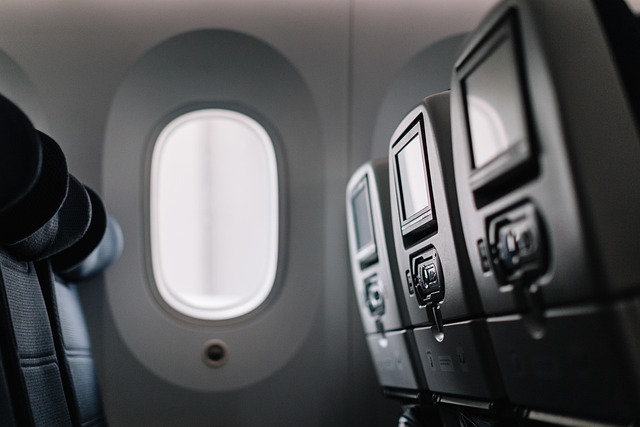
The final row of the aircraft typically lacks the ability to recline due to the bulkhead wall directly behind the seats. Passengers assigned here also endure the constant noise and unpleasant odors emanating from the adjacent rear lavatories. Boarding and deplaning take the maximum amount of time since these travelers are the last to exit the aircraft. The window position further traps the passenger making it incredibly difficult to access the aisle when fellow travelers are asleep.
The Last Row Middle Seat
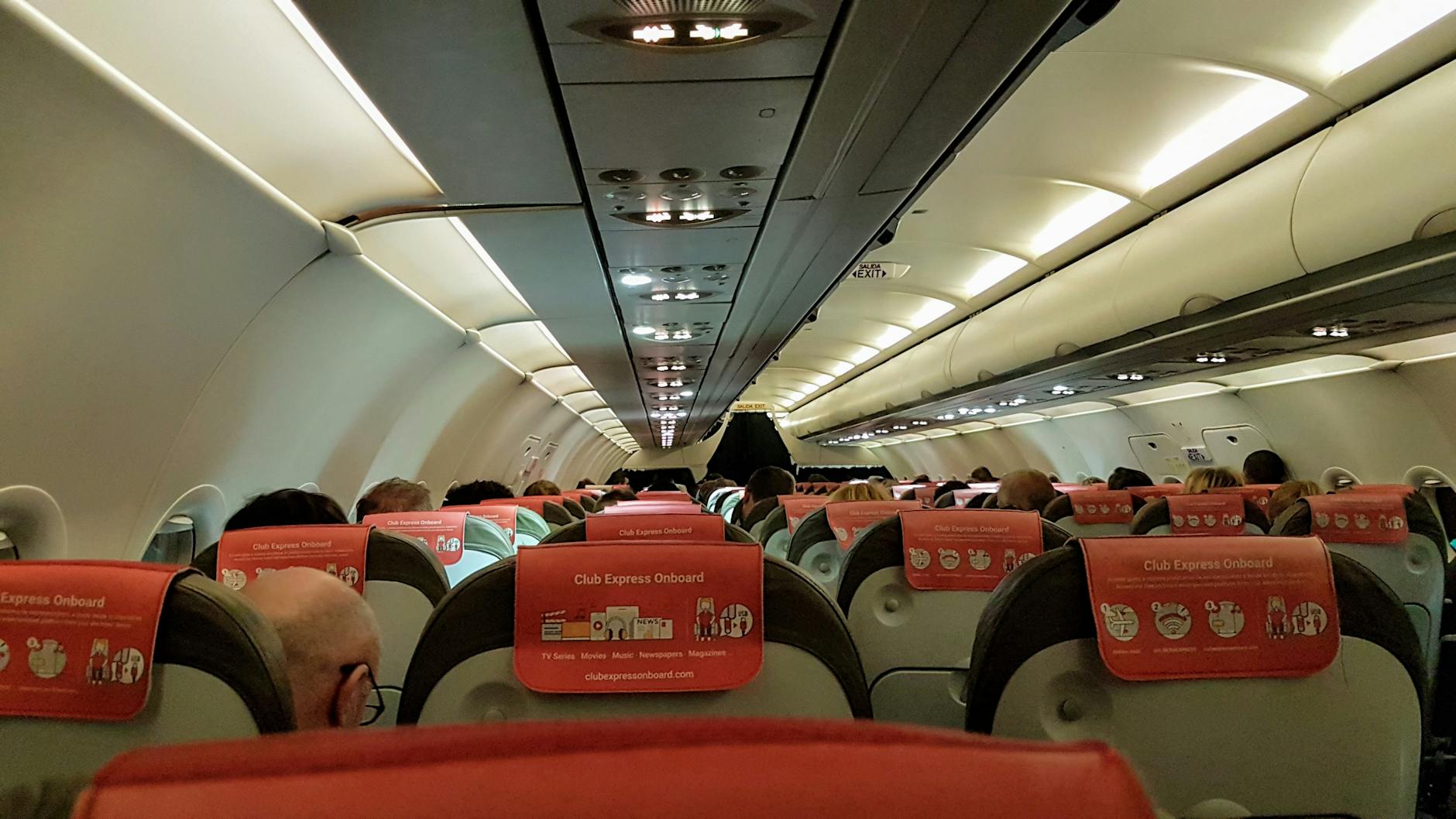
This specific assignment combines the inability to recline with the physical restriction of having travelers on both sides. The proximity to the rear lavatories ensures a steady stream of passengers congregating and bumping into the aisle seat companion. Engine noise is exceptionally loud in the rear of the cabin making sleep nearly impossible even with noise cancellation headphones. Meal service choices are frequently depleted by the time flight attendants reach this final section of the cabin.
The Last Row Aisle Seat
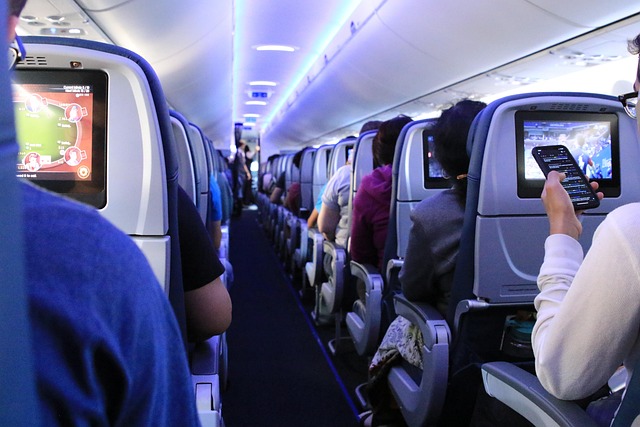
Travelers in this location suffer from a constant barrage of bumps from passengers waiting to use the restroom. The rigid upright position of the seat back causes significant back strain during flights lasting longer than two hours. Flight attendants frequently use the space directly beside this seat to organize galley equipment and meal carts. The lack of recline combined with nonstop traffic creates an environment entirely unconducive to relaxation or work.
The Seat Directly in Front of the Exit Row
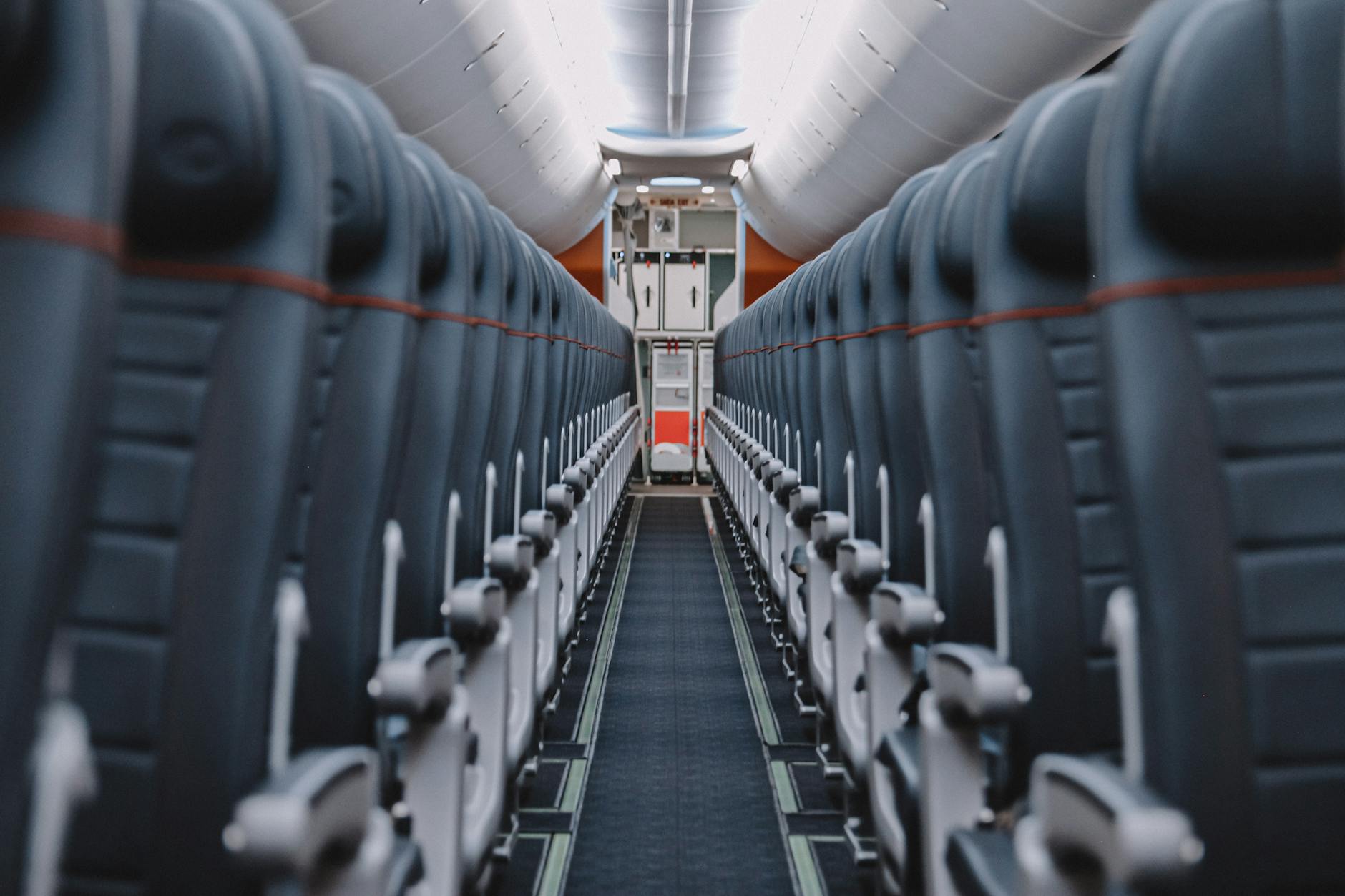
Aircraft safety regulations mandate that seats preceding an emergency exit remain upright to ensure an unobstructed evacuation path. Passengers occupying these spots must sit perfectly straight for the duration of the journey while the person in front of them reclines fully. The total loss of personal space makes it difficult to use a laptop or enjoy a meal comfortably. These seats are often sold at standard prices despite offering a significantly compromised travel experience.
The Window Seat Without a Window
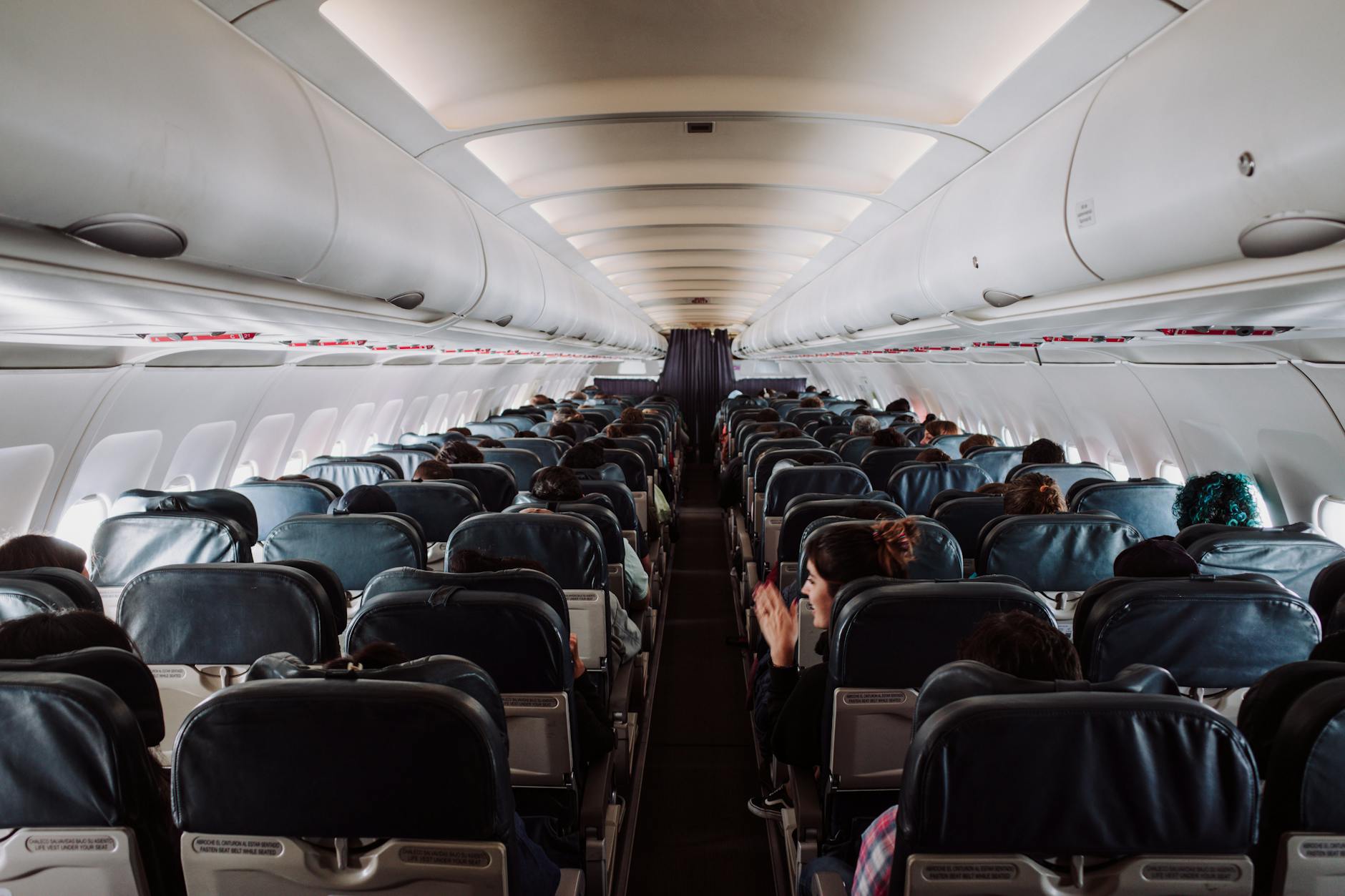
Aircraft manufacturers occasionally design fuselage sections where the window alignment skips a seat row entirely. Travelers booking a window seat in these specific rows discover a blank plastic wall instead of a view. This enclosed space induces claustrophobia and completely eliminates the ability to rest your head against a natural alcove. Natural light is blocked making the space feel cramped and disconnected from the outside environment.
The Middle Seat in a Widebody Center Section
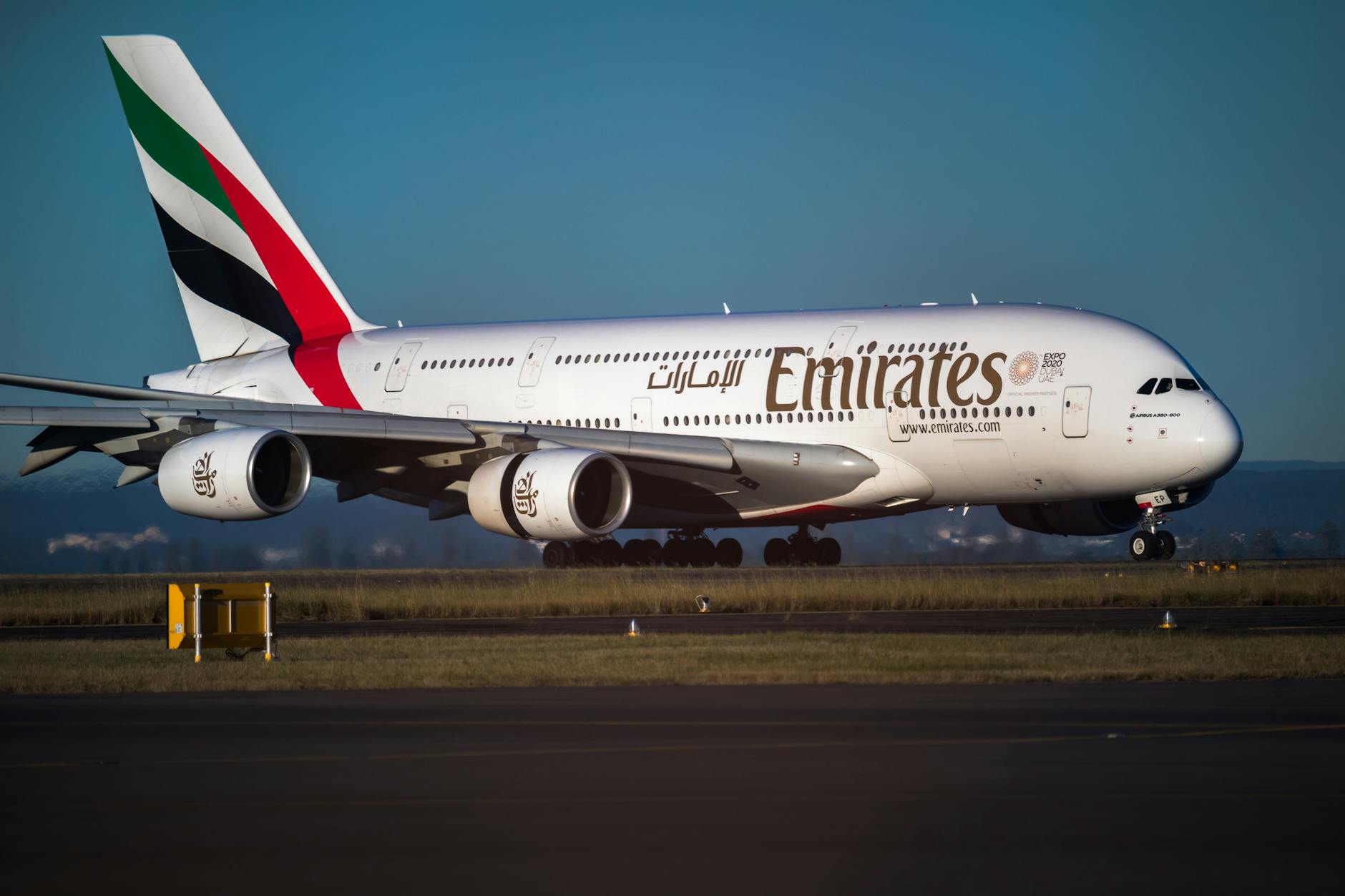
Large international aircraft often feature a configuration with four seats in the central cabin block. The unfortunate passenger trapped in the absolute middle must negotiate past multiple people just to reach the aisle. Sharing dual armrests with strangers on both sides inevitably leads to physical tension and awkward positioning throughout the long flight. Overhead bin access is highly competitive and often necessitates asking aisle passengers to move so you can retrieve your belongings.
The Seat Adjacent to the Forward Galley
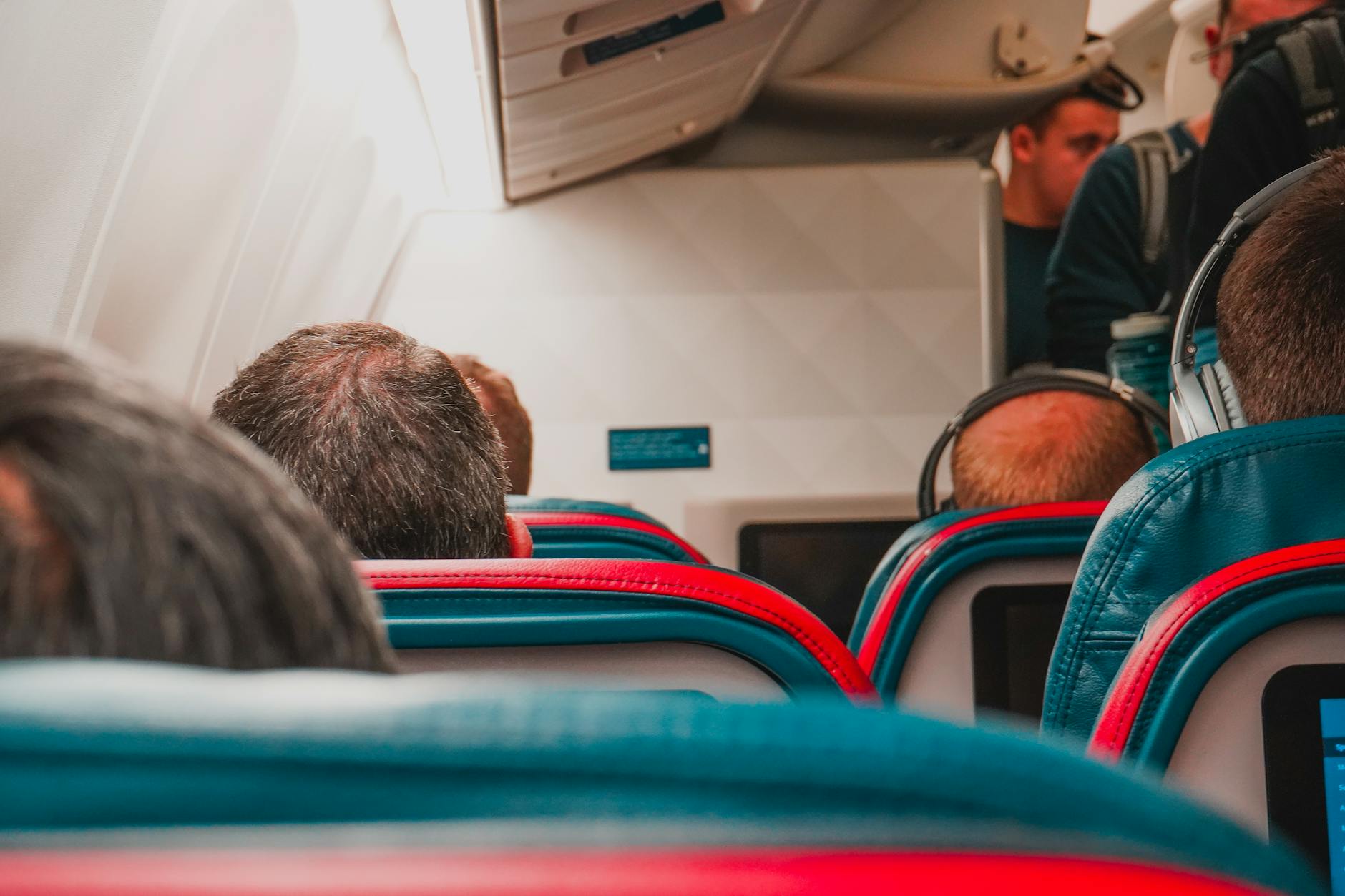
Flight crews utilize the forward galley space to prepare meals and coordinate service operations throughout the flight. The bright lights from this workspace remain illuminated during overnight journeys and inevitably spill into the cabin area. The constant clanking of metal carts and chatter among the crew disrupt any attempts to maintain a quiet environment. Smells of heating food are strongest here and can be overwhelming for travelers prone to motion sickness.
The Bulkhead Aisle Seat
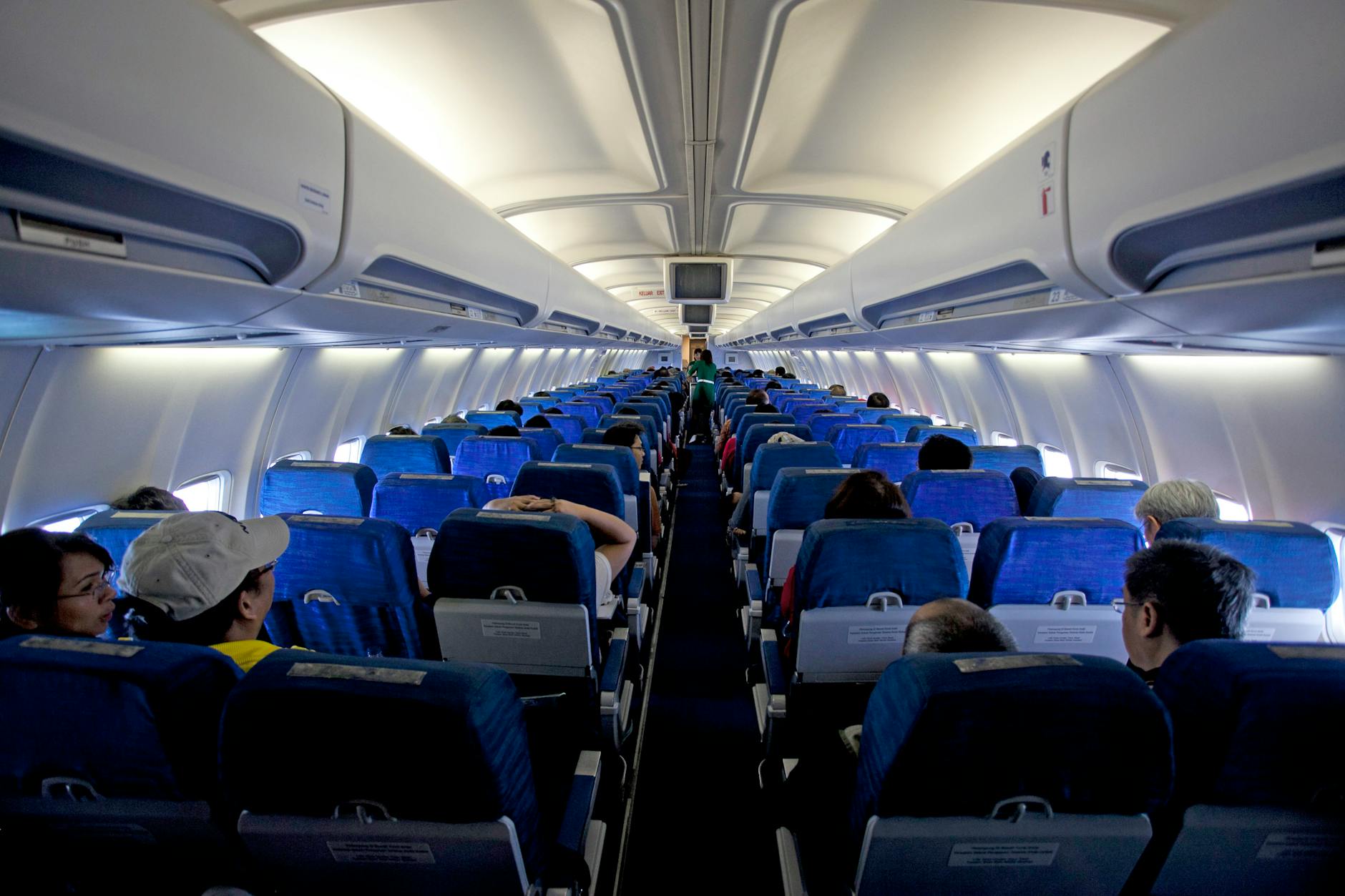
The space directly behind the dividing wall offers no under seat storage for personal items during takeoff and landing. Passengers must place all bags in the overhead bins which frequently fill up quickly on crowded flights. The tray table is stored within the armrest making the seat noticeably narrower than standard cabin offerings. People frequently use the bulkhead crossover space as a shortcut between aisles leading to continuous disturbances.
The Seat Near the Mid Cabin Lavatory
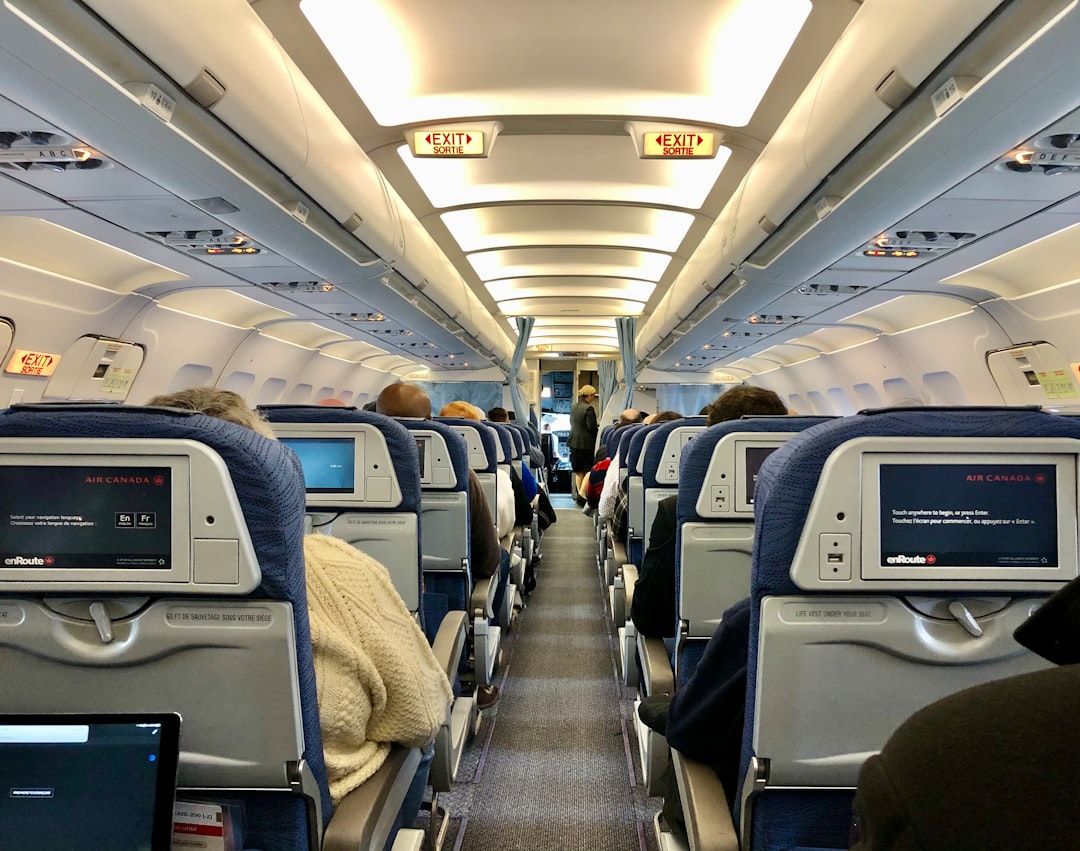
Widebody aircraft place lavatories in the center of the economy cabin to serve the massive passenger load. The constant flushing noise and bright light emanating from the opening door repeatedly jolt nearby passengers awake. Congregating crowds waiting for the facility inevitably lean on the headrests of these specific aisle seats. Unpleasant odors frequently escape the enclosed space and linger in the immediate surrounding seating area.
The Exit Row Window Seat
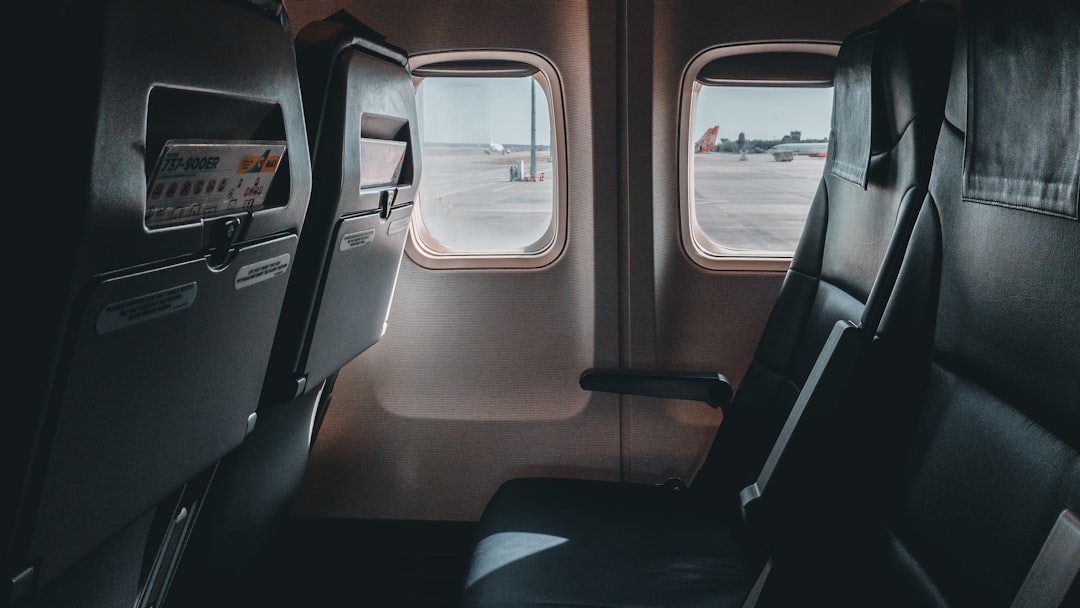
Emergency exit doors protrude into the cabin space taking up precious legroom for the passenger seated at the window. The ambient temperature near the emergency door is noticeably colder than the rest of the aircraft due to external air circulation. Passengers must stow all belongings in the overhead bin because safety rules prohibit under seat items in the exit pathway. The armrests are completely immovable which severely limits spatial flexibility during extended periods of travel.
The Aisle Seat in the Tapering Section
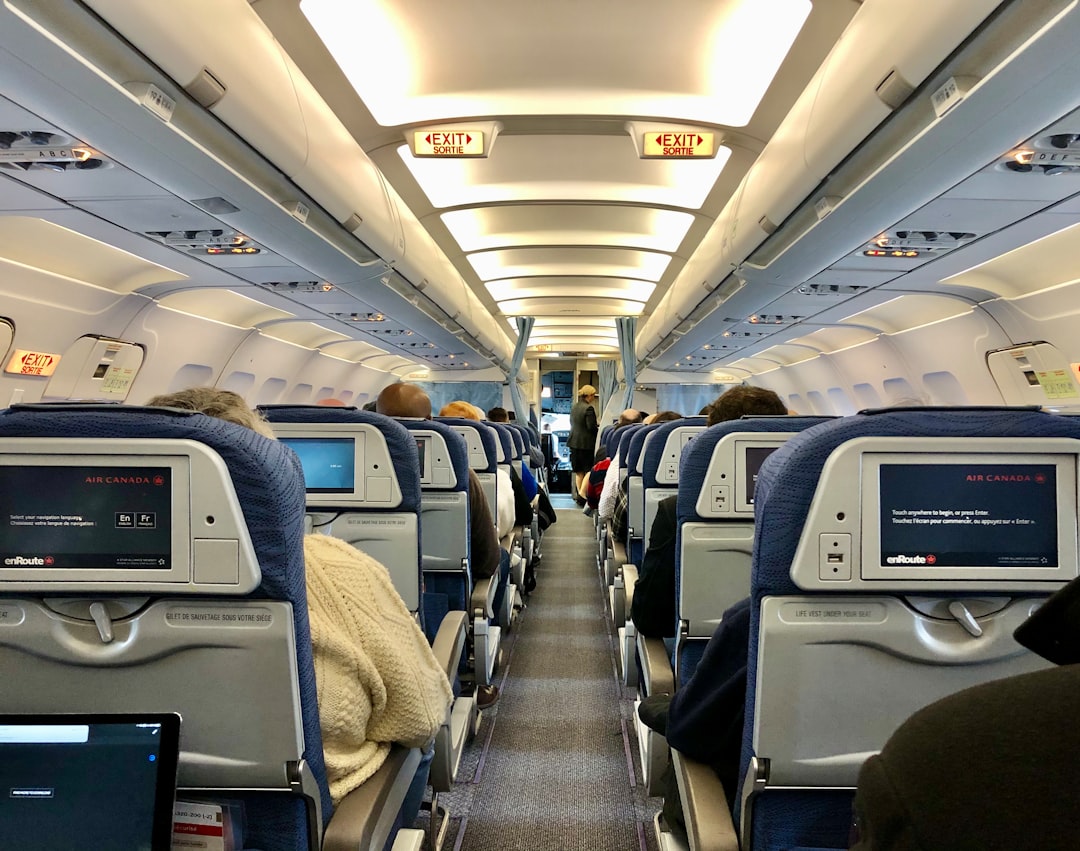
The rear section of many fuselages tapers inward which changes the alignment of the seats relative to the aisle. Aisle seats in this transition zone protrude slightly further out than the seats in the rows ahead. Passing service carts and walking passengers repeatedly strike the shoulders and elbows of individuals sitting in these misaligned spots. The awkward positioning makes it incredibly difficult to rest without constantly guarding your personal space from impact.
The Seat Next to the Main Boarding Door
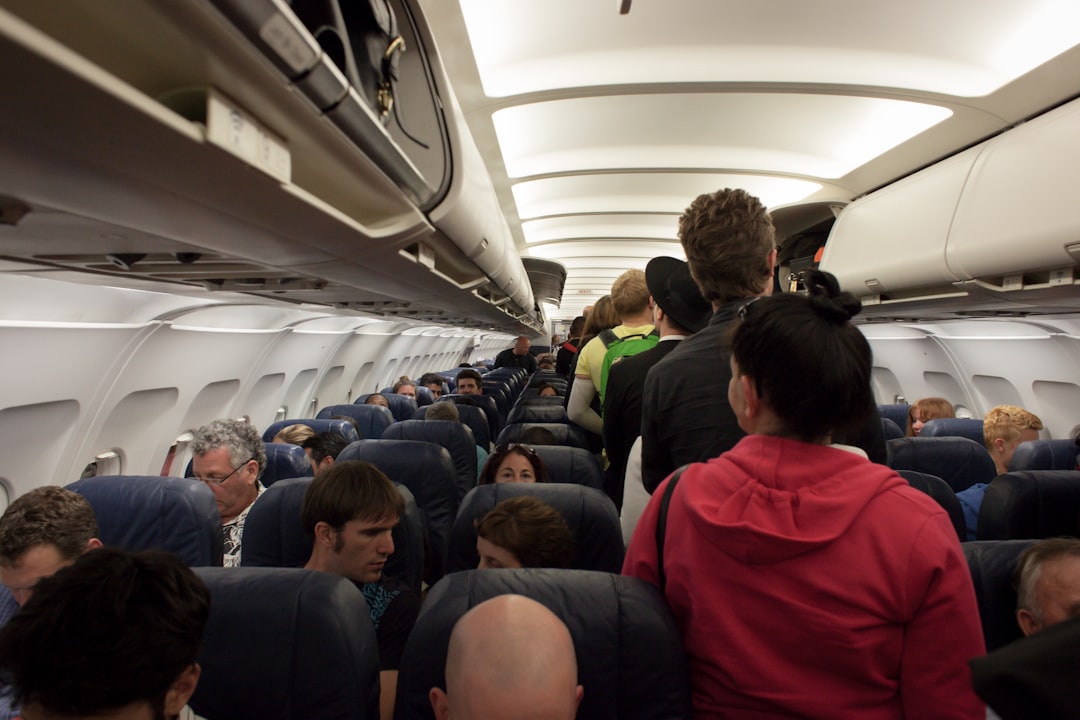
Passengers sitting by the primary entry point experience intense temperature fluctuations as the entire cabin boards. The boarding process brings hundreds of people dragging heavy luggage directly past this vulnerable seating position. The surrounding area remains chaotic and loud until the final moments before the aircraft pushes back from the gate. Flight crews conduct intense safety checks and door arming procedures directly beside the passenger occupying this space.
The Seat With the Entertainment Box
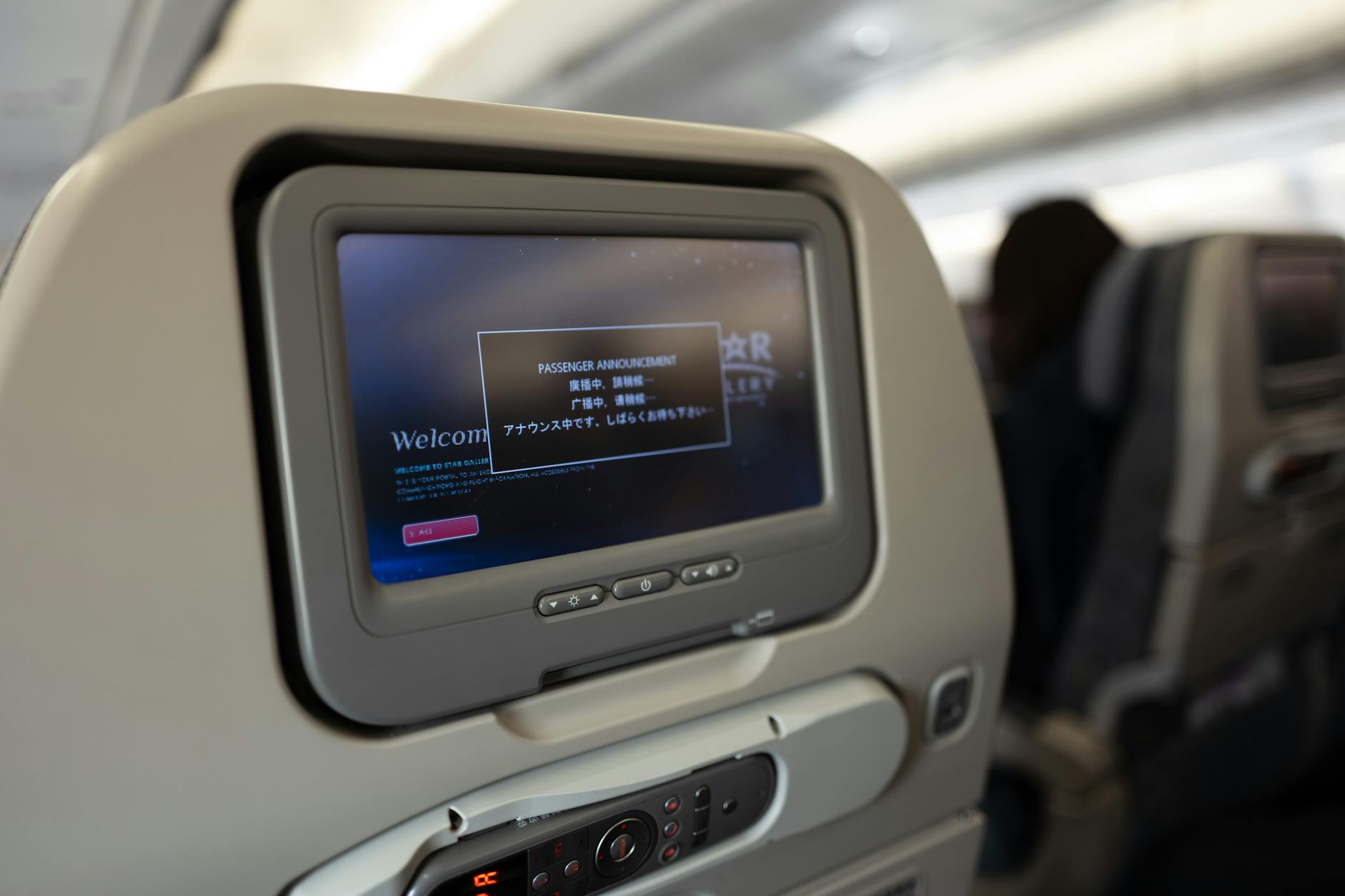
Older aircraft route their inflight entertainment wiring through large metal boxes mounted directly under certain seats. These bulky metal enclosures consume up to half of the available foot space for the passenger sitting behind them. Stretching your legs becomes physically impossible and attempting to store a personal item underneath leaves zero room for your feet. Identifying these specific seats prior to boarding is notoriously difficult since airline seating maps rarely highlight this hidden obstacle.
The Bulkhead Middle Seat
Sitting directly facing a solid wall in the middle of a row creates an intense feeling of confinement. The lack of an under seat storage option means constantly standing up to access entertainment or reading materials from the overhead bin. The rigid armrests housing the tray tables severely compress the hips and thighs of the traveler. Watching the communal entertainment screen mounted on the wall requires staring straight ahead at an unnatural upward angle.
The Aisle Seat Near the Crew Rest Area
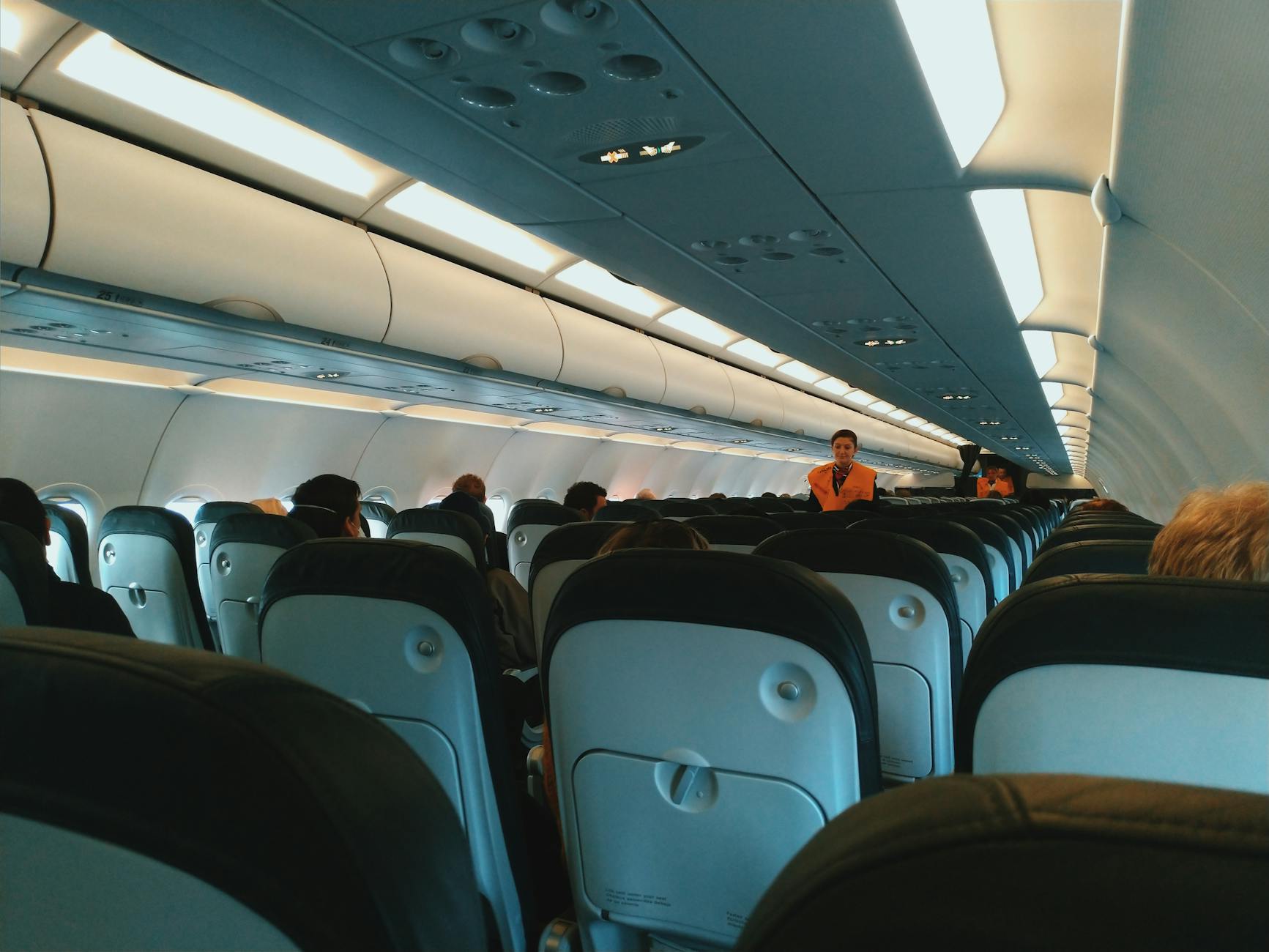
Long haul flights feature hidden crew rest compartments accessed by stairways near regular passenger seating. Flight attendants frequently move in and out of these access doors causing distracting light flashes and metallic latch noises. The curtain separating this area is often brushed aside rubbing against the face or arms of the nearby passenger. Sleep is routinely interrupted by the shift changes of the working crew navigating this tight corridor space.
Tell us about your worst seating experience on a flight and share your thoughts in the comments.




