Eyebrows frame the face and drastically alter overall facial harmony when properly maintained. Experts across the beauty industry often see the damage caused by common grooming mistakes. Repairing these errors takes significant time and patience since hair growth cycles are notoriously slow. Understanding what practices to avoid helps maintain healthy follicles and a naturally flattering arch.
Excessive Tweezing
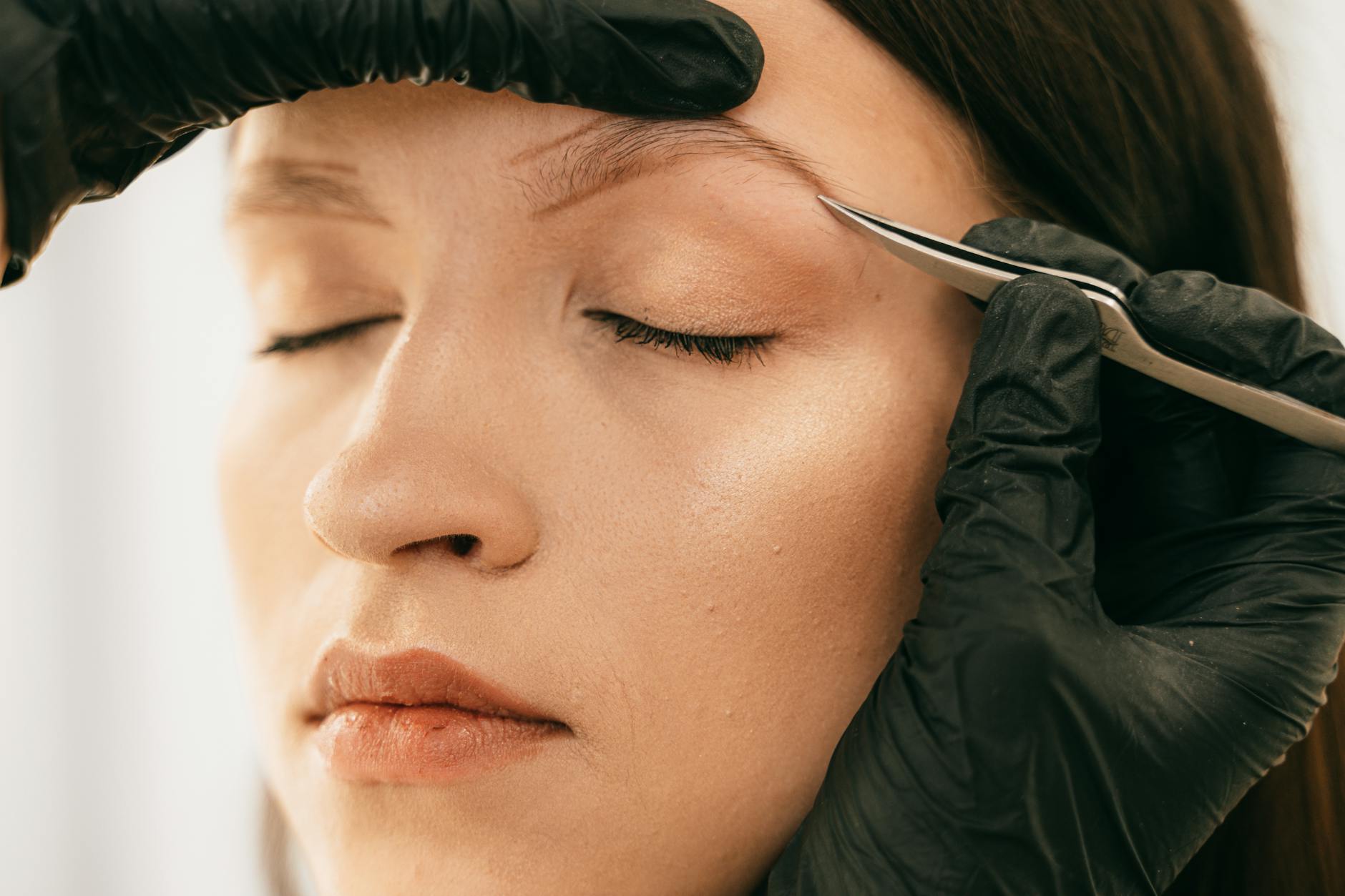
Removing too many hairs at once remains the most common mistake made during routine grooming. Hair follicles experience trauma from constant pulling and may eventually stop producing new hair entirely. This leads to permanently sparse areas that require makeup or cosmetic procedures to fill. Experts recommend leaving the tweezers alone for weeks at a time to allow the natural shape to fully emerge.
Waxing Over Retinol Treated Skin
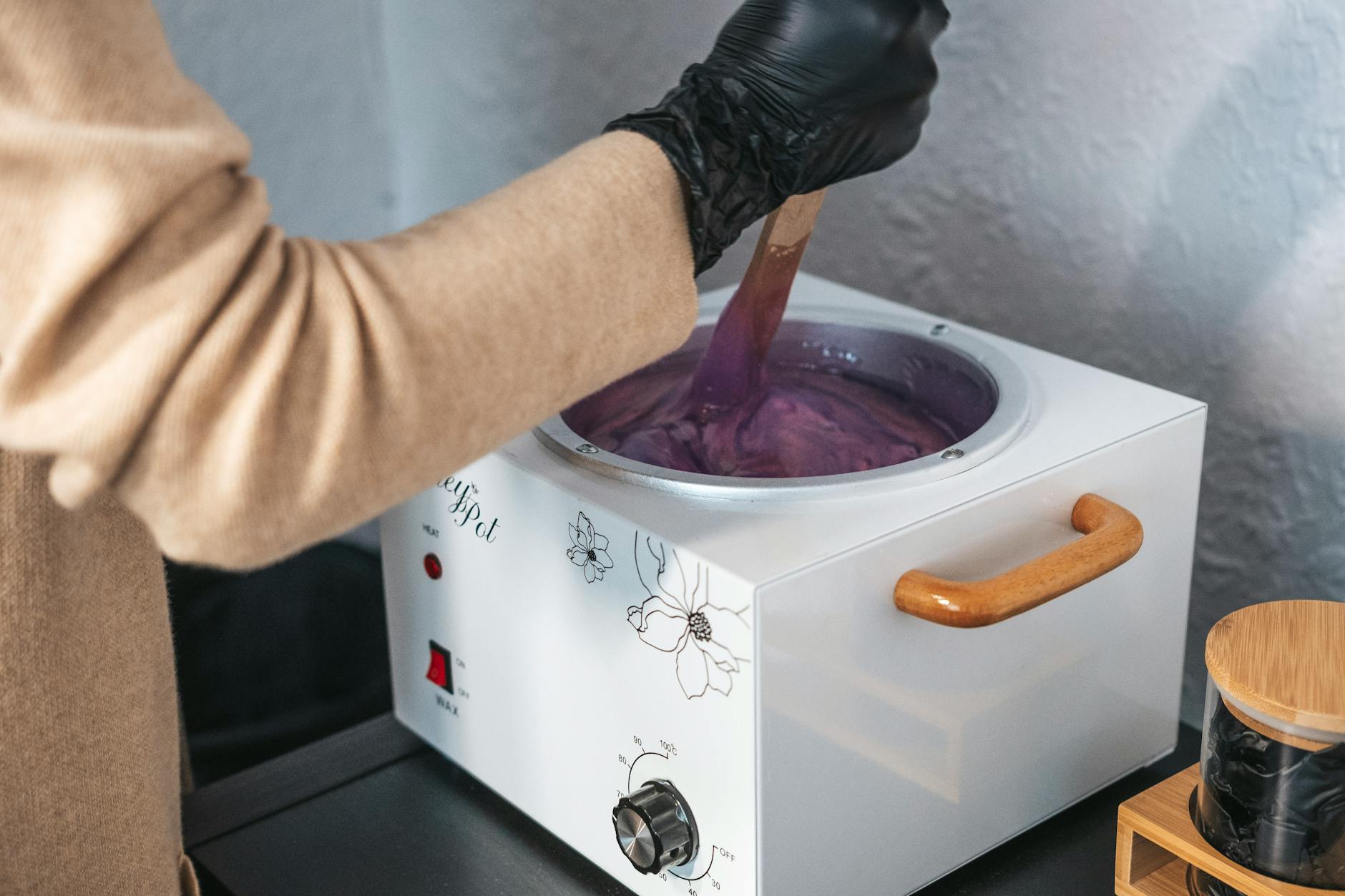
Skincare ingredients play a major role in how the skin reacts to hair removal methods. Retinol increases cellular turnover and leaves the top layer of skin highly vulnerable to friction. Applying hot wax to this sensitized area often results in lifting the skin alongside the hair. Dermatologists advise stopping the use of strong exfoliants several days prior to booking a wax appointment to prevent burns and scarring.
Using Magnifying Mirrors
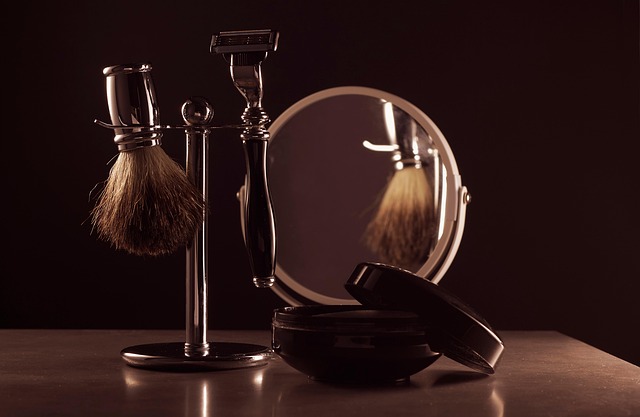
Staring into a highly magnified reflection distorts the actual proportion of the facial features. This warped perspective tricks the brain into seeing stray hairs that are invisible to the naked eye. People inevitably remove essential hairs that contribute to the overall density of the arch. Professionals suggest shaping brows in natural lighting at an arms length away from a standard mirror to maintain balance.
Aggressive Trimming
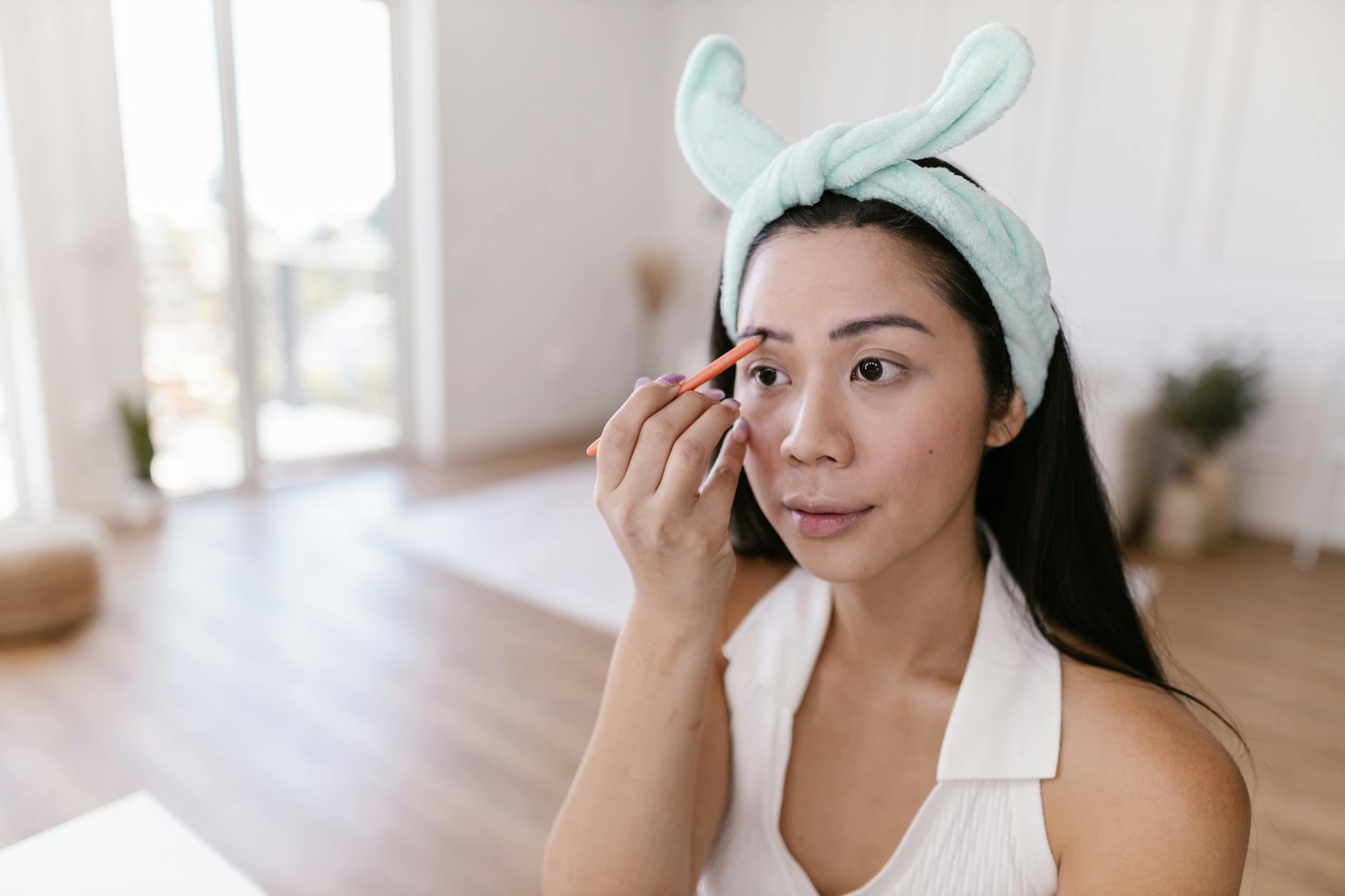
Cutting brow hairs too close to the skin creates a blunt and unnatural appearance. Natural hairs taper at the ends to provide a soft and feathery texture along the upper border. Snipping them down rigidly causes the remaining stubs to stick straight outward instead of laying flat. Beauty professionals recommend brushing the hairs upward and selectively trimming only the exceptionally long tips to preserve the soft edge.
Exact Hair Color Matching
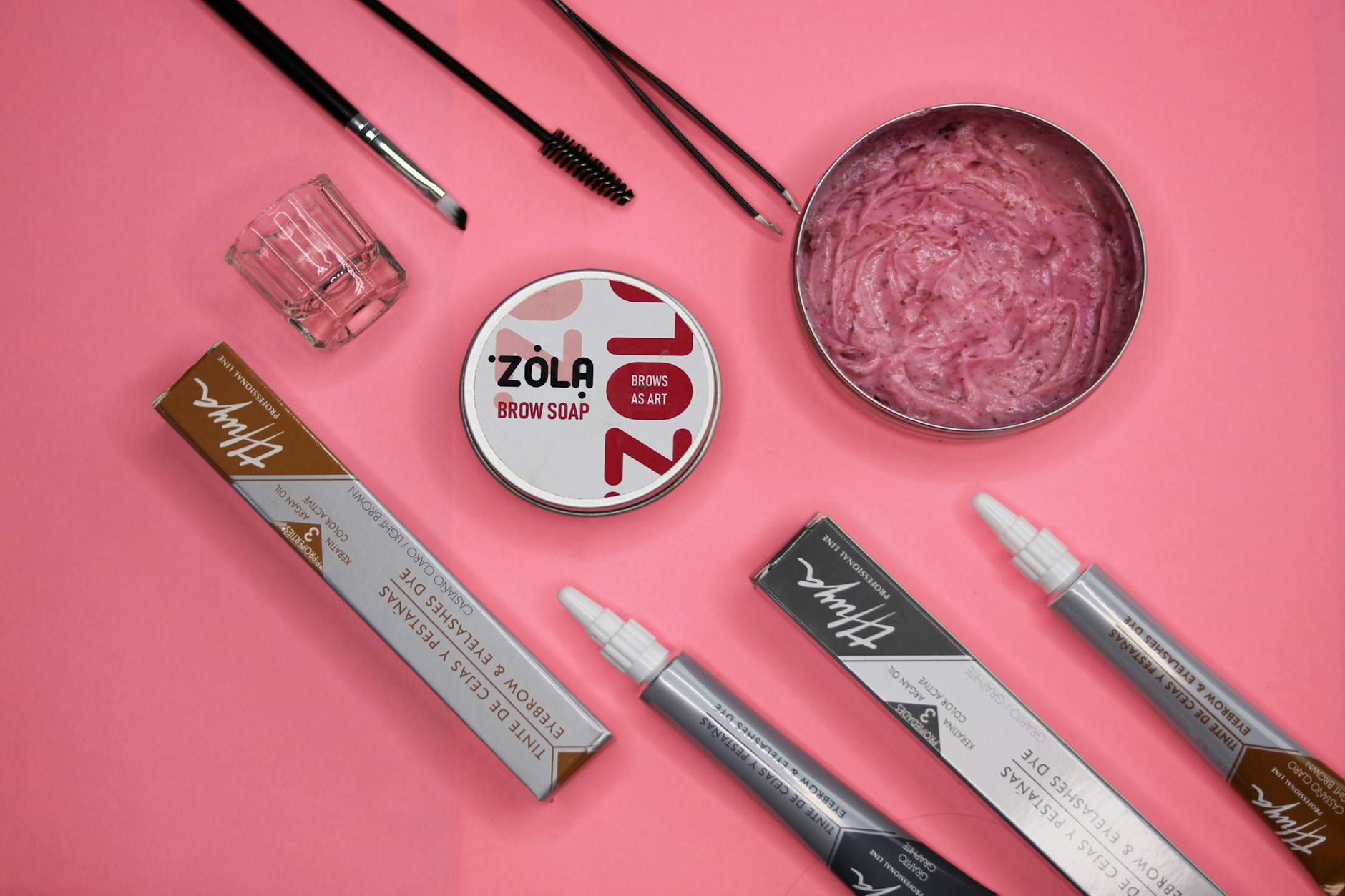
Dyeing eyebrows to match artificial head hair completely is a common aesthetic misstep. Very dark hair paired with equally dark brows often looks harsh and overwhelming on the complexion. Conversely matching platinum blonde hair makes the facial features appear washed out and undefined. Makeup artists advise choosing a shade one step lighter than dark hair or one step darker than light hair. This subtle contrast provides depth and keeps the face looking vibrant and youthful.
Bleaching Without Supervision
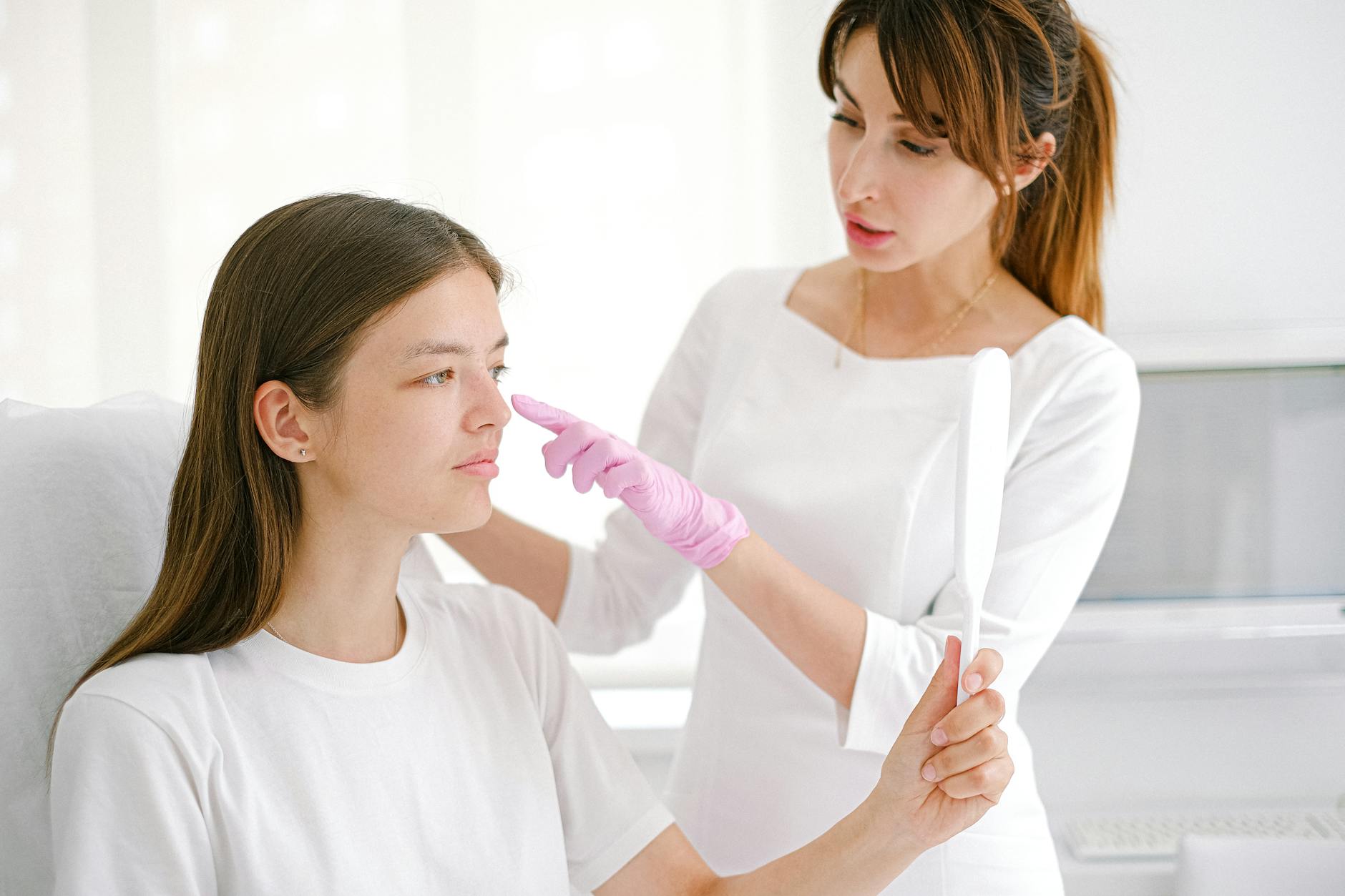
Applying chemical lighteners at home poses serious risks to both the hair and the delicate eye area. Facial hair lightens much faster than scalp hair and can turn an unwanted orange or yellow shade in minutes. The strong chemicals can also easily drip into the eyes and cause severe damage to vision. Trained colorists possess the necessary developers and toners to safely lift the pigment while protecting the surrounding skin.
Creating Block Corners
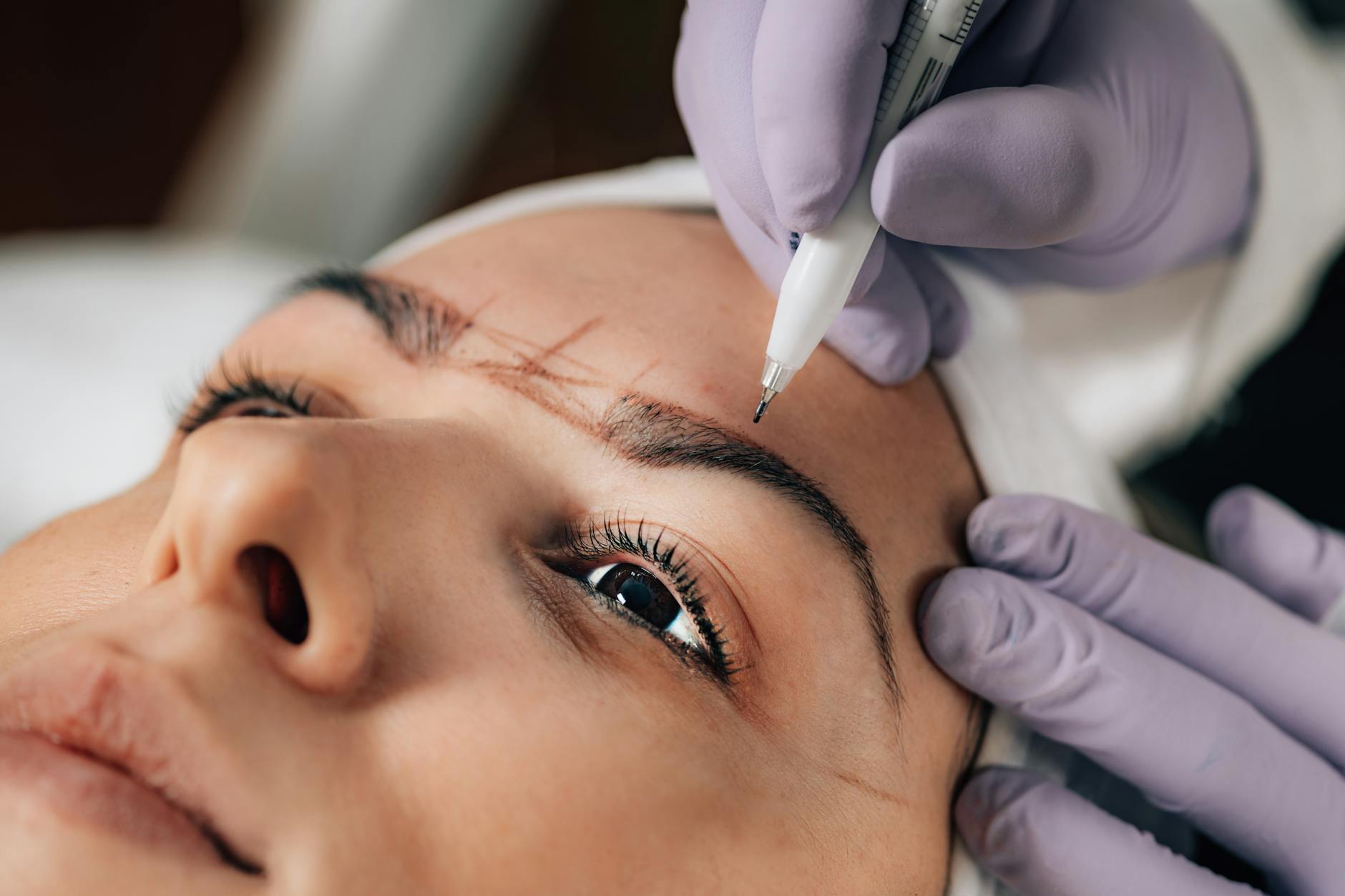
Drawing solid shapes at the front inner corners creates an incredibly harsh and unnatural facial expression. Natural brows grow sparsely at the front and gradually become denser toward the middle arch. Filling the entire shape with uniform opacity entirely eliminates this natural gradient. Using a very light hand and drawing individual hair strokes at the start of the brow ensures a much softer look.
Shaving the Area Completely
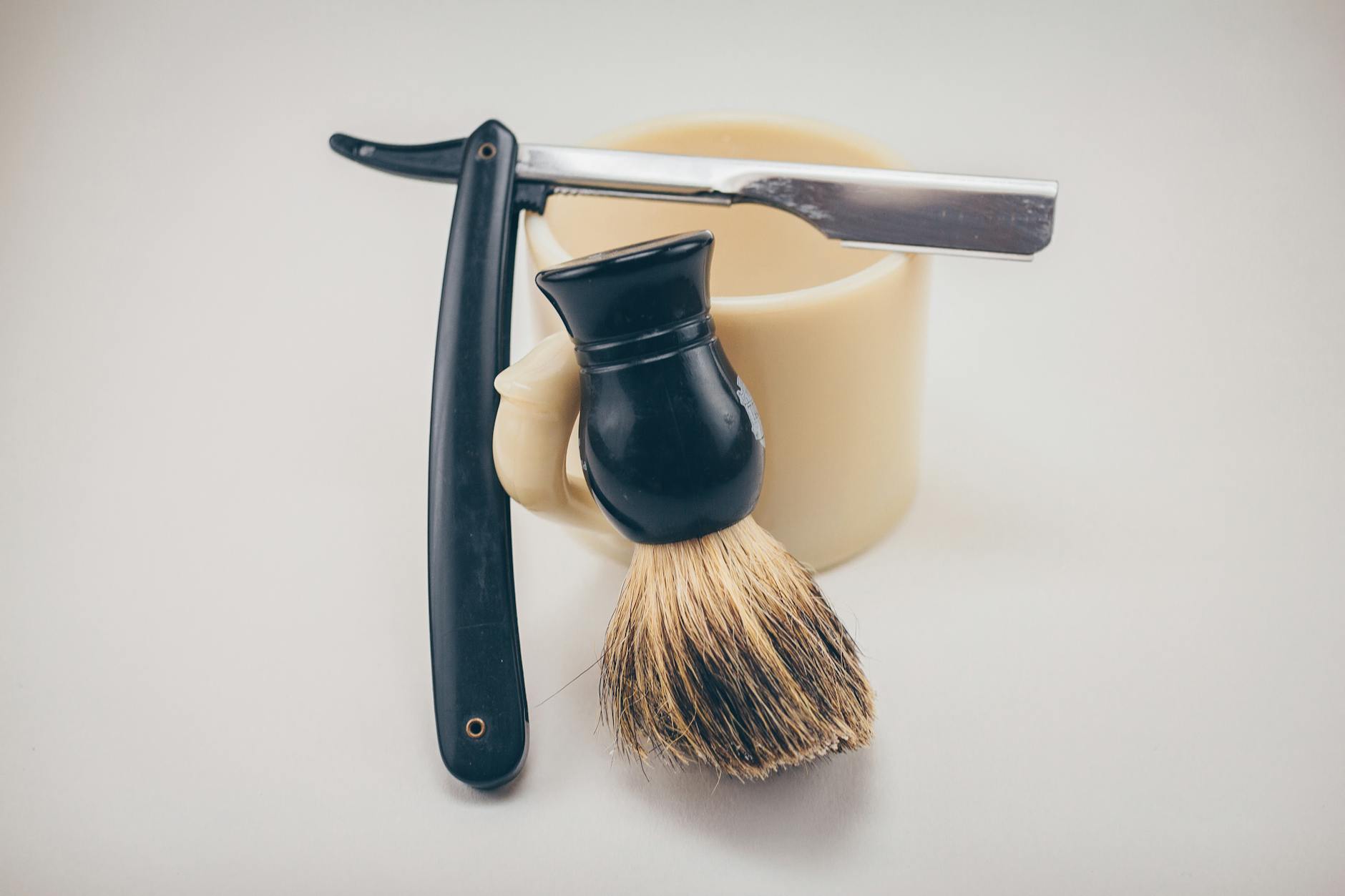
Using a razor to remove unwanted hair provides only a very temporary and blunt solution. The sharp blade cuts the hair exactly at the surface of the skin without touching the root. This results in an immediate shadow and noticeable stubble within a single day of regrowth. The blunt ends also feel coarse and look thicker as they push through the epidermis. Threading or tweezing remains superior because these methods remove the entire follicle for a smoother finish.
Plucking Above the Arch
Removing hairs from the top border of the brow easily ruins the natural downward slope of the arch. The upper hairs dictate the peak and overall structure of the facial framing. Plucking this area often flattens the shape and drags the appearance of the eye downward. Grooming should focus almost exclusively on cleaning up stray hairs underneath the main body to lift the visual profile.
Pulling Multiple Hairs at Once
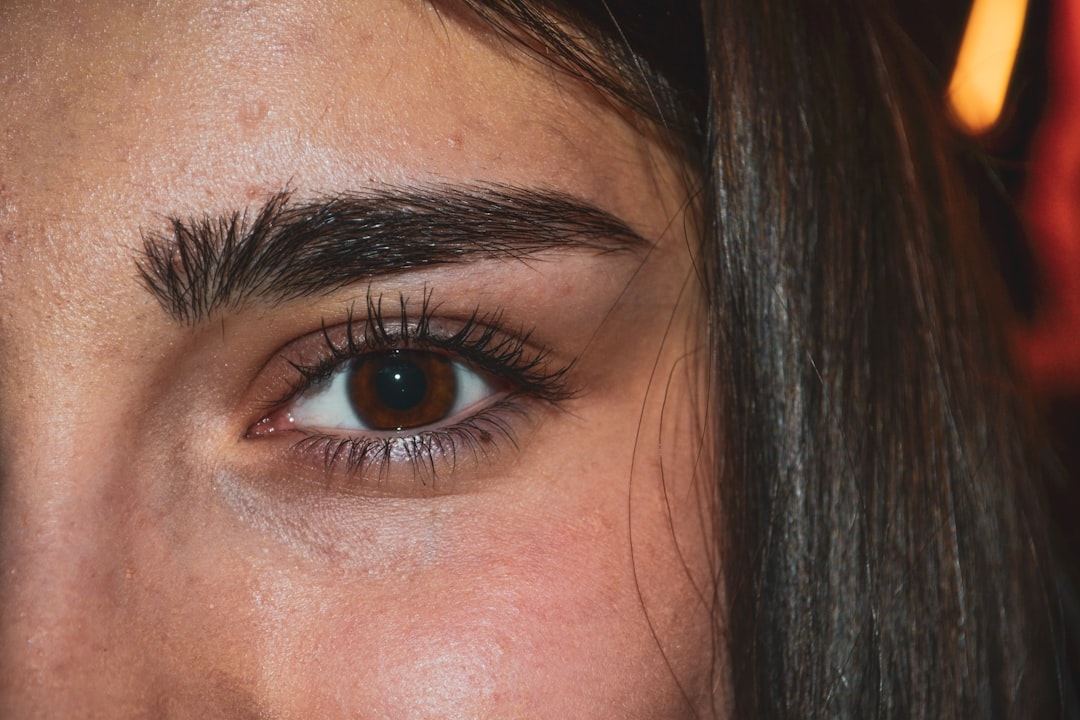
Grabbing several strands together with tweezers increases the pain and trauma to the surrounding skin tissue. This reckless method frequently breaks the hairs at the surface instead of cleanly extracting the root. Broken hairs are prone to becoming ingrown and forming painful bumps beneath the skin. Isolating a single hair and pulling firmly in the direction of natural growth guarantees a smooth removal process.
At Home Brow Lamination
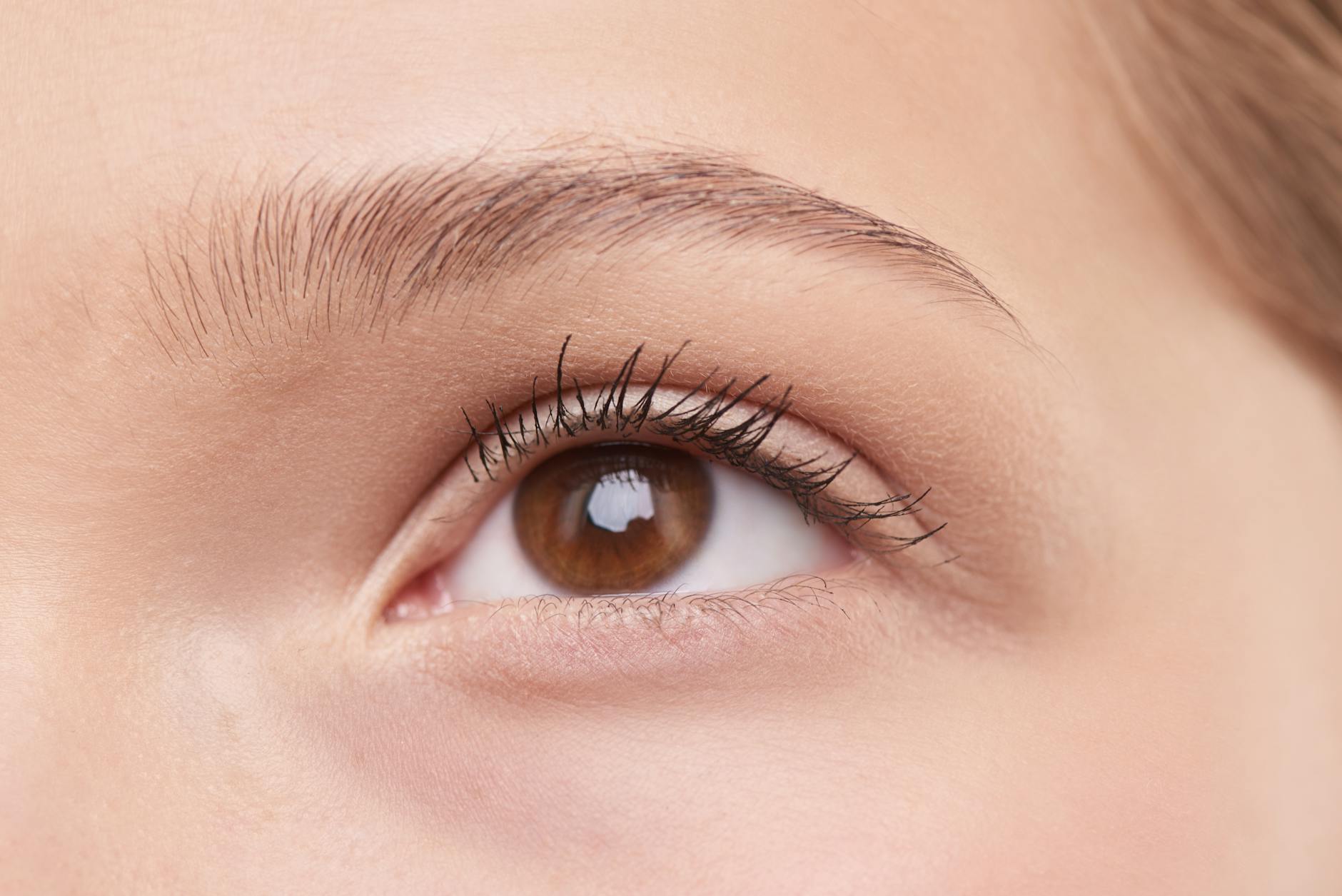
Chemical perming solutions used to flatten and lift brow hairs require strict timing and professional knowledge. Leaving these harsh alkaline lotions on the face for even a minute too long causes irreversible chemical haircuts. The hairs become brittle and snap off at the root leaving patches of bald skin behind. Licensed estheticians understand how to assess hair porosity and time the chemical processing perfectly to avoid structural damage.
Relying on Precut Stencils
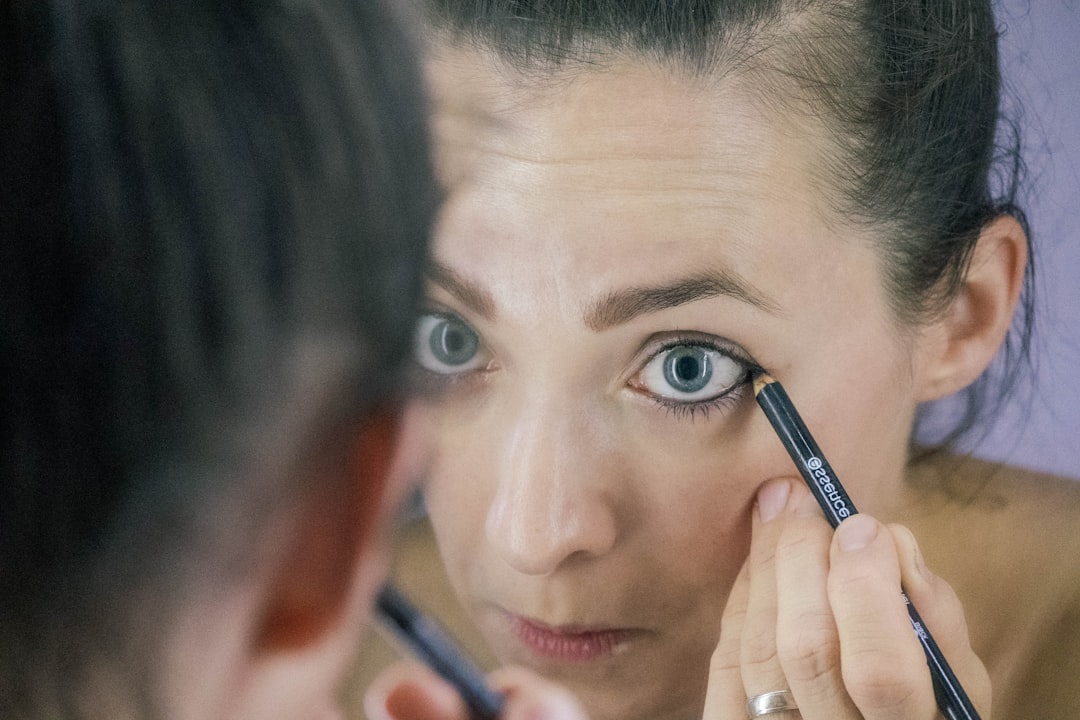
Using rigid plastic templates to stamp on makeup rarely yields a flattering result for the individual wearer. Every face possesses unique bone structure and asymmetrical features that a generic mold cannot accommodate. The resulting painted shapes typically look disjointed and artificial against the natural muscular movements of the forehead. Following the existing hair growth pattern with precise makeup tools provides a far more customized and appealing enhancement.
Daily Maintenance Plucking
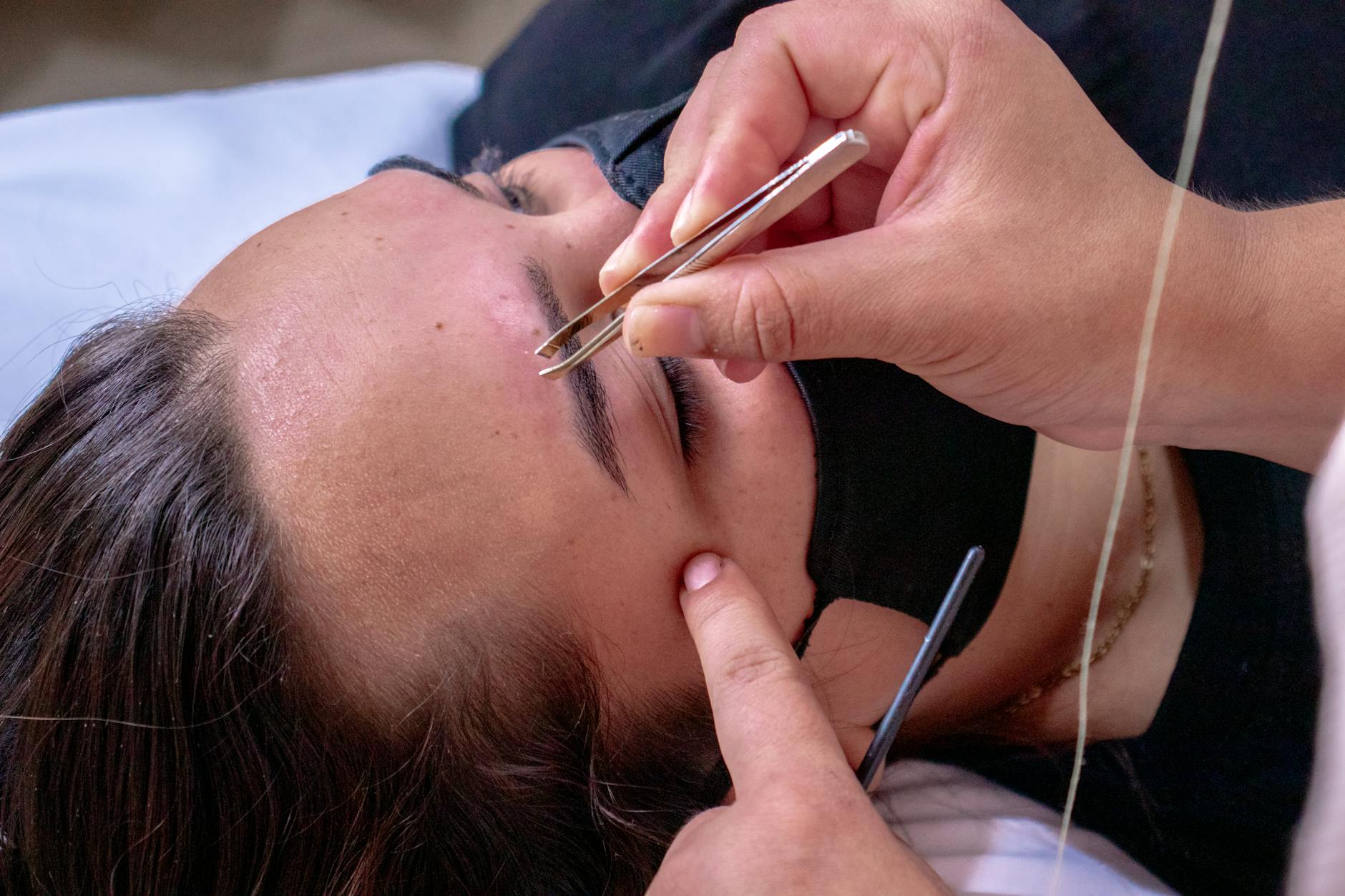
Inspecting the face every single morning for new growth disrupts the natural shedding and resting phases of the hair follicles. Plucking tiny hairs before they fully emerge from the pore causes damage to the surrounding dermal layers. This obsessive habit makes it impossible to establish a cohesive shape because the hairs are constantly on different growth schedules. Letting the area grow untouched for several weeks allows all the hairs to synchronize for a cleaner shaping session later.
Applying Expired Cosmetics
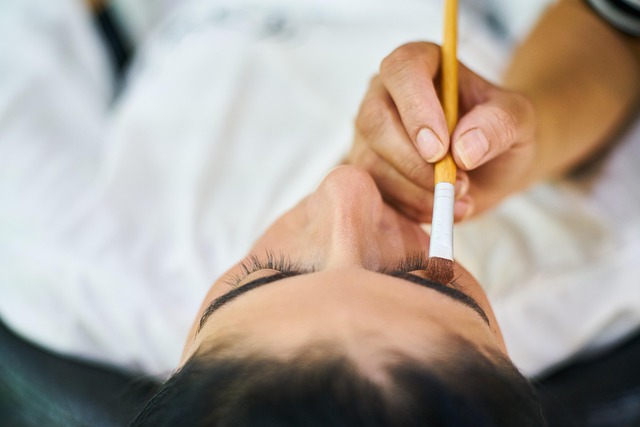
Using old pencils and powders around the eyes introduces harmful bacteria directly into the hair follicles. These contaminated products frequently cause localized infections and painful breakouts that disrupt hair growth. Waxes and gels also dry out over time and pull aggressively on the existing hairs during application. Replacing brow cosmetics every six to twelve months ensures the formulas remain sanitary and perform smoothly without causing mechanical damage.
Smothering with Heavy Creams
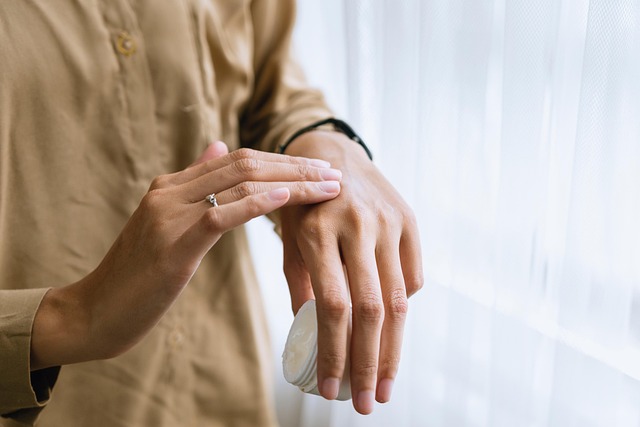
Applying thick moisturizers and rich anti aging creams directly over the brows clogs the hair follicles. These dense formulas create a barrier that traps dead skin cells and sebum against the root of the hair. This congestion leads to flaky skin and can even stunt the growth of new hairs over time. Wiping the brow area clean after completing a facial skincare routine prevents product buildup. Keeping the follicles clear allows the hairs to thrive and prevents unsightly shedding.
Threading Over Active Breakouts
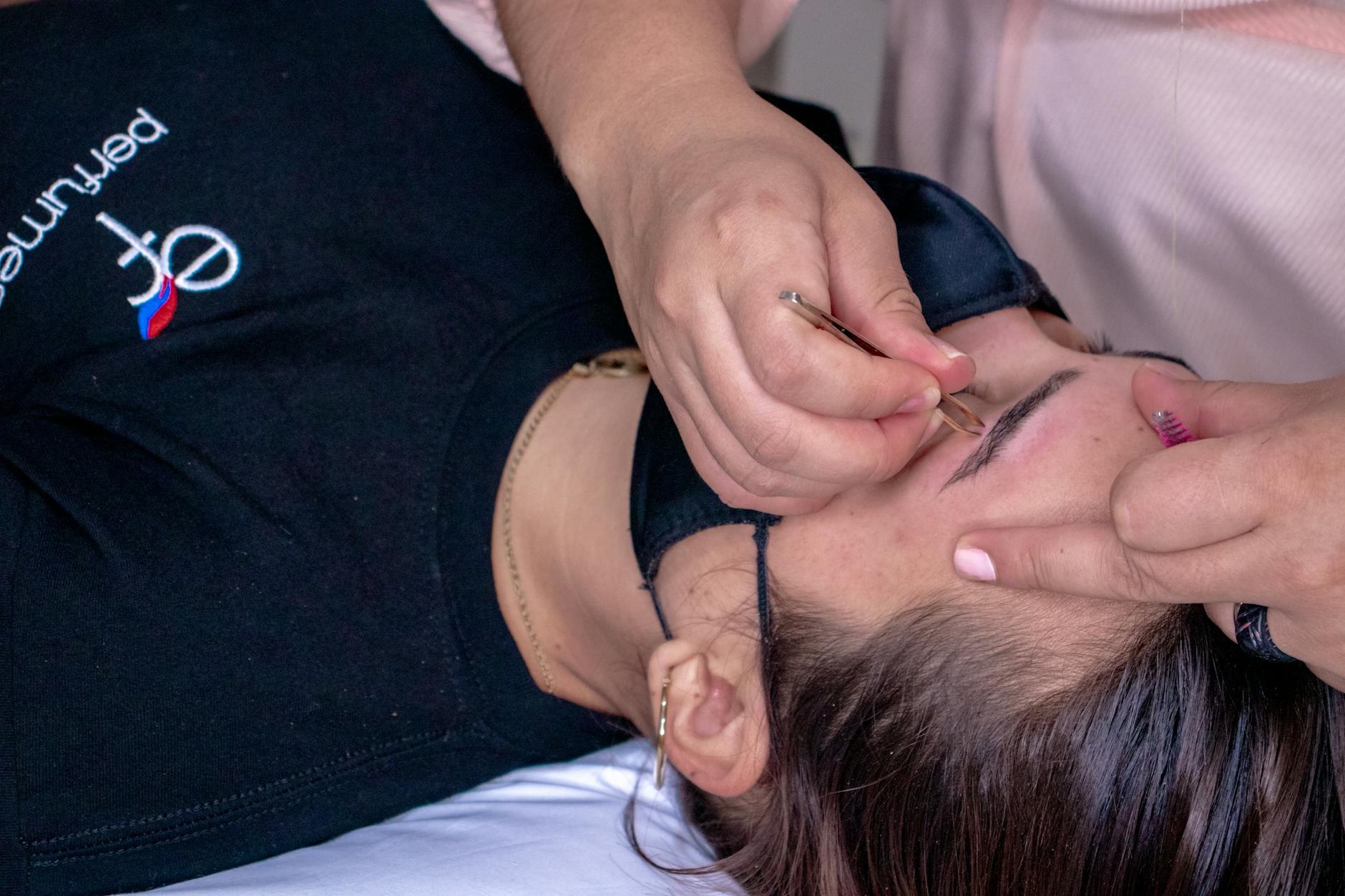
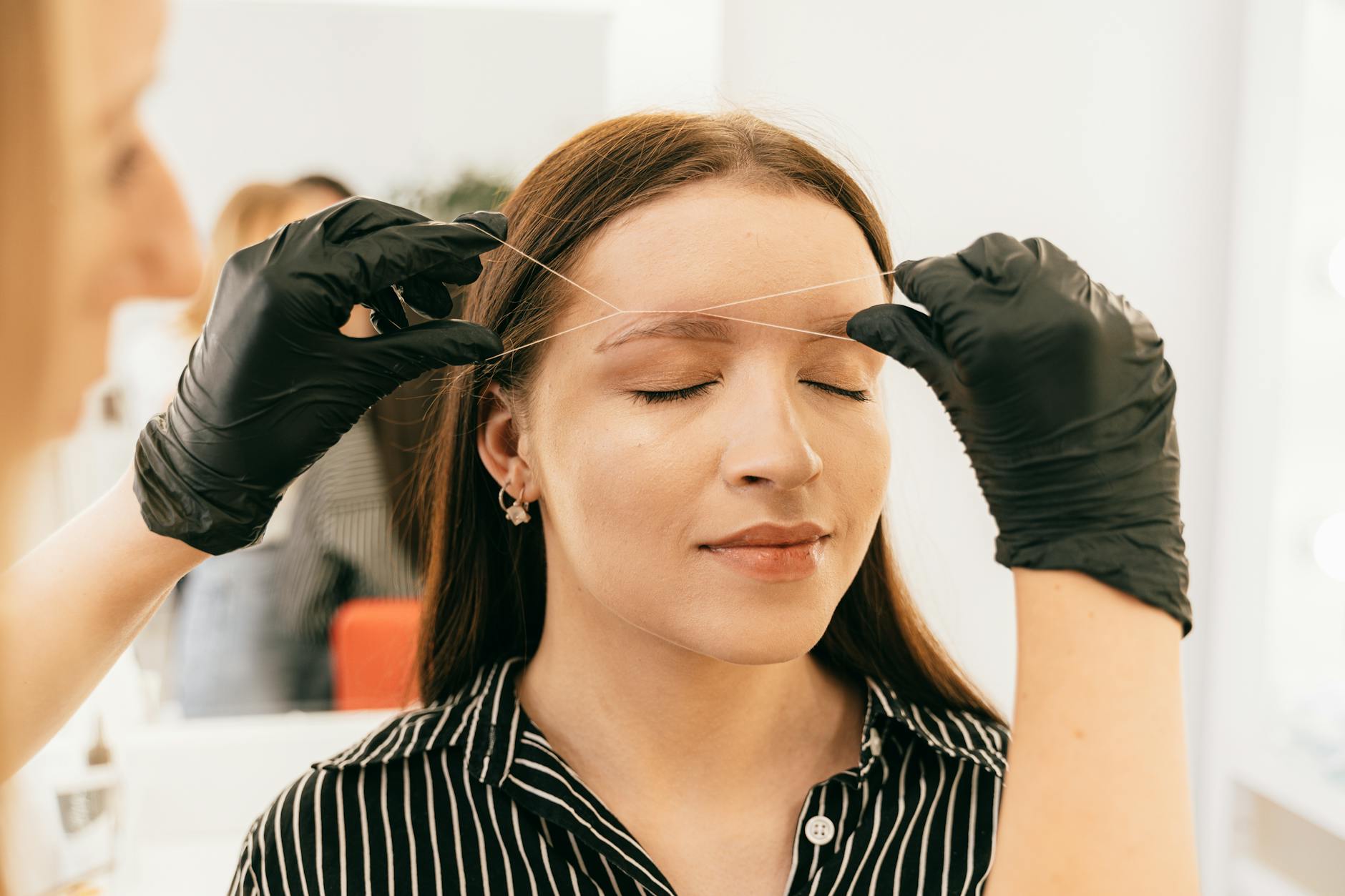
Rolling a tight cotton thread over compromised skin spreads bacteria and severely aggravates existing inflammation. The friction of the twisting string easily tears open pimples and creates open wounds near the eye. This process delays healing and dramatically increases the risk of permanent hyperpigmentation and scarring. Professionals always advise waiting for the skin to fully clear before booking a threading appointment to protect the dermal barrier.
Forcing an Unnatural Shape
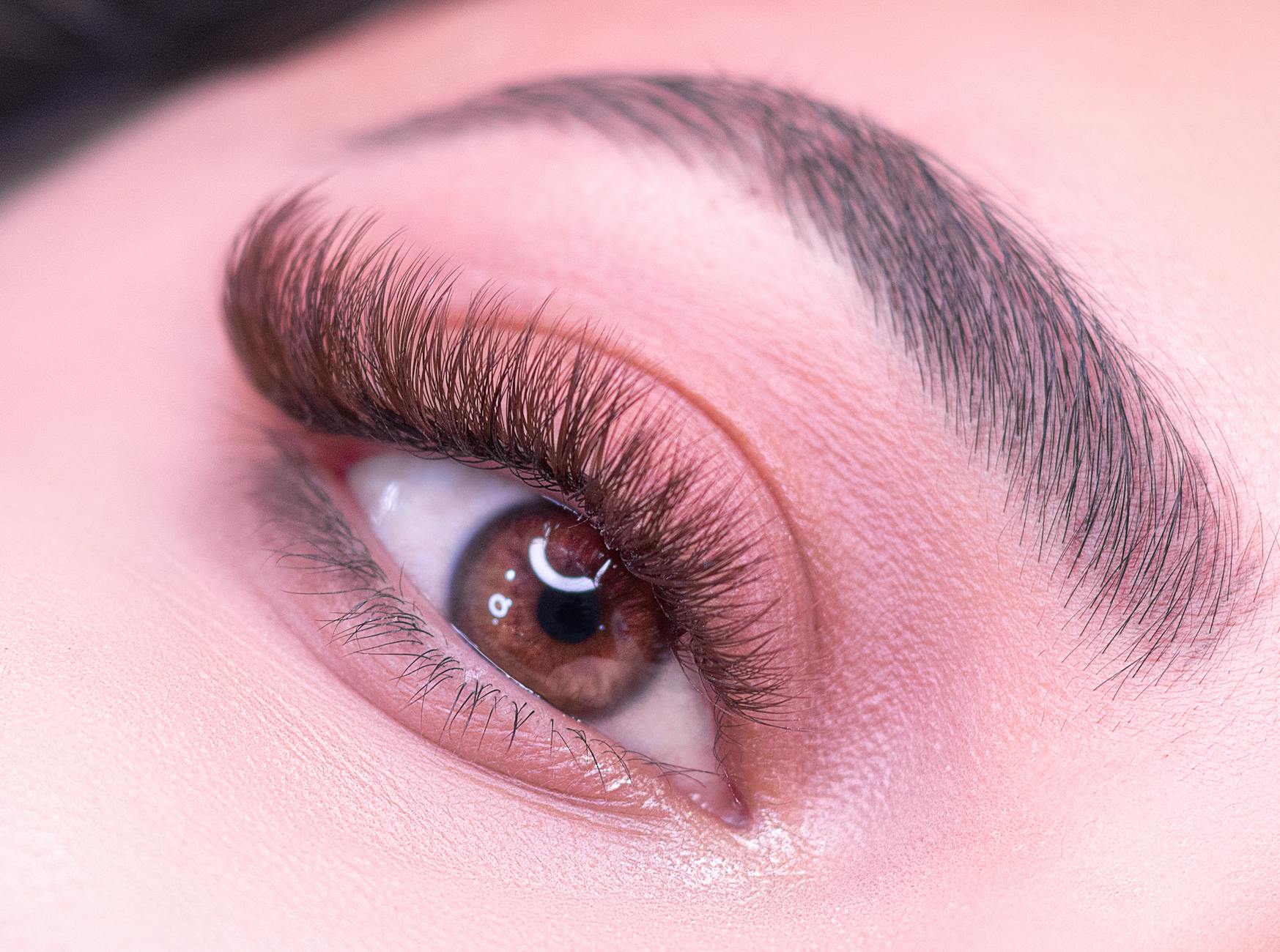
Attempting to create a high arch on a naturally straight brow requires removing vital core hairs. This structural manipulation fights against the inherent anatomy of the brow bone and muscular structure beneath. The final result usually appears forced and requires intense daily makeup application to look remotely complete. Embracing the genetic baseline shape ensures a lower maintenance grooming routine and a more harmonious facial balance. Enhancing what naturally exists always yields a more refined aesthetic than total reconstruction.
Using Dull Tools
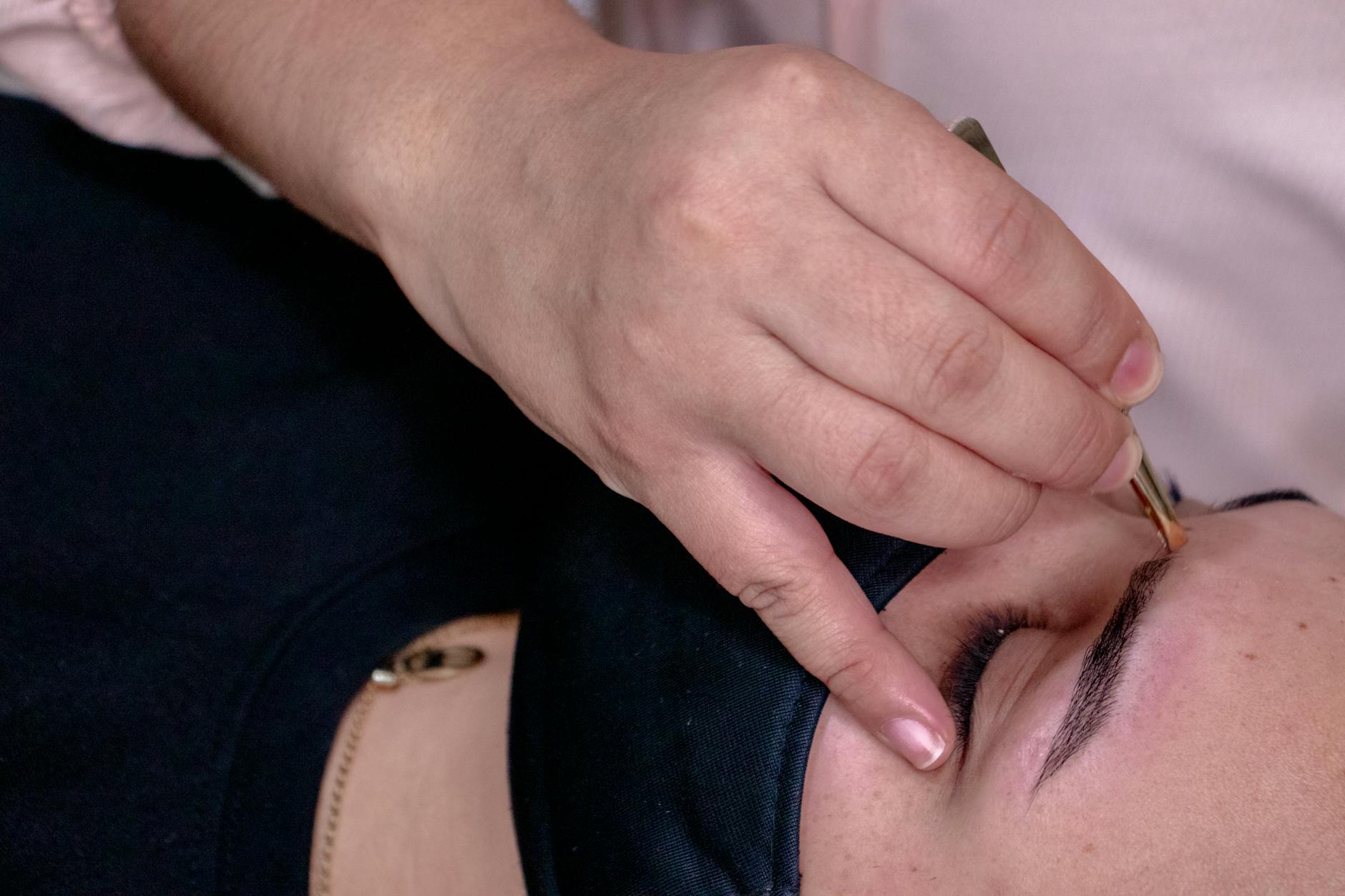
Old tweezers with worn edges struggle to grip fine hairs securely at the base. Users end up sliding the metal repeatedly against the skin which causes irritation and redness without actually removing the hair. The lack of precision frequently leads to snapping the hair shaft instead of uprooting the bulb. Investing in a high quality slanted tool and replacing it when the grip weakens makes grooming much safer and highly efficient.
Neglecting Gentle Exfoliation
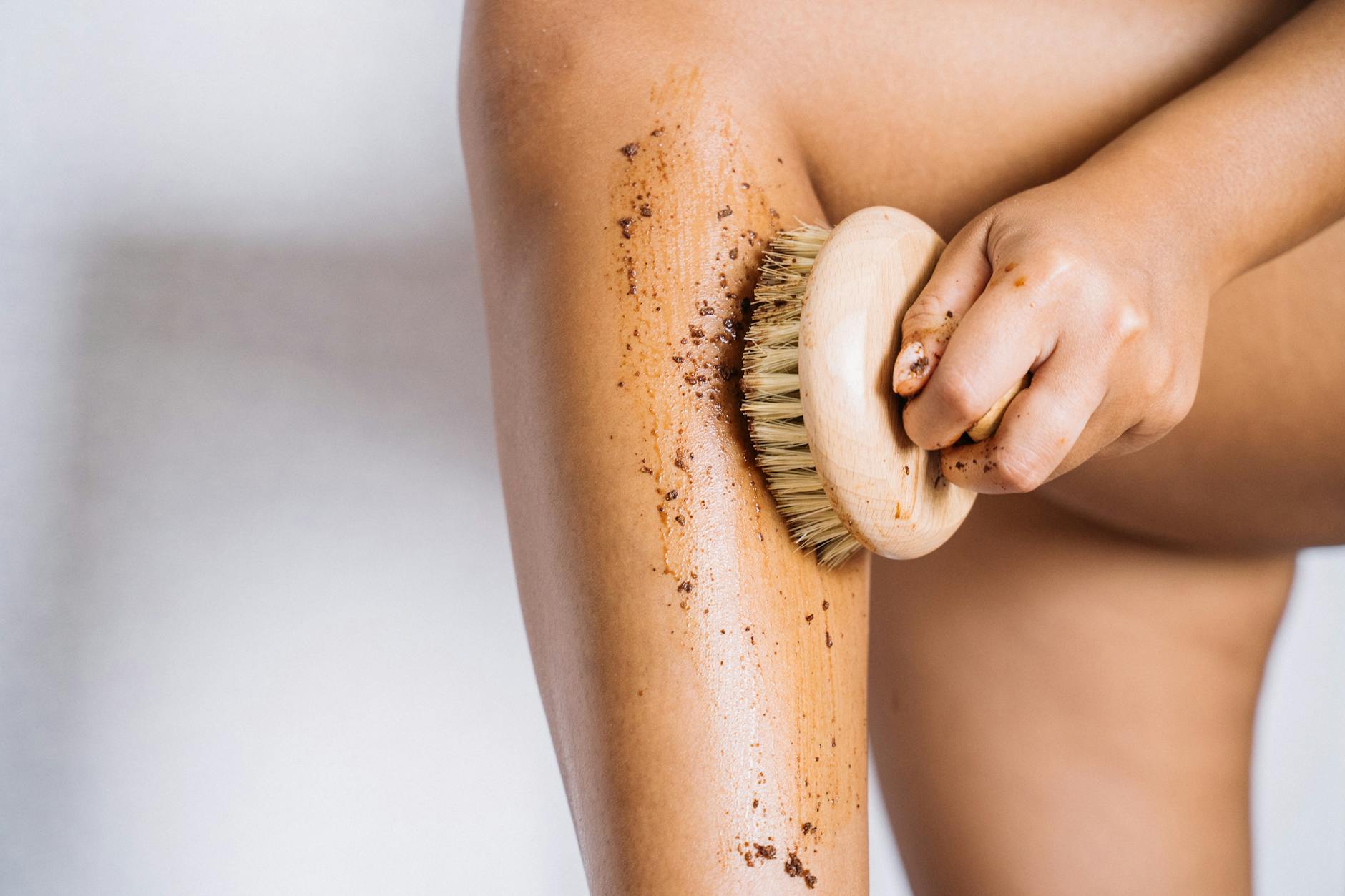
The skin beneath the brow hair accumulates dead cells and cosmetic residue just like the rest of the face. Failing to clean this specific area thoroughly leads to trapped hairs and dull looking skin under the makeup. Gently massaging the region with a mild chemical exfoliant once a week keeps the pathways clear for new growth. Maintaining healthy skin beneath the hairs improves the adherence of makeup products and prevents annoying ingrown bumps.
Rushing into Permanent Makeup
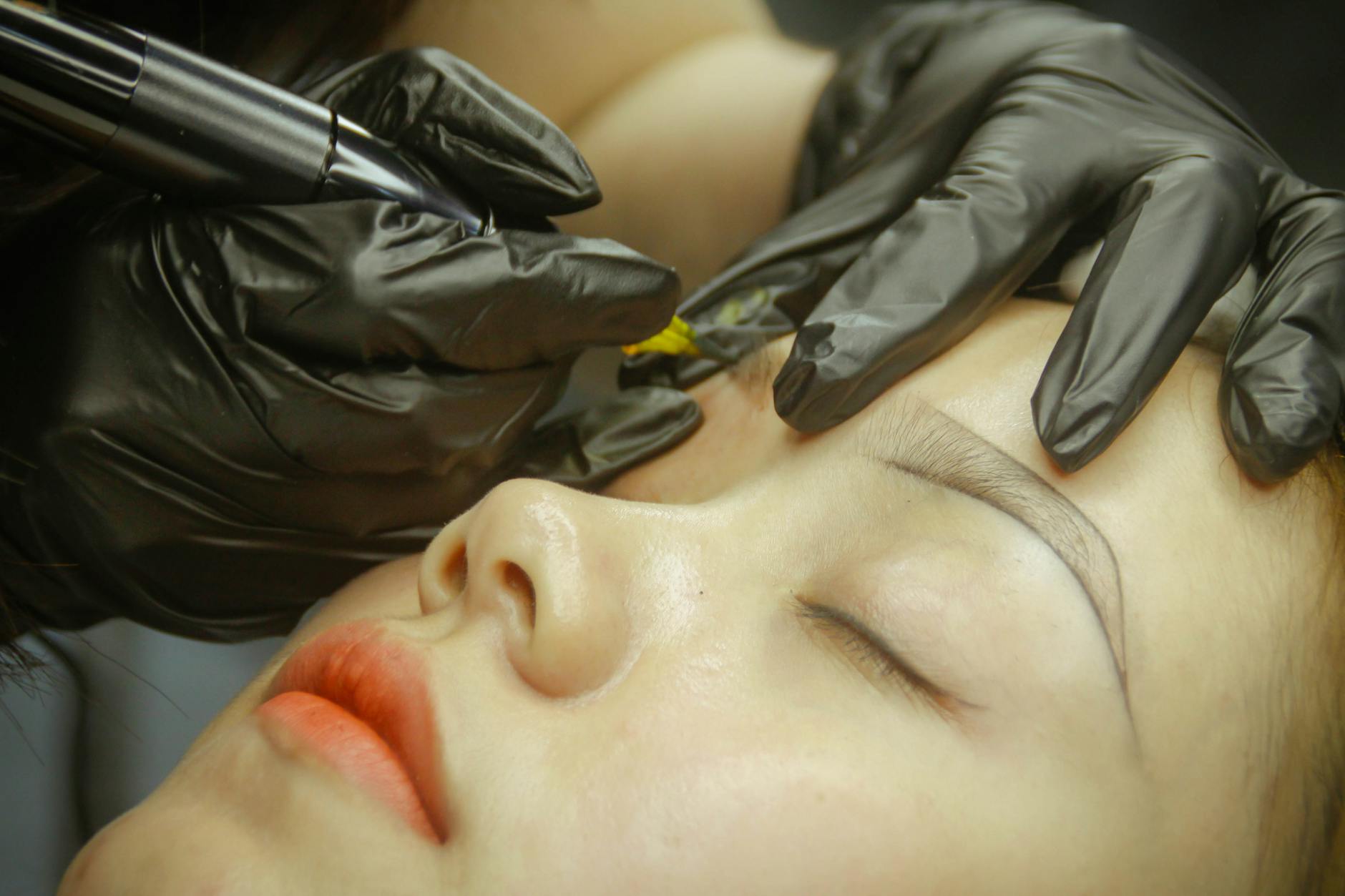
Booking a microblading or tattooing session without extensively researching the artist leads to disastrous long term consequences. Ink injected into the face fades over time and often shifts to undesired red or blue tones. Badly placed strokes cannot be easily erased and require costly laser removal sessions to correct. Taking months to study healed portfolios and understand the permanence of the procedure protects clients from irreversible facial mistakes.
Please share your own grooming experiences and favorite maintenance tips in the comments.




