Winter weather brings chilly temperatures and often leads to an unexpected spike in monthly household expenses due to increased energy usage. Finding smart and practical methods to keep your living space warm can significantly reduce these seasonal financial burdens. Small adjustments around the house combined with mindful daily habits make a substantial difference over the course of the colder months. This comprehensive guide provides practical strategies to help households maximize their heating efficiency and keep utility costs under control.
Programmable Thermostat
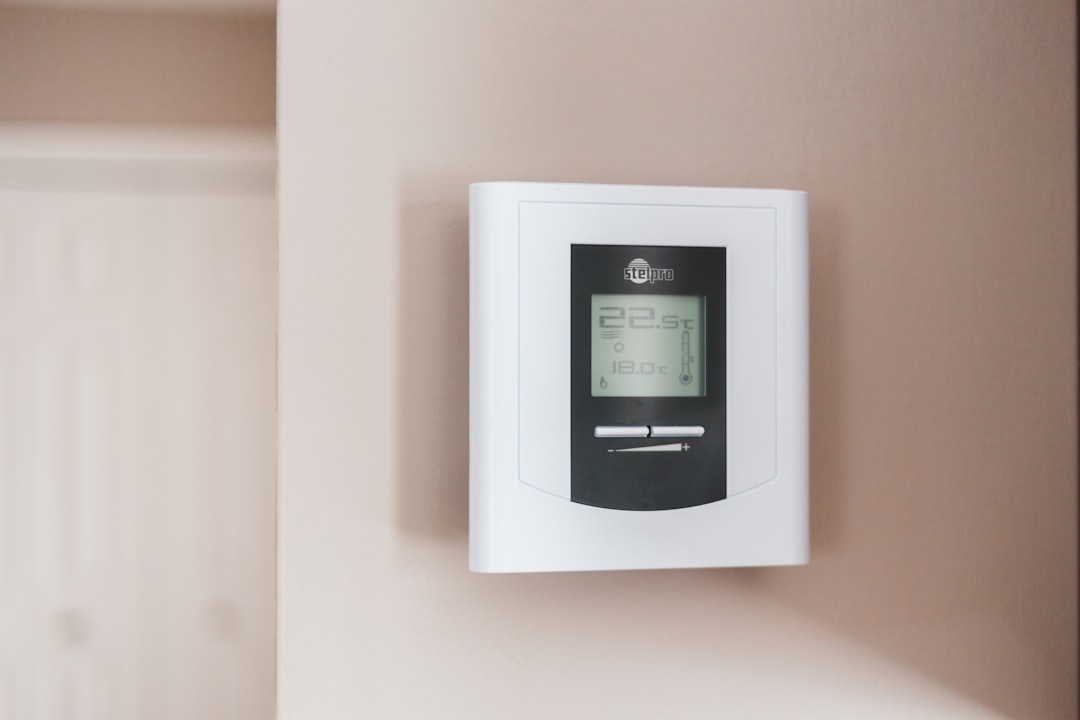
Installing a smart temperature control system allows for automatic adjustments based on your daily schedule. Lowering the temperature automatically while the house is empty prevents wasted energy during work hours. These devices also reduce the heat during the night when occupants are asleep under warm blankets. Most models offer smartphone connectivity for easy adjustments from anywhere. Consistently managing temperature settings in this way leads to noticeable reductions in monthly utility bills.
Thermal Curtains
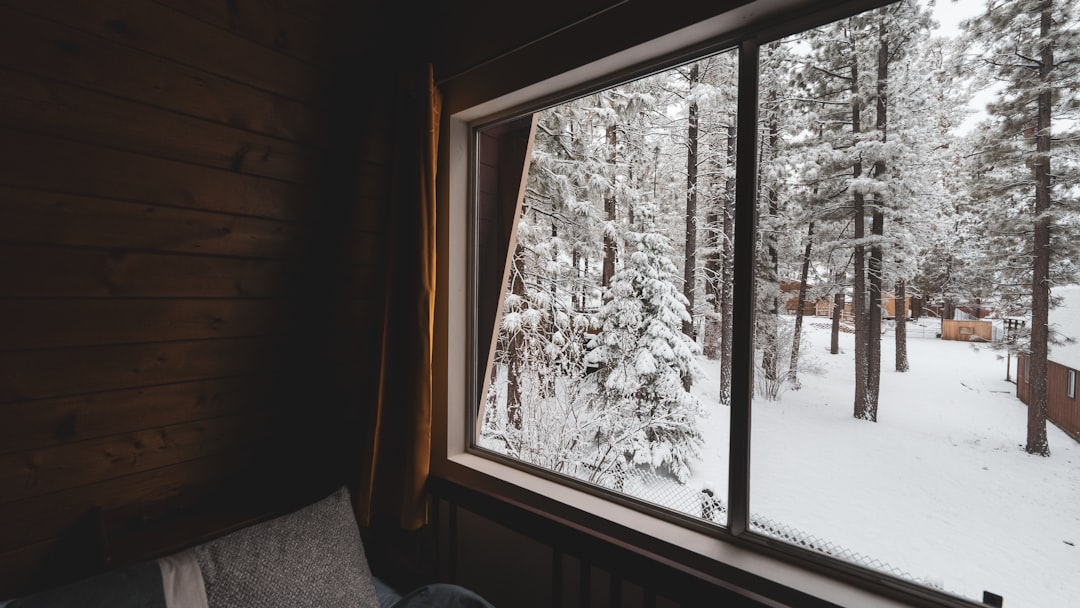
Window coverings designed with heavy insulated fabrics provide a strong barrier against cold drafts. Opening these curtains during the day allows natural sunlight to naturally warm up the interior spaces. Closing them immediately after sunset traps the accumulated heat inside the rooms. The thick material prevents warm air from escaping through the cold glass panes throughout the night. This simple daily routine maximizes solar energy and minimizes heat loss.
Weatherstripping Tape
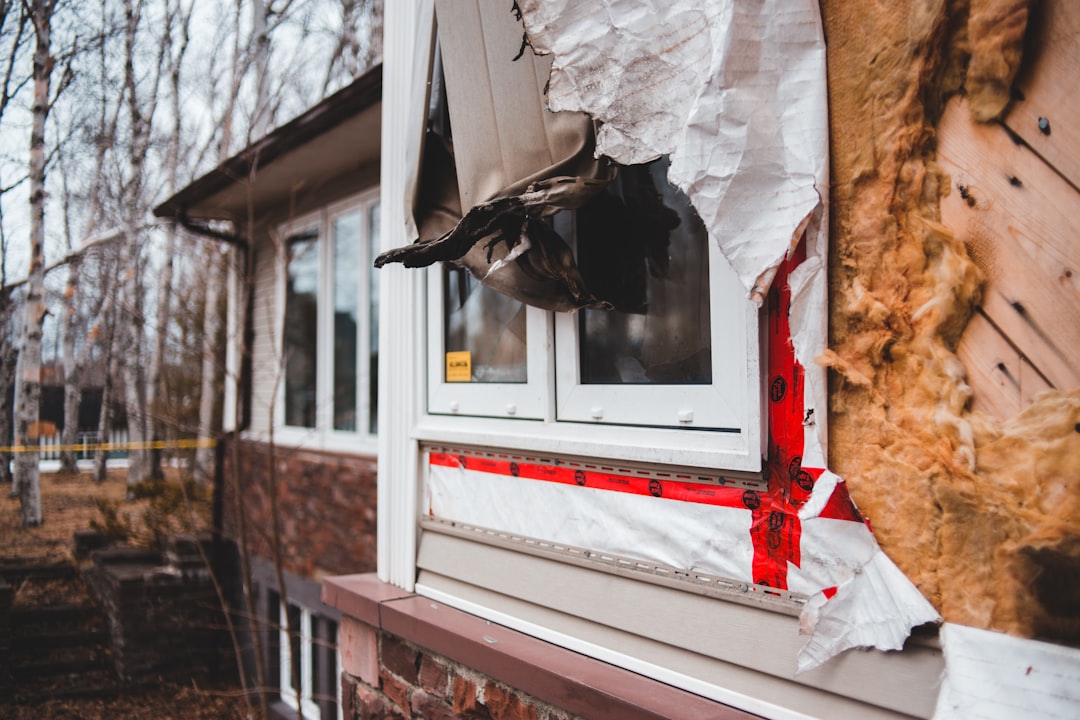
Applying adhesive foam or rubber strips around window frames seals small gaps where cold air enters. This inexpensive material blocks drafts and keeps the heated air securely inside the home. Routine inspections of exterior doors will reveal areas where the sealing material needs replacement. Properly sealed entryways reduce the workload on your central heating system. This basic maintenance task requires minimal investment but yields continuous savings all season.
Reversible Ceiling Fans
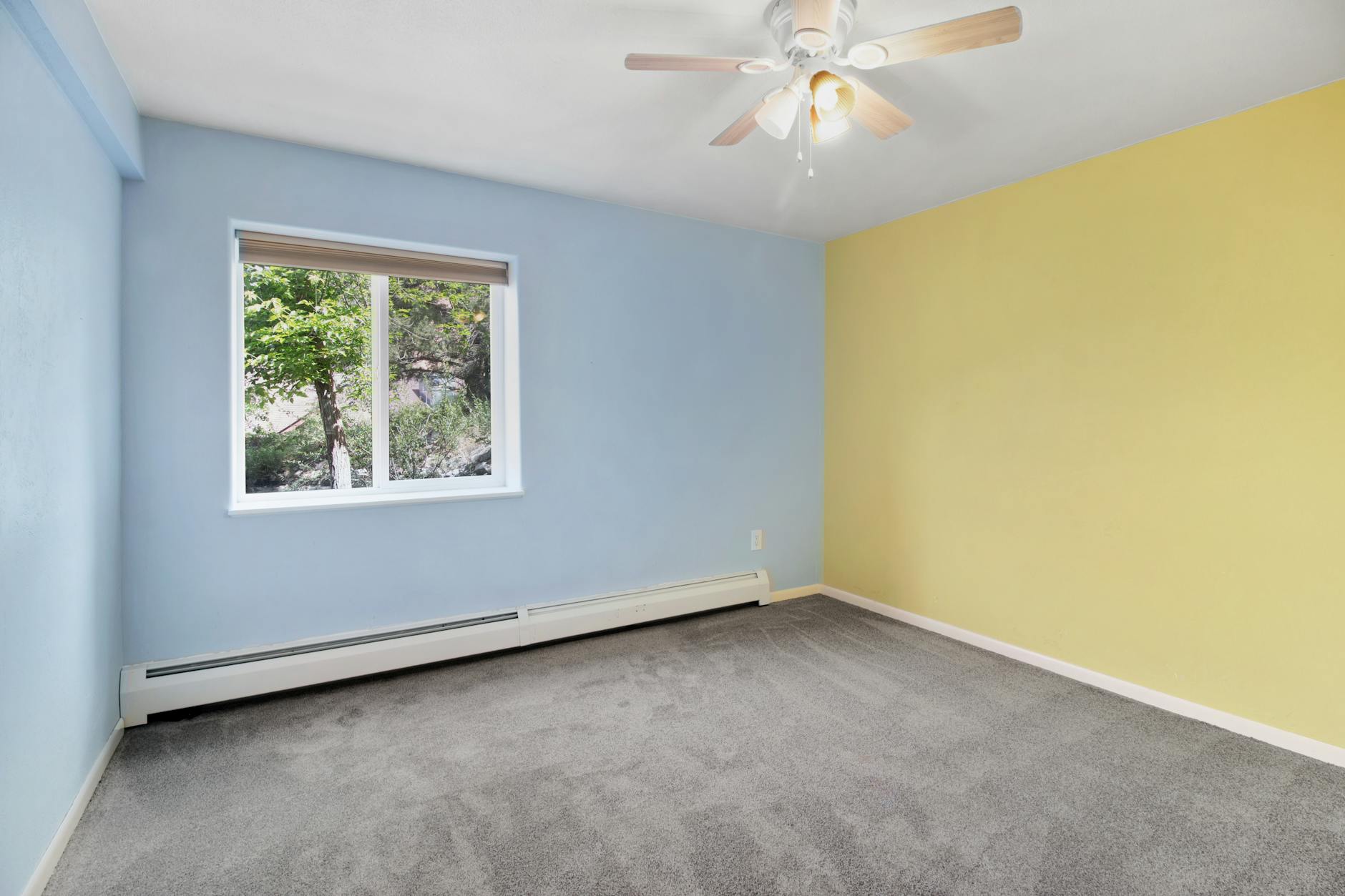
Changing the rotation direction of ceiling fixtures pushes warm air trapped near the ceiling back down into the living area. Most modern units feature a simple switch on the motor housing to change the blade direction to clockwise. Running the appliance on a low speed ensures the room remains comfortable without creating a chilly breeze. This continuous circulation helps distribute thermal energy evenly throughout the space. Maximizing existing heat allows the primary furnace to cycle on less frequently.
Door Draft Stoppers

Placing a weighted fabric tube at the base of exterior doors creates an immediate barrier against incoming cold air. These simple devices block the noticeable chill that often seeps through the gap between the door and the threshold. Many designs slide under the door to provide insulation on both the inside and outside surfaces. Moving the barrier to interior doors can also help isolate unused rooms from the rest of the heated house. Blocking these common air leaks keeps the main living areas significantly warmer.
Furnace Filters
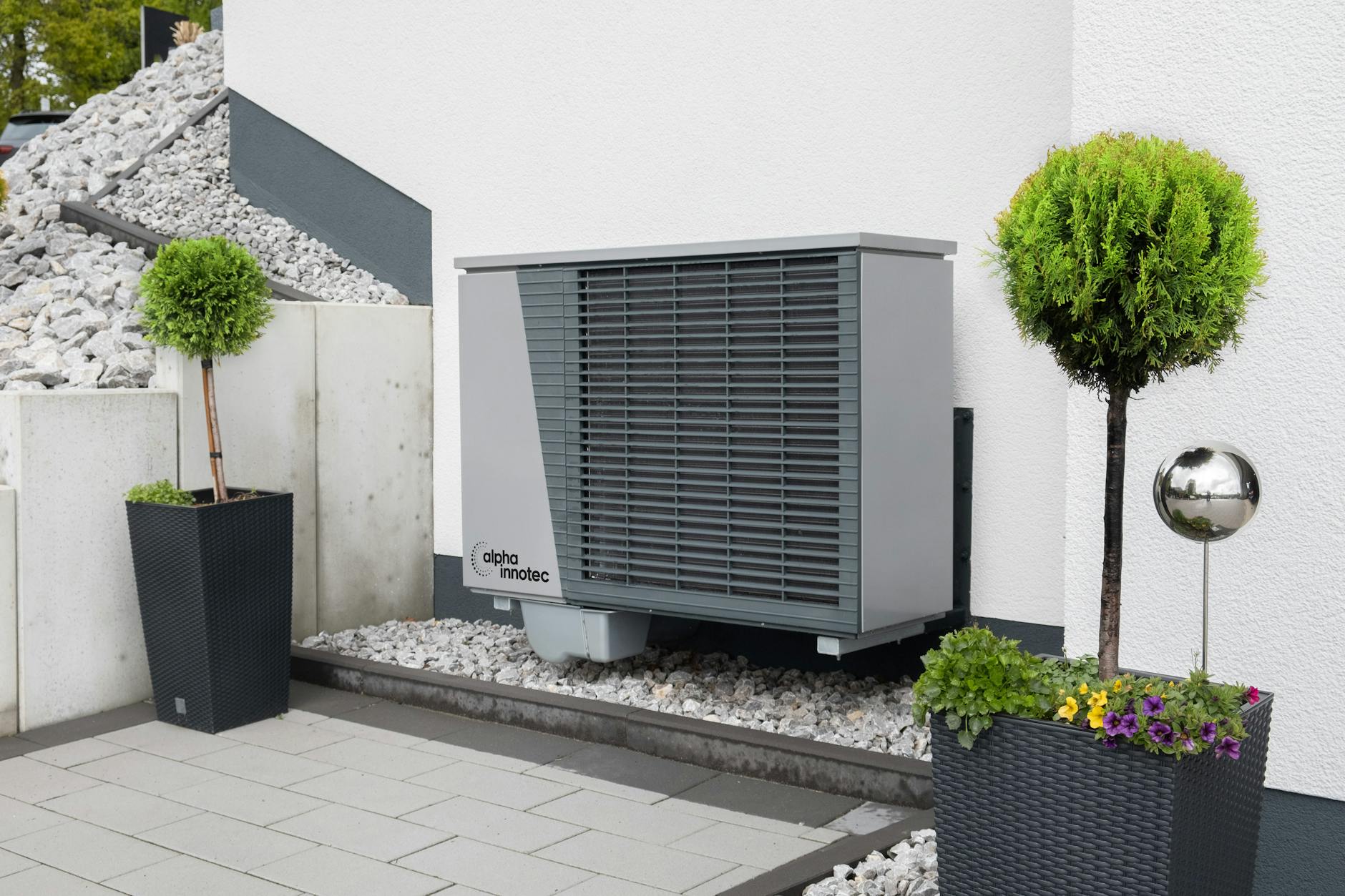
Regularly replacing the air filter in your heating system ensures optimal airflow and mechanical efficiency. A clogged screen forces the blower motor to work harder to push warm air through the home. Clean materials allow the unit to reach the desired temperature faster and consume less electricity or gas. HVAC professionals recommend checking and replacing these components every month during peak usage seasons. Maintaining a clean system extends the lifespan of the equipment while keeping daily operating costs low.
Thick Area Rugs
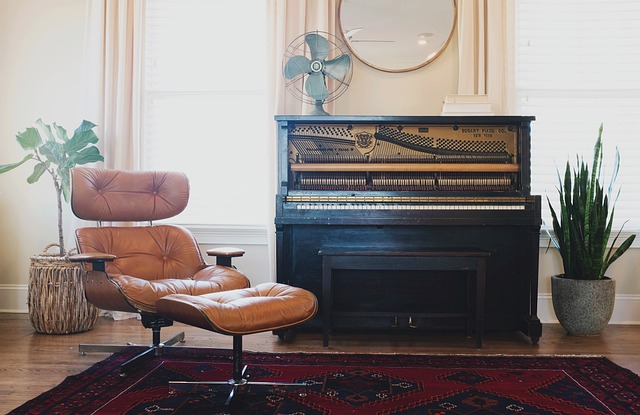
Covering bare hardwood or tile floors with woven textiles adds a vital layer of insulation to the room. Floors account for a significant amount of heat loss in homes built over unheated basements or crawl spaces. The thick fibers trap warmth and create a much more comfortable surface for walking. Placing large carpets in primary seating areas helps the entire room feel cozier. This decorative addition serves a functional purpose by reducing the perceived need to raise the ambient room temperature.
Water Heater Adjustment
Lowering the default temperature setting on your domestic water tank directly reduces standby energy losses. Most manufacturers set the default temperature higher than necessary for standard household use. Adjusting the dial to a moderate setting provides plenty of hot water for showers and appliances while conserving power. Wrapping the tank in a specialized insulating blanket further prevents thermal energy from escaping into the surrounding basement or garage. These two modifications ensure the appliance runs efficiently without sacrificing daily comfort.
Room Humidifiers
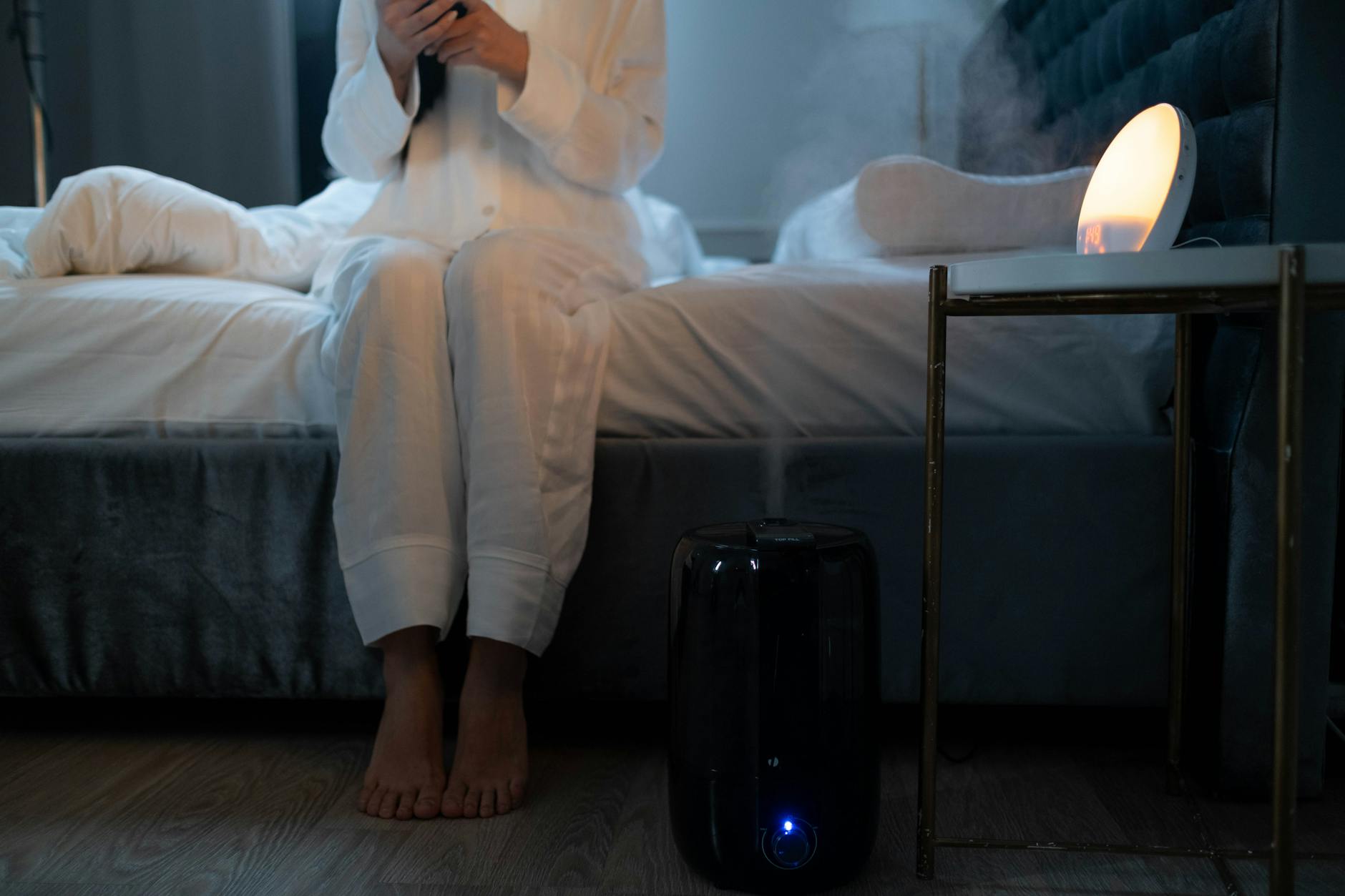
Adding moisture to the dry winter air makes the ambient temperature feel noticeably warmer against the skin. Dry environments cause body moisture to evaporate quickly and create a chilling effect on the occupants. Operating a humidifying appliance allows you to set the main thermostat a few degrees lower without feeling uncomfortable. Proper indoor humidity also helps protect wooden furniture and prevents static electricity buildup. Maintaining optimal moisture levels provides a simple way to decrease reliance on the main furnace.
Unblocked Heating Vents
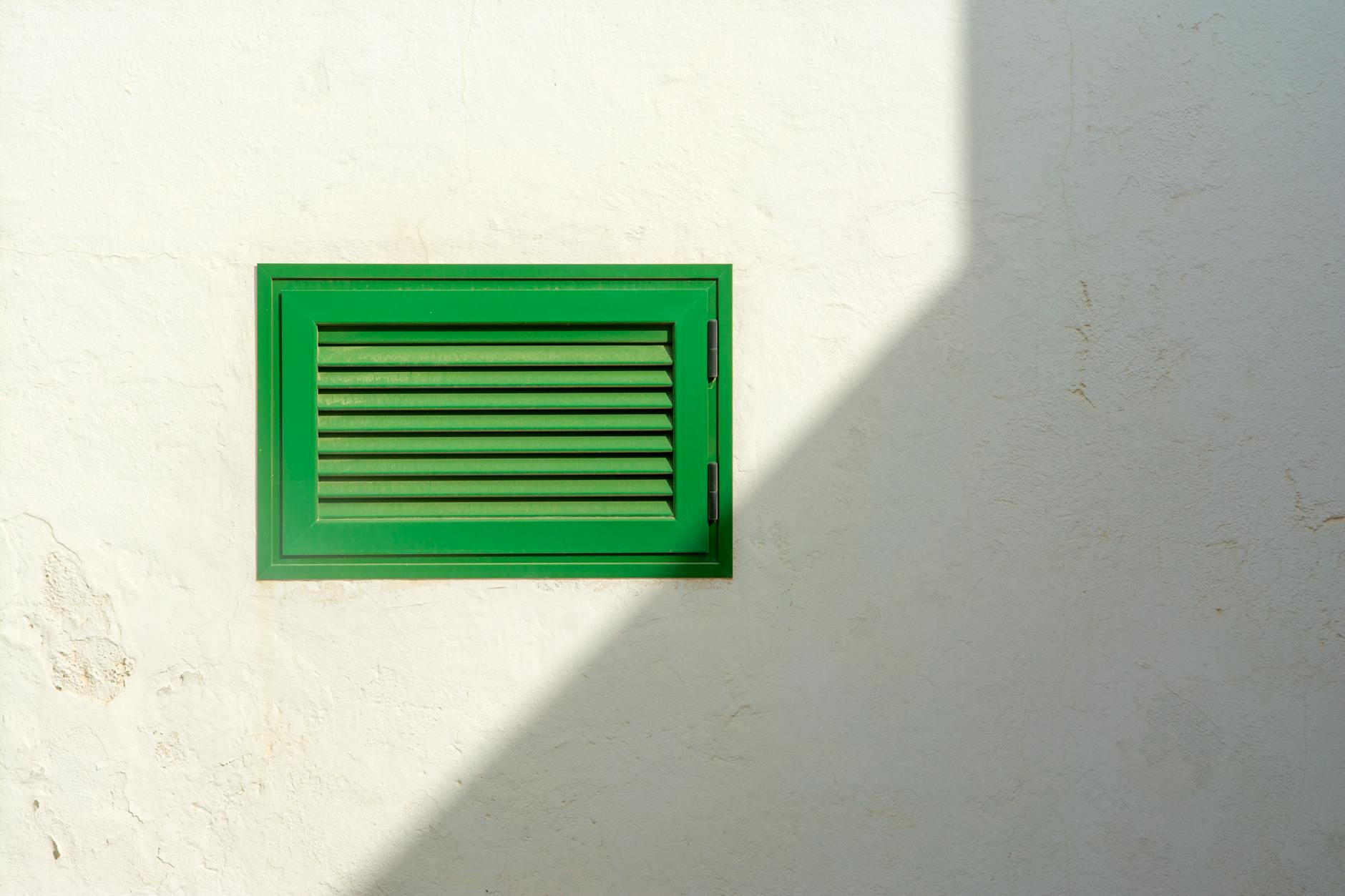
Arranging furniture away from floor registers allows warm air to flow freely into the room. Sofas and solid cabinets placed directly over vents absorb the heat and prevent it from circulating properly. Purchasing curved plastic deflectors can redirect the airflow out from under necessary furnishings if rearranging is impossible. Keeping return air grilles completely clear is equally important for the overall efficiency of the central blower system. Unrestricted circulation ensures the HVAC equipment operates exactly as designed.
Attic Insulation
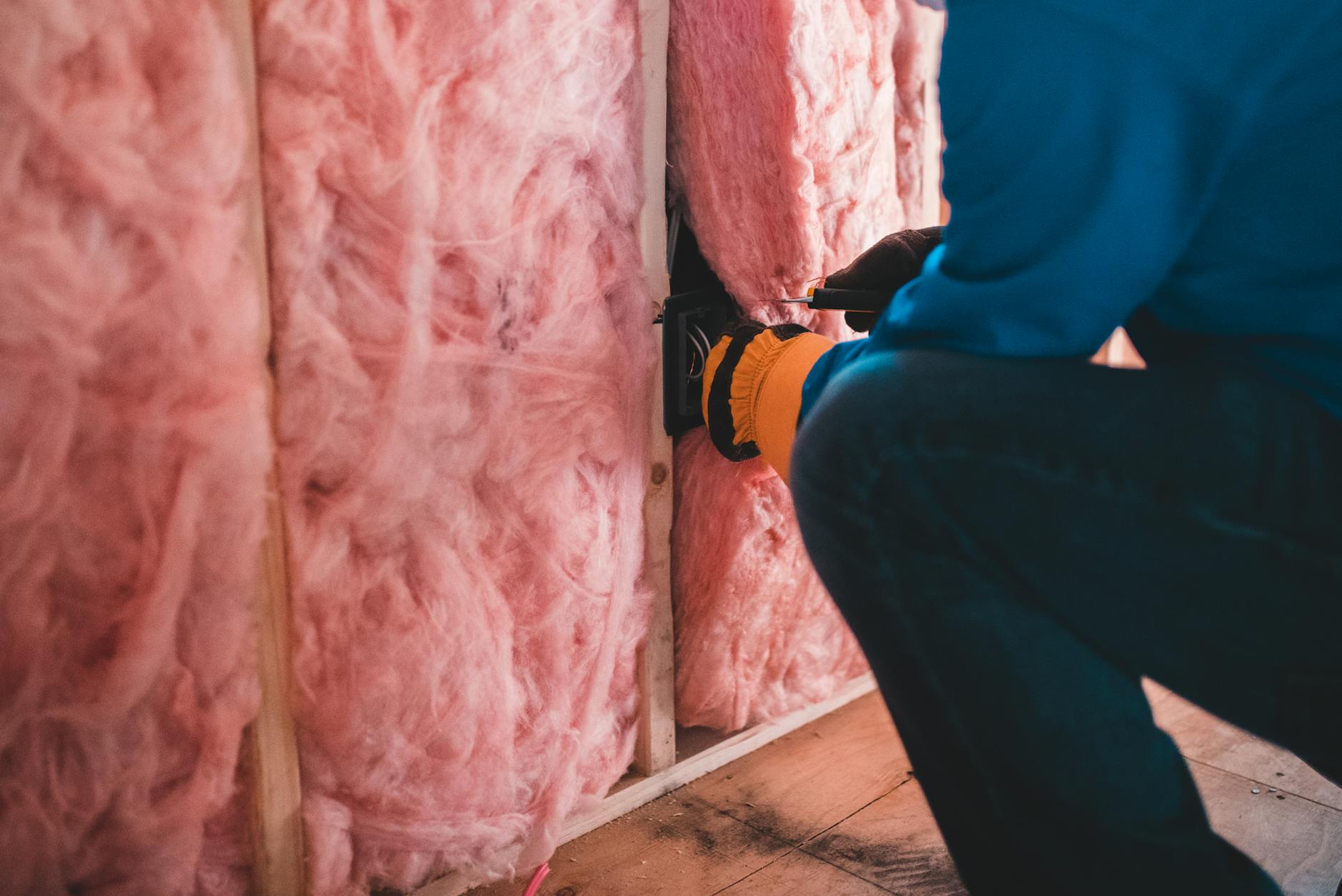
Upgrading the thermal barrier in the uppermost level of the home prevents rising heat from escaping through the roof. Many older properties lack the recommended depth of fiberglass or cellulose material required for modern efficiency standards. Adding another layer over the existing material creates a dense shield against winter temperatures. This improvement traps the warm air in the living spaces where it belongs. Proper overhead insulation represents one of the most effective strategies for long term energy conservation.
Chimney Balloons
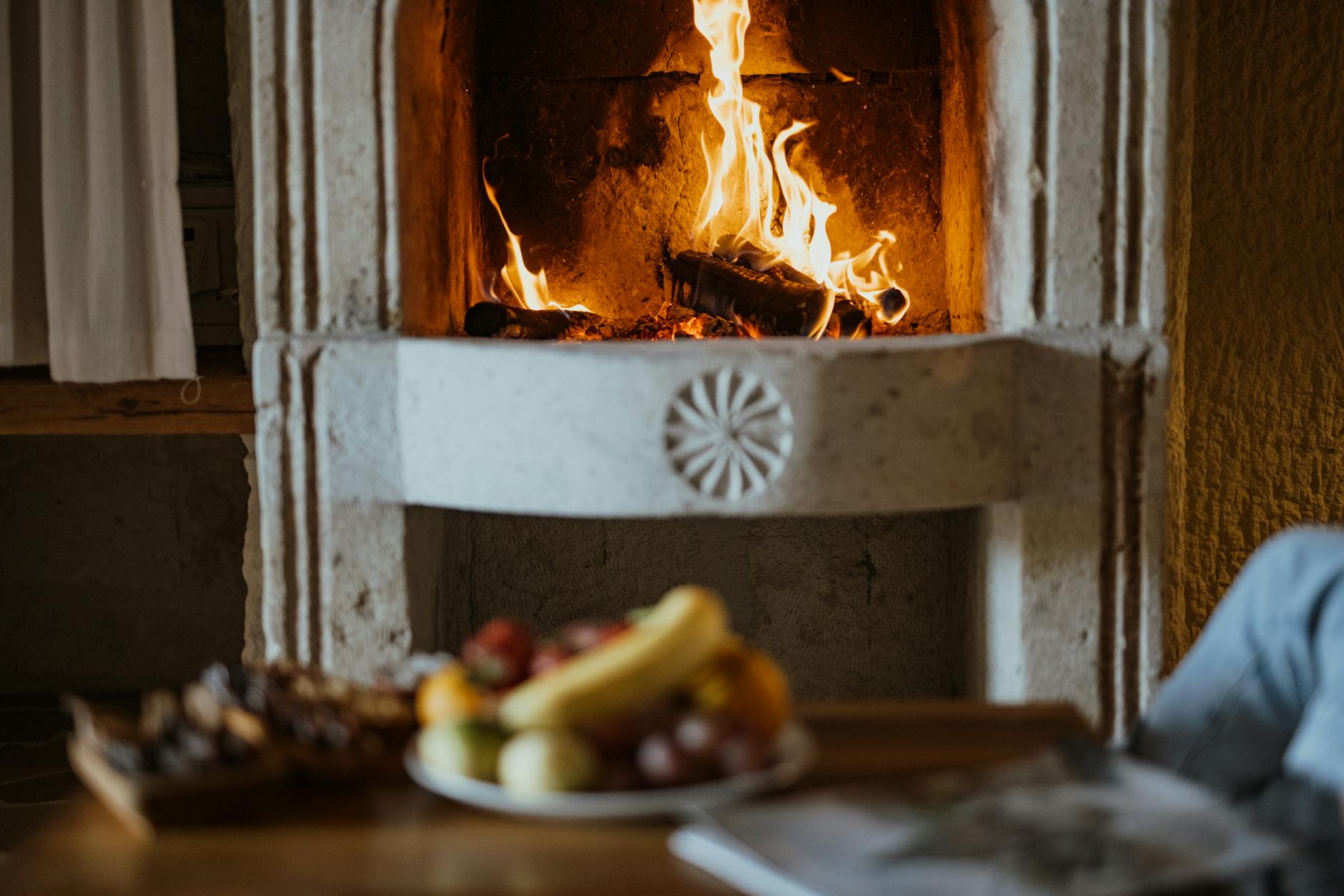
Inserting an inflatable plug into an unused fireplace flue stops massive amounts of warm air from escaping up the chimney. Traditional metal dampers often warp over time and fail to create an airtight seal against the outside elements. The heavy duty plastic balloon expands to fill the specific dimensions of the masonry channel perfectly. This device prevents cold downdrafts from entering the living room during severe winter storms. Removing the temporary barrier is easy when you decide to build a safe wood fire.
Portable Space Heaters
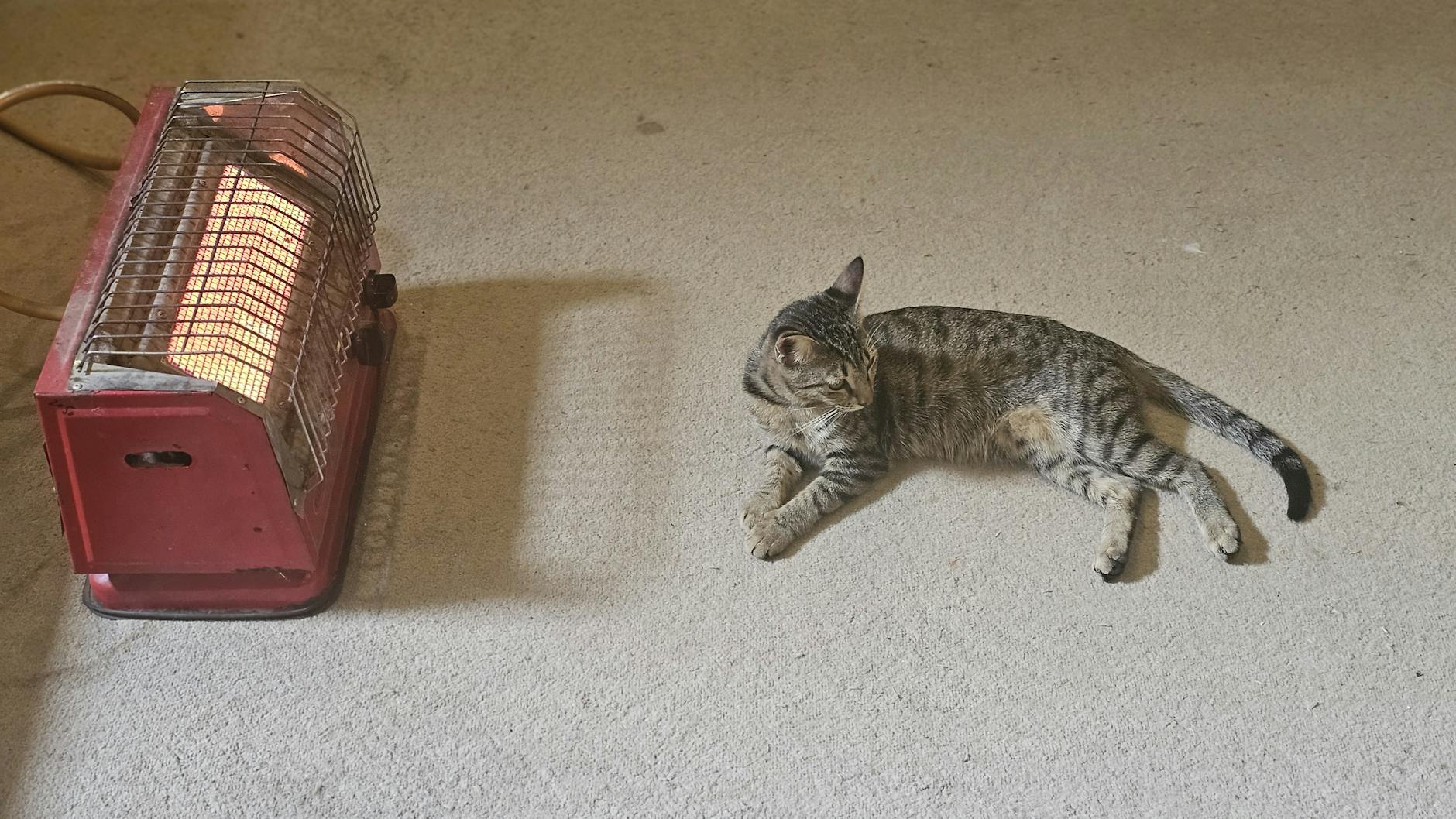
Utilizing small electric heating units allows occupants to warm only the specific rooms they are actively using. This targeted approach is much more efficient than keeping an entire empty house at a high temperature. Closing the doors to the occupied room traps the generated heat and maximizes the effectiveness of the portable device. Modern models include tip over safety switches and automatic timers for secure operation. This strategy significantly lowers the workload on the central gas or oil furnace.
Residual Oven Heat
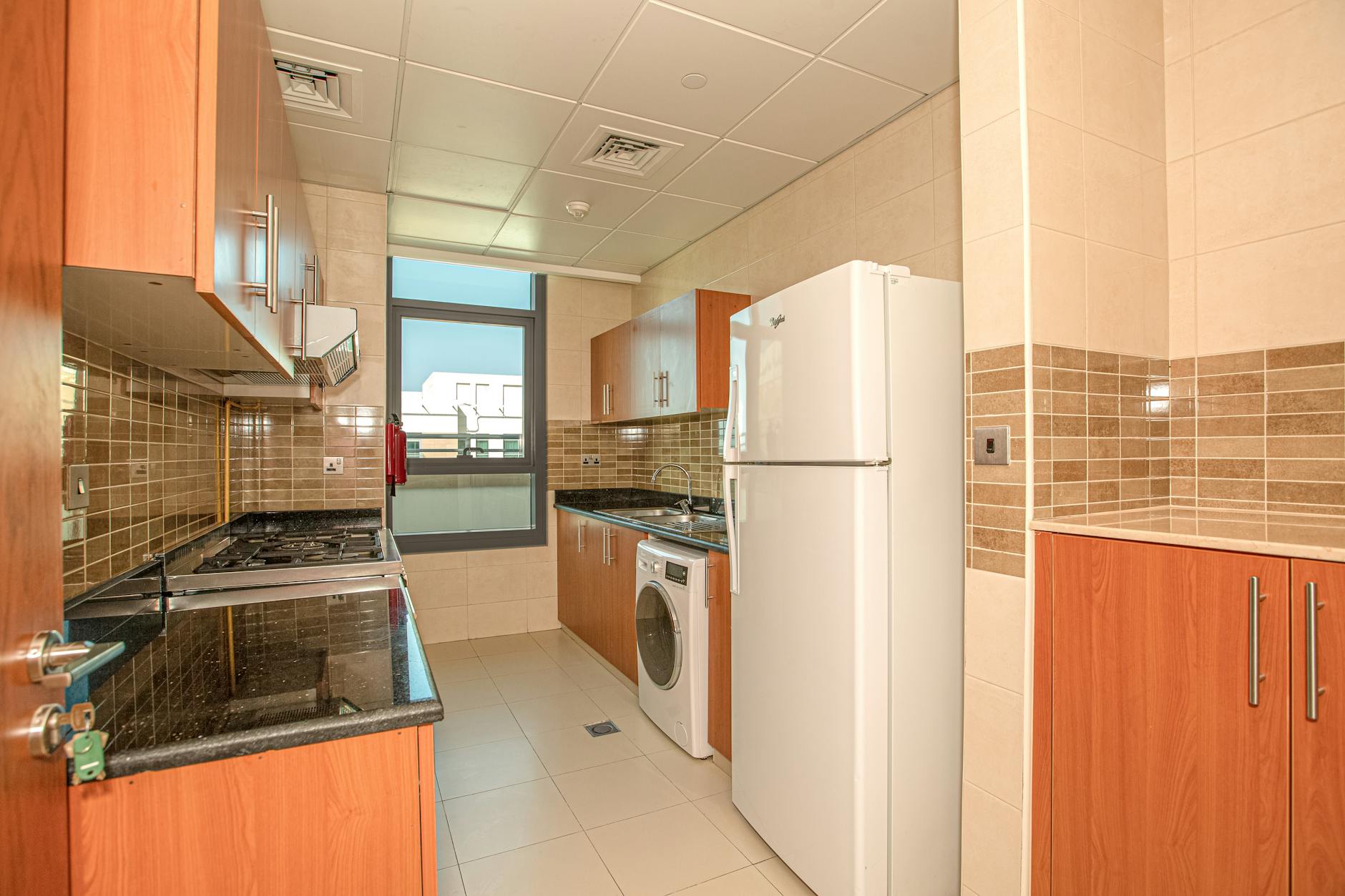
Leaving the oven door slightly open after finishing a baking session releases accumulated warmth directly into the kitchen. This appliance generates a massive amount of thermal energy that usually goes to waste as it slowly cools down inside the closed cavity. Allowing that residual heat to escape provides a temporary boost to the ambient room temperature. Families who cook frequently can take advantage of this completely free secondary heating source. Safety precautions are necessary to ensure pets and children stay away from the open appliance.
Thermal Clothing Layers

Wearing comfortable fleece or wool sweaters indoors immediately reduces the need for high ambient room temperatures. Thick socks and lined slippers prevent body heat from escaping through contact with cold flooring surfaces. Adding a base layer of thermal underwear provides exceptional warmth without restricting daily movements around the house. This personal insulation strategy is completely free and instantly effective. Dressing for the season indoors allows households to drastically lower their primary thermostat settings.
Window Bubble Wrap
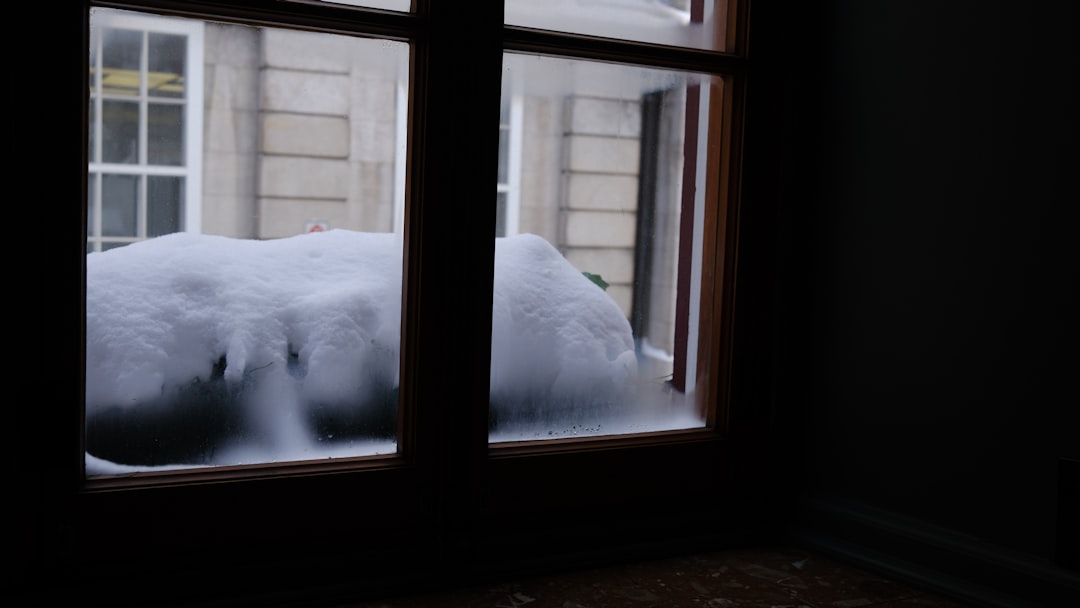
Spraying water on window glass and applying a sheet of packaging material creates an excellent temporary thermal barrier. The small pockets of trapped air within the plastic act as a surprisingly effective layer of insulation. This method works perfectly for unused guest rooms or utility spaces where aesthetic appearance is not a priority. The material stays securely attached to the wet glass but removes easily without leaving any sticky residue behind in the spring. This inexpensive hack blocks drafts and reduces thermal transfer through thin single pane windows.
Silicone Caulking
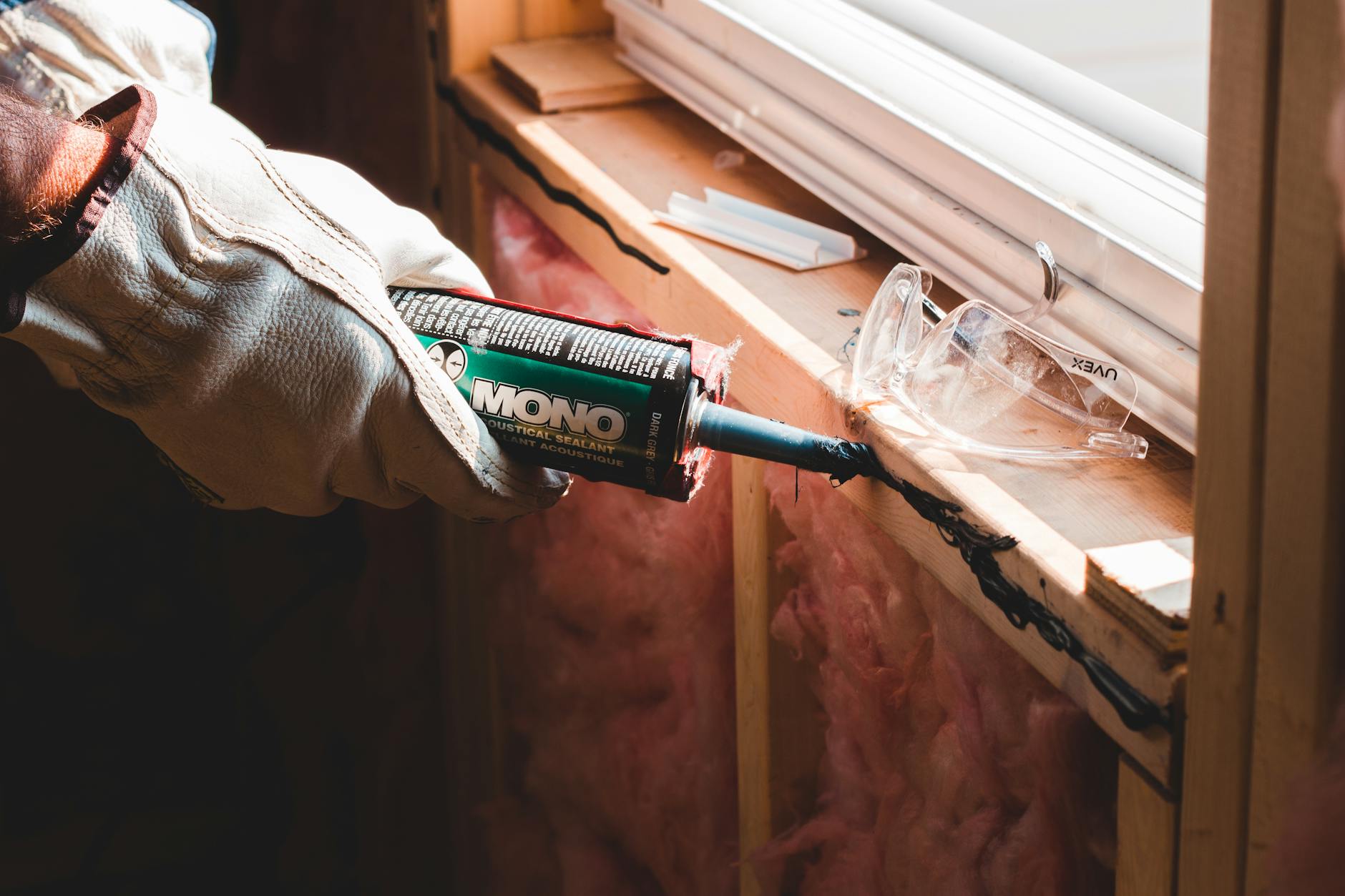
Applying a fresh bead of waterproof sealant around the exterior perimeter of window frames prevents air infiltration. Over time seasonal expansion and contraction cause old sealing materials to crack and crumble away entirely. Inspecting the exterior walls and filling any visible gaps blocks freezing winds from penetrating the building envelope. This maintenance task protects the structural integrity of the home while improving overall energy efficiency. A single tube of sealant provides enough material to secure several vulnerable entry points.
Radiator Foil Reflectors

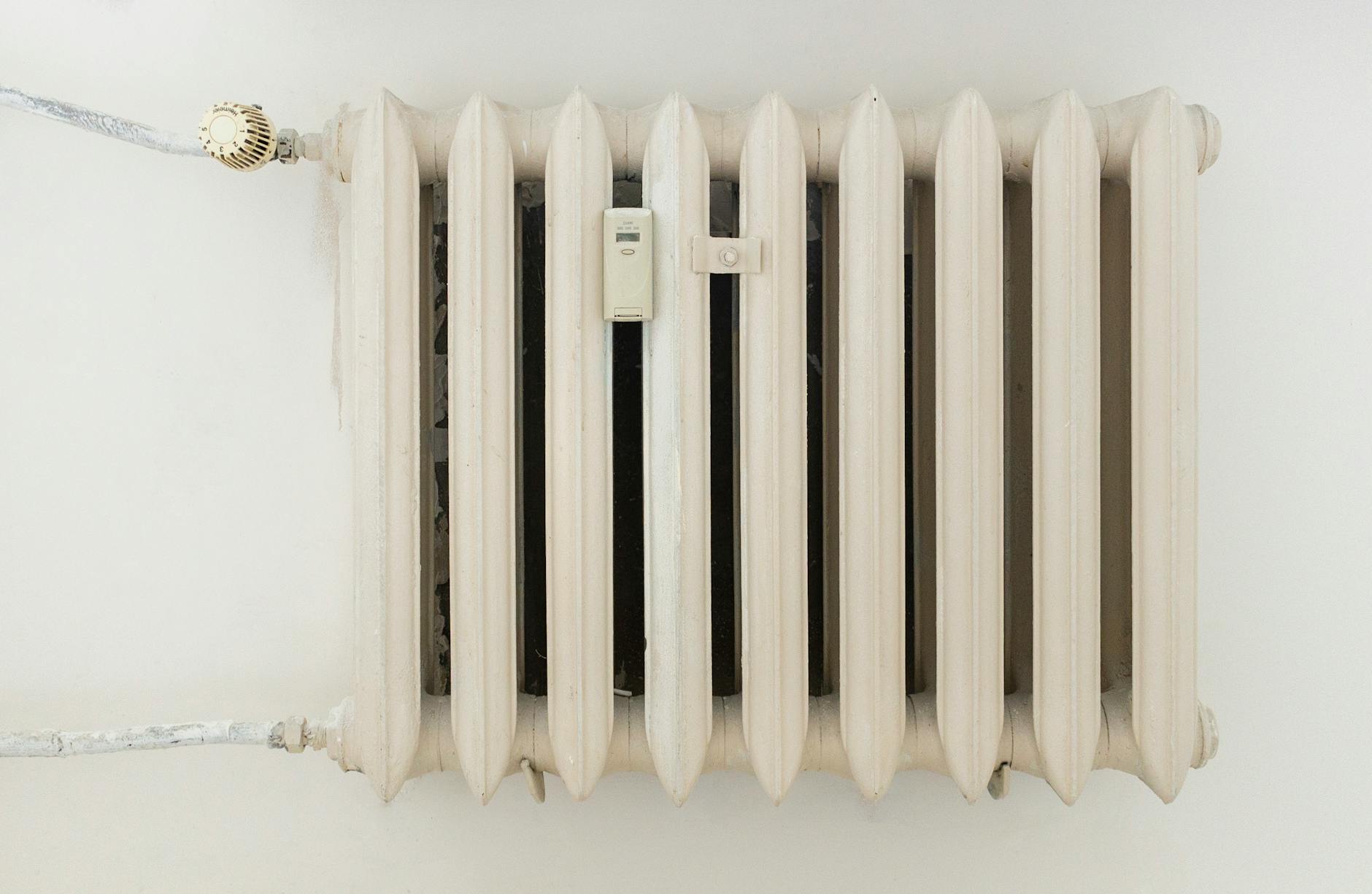
Placing reflective panels behind wall mounted heating units bounces thermal energy directly back into the room. Without this barrier a significant portion of the heat absorbs into the exterior wall and escapes outside. The specialized metallic surface prevents this waste and forces the warmth to circulate inward. Installation simply involves cutting the material to size and sliding it behind the cast iron or baseboard unit. This inexpensive upgrade maximizes the output of older hydronic heating systems.
HVAC Zone Systems
Installing mechanical dampers within the ductwork allows homeowners to control temperatures in different areas of the house independently. This advanced setup directs warm air only to the bedrooms at night and the living areas during the day. Electronic thermostats in each designated zone communicate directly with the central control panel to optimize efficiency. Heating only the occupied spaces prevents the system from wasting fuel on empty rooms. While the initial installation requires an investment the resulting utility savings accumulate rapidly.
Plastic Window Film
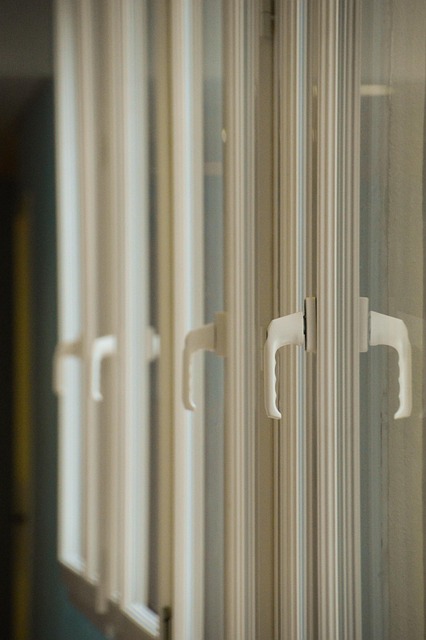
Applying clear plastic sheets over interior window frames creates a dead air space that acts like a secondary pane of glass. Double sided tape secures the material to the trim before a standard hair dryer shrinks it tightly across the opening. The tension creates a transparent barrier that stops drafts and drastically reduces condensation buildup on the cold glass. This seasonal application provides an affordable alternative to replacing older inefficient windows entirely. The transparent material allows natural light to enter while keeping the valuable heat trapped inside.
Home Baking
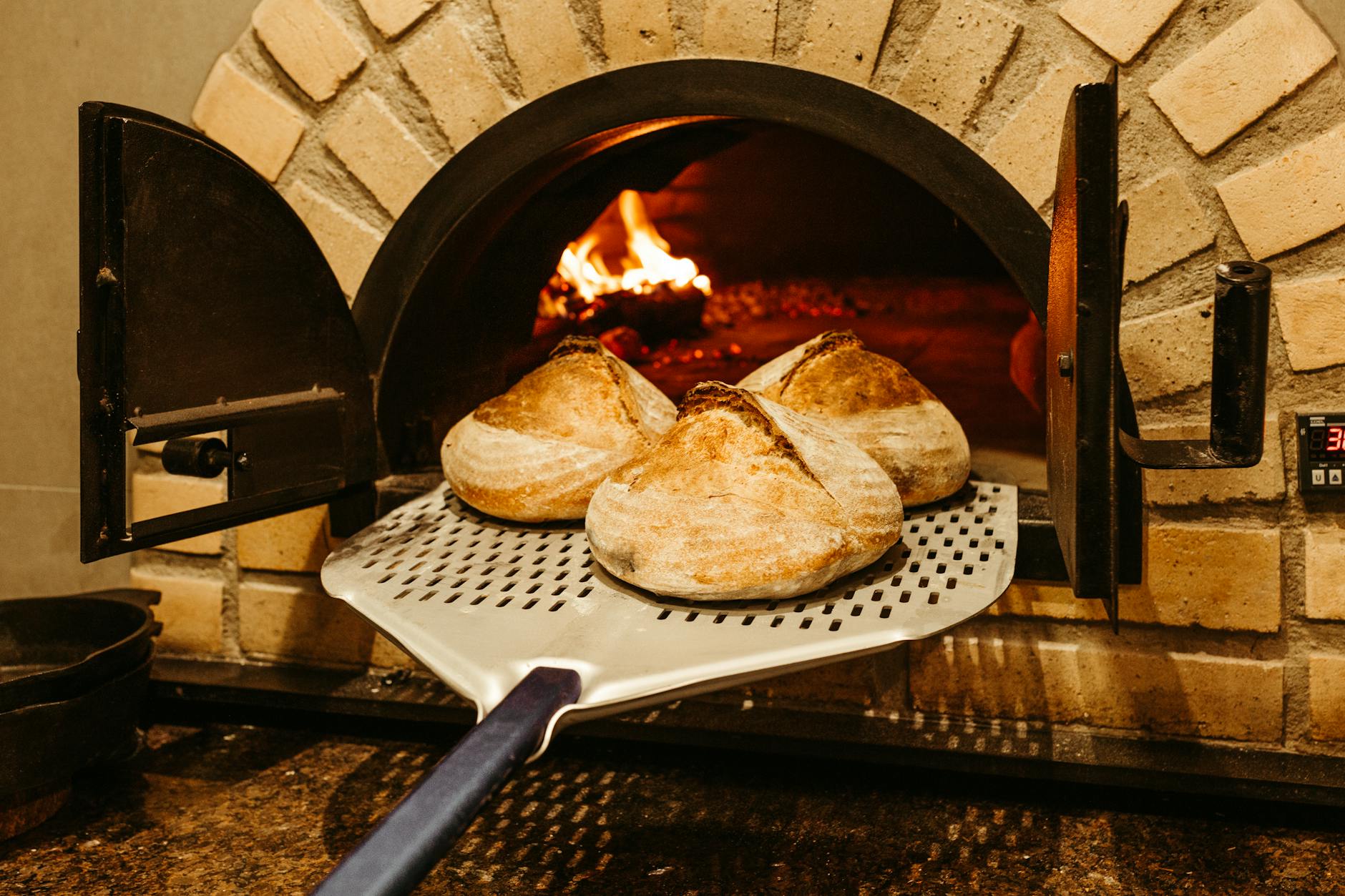
Preparing meals that require long oven cooking times naturally elevates the temperature of the surrounding kitchen area. Roasting vegetables or baking bread generates continuous thermal energy that warms the entire main floor of an open concept home. Shifting meal plans to include more baked dishes utilizes the oven as a dual purpose appliance during the colder months. The combined benefit of a hot meal and a warmer house maximizes the value of the electricity or gas used. This lifestyle adjustment turns standard daily chores into an effective supplemental heating strategy.
Bathroom Shower Steam
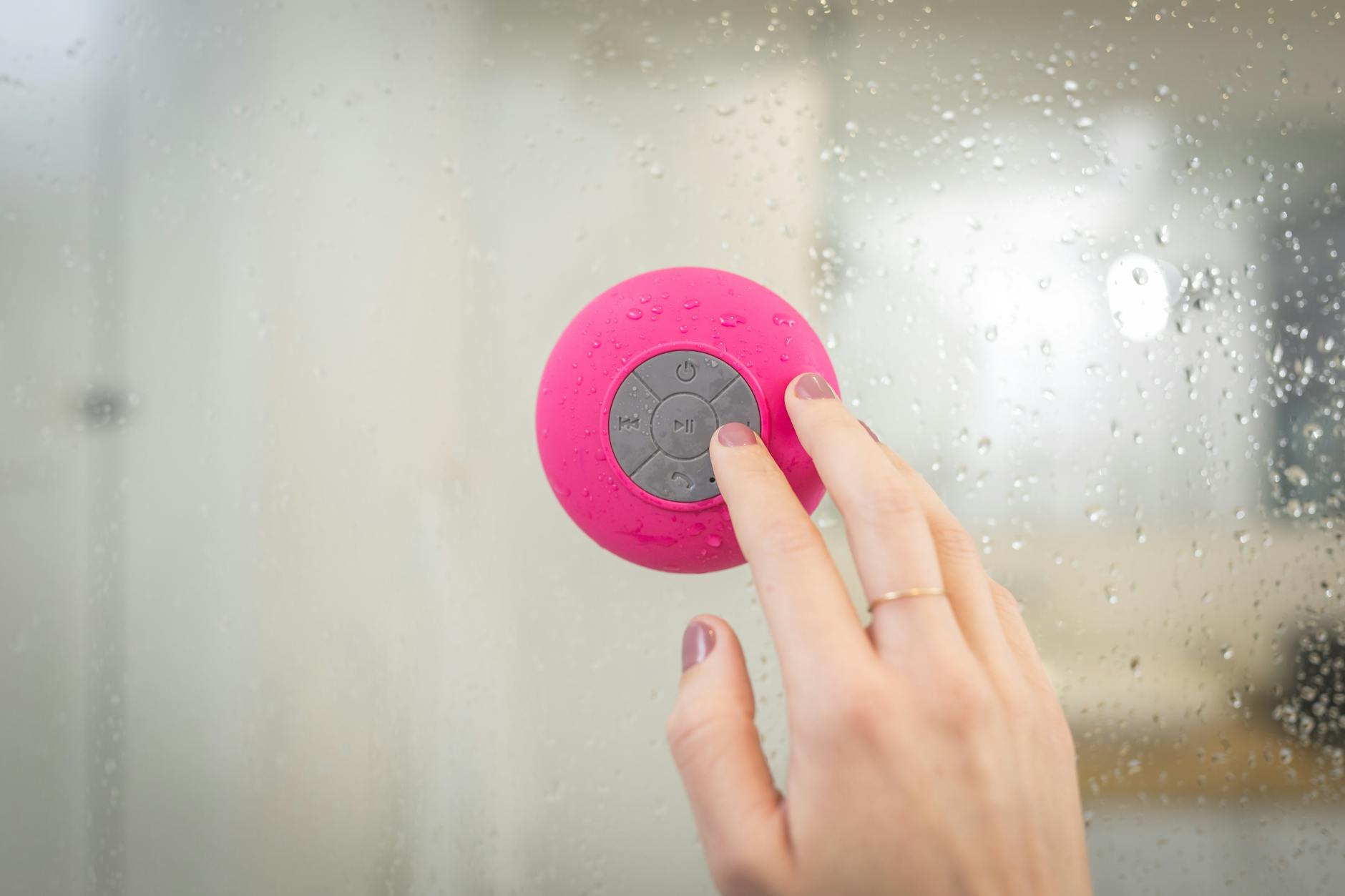
Leaving the bathroom door open while taking a hot shower allows warm and humid air to circulate into adjoining bedrooms. The dense steam carries a significant amount of thermal energy that normally vents directly outside through the exhaust fan. This moisture also helps combat the dry air conditions created by forced air heating systems. Skipping the exhaust fan during the winter months retains both the heat and the beneficial humidity within the living space. This daily routine provides a quick and completely free boost to indoor comfort levels.
Sunroom Isolation
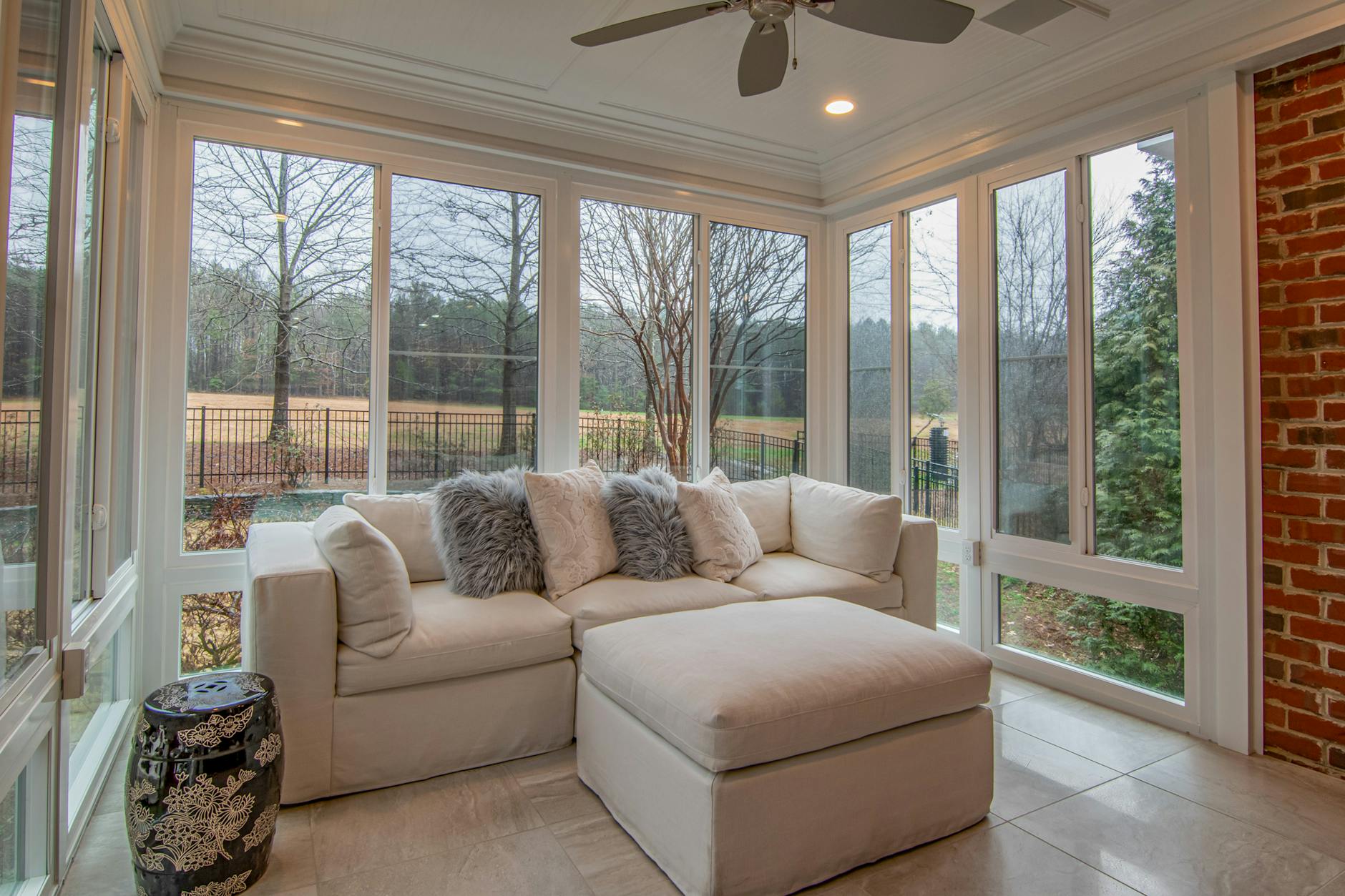
Keeping the interior doors closed between the main house and unheated additions prevents massive energy losses. Three season rooms and enclosed porches lack the proper insulation required to maintain comfortable winter temperatures. Treating these spaces like the exterior environment ensures the central furnace is not struggling to heat an uninsulated area. Applying weather stripping to the adjoining doors provides an extra layer of defense against thermal transfer. This simple isolation technique protects the heated core of the residential property.
Professional Boiler Tuning
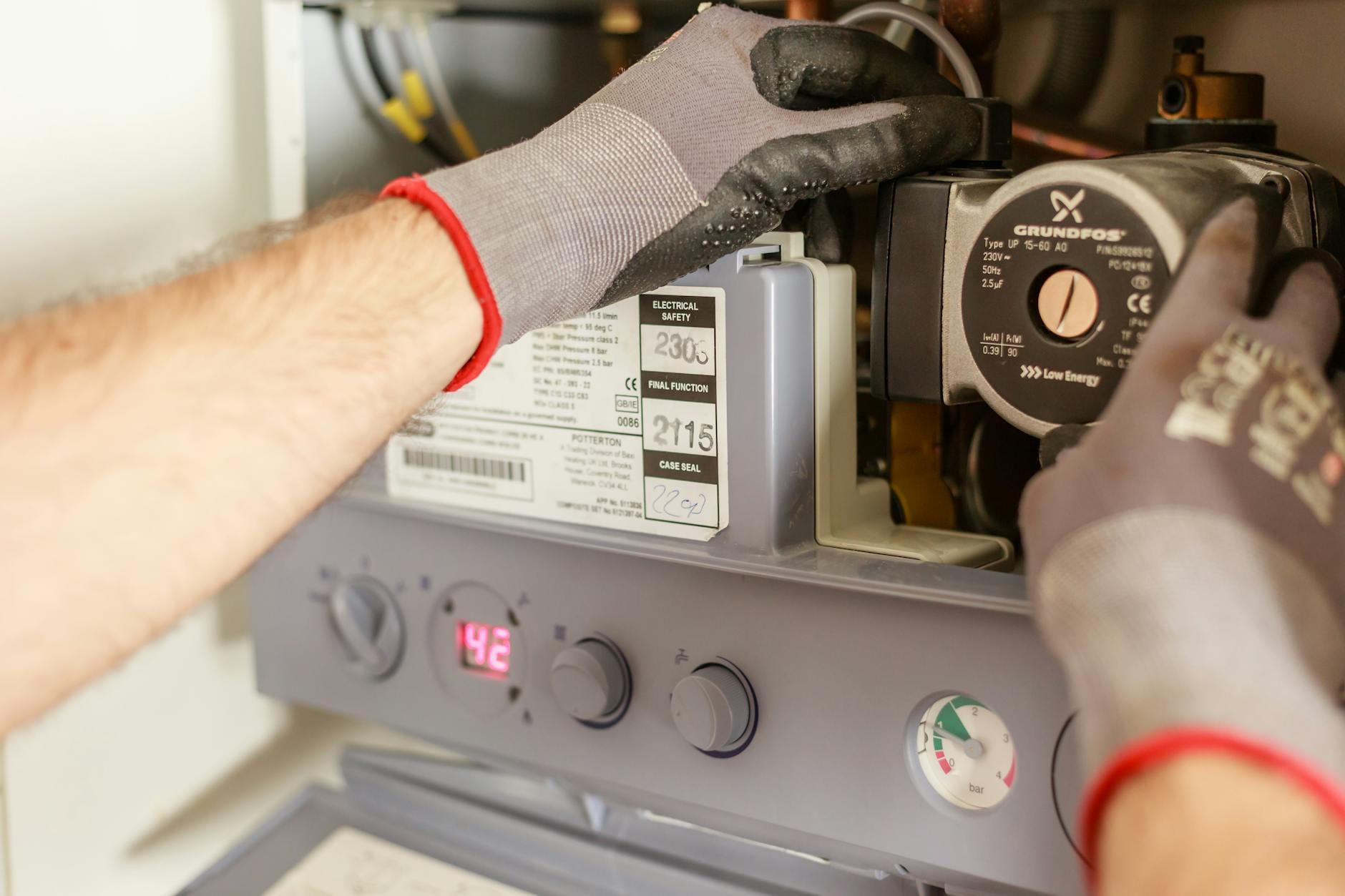
Scheduling an annual inspection for hydronic heating systems ensures the burners and pumps operate at peak performance. Technicians clean soot from the internal combustion chamber to improve the transfer of heat into the water supply. Checking the system pressure and bleeding trapped air from the radiators guarantees even distribution throughout every room. Preventive maintenance catches small mechanical issues before they cause the equipment to consume excessive amounts of expensive fuel. A finely tuned boiler burns cleaner and provides reliable comfort throughout the entire winter season.
Foam Outlet Gaskets
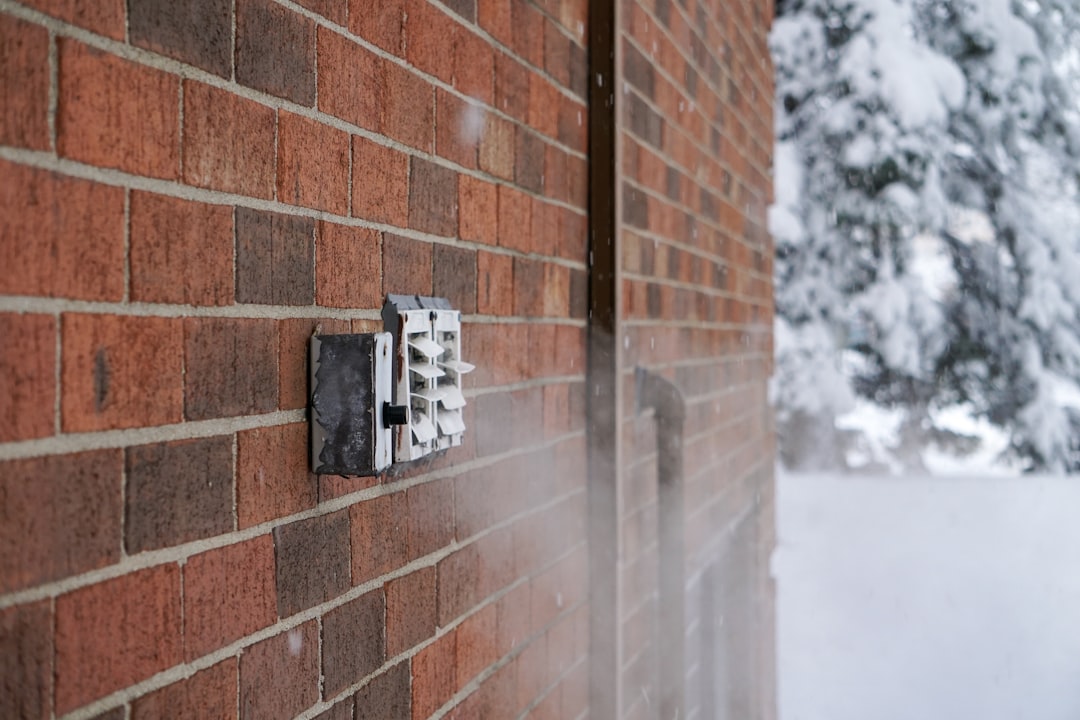
Installing thin foam plates behind the plastic covers of exterior wall outlets stops cold drafts from entering the room. Electrical boxes create direct holes in the wall insulation that allow freezing air to bypass the structural thermal barrier. Removing the plastic faceplate and pressing the precut foam into place takes only a few minutes per switch. This incredibly cheap material effectively plugs the invisible leaks scattered across every exterior wall of the home. Securing these minor gaps makes a noticeable difference in draft reduction.
Insulated Rug Pads
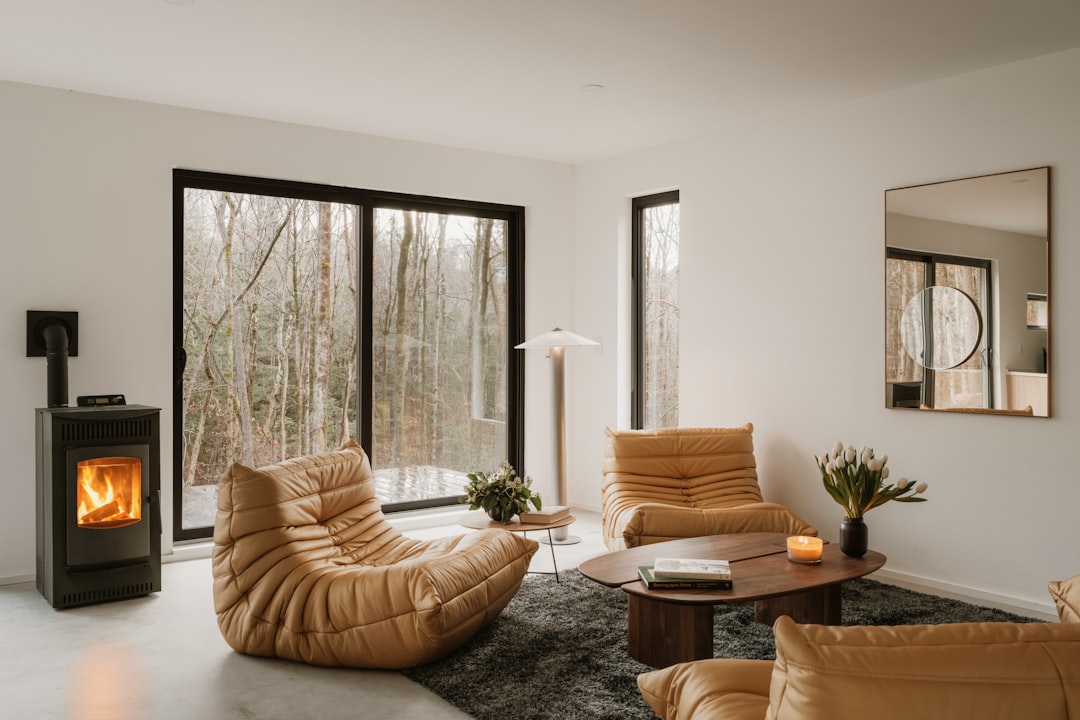
Placing a dense felt or rubber mat underneath decorative carpets doubles the thermal resistance of the floor covering. These thick underlays prevent the cold temperature of the subfloor from transferring up into the living space. The added material also extends the lifespan of the overlying rug by reducing friction against the hard floor. Rooms positioned above unheated garages benefit immensely from this extra layer of dense padding. This hidden upgrade creates a remarkably warmer surface for bare feet during freezing mornings.
Smart HVAC Vents
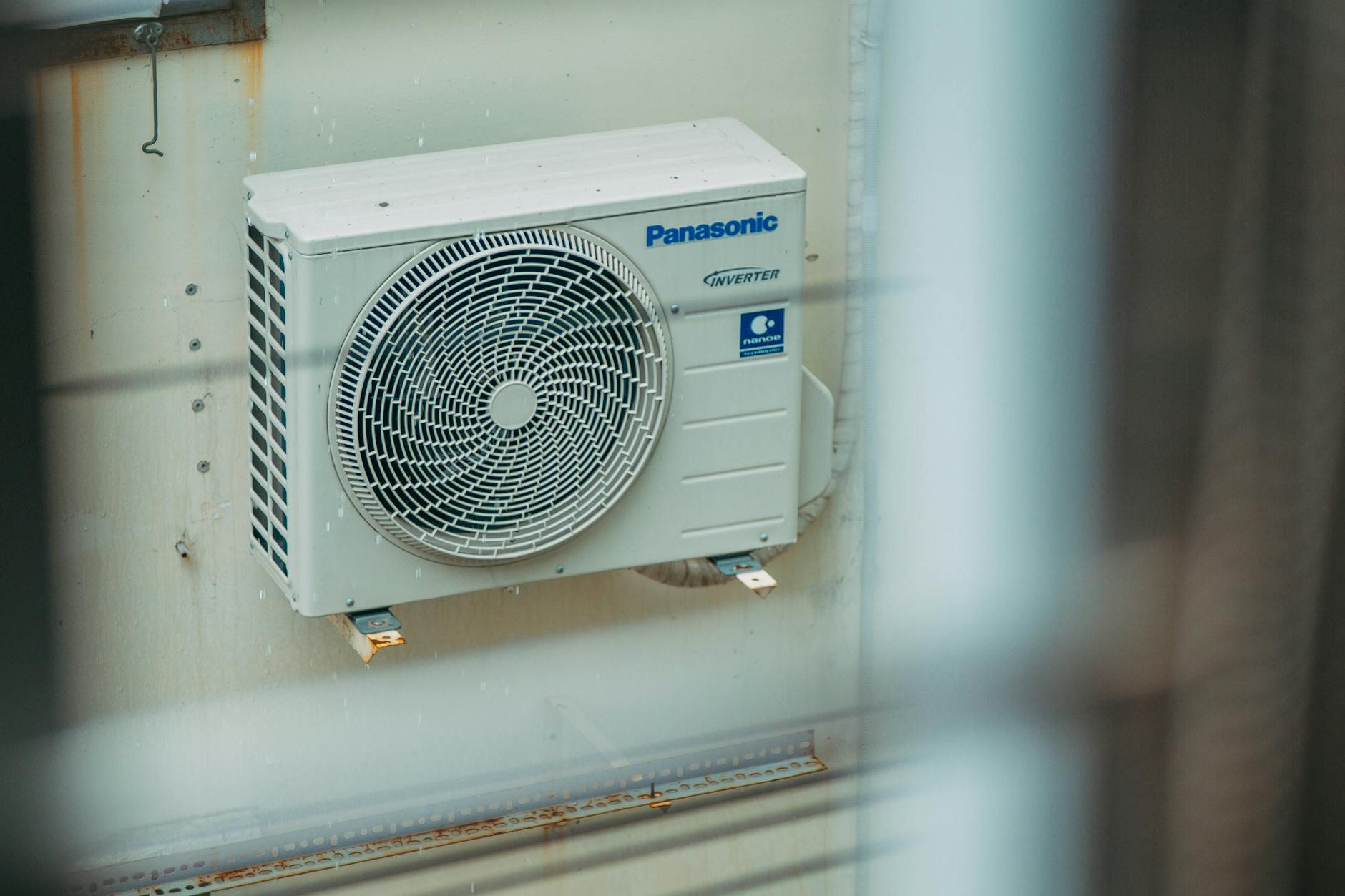
Replacing standard metal floor registers with motorized units allows for automated room by room temperature control. These innovative devices connect to a central hub and open or close based on the ambient temperature of specific spaces. Restricting airflow to empty guest rooms forces the warm air into the areas where the family is actually gathering. The system constantly monitors pressure to ensure the main blower motor does not suffer from restricted circulation. This targeted distribution method eliminates wasted energy and significantly lowers monthly heating costs.
Flannel Bedding
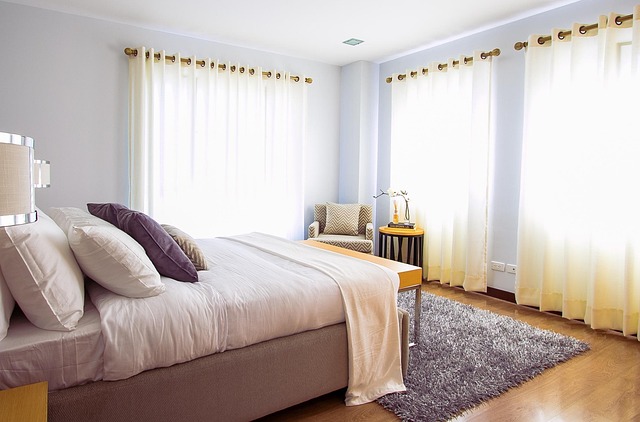
Swapping out lightweight summer cotton sheets for heavy brushed fabrics transforms the bed into a warm sanctuary. The raised fibers of the material trap body heat instantly and eliminate the initial shock of climbing into a cold bed. Utilizing warm bedding allows homeowners to program the thermostat to drop significantly during sleeping hours without causing discomfort. Adding a thick down comforter over the sheets provides absolute protection against freezing nighttime temperatures. Adjusting your sleep environment is a highly effective way to reduce overall overnight energy consumption.
Wood Stove Inserts
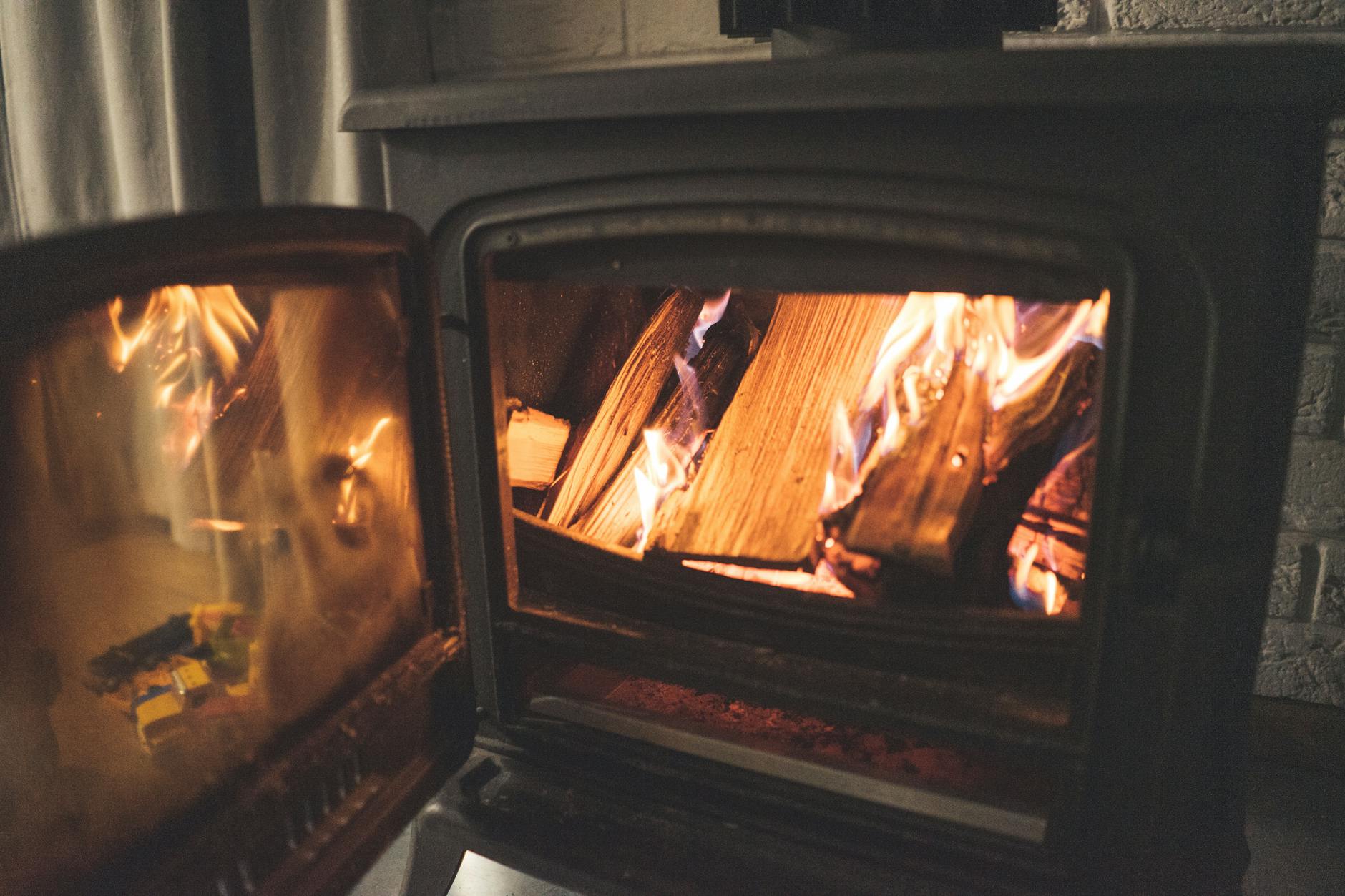
Upgrading an open masonry fireplace with a closed cast iron insert dramatically improves its heating efficiency. Traditional open hearths suck warm room air up the chimney and actually cool the house down while burning wood. The sealed unit utilizes internal fans to blow the generated heat out into the living space instead of losing it vertically. This conversion turns a decorative focal point into a highly functional and economical primary heat source. Burning sustainably sourced cordwood offers a cost effective alternative to relying solely on fossil fuels.
Solar Heat Gain
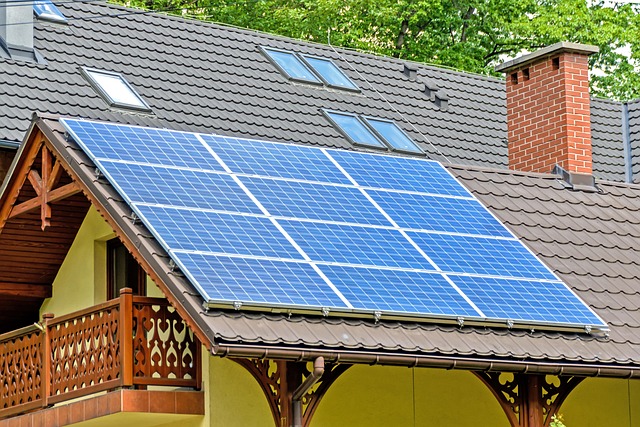
Trimming tree branches and moving outdoor obstacles that block southern facing windows maximizes passive solar heating. The winter sun sits lower in the sky and shines directly through these specific panes for the majority of the day. Keeping the glass perfectly clean ensures the maximum amount of solar radiation enters the living space. This completely free energy source can raise the ambient temperature of a sunny room by several degrees by early afternoon. Taking full advantage of natural light is the most sustainable way to supplement your mechanical heating system.
Please let us know which of these strategies you plan to implement and share your own winter savings tips in the comments.




