Bringing nature indoors adds incredible beauty to our living spaces but can introduce hidden hazards for our furry friends. Many popular houseplants harbor powerful toxins that cause everything from mild oral irritation to severe organ failure in cats and dogs. Curious animals often chew on trailing vines or dig up attractive bulbs without understanding the grave risks involved. Recognizing these toxic botanical species allows you to cultivate a stunning indoor garden while keeping your domestic companions completely safe. Carefully reviewing your current plant collection is the first crucial step toward creating a secure and pet friendly home environment.
Sago Palm
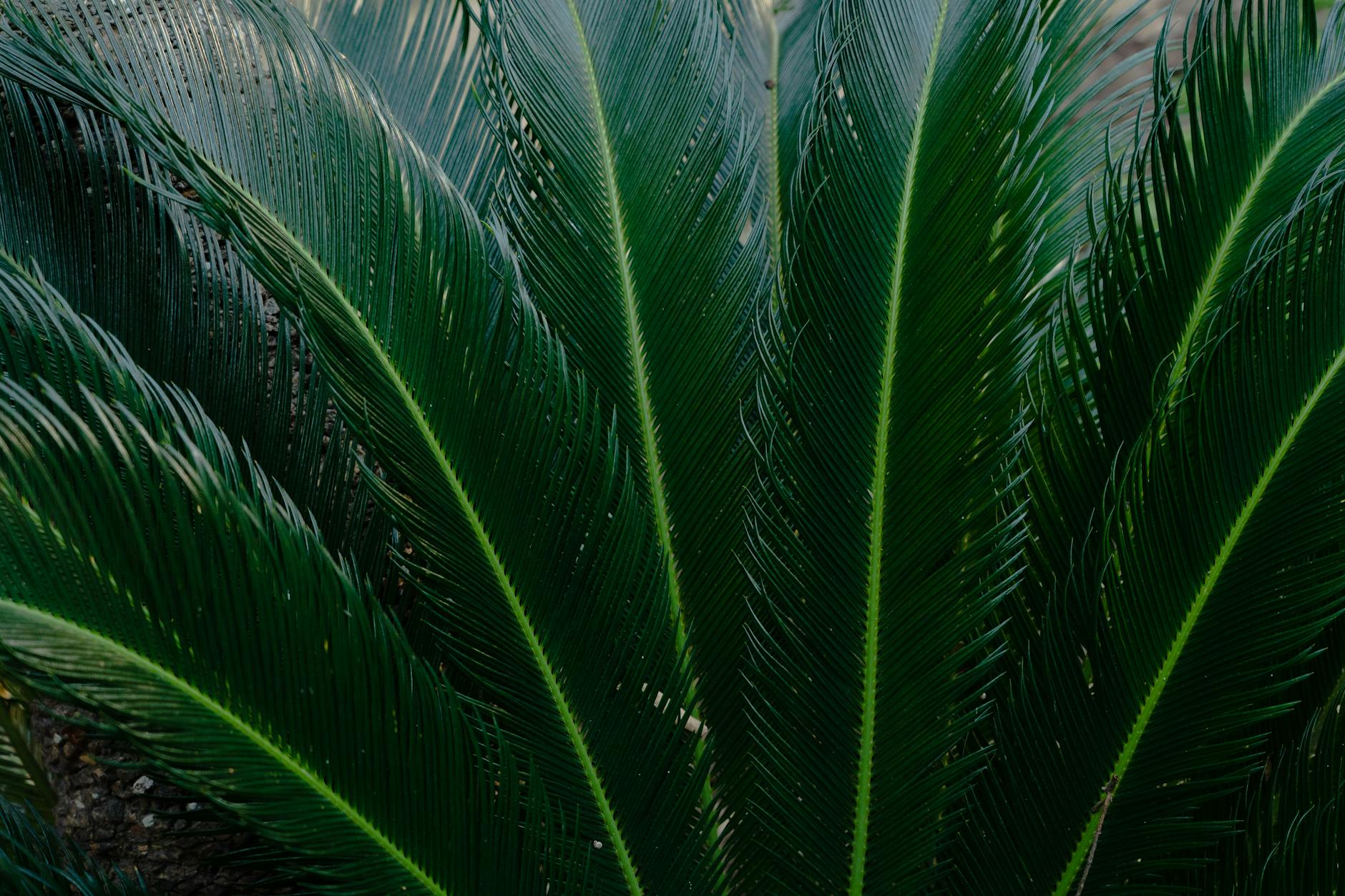
This highly ornamental plant brings a tropical feel to indoor spaces but poses an immense threat to animals. Every single part of the palm contains cycasin which acts as a powerful toxin when ingested. The seeds or nuts contain the highest concentration of this dangerous compound. Pets that consume any portion may experience severe vomiting and potential liver failure within a few days. Immediate veterinary intervention is critical for survival if an animal chews on the fronds or roots.
Aloe Vera
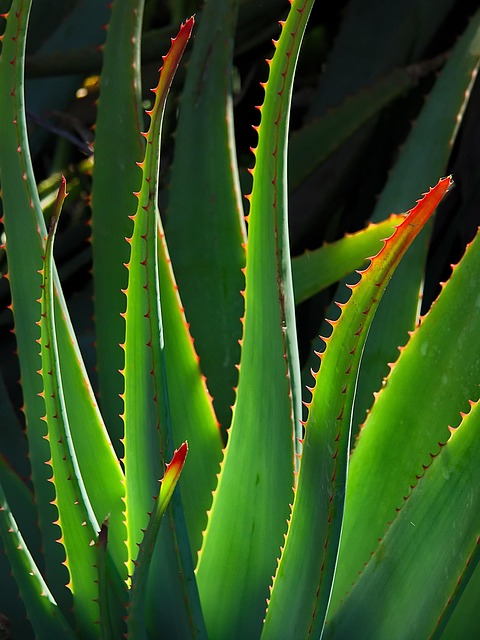
This popular succulent is widely known for soothing human skin burns but causes significant issues for animals. The thick fleshy leaves contain toxic compounds called saponins and anthraquinones hidden just beneath the surface. When dogs or cats chew on the green exterior they often experience lethargy and severe stomach upset. Common symptoms include persistent vomiting and diarrhea alongside a noticeable change in urine color. Keeping this medicinal botanical out of reach prevents uncomfortable gastrointestinal distress for your furry companions.
Dieffenbachia
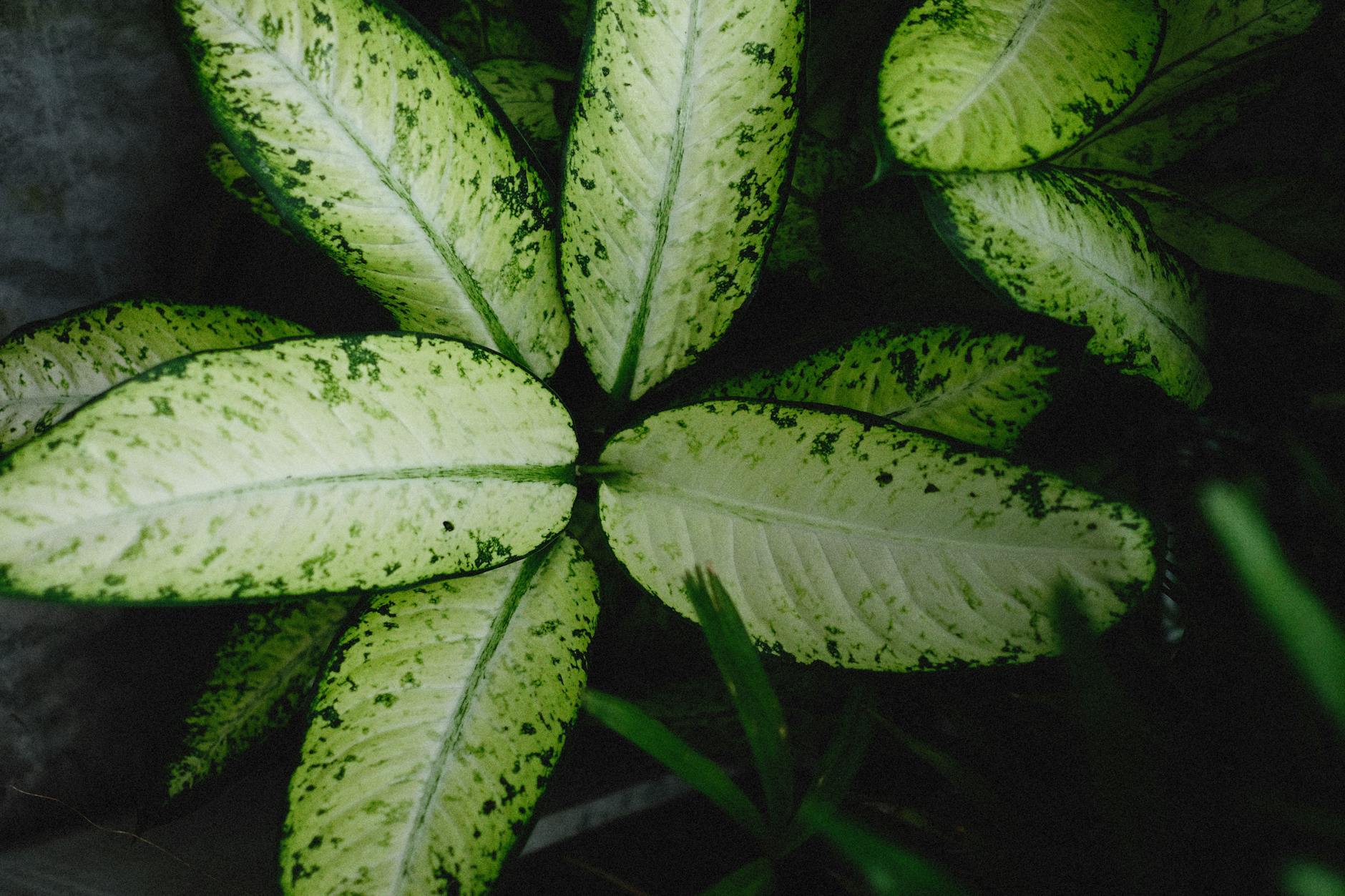
Often called dumb cane this vibrant leafy plant thrives in low light environments inside many homes. The broad leaves contain insoluble calcium oxalate crystals that act like microscopic needles when chewed. These sharp crystals embed themselves into the soft tissues of an animal causing intense oral pain and swelling. Pets will typically exhibit excessive drooling and pawing at their mouth after taking a bite. Severe swelling of the tongue and throat can restrict the airway and cause difficulty breathing or swallowing.
Philodendron
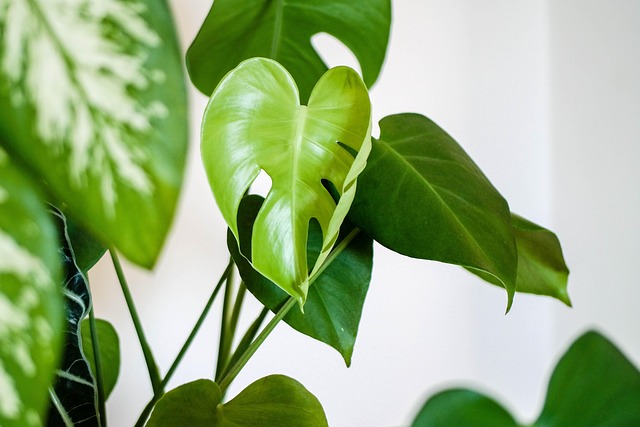
These resilient vining plants grow rapidly and feature beautiful heart shaped leaves that drape elegantly over pots. Similar to other common tropical houseplants they defend themselves with sharp calcium oxalate crystals throughout their structure. Animals that nibble on the foliage experience immediate burning sensations on their lips and tongue. You will often notice intense drooling and an obvious reluctance to eat or drink following ingestion. Vomiting frequently occurs as the irritating compounds move down into the digestive tract.
Pothos
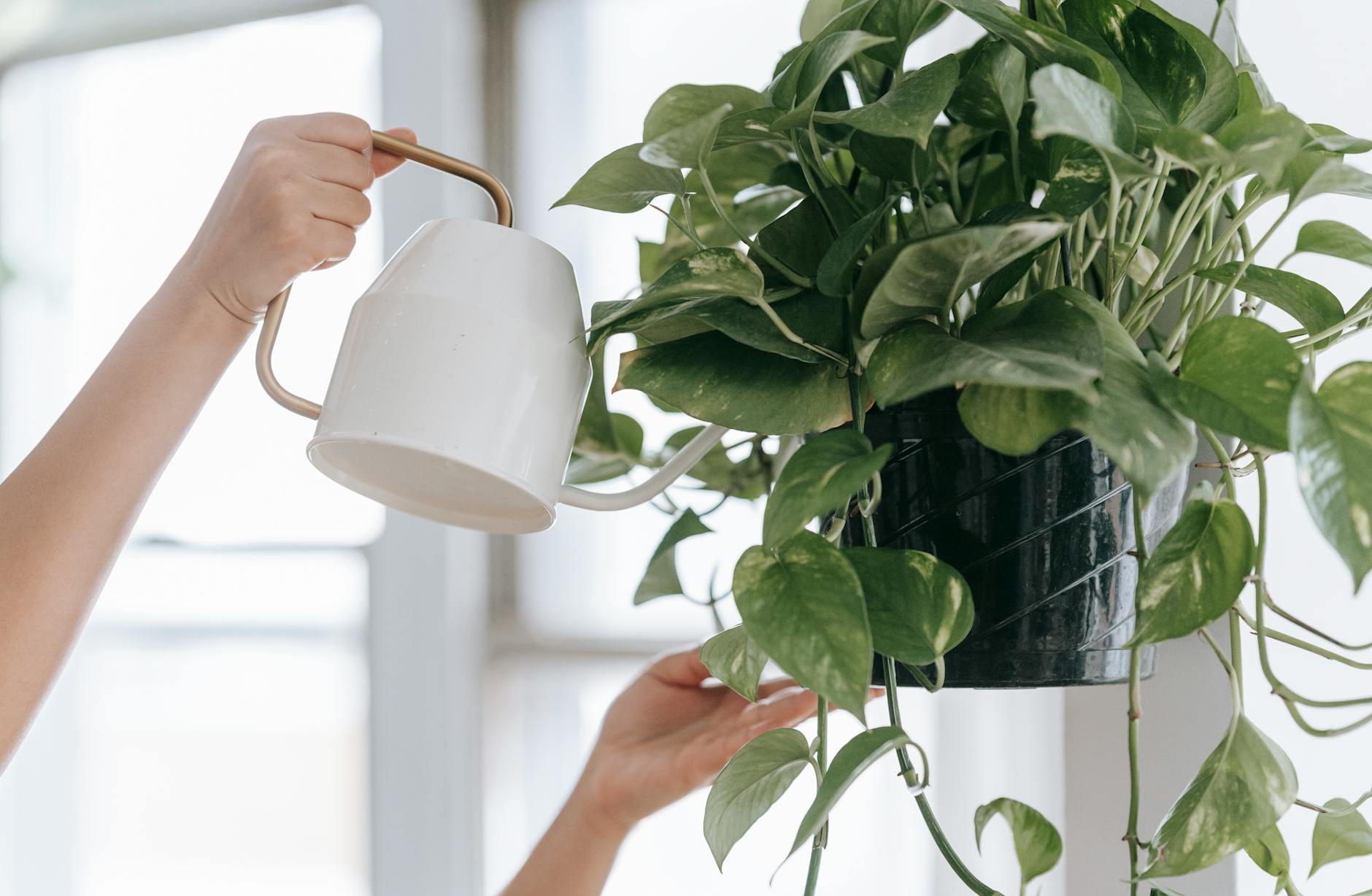
Frequently referred to as devil ivy this trailing vine survives almost any indoor condition with minimal water. The attractive variegated leaves carry the same dangerous calcium oxalate crystals found in many tropical species. A curious cat or dog chewing on the vines will suffer from painful swelling around the oral cavity. Symptoms typically manifest as heavy drooling and distinct pawing motions directed at the face. The burning sensation inside the mouth usually stops pets from eating large quantities of the toxic foliage.
Peace Lily
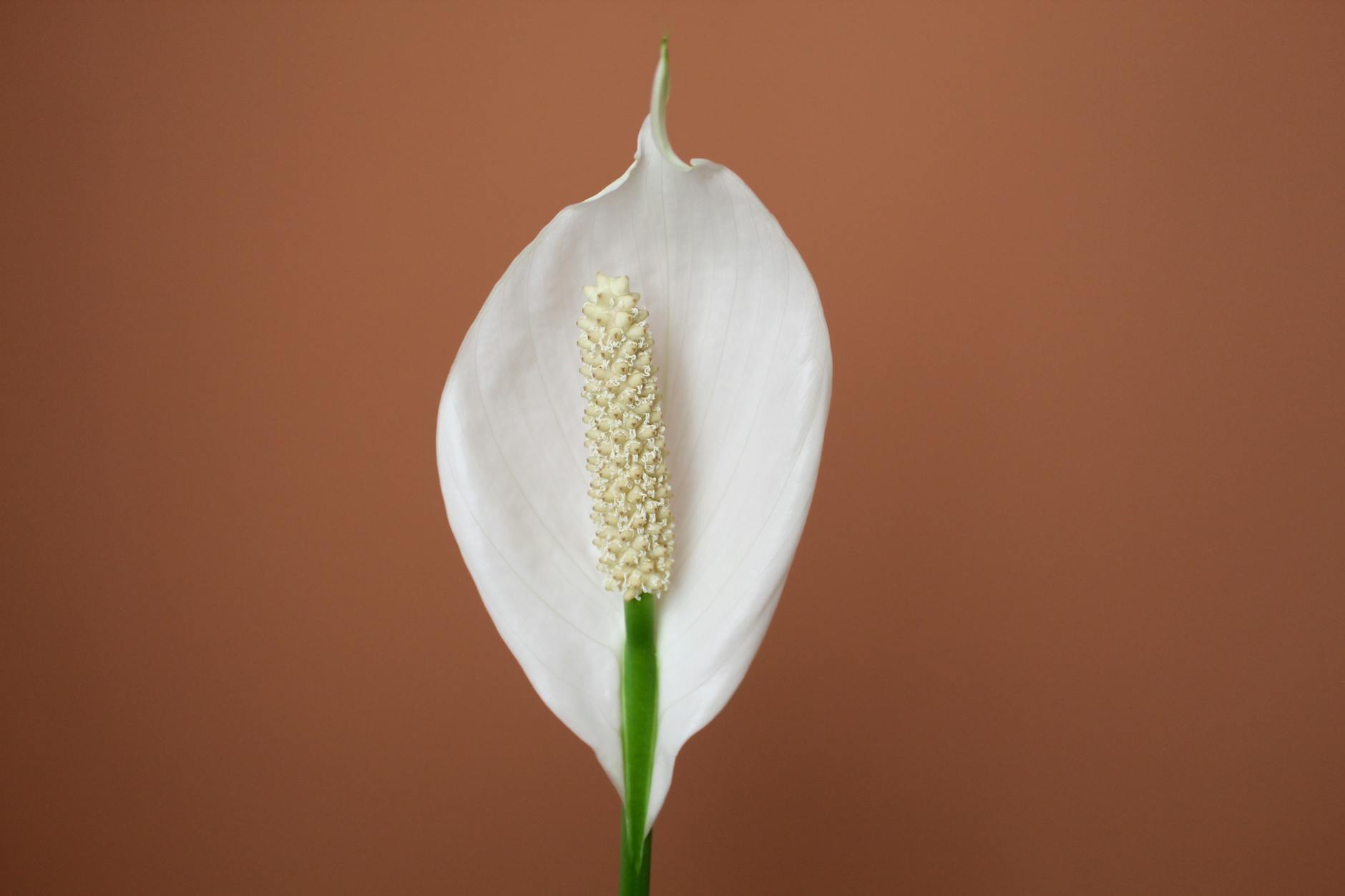
The elegant white spathe and dark green foliage make this a frequent choice for brightening up shady rooms. True lilies are highly toxic to felines but this particular variety belongs to a completely different botanical family. The tissues still contain calcium oxalate crystals that cause intense irritation upon contact with saliva. Pets investigating the blooms or leaves will experience sudden oral pain and begin drooling profusely. The subsequent swelling of the lips and throat makes chewing or swallowing extremely uncomfortable for the animal.
Jade Plant
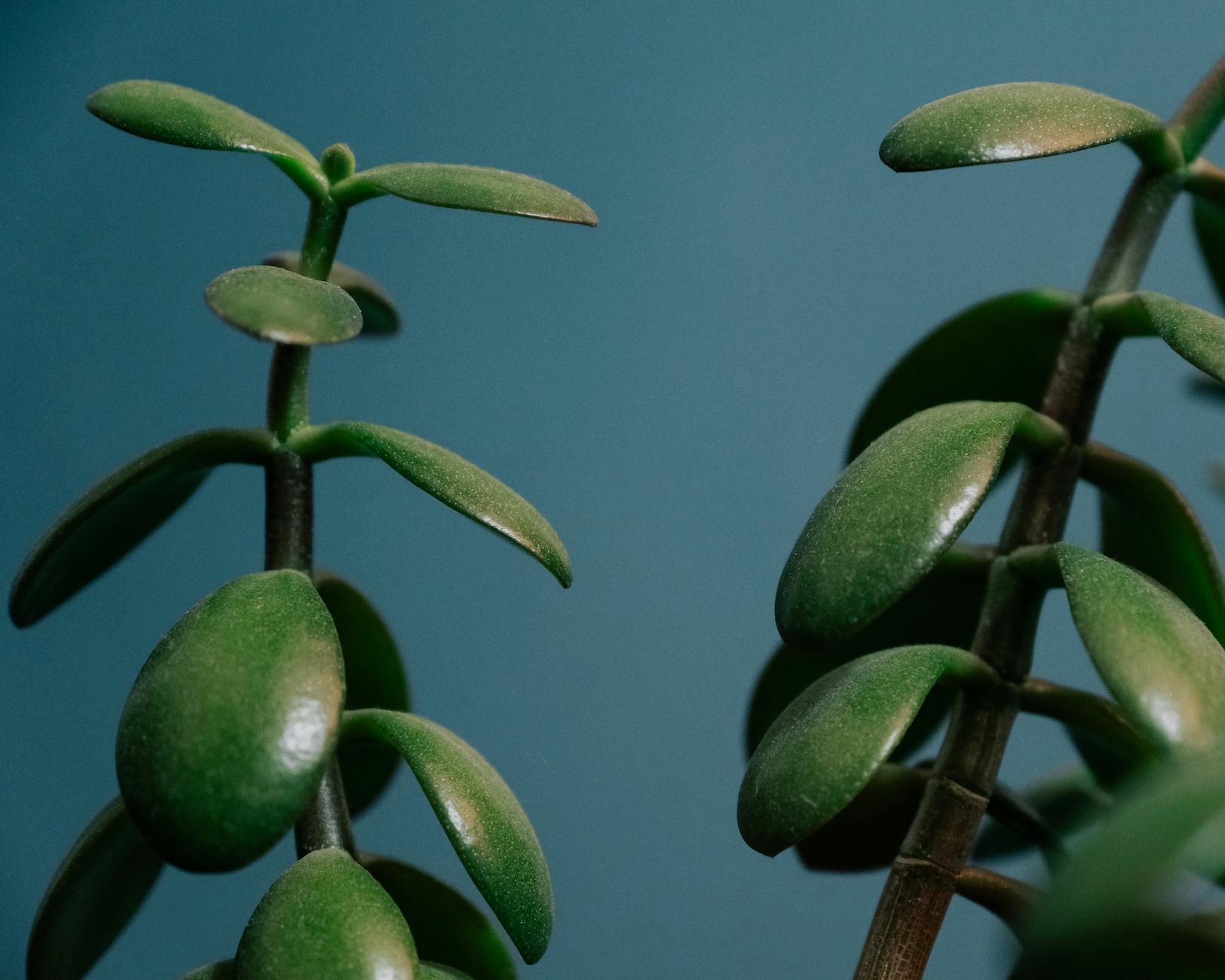
Many households keep these resilient succulents around because they require very little maintenance and live for decades. The exact toxic principle hidden inside the thick rubbery leaves remains unidentified by veterinary researchers. Animals that consume the foliage typically display a significant drop in their heart rate and overall energy levels. Vomiting is a common early indicator of poisoning alongside a distinct lack of coordination or clumsiness. Prompt removal of the ingested material usually helps the animal recover their normal balance and vitality.
Snake Plant
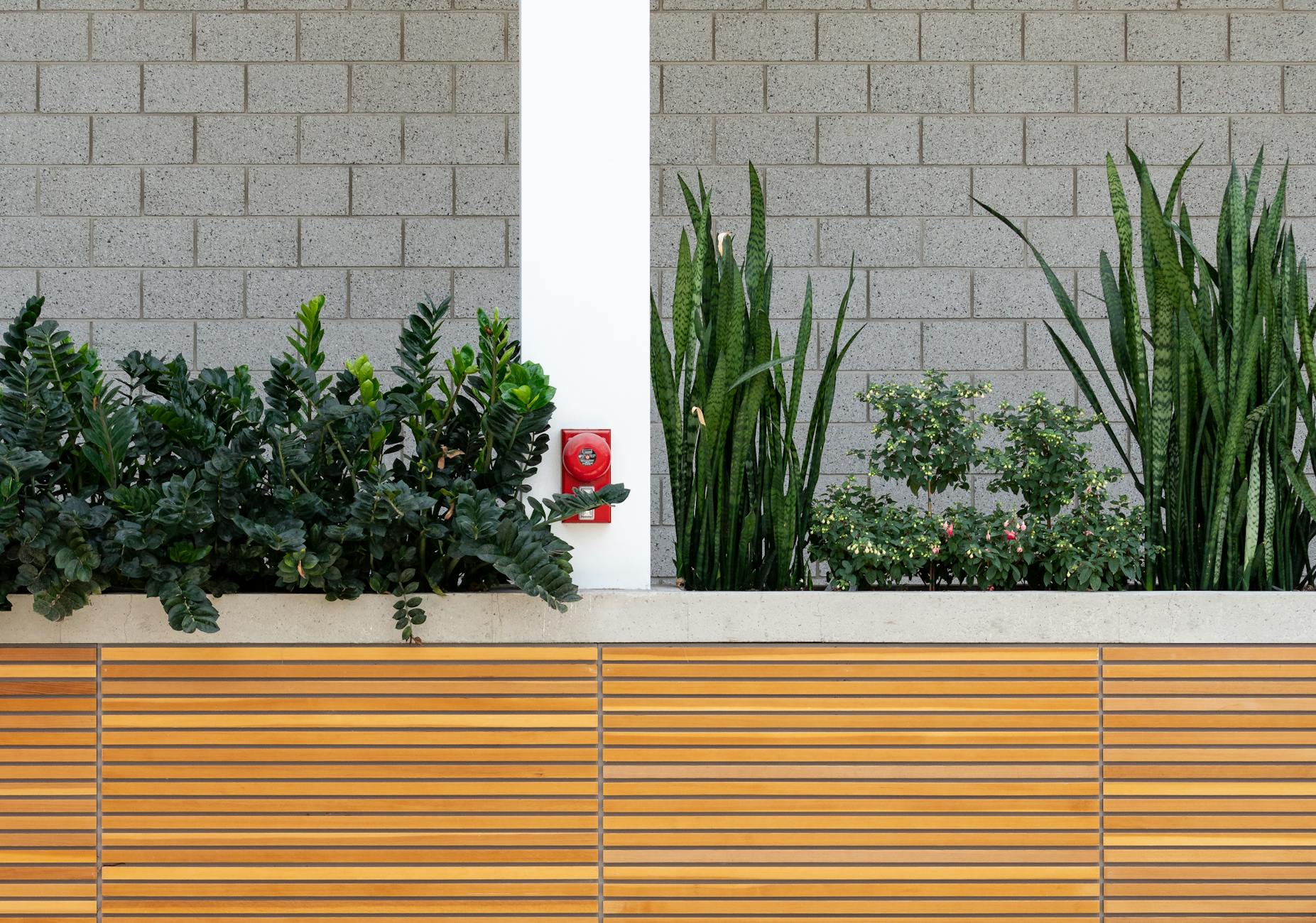
This architectural houseplant features tall stiff leaves that add an interesting vertical element to modern interior designs. The stiff foliage contains natural chemicals called saponins which protect the plant against insects and microbes. These same protective compounds cause significant gastrointestinal distress when eaten by cats and dogs. Typical reactions include nausea accompanied by vomiting and persistent diarrhea shortly after consumption. The tough fibrous nature of the leaves often discourages animals from taking more than a single painful bite.
English Ivy
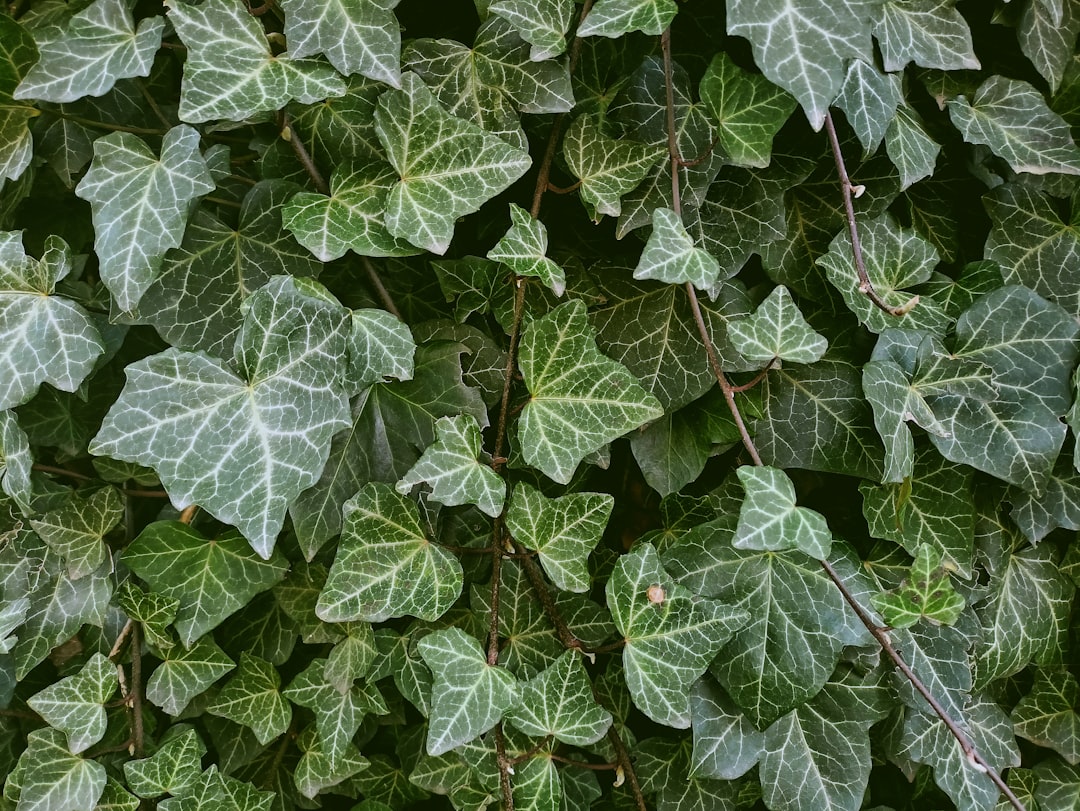
This classic climbing vine looks beautiful cascading down shelves but carries significant risks for domestic animals. The foliage contains complex compounds known as triterpenoid saponins that severely irritate the digestive tract. Eating the leaves or berries leads to excessive salivation and painful abdominal cramping in both dogs and cats. Prolonged exposure can cause severe vomiting and diarrhea which rapidly dehydrates the affected animal. Placing these cascading plants in hanging baskets near the ceiling helps prevent accidental ingestion by curious pets.
ZZ Plant
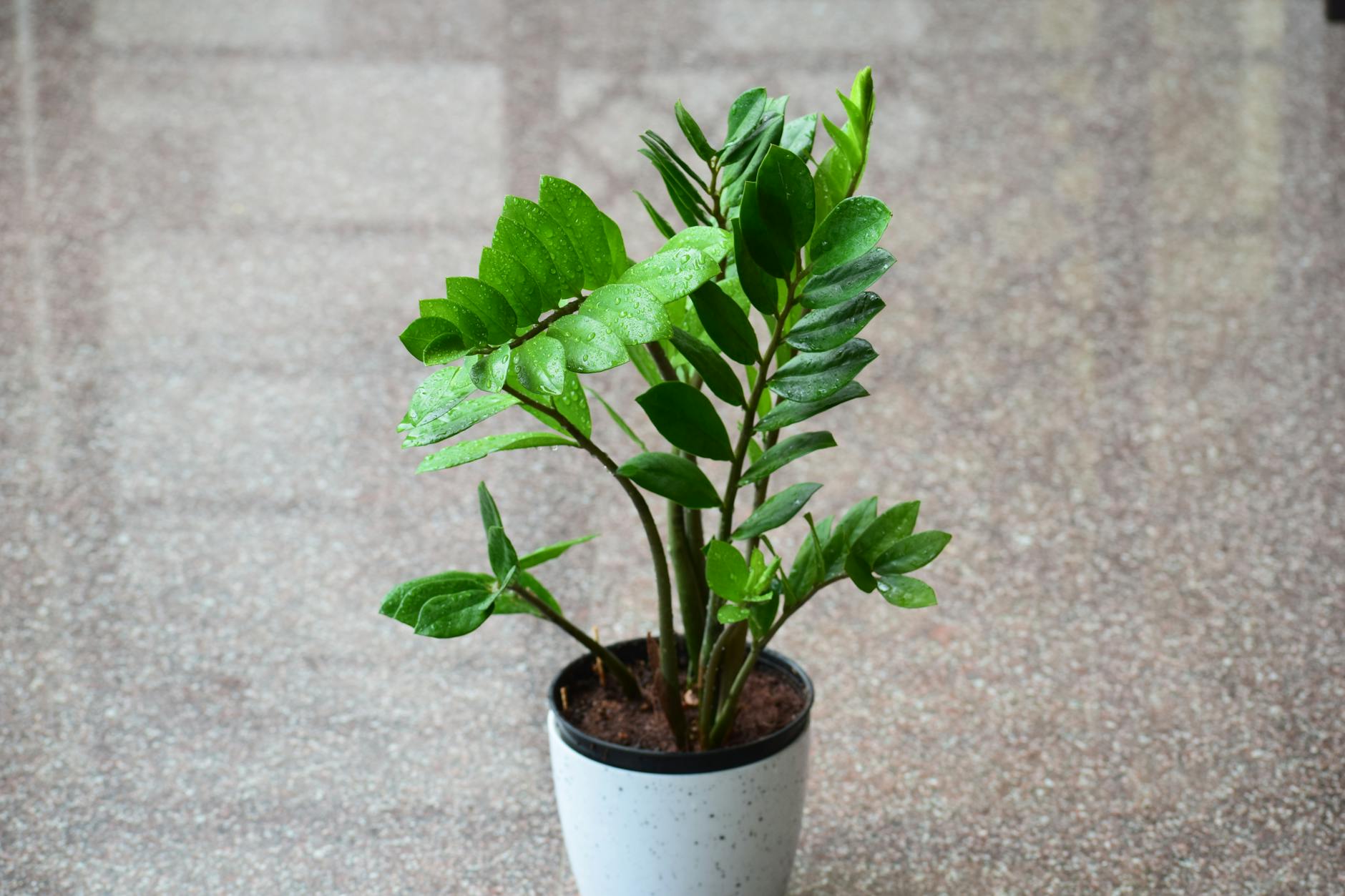
The thick glossy leaves of this indestructible houseplant tolerate extended periods of drought and very low light. Every part of the structure defends itself with microscopic calcium oxalate crystals that cause mechanical irritation. Animals biting into the waxy foliage will immediately feel burning and stinging sensations across their tongue. This intense discomfort usually triggers heavy drooling and localized swelling around the mouth area. Keeping the pot elevated on a tall stand ensures pets cannot reach the tempting shiny stems.
Monstera

Famous for its large perforated leaves this tropical beauty dominates many living rooms with its lush appearance. The attractive green foliage relies on insoluble calcium oxalates to deter herbivores in the wild. A domestic pet chewing on the stems will quickly develop a swollen tongue and painful oral blisters. You might observe the animal aggressively rubbing its face or experiencing difficulty swallowing food. The resulting stomach upset and vomiting require a calm environment and plenty of fresh water for recovery.
Caladium
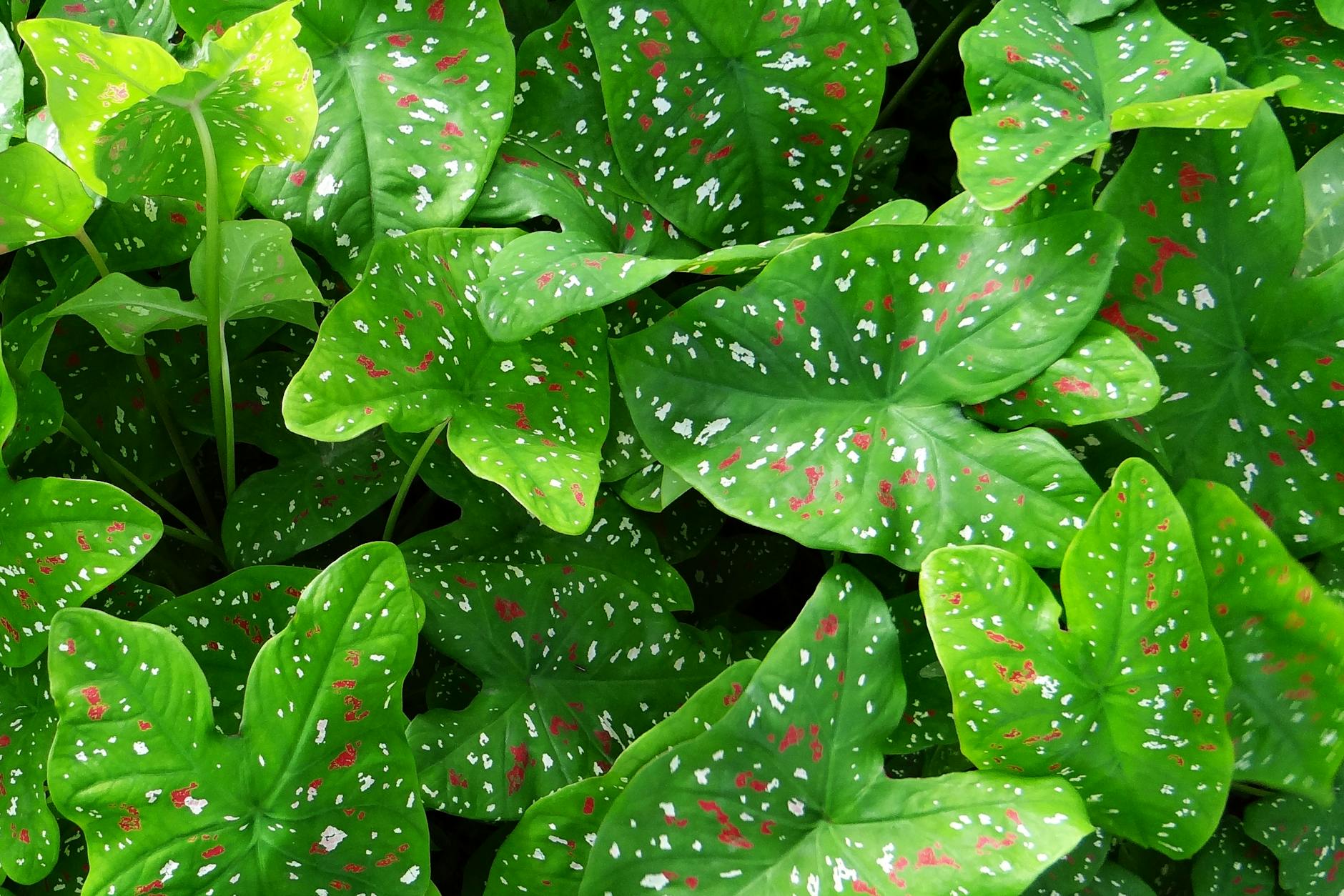
These exotic tubers produce stunning paper thin leaves decorated with bright pink and red veining. The colorful display masks a high concentration of sharp oxalate crystals that easily penetrate soft tissues. A single bite causes instant fiery pain in the mouth and throat of any unsuspecting animal. The rapid swelling can occasionally become severe enough to partially block the airway of smaller pets. Prompt veterinary care helps manage the intense pain and reduce the dangerous inflammation around the throat.
Alocasia
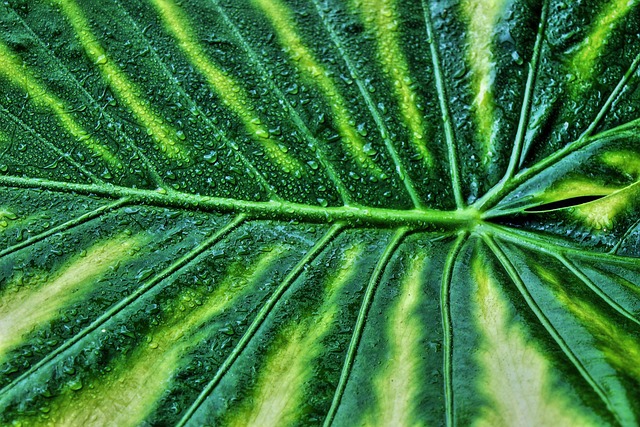
Sometimes called elephant ear this striking plant features massive triangular leaves with prominent contrasting veins. The thick stems and broad foliage contain toxic compounds that cause severe localized burning upon contact. Pets will show immediate signs of distress such as vocalization and vigorous pawing at their muzzle. Nausea and vomiting frequently follow the initial oral trauma as the sap travels down the esophagus. Keeping this large specimen in a restricted room prevents your furry friends from experiencing the painful side effects.
Rubber Tree
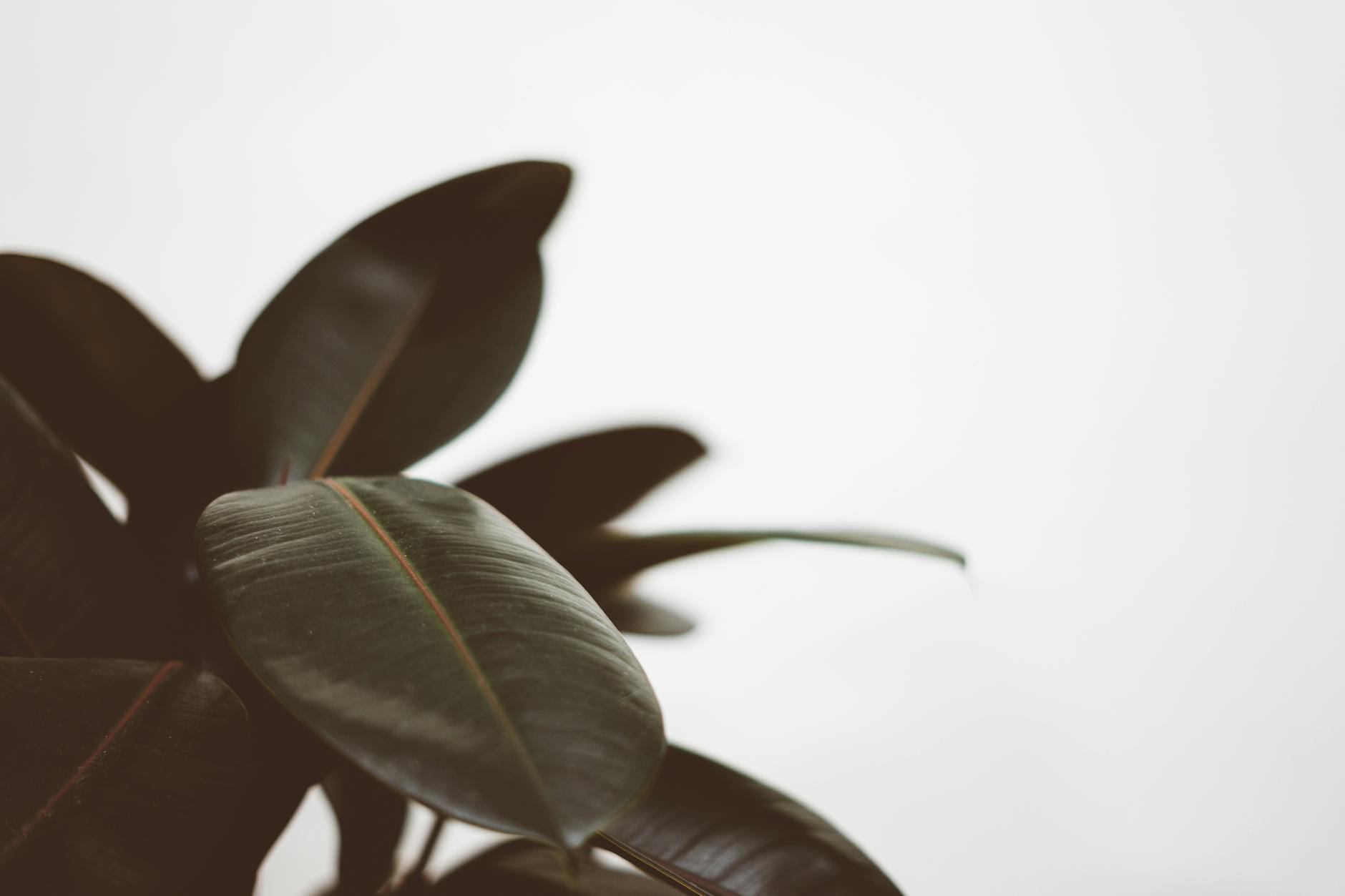
The thick leathery leaves of this robust indoor tree produce a sticky white sap when broken or damaged. This milky latex contains chemical compounds that cause significant dermal and internal irritation for animals. Pets that chew on the branches often develop blistering around their lips and severe stomach cramps. The sticky sap can also transfer to their fur and cause contact dermatitis when they groom themselves. Regular pruning of the lower branches helps keep the tempting broad leaves away from investigating noses.
Dracaena
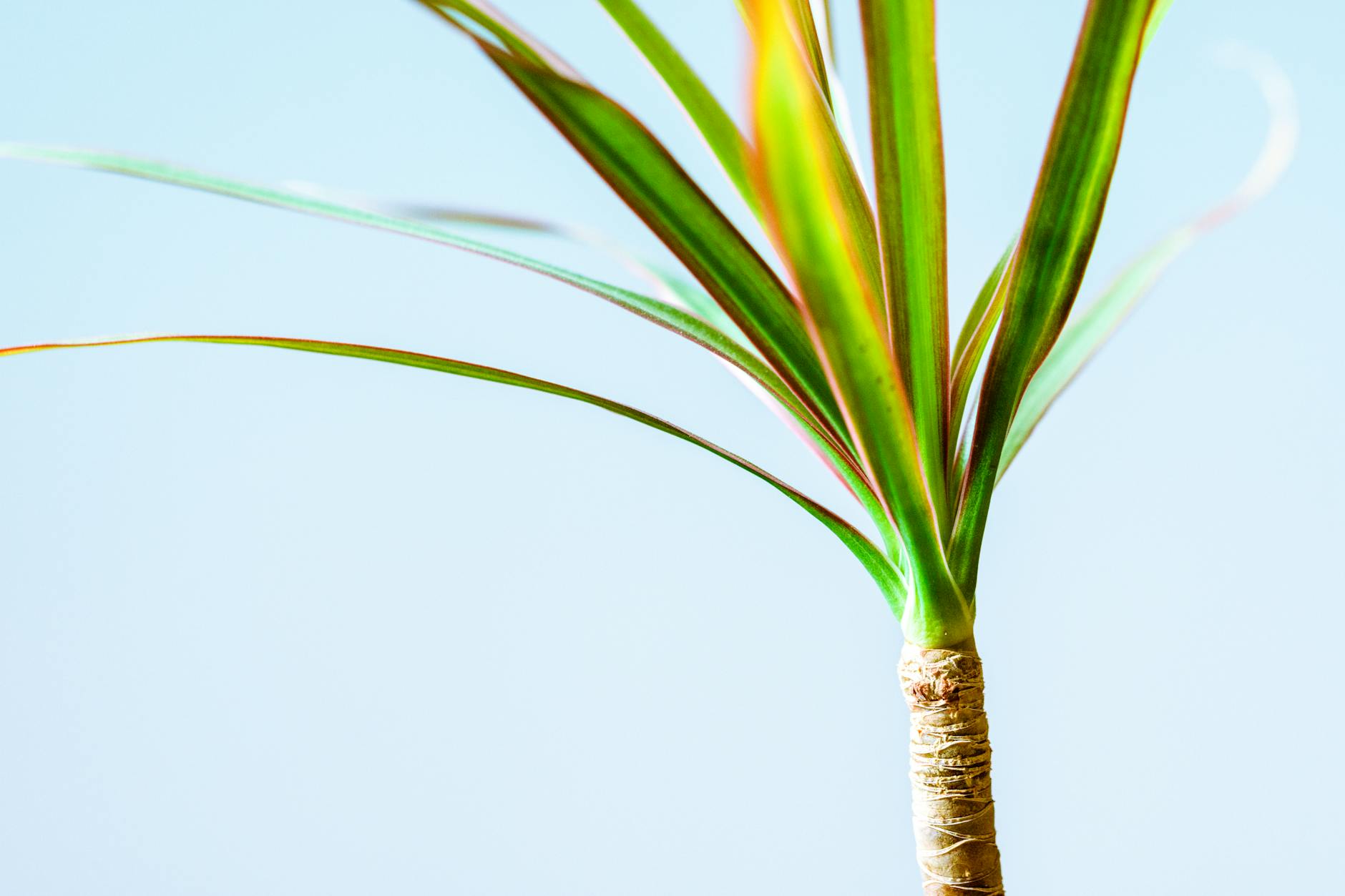
Often sold as the corn plant this popular indoor tree features long striped leaves erupting from a woody cane. The foliage hides saponin compounds that are particularly dangerous to domestic felines and canines. Affected animals frequently experience bloody vomiting and a noticeable loss of appetite after eating the leaves. Cats may additionally present with dilated pupils and extreme lethargy during the early stages of poisoning. Immediate intervention is required to prevent profound dehydration and stabilize the digestive system of the animal.
Asparagus Fern
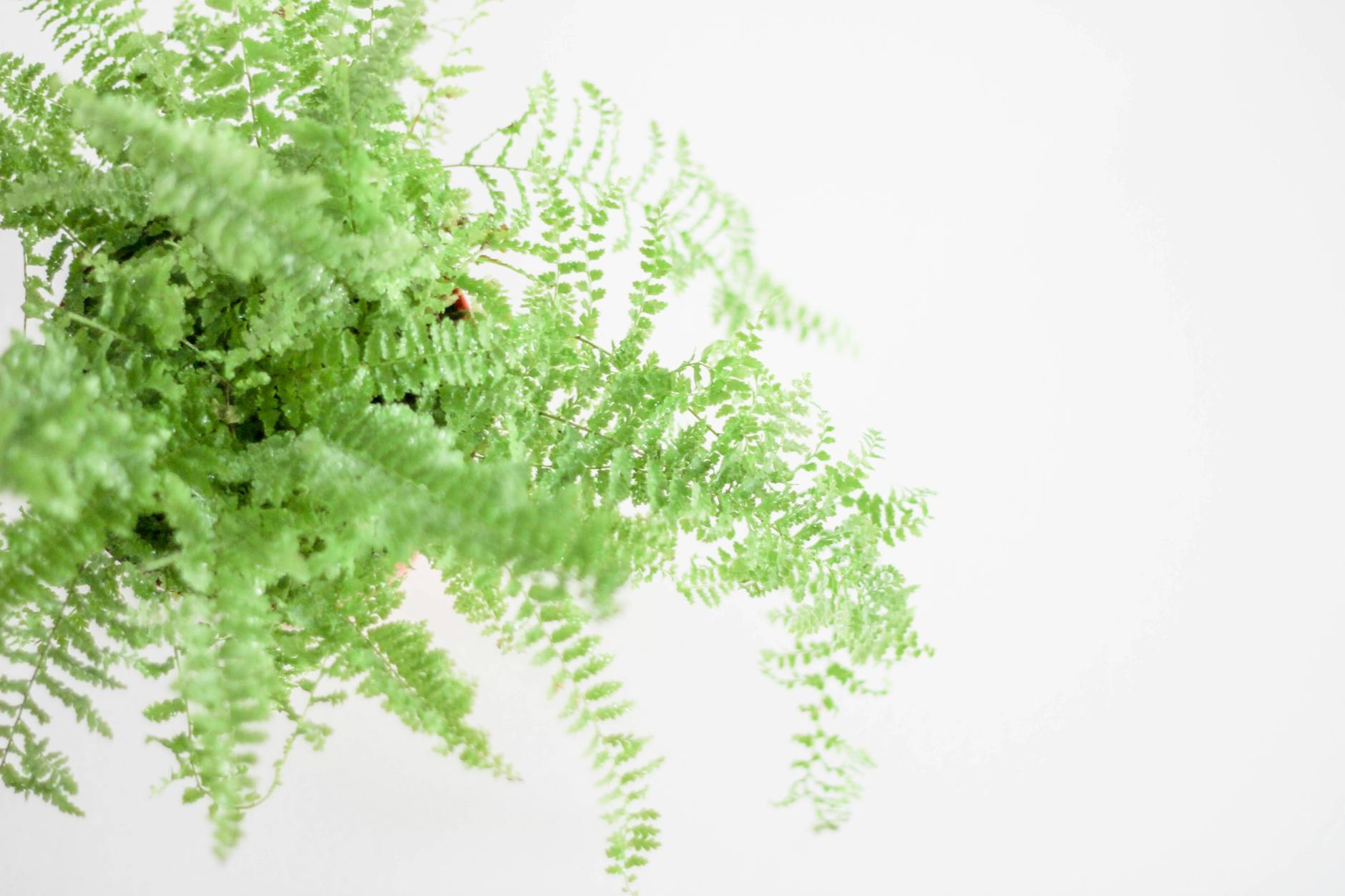
The delicate feathery fronds of this hanging plant add soft texture to indoor garden displays. Repeated physical contact with the lush green foliage can cause allergic skin reactions and itchy rashes on pets. The plant occasionally produces small red berries that are highly toxic when eaten by dogs or cats. Ingestion of these bright fruits leads to severe abdominal pain and extended bouts of vomiting. Hanging the pot high out of reach protects your animals from both the irritating fronds and dangerous berries.
Poinsettia

This festive winter favorite frequently appears in homes during the holiday season to add a splash of crimson color. The milky white sap inside the stems has a reputation for toxicity that is somewhat exaggerated but still problematic. Animals chewing on the brightly colored bracts will experience mild irritation to their mouth and stomach. Typical symptoms remain limited to drooling and occasional vomiting that resolves without major medical intervention. Moving these decorative pots to elevated mantels ensures a safe and joyful holiday for everyone in the house.
Amaryllis
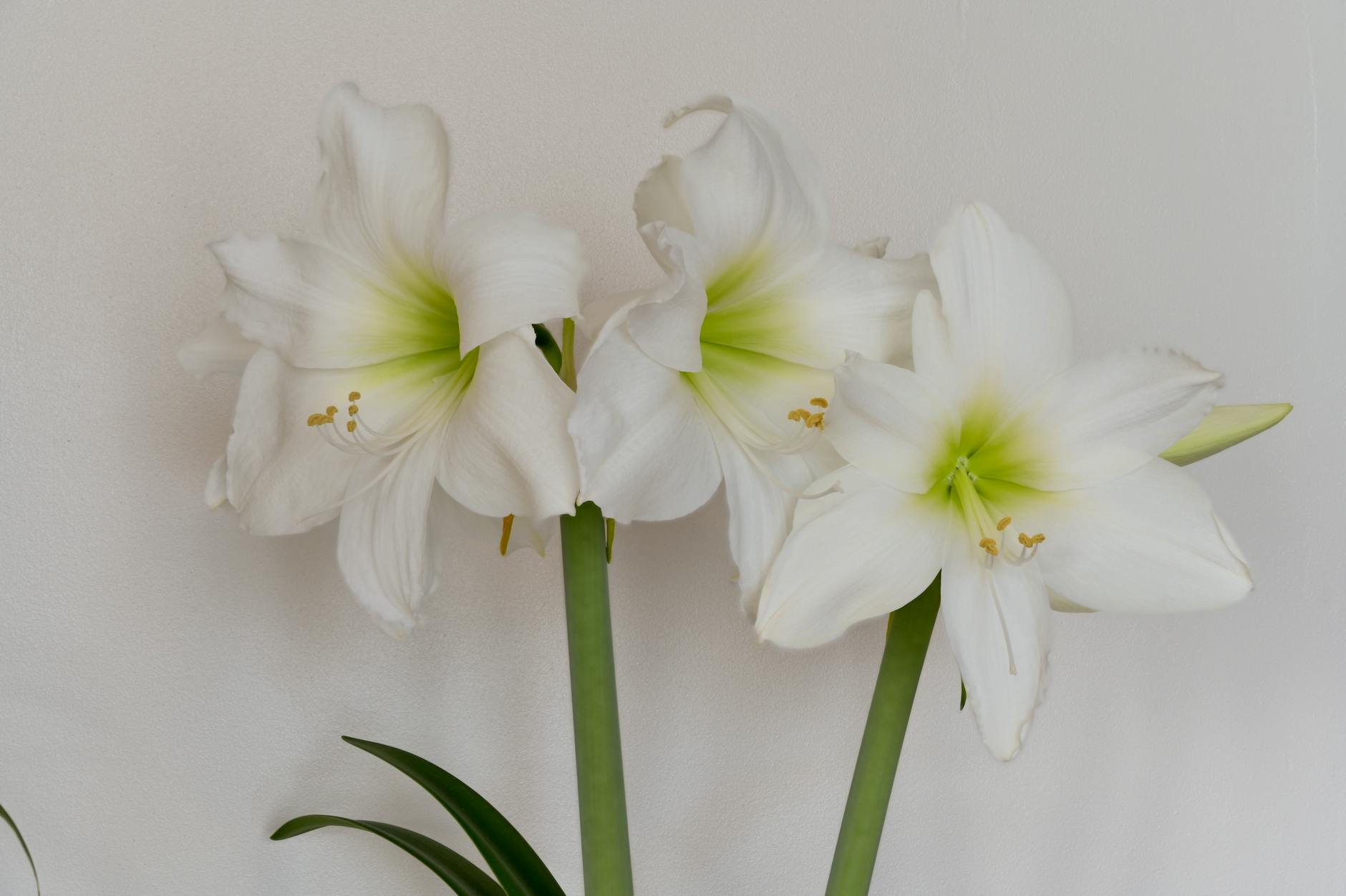
These stunning winter blooming bulbs produce massive trumpet shaped flowers that brighten up dark winter days. The entire structure is toxic but the highest concentration of lycorine hides within the bulb itself. Pets that dig up and consume the bulb face severe tremors and dangerous drops in blood pressure. The resulting gastrointestinal distress includes profuse drooling and painful abdominal cramping that requires immediate medical attention. Storing unplanted bulbs in secure cabinets prevents determined dogs from making a disastrous snack out of them.
Chrysanthemum
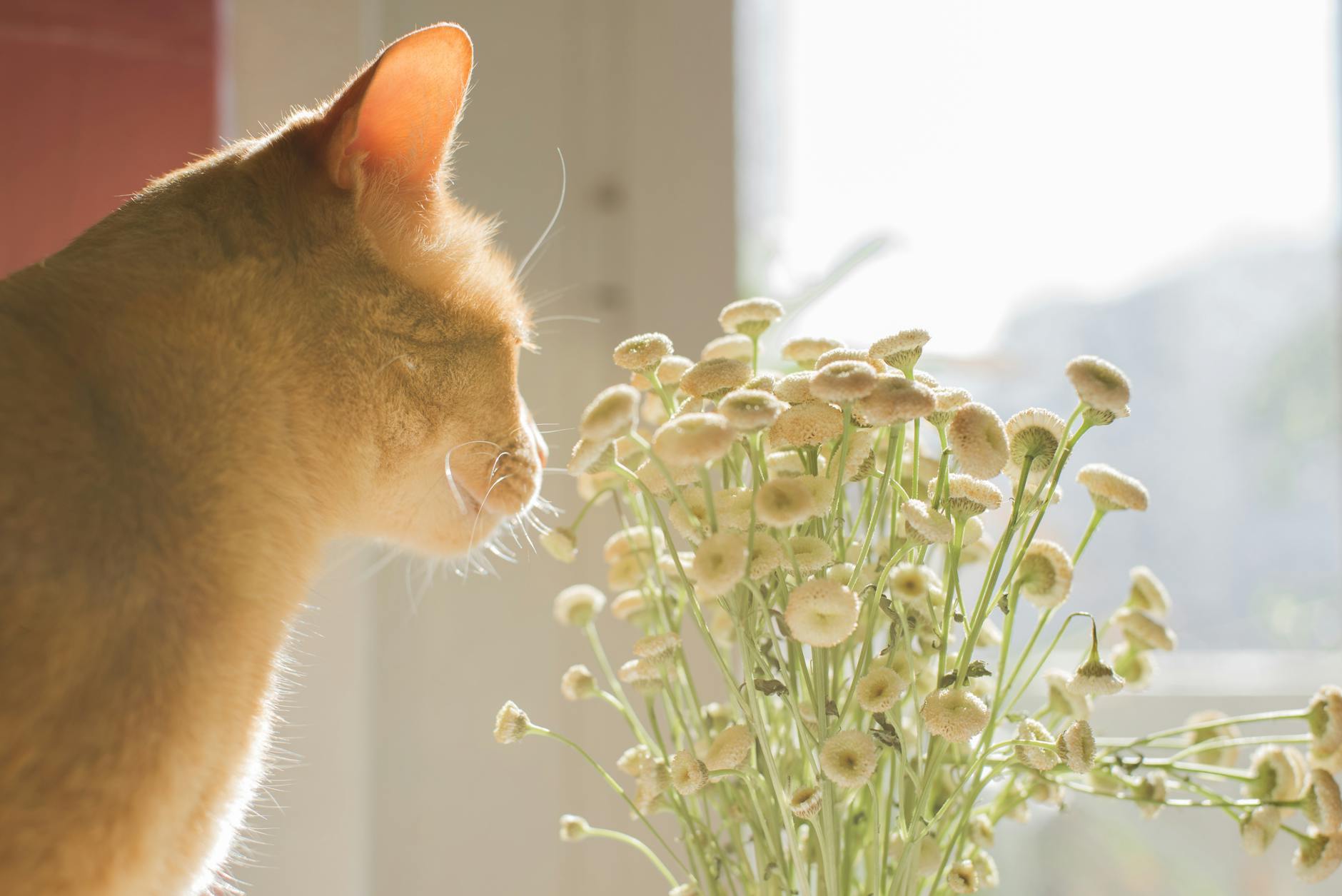
Many people bring these cheerful potted blooms indoors to celebrate the arrival of the autumn season. The brightly colored flower heads contain natural pyrethrins which humans extract to use as organic insecticides. Animals that eat the petals or leaves will quickly develop a lack of coordination and muscle tremors. You may also notice your pet experiencing hypersalivation and vomiting as their body tries to expel the toxins. Keeping these seasonal decorations on high tables allows you to enjoy the fall colors safely.
Cyclamen
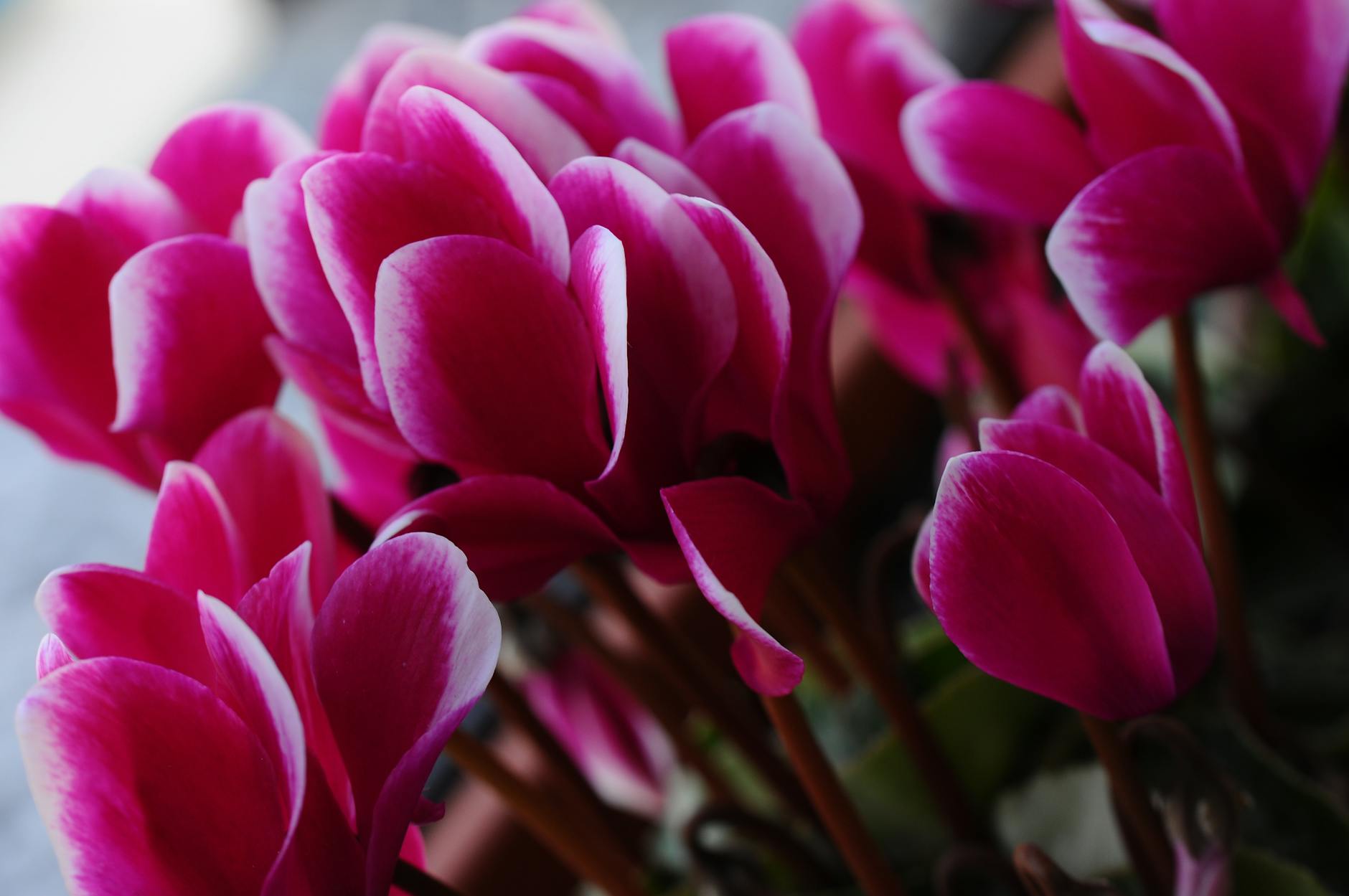
These delicate winter blooming houseplants feature uniquely swept back petals and interesting mottled green leaves. The beautiful exterior hides a highly dangerous concentration of saponins located entirely within the root tuber. A dog that digs into the potting soil and chews the roots will experience severe cardiac issues. The toxic compounds cause abnormal heart rhythms and intense vomiting that can become fatal very quickly. Careful placement away from active pets is absolutely necessary when bringing this lovely flowering plant home.
Daffodil
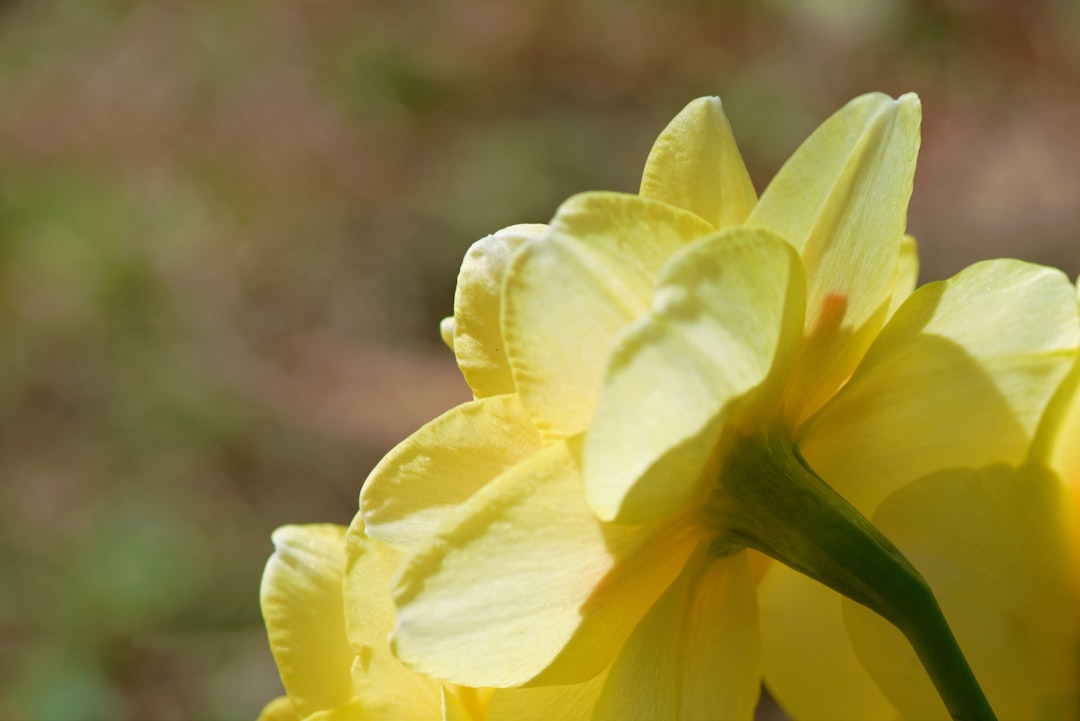
The bright yellow trumpets of this spring flower occasionally find their way indoors as potted forced bulbs. Every part of the plant contains lycorine but the bulb stores the most lethal dose of this emetic compound. Ingestion causes dramatic vomiting and severe cardiac arrhythmias that threaten the life of the animal. Pets may also suffer from violent convulsions and a dangerous drop in their overall body temperature. Treating this type of poisoning requires aggressive veterinary support to stabilize the heart and restore hydration.
Hyacinth
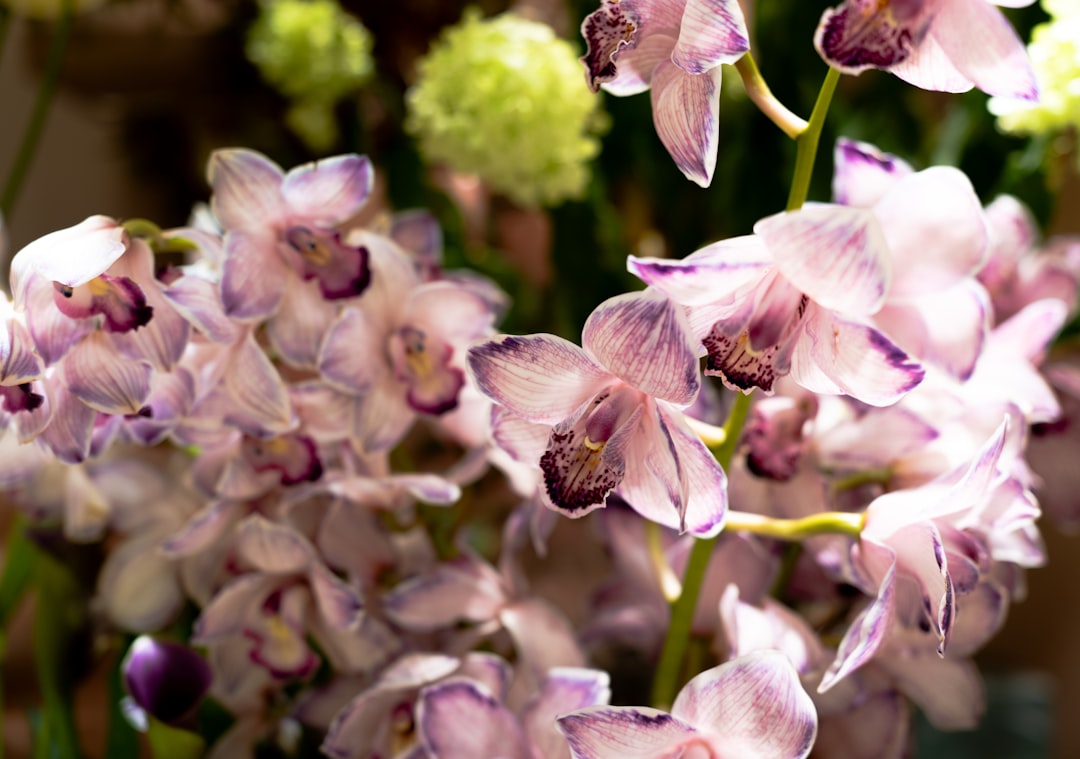
The dense clusters of strongly scented spring flowers make this a very popular indoor gift plant. The thick fleshy bulbs contain concentrated alkaloids that severely damage the delicate lining of an animal stomach. Chewing on any part of the plant results in intense oral burning and extreme drooling. The subsequent bloody diarrhea and violent vomiting can rapidly dehydrate a small dog or cat. Keeping forced spring bulbs securely away from the floor is the best defense against accidental poisoning.
Oleander
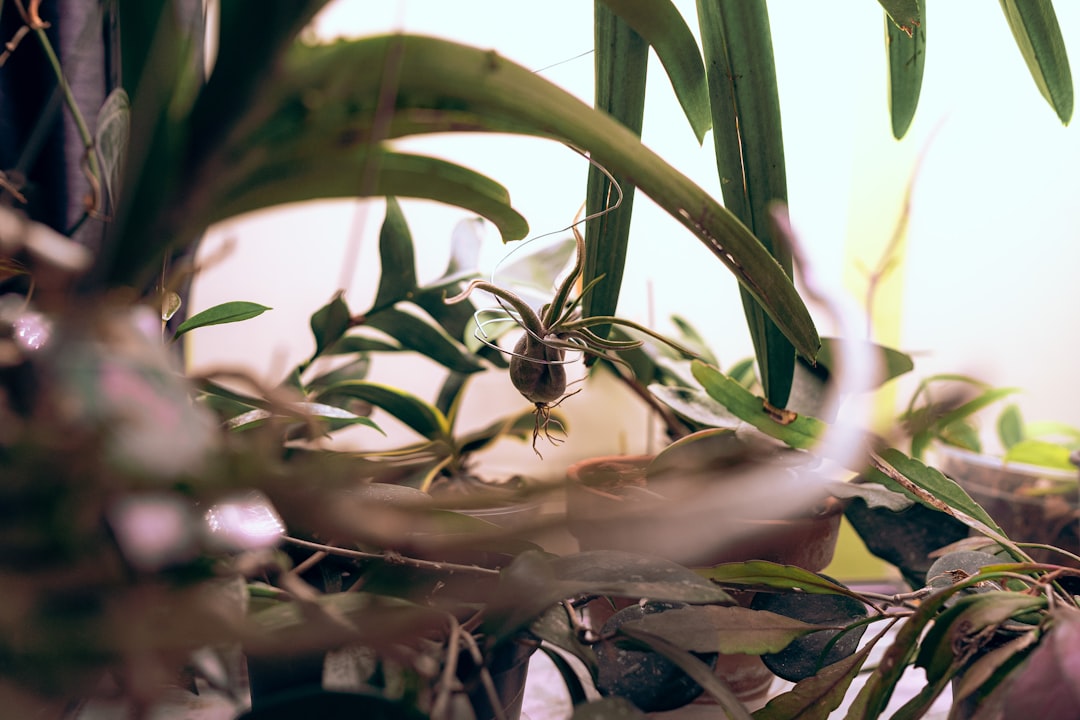
This beautiful flowering shrub typically grows outdoors but occasionally spends the winter inside sunrooms or enclosed patios. The narrow leaves and delicate flowers contain powerful cardiac glycosides that act similarly to human heart medication. A single ingested leaf holds enough toxin to cause fatal heart arrhythmias in a domestic pet. Symptoms begin with severe abdominal pain and progress rapidly to muscle tremors and profound weakness. Immediate emergency veterinary treatment is the only way to save an animal exposed to this deadly botanical.
Anthurium
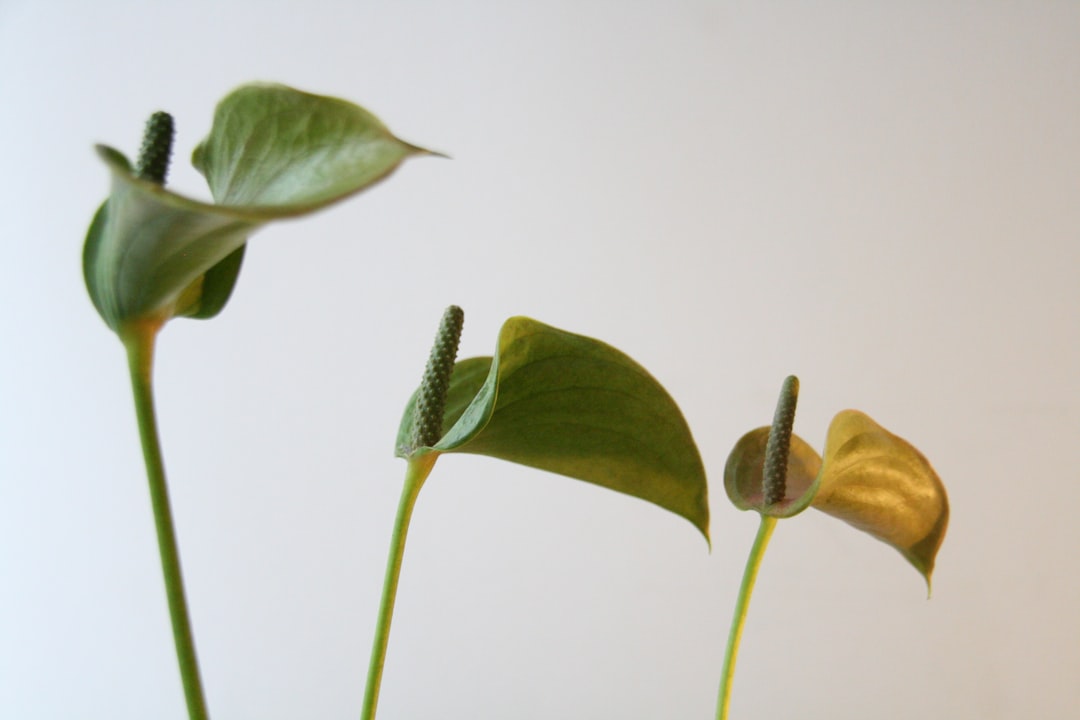
Known for their waxy red heart shaped blooms these tropical plants add exotic flair to interior designs. The glossy foliage and flowers deploy insoluble calcium oxalate crystals to discourage animals from taking a bite. Pets that ignore the warning quickly suffer from an intensely painful burning sensation across their tongue. The resulting inflammation can swell the delicate tissues of the throat and restrict normal breathing patterns. Providing plenty of fresh drinking water helps wash the painful microscopic needles out of their irritated mouth.
Begonia
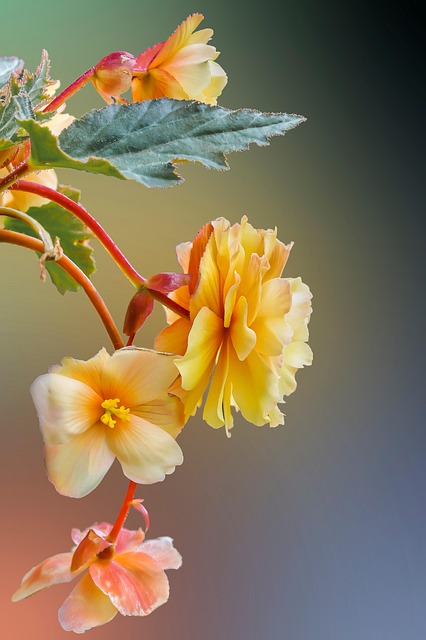
These incredibly popular houseplants feature asymmetrical leaves and come in a massive variety of colors and textures. The underground tubers contain the most dangerous concentration of toxic oxalates hidden deep within the soil. When an animal consumes the roots the harmful compounds enter the digestive system and cause severe illness. Above ground chewing usually results in intense salivation and a severely inflamed muzzle and tongue. Securing these attractive plants on sturdy shelves guarantees your pets remain safe from the hidden dangers.
Please share your thoughts or any pet friendly plant alternatives in the comments, and let me know if you would like me to generate a safe houseplant list for your specific home environment!




