Managing cholesterol levels does not necessarily require eliminating cheese entirely from a balanced diet. Many varieties offer nutritional benefits like calcium and protein while containing varying amounts of saturated fat. Understanding which types support heart health and which ones might raise LDL levels helps in making smarter dietary choices. Moderation remains key regardless of the specific cheese variety selected for a meal. This guide highlights seventeen options ranging from heart-friendly choices to those best saved for special occasions.
Cottage Cheese

Cottage cheese stands out as a top choice for heart health due to its remarkably low saturated fat content compared to harder varieties. It offers a significant amount of protein which helps with satiety and muscle maintenance without overloading the body with unhealthy fats. You can easily incorporate it into savory dishes or enjoy it with fruit for a balanced breakfast. Many health experts recommend choosing low-sodium versions to further protect cardiovascular wellness. This fresh curd cheese serves as a versatile staple for anyone strictly monitoring their cholesterol intake.
Part-Skim Mozzarella
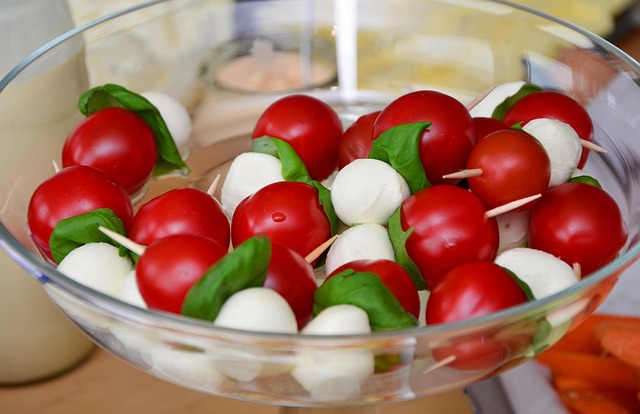
Part-skim mozzarella is a favorite among health-conscious individuals because it delivers excellent meltability with fewer calories and less saturated fat than whole-milk versions. This cheese provides a good source of calcium and probiotics that support overall gut health. It works perfectly on homemade pizzas or in salads where you want flavor without excessive grease. Reducing the fat content does not significantly compromise the stringy texture that makes mozzarella so appealing. Choosing this option allows for the enjoyment of classic comfort foods within a heart-healthy framework.
Ricotta
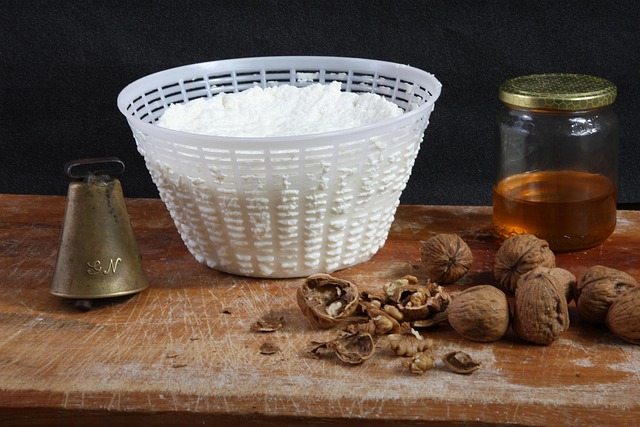
Ricotta made from part-skim milk provides a creamy texture without the heavy saturated fat load found in creamier spreadable cheeses. This Italian whey cheese contains whey protein which may have beneficial effects on blood pressure and vascular function. It works exceptionally well in lasagna or stuffed pasta shells where you need moisture and richness. Opting for the lower fat variety allows for enjoyment of traditional dishes while keeping cholesterol numbers in check. Its mild flavor makes it an excellent vehicle for herbs and spices rather than relying on fat for taste.
Feta
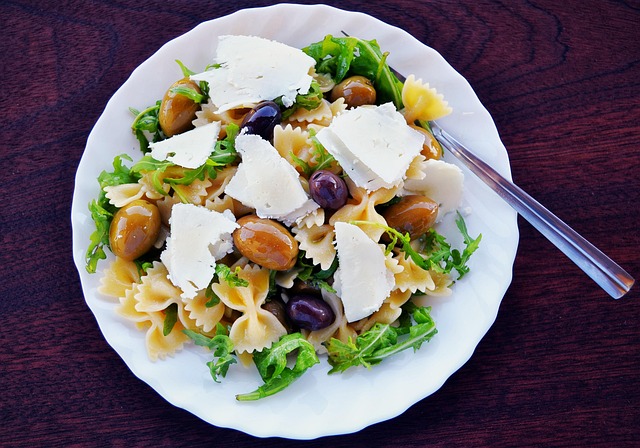
Feta cheese offers a distinct tangy flavor that means you can use a smaller amount to make a big impact on your dish. It is generally lower in calories and fat than many other cheese varieties on the market. The intense saltiness creates a savory profile that pairs beautifully with fresh vegetables and olive oil in Mediterranean cuisine. While it is lower in fat you should be mindful of the sodium content if blood pressure is a concern. Crumbled lightly over a salad it adds complexity without contributing significantly to daily cholesterol limits.
Goat Cheese
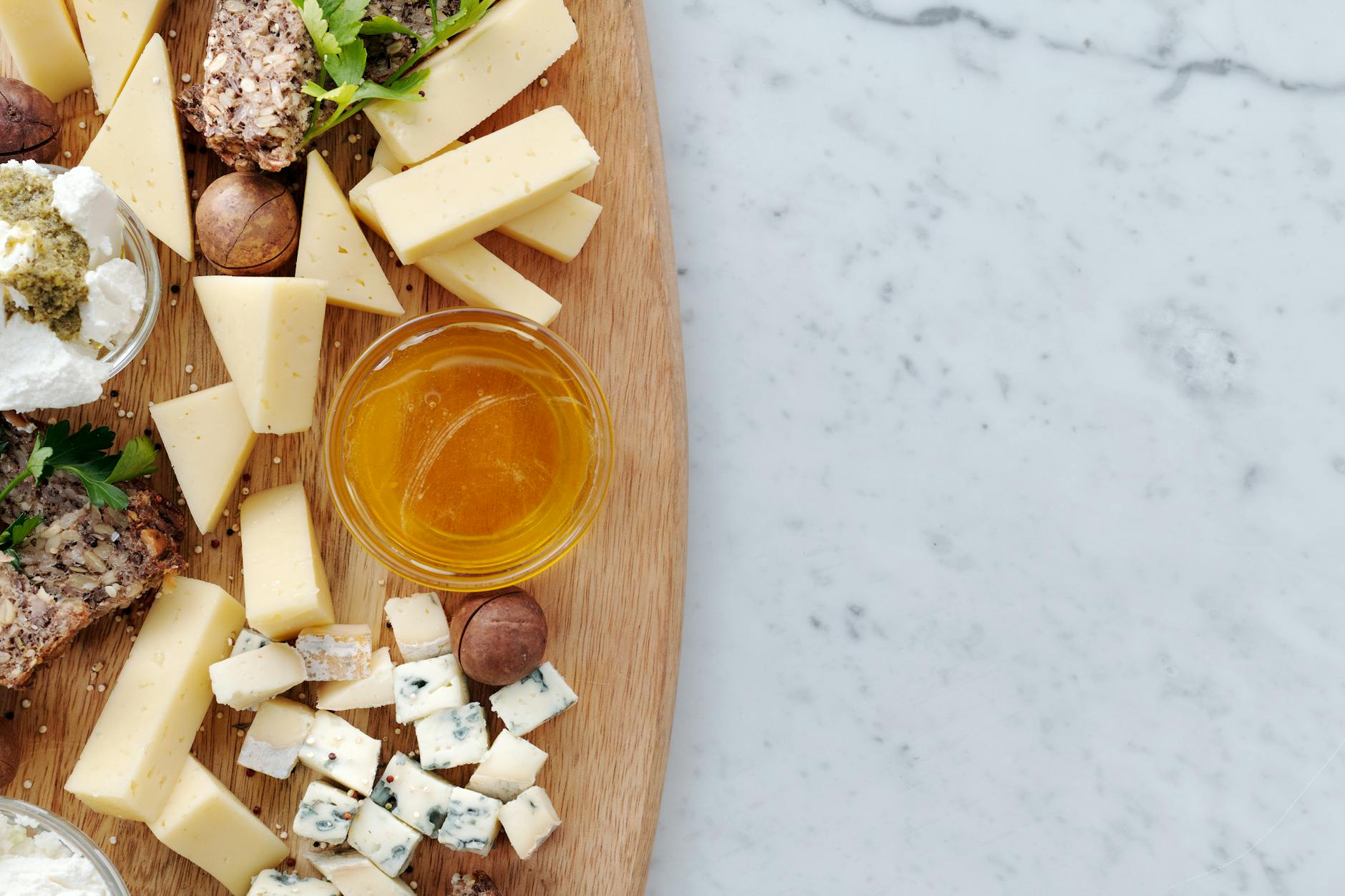
Goat cheese naturally contains less lactose and has a different fatty acid profile that some people find easier to digest than cow milk cheese. It provides fewer calories per ounce than cheddar or swiss while offering a rich and creamy mouthfeel. The distinct tartness means a little bit goes a long way in flavoring salads or spreading on crackers. This soft cheese also contains medium-chain fatty acids which are metabolized differently and may be less likely to be stored as fat. It serves as an excellent alternative for those looking to diversify their palate while watching fat intake.
Swiss Cheese
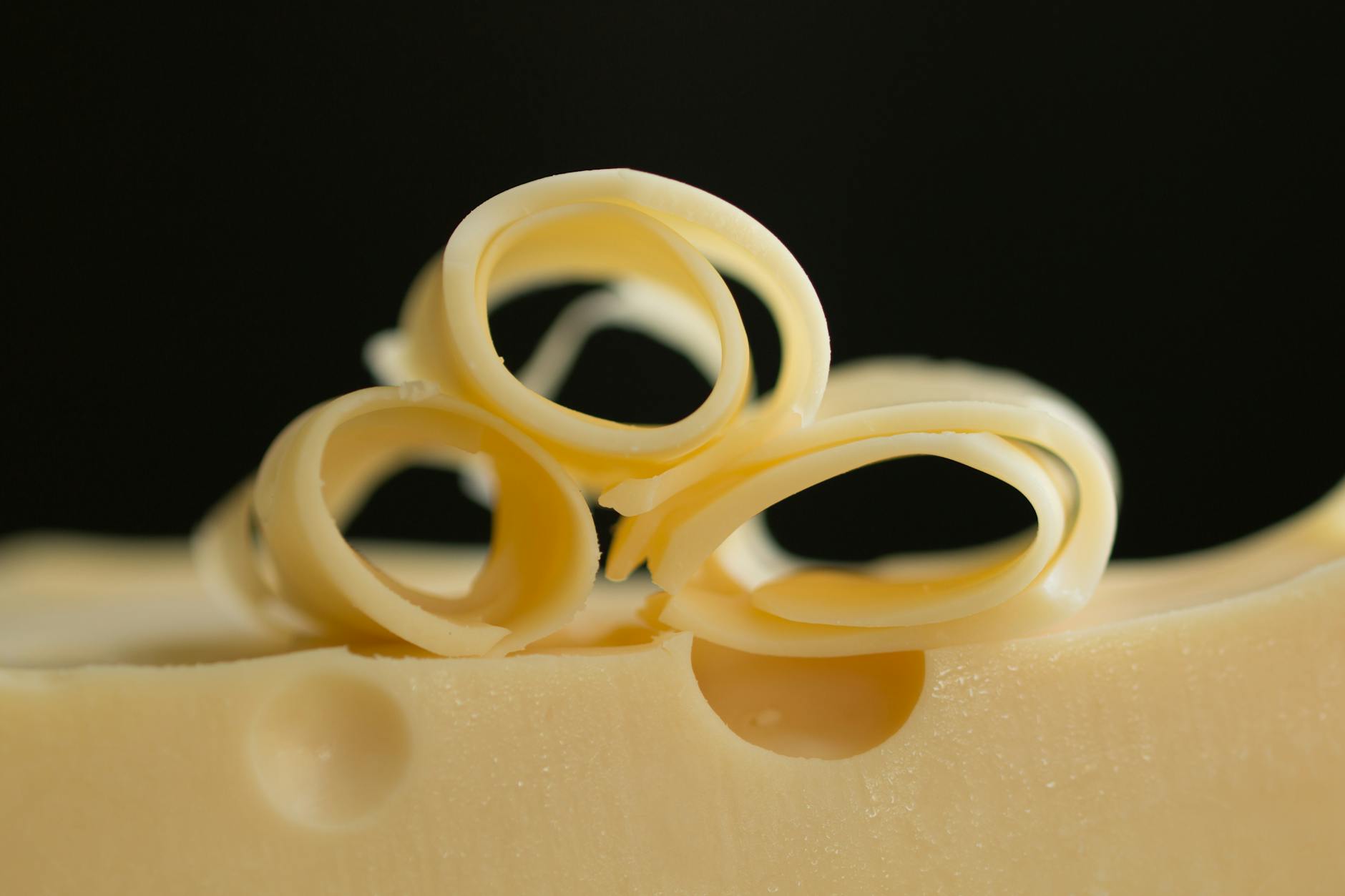
Swiss cheese is often recommended by dietitians because it is naturally lower in sodium than most other aged cheeses. It contains a specific bacterium called Propionibacterium usually associated with gut health and immunity benefits. The firm texture makes it ideal for slicing on sandwiches where it adds a nutty flavor without excessive saturated fat. One slice provides a substantial amount of calcium and protein for a relatively moderate calorie cost. Its lower sodium profile makes it particularly suitable for individuals managing hypertension alongside cholesterol.
Parmesan
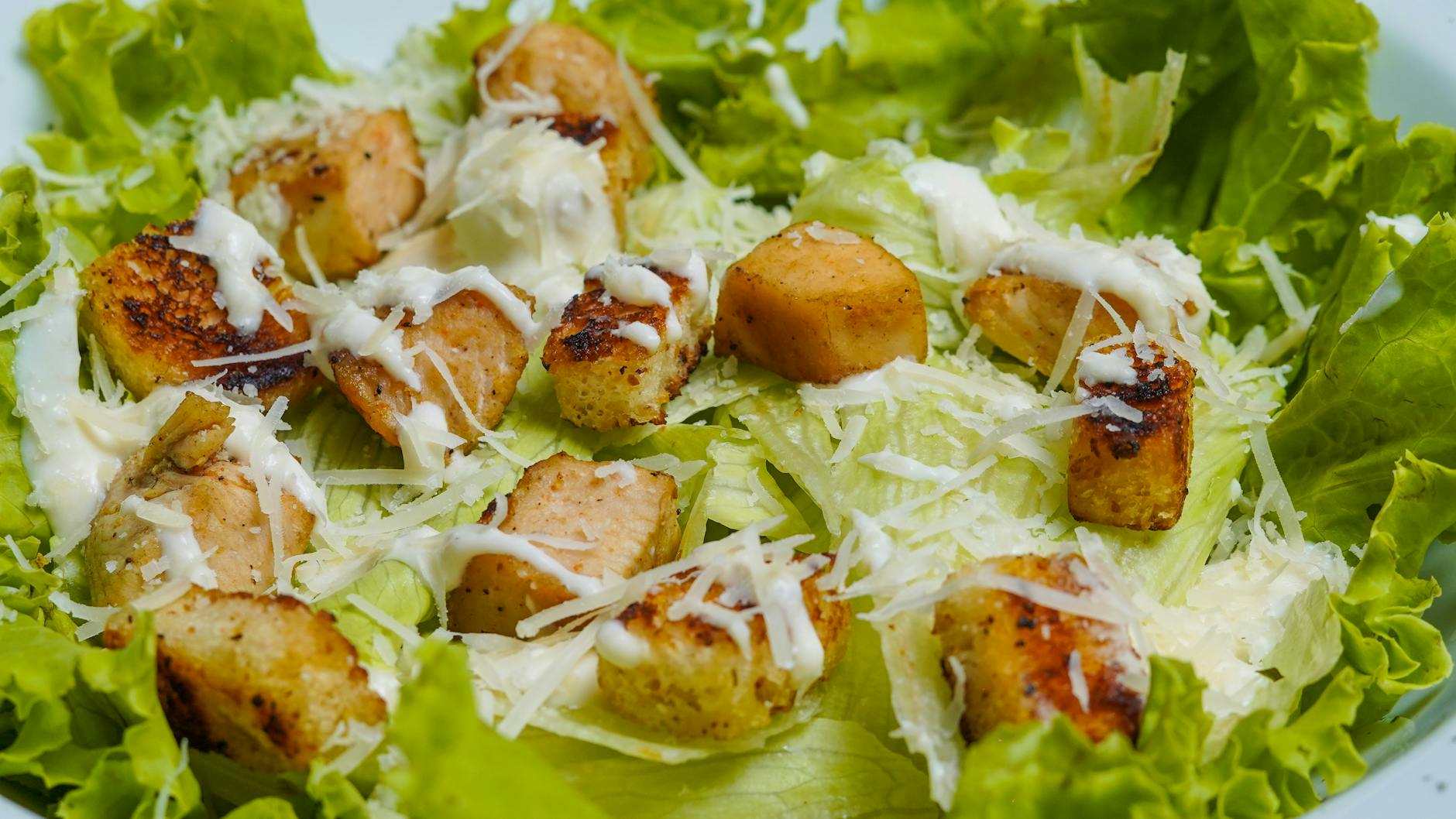
Parmesan is a hard aged cheese that is relatively low in fat but extremely high in flavor density. You only need to grate a tablespoon or two over a dish to achieve a robust savory taste. This portion control aspect makes it a practical choice for a low-cholesterol diet despite its density. It is also packed with calcium and phosphorus which are essential for bone health. Using it as a finishing garnish rather than a main ingredient keeps saturated fat intake minimal while satisfying cravings for savory umami notes.
String Cheese

String cheese is typically made from mozzarella and offers a pre-portioned snack that prevents accidental overeating. These individual sticks are usually low in calories and provide a convenient source of protein on the go. The portion control aspect helps maintain strict limits on daily saturated fat consumption. It is a kid-friendly option that works equally well for adults seeking a quick and healthy bridge between meals. Keeping these in the fridge ensures you have a smart alternative to processed vending machine snacks.
Provolone
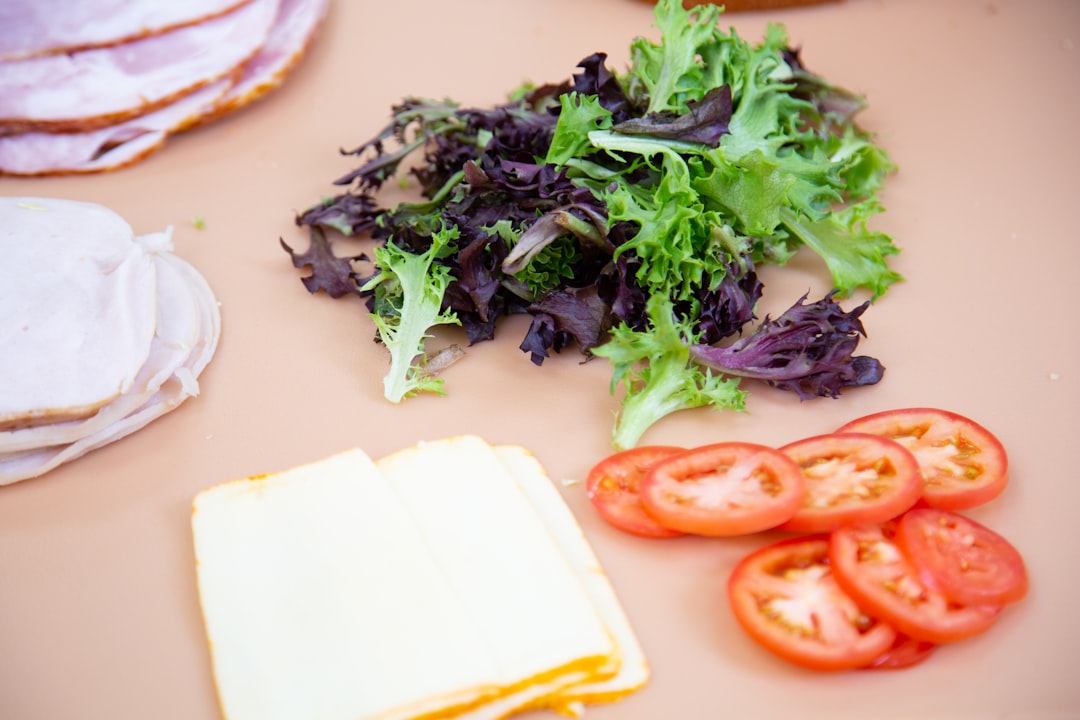
Provolone offers a full flavor profile and excellent melting qualities while containing substantial amounts of calcium. It is often lower in fat than heavy creams or soft ripened cheeses but higher than cottage cheese. This semi-hard cheese adds significant taste to sandwiches and deli platters without needing thick slices. Smoked varieties can add depth to a meal which reduces the need for other high-fat condiments. Enjoying provolone in moderation can fit into a heart-healthy diet when balanced with plenty of fiber-rich vegetables.
Camembert
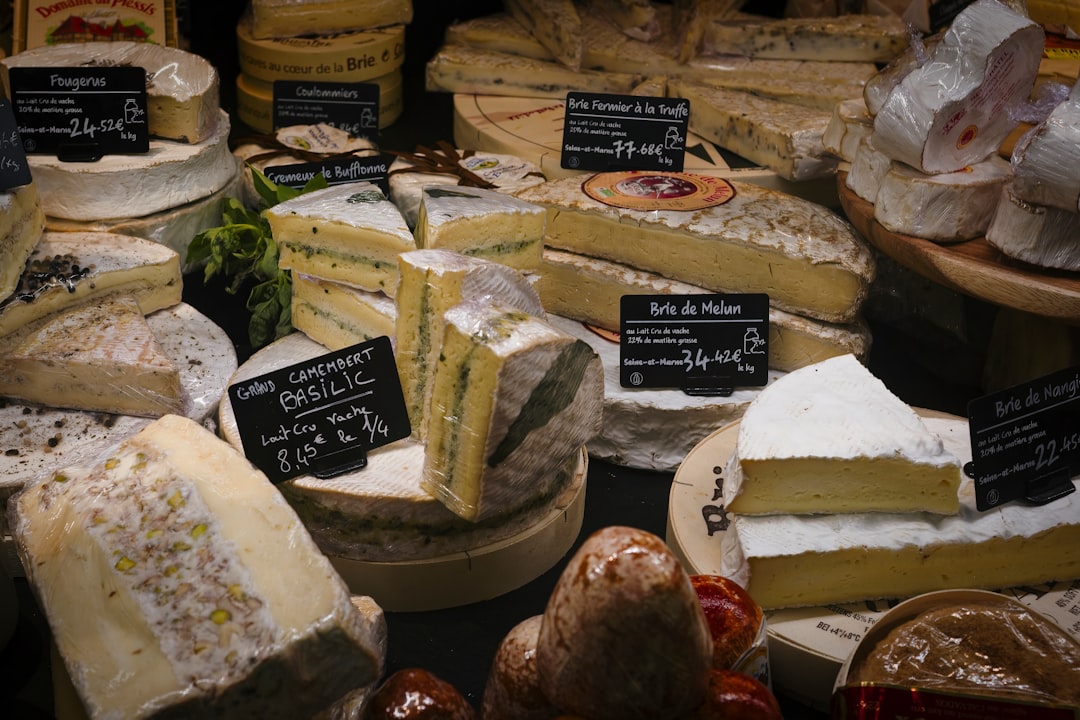
Camembert is a soft ripened cheese that is delicious but begins to tread into higher fat territory. The creamy interior is rich in saturated fats that can impact LDL cholesterol if consumed in large quantities. It does offer nutrients like calcium and vitamin A which are beneficial in small amounts. The white rind is edible and contributes to the unique textural experience of this French classic. Saving this cheese for occasional indulgence rather than daily consumption is the best strategy for heart health.
Blue Cheese

Blue cheese is famous for its pungent aroma and crumbly texture but it packs a heavy dose of saturated fat and sodium. The intense flavor profile allows for very small servings which is the saving grace for this variety. It is calorie-dense and often used in dressings or dips where fat content can quickly multiply. Frequent consumption may contribute to elevated cholesterol levels due to the high fat content of the milk used. It is best enjoyed sparingly crumbled over a large salad rather than as a primary snack.
Cream Cheese
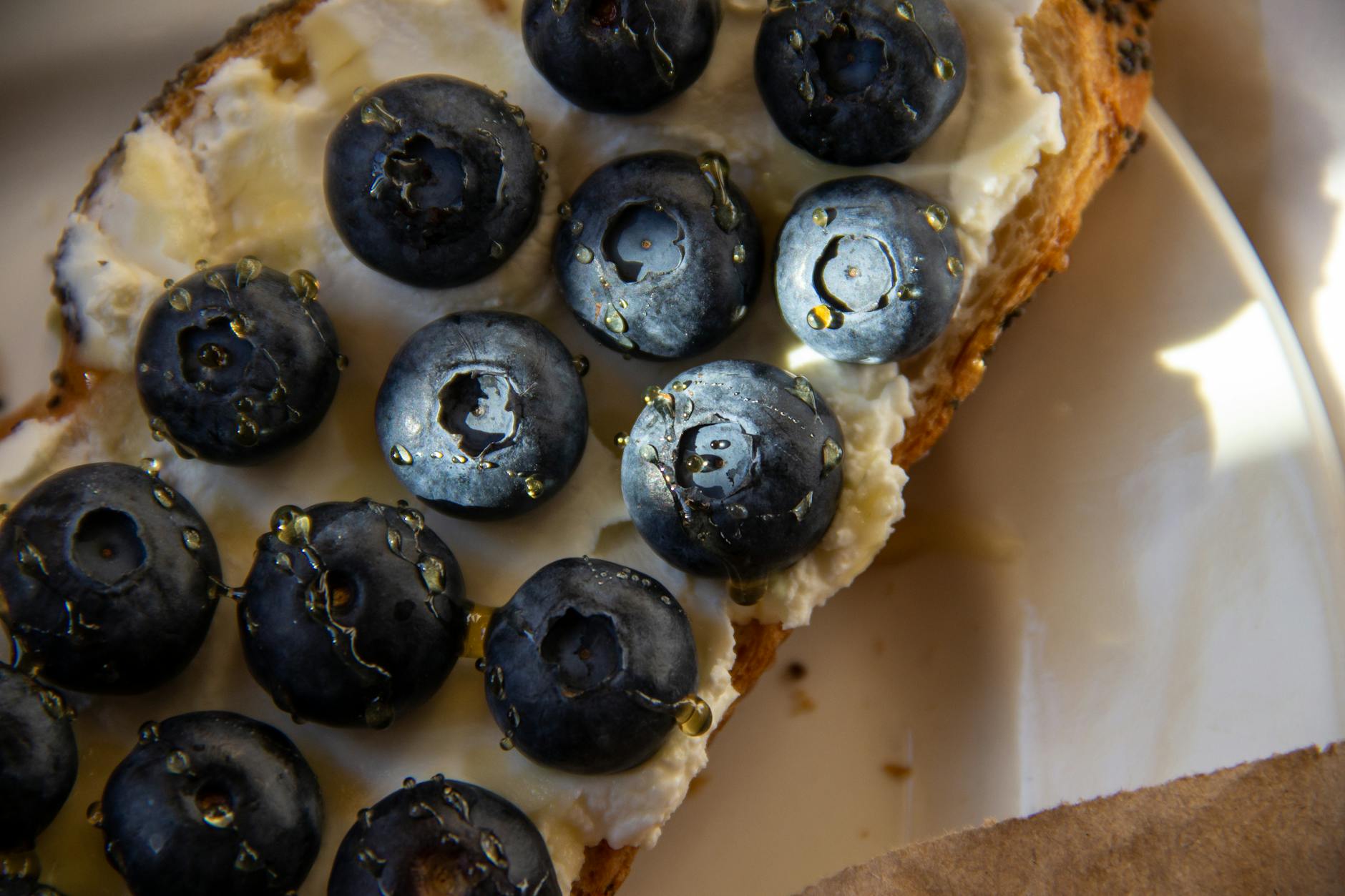
Cream cheese is technically a fresh cheese but it contains a very high percentage of fat compared to protein. Standard versions are loaded with saturated fat which is directly linked to raising bad cholesterol levels. It lacks the significant protein content found in other dairy products like greek yogurt or cottage cheese. Even whipped versions only slightly reduce the caloric load by incorporating air rather than changing the ingredients. Using it liberally on bagels or in dips can quickly exceed daily limits for heart-healthy fat intake.
Brie
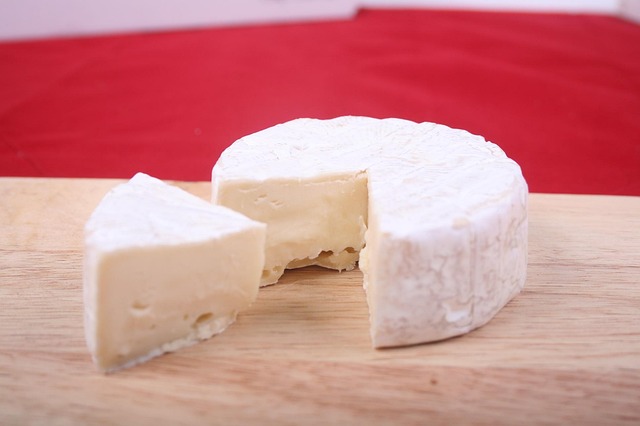
Brie is a double crème or triple crème cheese that is exceptionally high in saturated fat. The luxurious and buttery texture comes from adding cream to the milk during production. This process significantly increases the cholesterol-raising potential of the final product. While it is a good source of vitamin B12 and riboflavin the cardiovascular risks of regular consumption often outweigh these benefits. It represents one of the more indulgent choices that should be strictly limited for anyone monitoring their lipid profile.
Cheddar
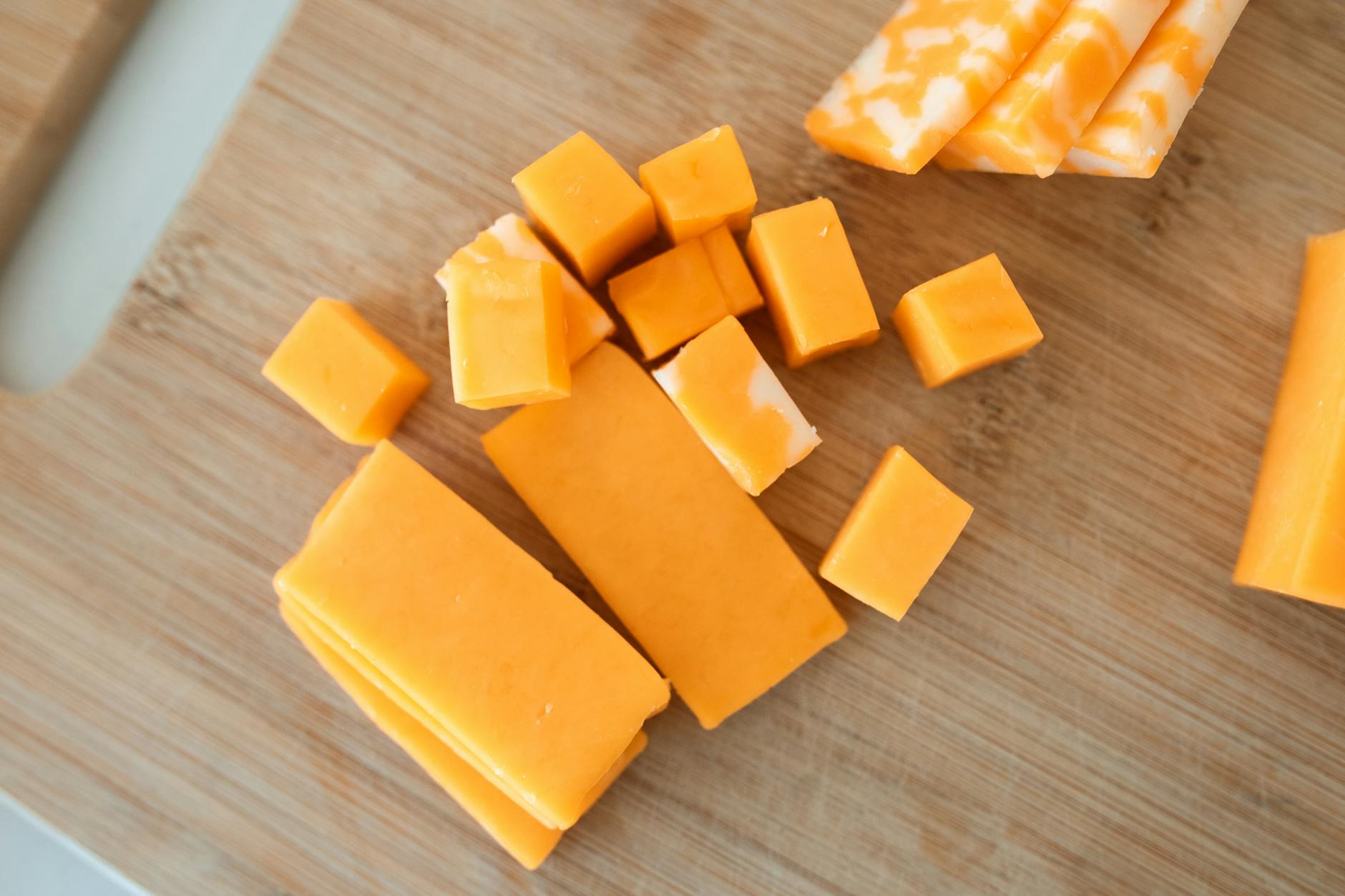
Cheddar is one of the most popular cheeses but unfortunately ranks high in saturated fat and calories. Aged varieties concentrate the nutrients and fats making them denser than fresh cheeses. While it provides protein and calcium the trade-off is a significant load of heart-taxing fats in every ounce. Sharp cheddar delivers more flavor which might help you use less but it remains a calorie bomb. Regular consumption of full-fat cheddar is often discouraged for patients specifically trying to lower their LDL numbers.
Gruyère

Gruyère is a delicious Swiss-style cheese known for its creamy melting capabilities and nutty sweetness. It is however quite high in fat and calories making it a heavy addition to any meal. This cheese is the star of fondue and gratins where it is typically consumed in large quantities. The density of saturated fat in Gruyère can contribute to arterial plaque if eaten frequently. It is best reserved for special holiday dishes rather than serving as a daily sandwich filler.
Mascarpone

Mascarpone is essentially thickened cream and ranks among the highest in fat content of all cheese varieties. It is used primarily in desserts like tiramisu where its high saturated fat content creates a velvety mouthfeel. The protein content is negligible compared to the massive amount of calories and lipids it delivers. Eating this cheese is nutritionally similar to eating butter or heavy whipping cream directly. It poses a significant challenge to cholesterol management and should be treated as a rare dessert treat.
Halloumi
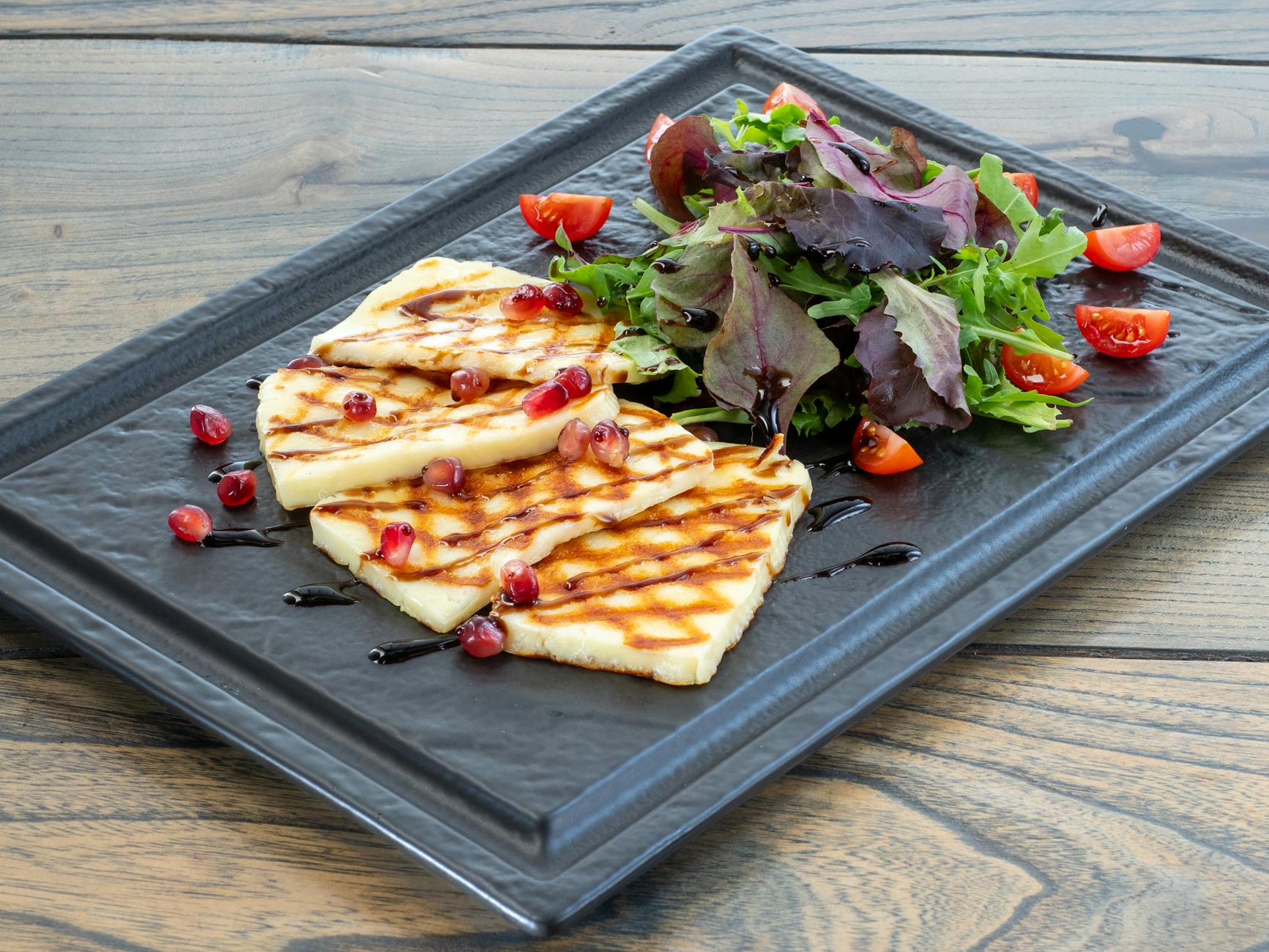
Halloumi is a semi-hard brined cheese that has a very high melting point making it perfect for grilling. However it is extremely high in sodium and saturated fat due to the sheep and goat milk blend used. The salt content alone can be problematic for blood pressure which often goes hand in hand with cholesterol issues. Its density means that a small looking slice packs a surprisingly heavy caloric punch. While delicious when fried it represents one of the less heart-friendly options for regular dining.
Please let us know which of these cheeses you plan to swap out or add to your diet in the comments.




