Bullying remains a pervasive issue in schools that can significantly impact the emotional and physical well-being of a child. Many children suffer in silence because they feel ashamed or fear retaliation if they speak up about their victimization. Parents play a crucial role in identifying the subtle changes in behavior that often signal distress or harassment in an educational setting. Recognizing these warning signs early allows caregivers to intervene effectively and provide the necessary support to ensure safety. The following indicators can help guardians determine if their child might be facing hostility from peers.
Unexplainable Physical Injuries

Cuts or bruises that appear without a logical explanation often signal physical confrontations at school. Children may try to cover up these marks with long sleeves or evasive answers when questioned about them. Parents should look for frequent minor injuries that do not match the typical play patterns of their child. A persistent pattern of physical trauma requires immediate investigation and open communication to uncover the true cause.
Lost or Damaged Clothing

Items of clothing that return home torn or dirty suggest a physical struggle or intentional damage by others. Buttons may be missing or seams ripped in ways that normal wear and tear does not typically cause. Shoes or jackets might disappear completely or be replaced with older and damaged items. Frequent requests for new clothes due to vague reasons should prompt a deeper look into the daily experiences of the student.
Disappearing School Supplies
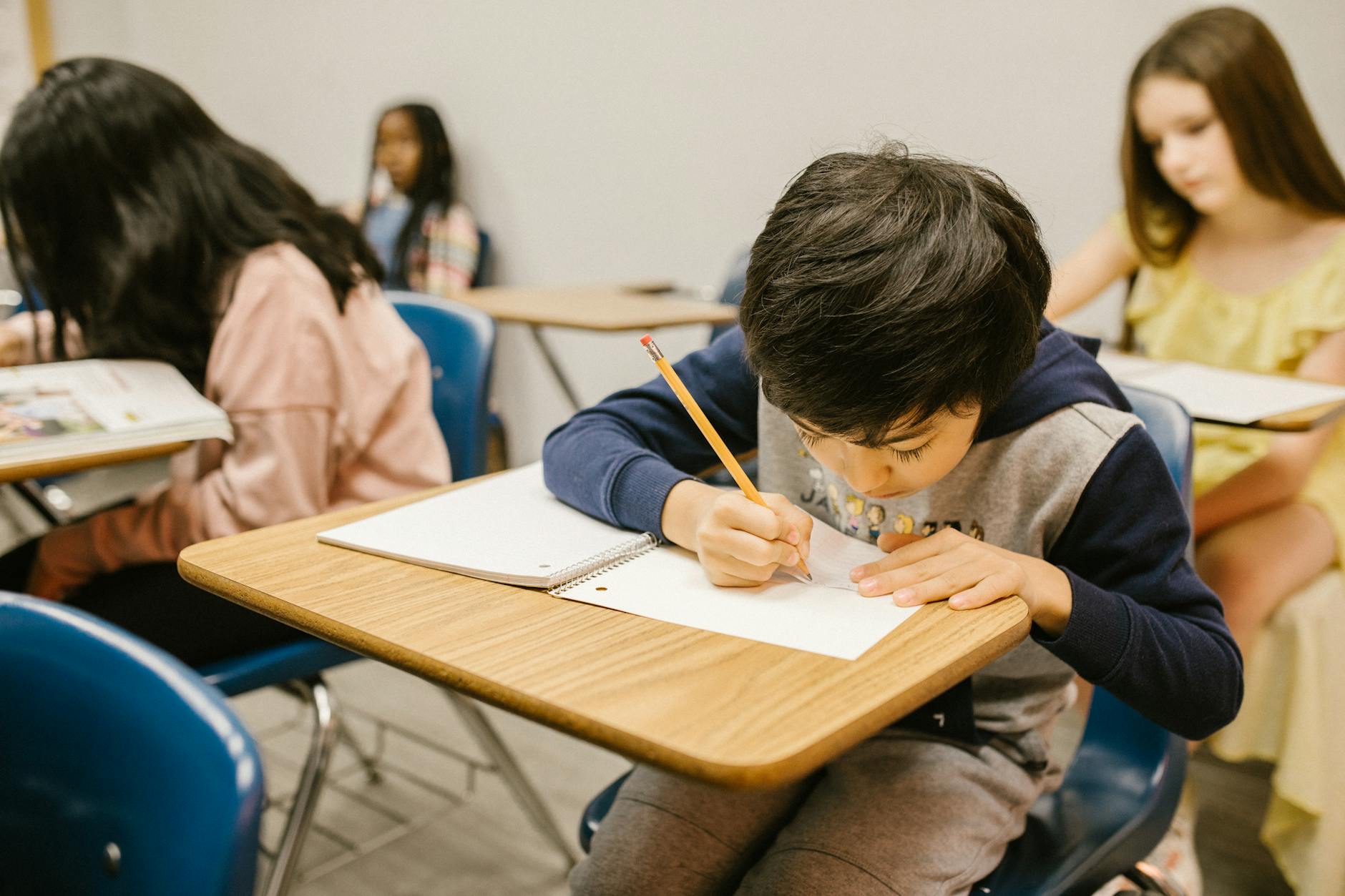
Pens and textbooks or electronics that vanish regularly can indicate theft or coercion by bullies. A child might claim they simply lost the items to avoid admitting they were taken by force. This pattern often escalates from small items to more expensive personal property over time. Parents noticing a high turnover rate of school materials should consider whether extortion is occurring in the classroom.
Frequent Headaches or Stomach Aches

Physical symptoms often manifest as a somatic response to the intense anxiety caused by bullying. Children may complain of feeling unwell specifically on school days or Sunday evenings to avoid the impending stress. These ailments are usually real to the child even if there is no underlying medical virus or infection present. A pattern of sickness that clears up on weekends is a strong indicator of school-related distress.
Changes in Eating Habits

Coming home from school ravenously hungry may mean the child did not eat lunch due to fear or theft. Some children skip meals to avoid the cafeteria environment where supervision might be lower and bullying more frequent. Others may engage in binge eating as a coping mechanism for the emotional pain they are enduring during the day. Sudden weight loss or gain without a medical explanation warrants a discussion about their lunchtime routine.
Difficulty Sleeping or Nightmares

Anxiety often disrupts the natural sleep cycle and leads to insomnia or restless nights. Children may experience vivid nightmares that reflect their fears and feelings of helplessness in the school environment. Bedwetting can reemerge in younger children who had previously mastered bladder control during the night. Exhaustion from poor sleep further impacts their ability to cope with daily stressors and emotional regulation.
Declining Academic Performance
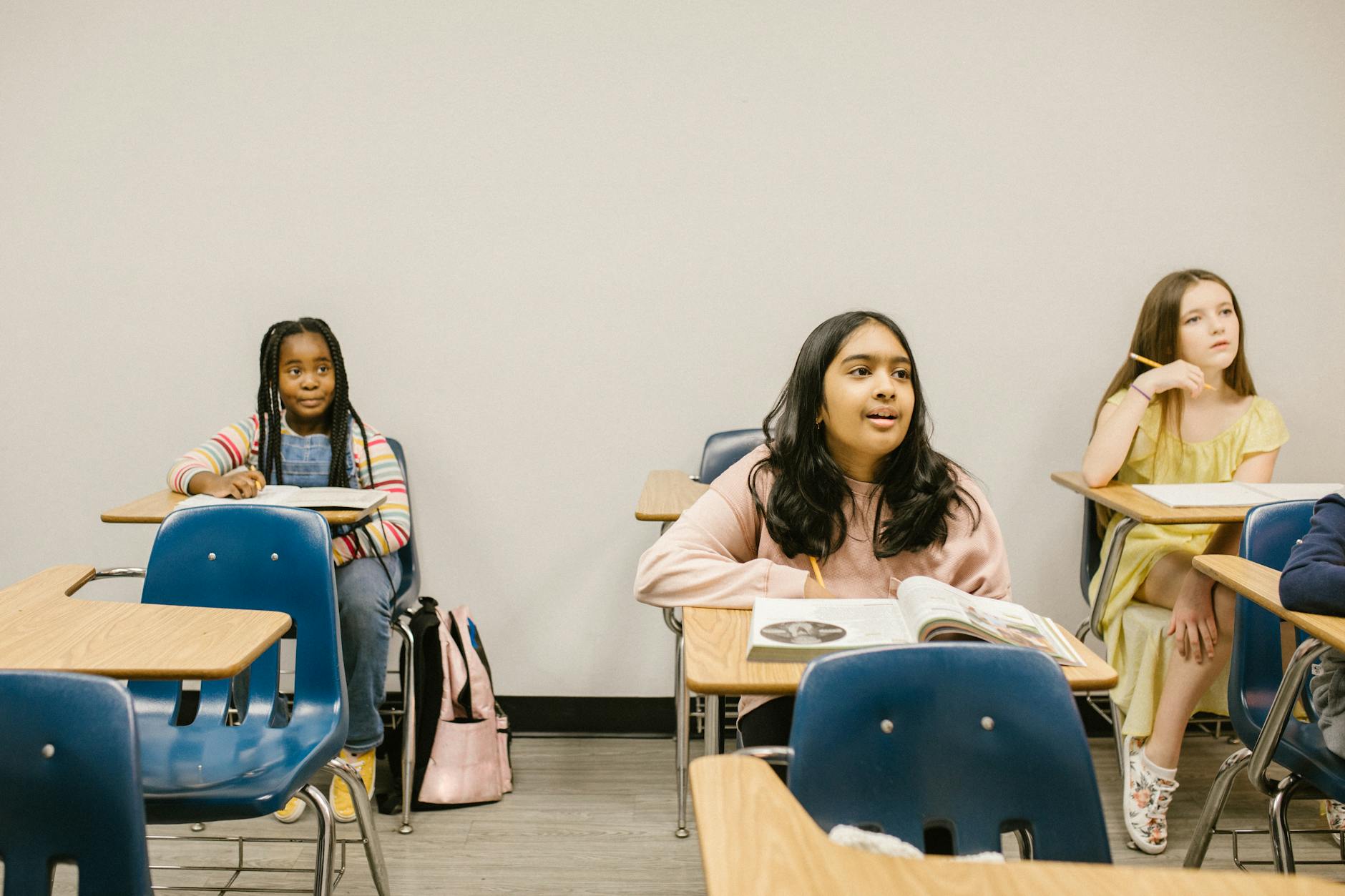
Grades often suffer when a student is distracted by fear or anxiety about their safety. The inability to concentrate in class results from a constant state of hypervigilance regarding potential threats. Homework may be neglected as the child loses motivation or feels overwhelmed by their social struggles. A sudden drop in GPA for a previously high-performing student is a significant red flag that needs attention.
Loss of Interest in Schoolwork
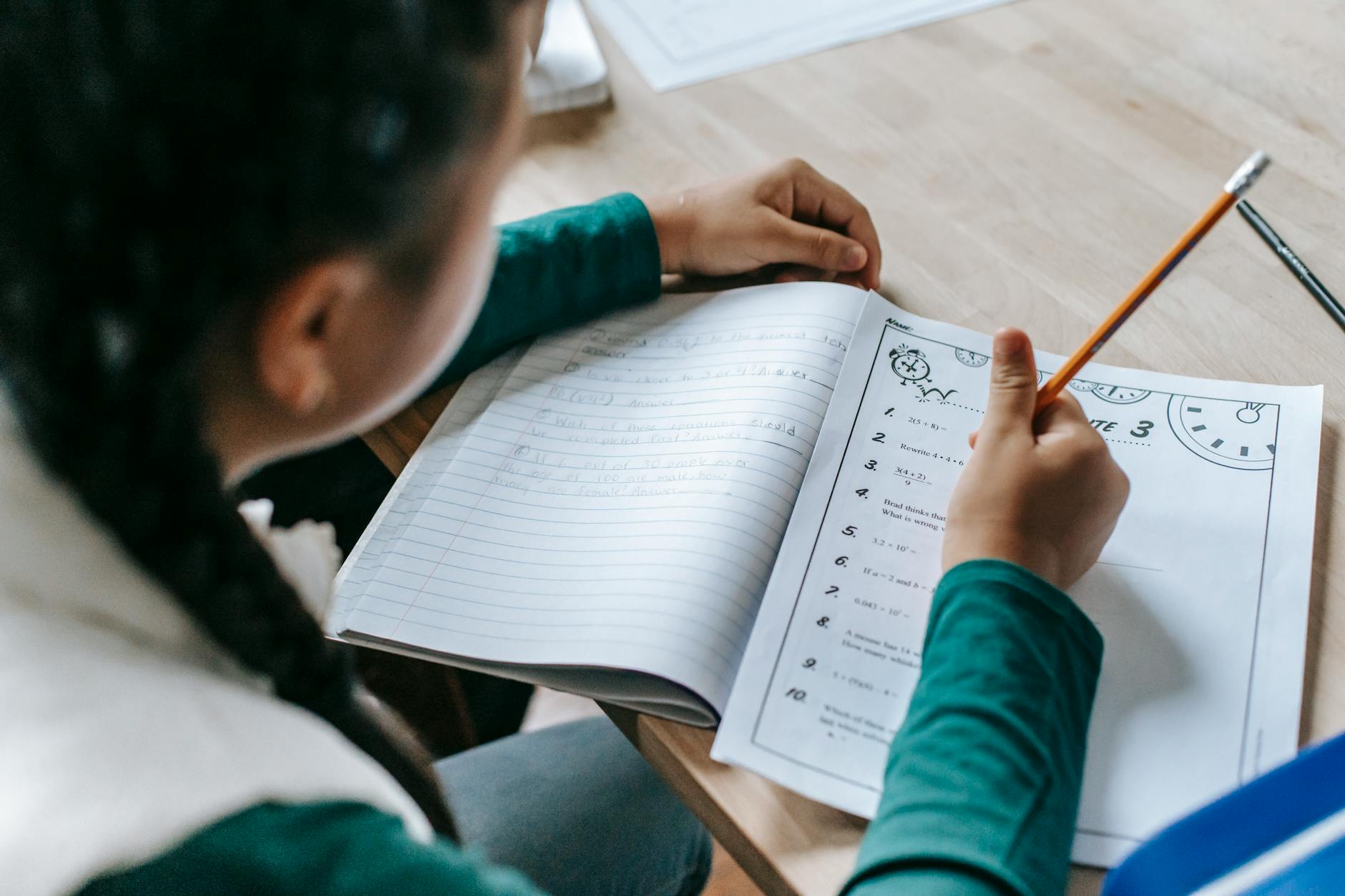
A general apathy toward learning can develop when the school environment becomes associated with pain and humiliation. Children who once loved reading or science may suddenly refuse to participate in class projects or discussions. This disengagement serves as a protective mechanism to minimize visibility and attention from peers. Parents might notice a lack of enthusiasm when discussing future academic goals or school achievements.
School Avoidance
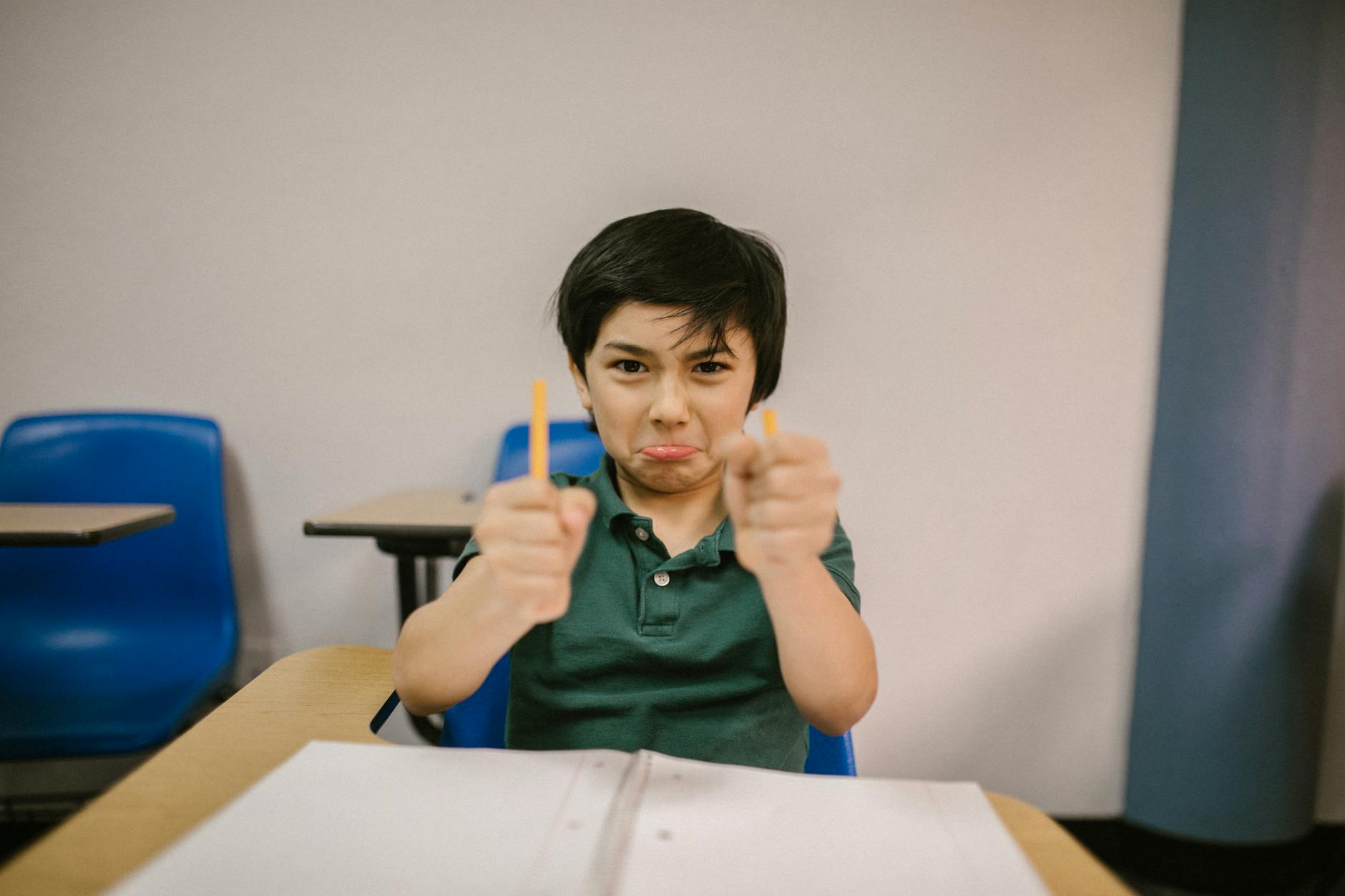
Refusing to go to school or missing the bus on purpose are clear attempts to escape a hostile environment. Children may beg to stay home or create elaborate excuses to delay their departure in the morning. This behavior often escalates from occasional reluctance to full-blown panic attacks at the thought of attending classes. Truancy notifications from the school administration should be treated as a symptom of a larger problem.
Sudden Loss of Friends
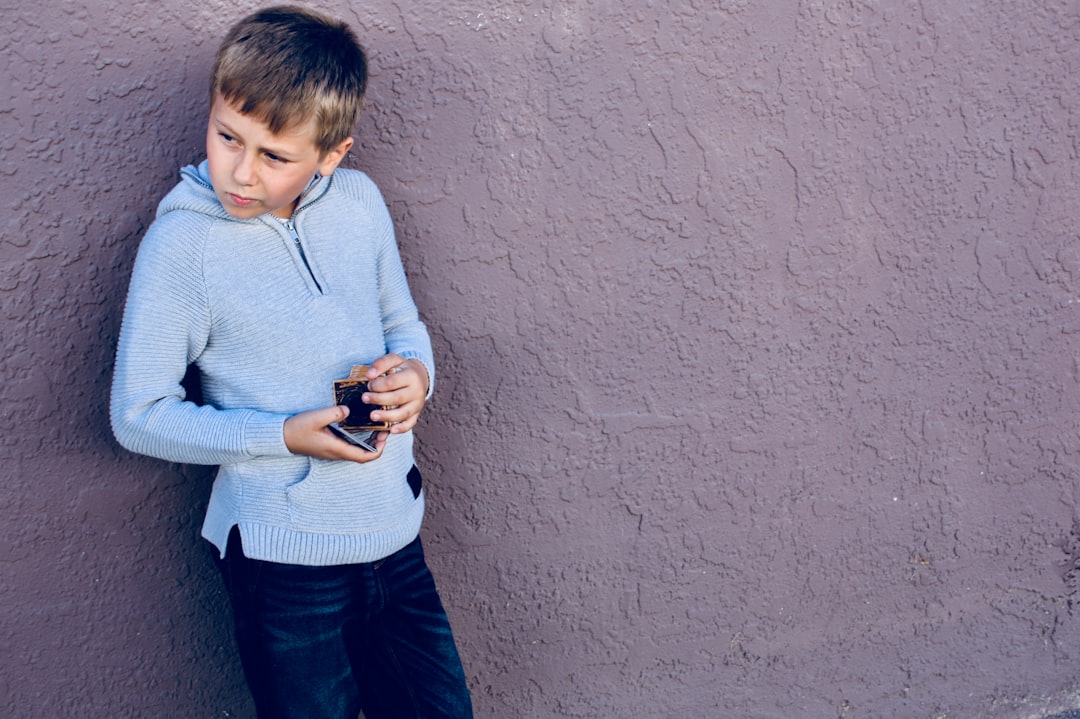
Bullying often involves social exclusion where peers are manipulated into isolating the victim. A child who previously had a steady social circle may suddenly spend weekends alone or stop receiving party invitations. They might avoid talking about their friends or seem reluctant to interact with peers outside of school hours. This forced isolation is a powerful tool used by bullies to weaken the support system of their target.
Avoidance of Social Situations
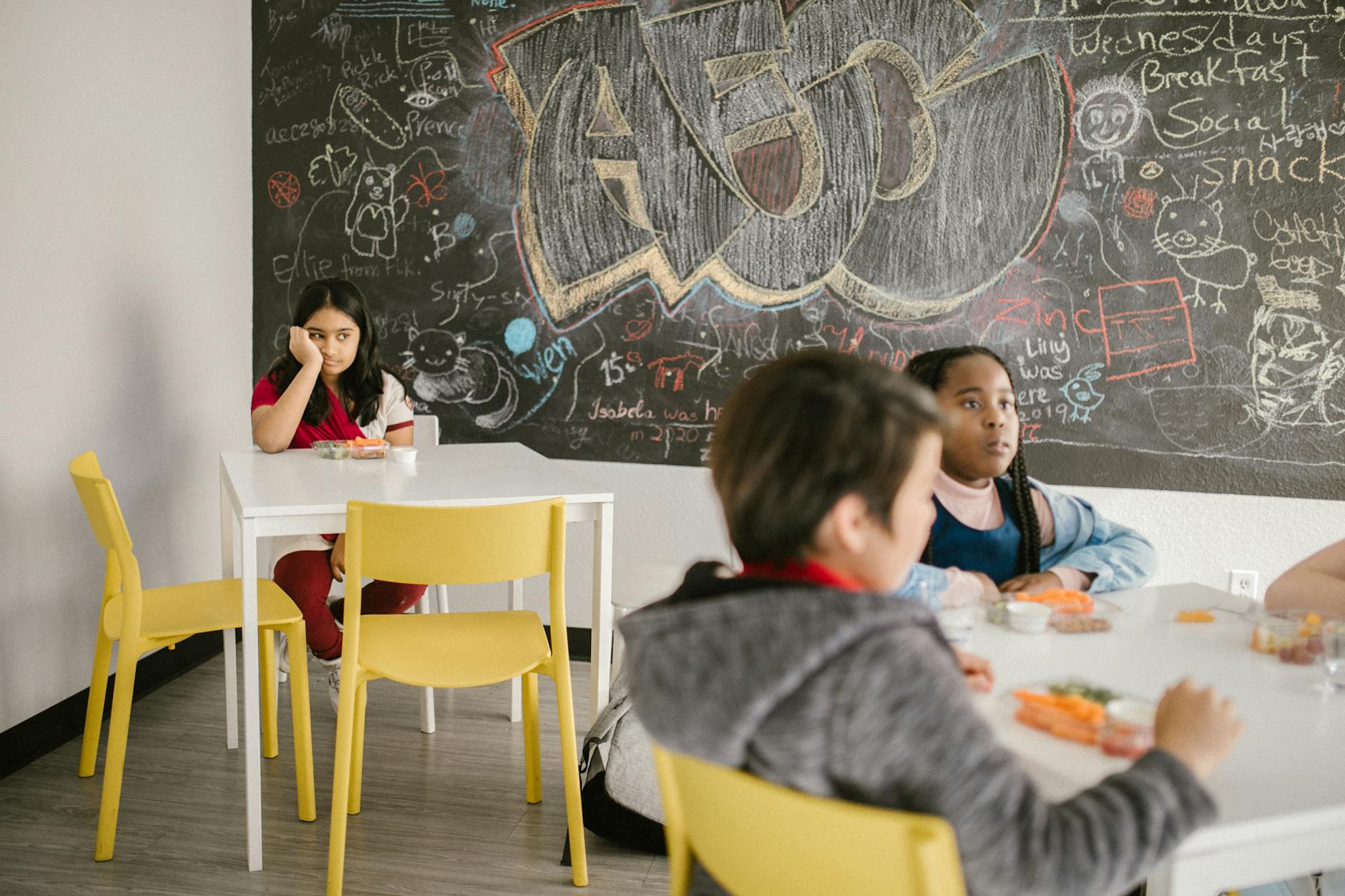
Fear of encountering bullies can lead a child to withdraw from extracurricular activities and family gatherings. They may quit sports teams or clubs they previously enjoyed to avoid specific individuals. This social withdrawal often extends to family outings where the child prefers the safety of their bedroom. Isolating themselves protects them from potential ridicule but also deepens their feelings of loneliness.
Decreased Self-Esteem

Constant criticism and verbal abuse erode the confidence and self-worth of a young person. Children may begin to verbalize self-deprecating thoughts or call themselves names they hear at school. They might express feelings of worthlessness or believe they deserve the bad treatment they receive. A noticeable shift from a confident demeanor to a timid and insecure one suggests internalizing external negativity.
Self-Destructive Behaviors
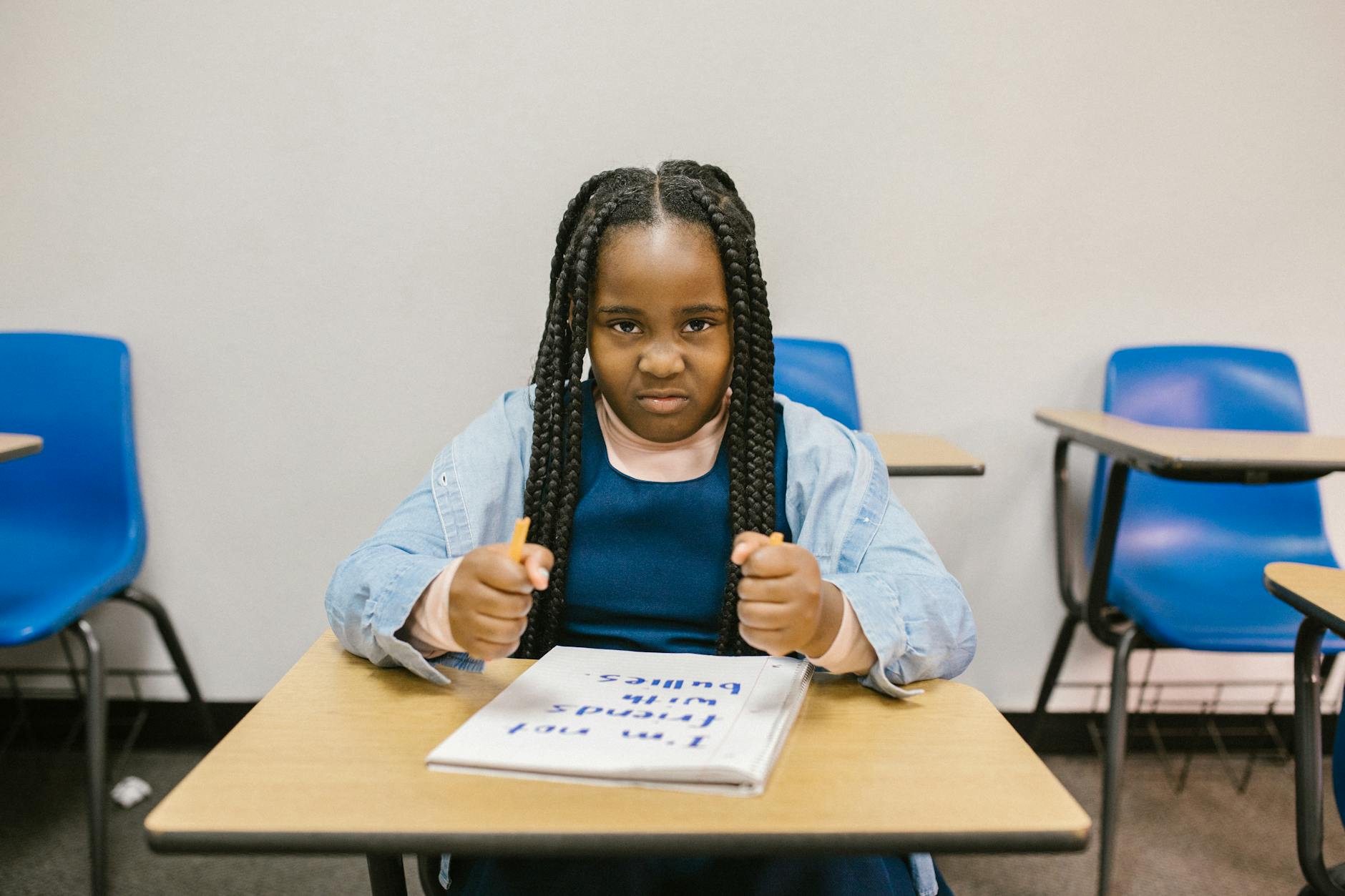
In extreme cases the emotional pain of bullying leads to harming oneself as a way to cope. Parents might notice unexplained cuts or burns or hair pulling that the child tries to hide. Talk of running away or suicide requires immediate professional intervention and support. These behaviors indicate that the child feels trapped and sees no other way to escape their suffering.
Intense Mood Swings
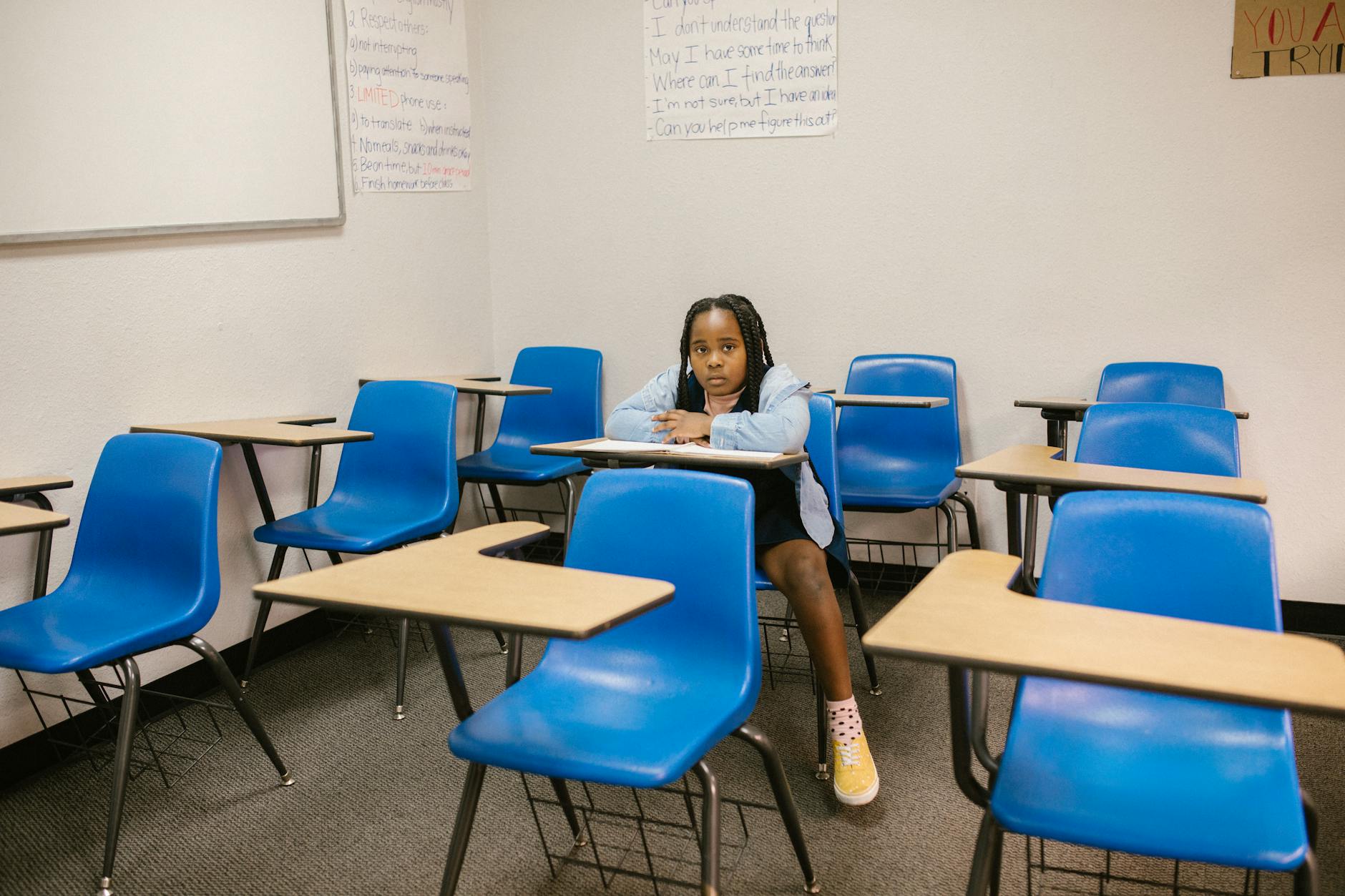
Victims of bullying often exhibit volatile emotional states ranging from anger to deep sadness. A child may come home from school irritable and lash out at siblings or parents without provocation. These outbursts act as a release for the pent-up frustration and fear accumulated during the school day. Sudden crying spells or periods of sullen silence are common signs of emotional turmoil.
Changes in Route to School
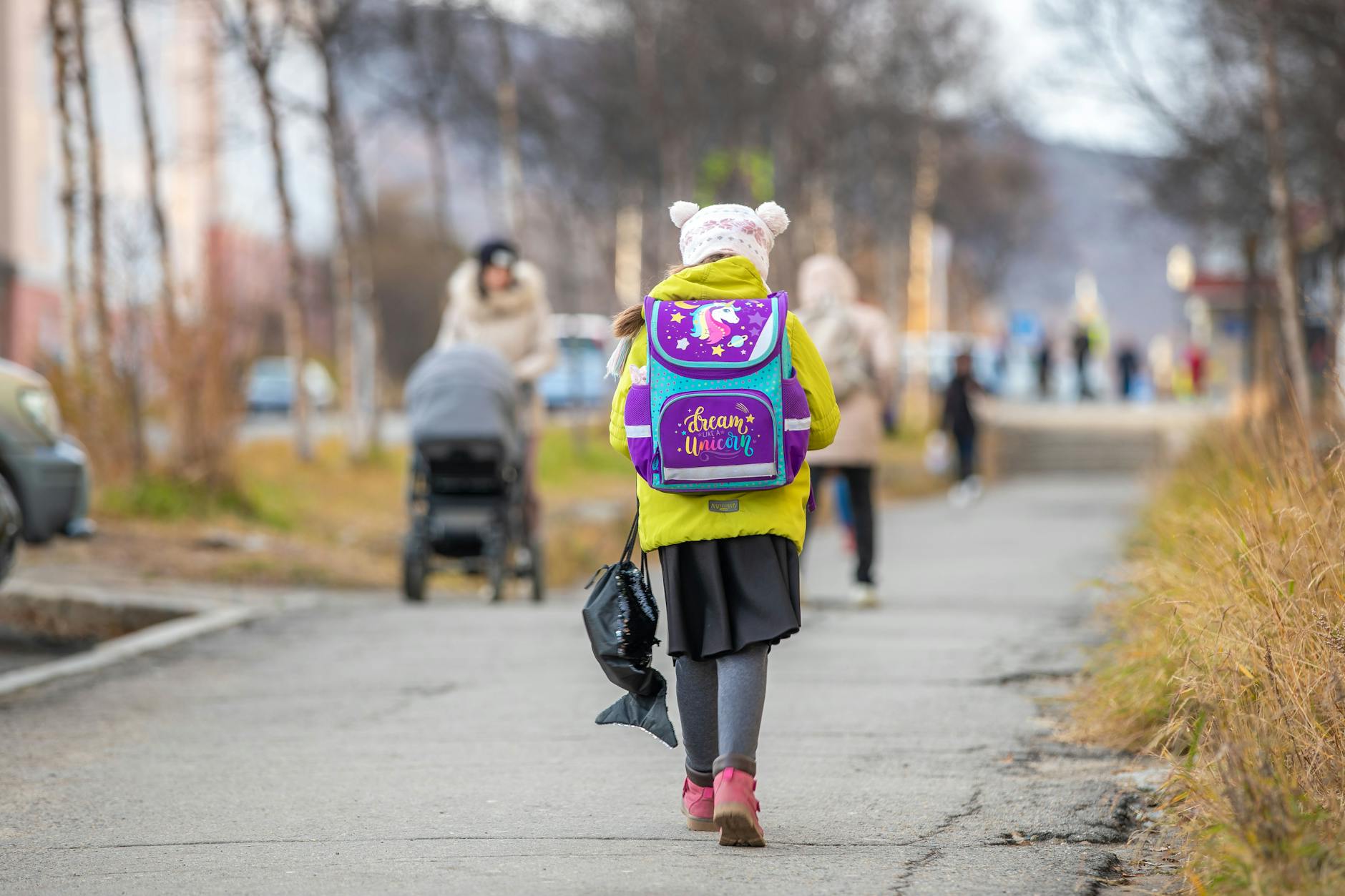
taking a longer or illogical path to school suggests the child is trying to avoid specific locations or people. They might ask for rides to avoid walking or taking the bus where supervision is limited. An unusual interest in changing transportation methods signals a need to control their safety during the commute. Parents should investigate why the standard route has become a source of fear.
Fear of the School Bus
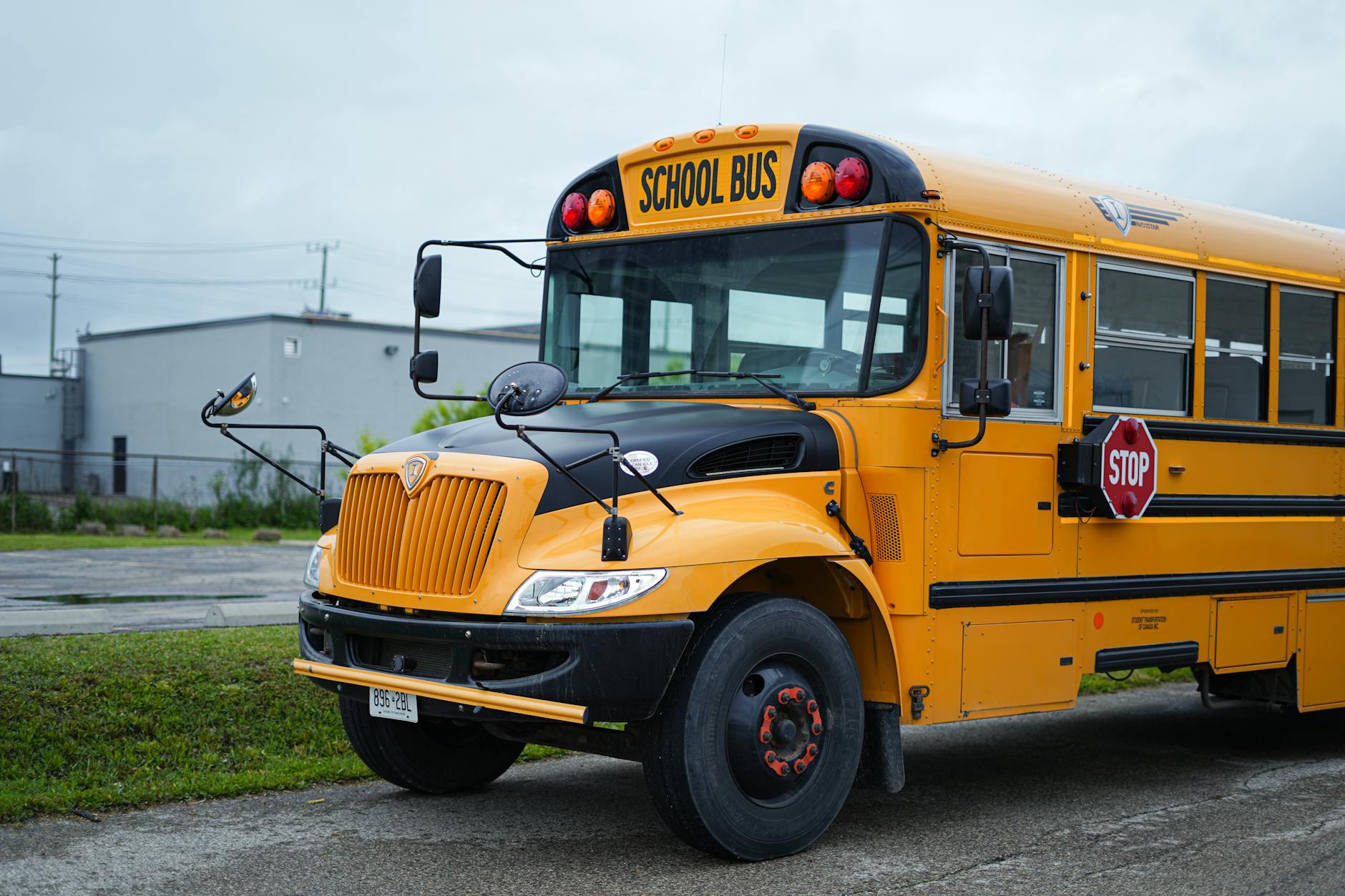
The school bus is a common setting for bullying due to the confined space and limited driver supervision. A child may plead to be driven to school or display high anxiety as the pickup time approaches. They might wait until the very last minute to leave the house to minimize waiting time at the bus stop. reluctance to use provided transportation is a practical avoidance strategy for many victims.
Asking for Extra Money

Bullies often demand money from their victims in exchange for protection or safety. A child may repeatedly ask for extra lunch money or allowance without a clear explanation for the expense. Money might go missing from family wallets or purses as the child tries to meet these demands. Financial coercion places immense pressure on the victim to provide funds to avoid physical or social consequences.
Coming Home Hungry

When lunch money is stolen or food is taken a child will return home starving. They may rush to the pantry immediately after school despite having a packed lunch provided for them. Parents might find uneaten lunches hidden in the trash to hide the fact that they were too afraid to eat. This physical deprivation adds to the exhaustion and stress the child experiences daily.
Bathroom Accidents

Younger children may experience regression in toilet training due to severe stress and fear. Accidents might occur because the child is afraid to use the school restroom where bullying often takes place. Avoiding the bathroom all day can lead to medical issues and embarrassing incidents in the classroom. This regression is a strong physiological response to an unsafe environment.
Silence About Their Day
A distinct reluctance to answer questions about school often indicates a desire to hide painful experiences. The child might give one-word answers or change the subject immediately when asked “how was school”. This silence protects them from having to relive the trauma or admit they are being victimized. Open communication becomes difficult when the subject matter is associated with shame.
Aggressive Behavior

Some victims of bullying become bullies themselves or displace their aggression onto safe targets at home. A typically gentle child may start hitting siblings or being disrespectful to parents. This shift in behavior is a reaction to feeling powerless in other areas of their life. Acting out provides a temporary sense of control that they lack in the school environment.
Obsession or Avoidance of Devices

Cyberbullying creates a complex relationship with technology where the child is either glued to the screen or terrified of it. They may close browser windows quickly when a parent enters the room to hide hurtful messages. A sudden drop in social media usage or deleting accounts suggests online harassment is occurring. The emotional impact of digital bullying is just as damaging as face-to-face confrontation.
Hiding Screens
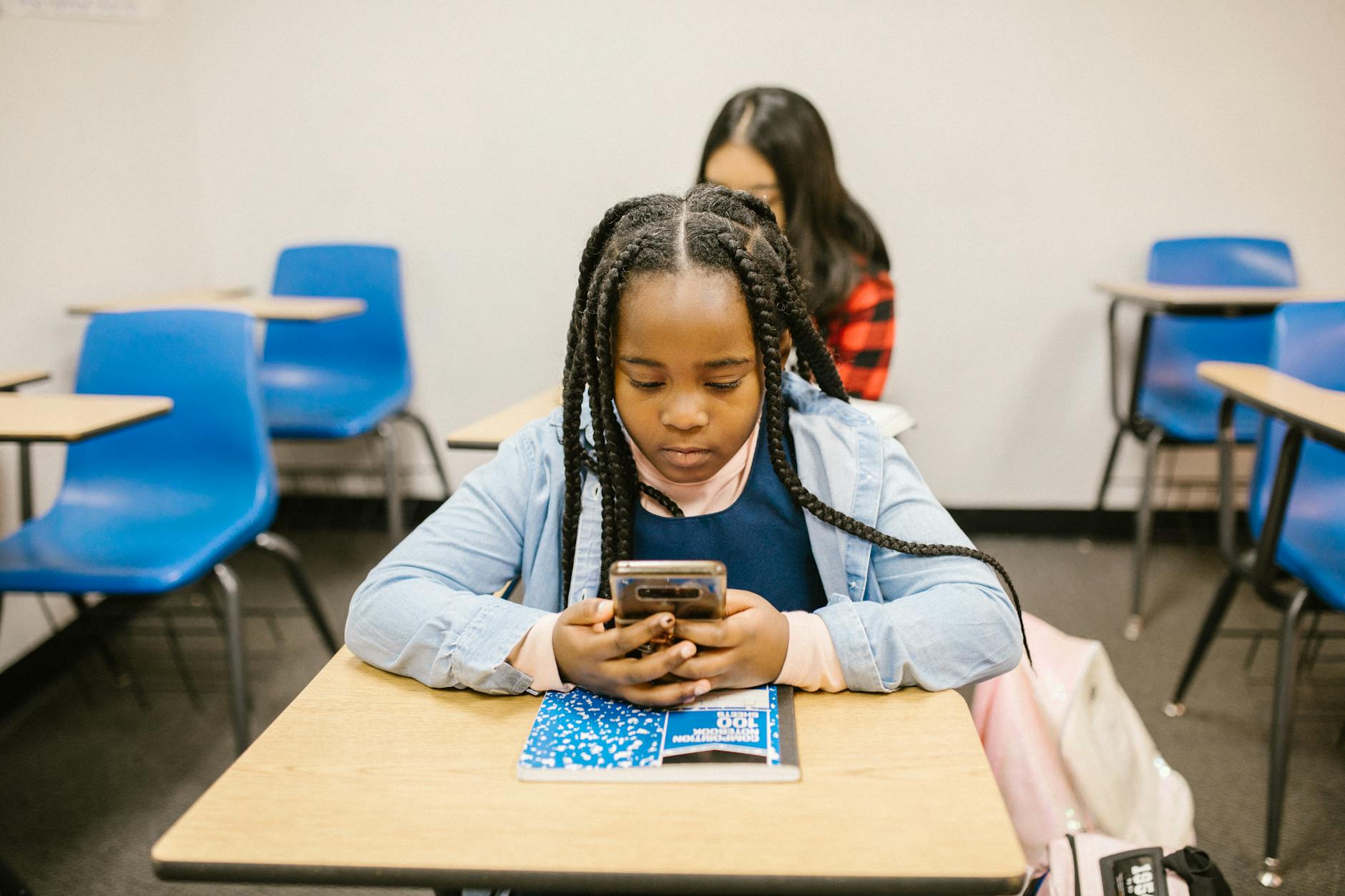
Secretive behavior regarding phones and computers often points to digital victimization. Children might change passwords or refuse to let parents see their devices to conceal the abuse. They fear that showing the evidence will lead to losing their phone privileges rather than solving the problem. This secrecy prevents parents from seeing the extent of the harassment their child is facing.
Physical Complaints Without Medical Cause

Frequent visits to the school nurse are a safe haven for children trying to escape the classroom or playground. The nurse’s office provides a quiet sanctuary away from tormentors and judgement. Medical professionals may report that the child has no fever or physical symptoms despite their complaints. Seeking refuge in a medical setting is a clear cry for help and safety.
Excessive Clinginess

Children who feel unsafe in the world often revert to seeking constant reassurance from their primary caregivers. They may not want to be left alone in a room or may follow parents around the house. This attachment behavior signals a deep insecurity and a need for protection from external threats. The home becomes the only fortress where they feel truly secure from harm.
Please share your own experiences or additional signs you have noticed in the comments to help other parents.




