Many people diligently monitor their sugar intake yet fail to notice the staggering amounts of sodium hidden in everyday savory meals. Excessive salt consumption leads to fluid retention and high blood pressure while putting unnecessary strain on the cardiovascular system. Processed foods often rely on sodium as a preservative and flavor enhancer even in items that do not taste particularly salty to the palate. Consumers can make significantly healthier choices by simply understanding which common pantry staples are the biggest offenders. This comprehensive guide illuminates the unexpected sources of salt that may be lurking in your kitchen right now.
Sandwich Bread
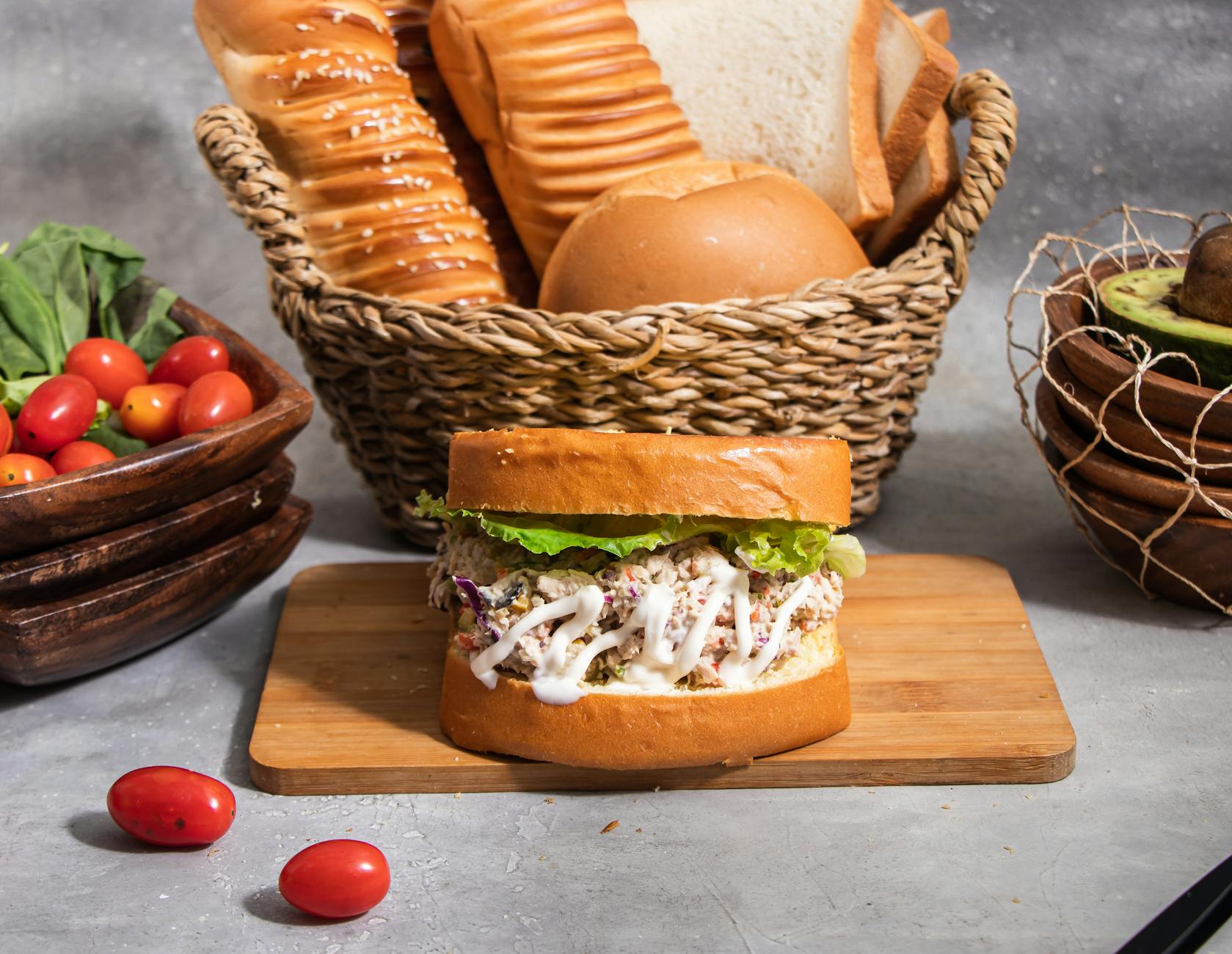
Most consumers do not associate a simple slice of white or wheat bread with high sodium content. Manufacturers add significant amounts of salt to the dough to control the yeast activity and enhance the overall flavor profile. A single slice can contain over two hundred milligrams of sodium which quickly adds up when you consume a full sandwich. Switching to low-sodium varieties or baking fresh loaves at home offers a much healthier alternative for daily consumption.
Bagels

The dense texture of a bagel requires a substantial amount of salt during the baking process to achieve the right consistency. A large bakery bagel can easily contain more than five hundred milligrams of sodium before any toppings are added. This amount represents nearly a quarter of the recommended daily intake in just one food item. Choosing smaller portion sizes or scooping out the soft interior can help mitigate this high salt load.
Deli Cold Cuts
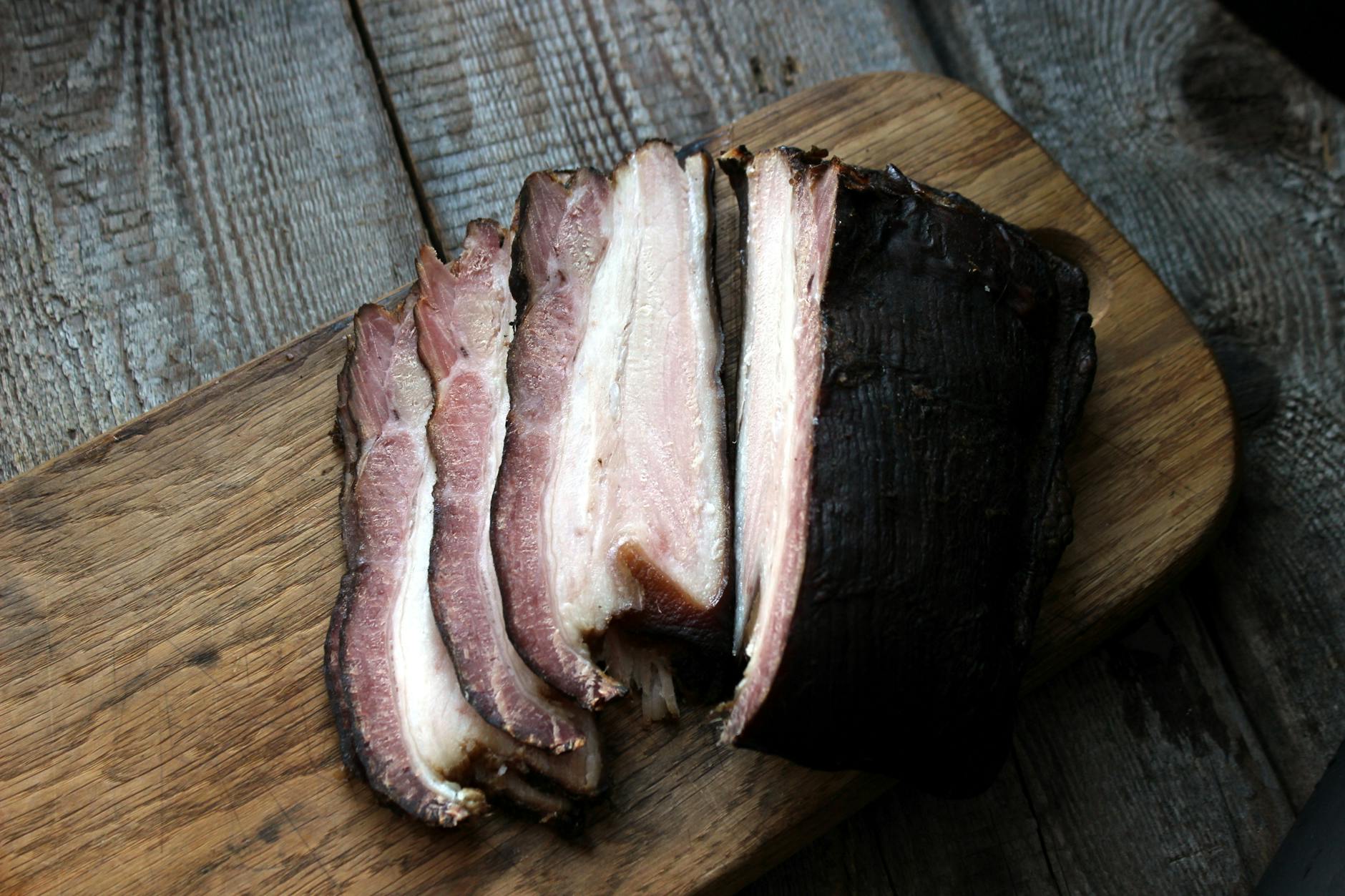
Processed lunch meats are among the most significant sources of sodium in the average modern diet. Salt acts as a critical preservative to prevent bacterial growth and maintain the pink color of the meat for extended periods. Even low-fat turkey or chicken breast slices are often injected with a sodium solution to retain moisture and flavor. Freshly roasted meats sliced at home are a far superior option for controlling salt intake.
Canned Soup
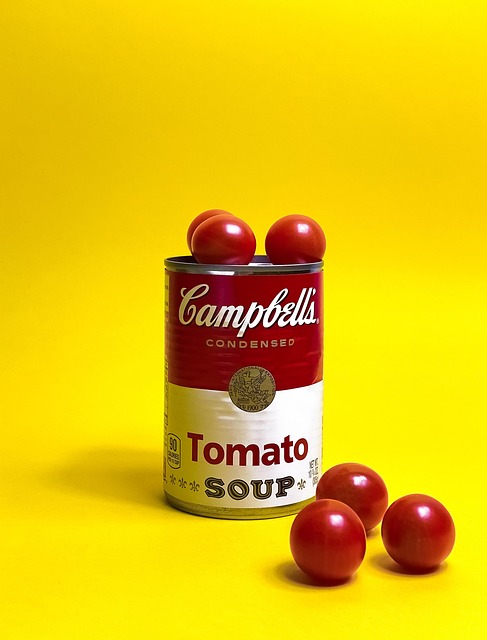
Canned soups are convenient pantry staples that frequently contain astronomical levels of sodium per serving. A single cup of soup can provide nearly half of the daily recommended limit for an adult. Manufacturers use salt to compensate for the loss of flavor that occurs during the high-heat canning and sterilization process. It is advisable to look for cans specifically labeled as having no added salt or low sodium.
Pizza
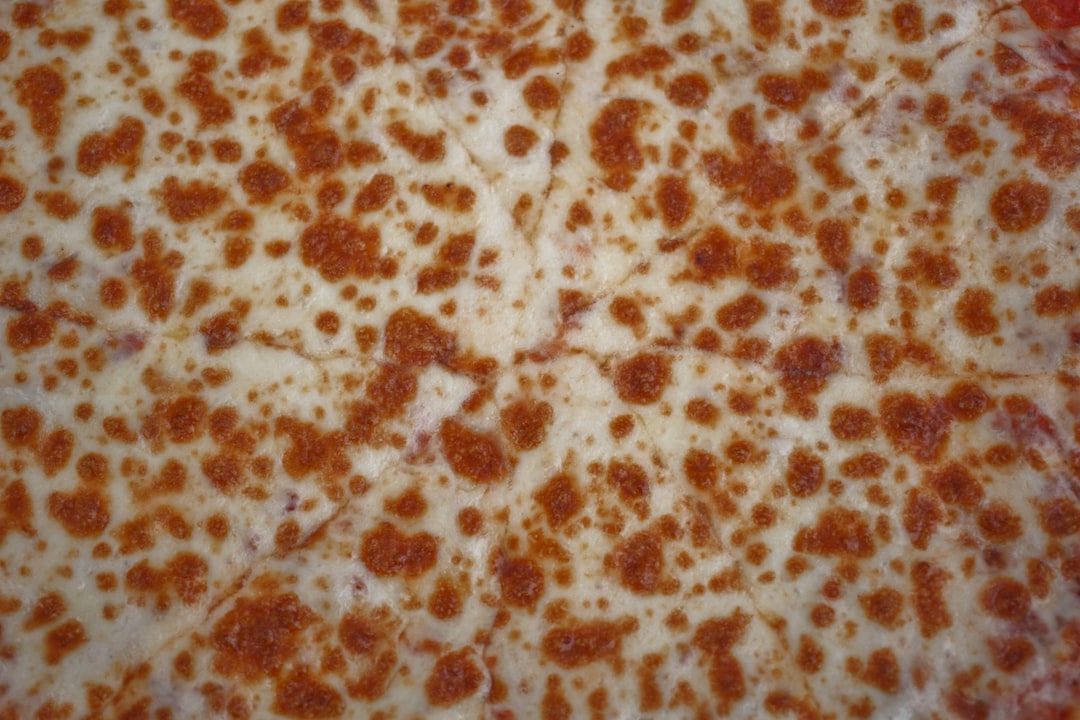
The combination of cured meats and cheese and tomato sauce creates a sodium bomb in every slice of pizza. Frozen pizzas are particularly heavy in salt because it helps preserve the crust and toppings during long freezer storage. One slice of pepperoni pizza can contain more than seven hundred milligrams of sodium depending on the brand. Homemade pizza allows for control over the cheese and sauce to keep the meal healthier.
Burritos
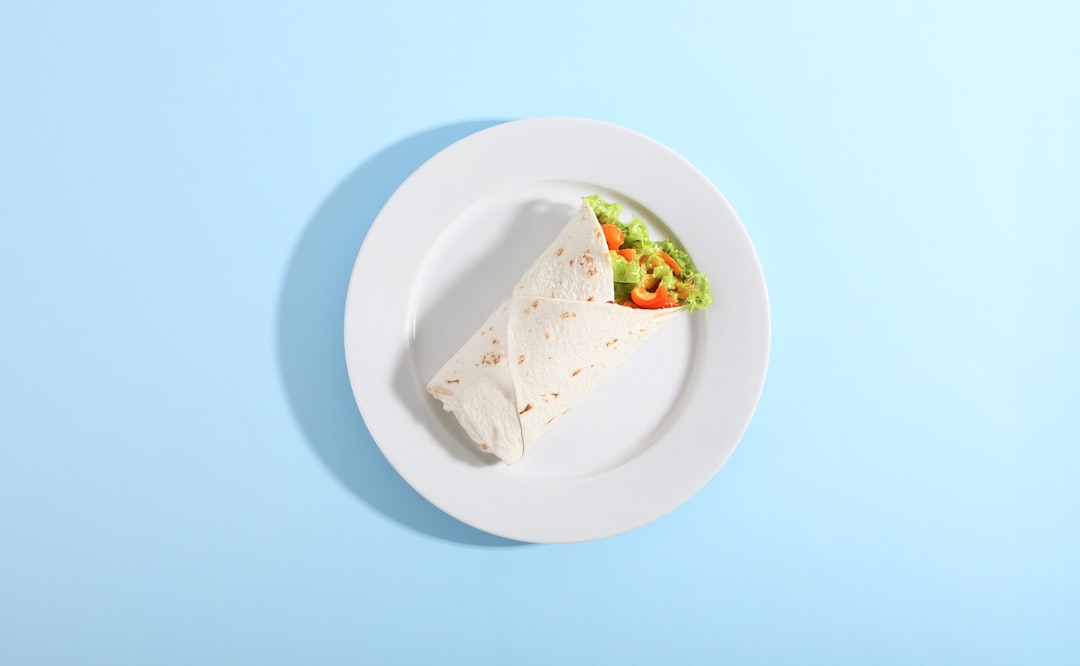
Fast food and frozen burritos pack a massive amount of salt into a relatively small and portable package. The tortilla itself is high in sodium and the fillings often include seasoned rice and beans and salty cheese. A fully loaded burrito can sometimes exceed the entire recommended daily sodium limit in a single sitting. Opting for a burrito bowl without the tortilla wrapper can significantly reduce the overall salt content.
Cottage Cheese
Cottage cheese is widely regarded as a healthy protein source but it carries a surprisingly high sodium load. The curdling process requires salt to enhance the texture and stop the cheese from spoiling too quickly. A half-cup serving often contains around four hundred milligrams of sodium which is quite high for a light snack. Rinsing the curds under water or choosing no-salt-added varieties can make this dairy product much heartier.
Pickles
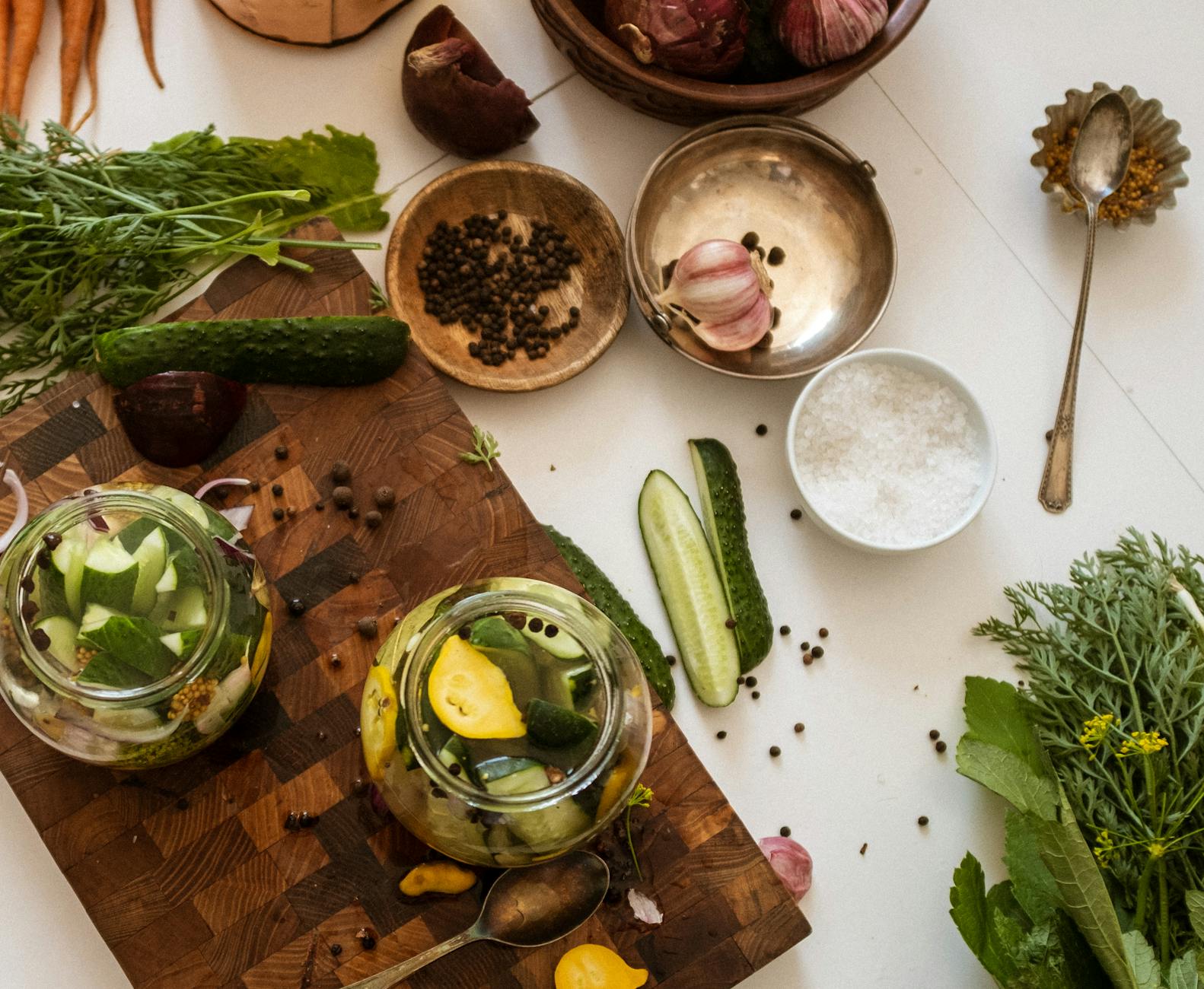
Pickling is essentially a process of preserving vegetables in a brine made of vinegar and very high concentrations of salt. A single medium pickle can contain hundreds of milligrams of sodium and people rarely stop at eating just one spear. The brine penetrates deep into the cucumber and makes it impossible to remove the salt once it is absorbed. Fresh cucumbers with vinegar offer a similar crunch and tang without the excessive sodium levels.
Soy Sauce

This fermented condiment is one of the most concentrated sources of sodium found in cuisines around the world. Just one tablespoon of traditional soy sauce can contain nearly one thousand milligrams of sodium. Even reduced-sodium versions still contain a significant amount that should be consumed with caution. Coconut aminos are a popular alternative that mimics the savory flavor profile with considerably less salt.
Tomato Sauce
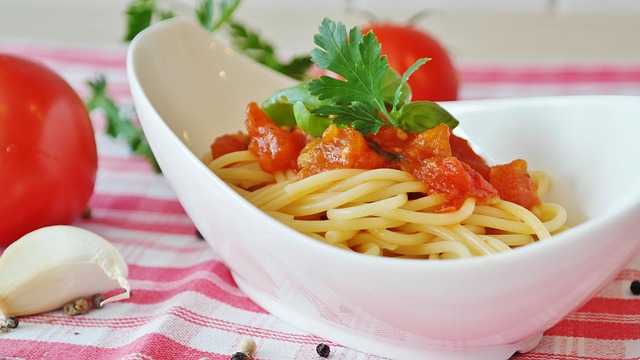
Jarred pasta sauces are convenient but they often rely on heavy salting to preserve the tomatoes and boost the flavor. Many brands add sugar and salt in equal measures to balance the acidity of the tomatoes. A half-cup serving can easily contribute five hundred milligrams of sodium to your pasta dinner. Making a quick sauce from fresh tomatoes and herbs is a simple way to avoid this hidden excess.
Frozen Dinners
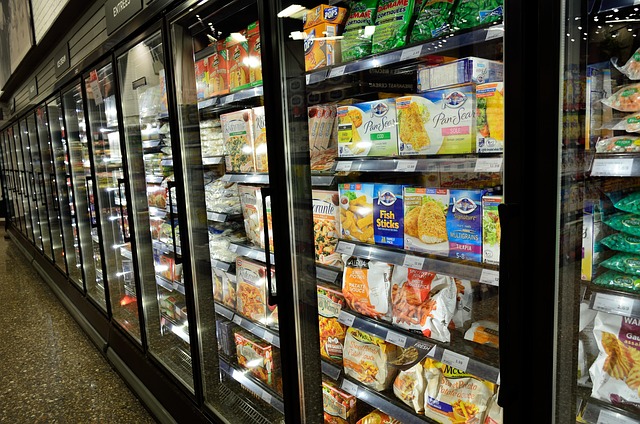
Microwave meals are engineered for convenience and longevity rather than optimal nutritional balance. Heavy salting is necessary to prevent the food from becoming bland or mushy after being frozen and reheated. Some full meal trays contain nearly an entire day’s worth of sodium in one compact container. Reading the nutrition label is essential when selecting frozen entrees for a quick lunch.
Salad Dressing
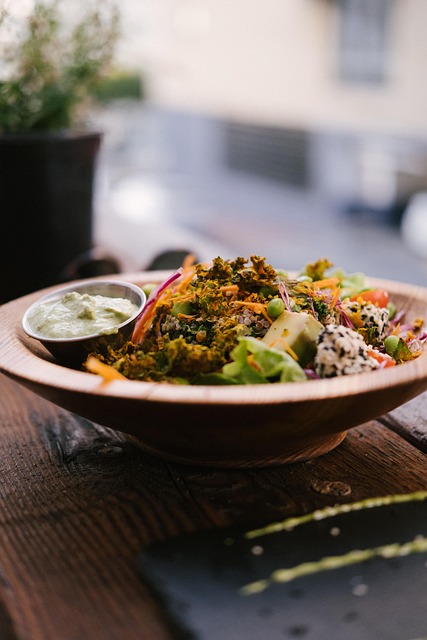
Pouring a generous amount of bottled dressing over fresh greens can instantly negate the health benefits of a salad. Creamy dressings and vinaigrettes alike use salt to stabilize the emulsion and amplify the savory notes. Two tablespoons of store-bought dressing can contain upwards of three hundred milligrams of sodium. Olive oil and fresh lemon juice provide a simple and heart-healthy alternative for dressing vegetables.
Flour Tortillas

Tortillas require salt to regulate the gluten structure and prevent the dough from becoming too sticky during processing. Large burrito-sized tortillas are particularly dense and can harbor a surprising amount of sodium per wrap. The salt content helps keep the tortilla pliable and prevents it from cracking when rolled. Corn tortillas are generally a lower sodium option compared to their flour counterparts.
Hot Dogs

Processed sausages like hot dogs are cured meats that rely heavily on sodium specifically for preservation and texture. The salt helps the meat mixture bind together and stay firm after cooking. A single hot dog link can contain more than five hundred milligrams of sodium without the bun or condiments. Occasional consumption is recommended rather than making them a regular part of the diet.
Breakfast Cereal
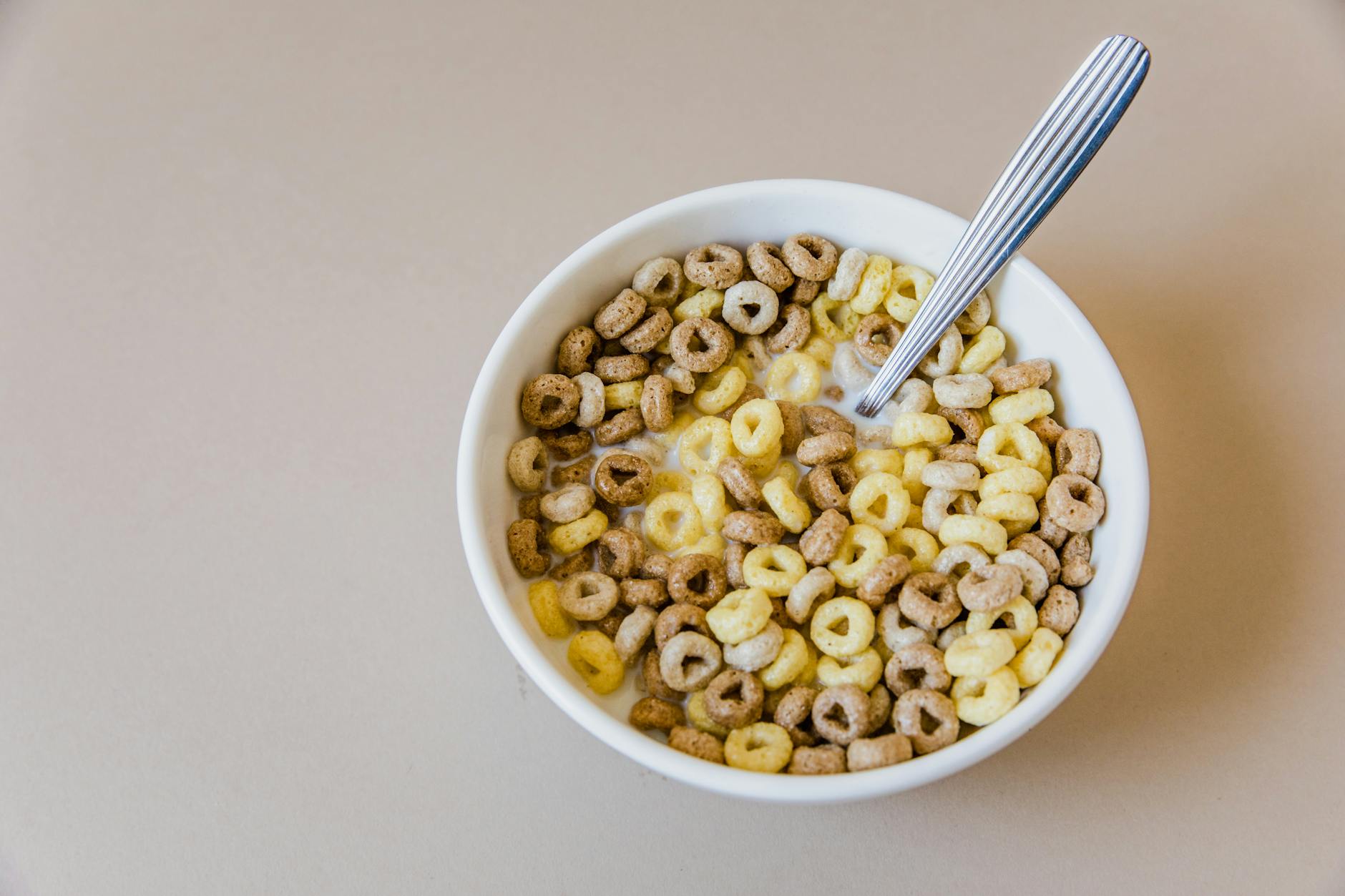
Sweet breakfast cereals do not taste salty but they often contain significant amounts of sodium to enhance the sweetness. Manufacturers use salt to make the grain flavors pop and to preserve the shelf life of the box. Some popular cereal brands contain more sodium per serving than a small bag of potato chips. Checking labels reveals that even healthy bran flakes can be surprising sources of hidden salt.
Vegetable Juice
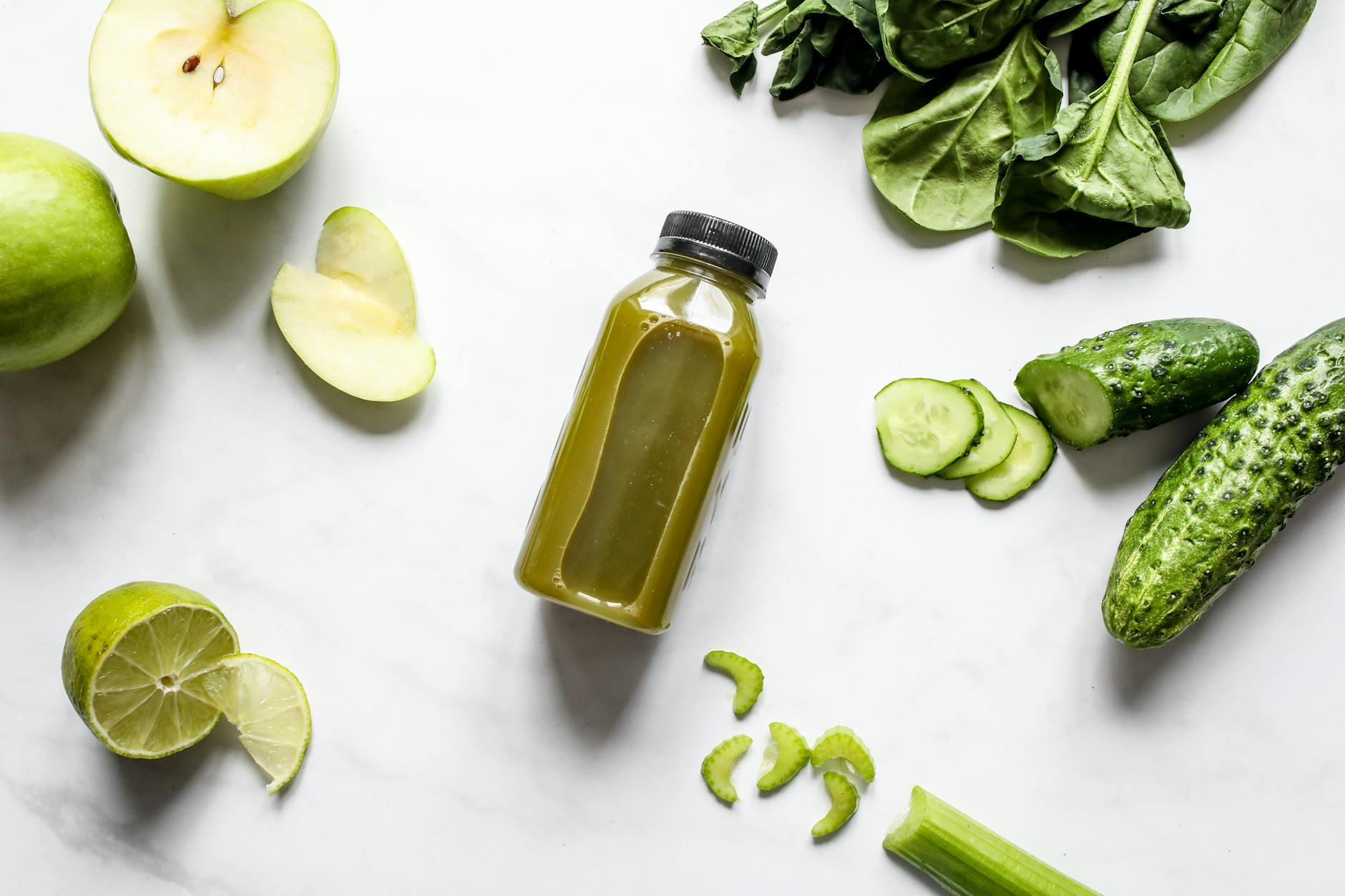
Drinking vegetables seems like a healthy habit but bottled vegetable juice is frequently loaded with salt. The sodium acts as a preservative and masks the sometimes bitter taste of the processed vegetables. An eight-ounce glass can deliver nearly six hundred milligrams of sodium which is detrimental to blood pressure. Freshly juiced vegetables or low-sodium bottled versions are the only way to avoid this pitfall.
Canned Vegetables
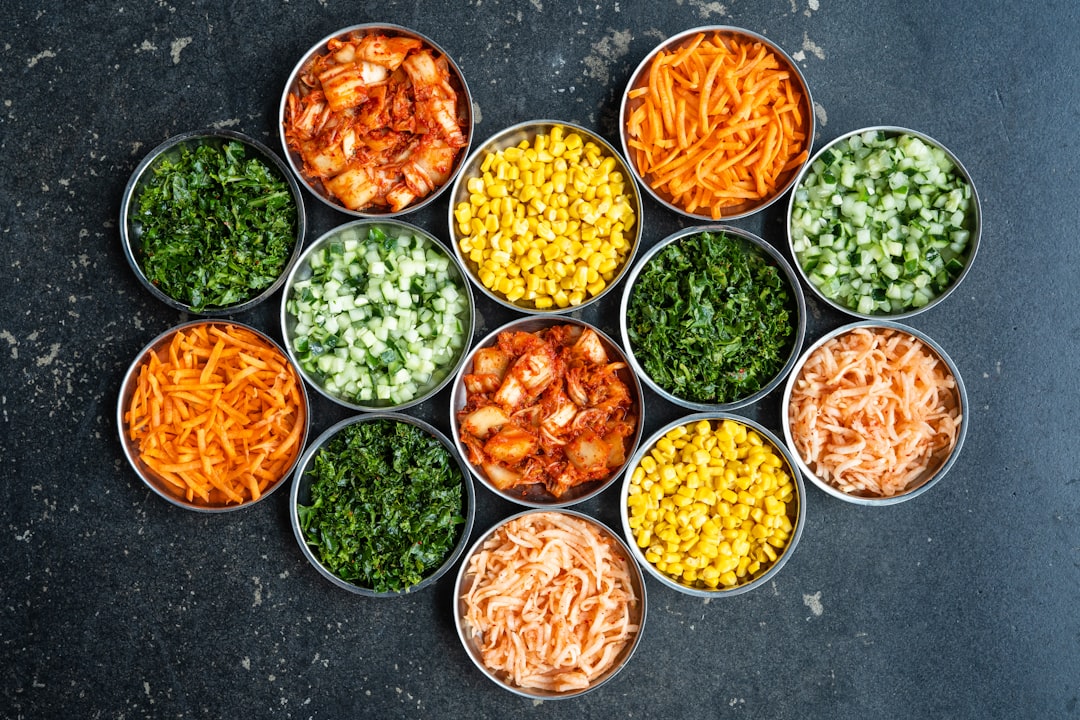
Canning vegetables in saltwater keeps them firm and preserves their color while they sit on supermarket shelves. This brine solution seeps into the vegetables and dramatically increases their sodium content compared to fresh produce. Rinsing canned corn or beans under cool water can reduce the sodium levels by up to forty percent. Frozen vegetables are typically flash-frozen without added salt and are a better nutritional choice.
Boxed Macaroni and Cheese
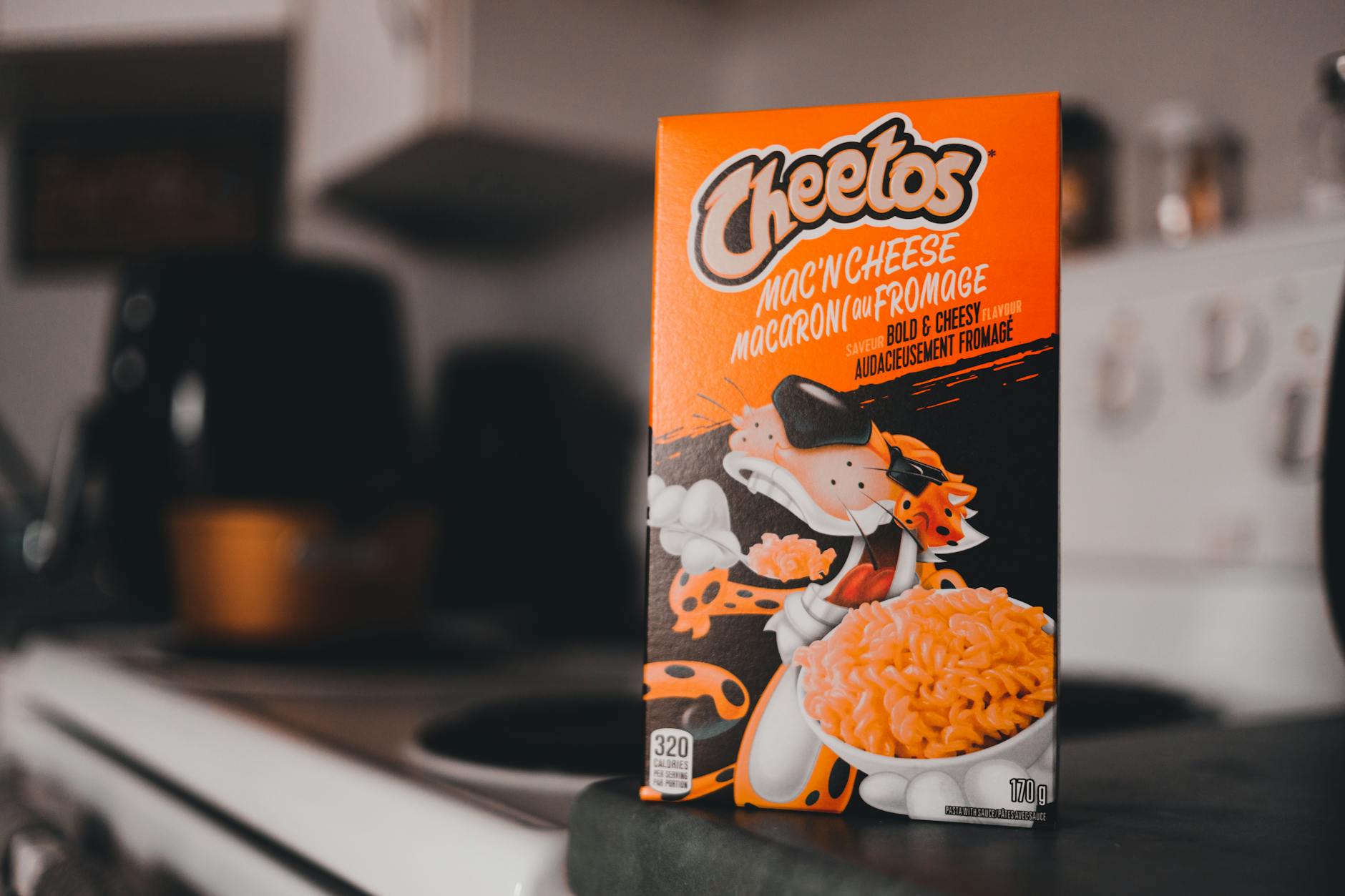
The powdered cheese packet in boxed macaroni dinners is a highly concentrated source of sodium and preservatives. This convenient meal is a favorite for children but a single serving packs a heavy salty punch. The pasta water and added butter further increase the total sodium count of the final dish. Making macaroni and cheese from scratch with real cheddar allows for complete control over the ingredients.
American Cheese Slices
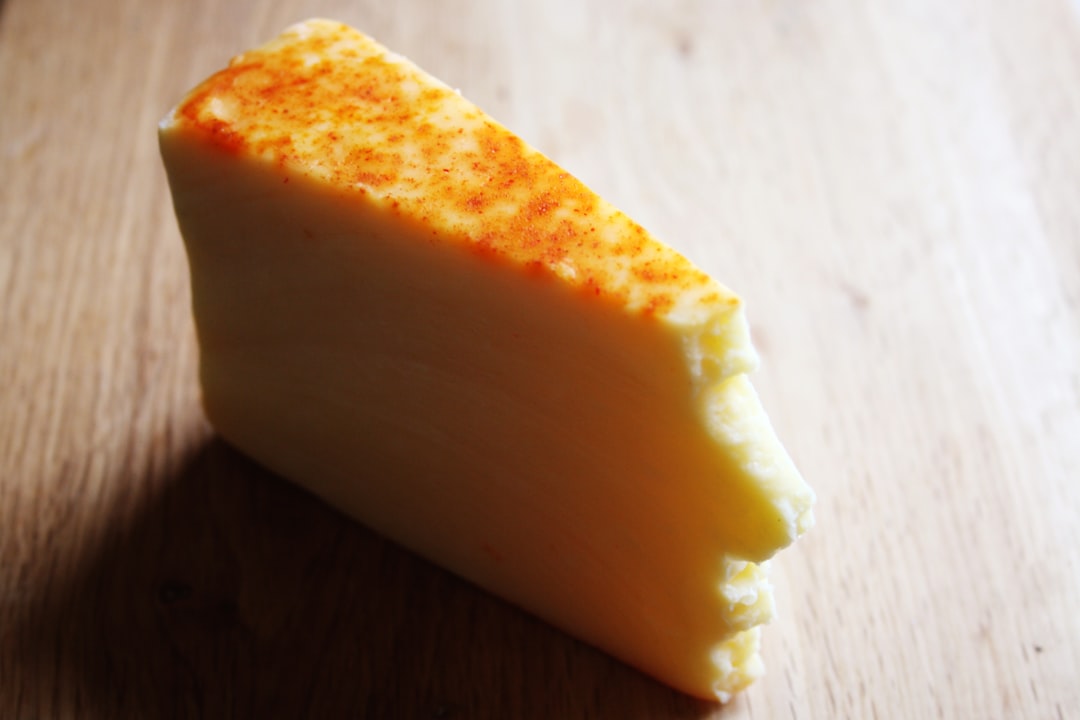
Processed cheese slices contain emulsifying salts that help them melt smoothly without separating into oil and protein. These additives result in a sodium content that is significantly higher than natural block cheese. Two slices of processed cheese can contain nearly five hundred milligrams of sodium. Natural cheddar or swiss cheese provides plenty of flavor with a fraction of the salt.
Instant Pudding
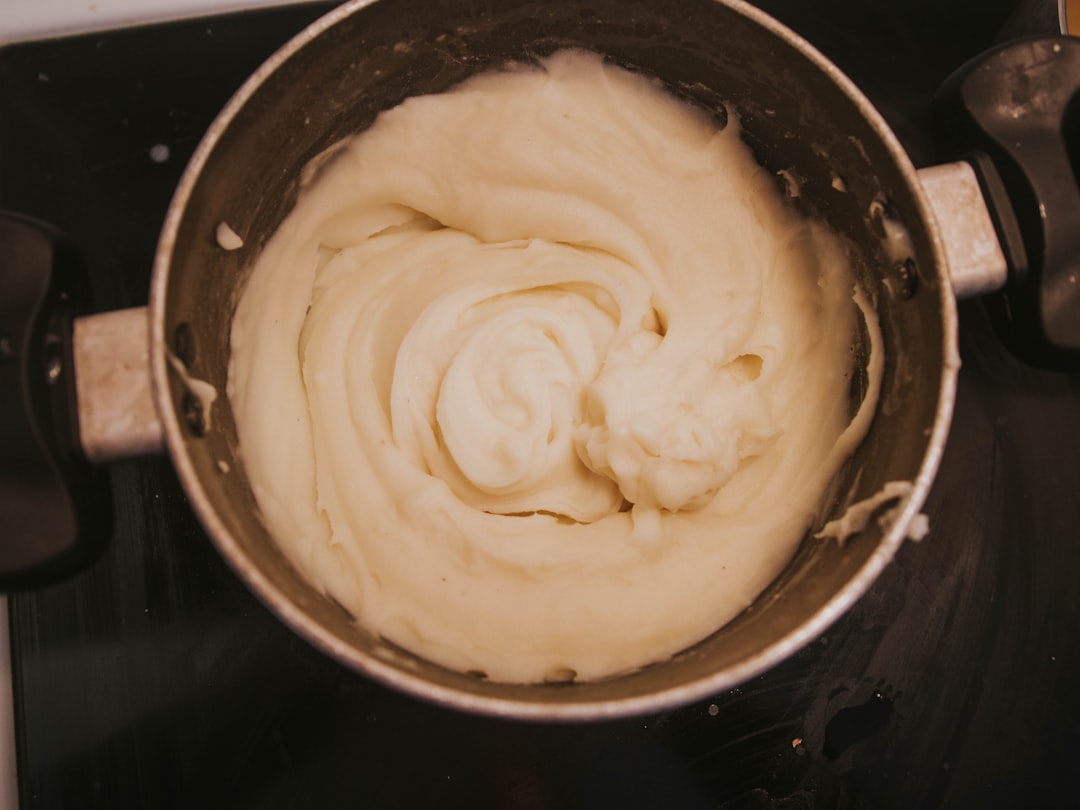
Instant pudding mixes rely on sodium-containing thickeners to achieve the correct texture without cooking. The additives that allow the milk to set quickly are often based on sodium phosphates. One half-cup serving of prepared instant pudding can contain more than three hundred milligrams of sodium. Making pudding from scratch with cornstarch takes only a few minutes longer and is much healthier.
Biscuits

Buttermilk biscuits are savory treats that require salt and baking powder for their rise and flaky structure. Baking powder itself contains sodium bicarbonate which contributes to the overall saltiness of the bread. A single fast-food biscuit can contain nearly half the daily recommended sodium intake. Homemade biscuits can be made with low-sodium baking powder to reduce the impact.
Meatless Burgers
Plant-based meat alternatives are highly processed to mimic the taste and texture of real beef. Salt is a primary ingredient used to flavor the vegetable proteins and mask any earthy aftertastes. One meatless patty often contains more sodium than its real beef counterpart. Reading the nutritional information is crucial for vegetarians who are monitoring their salt intake.
Marinades
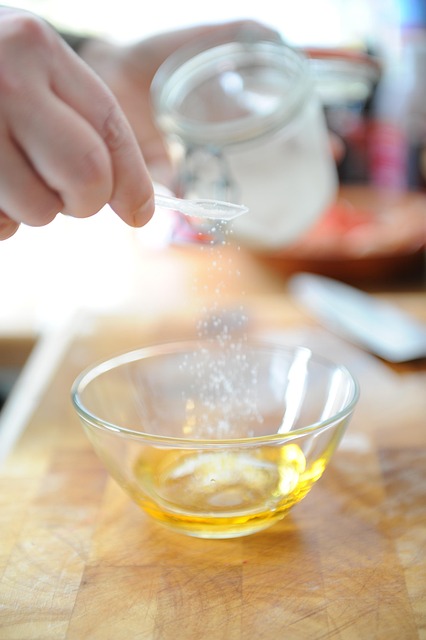
Bottled marinades are concentrated flavor enhancers designed to tenderize meat and infuse it with taste. They are typically based on soy sauce or other salty liquids that penetrate the protein fibers. Using just a few tablespoons can add hundreds of milligrams of sodium to a single chicken breast. using fresh herbs and citrus juices creates a flavorful marinade without the sodium spike.
Ketchup

This ubiquitous condiment is often thought of as sugary but it also contains a surprising amount of salt. The vinegar and tomatoes require balancing with salt to create the familiar tangy flavor profile. A single tablespoon contains around one hundred and fifty milligrams of sodium. It is easy to overconsume ketchup when dipping fries or burgers.
Olives
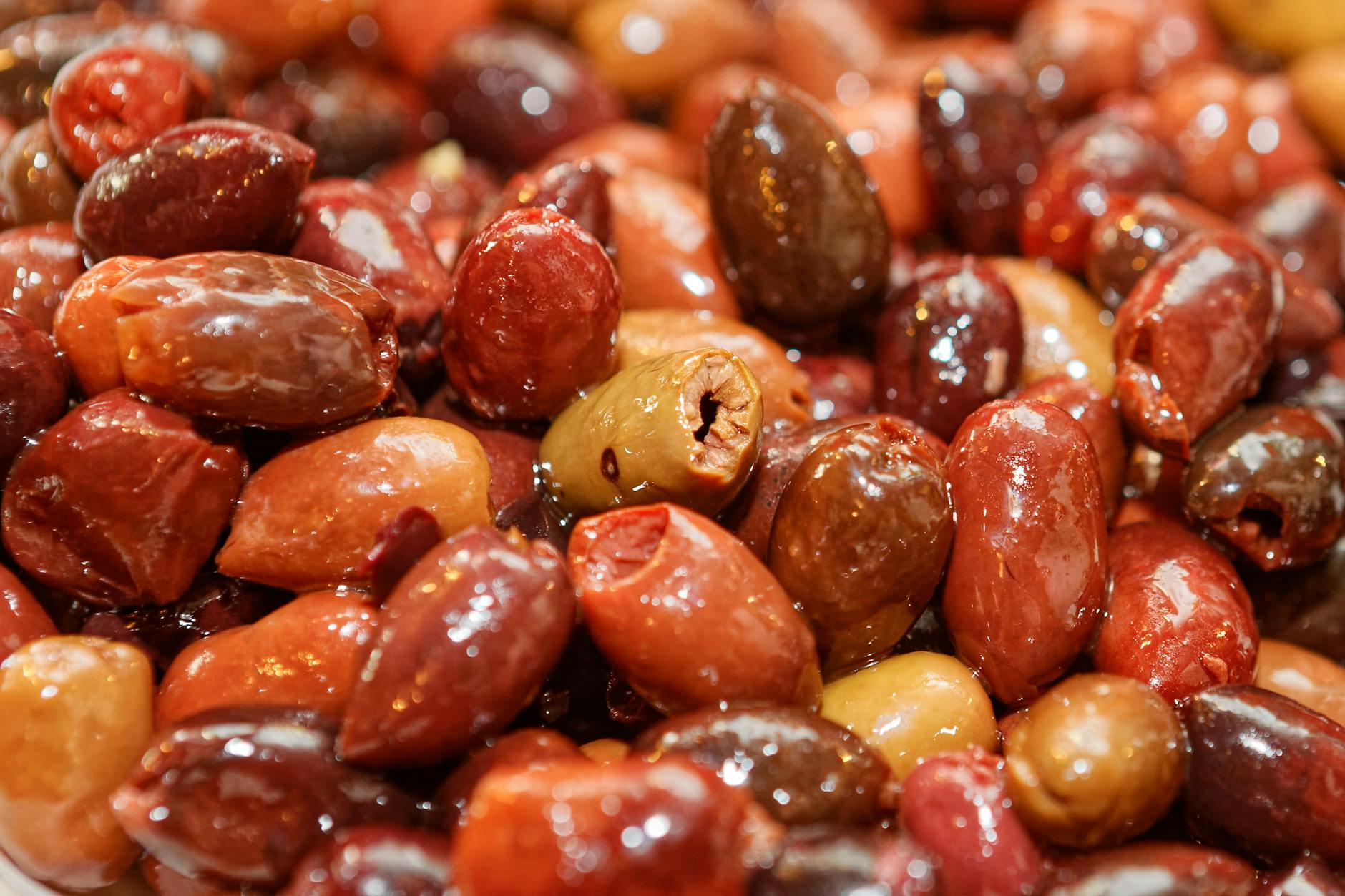
Curing olives involves soaking them in a strong saltwater brine to remove their natural bitterness. This process leaves the fruit permeated with high levels of sodium that cannot be fully washed away. Five small olives can contain roughly two hundred milligrams of sodium. They should be treated as a salty garnish rather than a snack food to be eaten by the handful.
Smoked Salmon
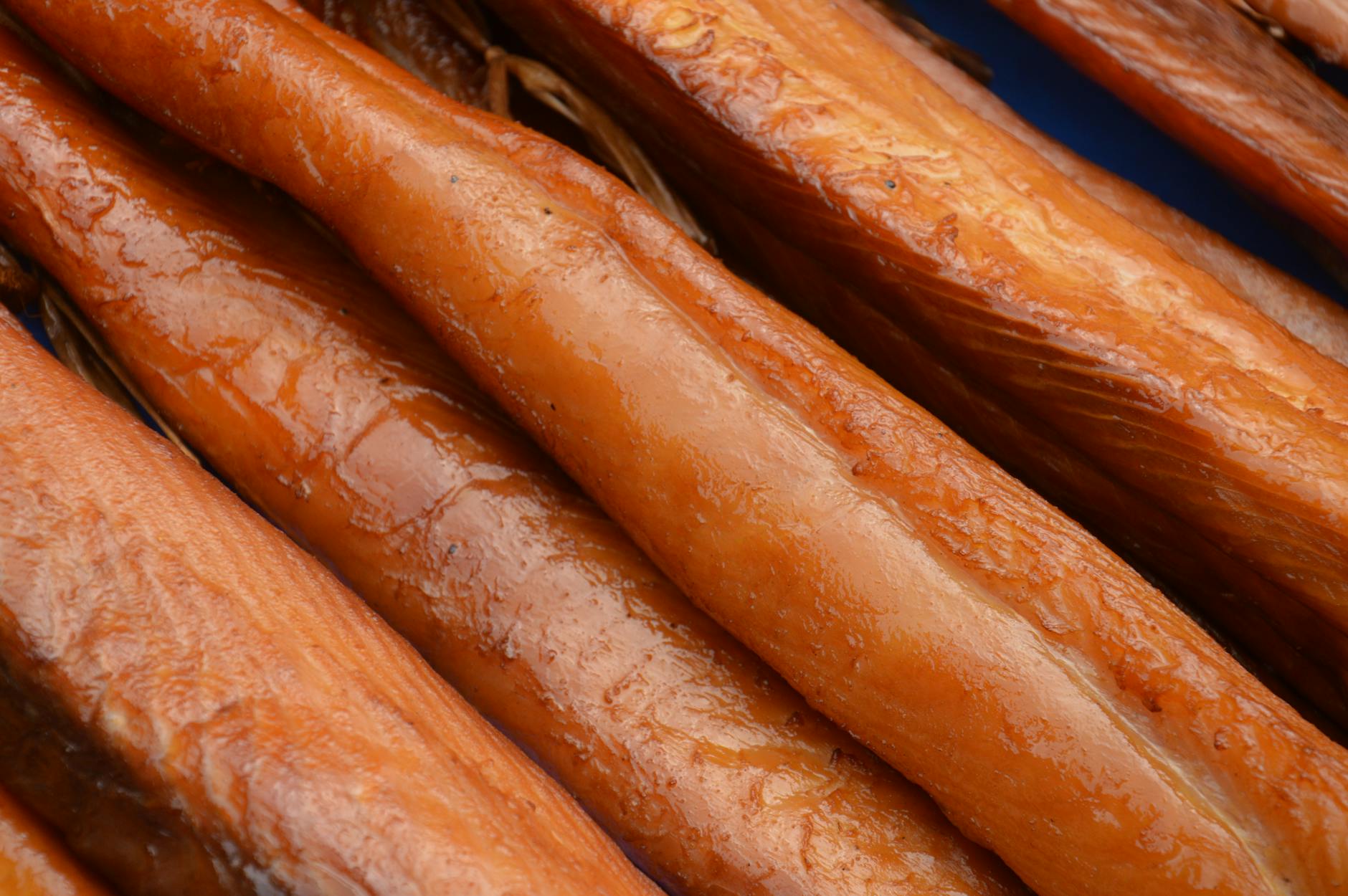
The curing and smoking process for salmon requires salt to draw out moisture and preserve the fish. This creates a delicacy that is rich in healthy fats but also extremely high in sodium. A small three-ounce serving can contain over six hundred milligrams of sodium. It is best enjoyed in small quantities as a flavor accent rather than a main course.
Beef Jerky
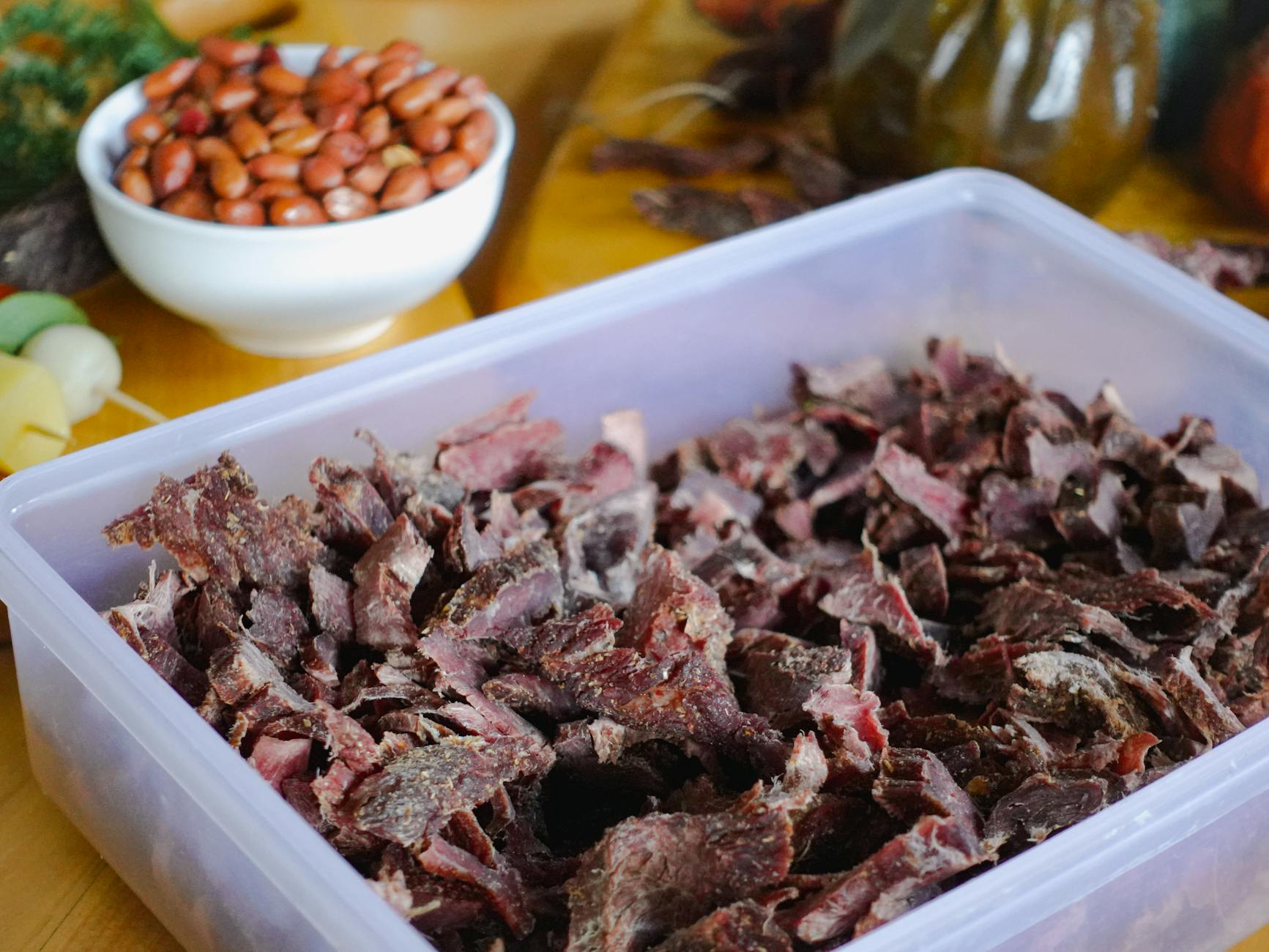
Dried meat snacks are preserved almost entirely through the use of salt and dehydration. The removal of water concentrates the sodium content significantly in every piece of jerky. A single ounce of beef jerky can contain nearly six hundred milligrams of sodium. It is an excellent hiking snack for replacing electrolytes but a poor choice for sedentary snacking.
Teriyaki Sauce
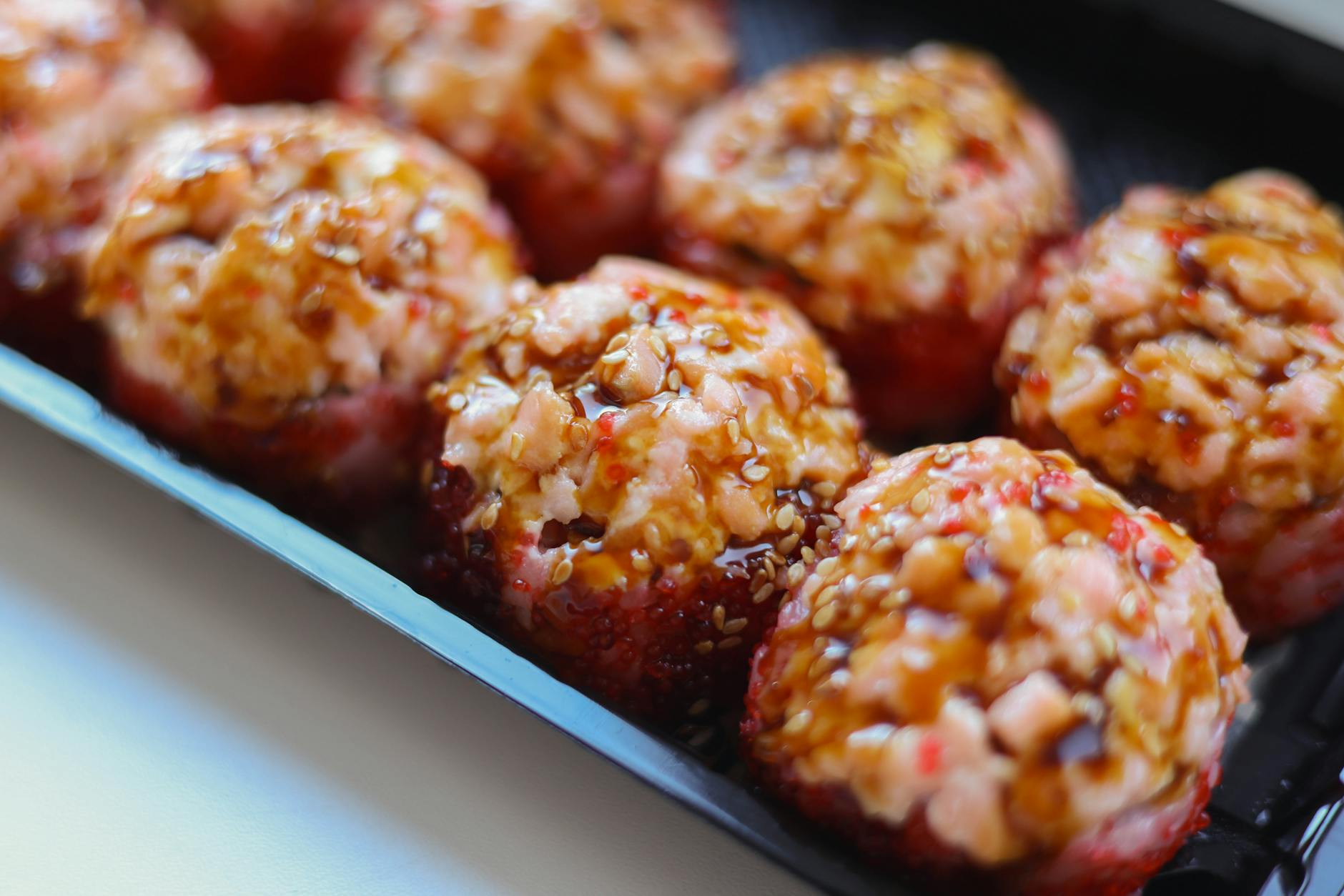
The sweet and sticky glaze of teriyaki sauce masks a very high sodium foundation derived from soy sauce. The high sugar content distracts the palate from the intense saltiness of the condiment. One tablespoon can contain nearly seven hundred milligrams of sodium which is very high for a sauce. A homemade glaze using ginger and garlic and low-sodium soy sauce is a lighter option.
Canned Tuna
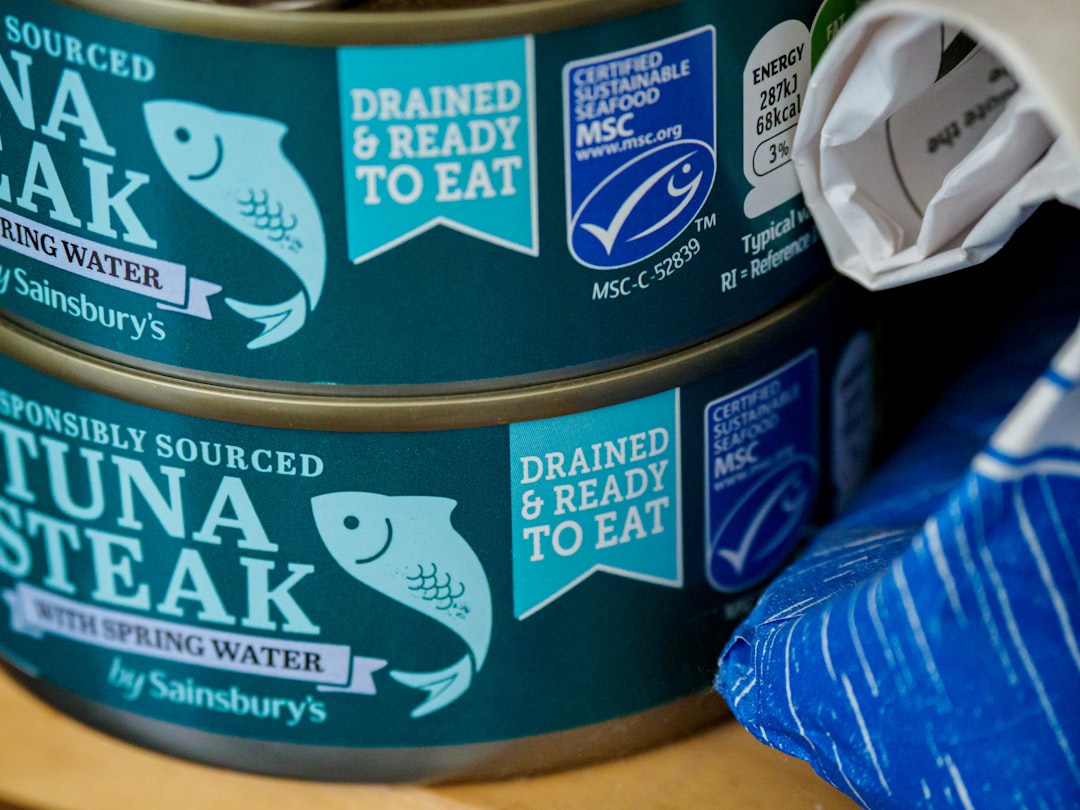
Tuna is a healthy lean protein but the canning liquid often adds unnecessary sodium to the fish. Tuna packed in water or oil often includes added salt to enhance the flavor. A single can may contain more than three hundred milligrams of sodium if it is not a no-salt-added variety. Draining the liquid helps slightly but choosing fresh tuna steaks is the superior option.
Savory Pies

Pot pies and meat pies rely on salty crusts and thickened gravies to provide their comforting flavor. The pastry dough needs salt for structure and the filling uses it as a primary seasoning agent. A single individual pot pie can contain over one thousand milligrams of sodium. These should be considered an occasional indulgence rather than a convenient weeknight staple.
Instant Noodles
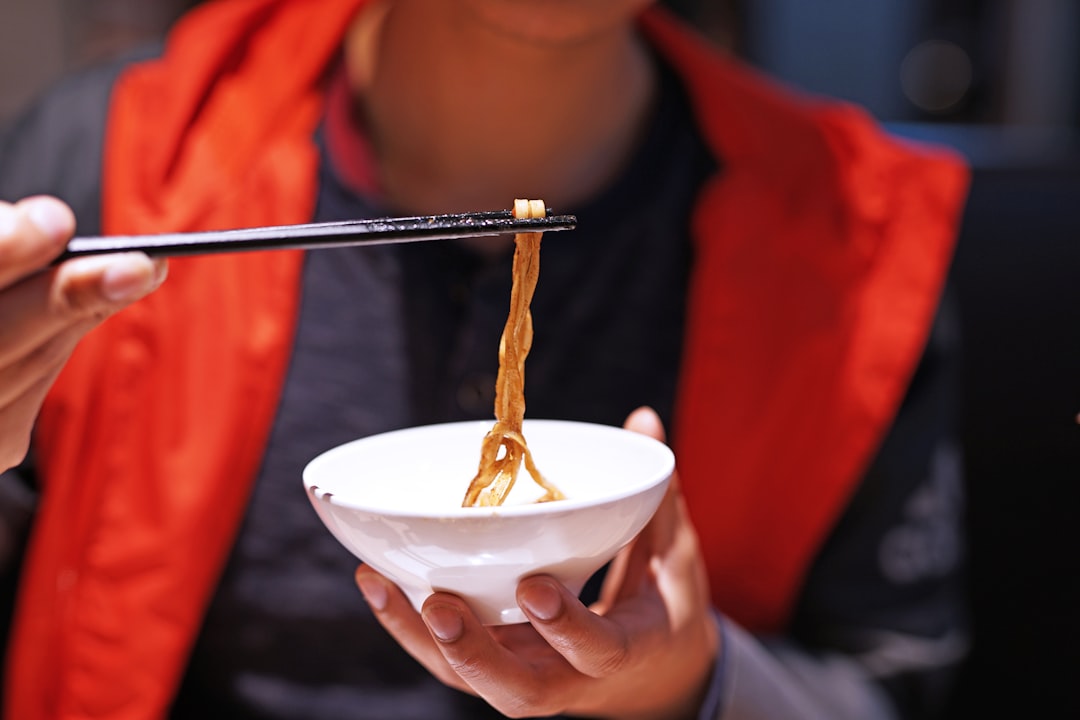
The seasoning packets included with instant ramen noodles are almost entirely made of salt and flavor enhancers. A single block of noodles with the packet can contain well over half the daily recommended sodium limit. The noodles themselves are also often fried in oil and salt during manufacturing. Discarding the packet and using your own broth makes for a much healthier meal.
Bagged Popcorn

Pre-popped popcorn sold in bags is often coated with artificial butter flavorings and heavy amounts of fine salt. The salt adheres to every kernel to ensure maximum flavor impact in every bite. A few cups of snack popcorn can easily exceed three hundred milligrams of sodium. Air-popped corn seasoned with nutritional yeast is a savory and low-sodium alternative.
Pretzels

The distinguishing feature of a pretzel is the large crystals of coarse salt sprinkled on its surface. The dough itself is also salted before baking to ensure the flavor permeates the snack. A single serving of hard pretzels can contain nearly four hundred milligrams of sodium. Unsalted varieties are available but they lack the traditional pretzel experience.
Parmigiano Reggiano
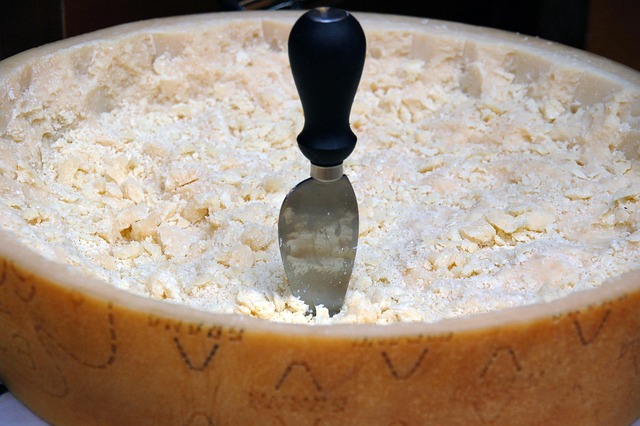
Aged hard cheeses like parmesan rely on salt to draw out moisture and develop their sharp flavor over time. The aging process concentrates the nutrients and the salt content into a dense block. A single ounce of grated parmesan contains roughly four hundred milligrams of sodium. A little goes a long way when using this cheese to season pasta or salads.
Barbecue Sauce
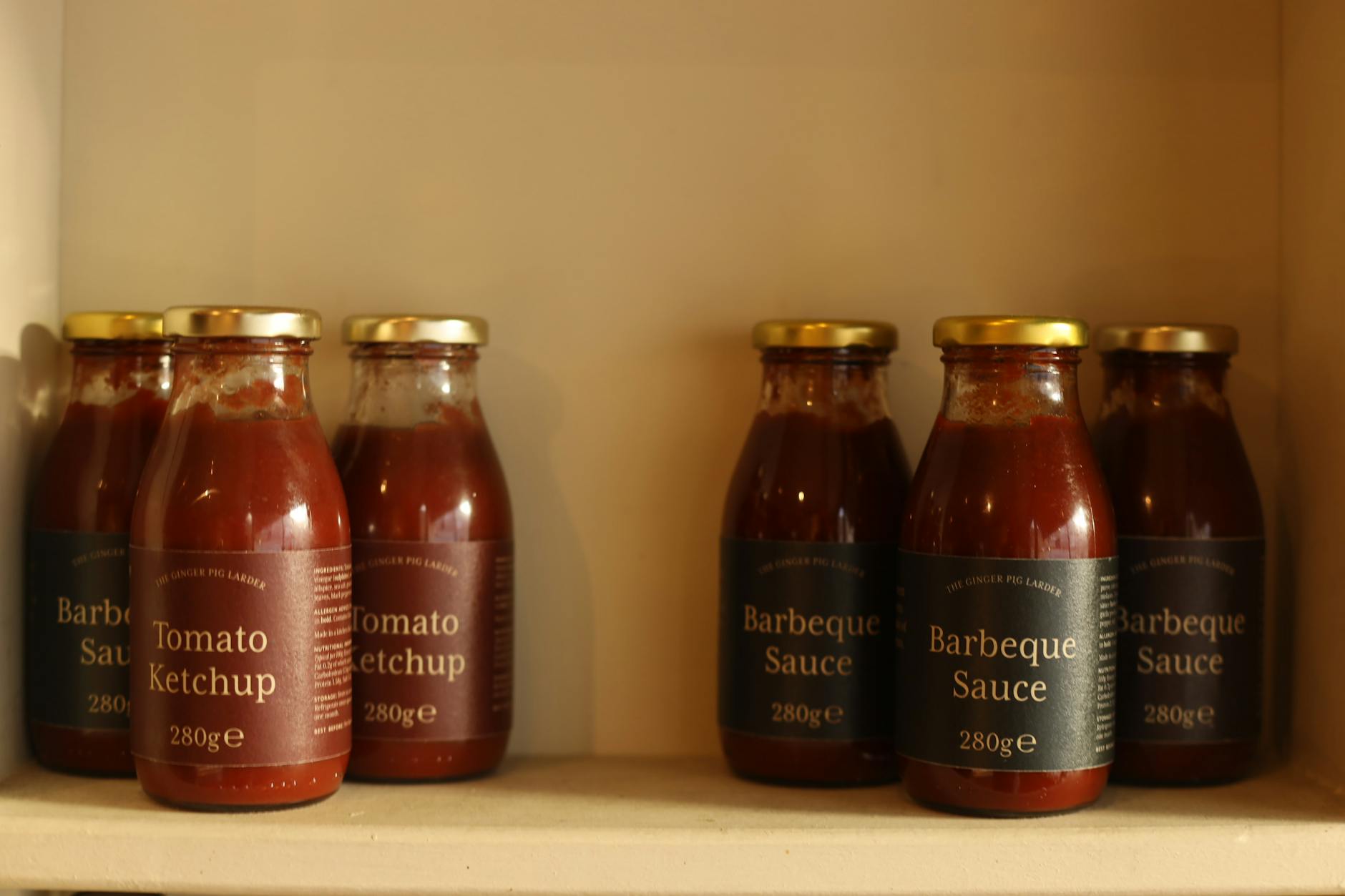
Many barbecue sauces are essentially seasoned ketchup with added smoke flavor and sweeteners. The balance of sweet and tangy often hides a substantial sodium content. Two tablespoons of sauce can deliver around three hundred milligrams of sodium to your ribs or chicken. Dry rubs made from spices are a great way to flavor meat without the salty sauce.
Capers
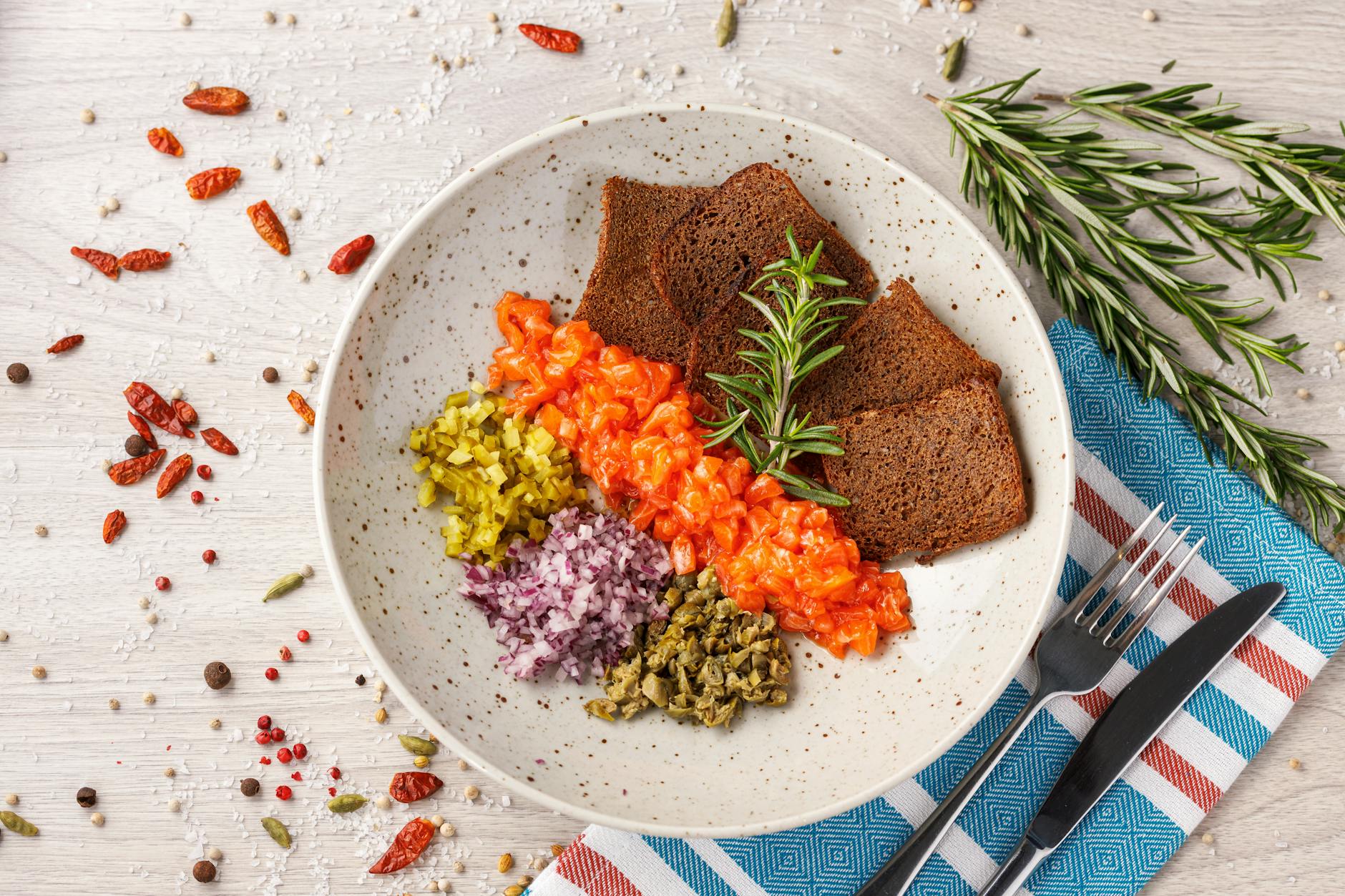
These small flower buds are pickled in vinegar and salt to preserve their unique texture and bite. They are incredibly salty and are generally used sparingly to add a burst of acidity to dishes. Just one tablespoon of capers contains over two hundred milligrams of sodium. Rinsing them thoroughly before adding them to sauces can help reduce the saltiness.
Salsa

Jarred salsa is a convenient dip but it requires salt to preserve the vegetables and maintain freshness. The tomatoes and onions are cooked down with significant amounts of sodium. Two tablespoons of medium salsa can contain around one hundred and fifty milligrams of sodium. Fresh pico de gallo made at home is vibrant and can be seasoned to personal taste.
Veggie Chips
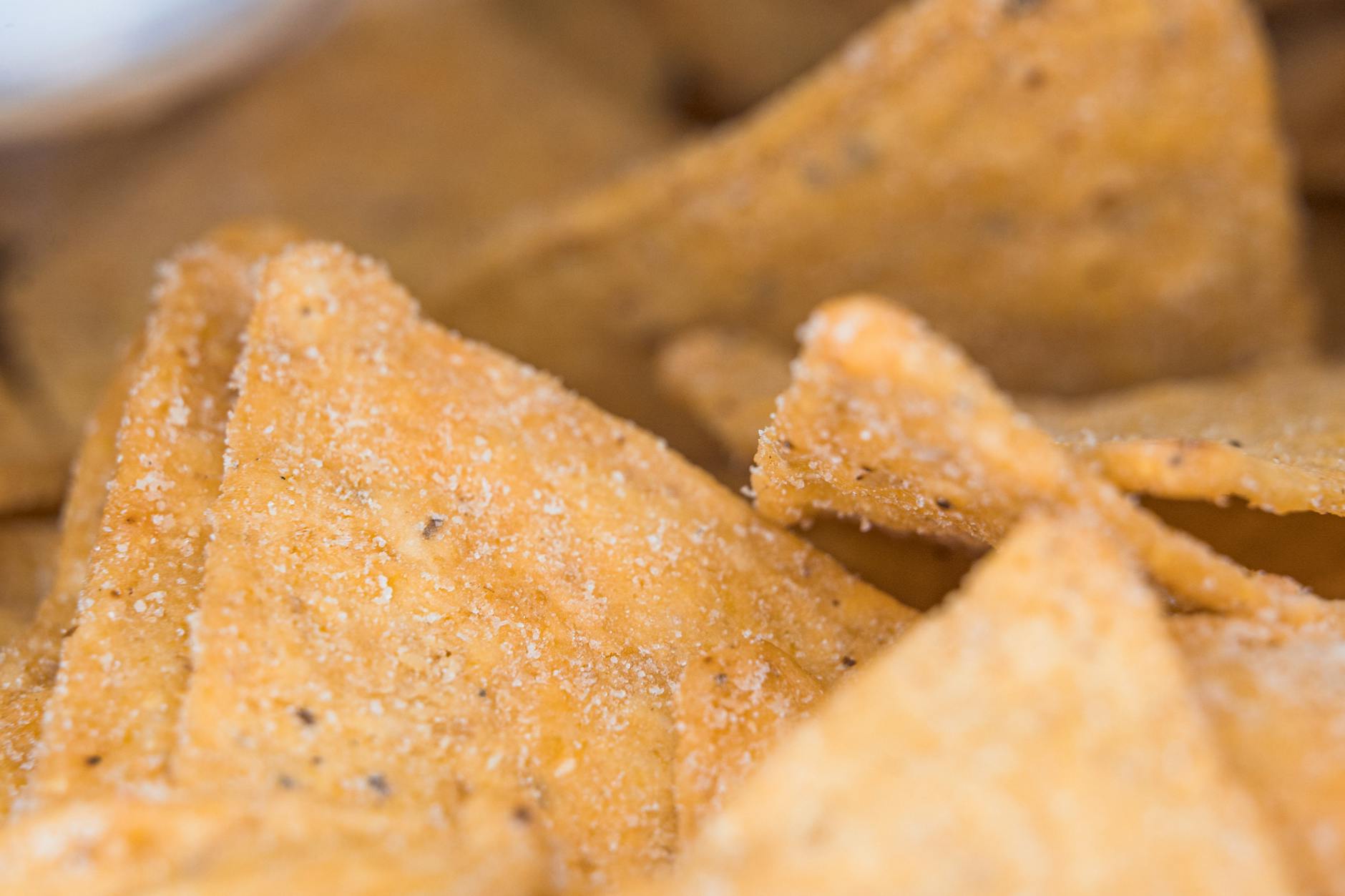
Chips made from beets or sweet potatoes often carry a health halo that misleads consumers about their nutritional content. They are typically deep-fried and salted just as heavily as traditional potato chips. A standard serving contains a comparable amount of sodium to any other salty snack. Baked vegetable slices made at home allow for control over the oil and salt.
Halloumi Cheese
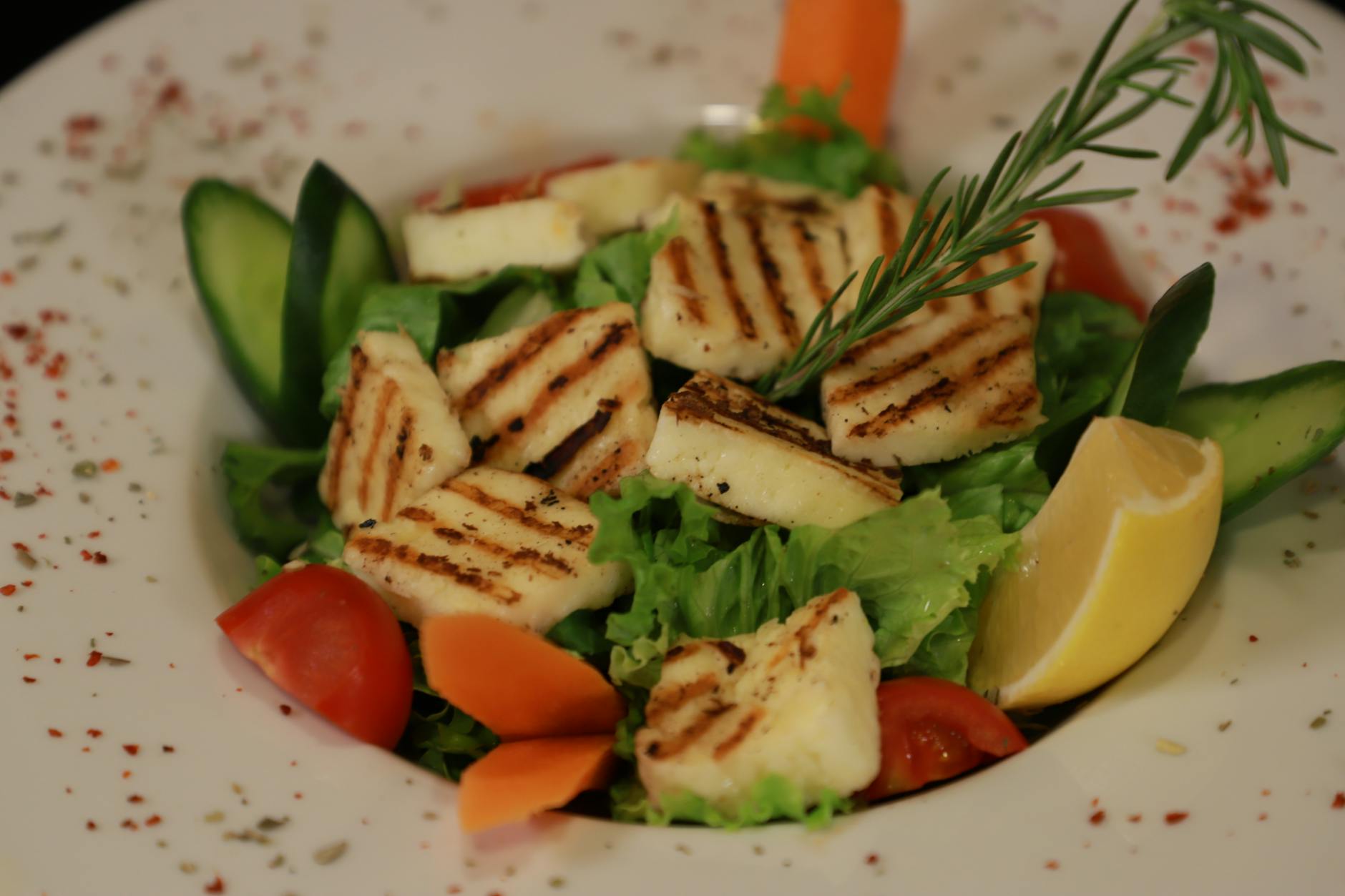
This semi-hard cheese is brined to give it a high melting point and a distinctively salty taste. The preservation method involves storing the cheese in its own whey with added salt. A small serving of halloumi is extremely high in sodium compared to other fresh cheeses. Grilling it removes some moisture but concentrates the salt flavor even further.
Instant Gravy Granules
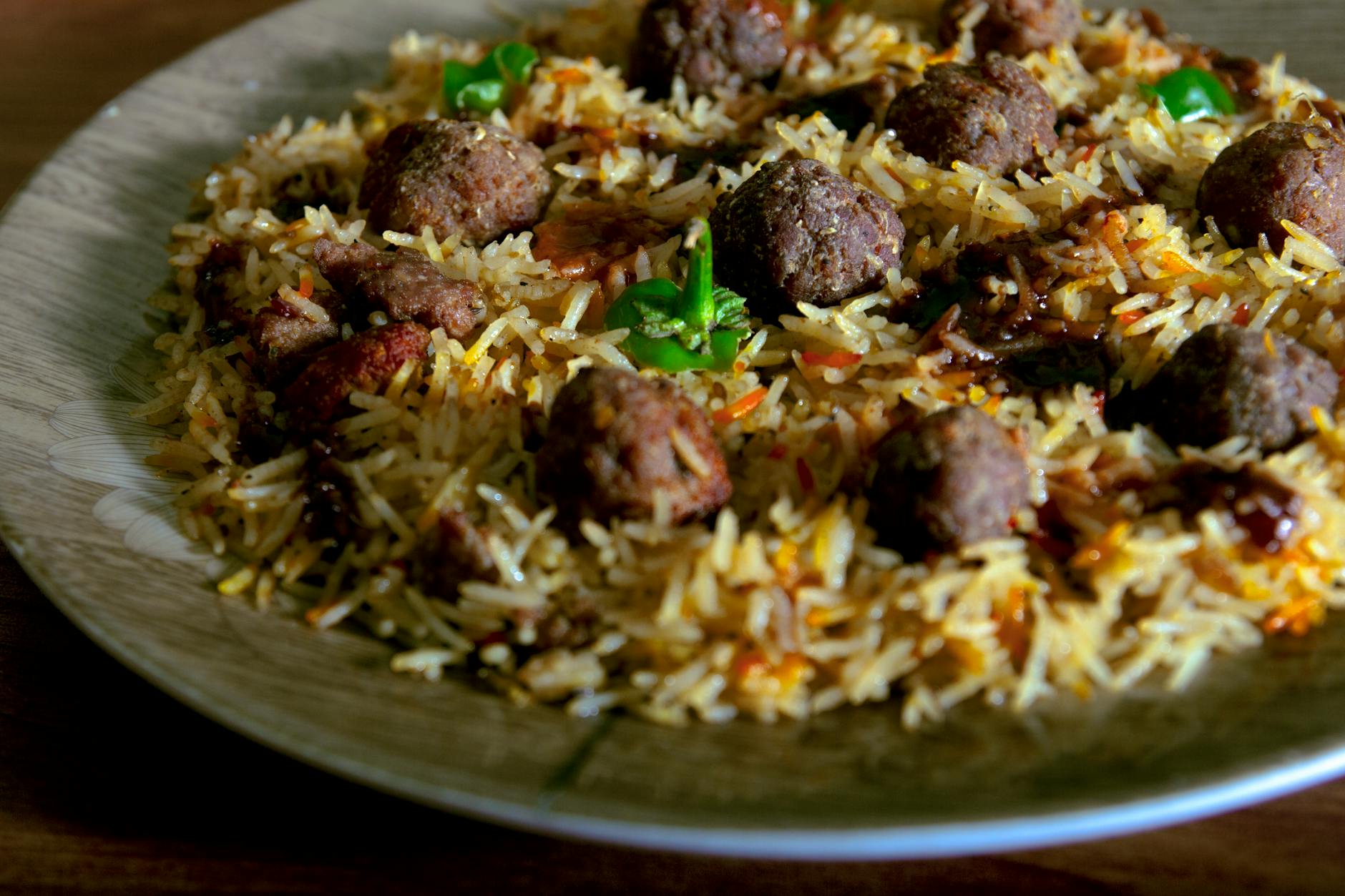
Gravy granules are a quick solution for Sunday roasts but they are primarily composed of thickeners and salt. The savory flavor is derived from hydrolyzed vegetable protein and high levels of sodium. A quarter-cup of prepared gravy can contain nearly three hundred milligrams of sodium. Making gravy from meat drippings and flour is a traditional method that tastes better and is less salty.
Please share your own experiences with discovering hidden salt in your favorite foods in the comments.




