Modern plumbing systems are marvels of engineering designed to handle only human waste and toilet paper. Many commercial products carry misleading labels claiming they are safe for septic systems or sewers. These items often cause expensive blockages or environmental damage despite their convenient packaging. Understanding what truly dissolves in water is essential for maintaining a healthy home infrastructure. We have compiled a comprehensive list of items that belong in the trash bin rather than the bowl.
Baby Wipes
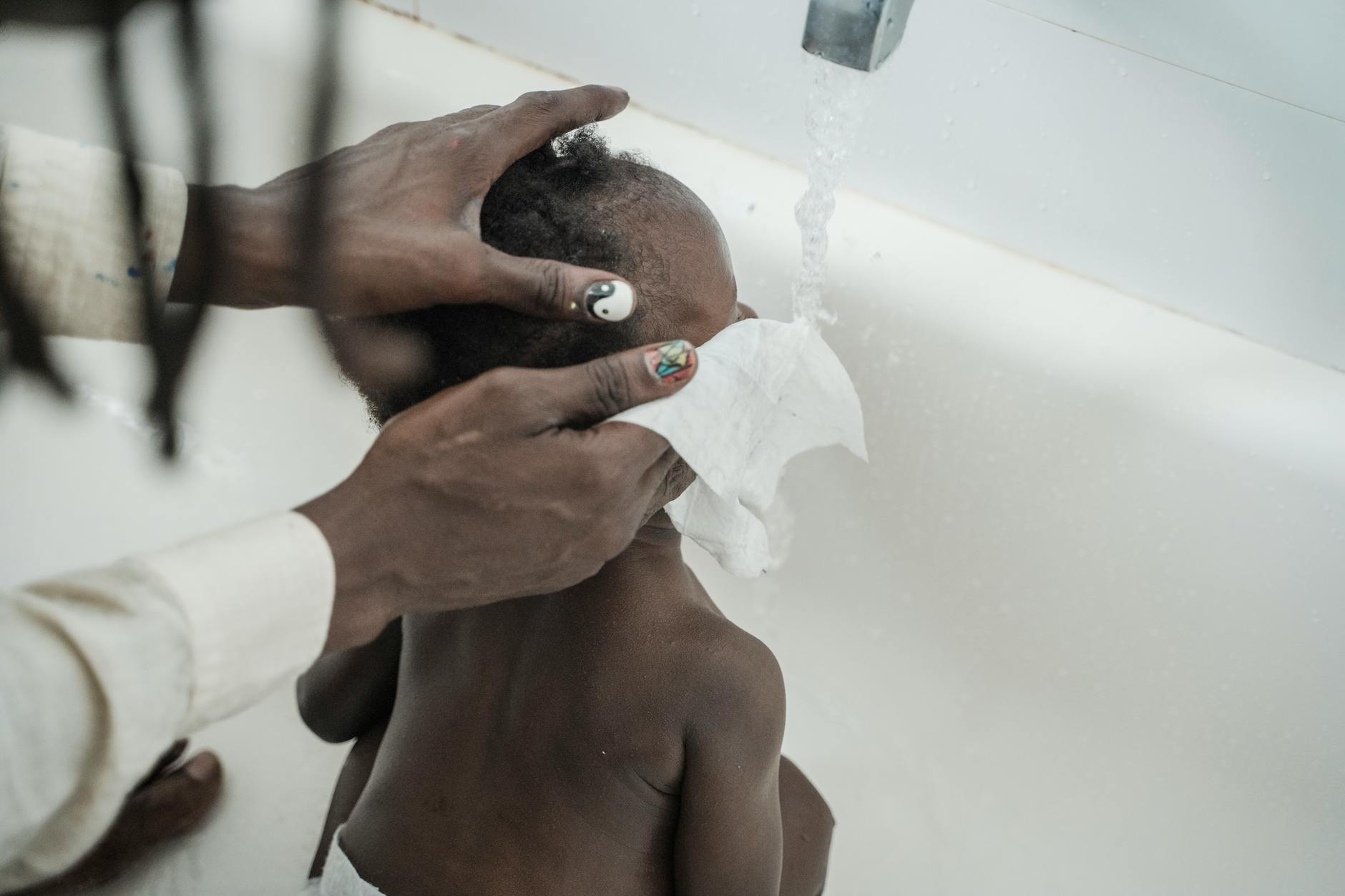
Manufacturers often label these convenient wipes as flushable but plumbing experts strongly disagree with this classification. These durable cloths contain synthetic fibers that prevent them from breaking down like standard toilet paper. They tend to clump together in sewer lines and form massive blockages often called fatbergs. Municipal waste management facilities spend millions annually removing these intact wipes from their machinery. You should always dispose of them in a waste bin to ensure your pipes remain clear.
Paper Towels
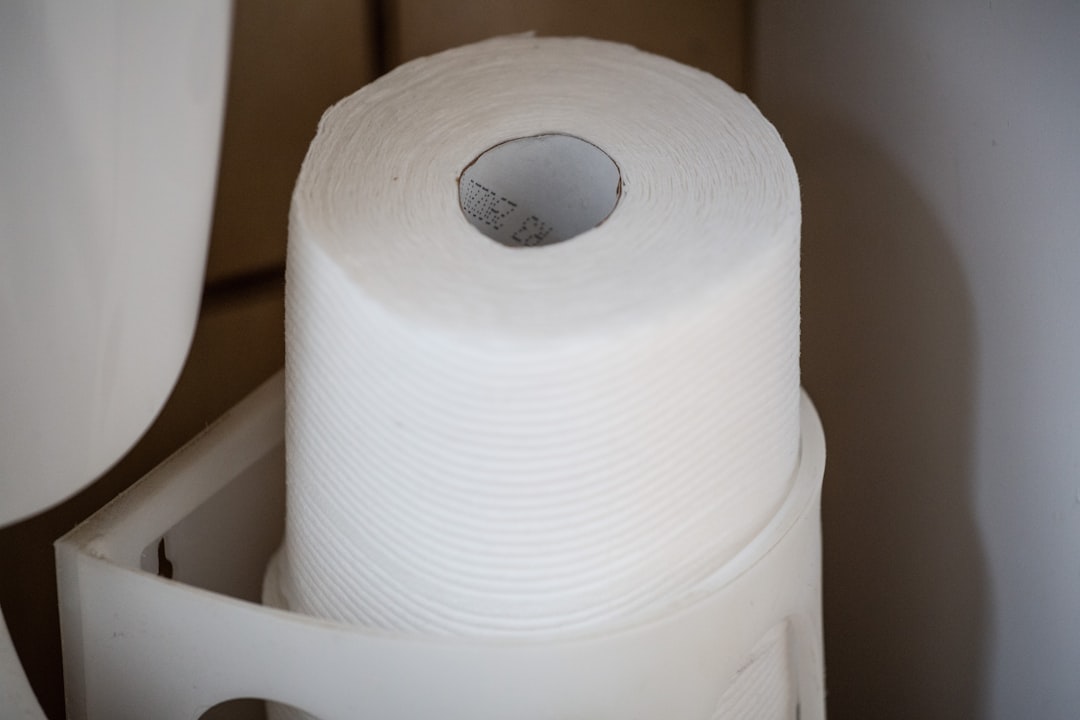
The absorbency that makes paper towels excellent for cleaning up spills makes them terrible for your plumbing. They are specifically engineered to hold together when wet rather than dissolving quickly in water. This durability means they can easily lodge in the bends of your drainpipes and cause immediate backups. Even biodegradable versions take far too long to break down within the narrow confines of a septic system. It is much safer to throw used paper towels directly into the compost or garbage can.
Facial Tissues

Many people assume facial tissues are identical to toilet paper but they possess significantly different properties. Tissues are treated with a chemical binder that gives them wet strength to withstand blowing your nose. This reinforcement prevents them from disintegrating rapidly when submerged in the toilet bowl. Flushing them regularly causes a buildup that can eventually restrict water flow in your home. You should limit their disposal to the wastebasket to avoid unnecessary calls to the plumber.
Cotton Balls
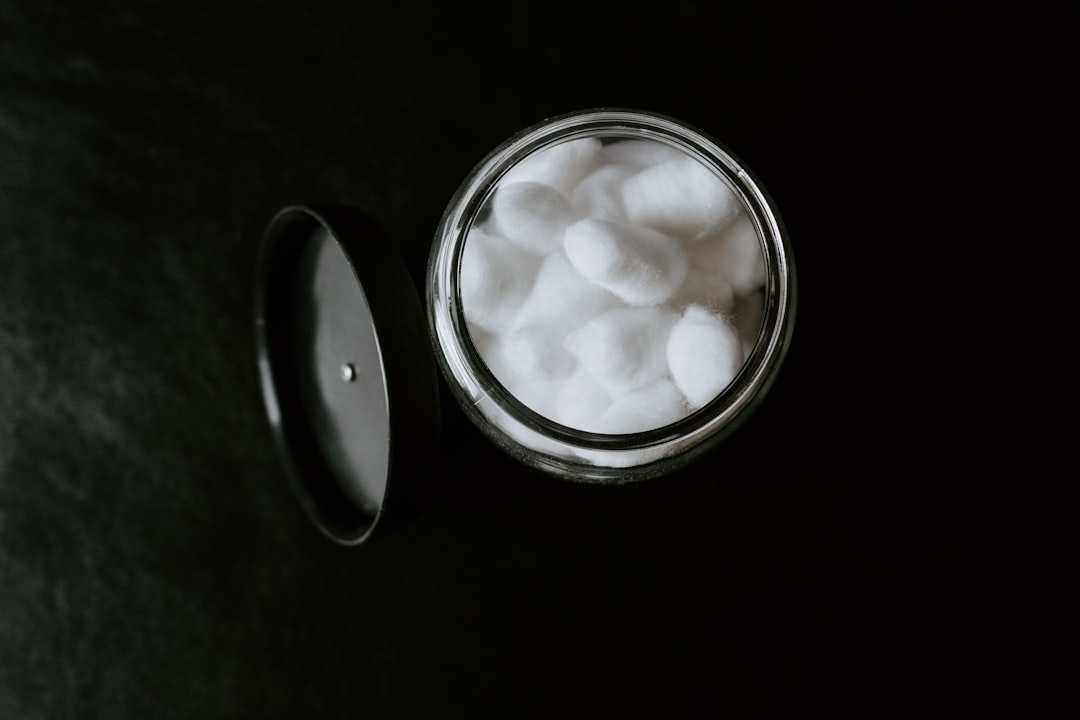
These small and fluffy items seem harmlessly soft but they wreak havoc on plumbing systems. Cotton fibers do not break down in water and instead tend to clump together when wet. They accumulate in pipe bends and attract other solids to form large obstructions. The material expands significantly as it absorbs liquid and creates pressure within the lines. Keeping a small jar or bin on the vanity is the best way to handle used cotton rounds.
Cotton Swabs
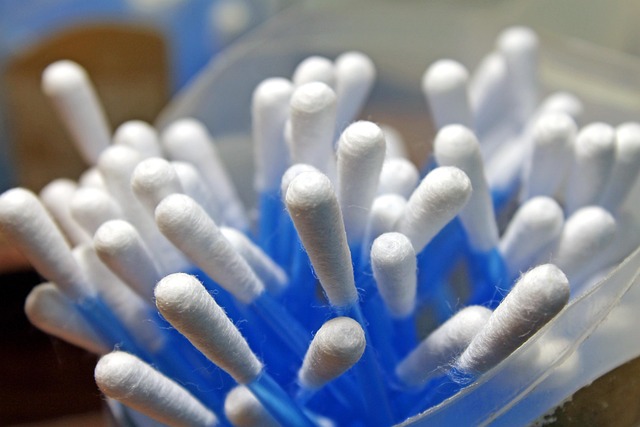
The rigid sticks found in cotton swabs pose a unique physical danger to your toilet drains. They effectively act as scaffolding that lodges horizontally in pipe curves or junctions. Once stuck they catch passing hair and waste which rapidly builds into a complete blockage. The plastic or cardboard stems never dissolve and remain in the system indefinitely until physically removed. Disposing of them in the trash is the only way to prevent difficult plumbing clogs.
Menstrual Products
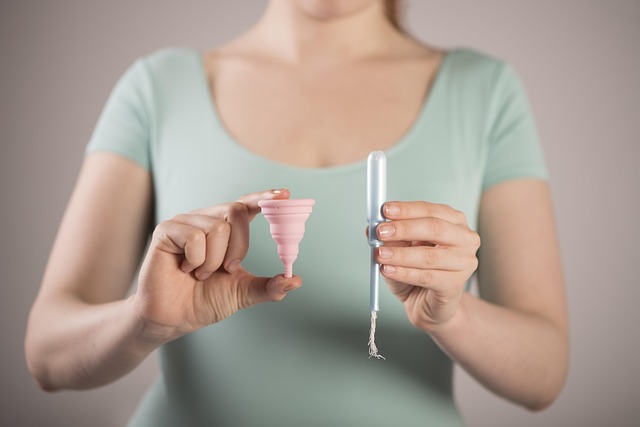
Tampons and pads are engineered specifically to absorb liquid and expand significantly in size. This expansion continues inside plumbing pipes and creates an immediate risk of blockage. The materials used in these products are durable and do not disintegrate in the presence of water. Sewer authorities frequently cite these items as a leading cause of system failures and overflows. You should always wrap these items and place them in a sanitary bin.
Dental Floss
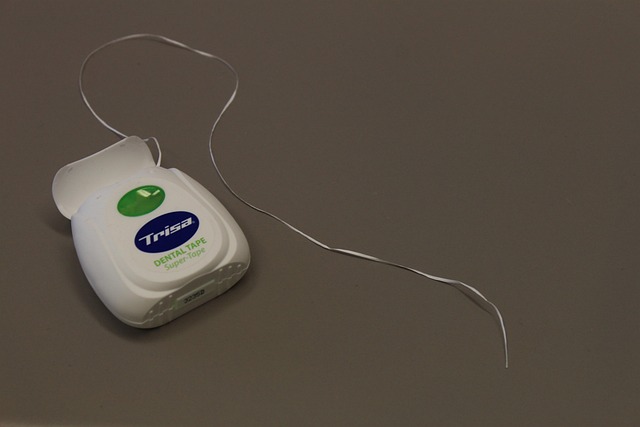
This thin string turns into a nightmare for residential plumbing systems despite its small size. Floss is generally made of nylon or Teflon which means it is not biodegradable and will not dissolve. It easily wraps around parts of your septic system or snags on rough spots inside the pipes. Once caught it creates a net that catches other debris and waste to form a stubborn clog. Keeping a small trash can specifically for bathroom waste is the safest alternative for disposal.
Condoms
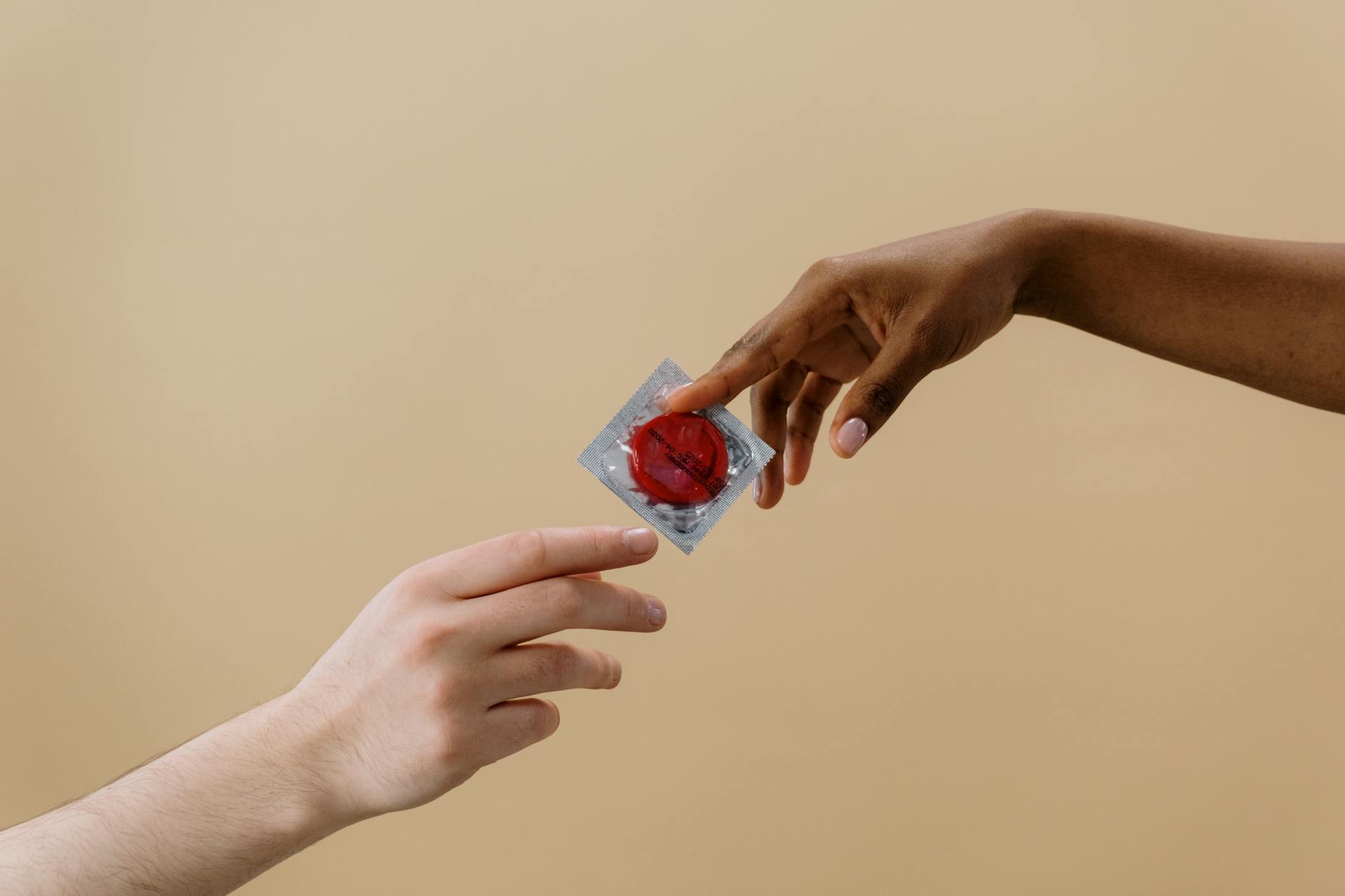
Latex acts like a plastic in the water system and will never dissolve or break down naturally. These items can inflate with air or water and block plumbing pipes quite easily. They also pose a significant problem for marine wildlife if they make it through the sewage treatment process. Flushed prophylactics frequently end up floating in waterways or clogging treatment plant intakes. The only responsible disposal method is wrapping them in tissue and placing them in the garbage.
Disposable Diapers
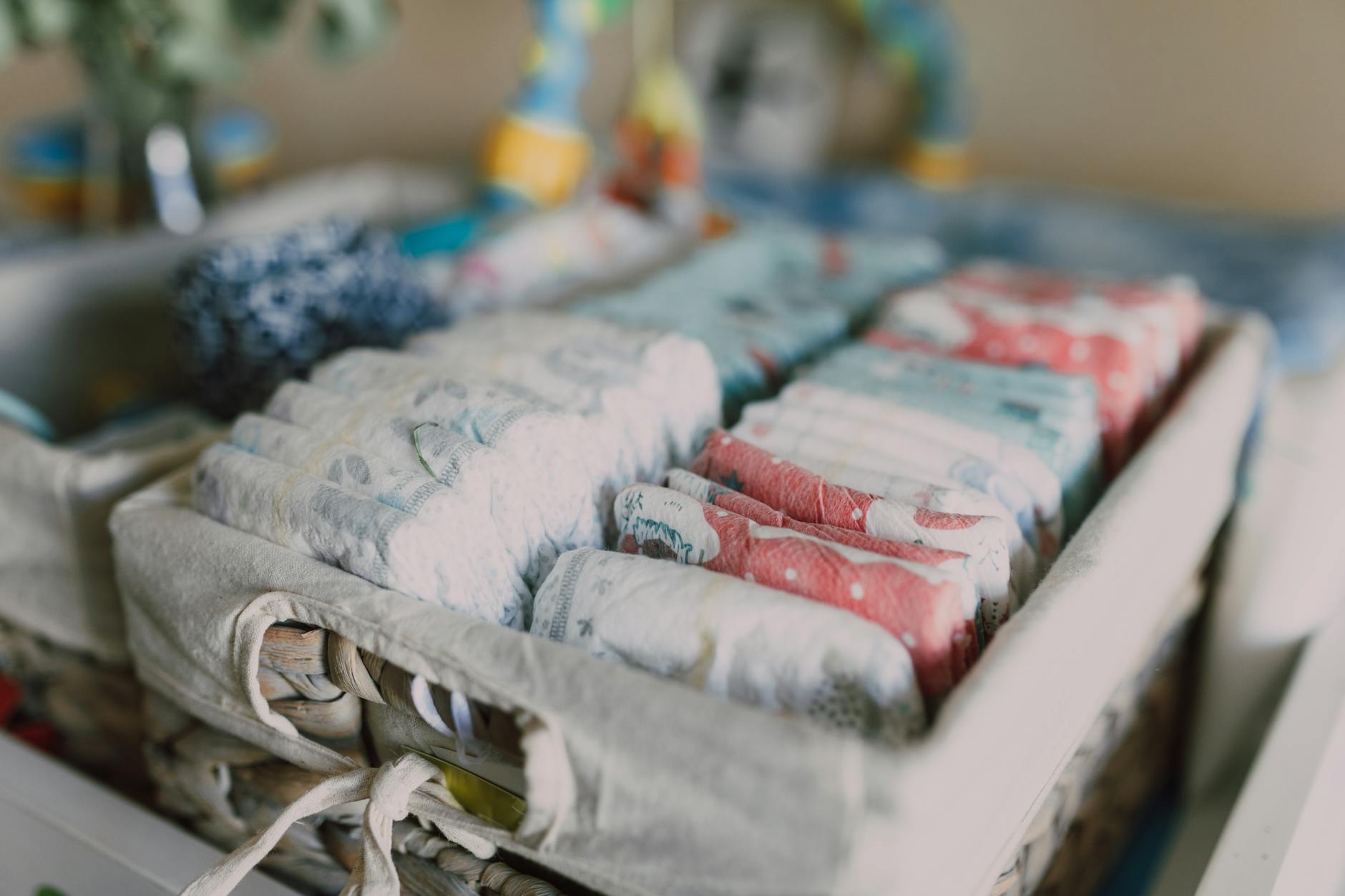
It seems counterintuitive to keep waste out of the toilet but diapers are simply too large for pipes. They contain super-absorbent polymers that expand dramatically when they come into contact with water. This swelling causes them to lodge firmly in the U-bend or main sewer line almost immediately. Even the versions labeled biodegradable take far too long to break down to be flushed safely. You must dispose of all diapers in a designated pail or trash receptacle.
Hair
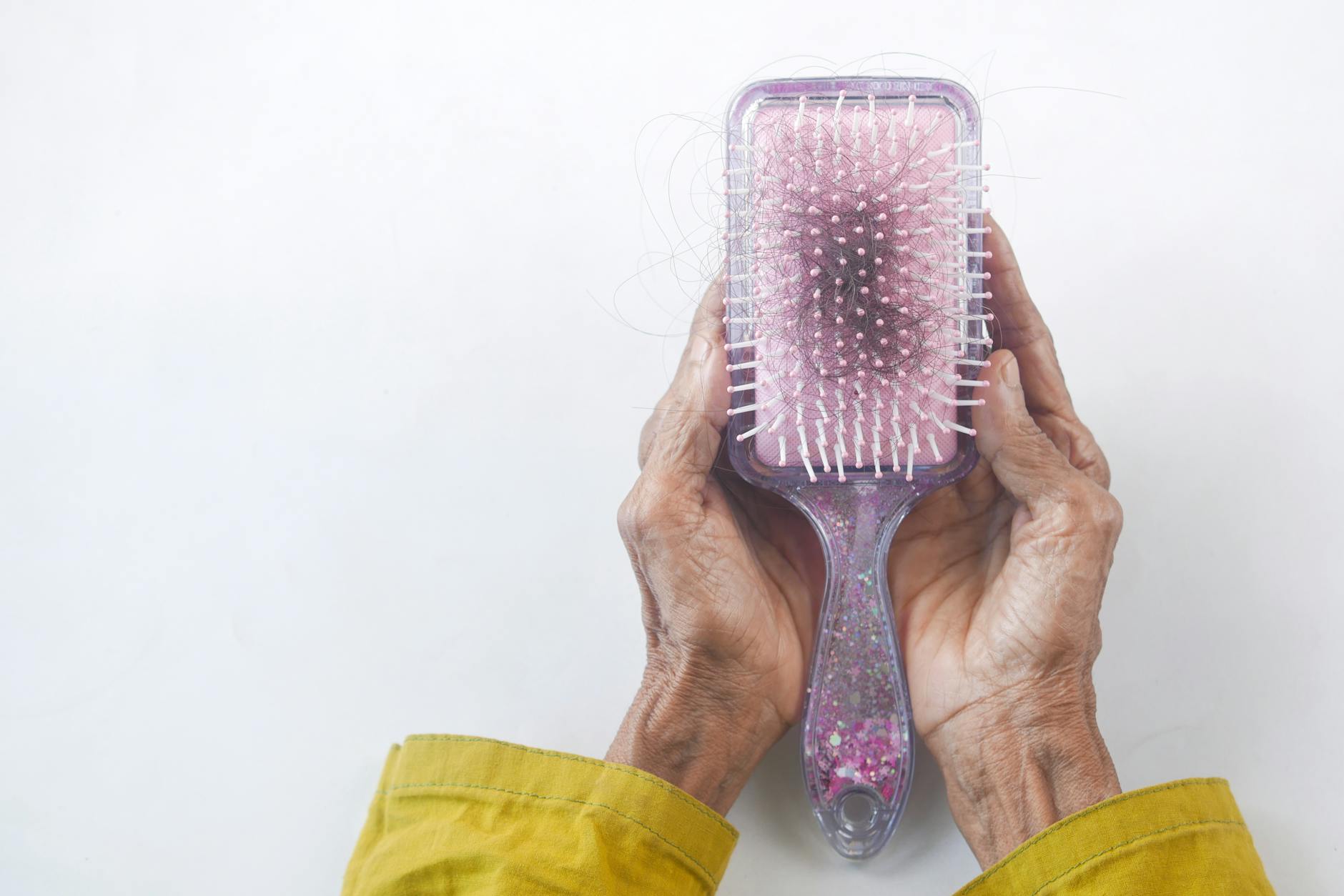
Hair is one of the most common contributors to household plumbing clogs and drainage issues. It does not dissolve in water and has a tendency to tangle into dense nets. These nets catch sticky residue and other solids to create substantial blockages deep in the pipes. Cleaning hair from brushes or the floor and tossing it in the toilet is a recipe for disaster. You should always throw collected hair into the compost or trash can.
Cat Litter
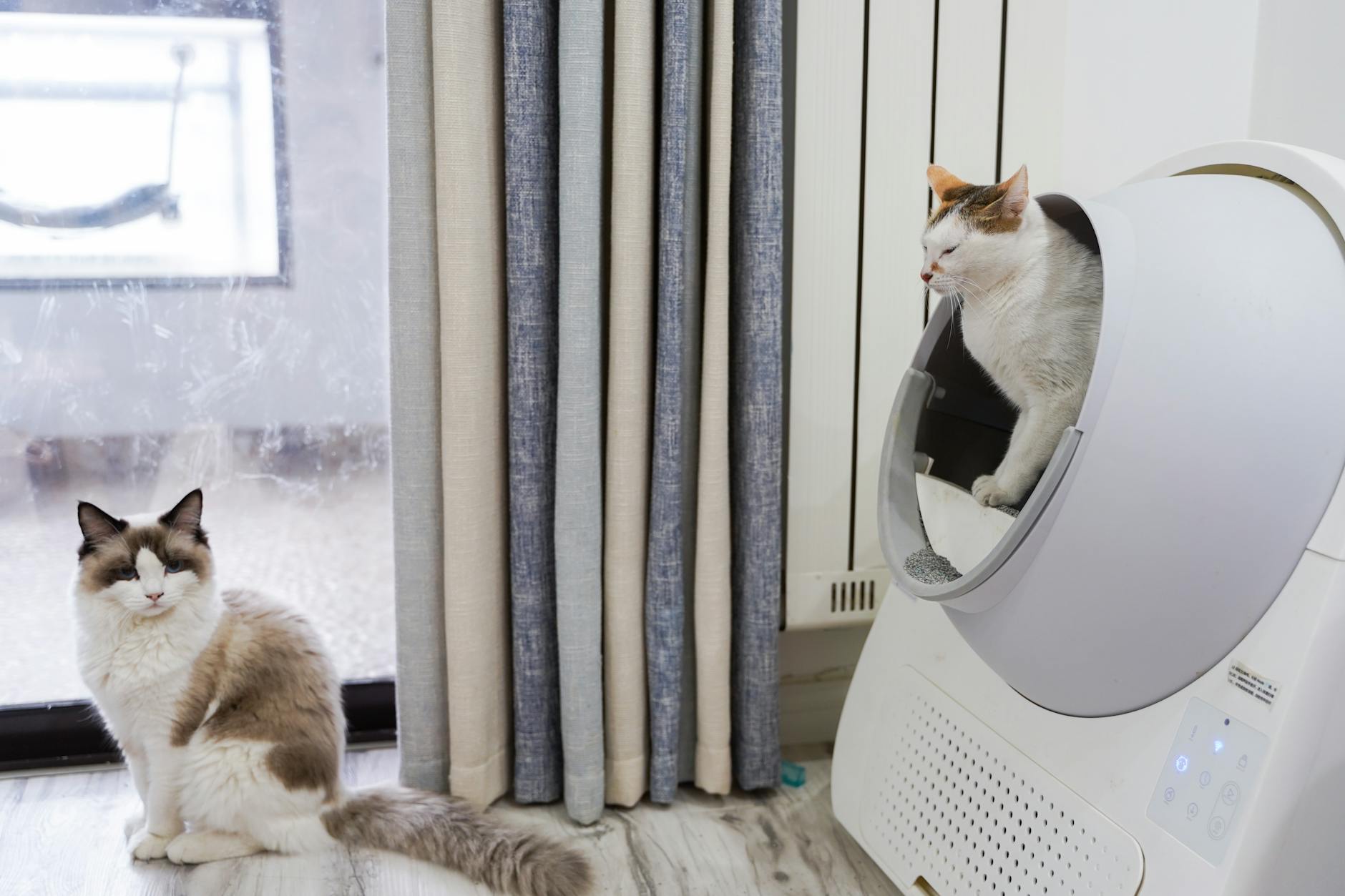
The clay used in most cat litter is designed to clump hard when it touches moisture. These clumps turn into concrete-like stones inside your pipes and can ruin your plumbing. Even litter brands labeled as flushable often contain sediments that settle in pipes and reduce water flow. Cat waste also carries toxoplasmosis which water treatment plants are not designed to filter out. Bagging this waste and putting it in the trash protects both your home and the water supply.
Cigarette Butts
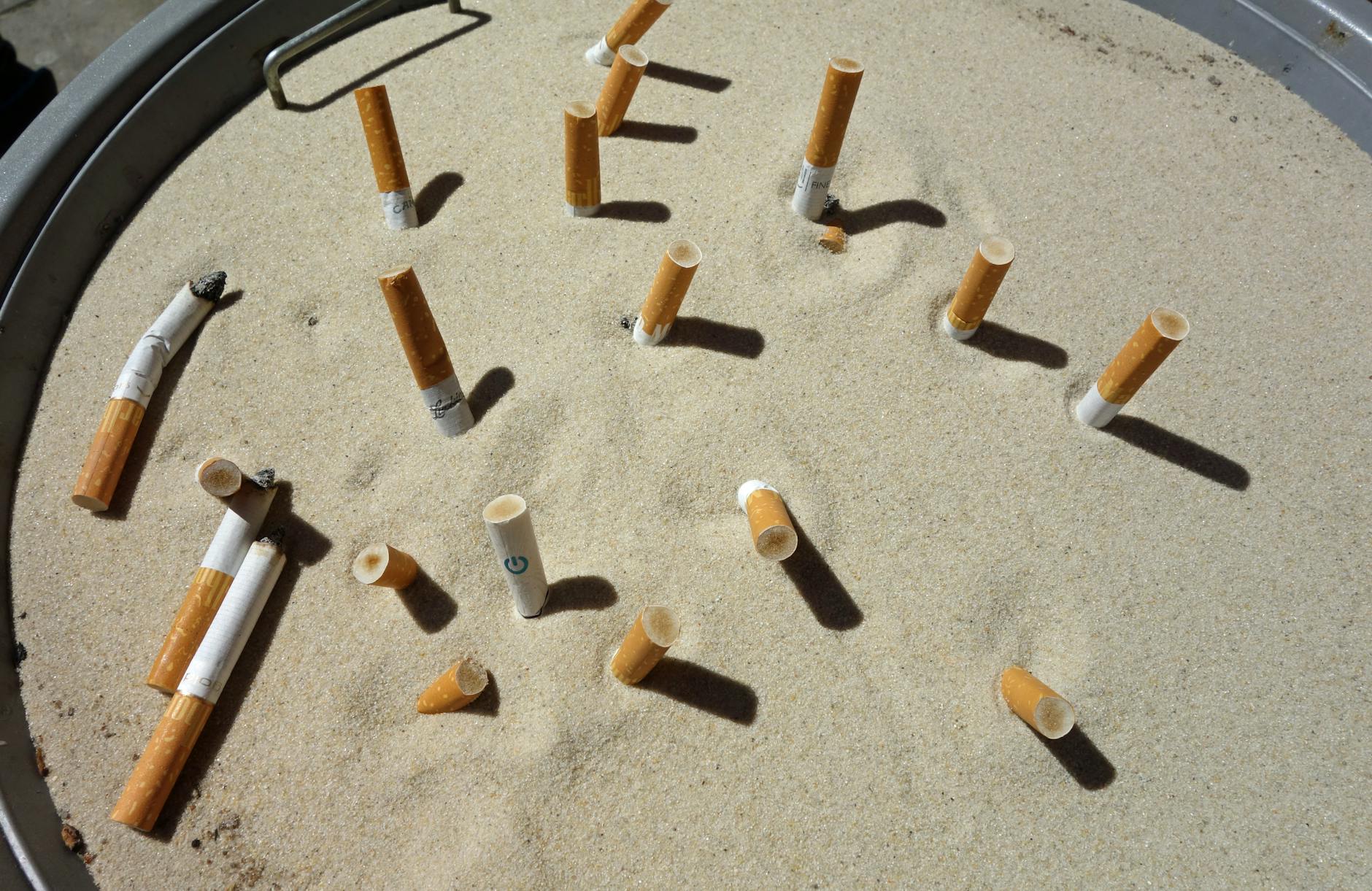
Filters in cigarettes are made from cellulose acetate which is a type of plastic that degrades very slowly. They often contain toxic chemicals that leach into the water supply and harm aquatic life. The physical filters also tend to float and can bypass certain stages of sewage treatment. Flushing them contributes to environmental pollution and creates potential clogs in smaller pipes. You should extinguish them fully and dispose of them in an ashtray or bin.
Medication
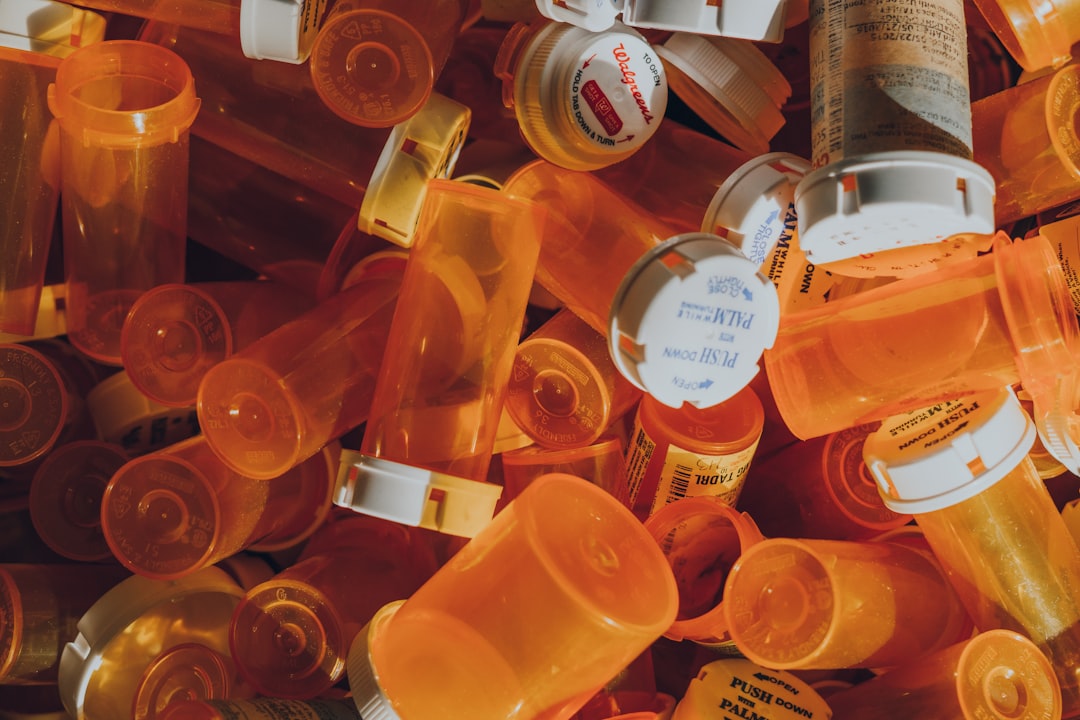
Flushing old pills or liquid medication was once a common practice but is now known to be harmful. Wastewater treatment plants cannot filter out the complex chemicals found in pharmaceuticals. These substances eventually end up in lakes and rivers where they impact fish and wildlife biology. This contamination can also eventually affect drinking water sources for downstream communities. Most pharmacies offer safe take-back programs for proper disposal of unused drugs.
Adhesive Bandages
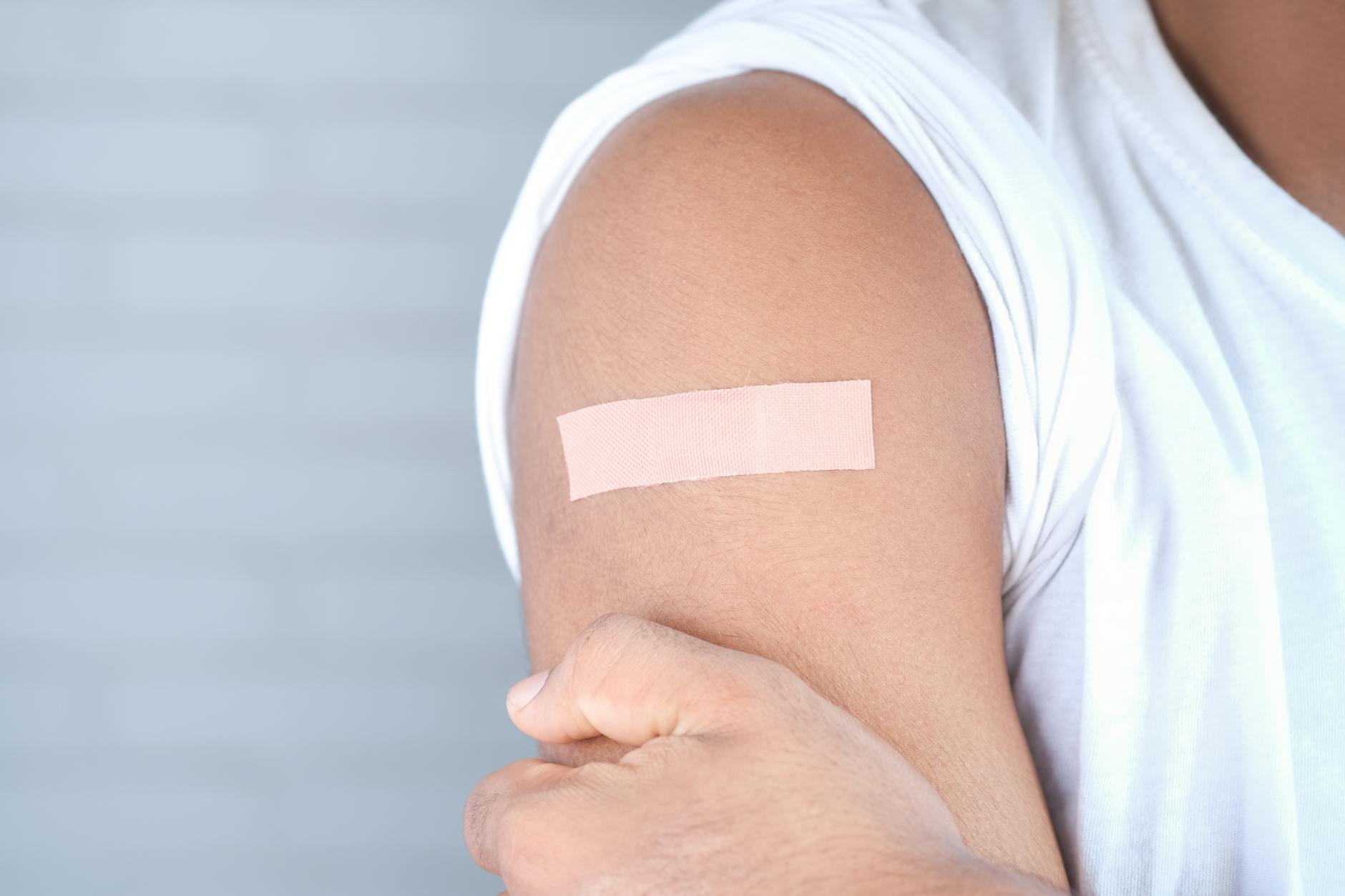
Most bandages are made from non-biodegradable plastic and use strong adhesives to stay in place. These materials are designed to survive moisture and will not break down in the sewer system. They can stick to the insides of pipes or tangle with other debris to form clumps. The plastic components contribute to the growing microplastic problem in our water systems. You should simply peel them off and toss them in the garbage can.
Chewing Gum
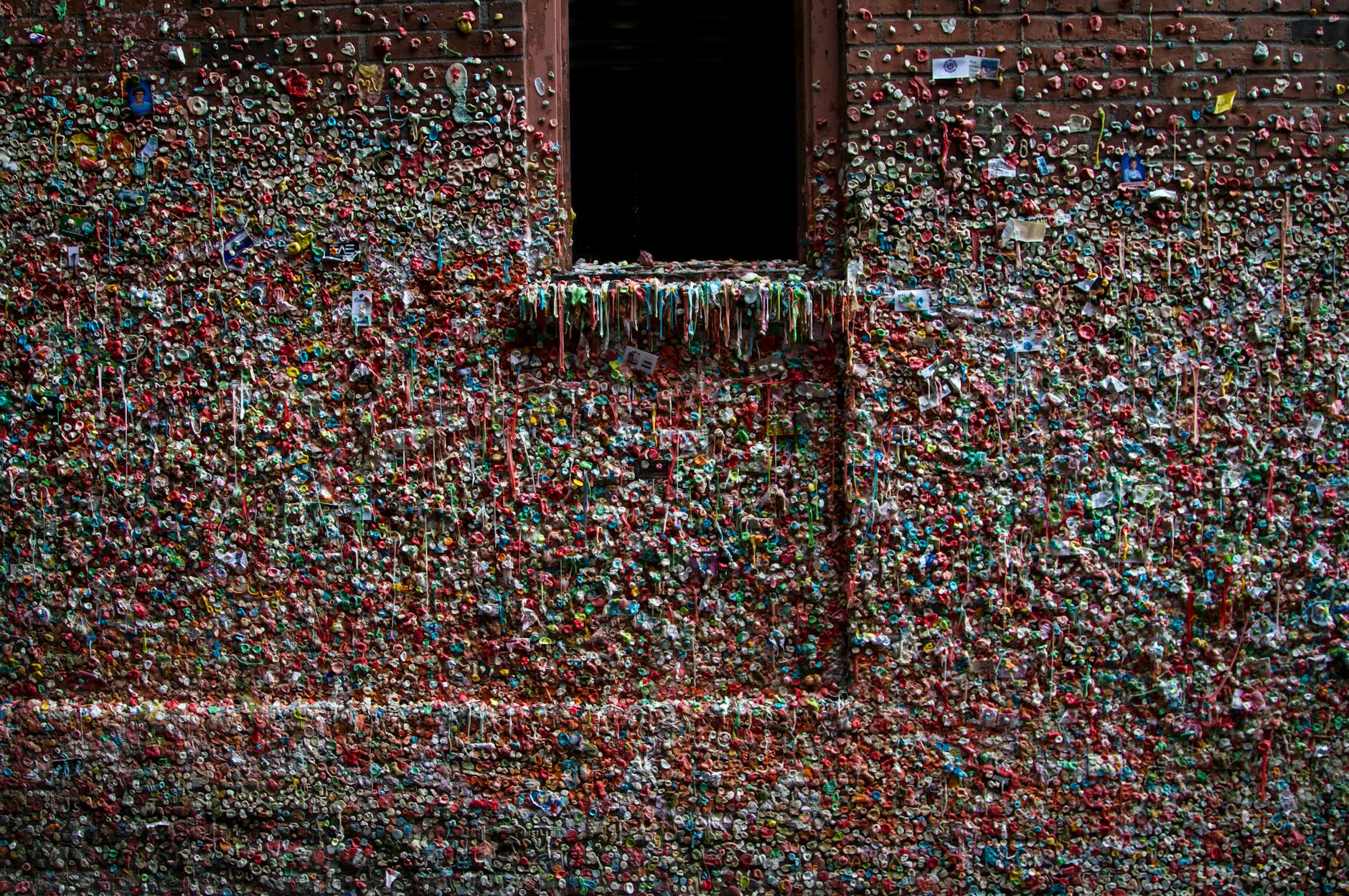
Gum is a sticky substance that does not dissolve in water regardless of how long it sits there. It adheres to the inside of plumbing pipes and narrows the passageway for other waste. Over time this sticky residue captures other solids and builds a restriction that is difficult to clear. The cohesive nature of gum makes it a persistent hazard for any drainage system. You should always wrap used gum in paper and throw it in the trash.
Contact Lenses
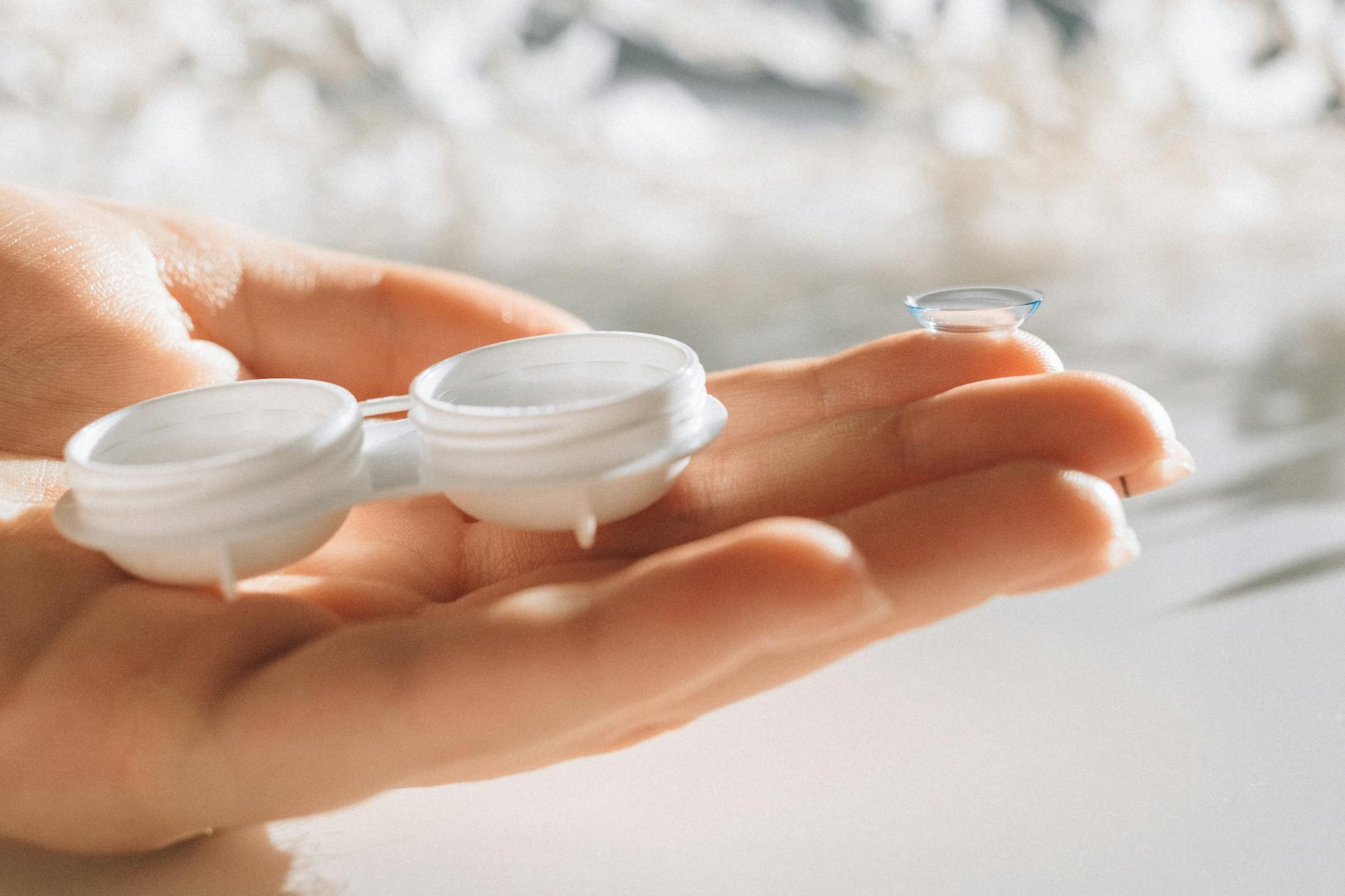
Discarding used contact lenses down the drain contributes to a massive microplastic pollution problem. The lenses are small and flexible enough to pass through treatment plant filters and enter waterways. They break down into smaller particles that are ingested by bottom-feeding aquatic organisms. Researchers have found billions of lenses in sewage sludge which poses an environmental hazard. You should dispose of old lenses in the solid waste bin.
Cleaning Wipes
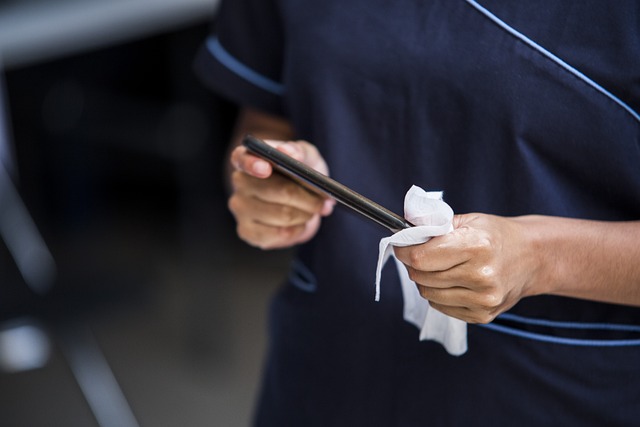
Antibacterial cleaning wipes often contain harsh chemicals and synthetic fibers similar to baby wipes. They are far too thick to pass through plumbing systems without getting snagged on imperfections. The disinfecting agents in the wipes can also harm the beneficial bacteria in septic tanks. Using them creates a high risk of mechanical blockage in both home and municipal pipes. You should toss these heavy-duty cleaning cloths in the trash after use.
Food Scraps
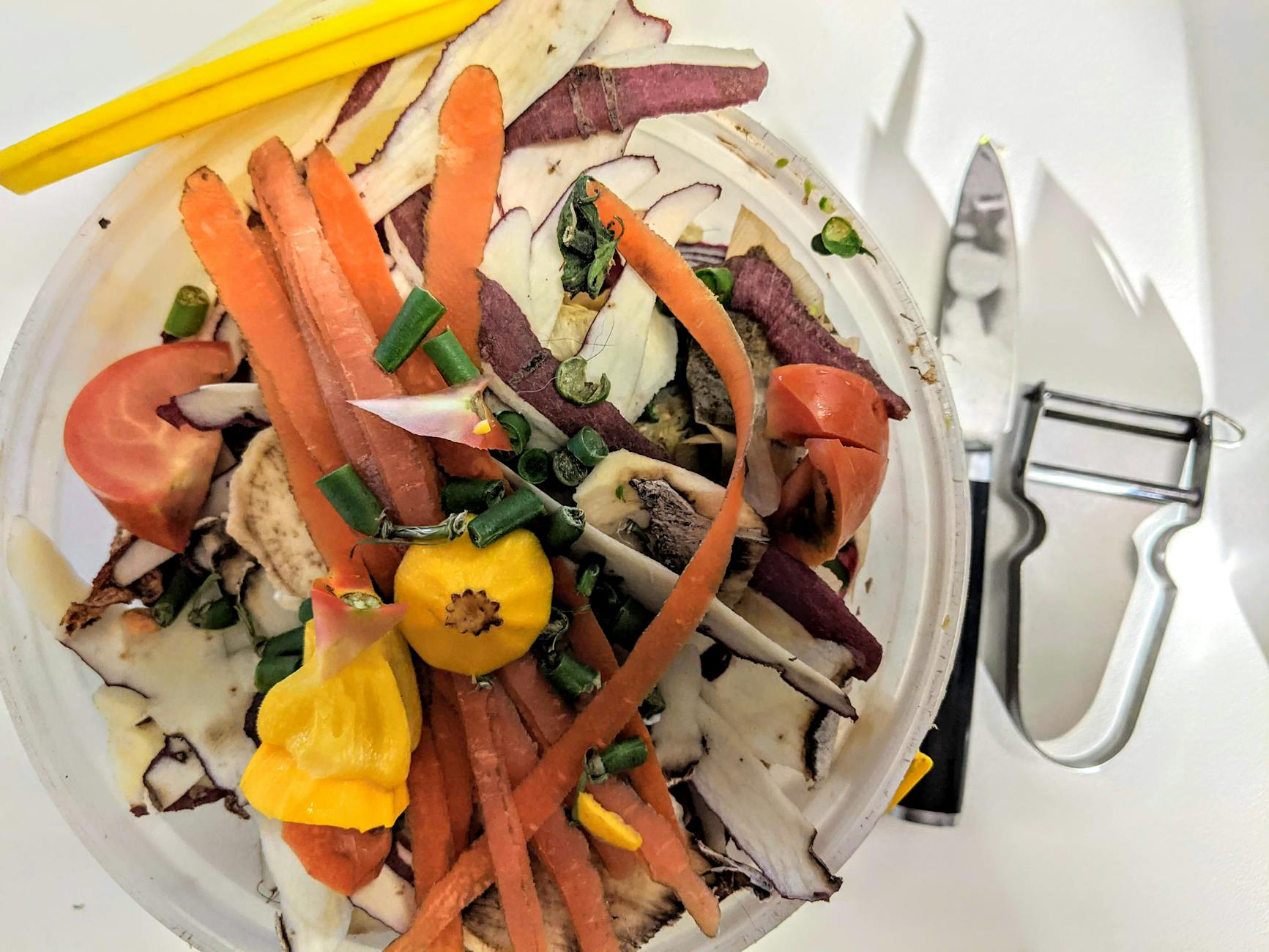
The toilet is not a garbage disposal and cannot handle solid food waste effectively. Food scraps degrade much slower than human waste and can rot in the pipes causing foul odors. Oils and fats found in food remnants solidify when cool and restrict water flow. Overloading the system with organic matter increases the bioload on septic tanks and treatment plants. You should compost food waste or use the kitchen trash can instead.
Dead Pet Fish
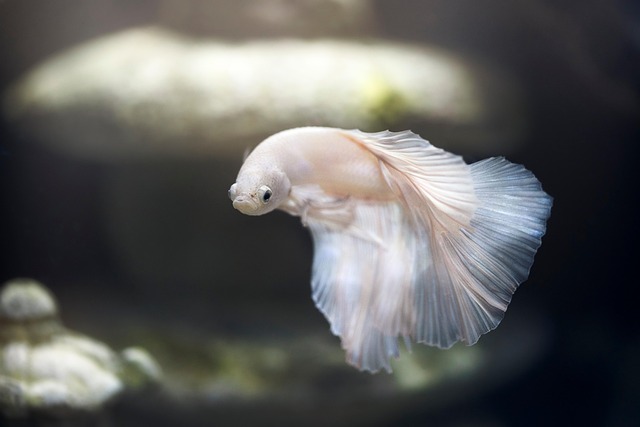
Flushing a deceased goldfish is a cultural trope that actually harms plumbing and local ecosystems. The body of the fish does not break down quickly and can block the toilet trap. If the fish died from a disease or parasite this can be transmitted to local wildlife through the water system. It is much safer and more sanitary to bury the fish or place it in the trash. This practice protects your pipes and prevents biological contamination.
Paint and Solvents
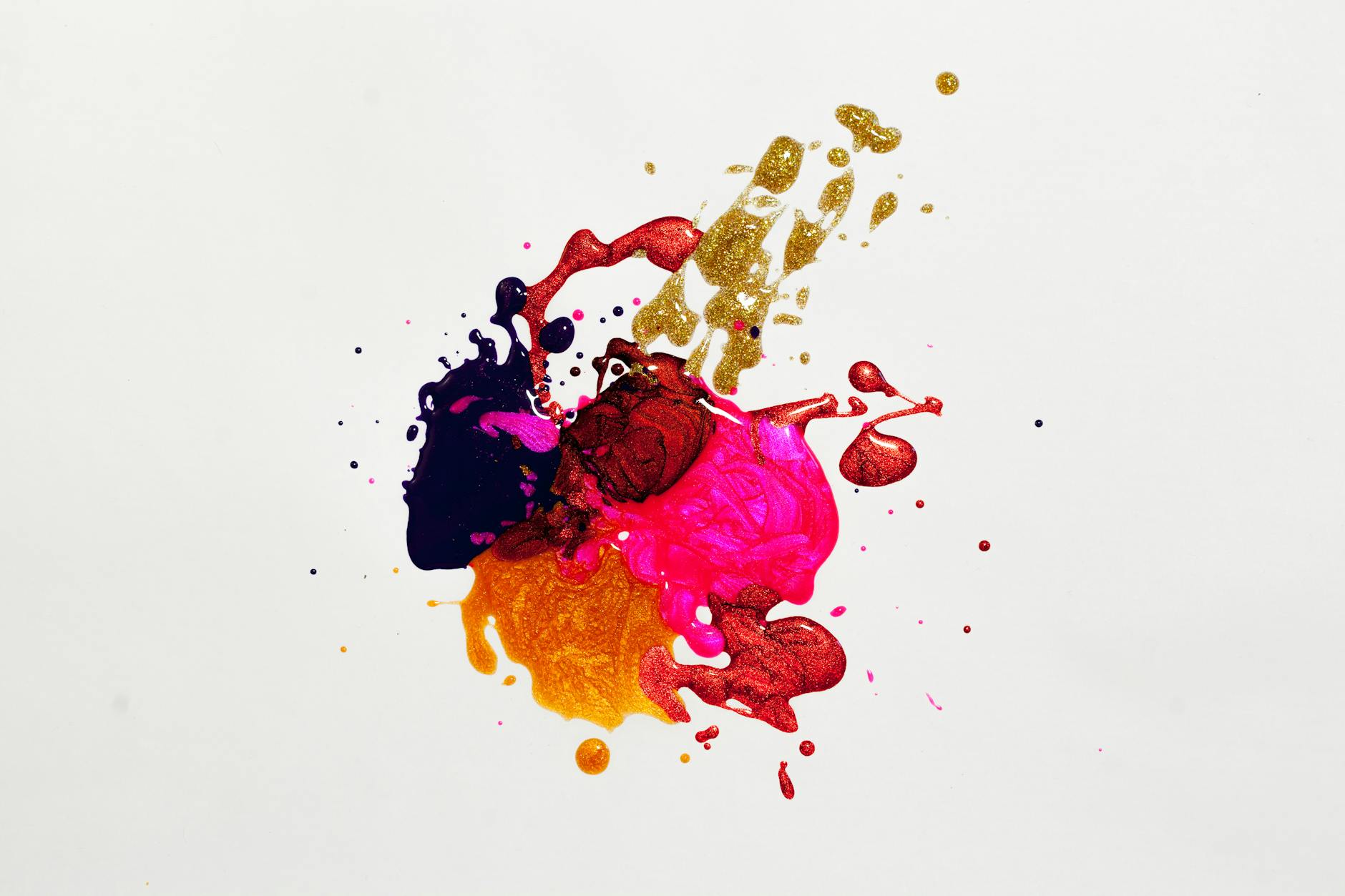
Leftover paint or turpentine should never be poured into a toilet bowl for disposal. These chemicals are considered hazardous waste and can destroy the biological balance of septic systems. The pigments and solvents can coat the inside of pipes and release toxic fumes into the home. They also pass through treatment plants and pollute natural water bodies heavily. You must take these materials to a certified hazardous waste drop-off facility.
Tell us which of these common flushing mistakes surprised you the most in the comments.




