Public venues present a distinct challenge during peak flu season because confined spaces facilitate germ transmission. Movie theaters typically recirculate air and gather large groups of people in close proximity for extended periods. Choosing the right seat involves maximizing distance from others and minimizing exposure to airborne particles. Strategic planning regarding seat selection can significantly reduce the risk of contracting illness while still allowing for entertainment.
Drive-In Parking Spots

The absolute safest location to watch a movie is from the enclosed environment of your personal vehicle. You control the sanitation of your space and the filtration of the air you breathe. Interaction with other moviegoers is virtually non-existent unless you visit the concession stand. Modern outdoor theaters act as a perfect solution for those who want the big screen experience without exposure. This option removes the variables of theater ventilation and crowd density entirely.
The Back Row Corner
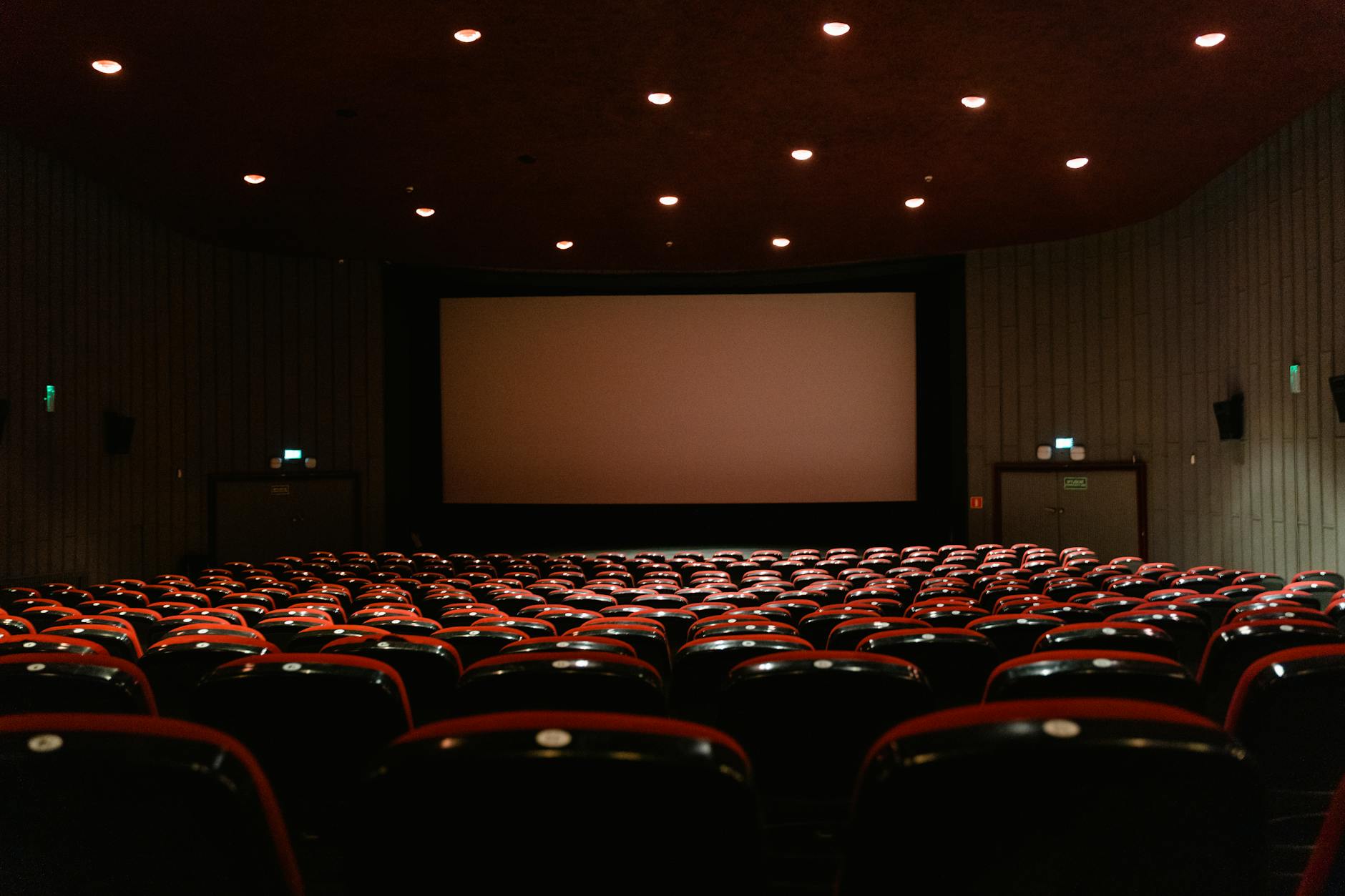
Sitting in the far back corner significantly limits the number of people surrounding you during the film. You eliminate the risk of anyone sneezing or coughing directly onto the back of your head. This position usually ensures there is a wall on one side and potential empty space on the other. Air circulation systems often pull air away from these stagnant corners depending on the specific architecture of the room. It remains one of the most isolated positions available in a standard auditorium setting.
The Very Front Row
Most moviegoers avoid the front row because of the difficult viewing angle and proximity to the screen. This lack of popularity works in your favor by providing a natural buffer zone from the rest of the crowd. Respiratory droplets from the audience behind you generally fall before reaching this distance. You will likely have the entire row to yourself or share it with very few others. This spot offers maximum isolation despite the compromised visual experience.
Luxury Recliner Sections
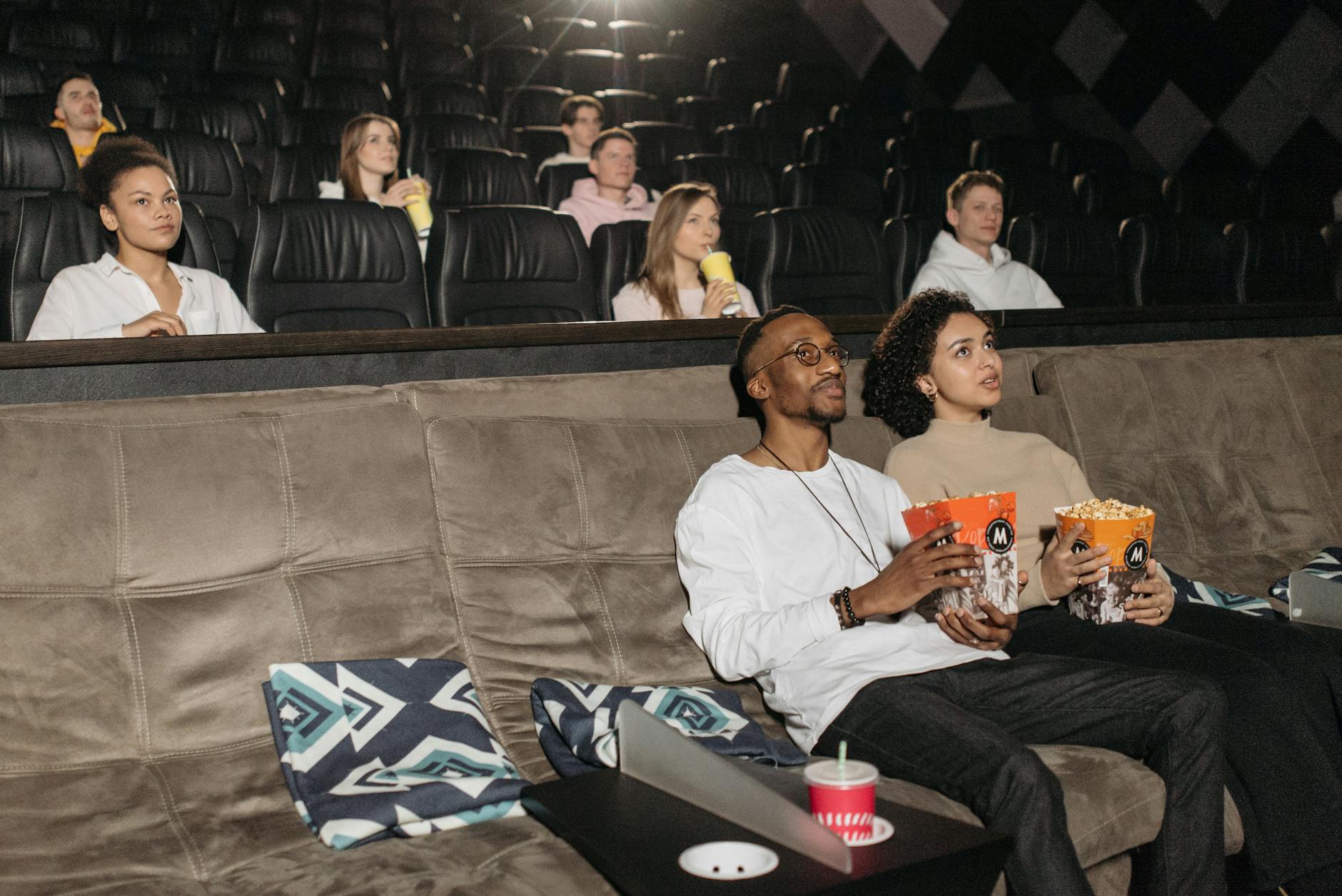
Theaters with luxury seating provide significantly more physical distance between patrons compared to standard auditoriums. These seats are wider and often feature substantial partitions or armrests that act as physical barriers. The reduced seating capacity in these rooms means fewer total people are breathing the same recirculated air. You gain the advantage of personal space that naturally exceeds the recommended social distancing guidelines. Paying a premium price often buys peace of mind along with comfort.
Private Viewing Boxes
Some historic or high-end theaters offer private boxes or separated balcony areas for small groups. These designated spaces provide walls or railings that physically separate you from the general audience population. You share the immediate air space only with the specific guests you chose to bring with you. Housekeeping staff typically sanitize these exclusive areas more thoroughly between screenings. It creates a controlled micro-environment within the larger public venue.
The Top Row of Stadium Seating
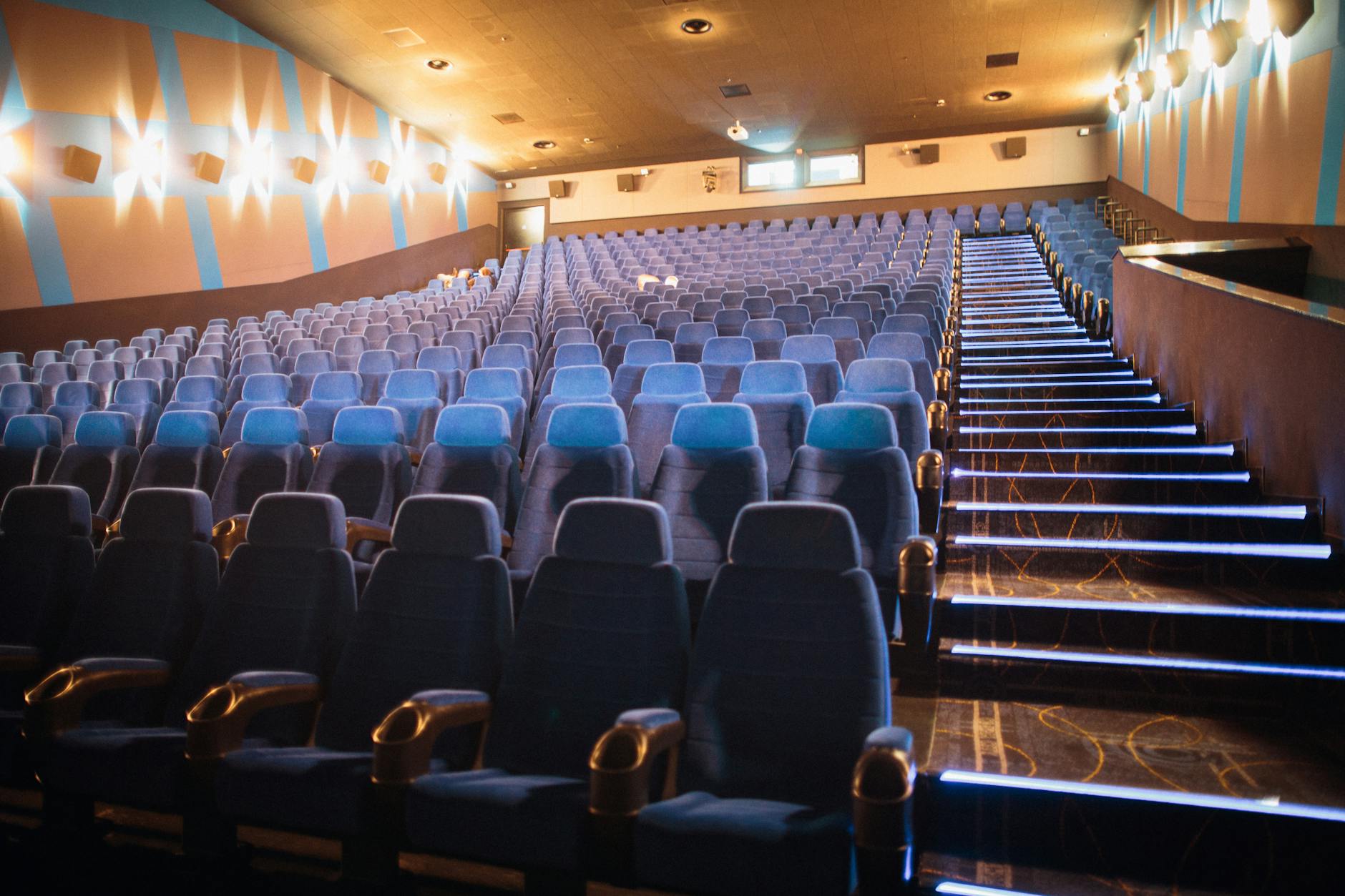
Stadium style seating features steep inclines that prevent the person in front of you from blocking your view. This elevation change also helps keep your head level above the immediate breathing zone of the row below. Being in the absolute top row ensures that aerosols from the crowd drift downward or stay at lower levels. You also avoid having anyone walking past you to get to their seats during the show. It is a strategic vantage point for both viewing clarity and hygiene.
Mid-Week Matinee Center
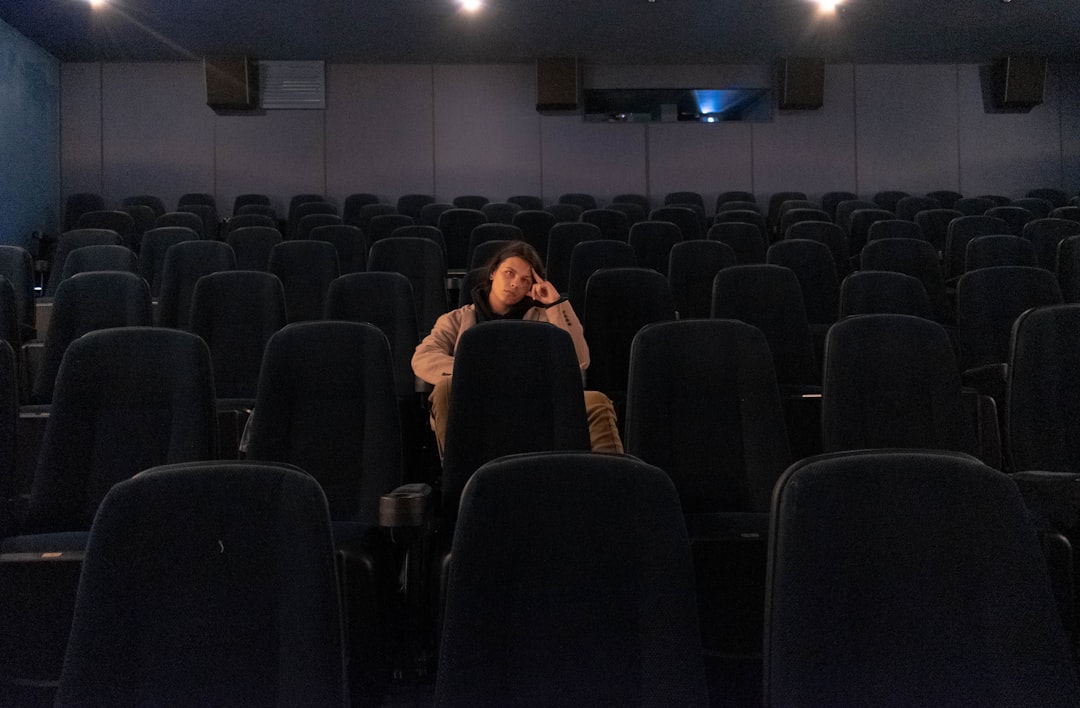
Choosing a seat in the center of the theater is only safe when the auditorium is practically empty. Attending a screening on a Tuesday or Wednesday morning guarantees the lowest possible attendance numbers. You can claim the central block of seats and ensure a radius of twenty feet in every direction. This strategy relies on timing rather than architecture to create a massive safety buffer. The center becomes the best spot simply because no one else is there.
The Row Behind the Walkway
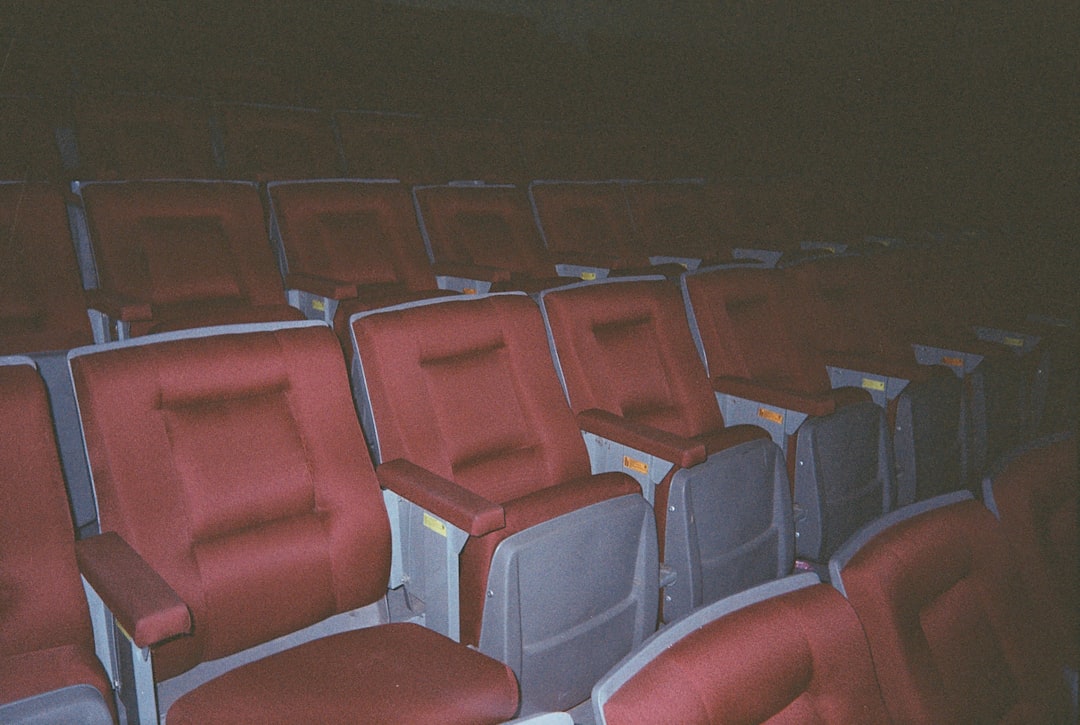
Many large theaters feature a wide cross-aisle that separates the lower seating section from the upper stadium section. Sitting in the first row of this upper section guarantees that no one is sitting directly in front of you. The wide walkway creates a significant gap that respiratory particles struggle to bridge. You benefit from legroom and a clear barrier from the majority of the audience seated below. This architectural break serves as an effective zone of separation.
Balcony Wing Seats
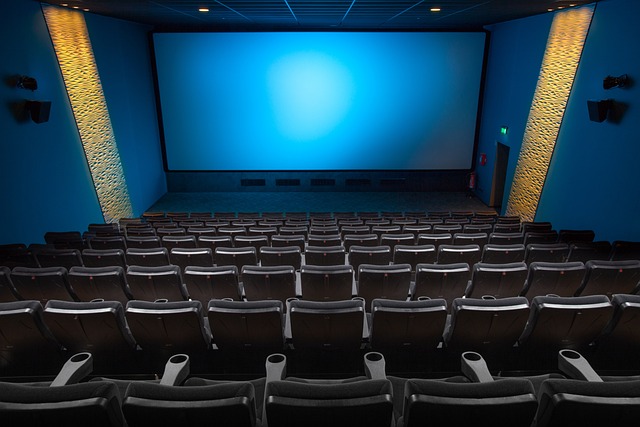
The side wings of a theater balcony are often the last seats to be sold in older venues. These areas tend to be less congested than the prime center spots or the main floor. Heat and breath rise but ventilation systems often cycle air out near the ceiling to reduce stagnation. Sitting on the periphery of the upper level keeps you away from the dense main crowd. You can enjoy the film with a panoramic view and fewer neighbors.
Designated Buffer Seats
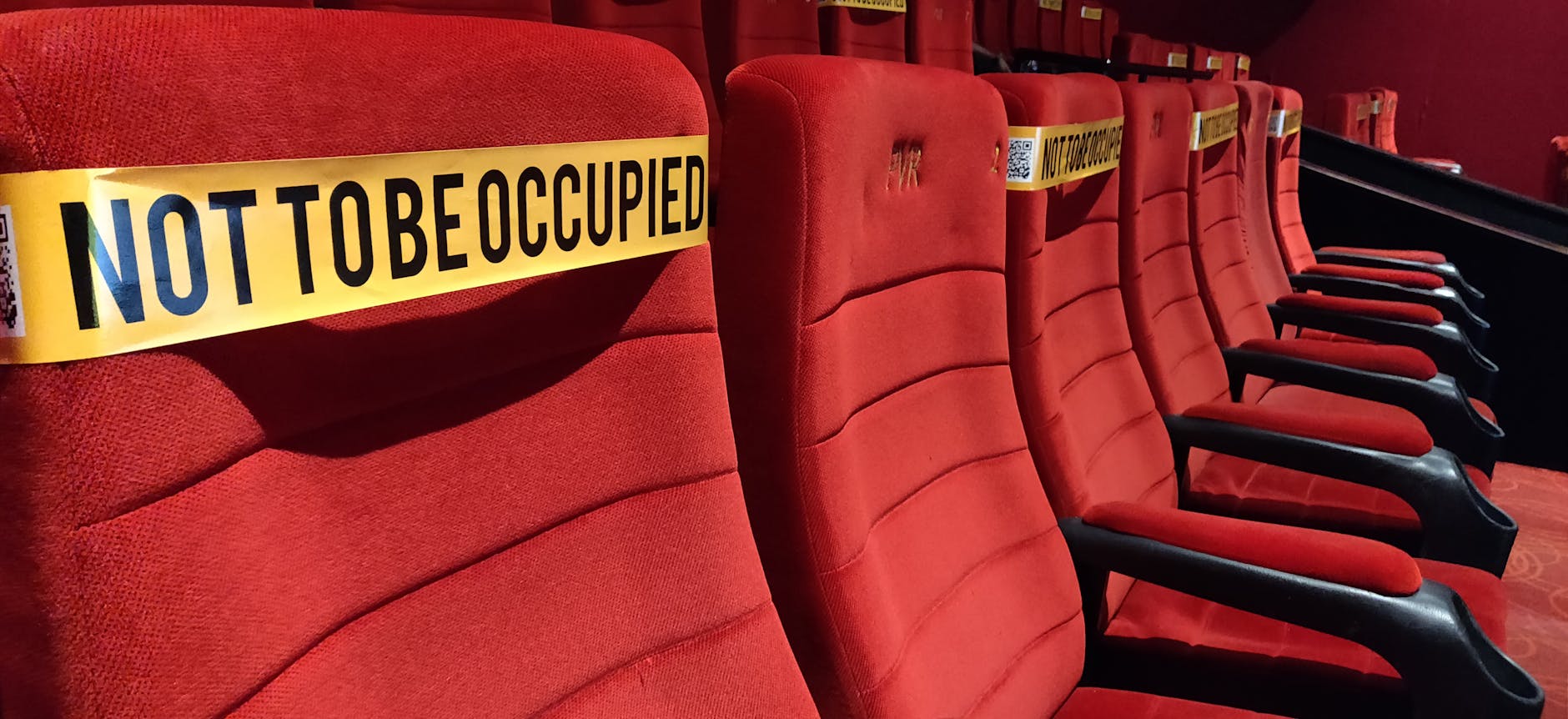
Some modern booking systems allow you to see exactly which seats are occupied before you purchase tickets. You should select a seat that creates a manual buffer by ensuring the three seats on either side are unsold. This proactive approach allows you to manufacture your own safety zone in a standard theater. If someone books next to you later then you can move to a different empty section. This method requires vigilance but effectively maximizes your distance from others.
Please share your own strategies for staying healthy at the movies in the comments.




