Achieving healthy skin requires navigating a landscape filled with conflicting advice and viral trends that often do more harm than good. Dermatologists frequently encounter patients who have inadvertently damaged their skin barriers through common but misguided beauty practices. Establishing a routine grounded in medical science rather than marketing hype is essential for long-term skin health. This comprehensive guide highlights the specific behaviors experts recommend eliminating to preserve your complexion and prevent unnecessary damage.
Popping Pimples at Home
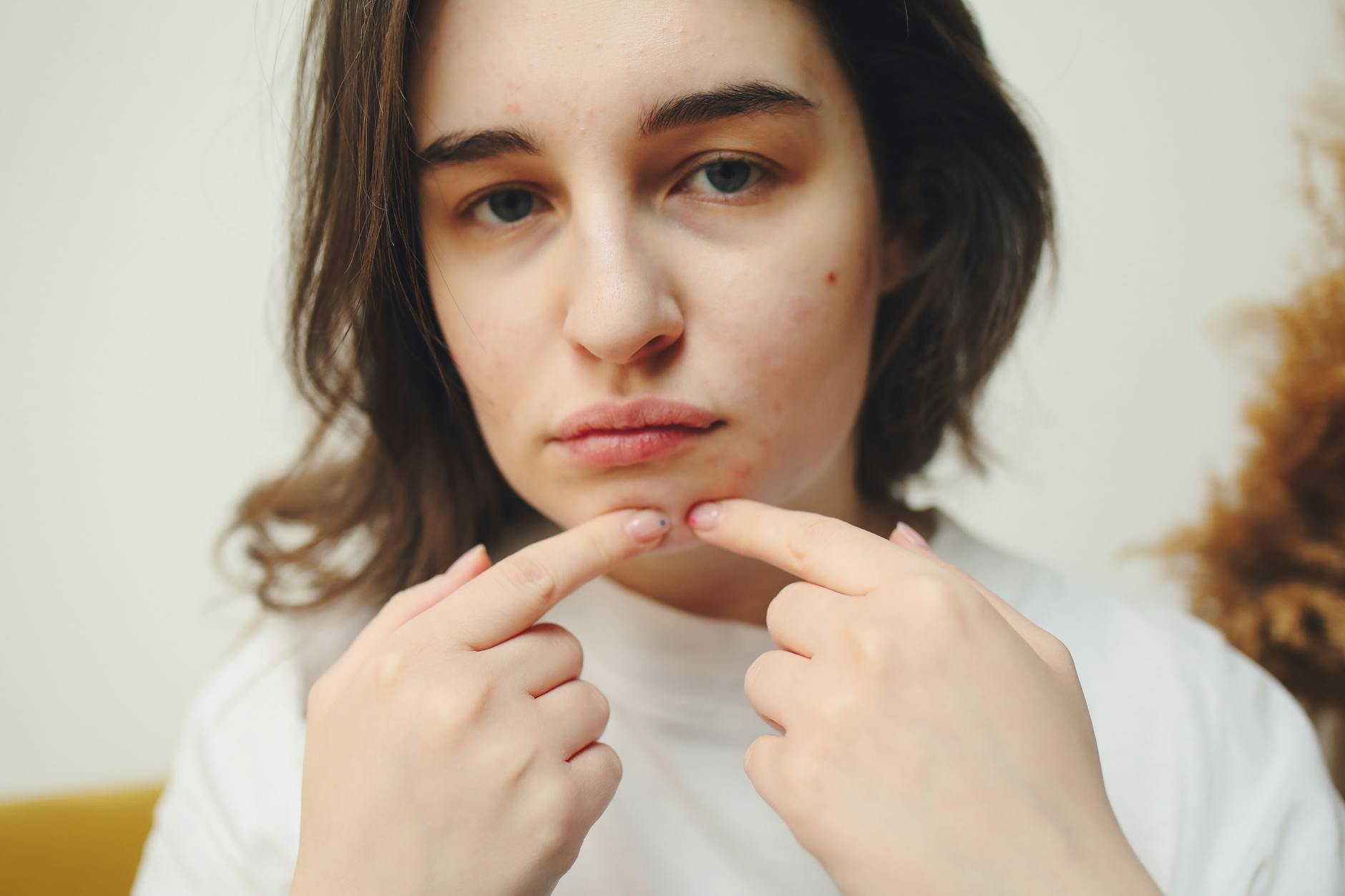
Squeezing blemishes pushes bacteria deeper into the skin and often causes significantly more inflammation than the original spot. This aggressive habit damages the tissue surrounding the pore and frequently leads to permanent scarring or dark hyperpigmentation. Professional extraction is the only safe method to remove debris without risking infection or creating long-term structural damage. Most dermatologists recommend using a hydrocolloid patch instead to draw out impurities gently while protecting the area from bacteria.
Skipping Daily Sunscreen
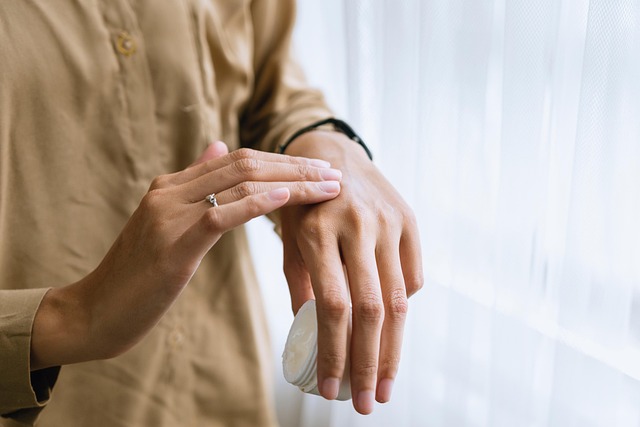
Many individuals erroneously believe that sun protection is only necessary during summer months or beach vacations. Ultraviolet radiation penetrates clouds and windows to cause cumulative DNA damage that leads to premature aging and skin cancer. Daily application of a broad-spectrum SPF is the single most effective anti-aging step anyone can take regardless of the weather. Neglecting this vital step renders other expensive skincare treatments largely ineffective by allowing ongoing environmental damage.
Sleeping in Makeup

Leaving cosmetics on overnight traps dirt and environmental pollutants against the skin while blocking pores. This occlusion prevents the natural nocturnal repair process and often leads to breakouts or dullness the following morning. The weight of foundation and concealer can also trap free radicals that contribute to collagen breakdown over time. thorough cleansing before bed is non-negotiable for maintaining a clear and healthy complexion.
Over-Exfoliating
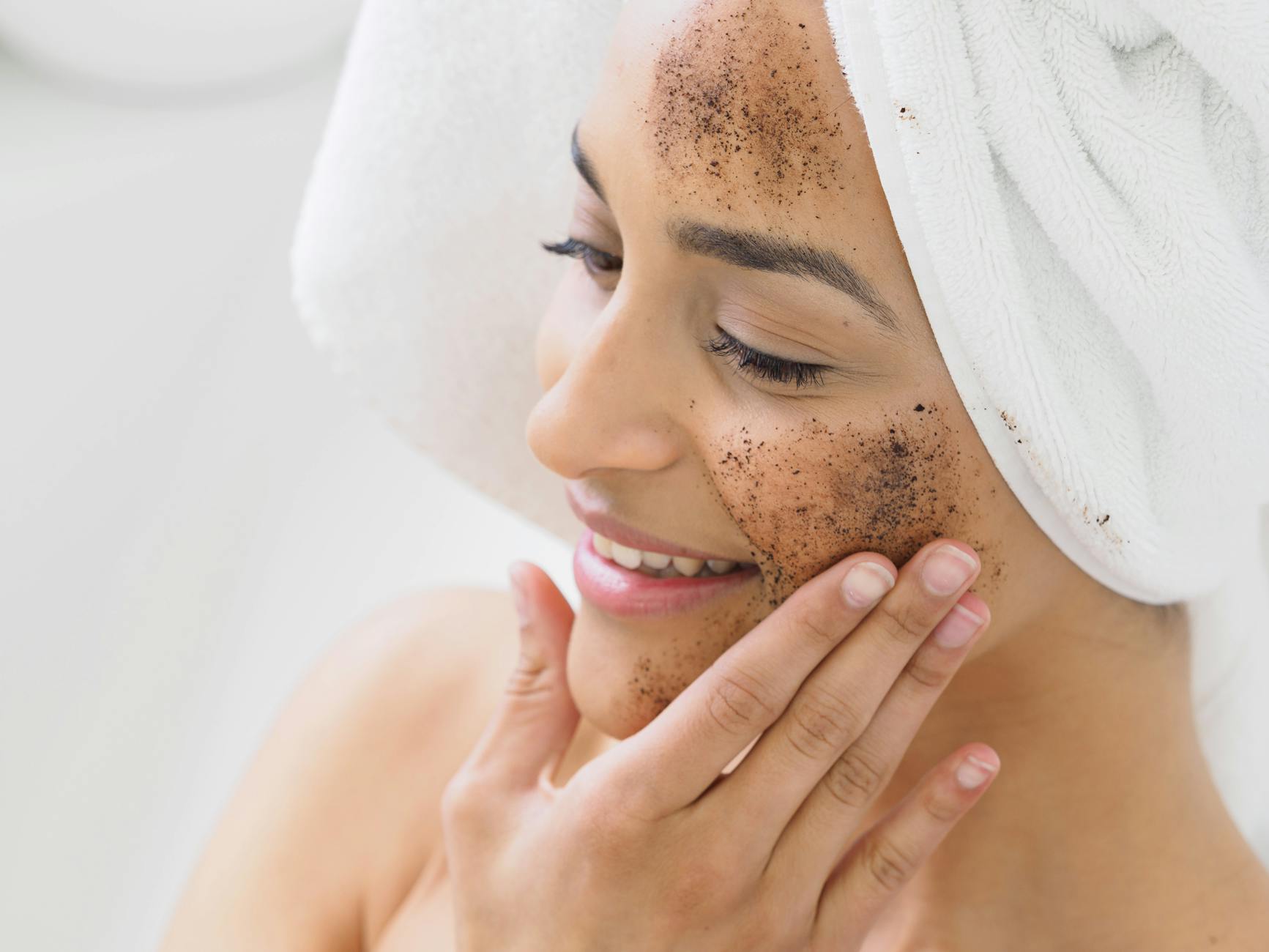
Scrubbing the face too frequently or with harsh products strips away the protective moisture barrier and leaves skin vulnerable. This practice creates micro-tears in the epidermis that invite bacteria and lead to chronic irritation or redness. Skin only needs gentle exfoliation once or twice a week to remove dead cells without compromising its integrity. Signs of over-exfoliation include a tight and shiny appearance that many mistakenly associate with cleanliness.
Using Makeup Wipes as Cleanser
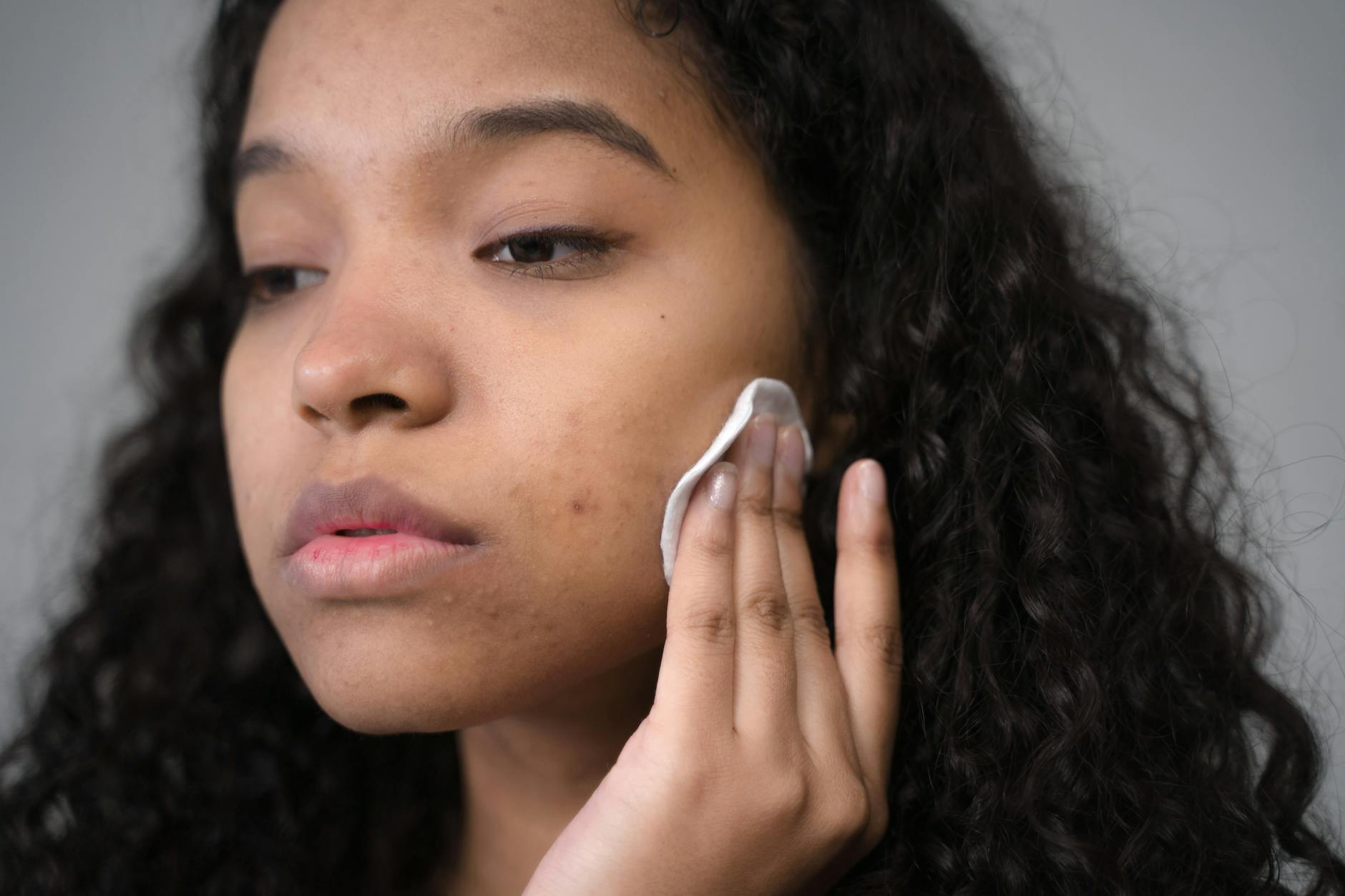
Pre-moistened wipes essentially smear dirt and makeup around the face rather than actually lifting it away. The friction required to remove stubborn products can irritate sensitive skin and contribute to premature sagging. Many wipes also leave behind a residue of preservatives and surfactants that can cause dryness or allergic reactions. A traditional water-based cleanse is necessary to fully remove impurities and prepare the skin for other products.
Applying Lemon Juice

This popular DIY remedy is highly acidic and disrupts the natural pH balance of the protective acid mantle. Exposure to sunlight while lemon juice is on the skin can cause a severe chemical reaction known as phytophotodermatitis. This condition results in blistering burns and long-lasting hyperpigmentation that is difficult to treat. Experts universally advise against using undiluted citrus juices on the face due to their unpredictable and harsh nature.
Using Toothpaste on Zits
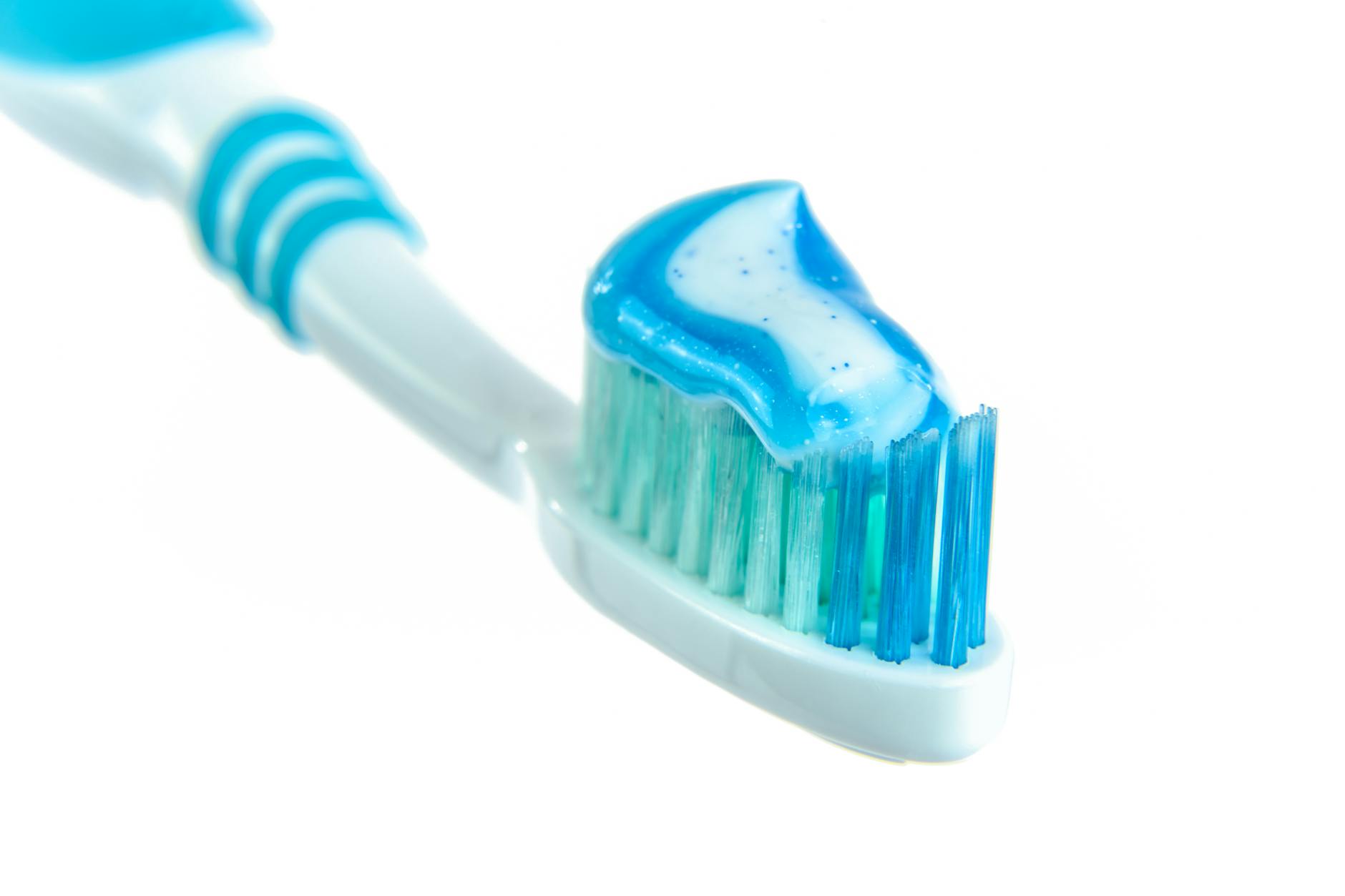
The menthol and baking soda found in oral hygiene products are far too drying and irritating for delicate facial skin. While toothpaste may dry out a pimple it often causes a chemical burn or contact dermatitis in the surrounding area. This irritation can leave a dark mark that lasts much longer than the original blemish would have. Targeted spot treatments containing salicylic acid or benzoyl peroxide are safer and more effective alternatives.
Hot Water Washing
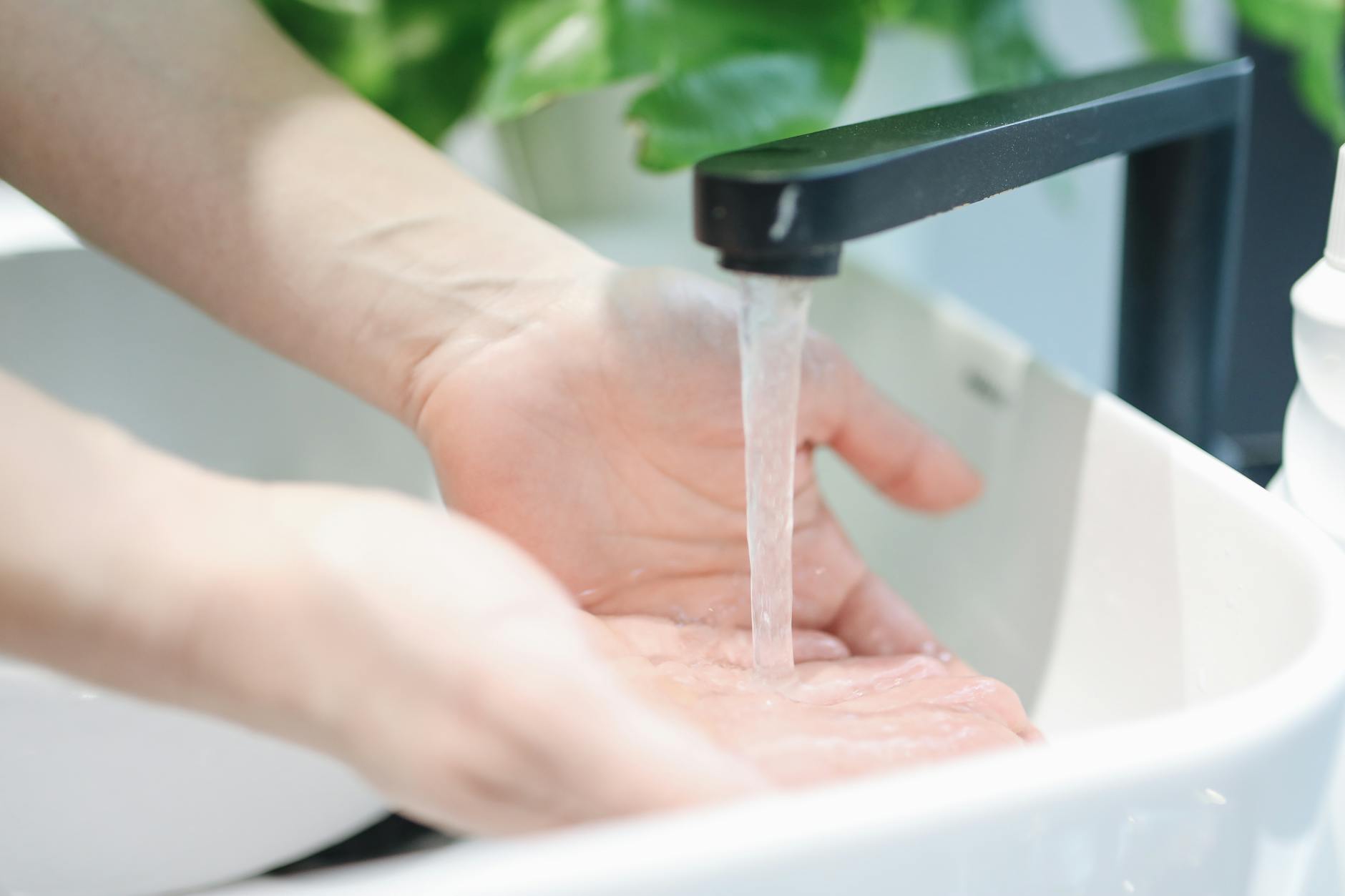
Cleansing with steaming hot water strips natural oils from the skin and leads to immediate dehydration. This thermal shock can dilate blood vessels and exacerbate conditions like rosacea or general redness. Lukewarm water is effective enough to dissolve cleansers without compromising the lipid barrier. Consistently using lower temperatures helps maintain skin softness and prevents the overproduction of oil to compensate for dryness.
Tanning Beds

Artificial UV radiation significantly increases the risk of developing melanoma and accelerates the breakdown of collagen. The intensity of ultraviolet light in tanning beds is often much stronger than natural sunlight and causes rapid cellular damage. Dermatologists consider this one of the most dangerous beauty habits due to its direct link to skin cancer. There is no such thing as a healthy base tan despite common misconceptions.
Ignoring the Neck and Chest

Skincare routines often stop at the jawline while the delicate skin on the neck and décolletage remains unprotected. These areas have fewer oil glands and are thinner than facial skin making them prone to faster aging. Sun damage and wrinkles appear quickly in these regions when they are neglected during daily application. Extending cleansers and moisturizers downward ensures a uniform appearance and texture across all visible skin.
Dirty Makeup Brushes
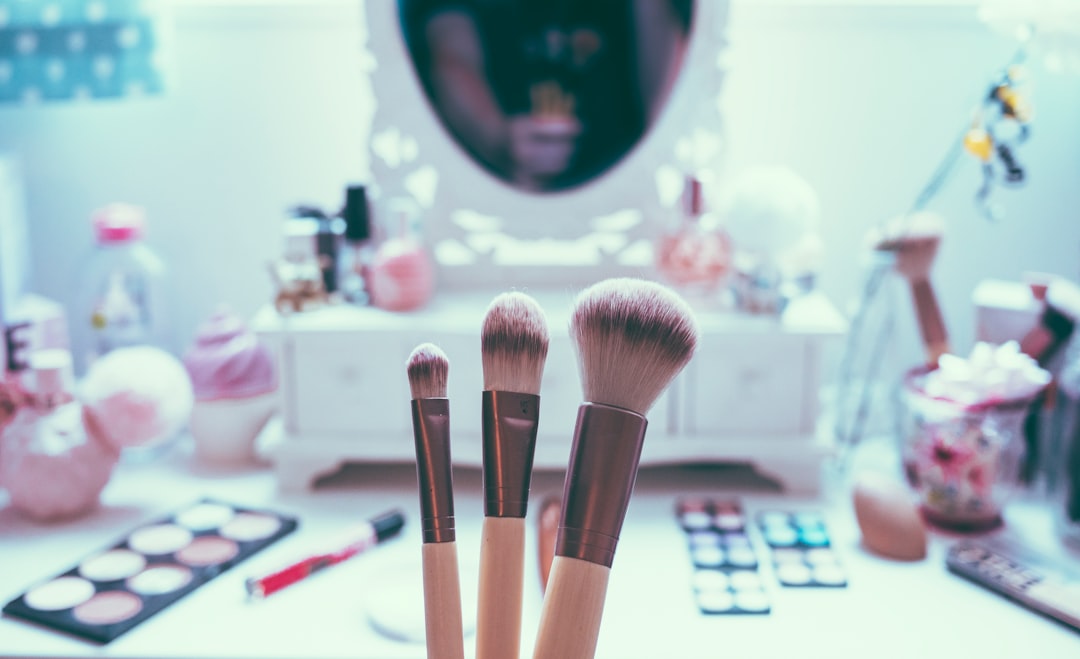
Brushes and sponges that are not washed regularly become breeding grounds for bacteria and fungus. Reusing dirty tools introduces these pathogens directly into pores and often results in unexplained acne or rashes. Makeup application also suffers as product buildup prevents smooth blending and alters color payoff. Weekly cleaning with a gentle soap or brush cleanser is mandatory for hygiene and performance.
Using Walnut Shell Scrubs

Physical exfoliants containing crushed nut shells often have jagged edges that cause microscopic lacerations on the surface. These micro-tears weaken the barrier function and allow bacteria to penetrate easier than they would otherwise. The abrasive nature of these scrubs is typically too harsh for facial skin and causes inflammation. Chemical exfoliants like lactic or glycolic acid provide a uniform and safer resurfacing effect.
Licking Dry Lips
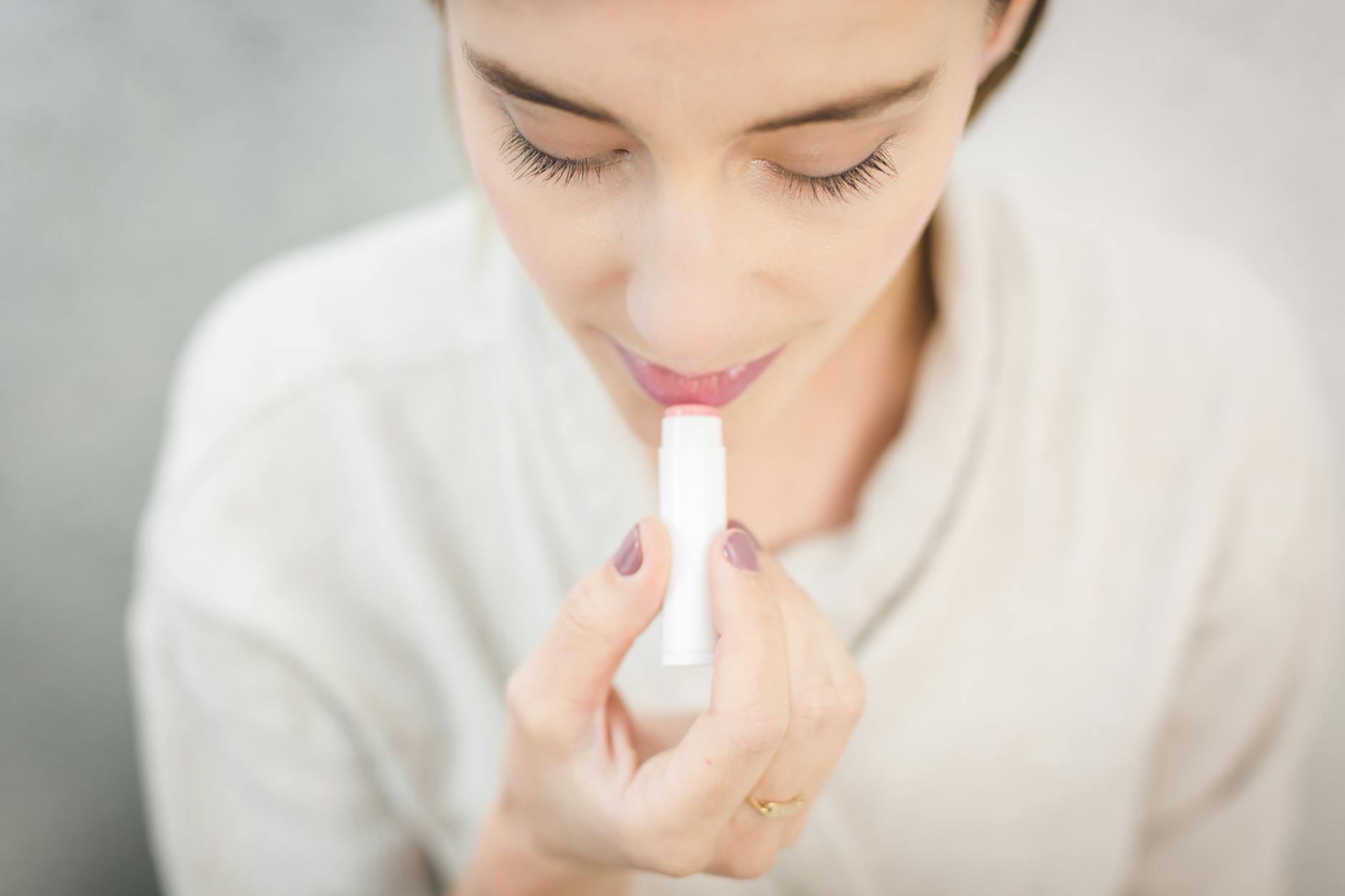
Saliva contains digestive enzymes that break down the thin skin of the lips and worsen dryness. The momentary relief of moisture quickly evaporates and leaves the lips more chapped than before. This cycle creates a painful condition called lip licker’s dermatitis that manifests as a red ring around the mouth. Applying a thick ointment or lip balm is the only effective way to seal in moisture and heal chapping.
Overusing Retinol
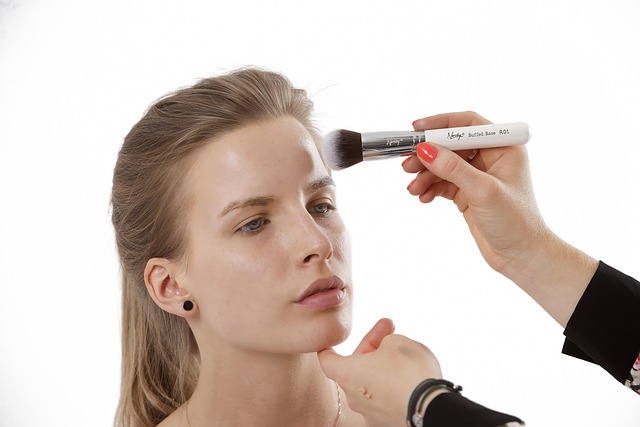
Applying retinoids too frequently or in high concentrations can cause severe peeling and sensitivity known as retinization. Rushing the process does not yield faster results but rather compromises the skin barrier and causes inflammation. It is best to introduce these potent ingredients slowly to allow the skin to build tolerance over several weeks. Using a pea-sized amount for the entire face is sufficient to see benefits without unnecessary irritation.
Using Pore Strips
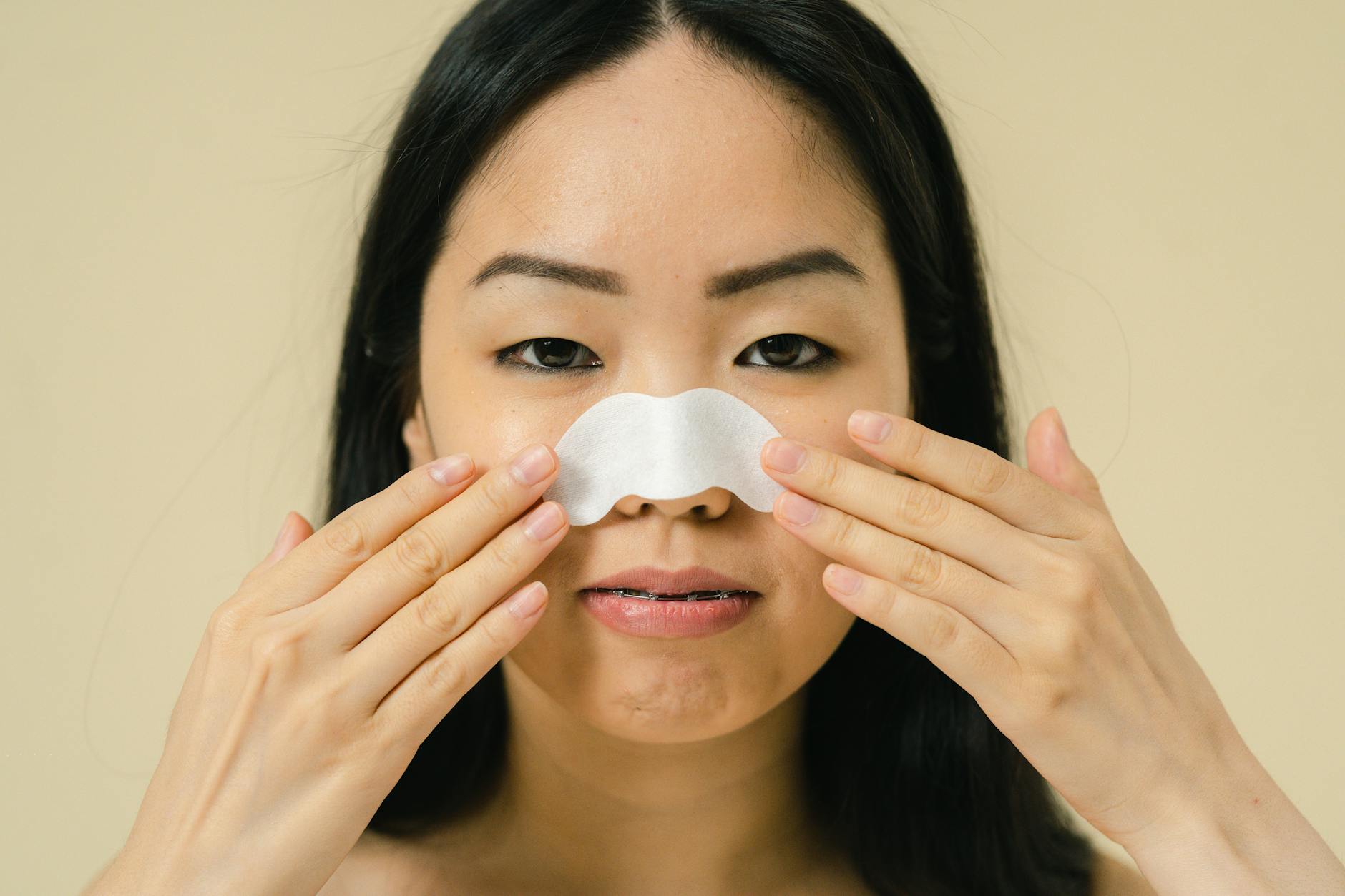
Adhesive strips may remove the top of a blackhead but they also rip away sebaceous filaments that protect the pore. This aggressive removal can stretch the pore permanently and cause broken capillaries around the nose. The adhesive itself often irritates sensitive skin and fails to address the root cause of congestion. Chemical exfoliants usually provide a deeper and gentler clean without the physical trauma.
DIY Baking Soda Masks
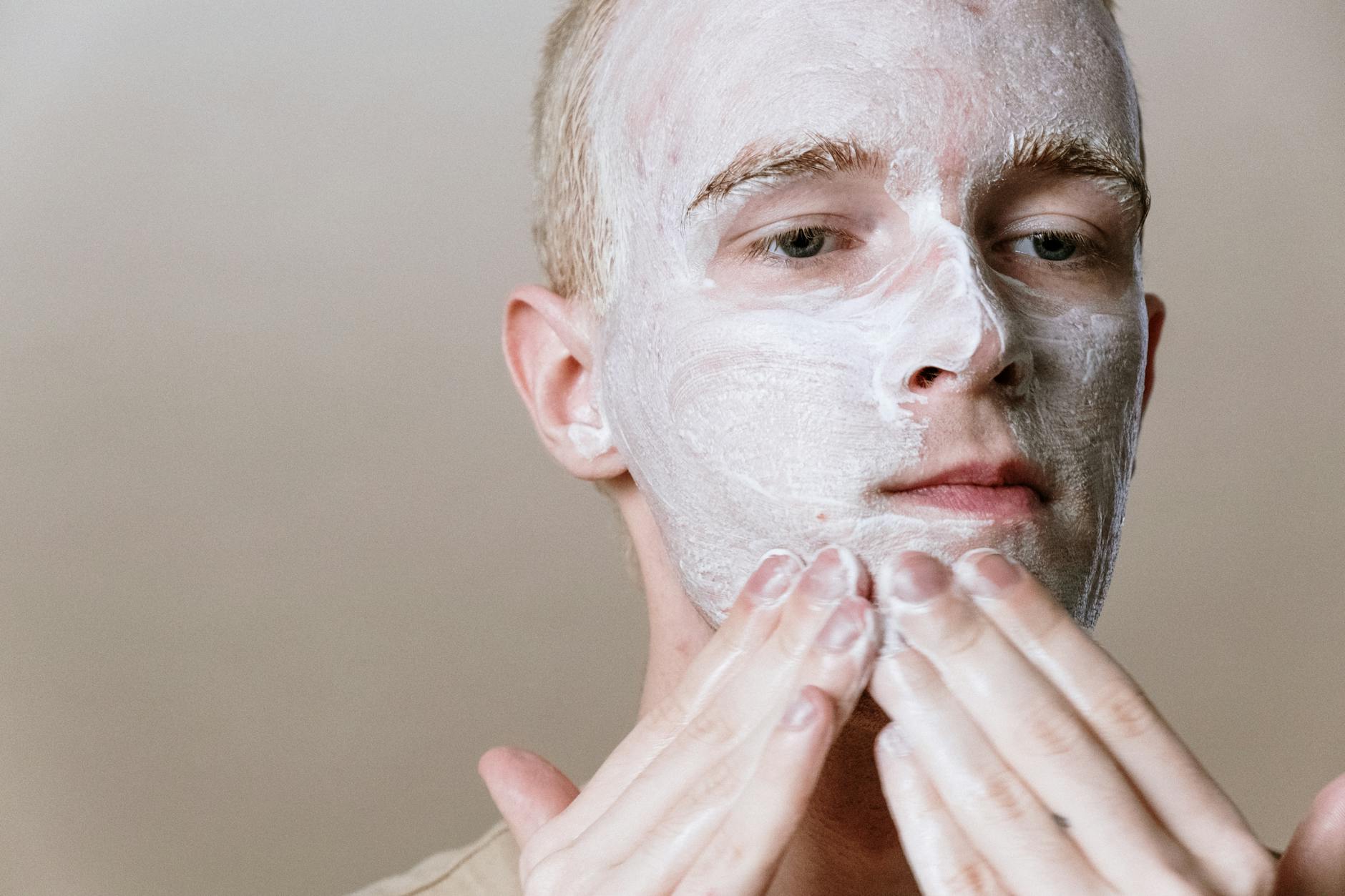
Baking soda has a highly alkaline pH that neutralizes the skin’s natural acidity and leaves it susceptible to infection. Regular use disrupts the moisture barrier and encourages the growth of acne-causing bacteria. The gritty texture can also be too abrasive for inflamed or sensitive skin types. Formulated skincare products are pH-balanced to work with skin biology rather than against it.
Rubbing Eyes

Constant friction from rubbing breaks down the delicate collagen and elastin fibers in the thin skin around the eyes. This habit contributes to dark circles and the formation of fine lines or wrinkles over time. Rubbing also transfers germs from hands to the mucous membranes and increases the risk of eye infections. Gently patting itchy eyes or using soothing drops is a much safer approach.
Picking Scabs
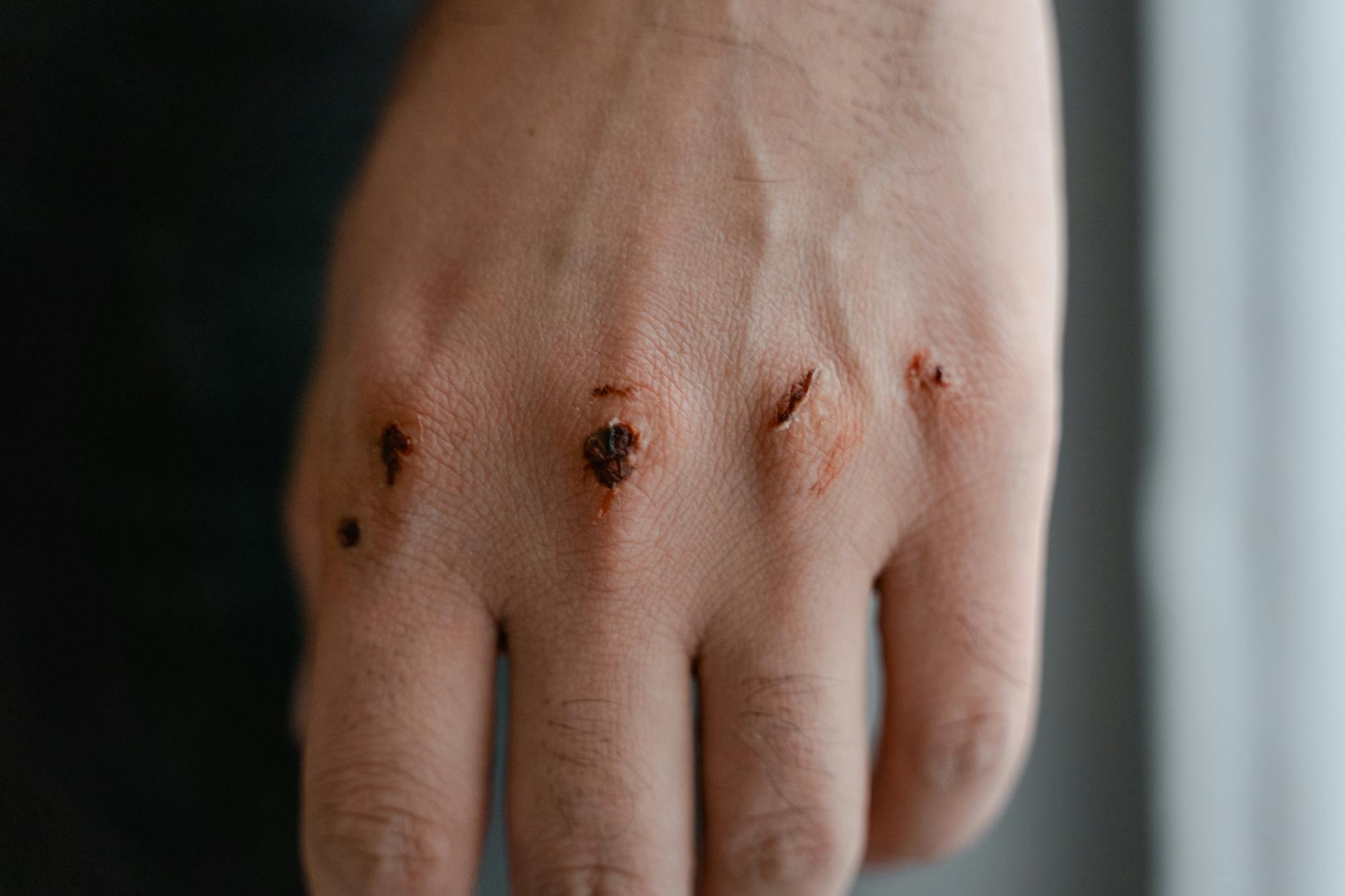
Removing a scab prematurely interrupts the final stages of healing and reopens the wound to potential infection. This interference significantly increases the likelihood of scarring and prolongs the overall recovery time. The body forms a scab to protect the regenerating tissue underneath from environmental contaminants. Letting the scab fall off naturally ensures the smoothest possible skin texture after healing.
Skipping Moisturizer on Oily Skin
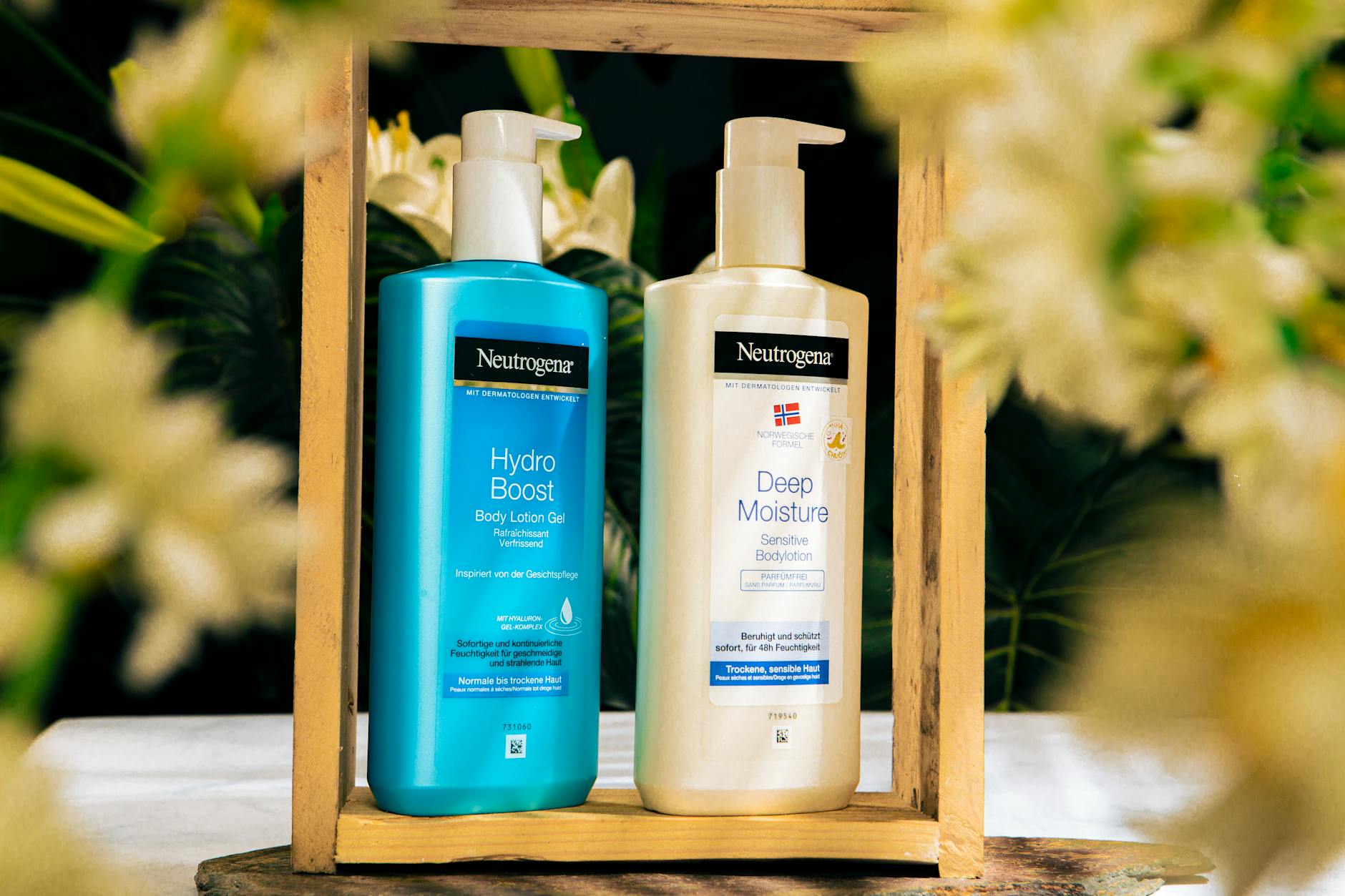
Depriving oily skin of hydration often triggers the sebaceous glands to overcompensate by producing even more oil. Proper moisturization maintains the barrier function and signals the skin that it is sufficiently hydrated. Lightweight or gel-based formulas can provide necessary water content without clogging pores. Balance is achieved by hydrating the skin rather than drying it out completely.
Using Expired Products
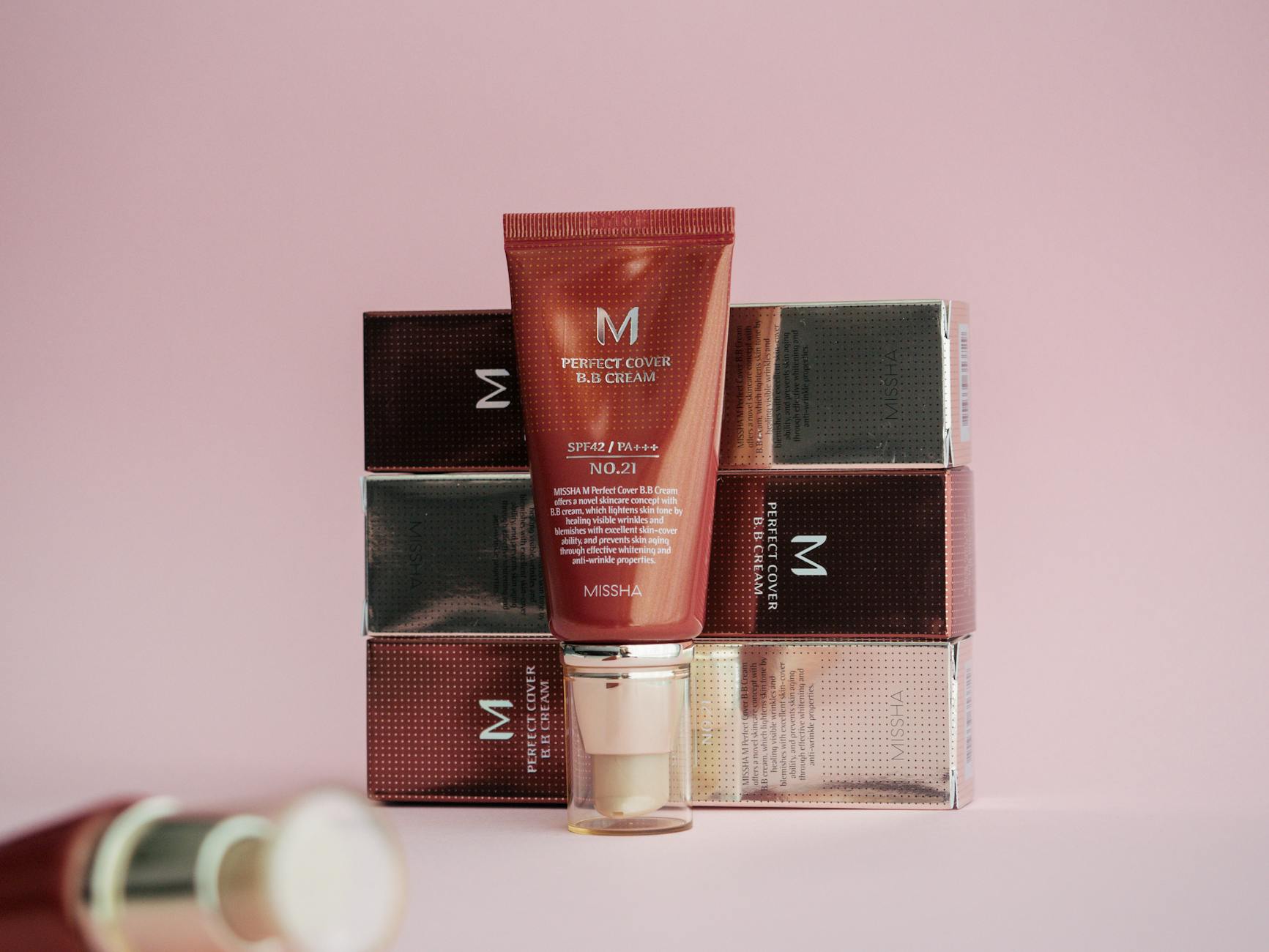
Preservatives in skincare and makeup degrade over time and allow bacteria to proliferate within the bottle or jar. Active ingredients also lose their potency and render the product ineffective for its intended purpose. Using old mascara or liquid liner is particularly risky as it can lead to serious eye infections. Regularly checking expiration dates and symbols helps maintain a safe and effective beauty arsenal.
Layering Too Many Actives
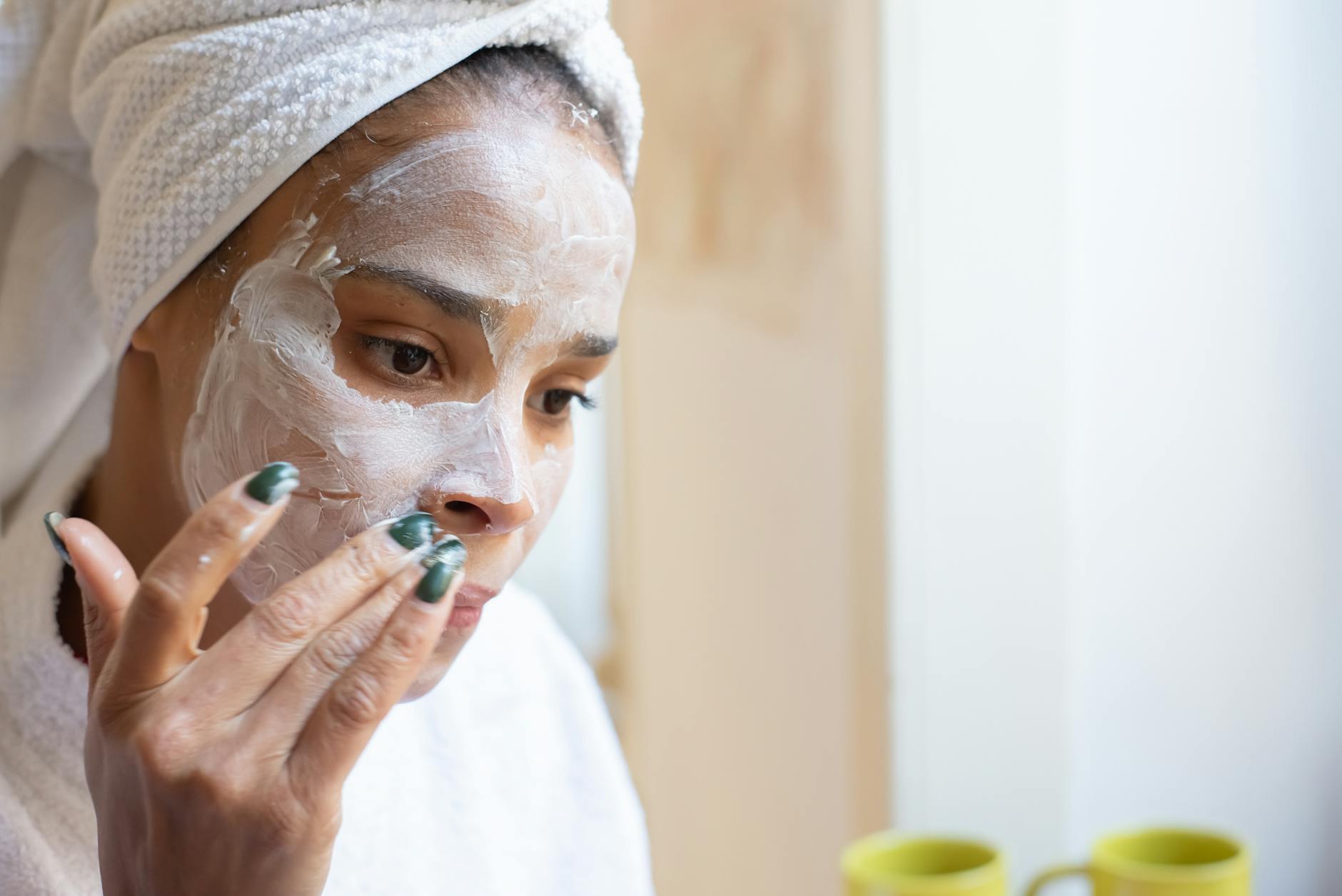
Combining multiple potent ingredients like Vitamin C and retinol and acids in one routine creates a chemical cocktail that overwhelms the skin. This approach often leads to contact dermatitis and a compromised barrier rather than better results. Ingredients need specific pH environments to work and may neutralize each other when applied randomly. A simplified routine with spaced-out actives is generally more effective and tolerable.
Not Washing Pillowcases
Pillowcases accumulate oil and dead skin cells and hair product residue night after night. Sleeping on this soiled surface exposes the face to pore-clogging debris for eight hours at a time. This environmental factor is a common but often overlooked trigger for acne mechanics on the cheeks. Changing pillowcases every few days is a simple hygiene step that supports clear skin.
Showering Too Long
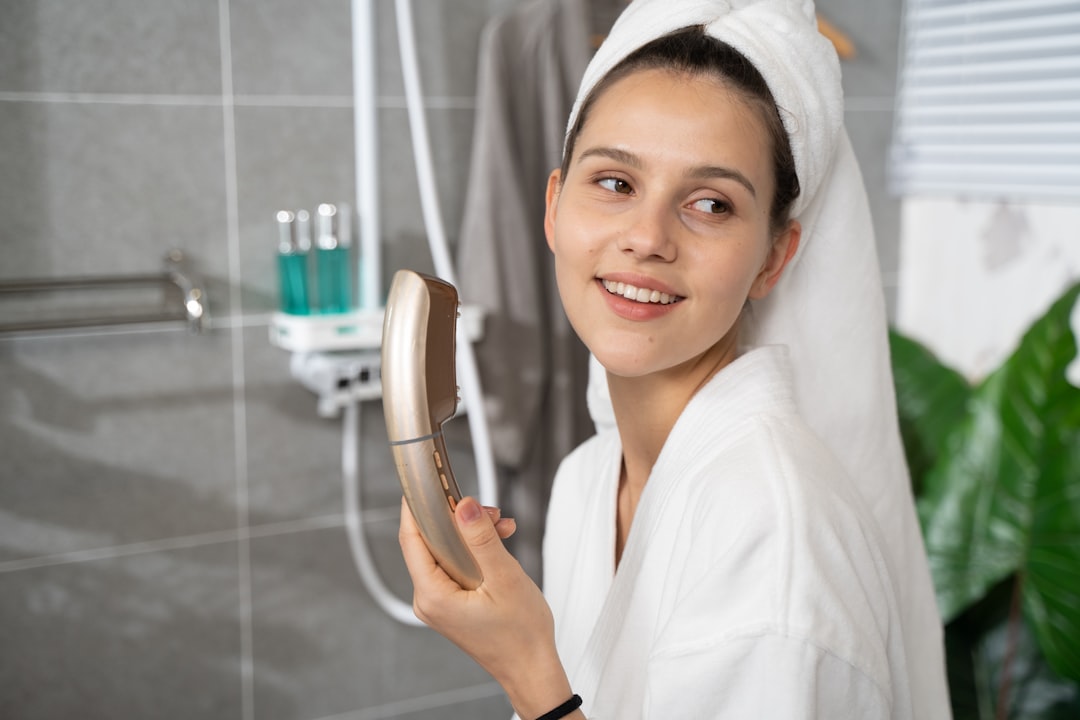
Extended exposure to water causes the skin to become waterlogged and ultimately dry out as natural moisturizing factors are washed away. Long showers dissolve the protective lipids that keep skin soft and supple. Limiting showers to five or ten minutes helps preserve the skin’s natural hydration levels. Applying moisturizer immediately after toweling off seals in the water effectively.
Using Body Lotion on Face
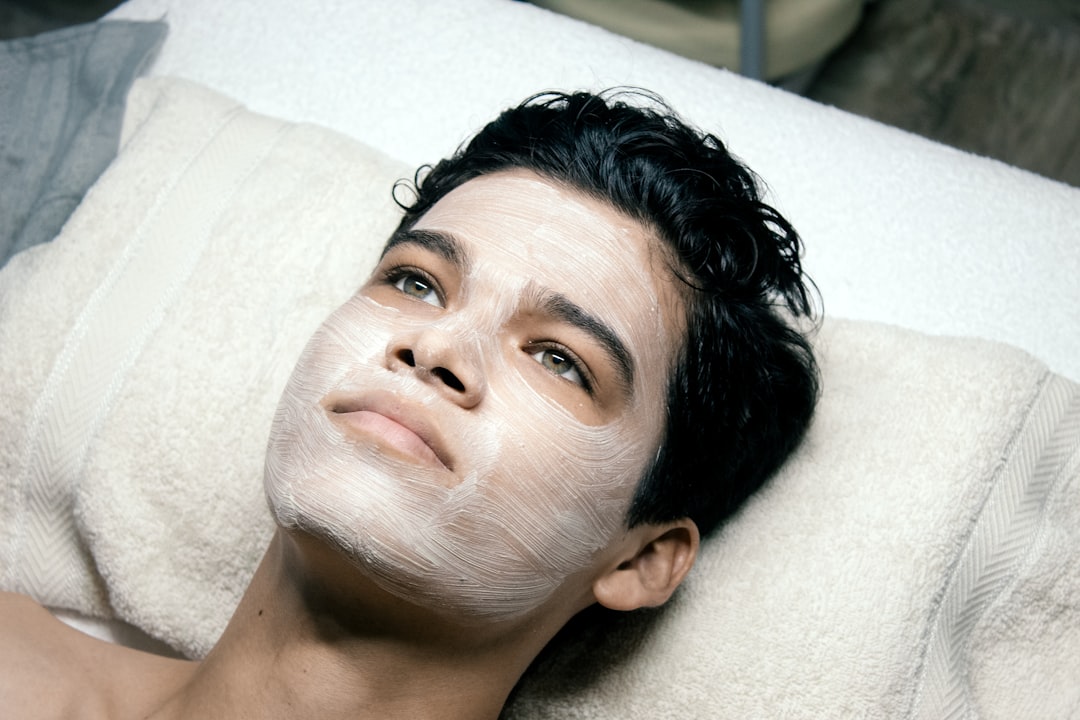
Formulas designed for the body are typically thicker and contain heavier oils that are comedogenic for facial skin. These products often include fragrances or ingredients that are well-tolerated on legs but irritating to the face. The delicate facial skin requires specific non-comedogenic formulations to avoid congestion. Keeping body and face products separate prevents unnecessary breakouts and irritation.
Ignoring Mole Changes
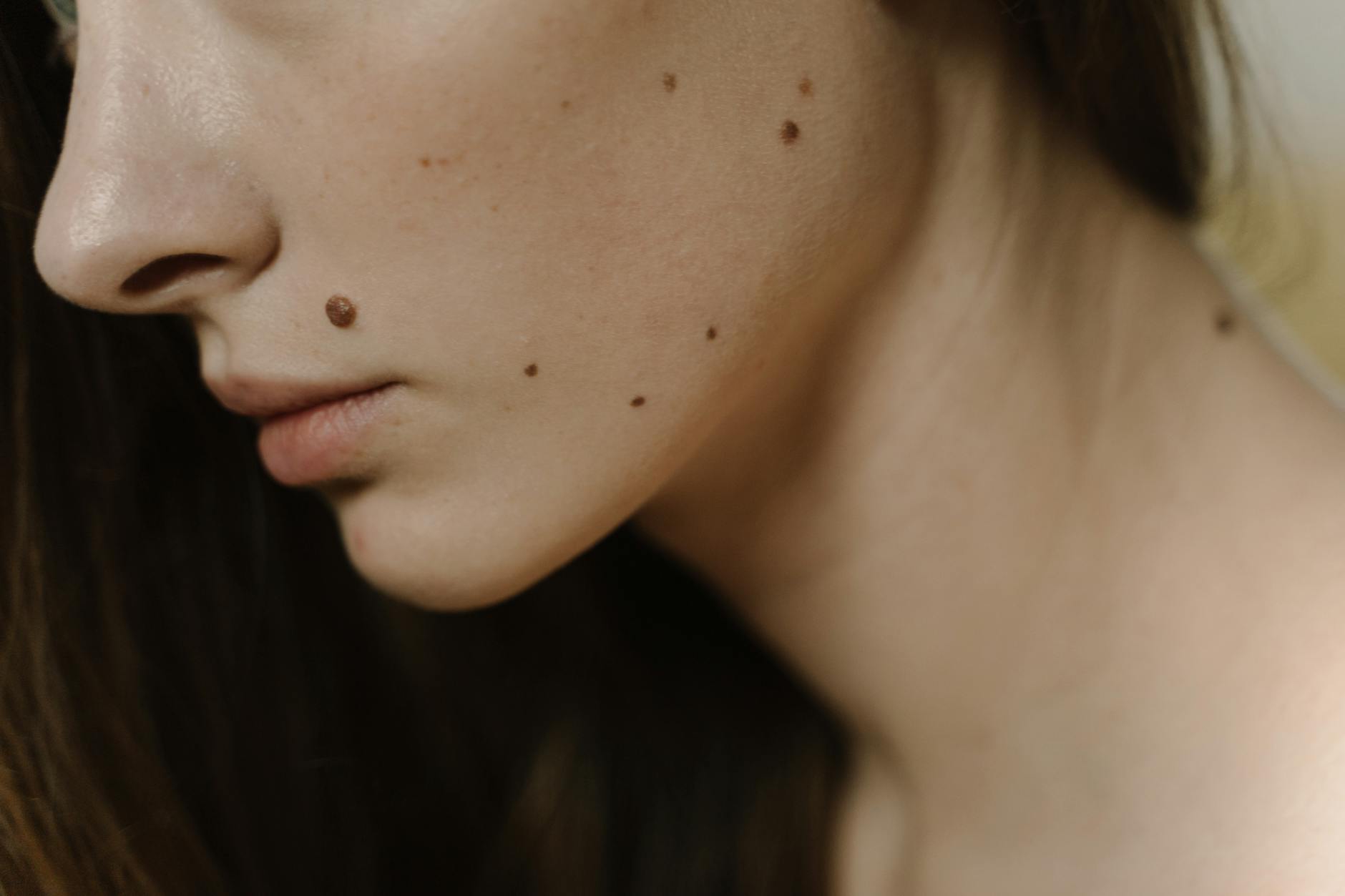
Failure to monitor spots for asymmetry or border irregularity or color changes can delay the diagnosis of serious skin conditions. Regular self-exams are crucial for catching melanoma or other skin cancers in their earliest and most treatable stages. Relying solely on annual doctor visits may leave changing moles unnoticed for too long. Any evolving spot warrants immediate professional evaluation rather than a wait-and-see approach.
Sharing Makeup
Sharing eye and lip products facilitates the rapid transfer of viral and bacterial infections between individuals. conjunctivitis and cold sores are easily spread through shared mascara wands or lip gloss applicators. Even if a friend appears healthy they may carry pathogens that their own immune system is suppressing. Personal cosmetics should remain exclusive to the owner to ensure hygiene safety.
Using Rubbing Alcohol as Toner
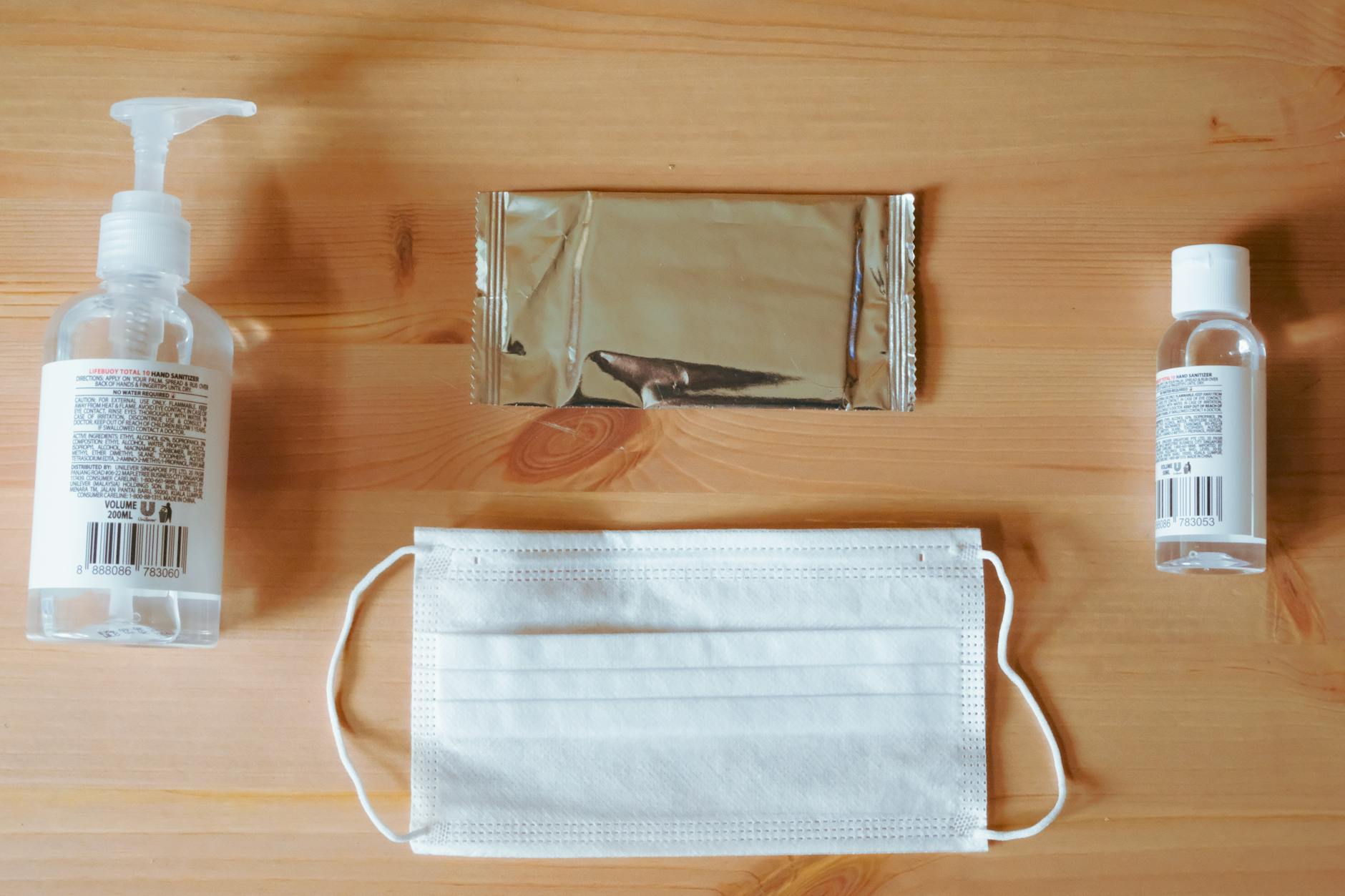
Applying alcohol provides a temporary degreasing effect but severely dehydrates and strips the skin. This harsh solvent destroys the lipid barrier and can cause rebound oil production as the skin attempts to heal. Chronic use leads to irritation and increased sensitivity to other products. Gentle toners with witch hazel or hydrating ingredients are far superior for balancing skin.
Over-Washing the Face

Cleansing more than twice a day disrupts the microbiome and removes essential oils needed for healthy skin function. This obsessive cleanliness often leads to a tight and dry sensation that signals barrier damage. Most skin types only need a morning and evening cleanse to stay healthy. Over-washing creates a cycle of irritation that can mimic acne or other skin conditions.
Using Bar Soap
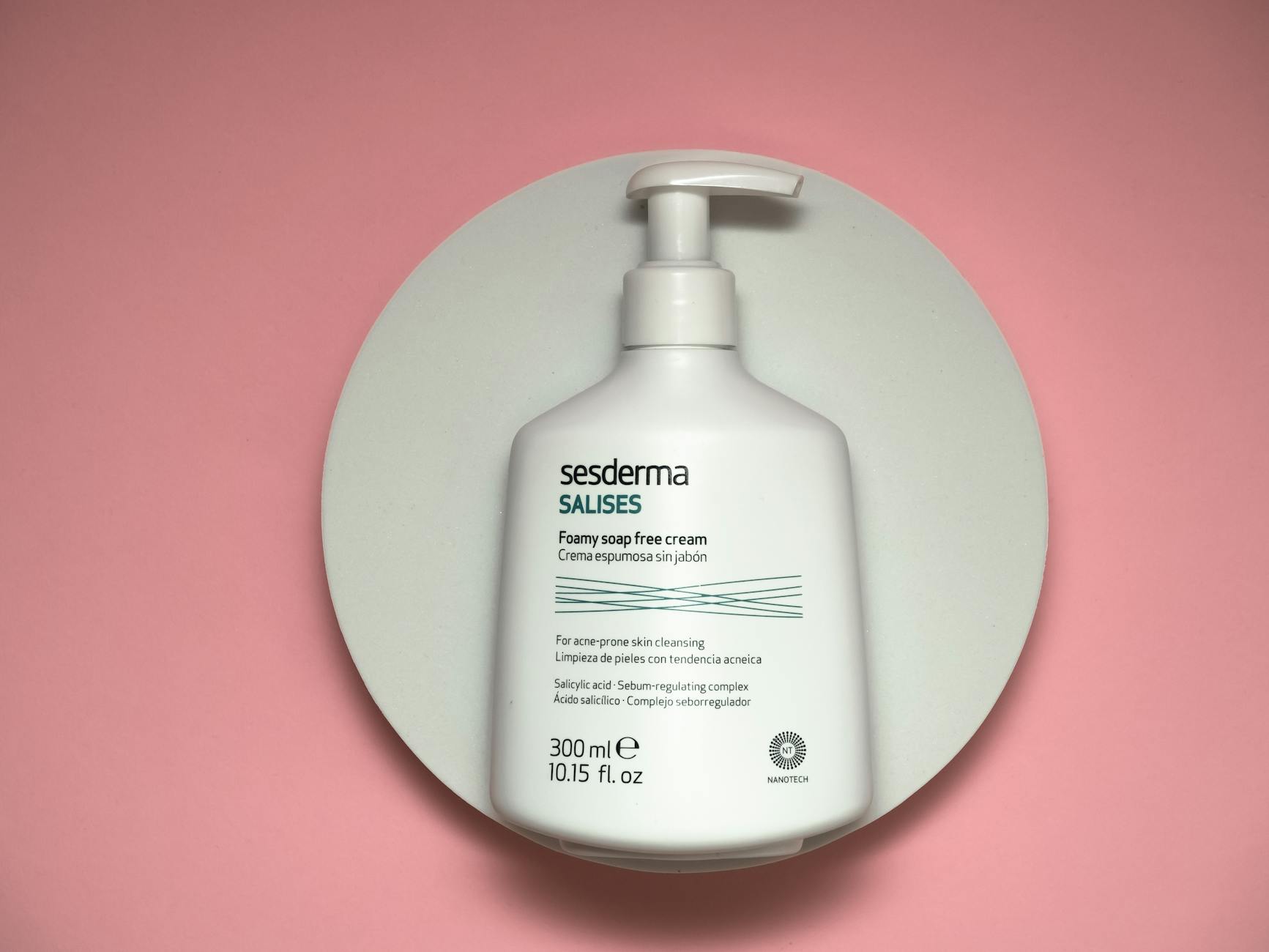
Traditional bar soaps have a high pH that is alkaline and extremely drying for facial skin. The binding agents used to keep the bar solid can clog pores and leave a waxy residue. This disruption of the acid mantle leaves skin prone to bacteria and dehydration. Facial cleansers are specifically formulated to maintain the correct pH balance.
Expecting Overnight Miracles
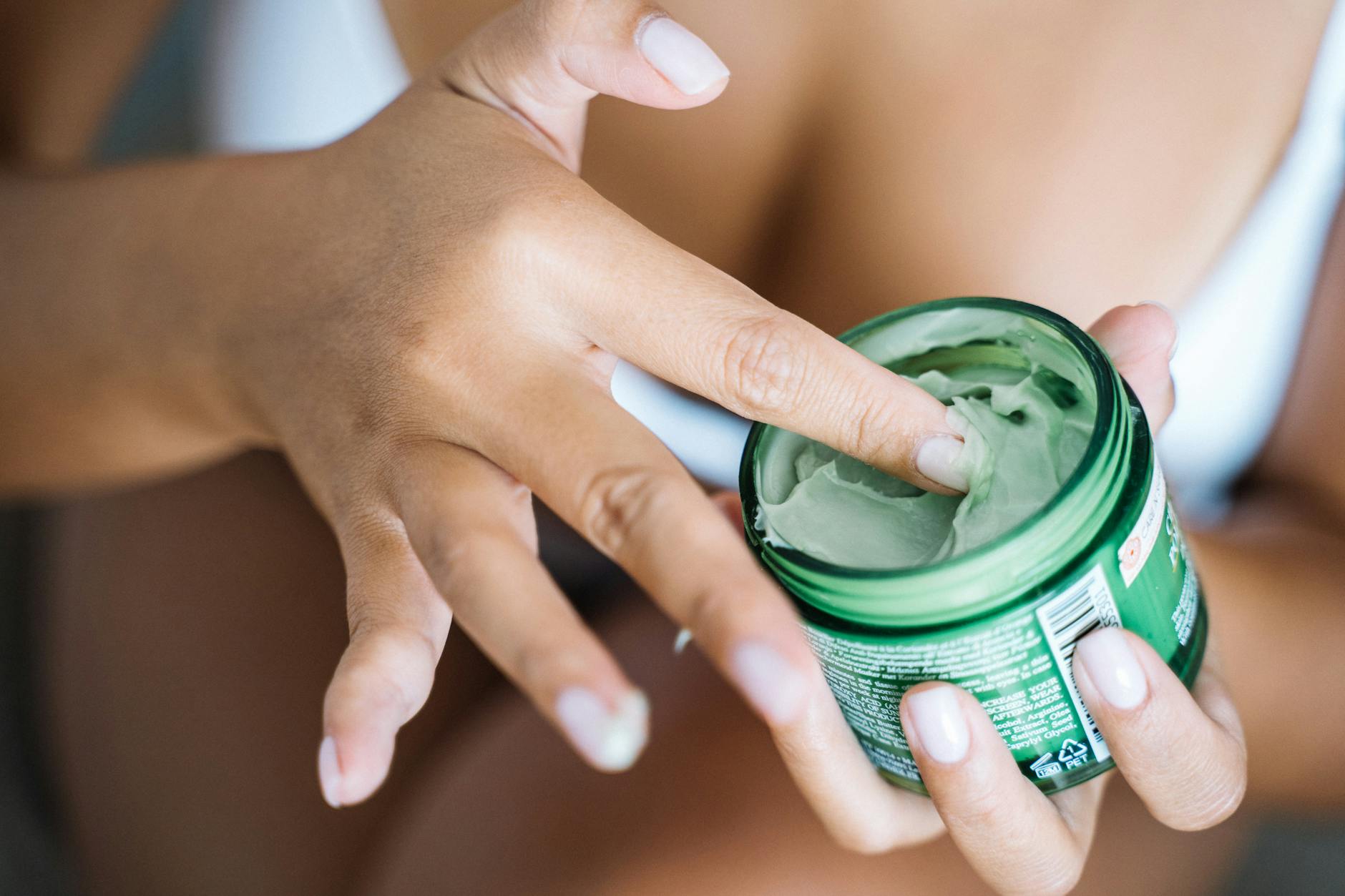
Switching products constantly because results are not immediate prevents any routine from actually working. Most active ingredients require at least six to twelve weeks to show visible changes in skin texture or tone. Impatience leads to irritation from rapid product cycling and wasted money on new items. Consistency is the most important factor in any successful skincare regimen.
Share your thoughts on which of these habits you plan to break first in the comments.




