Office dynamics often rely on mutual respect and shared etiquette to maintain a productive environment for everyone. Small quirks or thoughtless behaviors can quickly escalate into major sources of friction among colleagues working in close quarters. Identifying these common irritants helps professionals navigate shared spaces with greater self-awareness and consideration for their peers. Maintaining professional boundaries ensures that everyone can focus on their tasks without unnecessary distractions or emotional stress.
Microwaving Pungent Food
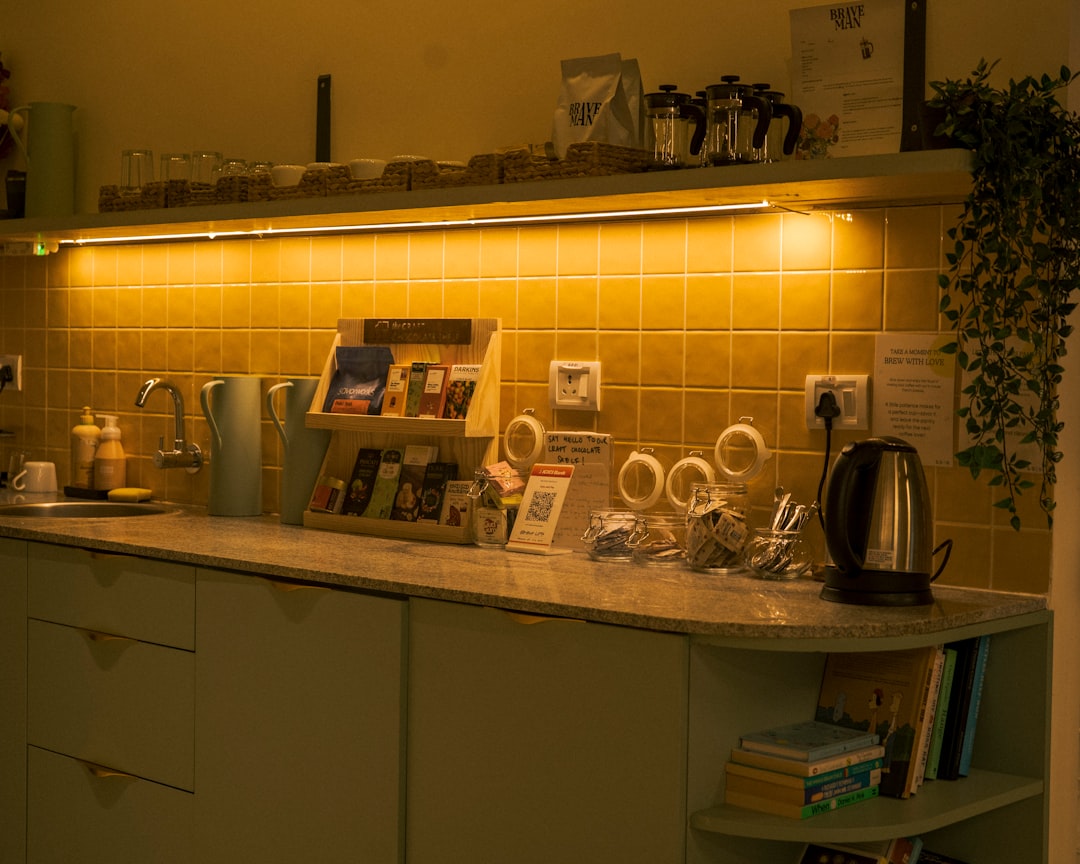
Heating up foods with strong odors like fish or broccoli permeates the entire office and lingers for hours after lunch. The ventilation system often spreads the smell to conference rooms where client meetings might be taking place. Colleagues trying to focus on their work find their concentration broken by the overwhelming scent of heated seafood. This forces coworkers to open windows or use heavy air fresheners to mask the smell throughout the afternoon. Most office etiquette guides suggest saving these specific meals for home to respect the shared breathing space.
Speakerphone Conversations

Taking calls on speakerphone forces everyone nearby to participate unwillingly in a conversation that should remain private. This habit disturbs the ambient quiet of the office and makes it impossible for others to conduct their own calls effectively. It signals a significant lack of awareness regarding shared acoustic space in open floor plans. The volume often escalates as the person on the other end struggles to hear clearly through the ambient noise. Using a headset or moving to a private room is the only professional way to handle necessary business calls.
The Reply All Abuser
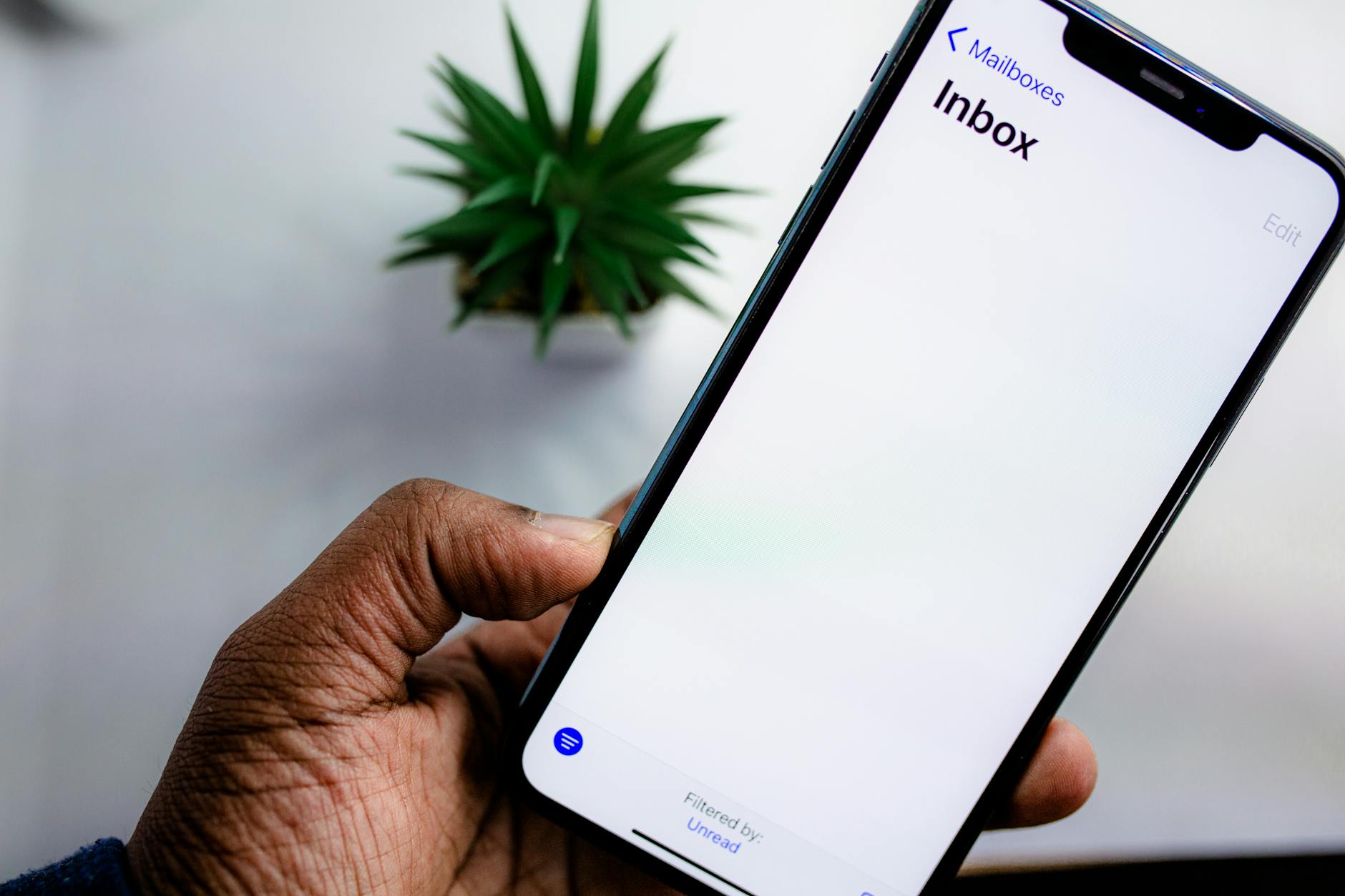
Sending unnecessary responses to the entire company clutters inboxes and buries important information under layers of irrelevant chatter. This behavior wastes time as every recipient must open the email to realize it contains no pertinent information for them. It often triggers a chain reaction where others reply all to ask to be removed from the thread. This digital clutter creates anxiety and reduces overall productivity across the organization. Discretion in selecting recipients demonstrates respect for everyone’s attention and time.
Chronic Lateness
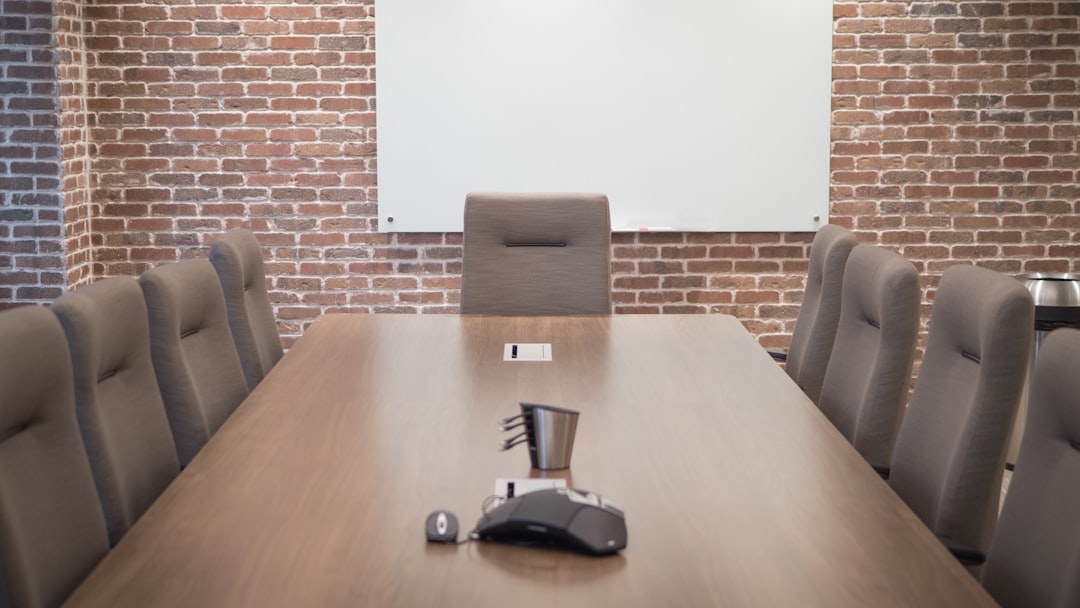
Arriving late to scheduled meetings disrupts the flow of the agenda and signals a lack of respect for other people’s time. The organizer often has to backtrack to catch the latecomer up on what they missed during the first ten minutes. This habit forces the meeting to run over its allotted time and impacts the rest of the day’s schedule. It creates an impression of unreliability that can damage professional reputation over the long term. Punctuality remains a cornerstone of professional trust and efficiency in any workplace.
Loud Chewing and Slurping
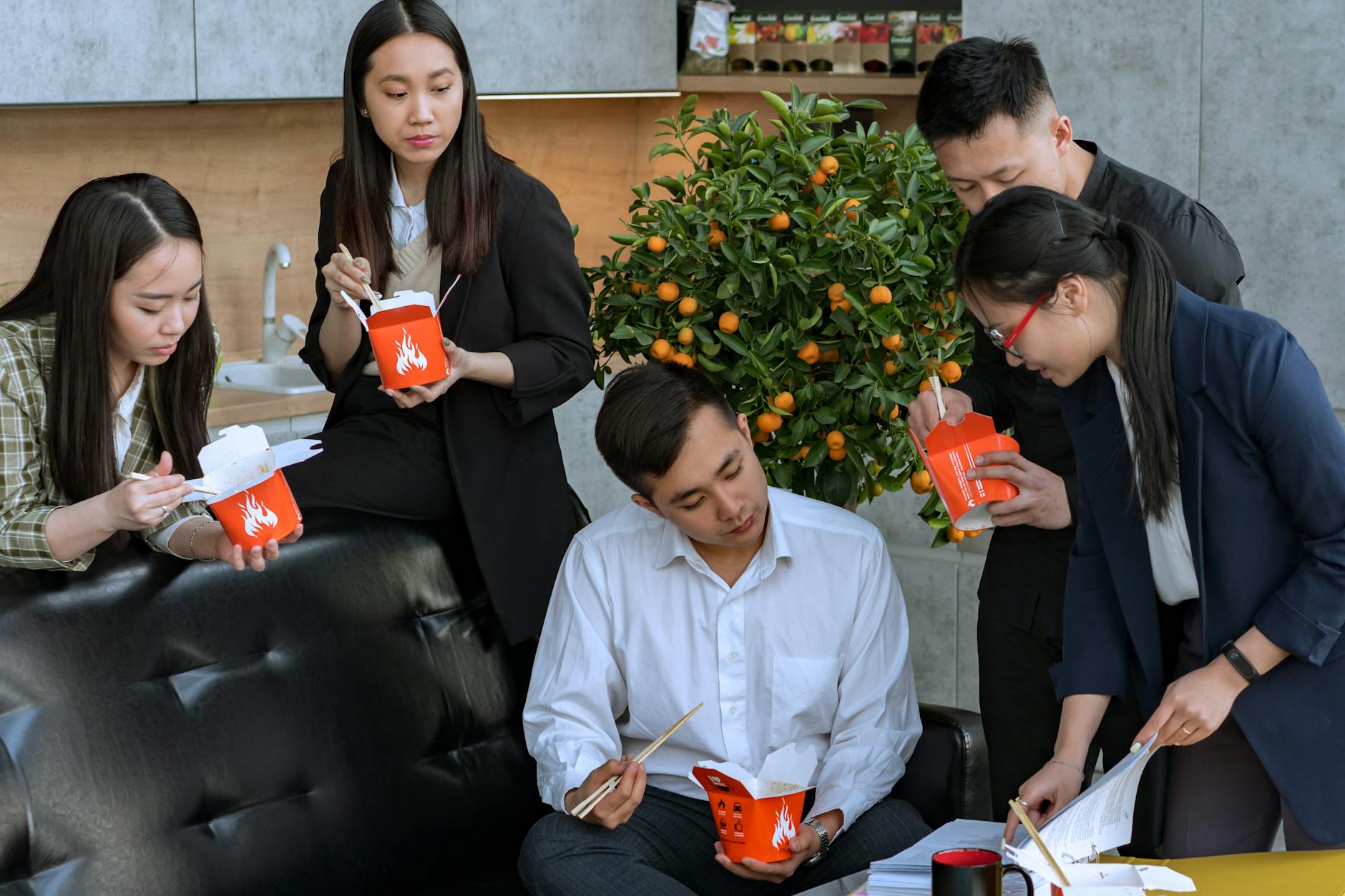
Audible crunching or smacking sounds during meals can break the concentration of colleagues trying to focus on complex tasks. This is particularly problematic in open office layouts where sound travels freely over low partitions. The repetitive nature of the noise often triggers a stress response in coworkers who are sensitive to auditory distractions. Eating quietly or taking meals in the designated breakroom helps maintain a peaceful working environment. It is a simple courtesy that preserves the sanity of those working nearby.
Excessive Fragrance
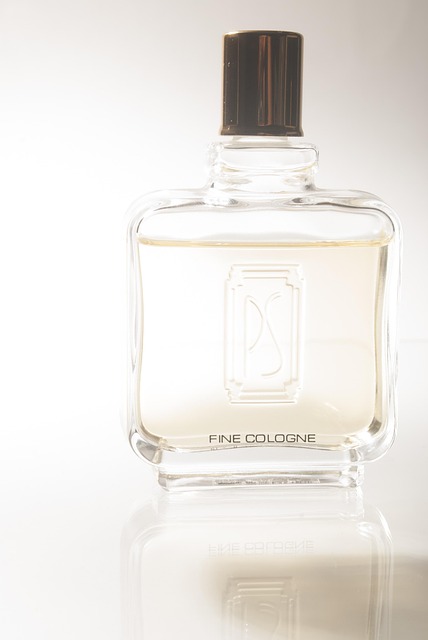
Wearing heavy perfume or cologne creates an uncomfortable atmosphere for coworkers with sensitivities or allergies to artificial scents. The strong smell can induce headaches or nausea for those who have to sit in the immediate vicinity. Scent creates a physical boundary issue because it invades the personal space of others without their consent. Many modern workplaces are moving toward fragrance-free policies to accommodate health concerns. Keeping scents subtle or nonexistent is the safest choice for a communal environment.
Presenteeism While Sick

Coming into the office with a contagious illness puts the entire team at risk and creates anxiety about falling ill. Coughing and sneezing openly spreads germs to communal surfaces like door handles and coffee machines. Colleagues often feel resentful that their own health is being disregarded for the sake of appearance. Productivity generally suffers when a sick employee tries to power through the day instead of resting. Staying home to recover is the most responsible action one can take for the team.
Leaving the Coffee Pot Empty

Taking the last cup of coffee without starting a fresh brew is a minor discourtesy that causes major frustration during busy mornings. The next person in line is forced to wait several minutes for a new pot or go without their caffeine fix. This action implies that one’s own time is more valuable than the time of their colleagues. It breaks the unspoken social contract of the breakroom where everyone contributes to the shared amenities. A simple check of the pot level can prevent this common source of office friction.
Desk Hovering

Standing silently behind a coworker while waiting for their attention creates immense pressure and invades their personal workspace boundaries. It forces the seated person to rush their current thought or task to acknowledge the hovering presence. This behavior interrupts the workflow much more aggressively than sending a quick instant message or email. It can make the recipient feel monitored and uncomfortable in their own designated area. Approaching from the front or knocking on a partition is a much more respectful way to initiate a conversation.
Unnecessary Meetings

Scheduling time for discussions that could easily be resolved through a quick email wastes valuable productive hours for the whole team. Participants often sit through these gatherings feeling that their current workload is being neglected for no reason. It leads to meeting fatigue where employees become less engaged during discussions that actually matter. Efficient communication often involves determining whether a face-to-face gathering is truly required before sending the invite. Respecting the calendar space of others is a key trait of a good leader.
Kitchen Messiness

Leaving dirty dishes in the sink expecting someone else to clean them displays a sense of entitlement that breeds resentment. Food scraps left on counters or tables attract pests and create an unsanitary environment for everyone eating lunch. The office manager or reception staff usually ends up cleaning the mess which is not part of their job description. This behavior signals a lack of personal responsibility and respect for shared property. Cleaning up immediately after eating ensures the kitchen remains usable for the next person.
Pen Clicking and Fidgeting
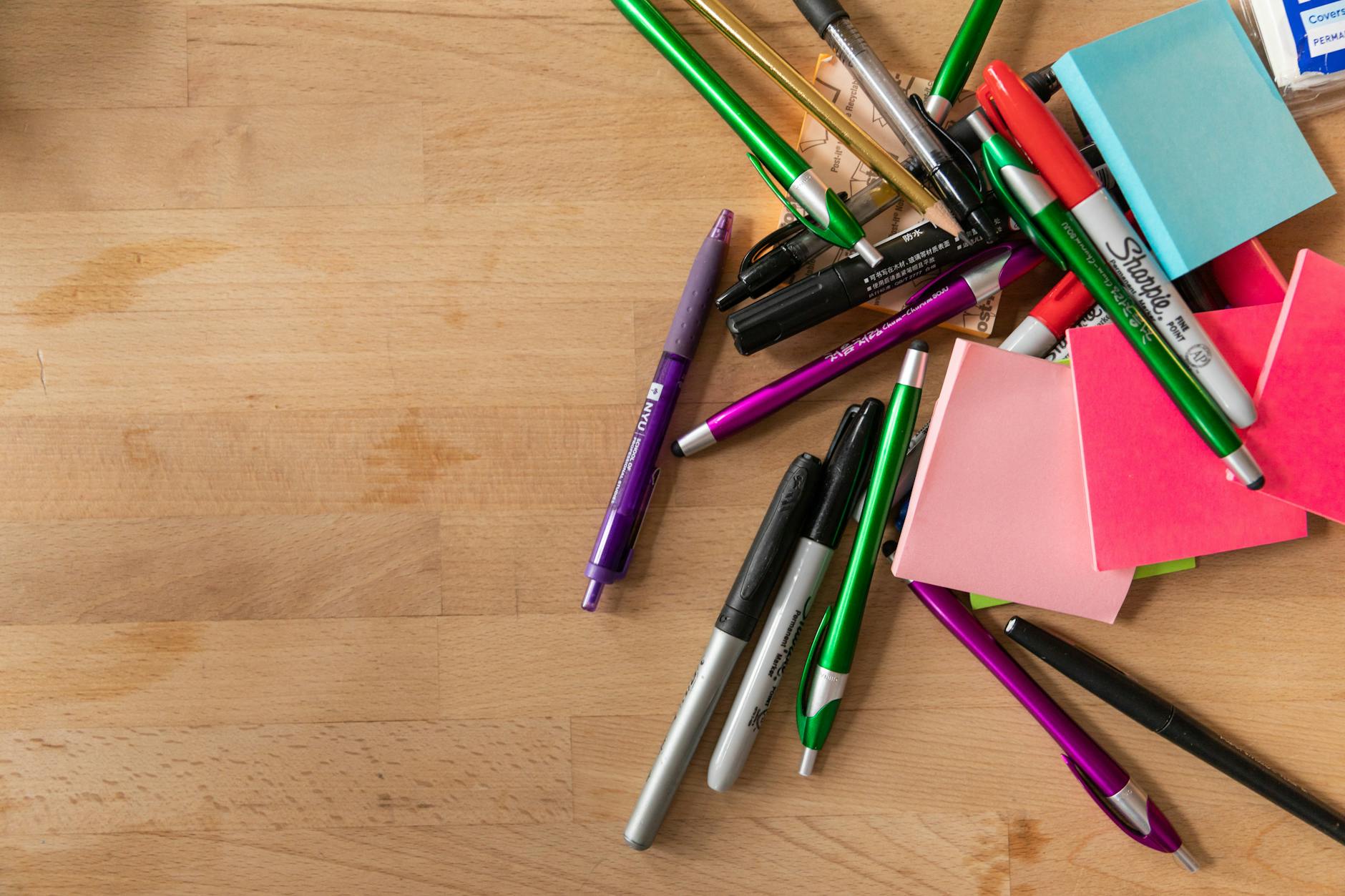
Repetitive fidgeting noises like clicking a pen or tapping feet serve as major auditory distractions in a quiet open-plan office. The person doing it is often completely unaware of the sound while their neighbors slowly lose their patience. This rhythmic noise cuts through concentration and makes it difficult to retain focus on reading or writing tasks. It can be interpreted as a sign of nervousness or boredom that projects an unprofessional image. Silent fidget tools or stress balls are better alternatives for channeling excess energy.
Oversharing Personal Details

Discussing intimate personal details or medical issues in a professional setting makes colleagues feel uncomfortable and trapped in the conversation. Workplaces require a certain level of professional distance to function smoothly and objectively. Colleagues may not know how to respond to emotional outbursts or detailed relationship dramas. It blurs the lines between professional and personal relationships in a way that can complicate work dynamics. Keeping conversation topics neutral and light preserves the professional integrity of the office.
Thermostat Meddling
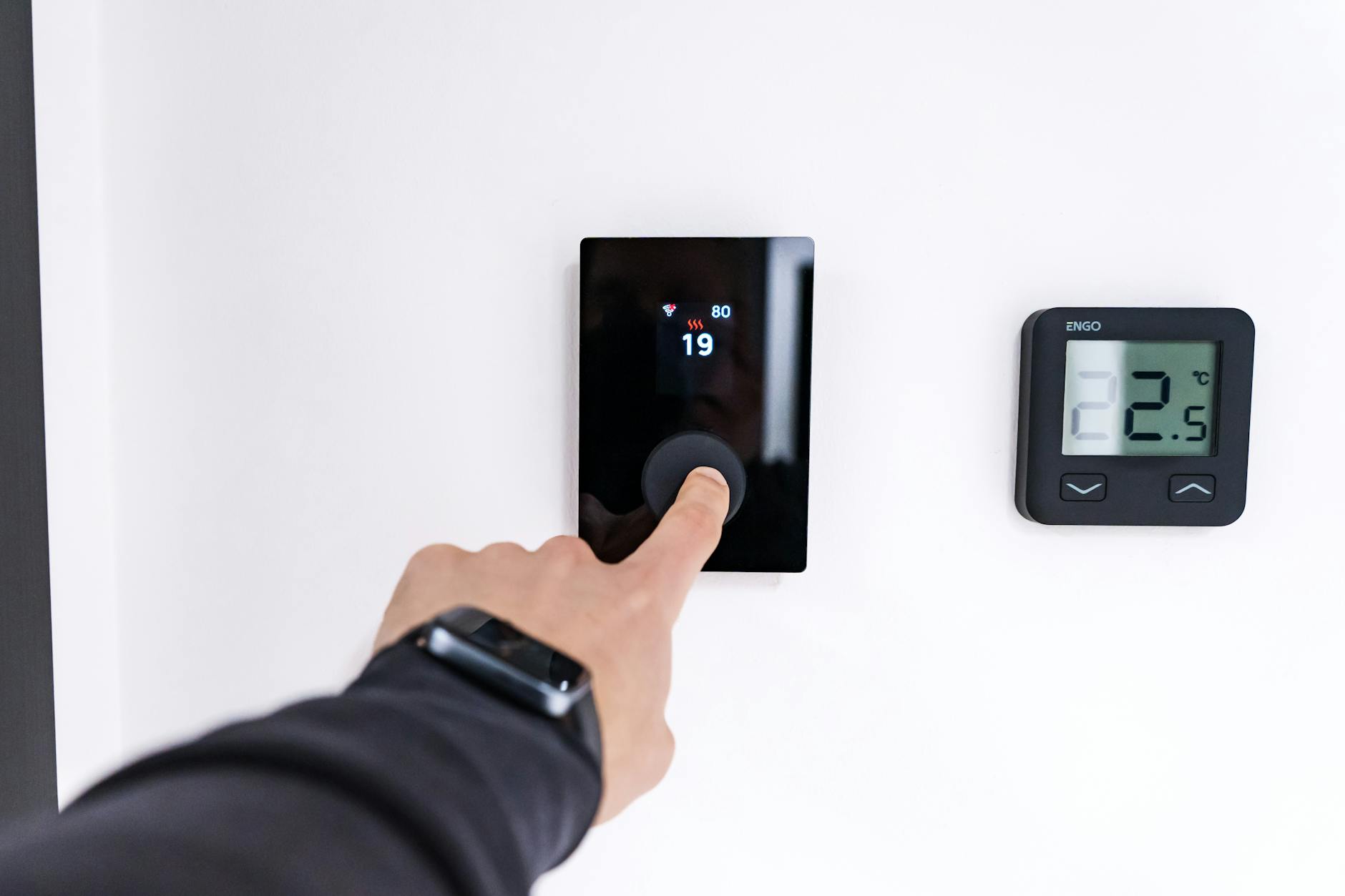
Changing the thermostat settings without consulting others leads to a constant battle between those who are freezing and those who are overheating. This fluctuating temperature makes it difficult for anyone to get comfortable and settle into their work. It ignores the fact that comfort is subjective and that standard building settings are there for a reason. Often the system takes a long time to adjust which leads to overcorrection and extreme temperatures. Using layers or desk fans is a more individual solution that does not impact the entire group.
Personal Grooming at the Desk
Habits like clipping fingernails or applying makeup should remain in the privacy of a home bathroom rather than at an office desk. The sound of nail clippers is distinct and universally reviled in a quiet professional setting. Flying debris from grooming creates a sanitary issue for those who share the workspace or cleaning crews. It displays a level of comfort that crosses the line into unprofessional behavior. Restrooms are provided for these activities and should be the only place they occur.
Aggressive Typing
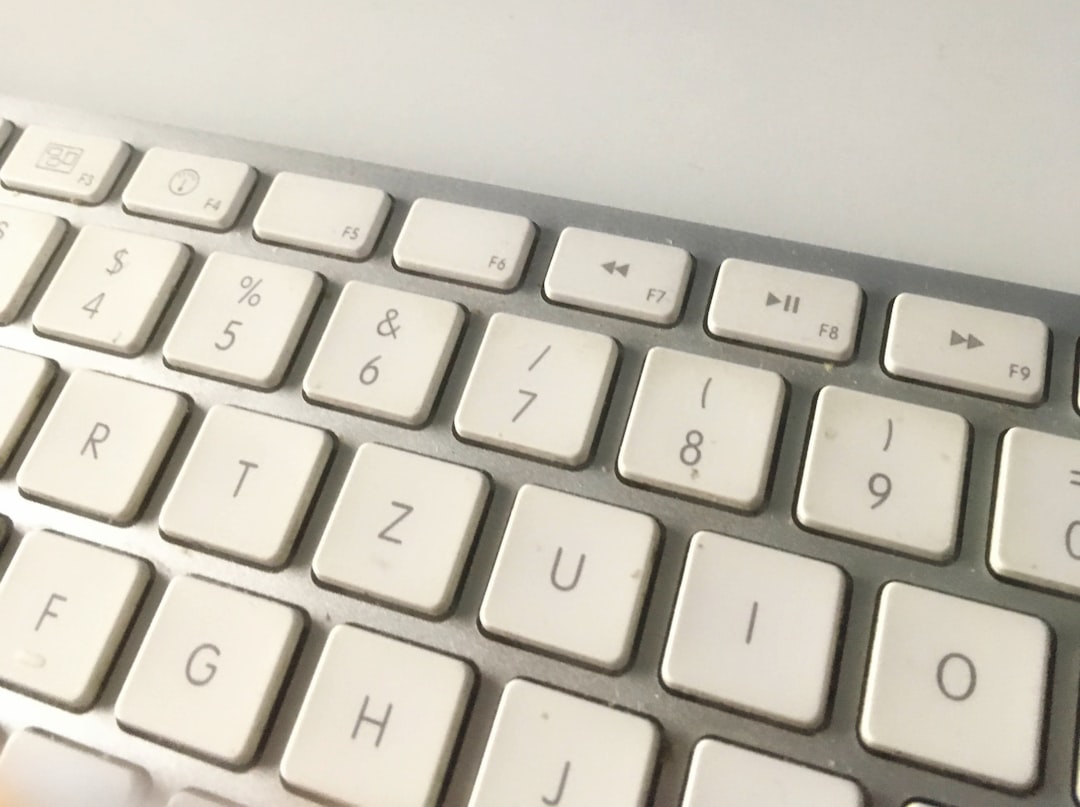
Hammering on a keyboard with excessive force creates a percussive background noise that distracts neighbors from their own work. The sound can be surprisingly loud and continuous throughout the day for those sitting nearby. It often signals anger or stress which adds a layer of tension to the surrounding atmosphere. Many modern keyboards are designed to be quiet but only if used with a moderate touch. Typing with a lighter hand preserves both the equipment and the peace of the office.
Constant Interruption

Cutting others off during conversations or presentations devalues their contributions and signals arrogance regarding one’s own opinions. It prevents the team from hearing diverse viewpoints and can stop good ideas from being fully articulated. This habit makes the interrupter seem domineering and unwilling to listen to feedback or collaboration. Over time it discourages quiet team members from speaking up at all. Active listening involves waiting for a pause before adding new thoughts to the dialogue.
Food Theft

Taking items from the communal fridge that do not belong to you is a fundamental breach of trust among office mates. The victim of this theft is left without a meal and feels violated in a space meant to be safe. It creates an atmosphere of suspicion where everyone begins to police the kitchen area. Labeling food helps but the only real solution is respecting that if you didn’t buy it you shouldn’t eat it. This behavior is universally considered one of the worst office offenses.
Constant Complaining

Focusing exclusively on negative aspects of the job creates a toxic environment and lowers morale for the entire department. This negativity spreads quickly and can impact how others view their own roles and satisfaction levels. While venting is sometimes necessary it becomes draining when it is the only mode of communication. It positions the complainer as a victim rather than a proactive problem solver. Constructive feedback is useful but persistent negativity drags the whole team down.
Printer Abandonment
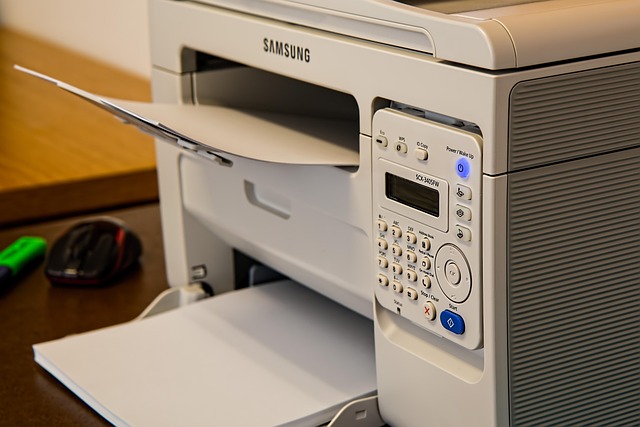
Leaving the printer empty or jammed without resolving the issue passes the problem to the next unsuspecting person in a rush. This often happens when someone prints a large document and walks away without checking if it finished. The next user is then forced to spend time fixing a jam or hunting for paper supplies. It causes delays that ripple through the office as deadlines approach. taking a moment to ensure the machine is ready for the next user is a basic professional courtesy.
Unsilenced Phone Notifications
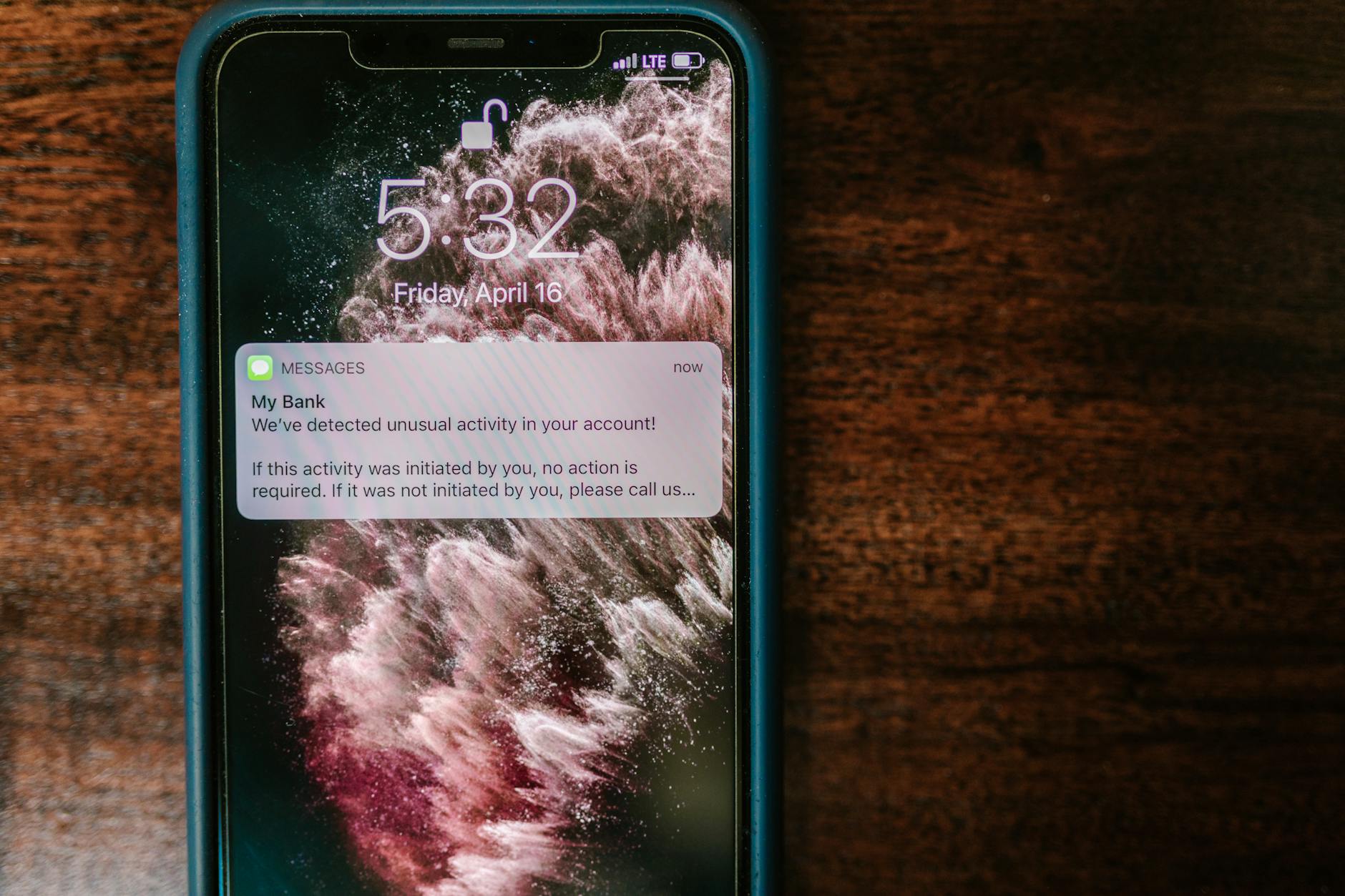
Leaving a cell phone on high volume allows constant pings and ringtones to pierce the silence of the workspace throughout the day. Each notification creates a cognitive break for everyone within earshot and ruins focus. It is especially jarring when the phone is left on a desk while the owner is away in a meeting. The variety of sounds from text alerts to app notifications creates a chaotic auditory landscape. Keeping phones on silent or vibrate is a mandatory practice for open offices.
Cubicle Prairie Dogging

Popping up constantly over partition walls to interrupt neighbors breaks their workflow and eliminates the privacy the walls were meant to provide. It creates a startling visual distraction that pulls people out of their deep work zones. This behavior suggests that the interrupter believes their immediate question is more important than the colleague’s current task. It bypasses the social cues of a closed door or focused body language. Sending a message first to see if the person is available is a far less intrusive method.
Passive-Aggressive Notes
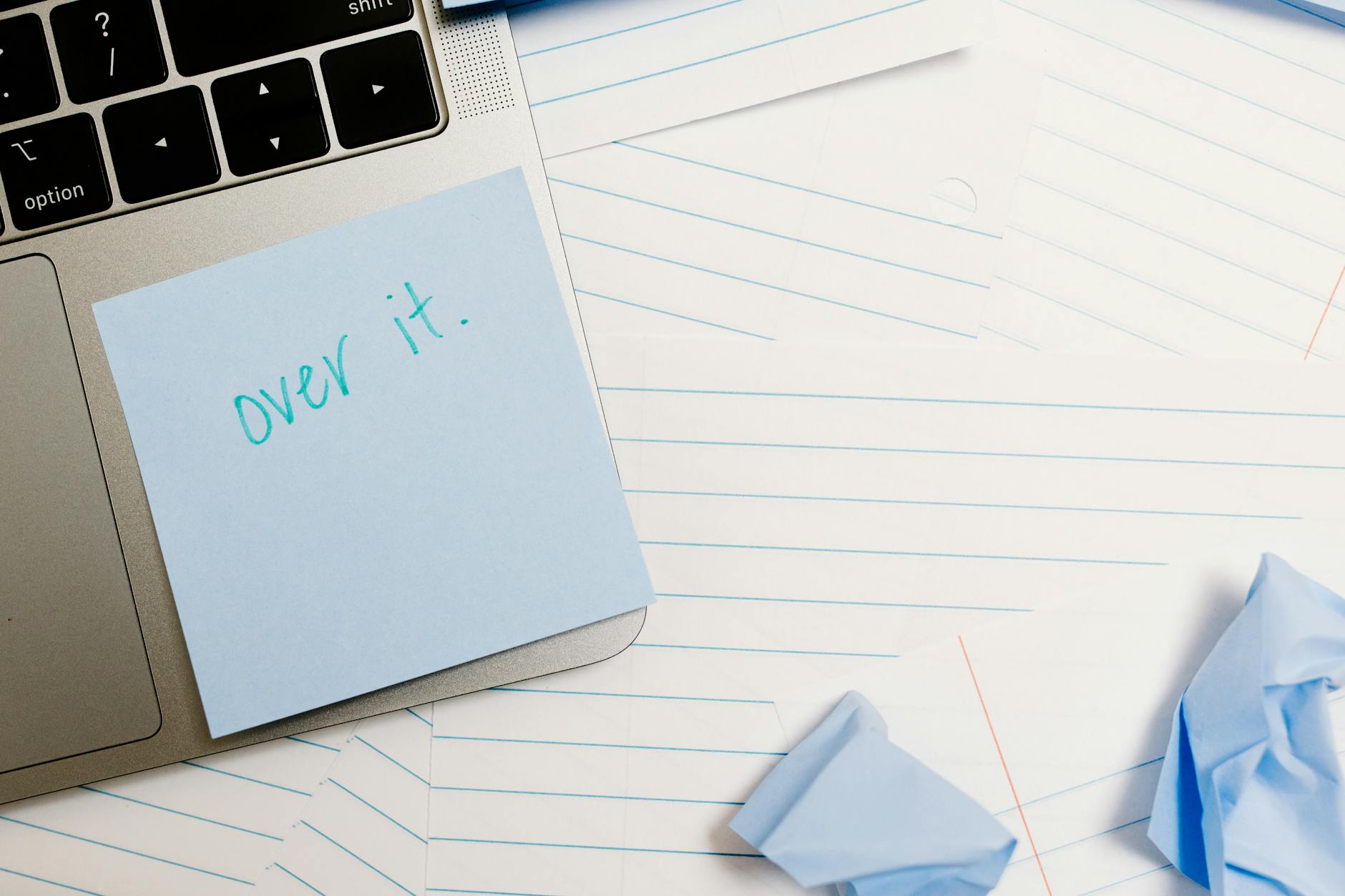
Leaving sarcastic written messages in common areas avoids direct communication and fosters an atmosphere of hostility rather than resolution. These notes often concern kitchen cleanliness or noise and rarely achieve the desired behavior change. They create a tense environment where people feel judged by anonymous colleagues. It comes across as childish and petty rather than authoritative or helpful. Direct and polite conversation is always the more effective route for solving office grievances.
Borrowing Supplies Without Asking
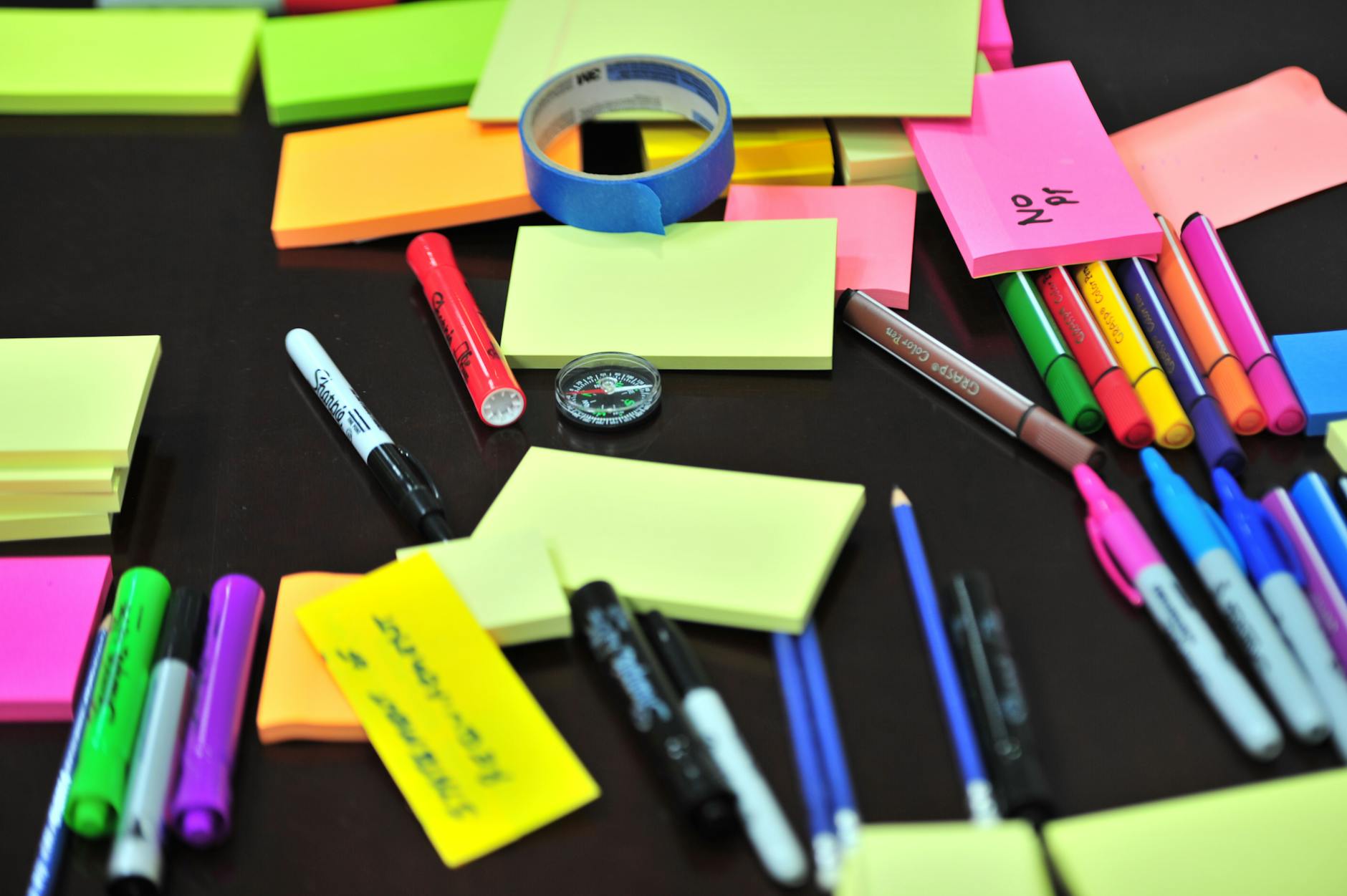
Taking staplers or chargers from another person’s desk without permission shows a disregard for personal property and boundaries. The owner often returns to find their tools missing right when they need them most. It creates a frantic search that wastes time and causes unnecessary frustration. Even if the intention is to return the item immediately it is still a violation of trust. Asking permission or using the supply closet is the only acceptable way to get what is needed.
Bad Zoom Etiquette
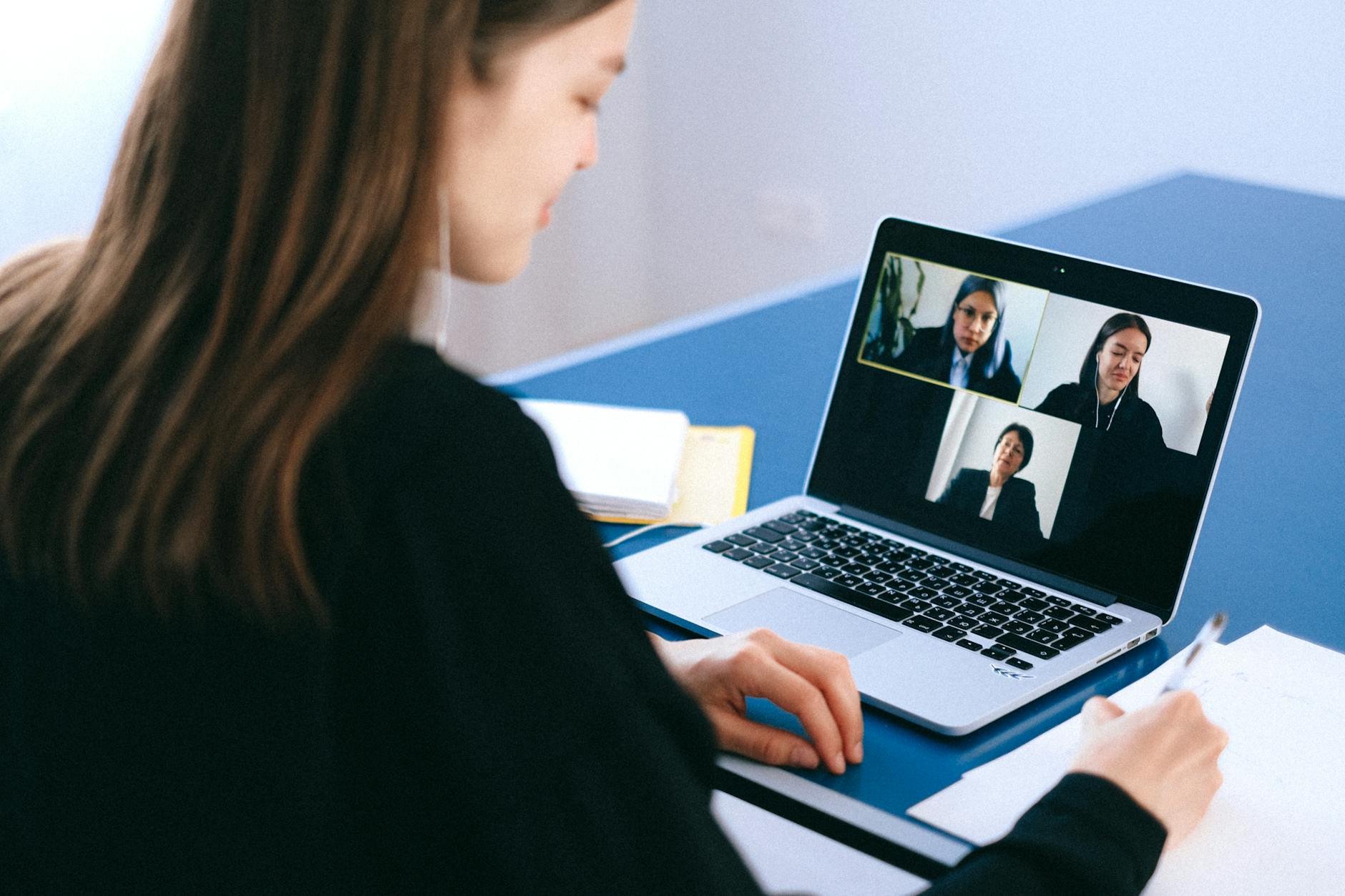
Failing to mute the microphone during video calls introduces background noise and distractions that derail the meeting for remote and in-office participants. Echoes or household noises make it difficult for the speaker to be heard clearly. Eating or doing other work on camera signals disinterest and disrespect to the presenter. It is important to treat virtual meetings with the same level of focus as in-person gatherings. Proper management of audio and video settings is now a basic requirement for professional communication.
Share which of these office habits frustrates you the most in the comments.




