Sleep hygiene experts consistently point to ambient temperature as a critical factor in overall sleep quality. The human body naturally cools down as it prepares for rest and maintaining the right environment supports this biological process. Overheating often leads to fragmented sleep while excessive cold can make falling asleep difficult. Finding the thermal sweet spot ensures deeper REM cycles and more restorative rest. This guide explores the ideal settings for various sleepers and scenarios to maximize comfort.
The Standard Adult Range

Most sleep scientists agree that a bedroom temperature between 60 and 67 degrees Fahrenheit promotes the best sleep for average adults. This range facilitates the natural drop in core body temperature that signals the brain it is time to sleep. Keeping the room cooler than standard living areas encourages melatonin production and helps maintain deep sleep phases. Warmer temperatures can disrupt this thermoregulation and cause frequent waking throughout the night. Adjusting bedding layers allows for personal comfort within this optimal ambient range.
Infant and Toddler Recommendations

Pediatricians generally recommend a slightly warmer environment between 65 and 70 degrees Fahrenheit for infants and toddlers. Babies are less able to regulate their own body temperature compared to adults and require a stable environment. Overheating poses a significant risk and must be avoided by keeping the room cool but comfortable. Parents should dress the child in light layers rather than relying on heavy blankets. A consistent temperature helps the child settle and prevents overheating during deep sleep.
Adjustments for Senior Citizens

Older adults often experience a decrease in metabolic rate and may feel colder than younger family members. A setting between 66 and 70 degrees Fahrenheit typically provides a better balance for senior comfort without disrupting sleep cycles. Extremely cold rooms can exacerbate joint pain or respiratory issues in some elderly individuals. The goal remains a cool environment but with a slight adjustment to account for physiological changes. Layered bedding becomes essential here to allow for quick adjustments during the night.
Summer Thermostat Strategy
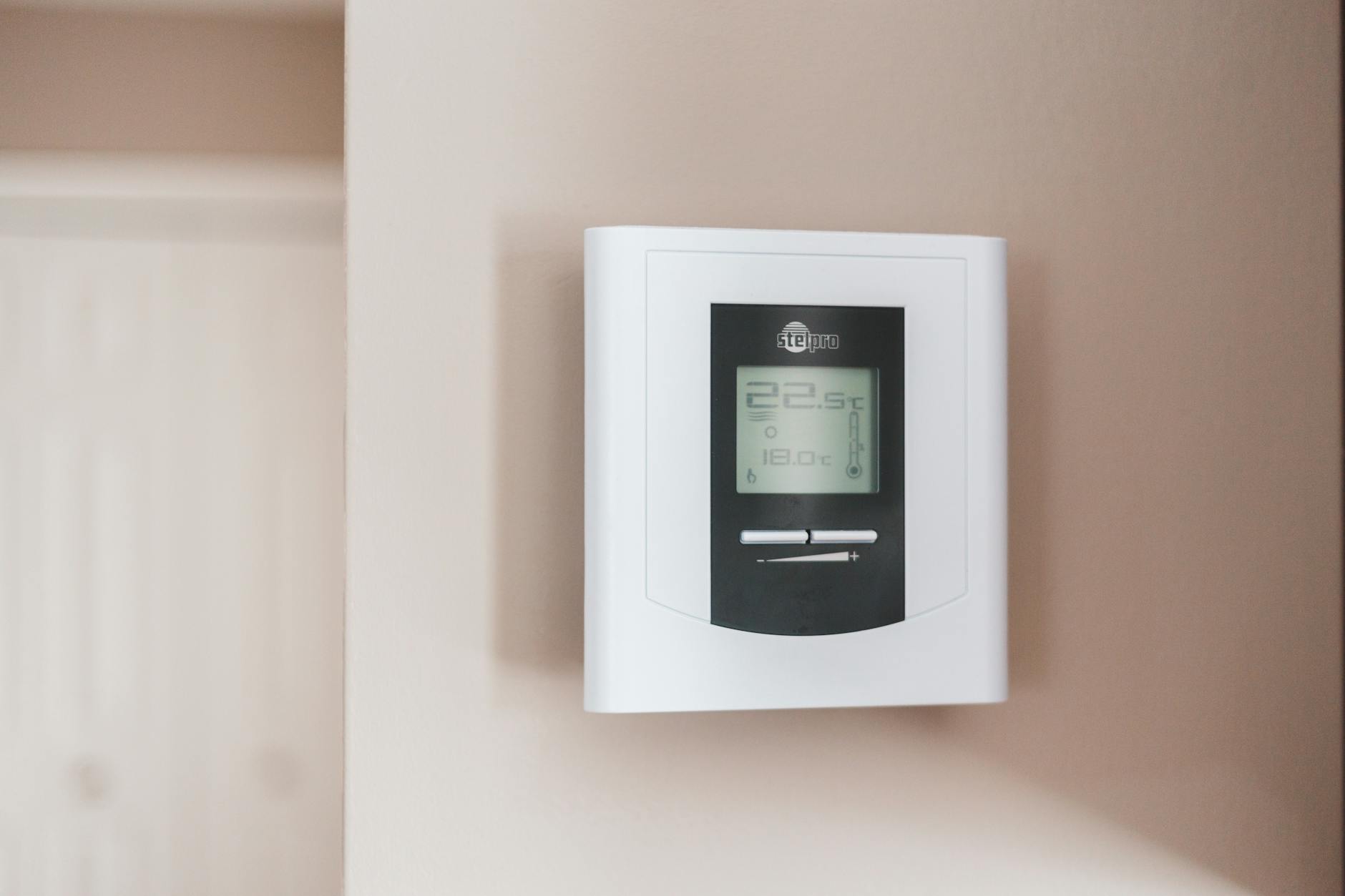
Maintaining the ideal range during summer months requires balancing comfort with energy efficiency. Setting the thermostat to roughly 67 degrees at night helps counteract the residual heat absorbed by the house during the day. Air conditioning units also remove moisture from the air which aids the body’s natural cooling process. Using blackout curtains during the day keeps the bedroom temperature lower before night falls. This proactive approach reduces the workload on cooling systems while ensuring a conducive sleep environment.
Winter Nighttime Setback
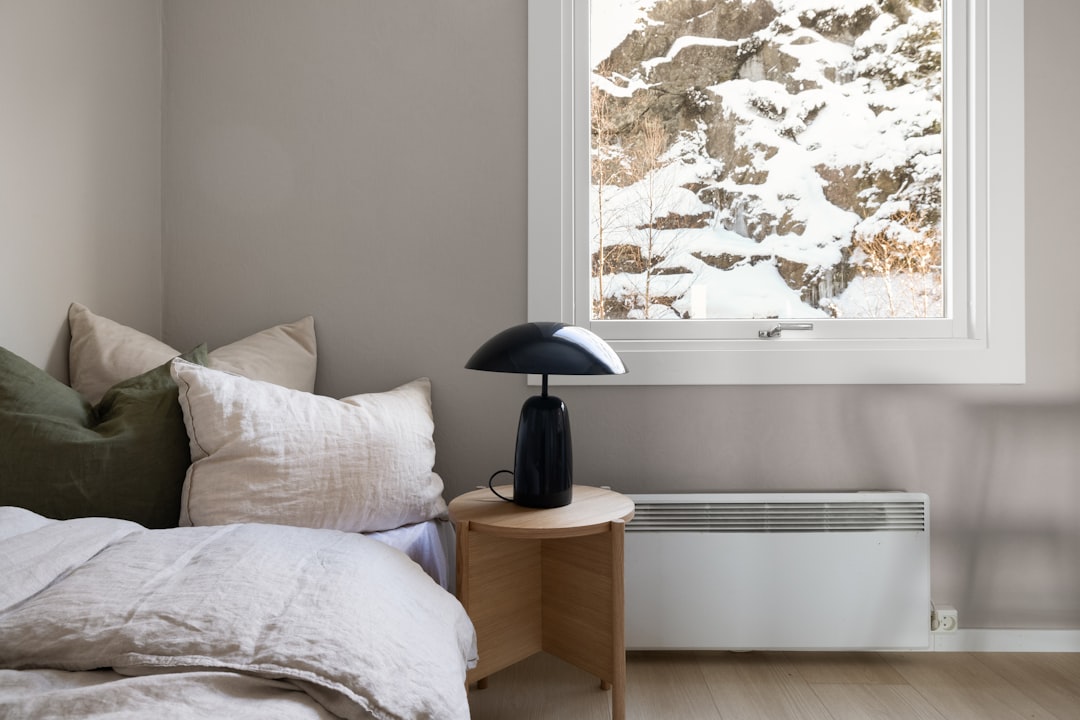
Winter sleep settings can be slightly tricky as heavy duvets trap significant body heat. A thermostat setting of 60 to 65 degrees usually works best when combined with warm flannel sheets or down comforters. The contrast between cool air and a warm bed helps induce sleepiness quickly. Overheating the house in winter often leads to dry air that can irritate nasal passages and disrupt breathing. Lowering the heat at night also provides substantial energy savings.
Humidity Considerations
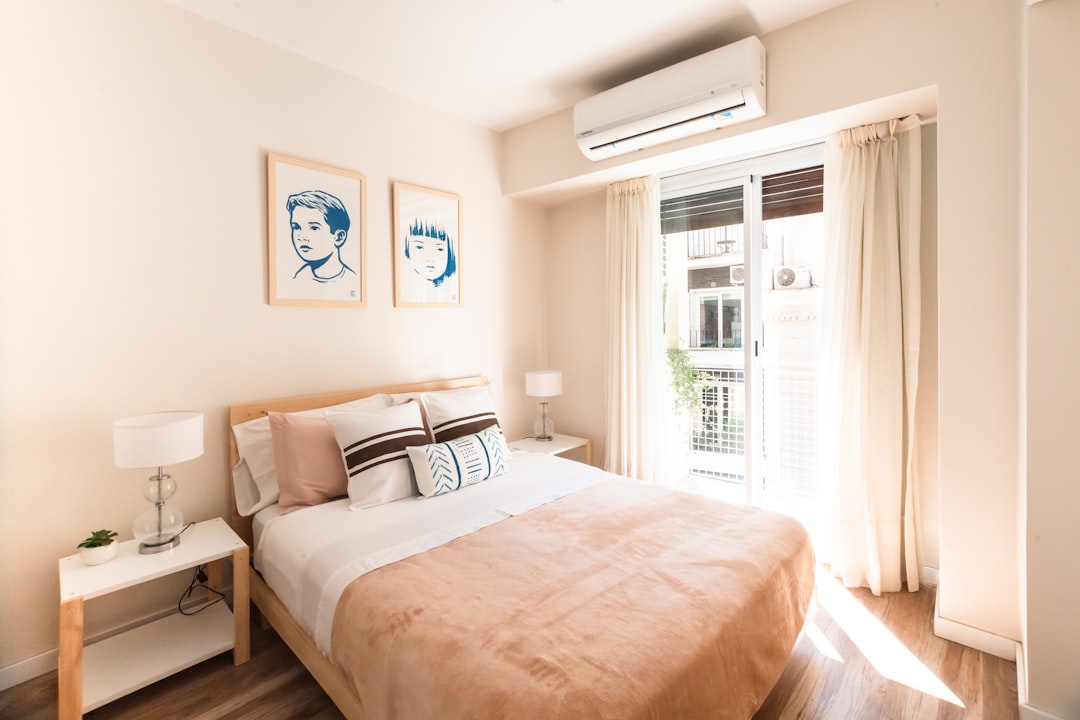
The relative humidity in your bedroom significantly affects how the temperature feels on your skin. High humidity can make a room feel warmer and stickier while low humidity can make the air feel sharper and colder. Aiming for humidity levels between 30 and 50 percent creates the most comfortable thermal environment. Dehumidifiers in summer and humidifiers in winter help maintain this balance alongside your temperature settings. Proper moisture control ensures that your chosen temperature setting performs effectively.
Smart Thermostat Scheduling
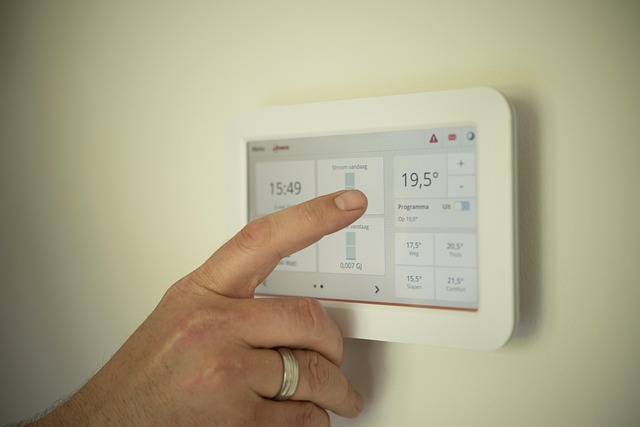
Modern smart thermostats allow for precise temperature scheduling to match your circadian rhythm. Program the device to start cooling the bedroom about an hour before your intended bedtime. This gradual decrease mimics the natural environmental cooling that occurs at sunset. The system can then raise the temperature slightly just before your alarm goes off to help you wake up. Automating this process removes the need for manual adjustments and ensures consistency.
Zoning for Multi-Level Homes
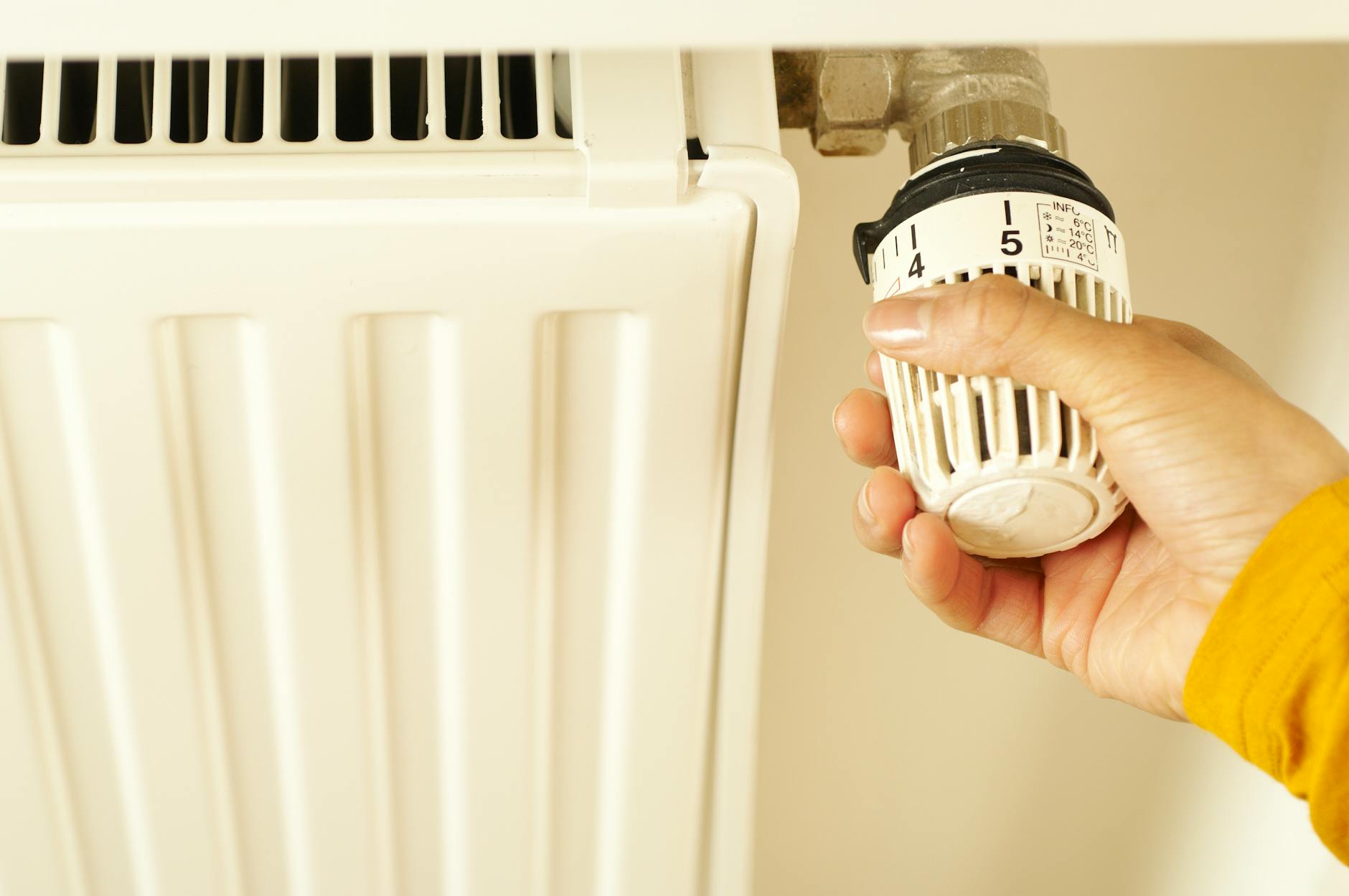
Heat rises and often causes upstairs bedrooms to remain significantly warmer than the ground floor. Installing a zoned system or using separate sensors allows you to target the temperature specifically in the bedrooms. This ensures the sleeping areas reach the target 65 degrees even if the downstairs living room is cooler. Closing vents in unused rooms can also redirect airflow to occupied bedrooms. Proper zoning prevents the common issue of freezing downstairs areas just to cool the upstairs.
Fan Assisted Circulation

Ceiling or oscillating fans provide a wind chill effect that makes the room feel cooler without changing the actual temperature. This allows you to set the thermostat a few degrees higher while still feeling comfortable. The moving air assists with the evaporation of perspiration and keeps body temperature regulated. Fans also provide white noise which can further enhance sleep quality. Position the fan to blow air across the bed for maximum cooling benefit.
Bedding Material Impact

The materials you choose for sheets and pajamas directly influence how effective your room temperature feels. Natural fibers like cotton and bamboo breathe well and prevent heat from becoming trapped against the body. Synthetic fabrics often retain heat and can make a 65-degree room feel uncomfortably warm. Matching your bedding to the season allows you to maintain a consistent thermostat setting year-round. Breathable fabrics work in tandem with the ambient air to keep your core temperature stable.
We invite you to mention your preferred sleep temperature in the comments.




