Enamel is the hardest substance in the human body yet it remains surprisingly vulnerable to daily wear and tear. Many common behaviors slowly erode this protective outer layer without causing immediate pain or visible damage. Identifying these subtle culprits allows individuals to make necessary lifestyle adjustments for better oral health. This comprehensive list highlights thirty everyday actions that might be compromising your smile over time.
Chewing Ice Cubes
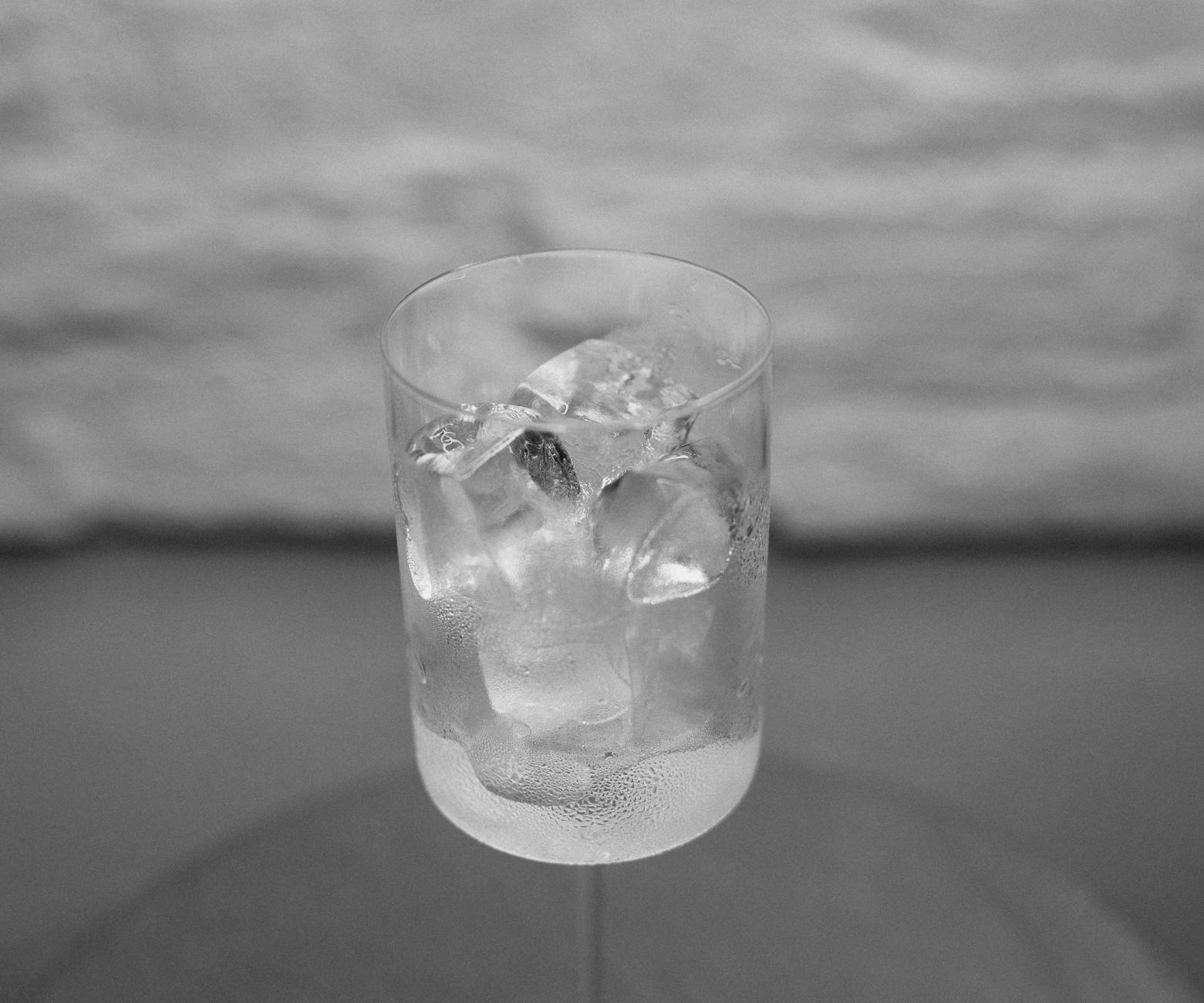
The rigid crystal structure of frozen water places immense stress on tooth enamel during chewing. Microscopic fractures can develop over time and eventually lead to significant structural cracks. The sudden temperature drop also causes the enamel to contract and expand rapidly. This habit often results in increased sensitivity or broken dental work that requires expensive repair.
Using Teeth as Tools
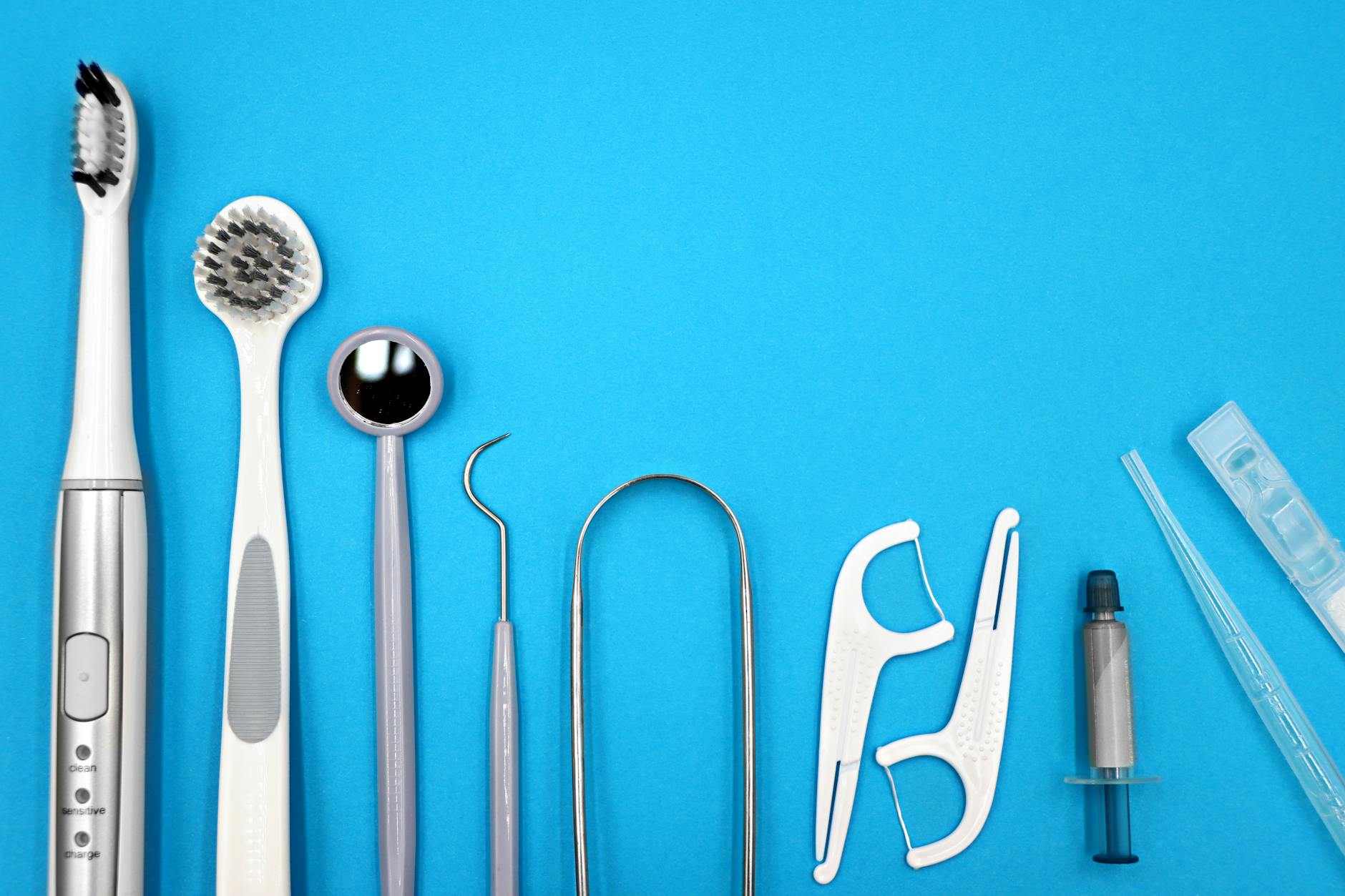
Opening packages or tearing tags with teeth applies traumatic force to the edges of the enamel. This behavior often causes small chips or fractures that weaken the overall tooth structure. The pressure exerted is far greater than what is used for natural chewing. Continual misuse can lead to unexpected breakage during normal eating.
Nail Biting
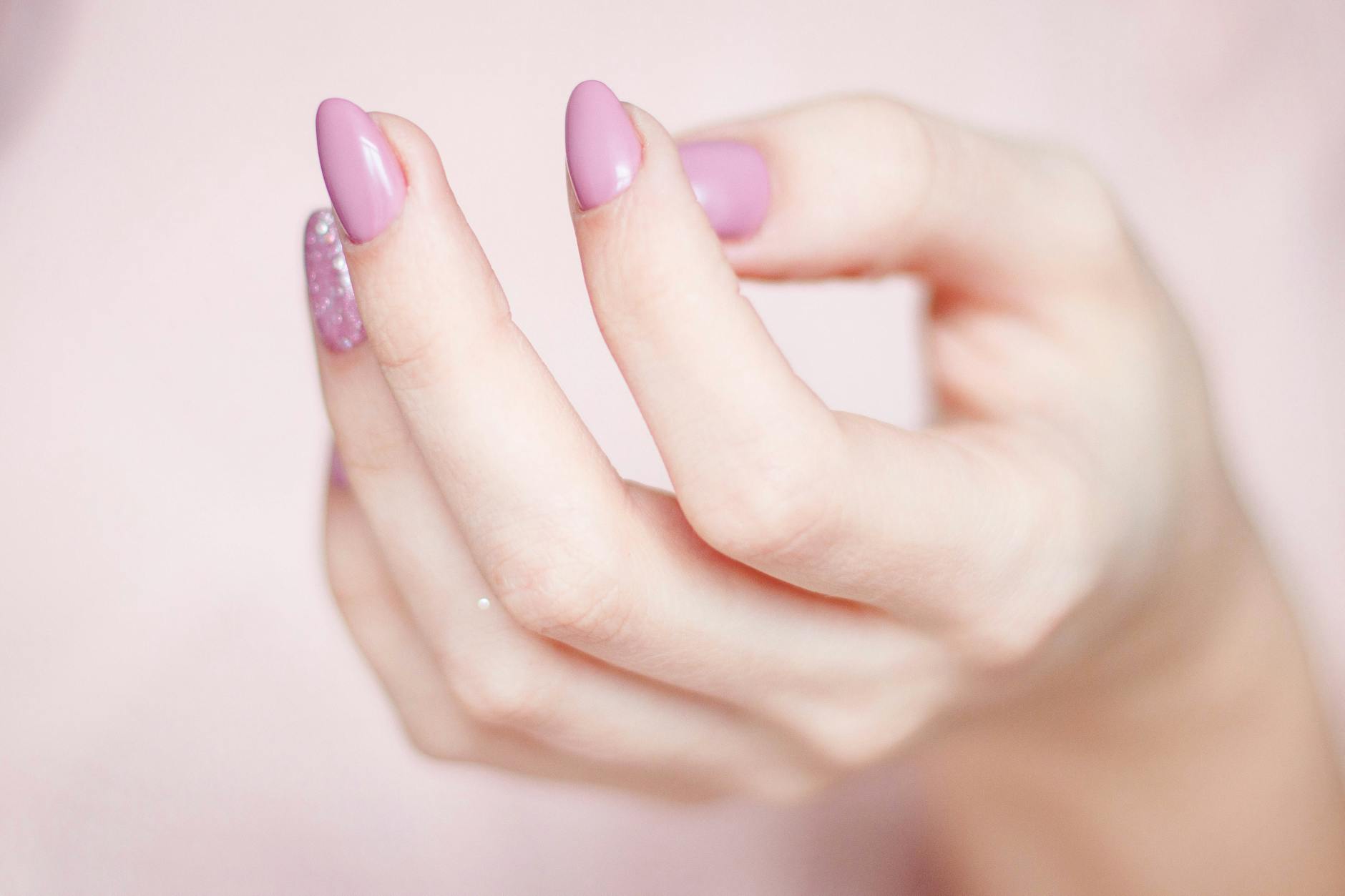
This nervous habit places sustained pressure on the front teeth and creates friction against hard keratin. The repetitive clicking motion can chip the incisal edges and wear them down flat over the years. Jaw dysfunction often accompanies the enamel damage due to the unnatural position of the mandible. Bacteria trapped under nails also transfer directly to the mouth and increase the risk of infection.
Grinding Teeth
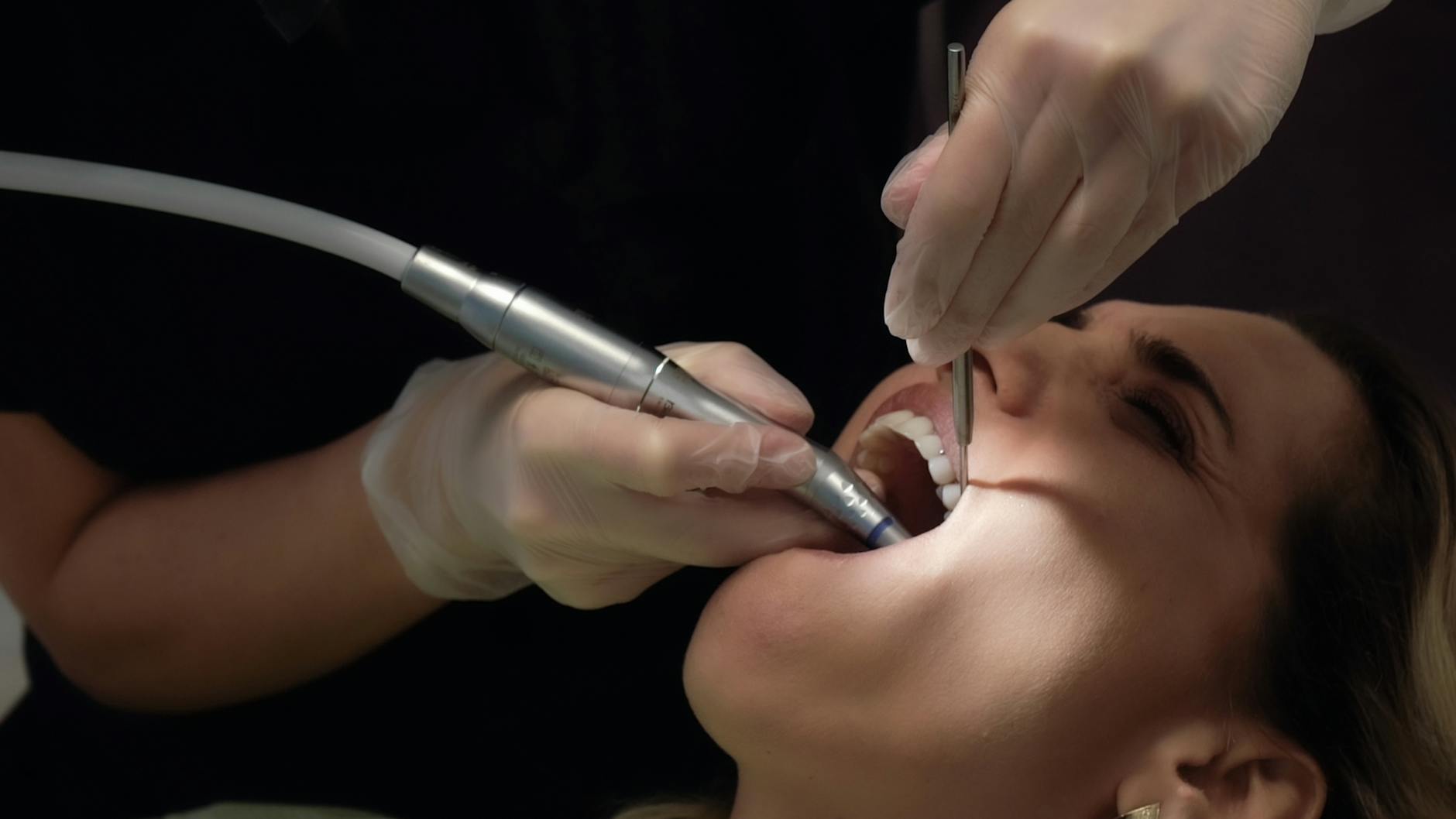
Bruxism generates massive force that slowly grinds away the biting surfaces of the molars. Many people do this unconsciously during sleep and wake up with a sore jaw. The friction flattens the natural cusps of the teeth and exposes the softer dentin layer underneath. Wearing a night guard provides a physical barrier to prevent this destructive enamel-on-enamel contact.
Brushing With Hard Bristles
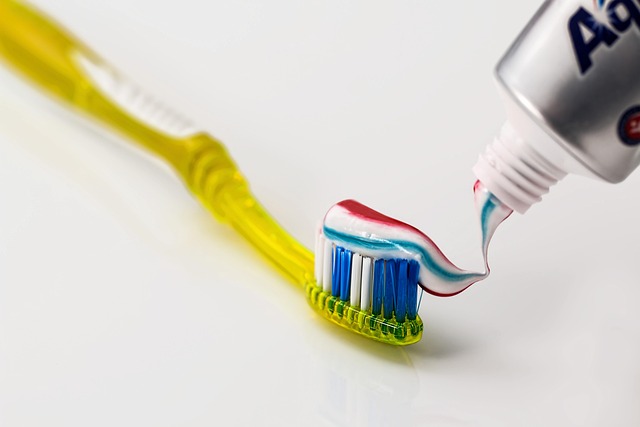
Stiff bristles act like sandpaper against the tooth surface and slowly scrape away the protective coating. Many individuals believe that harder bristles clean better but they actually cause abrasion. This mechanical wear is often most visible near the gum line where the enamel is naturally thinner. Switching to a soft brush effectively removes plaque without compromising the tooth structure.
Aggressive Brushing Pressure
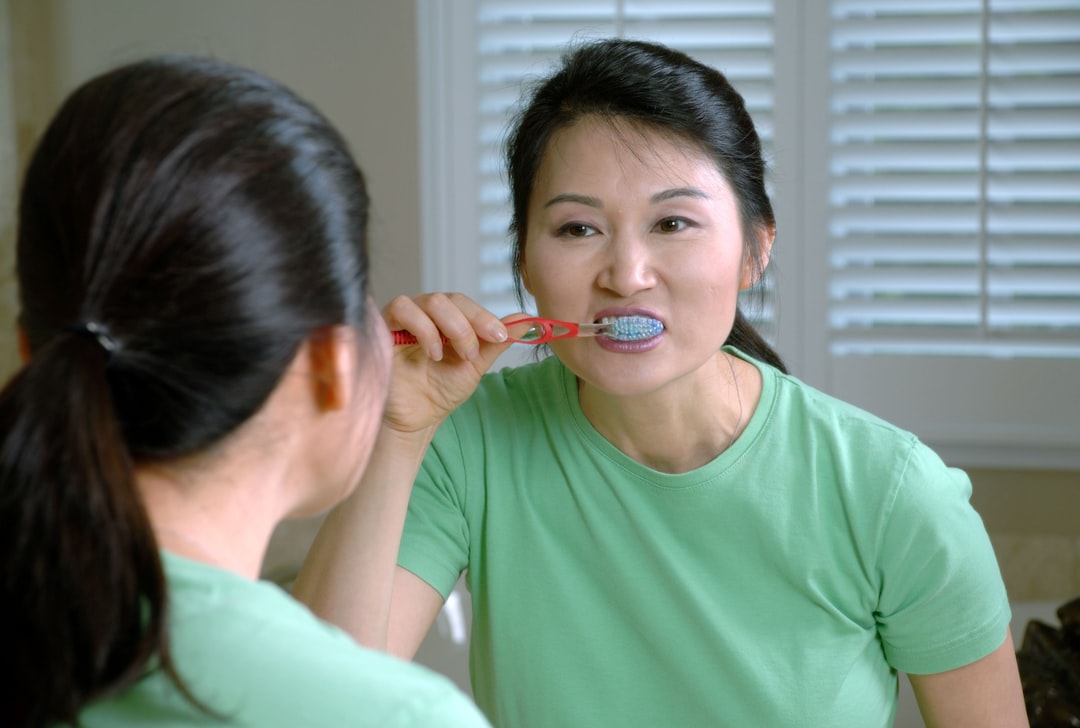
Applying too much force while brushing is just as damaging as using the wrong type of toothbrush. The excessive friction wears down enamel and can cause the gums to recede significantly. Effective cleaning requires gentle circular motions rather than harsh horizontal scrubbing. Modern electric toothbrushes often include pressure sensors to alert users when they are pushing too hard.
Brushing Immediately After Eating
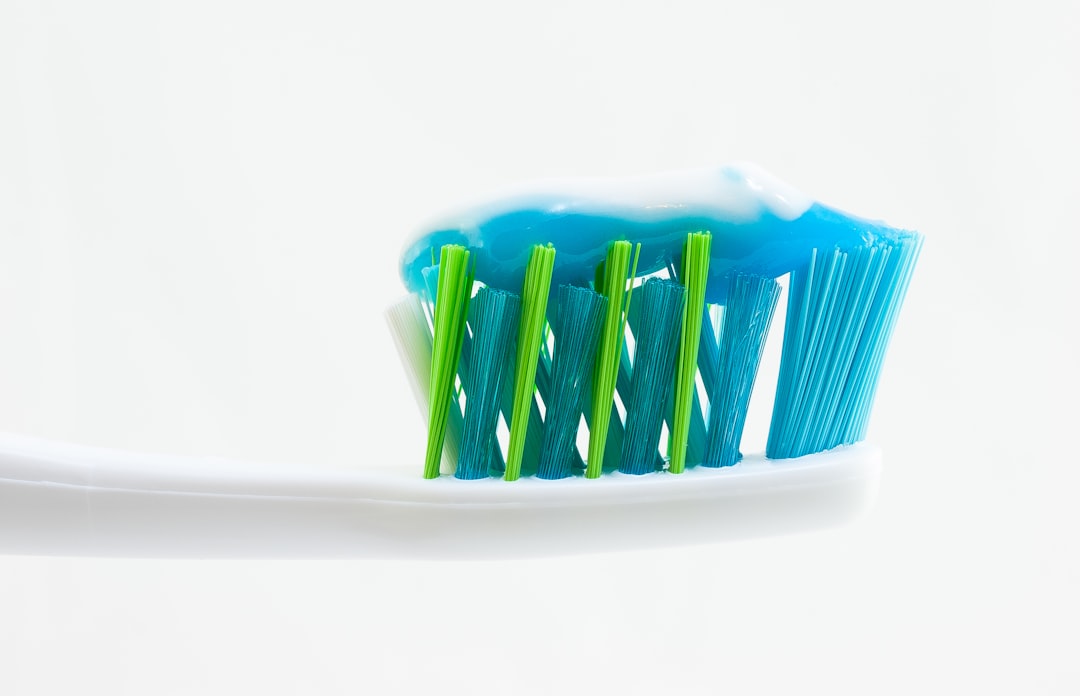
Acidic foods temporarily soften the enamel and make it highly susceptible to abrasion. Brushing right after a meal spreads the acid around and scrubs away the weakened surface layers. Saliva needs time to neutralize the pH level and remineralize the teeth before cleaning takes place. Waiting at least thirty minutes allows the enamel to harden sufficiently for safe brushing.
Drinking Lemon Water
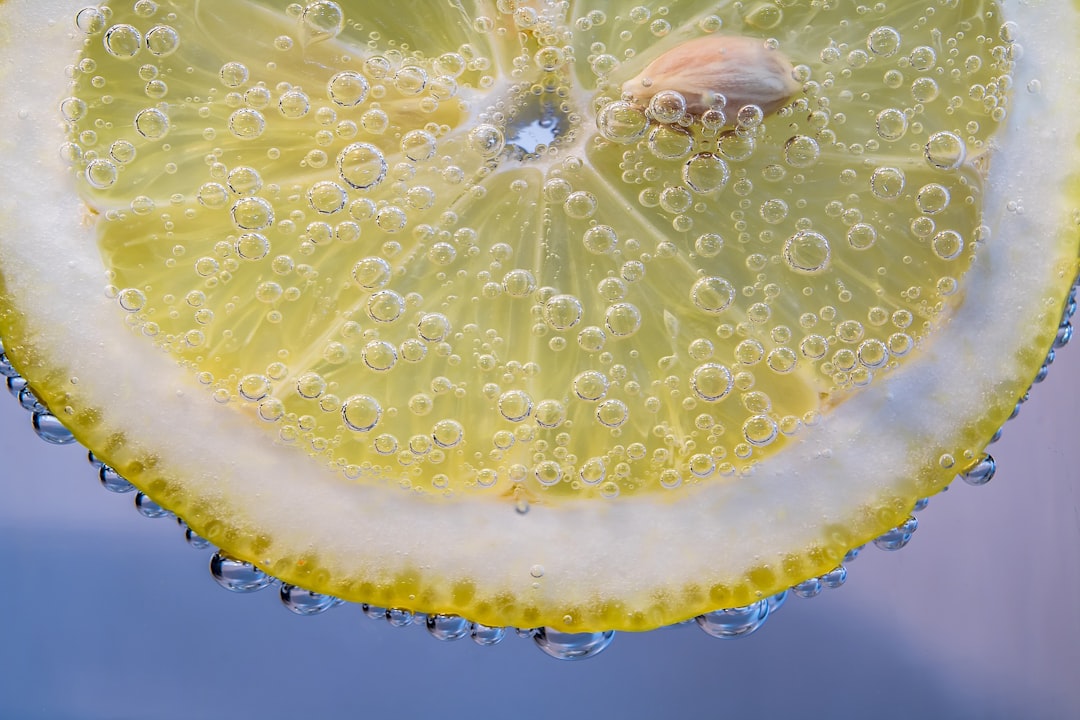
Frequent exposure to citric acid erodes the mineral surface of teeth and creates a rough texture. Many health enthusiasts sip this beverage throughout the day and keep the mouth in a constant acidic state. This erosion often manifests as transparency at the tips of the front teeth. Drinking plain water afterward helps rinse away the residue and protect the enamel.
Consuming Apple Cider Vinegar
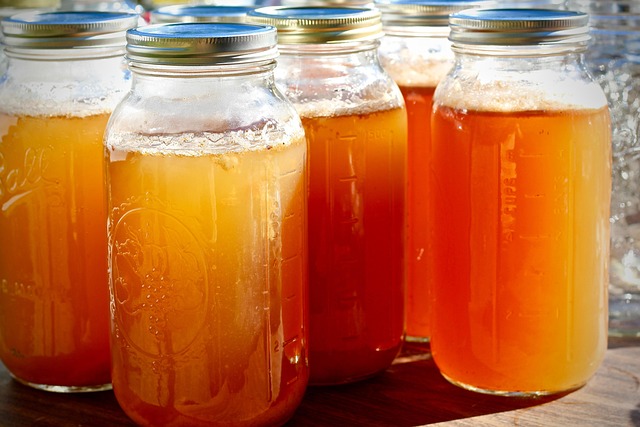
Taking undiluted shots of vinegar exposes teeth to a highly acidic substance that strips minerals immediately. The extremely low pH softens the enamel upon contact and increases the risk of decay. Diluting the vinegar with water reduces the acidity but does not eliminate the risk entirely. Swishing with water immediately after consumption is crucial to minimize the lingering effects.
Sipping Soda All Day
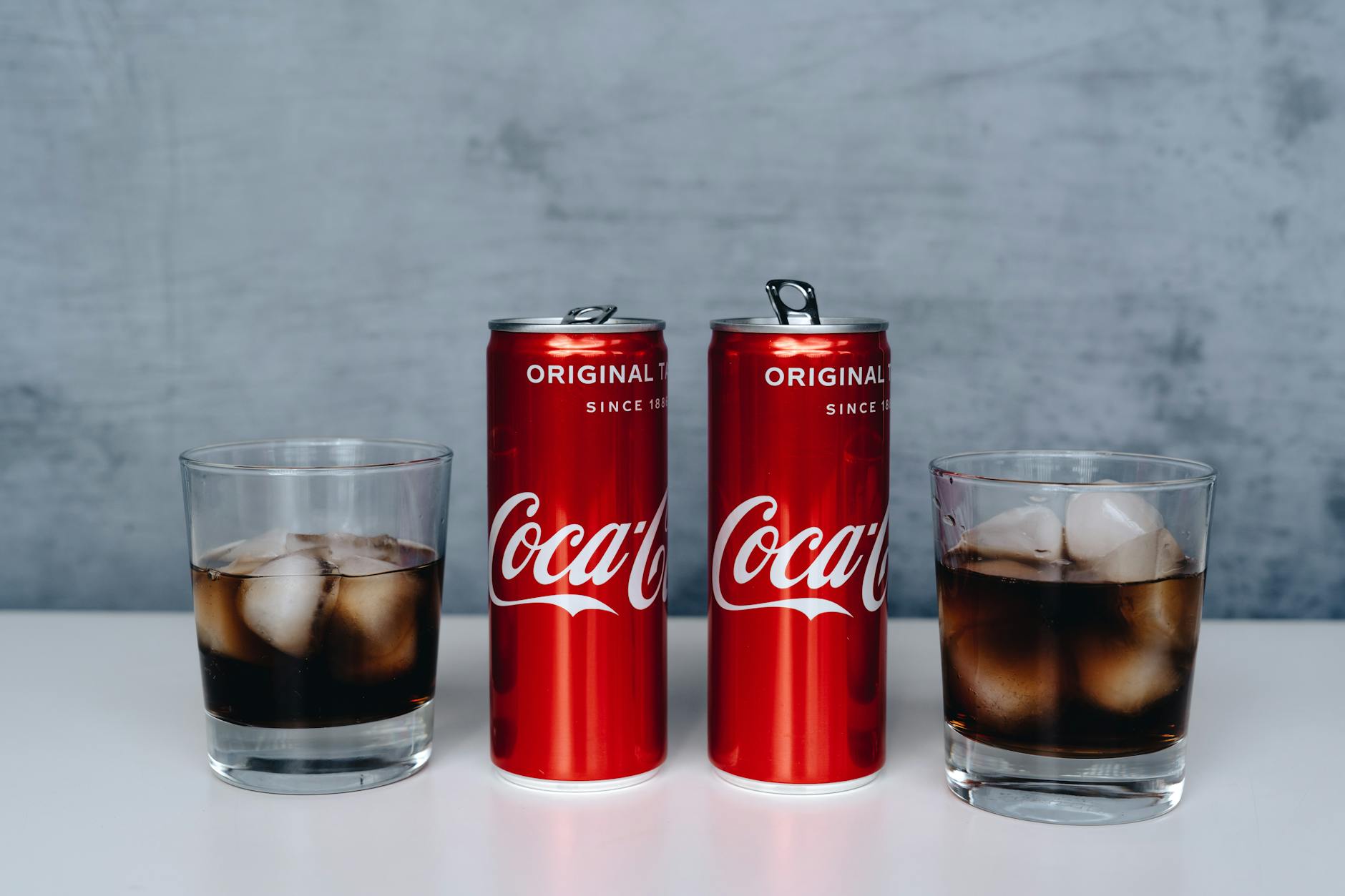
Drinking carbonated beverages slowly bathes teeth in acid and sugar for an extended period. This constant exposure gives saliva no chance to neutralize the pH level in the mouth effectively. Sugar feeds bacteria that produce even more acid to attack the mineralized surface. Using a straw can help direct the liquid past the teeth to minimize contact.
Consuming Sports Drinks

These beverages are often high in both acidity and sugar content to replenish energy quickly. The combination creates a potent environment for enamel erosion during athletic activities. Dehydration during exercise further reduces saliva flow and compounds the damage caused by the drink. Water remains the safest hydration option for maintaining dental integrity.
Drinking Fruit Juice
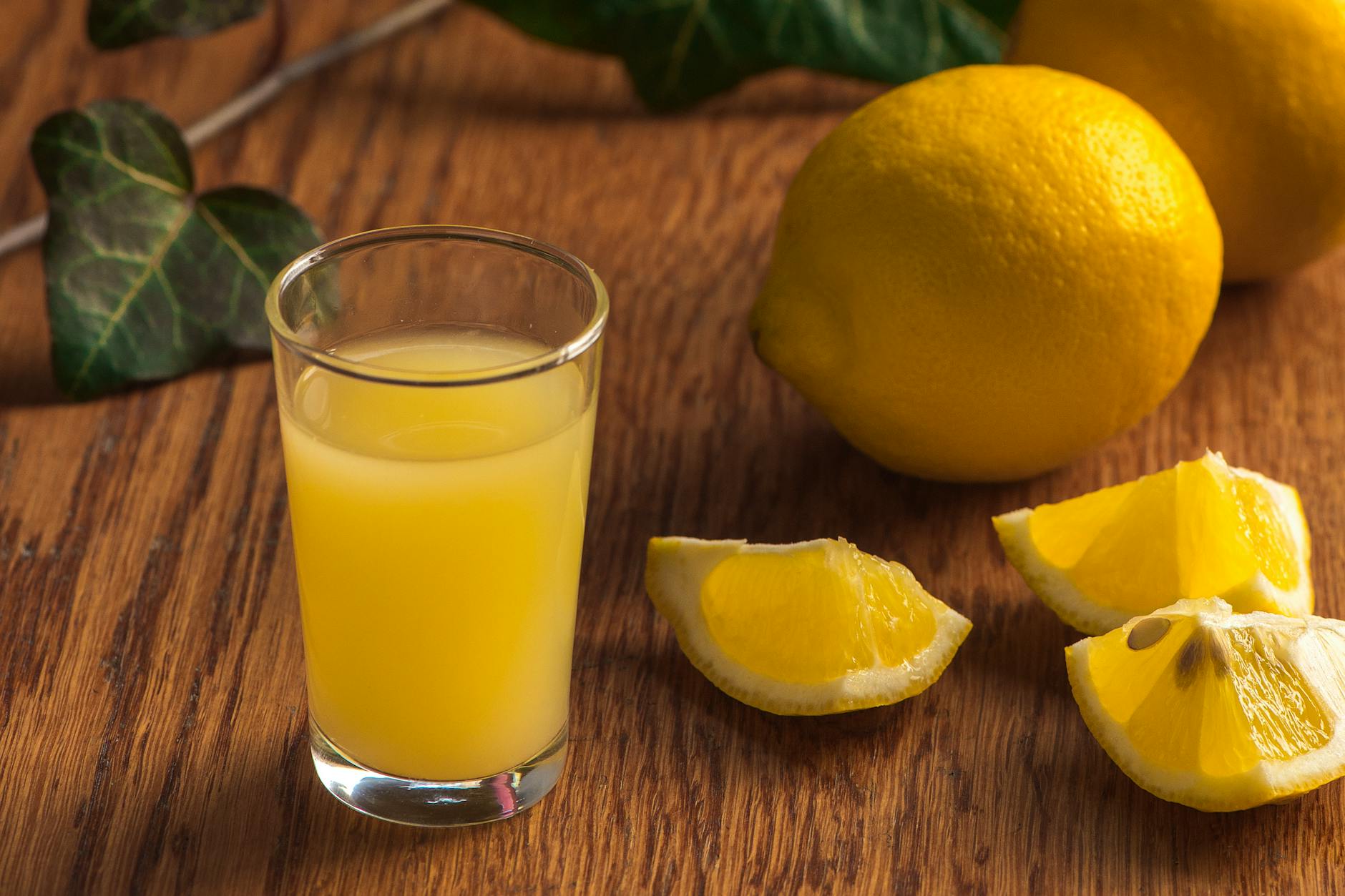
Concentrated fruit juices contain high levels of natural sugars and citric acid that damage teeth. The lack of fiber means the sugar adheres more easily to the tooth surface than when eating whole fruit. Frequent consumption leads to acid wear similar to that caused by carbonated sodas. Diluting juice with water helps lower the acidity and reduces the impact on enamel.
Drinking White Wine

White wine contains erosive acids that roughen the surface of the teeth and leave them vulnerable to stains. The acidity etches the enamel on a microscopic level and allows other pigments to penetrate deeper. Pairing cheese with wine can help neutralize the acid and provide calcium for remineralization. Rinsing with water between glasses is a simple way to wash away the acidic residue.
Eating Pickled Foods
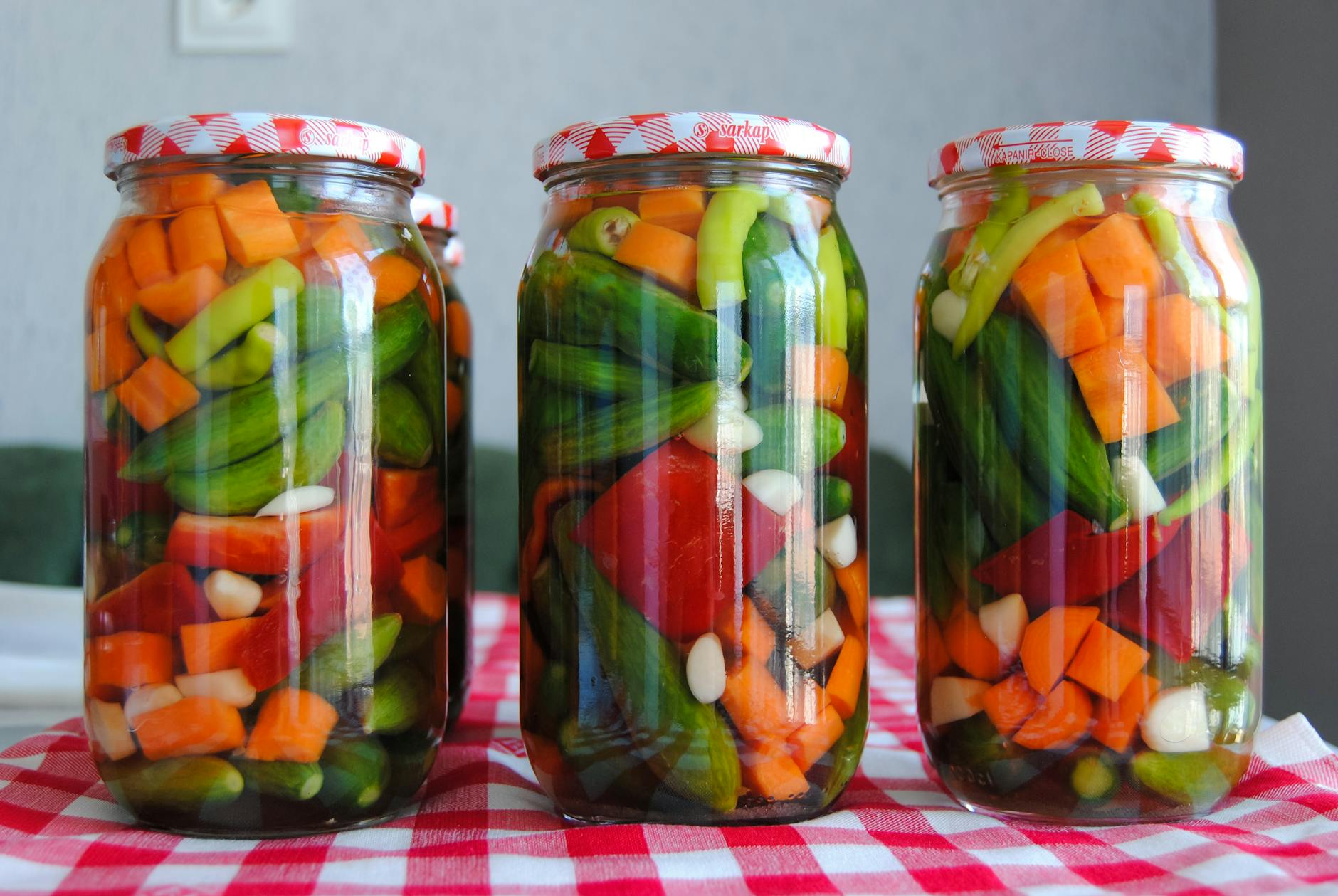
The vinegar used in the pickling process is highly acidic and can cause significant enamel loss over time. Frequent snacking on pickles or pickled vegetables keeps the oral environment at a dangerous pH level. The sour taste is a direct indicator of the acid content that attacks the tooth surface. Eating these items as part of a meal rather than a standalone snack helps buffer the acidity.
Chewing Sour Candies
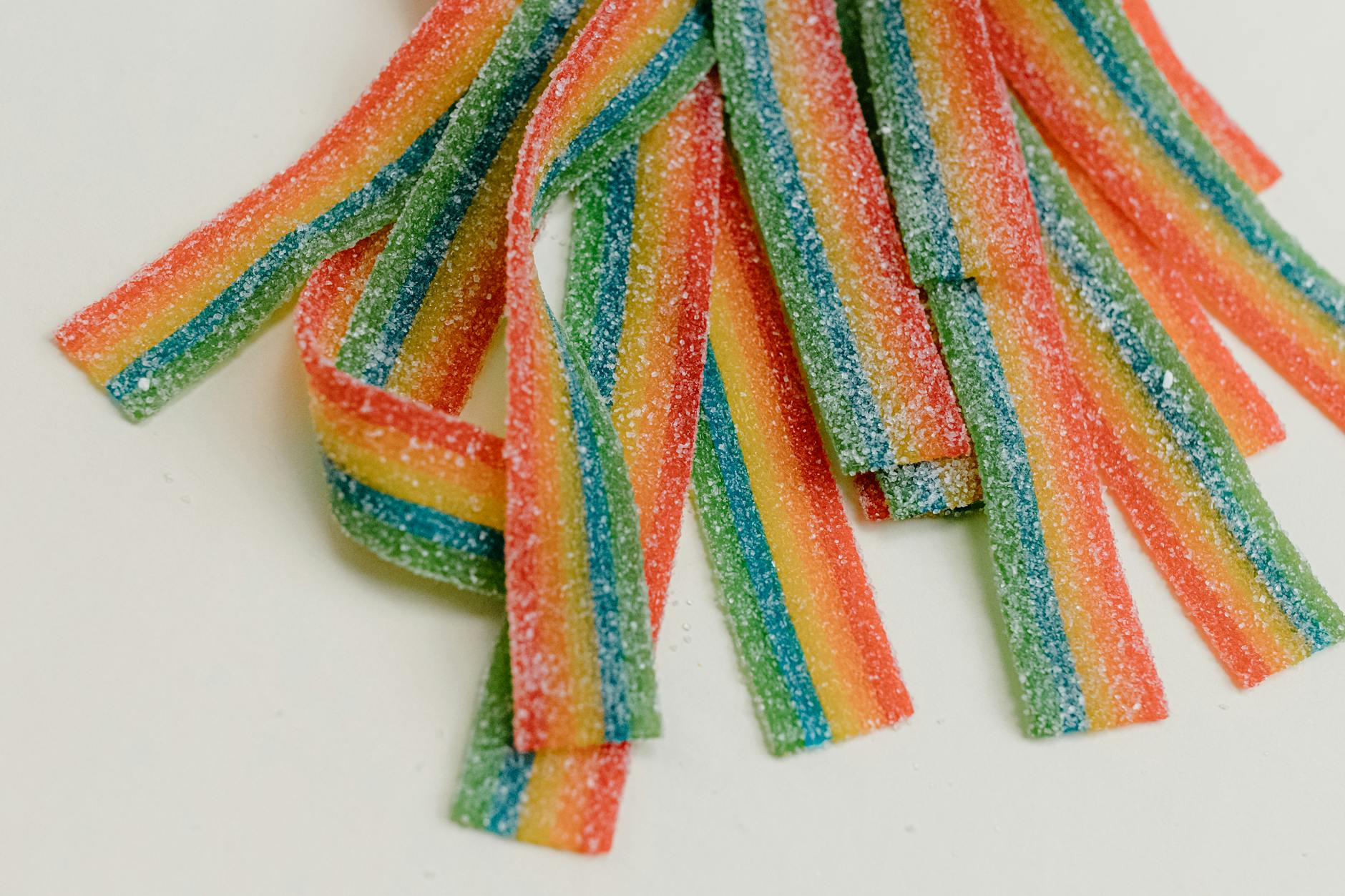
Sour gummies and hard candies are specifically formulated with acids to create their tart flavor. These acids are often more aggressive on teeth than the sugar content itself. The sticky texture causes the candy to cling to the enamel and prolongs the acid attack. Saliva struggles to wash away these gummy residues effectively.
Consuming Gummy Vitamins
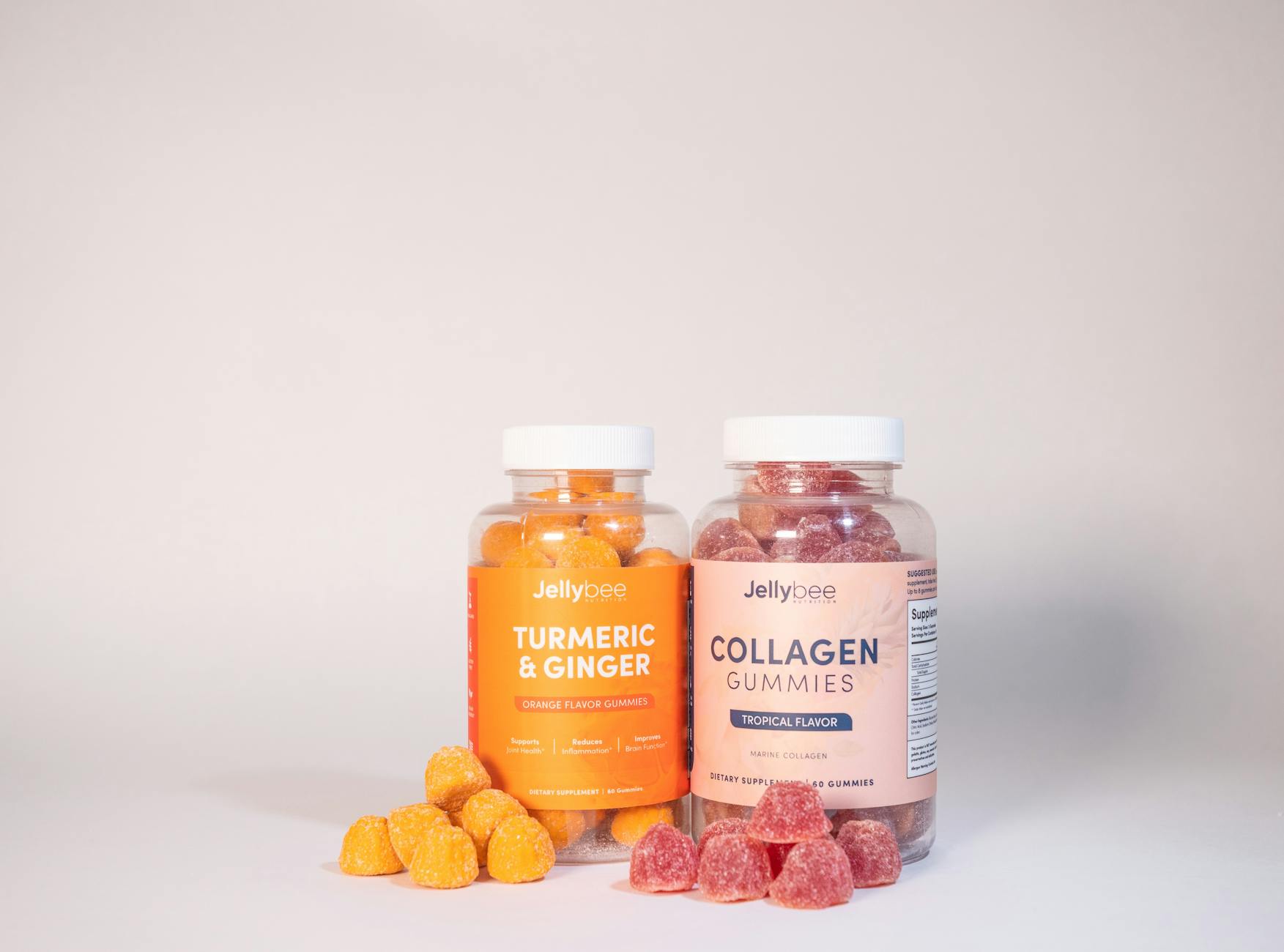
Chewable vitamins often stick to the grooves of the molars and trap sugar against the enamel. The gelatinous texture makes them difficult to remove with simple tongue movement or saliva. Bacteria feed on these stuck particles and produce localized acid that leads to cavities. Swallowing pill-form vitamins avoids this unnecessary exposure to sticky sugars.
Snacking on Dried Fruit

The dehydration process concentrates the sugar in fruit and makes the texture incredibly sticky. Raisins and dried apricots adhere to teeth much like caramel and are difficult to dislodge. This prolonged contact allows bacteria to produce acid for hours after the snack is finished. Fresh fruit is a better alternative as the water content helps wash away food particles.
Eating Potato Chips
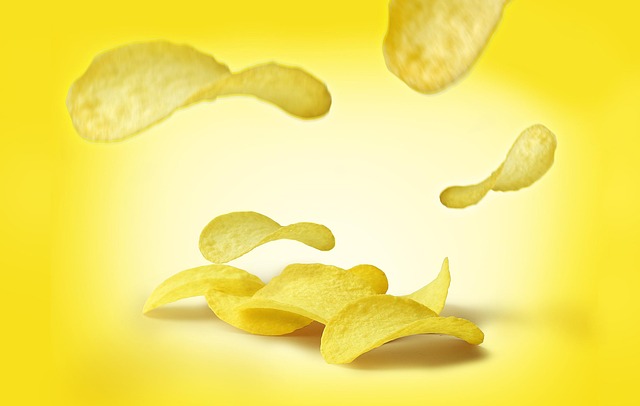
Starchy foods like chips break down into sugar almost immediately inside the mouth. The paste formed by chewing gets trapped between teeth and in deep crevices. This sludge fuels acid-producing bacteria long after the savory taste has faded. Flossing is essential to remove these starchy remnants from tight spaces.
Chewing Popcorn Kernels
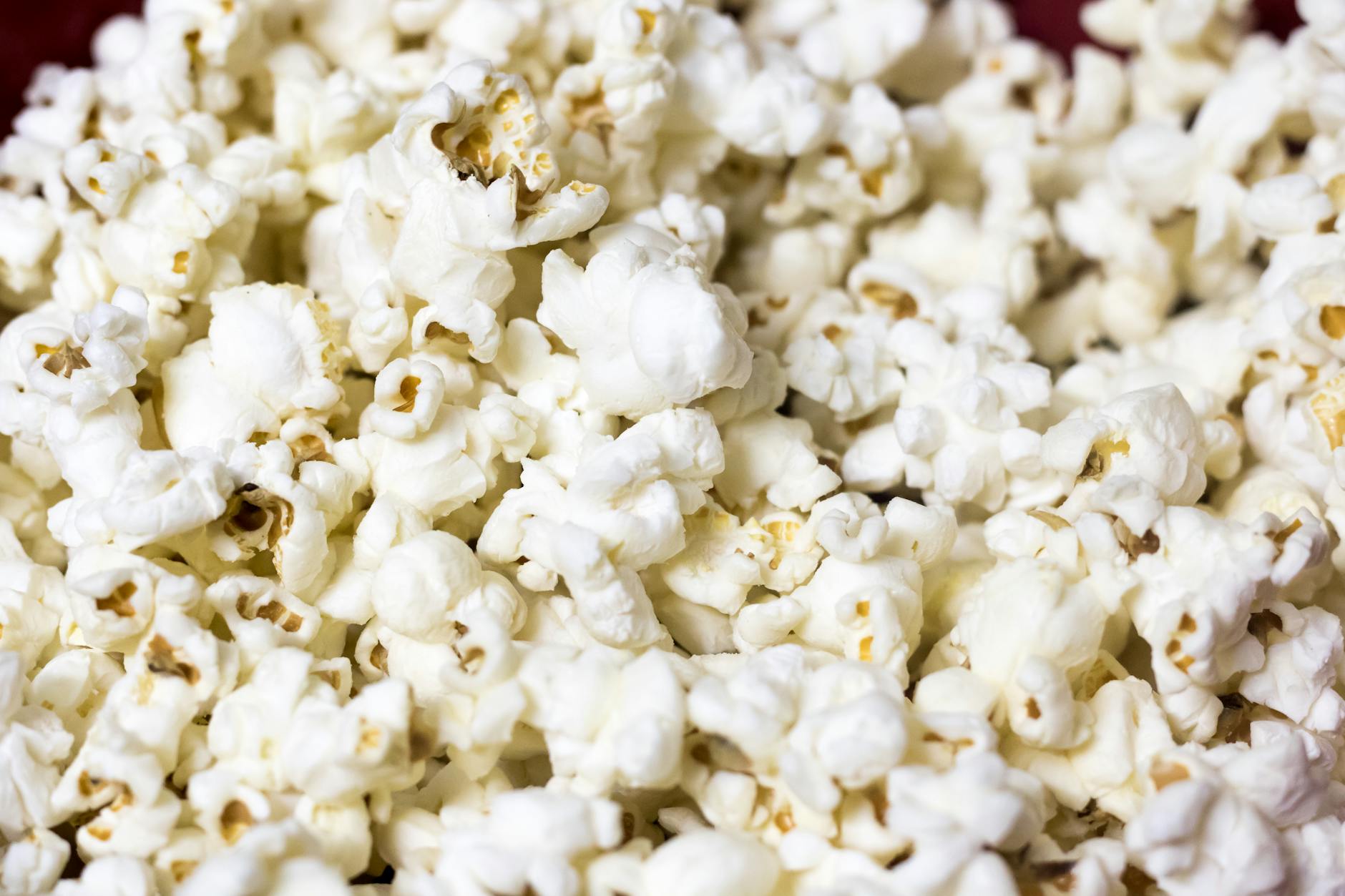
Unpopped kernels hidden in a handful of popcorn pose a serious fracture risk to dental enamel. Biting down unexpectedly on these hard objects can split a tooth or crack a filling instantly. The thin hulls also slide between teeth and gums to cause irritation and potential infection. Careful eating is required to avoid the dense centers of this popular snack.
Sucking on Cough Drops

Most lozenges are essentially hard candies made with sugar that dissolve slowly in the mouth. Holding them against the teeth for relief creates a concentrated sugar bath for the enamel. This is particularly damaging when used frequently during a lingering cold or flu. Sugar-free options provide the same soothing effect without feeding oral bacteria.
Chewing on Pens or Pencils

Absentminded chewing on plastic caps or wooden barrels creates unnatural stress on teeth. This habit introduces micro-fractures that weaken the enamel structure over time. The bacteria present on these office supplies also transfer directly into the oral cavity. Replacing this fidgeting behavior with a stress ball protects the incisors from trauma.
Wearing Tongue Piercings
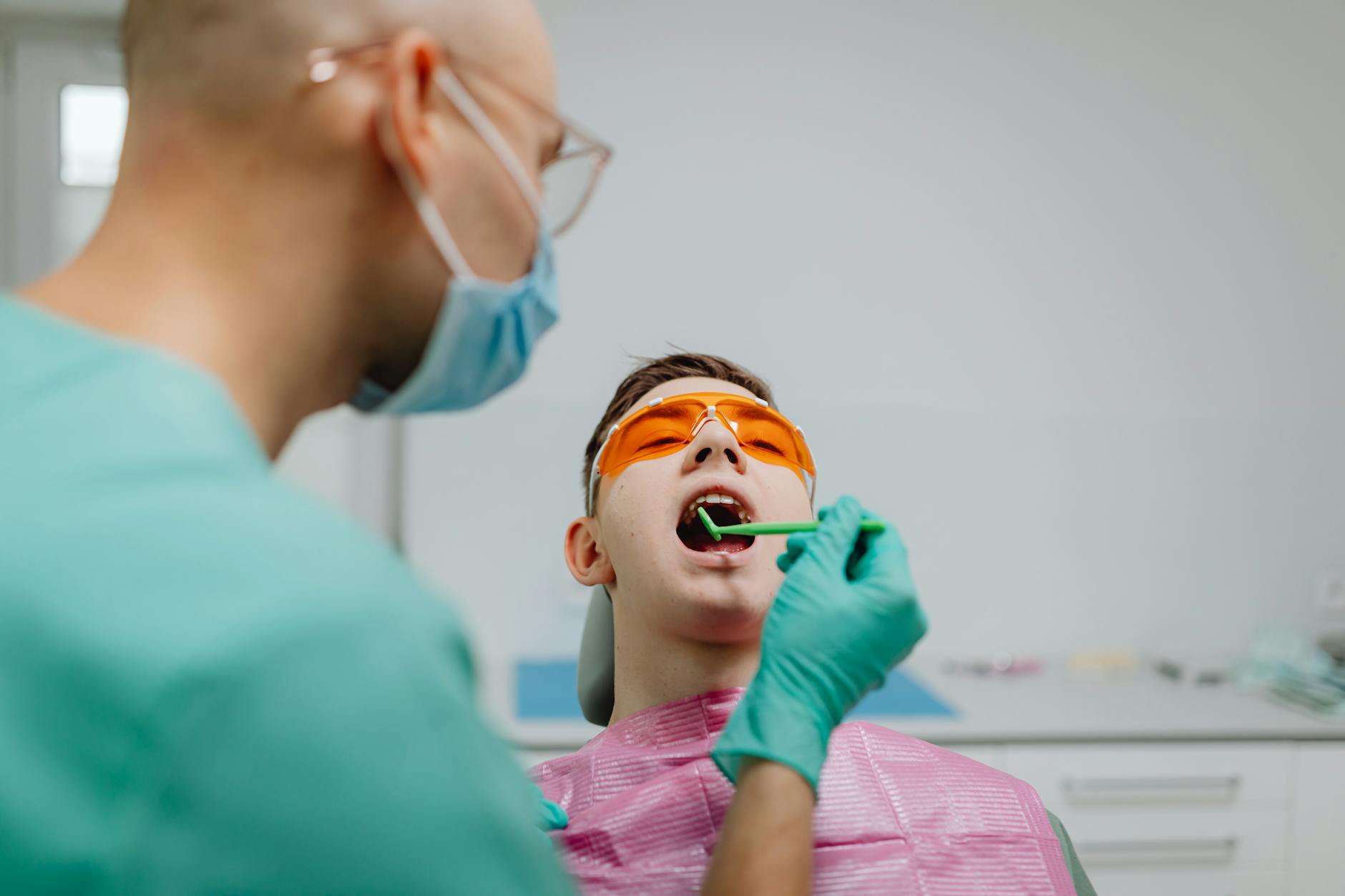
Metal jewelry in the mouth constantly clacks against the back of the front teeth during speech and eating. This repetitive physical trauma causes chipping and fractures that are difficult to repair. Gum recession is also common as the metal rubs against the sensitive soft tissue. Plastic studs may cause less damage than metal ones but still pose a risk to enamel.
Smoking Tobacco
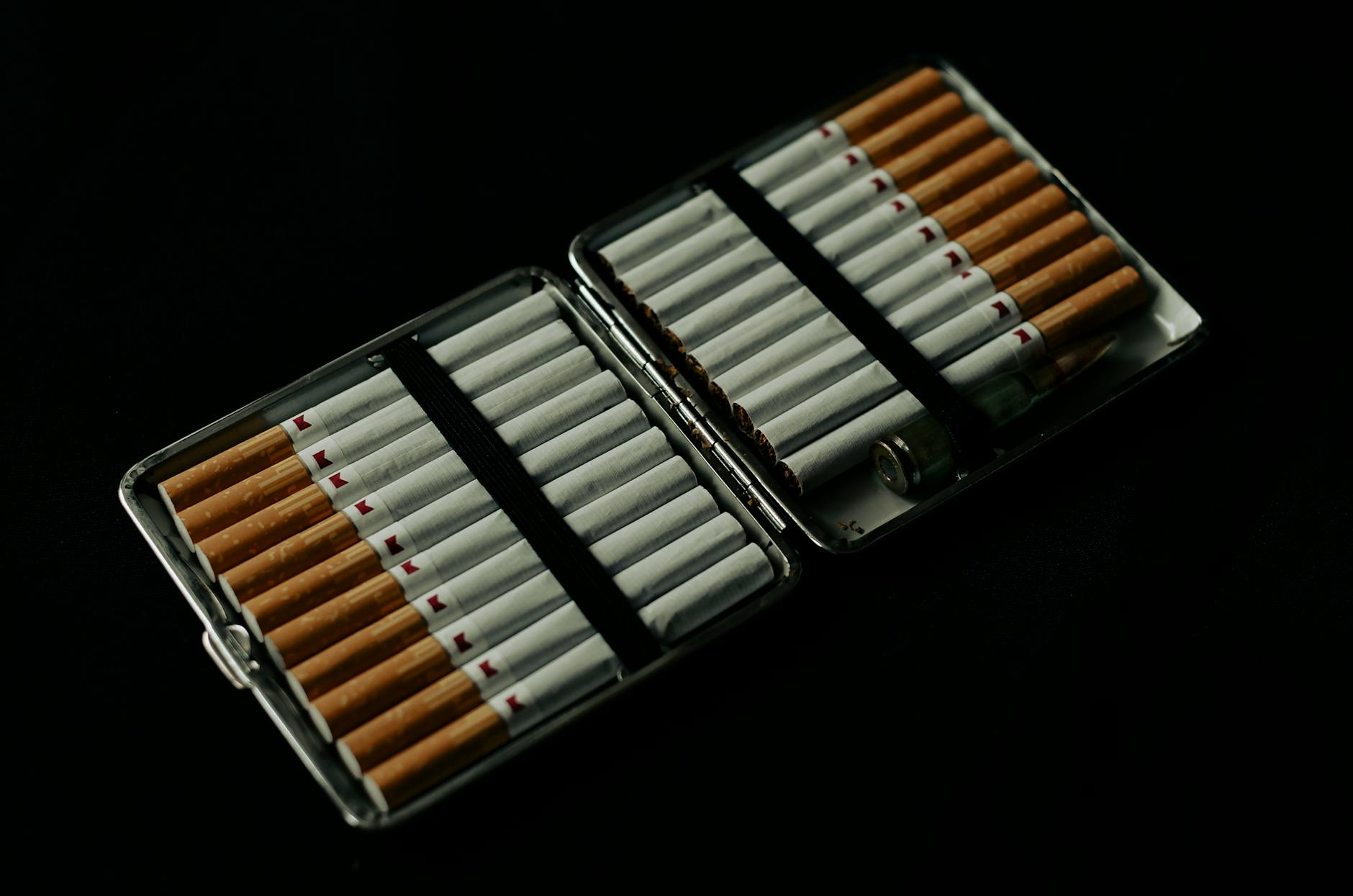
The tar and chemicals in tobacco smoke stain the enamel and promote plaque buildup. Reduced blood flow to the gums weakens the support structure of the teeth. Heat from the smoke also dries out the mouth and reduces the protective benefits of saliva. This combination leads to rapid discoloration and increased susceptibility to decay.
Vaping

Aerosols from e-cigarettes contain chemicals that can soften enamel and encourage bacterial growth. The vegetable glycerin used in vape juice is known to increase biofilm formation on teeth. Vaping also contributes to dry mouth which removes the natural defense against acid. The long-term effects of these chemical mixtures on dental hardness are increasingly concerning.
Using Alcohol-Based Mouthwash
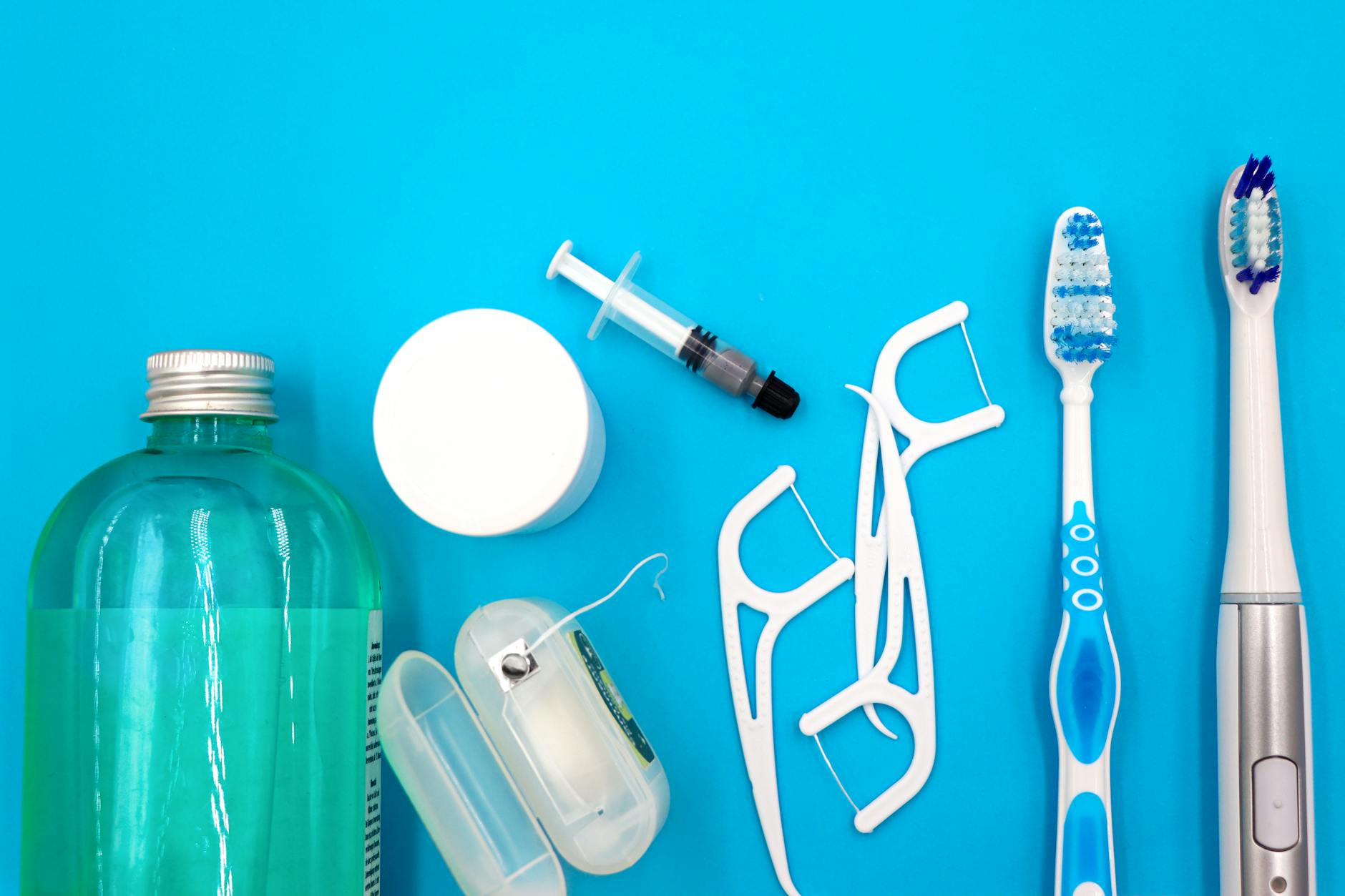
Mouth rinses with high alcohol content can dry out the oral tissues and reduce saliva production. A dry mouth lacks the buffering capacity needed to neutralize plaque acids effectively. This dryness creates an environment where enamel erosion can accelerate. Alcohol-free formulas offer the same antibacterial benefits without the dehydrating side effects.
Swimming in Chlorinated Pools
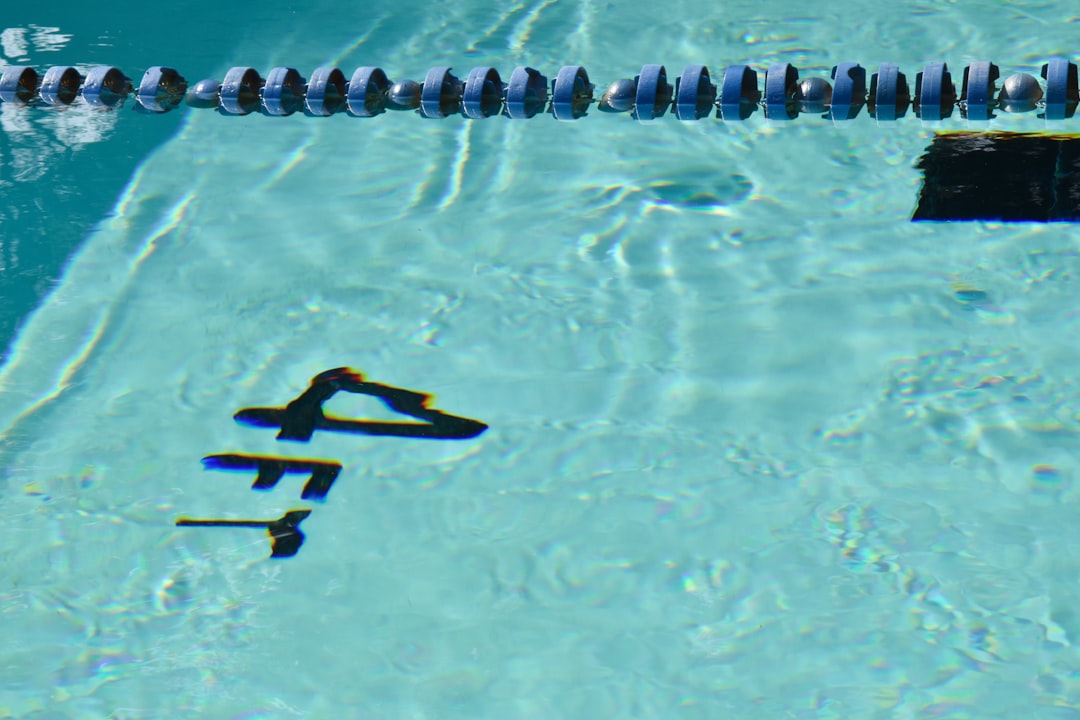
Frequent exposure to improperly balanced pool water can cause swimmer’s calculus. The acidic water comes into contact with teeth during breathing and slowly erodes the front surface. This condition is typically seen in competitive swimmers who spend hours in the water daily. Checking pool pH levels ensures the water is safe for both skin and teeth.
Mouth Breathing

Breathing through the mouth rather than the nose dries out the oral cavity rapidly. The lack of saliva prevents the washing away of food particles and the neutralization of acids. This habit is common during sleep and often leads to increased plaque buildup on front teeth. addressing sinus issues or using nasal strips can help restore proper breathing patterns.
Constant Grazing
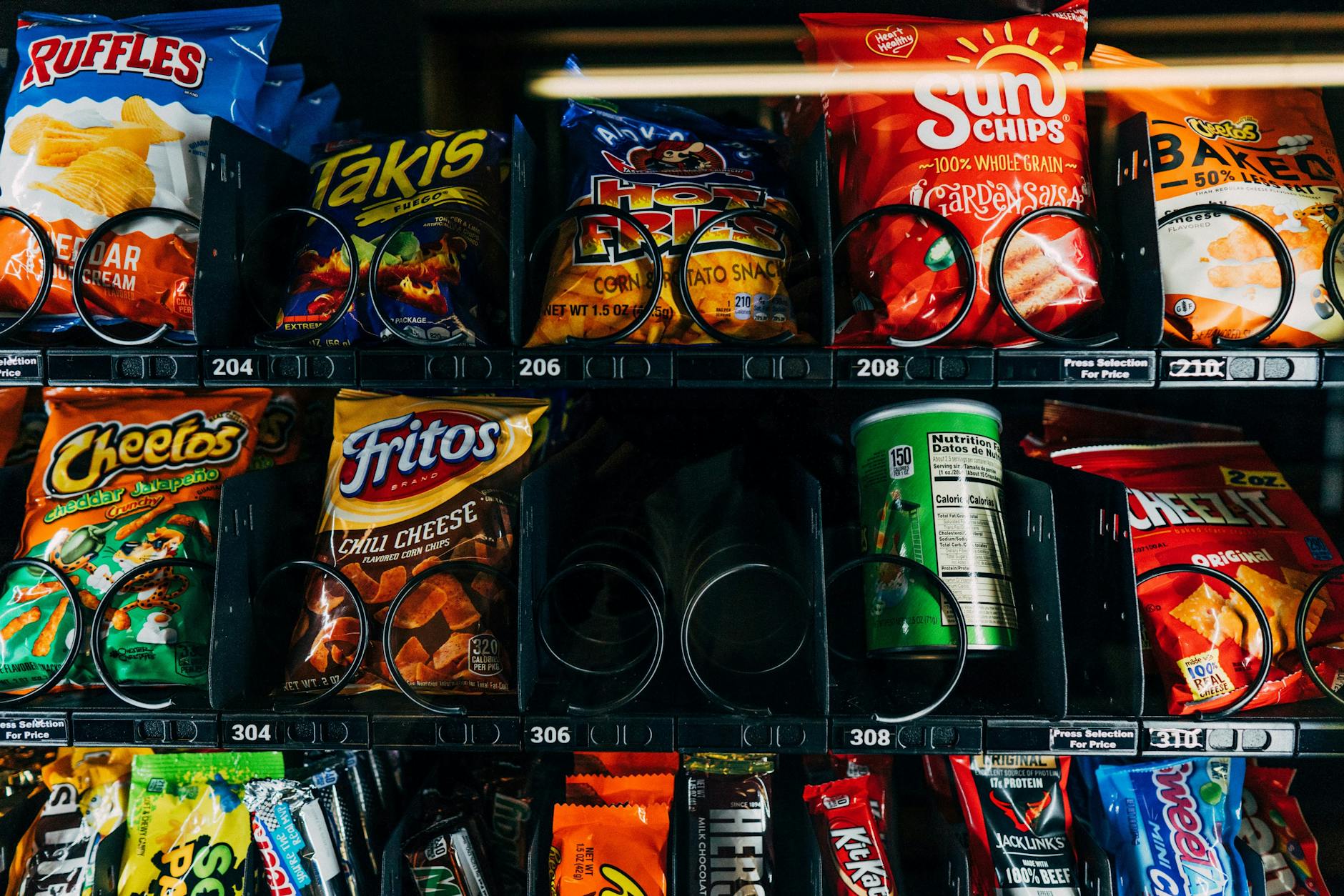
Eating frequently throughout the day keeps the mouth in a perpetual state of acidity. The enamel does not have the necessary recovery time to remineralize between food intakes. Each snack triggers a new wave of acid production that lasts for twenty minutes or more. limiting food intake to distinct meal times allows the pH balance to stabilize.
Overusing Whitening Strips
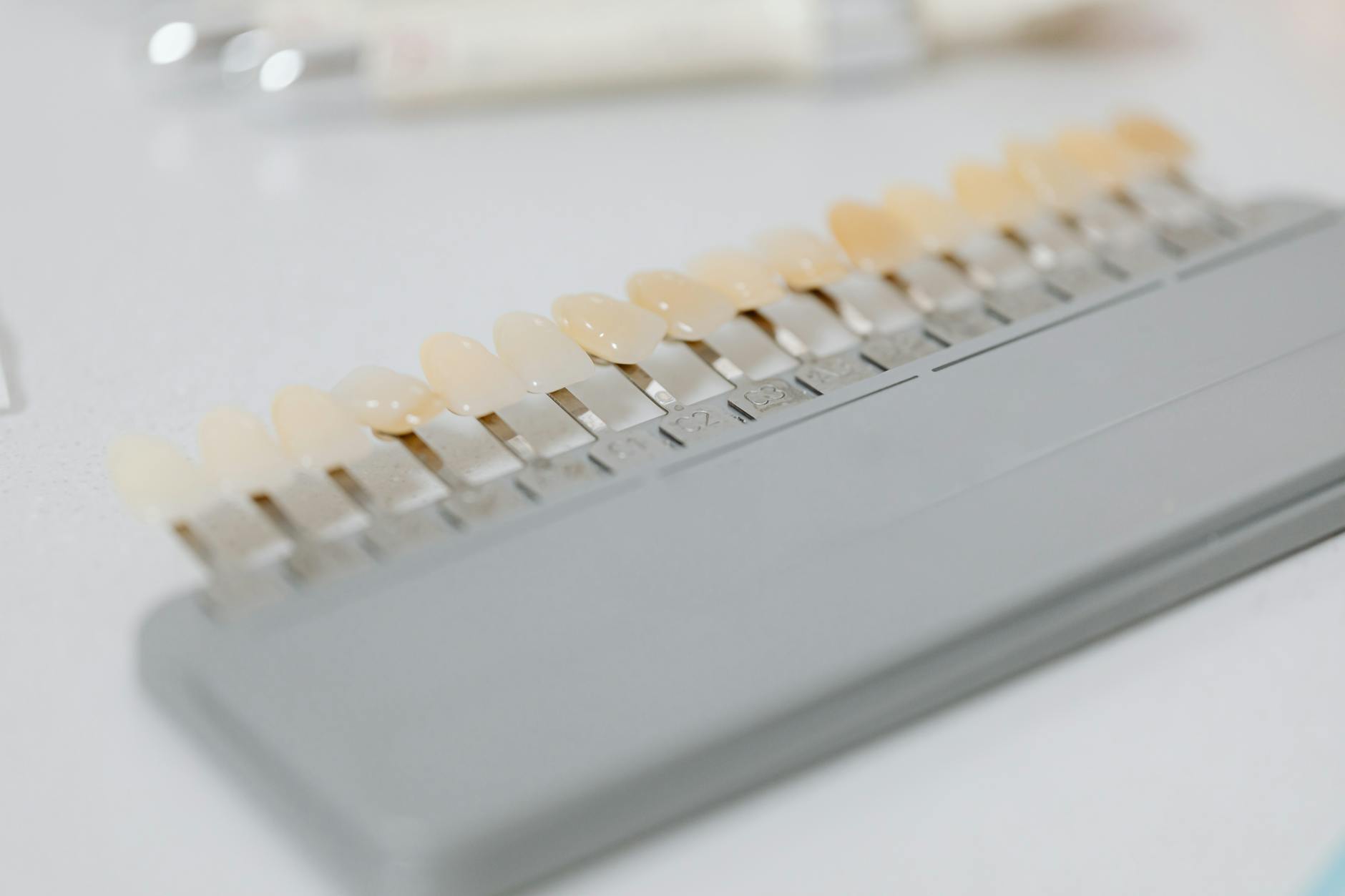
Chemical bleaching agents can weaken the enamel matrix if applied too frequently or for too long. The oxidation process that removes stains also increases porosity and sensitivity temporarily. ignoring manufacturer instructions often leads to translucent edges and structural damage. Professional guidance ensures that whitening efforts do not compromise dental health.
Holding Aspirin on a Tooth
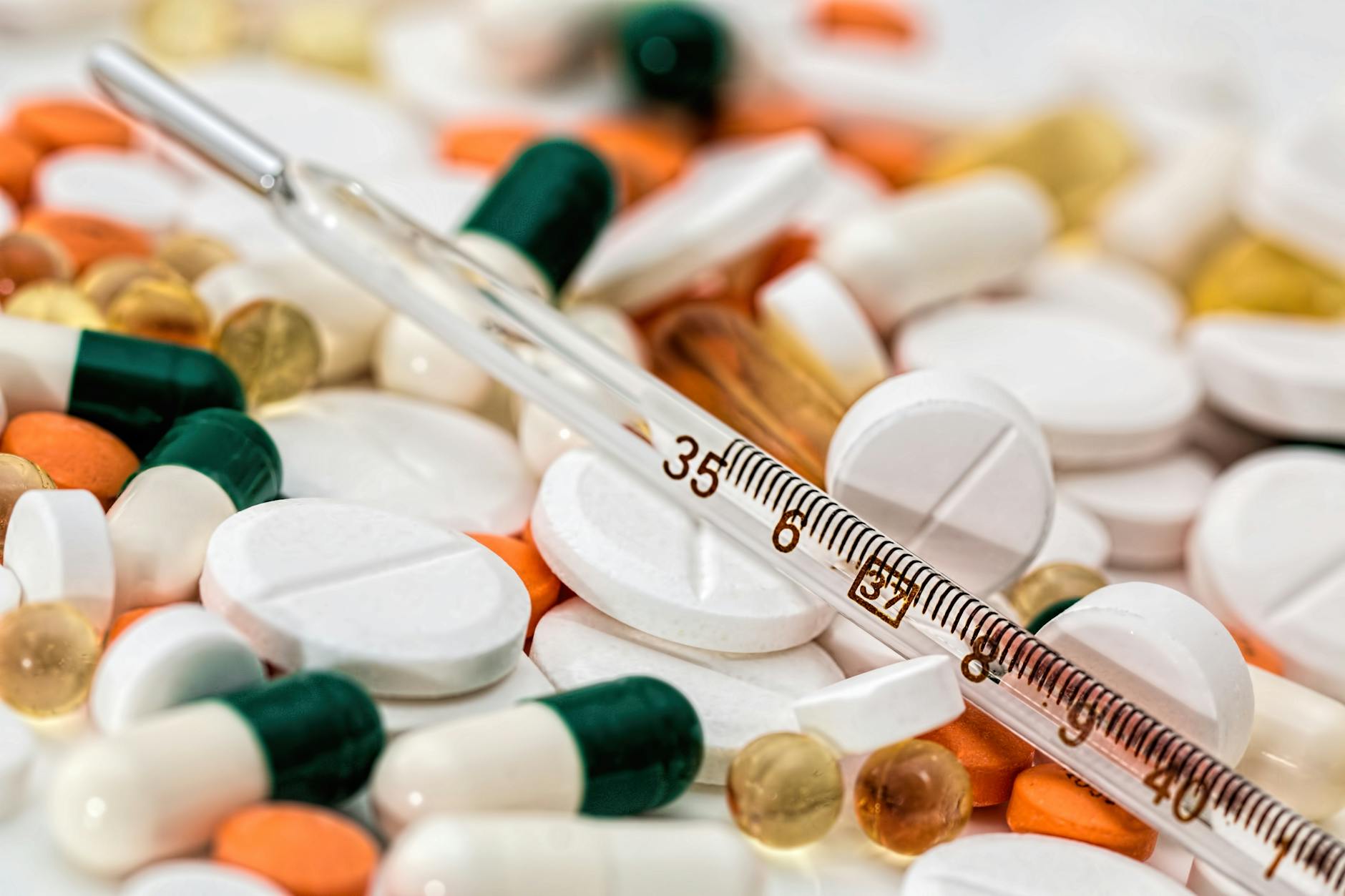
Placing a pill directly against a painful tooth causes a chemical burn on the soft tissue and enamel. The acidity of the medication etches the tooth surface without actually relieving the nerve pain effectively. Aspirin must be swallowed to work through the bloodstream for pain relief. This old home remedy causes significantly more harm than good to the oral environment.
Tell us which of these habits you are planning to break by leaving a note in the comments.




