Entering the real estate market is a significant milestone that requires careful financial planning and emotional discipline. Many new buyers rush into the process without fully understanding the long-term commitments or the nuances of property ownership. These errors often result in unexpected expenses or buyer remorse that can last for years after the closing date. Awareness of these common pitfalls empowers individuals to make smarter decisions and secure a sound investment for their future.
Skipping Mortgage Pre-Approval

Starting a home search without a pre-approval letter is a fundamental error that leads to wasted time and disappointment. Sellers prioritize offers from buyers who have verified proof of funds or financing already in place. This step clarifies exactly how much house you can afford and prevents you from falling in love with properties out of your budget. A lack of pre-approval weakens your negotiating power in competitive markets where speed is essential. Real estate agents may also hesitate to work with clients who have not taken this crucial preliminary financial step.
Underestimating Closing Costs
Many buyers focus solely on the down payment and forget to budget for the fees required to finalize the transaction. Closing costs typically range from two to five percent of the total loan amount and include appraisal fees and title insurance. Failing to set aside these funds can derail the purchase at the very last moment or deplete emergency savings. Lenders provide a Loan Estimate document that outlines these projected costs early in the process. Being prepared for these expenses ensures a smoother path to ownership without last-minute financial panic.
Waiving the Home Inspection
In a competitive market buyers often feel pressured to waive inspections to make their offer more attractive to sellers. This decision can be financially devastating if the property has significant structural issues or hidden damage. A professional inspector identifies problems with the foundation or roof that are invisible to the untrained eye. Discovering these issues after closing means the new owner is solely responsible for expensive repairs. An inspection contingency protects your investment and provides an opportunity to negotiate repairs or credits.
Ignoring the Neighborhood

Falling in love with a specific house often causes buyers to overlook the surrounding environment and community dynamics. Factors such as local school ratings and crime statistics significantly impact both quality of life and future resale value. Visiting the area at different times of the day reveals noise levels and traffic patterns that might not be apparent during a scheduled showing. A beautiful home in a declining or inconvenient location may not appreciate in value over time. Thorough research into the neighborhood is just as important as inspecting the property itself.
Depleting Emergency Savings

Using every available dollar for the down payment and closing costs leaves a new homeowner vulnerable to unexpected life events. Houses require immediate maintenance and repairs that often arise shortly after moving in. Financial experts recommend maintaining a buffer of three to six months of living expenses separate from the house fund. Without this safety net a sudden job loss or medical emergency could lead to mortgage default. Keeping liquid cash available provides peace of mind and financial security during the transition.
Making Large Purchases Before Closing

Lenders recheck credit reports and debt-to-income ratios right before the final closing date to ensure financial stability. Buying a new car or furniture on credit during this sensitive period can alter your risk profile and disqualify you for the loan. Even opening a new credit card or making a large cash withdrawal raises red flags for underwriters. It is crucial to keep all financial activity stable and boring until the keys are officially in your hand. Any significant change in your financial picture puts the entire transaction at risk.
Fixating on Cosmetic Details
Buyers often dismiss solid properties because they dislike the paint color or the style of the carpeting. Cosmetic issues are the easiest and least expensive things to change in a home. Focusing on surface-level aesthetics can blind you to a home with good bones and a functional layout. Conversely a staged home with trendy decor might hide poor construction or a bad floor plan. Looking past the decor allows you to find hidden gems that offer better value and potential.
Buying For Today Instead of Tomorrow

First-time buyers frequently select a home that fits their current lifestyle without considering their future needs. A two-bedroom condo might be perfect for a couple but becomes inadequate if they plan to have children or work from home. Considering a five-year or ten-year plan helps ensure the property will remain suitable as life circumstances evolve. Moving is expensive and time-consuming so purchasing a home with room to grow is often a wiser financial move. Thinking long-term prevents the need to sell and buy again sooner than anticipated.
Failing to Shop Around for Lenders

Accepting the first mortgage offer you receive can result in higher interest rates and fees over the life of the loan. Different lenders offer varying rates and terms that can save thousands of dollars over a thirty-year period. It is advisable to compare estimates from at least three different institutions including banks and credit unions. Small differences in interest rates compound significantly and impact monthly affordability. Taking the time to research options ensures you secure the most favorable financing package available.
Overlooking Hidden Maintenance Costs

Renters are used to calling a landlord when appliances break or the roof leaks but homeowners must foot the bill. The cost of maintaining a home includes landscaping and pest control and regular servicing of HVAC systems. Failing to budget for these recurring expenses can lead to deferred maintenance and reduced property value. A generally accepted rule is to budget one percent of the home price annually for upkeep. Understanding the true cost of ownership prevents financial strain after the initial purchase.
Disregarding Resale Value

Even if you plan to stay in a home forever life circumstances can change unexpectedly and force a sale. Buying a property with unusual features or in a less desirable location limits the pool of potential future buyers. Features like a busy road or a lack of parking can make a home difficult to sell even in a good market. Considering what the average buyer looks for helps protect your investment if you need to exit. A home should be viewed as both a residence and a financial asset.
Misunderstanding the Down Payment

Many potential buyers delay their purchase because they believe a twenty percent down payment is mandatory. Various loan programs allow for significantly lower down payments ranging from three percent to zero percent for qualifying buyers. Waiting years to save twenty percent means missing out on potential equity growth while home prices continue to rise. However putting less money down often requires paying private mortgage insurance which increases the monthly payment. Understanding the trade-offs between a lower down payment and higher monthly costs is essential.
Ignoring Government Loan Programs
First-time buyers often overlook FHA loans or VA loans and USDA loans that offer favorable terms. These government-backed programs are designed to make homeownership more accessible with lower credit score requirements. They often feature lower down payment options and competitive interest rates compared to conventional loans. Failing to investigate eligibility for these programs means missing out on potential savings and easier qualification. A knowledgeable loan officer can guide buyers toward the specific programs that fit their profile.
Letting Emotions Drive Decisions
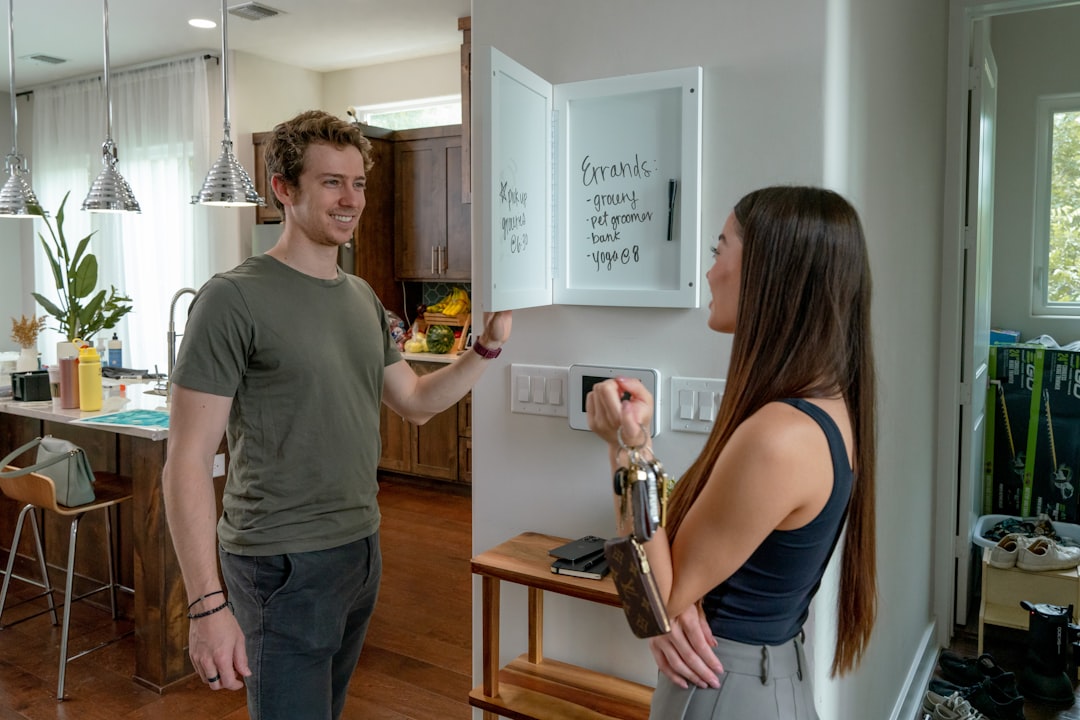
Becoming emotionally attached to a specific property weakens your negotiating position and clouds judgment. Buyers who fall in love with a house are more likely to overpay or overlook serious defects. It is important to treat the home purchase as a business transaction based on data and inspection reports. Setting a strict budget and sticking to it prevents emotional overspending in the heat of a bidding war. Keeping a level head ensures the decision serves your financial goals rather than just your feelings.
Neglecting to Check Flood Zones

Flood insurance is a separate policy from standard homeowners insurance and can be extremely expensive. Buyers sometimes fail to check the FEMA flood maps to see if a property lies in a high-risk zone. Being in a flood zone mandates the purchase of this additional insurance if you have a mortgage. This added monthly cost can drastically alter the affordability of the home. verifying flood status early prevents unpleasant surprises when calculating the total monthly payment.
Underestimating Commute Times

A house further from the city might offer more square footage but often comes with a grueling daily commute. The cost of fuel and vehicle wear and tear plus the loss of personal time adds up significantly. Driving the route during rush hour provides a realistic understanding of the daily impact on your lifestyle. Long commutes are consistently linked to lower life satisfaction and increased stress levels. Balancing location convenience with property size is a critical component of the decision.
Forgetting About Property Taxes

Property taxes vary widely by location and can increase significantly based on the new purchase price. Listings often show the current owner’s tax bill which may be much lower than what the new owner will pay. Local governments reassess property values upon sale which triggers a tax hike that impacts the monthly mortgage payment. Researching the local tax rate and calculating the new bill is vital for accurate budgeting. Ignoring this variable can lead to a monthly payment that is hundreds of dollars higher than expected.
Skipping the Final Walk-Through

The final walk-through is the last opportunity to verify the condition of the home before signing closing papers. Buyers should check that agreed-upon repairs were completed and that no new damage occurred during the move-out. Sometimes sellers leave behind trash or take fixtures that were supposed to remain with the property. Skipping this step removes your leverage to demand corrections before funds are transferred. It is a necessary precaution to ensure the property is delivered exactly as promised.
Not Interviewing Real Estate Agents
Working with an inexperienced or incompatible agent can lead to missed opportunities and poor advice. Many buyers simply hire the first agent they meet at an open house or a relative with a license. A skilled agent understands local market trends and negotiation strategies that save their clients money. Interviewing multiple agents helps you find someone who understands your specific needs and communication style. The right representation is a powerful asset in a complex real estate transaction.
Overlooking Homeowners Association Fees
Condos and townhomes often come with monthly HOA fees that can be substantial and are subject to increase. These fees cover common area maintenance and amenities but they reduce the amount of mortgage you can afford. Buyers must review the HOA financial documents to ensure the association has adequate reserves for major repairs. A poorly managed HOA can levy special assessments that cost homeowners thousands of dollars unexpectedly. Understanding these rules and costs is mandatory before making an offer on a managed property.
Attempting to Time the Market

Waiting for prices to drop or interest rates to hit a specific bottom is often a losing strategy. The real estate market is unpredictable and waiting on the sidelines can mean missing out on building equity. While you wait for a crash prices often continue to rise and price you out of the neighborhood. The best time to buy is when you are financially ready and plan to stay in the home for several years. Time in the market generally yields better results than trying to time the market.
Ignoring Unpermitted Work
Homeowners often finish basements or add decks without obtaining the necessary city permits. Buying a home with unpermitted work can lead to legal issues and fines or insurance claim denials. The city can force the new owner to tear down the work or pay for expensive retroactive permits and inspections. It is important to ask for proof of permits for any major renovations or additions listed. This diligence protects you from inheriting the previous owner’s regulatory headaches.
Assuming the Listing Price Is Correct

The listing price is a marketing tool and does not always reflect the true market value of the home. Some sellers intentionally underprice to start a bidding war while others overprice based on sentimentality. Relying on comparable sales data in the area gives a more accurate estimate of what the home is actually worth. Offering the asking price without research can result in overpaying or having the appraisal come in low. A data-driven approach to the offer price is safer than trusting the listing agent’s number.
Not Reading the Condominium Docs

Condo documents contain critical rules about pets and rentals and renovations that govern your life in the unit. Failing to read these bylaws can result in buying a home where your dog is banned or you cannot rent out the unit. These documents also reveal the financial health of the association and any upcoming major projects. Ignoring the fine print can lead to a lifestyle mismatch that forces a premature sale. Reviewing these papers with a lawyer or experienced agent is a necessary step.
Underestimating Utilities

Moving from an apartment to a larger single-family home usually results in a significant increase in utility bills. Heating and cooling a larger space requires more energy and watering a lawn increases water usage. Asking the seller for copies of the past year’s utility bills provides a realistic baseline for your budget. Older homes with poor insulation or single-pane windows will have even higher energy costs. factoring these monthly expenses into the budget prevents shock after the first winter.
Buying the Most Expensive House on the Block
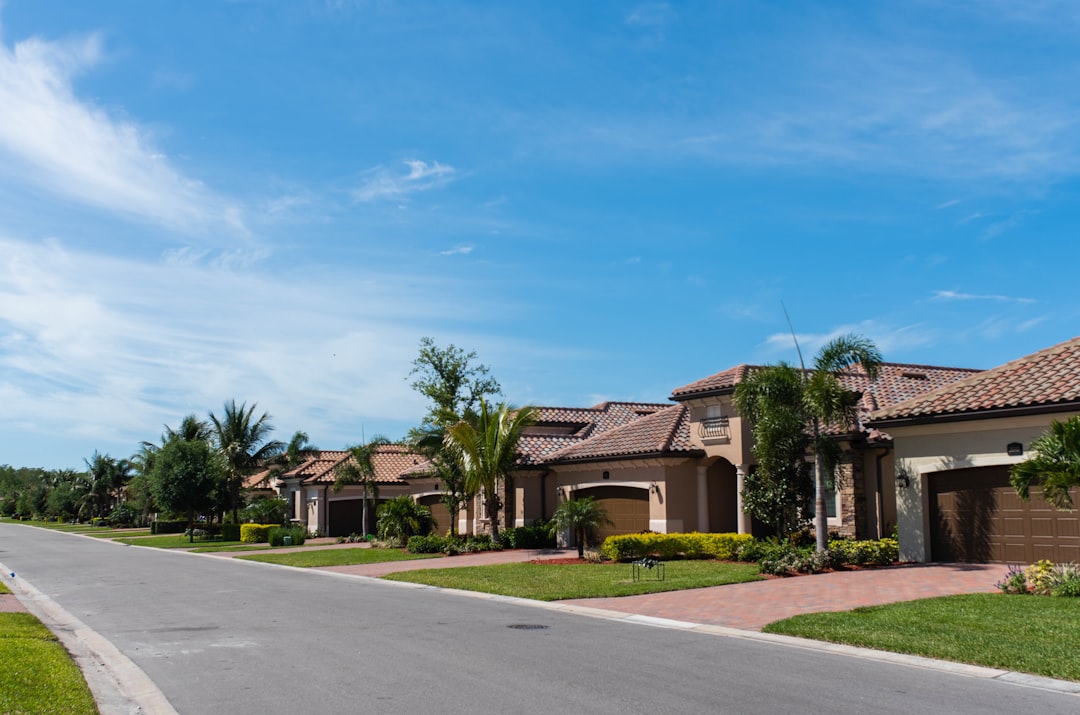
Purchasing the priciest home in a neighborhood limits the potential for future appreciation. The value of a home is heavily influenced by the sales prices of surrounding properties. If your home is significantly more expensive than the neighbors’ it will not appreciate as quickly as the lower-priced homes. It is generally safer to buy the worst house in the best neighborhood than the best house in a mediocre one. This strategy allows the surrounding property values to pull your investment up over time.
Neglecting the Roof Condition

A roof replacement is one of the most expensive maintenance items a homeowner will face. Buyers often glance at the roof from the ground without understanding its age or remaining lifespan. An old roof may prevent you from obtaining homeowners insurance or lead to costly leaks shortly after moving in. Inspectors can estimate the remaining life but asking for documentation of the last replacement is also wise. Budgeting for a near-future replacement is essential if the roof is nearing the end of its utility.
Failing to Check the HVAC System
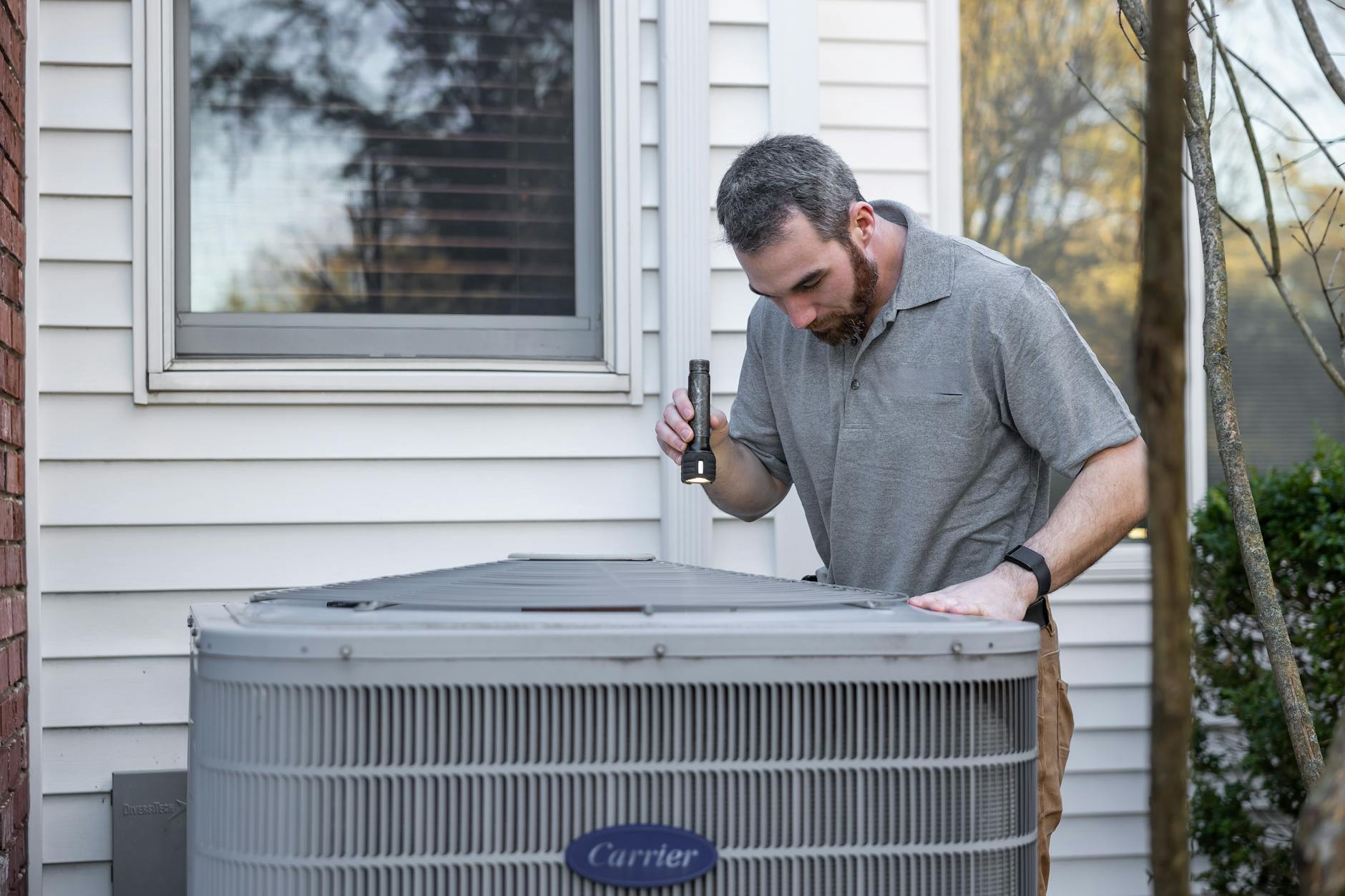
Heating and cooling systems have a finite lifespan and are costly to replace completely. Buyers should verify the age of the furnace and air conditioning unit and check for service records. An inefficient system will drive up utility bills and fail when it is needed most during extreme weather. If the system is ancient negotiating for a home warranty or a replacement credit is a smart move. Ignoring the mechanicals is a common mistake that leads to expensive emergency service calls.
Ignoring Noise Pollution

Visiting a home only during quiet mid-day hours can mask issues with noise from trains or highways or airports. Noise pollution significantly affects sleep quality and general enjoyment of the outdoor space. Checking flight paths and proximity to railroad tracks or busy intersections is a necessary part of due diligence. Spending time in the neighborhood on a Friday night provides a different perspective on noise levels. A quiet house is crucial for long-term comfort and sanity.
Overlooking Yard Maintenance

A large yard looks appealing but requires hours of weekly labor or the cost of a landscaping service. First-time buyers often underestimate the time and money required to mow lawns and trim hedges and rake leaves. If you do not enjoy gardening a high-maintenance yard becomes a burden rather than an asset. Low-maintenance landscaping options or smaller lots might be a better fit for busy professionals. Assessing your willingness to do yard work ensures you choose a property that fits your lifestyle.
Not Checking Cell Phone Service

In the digital age having reliable cell phone reception at home is a necessity for work and safety. Buyers rarely check their signal strength while touring a home until they move in and face dropped calls. Thick walls or geographic location can create dead zones that are frustrating and difficult to fix. Walking through every room and the basement with your phone is a simple way to test connectivity. Poor service can be a dealbreaker for remote workers or those without landlines.
Relying Solely on Online Estimates

Automated valuation models found on real estate websites are often inaccurate and outdated. These algorithms cannot account for interior condition or recent renovations or specific view premiums. Basing your offer or expectations on these numbers can lead to unrealistic financial planning. A comparative market analysis prepared by a real estate professional uses real-time data for accuracy. Trusting a human expert over an algorithm prevents major valuation errors.
Forgetting About Furniture Costs

Moving into a larger space often means your current furniture will not fill the rooms adequate. Buyers frequently spend all their cash on closing and have nothing left to furnish the new house. Living in empty rooms for months is a common reality for those who do not budget for new furnishings. Planning for essential items like a dining table or a larger sofa helps manage cash flow. It is better to budget for these items upfront than to rely on high-interest credit cards later.
Signing Documents Without Reading

The stack of closing documents is intimidating but signing blindly is a dangerous practice. These papers contain the binding terms of your loan and the deed and the ownership details. Errors in interest rates or spelling of names can cause significant legal and financial headaches later. taking the time to read or having an attorney review the paperwork ensures you agree to what is written. Understanding what you are signing is the final safeguard in the home buying process.
Waiting for the Perfect House

Searching for a home that checks every single box often leads to “analysis paralysis” and missed opportunities. No home is absolutely perfect and every property will require some compromise. Successful buyers prioritize their top three non-negotiables and remain flexible on the rest. Waiting for perfection often means watching prices rise while you remain on the sidelines. Focusing on potential and location allows you to create your perfect home over time.
Please share your own experiences or additional tips for new buyers in the comments.




