Sustaining attention in a fast-paced world requires more than just willpower and discipline. Nutrition plays a pivotal role in regulating brain function and managing mental energy levels throughout the day. Incorporating specific nutrients into your daily diet can sharpen memory and improve cognitive processing speed. The following foods are recognized for their ability to support neural health and enhance overall mental performance.
Blueberries
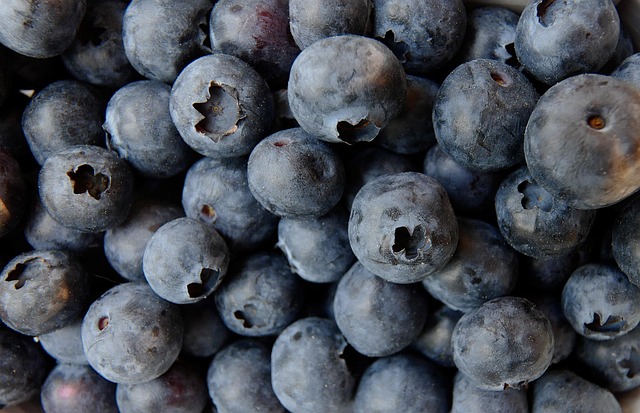
Blueberries are packed with antioxidants that stimulate the flow of blood and oxygen to the brain. These small fruits contain high levels of flavonoids known as anthocyanins which help improve memory and cognitive function. Regular consumption has been linked to slower rates of cognitive decline in aging populations. Adding a handful to morning oatmeal provides a natural way to support sustained mental clarity.
Fatty Fish

Fatty fish varieties like salmon and trout are rich sources of omega-3 fatty acids which are essential for brain health. These healthy fats are structural components of the human brain and play a vital role in sharpening memory. Eating fish twice a week can increase gray matter in the brain that controls decision making and emotion. This dietary choice supports overall cognitive well-being and helps maintain mental focus.
Green Tea

Green tea contains caffeine and L-theanine which work together to improve brain function. The caffeine provides a mild stimulant effect that increases alertness without the jittery sensation often associated with coffee. L-theanine promotes relaxation by increasing alpha wave activity in the brain to create a state of calm focus. Drinking this beverage throughout the day can lead to stable energy and improved task performance.
Coffee
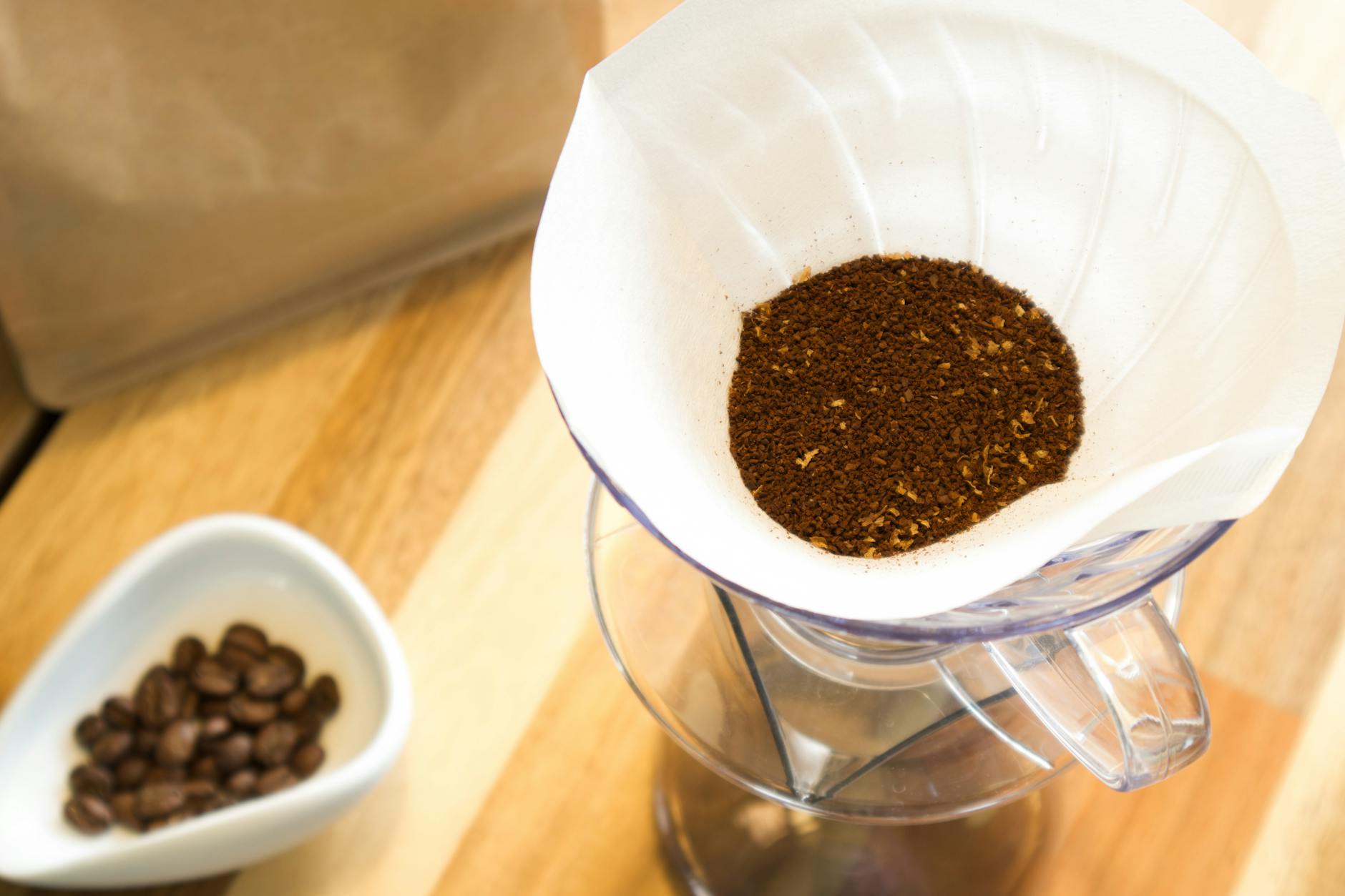
Coffee is a popular beverage that boosts alertness by blocking adenosine which makes you feel sleepy. The caffeine content triggers the release of neurotransmitters like dopamine to improve mood and concentration. Moderate consumption has been shown to enhance short-term memory and cognitive processing capabilities. It serves as an effective tool for jumpstarting mental activity during demanding work sessions.
Eggs

Eggs are a nutrient-dense food containing choline which is a micronutrient that the body uses to create acetylcholine. Acetylcholine is a neurotransmitter that helps regulate mood and memory consolidation. The yolk also contains B vitamins that help slow the progression of mental decline in older adults. Including eggs in breakfast meals provides a solid foundation for brain health and mental stamina.
Dark Chocolate

Dark chocolate contains cocoa flavonoids that may encourage neuron and blood vessel growth in parts of the brain involved in memory. The slight caffeine content offers a small energy boost to help you power through difficult mental tasks. Compounds in chocolate also stimulate the production of endorphins to improve mood and reduce stress. Choosing varieties with high cocoa content maximizes these cognitive benefits while minimizing sugar intake.
Walnuts
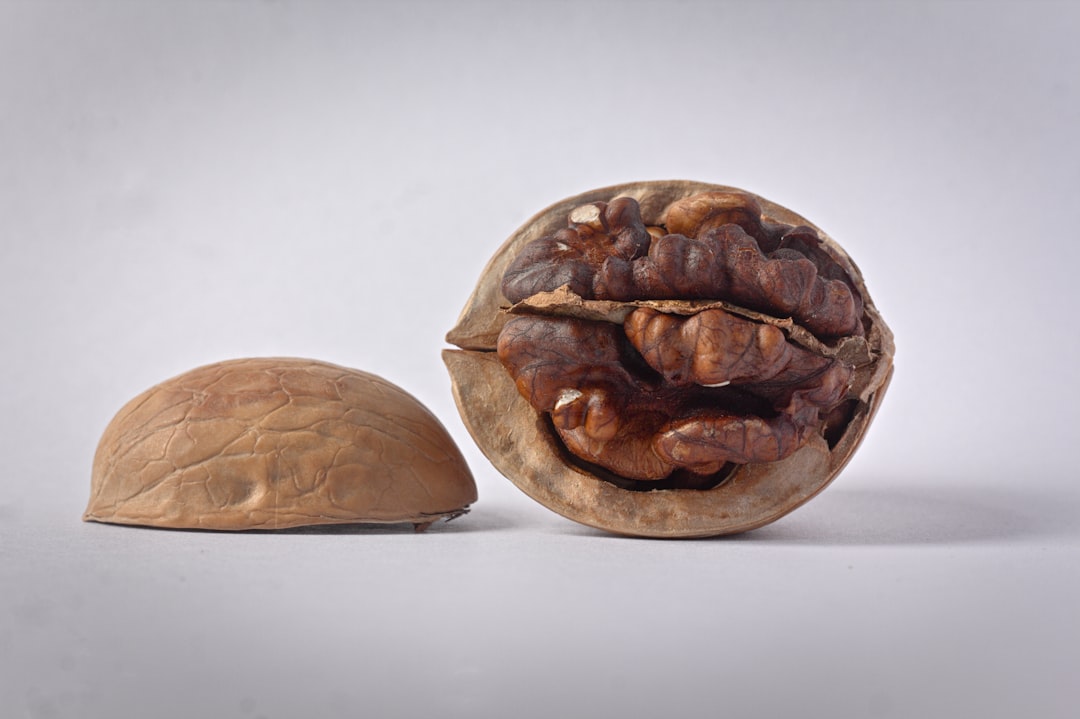
Walnuts are the top nut for brain health due to their high concentration of DHA which is a type of omega-3 fatty acid. Studies suggest that eating walnuts can improve cognitive test scores and boost memory retention. Their vitamin E content acts as an antioxidant to protect brain cells from oxidative stress caused by free radicals. Snacking on a small portion daily supports long-term neural health and acute mental focus.
Pumpkin Seeds
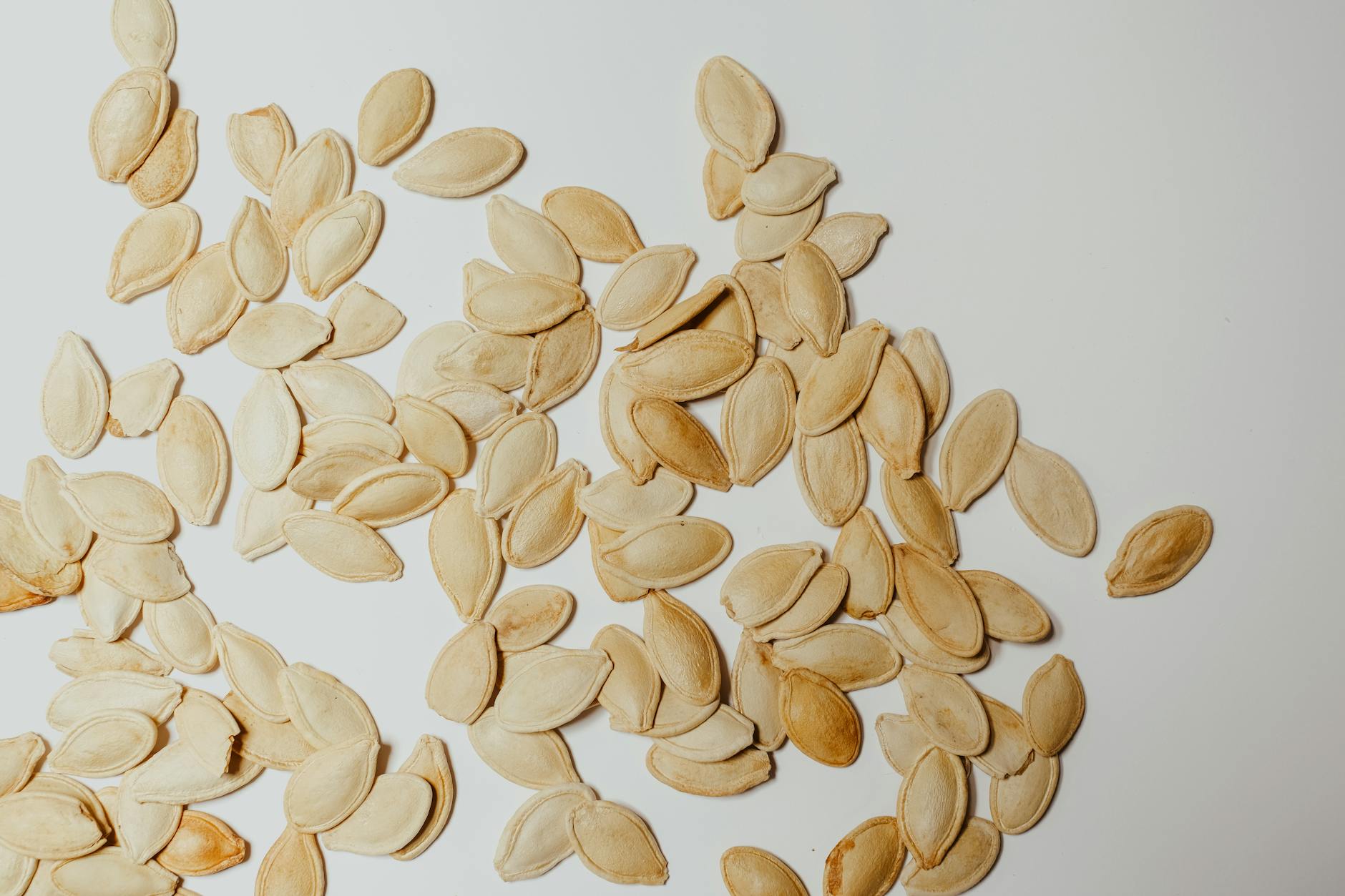
Pumpkin seeds are an excellent source of magnesium which is essential for learning and memory. They also contain iron and zinc which are vital for nerve signaling and proper brain function. Deficiencies in these micronutrients can lead to brain fog and impaired cognitive performance. A handful of these seeds provides a potent mineral boost to keep the mind sharp and responsive.
Broccoli
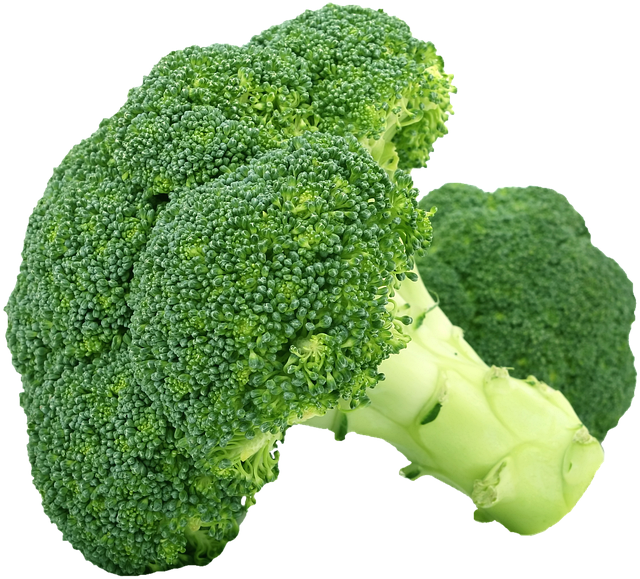
Broccoli is packed with vitamin K which is known to enhance cognitive function and improve brainpower. This fat-soluble vitamin is essential for forming sphingolipids that protect brain cells. The vegetable also contains compounds with antioxidant and anti-inflammatory effects that may protect against brain damage. Regular consumption supports a healthy nervous system and promotes optimal brain resilience.
Turmeric

Turmeric is a deep yellow spice containing curcumin which can cross the blood-brain barrier to directly benefit brain cells. Curcumin boosts brain-derived neurotrophic factor which is a growth hormone that helps brain cells grow. It also has potent anti-inflammatory properties that help clear amyloid plaques associated with cognitive decline. Adding this spice to curry or tea is a flavorful way to support memory and mood.
Oranges
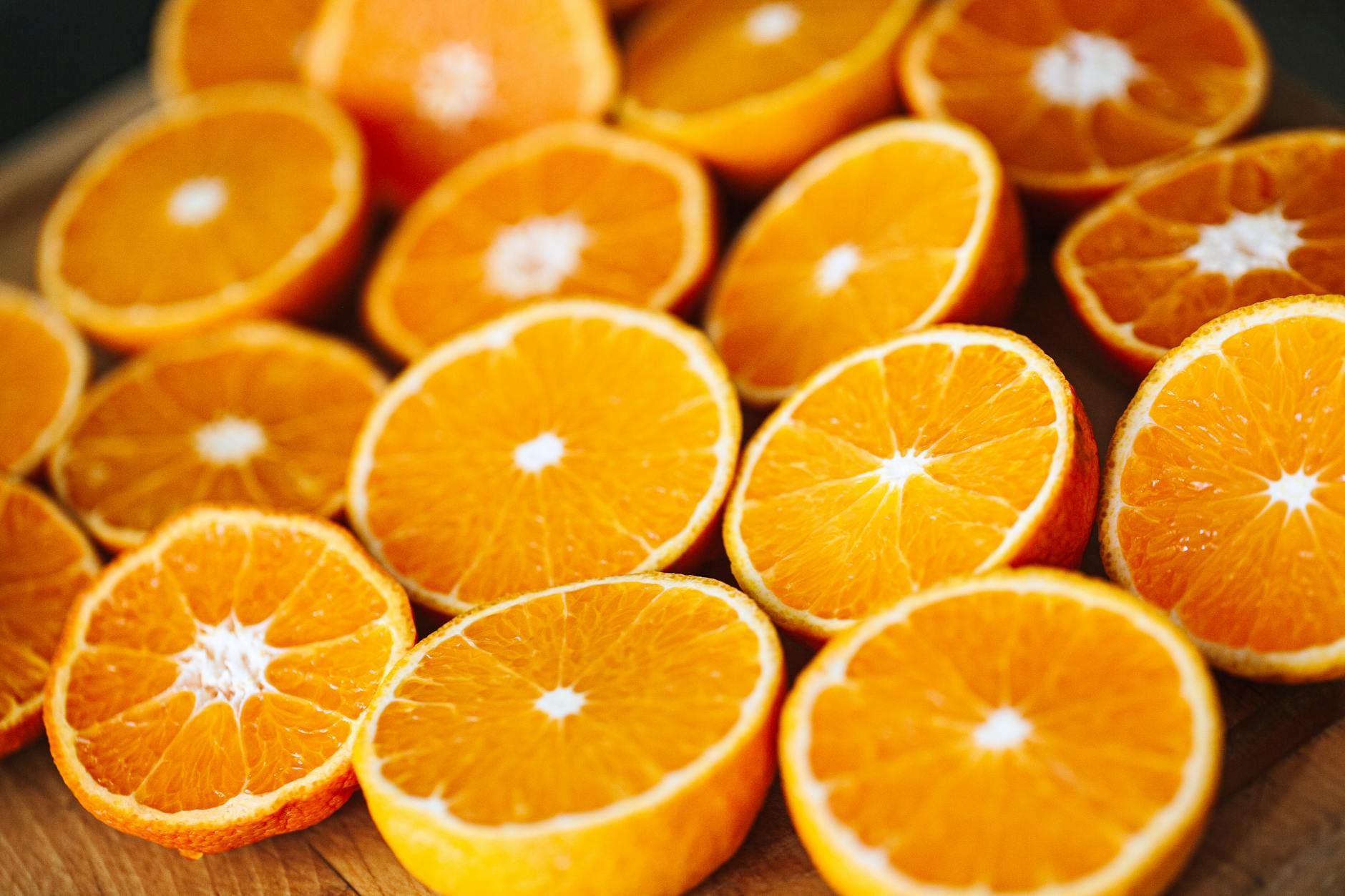
Oranges are practically a powerhouse of vitamin C which is key for preventing mental decline. Eating one medium orange can provide the full daily recommended amount of this crucial antioxidant. Vitamin C fights off free radicals that can damage brain cells and helps preserve overall brain health as you age. This fruit offers a refreshing way to protect cognitive abilities and maintain focus.
Spinach

Spinach is loaded with lutein and folate which promote blood flow to the brain and help filter out damaging toxins. These leafy greens are associated with a slower rate of cognitive decline and better memory scores in older adults. The nitrates found in spinach dilate blood vessels to improve oxygen delivery to neural tissues. Incorporating salads with spinach into lunch is a simple strategy for better afternoon concentration.
Avocados

Avocados are rich in monounsaturated fats that contribute to healthy blood flow and lower blood pressure. High blood pressure is linked to cognitive decline so maintaining vascular health is essential for the brain. They also contain potassium and vitamin K to support cognitive function and concentration. Eating this creamy fruit provides sustained energy that keeps the brain fueled for extended periods.
Beetroot

Beetroot contains high levels of nitrates that the body converts into nitric oxide to relax blood vessels. This process improves blood flow to the frontal lobe which is the area of the brain associated with decision making. Drinking beet juice has been shown to improve reaction time and cognitive performance during mental tasks. This root vegetable offers a natural way to enhance cerebral circulation and mental acuity.
Bone Broth

Bone broth is rich in amino acids like glycine and proline that help reduce inflammation and improve the immune system. A healthy gut is directly linked to a healthy brain through the gut-brain axis. The collagen found in broth supports the intestinal lining and may help reduce brain fog associated with leaky gut. Sipping warm broth creates a soothing effect that can help clear the mind for better focus.
Coconut Oil
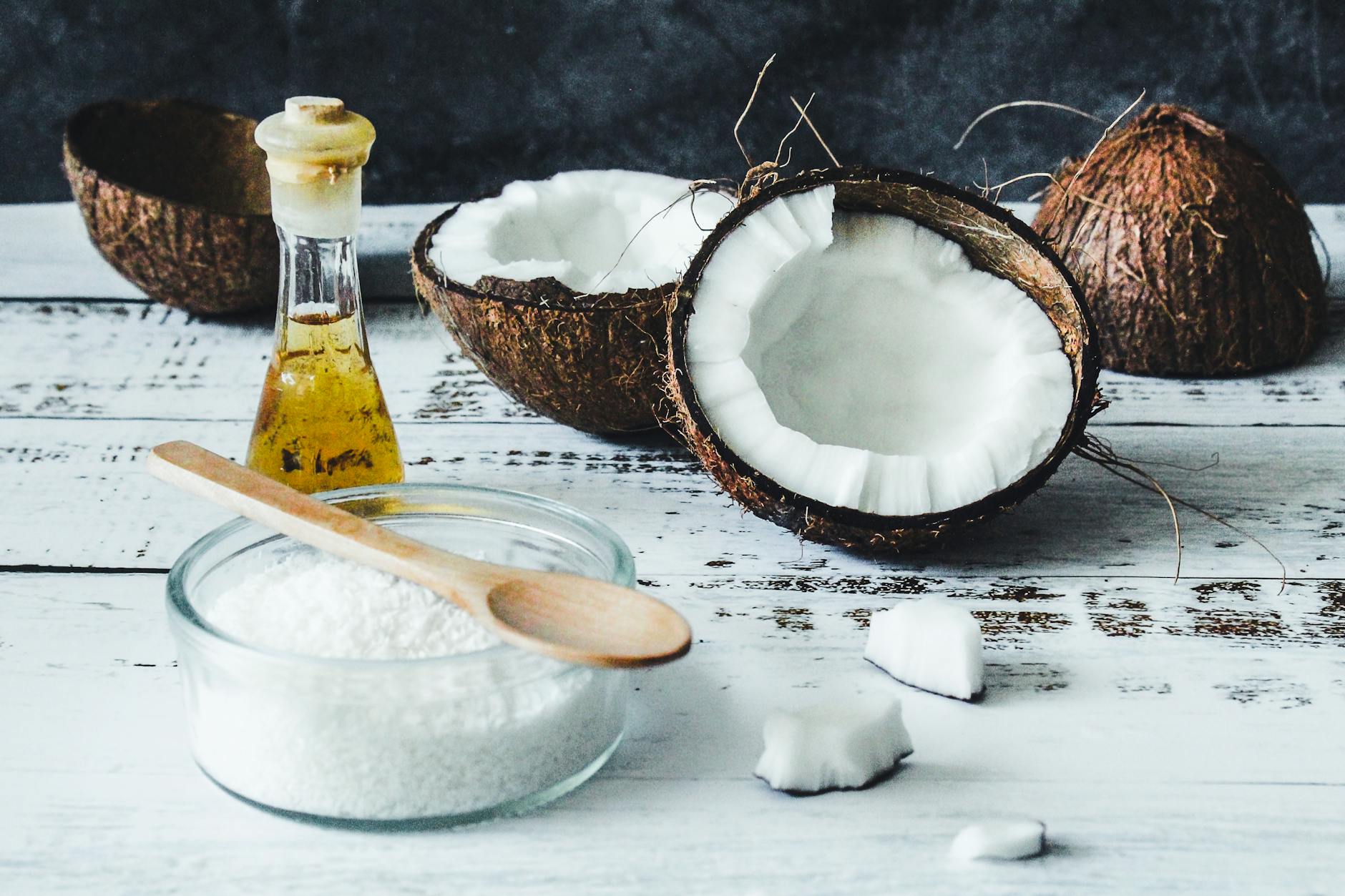
Coconut oil contains medium-chain triglycerides which the liver processes into ketones. Ketones provide an immediate fuel source for the brain that is more efficient than glucose. This alternative energy source can improve cognitive performance in people with memory impairments. Using coconut oil in cooking offers a quick energy boost to help sustain mental effort.
Oatmeal

Oatmeal provides complex carbohydrates that the brain breaks down slowly into glucose for a steady supply of energy. This prevents the blood sugar spikes and crashes that often lead to brain fog and irritability. Oats are also rich in fiber which keeps you feeling full and minimizes distraction from hunger pangs. Starting the day with this grain ensures a consistent fuel supply for morning productivity.
Flaxseeds
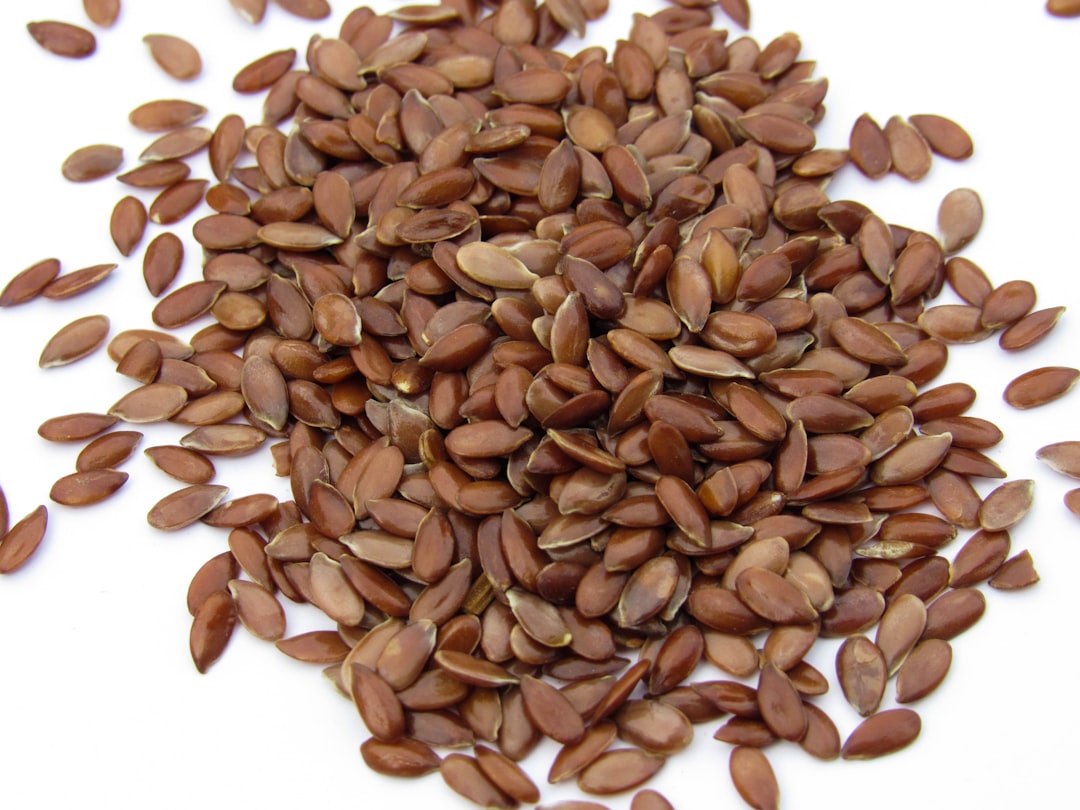
Flaxseeds are a potent plant-based source of alpha-linolenic acid which is a type of omega-3 fatty acid. These seeds help reduce cerebral inflammation and promote the growth of brain cells. They also contain magnesium and B vitamins to support overall nervous system function. Ground flaxseeds can be easily hidden in smoothies to boost intake of these brain-supporting nutrients.
Tomatoes

Tomatoes are a primary source of lycopene which is a powerful antioxidant that protects against cell damage. Lycopene neutralizes free radicals that can contribute to dementia and other cognitive disorders. Cooking tomatoes makes this nutrient more bioavailable for the body to absorb and utilize. Including tomato-based sauces in meals is a delicious way to safeguard long-term brain health.
Kale
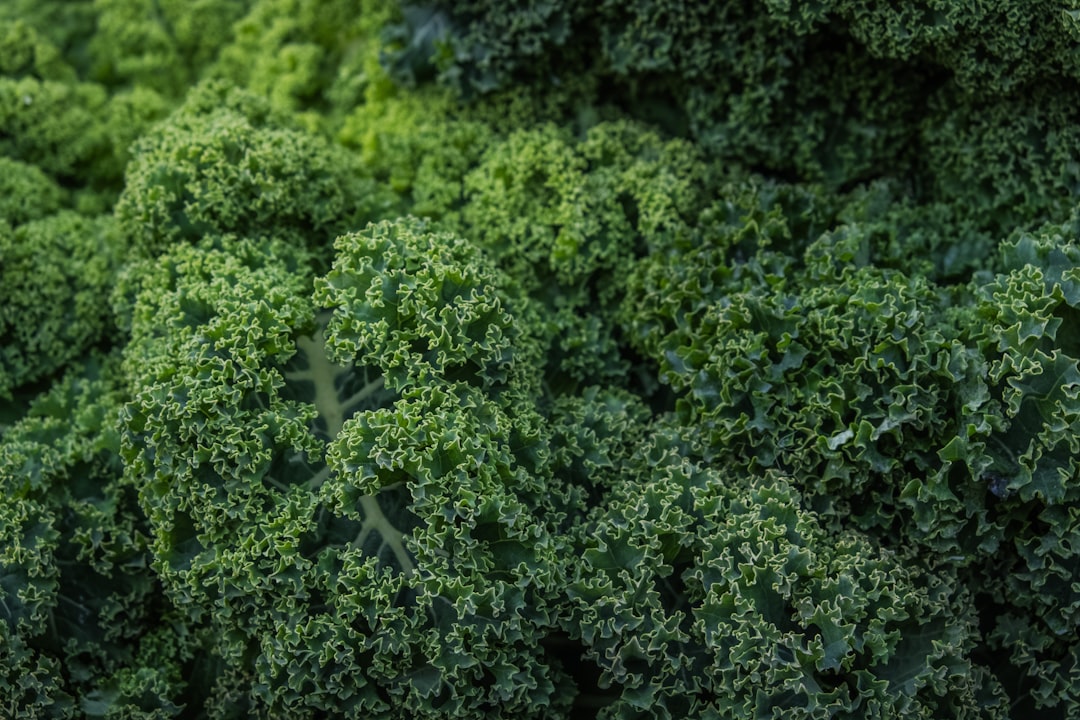
Kale is a nutrient-dense superfood containing vitamins A and K alongside iron and manganese. These nutrients work together to support brain cell resilience and improve cognitive processing speed. The high levels of glucosinolates in kale can help break down acetylcholine to regulate brain function. Eating this dark leafy green regularly promotes mental agility and sharpens focus.
Sage

Sage is a culinary herb that has long been reputed to improve memory and brain function. Compounds in sage inhibit the breakdown of acetylcholine which is a chemical messenger critical for memory. Research suggests that consuming sage extract can improve performance on memory tests and enhance mood. Sprinkling fresh sage on dishes adds flavor while supporting cognitive clarity.
Rosemary

Rosemary contains carnosic acid which helps protect the brain from neurodegeneration and free radical damage. The aroma of rosemary oil alone has been shown to improve speed and accuracy in performance tasks. It also helps fight off brain aging by preserving the integrity of neural tissues. Using this herb in roasting adds a savory taste and a functional cognitive boost.
Peppermint Tea

Peppermint tea offers a refreshing aroma that has been shown to stimulate the brain and increase alertness. The scent of peppermint helps wake up the senses and can improve memory recall during testing. It is a caffeine-free option that hydrates the body while sharpening mental focus. Drinking a cup during a midday slump can reinvigorate the mind for the tasks ahead.
Water

Water is essential for every bodily function and even mild dehydration can impair attention and memory. Adequate hydration ensures that the brain has the fluid it needs to produce hormones and neurotransmitters. Drinking water regularly prevents headaches and fatigue that can destroy concentration. Keeping a water bottle nearby is the simplest habit to maintain optimal cognitive performance.
Kimchi

Kimchi is a fermented vegetable dish that promotes a healthy gut microbiome through beneficial probiotics. A balanced gut microbiome produces neurotransmitters like serotonin which regulates mood and cognitive function. The connection between the gut and the brain means that digestive health directly impacts mental clarity. Adding a side of kimchi to meals supports this vital internal communication network.
Almonds
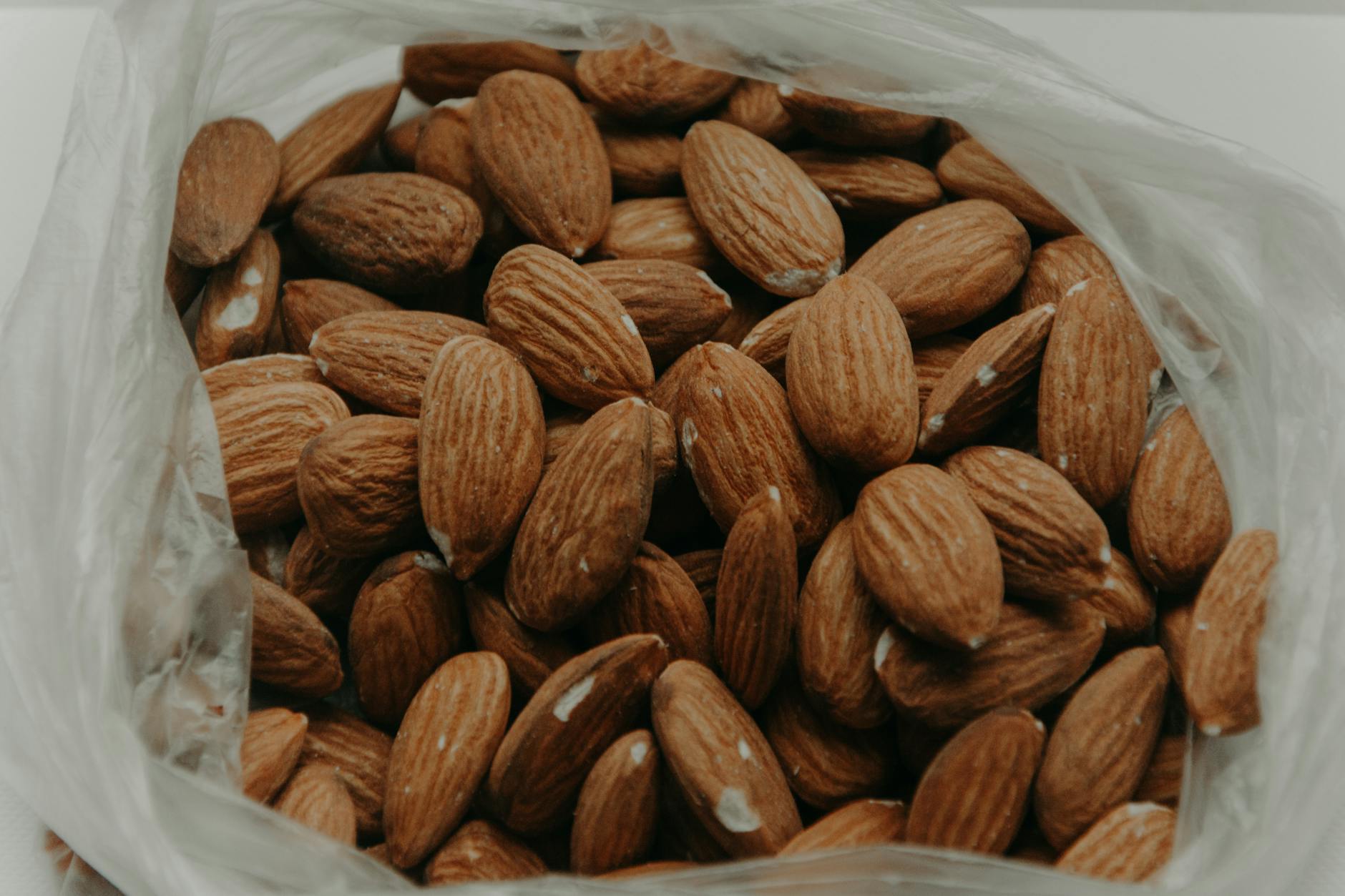
Almonds contain riboflavin and L-carnitine which are nutrients capable of boosting brain activity. These nuts help reduce inflammation in the body and may prevent age-related cognitive decline. They also provide healthy fats and protein to sustain energy levels without sugar crashes. Snacking on raw almonds is a convenient way to nourish the brain during busy workdays.
Chia Seeds

Chia seeds are incredibly rich in omega-3 fatty acids and fiber despite their tiny size. The fatty acids support the integrity of brain cell membranes and facilitate communication between cells. The high fiber content helps regulate blood sugar release to provide steady mental energy. Mixing these seeds into pudding or yogurt creates a brain-boosting snack.
Lentils

Lentils are packed with folate which is a B vitamin that plays a key role in synthesizing neurotransmitters. Folate deficiency can lead to elevated homocysteine levels which are associated with poor cognitive function. These legumes also provide a good source of iron to transport oxygen to the brain. Including lentils in soups or stews supports mental sharpness and emotional balance.
Quinoa

Quinoa is a complex carbohydrate that also contains a significant amount of iron and B vitamins. The brain consumes twenty percent of the body’s glucose so complex carbs are vital for fuel. Iron helps deliver oxygen to the brain to improve attention span and concentration. Replacing white rice with quinoa upgrades a meal into a cognitive support tool.
Yogurt

Yogurt serves as a source of iodine and zinc which are essential minerals for brain development and function. The probiotics in yogurt modulate the brain’s response to stress and anxiety through the vagus nerve. Protein in yogurt also helps produce neurotransmitters that improve alertness and mental endurance. A bowl of plain yogurt is a simple way to support both gut health and focus.
Pomegranates
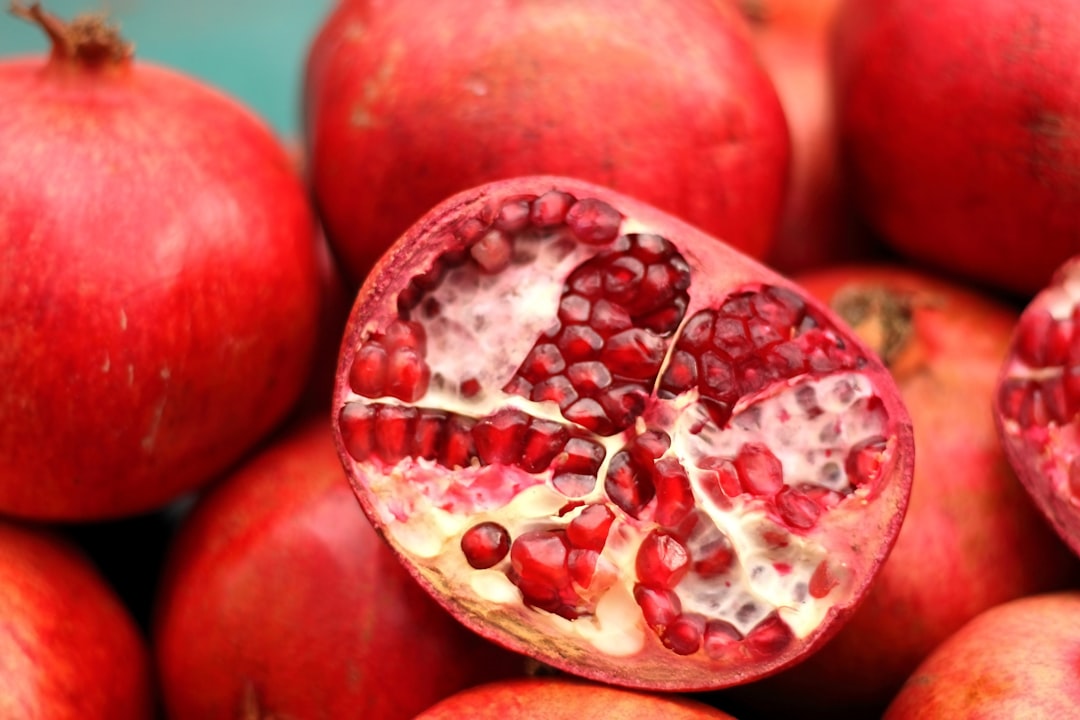
Pomegranates are rich in antioxidants that protect the brain from free radical damage and inflammation. Drinking pomegranate juice has been linked to improved memory and increased brain activity during functional tasks. The fruit supports blood flow which ensures the brain receives the nutrients it needs to operate efficiently. Enjoying the seeds or juice adds a tart flavor and cognitive protection to the diet.
Olive Oil

Olive oil is a staple of the Mediterranean diet and contains polyphenols that improve learning and memory. The monounsaturated fats in this oil help maintain the structure of brain cell membranes. It also reduces inflammation which is a key factor in many neurodegenerative conditions. Drizzling high-quality olive oil over vegetables is an easy way to consume these brain-healthy fats.
Strawberries
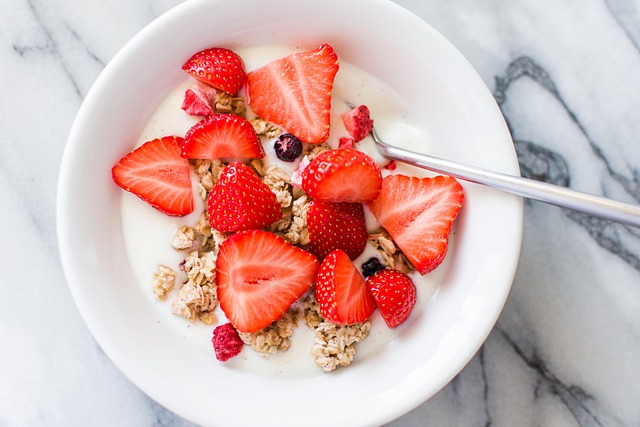
Strawberries contain fisetin which is a flavonoid that stimulates signaling pathways to improve long-term memory. The high vitamin C content fights oxidative stress and helps prevent age-related mental decline. These berries also contain potassium which helps increase blood flow to the brain. Eating fresh strawberries is a sweet way to enhance cognitive function and protect neural health.
Maca Root

Maca root is an adaptogen that helps the body manage stress and balances hormone levels. It is often used to boost energy and mental stamina without the jitters of caffeine. Some studies suggest it can improve learning and memory performance in experimental settings. Adding maca powder to smoothies provides an earthy flavor and potential cognitive benefits.
Yerba Mate

Yerba mate is a traditional South American tea that provides a potent mix of caffeine and antioxidants. It offers the energy boost of coffee with the nutritional benefits of tea to enhance mental focus. The compounds in this drink can improve mood and increase physical energy simultaneously. Sipping this beverage is a social and effective way to heighten alertness and concentration.
Please share your personal experiences with these brain foods in the comments to help inspire others.




