Vacuum cleaners are essential tools for maintaining a clean home but they are not designed to handle every type of mess. Using your machine on the wrong materials can lead to clogged hoses or broken motors and costly repairs. Understanding the limits of your appliance ensures it remains efficient and lasts for years. This guide outlines specific items that require alternative cleaning methods to protect your investment.
Broken Glass

Vacuuming sharp shards of glass is a guaranteed way to damage the internal components of your machine. The jagged edges can slice through vacuum bags or scratch the interior of a canister. Large pieces often get stuck in the hose and create obstructions that restrict airflow. It is much safer for the appliance if you use a broom and dustpan for this task.
Coins

Small metal currency is heavy enough to crack the plastic interior of a vacuum cleaner upon impact. The suction force pulls these items in at high speeds which turns them into dangerous projectiles within the machine. They can easily damage the fan blades or the motor itself during operation. Retrieving them manually is the only way to ensure your vacuum remains intact.
Wet Food

Moist food particles like soggy cereal or vegetable scraps can clog the vacuum hose and filters instantly. These organic materials often grow mold inside the machine because they are difficult to remove completely. The moisture can also damage the motor if it seeps into the electrical components. You should always use paper towels or a cloth to clean up wet messes.
Drywall Dust
Fine particulate matter from construction work is too small for most household vacuum filters to catch. This dust blows straight through the exhaust and coats the room in a fine layer of white powder. It can also enter the motor bearings and cause them to seize up over time. A shop vacuum designed for heavy-duty debris is the correct tool for this material.
Wet Coffee Grounds

Damp grounds are heavy and stick to the inside of the vacuum tubes and canister. This accumulation creates a perfect breeding ground for mold and mildew that ruins the machine. The moisture can also cause the dust in the bag to clump together and block airflow. Sweeping these up or using a paper towel prevents internal damage.
Fireplace Ash

The heat from recently extinguished ash can melt plastic components or even start a fire inside the vacuum. Even cold ash consists of particles so fine that they pass through standard filters and damage the motor. This dust settles back into the room and lowers indoor air quality significantly. You should wait for the ash to cool completely before scooping it out with a metal shovel.
Wet Soil

Garden soil contains moisture that poses a serious threat to the electrical motor of a standard vacuum. The dirt turns into mud inside the machine and coats the inner workings with a thick layer of grime. This sludge blocks filters and restricts the necessary airflow for proper suction. It is better to let the mud dry completely before sweeping or to use a wet-dry vac.
Long Human Hair

Excessive amounts of long hair wrap tightly around the brush roll and stop it from spinning. This puts immense strain on the drive belt and can cause it to snap or burn out. You often have to cut the hair away manually to restore the function of the brush bar. Sweeping up large clumps of hair before vacuuming saves you from difficult maintenance later.
Paper Clips

These small metal loops are prime candidates for getting stuck in the intricate mechanisms of a vacuum. They can lodge themselves in the fan blades and cause loud rattling noises or permanent motor failure. Sharp ends may also puncture the vacuum bag or scratch the floor head. Picking them up by hand is a quick way to avoid a broken appliance.
Small Toys

Action figures and building blocks are hard plastics that can shatter the fan blades inside the vacuum. The noise of a toy rattling through the hose is a clear sign of potential damage occurring. These items often cause blockages that require you to dismantle the hose to clear them. A quick scan of the floor for toys prevents this common accident.
Electrical Cords
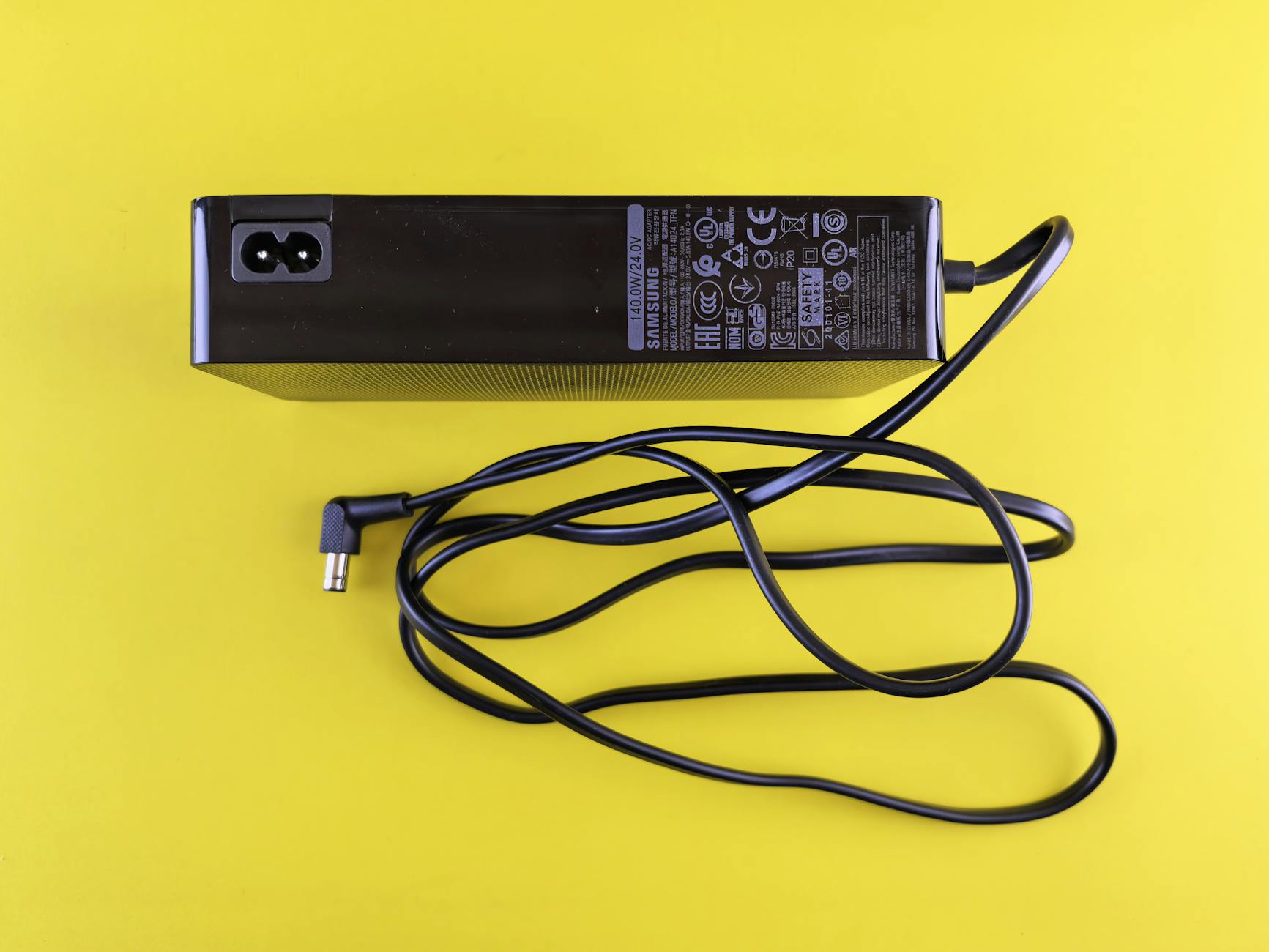
Running over power cords can tear the outer insulation and expose dangerous live wires. The vacuum brush roll can grab the cord and yank the lamp or device off the table. This action damages both the vacuum cleaner belt and the electrical item being pulled. You must move all cords out of the path before you begin cleaning a room.
Cosmetic Powder
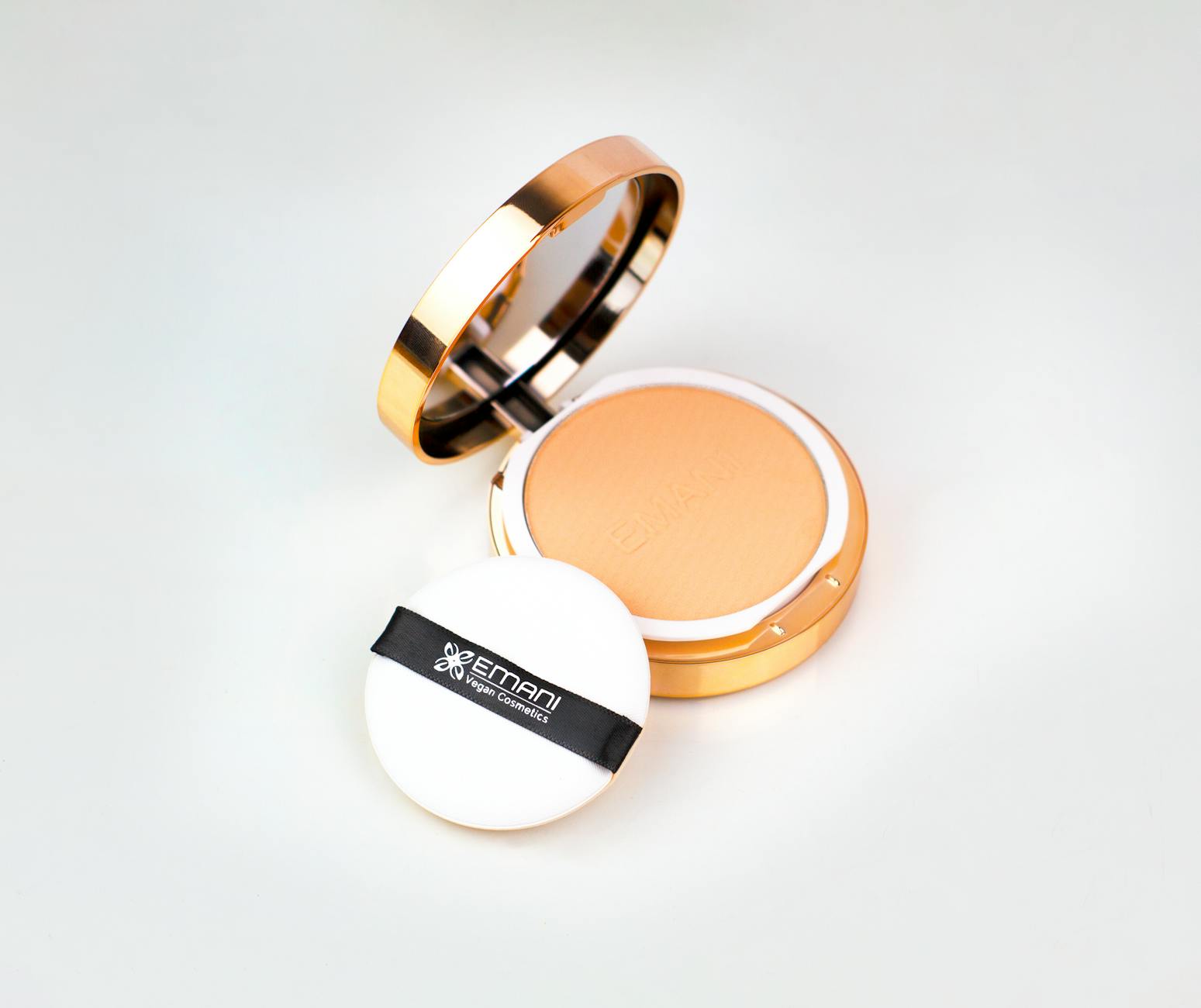
Fine powders like blush or bronzer are difficult for standard filters to trap effectively. They can melt inside the motor due to the heat and coat the internal parts in a sticky residue. This buildup eventually causes the motor to overheat and fail prematurely. Using a damp cloth to wipe up makeup spills is much safer for your machine.
Craft Glitter
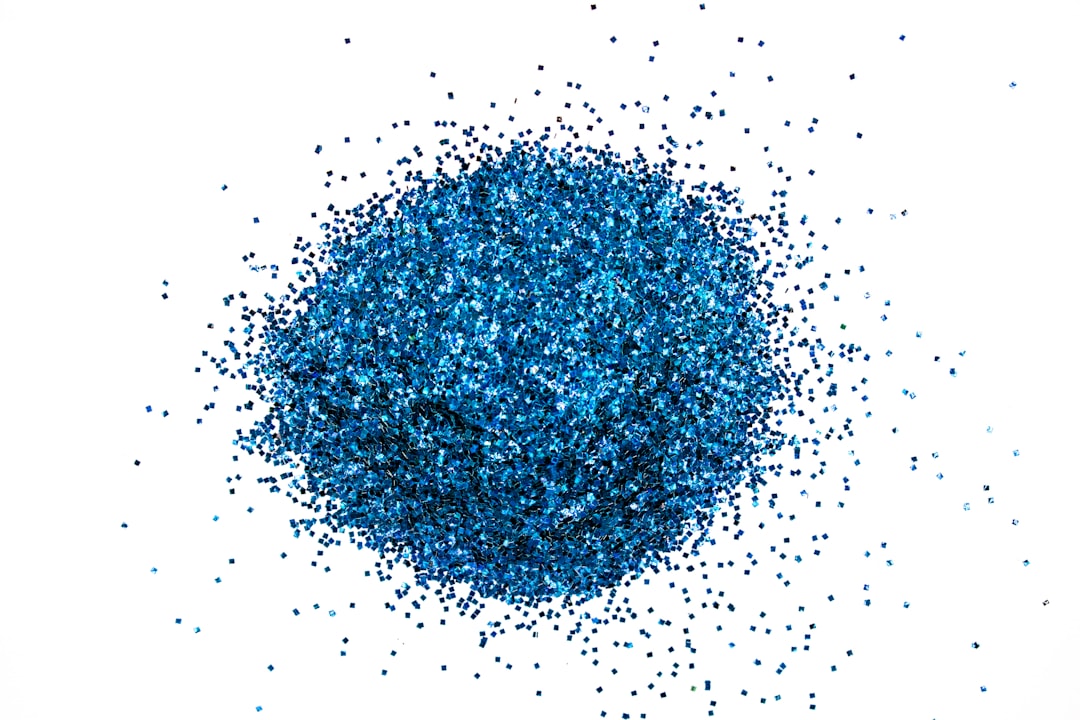
These tiny reflective particles stick to everything inside the vacuum cleaner and are nearly impossible to remove. They can clog the filters and reduce the suction power of the machine over time. The glitter often works its way into the motor and causes friction in the moving parts. A wet paper towel is the most effective way to clean up spilled glitter.
Dead Plant Leaves
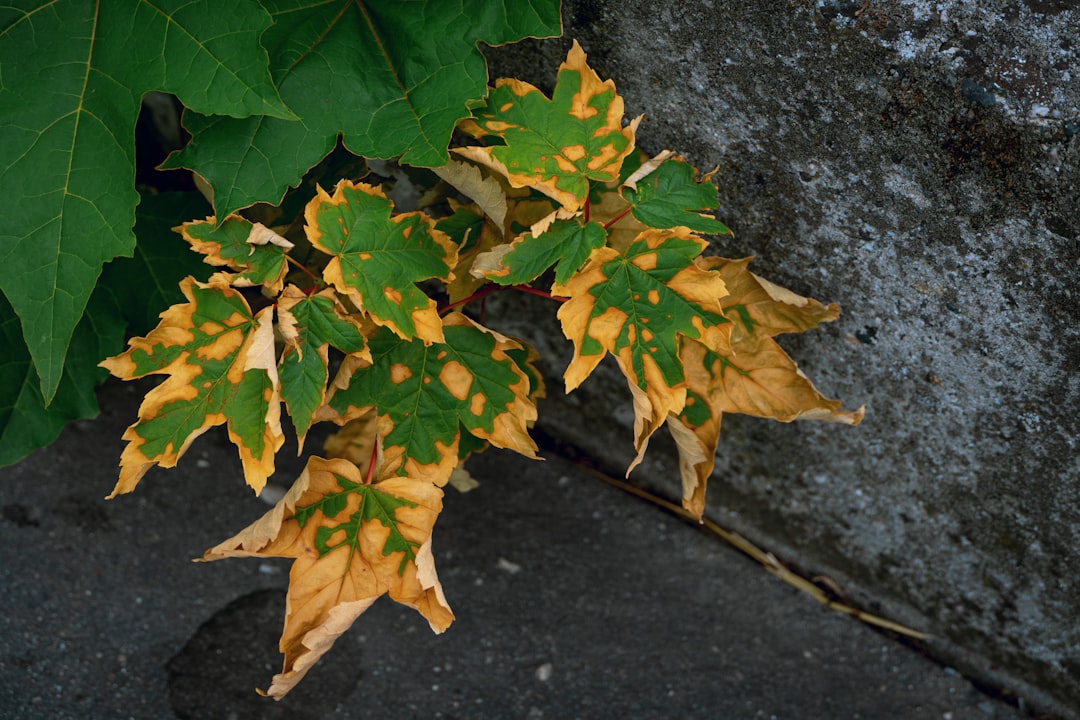
Dry leaves crumble easily and can clog the hose or filter system of a standard household vacuum. They often contain moisture or sap that creates a sticky residue inside the canister. This debris fills up the bag or bin very quickly and reduces efficiency. It is more practical to pick up large leaves by hand or with a broom.
Spilled Liquids

Standard household vacuums are not designed to handle water or other liquid spills. The fluid creates a risk of electrocution if it comes into contact with the motor or wiring. Moisture also promotes the growth of mold inside the hose and collection bin. You must use a mop or a specialized wet-dry vacuum for any liquid messes.
Gravel
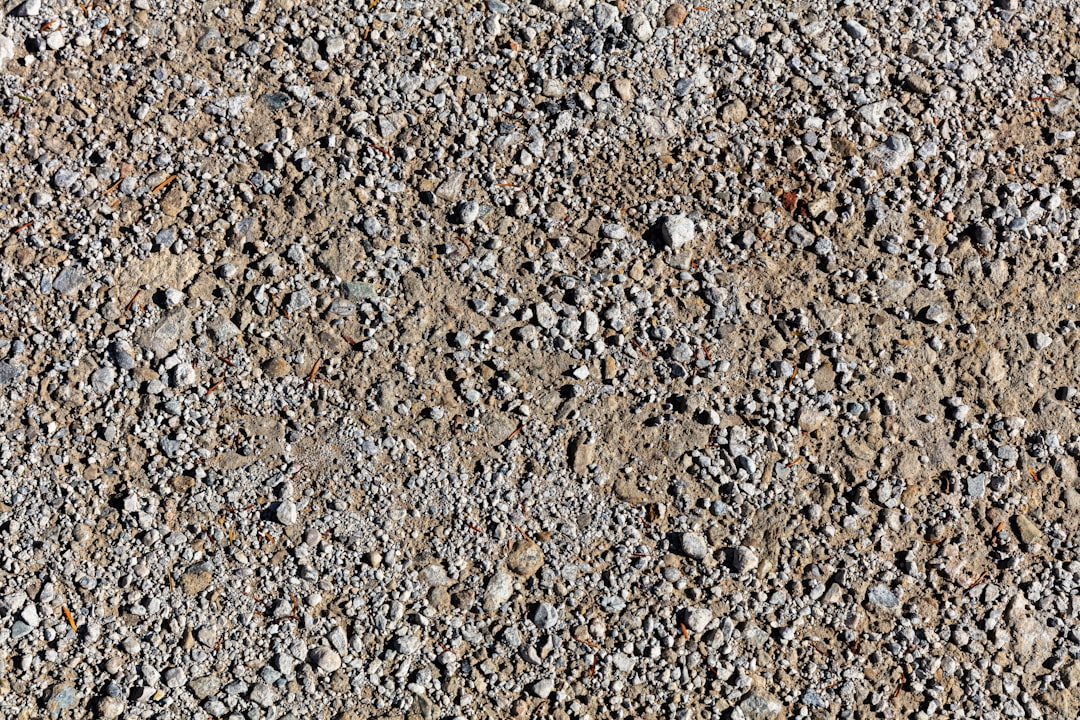
Small stones from the driveway are heavy and can cause significant physical damage to the vacuum. They act as abrasive projectiles that crack the plastic housing or shatter the internal fan. The sound of rocks hitting the interior is a warning that damage is happening. Sweeping the entryway is the best way to handle this type of debris.
Fine Jewelry

Earrings and rings are easily sucked up and can be damaged or lost inside the vacuum bag. The metal can also damage the fan blades or scratch the interior of the machine. Retrieving these small items often involves digging through a dusty and dirty collection bin. Checking the floor for valuables before cleaning prevents this stressful situation.
Sticky Tape
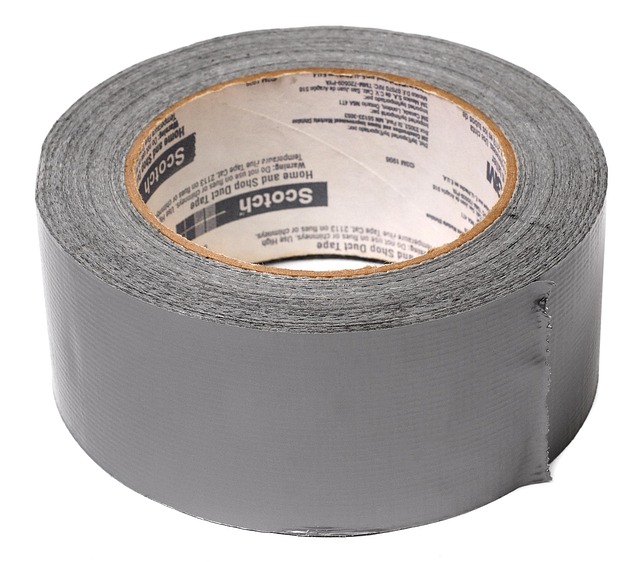
Adhesive tape sticks to the inside of the hose and traps other debris to form a massive clog. It can also wrap around the brush roll and melt due to the friction of the spinning bar. This residue is difficult to clean off and attracts more dirt in the future. You should peel up any tape from the floor by hand.
Clumping Cat Litter
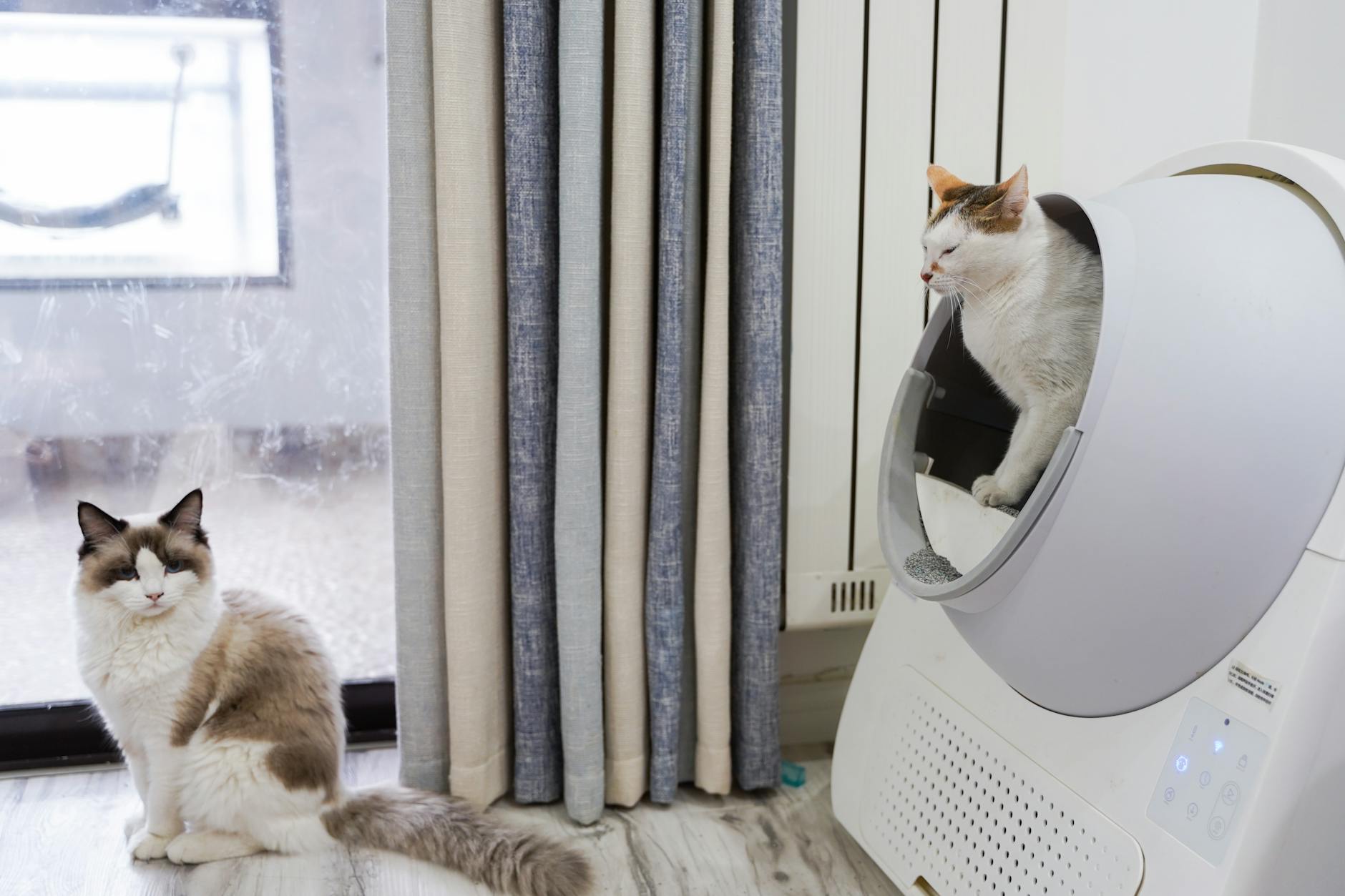
This type of litter is designed to harden when it comes into contact with moisture or humidity. It can solidify inside the vacuum cleaner and ruin the internal mechanisms or block the hose. The dust from the litter is also very fine and can bypass filters to damage the motor. Sweeping the area around the litter box is a safer alternative.
Shredded Paper
Large amounts of paper strips clog the hose and fill up the canister in seconds. The paper can wrap around the motor filter and cause the machine to overheat rapidly. This material is bulky and requires you to empty the bin constantly during the process. A broom is much more efficient for gathering this light and fluffy material.
Bobby Pins

These metal hair accessories are small enough to enter the machine but long enough to cause problems. They can bridge electrical contacts or jam the spinning brush roll instantly. The metal is hard enough to chip the fan blades or puncture the vacuum bag. Picking them up manually is the only way to avoid internal damage.
Rubber Bands
Elastic bands wrap tightly around the brush roll and melt from the friction heat. This sticky mess can fuse the bearings and stop the brush from spinning altogether. The strain on the motor increases significantly when the brush roll is obstructed. You should spot these items and remove them before running the vacuum.
Fabric Scraps

Small pieces of cloth or thread can tangle around the brush bar and stop it from rotating. They can also get sucked into the motor fan and cause it to burn out. This type of debris is often too tough for the vacuum to tear or process. It is better to pick up sewing scraps by hand.
Fine Sawdust
Wood dust is extremely fine and flammable which poses a risk if vacuumed in large quantities. The particles can clog the filters almost immediately and cause the motor to overheat. Regular vacuums are not sealed well enough to prevent this dust from blowing back into the air. A shop vac is the only safe tool for cleaning up after woodworking.
Flaking Paint
Old paint chips can contain lead or other hazardous materials that you do not want to disperse into the air. The vacuum exhaust blows these toxic particles around the room where they can be inhaled. The flakes can also clog the filters and reduce the suction power. Wet cleaning methods are safer for handling peeling paint.
Thumb Tacks

Sharp tacks puncture vacuum bags and defeat the purpose of the filtration system. They can also get stuck in the hose or scratch the floor head as they are dragged along. The metal points are dangerous to the internal plastic components of the canister. You should use a magnet or broom to collect these sharp items.
Screws
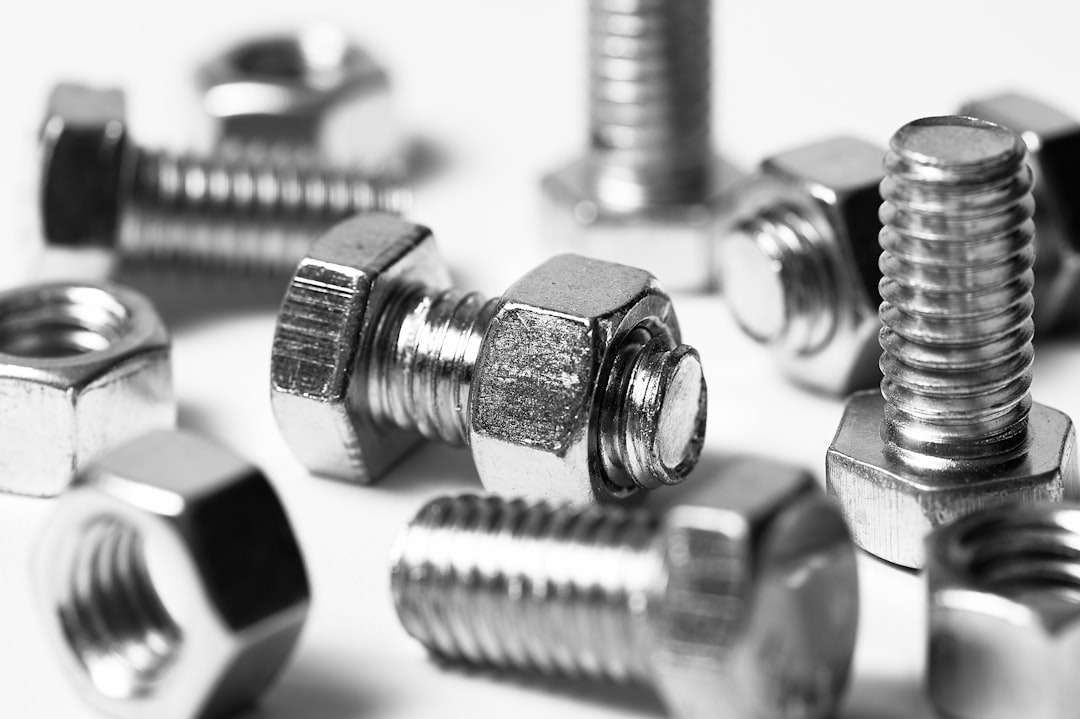
Heavy metal screws cause immediate physical damage when they hit the plastic fan blades. They can crack the canister or lodge themselves in the hose to create a permanent blockage. The weight of the screw prevents it from moving smoothly through the machine. Picking them up by hand protects your appliance from severe impact damage.
Nails

Similar to screws nails are heavy and sharp enough to ruin the internal workings of a vacuum. They can puncture the hose or the bag and allow dust to escape back into the room. The sharp point can scratch the motor housing or cut the drive belt. A magnet sweep is the best way to clean up nails.
Hard Nut Shells
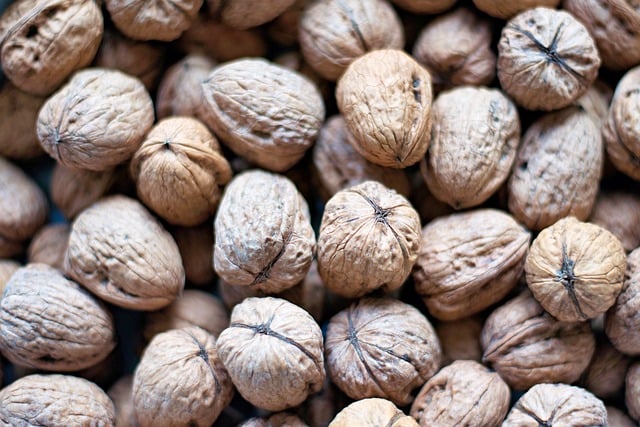
Shells from pistachios or walnuts are hard and jagged enough to tear a vacuum bag. They make a loud noise as they travel through the hose and can crack plastic parts. The irregular shapes make them prone to getting stuck in the bends of the suction tubes. A broom is the most effective tool for this kitchen mess.
Popcorn Kernels

Unpopped kernels are hard enough to damage the fan blades or crack the collection bin. They are the perfect size to get wedged under the brush roll and jam the mechanism. The noise they make rattling around inside is a sign of impact damage. You should sweep these up to keep your vacuum running smoothly.
Solid Pet Waste

Vacuuming animal waste is unsanitary and smears the mess throughout the internal components. The odor permeates the plastic and the filters which ruins the machine permanently. Bacteria and germs are then blown out into the air every time you use the vacuum. You must use a bag and disinfectant cleaner for these accidents.
All Purpose Flour

Flour is a fine powder that can clog filters and cause the vacuum motor to short out. The heat from the motor can cook the flour slightly and make it stick to the interior parts. It creates a gummy substance if it encounters any moisture inside the machine. A dustpan and brush are the correct tools for spilled flour.
Fine Spices
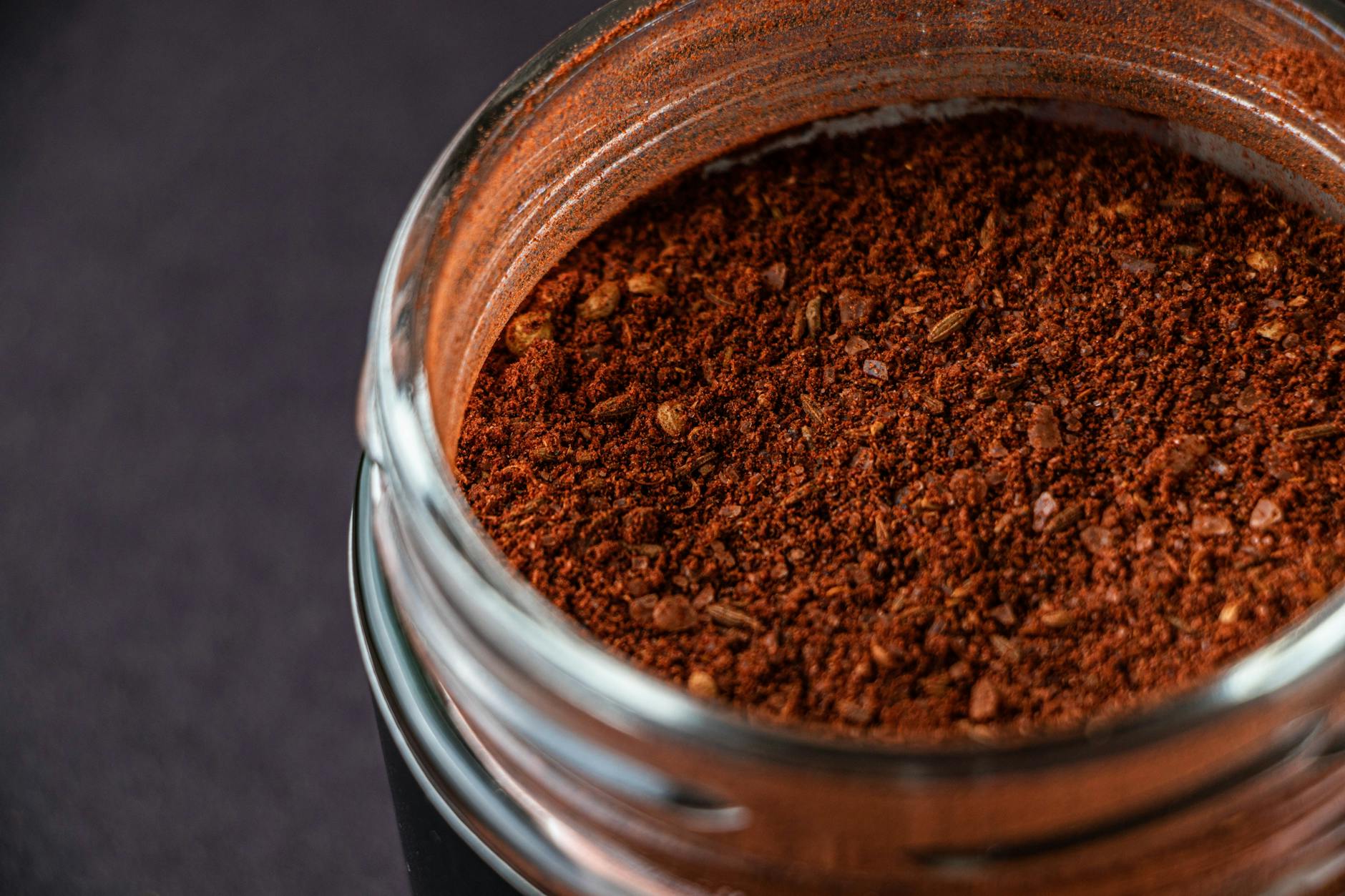
Spices like cinnamon or paprika are too fine for most vacuum filters to capture completely. They can enter the motor and cause damage while also leaving a lingering scent in the machine. The powder can be abrasive to the bearings and reduce the lifespan of the appliance. A damp cloth is best for wiping up spilled spices.
Large Amounts of Baking Soda
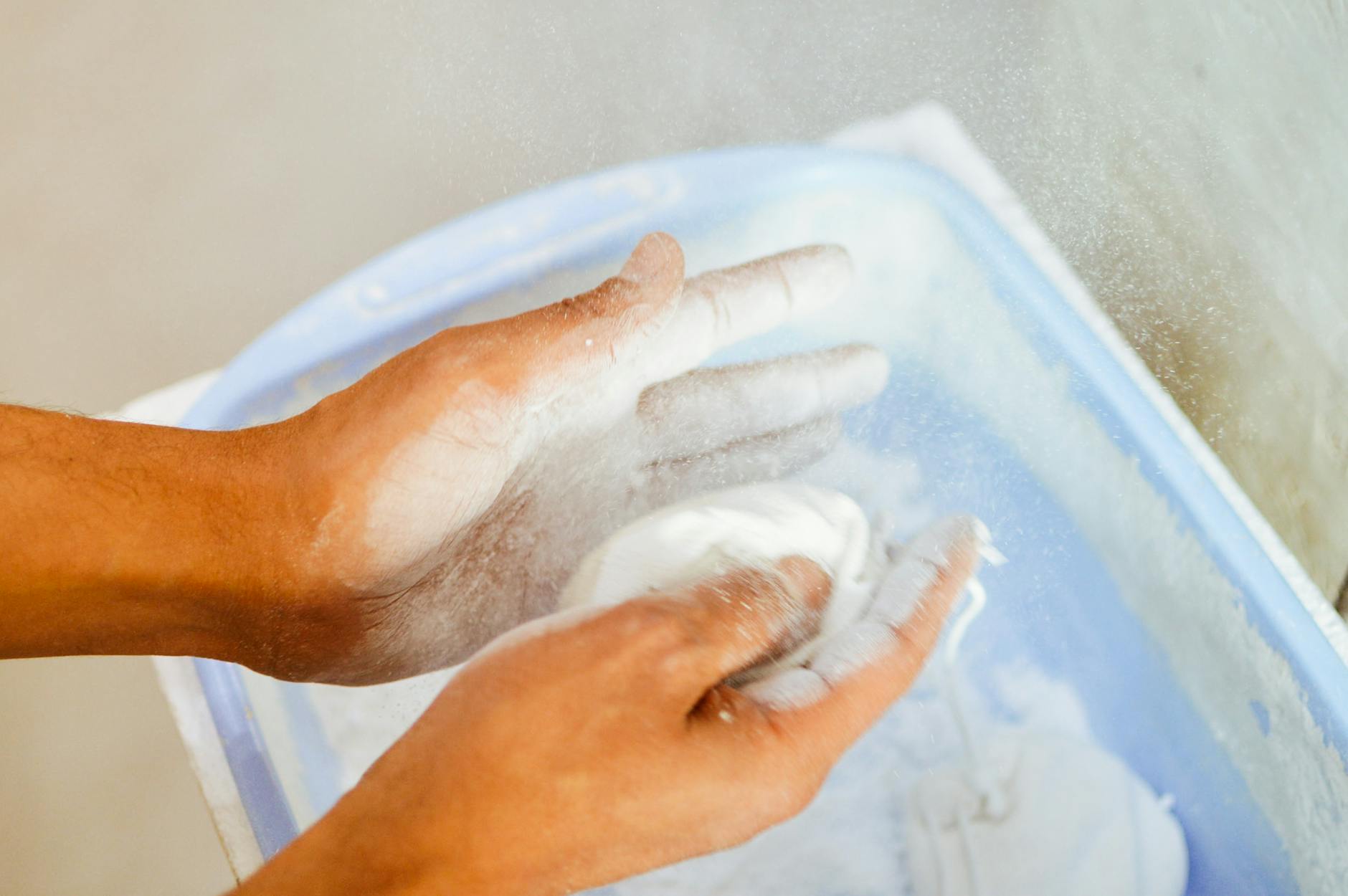
While small amounts are fine for deodorizing carpets huge piles can clog the filters. The fine powder enters the motor cooling system and causes it to overheat. It can also bypass the bag and settle inside the motor housing. You should sweep up the majority of the pile before vacuuming the residue.
Pine Needles

Needles from Christmas trees are sticky with sap and can clog the hose or brush roll. The sharp points can puncture the vacuum bag or scratch the canister walls. They are often moist and can promote mold growth if left inside the machine. A rubber broom is excellent for collecting pine needles from carpets.
Holiday Tinsel

This metallic decoration wraps around the brush roll and melts due to the friction. It creates a difficult tangle that must be cut away with scissors. The material is strong enough to snap the drive belt if it stops the brush suddenly. You should pick up tinsel by hand to avoid this frustration.
Styrofoam Peanuts
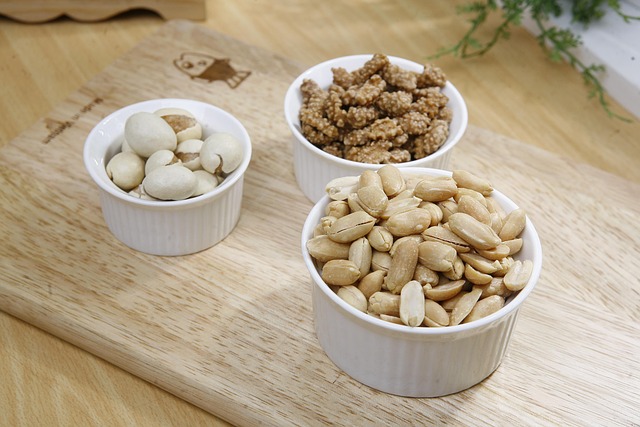
Packing peanuts are full of static electricity which makes them stick to the inside of the hose. They break apart easily and coat the interior with small messy beads. The volume of the peanuts fills the collection bin instantly and blocks airflow. It is much easier to pick these up by hand.
Cigarette Butts

Butts often contain residual heat that can melt the plastic interior or singe the bag. The smell of stale tobacco smoke will linger in the vacuum and exhaust forever. The ash can also clog the filters and reduce suction power. You should always sweep these up and dispose of them in an ashtray.
Dryer Lint Clumps
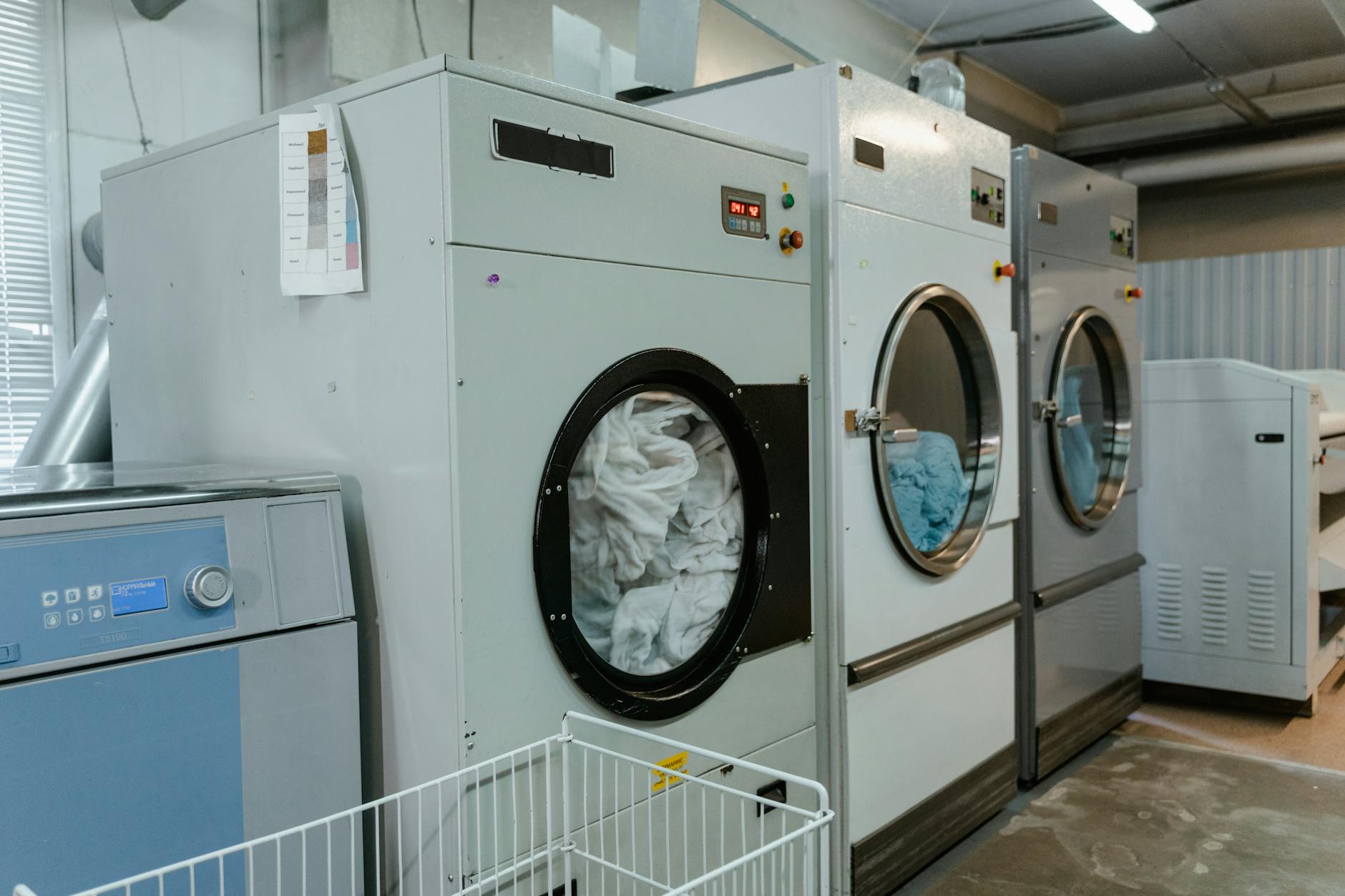
Lint is highly flammable and should not be introduced to the heat of a vacuum motor. It can clog the hose and filters very quickly due to its fibrous nature. The dust from the lint is fine enough to escape the machine and re-enter the air. You should remove lint by hand and discard it in the trash.
Pills and Medication

Vacuuming pills can shatter them into a fine dust that is then blown into the air. This poses a health risk to children or pets who might inhale the particles. The hard coating of some pills can also rattle around and damage the fan blades. You should pick up dropped medication immediately to ensure safety.
Please tell us in the comments which of these items you have accidentally vacuumed up in the past.




