Many people assume thirst is the only indicator that their body needs water. This biological signal actually arrives quite late in the process of fluid loss. Your body often sends subtle distress signals long before your mouth feels dry. Recognizing these surprising indicators can prevent fatigue and health issues associated with chronic dehydration. Paying attention to these physical cues ensures you stay properly hydrated throughout the day.
Bad Breath

Saliva plays a crucial role in fighting bacteria within your mouth. Dehydration decreases saliva production which allows bacteria to grow out of control. This overgrowth produces a foul odor that lingers even after brushing. Drinking water helps wash away food particles and stimulates the glands to produce necessary moisture. Chronic bad breath often signals a need for increased daily fluid intake.
Sugar Cravings

The liver requires water to release glycogen and other energy components properly. A lack of fluids makes it difficult for the body to access stored glucose for energy. This creates a false signal that manifests as an intense craving for sweets. Your brain interprets the energy slump as hunger rather than the need for hydration. Reaching for water instead of a snack can often eliminate the urge for sugar.
Dry Skin
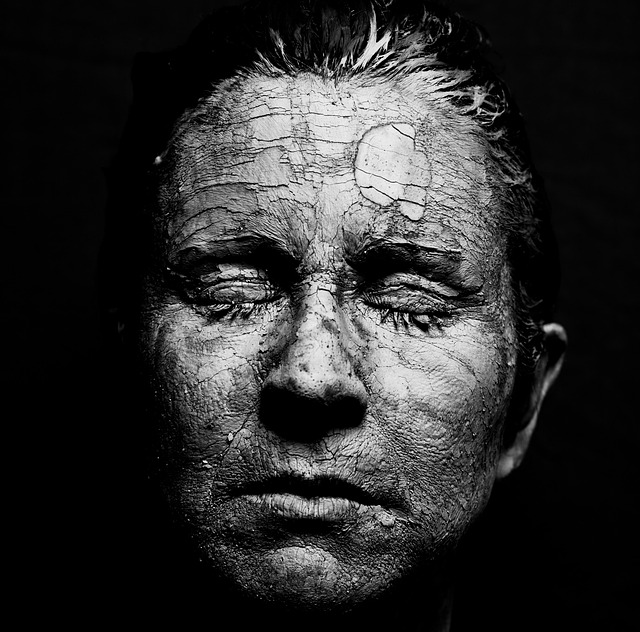
Your skin serves as a primary reservoir for the body’s fluid needs. When water levels drop the body pulls moisture from the skin to supply vital organs. This results in skin that feels tight or appears dull and flaky. Properly hydrated skin retains elasticity and bounces back quickly when pinched. Topical moisturizers cannot fix the underlying issue if systemic hydration is lacking.
Muscle Cramps

Electrolyte balance relies heavily on adequate water levels in the blood. Muscles tend to seize up when sodium and potassium levels become concentrated due to fluid loss. These involuntary contractions often occur during exercise or while sleeping at night. Heat intensifies this effect because sweating depletes fluids even faster. Keeping muscles hydrated allows them to contract and relax smoothly without pain.
Foggy Thinking

The brain consists largely of water and functions poorly when volume decreases. Even mild dehydration can disrupt concentration and short-term memory recall. You might experience difficulty focusing on tasks or feeling mentally sharp. Studies show that fluid loss shrinks brain tissue temporarily and affects cognitive performance. A glass of water can often clear the mental fog faster than caffeine.
Headaches
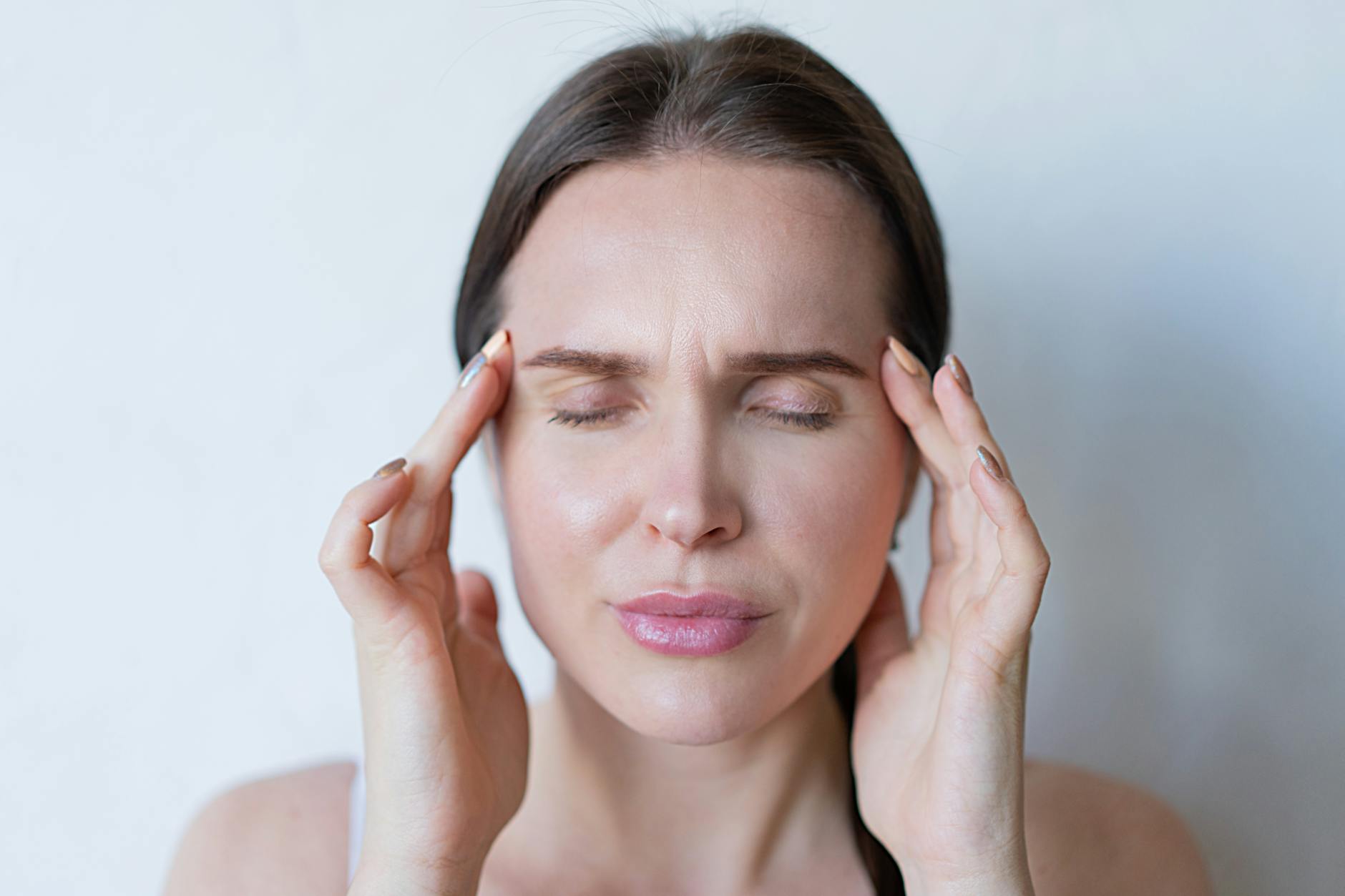
Blood volume drops when the body loses more water than it takes in. This reduction lowers oxygen flow to the brain and causes blood vessels to dilate. The resulting pressure creates a pounding sensation or a dull ache in the head. Dehydration headaches often worsen with movement or bending over. Rehydrating usually resolves the pain once blood volume returns to normal levels.
Dark Urine
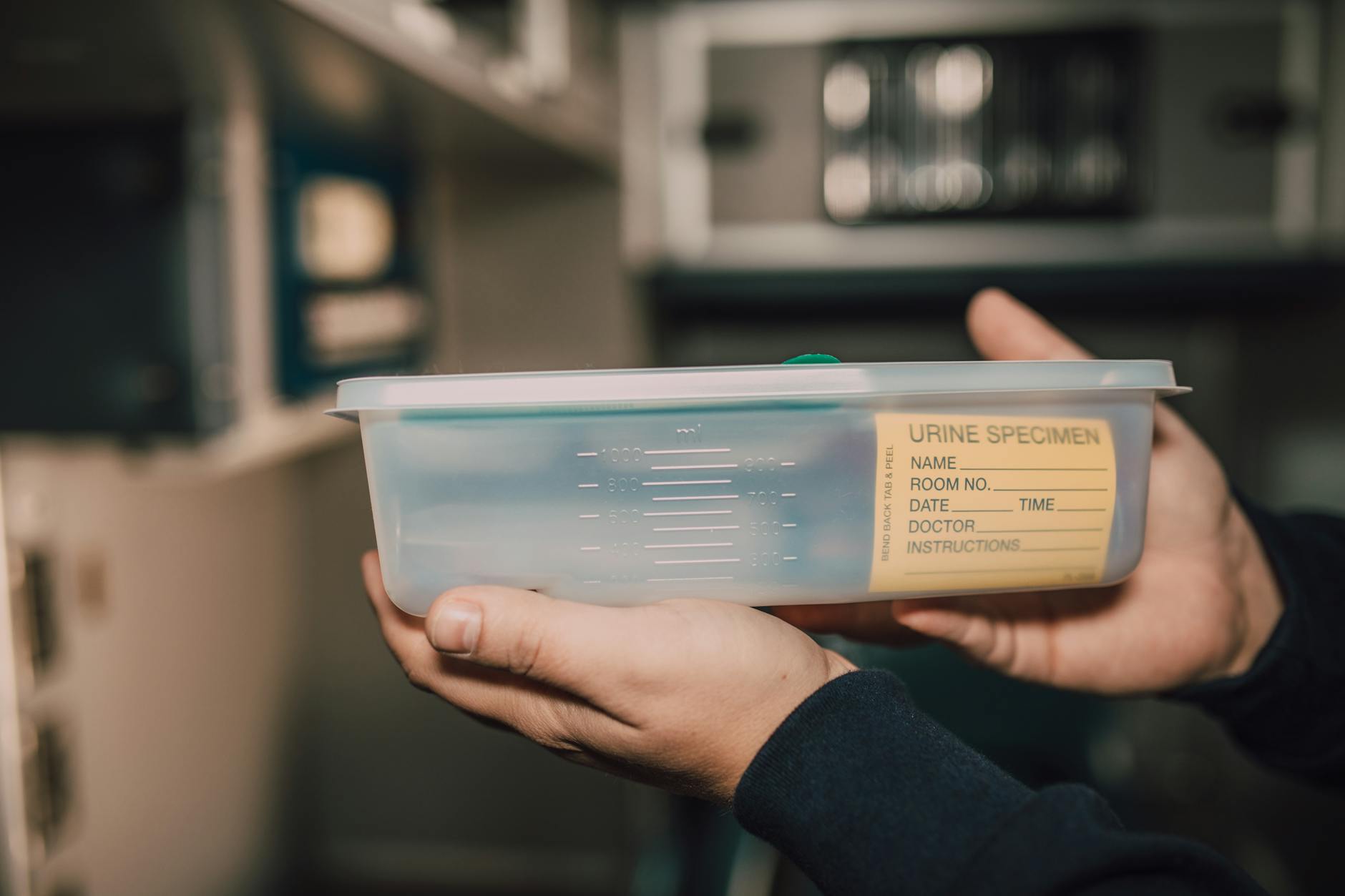
The kidneys filter waste from the blood and require water to dilute toxins. Highly concentrated urine indicates the body is holding onto every drop of fluid it can. A dark yellow or amber color serves as a clear warning sign of insufficient intake. Healthy hydration levels typically result in pale straw-colored output. Monitoring this visual cue provides instant feedback on your hydration status.
Fatigue

Low fluid levels cause the heart to work harder to pump blood to tissues. This increased strain leads to a general sense of tiredness and lethargy. You may feel sleepy in the afternoon despite getting enough rest the night before. Cells function less efficiently without adequate water to transport nutrients. Drinking water boosts energy levels more effectively than sugary energy drinks.
Irritability

Mood regulation is surprisingly linked to hydration status in both adults and children. Neurological effects of fluid loss can manifest as sudden grumpiness or anxiety. Small tasks may seem overwhelming when the brain lacks sufficient hydration. Research indicates that mood dips occur with as little as one percent fluid loss. Staying hydrated helps maintain emotional stability throughout stressful days.
Chills
Water holds heat and helps regulate internal body temperature. Dehydration restricts blood flow to the skin which makes you feel colder. This paradox often happens during fever or heavy exertion when fluids are lost rapidly. The body prioritizes warming internal organs over the extremities. Sipping warm fluids can help rehydrate and restore thermal balance.
Constipation

The colon absorbs water from food waste to create stool. It extracts extra liquid to maintain hydration when the body is dehydrated. This process leaves stool hard and difficult to pass through the digestive tract. Fiber requires adequate water to function properly as a digestive aid. Consistent water intake keeps the digestive system moving smoothly.
Rapid Heartbeat
Decreased plasma volume thickens the blood and affects circulation. The heart must beat faster to maintain blood pressure and deliver oxygen. You might notice palpitations or a racing pulse even while resting. This cardiovascular stress indicates the body is struggling to maintain equilibrium. Rehydration thins the blood and allows the heart rate to return to normal.
Dizziness
Low blood pressure resulting from dehydration causes lightheadedness. This often happens when standing up quickly from a seated position. The brain receives less oxygen momentarily due to the drop in blood volume. Severe dizziness can lead to fainting if fluids are not replenished immediately. Sipping water and lying down helps stabilize blood pressure and reduce vertigo.
Decreased Urination
The body naturally conserves water when intake is too low. You may notice you are visiting the restroom much less frequently than usual. Going more than several hours without urinating signals significant fluid retention. The kidneys stop producing urine to keep the blood volume stable. Regular bathroom breaks indicate that your hydration levels are healthy.
Dry Eyes
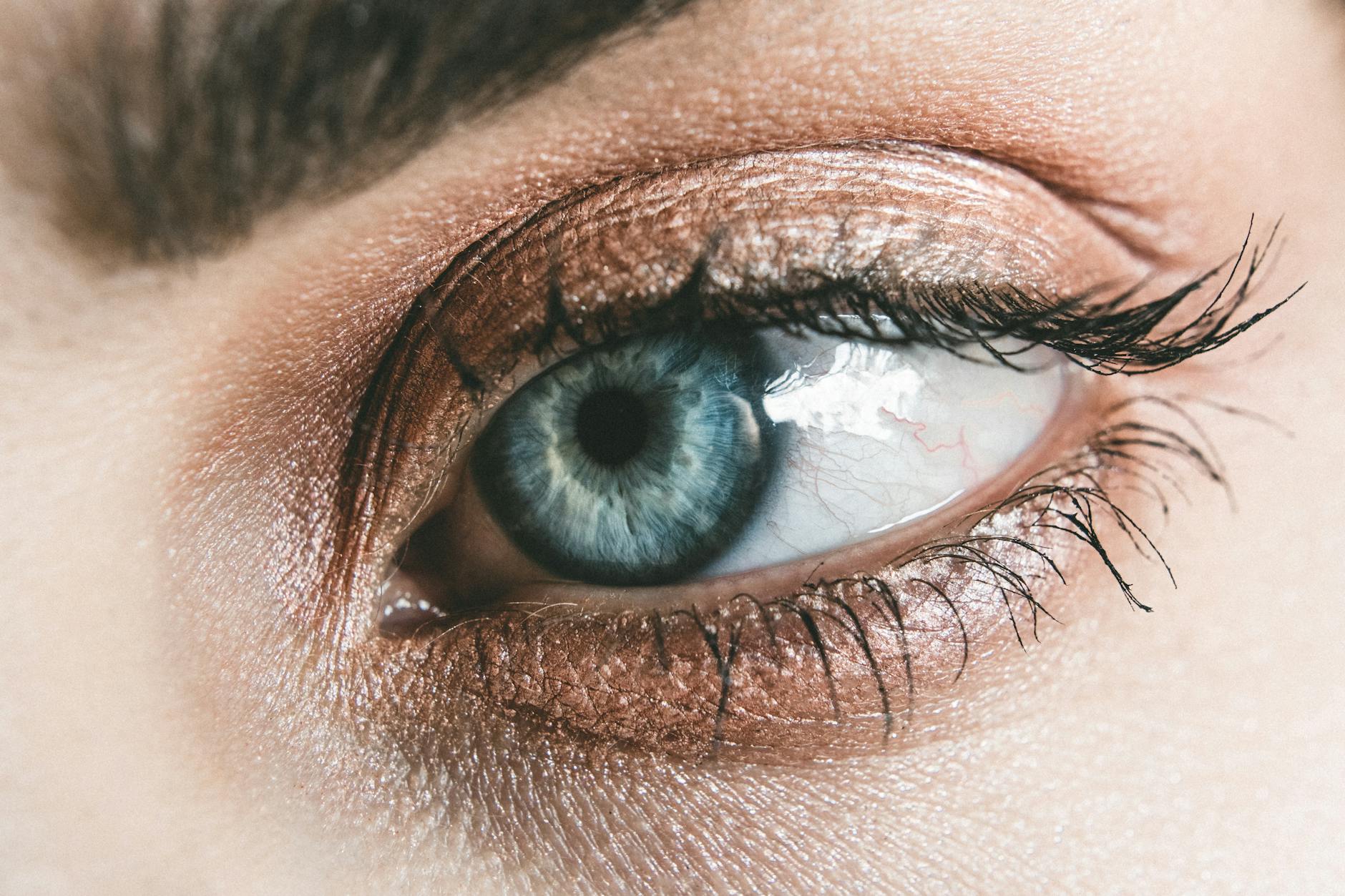
Tear ducts require fluid to keep the eyes lubricated and clean. Dehydration causes eyes to feel scratchy or irritated due to lack of moisture. Contact lens wearers often notice discomfort sooner than others. Blinking becomes uncomfortable when there are not enough tears to coat the surface. Systemic hydration is necessary to maintain the protective tear film.
Joint Pain
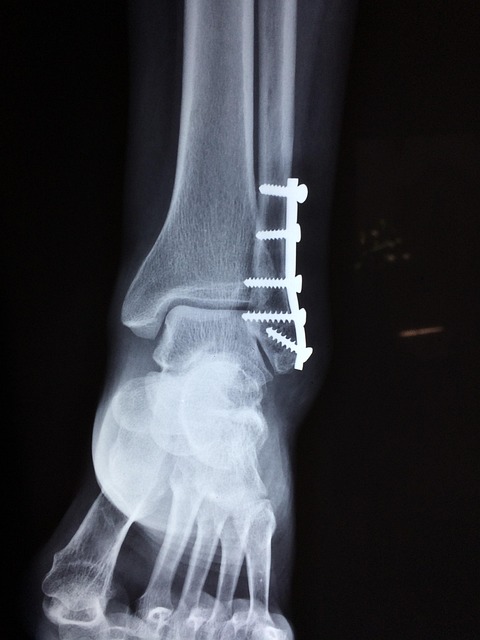
Cartilage in joints contains approximately eighty percent water. This fluid acts as a cushion and lubricant allowing bones to glide smoothly. Dehydration reduces this shock-absorbing capability and increases friction. Knees and hips often ache more when the body lacks sufficient fluid. Drinking water helps keep joints distinct and pain-free during movement.
Fever
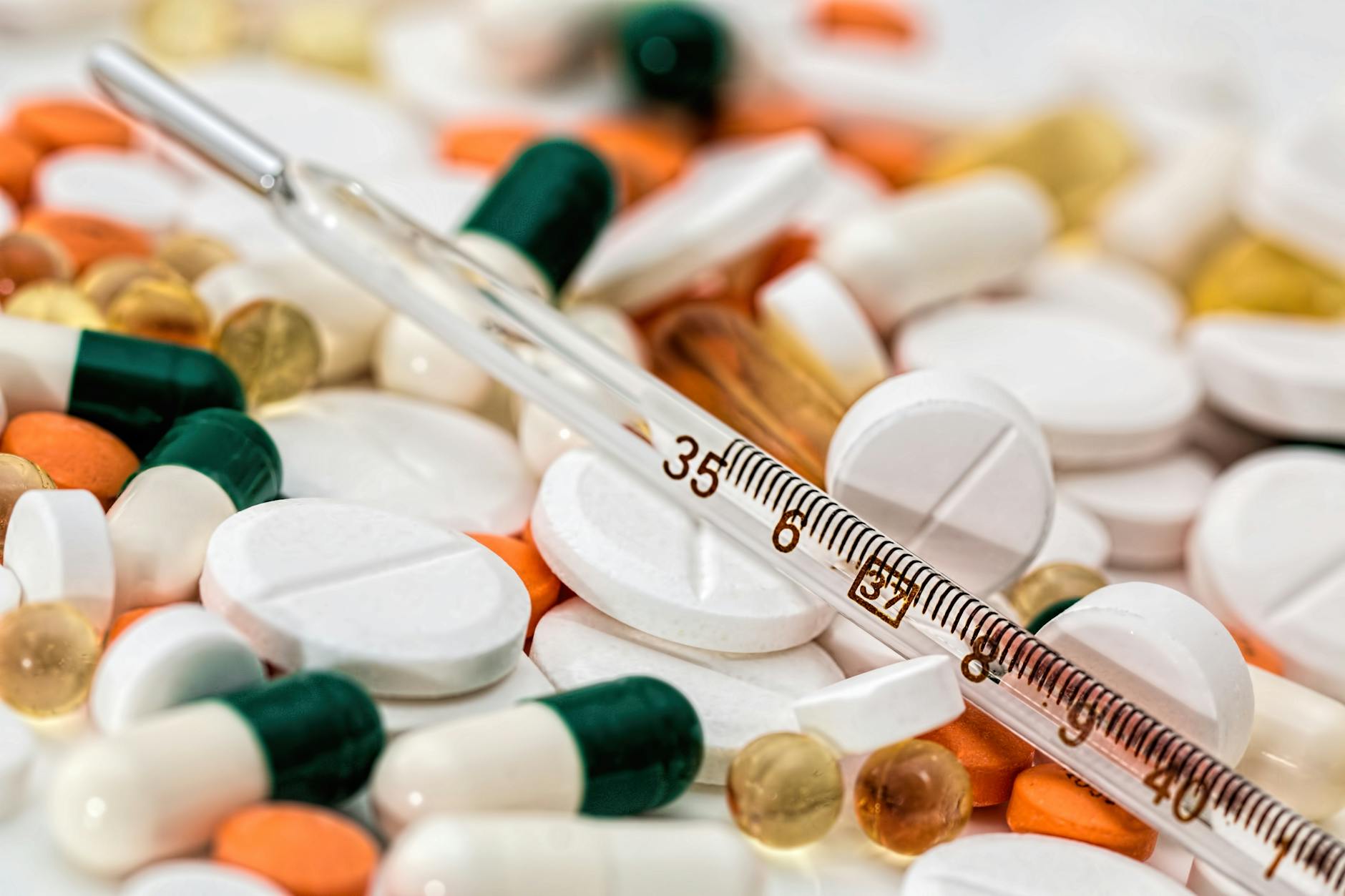
Severe dehydration can actually cause the body to overheat. The inability to sweat prevents the body from cooling itself down effectively. This hyperthermia can become dangerous if fluids are not introduced quickly. It creates a cycle where heat causes fluid loss which then causes more heat. Maintaining hydration is critical for temperature regulation during illness or exercise.
Lack of Elasticity

The skin turgor test reveals how hydrated the body is internally. Pinching the skin on the back of the hand should result in an immediate snap back. Skin that remains tented or takes time to flatten indicates fluid deficiency. This physical test works because cells lose volume without water. It serves as a quick medical check for dehydration severity.
Tell us in the comments which of these signs surprised you the most.




