Digestive discomfort often stems from specific dietary choices that trigger gas production and water retention. Understanding which ingredients ferment in the gut or contain difficult carbohydrates helps individuals manage their daily comfort levels. Many healthy foods contain compounds that the body struggles to break down efficiently during digestion. This list explores common culprits that might be causing unwanted bloating and offers insight into why they affect the system. Identifying these triggers is the first step toward curating a more comfortable and balanced diet.
Beans
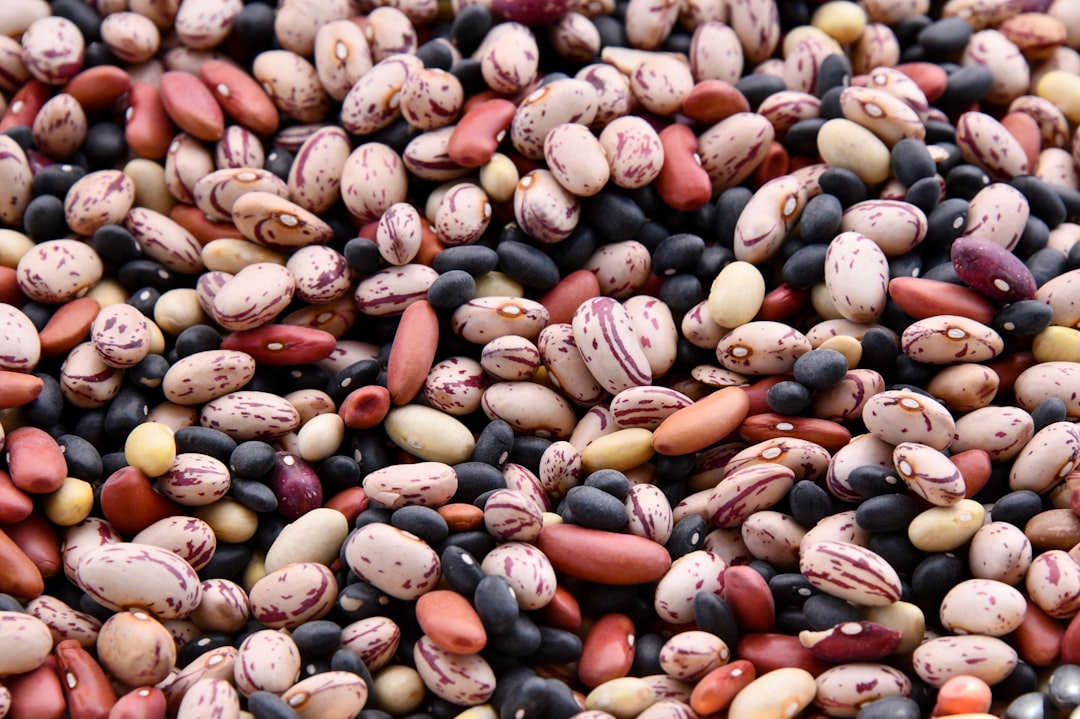
Legumes are widely recognized for their high fiber content and complex sugars known as alpha-galactosides. The human body lacks the specific enzyme required to break down these sugars completely in the upper digestive tract. Bacteria in the large intestine eventually digest these carbohydrates through a fermentation process that releases gas. This activity frequently leads to abdominal distension and discomfort for many people. Soaking dried beans overnight before cooking them can significantly reduce the presence of these gas-producing compounds.
Lentils
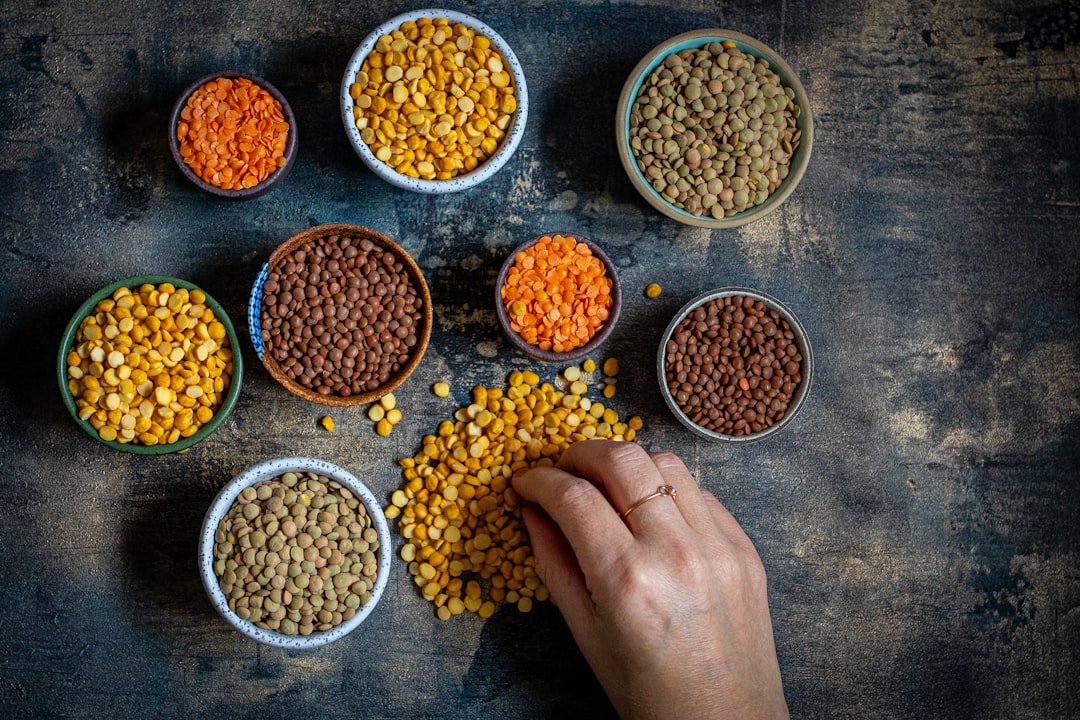
These small legumes are a staple in many diets due to their impressive protein and fiber density. They contain high levels of phytates and indigestible sugars that can lead to significant fermentation in the gut. Sensitive individuals often experience bloating shortly after consuming even moderate portions of cooked lentils. Light colored lentils tend to be slightly lower in fiber than darker varieties and may be easier to digest. Thoroughly rinsing canned lentils helps remove some of the excess starches that contribute to gas.
Carbonated Drinks

Soda and sparkling water introduce significant amounts of carbon dioxide gas directly into the digestive system. Swallowing these bubbles increases pressure in the stomach and forces the abdomen to expand. Many carbonated beverages also contain high-fructose corn syrup or artificial sweeteners that further aggravate digestion. The combination of trapped gas and difficult ingredients creates a dual trigger for bloating. Opting for flat water allows the body to hydrate without the added volume of air.
Wheat
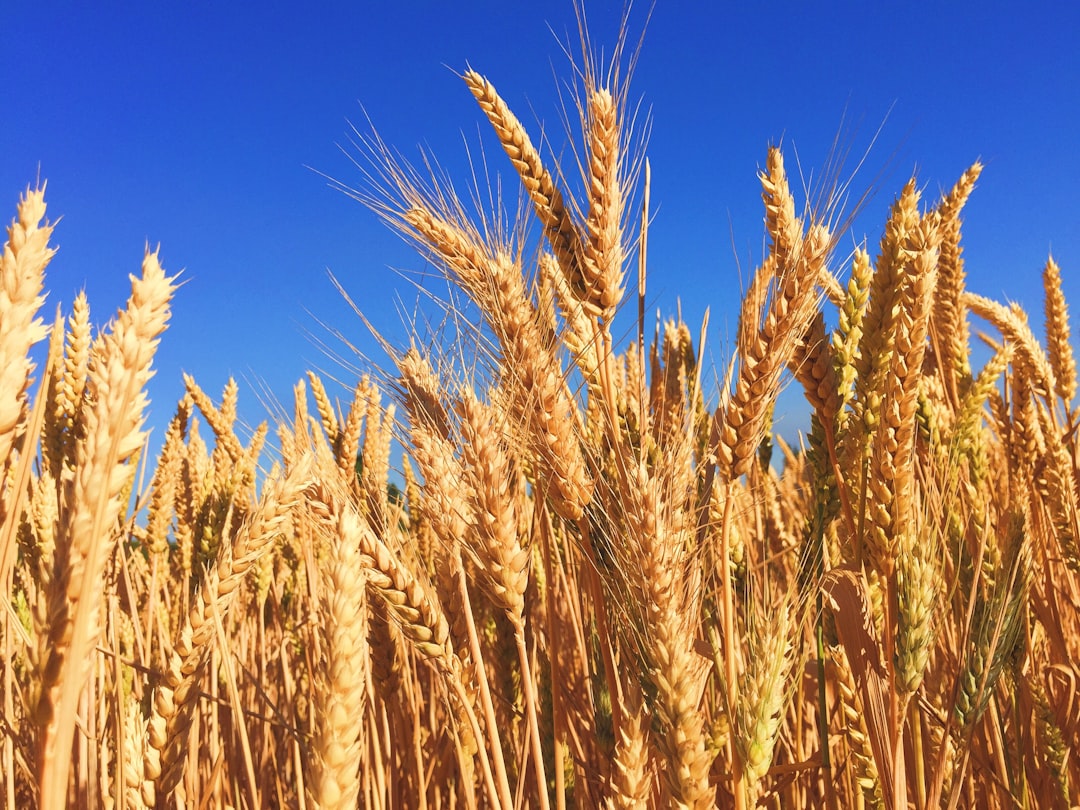
This grain contains a protein called gluten that causes digestive issues for those with sensitivities or celiac disease. Even without a diagnosed condition many people find that wheat leads to a feeling of heaviness and bloating. It also contains fructans which are short-chain carbohydrates that ferment rapidly in the gut. Processed wheat products like white bread often lack the fiber needed to move digestion along smoothly. Exploring grains like quinoa or rice can provide a comfortable alternative for sensitive stomachs.
Rye

Rye is a nutrient-dense grain often found in dark breads and crackers but is high in gluten. It contains a significant amount of fructans which are notorious for causing gas during the digestive process. The high fiber content absorbs water in the gut and can lead to a feeling of fullness or swelling. People with irritable bowel syndrome often find rye particularly difficult to process comfortably. Sourdough rye bread may be slightly easier to digest due to the fermentation process used in baking.
Barley

This whole grain is packed with fiber and essential vitamins but remains a common cause of bloating. It contains gluten and acts similarly to wheat and rye when processing through the digestive tract. The high fiber volume can be overwhelming for those not used to a roughage-heavy diet. Bacteria in the colon ferment the carbohydrates in barley and produce gas as a byproduct. Soaking or sprouting barley before cooking can sometimes improve its digestibility.
Cruciferous Vegetables
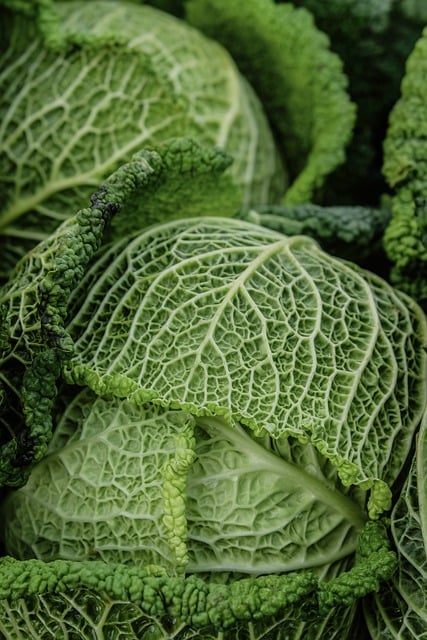
Broccoli and cauliflower fall into this category of nutrient-rich but gas-inducing vegetables. They contain raffinose which is a sugar that remains undigested until bacteria in the gut ferment it. This fermentation process produces gas and can cause significant bloating in many individuals. Cooking these vegetables instead of eating them raw breaks down some of the fibers and makes them easier to handle. Adding spices like cumin or ginger may help aid digestion when consuming these greens.
Onions

These savory bulbs are a major source of fructans which are soluble fibers that cause bloating. The short-chain carbohydrates found in onions are poorly absorbed in the small intestine. They travel to the large intestine where they draw in water and ferment rapidly. Raw onions generally cause more severe symptoms than cooked ones due to their potent compounds. Even small amounts of onion powder can trigger discomfort in highly sensitive individuals.
Garlic
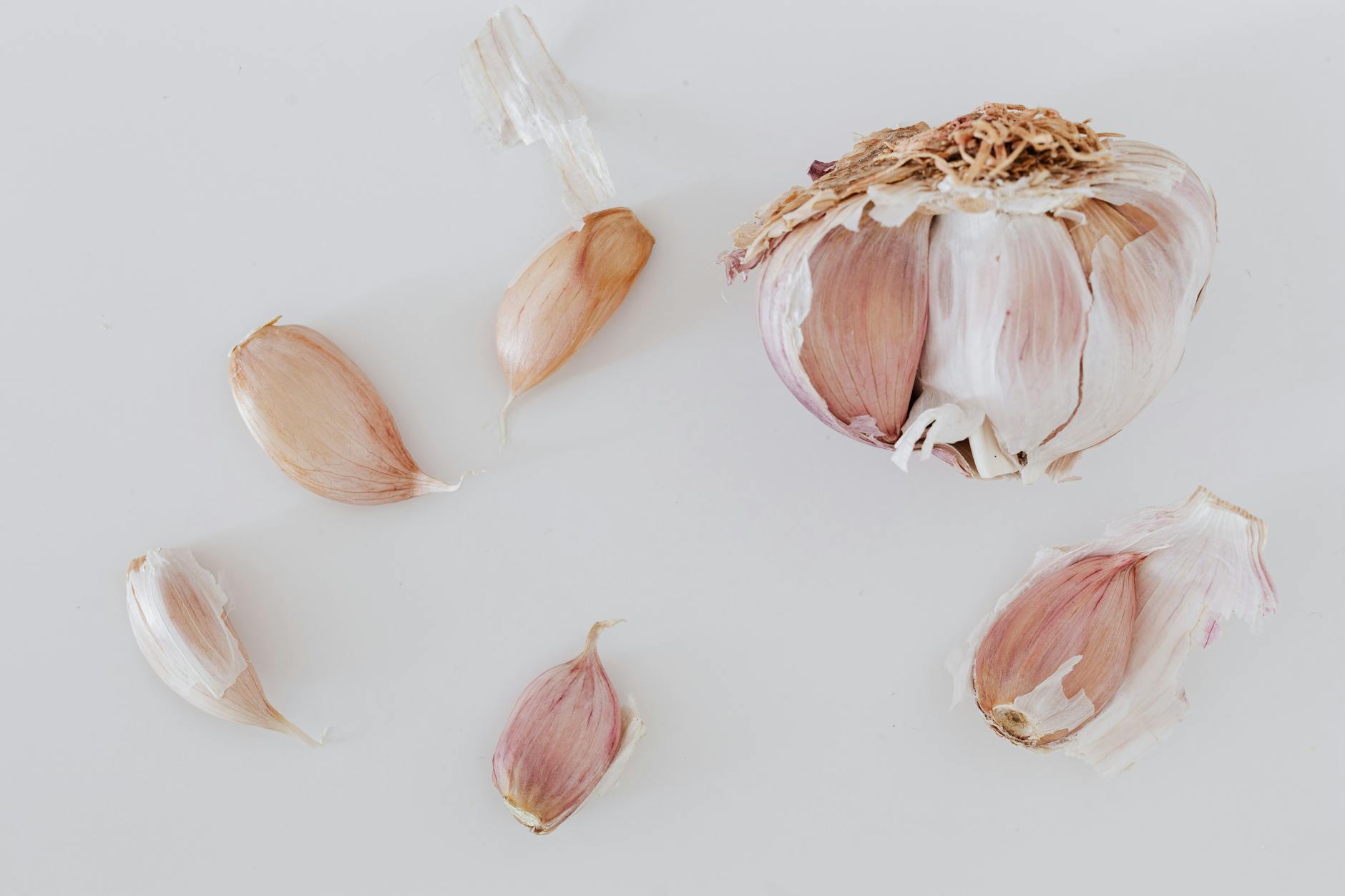
Garlic contains high levels of fructans similar to onions and often causes digestive distress. The complex carbohydrates it contains are difficult for the small intestine to absorb fully. This leads to gas production once the compounds reach the bacteria in the colon. Many people find that cooking garlic reduces its potency and potential to cause bloating. Infusing oil with garlic flavor provides an alternative way to enjoy the taste without consuming the fibrous material.
Apples

This popular fruit is high in fructose and rich in fiber known as pectin. Fructose can be difficult for some people to absorb and often ferments in the large intestine. Pectin slows down stomach emptying and can increase the feeling of fullness or bloating. Cooking apples into sauce or baking them breaks down the fiber and makes them gentler on the stomach. Peeling the skin also removes a significant portion of the fiber that contributes to digestive work.
Pears
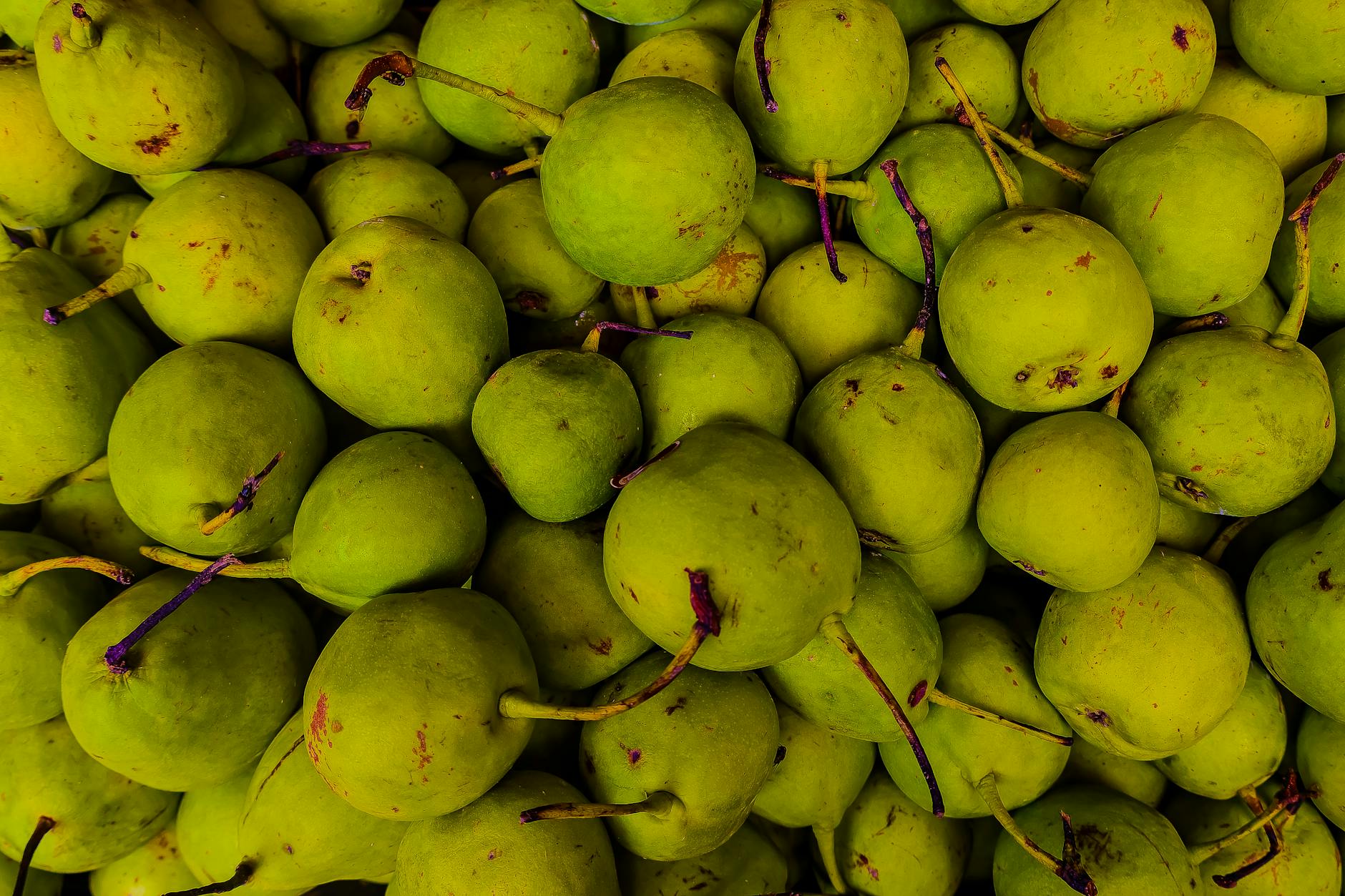
Pears contain higher amounts of sorbitol compared to many other fruits. Sorbitol is a sugar alcohol that is absorbed very slowly and pulls water into the bowel. This process often results in loose stools and uncomfortable gas production. The high fructose content adds another layer of difficulty for those with sensitive digestive systems. Eating very ripe pears can sometimes mitigate the effect as the sugar composition changes slightly.
Peaches
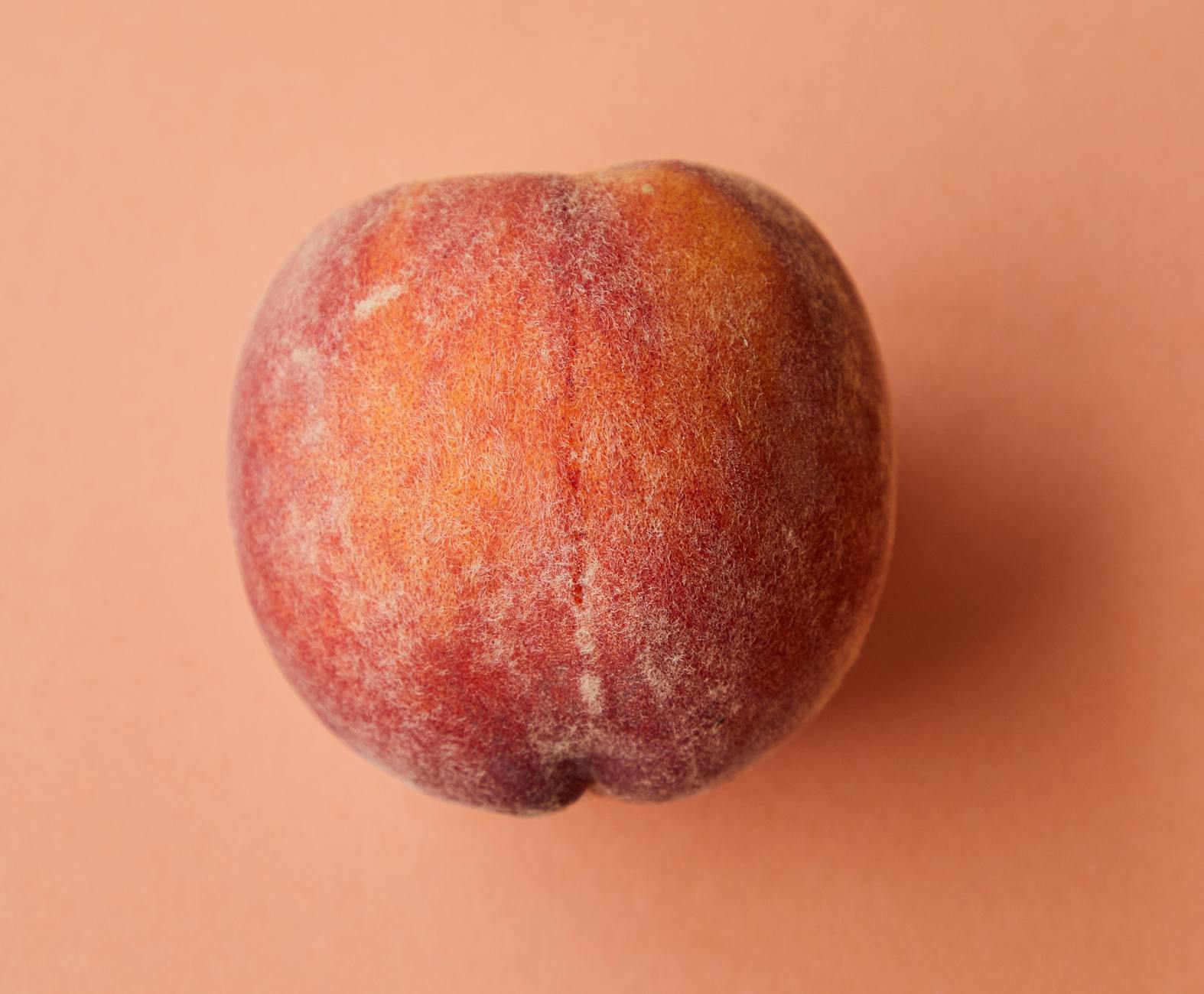
These stone fruits are rich in polyols which are sugar alcohols that can ferment in the gut. The combination of fructose and fiber makes them a common trigger for bloating. Digestion of the skin requires extra effort from the stomach and contributes to gas. Canned peaches washed of their syrup may be easier to tolerate than fresh ones. Consuming them in moderation helps avoid overwhelming the digestive tract with fermentable sugars.
Prunes
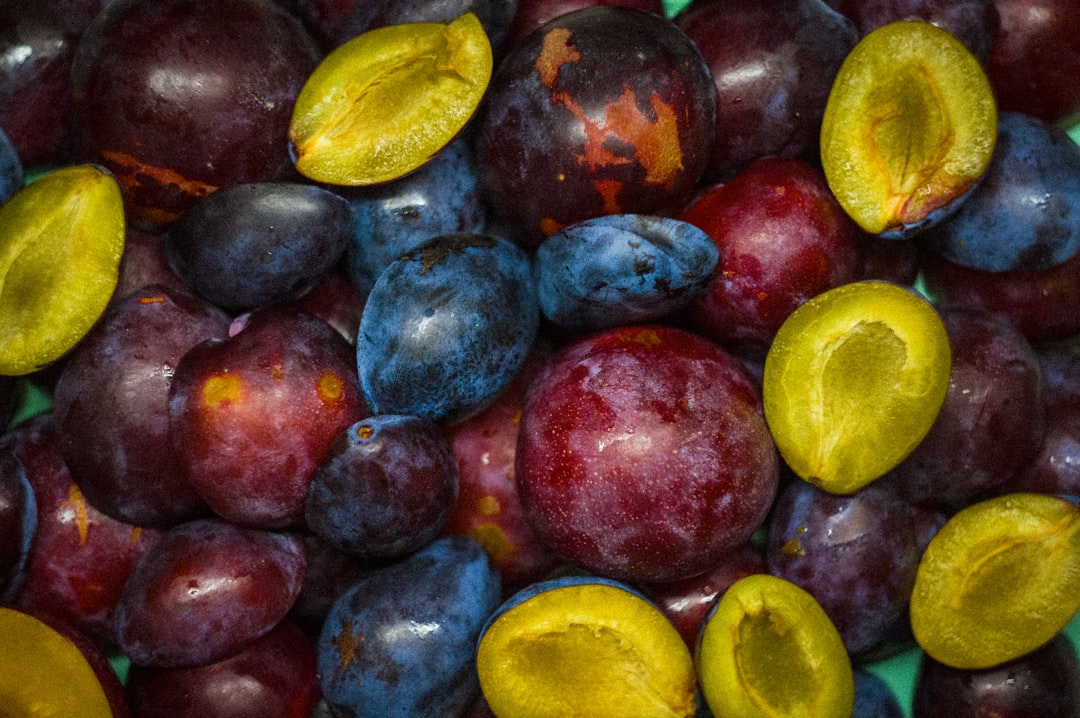
Dried plums are famous for keeping the digestive system moving but often cause bloating in the process. They are concentrated sources of sorbitol and fiber that stimulate the gut vigorously. The rapid influx of water into the intestines caused by sorbitol leads to gas and distension. While effective for constipation the immediate side effect is often a swollen abdomen. Drinking plenty of water when eating prunes helps manage the fiber load.
Dairy Products
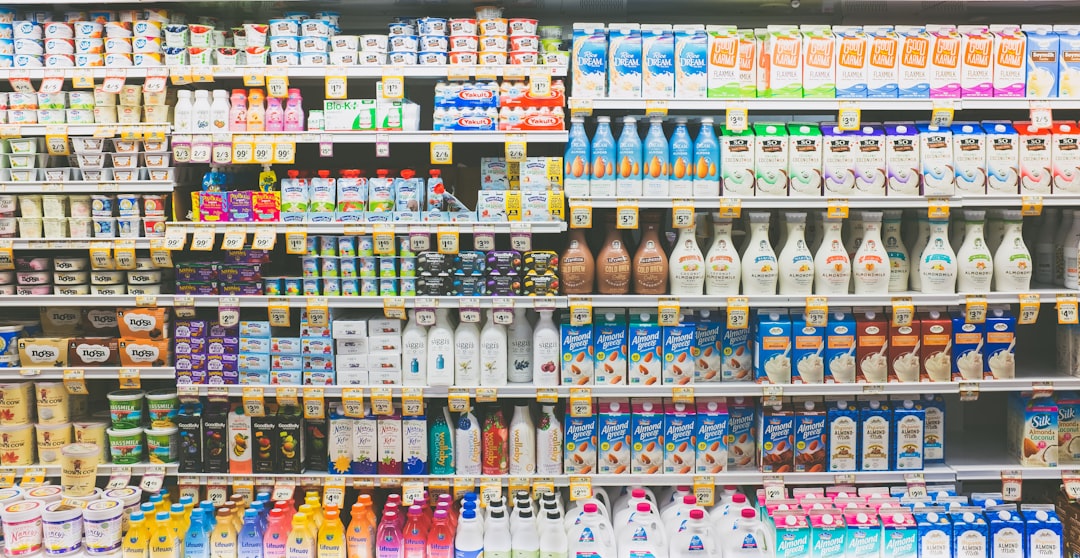
Milk and cheese contain lactose which is a sugar that requires the enzyme lactase for digestion. Many adults naturally produce less lactase as they age and struggle to break down dairy products. Undigested lactose moves to the colon where it ferments and creates significant gas and bloating. Hard cheeses and yogurt typically contain less lactose and might be tolerated better than fresh milk. Lactose-free alternatives allow enjoyment of dairy without the associated digestive upset.
Artificial Sweeteners

Sugar alcohols like sorbitol and mannitol are found in many sugar-free gums and candies. These compounds are not fully absorbed by the body and travel to the large intestine intact. Gut bacteria feed on them and produce gas causing immediate bloating and discomfort. Xylitol is another common sweetener that pulls water into the intestine and disrupts digestion. Checking labels for these ingredients helps avoid unexpected digestive distress.
Beer

Beer combines carbonation with fermentable carbohydrates from grains like barley or wheat. The bubbles introduce gas into the stomach while the grain content ferments in the gut. Alcohol also irritates the gut lining and can lead to inflammation and water retention. The yeast used in brewing further contributes to the potential for abdominal swelling. Light beers may offer a less heavy alternative but still contain gas-promoting elements.
Salty Processed Foods

Chips and pretzels are loaded with sodium which causes the body to retain water. This water retention manifests as a puffy feeling throughout the body and especially in the abdomen. Processed snacks often contain few nutrients and lack the fiber needed for smooth digestion. The rapid spike in blood sugar followed by a crash can also affect gut motility. Reducing salt intake allows the body to release excess fluids and reduces the sensation of bloating.
Mushrooms

Mushrooms contain the sugar alcohol mannitol which acts as a natural laxative in large amounts. This compound draws water into the intestine and ferments to produce gas. Some varieties are harder to digest than others and cooking them thoroughly helps break down their cell walls. People with sensitive stomachs might find small portions tolerable while large amounts trigger symptoms. Sauteing mushrooms reduces their volume and potentially their gas-producing impact.
Corn
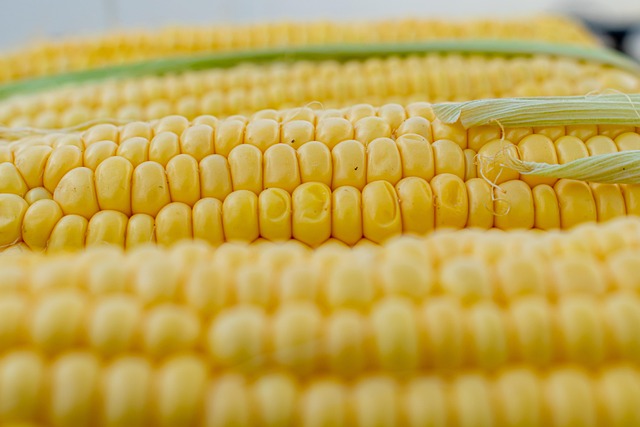
Sweet corn contains a type of carbohydrate that is difficult for the body to break down completely. The outer shell of a corn kernel is made of cellulose which is an insoluble fiber. When humans chew corn they often do not break this shell entirely leading to fermentation in the gut. The high starch content adds to the digestive load and promotes gas. Creamed corn or processed corn products may be easier to digest than whole kernels.
Brussels Sprouts
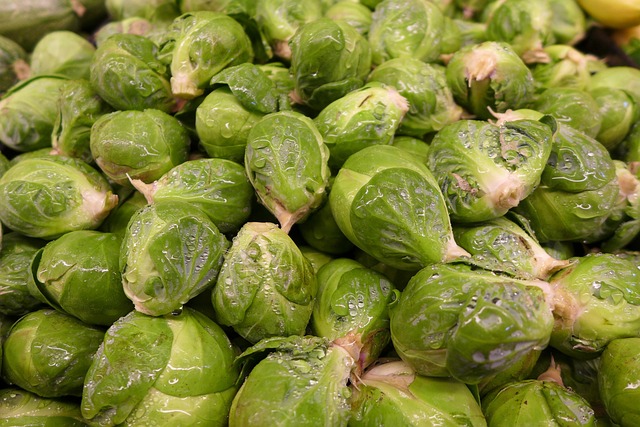
These miniature cabbages are members of the cruciferous vegetable family and contain raffinose. The complex sugars they contain are notorious for producing sulfurous gas during digestion. Their high fiber content is healthy but can be intense for a sensitive digestive system. Roasting Brussels sprouts until they are tender helps break down the tough fibers. Eating them slowly and chewing thoroughly aids the stomach in processing them more efficiently.
Asparagus
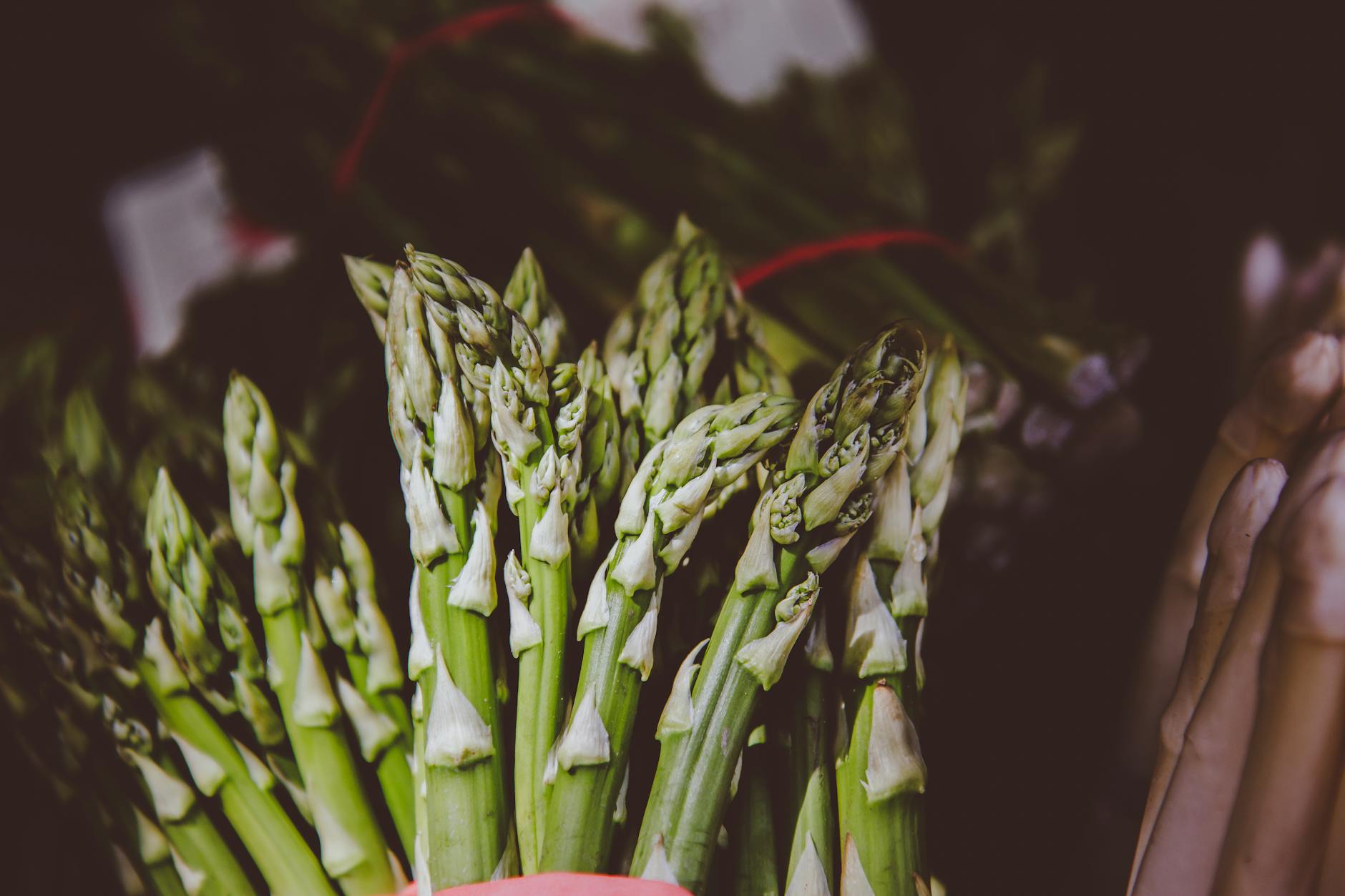
This spring vegetable contains fructans which can ferment in the digestive tract. It also contains asparagine which is a diuretic that can make urine smell but the fiber causes the bloating. The rigid stalks require significant digestive effort to break down completely. Fermentation in the gut leads to gas production and abdominal fullness. Peeling the thick skin off the stalks can make asparagus slightly easier to digest.
Chewing Gum

Chewing gum causes people to swallow excess air which gets trapped in the stomach and intestines. This swallowed air is a primary mechanical cause of bloating that has nothing to do with food chemistry. Many gums also contain artificial sweeteners like sorbitol that further irritate the gut. The constant chewing signals the stomach to produce acid which can lead to discomfort. Giving up gum is a simple way to reduce the amount of air entering the digestive system.
Hard Candy

Sucking on hard candy involves frequent swallowing that inevitably forces air down the esophagus. This air accumulates in the stomach and creates a sensation of fullness and distension. Like gum many hard candies are sweetened with sugar alcohols or high-fructose corn syrup. These ingredients ferment in the gut while the swallowed air adds pressure. Choosing candies sweetened with stevia might reduce the chemical triggers but the air swallowing remains.
Ice Cream

This frozen treat delivers a double hit of lactose and high sugar content. The cold temperature can also shock the stomach and slow down digestion temporarily. High fat content in premium ice creams delays stomach emptying and prolongs the feeling of fullness. Dairy-sensitive individuals will experience gas from the lactose fermentation. Non-dairy sorbets or coconut milk alternatives often provide a lighter experience.
Fatty Meats

High-fat cuts of beef and pork take much longer to digest than lean proteins or carbohydrates. They sit in the stomach for extended periods and can cause an uncomfortable heavy feeling. This delayed gastric emptying can lead to bloating even without gas production. The digestion of fats requires bile and enzymes that can stress a compromised digestive system. Choosing lean turkey or chicken helps the stomach process the meal more quickly.
Fried Foods

Greasy foods like french fries and onion rings are soaked in oils that are difficult to digest. The high fat content slows down the movement of food from the stomach to the intestines. This stagnation allows gas to build up and causes the abdomen to feel tight. The batter used for frying often contains wheat or gluten which adds another bloating factor. Air frying offers a way to achieve crispiness without the heavy oil absorption.
Spicy Foods
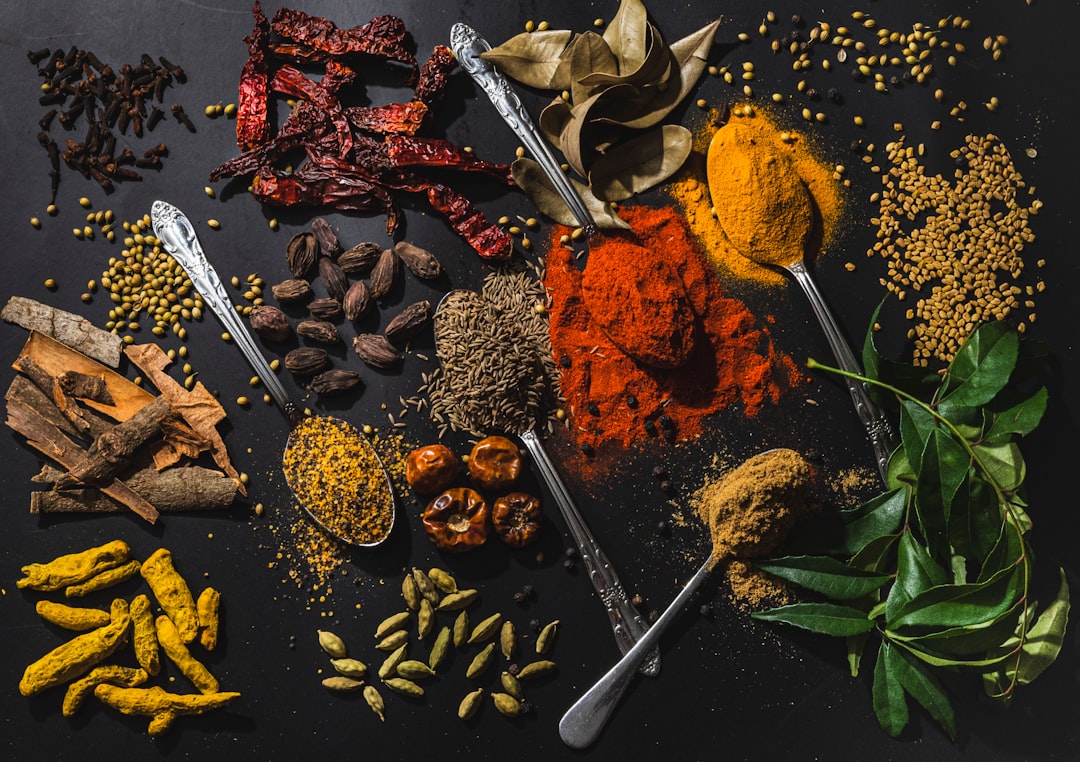
Chili peppers and hot sauces can irritate the lining of the stomach and esophagus. This irritation often leads to inflammation and a sensation of bloating or burning. Some spicy dishes also contain onion and garlic which compound the gas production. Capsaicin slows down digestion in some people which keeps food in the stomach longer. Mild seasoning allows for flavor without the risk of irritating the digestive tract.
Cabbage
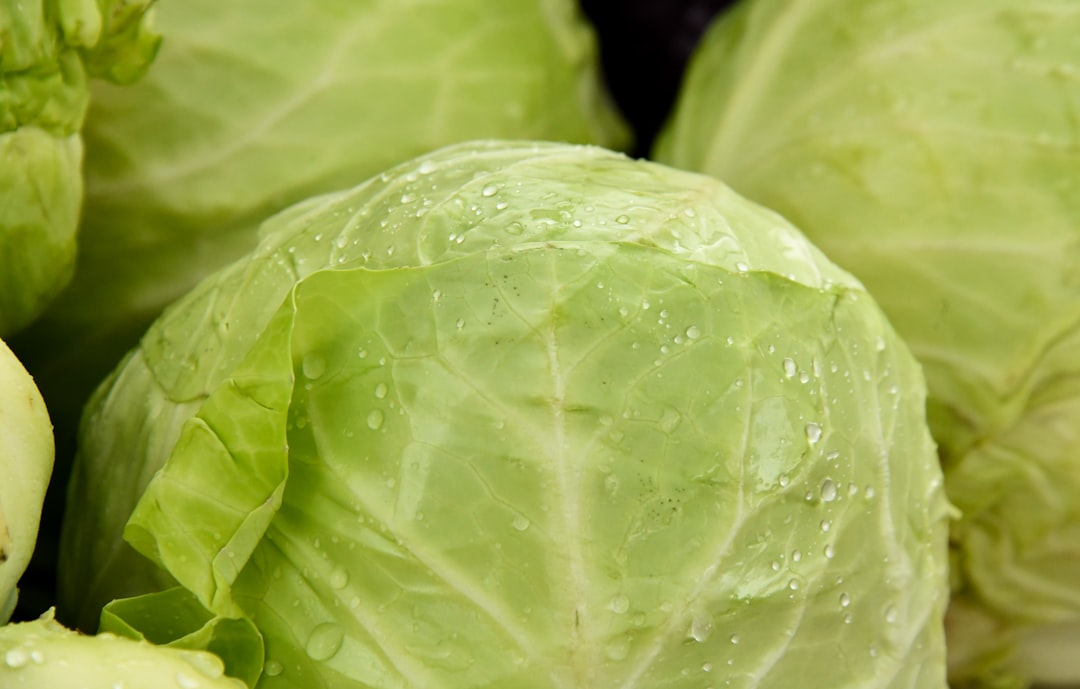
Red and green cabbage are packed with fiber and raffinose that produce gas during digestion. The fermentation of these compounds in the large intestine is a well-known cause of bloating. Coleslaw made with raw cabbage is particularly difficult for many people to break down. Fermented cabbage dishes like sauerkraut contain probiotics that may help digestion but the cabbage itself remains fibrous. Cooking cabbage thoroughly softens the fibers and reduces the volume of gas produced.
Artichokes

These vegetables are extremely high in fructans and are often problematic for those with fructose malabsorption. The indigestible fibers travel to the colon where they are fermented by bacteria. This process produces significant amounts of gas and can cause painful bloating. Canned artichoke hearts may have lower fructan levels than fresh ones due to processing. Avoiding the leaves and eating only the heart can sometimes reduce the digestive impact.
Soybeans
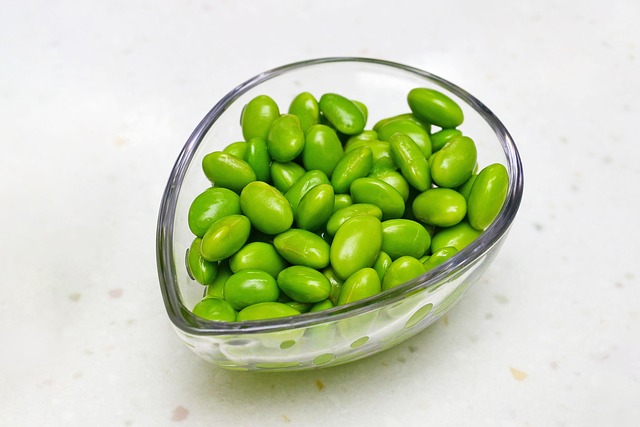
Whole soybeans or edamame are legumes that present the same digestive challenges as beans and lentils. They are rich in alpha-galactosides that the body struggles to break down without fermentation. Processed soy products like tofu are generally easier to digest because the fibers have been altered. Soy milk creates gas in people who have trouble digesting the specific carbohydrates found in soy. Fermented soy products like tempeh are often the best choice for avoiding bloat.
Watermelon

This refreshing fruit is high in fructose which acts as a trigger for many people with sensitive stomachs. It creates a high osmotic load that pulls water into the digestive tract. The volume of liquid and sugar can cause a sloshing sensation and distension. It is considered a high FODMAP food that ferments readily in the gut. Eating watermelon in small wedges rather than large bowls helps manage the sugar load.
Blackberries
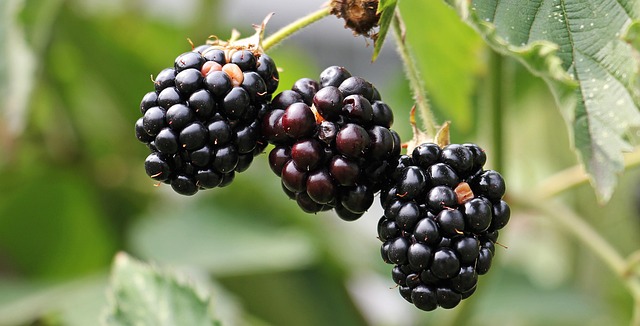
These berries are high in polyols which are sugar alcohols that can cause digestive issues. They contain significant amounts of fiber that can be rough on a sensitive system. The combination of sorbitol and fiber leads to fermentation and potential gas. Straining the seeds out to make a juice or puree removes some of the difficult fiber. Blueberries or strawberries are often better tolerated by those who react to blackberries.
Cashews
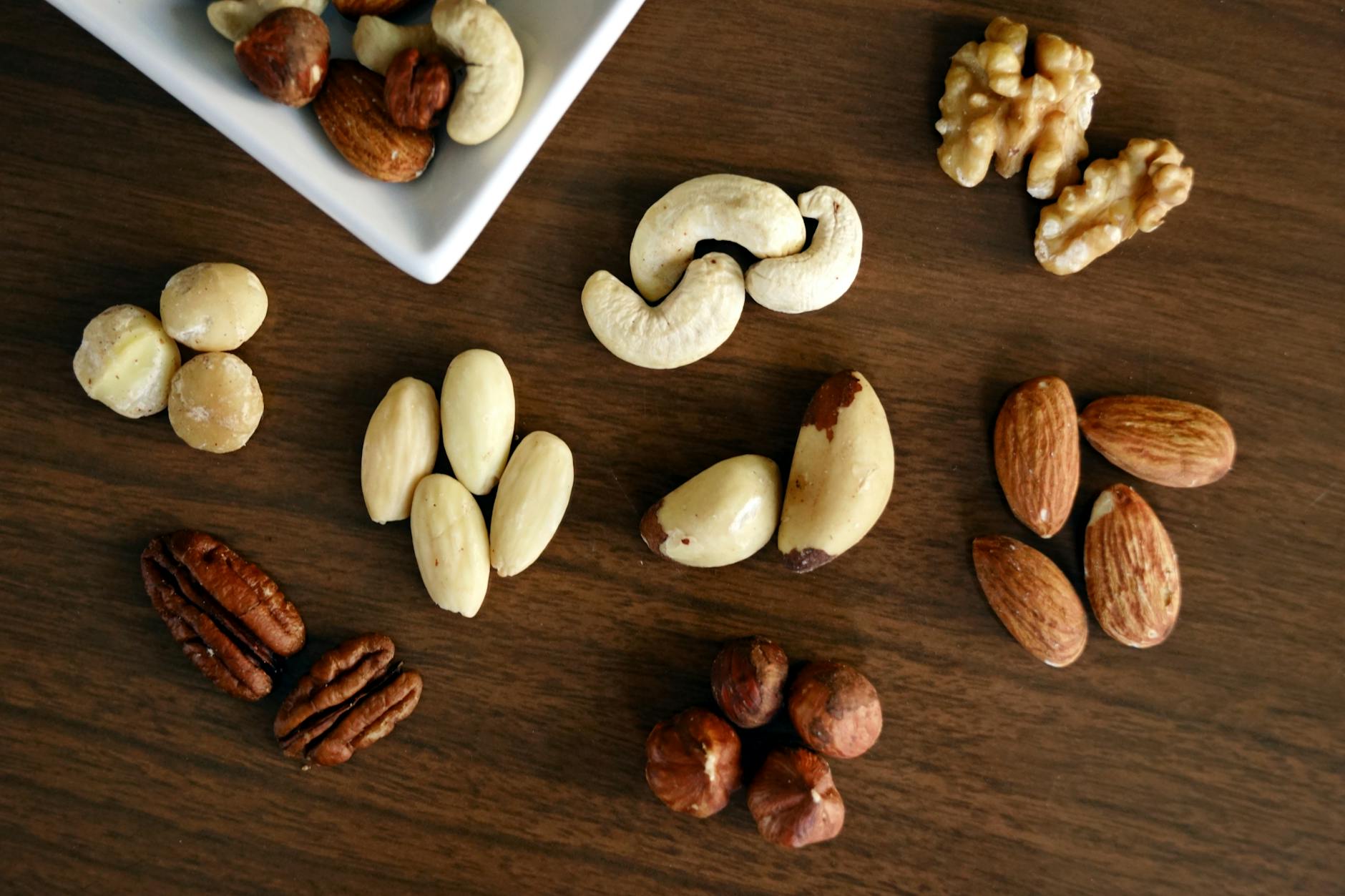
Cashews are nuts that contain higher levels of fermentable carbohydrates than other varieties. They are rich in galacto-oligosaccharides which are short-chain sugars that ferment in the gut. Eating large handfuls can lead to significant bloating and gas production. Roasting the nuts does not typically break down these specific sugars. Pecans or walnuts are often safer alternatives for snacking without the bloat.
Pistachios
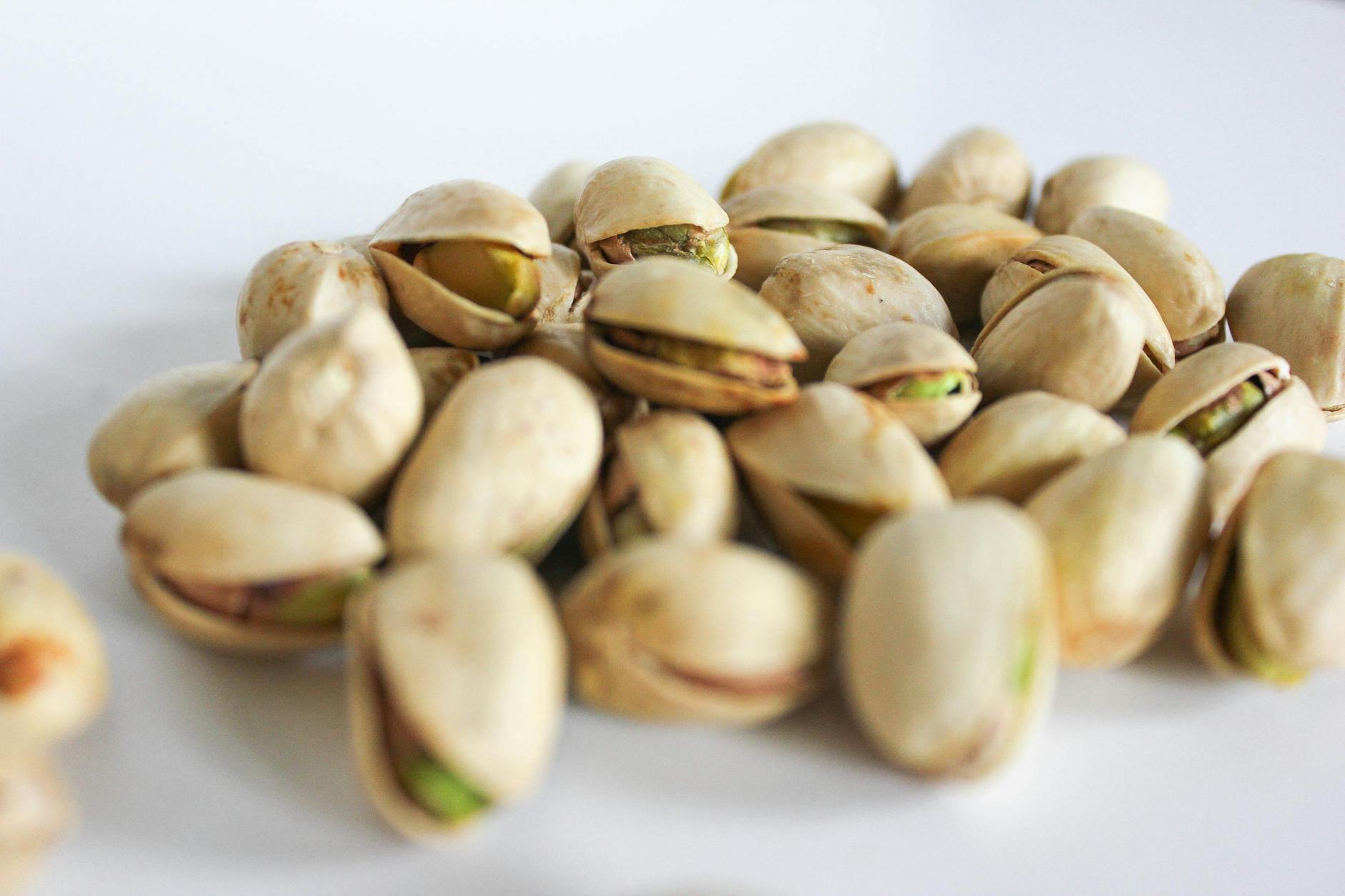
These nuts are another source of fructans that can be difficult for the digestive system to handle. The act of shelling and eating them one by one can also lead to air swallowing. High fat content slows down digestion and keeps the fermentable material in the gut longer. Salted pistachios add sodium which contributes to water retention. Limiting portion sizes is key to enjoying them without discomfort.
Gum Arabic

This food additive is a thickener and stabilizer found in many processed foods and icings. It is a soluble fiber that ferments in the large intestine and produces gas. People with sensitive stomachs often react to gums and thickeners with bloating. It appears on ingredient labels for candies and desserts and salad dressings. avoiding highly processed foods helps eliminate this hidden trigger.
Sugar Alcohols

Ingredients ending in “ol” like mannitol and xylitol are low-calorie sweeteners that cause major gas. They attract water into the intestine and are fermented vigorously by gut bacteria. These are found in protein bars and diet drinks and sugar-free treats. The laxative effect is often mentioned on the packaging because the reaction is so common. Stevia or monk fruit are natural alternatives that do not ferment in the same way.
Yogurt with Fruit
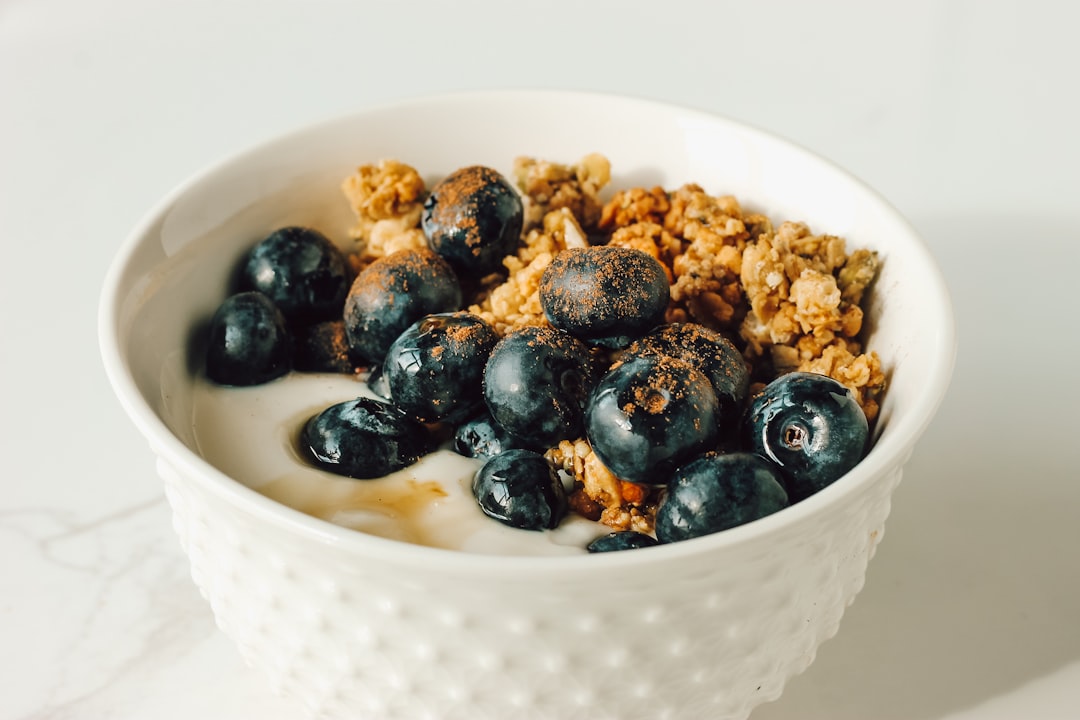
Commercial fruit yogurts often contain high-fructose corn syrup and added thickeners. The combination of lactose from the yogurt and fructose from the sweetener creates a heavy digestive load. Added fruits are often processed jams rather than fresh pieces and contain extra sugar. The probiotics are beneficial but the sugar content can feed bad bacteria that create gas. Plain yogurt sweetened with a small amount of honey is a gentler option.
Protein Powders

Whey protein concentrate contains lactose which causes bloating in many people. Plant-based powders often use pea or soy protein which are legumes that can cause gas. Many powders also include artificial sweeteners or thickeners like xanthan gum to improve texture. Shaking the protein drink vigorously adds air bubbles that are swallowed during consumption. Using an isolate protein powder removes most of the lactose and fats.
Pretzels

White flour pretzels are refined carbohydrates that turn to sugar rapidly in the body. They offer little fiber to aid digestion and often cause constipation which worsens bloating. The coarse salt on the surface leads to immediate water retention. Eating dry pretzels makes people thirsty and often leads to gulping liquids and swallowing air. Whole grain crackers offer a more complex carbohydrate profile that sustains energy better.
Beer Yeast

Nutritional yeast or brewer’s yeast is often used as a savory seasoning but is a fungus. It can be very active in the gut and cause rapid fermentation. Individuals sensitive to yeast will experience immediate bloating and gas. It is high in fiber which is generally good but can be shocking in large amounts. Introducing it slowly into the diet helps the gut bacteria adapt to the new compound.
Please tell us in the comments which of these foods you find most difficult to digest.




