Fast food offers convenience and consistency but employees often see a different side of the menu behind the counter. Workers frequently share insights about preparation methods and freshness levels that might change how customers order their favorite meals. Many of these items are flagged due to infrequent turnover or difficult cleaning schedules for specific equipment. Understanding these insider tips can help diners make safer and fresher choices during their next drive-thru visit. The following list highlights menu items that staff members suggest avoiding based on their direct experience.
Ice

Restaurant employees frequently warn customers about the cleanliness of ice machines. These large appliances are often difficult to clean thoroughly and can develop mold or slime inside the hidden components. Busy shifts mean deep cleaning schedules are sometimes delayed or overlooked entirely by management. Reports of bacteria found in fast food ice have surfaced in various investigations over the years. Skipping the ice might result in a slightly warmer drink but could ensure a cleaner beverage overall.
Lemon Wedges
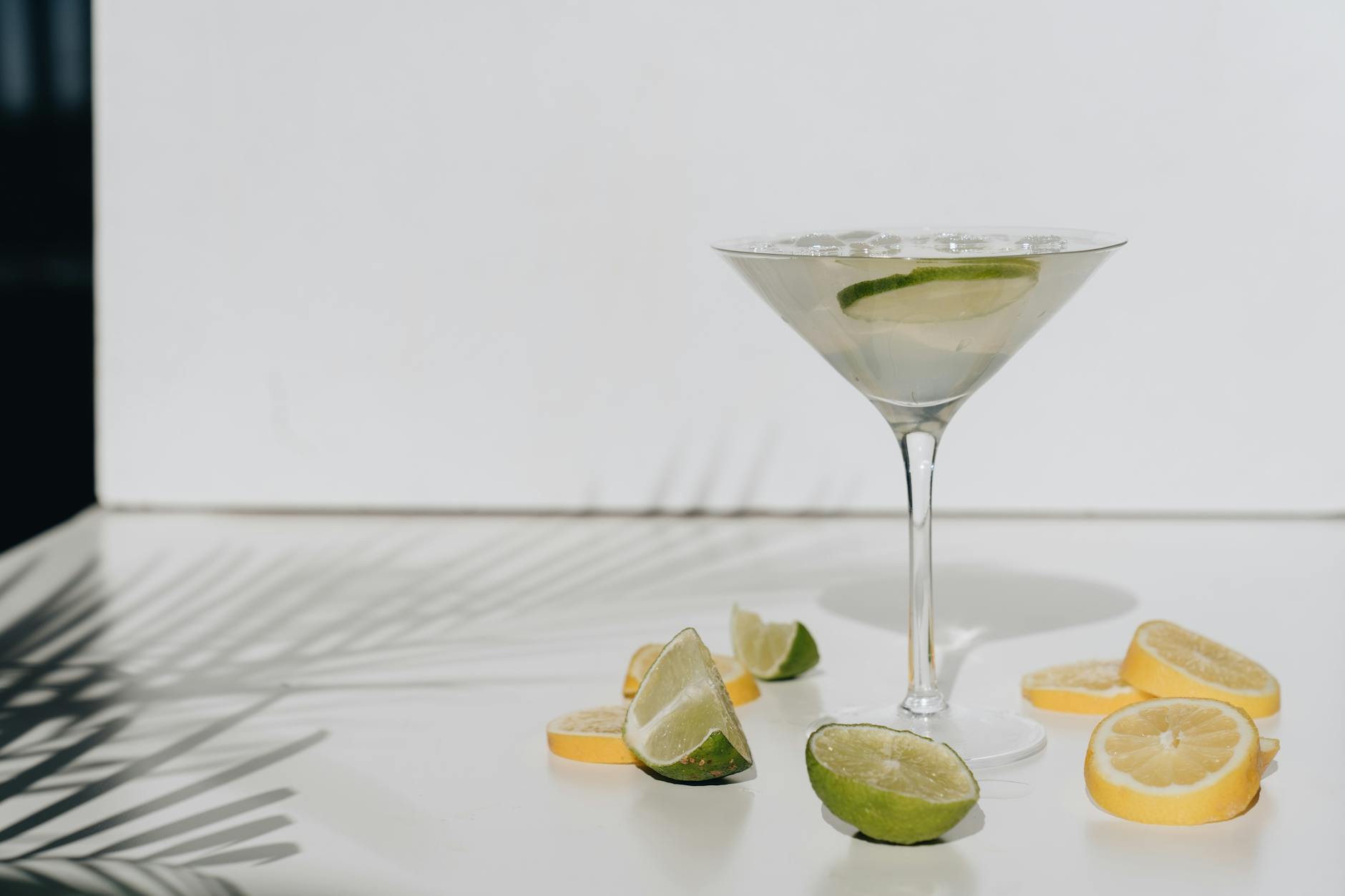
Garnishes like lemon wedges are often handled with bare hands or stored in open containers. Staff members have noted that the fruit is rarely washed before being sliced and served to customers. These citrus slices sit out at room temperature for extended periods during the day. The outer rinds can carry bacteria from the skins of other fruits or unwashed hands. Many workers recommend skipping this garnish to avoid unnecessary exposure to germs.
Grilled Chicken Sandwiches
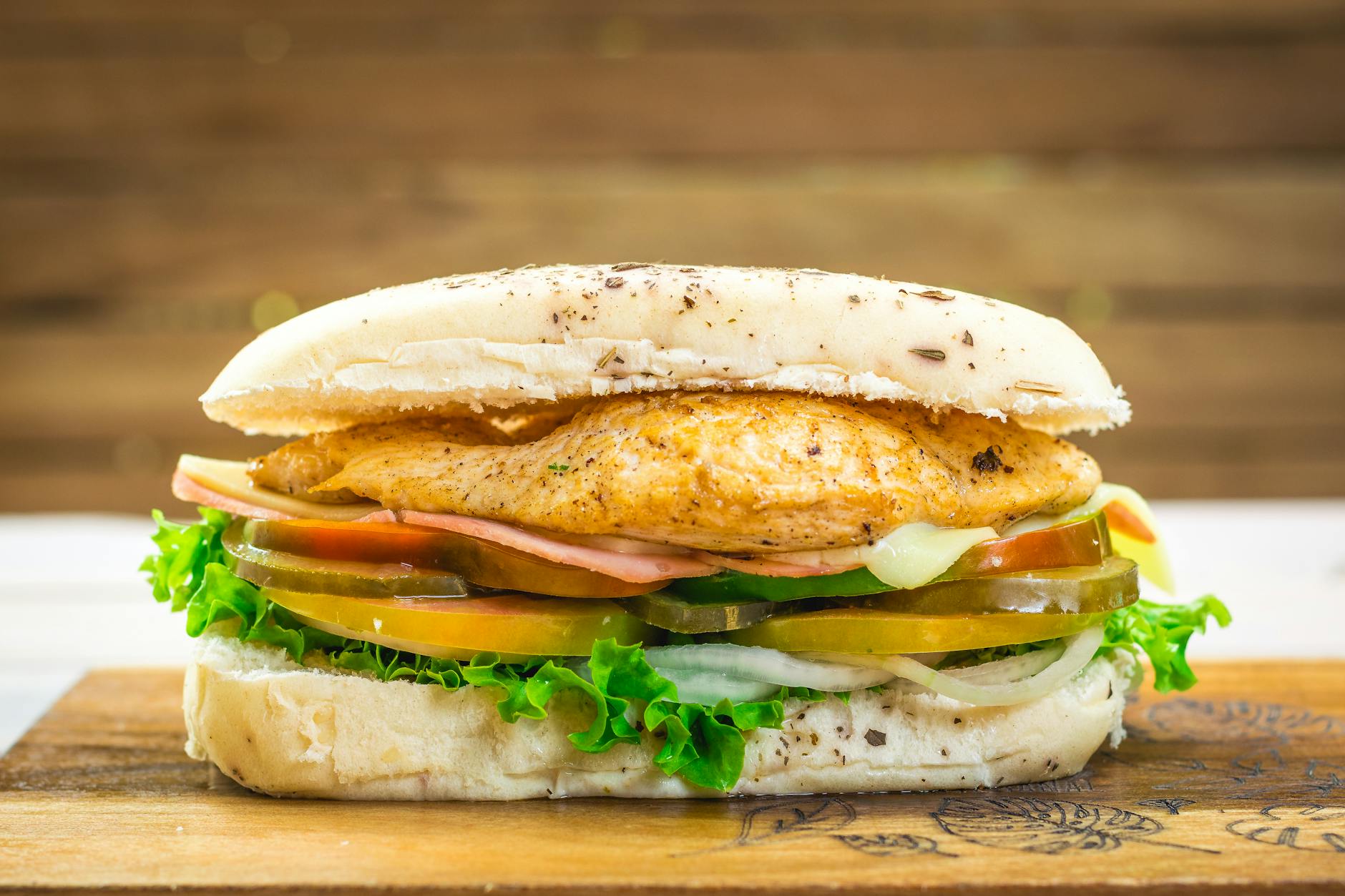
Customers often choose grilled chicken assuming it is a fresh and healthy alternative to fried options. Employees reveal that these filets can sit in warming trays for hours because they are ordered less frequently than burgers. The meat often becomes dry and rubbery after sitting in the heated cabinets for too long. To revive the appearance of the chicken workers sometimes add extra marinade or water. Ordering during peak hours is the best way to ensure the meat is actually fresh.
Filet-O-Fish
Fish sandwiches are notorious among fast food workers for sitting in the warming bin for extended periods. Since these items are not ordered as frequently as beef patties they are often prepared in batches and left to wait. The breading can become soggy while the fish inside dries out significantly over time. Asking for a fresh filet might add a few minutes to the wait time but ensures a hot meal. Employees almost universally agree that the quality difference is worth the extra patience.
Chili
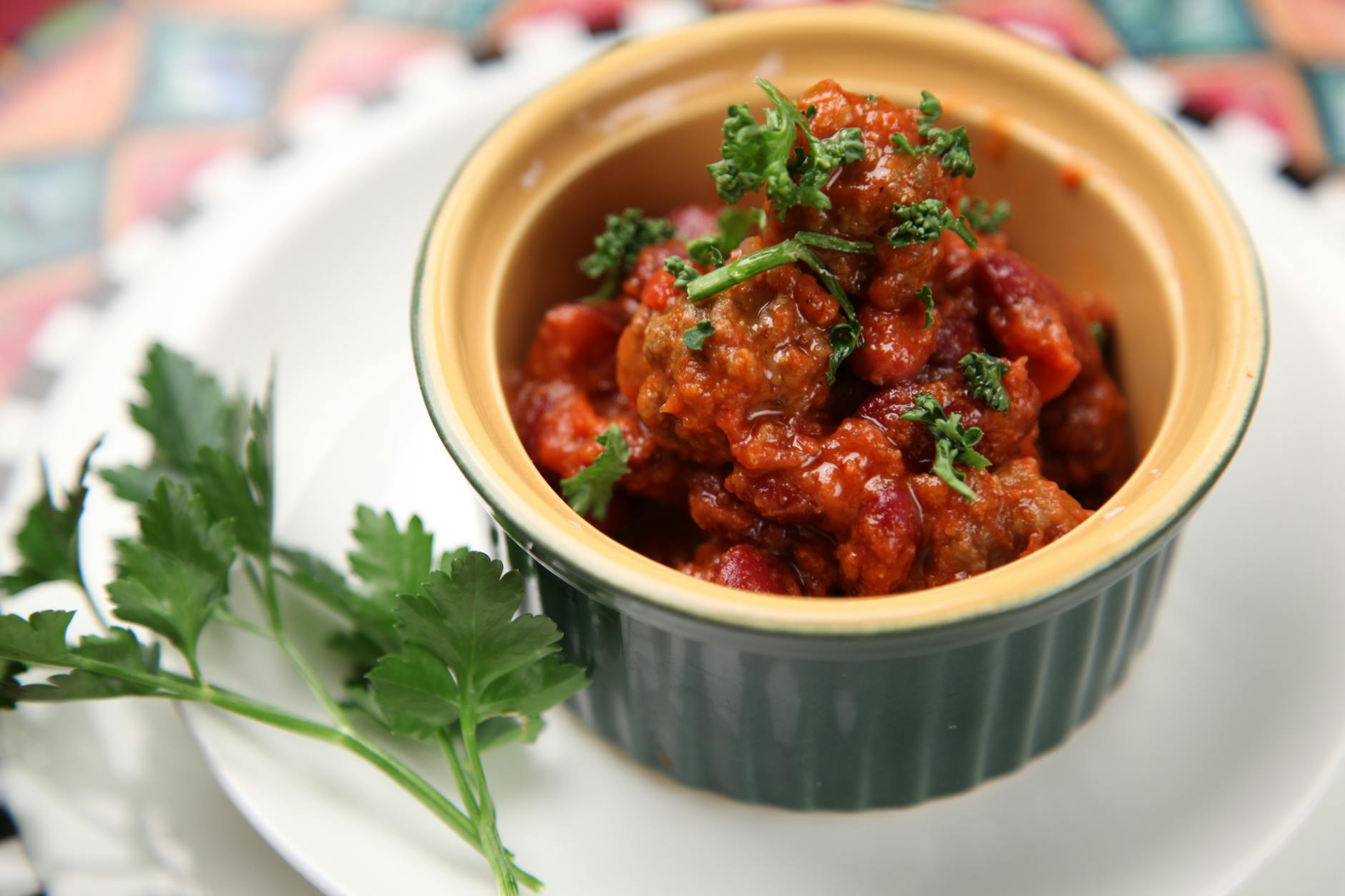
Fast food chili is frequently cited as a way to repurpose old meat that can no longer be served as burger patties. Workers explain that dried or broken hamburger patties are chopped up and boiled into the soup mixture. This reduces food waste for the restaurant but means the meat is not freshly cooked for the chili itself. The flavor is often masked by heavy spices and prolonged simmering times. Diners seeking fresh ingredients should likely look elsewhere on the menu.
Soda Fountain Drinks
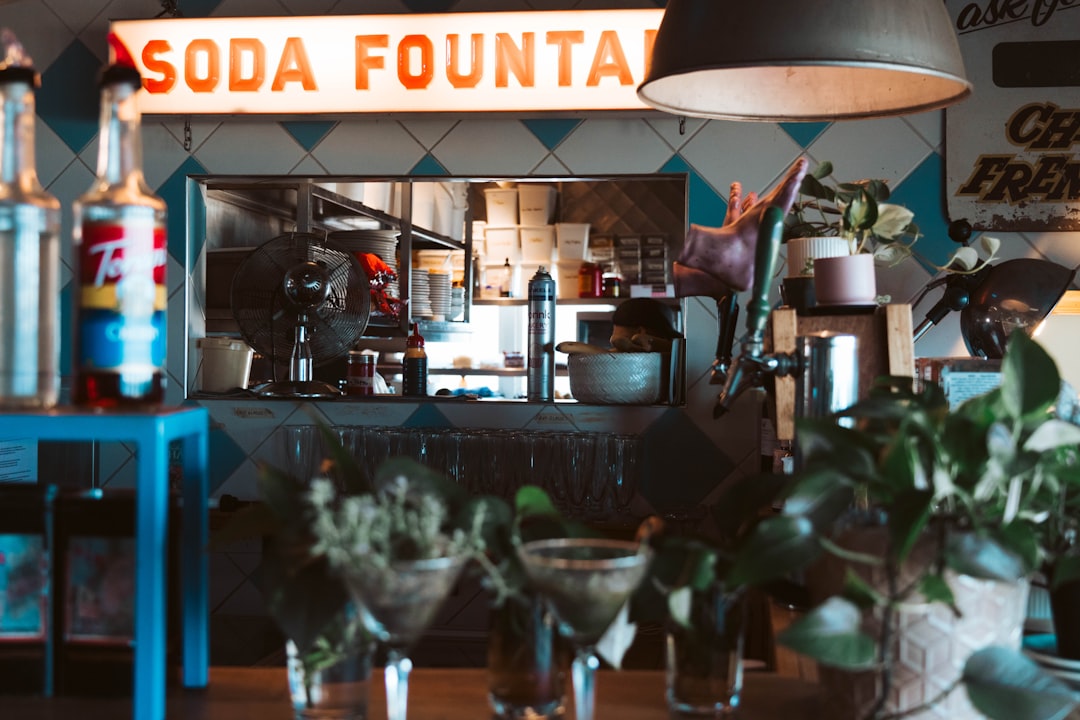
The nozzles on soda fountains require daily removal and soaking to prevent mold and bacterial growth. Former employees often admit that this tedious task is neglected during closing shifts. Sugar deposits build up quickly and create a breeding ground for pests and bacteria inside the small parts. The distinct taste sometimes noticed in fountain soda can be attributed to dirty lines or dispensers. Bottled beverages offer a sealed and generally more sanitary alternative.
Milkshakes

Ice cream machines are famously prone to breakdowns and are also notoriously difficult to clean properly. The internal tubing involves many small parts that must be disassembled and sanitized to prevent mold accumulation. Employees have reported finding spoiled milk residue or mold in the lines when the machines are finally serviced. This is a common reason why the machine is often listed as broken when customers try to order. A shake from a place that specializes in ice cream is usually a safer bet.
Late Night Burgers
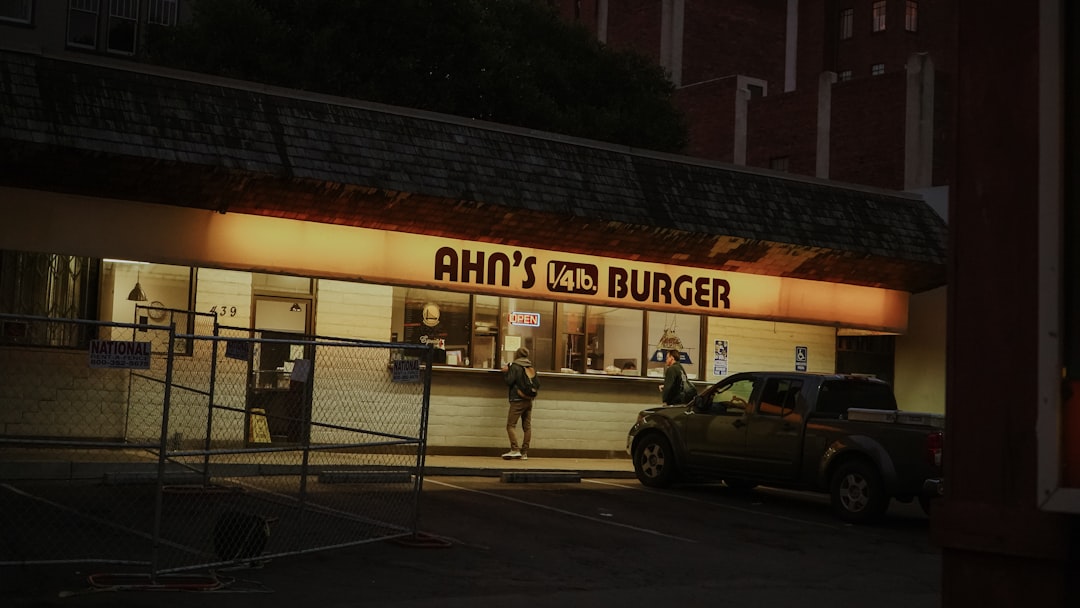
Ordering a standard burger just before closing time often results in receiving a patty that has been sitting out. Staff members are eager to clean the kitchen and avoid cooking new batches of meat right before the end of the shift. The meat may be dry and lukewarm after resting in the holding trays for the last hour of operations. Buns also tend to be stale or toasted hours in advance to speed up the closing process. It is generally better to order items that require fresh preparation.
Tuna Salad
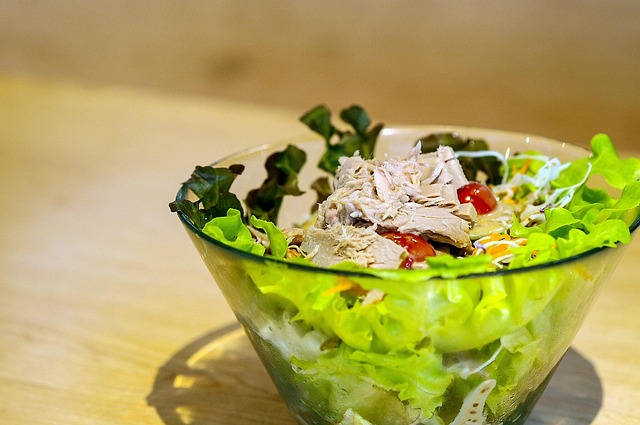
Sandwich shops often prepare tuna salad in massive batches that must last for several days. The mixture of mayonnaise and fish is highly perishable and sensitive to temperature fluctuations. Employees have noted that the top layer is sometimes scooped off to make the underlying portion look fresh. The texture can become watery or separate as the ingredients sit in the refrigerator. Freshness is a major concern unless the shop is extremely high volume.
Scrambled Eggs
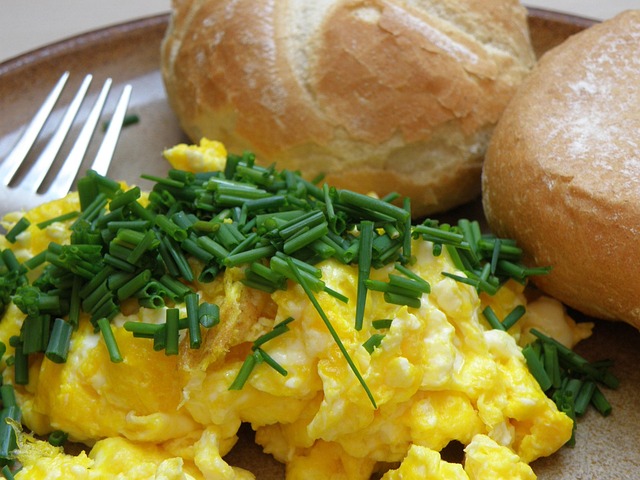
The fluffy scrambled eggs served at many fast food breakfast spots are rarely cracked from a shell. Kitchens typically use a liquid egg substitute or a powdered mix that is rehydrated with water and milk. This mixture is often cooked in a microwave or on a large griddle where it can become rubbery. The additives used to keep the eggs yellow and fluffy can give them an artificial taste. Ordering a round egg or a fried egg usually guarantees a real cracked egg.
Hot Dogs
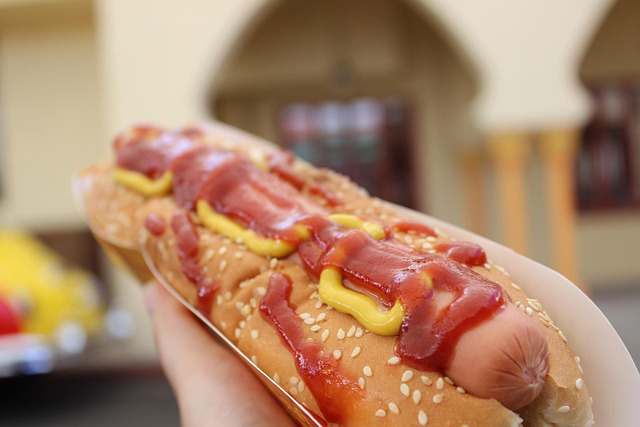
Hot dogs on rolling grills can spend an entire day rotating under heat lamps without being purchased. The casings become tough and wrinkled while the meat inside dries out completely. Workers rarely throw them away until they look visibly unappealing to customers. Fresh hot dogs are easy to cook but the convenience store variety is often far from fresh. Asking when the hot dogs were put on the grill can save you from a stale meal.
Veggie Burgers
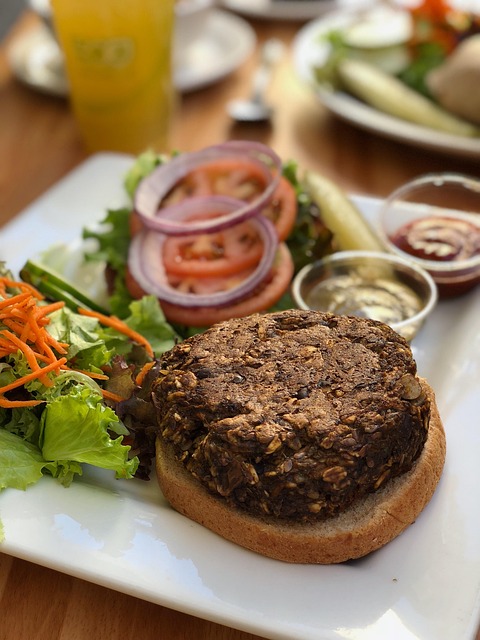
Vegetarian options are frequently kept frozen for months because they are ordered so rarely at standard fast food joints. When an order finally comes in the patty is often microwaved or thrown onto a grill that hasn’t been cleaned of meat grease. This cross-contamination defeats the purpose for many strict vegetarians or vegans. The patty itself can be freezer burned and tasteless due to improper storage. Dedicated vegetarian restaurants are safer for avoiding meat products.
Decaf Coffee

Fast food locations do not always brew a fresh pot of decaf coffee for every customer request. Employees have admitted to serving watered-down regular coffee or old decaf that has been sitting for hours. The turnover for decaf is very low compared to the high demand for caffeinated blends. This can be dangerous for customers who have strict medical reasons to avoid caffeine. It is often safer to order hot tea or a caffeine-free soft drink.
BBQ Sandwiches
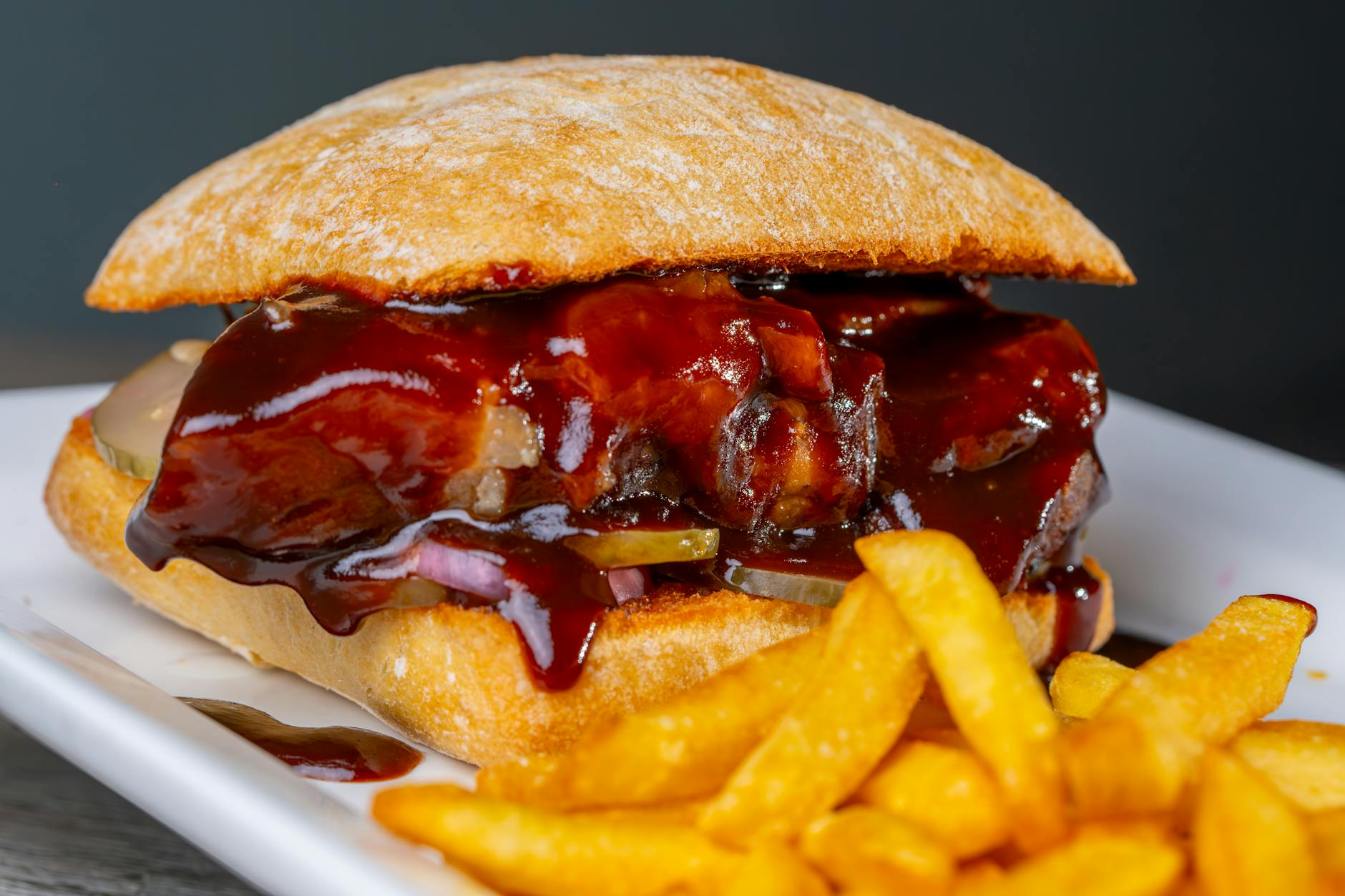
Similar to chili the meat used in barbecue sandwiches is often repurposed from old burger patties or chicken. The meat is shredded and drowned in heavy sauce to hide the dry texture and lack of freshness. This mixture can sit in a heated pot for an entire day without being replaced. The sugar in the sauce can also crust over and burn if not stirred frequently. Freshness is rarely the priority with these heavily sauced menu items.
Chicken Nuggets
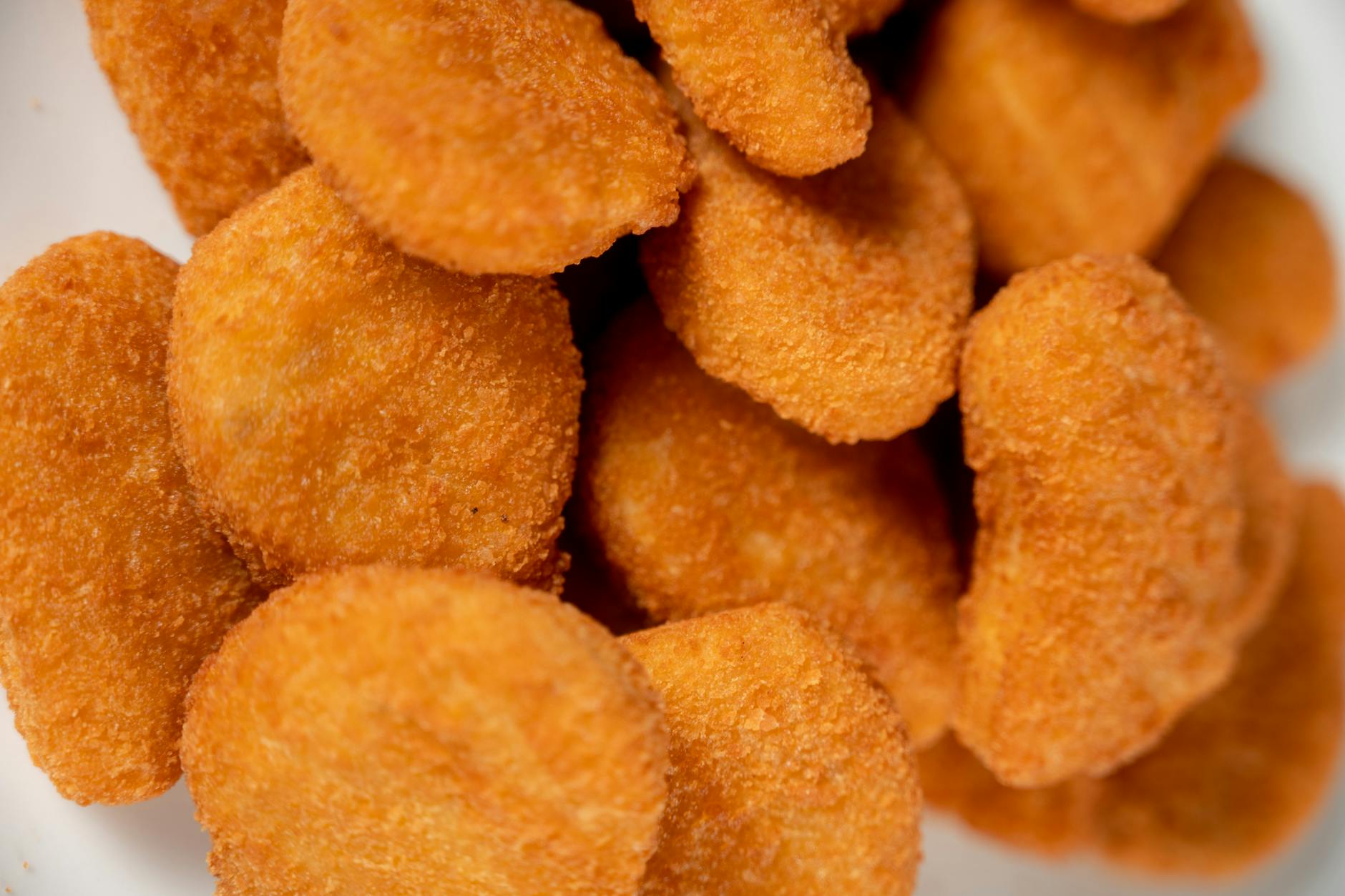
Nuggets are often cooked in large batches and kept in warming drawers to keep up with rush periods. During slower times these bite-sized items can sit until they become hard and lukewarm. Employees suggest asking for a fresh batch to ensure the breading is crispy and the meat is hot. Old nuggets lose their moisture rapidly and become difficult to chew. Freshly fried nuggets are vastly superior in both texture and taste.
Salads
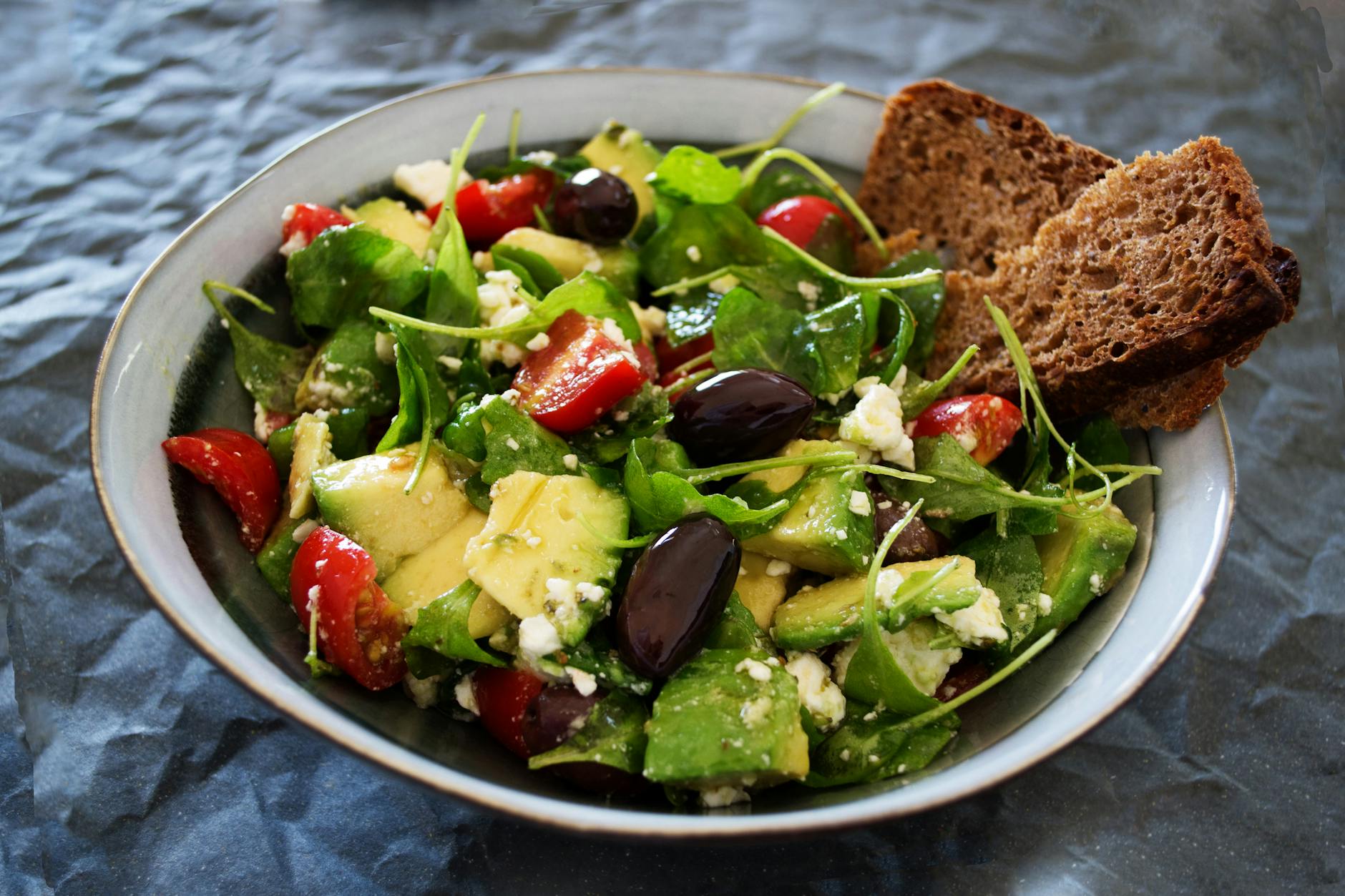
Pre-packaged salads often sit in refrigerators for several days before being sold to a customer. The lettuce can become slimy at the bottom of the bowl while the top layer dries out. Employees note that the expiration dates are sometimes extended by simply changing the sticker label. Cross-contamination is also a risk if the salad prep area is shared with raw meat handling. Fresh greens are best purchased from grocery stores or dedicated salad bars.
Sweet Tea
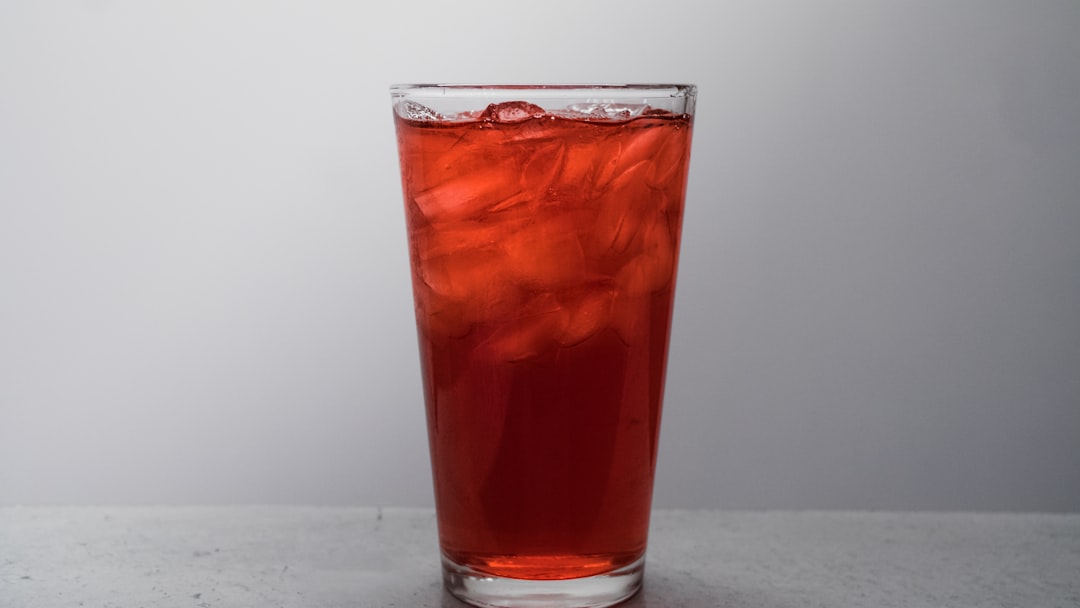
Large buckets of sweet tea are a staple in many chains but the containers are not always scrubbed daily. The high sugar content creates a sticky residue that is difficult to remove without deep cleaning. Employees have reported finding mold in the spigots of tea dispensers that are not disassembled regularly. The tea is often brewed once in the morning and left at room temperature all day. Fermentation can actually begin to occur if the tea sits for too long.
Special Sauce
Signature sauces are often dispensed from pump containers that are rarely emptied completely or washed. New sauce is simply poured on top of the old sauce remaining at the bottom of the tub. This practice means the sauce at the bottom could be weeks old and potentially spoiled. The pumps themselves can collect dried sauce that falls back into the fresh mixture. Packaged sauce packets are a much cleaner and safer alternative.
Onion Rings
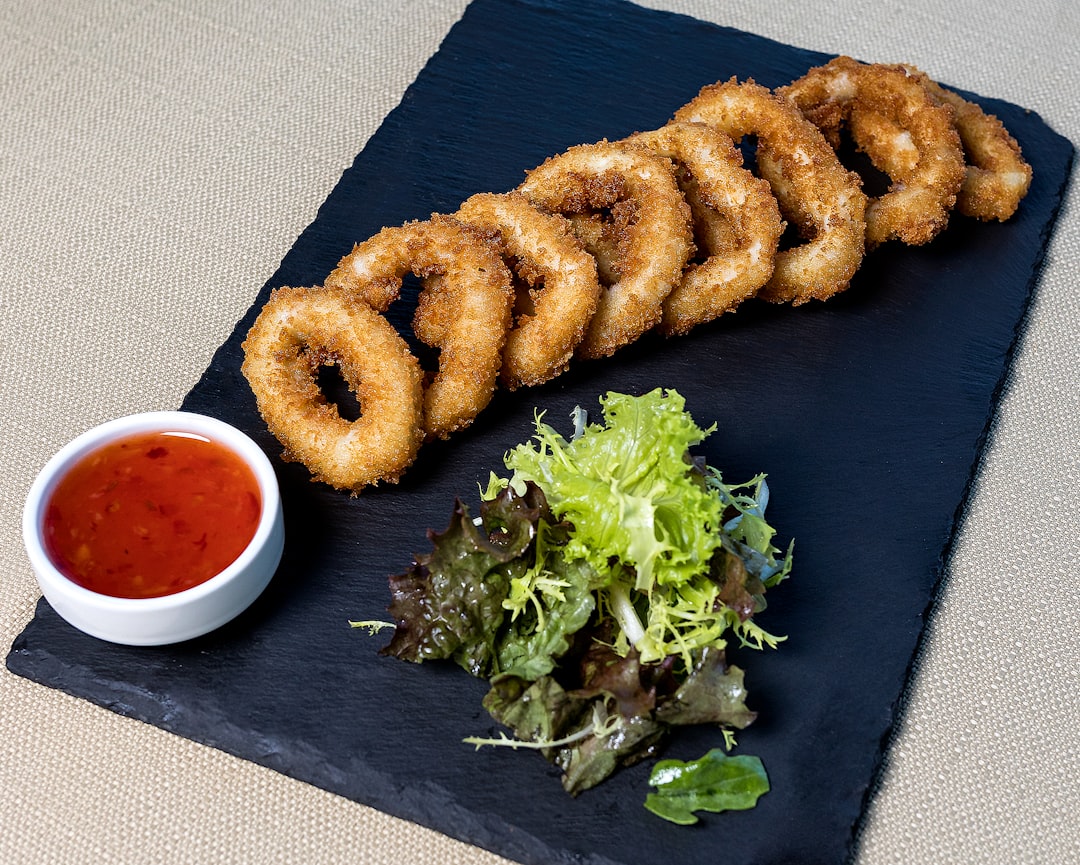
Batter often falls off onion rings in the fryer and burns which ruins the oil for other foods. Because they are delicate they are often cooked in batches and left to sit under heat lamps. The breading becomes soggy and oily as the onion releases moisture while sitting. Employees rarely cook these to order unless the restaurant is completely empty. A fresh order is necessary to get the intended crunch and texture.
Macaroni and Cheese
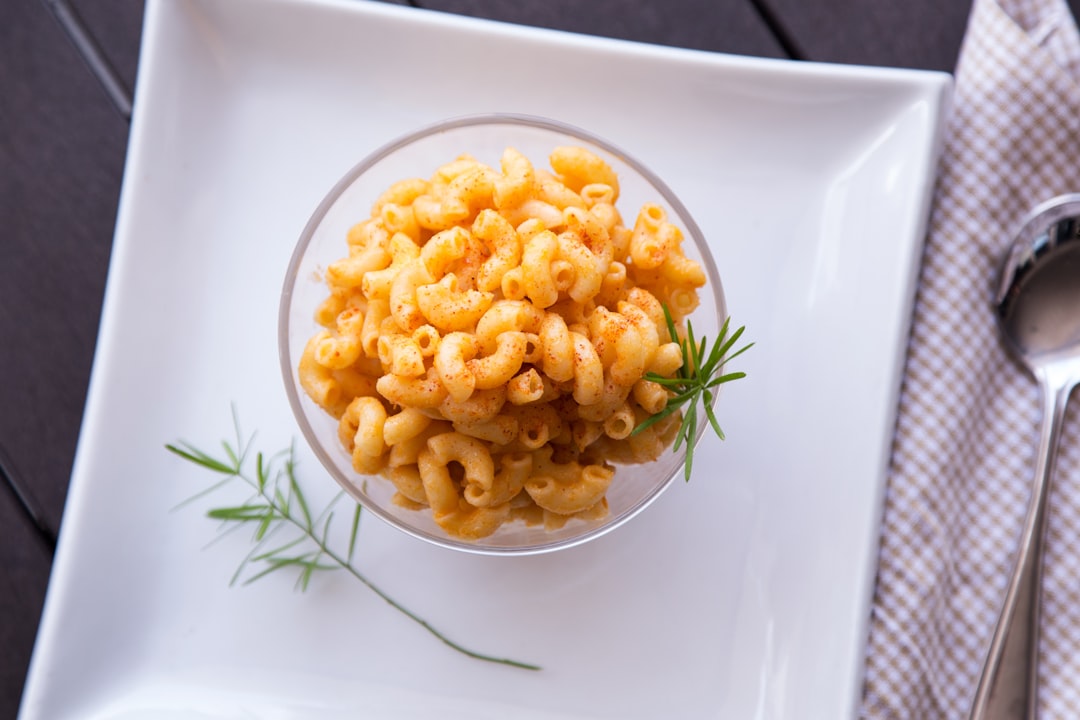
Fast food macaroni and cheese is almost always frozen in a bag and reheated in a microwave or water bath. The cheese sauce can separate or become grainy if it is overheated or held too long. Workers indicate that the portion sizes are small relative to the high price point. The nutritional value is minimal and the taste is comparable to boxed supermarket varieties. Making this dish at home yields much better results for a fraction of the cost.
Soup of the Day
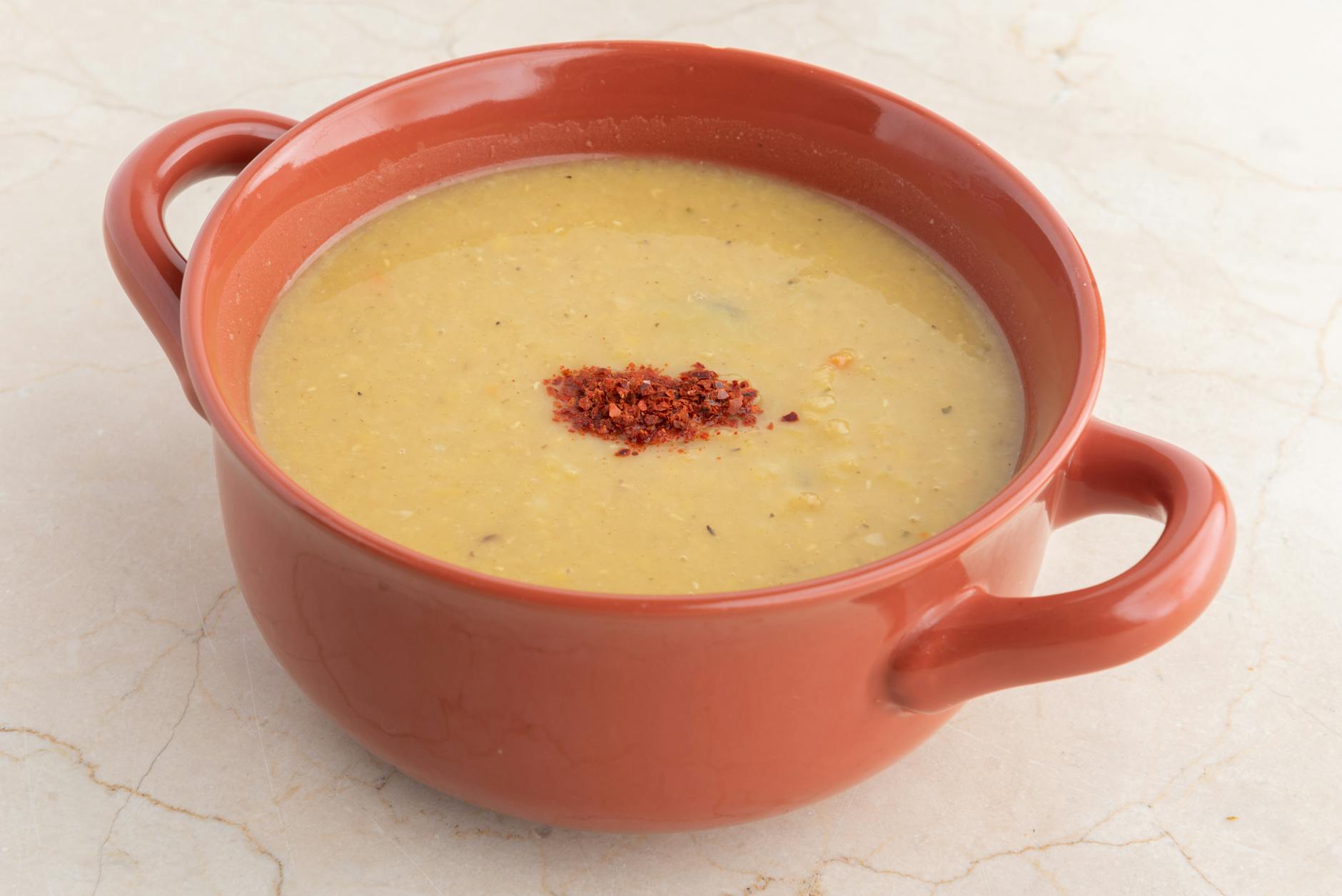
The soup served at fast food chains is typically delivered in a plastic bag and heated in a large metal pot. If the soup is not sold out by the end of the day it is sometimes cooled and reheated the next morning. High sodium levels are used to preserve the soup for long periods of storage. Vegetables and noodles can become mushy after sitting in the hot broth for hours. Freshly made soup is a rarity in the fast food industry.
Smoothies
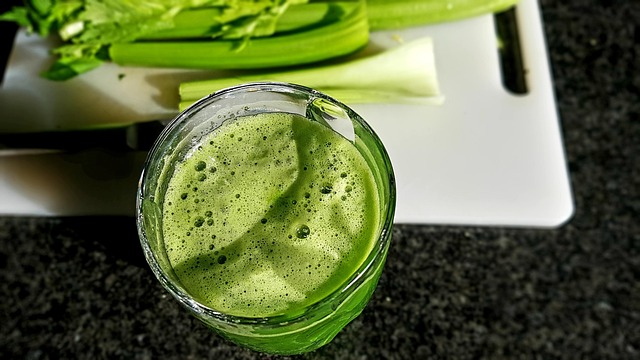
Fruit smoothies at burger chains are often made from sugary syrups and ice rather than real fruit. The machines used to blend them are difficult to clean and often harbor sticky residue. Employees have noted that the calorie count is often higher than a soda due to the added sugars. The “fruit” base is typically a shelf-stable liquid that contains very little actual produce. These drinks are more like desserts than healthy beverage options.
Coleslaw
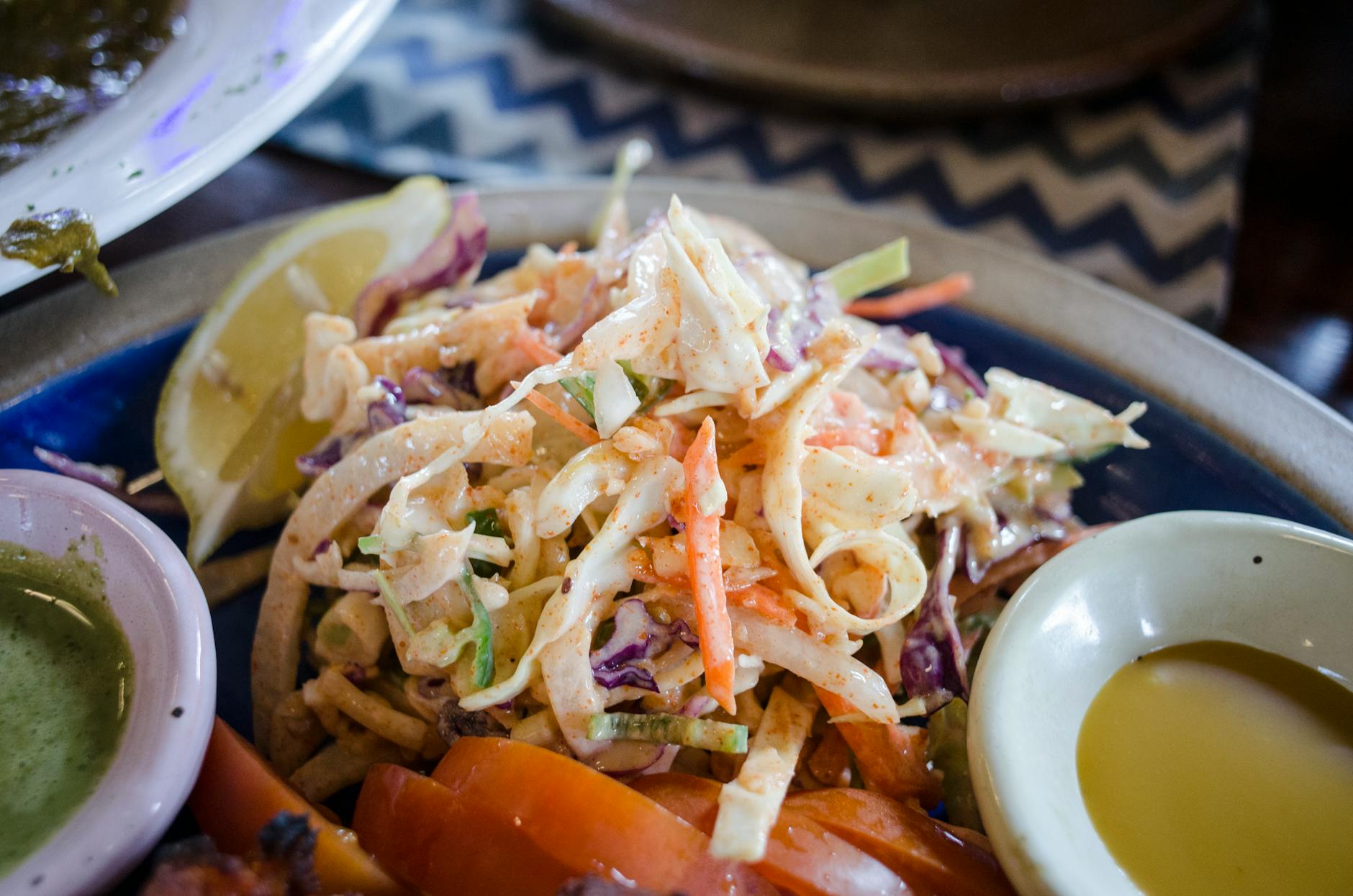
Mayonnaise-based sides like coleslaw are highly sensitive to temperature and spoil quickly if not refrigerated properly. Workers have seen tubs of coleslaw left out on prep counters during busy lunch rushes. The cabbage releases water over time which dilutes the dressing and creates a soupy texture. Consuming dairy or egg-based sauces that have been warm is a food safety risk. It is safer to stick to cooked side dishes like fries.
Meatloaf
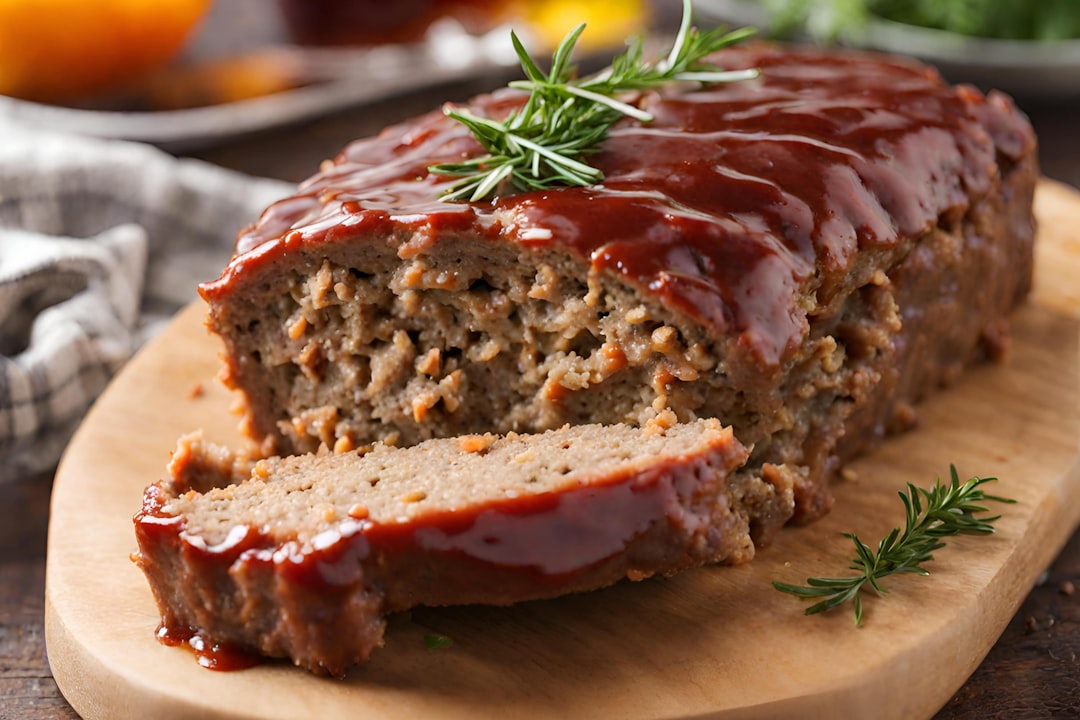
Menu items like meatloaf are often composed of various meat scraps and binders to hold the loaf together. The texture is uniform and spongy because it is processed heavily before arriving at the restaurant. Sauces are applied generously to cover up the lack of distinct flavor in the meat itself. It is usually precooked and simply reheated before being served to the customer. Home-cooked meatloaf is significantly different in quality and ingredients.
Pastries
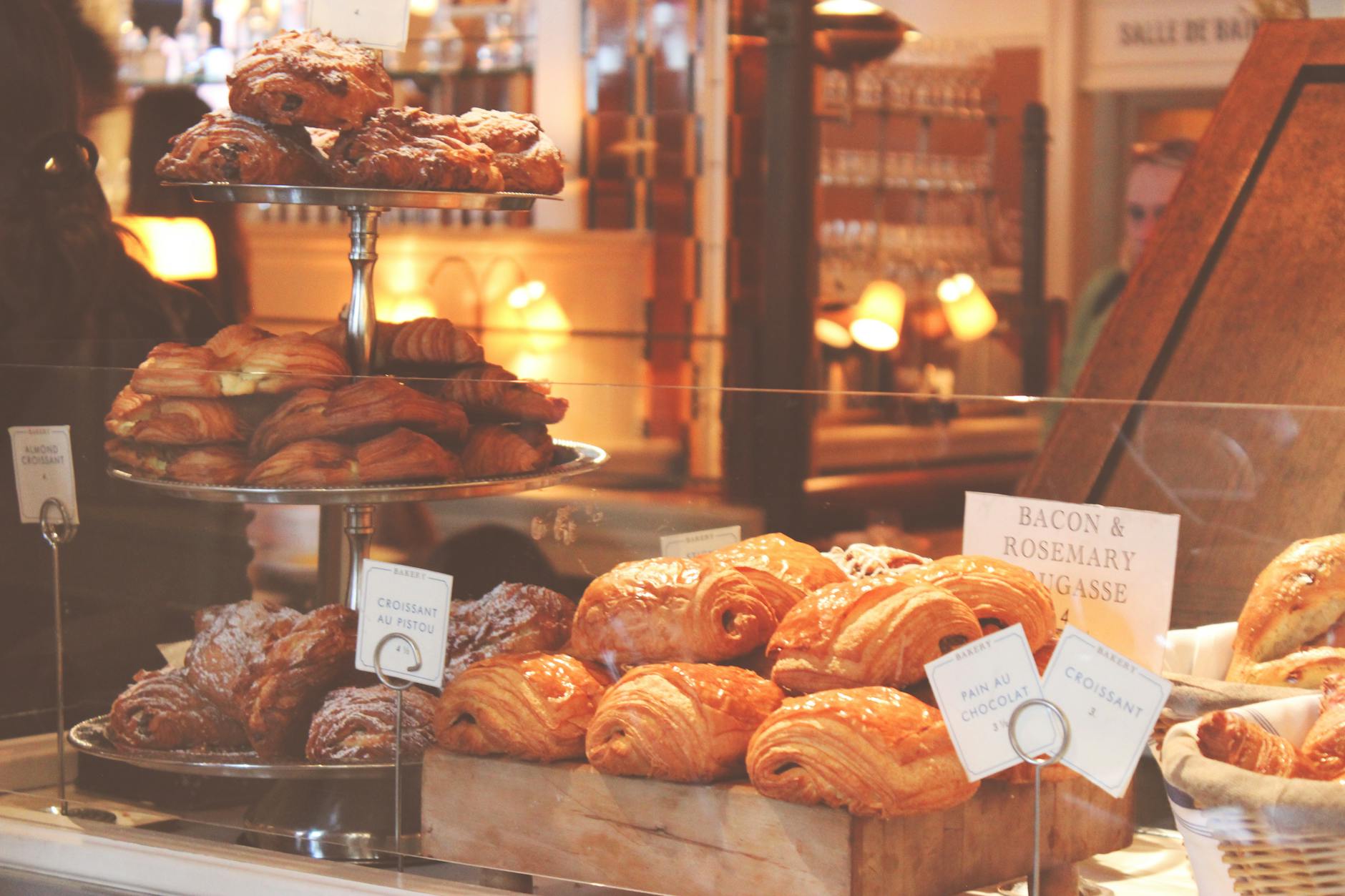
Donuts and pastries displayed in glass cases are often delivered once a day or even every few days. Flies and gnats can sometimes access the cases if the doors are not sealed perfectly tight. By the afternoon these baked goods are stale and hard compared to the morning delivery. Employees rarely recommend buying a donut late in the day. Packaged treats are generally fresher than those exposed to the air.
Oatmeal
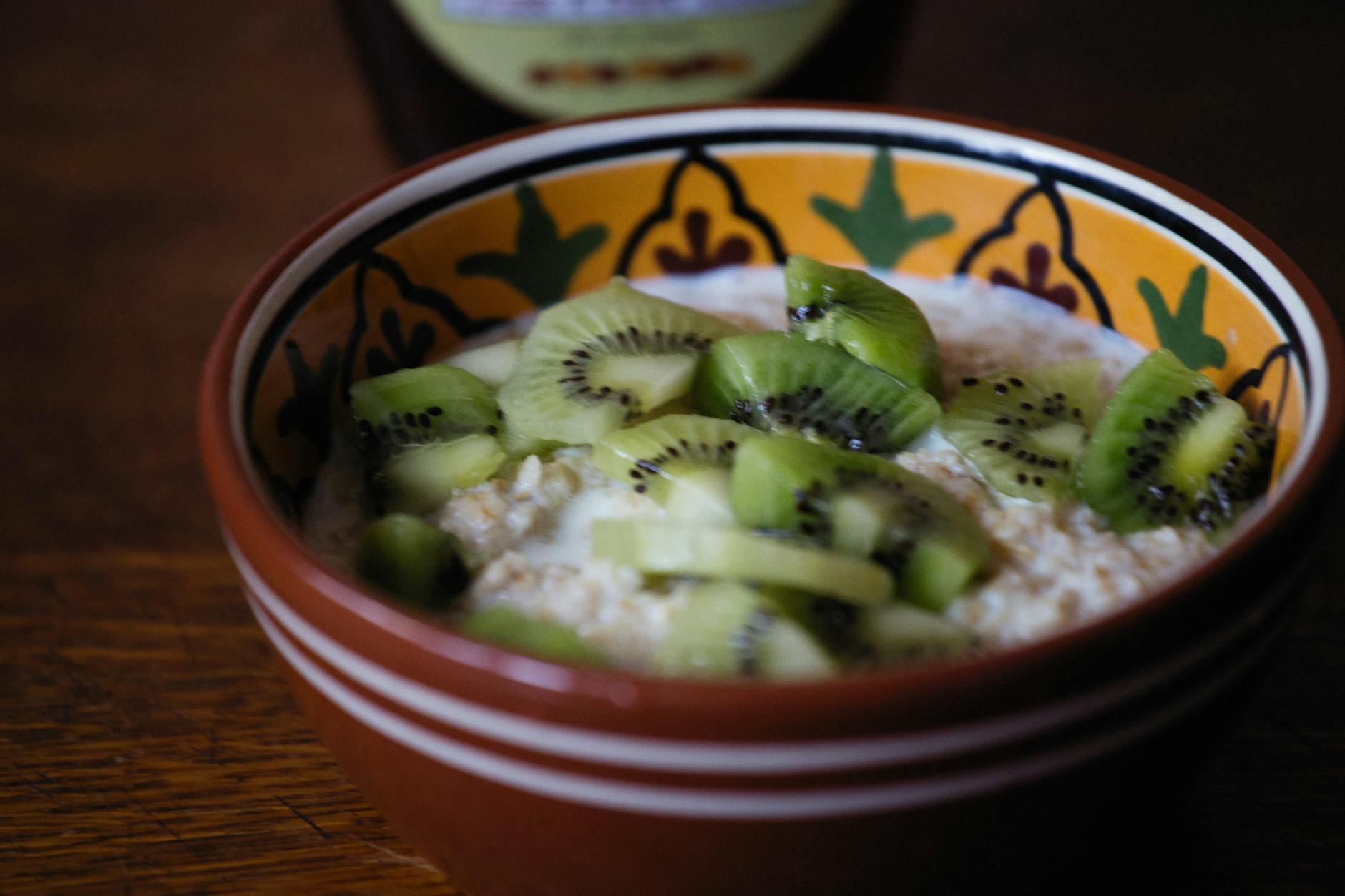
Fast food oatmeal is often prepared in a single large pot that is not cleaned until the breakfast shift ends. The oats can congeal and stick to the sides of the pot creating a glue-like consistency. Additives like maple sugar and cream are used to mask the texture of the overcooked grains. Hot water and an instant packet are usually what you are paying for. It is an easy dish to replicate at home with much better ingredients.
Seafood Salad
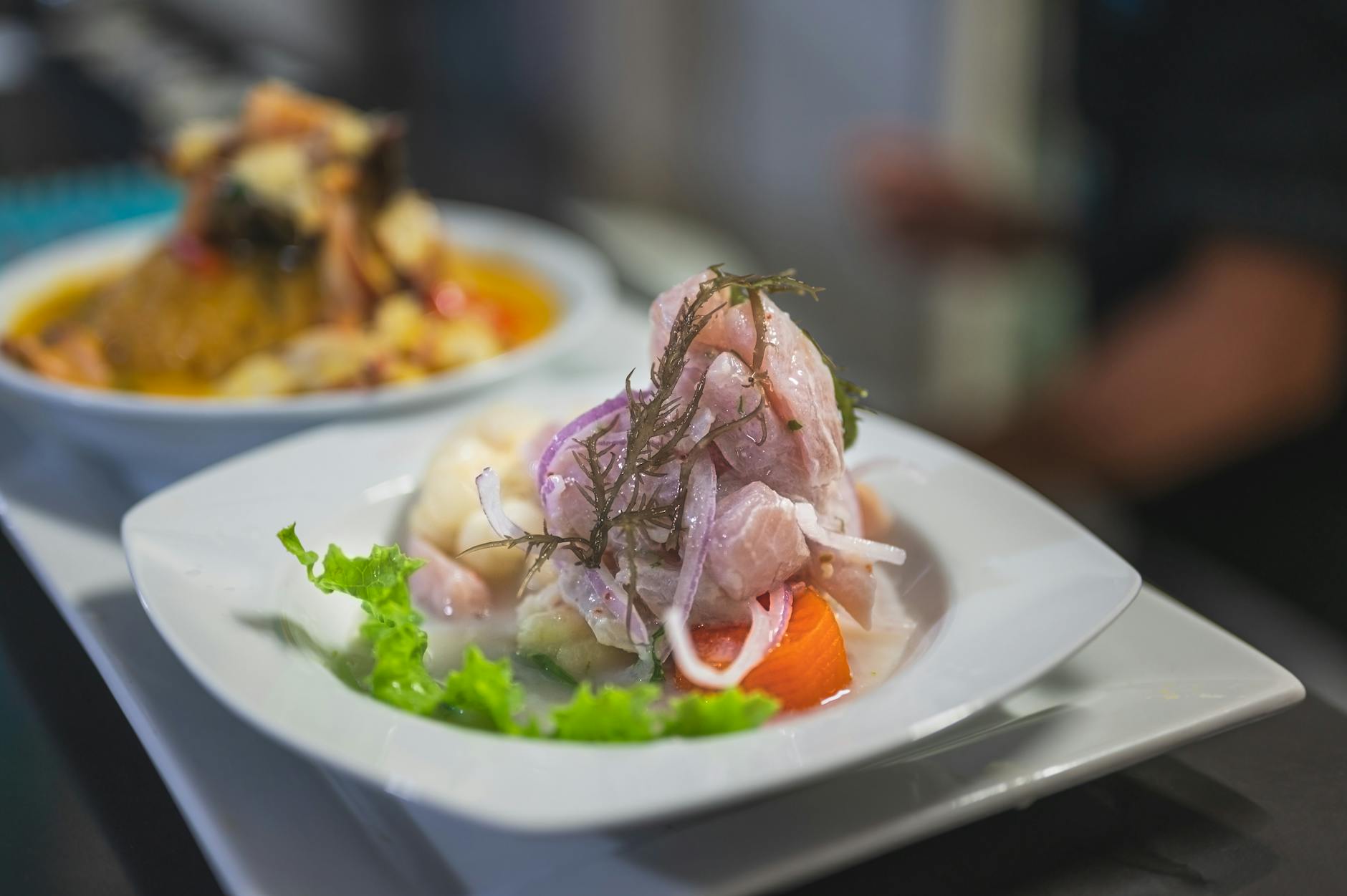
The seafood found in cold salads at sandwich chains is almost exclusively imitation crab meat mixed with mayo. This processed fish product is high in sodium and preservatives rather than being fresh shellfish. The texture is rubbery and the flavor is almost entirely derived from the dressing. It sits in the cold table for long periods and can develop a crust on top. Real seafood is best ordered from a restaurant that specializes in it.
Quesadillas
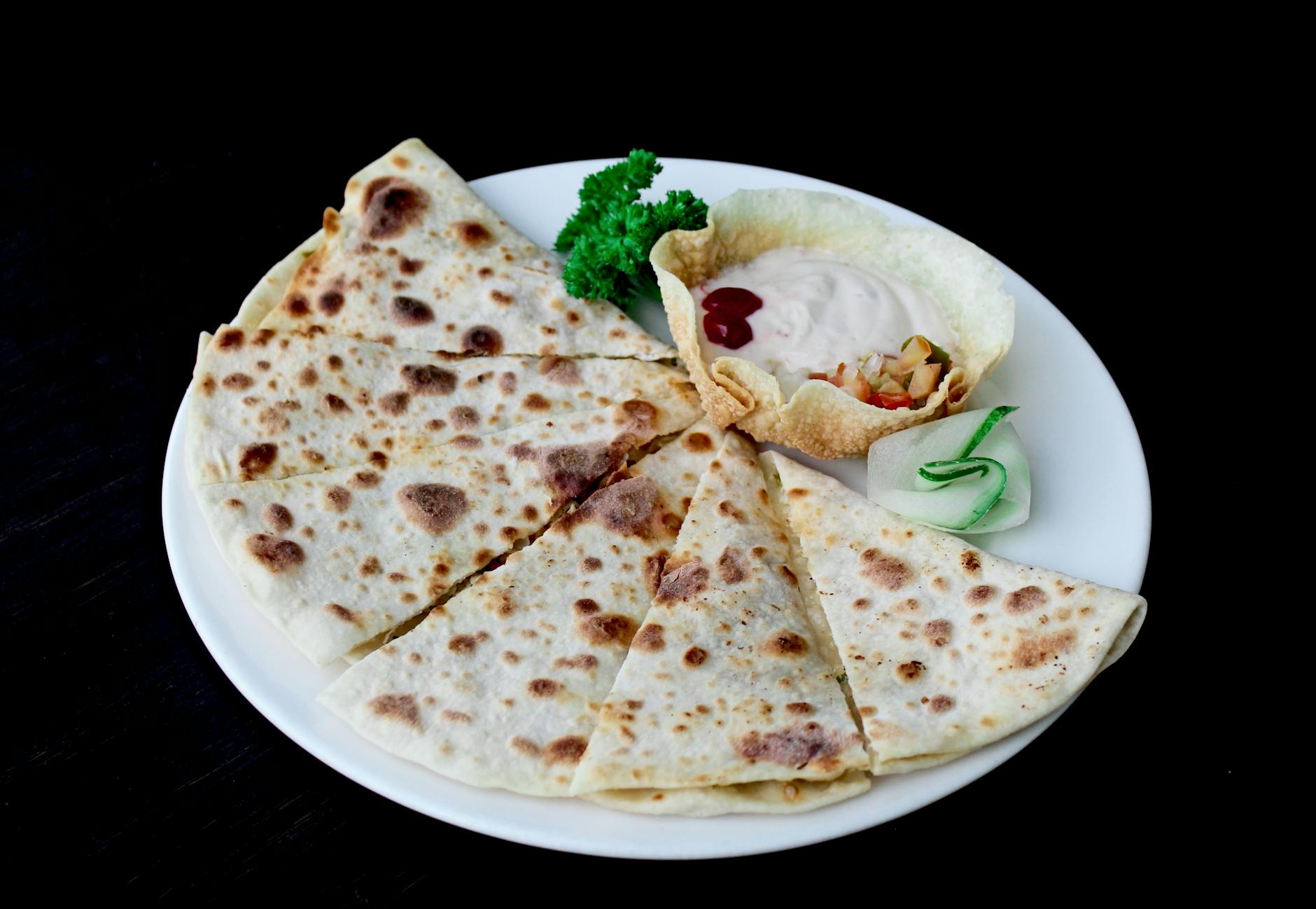
Quesadillas are often made using the same press that toasts buns and other sandwich breads. The grill is rarely scraped clean between different items leading to burnt bits sticking to the tortilla. Inside the quesadilla workers often use the ends of cheese bags and old chicken. Grease buildup on the press can make the tortilla oddly oily and limp. It is a menu item often treated as an afterthought by the kitchen.
Nacho Cheese
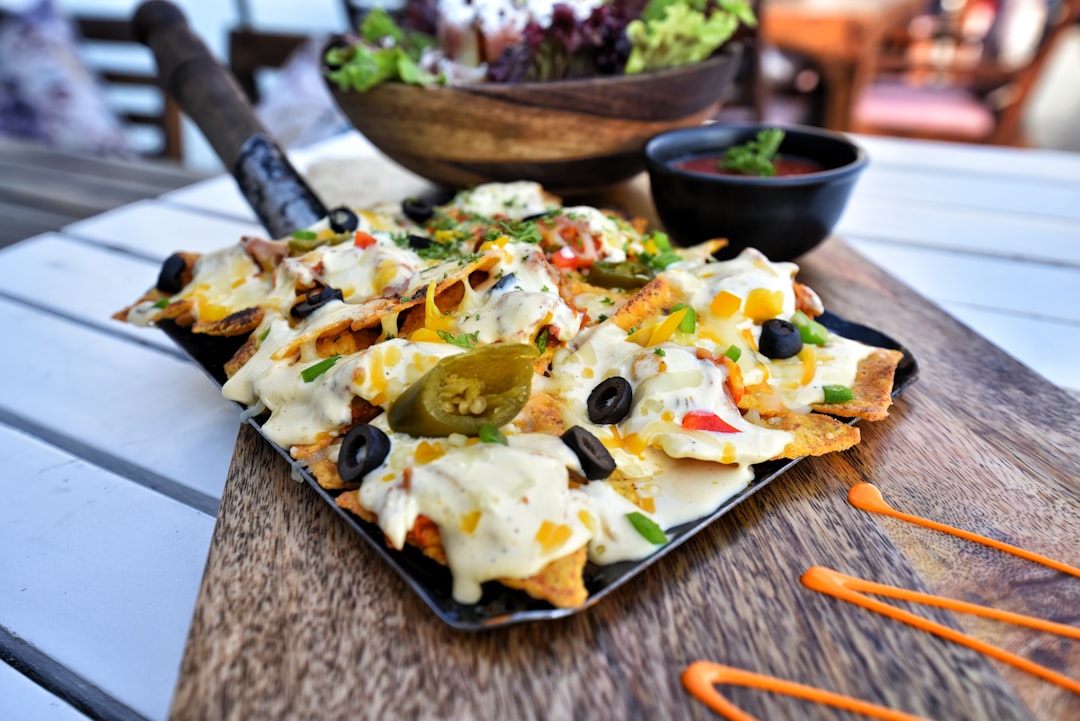
Liquid cheese is pumped from a large plastic bag that sits inside a heated dispenser machine. The nozzle can clog with dried cheese that turns dark and hard over the course of the day. Employees warn that the cheese inside the machine is incredibly hot and plastic-like in texture. The nutritional value is virtually non-existent as it is mostly oil and thickeners. Real melted cheese is rarely found in these fast food settings.
Ketchup Pumps
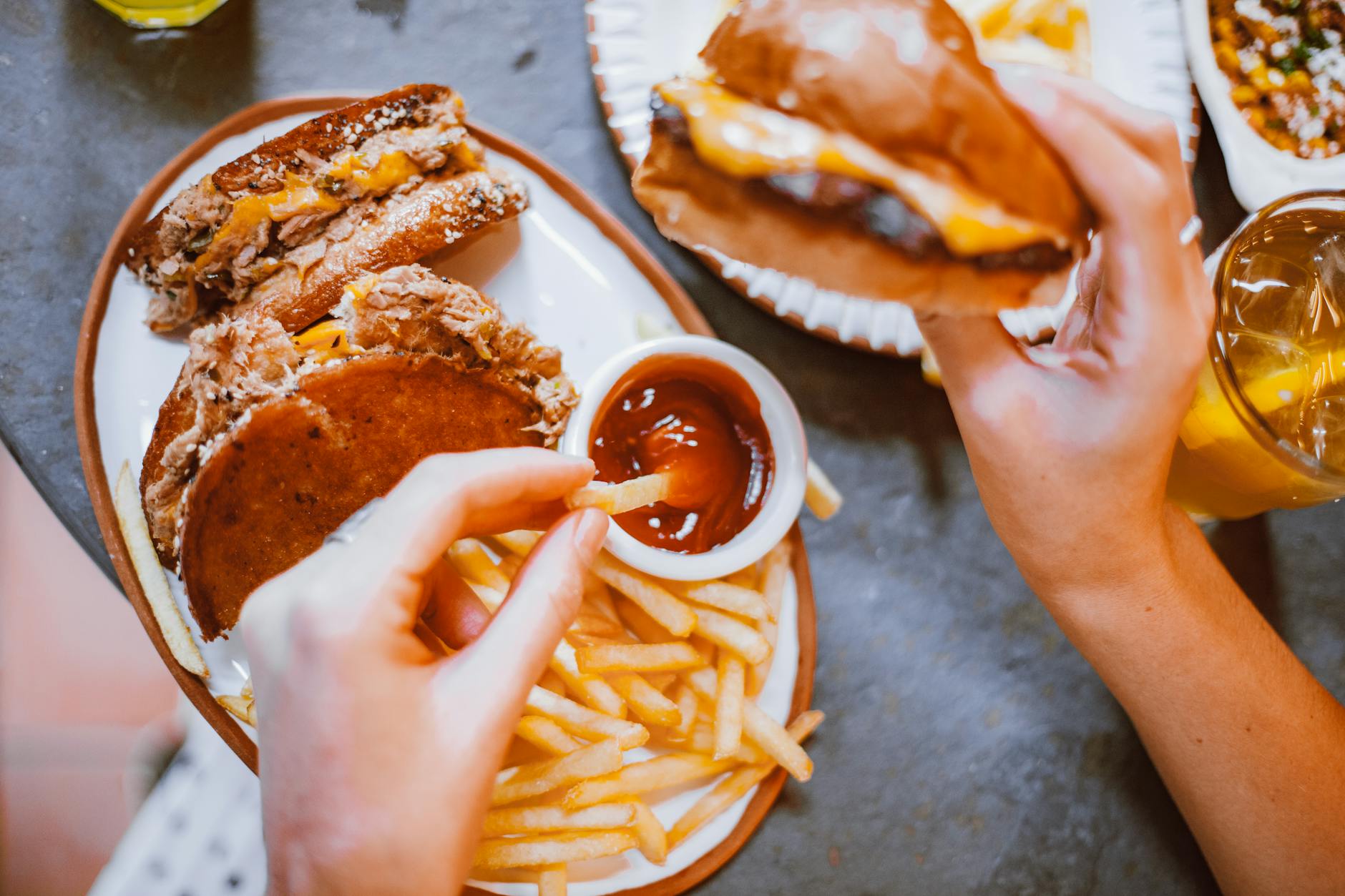
The large communal ketchup dispensers in the dining area are refilled by topping them off rather than cleaning them. This means the ketchup at the bottom of the container could be extremely old and fermented. Customers often touch the pump with dirty hands which spreads germs to the dispenser mechanism. Sneezing or coughing near the open pumps is also a common occurrence in crowded dining rooms. Packet ketchup is sealed and guarantees a fresh serving every time.
Soft Serve Ice Cream
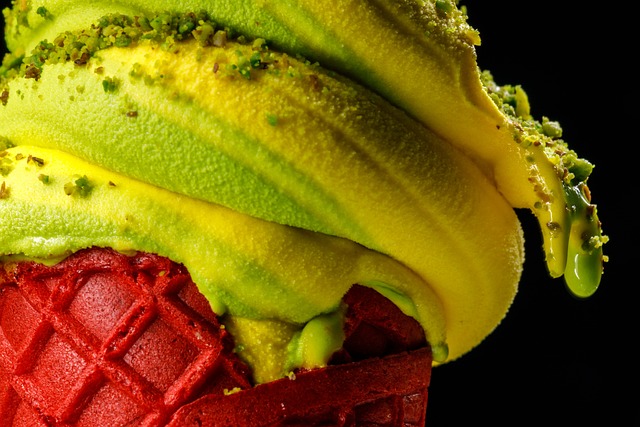
Soft serve machines are notorious for harboring mold if they are not disassembled and scrubbed weekly. The mixture is liquid dairy that can spoil easily if the machine does not maintain the correct temperature. Employees have shared horror stories of opening the machine to find green sludge in the interior pipes. The distinct texture of soft serve relies on air being whipped into the mix which also introduces bacteria. Hard ice cream is generally a cleaner option.
Buffet Food
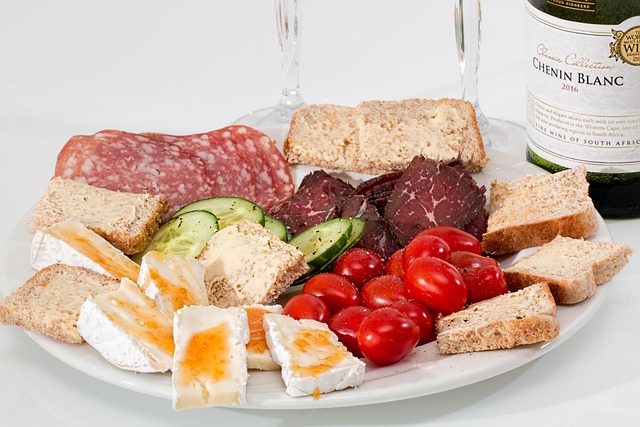
Food sitting in open buffet steam tables is exposed to the breath and hands of every customer passing by. Sneeze guards are often inadequate to protect the food from airborne particles and germs. Items like scrambled eggs or pasta dry out quickly and form a hard crust on the surface. Temperature control is difficult to maintain across large trays of food. Ordering off a fresh menu is always safer than the buffet line.
Grilled Onions
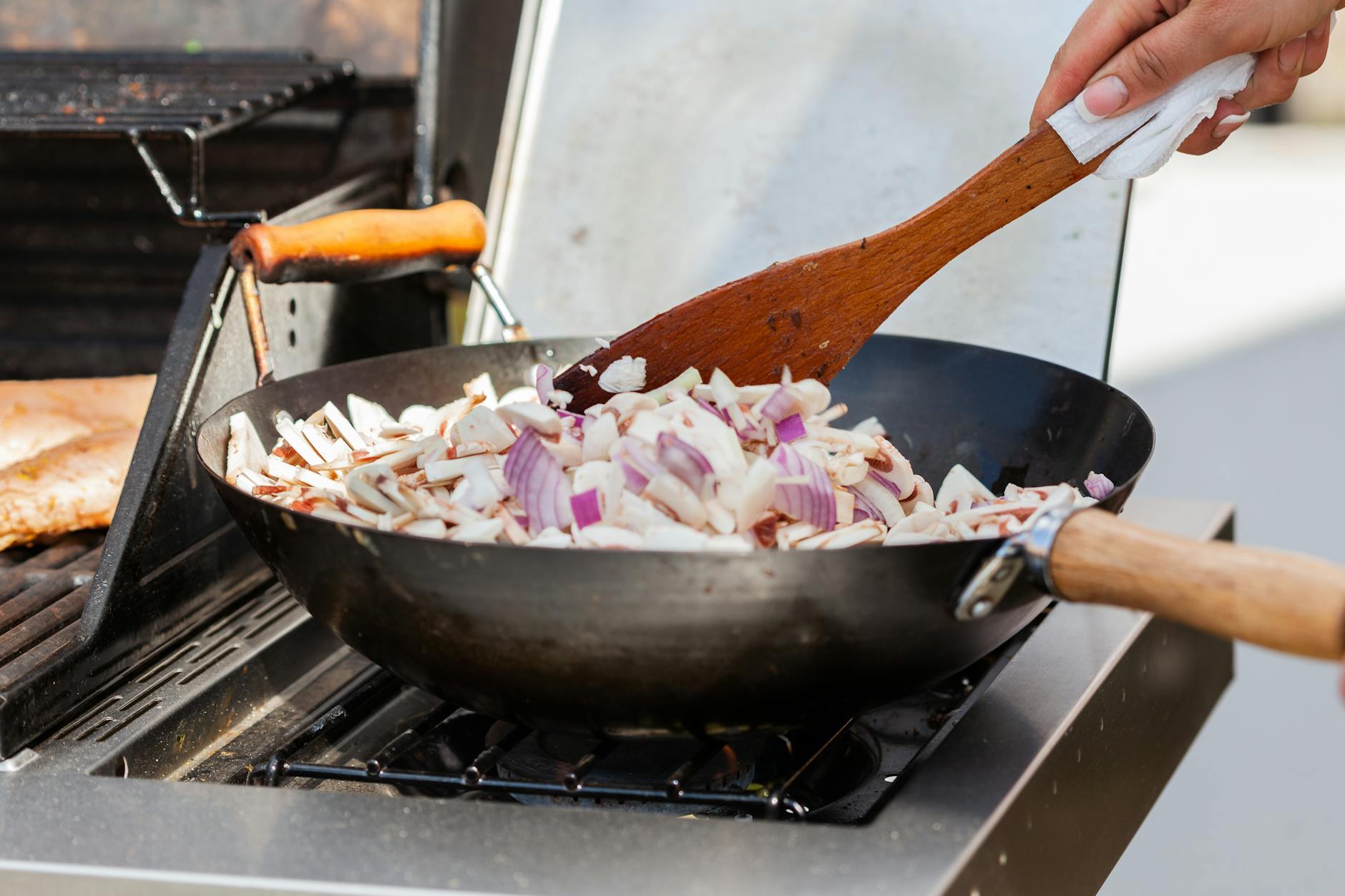
Onions are often grilled in the morning and left in a warmer to be scooped onto burgers throughout the day. They become slimy and lose their flavor after sitting in their own grease for hours. Workers sometimes mix fresh onions into the old batch to extend the shelf life. The blackened bits are often carbon buildup from the grill rather than caramelization. Fresh raw onions are a crispier and cleaner choice.
French Fries (No Salt)
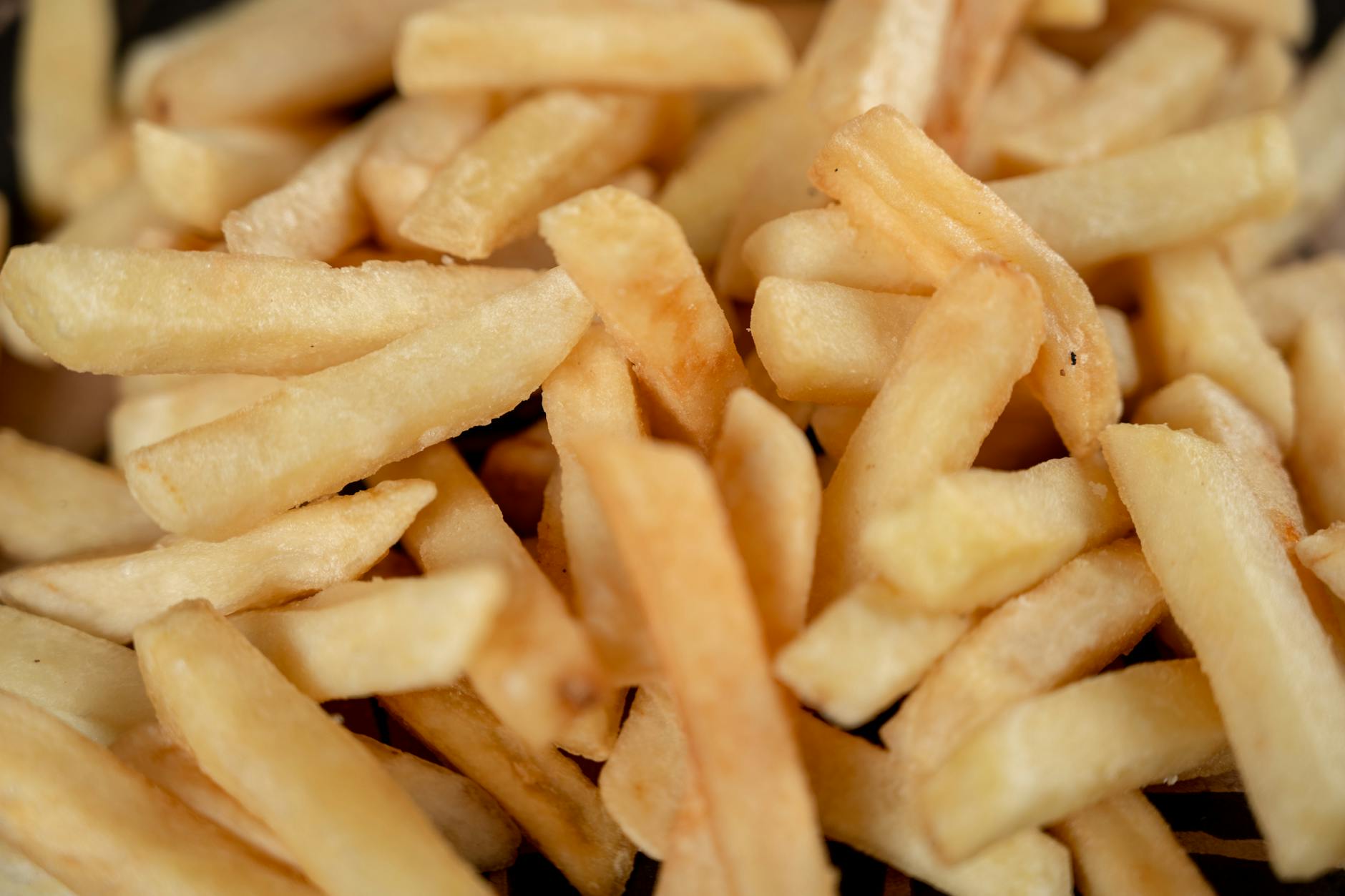
Customers often order fries without salt to force the kitchen to fry a fresh batch. While this trick works it annoys the staff and slows down the entire production line. Employees sometimes just re-dip old fries in the oil to burn off the salt. The fries come out extremely hot but might be overly greasy from the double frying. Simply asking politely for fresh fries is usually more effective and appreciated.
Pizza at Non-Pizza Places
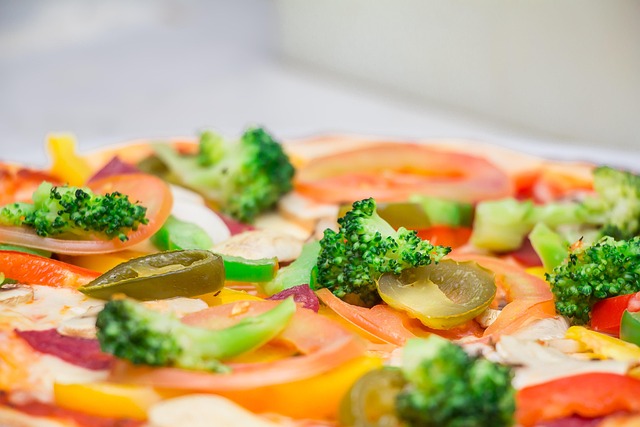
Ordering pizza at a burger or chicken restaurant usually guarantees a frozen product. The ovens are not designed to bake crust properly so the result is often soggy or burnt. Ingredients are typically low quality because the item is not a core seller for the brand. It sits in the freezer for months waiting for the rare customer to order it. Sticking to the chain’s specialty ensures better turnover and quality.
Pancakes
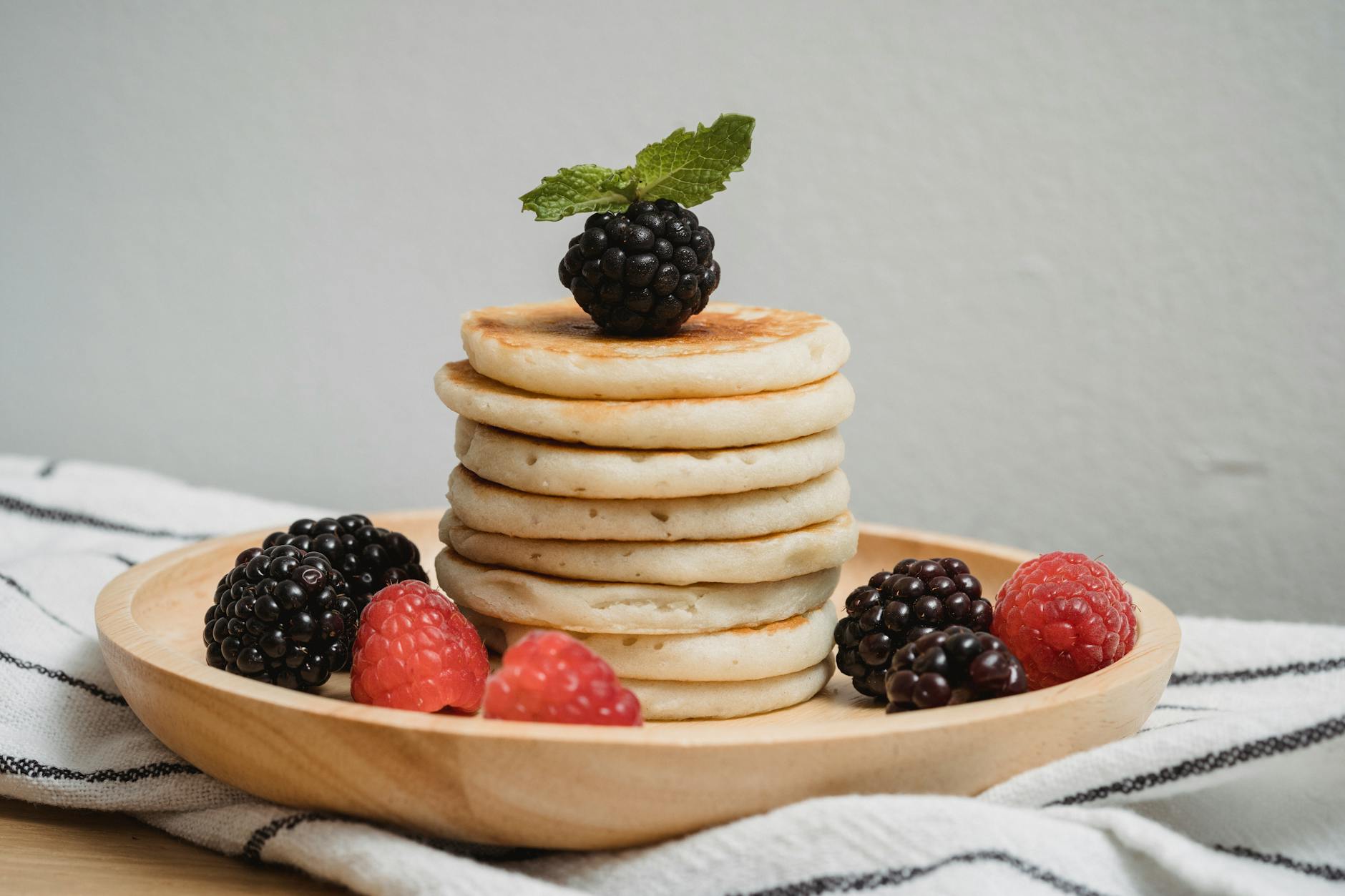
Fast food pancakes are often microwaved from a frozen state rather than poured onto a griddle. The texture becomes spongy and tough as they cool down rapidly on the plate. Syrup is needed to mask the cardboard-like flavor of the reheated batter. Real pancakes require a griddle and time which fast food kitchens rarely allocate. Breakfast platters with eggs and meat are usually fresher options.
Mushrooms
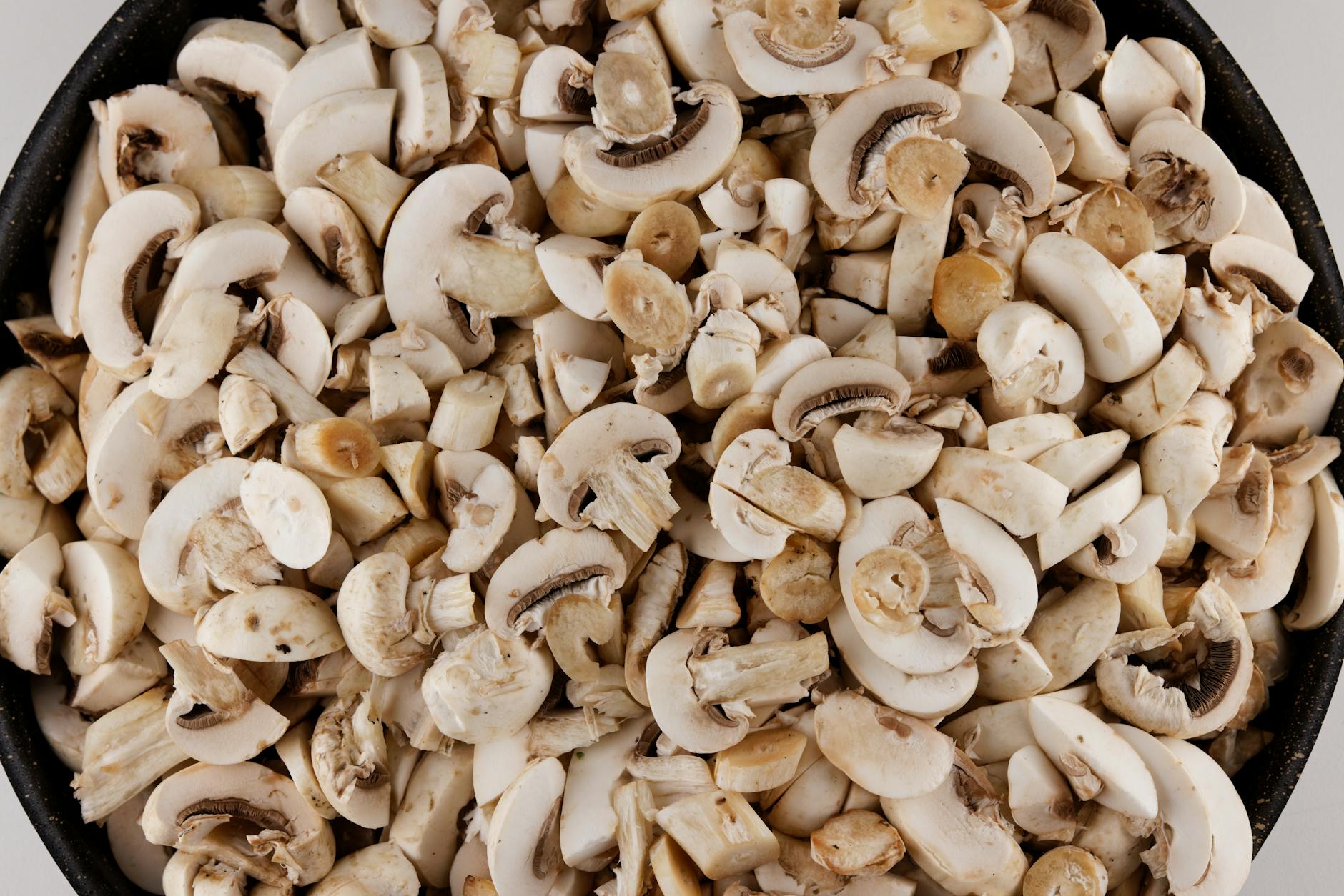
Mushrooms act like sponges and absorb grease and old oil from the grill surface. They are often canned rather than fresh which gives them a slimy and rubbery texture. Kitchens rarely wash fresh mushrooms properly even when they do use them. They sit in the warmers for hours and turn into a grey mush. It is a topping best avoided in high-volume fast food kitchens.
Whipped Cream
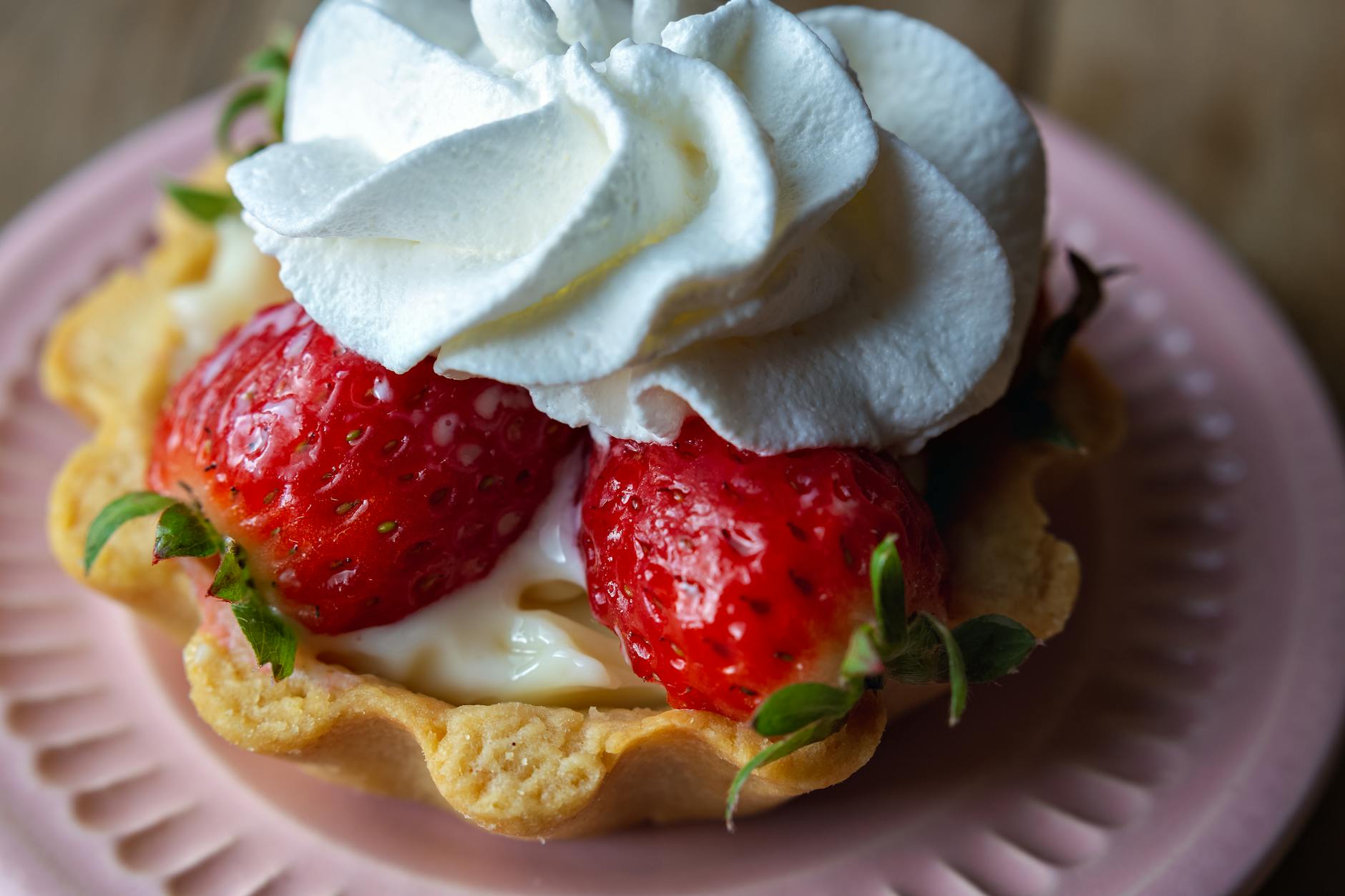
Cans of whipped cream are often left on the counter rather than returned to the fridge during rushes. The nozzle is rarely rinsed after use leaving a drop of cream to spoil at the tip. Nitrogen propellant runs out before the cream does leading to a liquid mess. Employees sometimes use the same can for days until it is completely empty. Skipping the whip saves calories and avoids potential spoilage.
Sliced Tomatoes
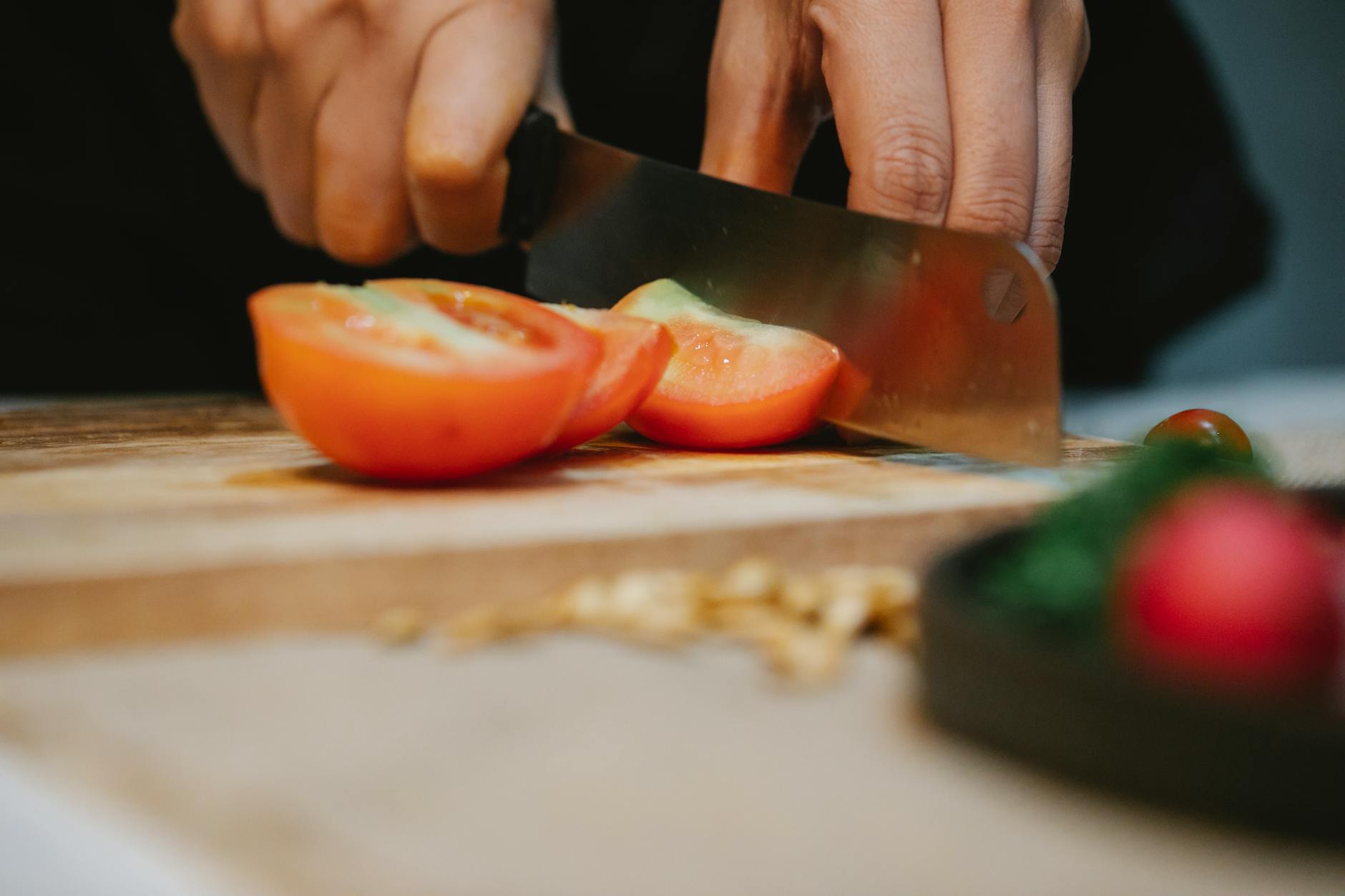
Tomatoes are often sliced in the morning and stacked in deep containers for use all day. The slices at the bottom are crushed under the weight and sit in a pool of vegetable liquid. They become mealy and lose their firmness after being refrigerated for too long. Bacteria can grow on cut tomatoes if they are not kept at the correct temperature. Checking the firmness of the tomato can indicate how fresh the sandwich is.
Chicken Tenders
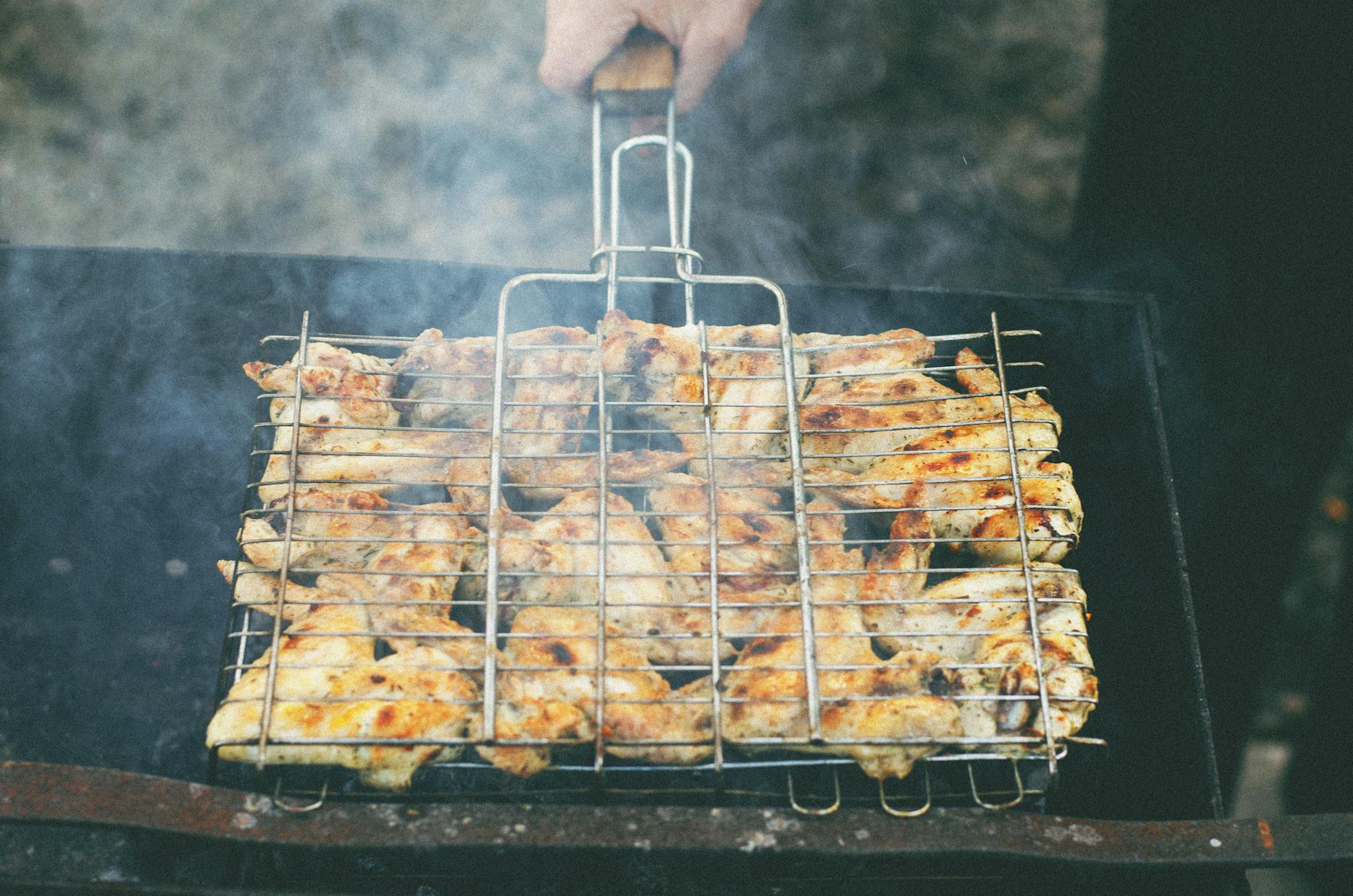
Tenders take longer to cook than nuggets so they are often sandbagged or pre-cooked in anticipation of a rush. If the rush never comes the tenders sit under the heat lamp drying out. The breading separates from the meat and becomes hard enough to scratch the roof of your mouth. The meat inside becomes stringy and tough to chew. Always ask for these to be cooked to order for the best experience.
Please write about which of these items you will be skipping during your next drive-thru visit in the comments.




