Quitting smoking is a challenging journey that requires a multifaceted approach to overcome physical and psychological dependencies. Adjusting your diet can play a significant role in managing withdrawal symptoms and reducing the intensity of cravings. Certain foods interact with your body chemistry to make cigarettes taste worse while others replenish depleted nutrients. Focusing on nutrient-dense options helps stabilize blood sugar levels and prevents the mood swings often associated with cessation. Including these specific items in your daily meal plan can provide the biological support needed to successfully break the habit.
Milk

Research indicates that consuming dairy products significantly alters the taste of cigarettes and makes them less palatable. Drinking a glass of milk before lighting up can result in a bitter aftertaste that discourages the act of smoking. This biological reaction serves as a helpful deterrent for those struggling with the urge to smoke. Many former smokers have used this method to create a negative association with the flavor of tobacco. Incorporating milk into your routine offers a simple and accessible way to combat cravings physically.
Carrots

Chewing on raw carrots provides a satisfying crunch that helps address the oral fixation component of smoking addiction. The texture requires vigorous chewing which can alleviate tension and distract the mind from the desire for a cigarette. These vegetables are rich in beta-carotene and vitamins that support immune function during the recovery process. Snacking on carrot sticks keeps your hands occupied and offers a low-calorie alternative to unhealthy comfort foods. This healthy habit simultaneously aids in detoxification and reinforces positive behavioral changes.
Celery

Celery is another vegetable known to make the flavor of cigarette smoke unpleasant and harsh on the palate. Its high water content helps with hydration while the fibrous texture keeps the mouth busy for extended periods. Eating celery sticks can effectively delay the urge to smoke by creating a physical barrier to the habit. The act of chewing provides a rhythmic distraction that mimics the hand-to-mouth motion of smoking without the harmful toxins. Keeping washed celery ready in the refrigerator ensures a quick defense against sudden cravings.
Oranges
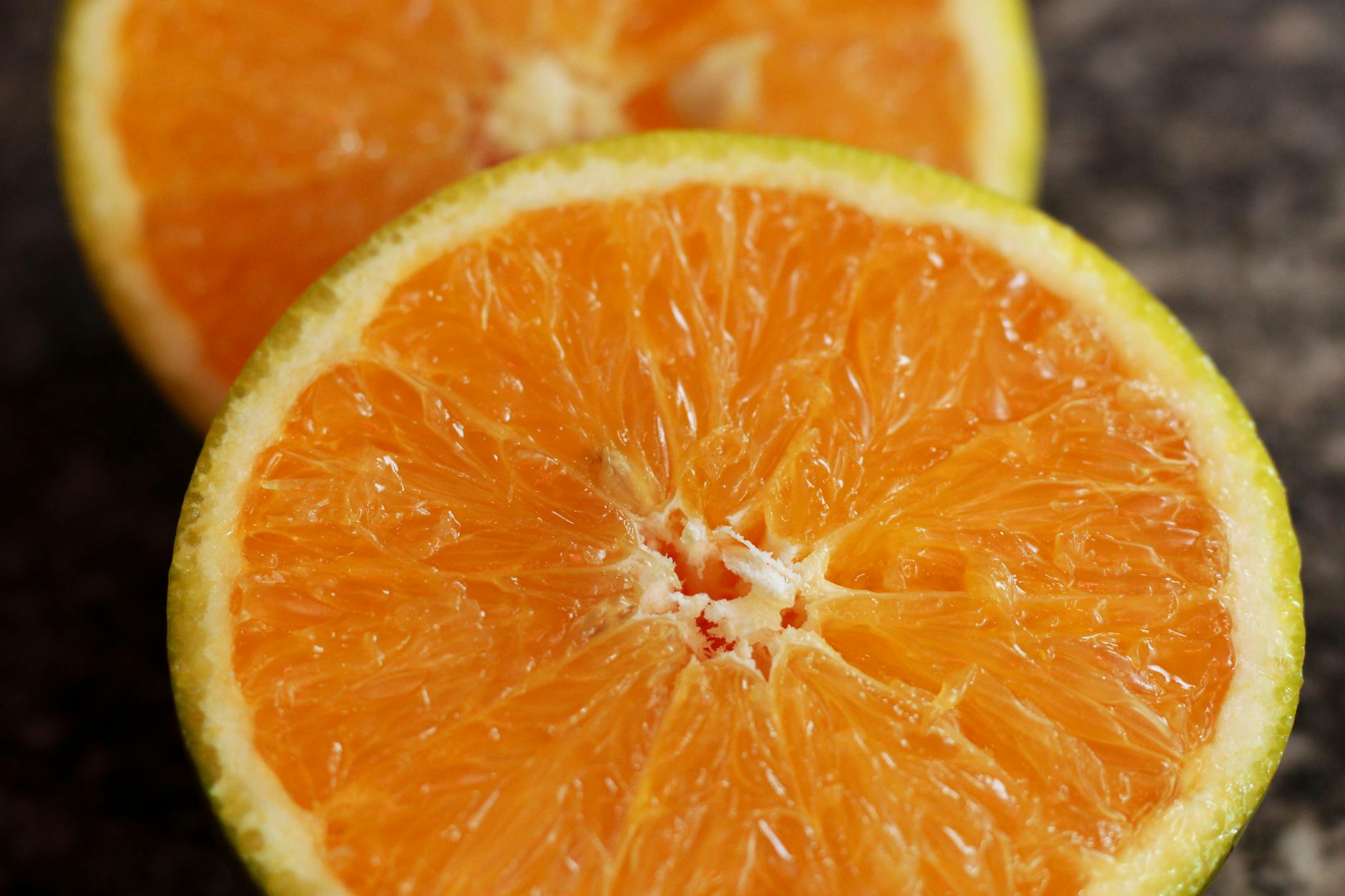
Cigarette smoking depletes the body of Vitamin C and replacing this nutrient is essential for recovery. Oranges provide a quick burst of this vital vitamin while offering a strong flavor that can overpower the desire for tobacco. The ritual of peeling an orange keeps hands busy and provides a sensory distraction from withdrawal symptoms. Consuming citrus fruits helps boost the immune system and accelerates the clearance of nicotine from the bloodstream. Regular intake of oranges supports overall health and helps repair cellular damage caused by smoking.
Ginseng Tea

Ginseng has been shown to weaken the effect of dopamine which is the neurotransmitter associated with pleasure from smoking. Drinking ginseng tea can reduce the satisfaction derived from nicotine and make the habit less reinforcing over time. This herbal remedy aids in managing stress levels and reduces the anxiety often experienced during withdrawal. Sipping warm tea provides a soothing ritual that can replace the calming effect smokers often seek from cigarettes. Integrating ginseng into your daily fluid intake creates a chemical environment that supports cessation efforts.
Yogurt

Dairy products like yogurt coat the mouth and throat in a way that clashes with the taste of tobacco smoke. Eating a serving of yogurt when a craving hits can make the subsequent cigarette taste incredibly unappealing. Probiotics found in yogurt also support gut health and improve digestion which can be disrupted during the quitting process. This snack offers a healthy balance of protein and calcium to keep energy levels stable throughout the day. Choosing plain or low-sugar varieties ensures you reap the benefits without unnecessary additives.
Dark Chocolate

Small amounts of dark chocolate can help raise serotonin levels which often drop when nicotine is removed from the system. The rich flavor provides a sensory indulgence that can substitute for the reward mechanism of smoking. Magnesium found in dark chocolate helps relax muscles and alleviate the physical tension associated with withdrawal. Choosing chocolate with a high cocoa content ensures you get the maximum antioxidant benefits with less sugar. This treat serves as a positive reinforcement that makes the difficult process of quitting feel more manageable.
Cheese

Cheese falls into the category of dairy foods that are known to worsen the taste of cigarettes for most people. A small piece of cheese can provide a savory distraction that alters the palate and discourages smoking immediately after. The protein and fat content help maintain satiety and prevent the hunger pangs that often mimic nicotine cravings. snacking on cheese cubes offers a convenient way to keep blood sugar steady and mood regulated. This dietary tweak leverages taste aversion to help break the cycle of addiction.
Apples
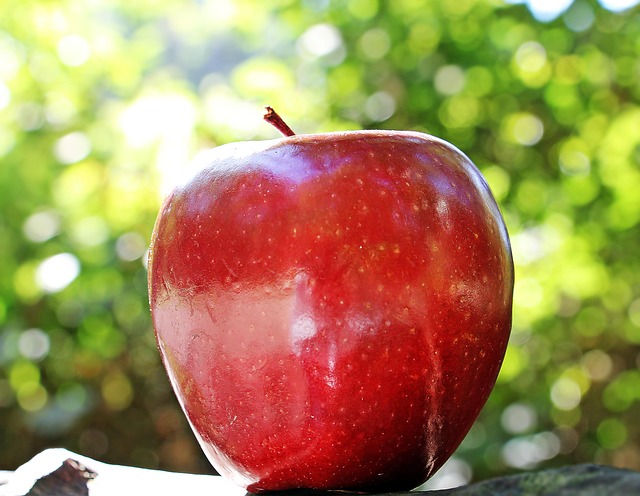
The crisp texture of apples requires significant chewing effort which helps release tension in the jaw and face. Pectin and fiber found in apples assist the body in eliminating toxins and managing appetite during the cessation period. The natural sweetness provides a healthy energy boost without the crash associated with processed sugary snacks. Slicing an apple gives your hands a task to perform and delays the immediate gratification of lighting a cigarette. Eating whole fruits ensures a steady supply of antioxidants to repair oxidative stress.
Bananas

Bananas are packed with potassium and magnesium which are minerals that help relax the nervous system. Eating a banana can reduce the stress and anxiety that frequently trigger the urge to smoke. They also contain tryptophan which the body converts to serotonin to improve mood and combat depression. The texture is soft and soothing while the energy boost helps overcome the fatigue of withdrawal. Including bananas in breakfast or as a snack stabilizes blood sugar and minimizes irritability.
Oats
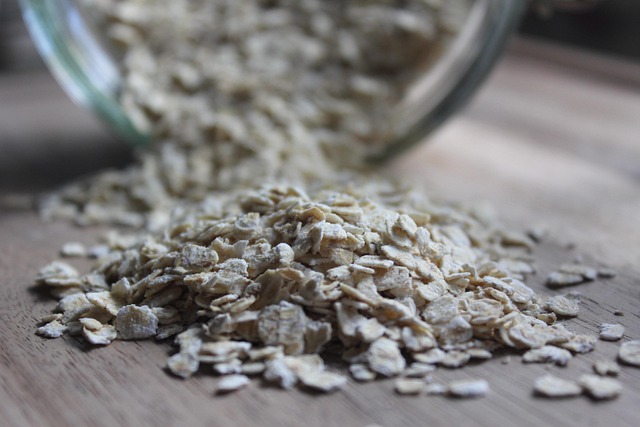
Oats have been found to help lower cholesterol and provide a steady release of energy that combats withdrawal fatigue. A warm bowl of oatmeal is comforting and can help soothe the frayed nerves often experienced by quitting smokers. The high fiber content promotes fullness and prevents the weight gain that is a common concern during cessation. Ground oats can also be used to make a tea that has been traditionally used to detoxify the body from nicotine. Starting the day with oats sets a stable metabolic foundation for resisting cravings.
Popcorn

Air-popped popcorn is a high-volume snack that keeps the mouth and hands busy for a long duration. The repetitive motion of eating popcorn mimics the hand-to-mouth habit of smoking and provides a safe behavioral substitute. This whole grain offers fiber and antioxidants while remaining low in calories if prepared without excessive butter. Having a bowl of popcorn available during television or leisure time can prevent mindless smoking triggers. The salty and crunchy nature of the snack satisfies cravings that might otherwise be directed toward tobacco.
Frozen Grapes

Freezing grapes transforms them into a long-lasting treat that requires time and attention to eat. The cold temperature provides a shocking sensory experience that can snap the mind out of a craving loop. Their natural sweetness satisfies sugar cravings while the water content aids in hydration. Sucking on a frozen grape keeps the mouth occupied for several minutes and delays the impulse to smoke. This simple preparation turns a common fruit into a powerful tool for urge management.
Cinnamon Sticks

Holding or chewing on a cinnamon stick provides a physical object to manipulate in place of a cigarette. The strong and spicy flavor of cinnamon delivers a sensory punch that can distract from the desire for nicotine. Inhaling the scent of cinnamon has been reported by some to reduce stress and increase alertness. This spice helps regulate blood sugar levels which can fluctuate wildly during the first weeks of quitting. keeping cinnamon sticks in a pocket or purse ensures a zero-calorie coping mechanism is always available.
Sunflower Seeds
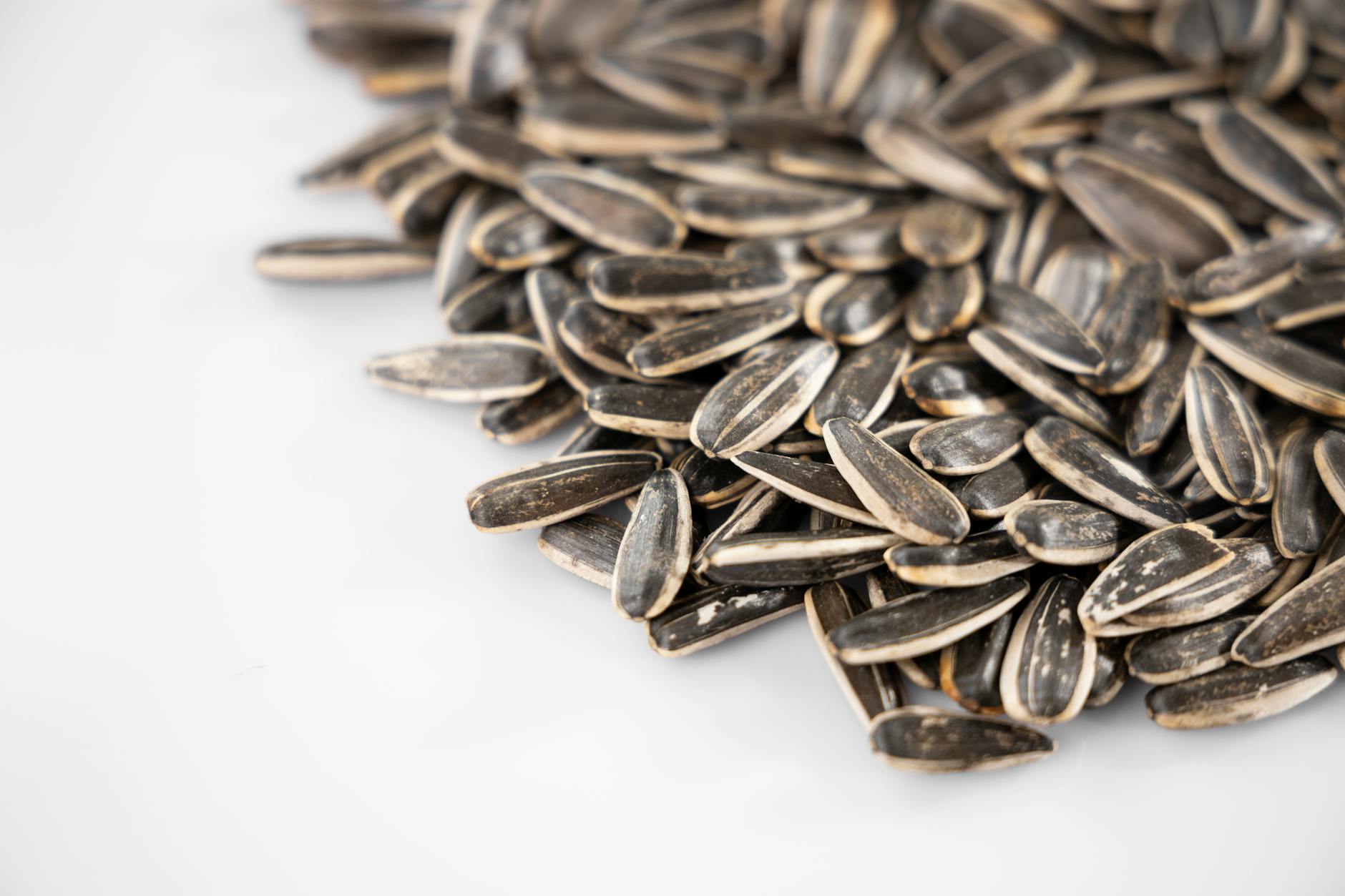
Shelling sunflower seeds requires focus and dexterity which keeps both hands and mind fully occupied. This activity serves as an excellent distraction during high-risk times such as driving or after meals. The seeds contain vitamins and healthy fats that support brain health and reduce inflammation. The saltiness and crunch provide oral satisfaction that can replace the sensory experience of smoking. engaging in this ritualistic snacking breaks the automatic behavior patterns associated with lighting up.
Green Tea

Green tea is rich in antioxidants called catechins which help protect the body from the damage caused by smoking. Drinking this beverage provides a mild caffeine boost to counteract the sluggishness of withdrawal without the jitters of coffee. The amino acid L-theanine found in green tea promotes relaxation and reduces psychological stress. Sipping hot tea offers a comforting routine that can replace the habit of a morning or afternoon cigarette. Regular consumption supports detoxification and boosts metabolic health during the transition.
Broccoli
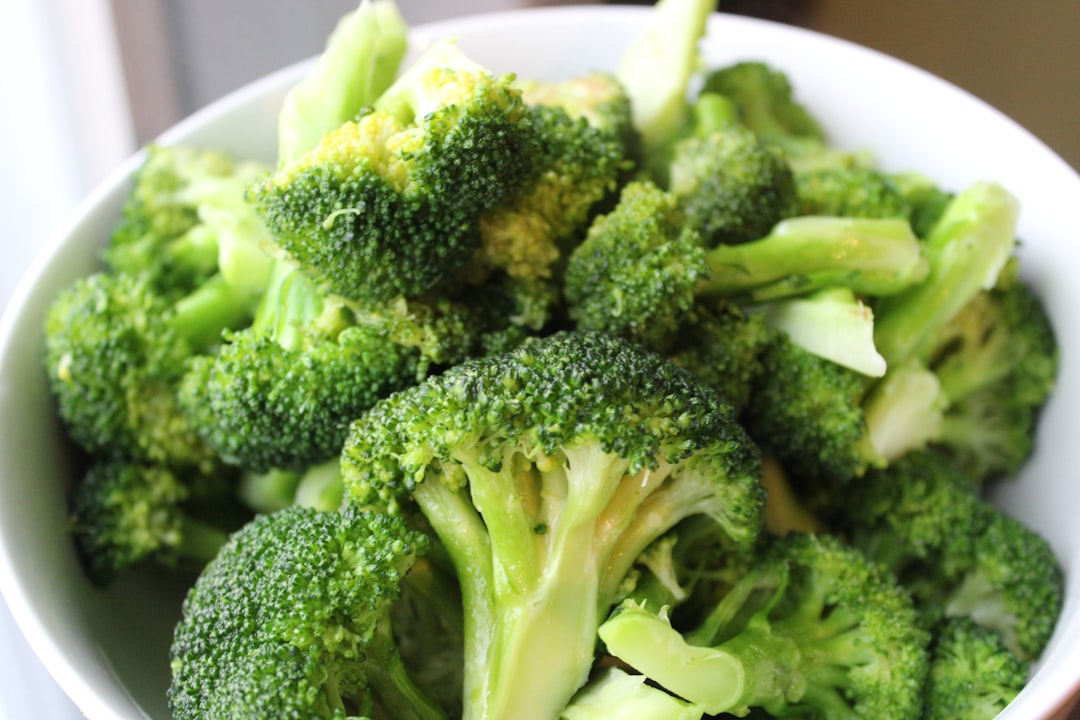
Broccoli contains sulforaphane which activates a gene that restores the pathway protecting lungs from oxidative damage. Eating cruciferous vegetables helps the body eliminate toxins more efficiently and speeds up the healing process. The crunch of raw broccoli provides necessary oral stimulation to distract from cravings. This vegetable is high in Vitamin C and fiber to support immune function and digestion. Including broccoli in meals ensures the body receives the nutrients needed to repair long-term cellular injury.
Spinach
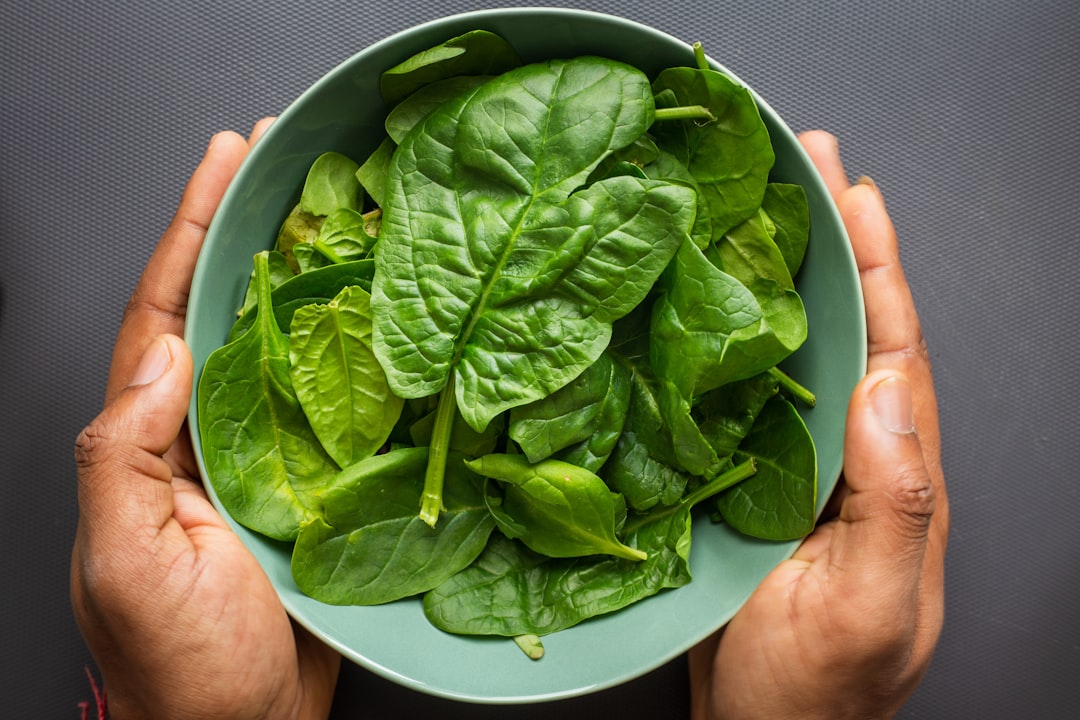
Spinach is loaded with folic acid and vitamins that are often depleted in the bodies of regular smokers. This leafy green supports the production of healthy red blood cells and improves circulation. The magnesium content in spinach aids in muscle relaxation and helps combat the insomnia often associated with withdrawal. Adding spinach to salads or smoothies is an easy way to boost nutrient intake and support overall vitality. A nourished body is better equipped to handle the physical stress of quitting.
Blueberries
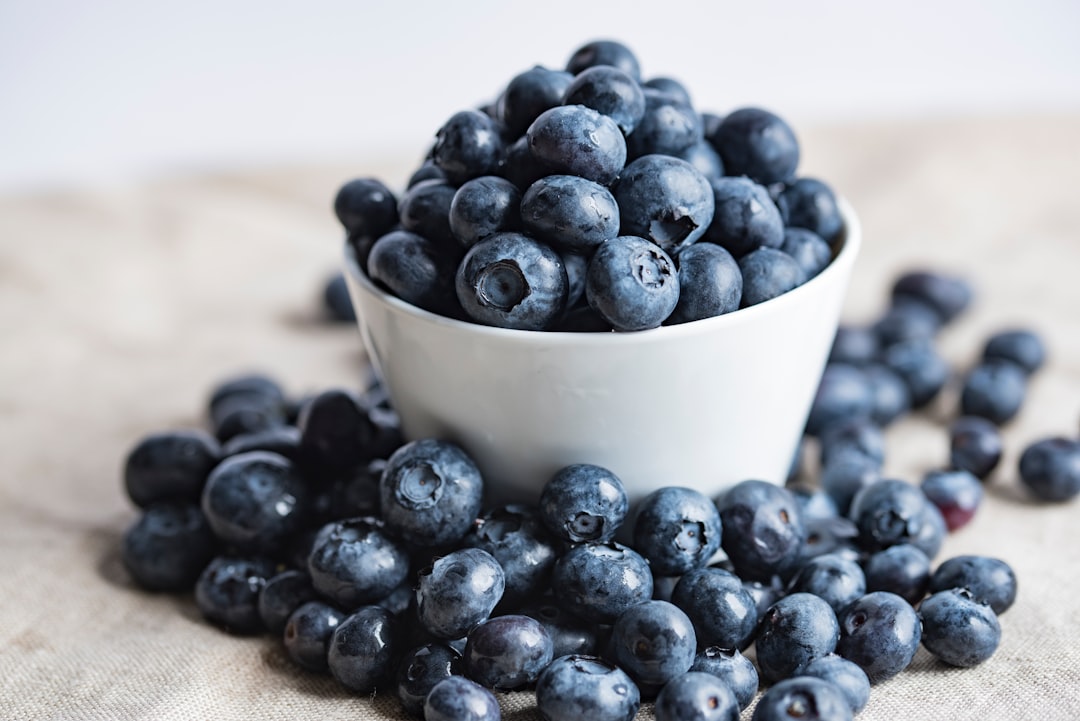
Blueberries are packed with antioxidants that help fight the free radicals introduced by cigarette smoke. The act of eating them one by one keeps the hands and mouth busy for an extended period. Their natural sweetness offers a healthy way to manage sugar cravings without resorting to candy. Vitamin C in these berries supports the immune system and skin health which improves rapidly after quitting. Keeping a container of blueberries on a desk or table provides a readily available and healthy distraction.
Kiwi
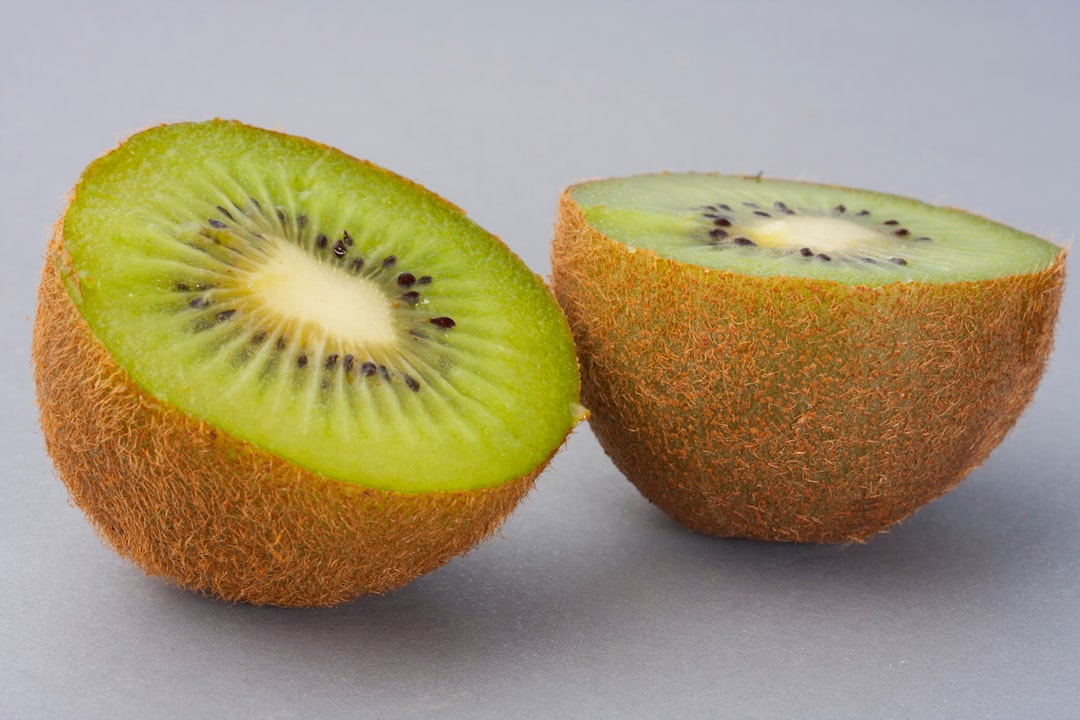
Kiwi fruit is one of the most concentrated sources of Vitamin C available to help replenish depleted levels. This nutrient is crucial for the production of collagen and the repair of skin and organ tissues. The unique texture and tart flavor of kiwi provide a strong sensory experience to distract from cravings. Metabolizing nicotine requires Vitamin C so increasing intake helps the body adjust to the absence of the drug. Eating kiwi regularly supports the immune system and improves overall energy levels.
Sugar-Free Gum

Chewing gum is one of the most popular and effective substitutes for the oral component of smoking. It keeps the mouth busy and provides a fresh flavor that contrasts with the stale taste of smoke. The repetitive chewing motion can help release nervous energy and reduce acute anxiety. Mint or fruit flavors can help mask cravings and provide a quick burst of sensory stimulation. keeping a pack of gum nearby ensures immediate relief when a sudden urge strikes.
Mints
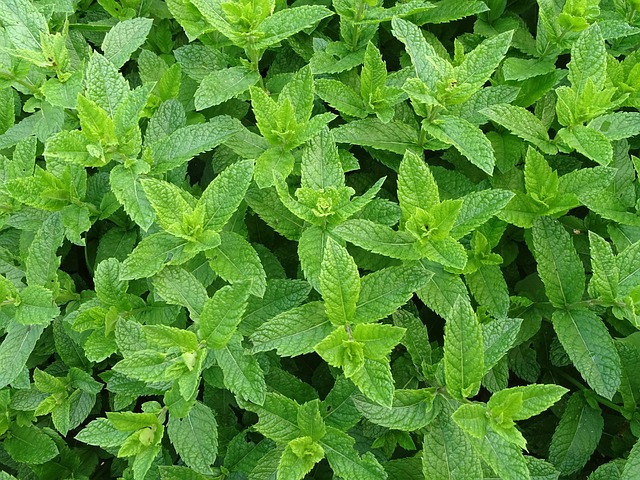
Sucking on sugar-free mints provides a long-lasting flavor that keeps the mouth occupied. The strong peppermint or spearmint taste can make the idea of smoking seem unappealing and harsh. This simple tactic helps delay the urge to smoke until the craving naturally subsides. Mints are portable and discreet which makes them an ideal tool for managing cravings in social situations. The sensation of freshness encourages the maintenance of oral hygiene and a smoke-free lifestyle.
Water

Sipping water through a straw can mimic the physical action of sucking on a cigarette. Staying hydrated is essential for flushing nicotine and other toxins out of the system more quickly. Drinking a full glass of cold water can shock the senses and interrupt the pattern of a craving. Water helps prevent the headaches and fatigue that are common symptoms of nicotine withdrawal. Carrying a water bottle keeps hands full and provides a constant healthy alternative to smoking.
Ginger
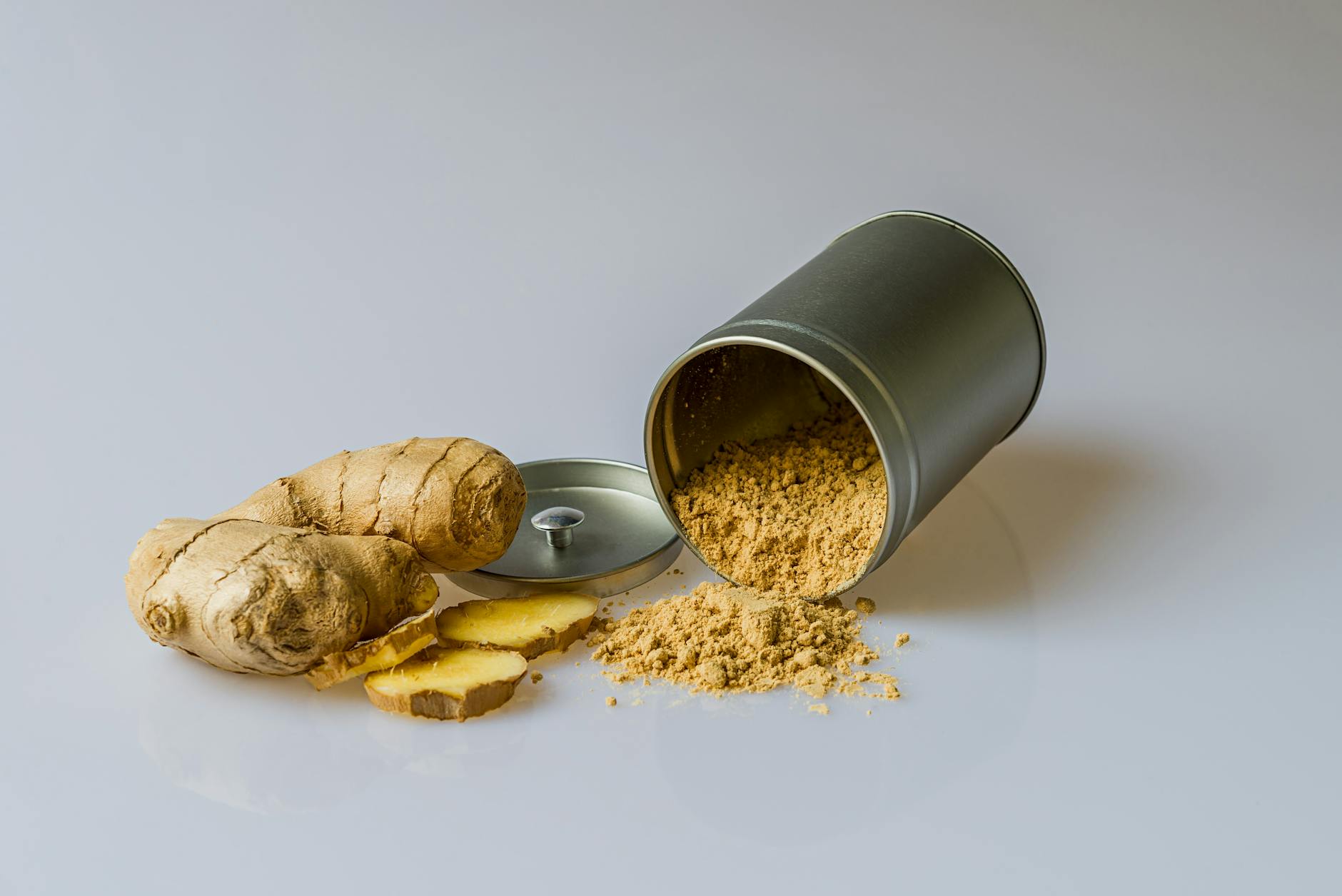
Ginger is well known for its ability to soothe nausea which can be a symptom of nicotine withdrawal. The spicy kick of fresh ginger provides a strong sensory distraction that can curb cravings. Chewing on crystallized ginger or drinking ginger tea helps calm the digestive system and reduce inflammation. This root stimulates saliva production and cleanses the palate to reduce the desire for tobacco. Incorporating ginger into the diet supports overall detoxification and digestive comfort.
Turmeric

Turmeric contains curcumin which has powerful anti-inflammatory properties to help heal the lungs. This spice supports the immune system and helps the body repair damage caused by chronic smoking. Adding turmeric to food or drinking golden milk can provide a comforting and healing ritual. The antioxidant effects of turmeric aid in neutralizing free radicals and reducing oxidative stress. regular consumption contributes to improved respiratory health and overall well-being.
Garlic

Garlic enhances the taste of food and makes the blandness of cigarettes less appealing by comparison. It boosts the immune system and helps clear mucus from the lungs during the recovery phase. The strong aroma and flavor of garlic can linger and deter the desire to smoke. Compounds in garlic improve blood circulation and reduce blood pressure which benefits cardiovascular health. adding fresh garlic to meals increases the nutritional value and supports the body’s natural detoxification pathways.
Onions

Onions are rich in quercetin which is an antioxidant that protects the lungs from inflammation and infection. Including onions in meals adds savory depth and nutritional support for the respiratory system. The act of chopping onions keeps hands busy and the eyes occupied during meal preparation times. compounds found in onions help thin the blood and improve circulation which is beneficial for former smokers. This vegetable supports the body’s ability to expel toxins and heal damaged tissues.
Tomatoes

Tomatoes are a major source of lycopene which is an antioxidant that protects lung tissue from damage. Studies suggest that a diet rich in tomatoes may slow the decline in lung function among former smokers. The acidity of tomatoes can also deter the urge to smoke by altering the palate. enjoying fresh tomatoes in salads or sauces adds vital nutrients that support cellular repair. enhancing the diet with tomato-based foods promotes long-term respiratory health.
Salmon
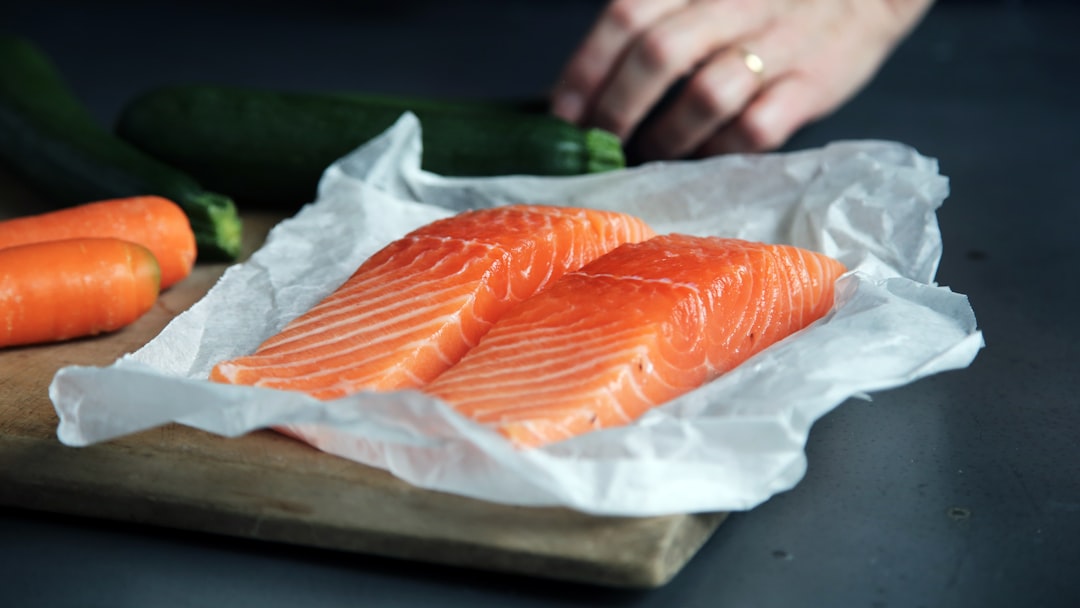
Salmon is rich in Omega-3 fatty acids which are essential for reducing inflammation throughout the body and brain. These healthy fats support lung function and may help alleviate the mood disturbances associated with quitting. Eating salmon provides high-quality protein to stabilize blood sugar and maintain energy levels. The nutrients in fatty fish protect the heart and blood vessels which are often damaged by smoking. including salmon in the diet supports cognitive function and emotional balance during withdrawal.
Tuna

Tuna offers a convenient source of protein and healthy fats that can help manage hunger and cravings. The amino acids in tuna support the production of neurotransmitters that regulate mood and stress. Preparing a tuna dish provides a constructive activity to fill time that might otherwise be spent smoking. The Vitamin D found in tuna supports immune health and helps regulate cellular growth. choosing tuna adds variety to the diet and supports the body’s nutritional needs during cessation.
Whole Wheat Bread

Whole wheat bread provides complex carbohydrates that boost serotonin levels in the brain to improve mood. The fiber content ensures a slow release of energy which prevents blood sugar crashes that trigger cravings. Eating a slice of toast can be a comforting and filling snack that reduces the urge to smoke. This food supports digestive health and helps maintain a healthy weight during the quitting process. switching to whole grains ensures the body receives sustained fuel for recovery.
Brown Rice

Brown rice is a nutrient-dense whole grain that helps stabilize blood sugar and mood. The B-vitamins found in brown rice support nerve function and help manage the stress of withdrawal. This grain provides a satisfying texture and fullness that can curb the appetite for unhealthy snacks. Preparing brown rice dishes encourages healthy eating habits that replace the negative routine of smoking. consistent energy levels from complex carbs make it easier to resist fatigue and irritability.
Quinoa
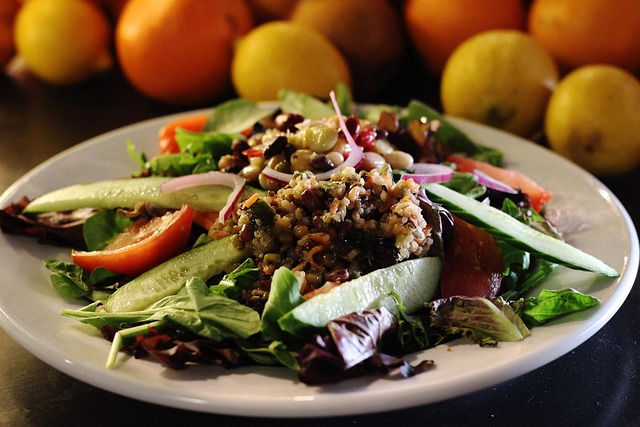
Quinoa is a complete protein that contains all nine essential amino acids needed for tissue repair. This grain is high in fiber and magnesium which helps relax blood vessels and reduce tension. Eating quinoa provides lasting satiety which prevents hunger-induced cravings for nicotine. The versatility of quinoa allows for creative meal planning that keeps the mind focused on health. incorporating this superfood supports the body’s structural and metabolic recovery.
Bell Peppers

Bell peppers are incredibly high in Vitamin C which helps neutralize the toxins left behind by cigarettes. The crunch of raw pepper strips provides excellent oral satisfaction and stress relief. They add vibrant color and flavor to meals which makes healthy eating more enjoyable. The antioxidants in peppers support lung health and boost the immune system’s ability to fight infection. snacking on these vegetables offers a hydrating and low-calorie way to manage the hand-to-mouth habit.
Hard-Boiled Eggs

Hard-boiled eggs are a portable protein source that helps stabilize blood sugar and prevent mood swings. The process of peeling an egg requires fine motor skills and attention which distracts from smoking urges. They provide choline which is essential for brain health and cognitive function during recovery. The satiety factor of eggs helps curb the appetite and reduces the likelihood of weight gain. keeping a supply in the fridge ensures a nutritious snack is always within reach.
We invite you to share your own experiences with these foods in the comments.




