Garages frequently experience extreme temperature fluctuations that create a harsh environment for many household goods. High humidity levels and the potential for pests turn this convenient storage space into a graveyard for delicate items. Homeowners often overlook the cumulative damage caused by dampness and freezing conditions until it is too late. Understanding the specific vulnerabilities of your possessions protects your investment and ensures safety. Proper storage solutions inside the climate-controlled home preserve the integrity and longevity of these forty-five common items.
Canned Food
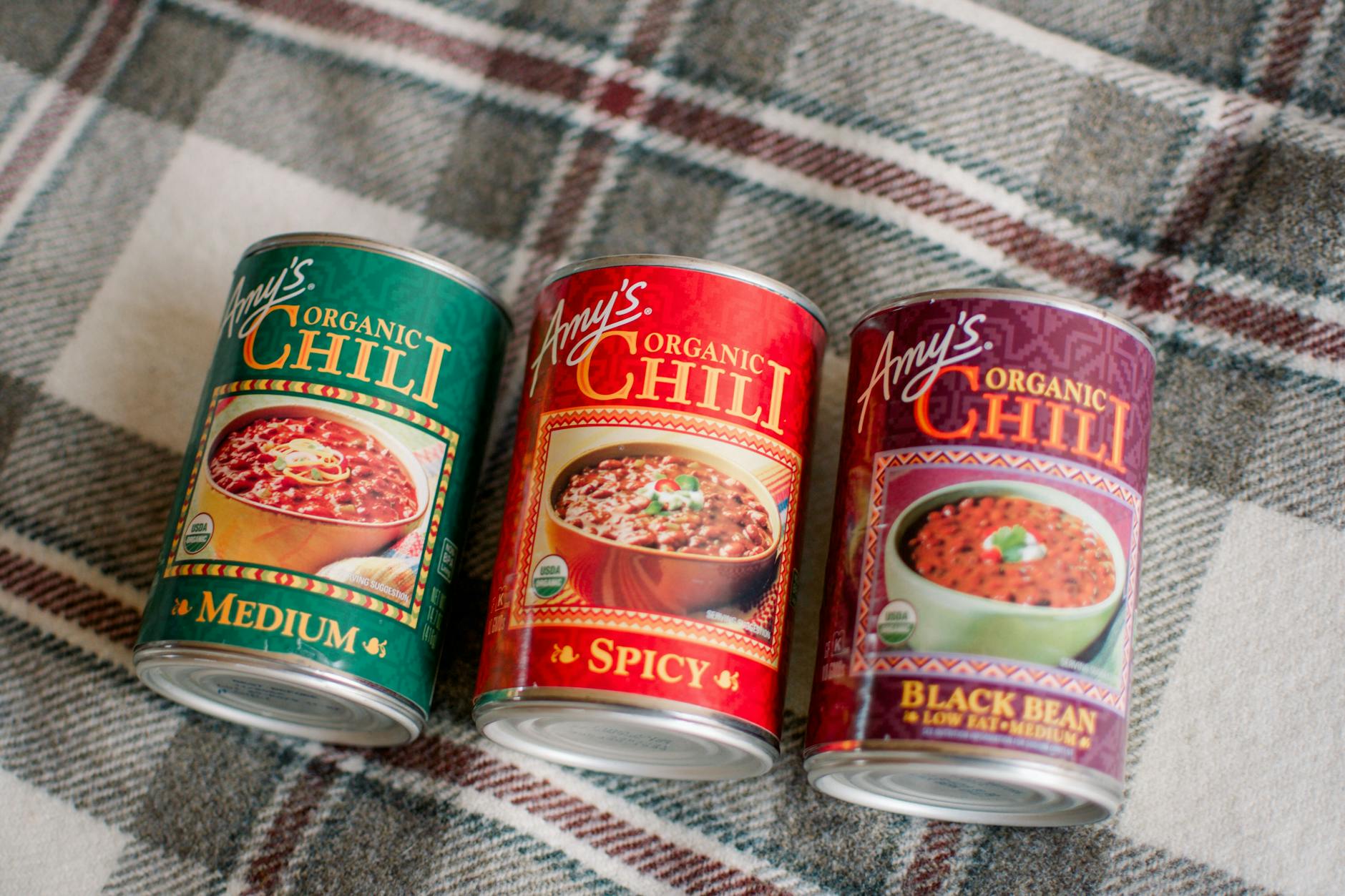
The fluctuating temperatures inside a garage significantly shorten the shelf life of canned goods. Metal cans rust quickly in humid environments and compromise the seal that protects the food inside. Freezing temperatures cause liquids to expand and potentially burst the packaging seals. Heat accelerates spoilage and degrades the nutritional value of the preserved ingredients. Storing these items in a stable pantry environment remains the safest option for food security.
Paint
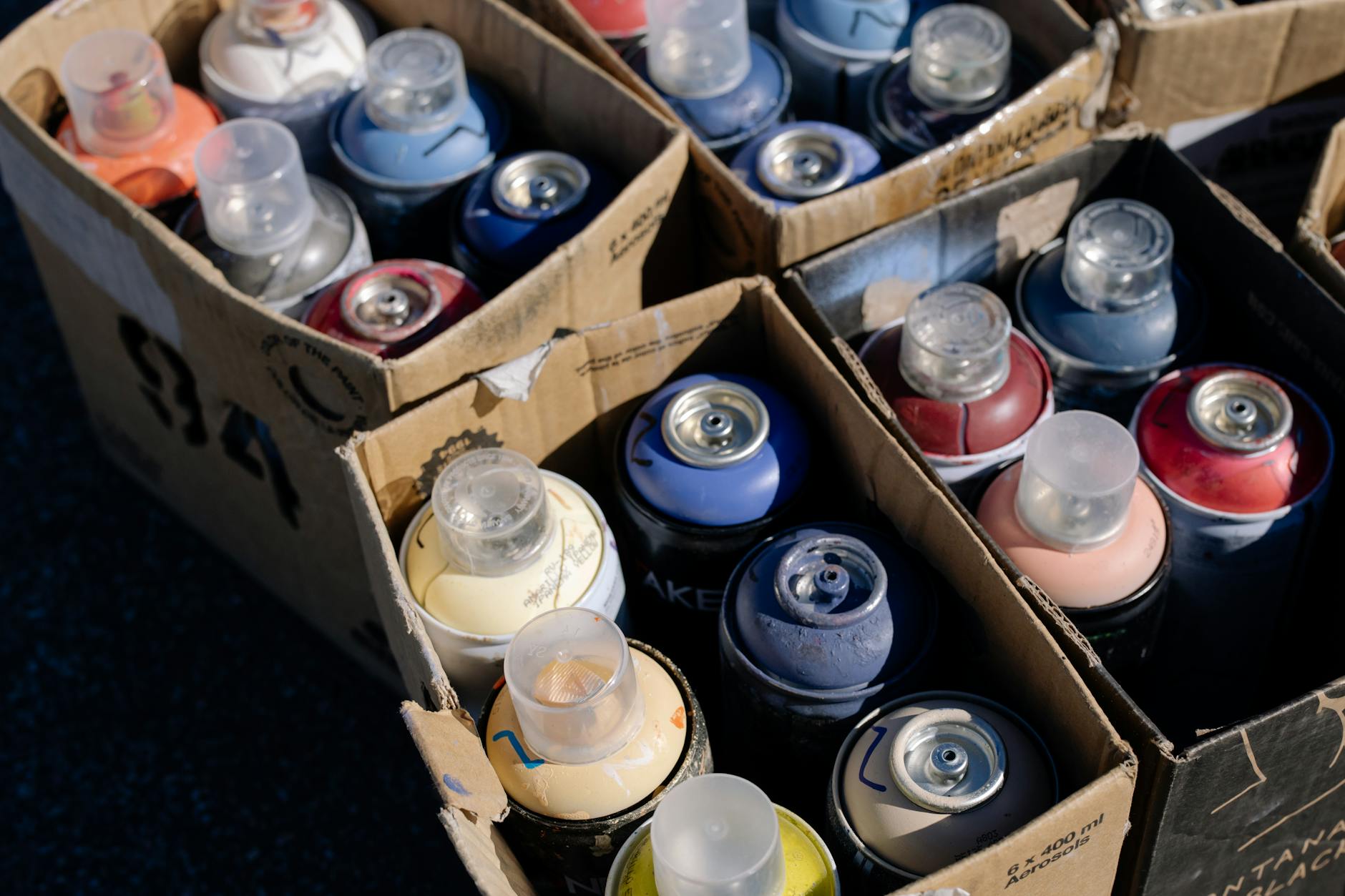
Leftover latex paint separates and becomes unusable when exposed to cycles of freezing and thawing. The extreme heat of summer dries out the liquid components and leaves behind a rubbery solid. Metal paint cans stored directly on concrete floors rust rapidly due to moisture wicking from the ground. Rusted containers eventually leak and create a hazardous mess that requires difficult cleanup. Climate-controlled basements or utility closets offer far better protection for expensive paint products.
Propane Tanks
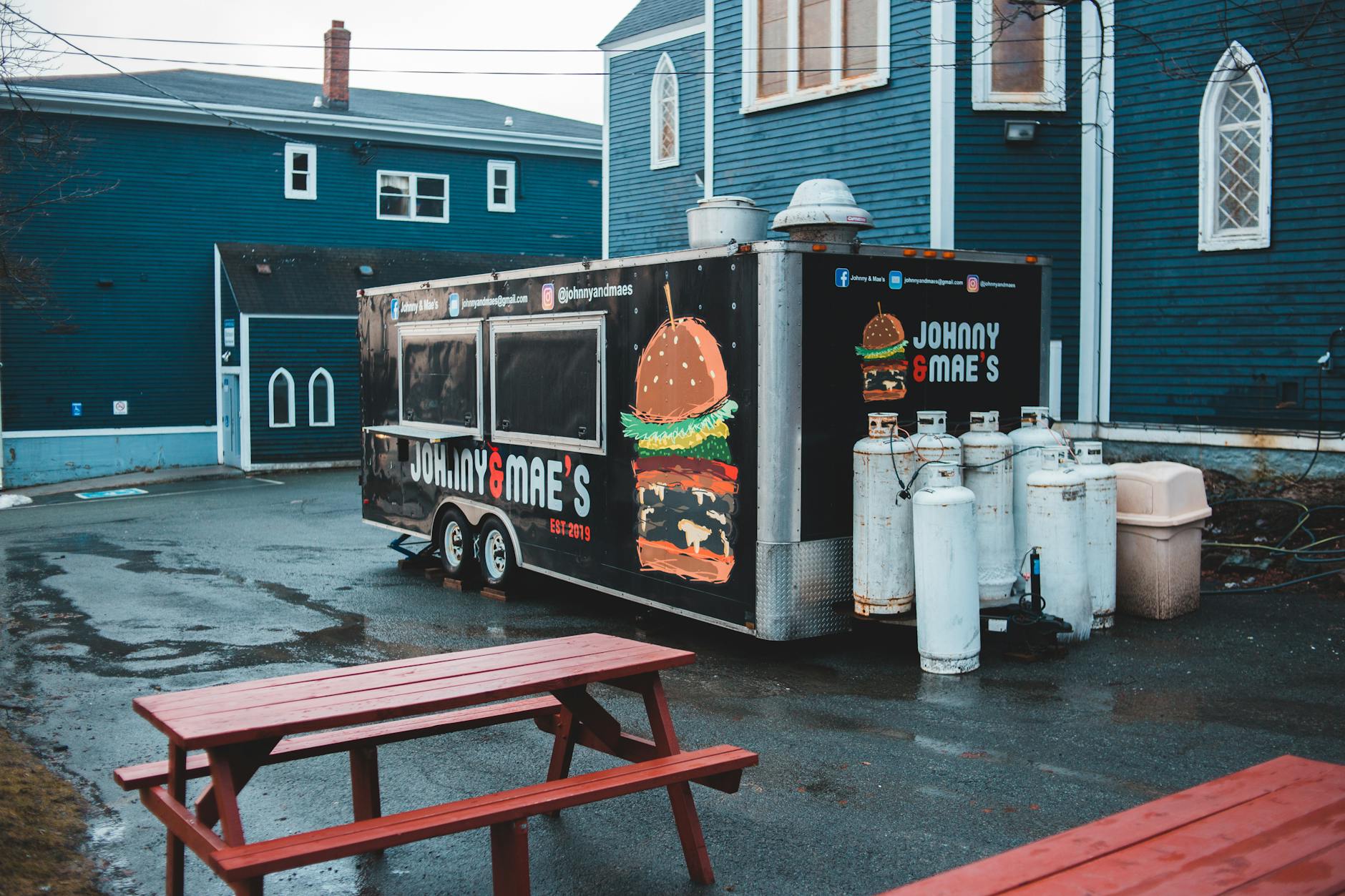
Propane tanks present a significant combustion hazard when stored in an enclosed space like a garage. A small leak in the valve can allow gas to pool near the floor where pilot lights might ignite it. High summer temperatures increase the pressure inside the tank and risk triggering the relief valve. Fire safety experts strongly recommend keeping these tanks outdoors in a shaded and well-ventilated area. Keeping combustible fuel away from your vehicle and home structure is essential for family safety.
Photographs

Delicate photo paper curls and cracks when subjected to the shifting humidity levels of a garage. Heat causes the chemical emulsions to deteriorate and results in irreversible discoloration or fading. Precious memories stick together permanently if moisture permeates the storage boxes or albums. Silverfish and other paper-eating insects thrive in garages and often target photo collections for food. These irreplaceable items require the stable temperature of a main living area to survive.
Vinyl Records

Heat warps vinyl records within a very short period and renders them unplayable on any turntable. The intricate grooves that hold the music distort permanently under the pressure of high temperatures. Humidity encourages mold growth on the cardboard sleeves and the record surface itself. Dust accumulation in a garage environment embeds into the vinyl and creates popping sounds during playback. Collectors should always store vinyl vertically in a cool and dry interior room.
Wooden Furniture
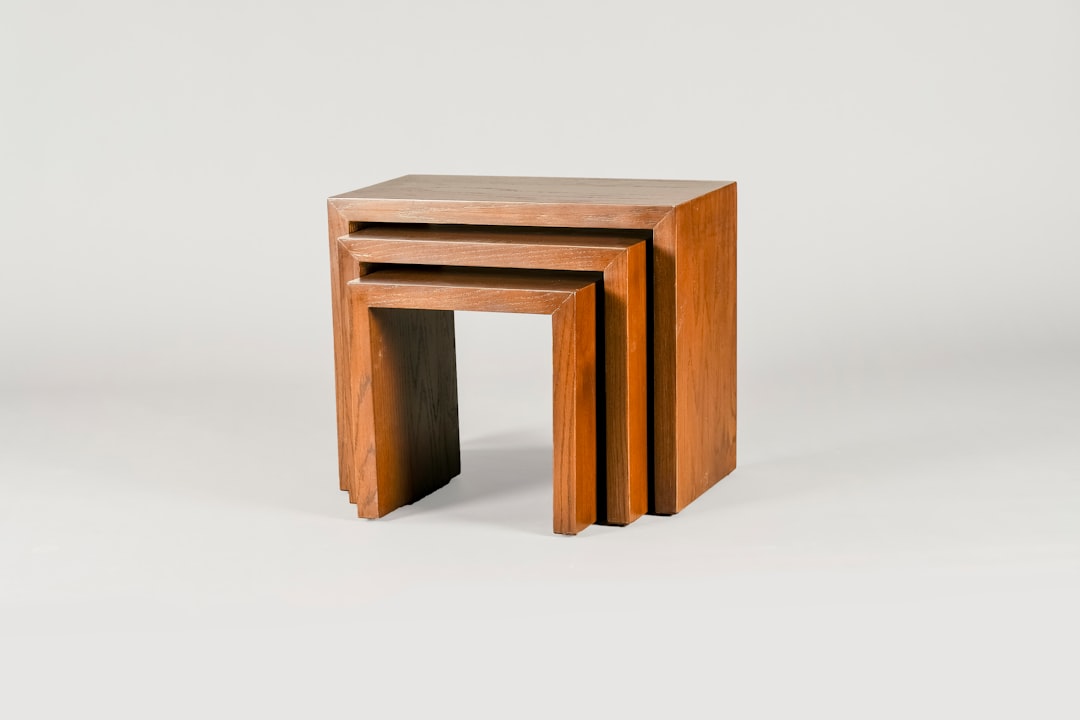
Wood expands and contracts significantly as humidity levels rise and fall throughout the year. These constant physical changes loosen joints and cause structural instability in chairs or tables. Veneers often peel away from the base wood when adhesive bonds fail in extreme heat. Dry winter conditions lead to cracking or splitting along the natural grain of the timber. Antique pieces or valuable heirlooms lose their finish and structural integrity in uncontrolled environments.
Books

Paper pages absorb moisture from the air and develop a distinctive musty odor that is difficult to remove. Damp conditions promote the growth of mildew and foxing spots on the paper surface. Glue used in bookbinding dries out and becomes brittle in high heat which causes pages to fall out. Rodents and silverfish feast on the starch and glue found in book bindings. A climate-controlled library or bookshelf inside the house prevents this rapid deterioration.
Electronics

Circuit boards corrode rapidly when exposed to the high humidity often found in garage spaces. Condensation forms inside devices during temperature shifts and leads to short circuits upon startup. Extreme cold drains battery life and damages liquid crystal displays on screens. Dust accumulation clogs cooling fans and vents which leads to overheating during use. Computers and gaming consoles require a dry and moderate climate to function correctly.
Refrigerators
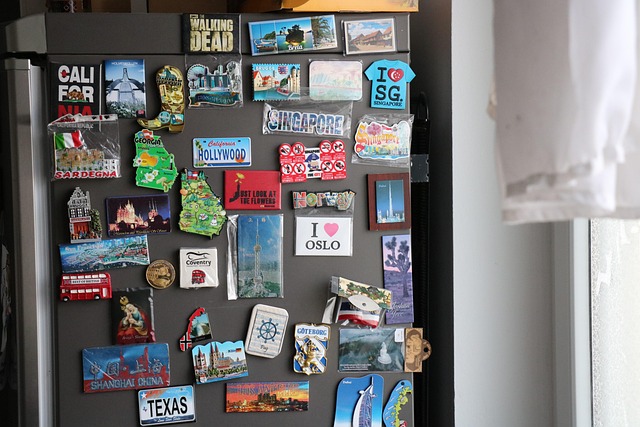
Placing a refrigerator in an uninsulated garage forces the compressor to work much harder during summer months. The appliance struggles to maintain internal temperatures when the ambient heat rises above its design rating. Freezing winter temperatures confuse the thermostat and often cause the freezer section to thaw out unintentionally. This strain significantly shortens the lifespan of the appliance and increases energy bills. Manufacturers often void warranties if the unit is installed in a space without climate control.
Rugs and Carpets

Rolled rugs provide the perfect nesting ground for mice and insects seeking shelter from the elements. Natural fibers like wool absorb moisture and develop mold or mildew deep within the weave. Heat breaks down the latex backing found on many area rugs and causes it to crumble. Persistent dampness leads to rotting fibers and permanent staining from water damage. Professional cleaning rarely restores a rug that has spent seasons in a garage environment.
Pet Food
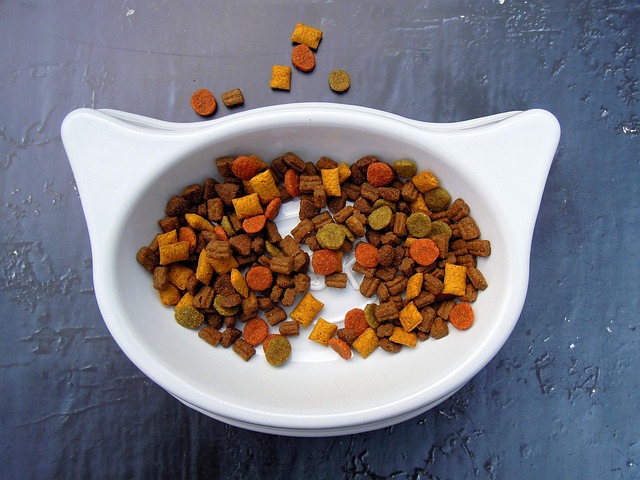
Bags of kibble attract rodents and raccoons that can easily chew through paper or plastic packaging. High heat causes the natural fats and oils in the food to go rancid and spoil. Spoiled food causes digestive distress for pets and loses its nutritional value. Moisture infiltration leads to mold growth that produces dangerous toxins invisible to the naked eye. Sealed containers inside the house ensure the food remains fresh and safe for consumption.
Wine

Temperature fluctuations in a garage ruin the flavor profile and chemical balance of wine. Heat cooks the wine inside the bottle and creates a flat or sour taste. Freezing temperatures push the cork out as the liquid expands and allows oxygen to enter. Oxidation rapidly turns fine wine into vinegar and destroys the investment. Proper wine storage requires a consistent and cool environment away from direct light.
Important Documents

Paperwork absorbs ambient moisture and becomes wavy or illegible over time in a damp garage. Mold spores thrive on paper in humid conditions and pose a health risk when handling the files. Silverfish and cockroaches consume paper products and leave behind holes and excrement. Ink often fades or bleeds when exposed to extreme temperature variations. Critical records like birth certificates and tax forms belong in a fireproof safe indoors.
Firewood
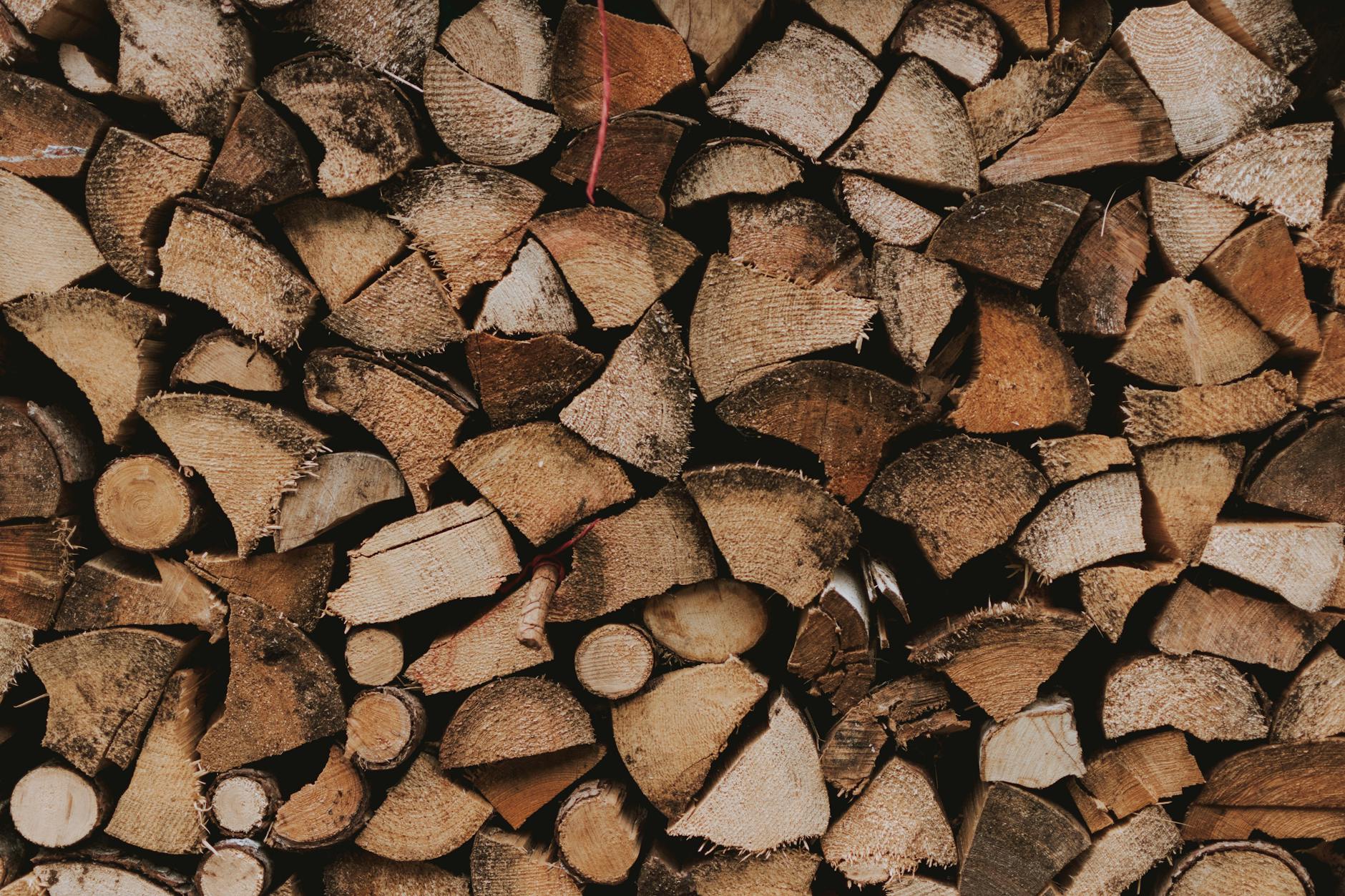
Stacking firewood in the garage invites wood-boring insects like termites and carpenter ants into your home structure. Piles of wood provide shelter for mice and spiders that eventually migrate into living areas. The moisture content in fresh wood raises the humidity level of the entire garage space. Seasoning wood requires good airflow that a closed garage rarely provides efficiently. It is best to store firewood outdoors and elevated off the ground.
Clothing

Fabrics attract moths and carpet beetles that eat holes through wool and cotton fibers. Dampness leads to a persistent musty smell that washing machines often fail to eliminate. Mold grows rapidly on natural fibers stored in dark and humid environments. Elastic waistbands and synthetic blends degrade and lose their stretch in high heat. Wardrobe overflow should go in vacuum-sealed bags under a bed or in a closet.
Mattresses
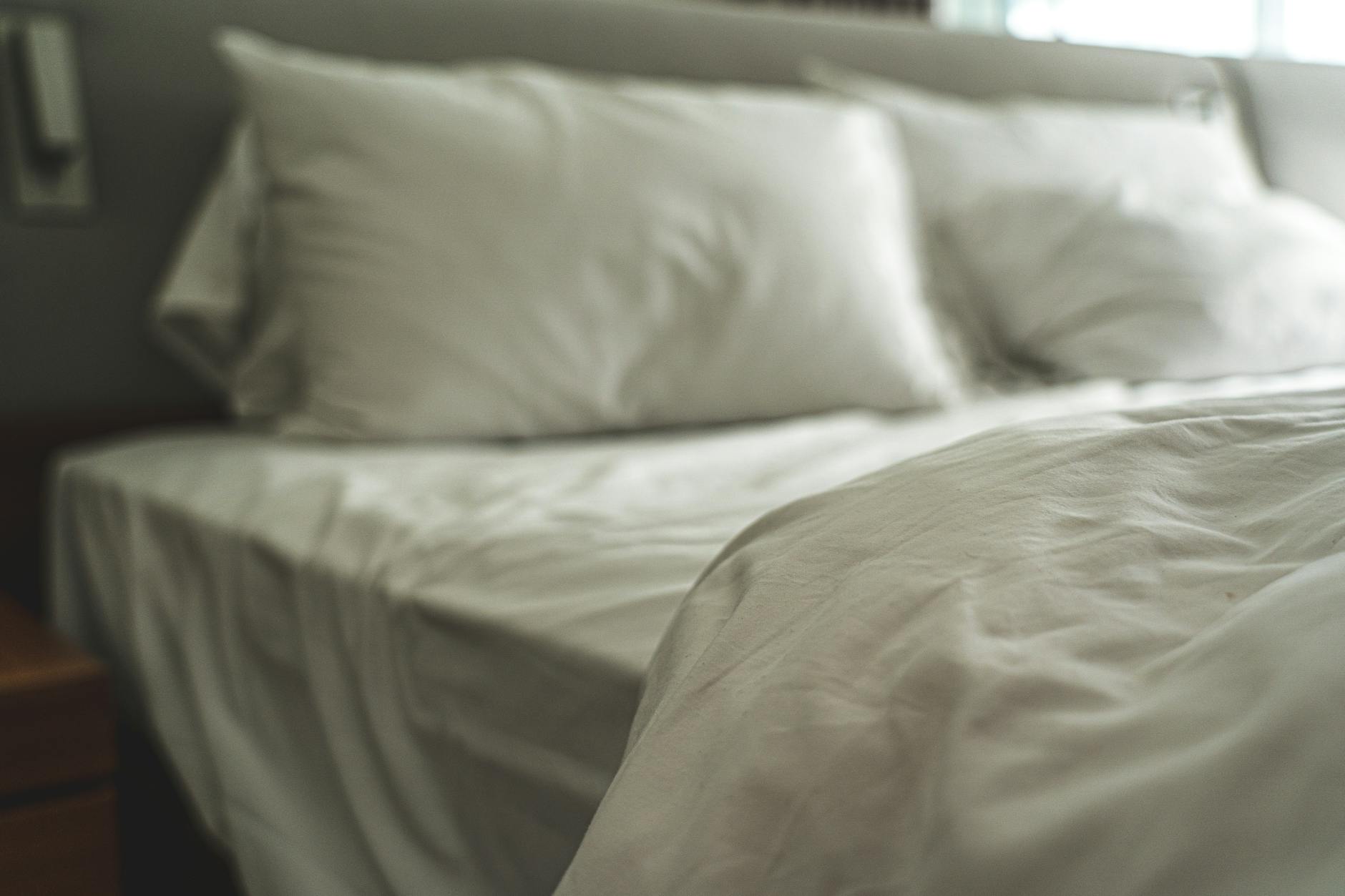
Foam and upholstery absorb moisture from the air and become a breeding ground for mold and mildew. Rodents frequently burrow into the soft material to create warm nests for their young. The internal metal springs rust when exposed to humid air and cause squeaking or structural failure. Dust mites proliferate in the uncontrolled environment and trigger allergies when the mattress is used again. A mattress cover offers insufficient protection against the humidity and pests of a garage.
Sleeping Bags

Insulation material in sleeping bags compresses and loses its loft when stored in fluctuating temperatures. Rodents target the soft filling for nesting material and ruin the shell in the process. Mold develops easily on the fabric if the bag was not perfectly dry before storage. Musty odors permeate the lining and make the bag unpleasant to use on future trips. Hanging sleeping bags in a dry interior closet preserves their warmth and functionality.
Candles

Wax softens and warps significantly during the hot summer months in a garage. Colored candles often bleed their dye or fade when exposed to heat cycles. Scented oils separate from the wax and create an oily residue on the surface. Wicks can shift position in the softened wax and make the candle unsafe to burn later. Store candles in a cool cupboard to maintain their shape and fragrance.
Leather Goods
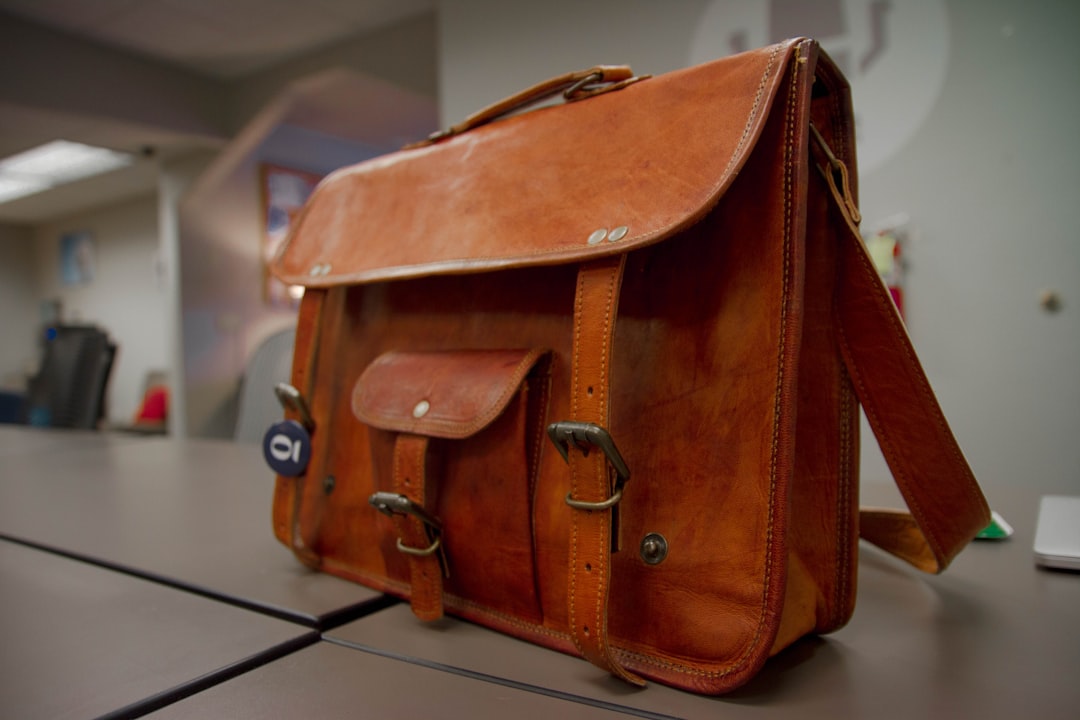
Leather jackets and furniture crack and fade when exposed to the dry heat of a garage. High humidity promotes the growth of white mold on the porous surface of the leather. Fluctuating temperatures cause the material to stiffen and lose its natural flexibility. Once mold penetrates the grain of the leather it is nearly impossible to remove completely. Climate-controlled storage is essential for preserving the condition of expensive leather items.
Batteries
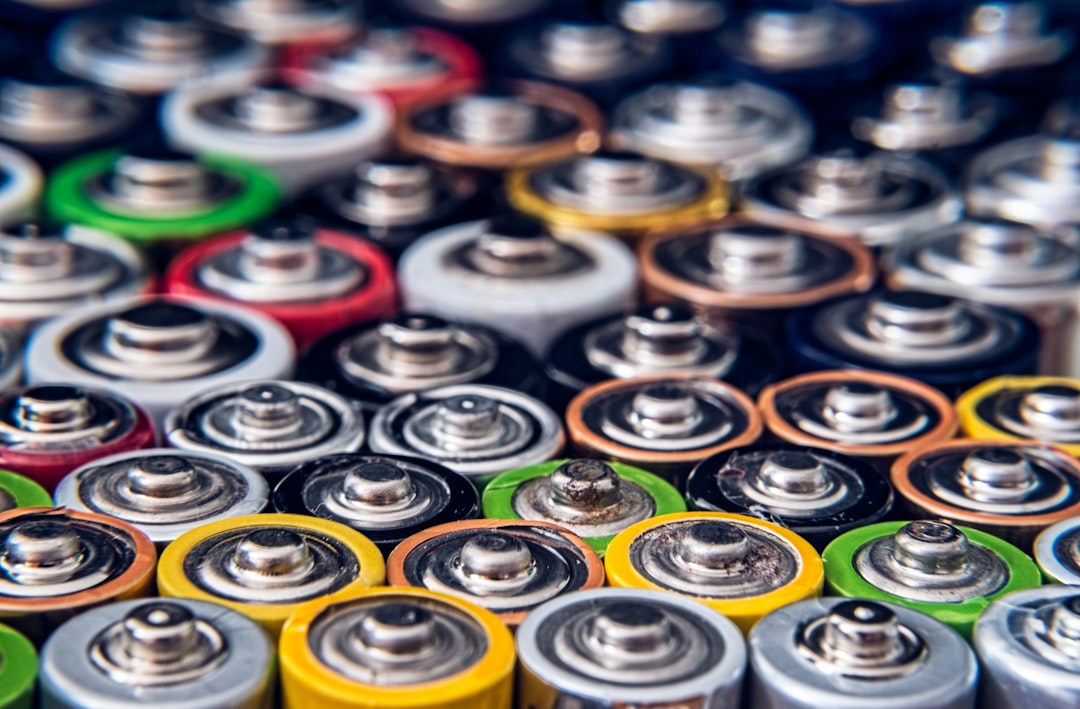
Extreme heat shortens the overall lifespan of alkaline and rechargeable batteries significantly. Freezing temperatures drain the charge and can damage the internal chemistry of the cell. Corroded casings often leak acid that damages anything touching the batteries. Dampness encourages rust on the contact points and renders the battery useless. Keeping batteries in a cool and dry drawer extends their shelf life and performance.
Medicine

Pharmaceuticals lose their potency and effectiveness when stored outside of recommended temperature ranges. Heat alters the chemical composition of pills and liquid medications rapidly. High humidity degrades tablets and causes them to crumble or dissolve prematurely. Some altered medications become toxic or harmful after exposure to extreme environmental conditions. A bathroom cabinet or kitchen pantry provides the stable environment medicines require.
Magnetic Tape Media
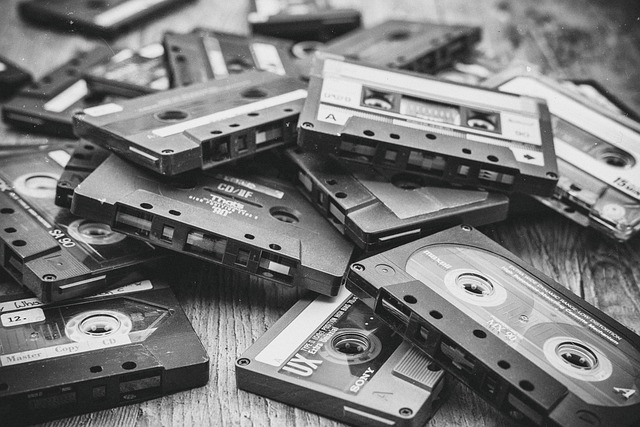
Cassette tapes and VHS tapes degrade quickly when exposed to magnetic fields found near garage power tools. Heat causes the tape to stretch and results in distorted audio or video playback. Mold grows on the actual tape surface and ruins the player heads during use. The binder holding the magnetic particles deteriorates and causes the recording to flake off. Digital conversion or indoor storage preserves these obsolete media formats.
3D Printer Filament
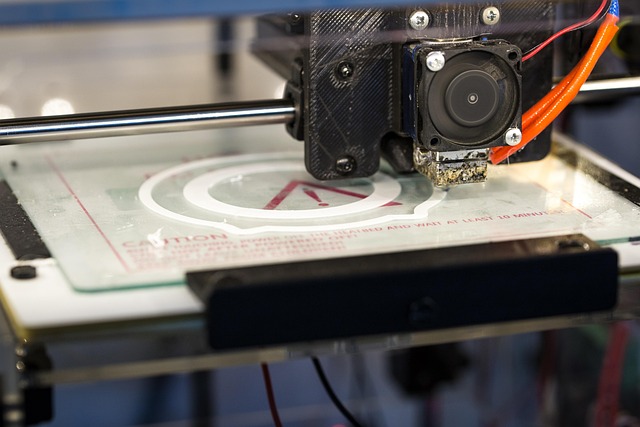
Thermoplastic filaments absorb moisture from the air and swell in diameter. This moisture creates steam pockets during printing that result in poor surface finish and failed prints. Heat can warp the filament on the spool and cause jamming in the extruder. Brittle filament snaps easily and wastes material before it can be used. Vacuum-sealed bags with desiccants kept indoors are necessary for 3D printing materials.
Flour and Sugar
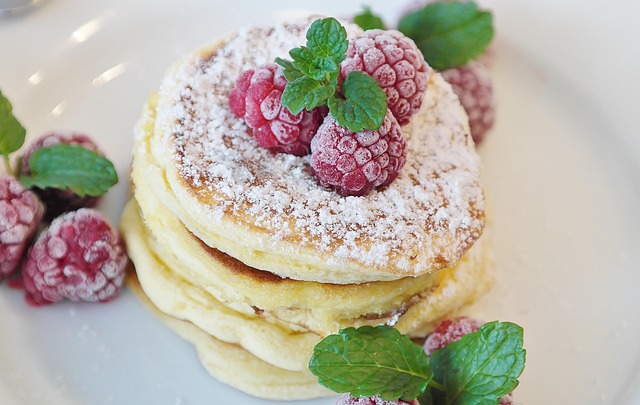
Pantry staples attract ants and roaches that can easily bypass standard paper packaging. Humidity causes sugar to clump into rock-hard masses that are difficult to break apart. Flour absorbs moisture and creates an environment for mold and bacterial growth. Weevils and other pantry pests reproduce rapidly in dry goods stored in warm areas. Air-tight containers in the kitchen pantry are the only safe option for baking ingredients.
Gas Grills
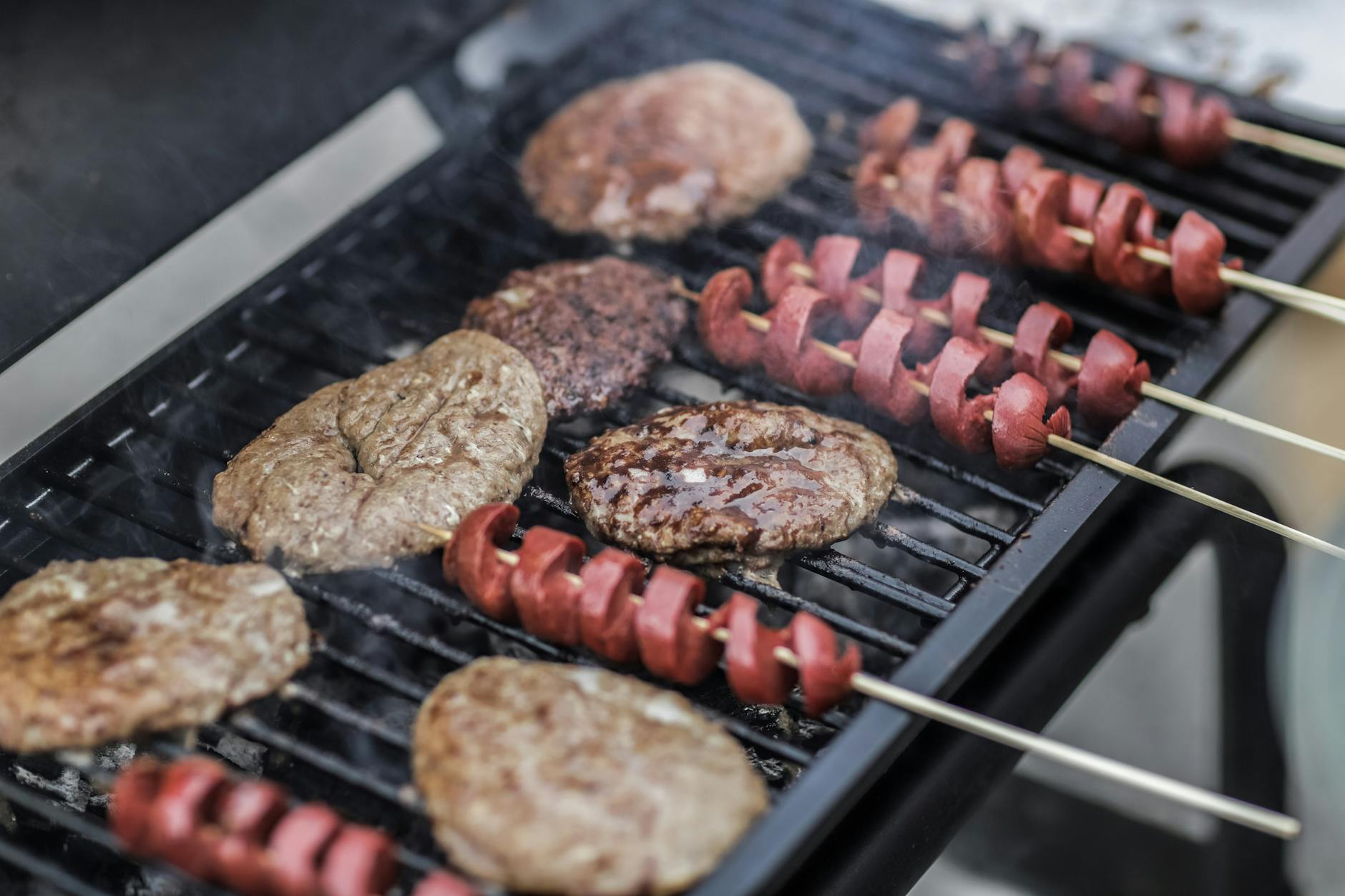
While the grill itself is often safe the propane tank must be removed as mentioned previously. Cast iron grates rust quickly in the humid air of a garage and require extensive restoration. Grease residue on the grill attracts pests like mice and rats to the storage area. Covers trap moisture against the metal and accelerate corrosion on the frame and burners. Thorough cleaning and drying are mandatory if a grill must be stored indoors without fuel.
Potato Chips and Crackers
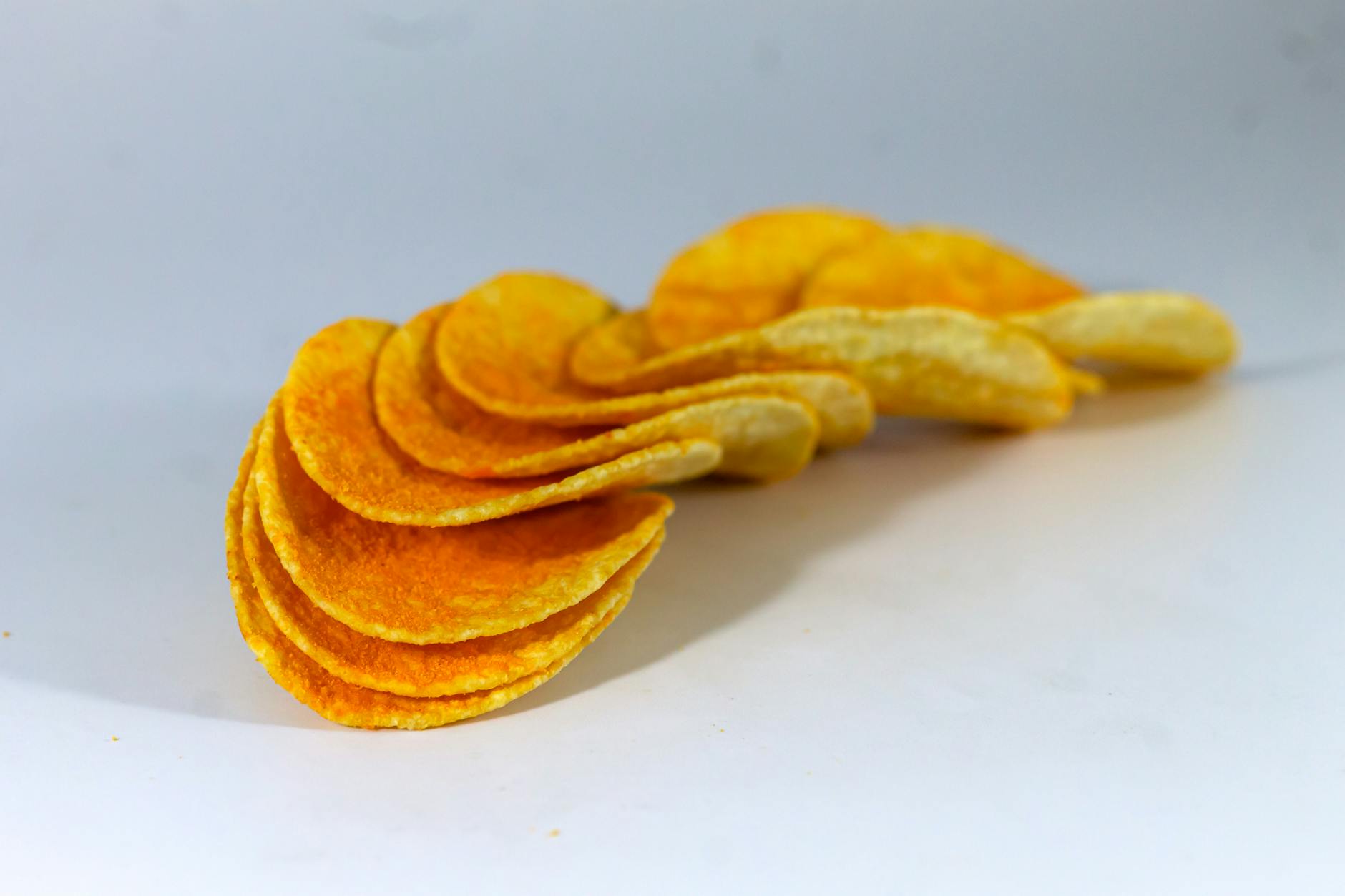
Snack foods go stale rapidly due to the humidity and temperature changes in a garage. Rodents can smell the food through the bags and will chew through plastic to reach it. Heat causes the oils in chips to go rancid and creates a terrible taste. Extreme cold makes the packaging brittle and prone to breaking open. The kitchen pantry ensures these snacks remain fresh and crisp.
Musical Instruments

Wooden instruments like guitars and violins crack as they expand and contract with temperature shifts. Brass instruments suffer from corrosion and sticking valves in humid environments. Glue joints loosen in the heat and compromise the structural integrity of the instrument. Pads on woodwinds dry out and rot which causes air leaks during play. Instruments require a stable humidity level to maintain their sound and playability.
Cosmetics

Heat separates the oil and water components in liquid makeup and lotions. Preservatives break down in high temperatures and allow bacteria to breed in the product. Lipsticks melt and lose their shape or break inside the tube. Altered chemical compositions can cause skin irritation or rashes upon application. Bathroom drawers or vanity cases protect cosmetics from environmental damage.
Fabric Softener
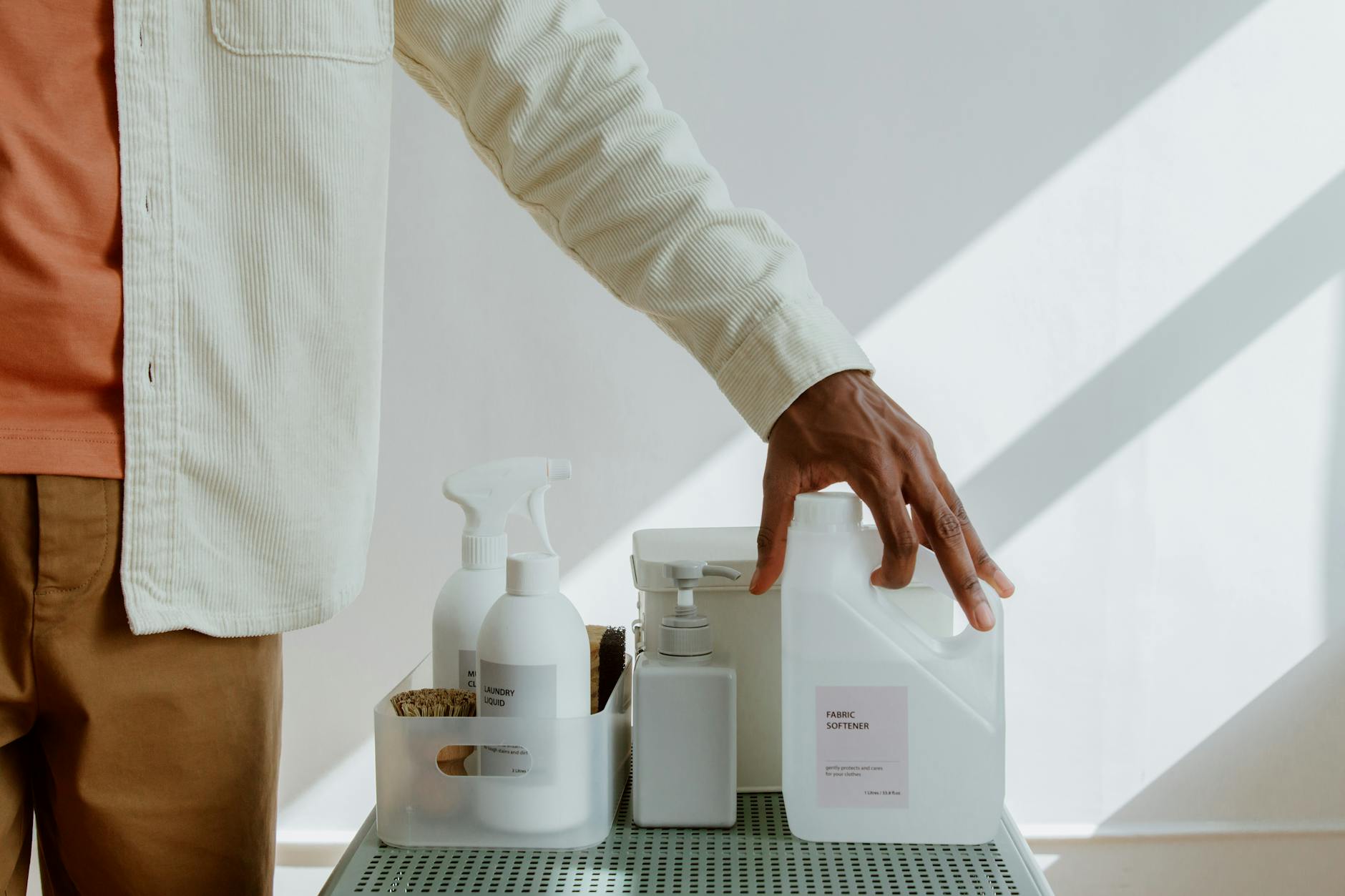
Liquid fabric softener thickens and clumps when exposed to freezing temperatures. The chemicals often separate and fail to remix properly even with vigorous shaking. Heat degrades the fragrance and effectiveness of the softening agents. Unstable liquid can stain clothes rather than softening them during the wash cycle. Laundry products perform best when stored at moderate room temperatures.
Toys
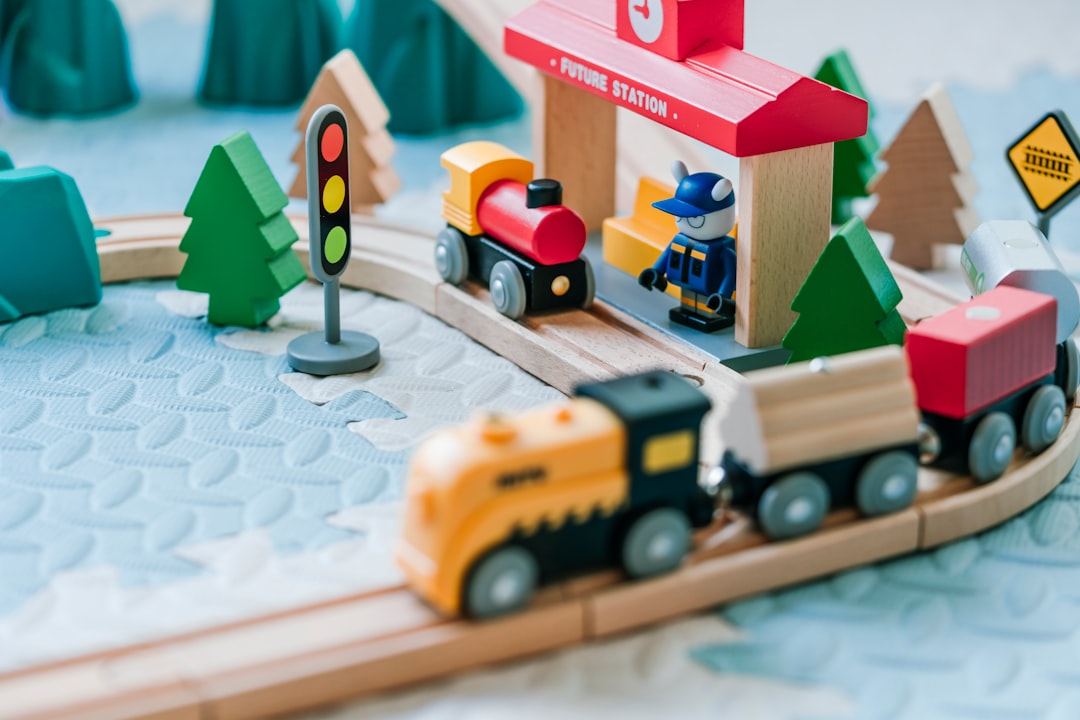
Plush toys absorb moisture and become musty or moldy in a garage environment. Plastic toys become brittle and crack after exposure to freezing winter cold. Electronic components in toys corrode and fail due to condensation and dampness. Pests often use piles of stuffed animals as nesting material. Clean bins inside the home keep toys safe and sanitary for children.
Cleaning Wipes
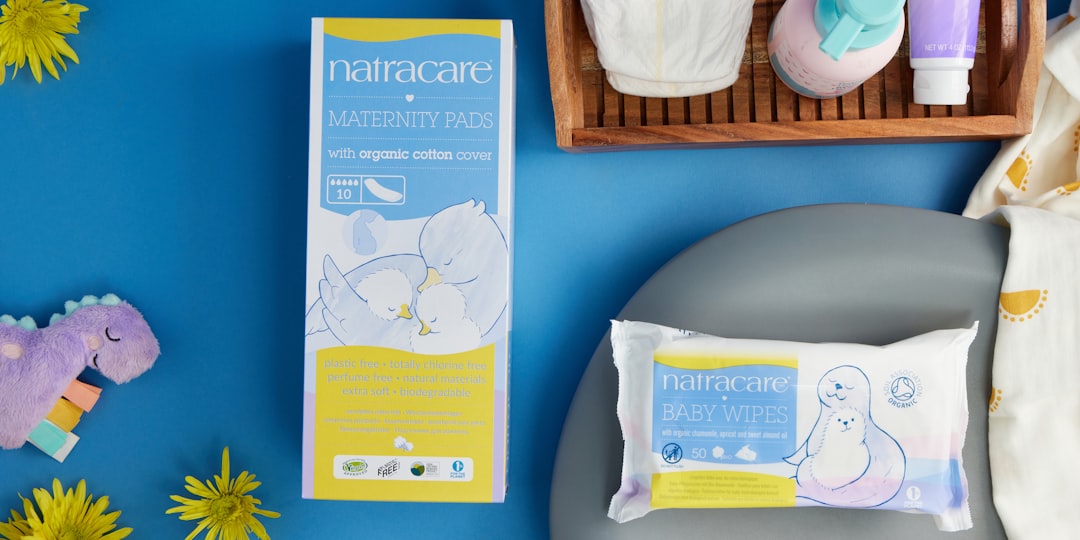
The liquid solution in cleaning wipes evaporates quickly in a hot garage. Dried-out wipes lose their disinfecting properties and become rough abrasive sheets. Freezing can separate the chemical solution and reduce cleaning power. The plastic containers often warp in heat and break the air-tight seal. Under-sink storage keeps these products moist and ready for use.
Vitamins

Nutritional supplements degrade and lose potency in heat and humidity. Gel caps melt and stick together into a single unusable mass. Moisture enters the bottle and causes tablets to dissolve or grow mold. Expiration dates become inaccurate when storage conditions accelerate chemical breakdown. A cool and dry medicine cabinet is the appropriate place for daily vitamins.
Seeds

Gardening seeds lose their germination viability when exposed to high humidity and heat. Moisture triggers premature sprouting or rotting within the paper packets. Fluctuating temperatures confuse the dormancy cycle of the seeds. Rodents see seed packets as an abundant food source and consume them eagerly. A sealed container in a cool basement or refrigerator preserves seed quality.
Artwork

Oil paintings crack and flake as the canvas expands and contracts with humidity changes. Paper art ripples and develops foxing spots in damp conditions. Frames warp and separate at the corners when the wood dries out or swells. UV light entering through garage windows fades colors and damages pigments. Valuable art requires a climate-controlled environment to maintain its appearance and value.
Stamps
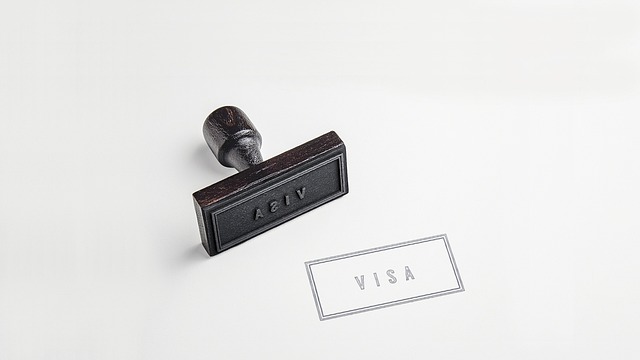
The adhesive gum on the back of stamps activates in high humidity and sticks them together permanently. Paper stamps curl and discolor when exposed to garage temperature cycles. Mold feeds on the paper and glue components of the collection. Silverfish target stamps for the starch in the paper and adhesive. Collectors should use albums stored in a dry study or office.
Comic Books

Newsprint paper yellows and becomes brittle very quickly in a hot garage. Staples rust and stain the surrounding paper in humid conditions. Ink transfers from page to page if the books are pressed together in the heat. Valuable covers fade and lose gloss when exposed to environmental extremes. Bagged and boarded comics need a cool interior room for preservation.
VCR Tapes
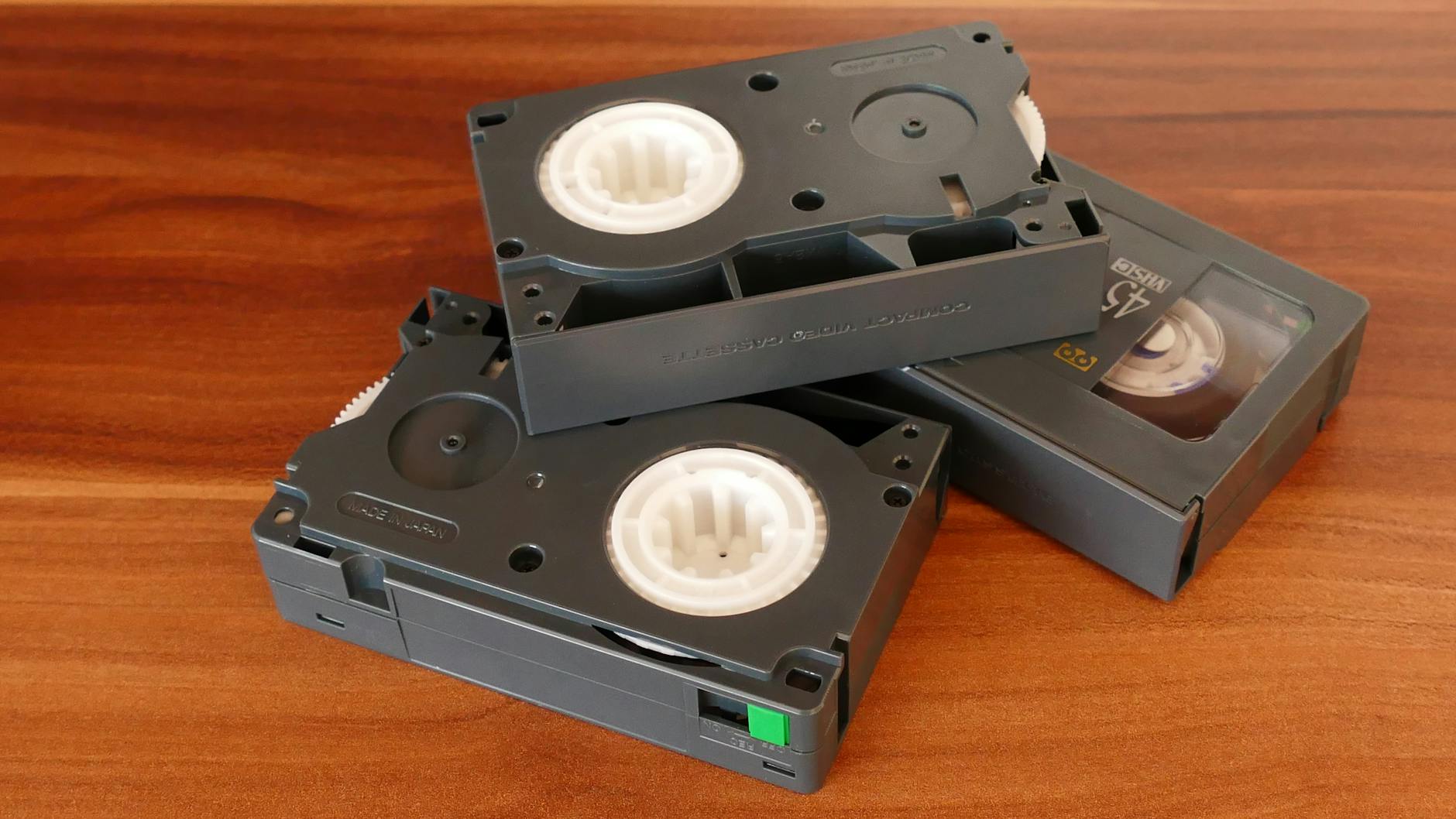
The magnetic tape inside the cassette becomes brittle and snaps in freezing temperatures. Heat causes the plastic casing to warp and jam inside the VCR player. Mold grows on the tape surface and creates a health hazard when the tape spins. Signal quality degrades rapidly and results in snowy or fuzzy images. Digitizing home movies is the safest way to save the content.
Holiday Ornaments

Painted glass ornaments peel and flake when subjected to temperature extremes. Heat melts glue holding glitter or decorative elements in place. Moisture tarnishes metal hooks and caps on vintage decorations. Plastic storage bins trap heat and can warp delicate plastic figures. Climate-controlled closets prevent damage to sentimental holiday decor.
Beer
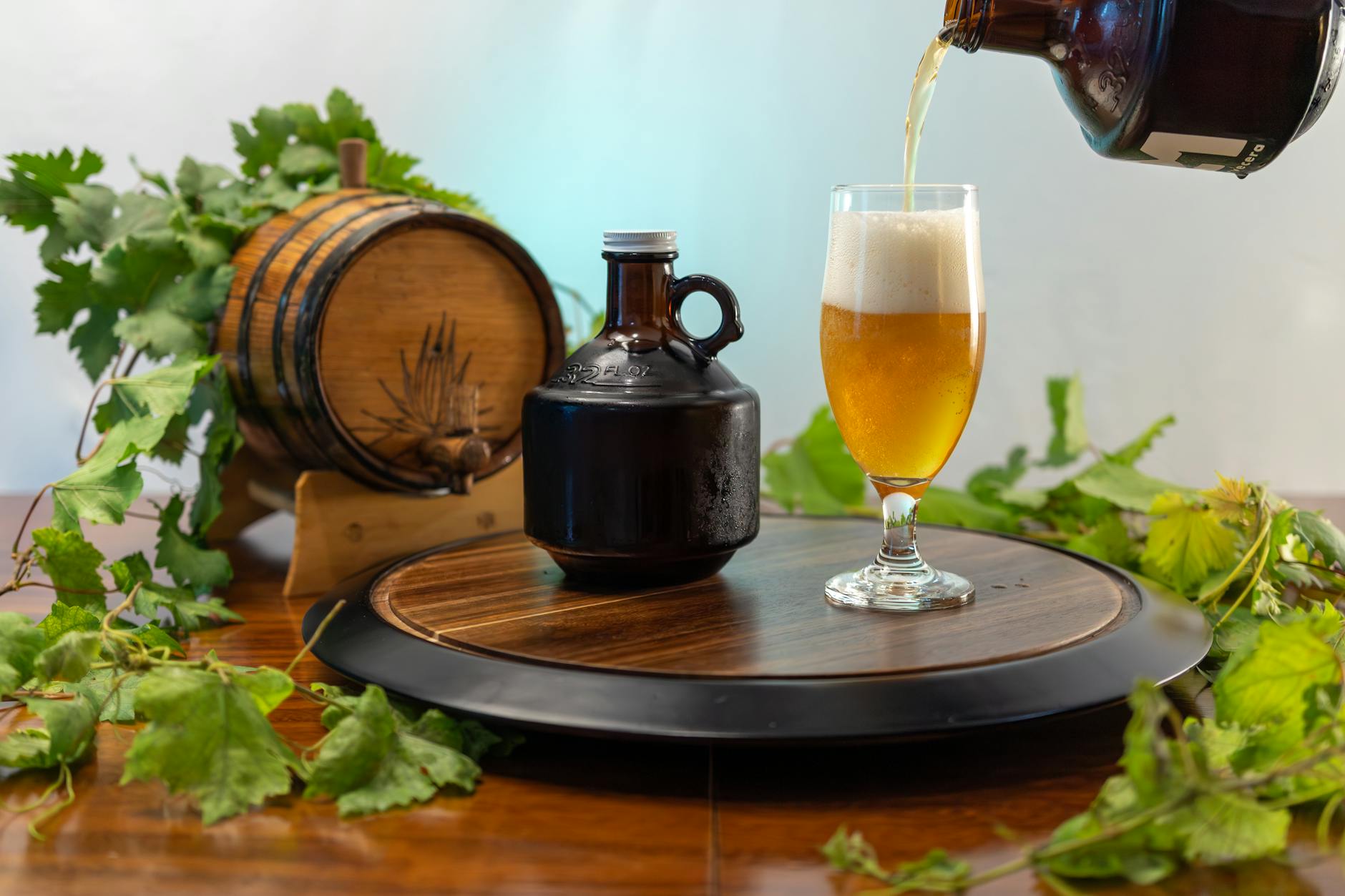
Heat accelerates the aging process of beer and results in a cardboard-like flavor. Freezing causes the liquid to expand and pop the bottle caps or burst the cans. Temperature fluctuations cause protein hazes to form in the liquid. Light exposure in some garages creates a skunky taste in clear or green bottles. A dedicated beverage fridge or cool basement maintains the intended taste.
Soda
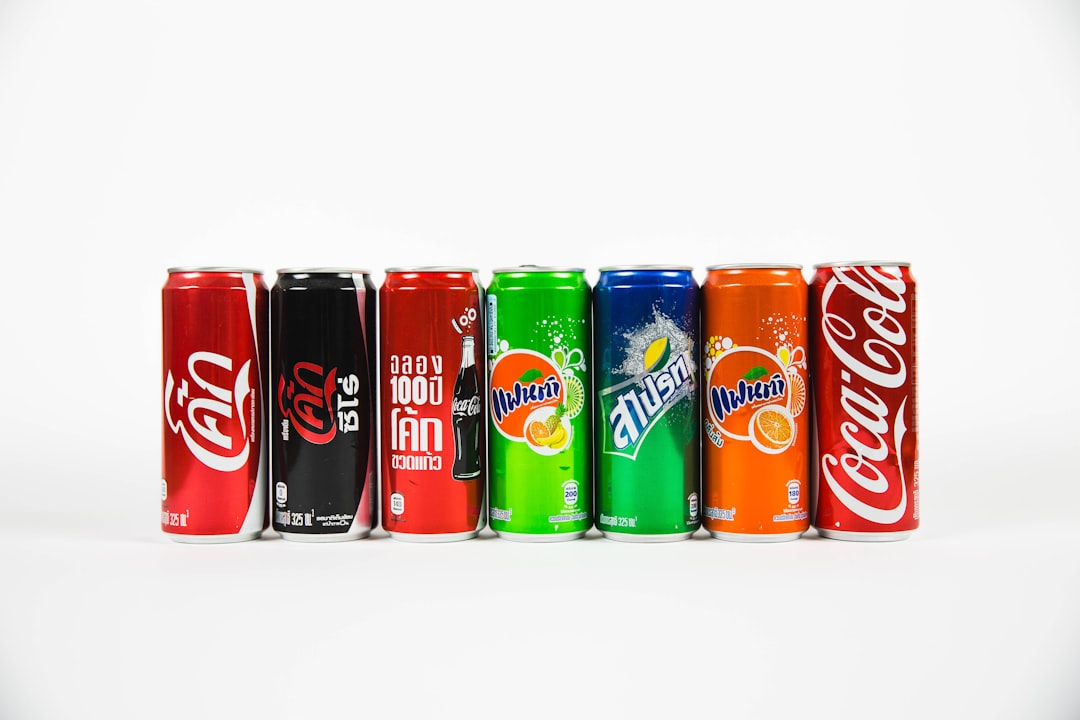
Aluminum cans corrode and leak when stored in a damp garage environment. Heat degrades the artificial sweeteners in diet sodas and alters the taste profile. Freezing causes the carbonated liquid to explode and leaves a sticky residue everywhere. Plastic bottles permit gradual carbonation loss and result in flat beverages. Pantry storage keeps soda carbonated and the packaging intact.
Bicycles
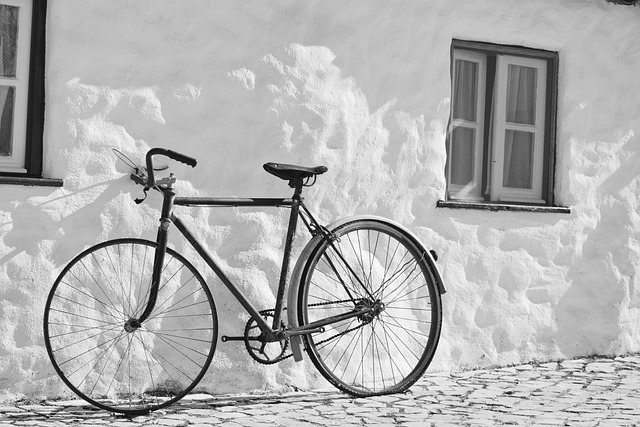
Rubber tires dry rot and crack when left in a garage with significant temperature swings. Steel chains and cables rust quickly in humid air without constant lubrication. Plastic components on shifters and brakes become brittle and snap under pressure. Condensation forms inside the frame and causes rust to develop from the inside out. While common, garage storage requires regular maintenance to keep bikes safe.
Lawn Mower Gas
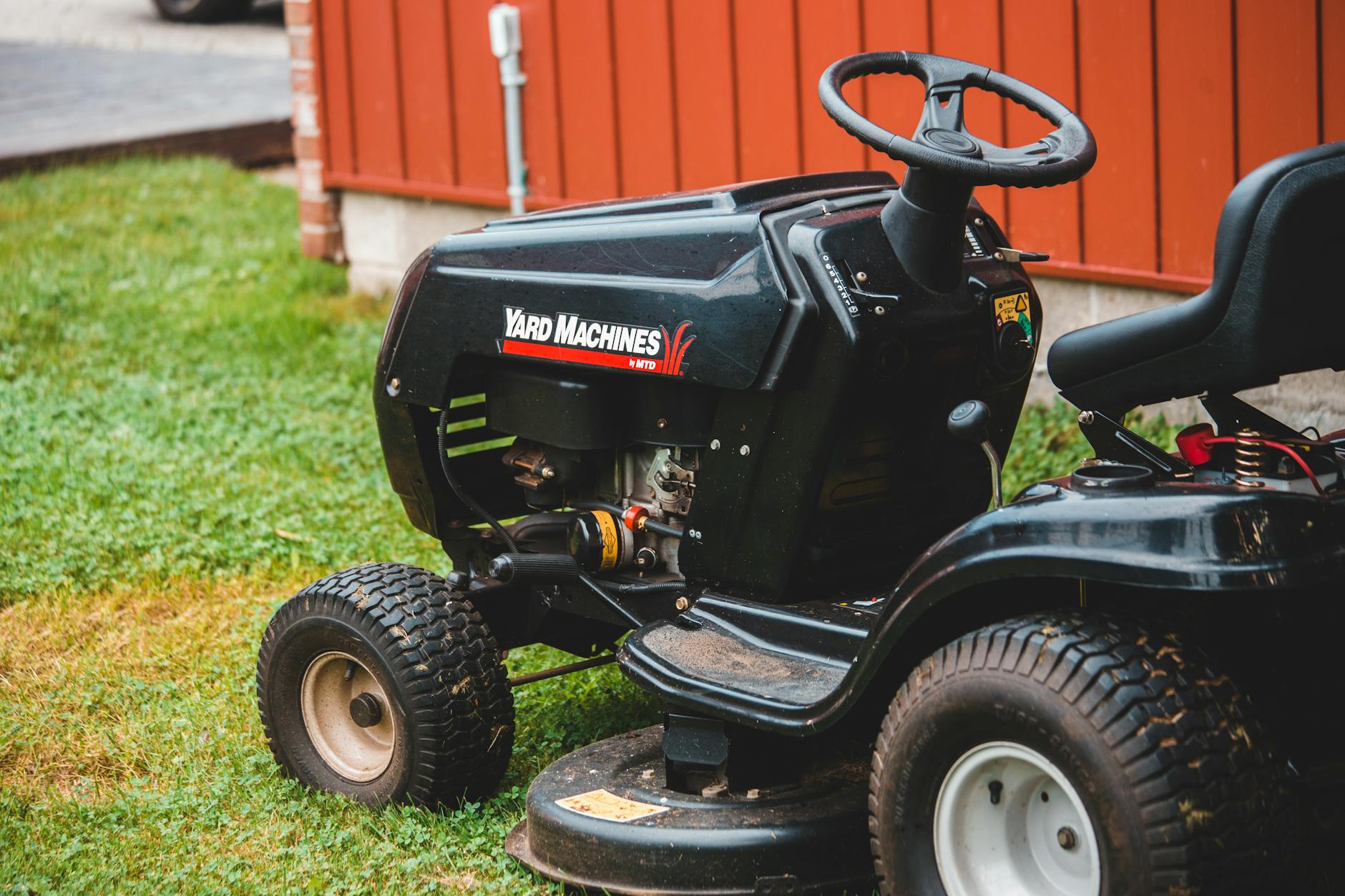
Gasoline degrades in as little as thirty days and causes varnish buildup in engines. Storing fuel in a garage creates a fire hazard due to flammable vapors. Temperature changes cause the fuel can to expand and contract which stresses the container. Old gas makes starting the mower difficult in the spring. Fuel stabilizer or purchasing fresh gas as needed is a safer strategy.
Cardboard Boxes
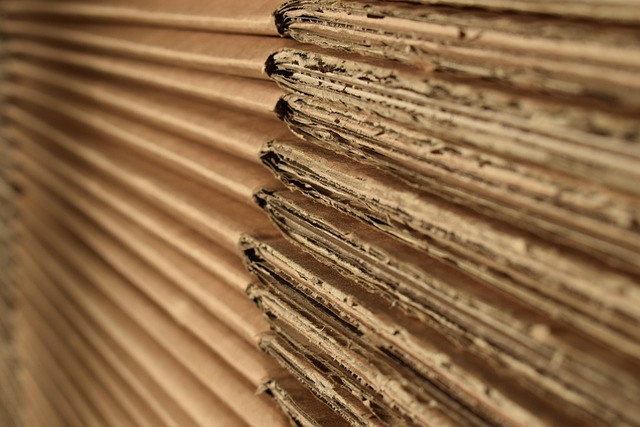
Cardboard acts as a sponge for moisture and loses its structural strength in a garage. Roaches and silverfish feed on the paper fibers and glue used in the boxes. Spiders often build webs in the corners of stacked boxes. Damp cardboard promotes mold growth that spreads to the items inside. Plastic bins with tight-fitting lids offer superior protection for garage storage.
Unused Appliances
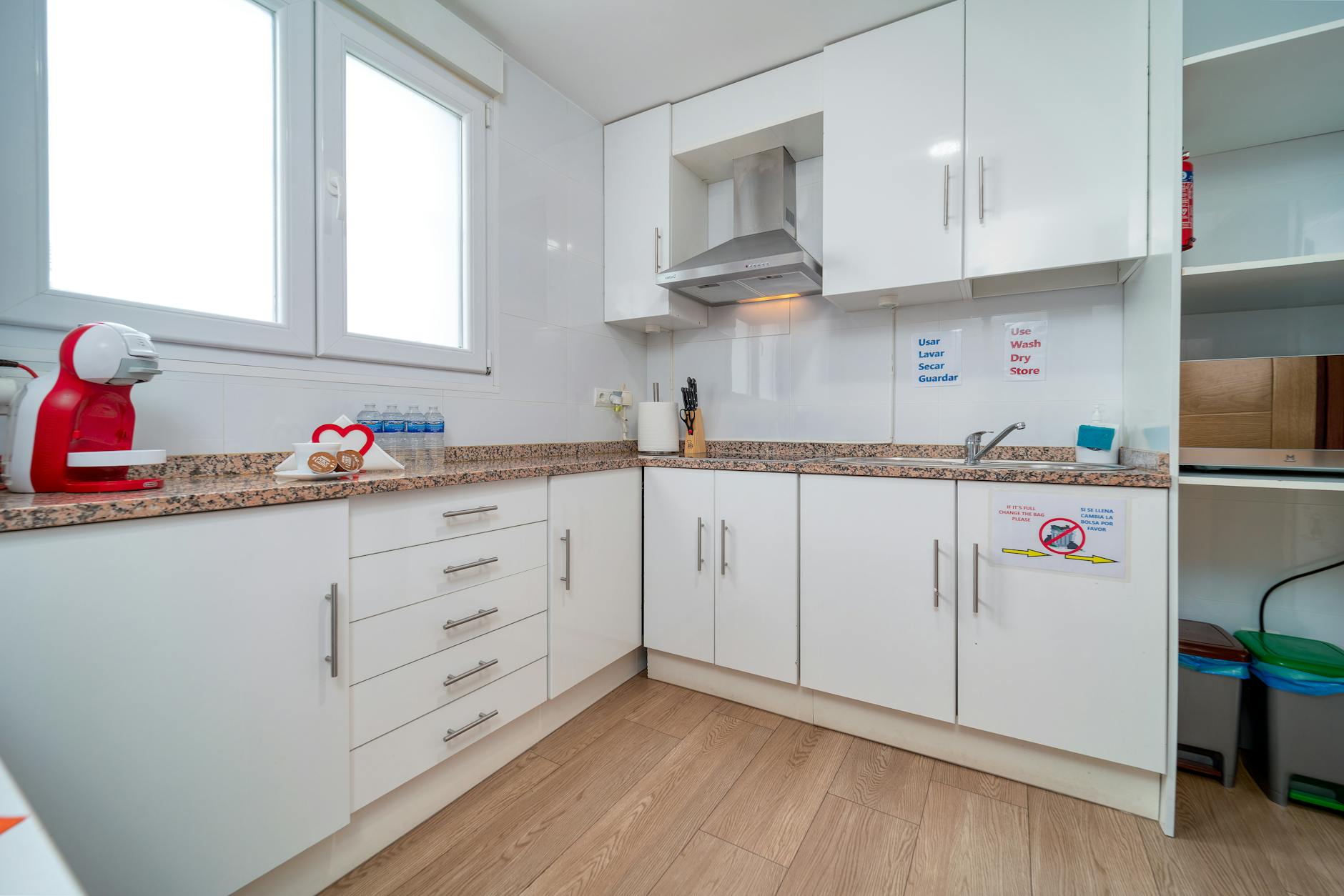
Rubber seals and gaskets dry out and crack when appliances sit unused in a garage. Internal lubrication settles and leaves moving parts unprotected against rust. Electronic control boards fail due to corrosion from humidity and condensation. Pests often crawl inside the machinery and chew on wiring harnesses. Keeping appliances in a temperate environment preserves their mechanical function.
Delicate Glassware

Extreme temperature changes cause stress fractures in fine crystal and glass. Heat expands air bubbles trapped in the glass and leads to spontaneous breakage. Vibrations from garage doors opening and closing can cause glasses to walk off shelves. Dust and grime accumulation requires heavy scrubbing that risks damaging the finish. China cabinets inside the home provide the safest display and storage.
Share your thoughts on which items you will be moving out of your garage in the comments.




